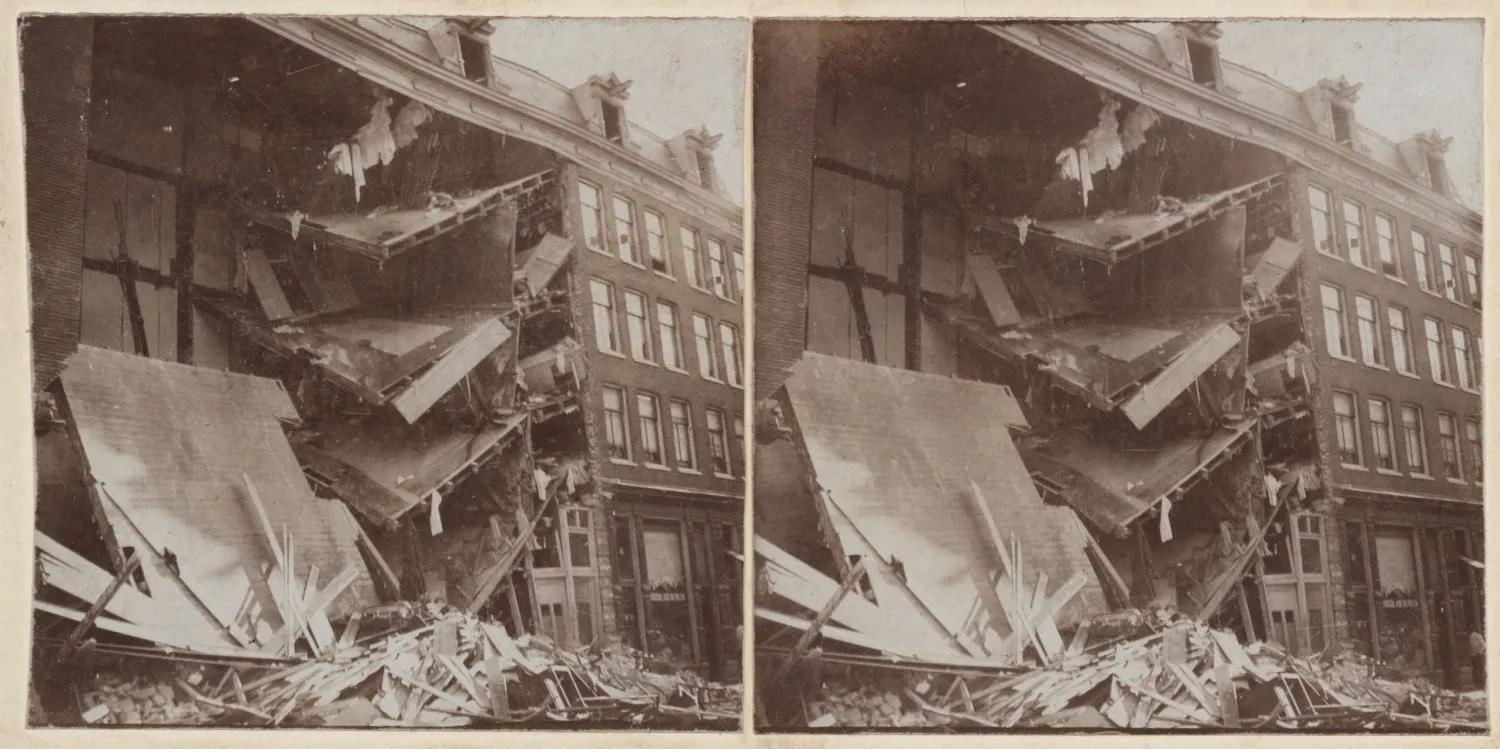
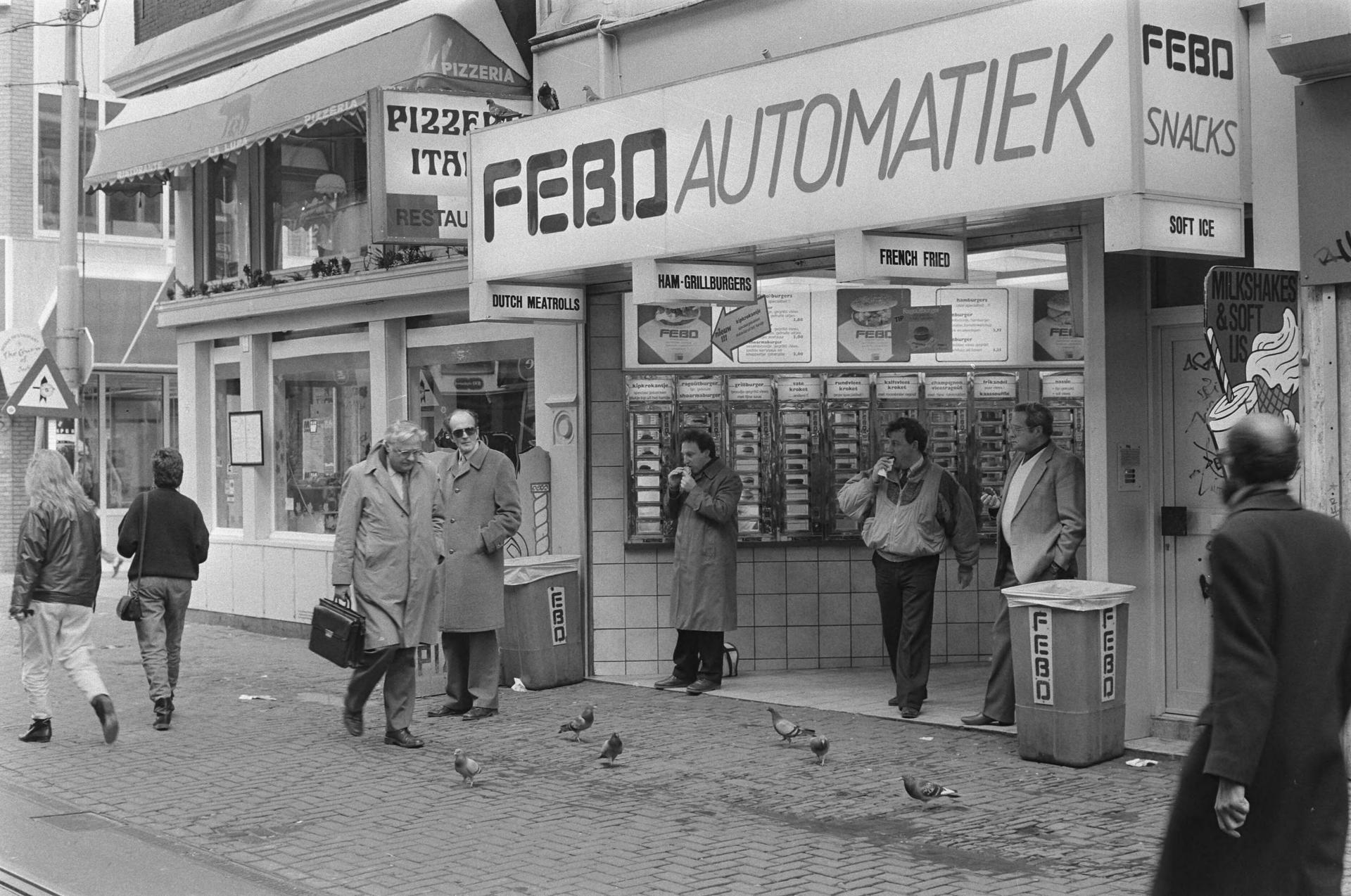
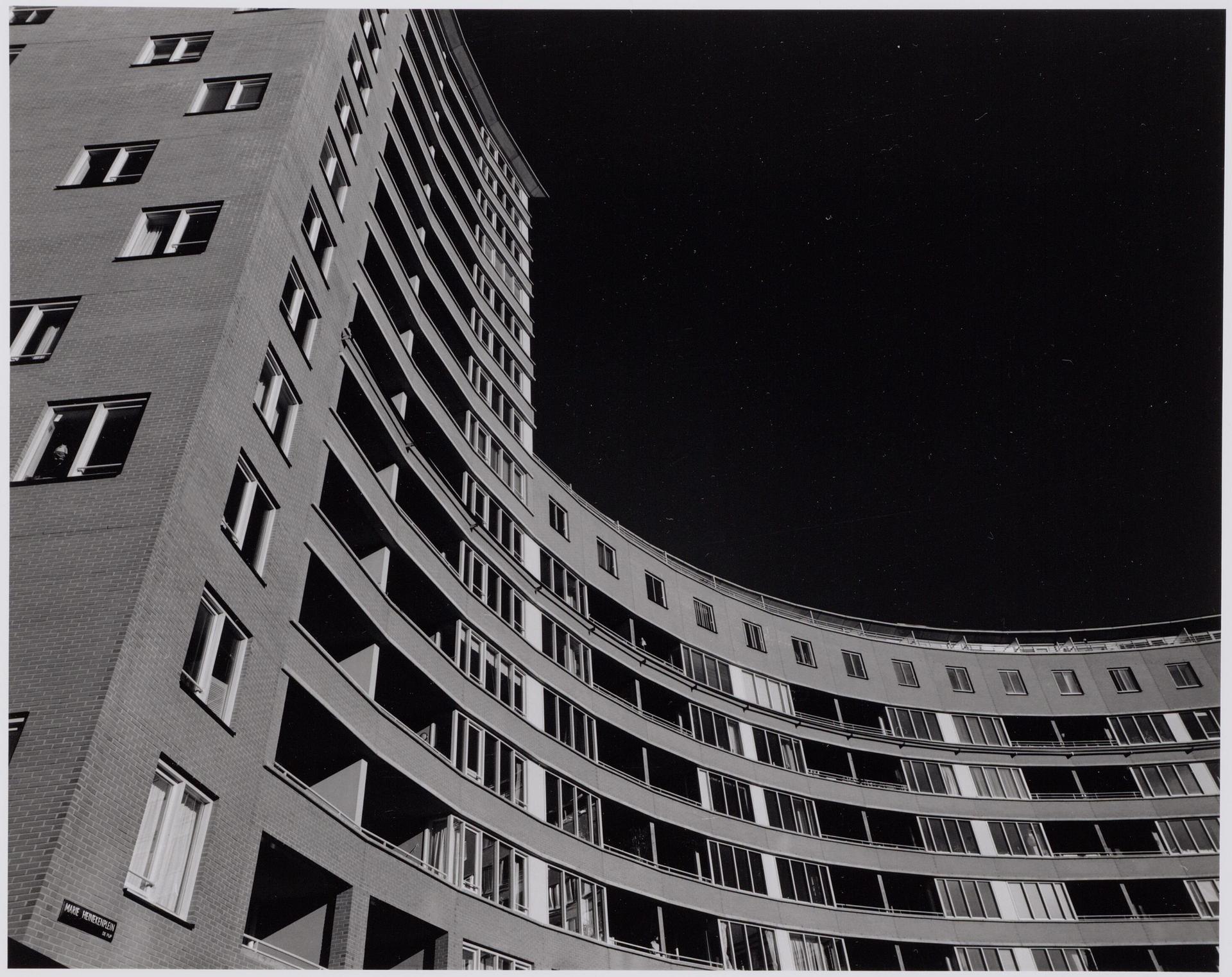
You are standing at the start of the Albert Cuypstraat, with the stalls stretching out in front of you. Notice how straight and how wide this street runs, far more generous than the side streets around it. That is because water came first, a canal lined with sawmills, which was filled in later on.
Amsterdam needed enormous quantities of timber for its ships during the , and sawmills stood along almost every waterway around the city. A wind-powered mill worked many times faster than men with handsaws, and that speed translated directly into ships, trade routes and power at sea.
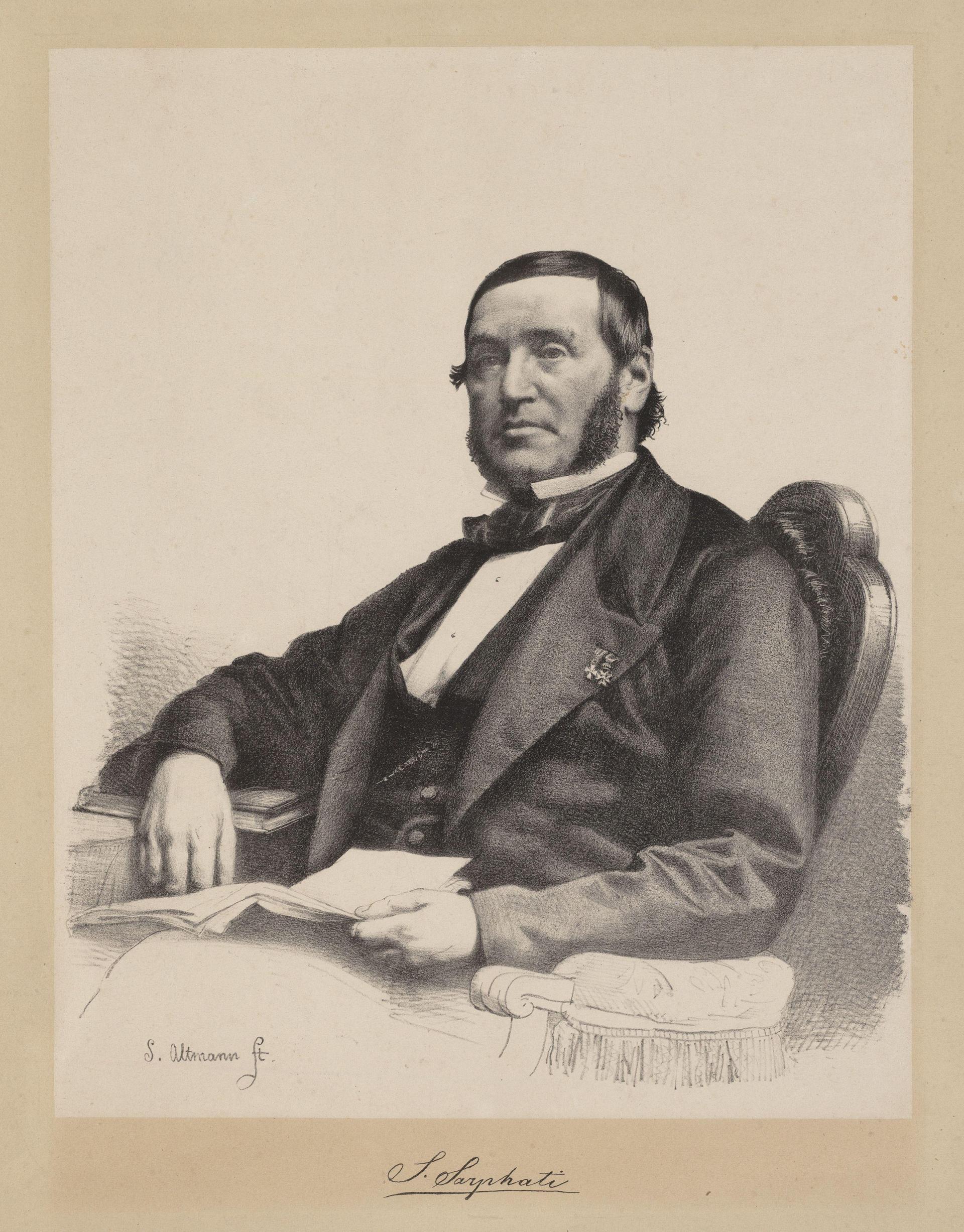
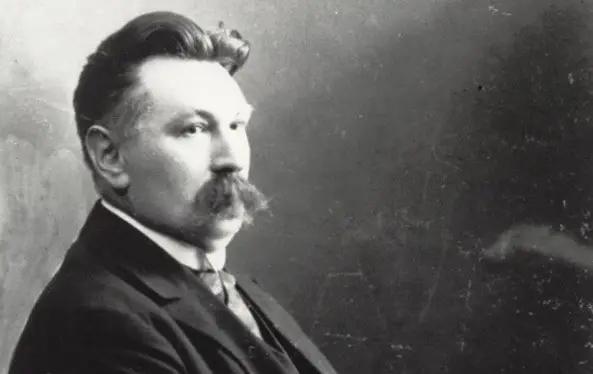
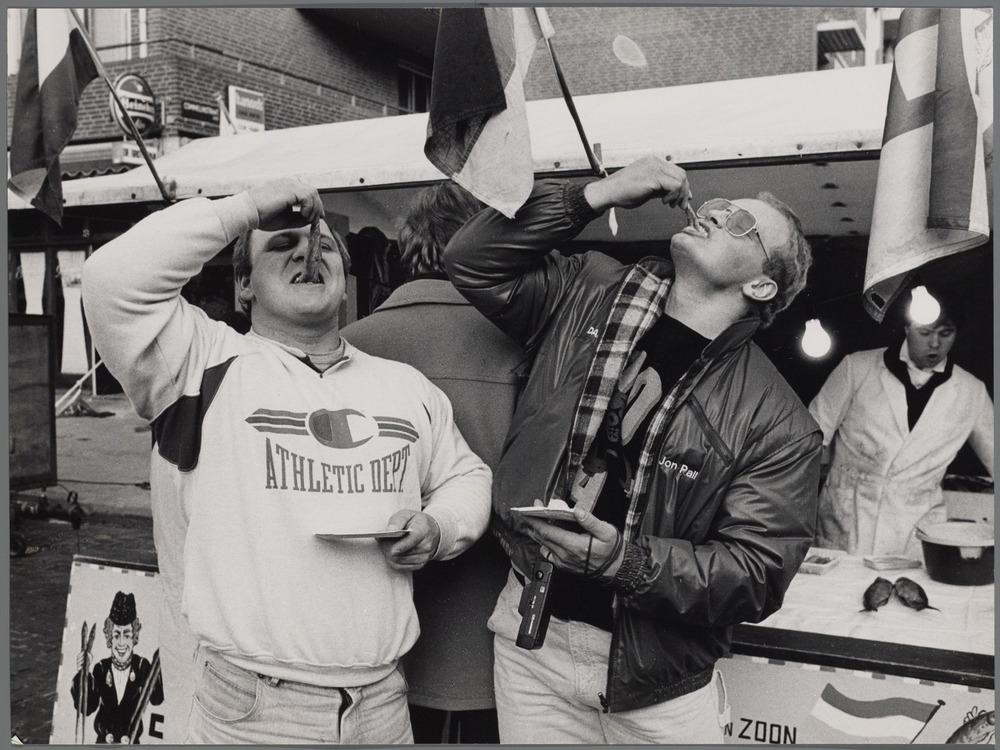
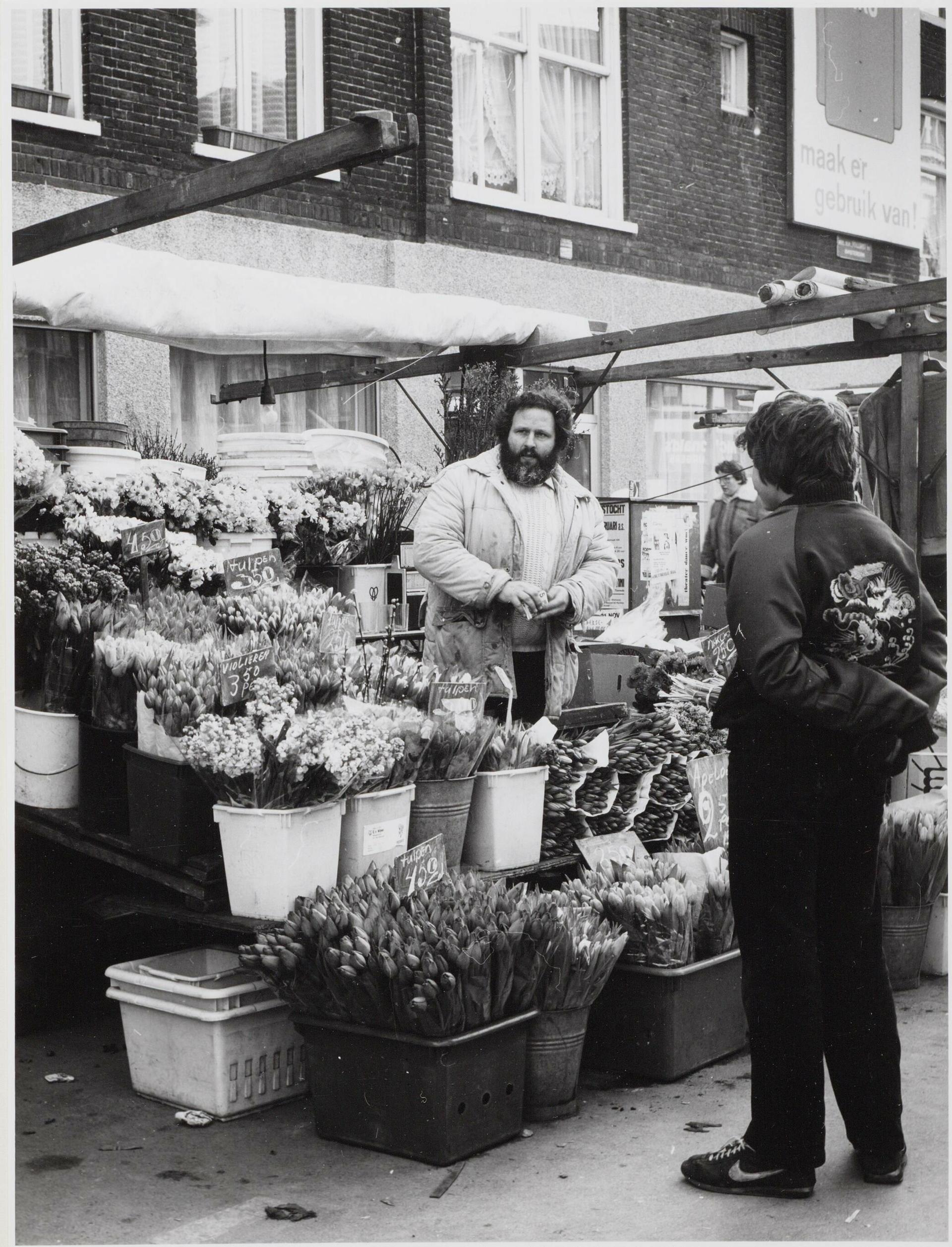
The market began modestly. In 1905 the city allowed trading here for one evening a week, on Saturdays, and only in 1912 did it become a daily market. More than two hundred stalls stand here now, from Monday to Saturday. The street carries the name of , a painter who spent his whole life in Dordrecht and almost certainly never saw this city from here.
Follow the stalls eastwards, to about halfway along the market at number 238.

Sources. Story: Ton Heijdra in Het Spoor terug, VPRO (100 jaar Albert Cuypmarkt); albertcuyp-markt.amsterdam Photos: Stadsarchief Amsterdam, Peter Oosterhuis