AUDIO TOURS IN LISBON
The city that sailed to the edge of the known world, was flattened by an earthquake, and rebuilt itself on seven hills.
Start ExploringExplore Lisbon Your Way
Alfama's alleys, the Tagus waterfront, the earthquake that ended a golden age — audio tours through the Lisbon underneath the viewpoints.
A Short History of Lisbon
Period 1:
From Phoenician Port to Empire of the Seas
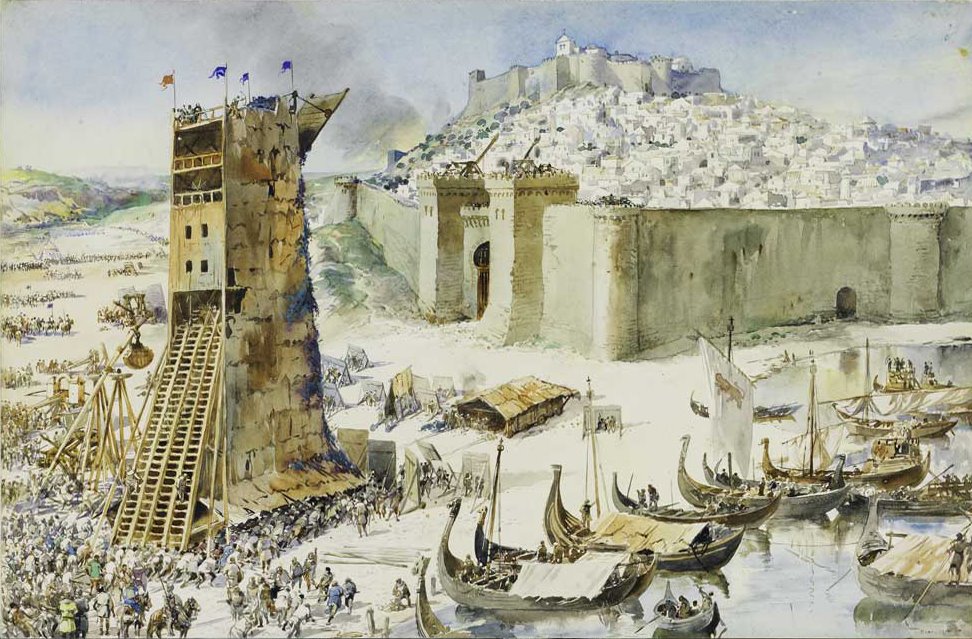
Lisbon is one of the oldest cities in Western Europe, older than Paris, London, or Rome as a national capital. Phoenician traders settled here around 1200 BC, drawn by the natural harbour where the Tagus meets the Atlantic. The Romans called it Olisipo. The Moors held it for over four centuries, building the castle that still overlooks the city from the highest hill. The Christian reconquest in 1147, with the help of passing Crusaders, began a new chapter. By the fifteenth century, Lisbon had become the departure point for the most ambitious voyages in history. Henry the Navigator sent ships down the African coast. Vasco da Gama sailed to India in 1498. Pedro Alvares Cabral reached Brazil in 1500. The wealth of empire transformed Lisbon: the Jerónimos Monastery, paid for with pepper and spice profits, and the Tower of Belém, guarding the harbour entrance, both date from this golden period. But empire came at a cost. Portugal was one of the largest players in the transatlantic slave trade, and Lisbon was its hub. The wealth that built the monasteries and palaces was extracted from colonies across Africa, Asia, and South America. The grandeur and the exploitation are inseparable.
Period 2:
The Earthquake That Reset a City
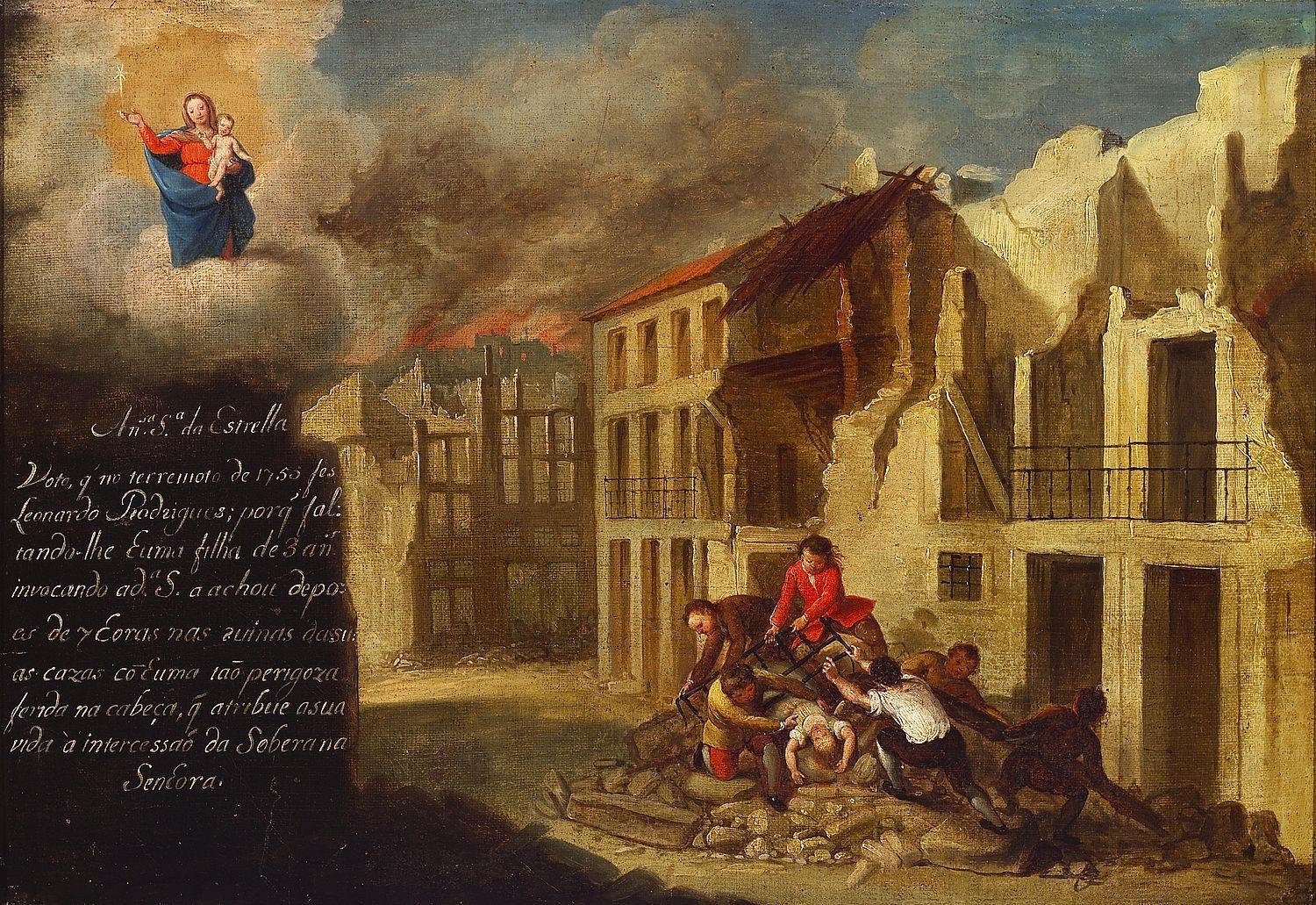
On the morning of November 1, 1755, a massive earthquake struck Lisbon. It was All Saints' Day; the churches were full. The quake was followed by a tsunami that surged up the Tagus and a fire that burned for five days. Up to 50,000 people were killed — roughly a quarter of the city's population. The earthquake destroyed almost every major building in the lower city. The Marquês de Pombal, the king's chief minister, took charge of the reconstruction. His approach was radical and modern: clear the rubble, build a new city on a rational grid, and use earthquake-resistant construction techniques that were revolutionary for the time. The Baixa district, the orderly grid of streets between the two hills, is Pombal's creation. It was one of the first examples of urban planning designed to withstand natural disasters. The earthquake also shook Europe's intellectual world. Voltaire wrote about it. Philosophers debated whether it disproved the idea of a benevolent God. The disaster forced a rethinking of how humans relate to nature, science, and faith. Lisbon's destruction became a turning point in Enlightenment thought — a city's tragedy that changed how the world thinks.