AUDIO TOURS IN LONDON
The city that burned down twice, conquered a quarter of the globe, and still argues about whether to put milk in first.
Start ExploringExplore London Your Way
Power at Westminster, war beneath Whitehall, a medieval city still buried in the street plan — three audio tours through the London you walk past daily.
A Short History of London
Period 1:
From Londinium to Empire
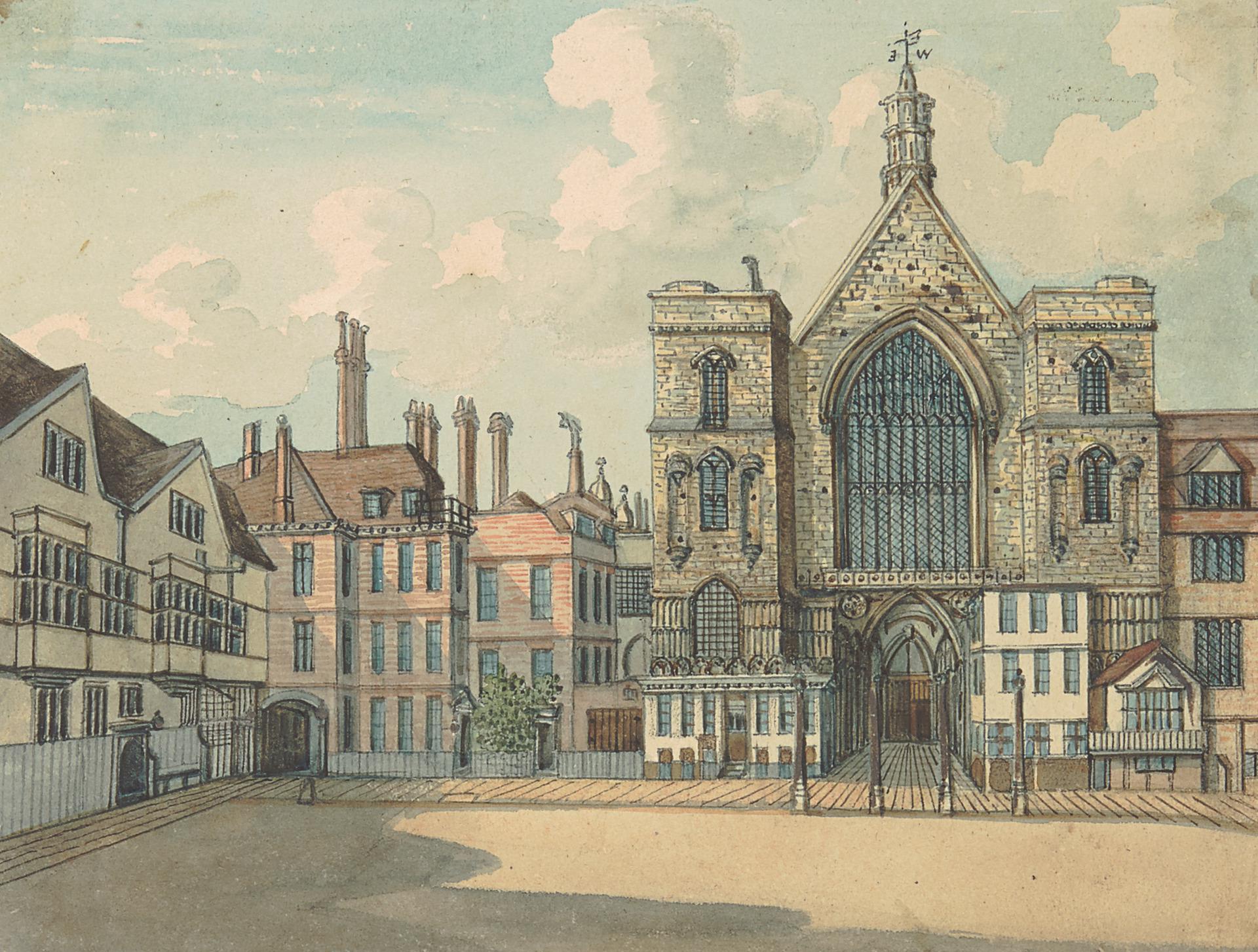
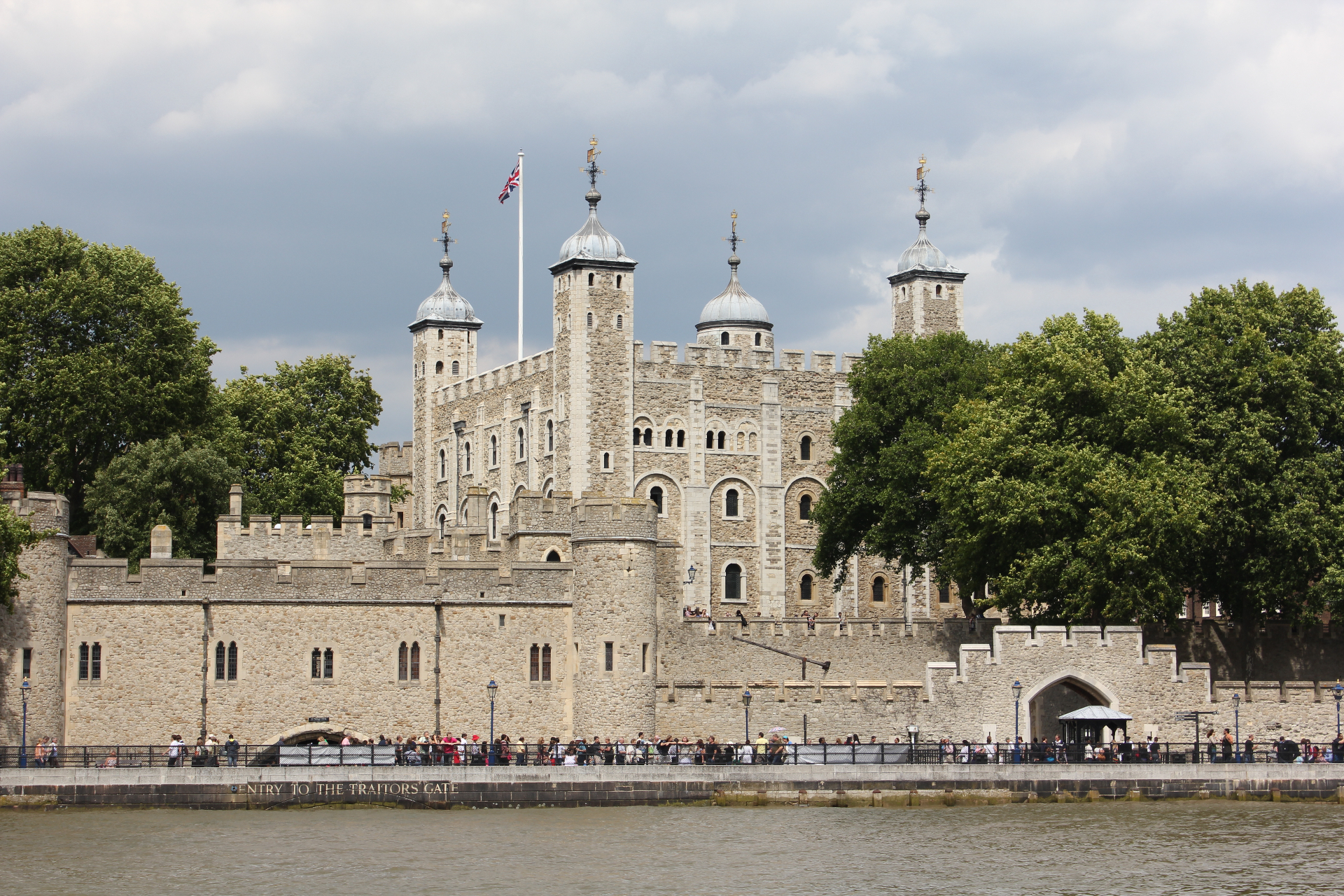
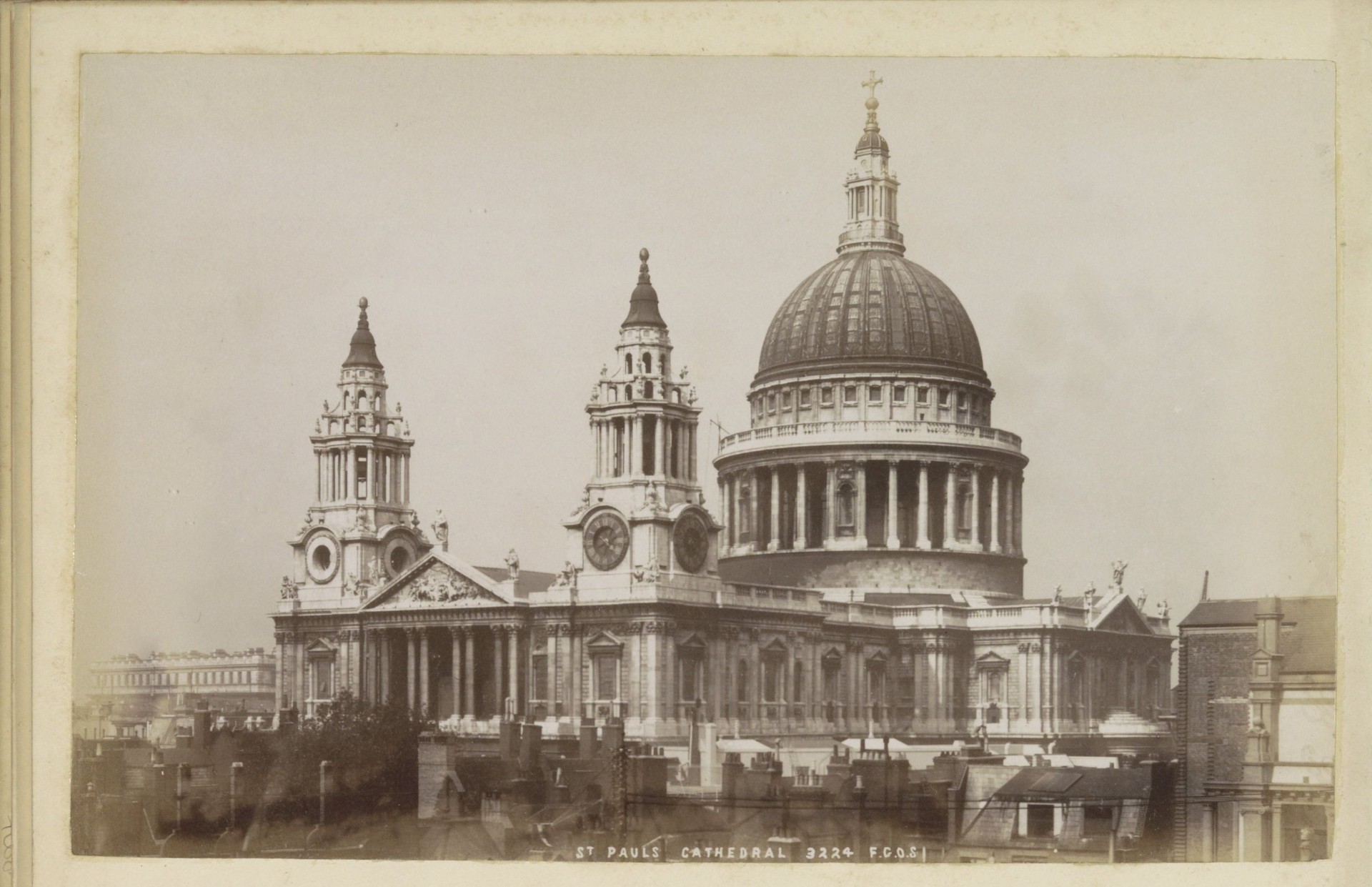
London started as a Roman outpost called Londinium, founded around 43 AD at a convenient crossing point on the Thames. The Romans built walls, roads, and an amphitheatre. When they left around 410 AD, the city nearly vanished. It took centuries to recover. By the medieval period, London had grown into England's largest city. William the Conqueror built the Tower of London in 1066 to keep the locals in line. The city survived plagues, including the Black Death of 1348 that killed roughly half its population. Then came 1666: the Great Fire burned for four days, destroying over 13,000 houses, 87 churches, and old St Paul's Cathedral. Christopher Wren rebuilt the city, including the new St Paul's that still dominates the skyline. The eighteenth and nineteenth centuries made London the centre of the world. The British Empire expanded to cover a quarter of the globe, and the wealth of colonies flowed back to London. The docks handled more trade than any port in history. The Underground, the world's first, opened in 1863. London became the largest city on Earth, a position it held until New York overtook it in the early twentieth century.
Period 2:
From Great Fire to Global Capital
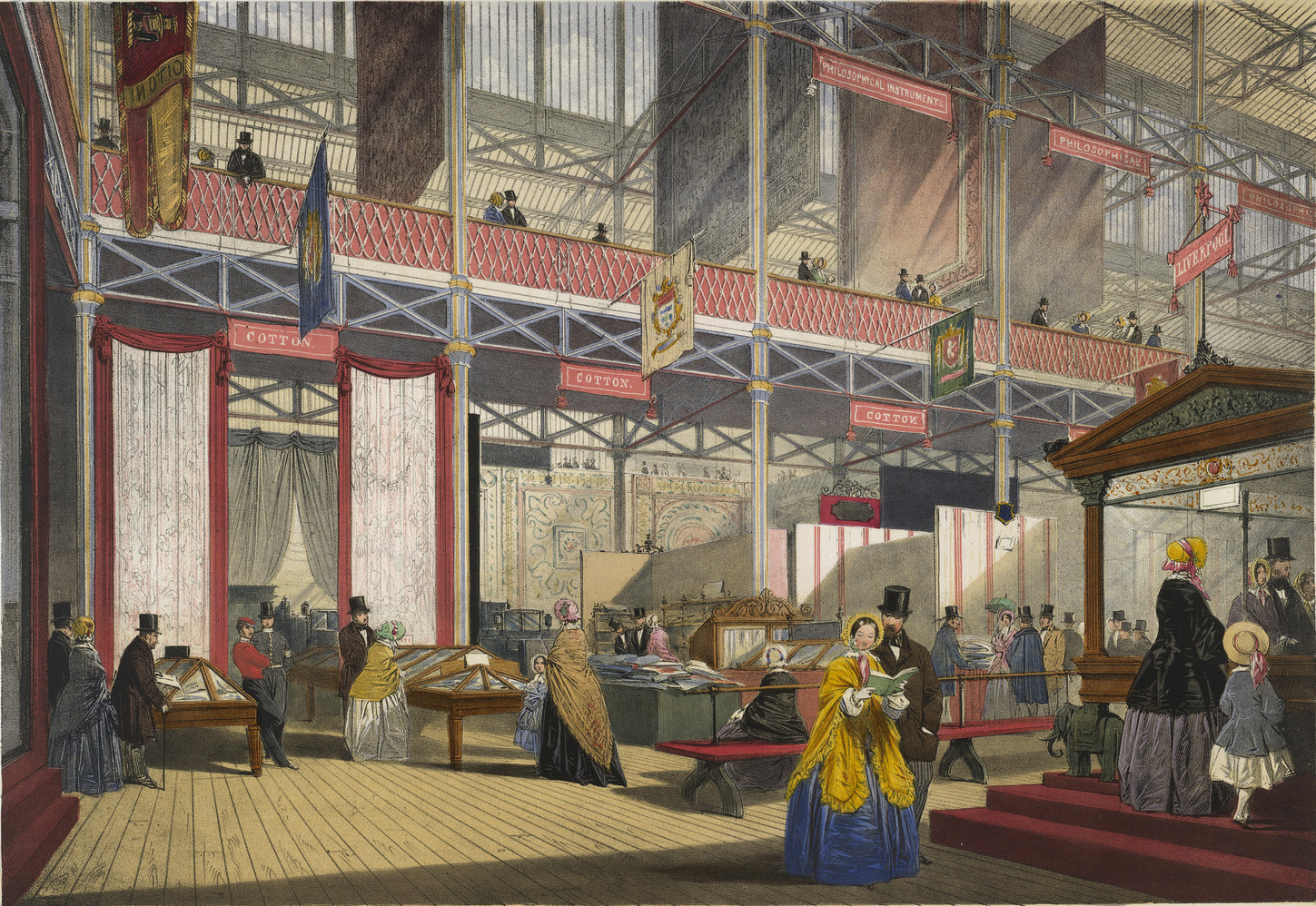
In September 1666, a fire that started in a bakery on Pudding Lane burned for four days. It destroyed over 13,000 houses, 87 churches, and old St Paul's Cathedral. The Great Fire wiped out medieval London almost entirely. But it also created an opportunity: Christopher Wren redesigned the city, building 52 new churches and the new St Paul's Cathedral that still dominates the skyline. The city that rose from the ashes became the engine of an empire. In the eighteenth and nineteenth centuries, London was the largest, richest, and most powerful city on Earth. The docks handled goods from every corner of the globe. The Underground, the world's first, opened in 1863. The Great Exhibition of 1851 drew six million visitors to the Crystal Palace in Hyde Park. The twentieth century tested London again — through two world wars, the end of empire, and decades of reinvention. The Windrush generation arrived from the Caribbean in 1948, transforming neighbourhoods and culture. The Swinging Sixties put London back at the centre of global pop culture. The Docklands were reimagined as Canary Wharf. Today, London is one of the most diverse cities on Earth, with over 300 languages spoken. The Roman wall is visible next to a glass skyscraper. A medieval market operates in the shadow of the Shard. London doesn't demolish its past — it builds on top of it.