AUDIO TOURS IN PRAGUE
The city that survived the Nazis, the Soviets, and mass tourism with its medieval skyline intact.
Start ExploringExplore Prague Your Way
An emperor's alchemists, the Old Town's stranger corners, and a revolution that took eleven days — audio tours through the Prague behind the crowds.
A Short History of Prague
Period 1:
From Bohemian Kingdom to Habsburg Jewel
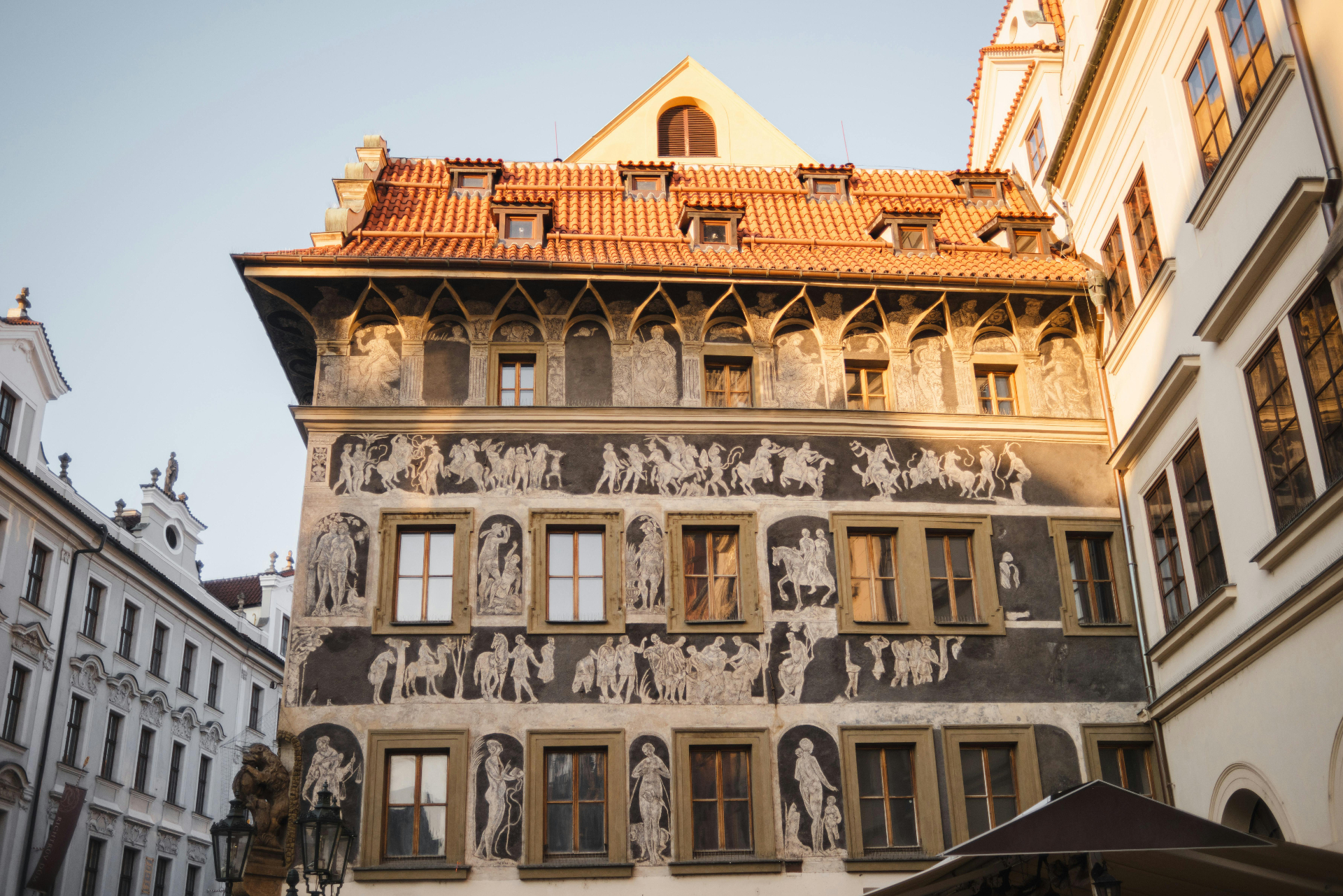
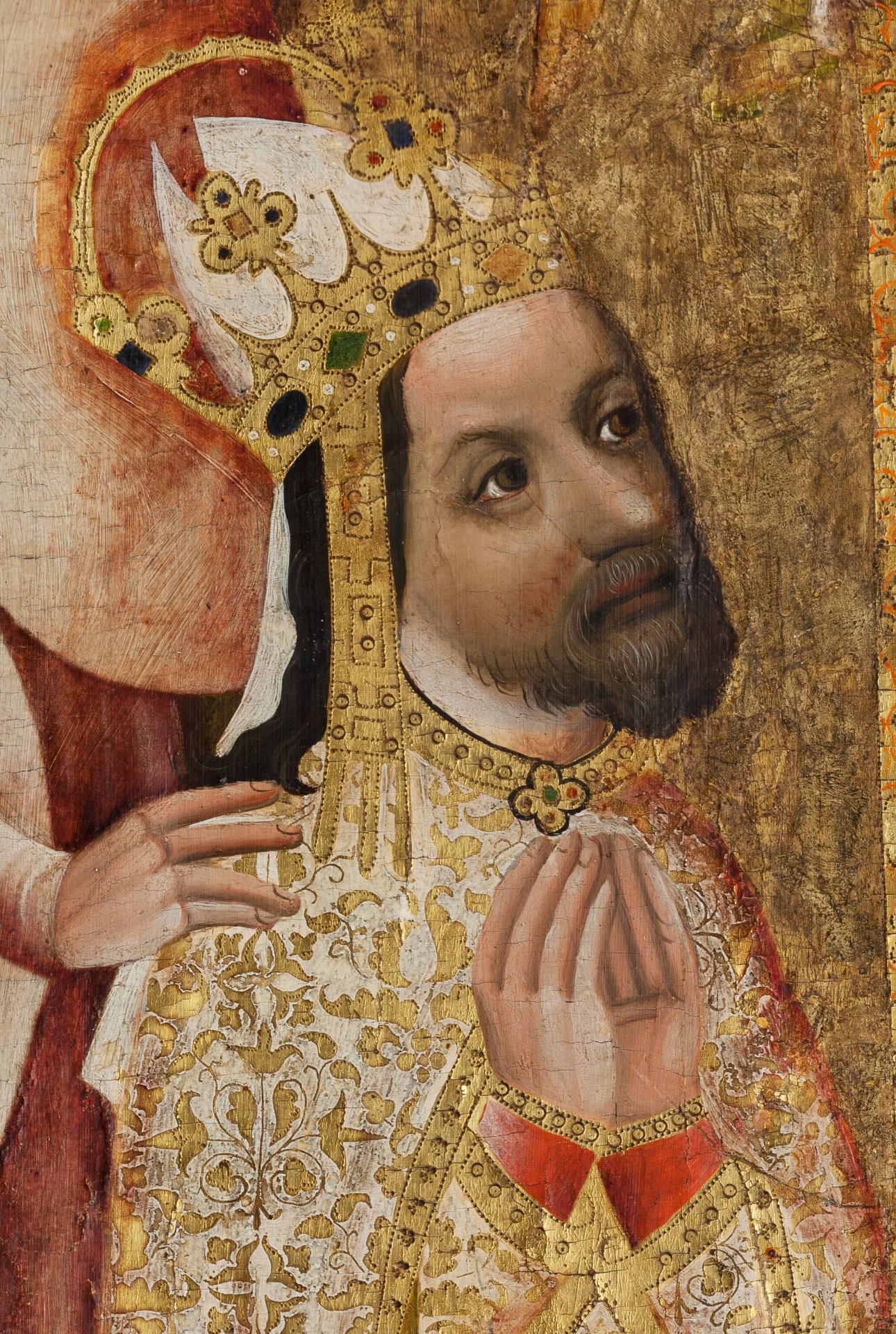
Prague's recorded history begins with the founding of the castle around 880 AD. By the fourteenth century, under Emperor Charles IV, Prague was one of the largest and most beautiful cities in Europe. Charles built the famous stone bridge that bears his name, founded the first university in Central Europe in 1348, and transformed the city into the capital of the Holy Roman Empire. The city's skyline was largely set by the end of the Baroque period. Unlike most European capitals, Prague was never systematically bombed or rebuilt. The Gothic churches, Renaissance palaces, and Baroque facades you see today are originals, not reconstructions. Prague was also a city of religious rebellion. In 1415, the Czech reformer Jan Hus was burned at the stake for heresy, sparking the Hussite Wars that convulsed Central Europe. Two centuries later, in 1618, Protestant nobles threw Catholic governors out of a window in Prague Castle — the Defenestration of Prague — triggering the Thirty Years' War. For a city known for its beauty, Prague has an unusually violent relationship with its windows.
Period 2:
Kafka, Coffee Houses, and the Velvet Revolution
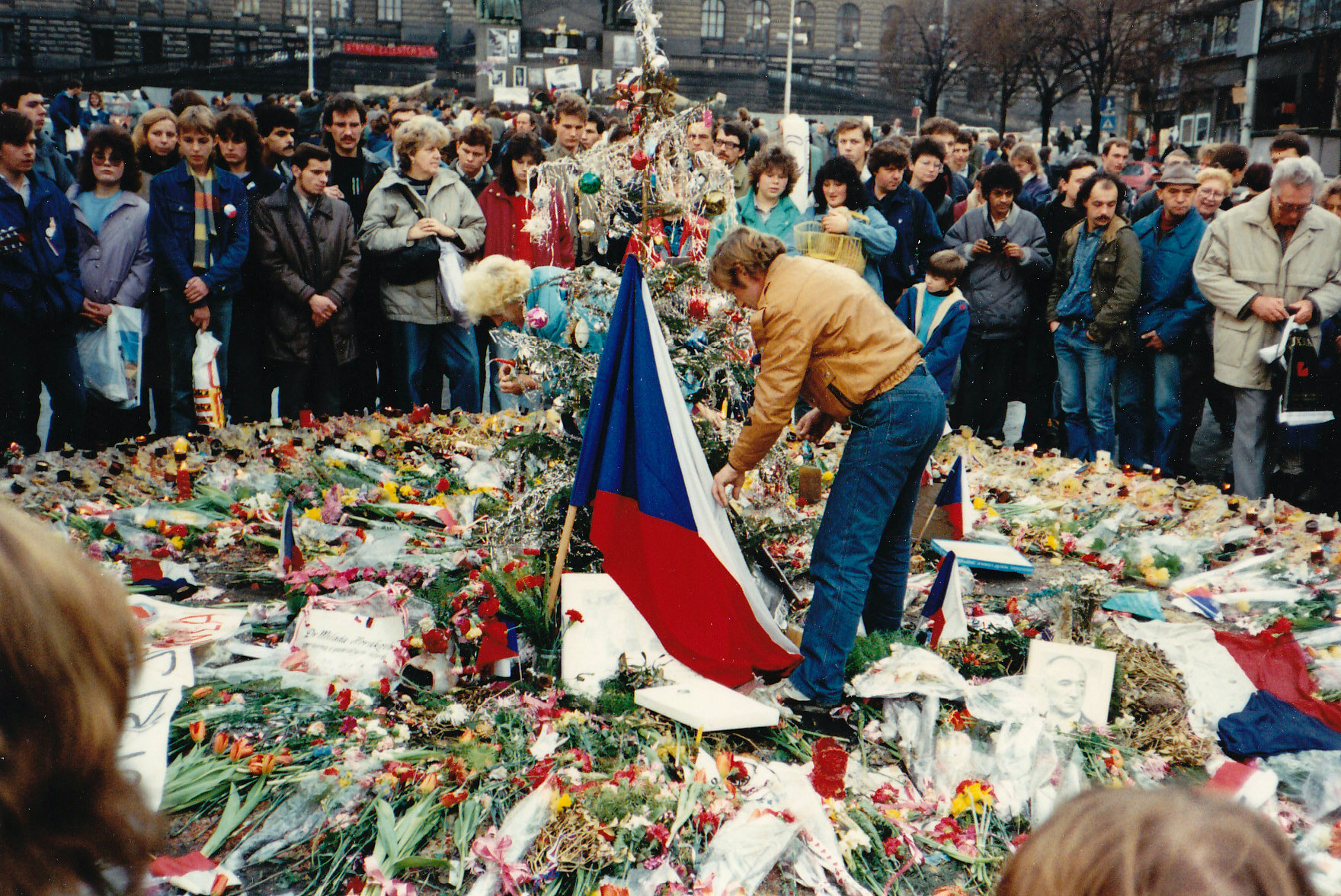
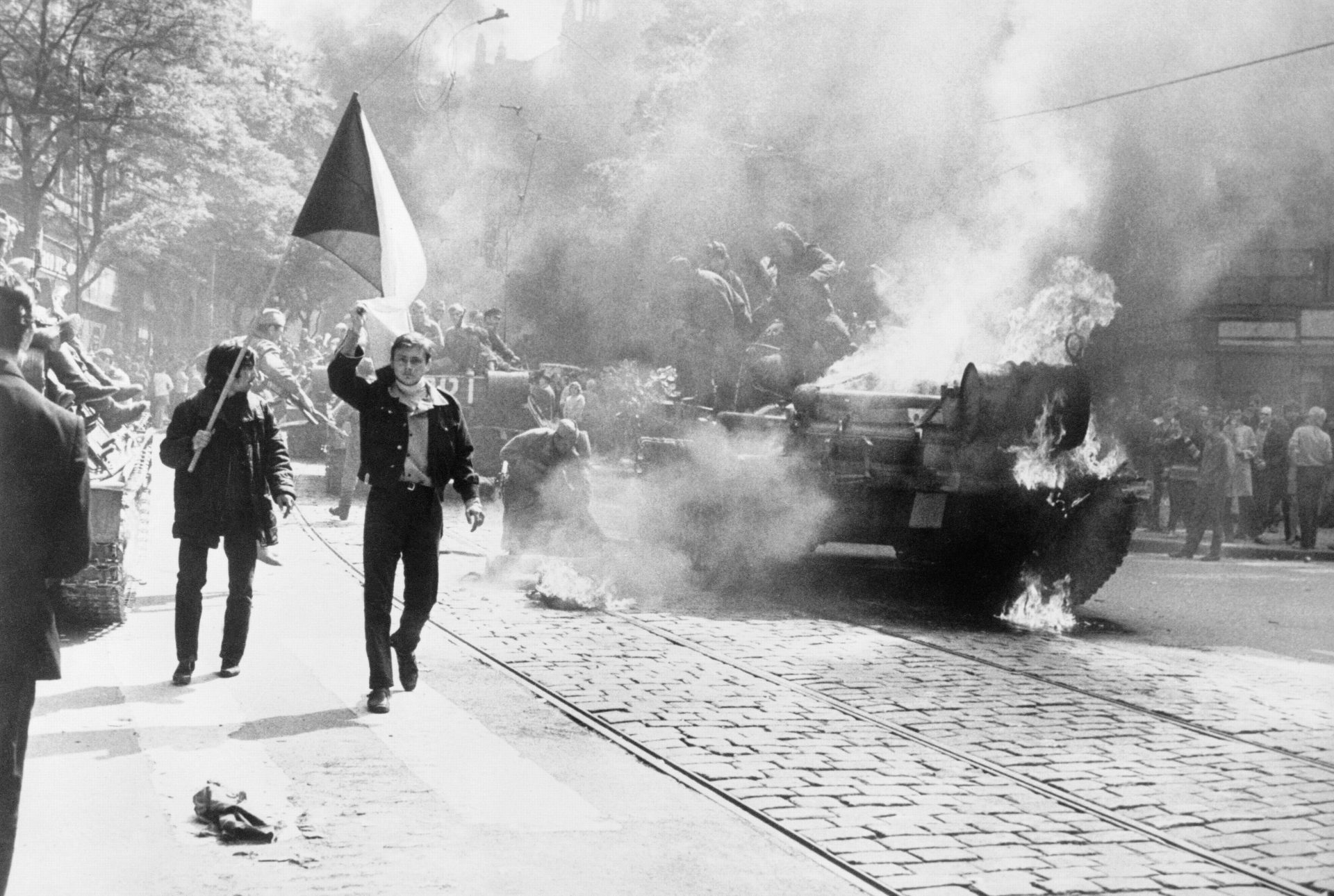
Prague at the turn of the twentieth century was a city of three cultures: Czech, German, and Jewish. From this creative tension came some of the most original minds in European history. Franz Kafka, born in 1883 near the Old Town Square, wrote in German about nightmares that felt uniquely Praguer — bureaucratic labyrinths, impossible architecture, and the feeling of being trapped in a city you can never leave. He barely ever did. The coffee houses of Prague rivalled those of Vienna. Writers, composers, and intellectuals gathered in the Cafe Slavia overlooking the Vltava, or at the Cafe Louvre where Einstein once played chess. Dvořák composed here. Rilke was born here. Havel wrote his first plays in apartments around the corner from where the secret police watched him. It was Havel who would lead Prague's most remarkable moment. In November 1989, students marching to commemorate a wartime anniversary were beaten by police. The response was extraordinary: hundreds of thousands of people filled Wenceslas Square night after night, jangling their keys as a symbol of unlocking the door to freedom. Within weeks, the communist government fell. Havel, the dissident playwright who had been in prison just months earlier, became president. The Velvet Revolution earned its name — power changed hands without a single shot. Prague had once again proved that ideas, not armies, can topple empires.