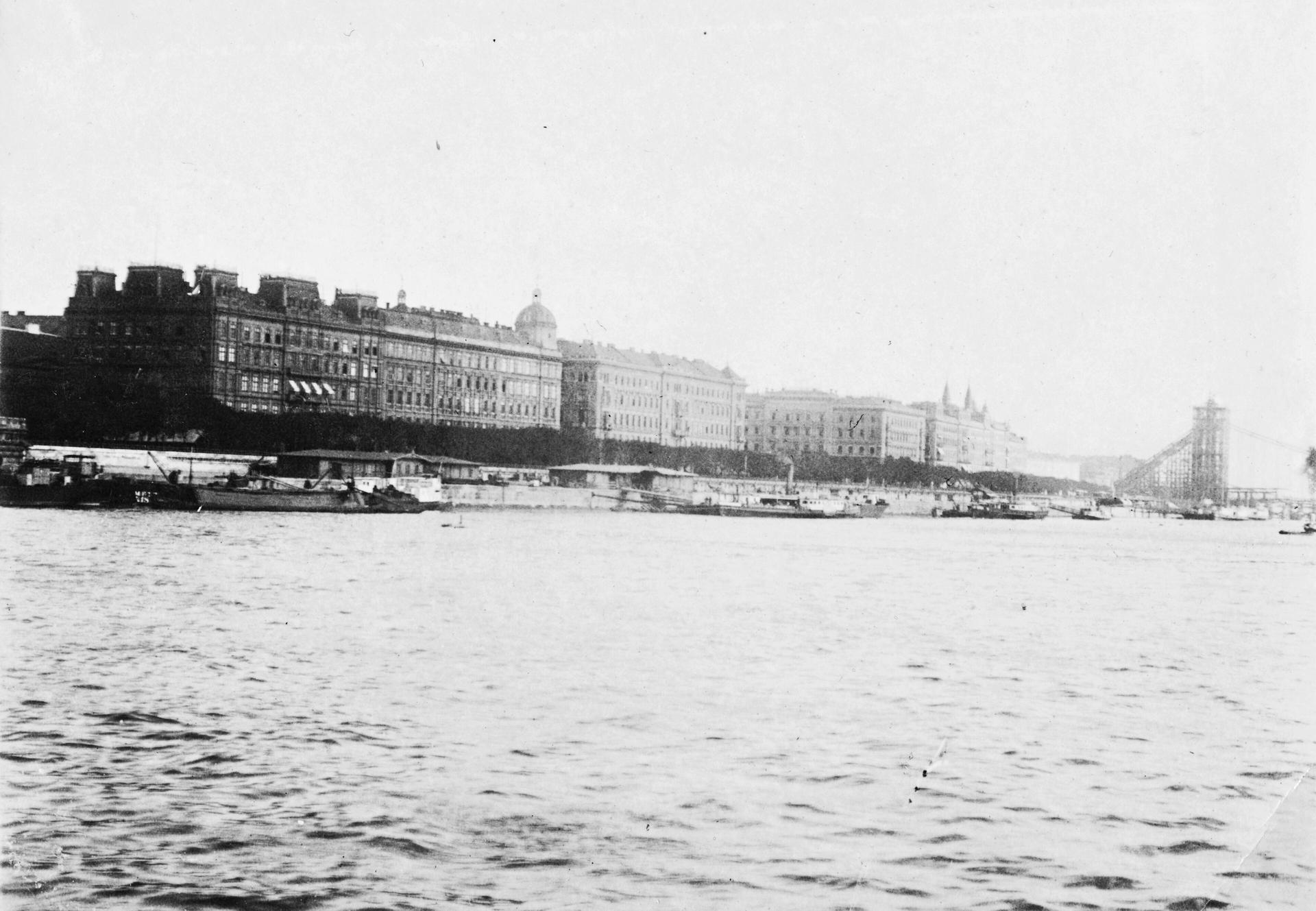
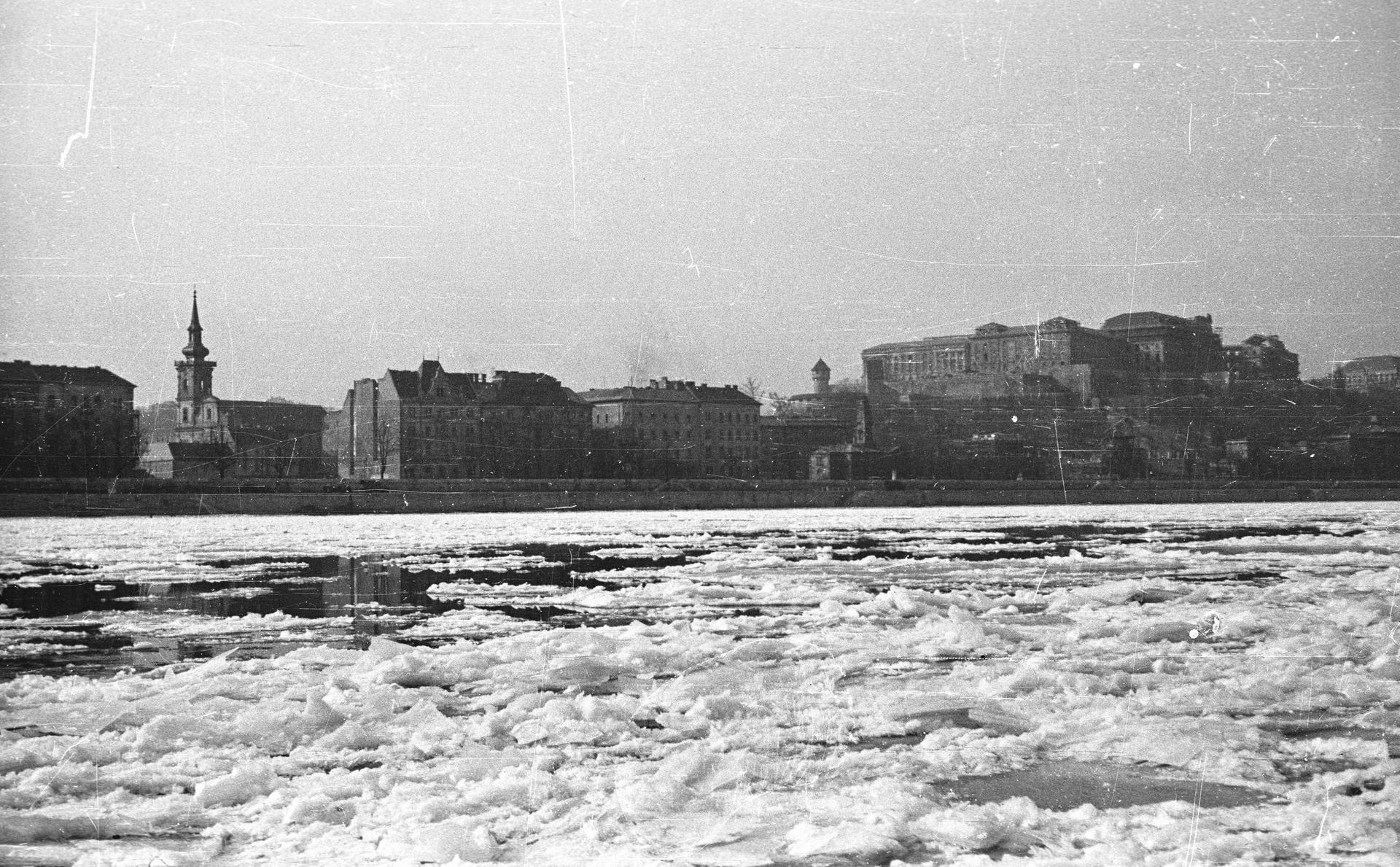
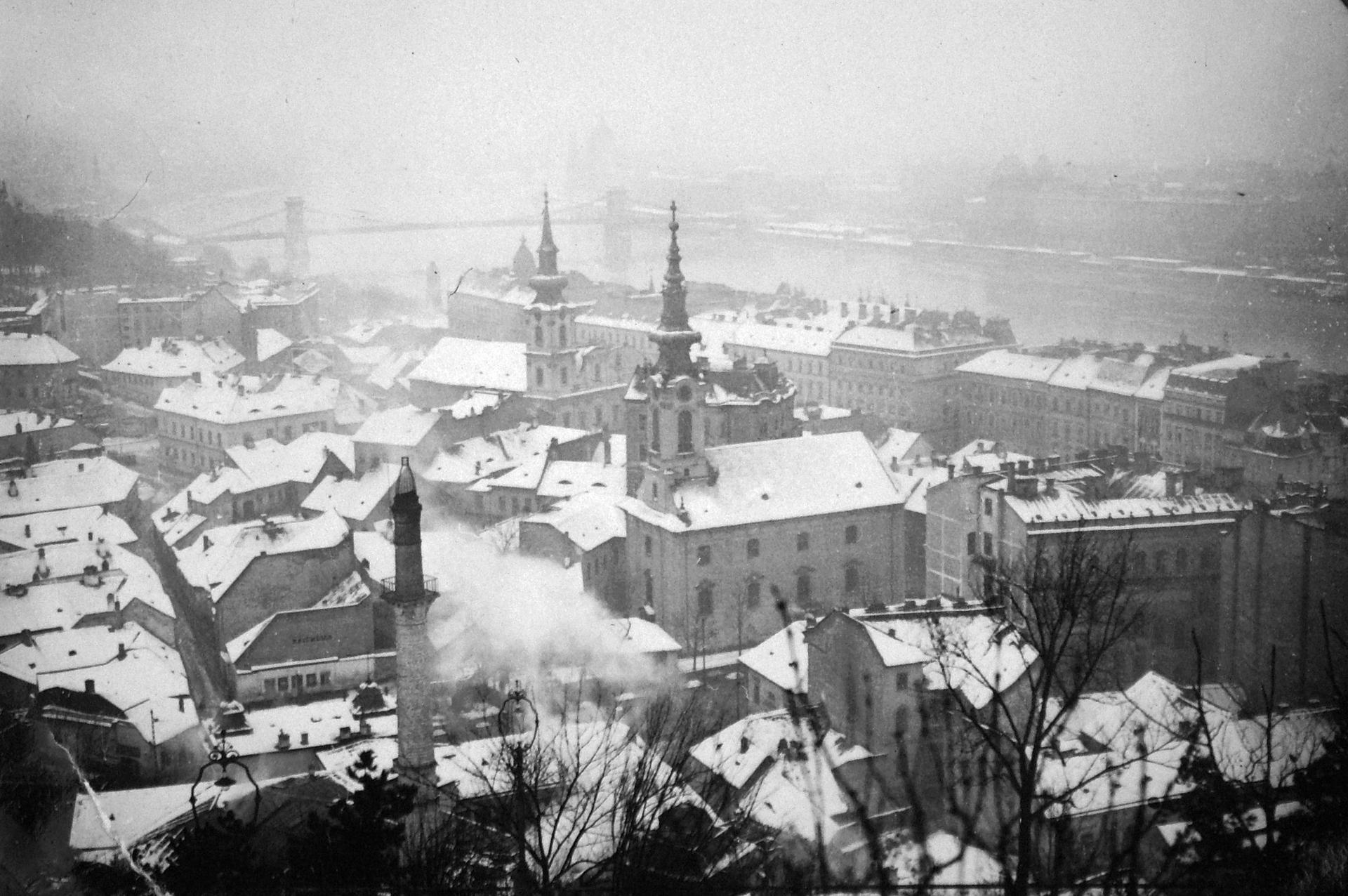
A whole neighbourhood lies beneath this grass. Until the 1930s hundreds of houses stood here against the slope, with winding little streets, vineyards and so many taverns that the quarter was known all across Budapest for its wine. The Hungarians called it the Rácváros, the Serb Town, after the Serbs and Bosnians who settled here once the had ended.
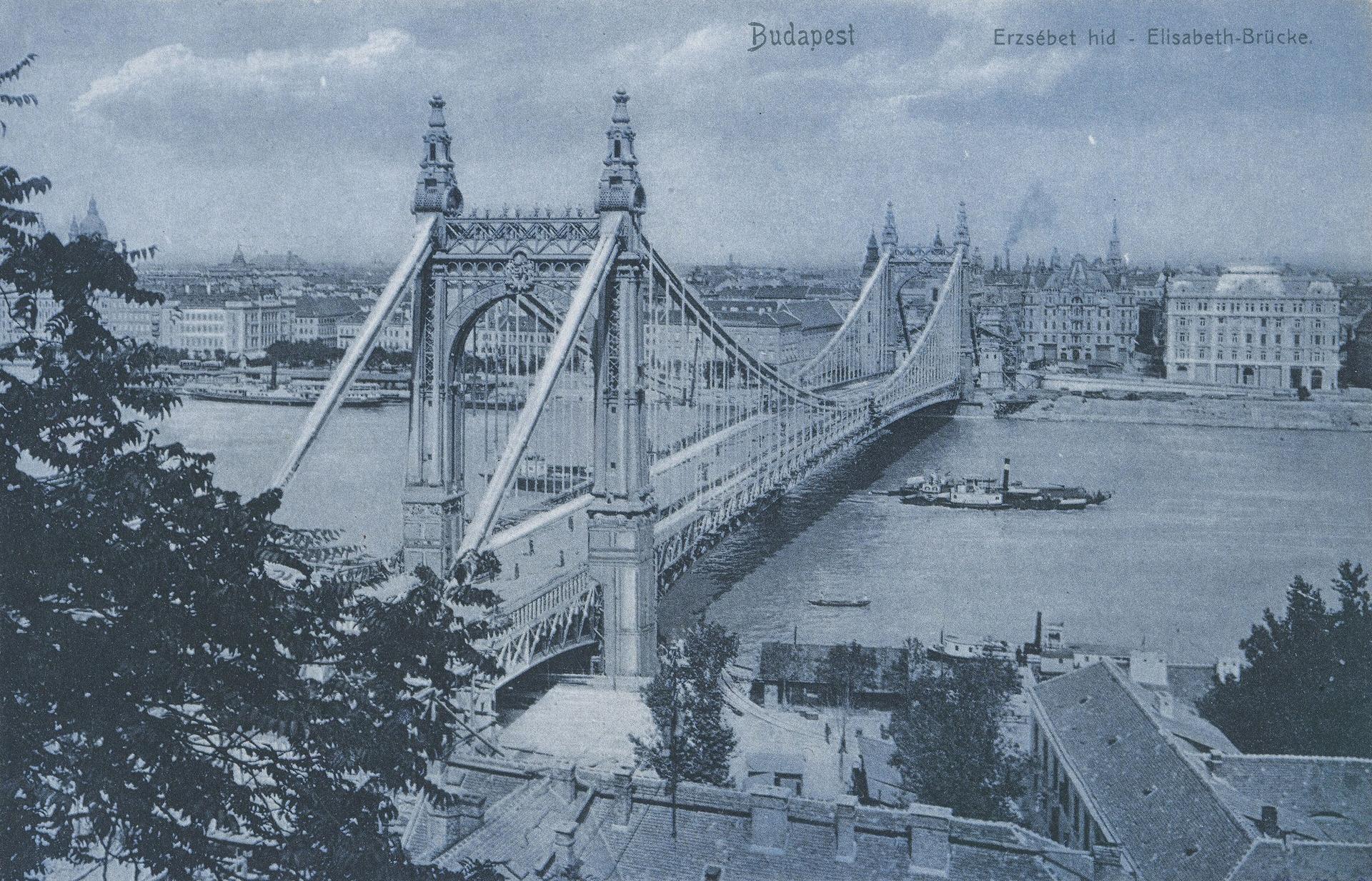
Twice it nearly went wrong, and once it went wrong completely. In 1810 a fire broke out at a cooper's who was charring his barrel staves, and by evening six hundred houses were gone and dozens of people dead. The neighbourhood came back. What did not come back was its reason for existing, because the residents lived off the ferry across to , and once the opened nobody needed that ferry anymore.
After that the decline was swift. No sewers, eating away at the vineyards, poverty, disease. On the twenty-third of May 1933 the demolition began, and painters and photographers flocked to the alleys to capture whatever was left. The city wanted to build a spa hotel district here, but not a single stone ever rose from the ground, so for the time being the site became a park. That temporary arrangement has lasted ninety years now.
The Serbian cathedral survived the fire, the flood and even the demolition, only to be levelled after the .
We follow the road along the slope to the north, until we reach a long gallery of steps.
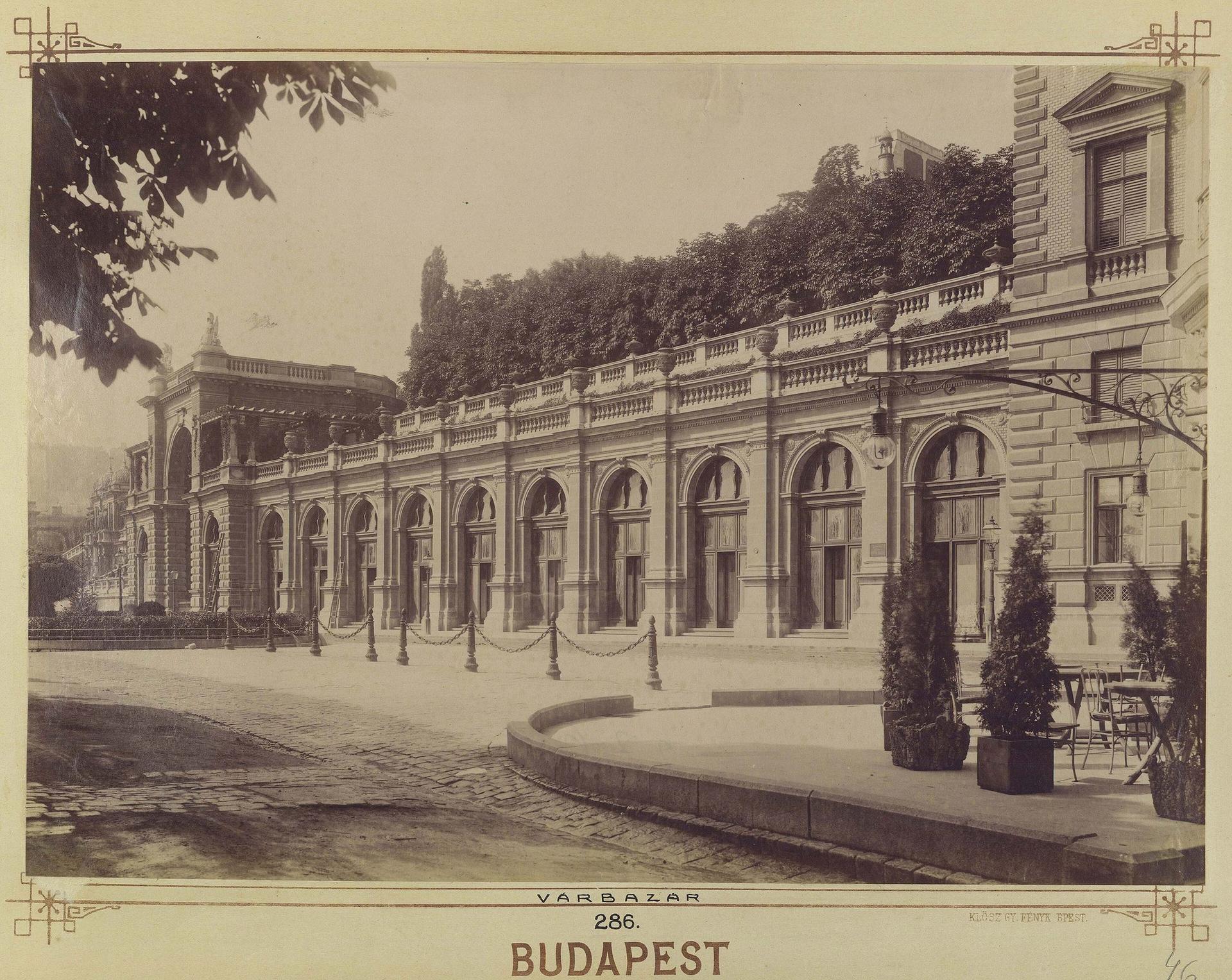
Sources. Story: Pestbuda.hu, Nyolcvenöt éve tűnt el a régi Tabán, over the fire of 1810 and the demolition from 23 May 1933; Magyar Nemzeti Digitális Archívum (MaNDA), Tabán, te csodás, over life in the neighbourhood and its final years before demolition. Photos: Tabán, 1930. Fortepan 11337 / Jankovszky György, CC BY-SA 3.0.