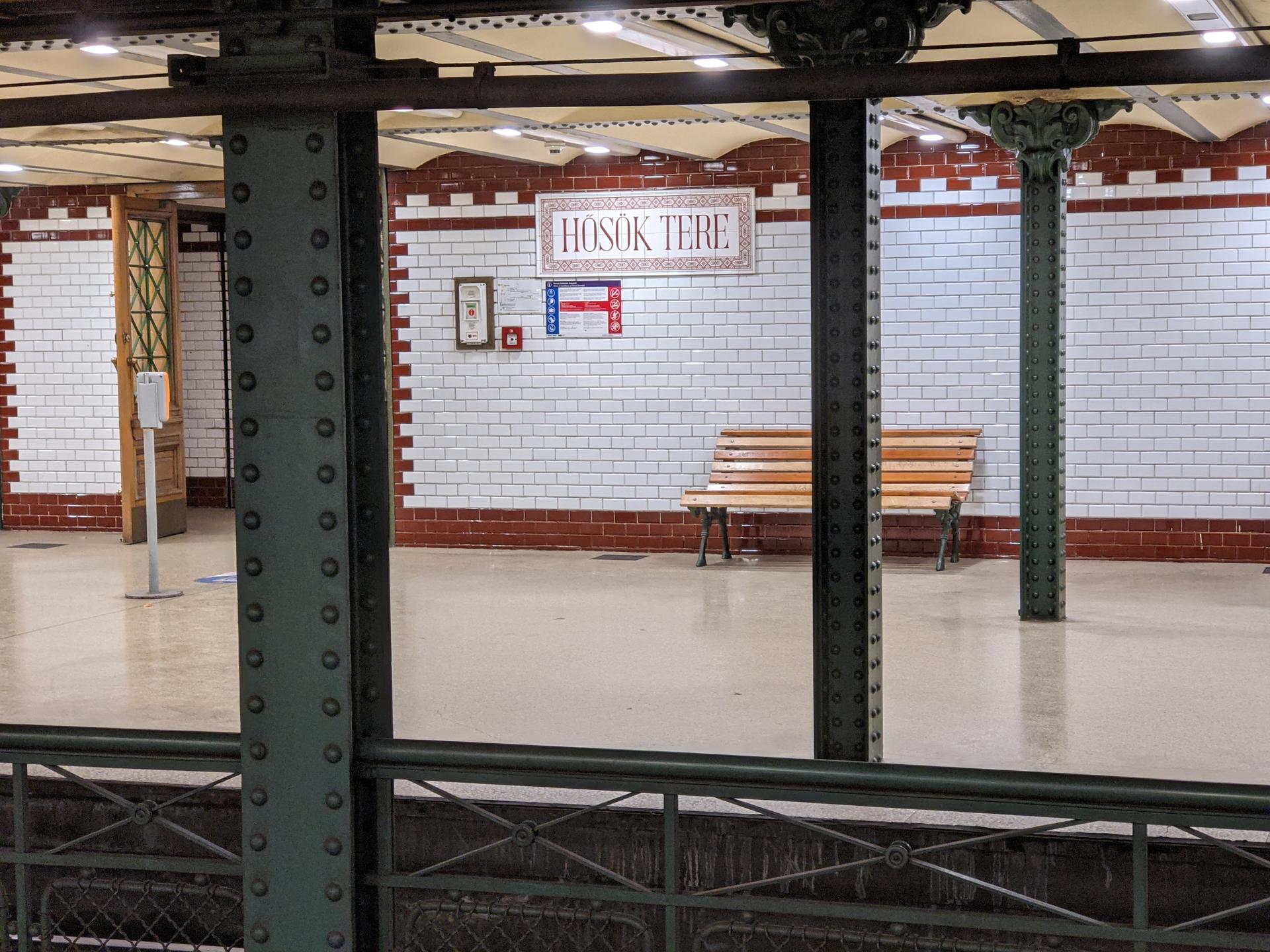
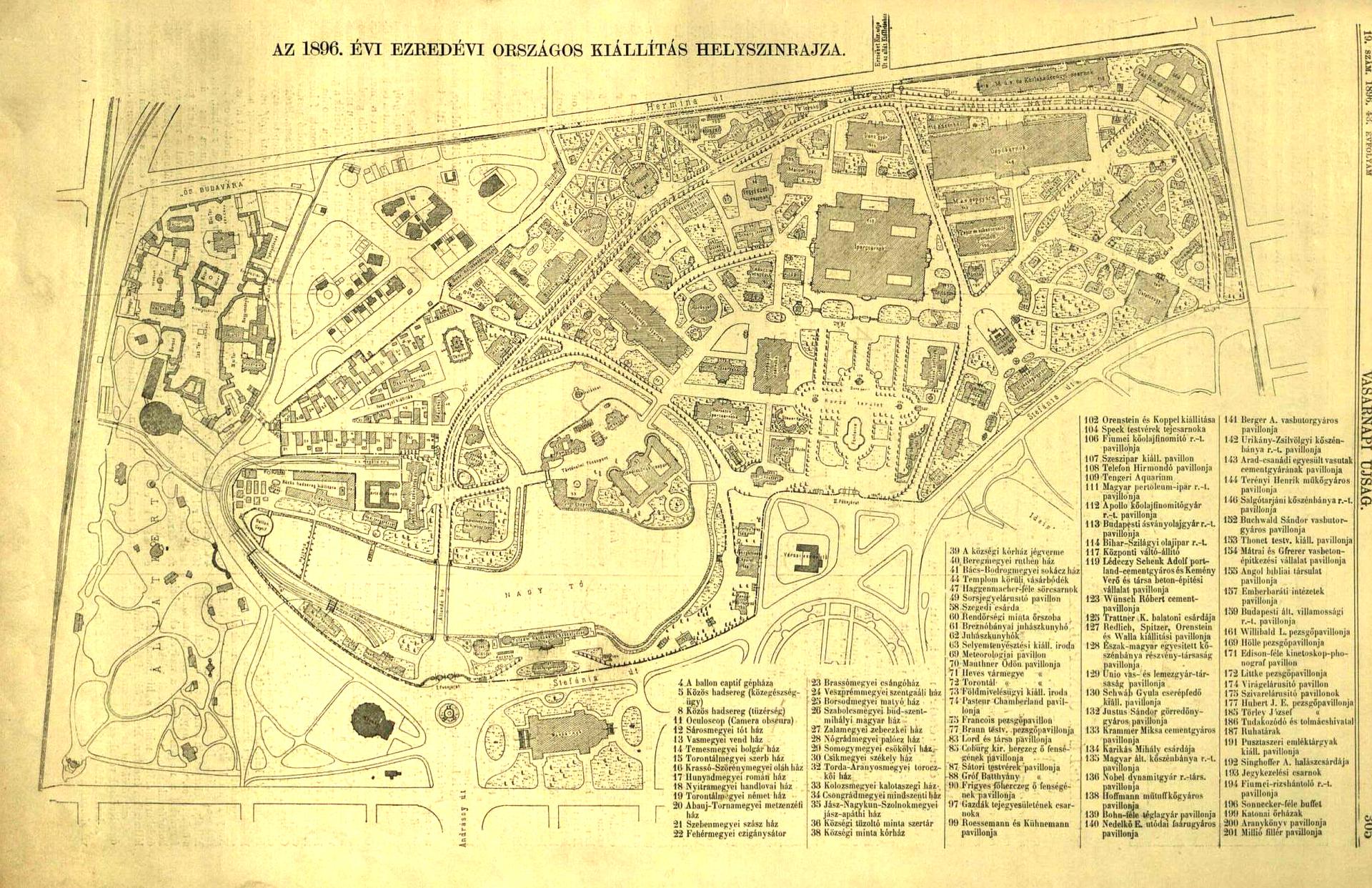
This low little building at the edge of the square is the entrance to the oldest underground railway on the European mainland. , the broad boulevard running through Budapest, had just been finished and was considered far too grand for trams, so when the decision came that the exhibition would be held in the park, the link to the city centre had to go below ground. Not far below: the tunnel sits just under the road surface, something you notice the moment you head down the stairs and find yourself on the platform after only a few steps.
The permit was signed on 9 August 1894, with a single condition attached: it had to be ready for the opening of the exhibition. That left twenty months. designed and built the line, a Budapest contractor handled the earthworks and concrete, and on 2 May 1896, the same afternoon the exhibition opened, the first carriages rolled. A ticket cost ten , dispensed from a machine.
Six days later , the emperor, stepped aboard a carriage built especially for him and numbered twenty, and afterwards gave his permission to attach his name to the line. Before the year was out, more than three million people had ridden here. The carriages from 1896 stayed in service into the 1970s, the route has never been moved, and since 2002 the line has shared a place on the World Heritage list with Andrássy út.
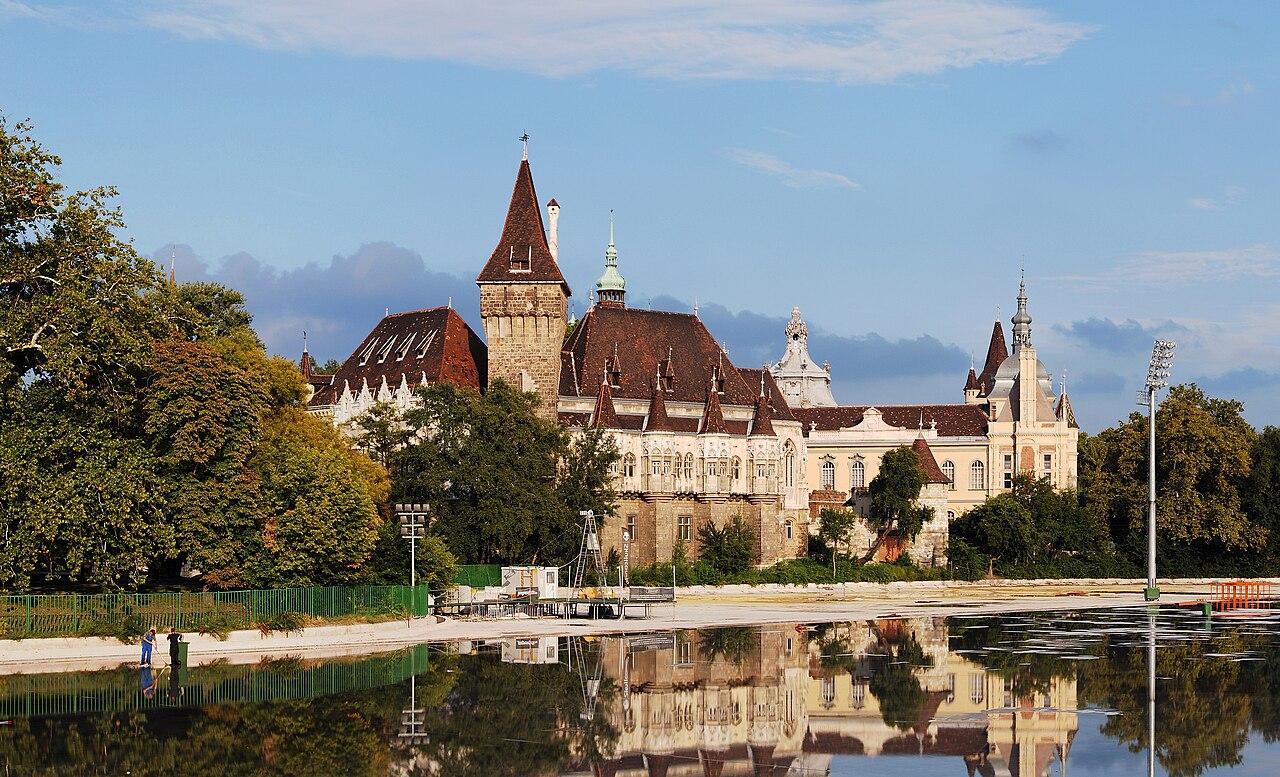
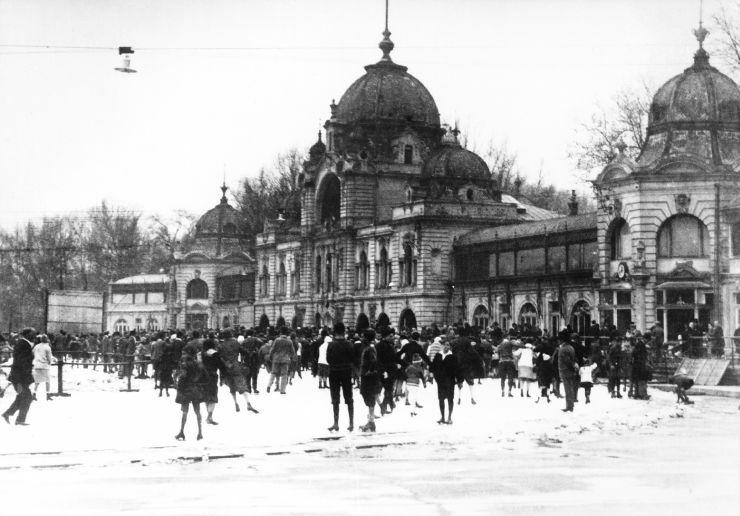
Now we head into the park, towards the water and the hall of the skating rink.
Sources. Story: Szegedi Tamás, 100 éves a Millenniumi Földalatti Vasút (Tanulmányok, 1997); pestbuda on Franz Joseph's ride on 8 May 1896 and the naming; BKV and hu.wikipedia on the building permit of 9 August 1894, the construction time and the World Heritage status Photos: Patrik Kunec, CC BY-SA 4.0, via Wikimedia Commons; Klösz György, Vasárnapi Ujság 1896, public domain, via Wikimedia Commons