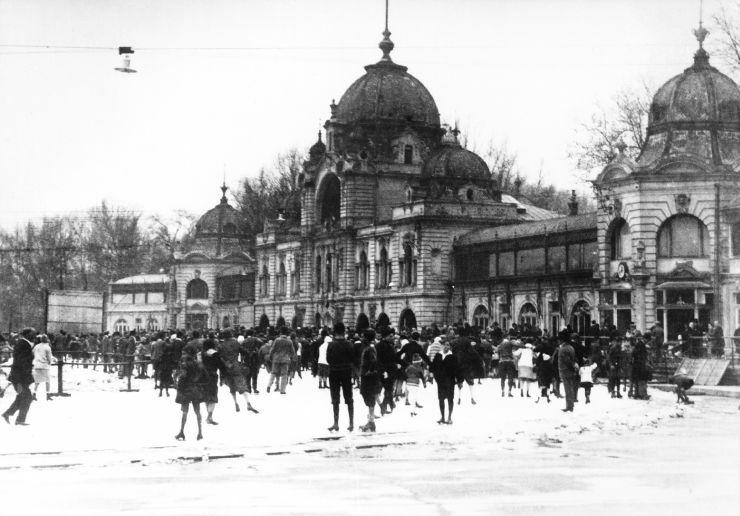
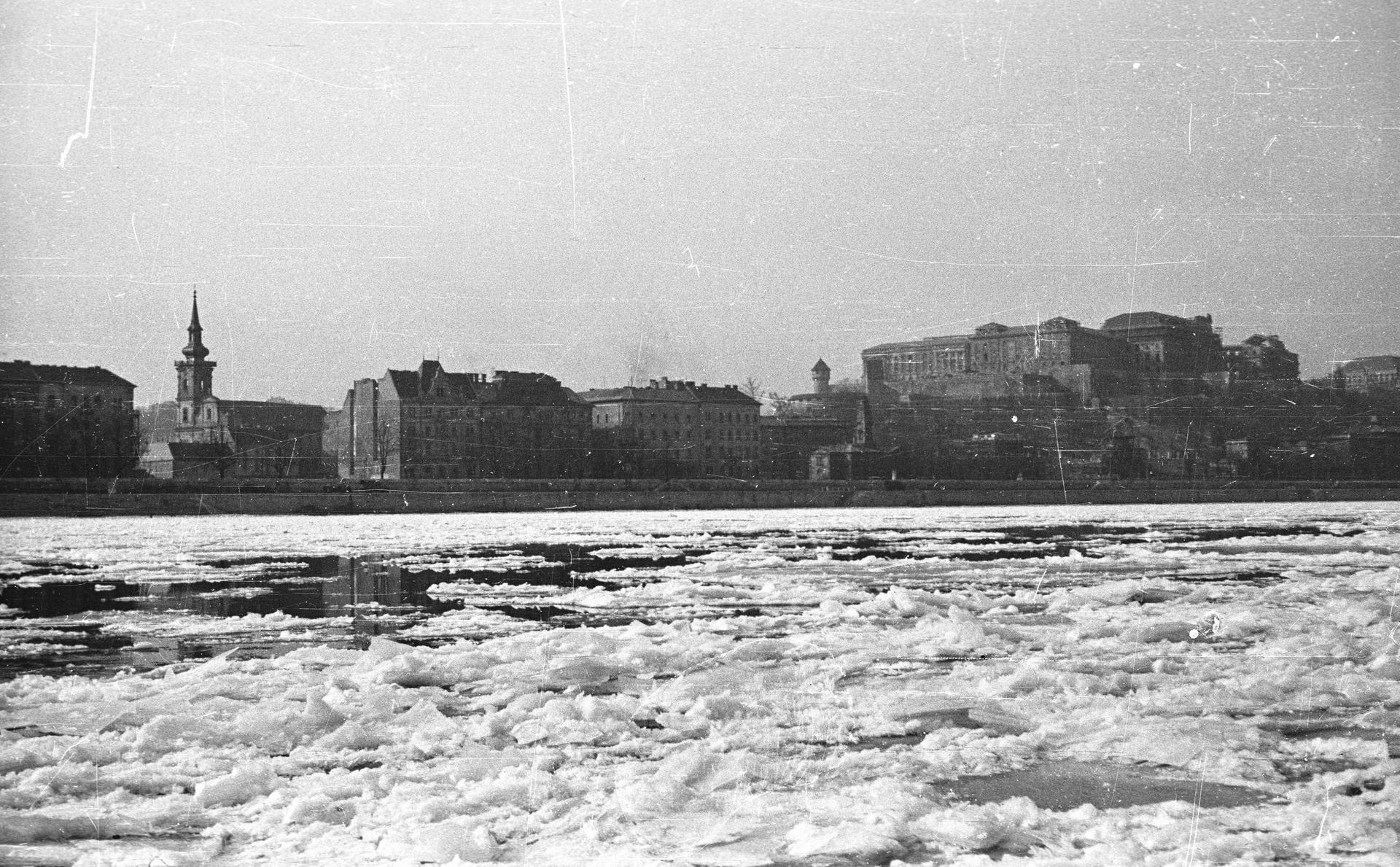
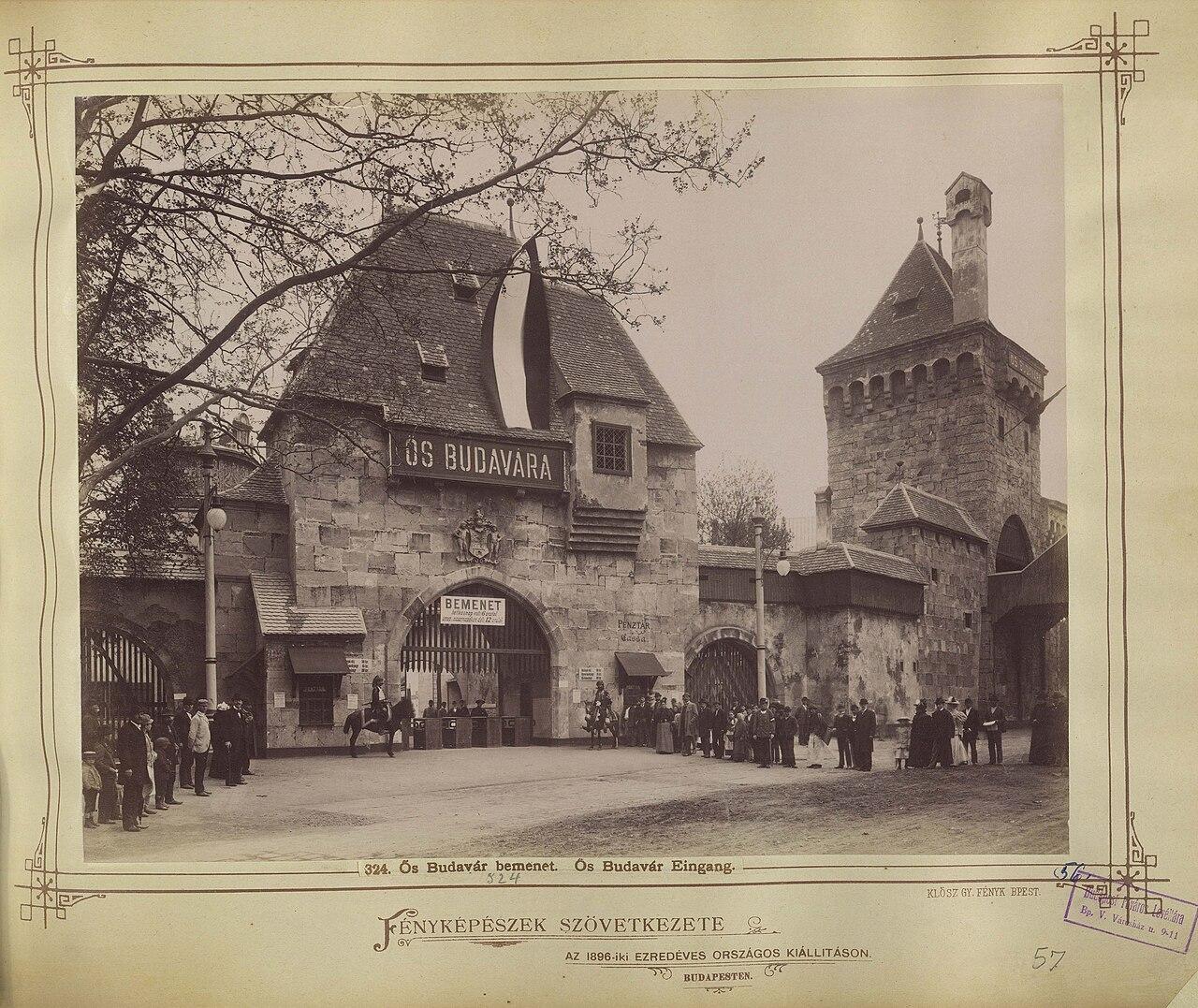
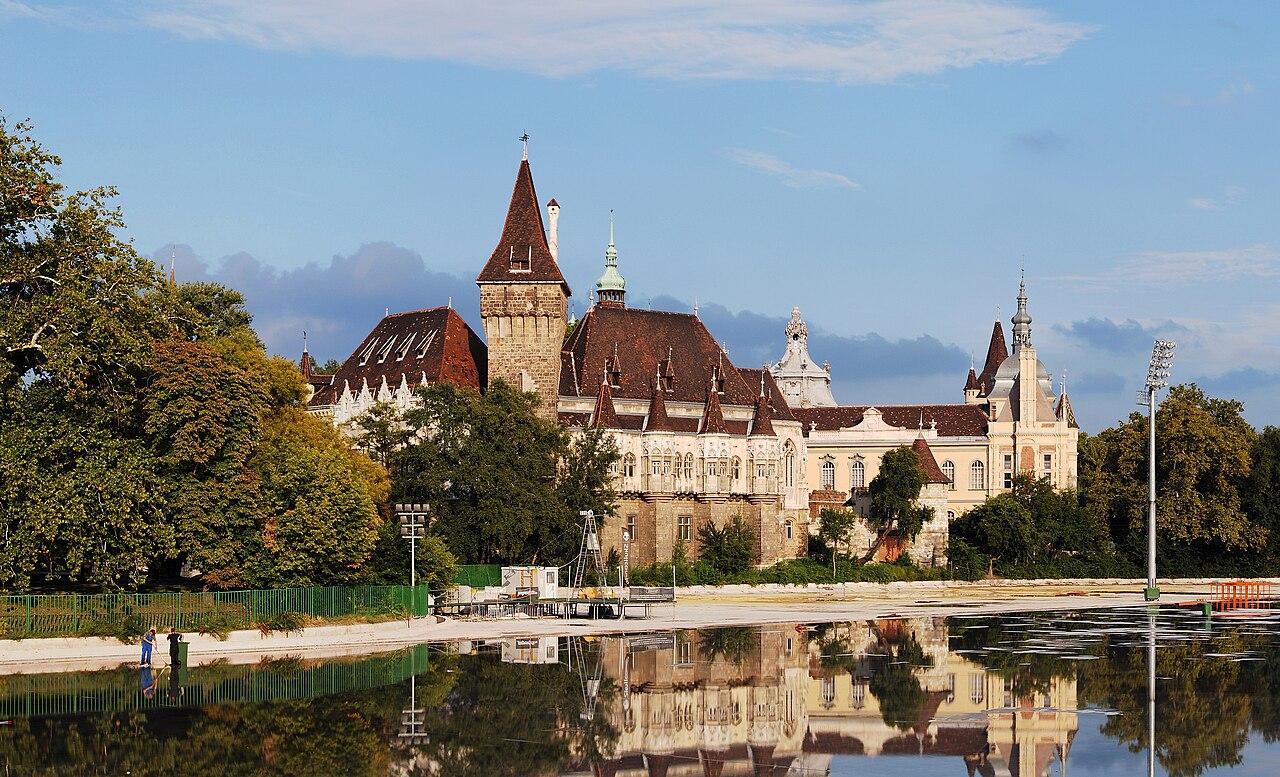
Behind this fence, during the celebration year, stood a complete fake city. Ős-Budavára, old Buda, opened on 2 May 1896, the same day as the exhibition itself, on seventy thousand square metres of land borrowed from the zoo. It was Buda rebuilt as it had looked three centuries earlier under . You came in through a copy of the Fehérvár gate, crossed a mosque square with a Turkish kiosk and a bazaar, then walked on past a Szent György tér and a Corvin tér.
What sat behind those facades had little to do with the sixteenth century. There was an American gin shop, a Pilsener beer hall, a Viennese sausage factory, a big coffee house inside the rebuilt Buda town hall, and an orpheum with an open stage. The gates opened in the morning and didn't close until sunrise.
It did so well that the zoo next door emptied out and went bankrupt, and that's where the bitter joke of this story lies. In 1910 the pleasure city was torn down, with fire risk given as the reason, and it was the zoo that got the land back. Nothing of the whole Turkish Buda has survived, except for the photos by Klösz György.
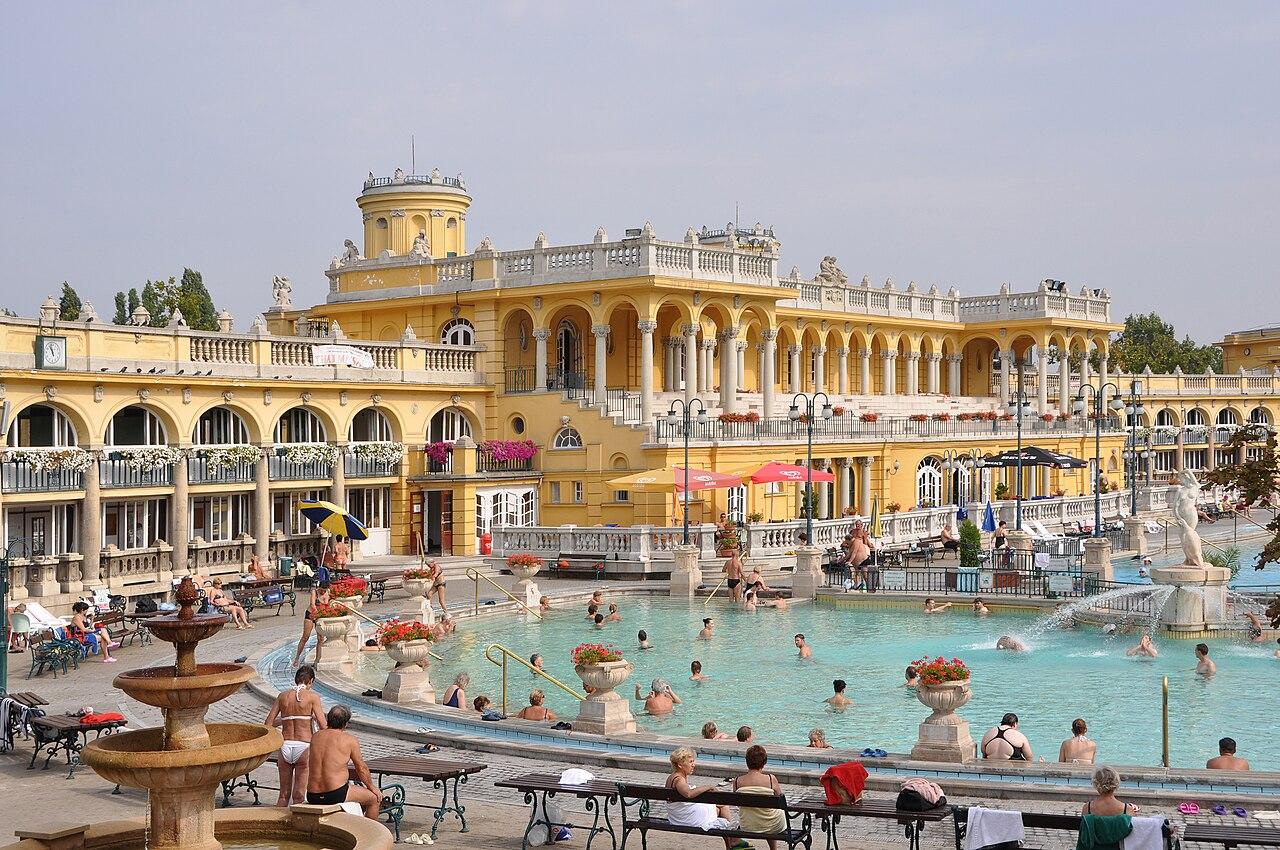
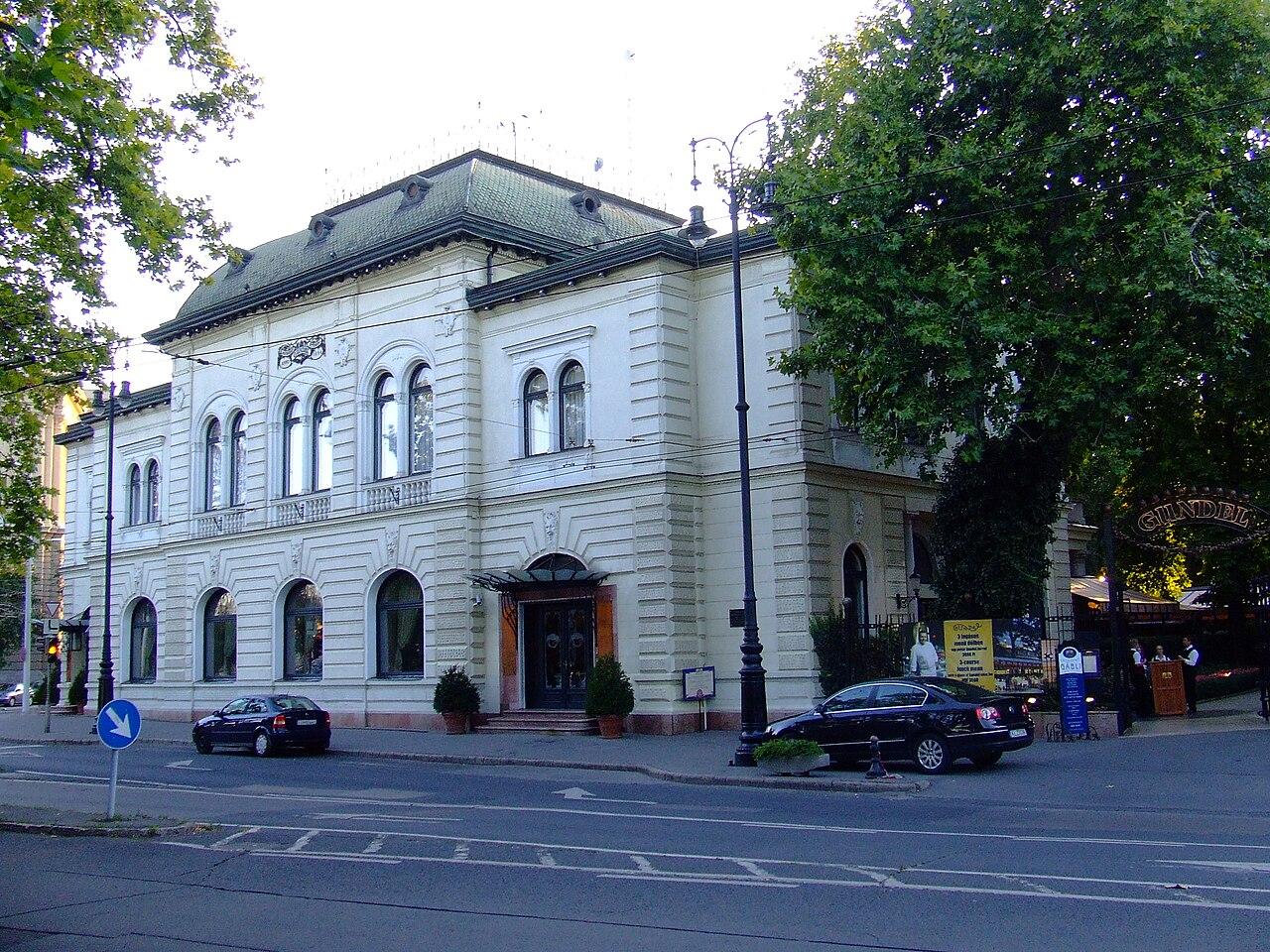
We follow the road on to the southwest until a light-coloured building with a wide terrace comes into view on our right.
Sources. Story: Magyar Kereskedelmi és Vendéglátóipari Múzeum, photo descriptions by Klösz György from 1896 on the Fehérvár gate, the mosque square, the coffee house in the rebuilt town hall and the seventy thousand square metres of the zoo; We Love Budapest on the opening on 2 May 1896, the bankruptcy of the zoo and the demolition in 1910 Photos: Klösz György, 1896, Fortepan / Budapest Főváros Levéltára, CC BY-SA 3.0, via Wikimedia Commons