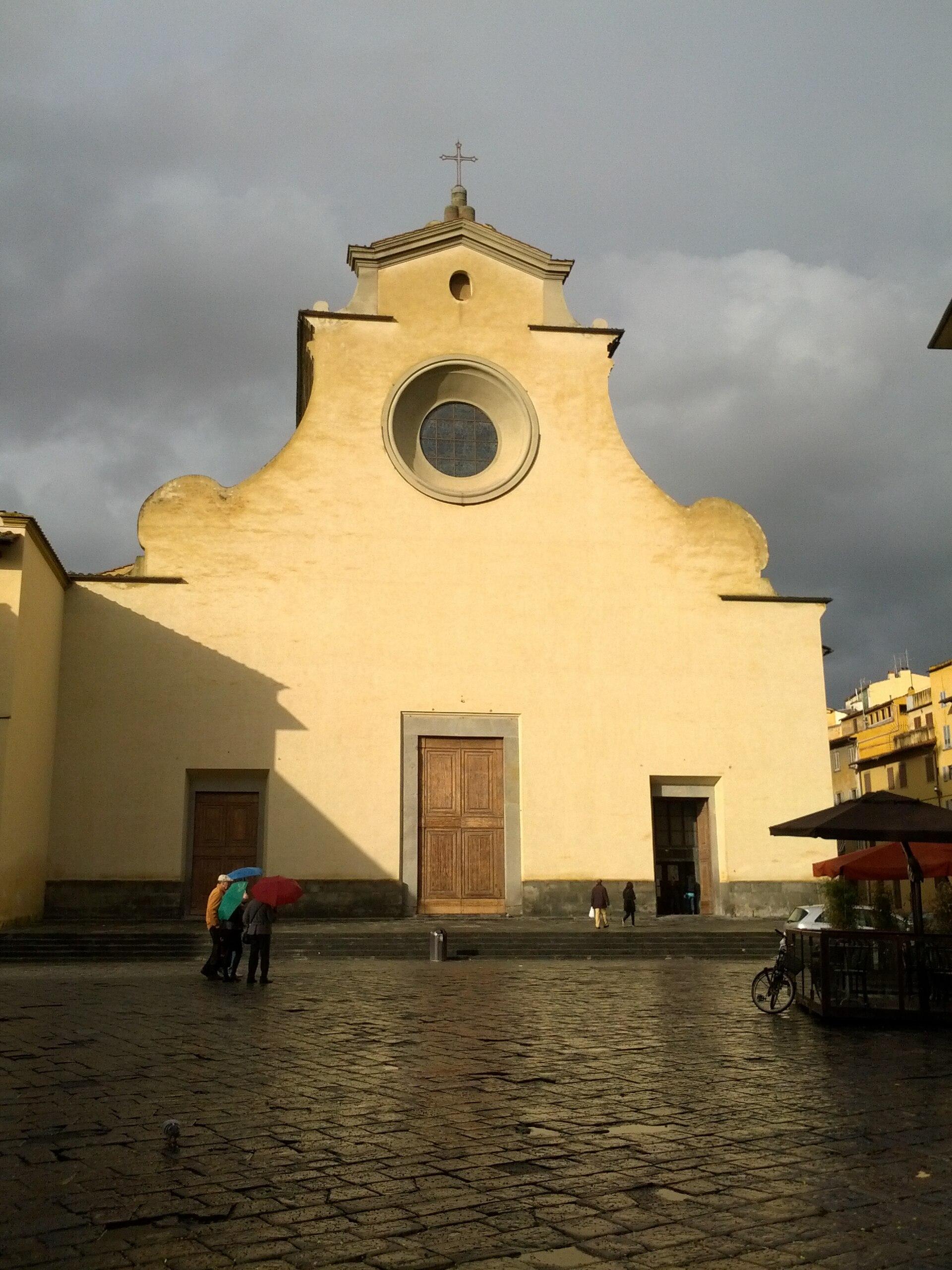
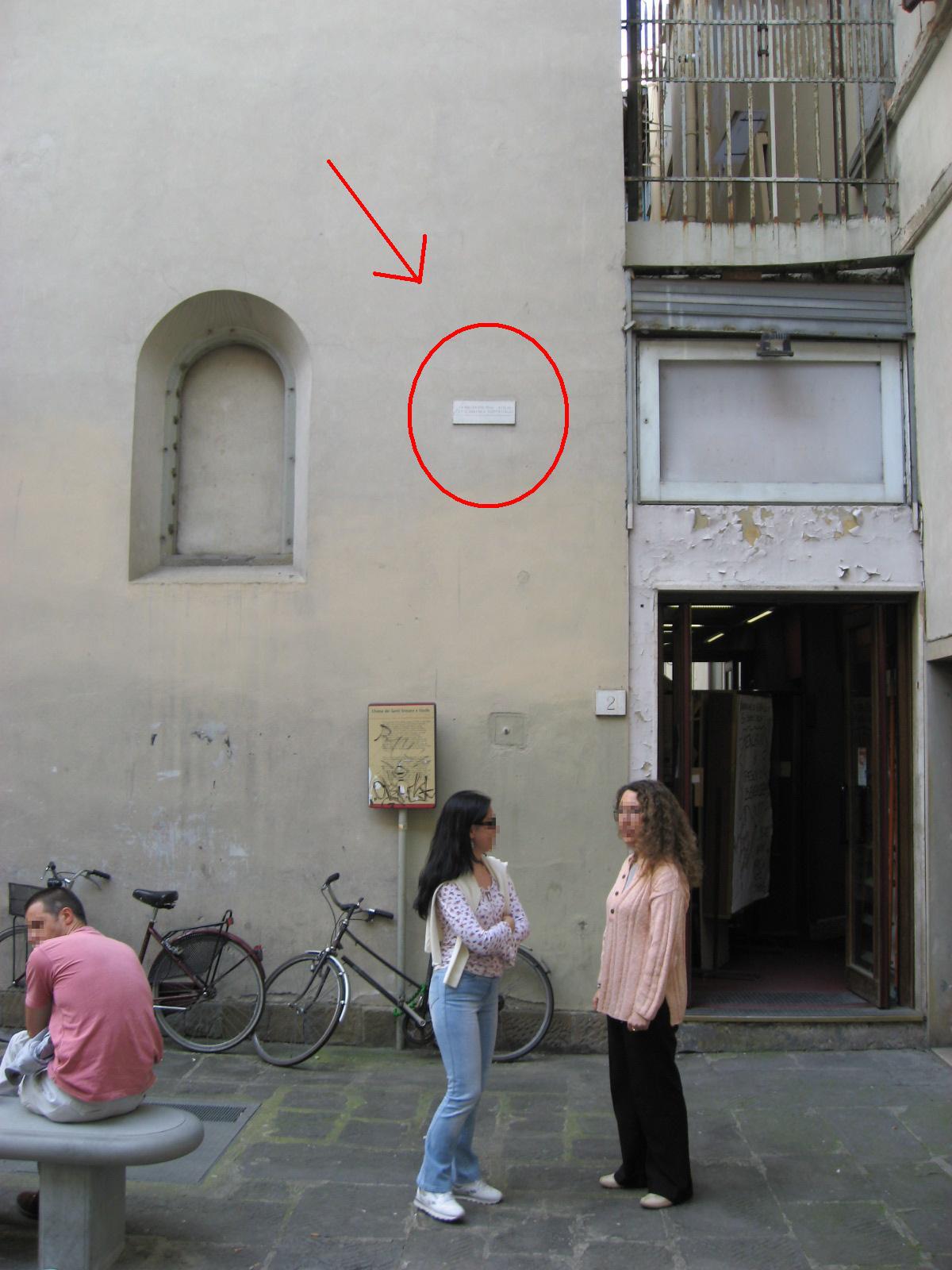
On the night of 28 January 1771 this church burned down almost completely. The roof collapsed, the altars vanished, and once the fire was out the only thing still standing was the chapel in the right corner of the , with the walls that mattered most.
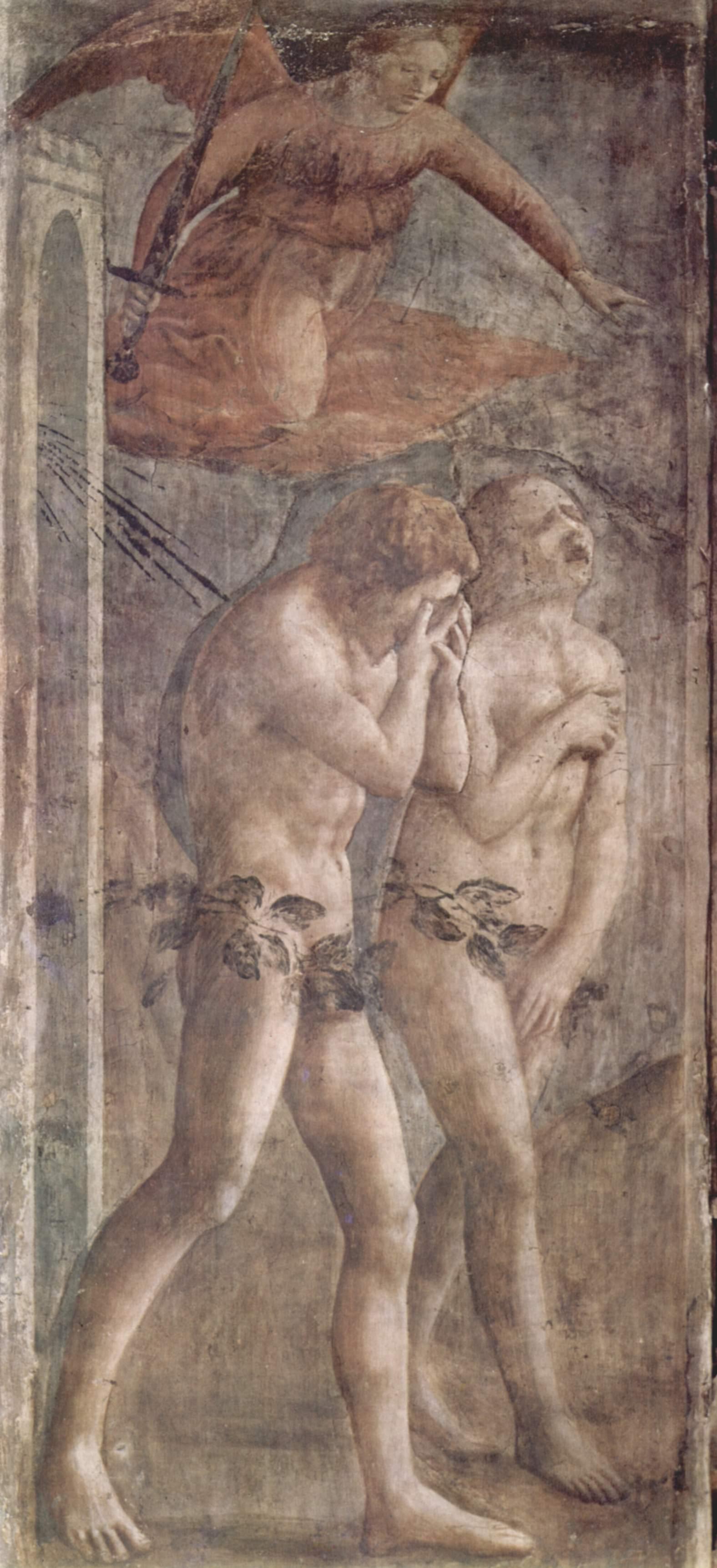
On those walls, around 1425, painted the life of Saint Peter, working alongside the older and finished half a century later by . What Masaccio did was new: his figures put their weight on one leg, cast real shadows and look as though they are thinking. In Eve walks along crying with her mouth open, a face that appeared nowhere else in the painting of those years.
That is how this became the school of the city. Generations of artists sat here with a sketchbook on their lap, from Leonardo to Raphael. When the young Michelangelo was copying here, he got into a fight with a fellow student who punched him on the nose, and he carried that crooked profile for the rest of his life.
The chapel has its own entrance and a ticket, with only a limited number of visitors allowed in at once, so booking ahead saves you some waiting.
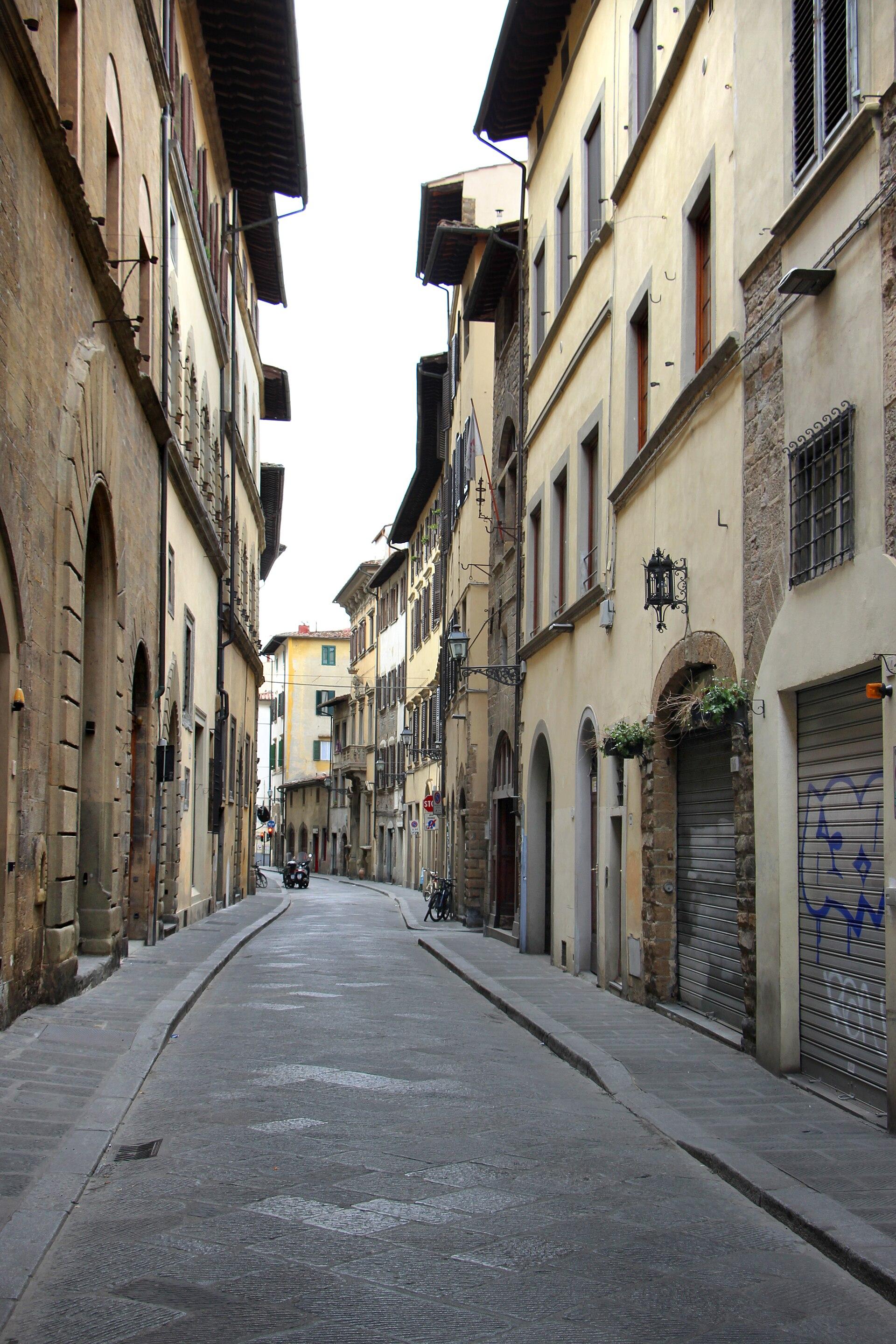
From the square we head west, where the streets grow wider and the houses become a good deal plainer.
Sources. Story: Musei Civici Fiorentini (Cappella Brancacci, Santa Maria del Carmine); Treccani (Masaccio, Cappella Brancacci) Photos: Masaccio, Cacciata dei progenitori, Cappella Brancacci (ca. 1425), via Wikimedia Commons, public domain