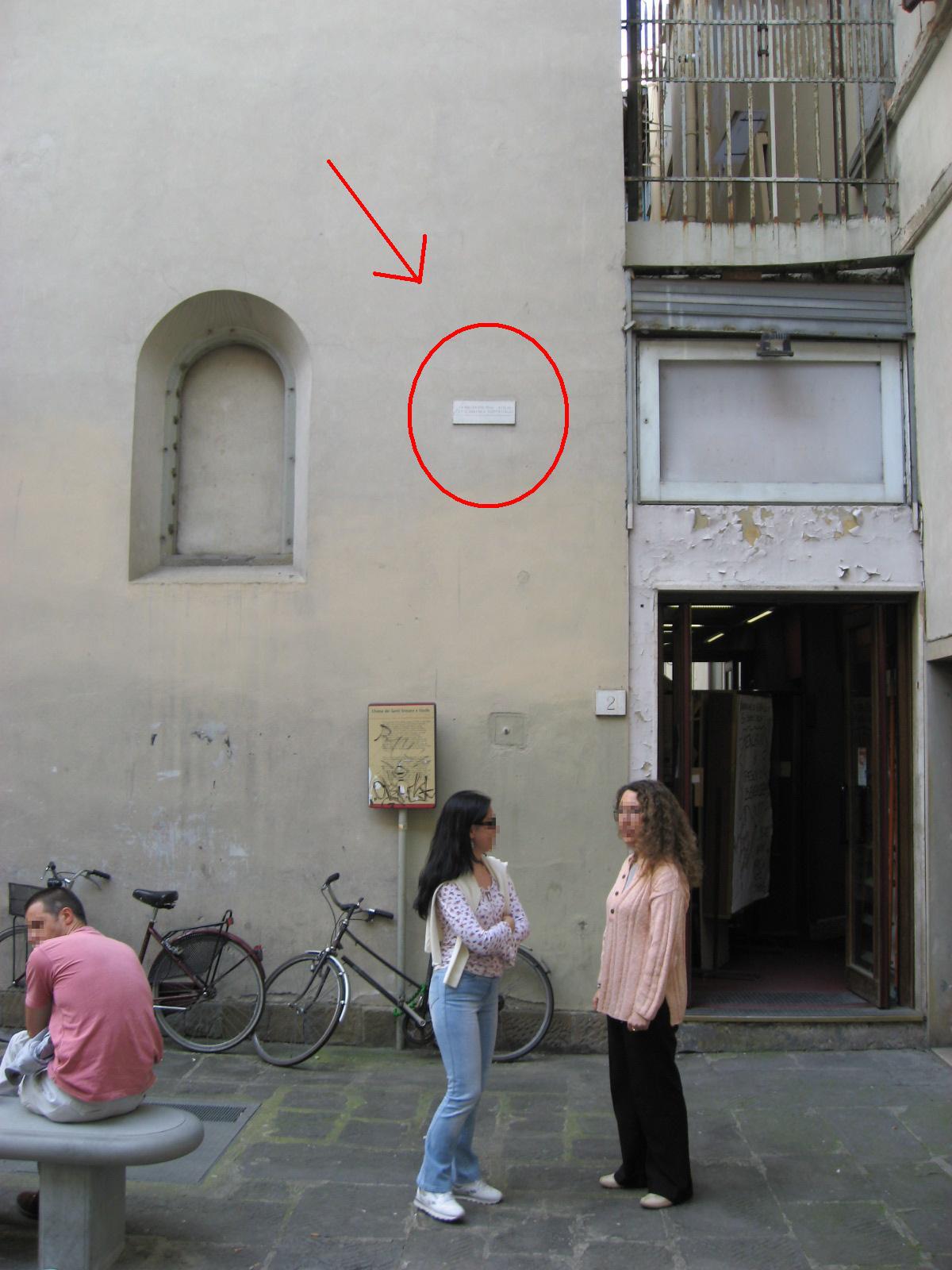
oldest collections were kept in the basements of this building, and that is where the water reached first. More than a million books, newspapers and manuscripts ended up underwater, soaked through with mud and heating oil.
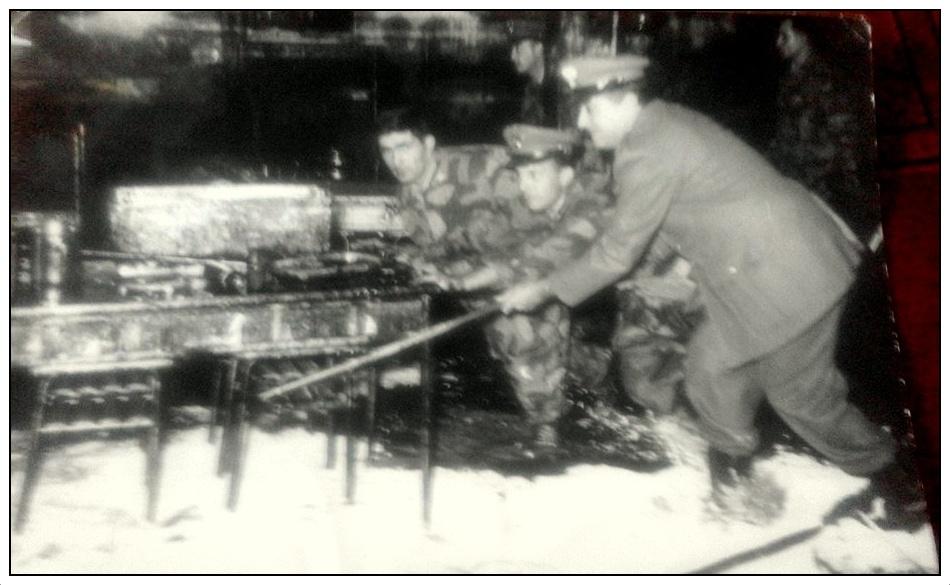
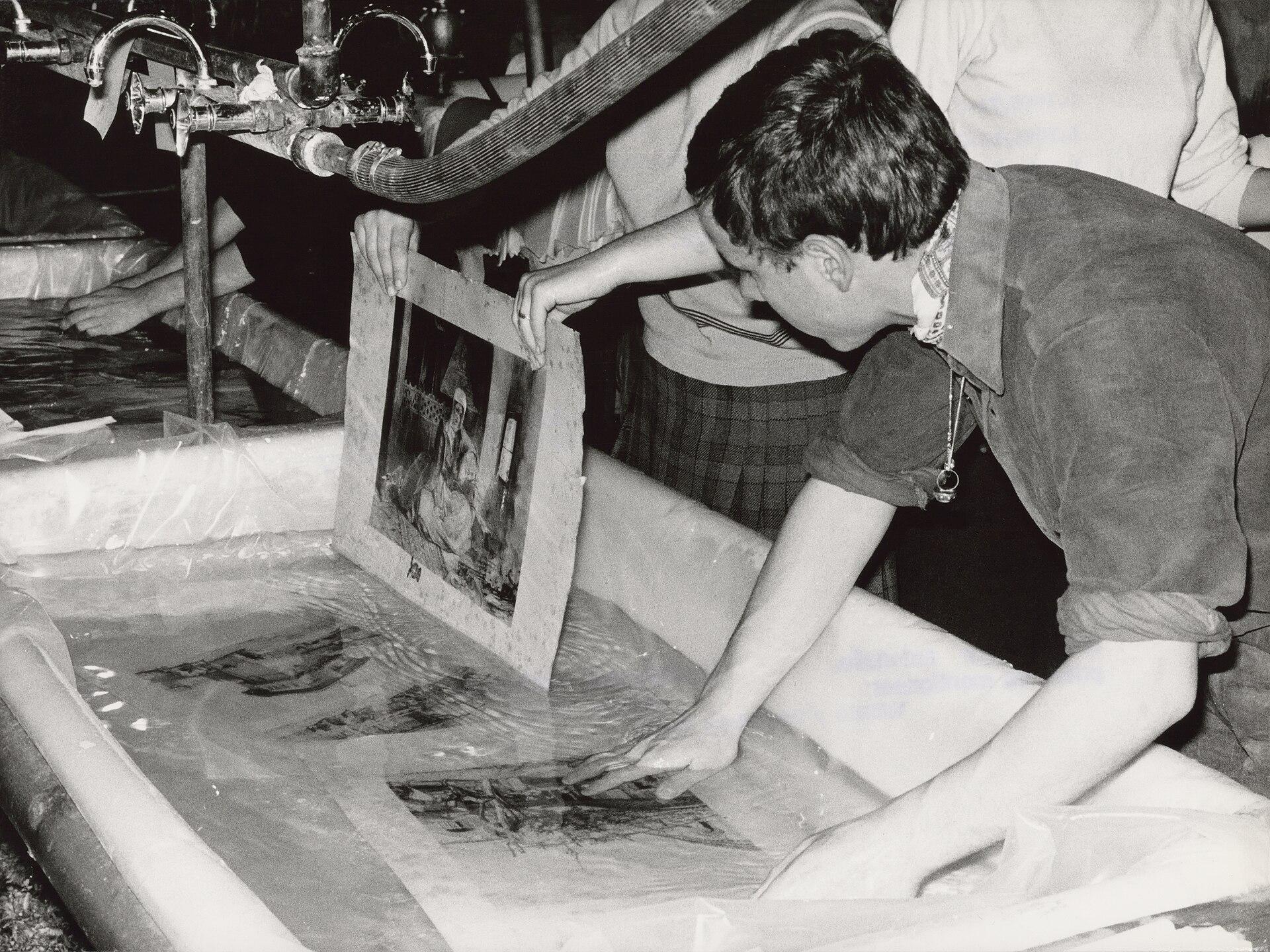
What happened next was something no one had planned. Young people from across Italy and beyond made their own way to Florence, slept in train carriages and cinemas, and formed human chains that passed buckets of mud outside and drenched volumes up to the light. A journalist called them the , and the name stuck.
The work was hard and filthy, and it went on for months. The wet books were taken to tobacco drying sheds and boiler rooms nearby, because nowhere had equipment for anything like this, and only as time passed did specialists work out how to dry paper and keep it whole.
The workshops that grew out of those years get their story told in our walk through .
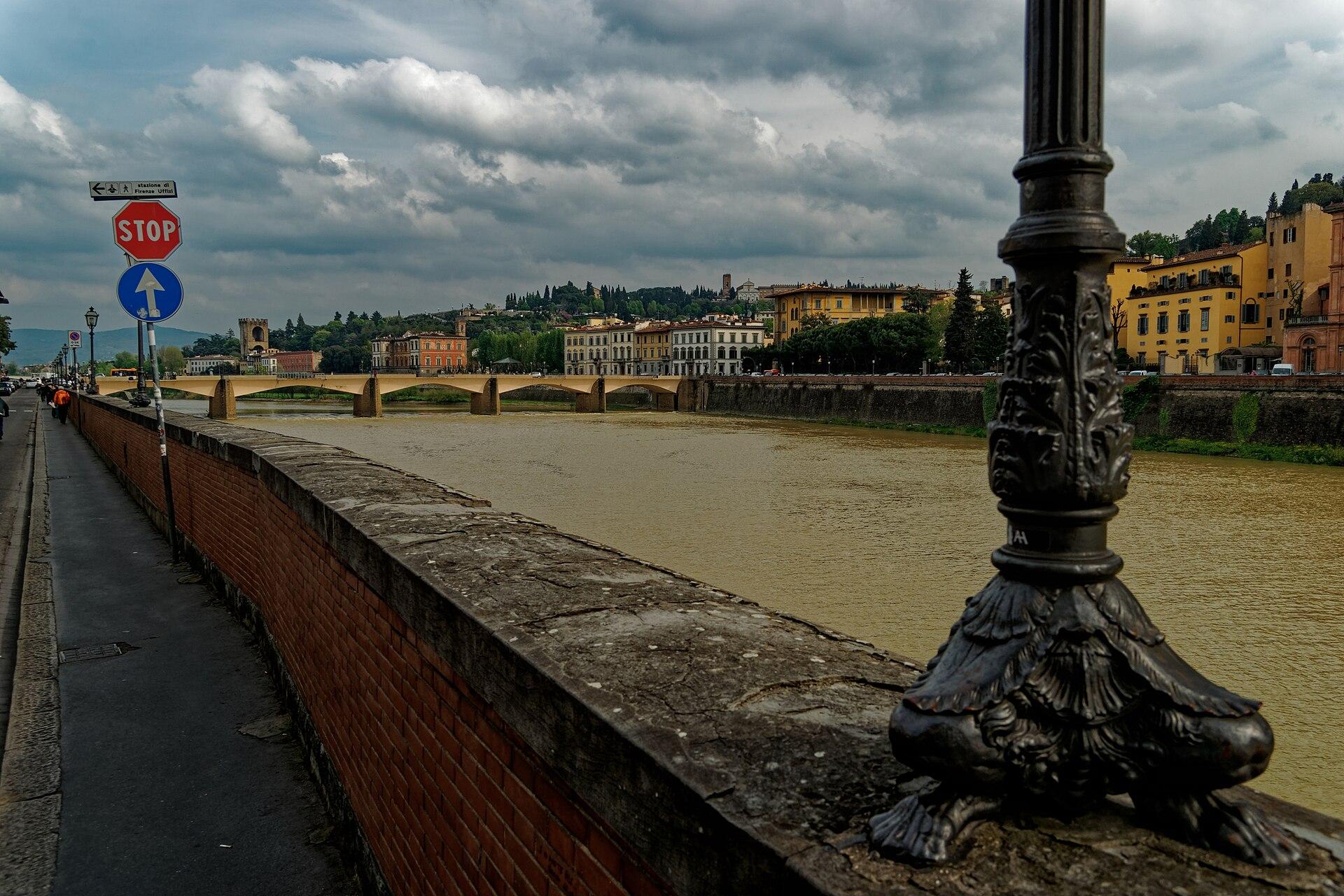
Following the embankment west, we reach the oldest bridge in the city.
Sources. Story: Biblioteca Nazionale Centrale di Firenze (alluvione 1966 e recupero delle raccolte); Opificio delle Pietre Dure, Firenze (restauro del materiale librario) Photos: Dominique Roger, UNESCO, manuscripts of the National Library after the 1966 flood, via Wikimedia Commons, CC BY-SA 3.0 IGO; volunteers November 1966, via Wikimedia Commons, public domain