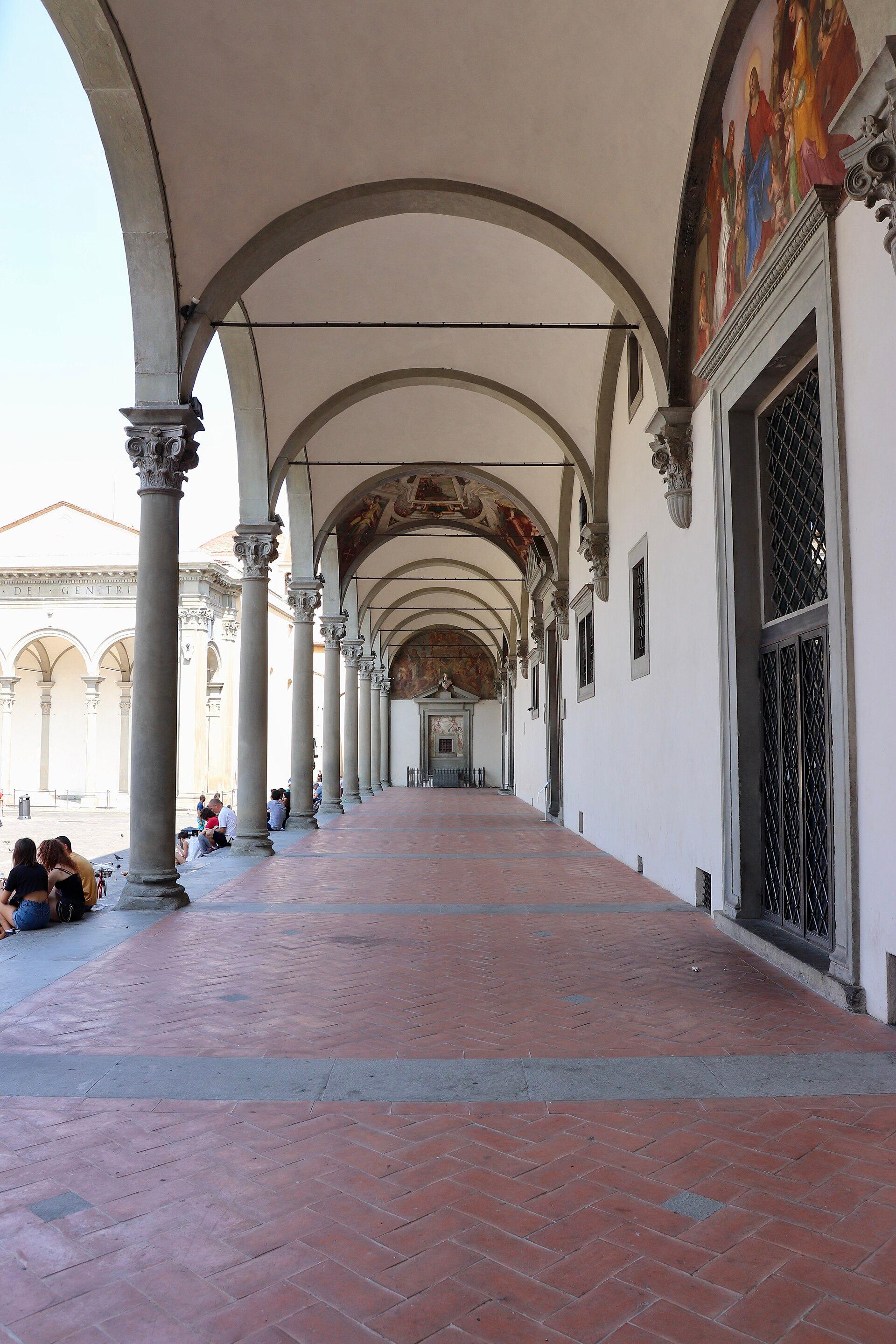
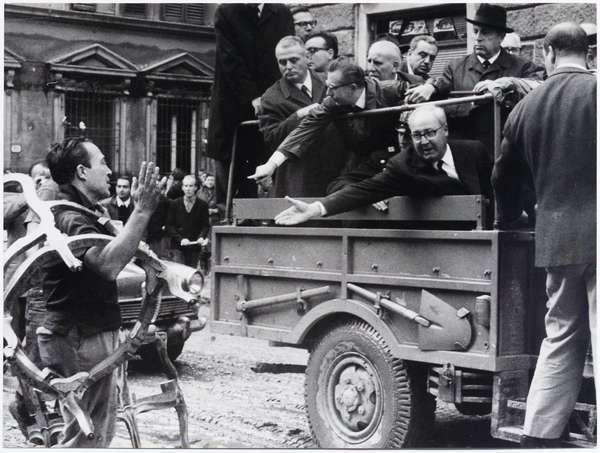
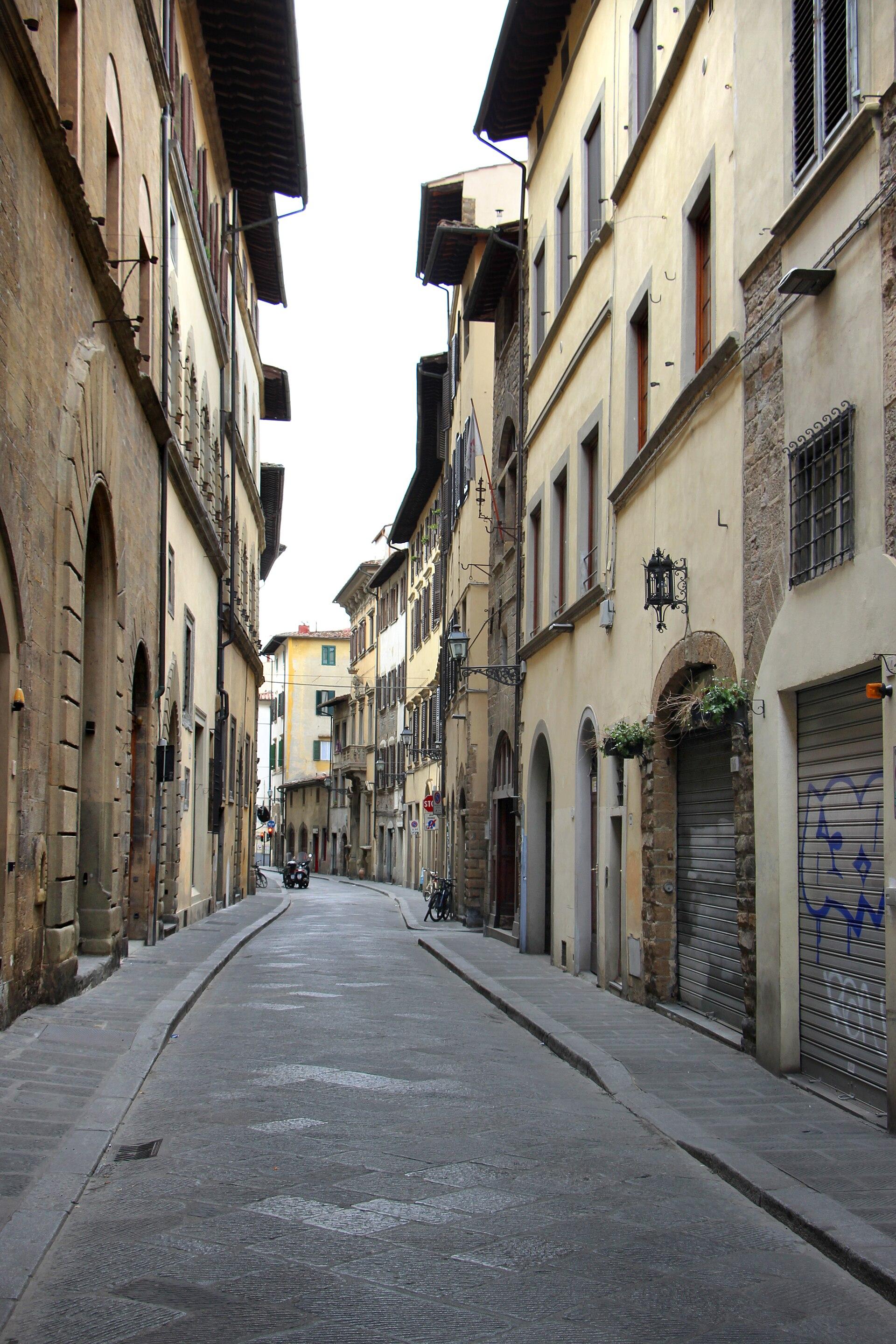
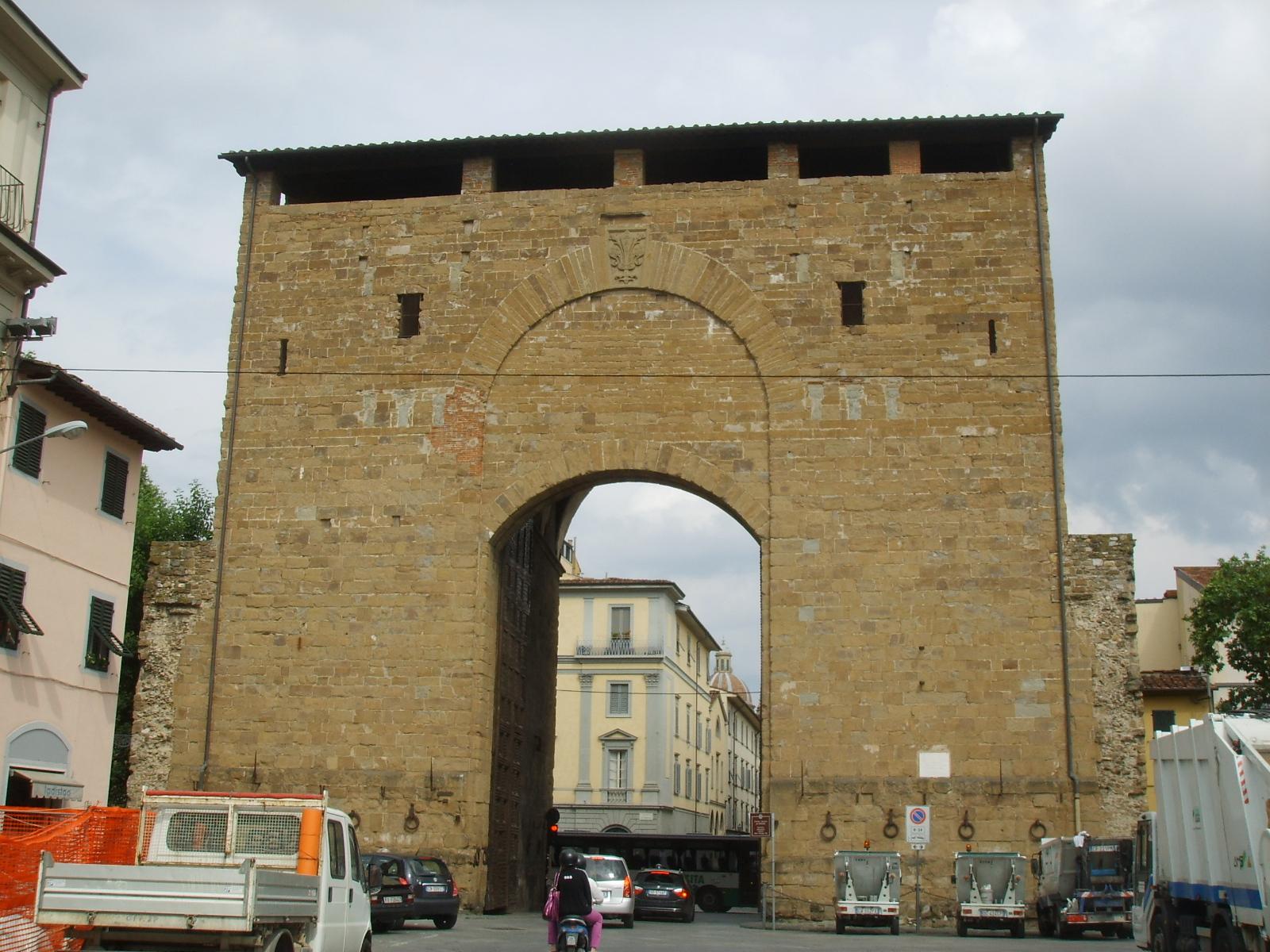
Fourteen thousand works of art and millions of books were damaged in a single night when the burst its banks in November 1966. The water rose well above the doors along this street, carrying a layer of heating oil that left everything black.
What happened next turned Florence into the place the world turns to with damaged heritage. There was almost no experience with destruction on that scale, so restorers, chemists and craftspeople worked out methods as they went: how to dry a soaked panel slowly and still keep it straight, how to save ink that had bled into the paper, how to fix paint that was flaking away.
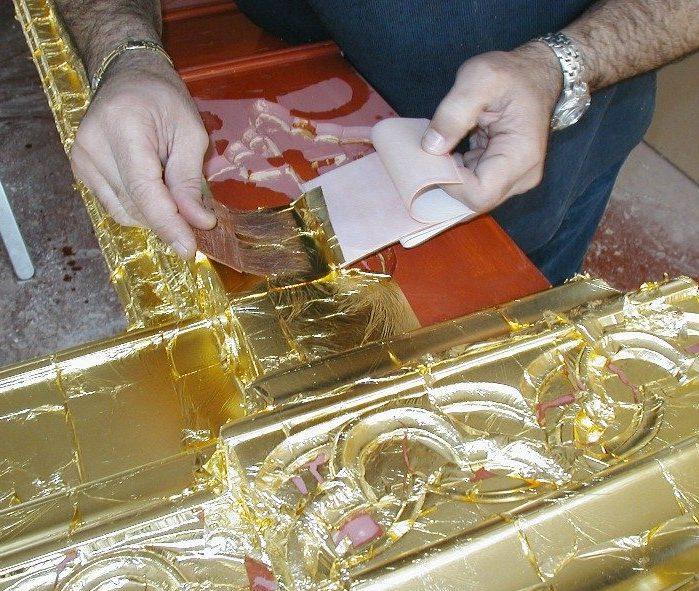
That knowledge settled into the workshops along this bank, which already had the handwork in their blood. A museum in Tokyo or Chicago with a cracked panel sends it today to an address a few hundred metres from where you're standing, and the training programmes here draw students from dozens of countries.
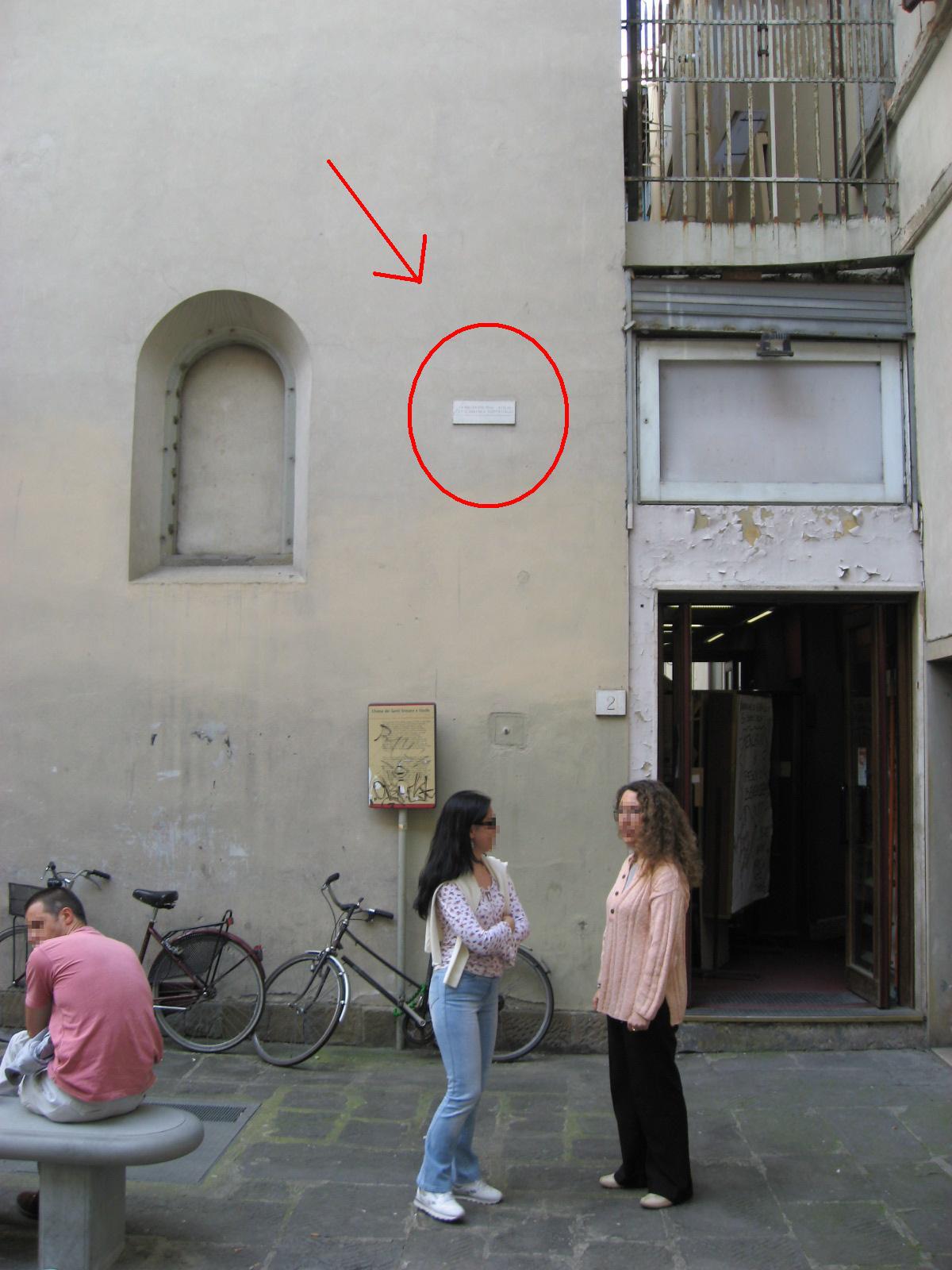
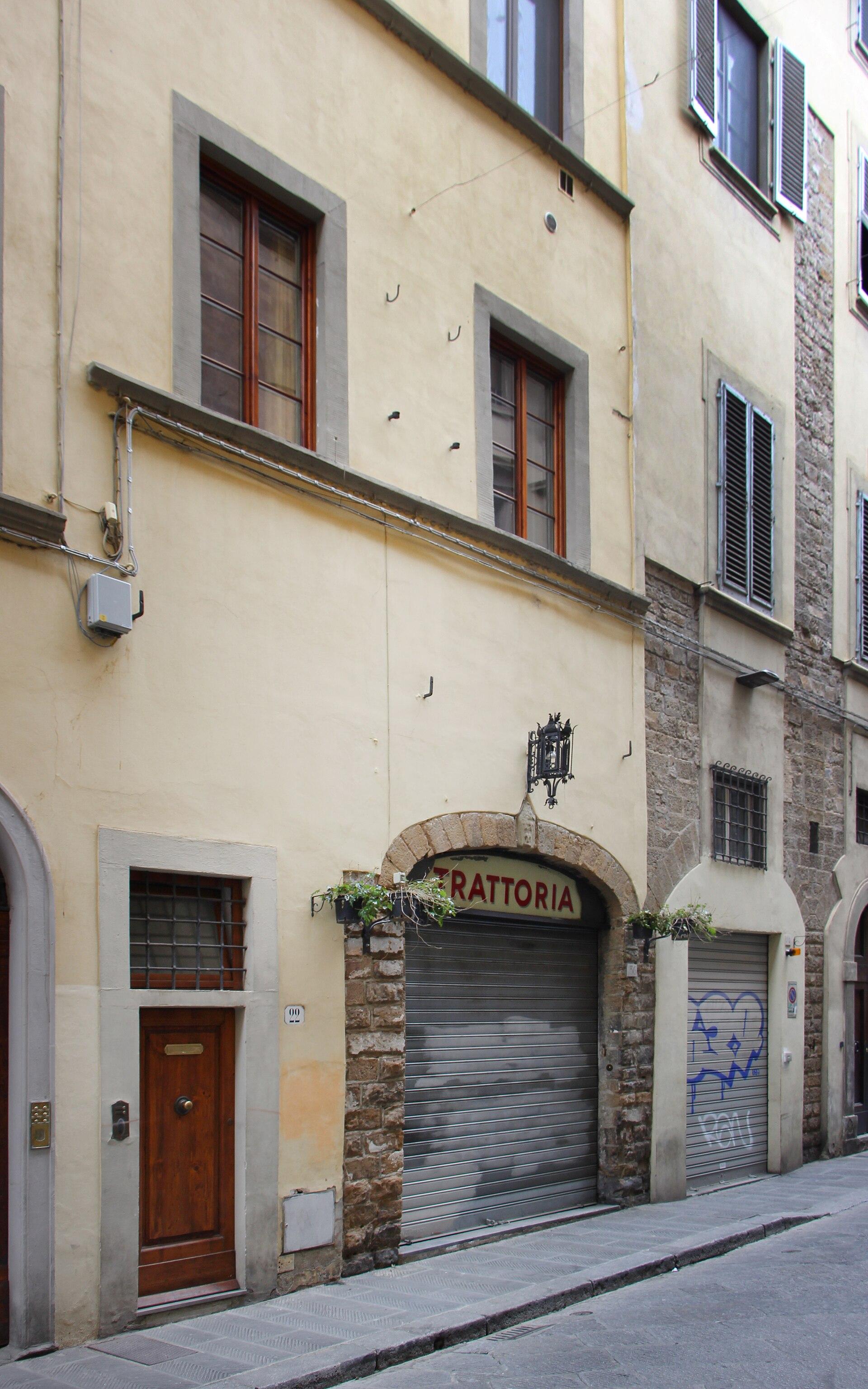
The flood itself, with the who passed books hand to hand and the high-water marks still set into walls all over the city, gets its full story in our walk about the water of 1966.
Our next stop is on Via Santo Spirito, the street that runs parallel to the river and back toward where we began.
Sources. Story: Opificio delle Pietre Dure, Firenze (restauro dopo l'alluvione del 1966); Comune di Firenze (alluvione 1966, documentazione) Photos: Flood of Florence, November 1966, via Wikimedia Commons, public domain; high-water mark of the flood, via Wikimedia Commons, photo Sailko, CC BY-SA 3.0