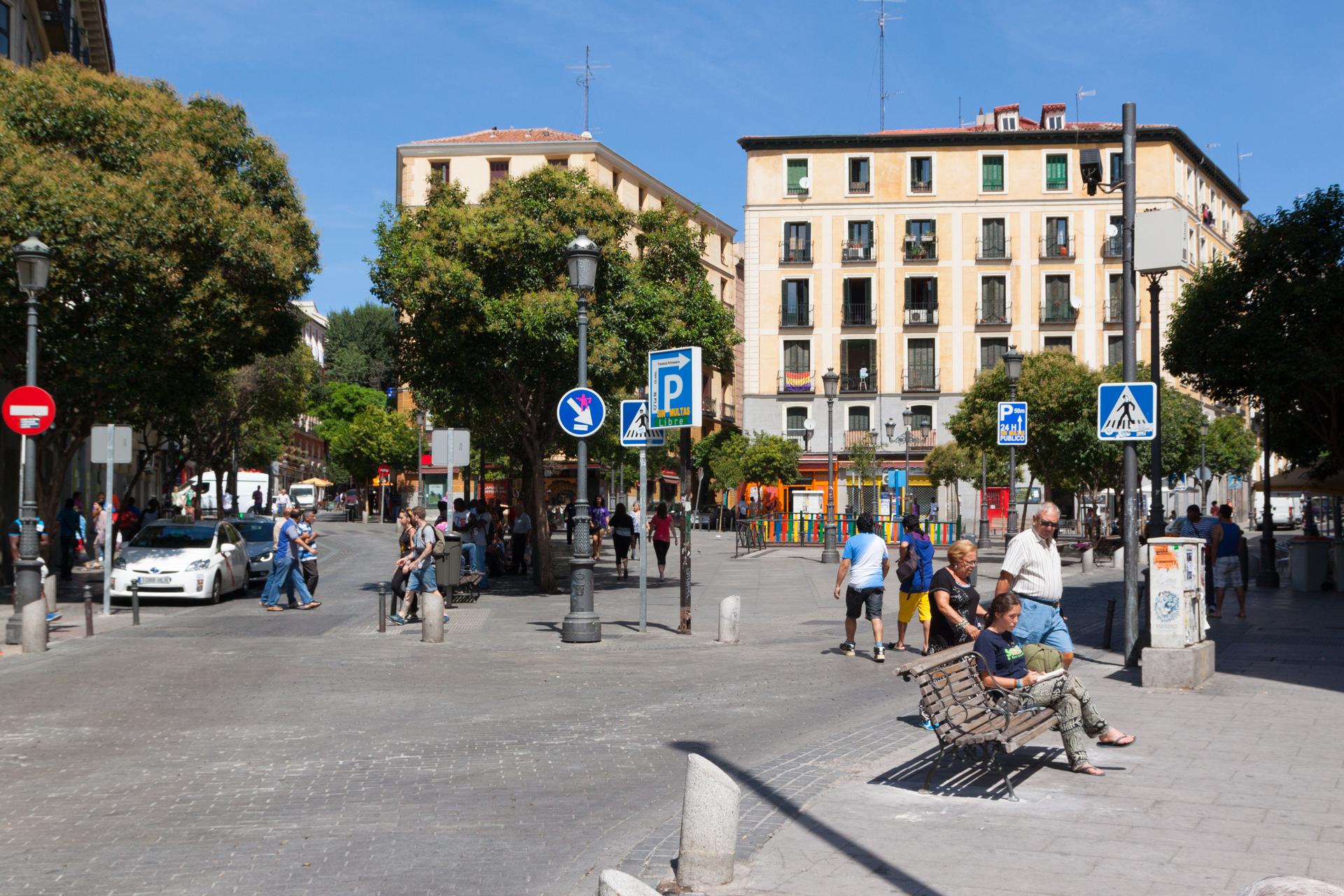
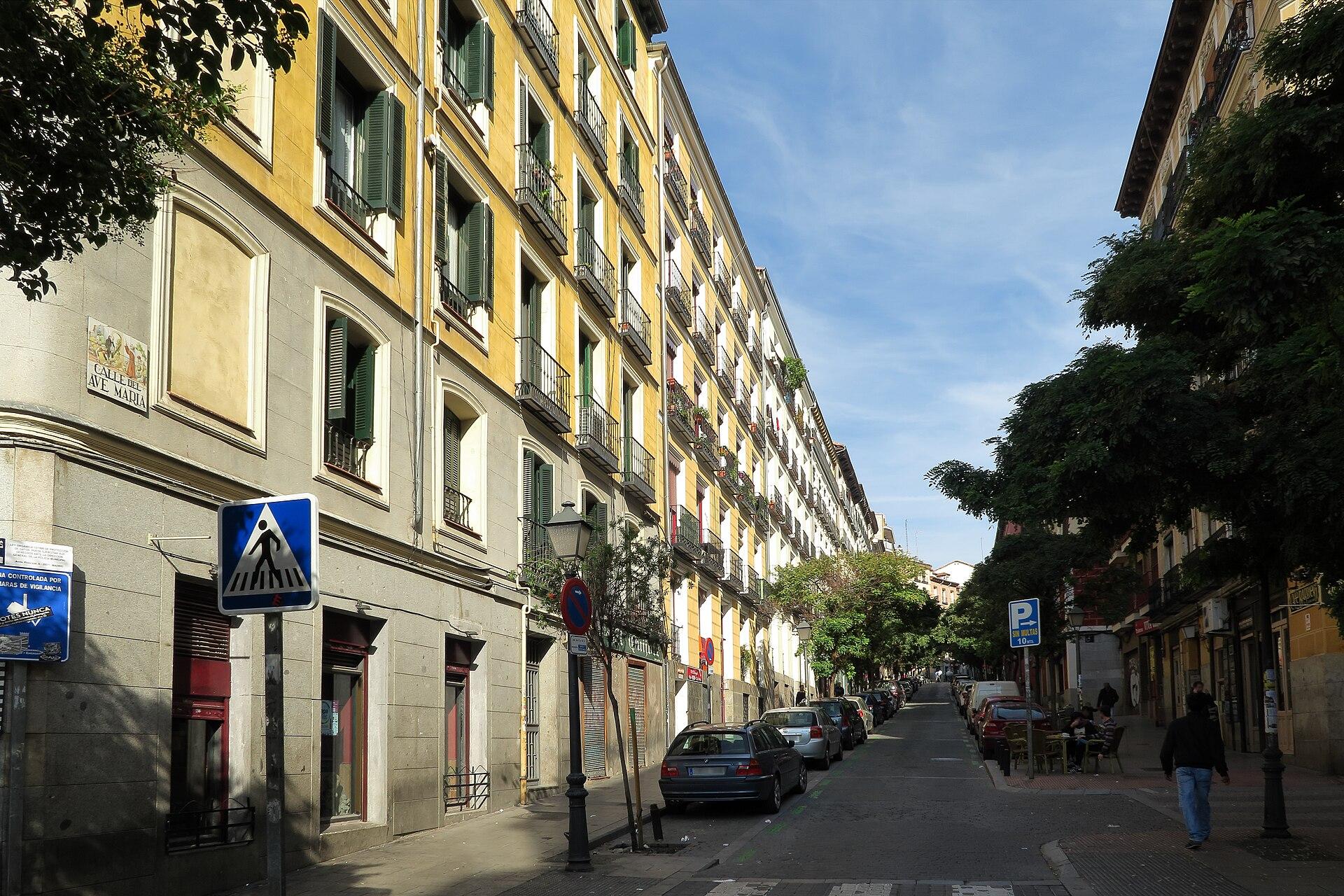
The street running up towards the square here is where comes together in the evening, with people out on the pavement because the places are too small to fit everyone inside, and that has been the pattern in this neighbourhood for generations.
What strikes you is the order in which everything has ended up standing next to everything else. The old taberna with its zinc counter and barrels on the wall sits beside a Bengali dining room, which sits beside a Senegalese barber, which sits beside a bar where the still plays out of the speakers. Every layer arrived and stayed put, and that is what madrileños mean when they say this neighbourhood works differently from the rest of the centre.
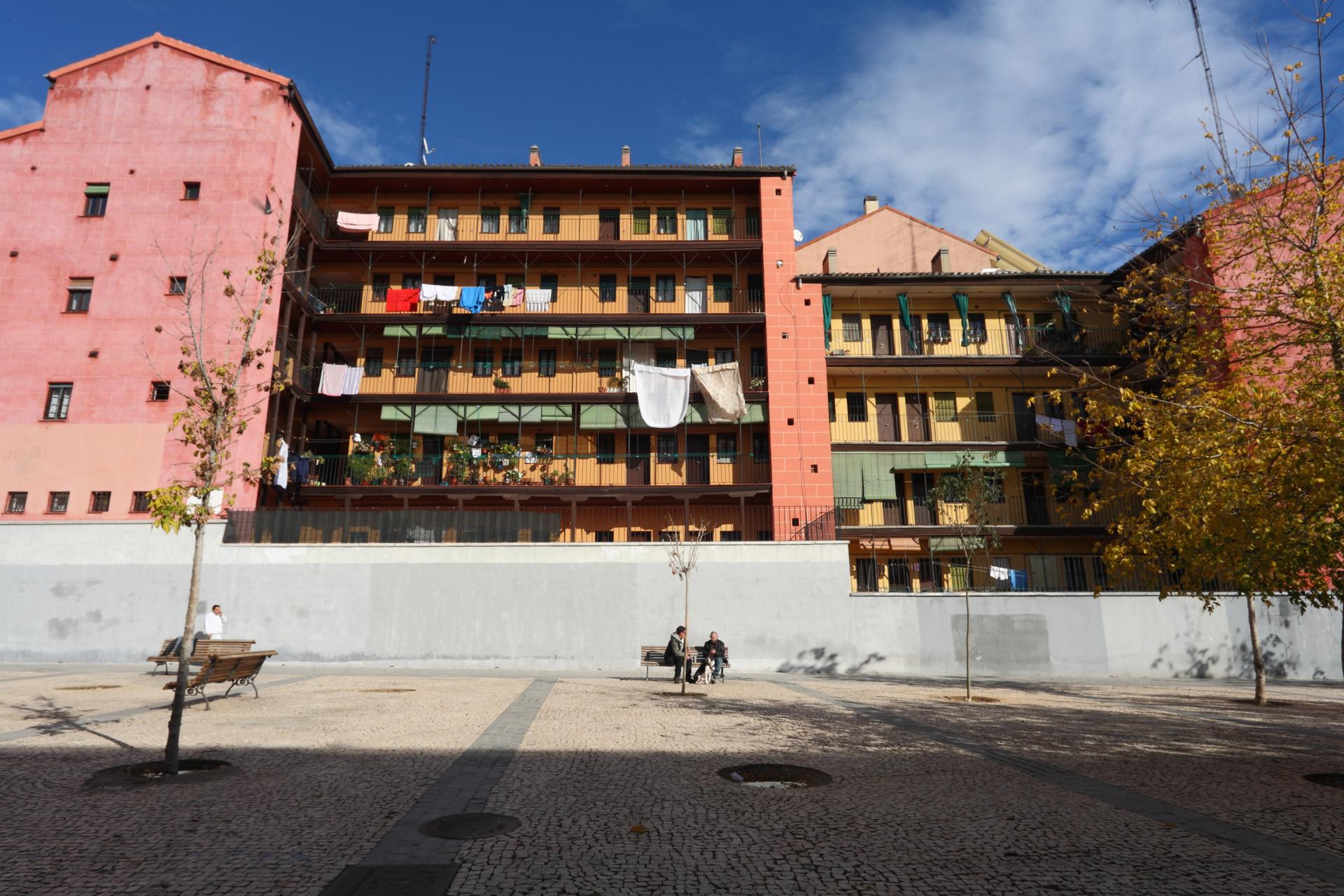
There is a simple reason for all that stacking up, because the homes here have always been small, the rents low and the floors high, which meant every new group arriving in Madrid landed here first. The you saw earlier is the oldest form of that.
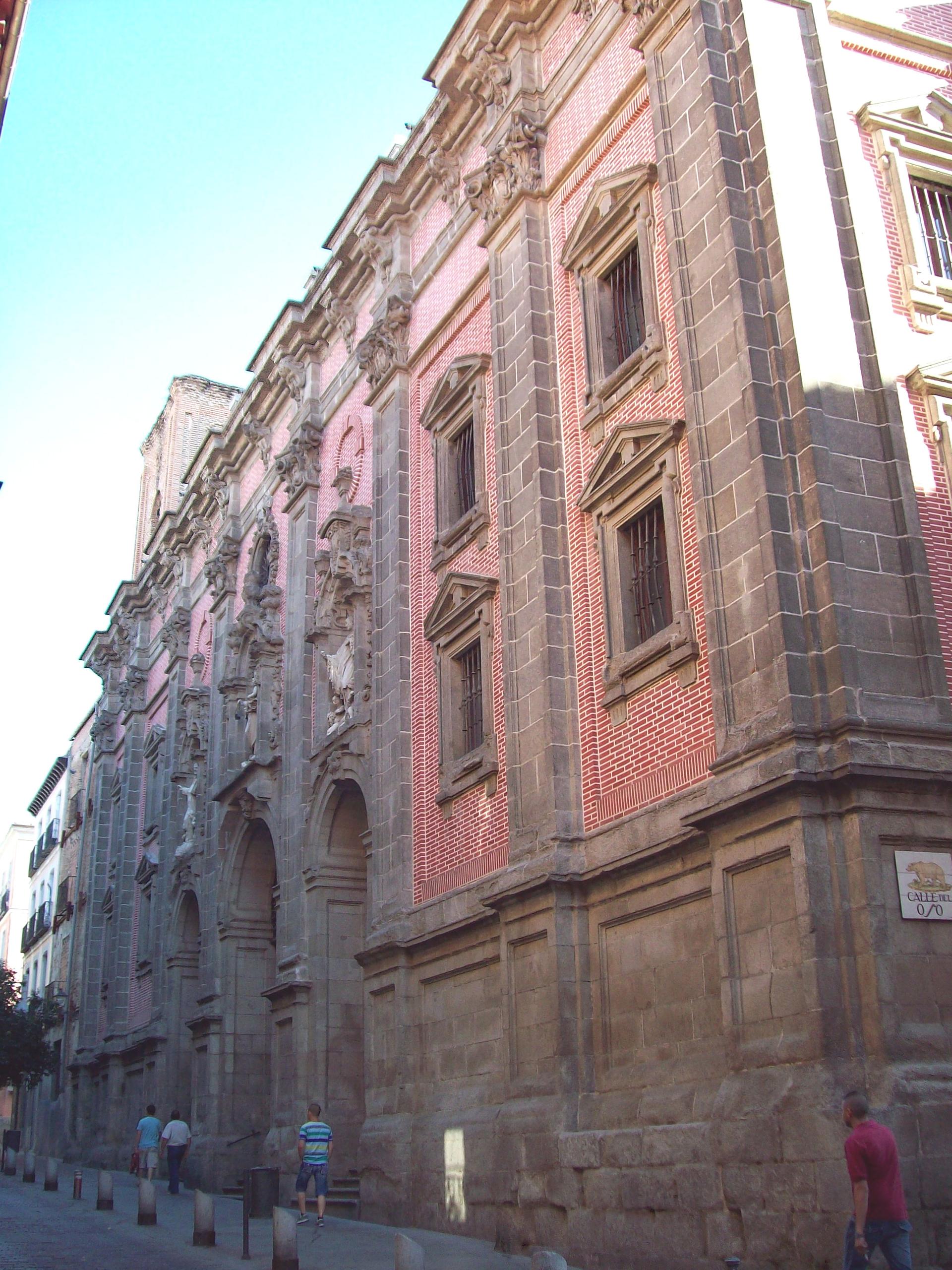
At the crossing further along, the Calle de la Fe heads off to the left and leads to a church with a square tower.
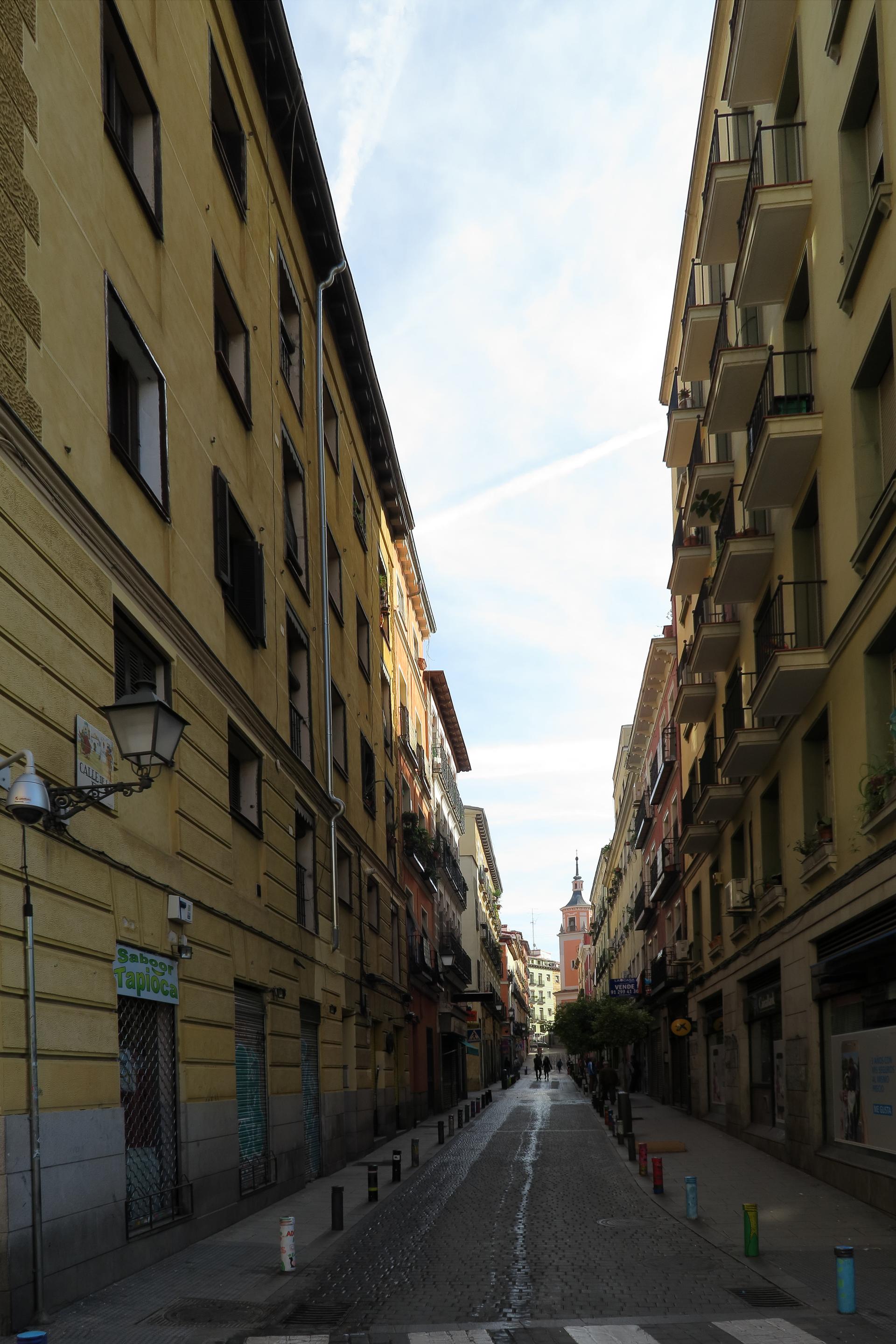
Sources. Story: Hispanopedia, Lavapiés en Embajadores (Madrid); Ayuntamiento de Madrid, esMadrid, Lavapiés. Photos: Photo of the Calle del Ave María: Malopez 21, CC BY-SA 4.0 via Wikimedia Commons.