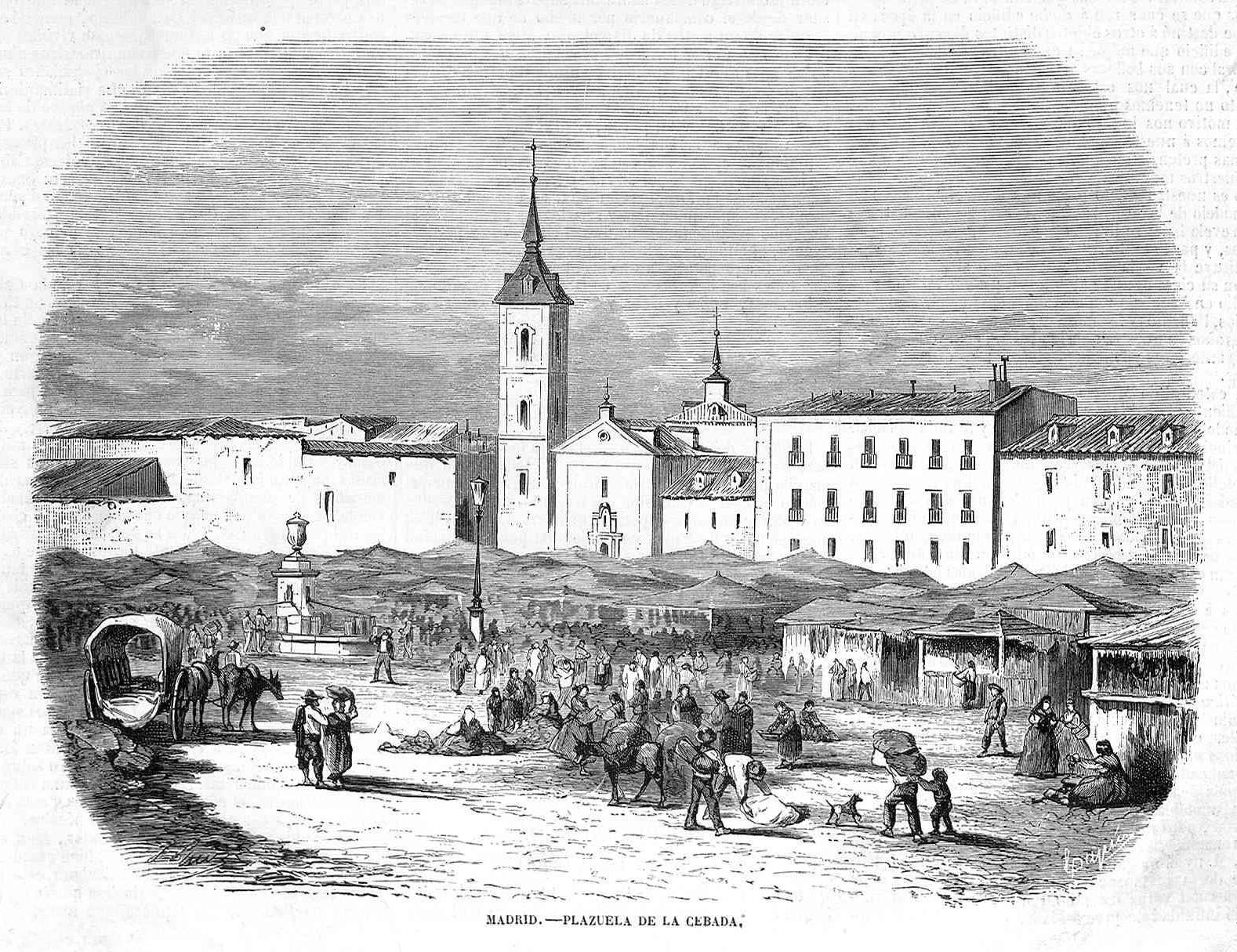
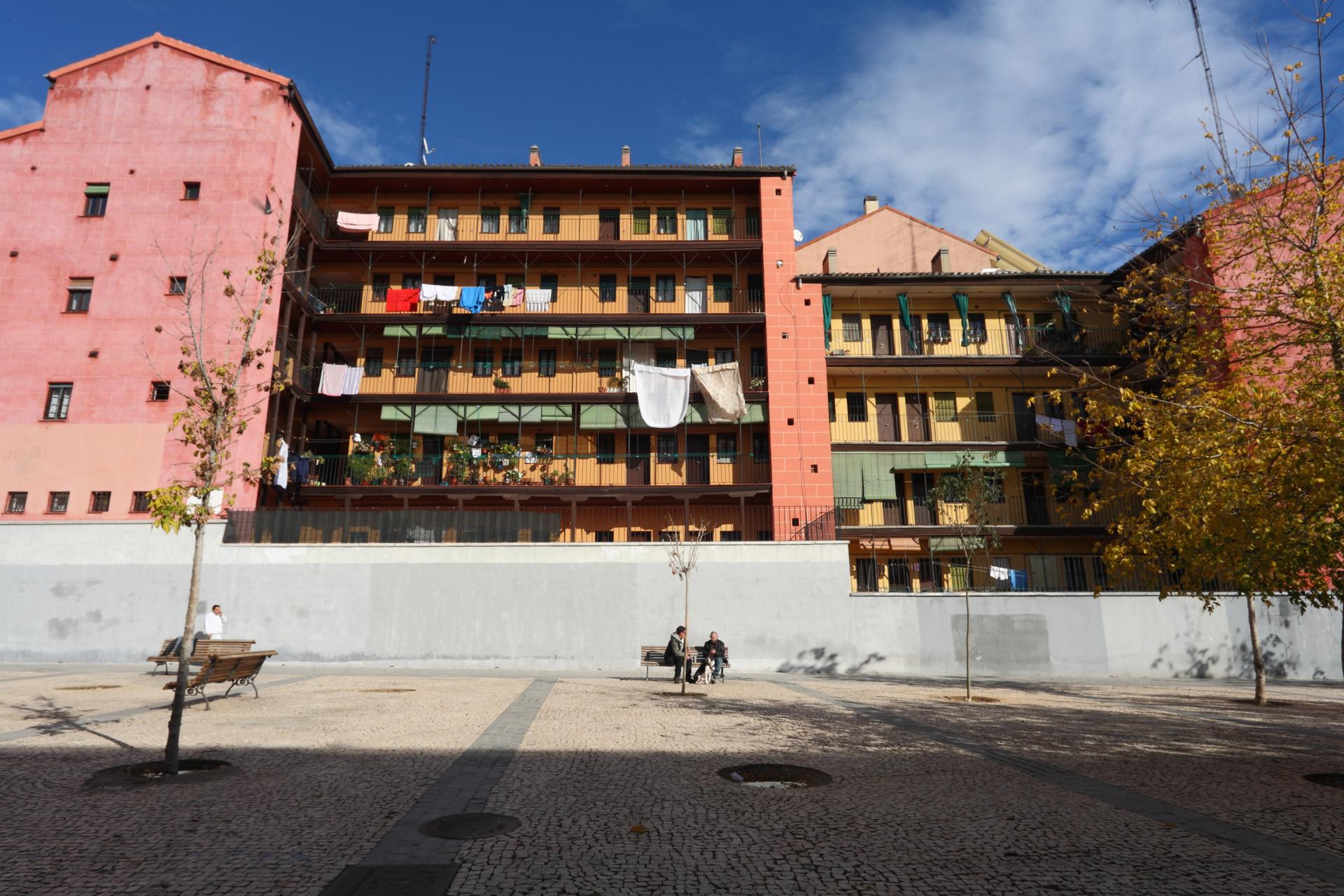
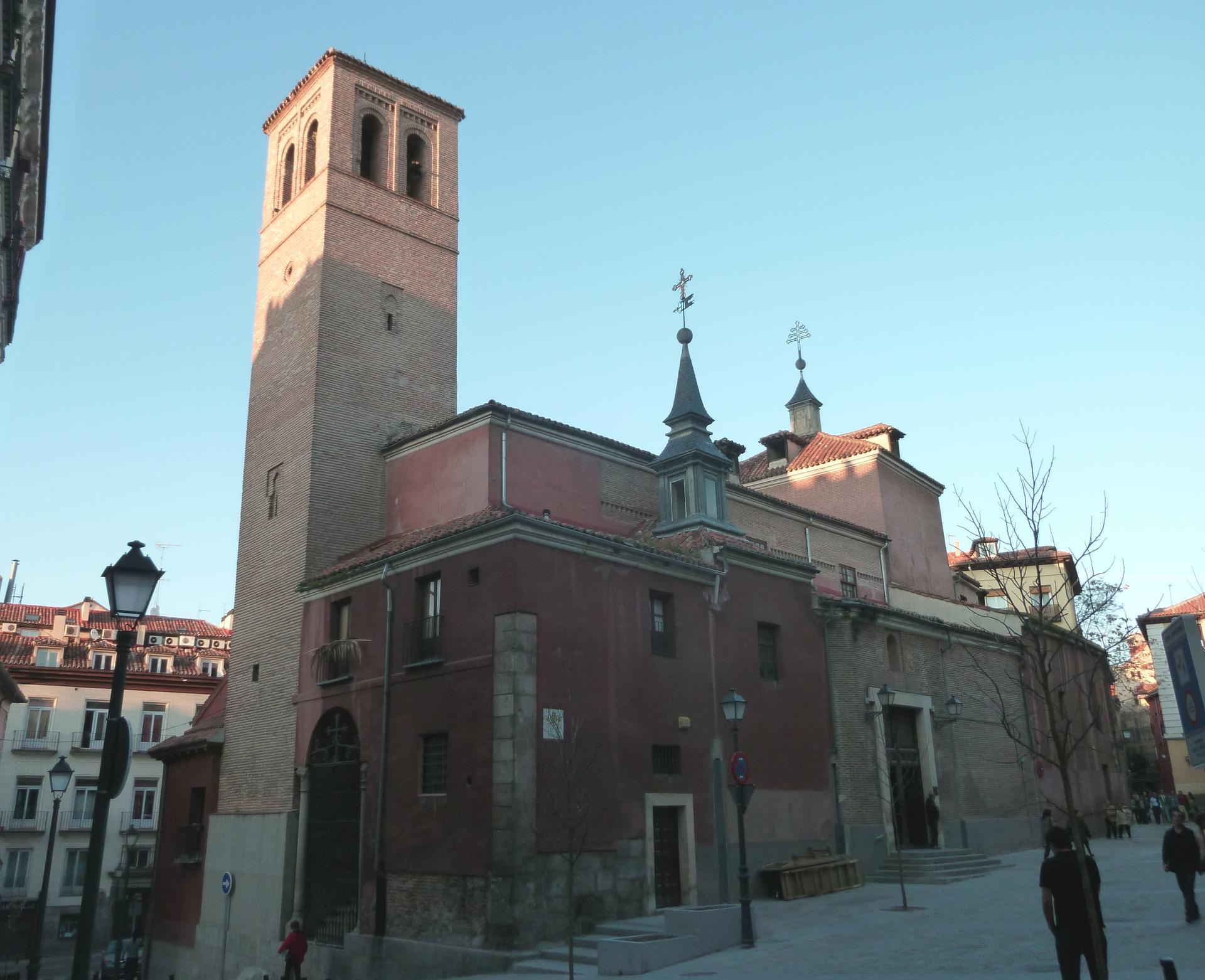
At the top of this square, behind a staircase and an unremarkable door, is one of the few spaces Madrid still has. The Vargas family started building it in 1520 with a single purpose in mind: a place to be buried.
That family had something nobody else in the city could claim. Centuries earlier, , the farm labourer who would later become the patron saint of Madrid, had worked in the service of the Vargas, which is why they kept his remains in their own chapel until they were returned to the church next door in 1544. When you have the body of a saint in your home, you have standing, and this chapel is what that kind of standing looks like carved in stone.
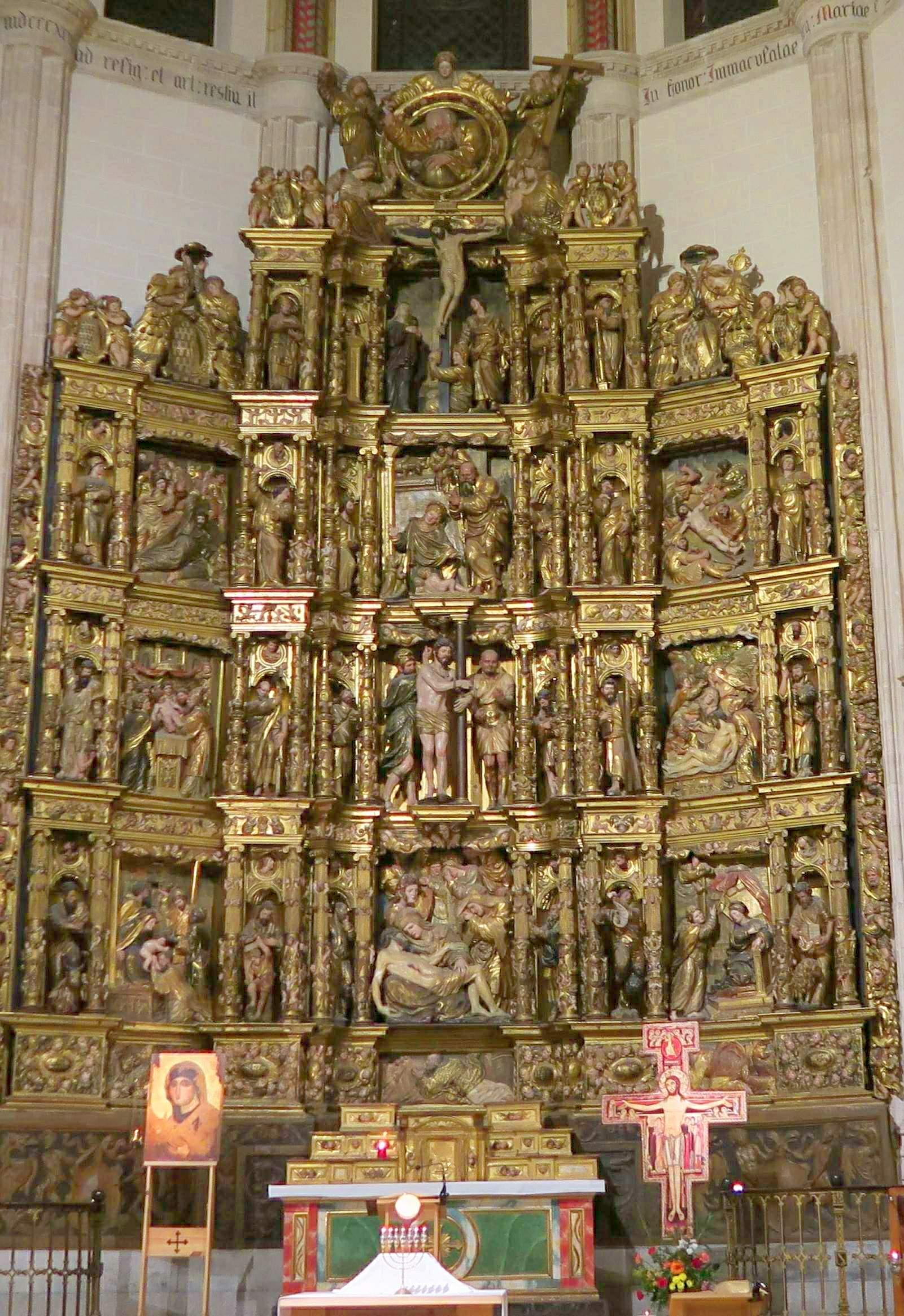
The builder's son, , bishop of Plasencia, finished the work in 1535 and gave the chapel its name. He had the sculptor Francisco Giralte create the tombs and the altarpiece in alabaster, and you can see the bishop himself kneeling in prayer on his own tomb.
You can visit the chapel freely and for nothing on Wednesday mornings between half past ten and two, and on Tuesdays and Thursdays there are guided tours you book in advance through the Almudena museum.
Sources. Story: Ayuntamiento de Madrid, esMadrid, Capilla del Obispo; José Luis Barrio Moya, La madrileña capilla del obispo de Plasencia según un inventario de 1661, Instituto de Estudios Madrileños; Hispanopedia, Capilla del Obispo. Photos: Photo of the altarpiece of the Capilla del Obispo: Malopez 21, CC BY-SA 4.0 via Wikimedia Commons.