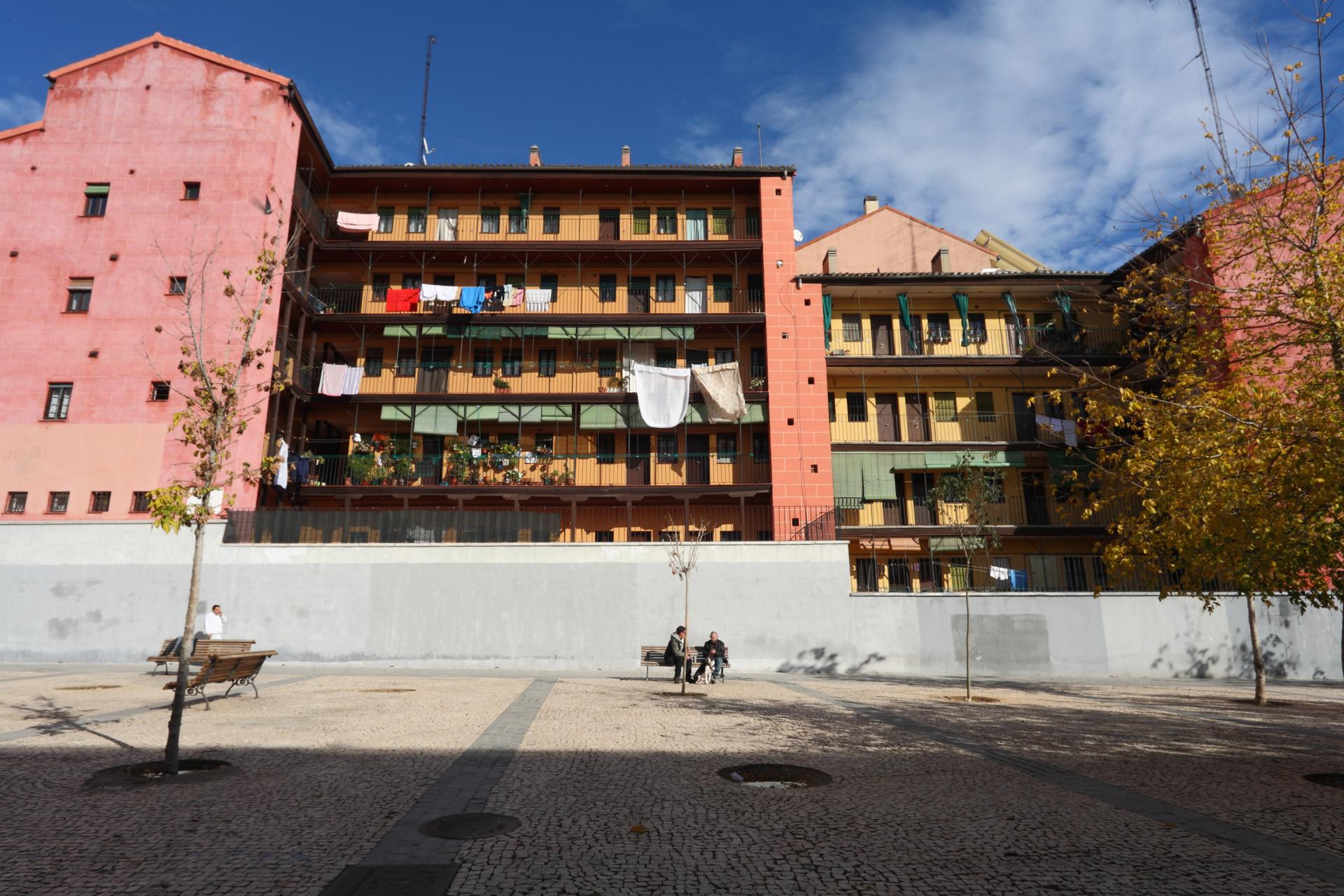
The cathedral in front of you started out as a grave. When Queen died in 1878 at just eighteen, only five months after her marriage to , the king wanted to give her a final resting place facing . He laid the first stone himself in April 1883, though in those same years the plan grew into something far more ambitious, because Madrid had been the capital of Spain for three centuries by then without ever having a cathedral of its own.
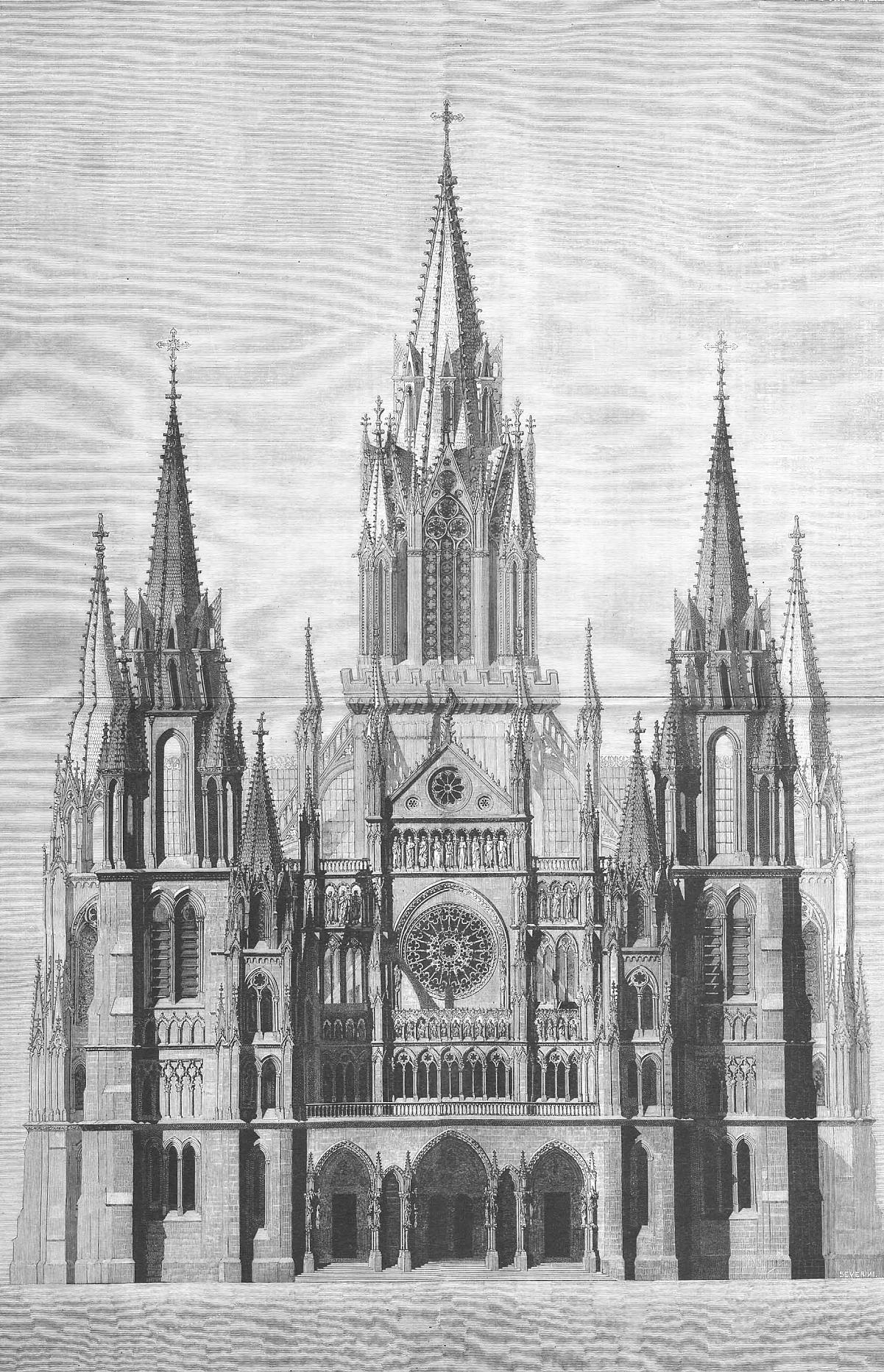
After that, everything moved painfully slowly. Construction halted during wars and crises, the designs were abandoned halfway through because the church looked too different from the palace beside it, and the building was only consecrated in June 1993. did it in person, which made this the first cathedral outside Rome ever consecrated by a pope, a hundred and ten years after that first stone was laid.
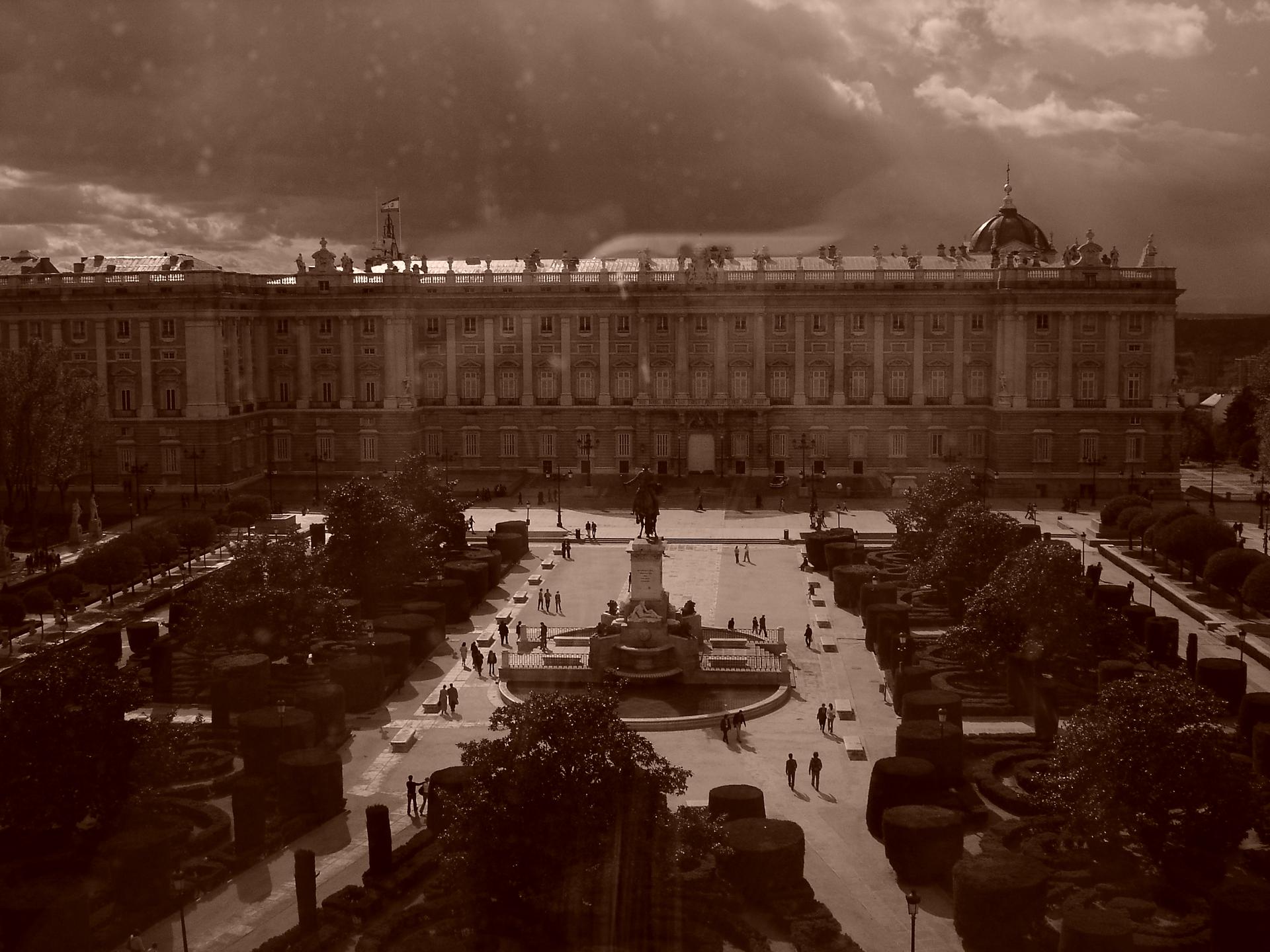
You can read all of that in the facade, because the pale stone, the height and the colonnade are tuned to the palace across the way, so that the two buildings complement each other and share a square.
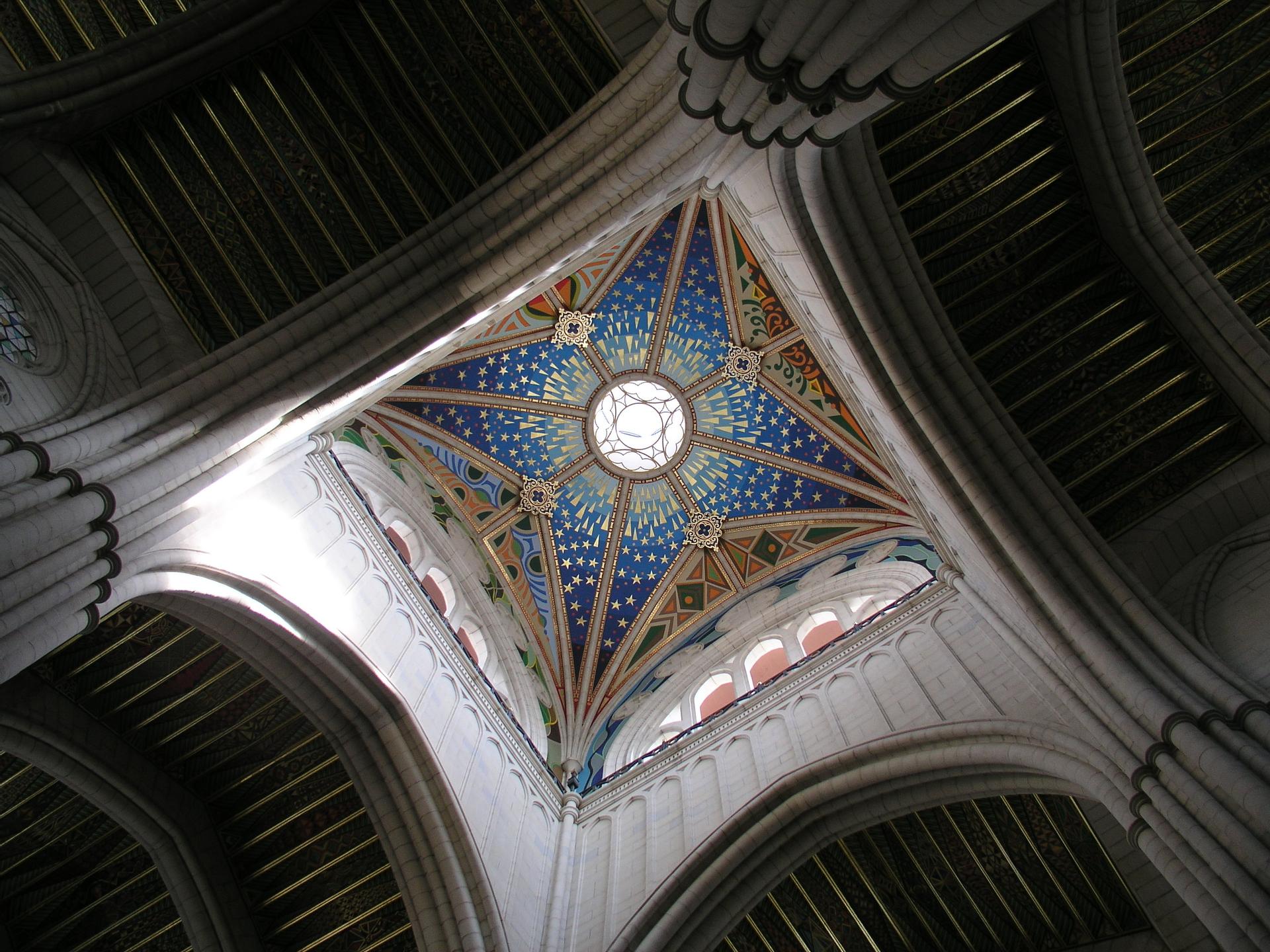
Inside, a second story is waiting, about what those hundred and ten years did to the interior and why the ceiling looks like nothing else in Spain. The cathedral is free to enter for a voluntary donation and opens around ten in the morning.
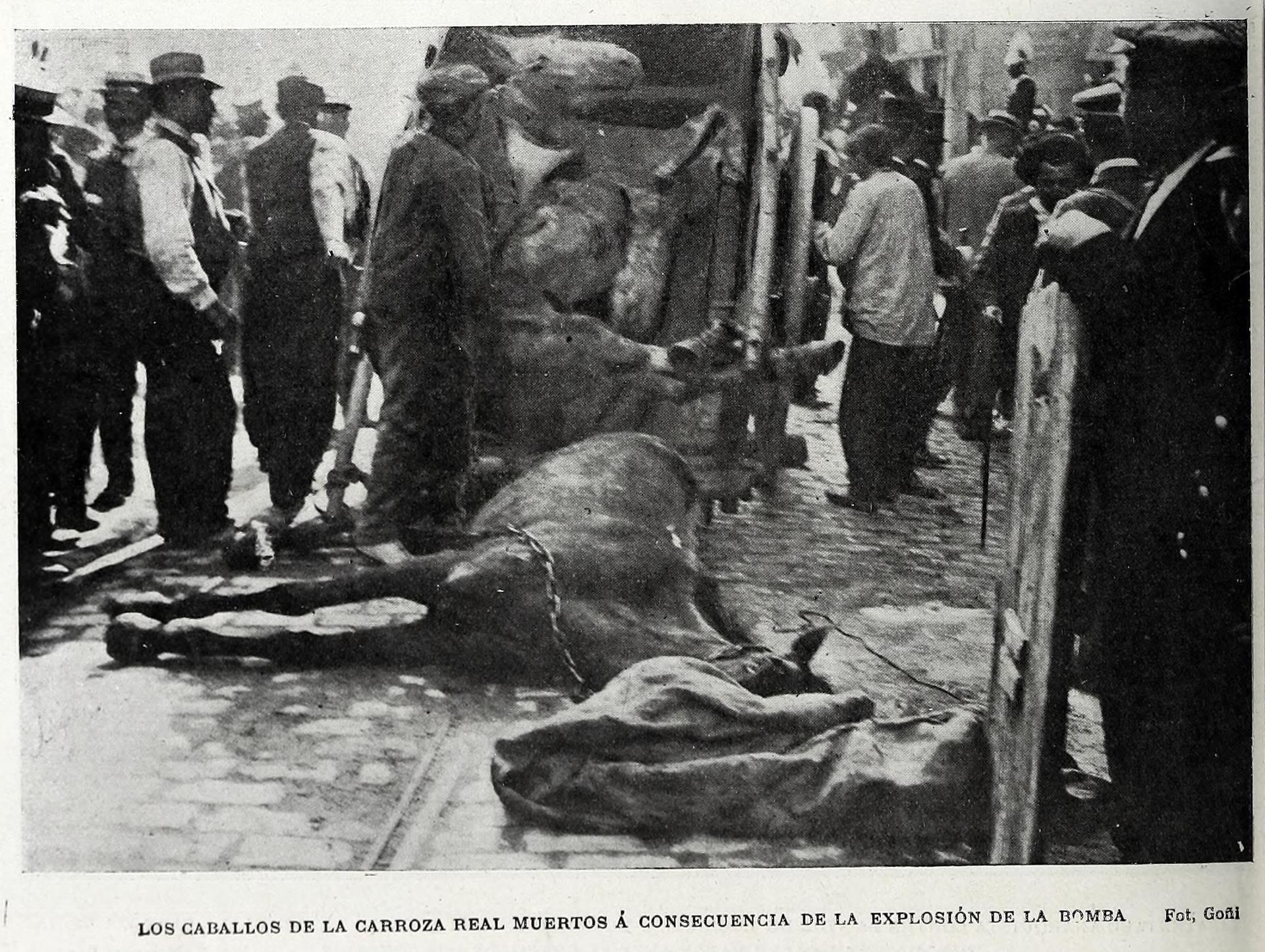
Sources. Story: Catedral de la Almudena, Archidiocesis de Madrid; esMadrid, Ayuntamiento de Madrid. Photos: José Severini after the design by Francisco de Cubas, in La Ilustración Española y Americana, 1882, public domain via Wikimedia Commons. Construction photo from 1898: Biblioteca Virtual de la Comunidad de Madrid, public domain via Wikimedia Commons.