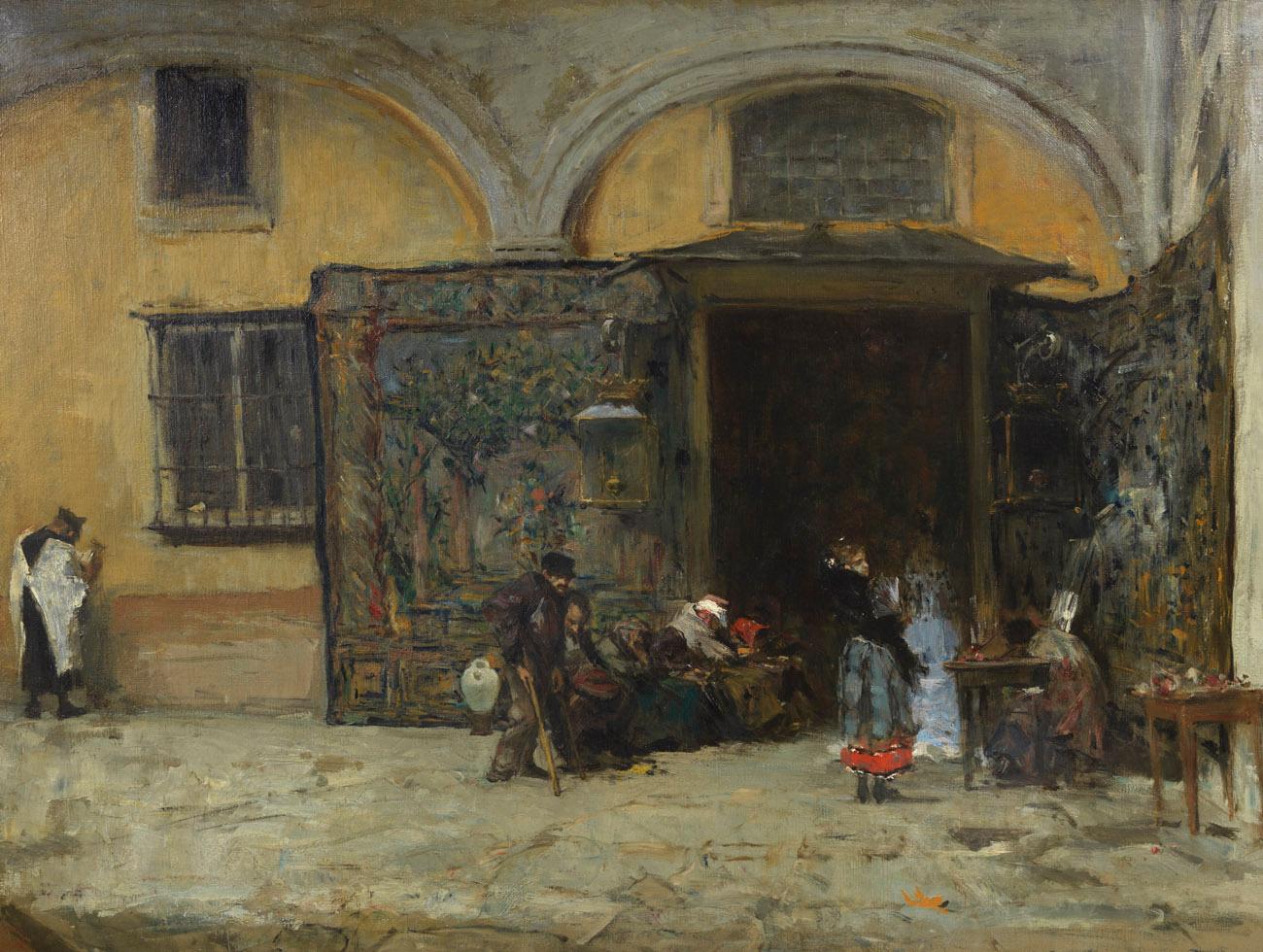
A church has stood here since the Middle Ages, though most of what you see is a good deal younger. The facade on the Calle del Arenal took its current shape during a renovation around 1870, which did away with the old portico that , one of Spain's most celebrated nineteenth-century painters, had put on canvas just two years before.
The parish archive goes all the way back to 1480, and in it you'll find the 1580 baptism record of the poet and the marriage record of the playwright . Two writers who couldn't stand each other in real life end up side by side in the same registers. Their old neighbourhood sits a few streets from here, and we tell its story on another of our walks.
An alley runs alongside the church, and since 1894 it has held a chocolate house that stays open day and night. Generations of madrileños ended their nights here over , and on New Year's Eve the queue stretches far down the alley.
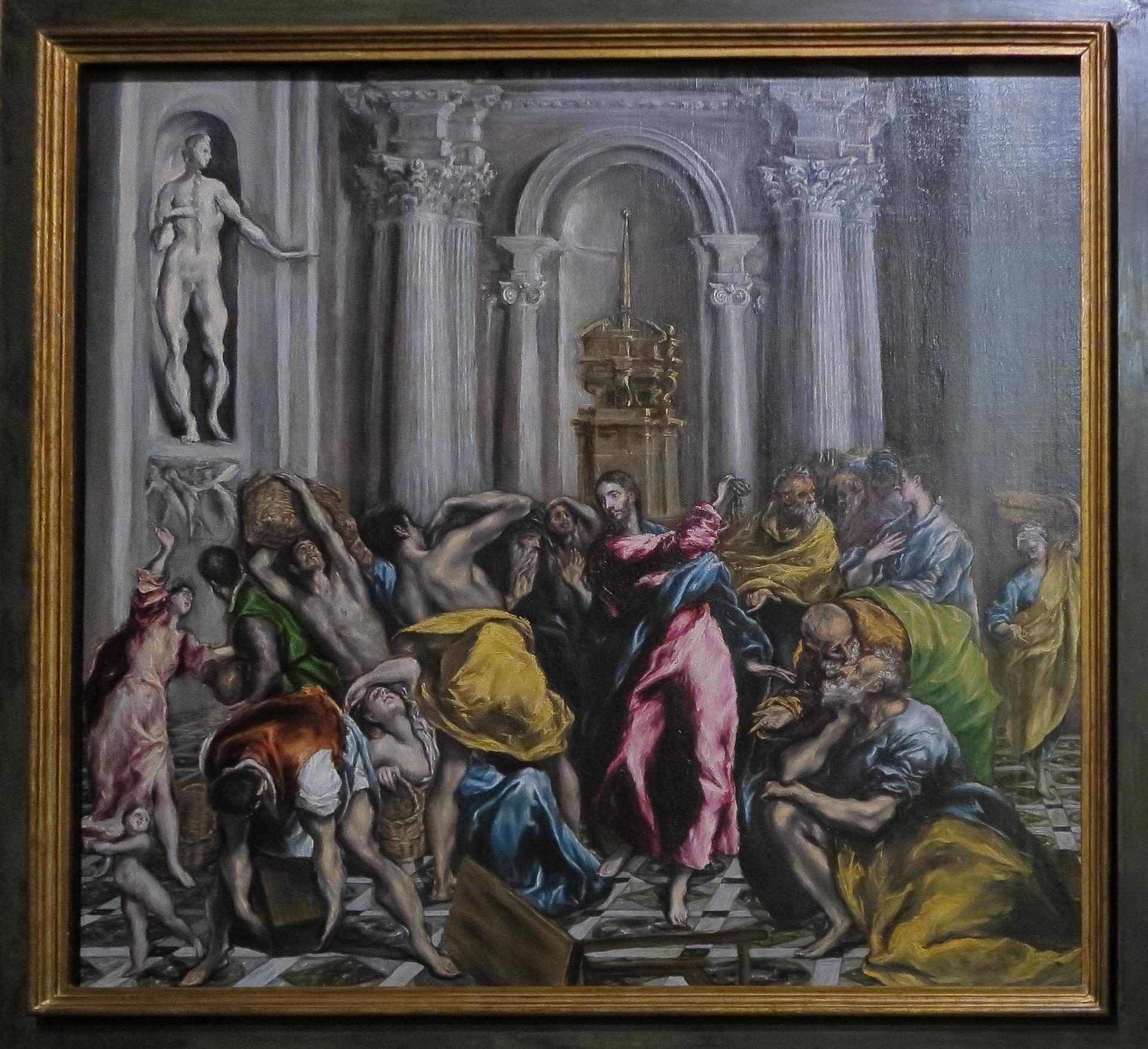
Entry is free and the church opens around its services. Inside hangs a painting that passed for a copy for three centuries, and a second story is waiting for you there.
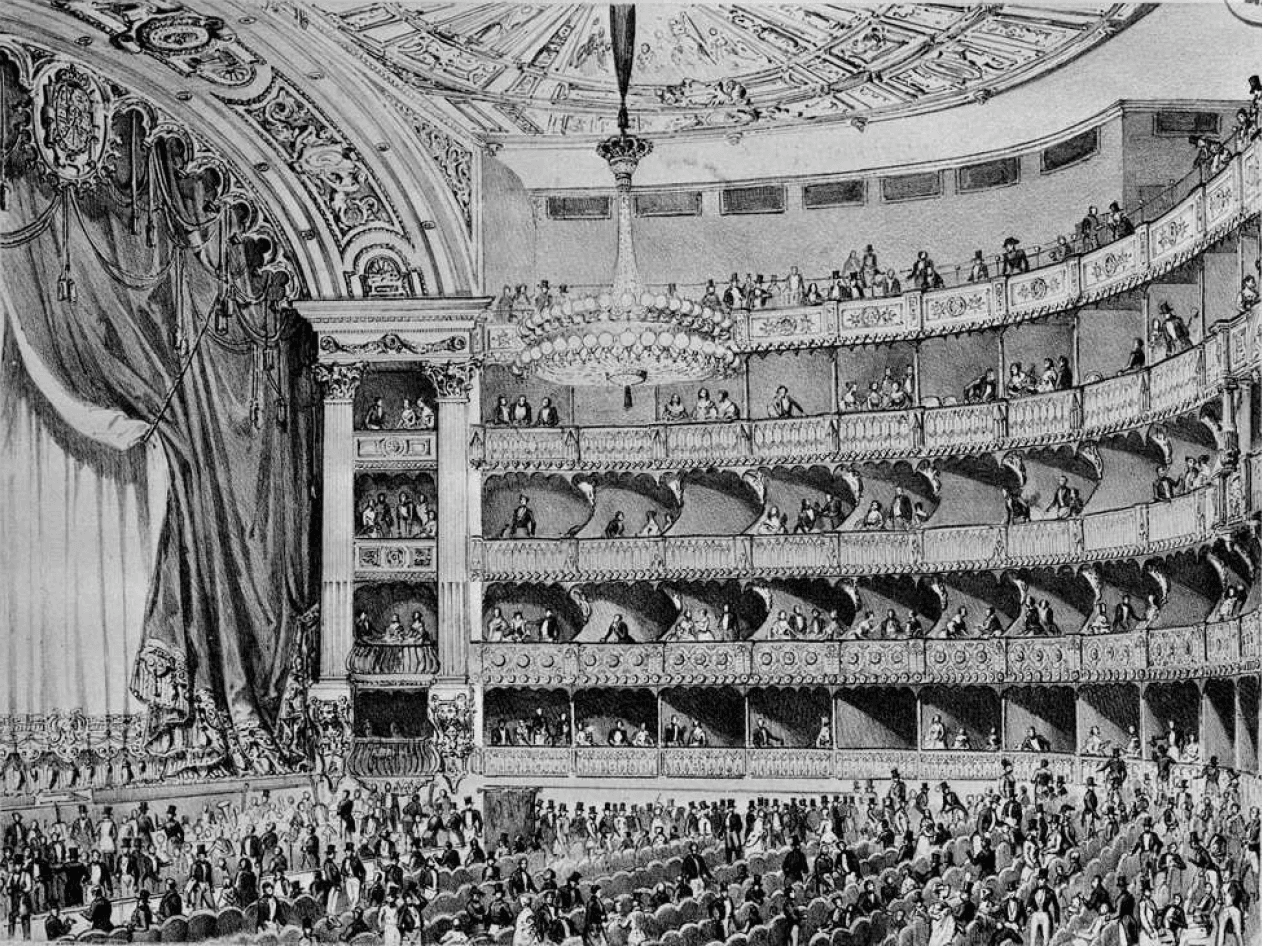
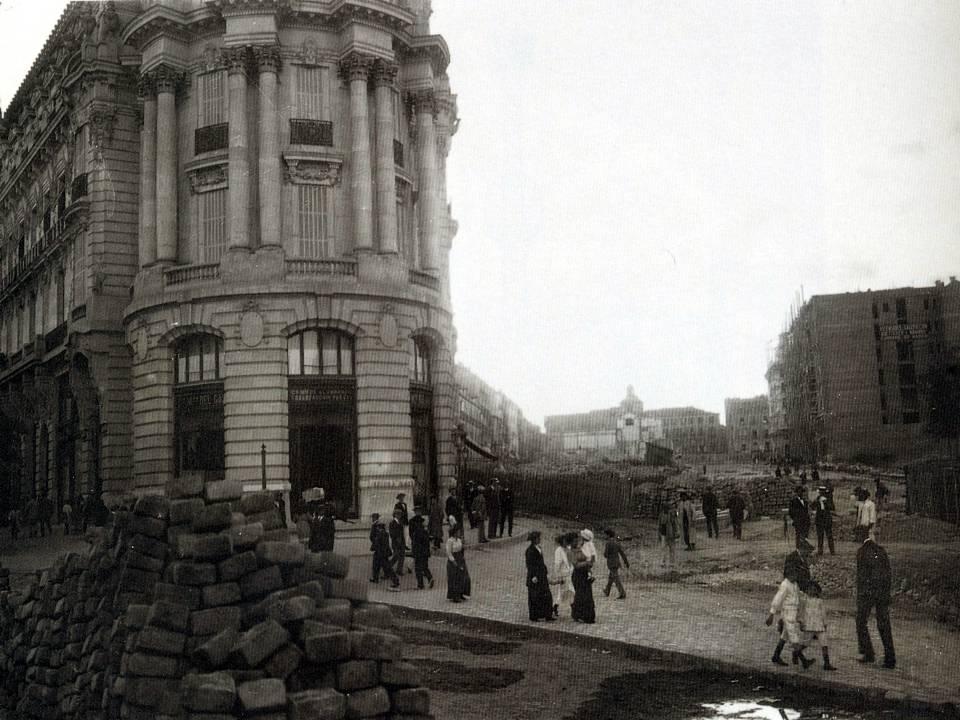
Sources. Story: esMadrid, Ayuntamiento de Madrid; Archivo Parroquial de San Gines. Photos: Mariano Fortuny Marsal, El pórtico de la iglesia de San Ginés de Madrid, 1868, Colección Gerstenmaier, CC BY-SA 4.0 via Wikimedia Commons. Fernando Miranda and Tomás Carlos Capuz, the facade on the Calle del Arenal after the renovation, in La Ilustración Española y Americana of 8 February 1872, public domain via Wikimedia Commons.