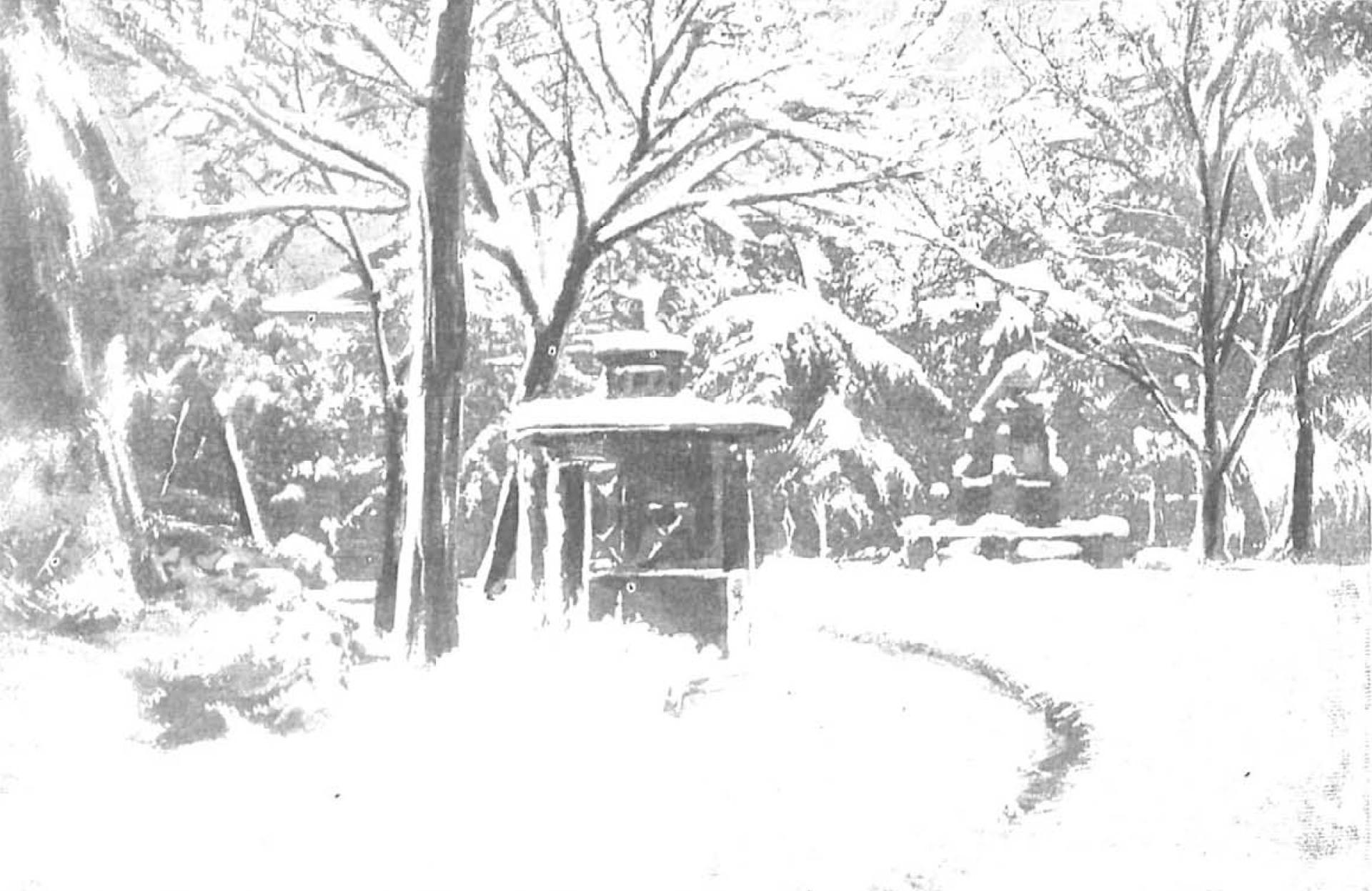
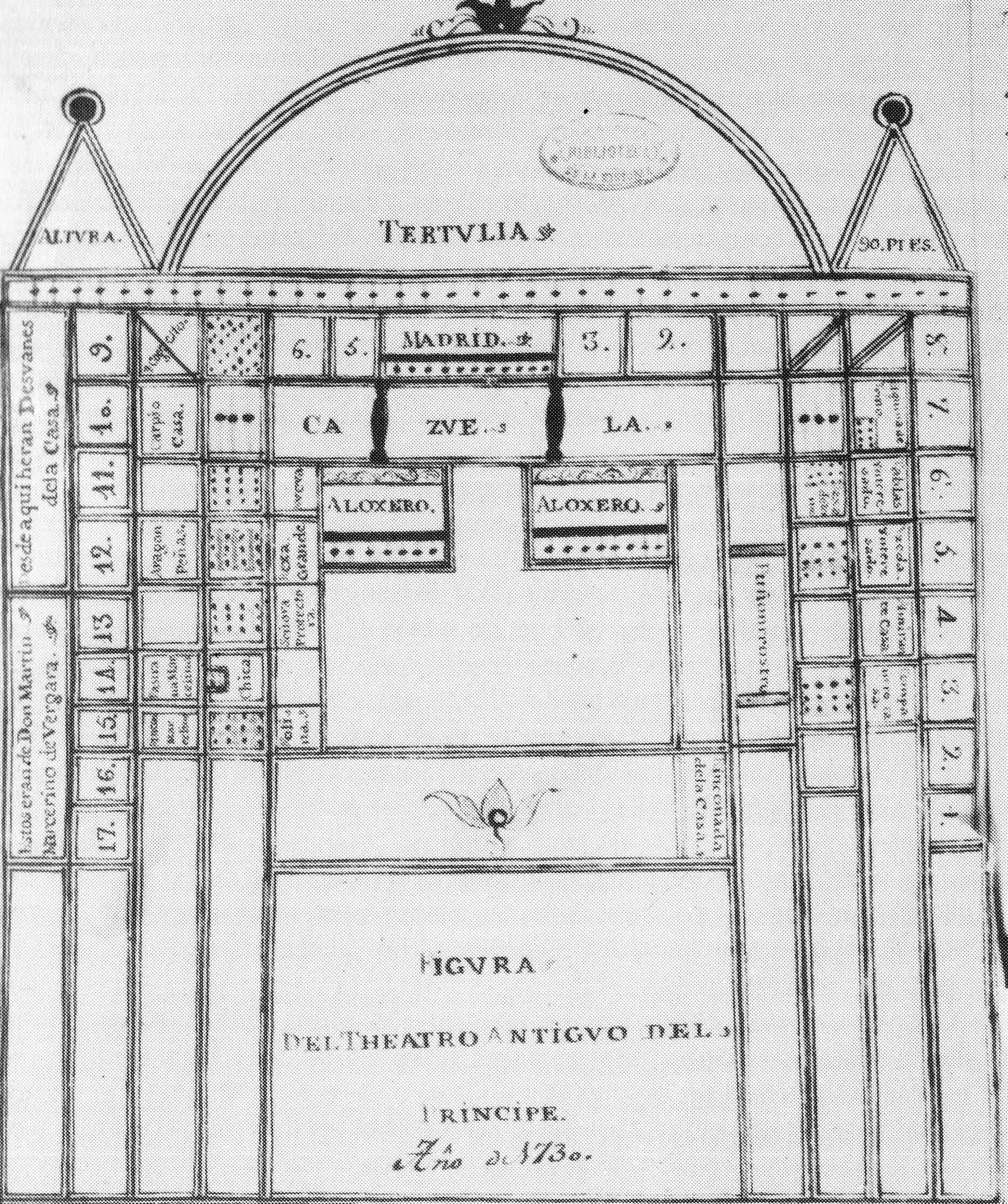
On 21 September 1583, the opened on this spot with plays by . A religious brotherhood had bought two houses here the year before and turned the courtyard between them into a theatre: a stage on one side, balconies all around, and an audience that stood, ate and whistled. Of all the theatres in Madrid, this is the only one still standing on its old .
In the eighteenth century that audience split into two camps. Anyone who came here was called a chorizo, after the sausage, and anyone who went to the , a few streets away, was called a polaco. For years the two groups whistled each other's performances into silence, until the , the king's chief minister, put a rough end to it, and the word polaco never quite disappeared from Madrid afterwards.
Above the entrance you'll see the name the house has carried since 1849, chosen by royal decree when the Teatro del Príncipe became the Teatro Español. The bullfights and executions the city was watching in those same years took place on the Plaza Mayor, and that story belongs to our other walk through Madrid.
The Calle del Príncipe carries you further north, up to a facade covered in posters.
Sources. Story: Ayuntamiento de Madrid, esMadrid: Los corrales de comedias; Biblioteca Histórica Municipal de Madrid, archive of the theaters of la Cruz and del Príncipe; Hispanopedia, Teatro del Príncipe. Photos: José Antonio de Armona, the Corral del Príncipe in 1730, Museo Municipal de Madrid, public domain via Wikimedia Commons. Photo of the Teatro Español: Luis García, CC BY-SA 3.0 via Wikimedia Commons.