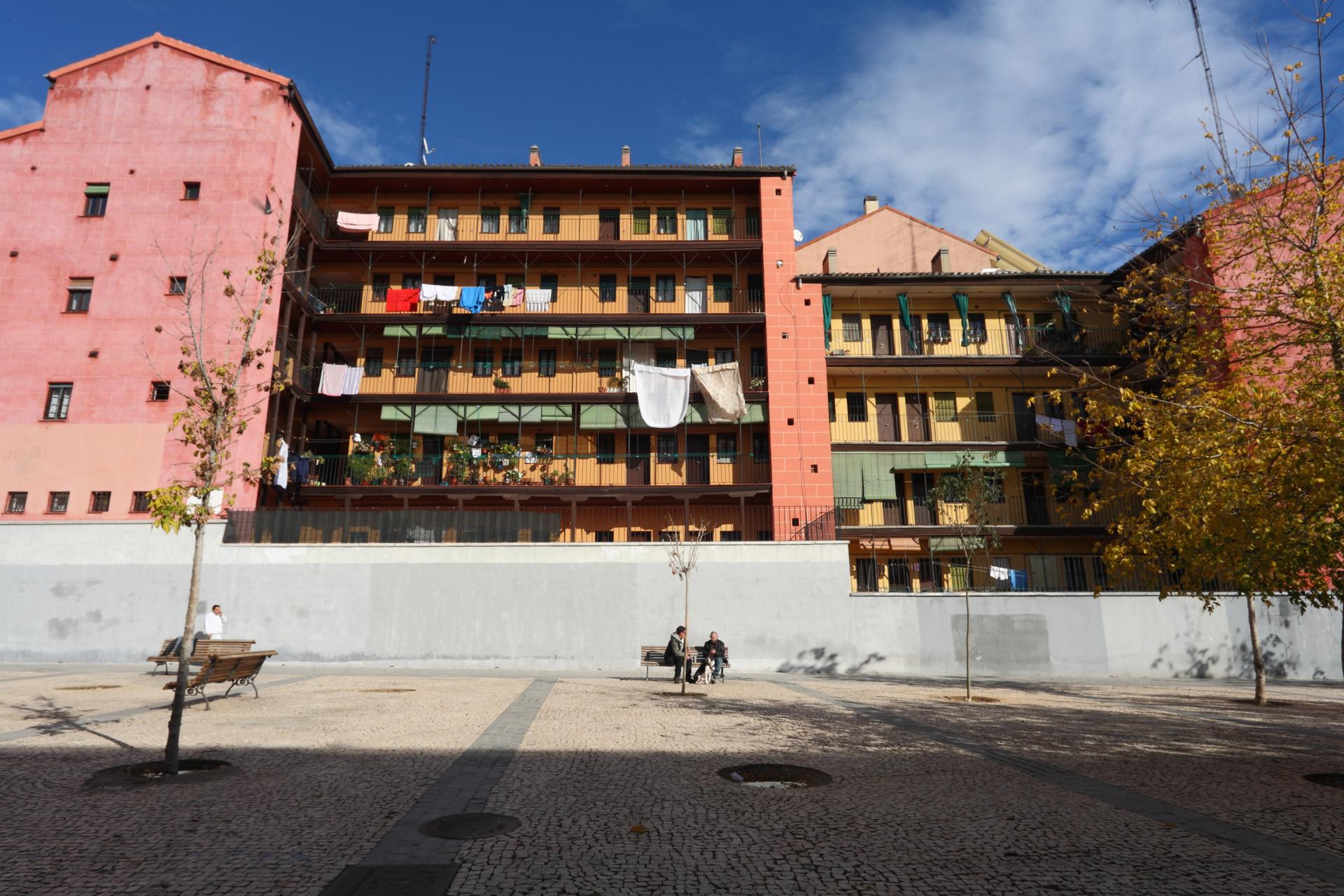
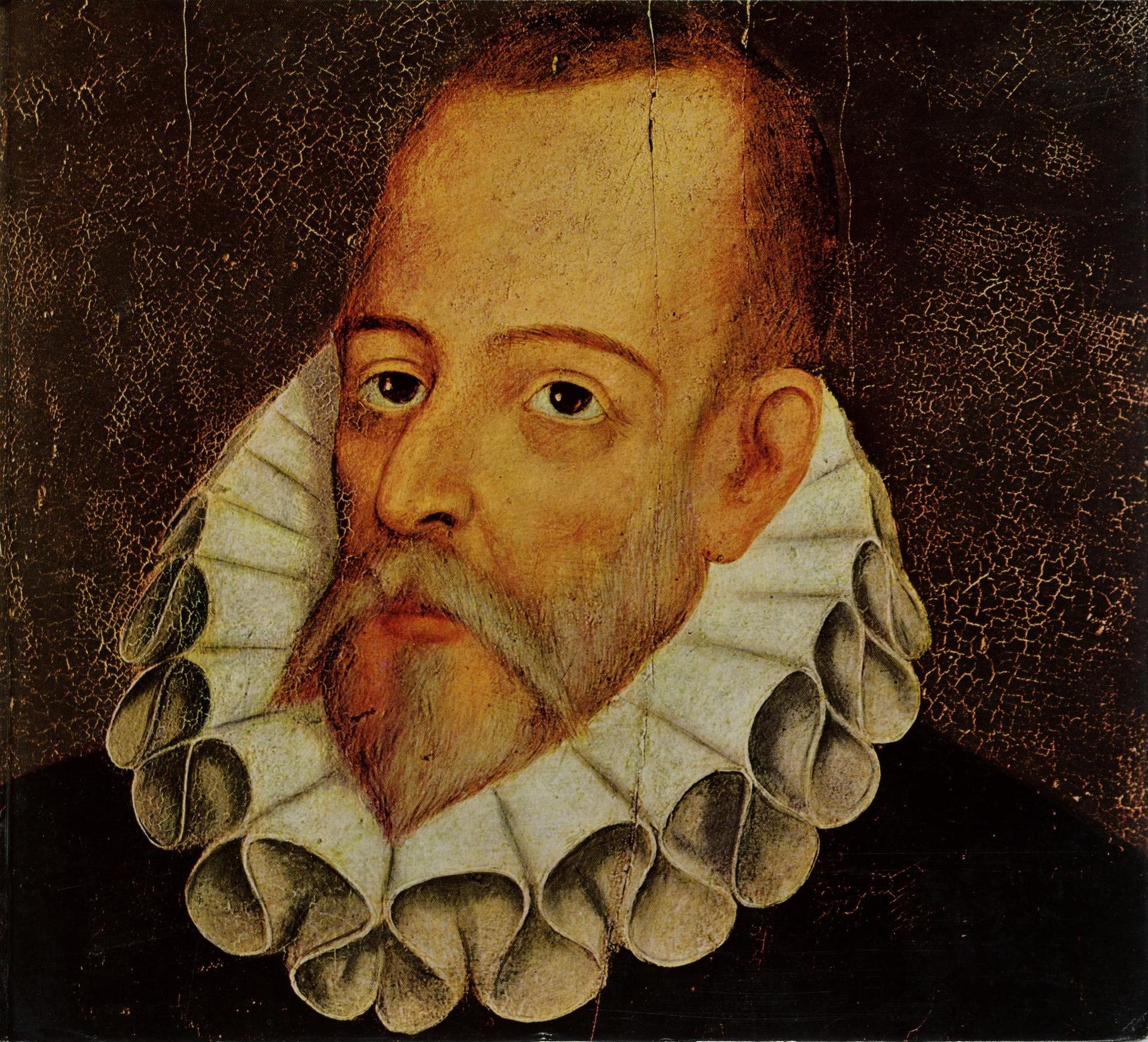
died in April 1616 in a house on this corner, at number 2. He rented it, the way he rented everywhere his whole life, and it was torn down in 1833, so what you see is younger than the story attached to it. A year before his death the second part of had appeared, the book that made him famous without making him rich.
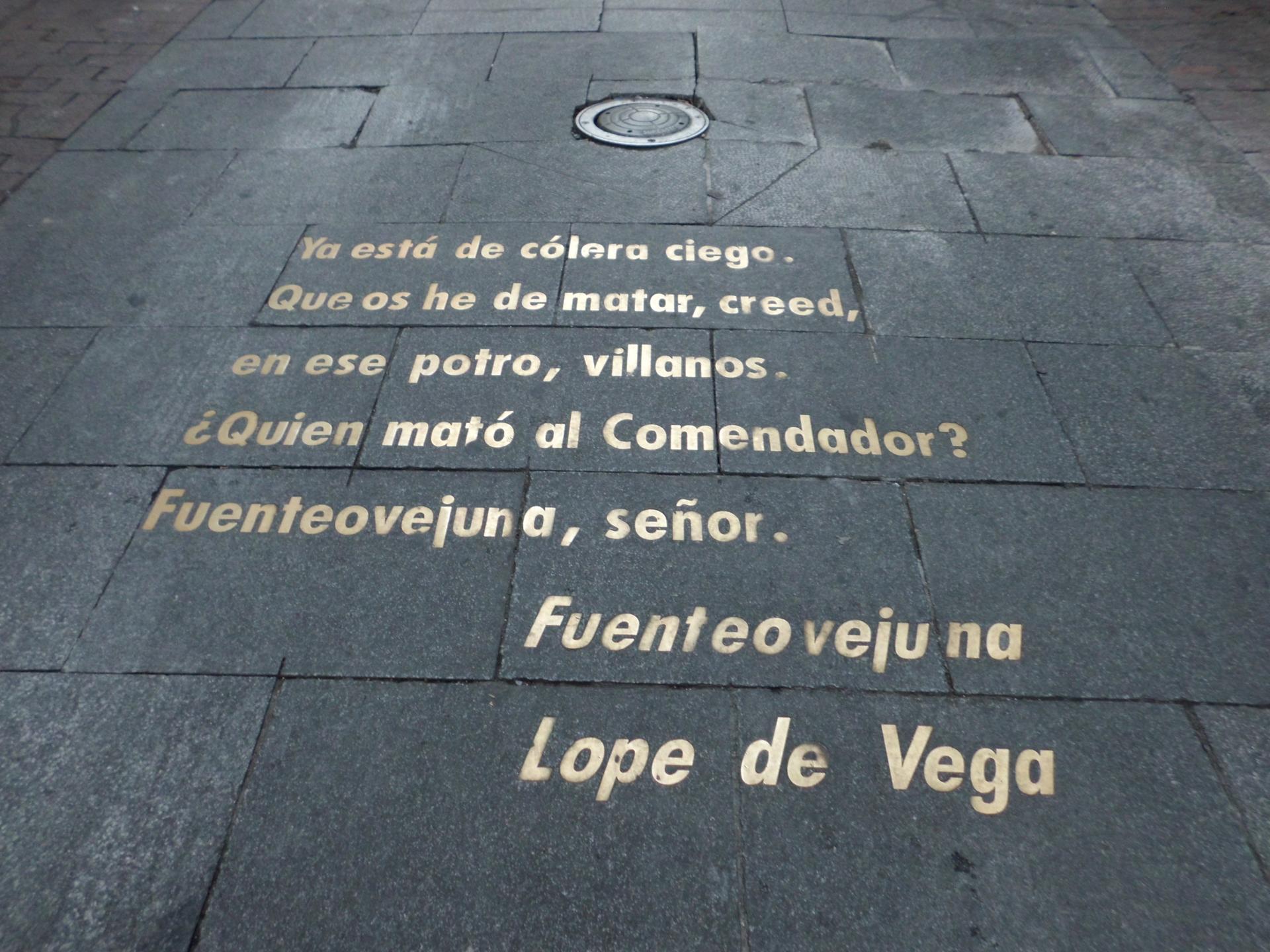
This same corner had a second use. A plaque on the facade tells you that in the days of the this was the mentidero de los Representantes, the gossip corner of the actors. Madrid had a handful of these spots where people came to pick up news and to make it, a kind of spoken journalism with everything that implies. Near the palace stood the people who wanted something from the king, on the steps of you heard what was happening in the colonies, and here gathered the actors, the writers and the theatre bosses. More went on than talk, because on this pavement the acting companies signed their contracts with the men who leased the , the open-air playhouses.
The plaque hangs above eye level, so most passers-by walk straight underneath it.
The Calle de Cervantes runs east, and number 11 sits about halfway along.
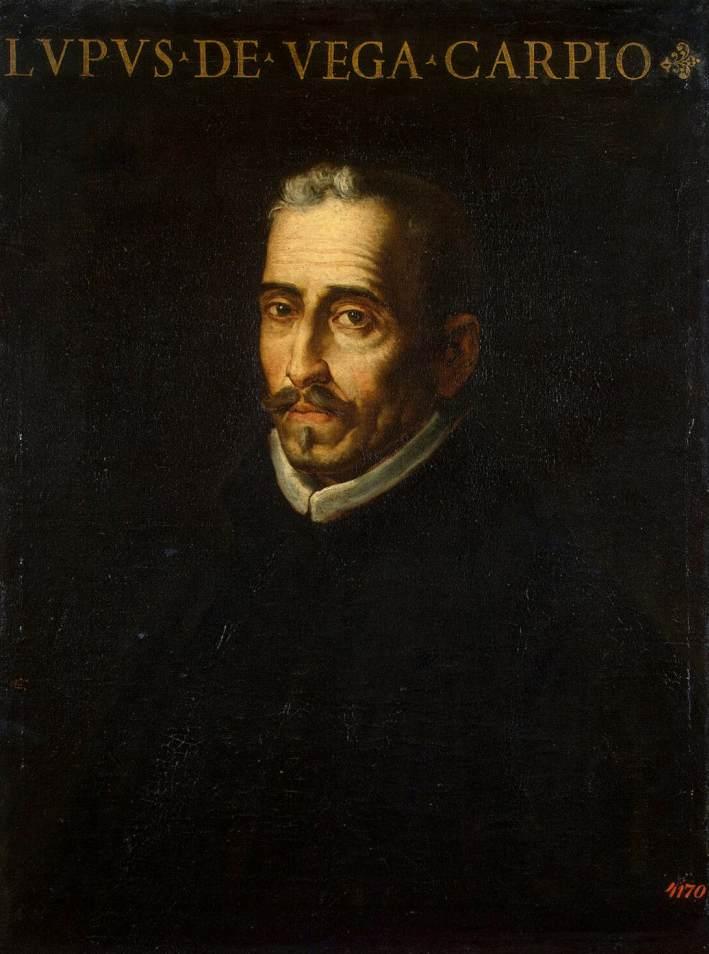
Sources. Story: Ayuntamiento de Madrid, esMadrid: Los corrales de comedias; Casa Museo Lope de Vega, Comunidad de Madrid, El Madrid de Lope; Hispanopedia, Mentidero. Photos: Attributed to Juan de Jáuregui, portrait of Miguel de Cervantes, seventeenth century, public domain via Wikimedia Commons.