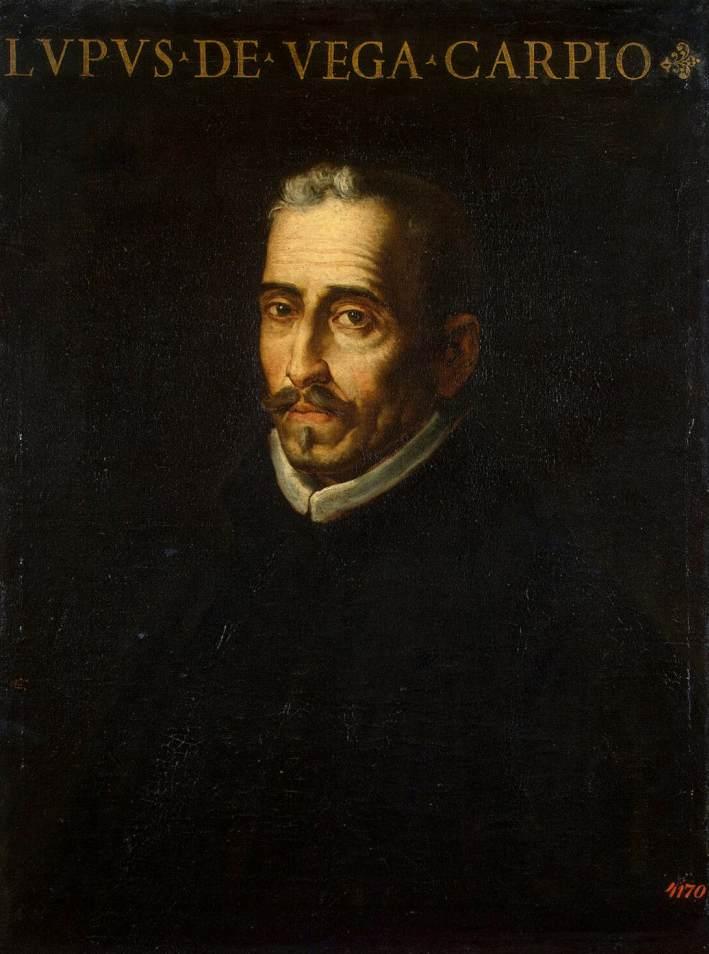
Lope de Vega was forty-eight when he bought this house in 1610, and he would spend the last twenty-five years of his life here. By then he was already the most prolific playwright in Europe, a man who wrote plays faster than companies could stage them, and in 1614 he was ordained a priest while living in this house with his mistress and his children.
From the street there is little to see: three floors, a narrow facade, a door that asks for nothing. That is how he described it himself, brushing off his own property as mi casilla, mi quietud, mi güertecillo y estudio, my little house, my quiet, my little garden and my study. His contemporaries took that for false modesty, because for this neighbourhood it was a sizeable place.
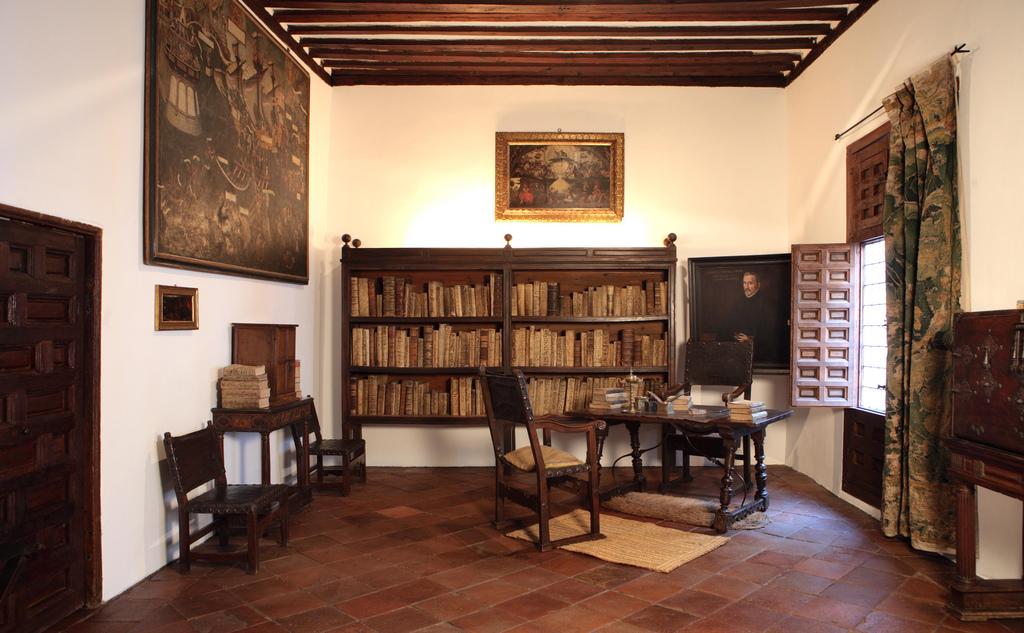
Since 1935 it has been a museum, furnished three hundred years after his death as the home of a seventeenth-century writer. Entry is free and comes with a guided tour of about thirty-five minutes, which you book in advance, Tuesday through Sunday between ten and six. Inside, a second story is waiting for you, about what lies behind this facade.
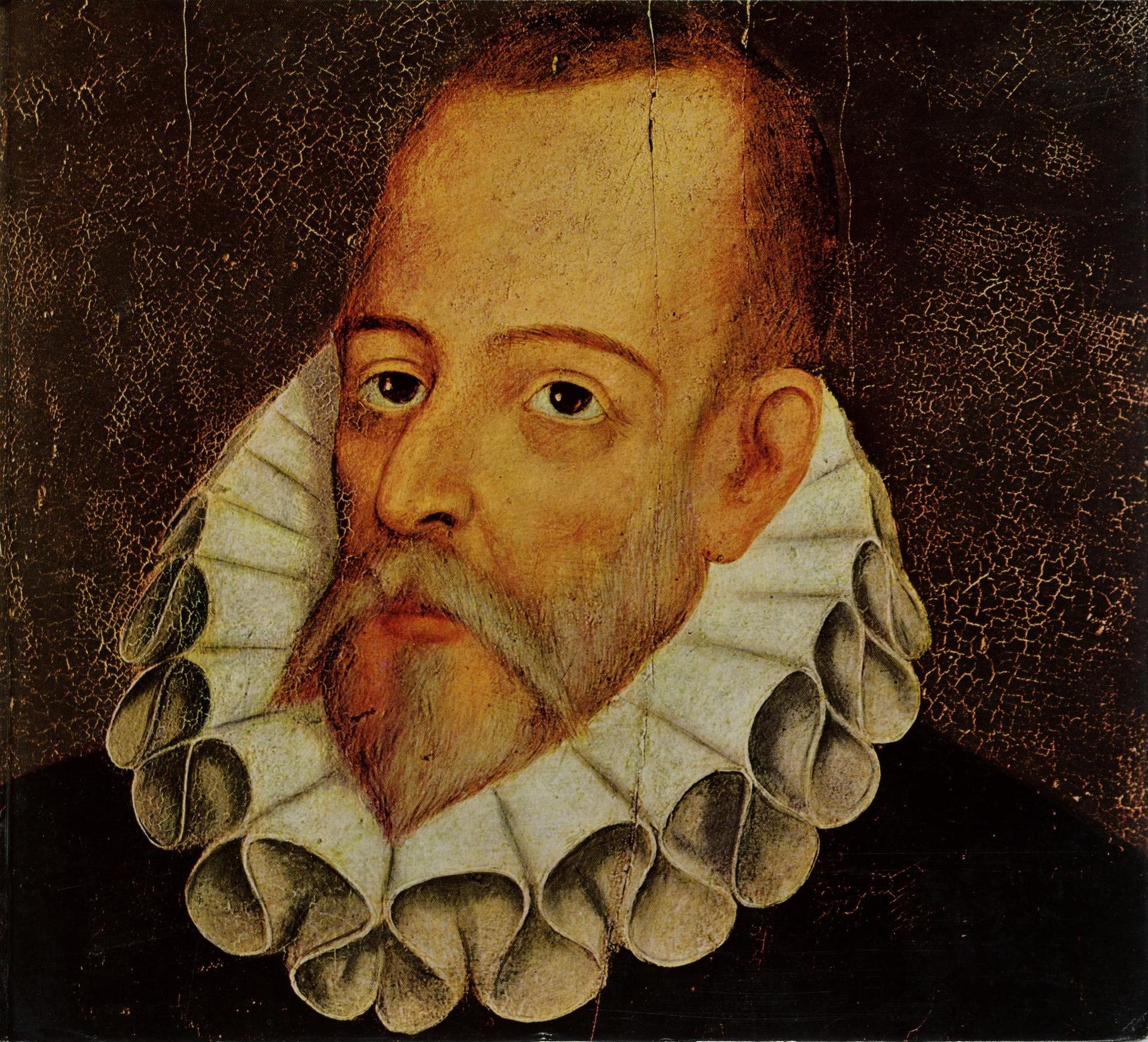
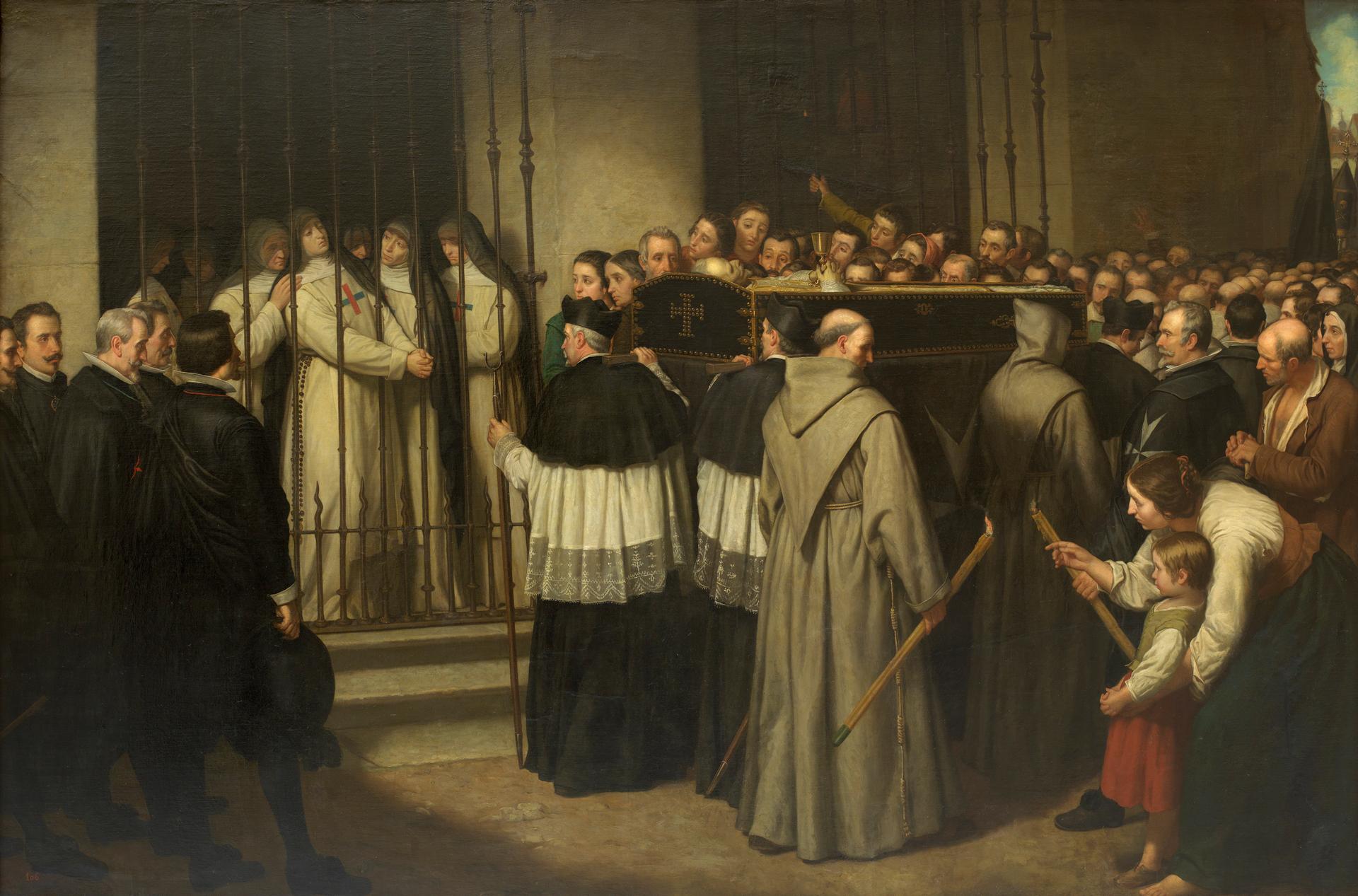
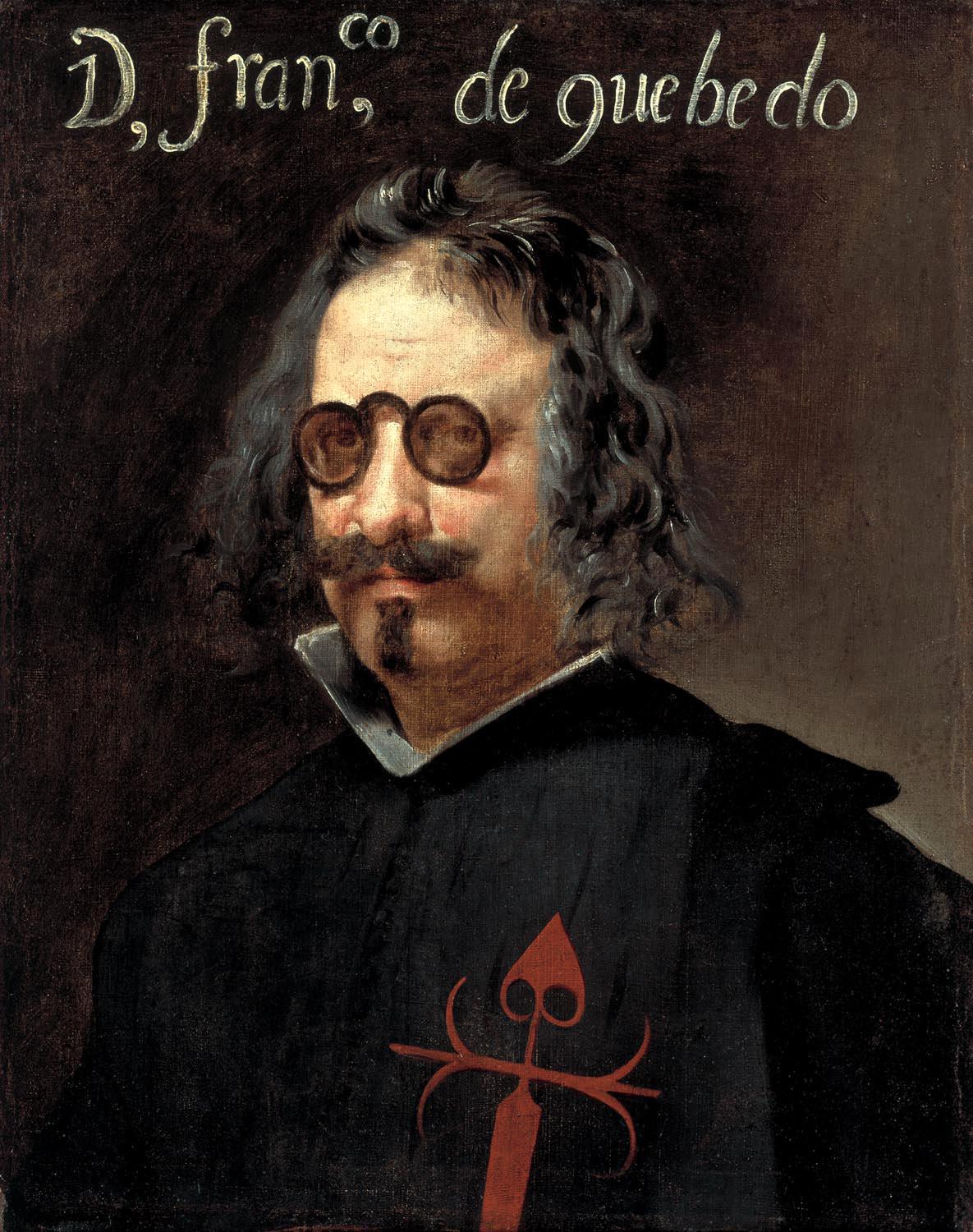
Sources. Story: Comunidad de Madrid, Casa Museo Lope de Vega, information leaflet and file on the building at Calle de Cervantes 11; Real Academia Española, Casa Museo Lope de Vega; Ayuntamiento de Madrid, esMadrid. Photos: Luis Tristán, portrait of Félix Lope de Vega, 1614, public domain via Wikimedia Commons. Photo of the Casa Museo: Luis García, CC BY-SA 2.0 via Wikimedia Commons.