The spot where it happened lies behind you, on the western side of this square, and it was never a senate house at all.
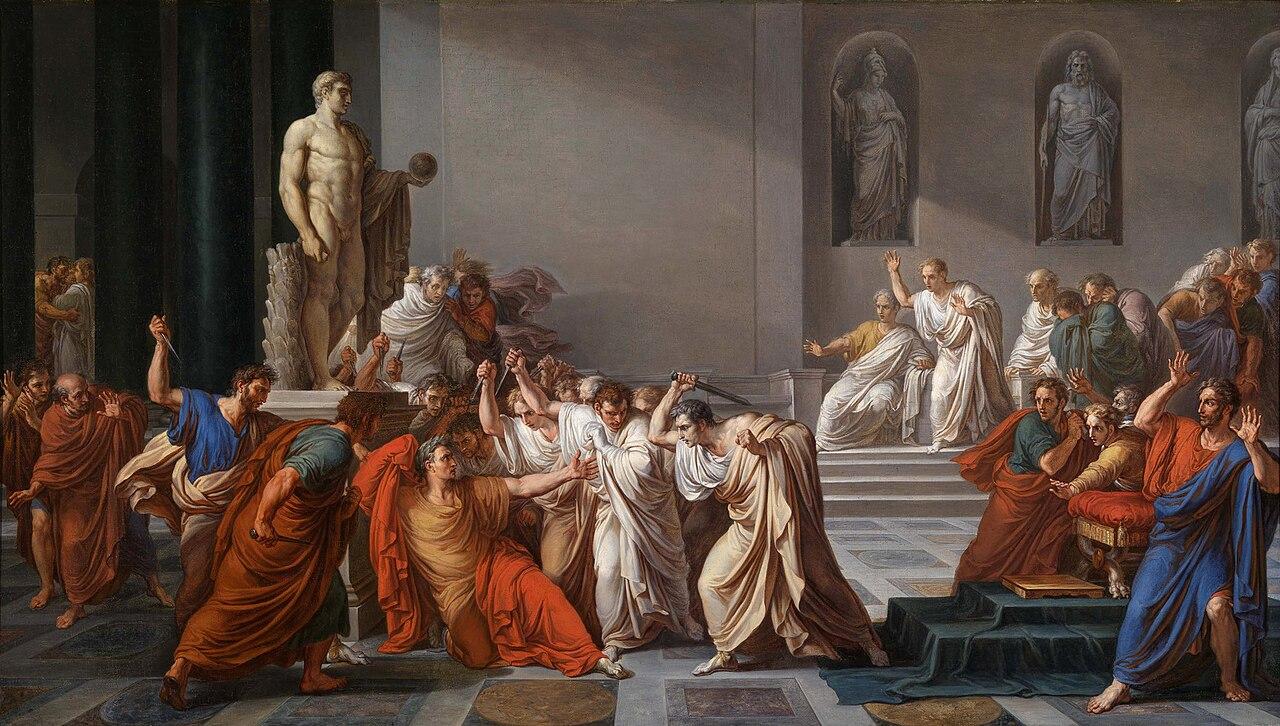
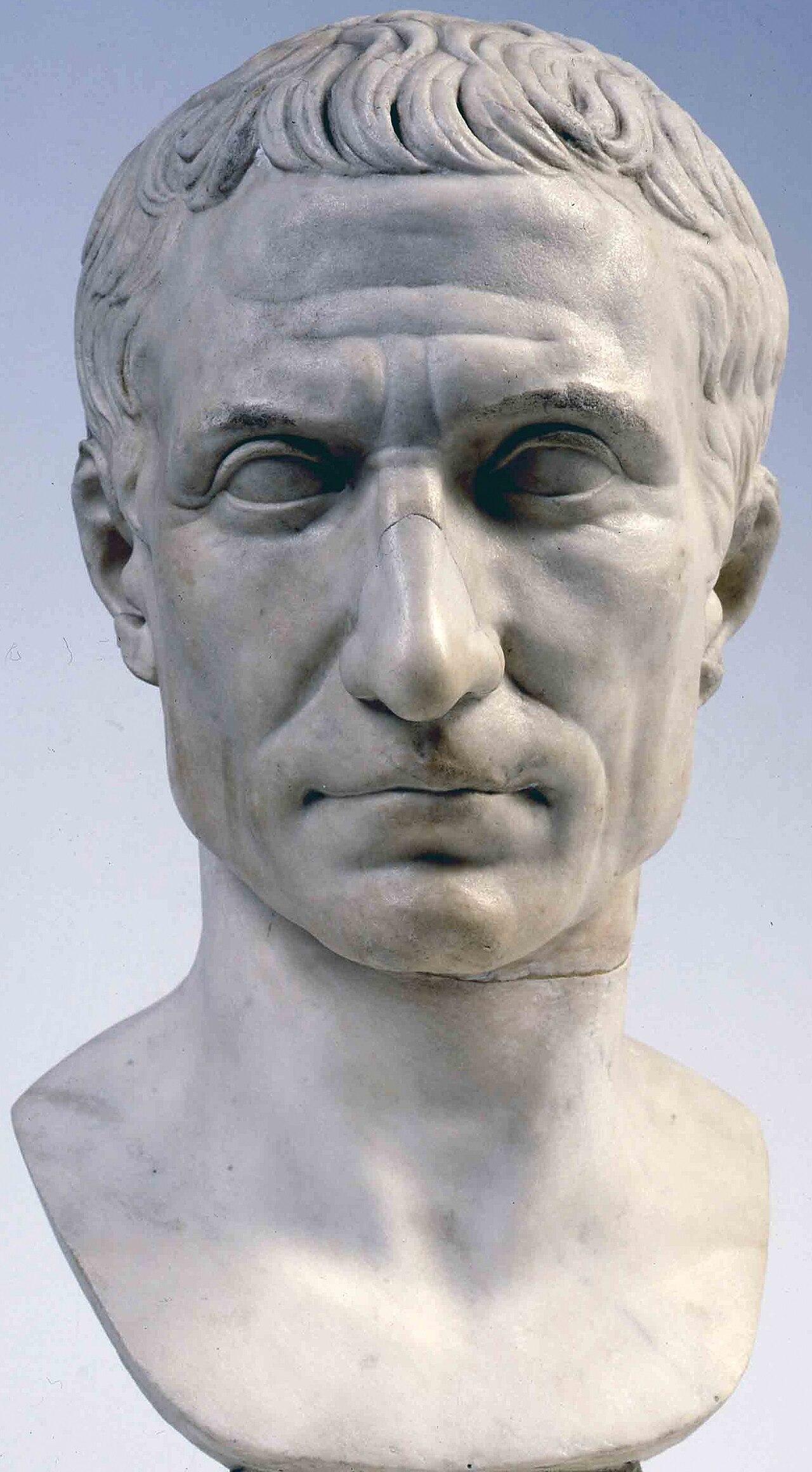
The senate's own meeting hall on had burned down, so they gathered instead in the hall had built behind his theatre, a few hundred metres from here. There is something bitter in that choice. Pompey had been Caesar's great rival in the civil war, defeated and then murdered, and his statue stood in this very room. Caesar died at the foot of it.
Around sixty men were in on the plot, many of them senators Caesar himself had appointed or pardoned. They called themselves the liberators. The best known are , whose ancestor had driven out the last king of Rome and whom Caesar had forgiven after the civil war, and , who worked out most of the plan.
They chose this particular day because the senate was due to meet and Caesar was leaving three days later for a campaign in the east against the , a kingdom beyond the empire's borders, which would have put him out of reach for years.
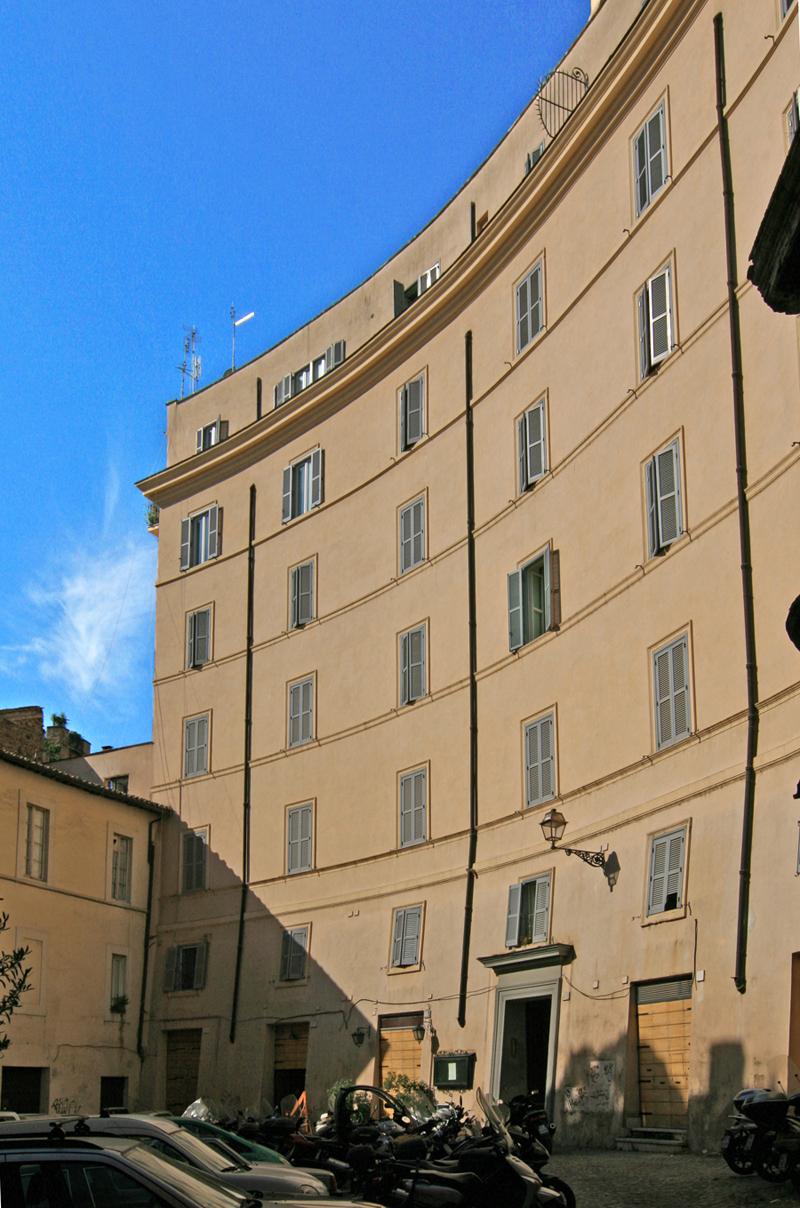
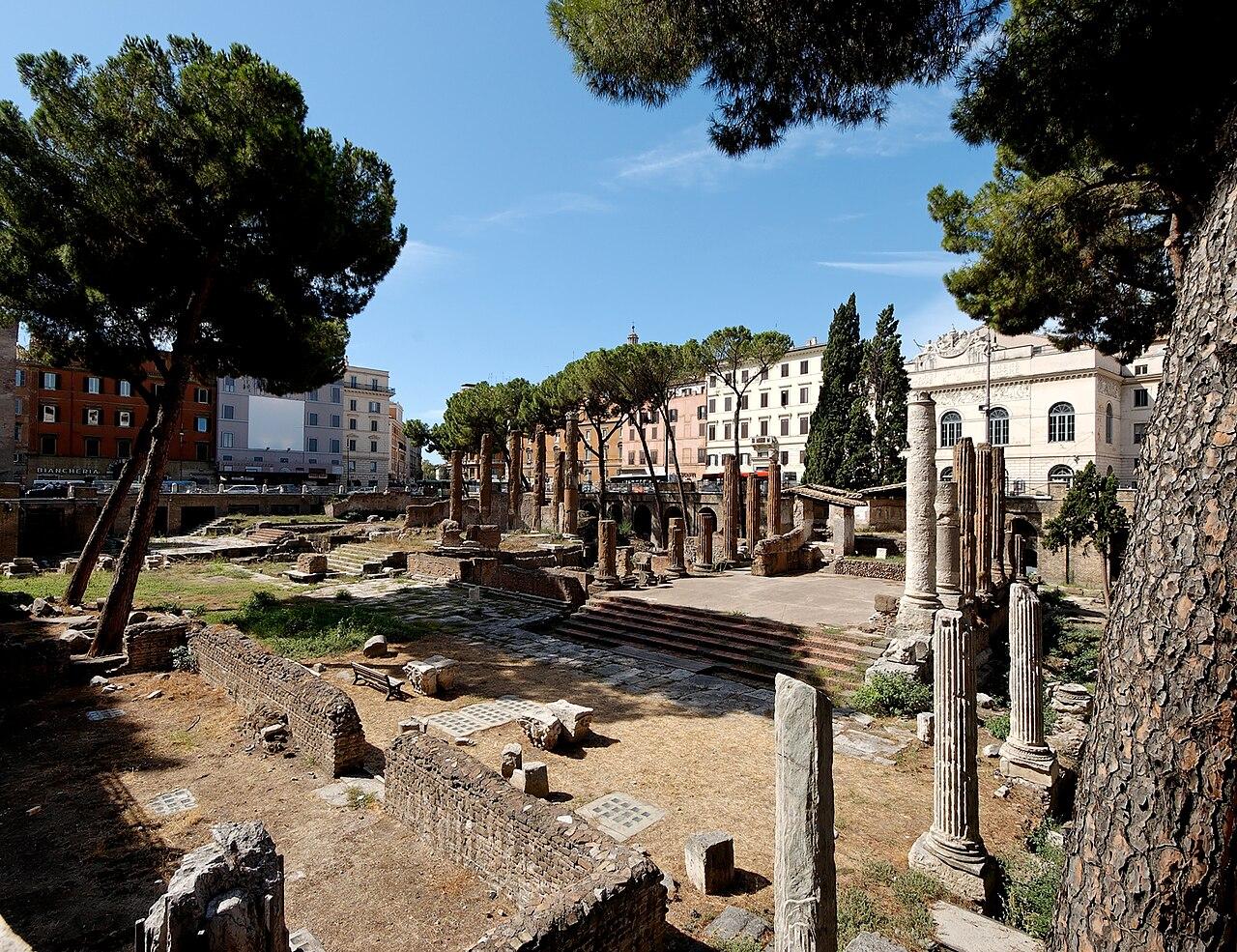
What you see here are four temples from the days of the republic, uncovered in the nineteen twenties. The hall itself lies under the street and the houses on the western side, and the curve of the theatre can still be traced in the streets nearby.
We cross over to Via di Torre Argentina and follow it north until we reach the alleys behind the Pantheon.
Sources. Story: Sovrintendenza Capitolina ai Beni Culturali (Curia di Pompeo); Treccani (conspiracy against Caesar, Brutus, Cassius) Photos: Photo: Jensens (Wikimedia Commons, public domain)