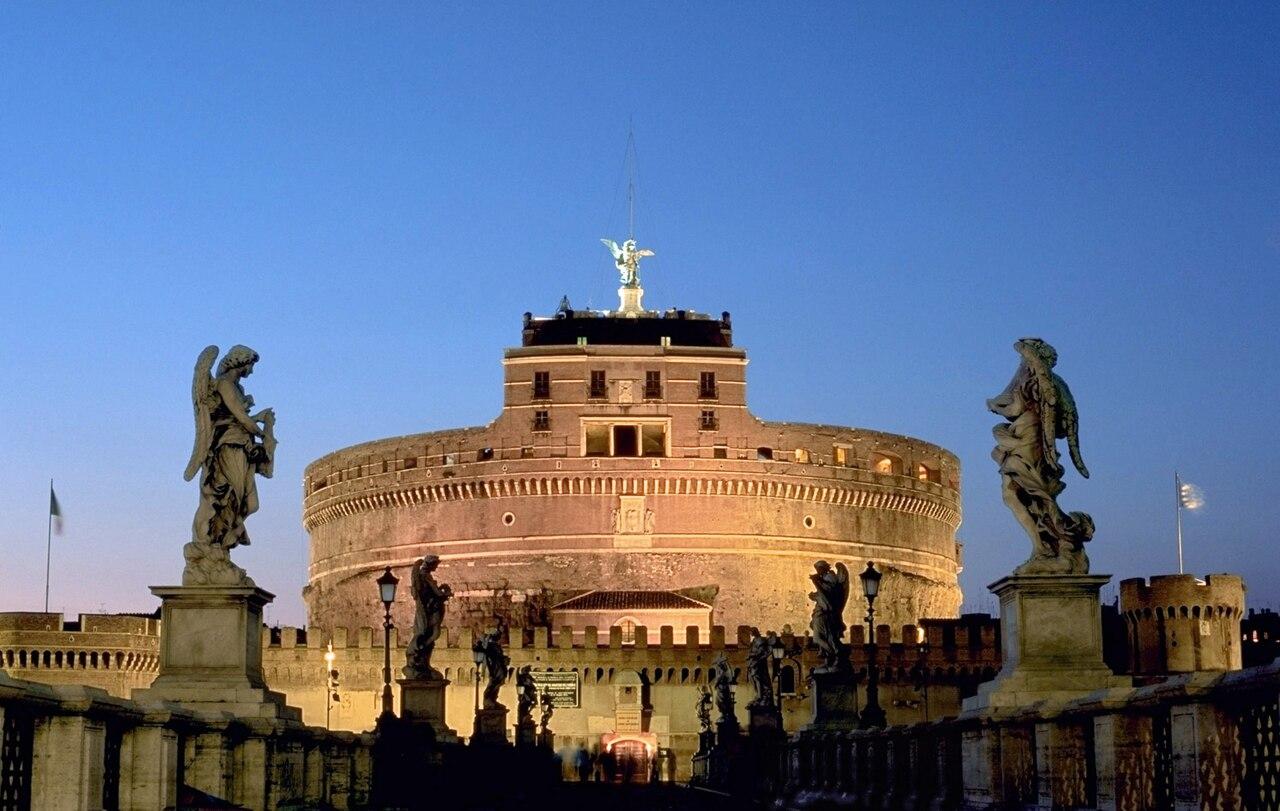
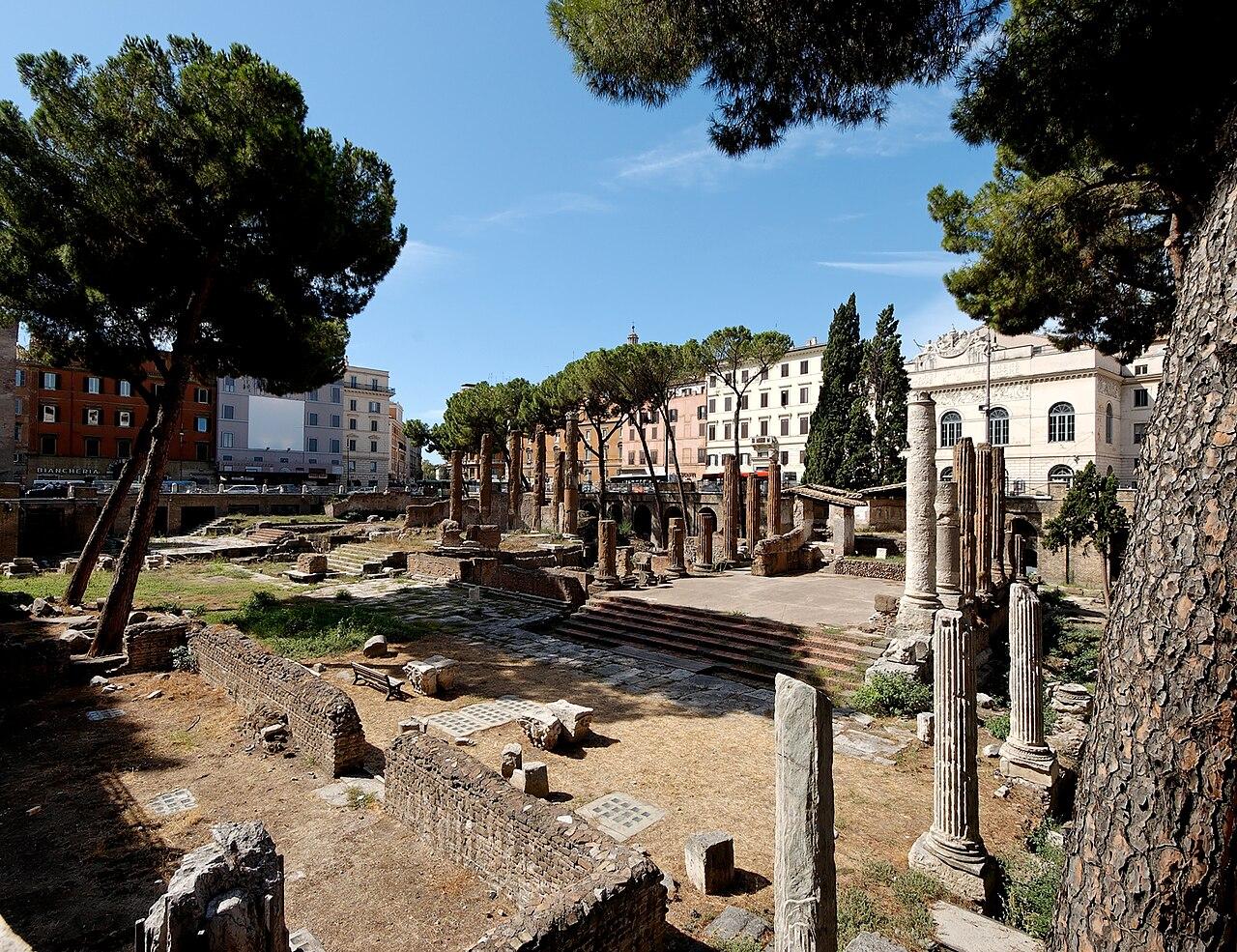
You're standing at the edge of a pit, four metres above the oldest temples in the city. That pit exists only because had an entire residential block torn down in the twenties to drive a road through, and so much came to light that the whole plan collapsed: four temples from the days of the republic, the oldest dating to around 300 BC.
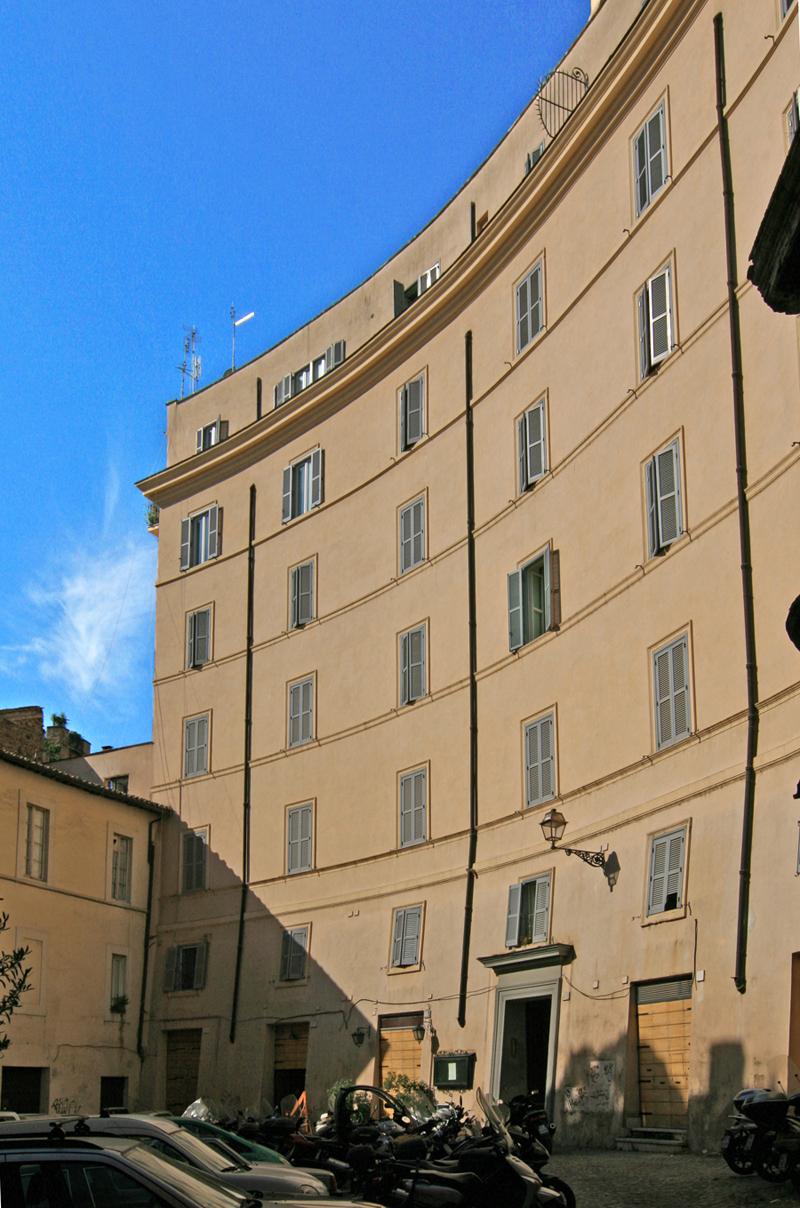
The name comes from a papal master of ceremonies from Strasbourg, who built a house with a tower here around 1500 and left the neighbourhood the Latin name of his home city, .
The real spectacle lies among the columns. Within a few years of the excavation there were cats, fed by Roman women, something that's been happening in this city for centuries and even has its own word, gattare. Since the nineties there's been an official shelter against the wall, with hundreds of animals, and an Italian law from 1991 gives stray cats living in colonies the right to stay where they are. So these creatures are lounging on warm ancient stone with the paperwork to prove it.
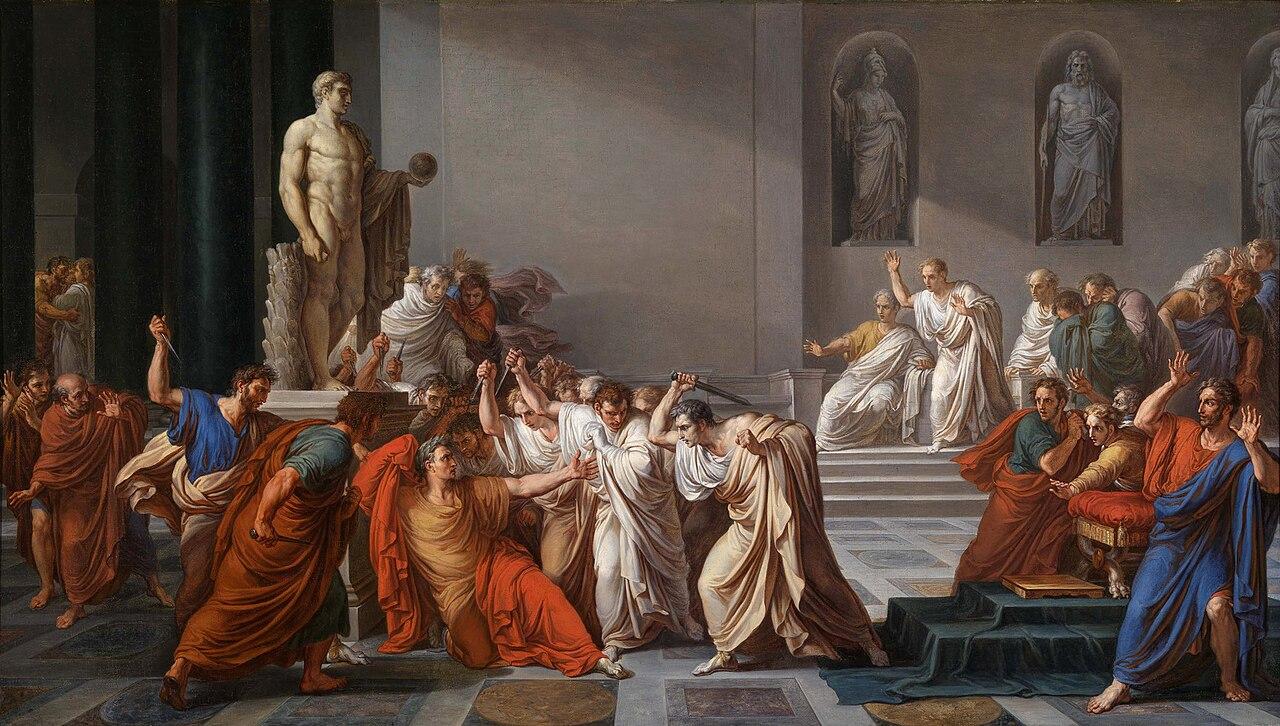
On the eastern side stood the meeting hall where was murdered on the 15th of March in the year 44 BC, an afternoon that the walk through his final hours follows step by step.
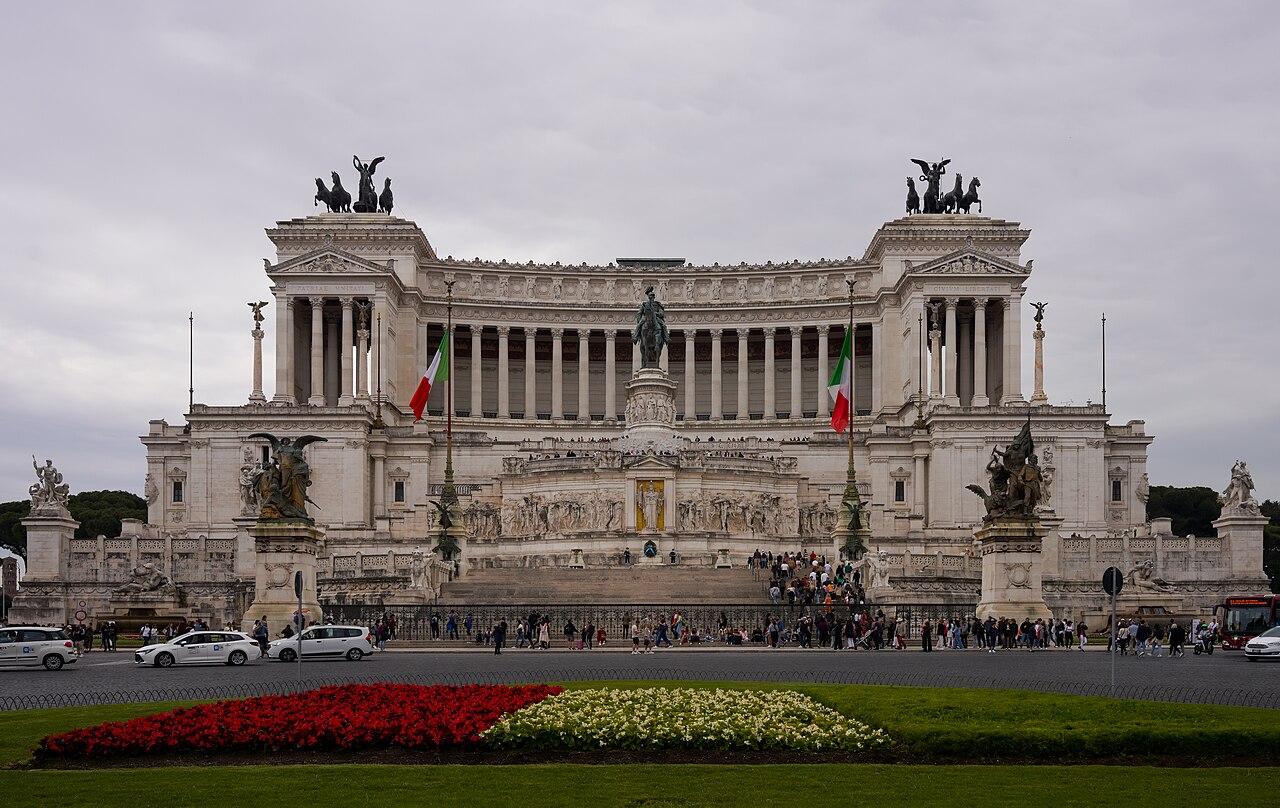
We cross over to Via delle Botteghe Oscure and follow that street eastward to the large square with the white monument.
Sources. Story: Sovrintendenza Capitolina ai Beni Culturali (Area Sacra di Largo Argentina); Torre Argentina Cat Sanctuary; Legge 281/1991, Italian law on companion animals Photos: Photo 1: Jastrow (Wikimedia Commons, public domain) | Photo 2: Andy Rusch (Wikimedia Commons, CC BY 2.0)