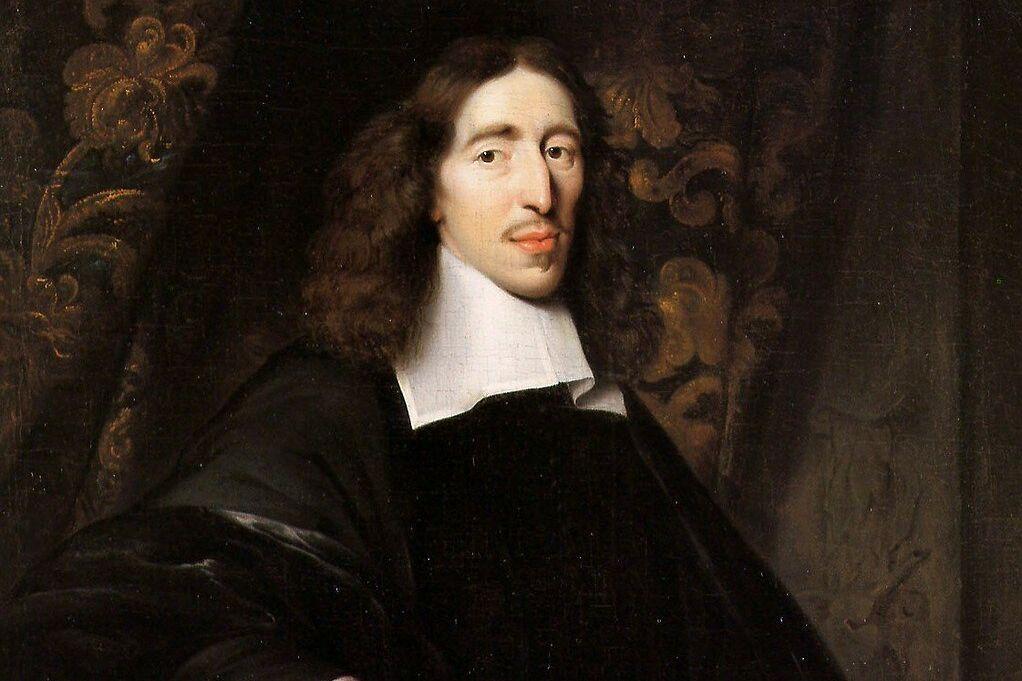
Johan de Witt was born in Dordrecht in 1625 and became of Holland at twenty-eight, which made him in practice the leading politician of the . He held the post for nineteen years, through two wars with England and a long period in which the Republic managed without a at all.
The monument here, with its lion holding two coats of arms, commemorates the of 1667, which ended the second of those wars on terms that suited the Republic.
He was also a serious mathematician. His treatise on the pricing of life annuities, published in 1671, worked out how to value a payment stream against the chance of dying, and it is still cited as an early piece of actuarial science.
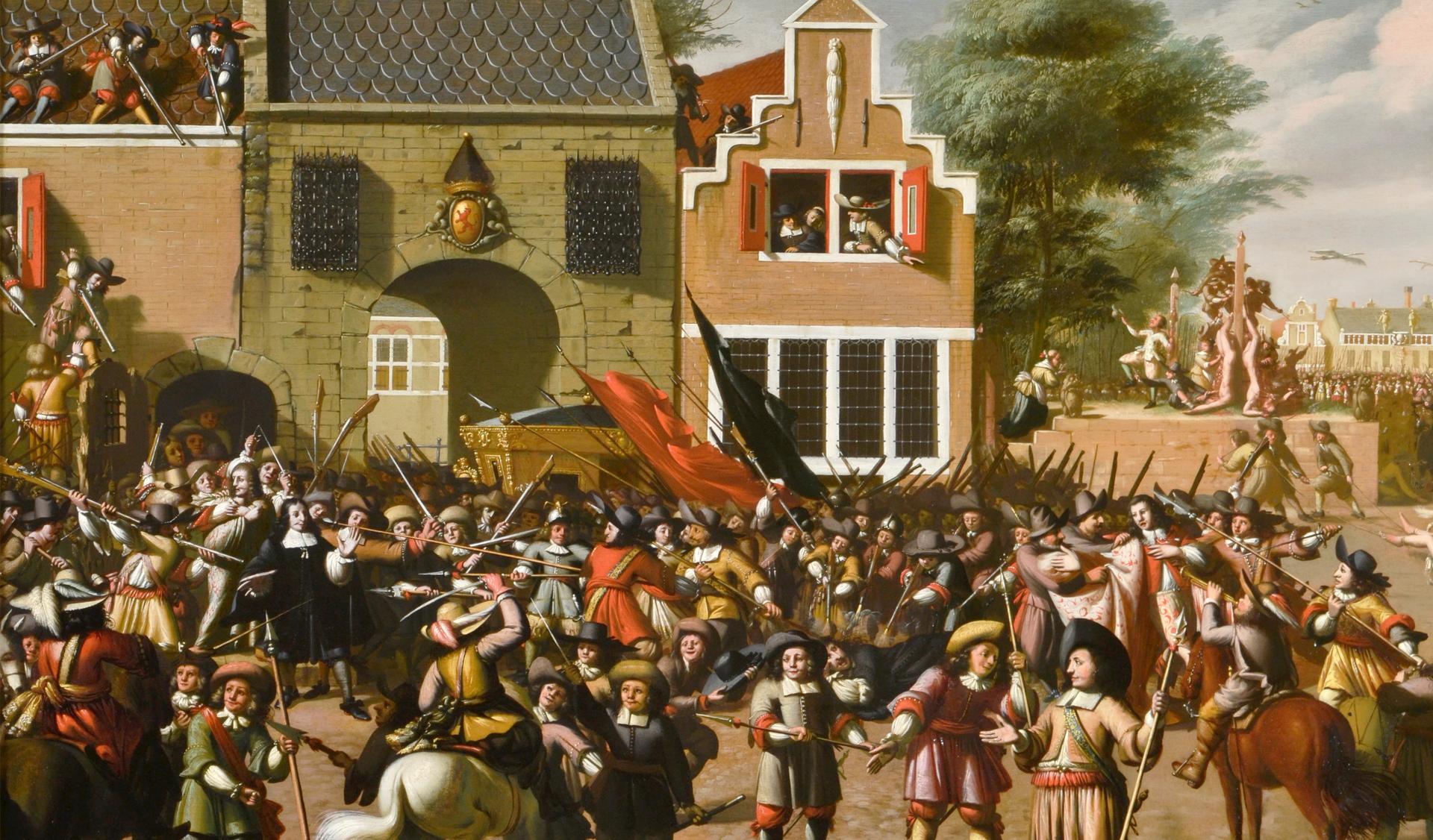
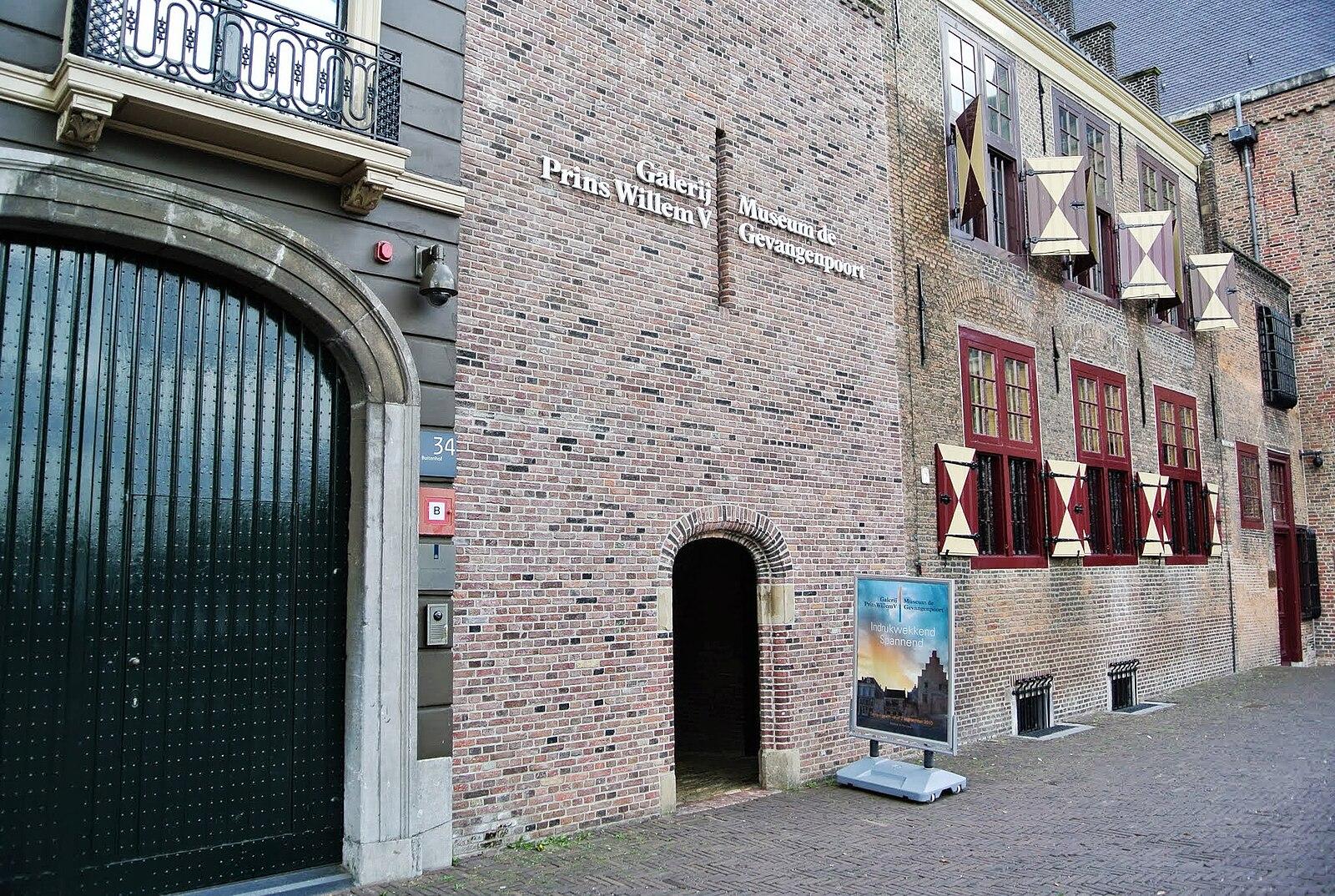
In 1672 everything collapsed at once. France, England and two German bishops attacked, the country panicked, and the year earned its own name: the . Johan and his brother were accused of treason and killed by a crowd at the , outside the , on this very spot.
The next stop lies about six minutes to the south, by the Grote Markt, above the entrance to the tram tunnel.
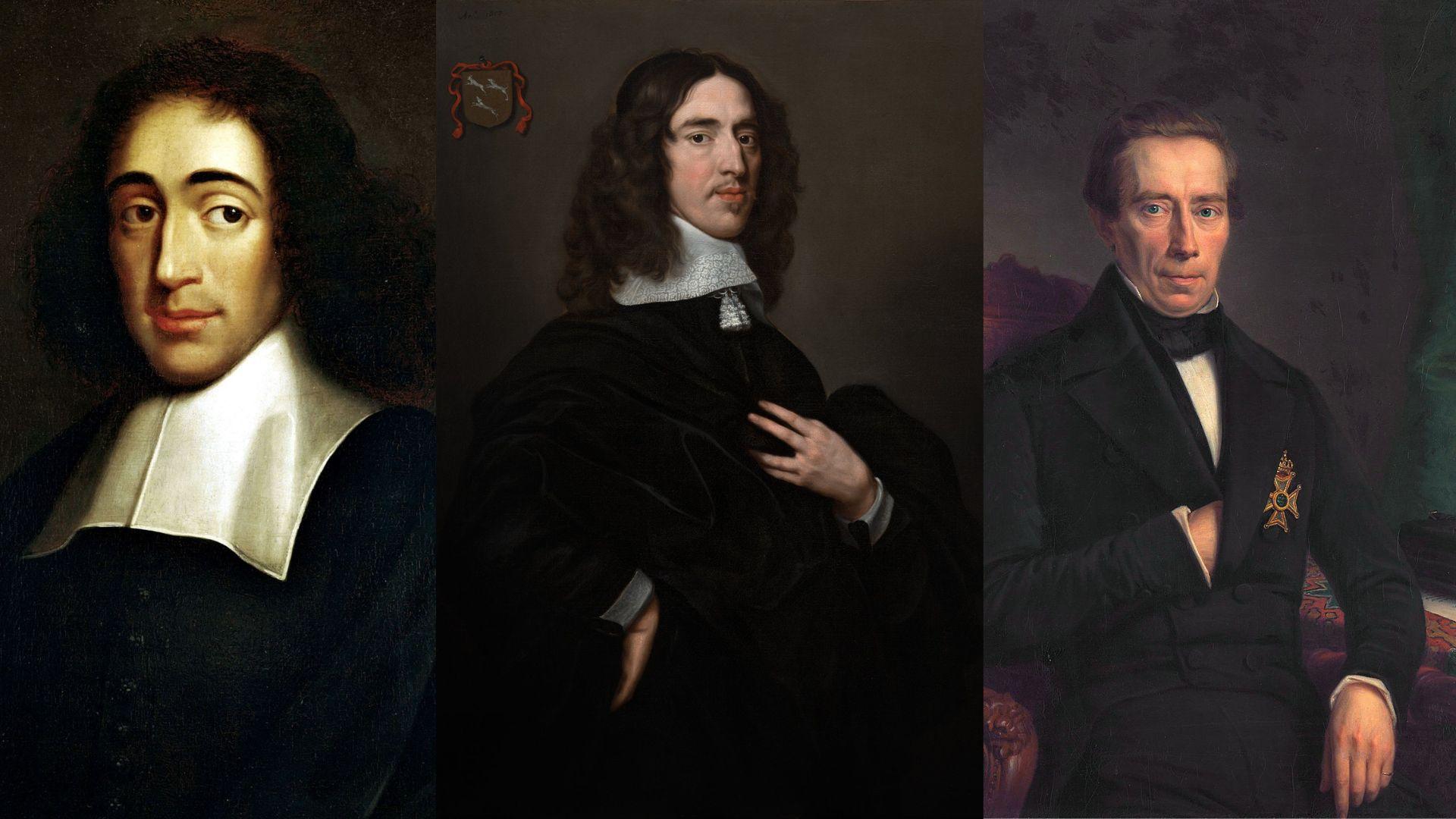
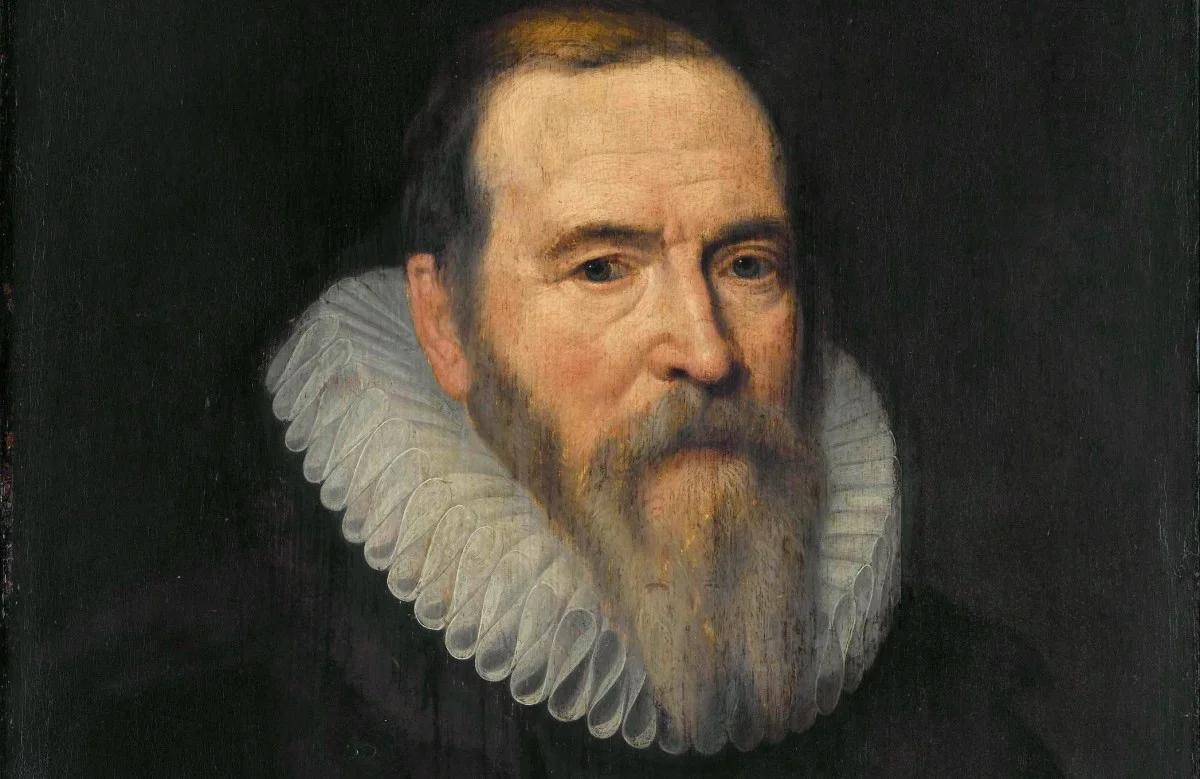

Sources. Story: Huygens Instituut, biografisch woordenboek; Nationaal Archief; Haags Gemeentearchief; Johan de Witt, Waerdye van Lyf-renten (1671). Het leeuwenmonument aan het Buitenhof en de precieze plek van de moord nog te verifieren. Photos: Johan de Witt. Schilderij van Adriaen Hanneman uit 1652. Beeld: Museum Boijmans van Beuningen