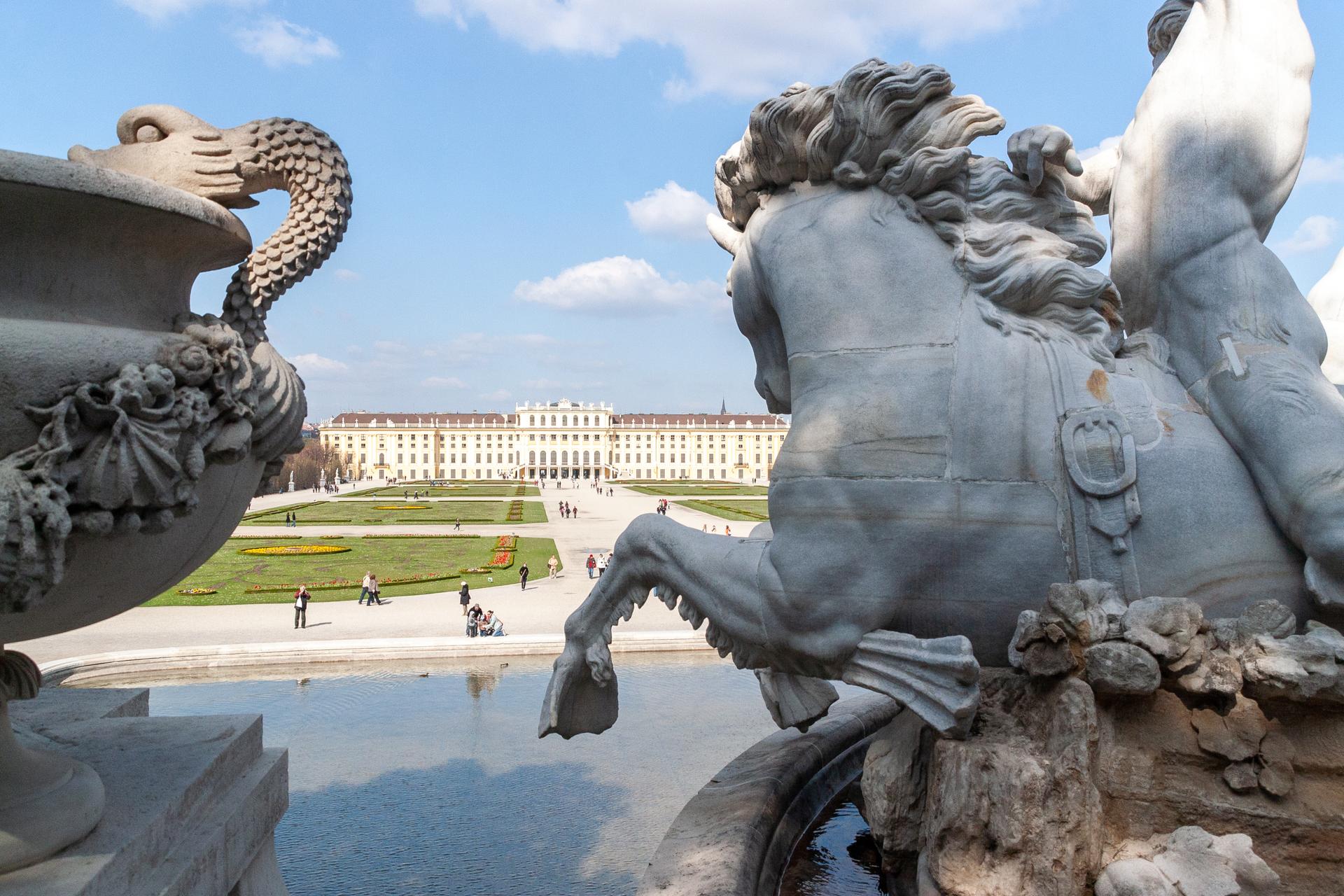
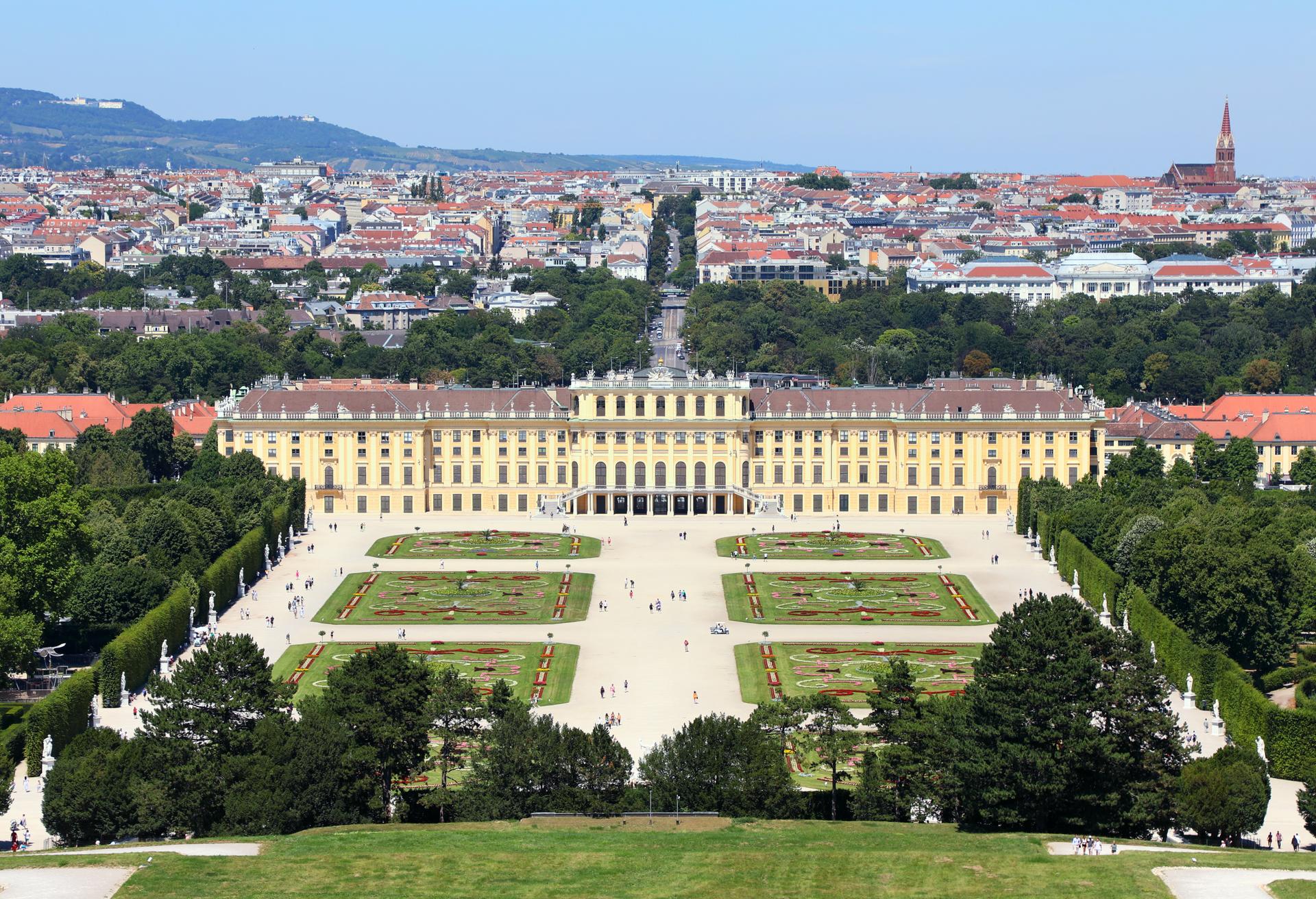
This is the courtyard where the carriages used to pull up, and anyone stepping out here had something to report or something to ask.
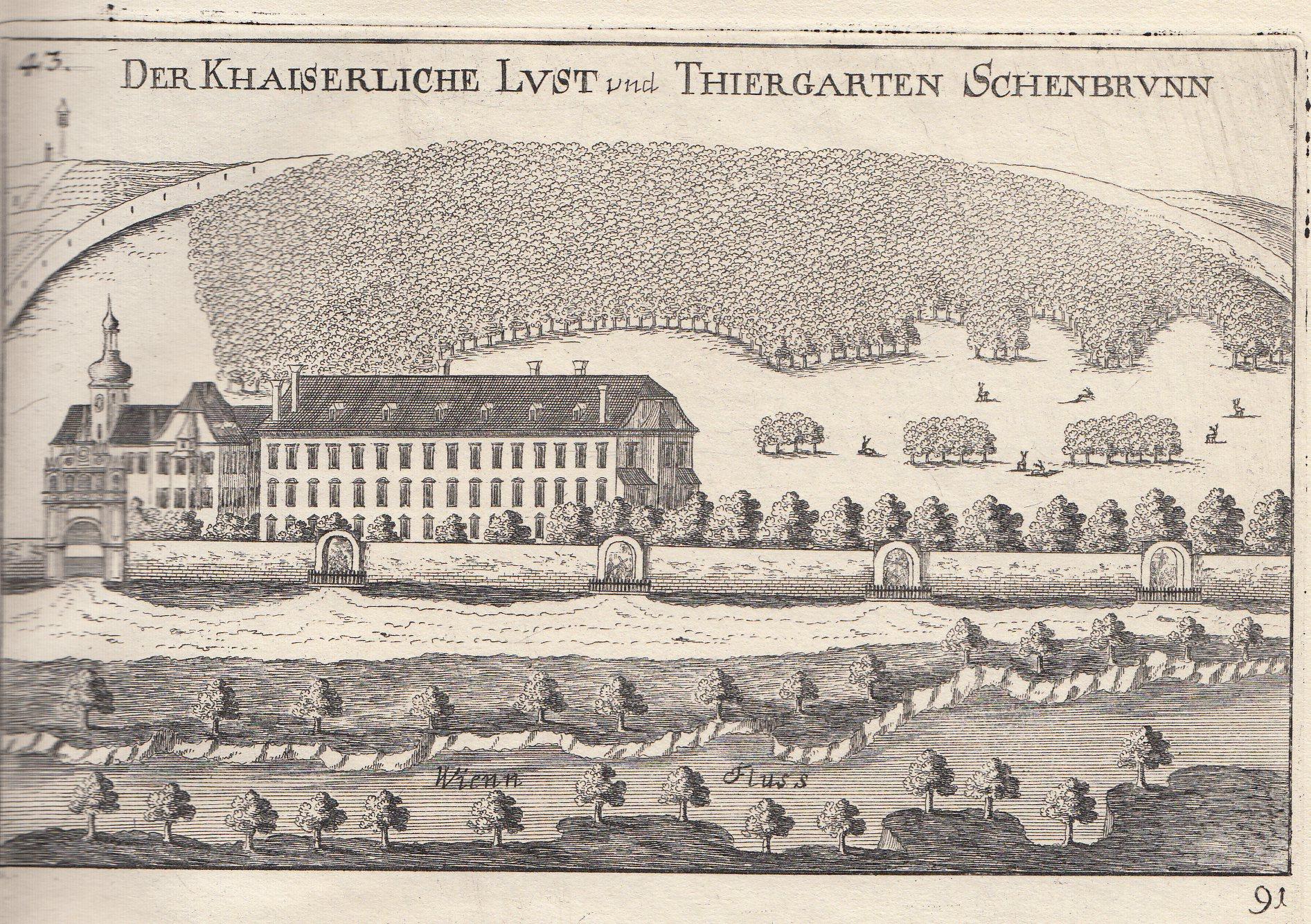
The palace holds well over fourteen hundred rooms, of which just under forty are open to visitors. In 1762 played here for , empress of the lands, and according to the story his father liked to tell afterwards, he climbed straight onto her lap when he had finished. More than forty years later moved into this building, twice in fact, and chose the emperor's own room as his bedroom.
The longest resident was . He was born here in 1830, reigned for sixty-eight years, worked right up to the end at a plain desk with a camp bed beside it, and died in this same building in 1916, two years before the empire he ruled ceased to exist.
That yellow on the walls, by the way, is named after this very palace, and you'll find it copied right across the empire, from Prague to Trieste.
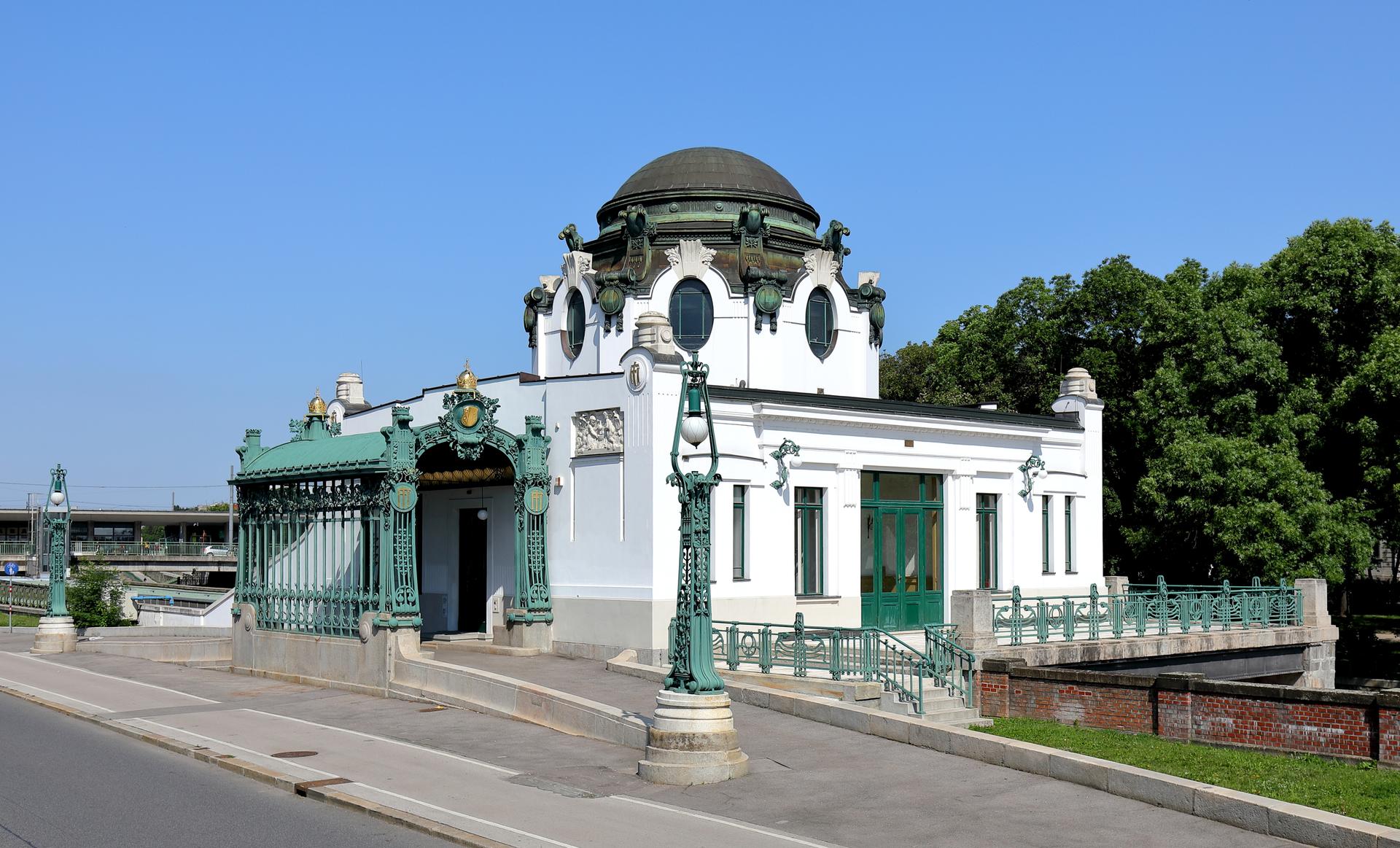
The metro station is just to the right of the gate, and from there you're back in the centre within fifteen minutes.
Sources. Story: Wien Geschichte Wiki, Stadt Wien; Schloss Schönbrunn Kultur- und Betriebsgesellschaft, historical documentation Photos: Wien Schloss Schönbrunn, Bwag, CC BY-SA 4.0, via Wikimedia Commons; Bernardo Bellotto, Das kaiserliche Lustschloss Schönbrunn, public domain, via Wikimedia Commons