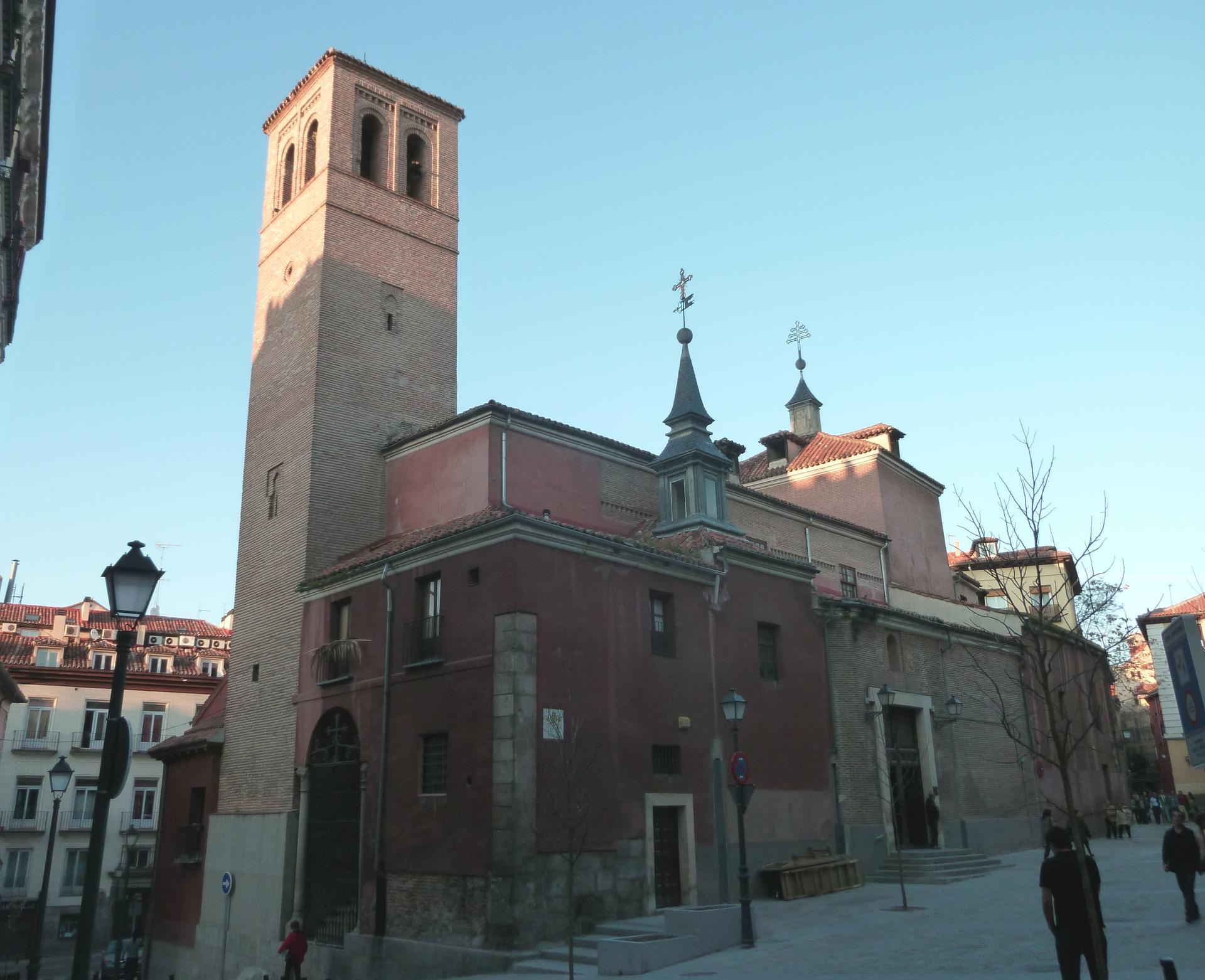
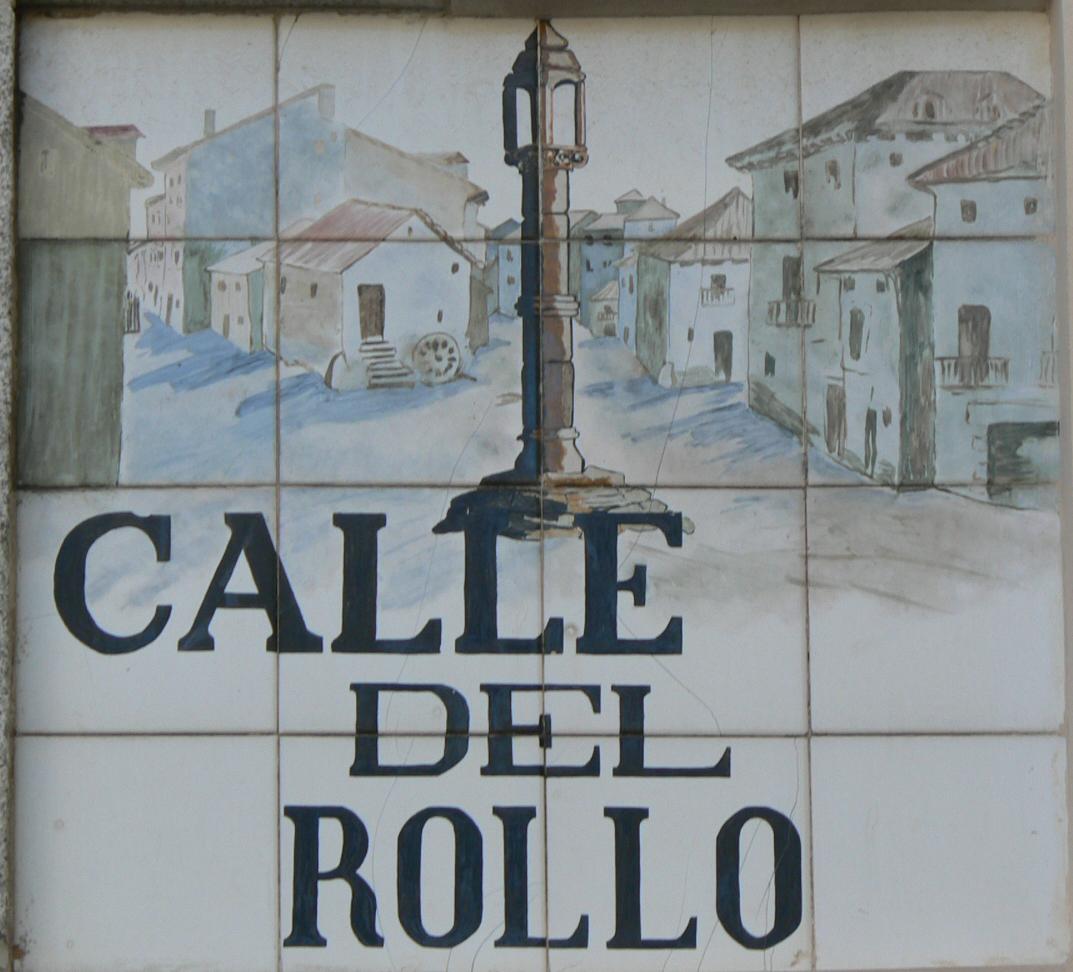
This narrow lane climbing up here is called the Calle del Rollo, and a rollo was the stone column where the condemned were tied up so that passers-by could see them, laugh at them and pelt them with whatever came to hand, which is where the city's chroniclers say this name comes from.
There's a certain logic to it when you look at how old criminal justice worked. For centuries punishment was above all a performance, because the message had to land with the onlookers and not with the condemned alone, so everything happened out in the open and in the busiest spots: the pillory in a street like this one, the executions on the where you stood earlier on this walk, and the great ceremonies on the , where in 1680 an was held with the entire royal court in attendance. We'll come back to that square at length on our walk past the icons of Madrid.
These little streets sit right behind the city hall for that same reason, because government, justice and punishment all crowded into the same few hundred metres.
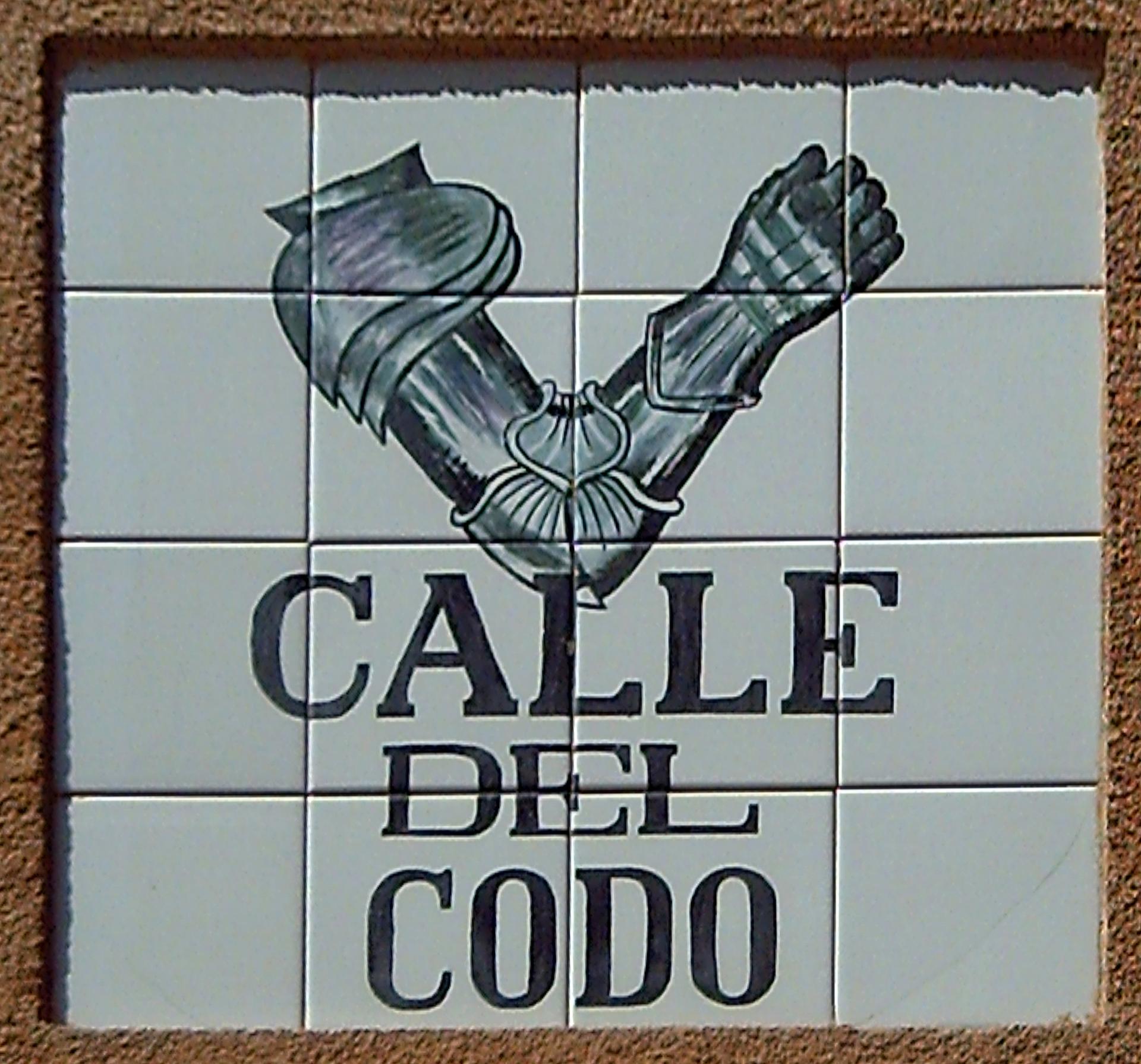
At the top you reach a bend in the street called the Calle del Codo, the elbow.
Sources. Story: Pedro de Répide, Las calles de Madrid, 1921; Hispanopedia, Auto de fe de Madrid de 1680; Ayuntamiento de Madrid, esMadrid. Photos: Photo of the Calle del Rollo: Basilio, CC BY-SA 3.0 via Wikimedia Commons.