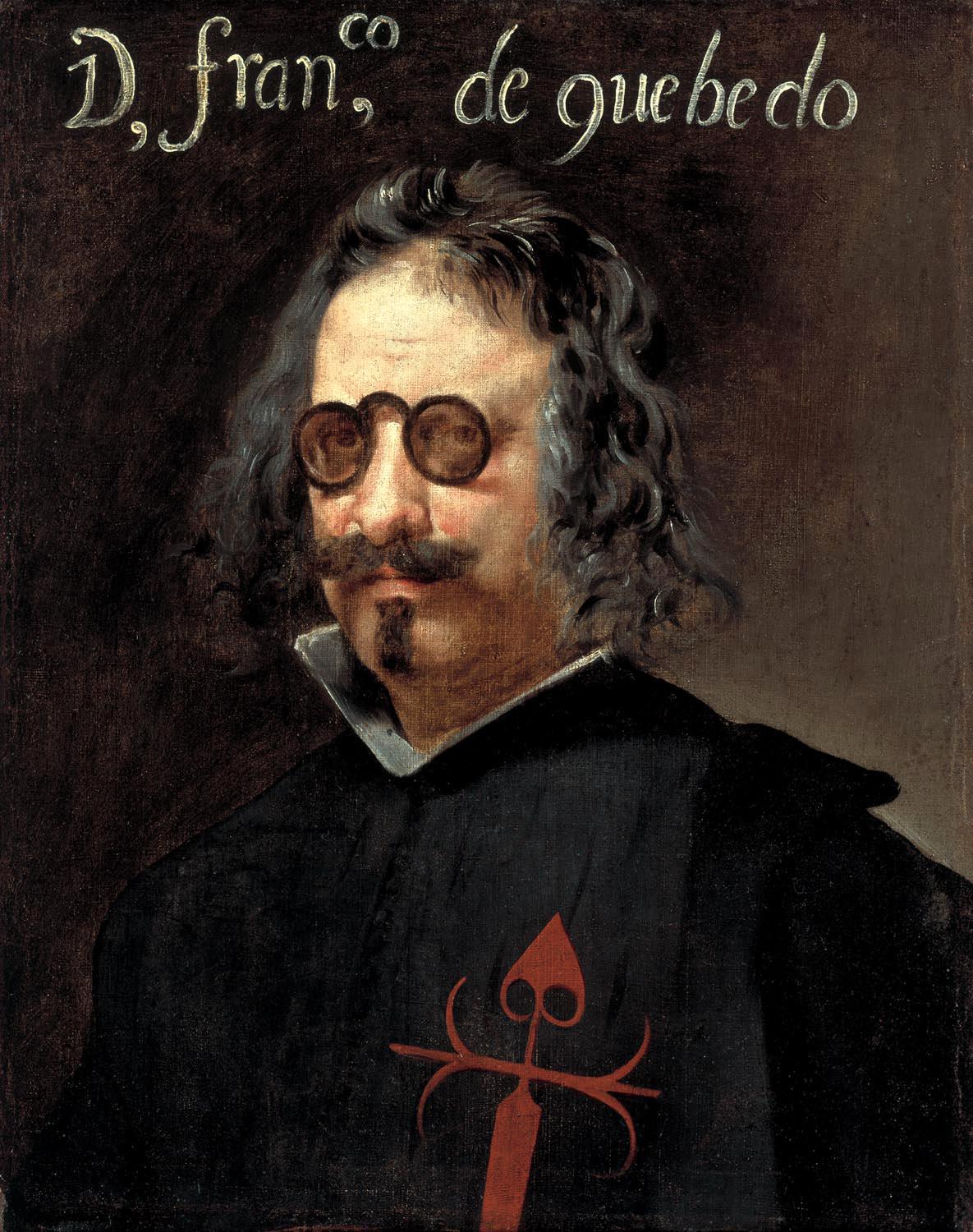
For four centuries, all of Spain knew that lay behind this wall, yet nobody could say where. He was buried here in April 1616, plainly and without fuss, and during a later rebuilding of the convent his grave was lost. Efforts to find him again fell apart in the nineteenth century, until a research team in 2015 used ground radar and careful digging to uncover bone fragments now attributed to him. Conclusive proof still hasn't turned up.
He wanted to rest right here for a reason. , a religious order, bought the freedom of Christian captives, and Cervantes had spent five years imprisoned in Algiers before being ransomed this way.
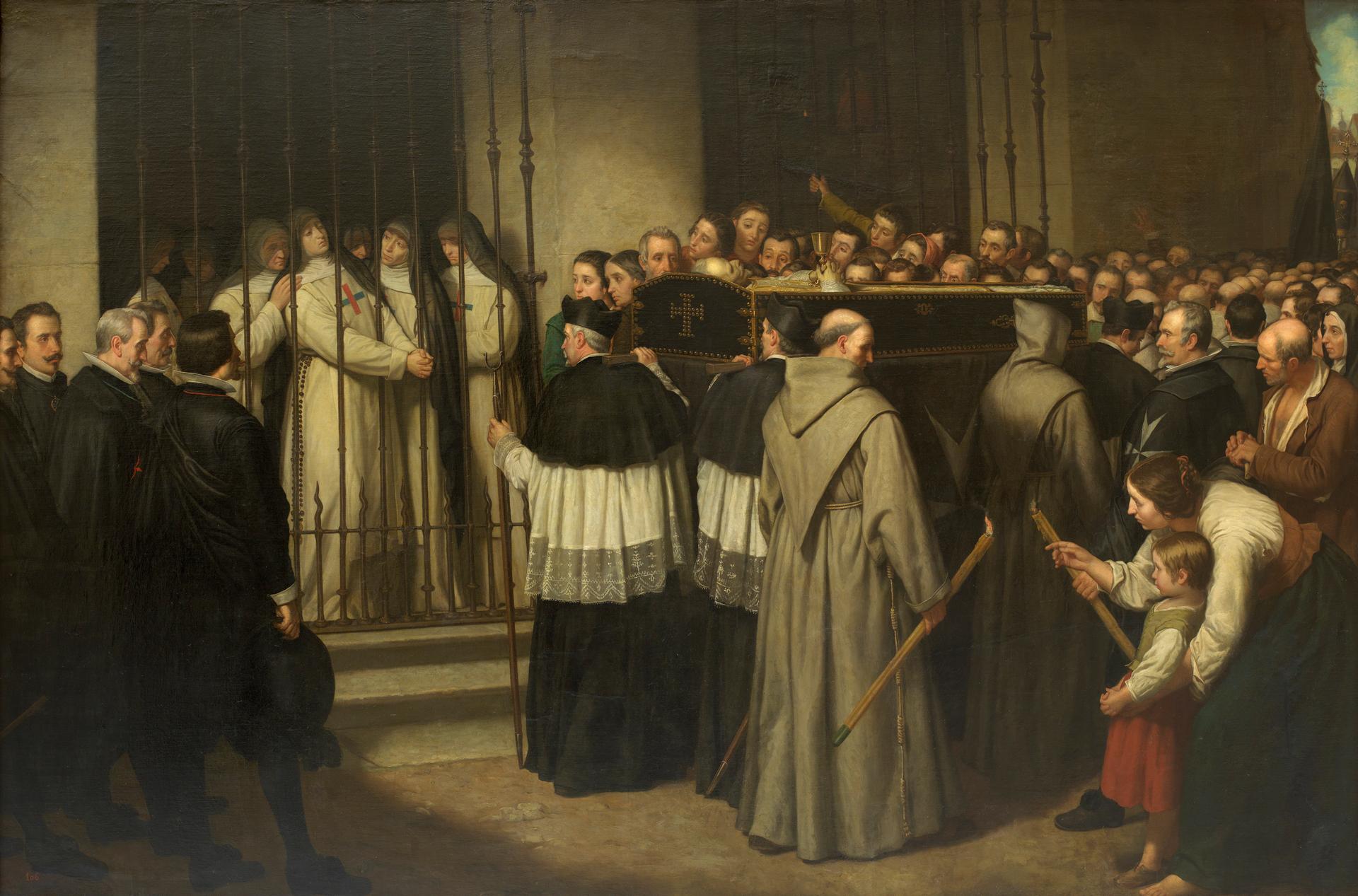
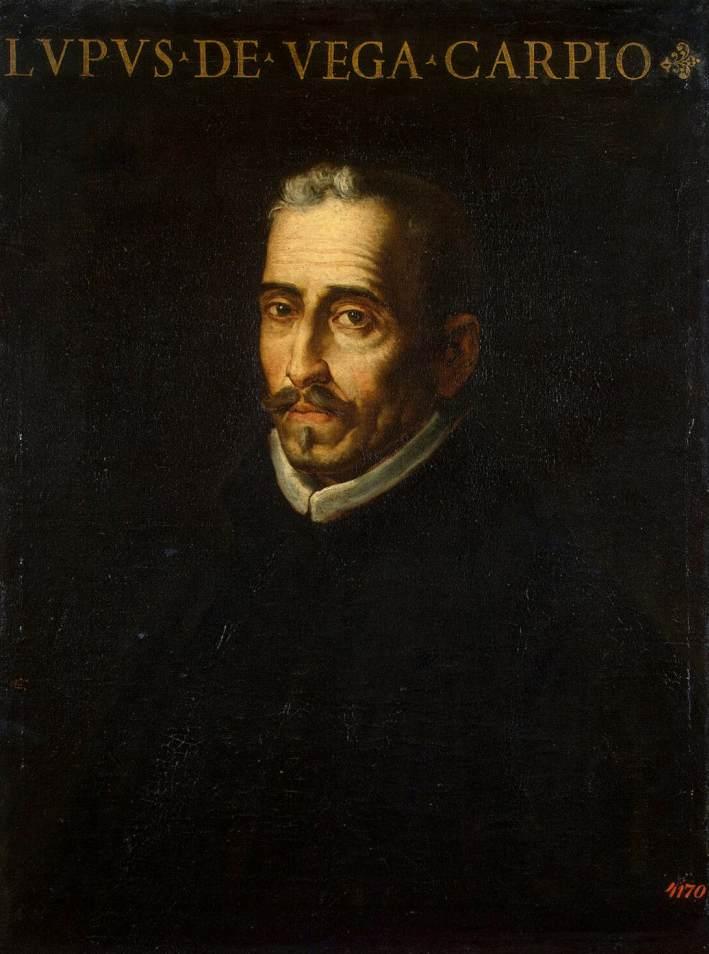
Someone else you know lies here too. , daughter of the playwright , took her vows in this convent in 1621. When her father was buried in 1635, the funeral procession made a detour past this facade so she could say goodbye from behind a window.
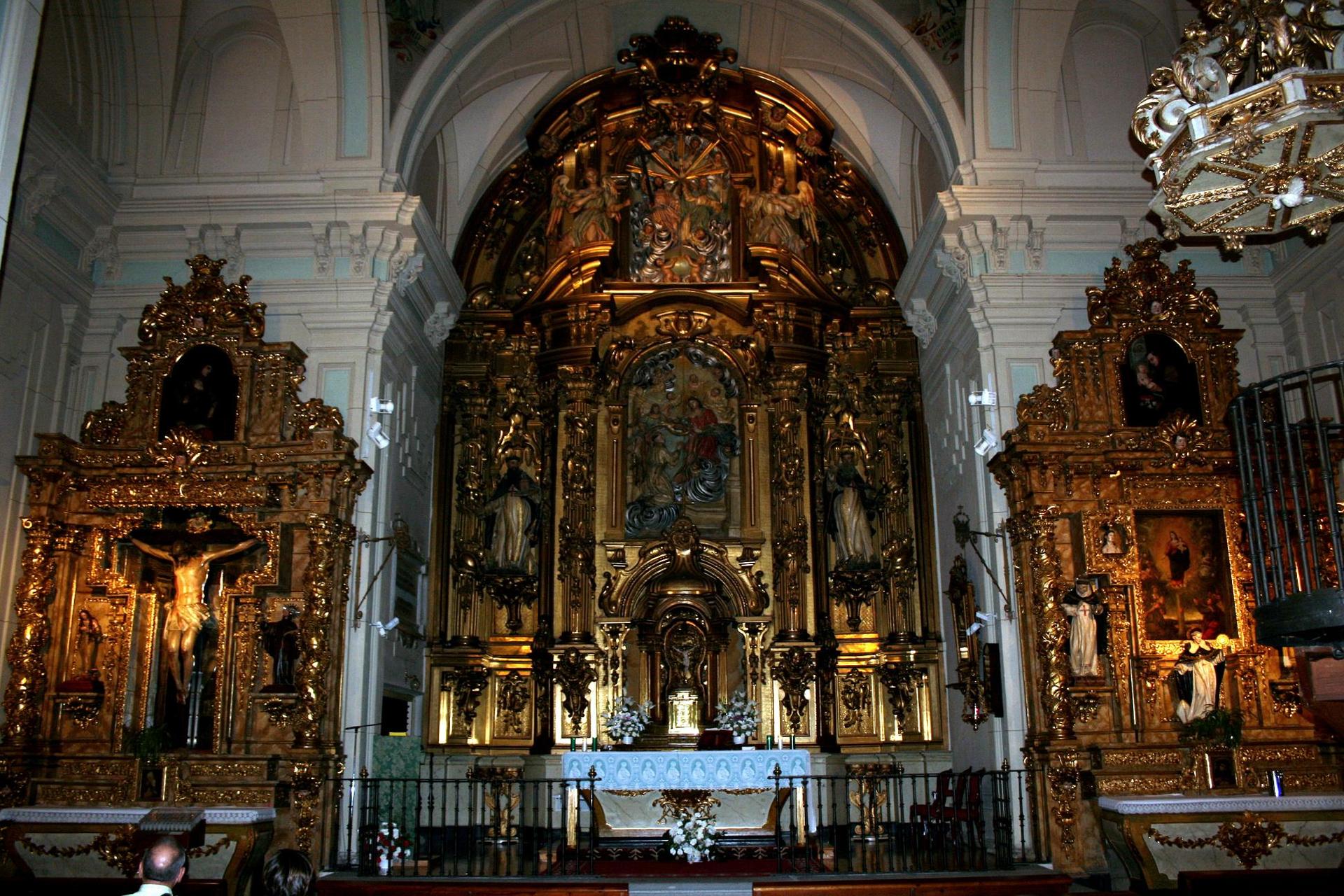
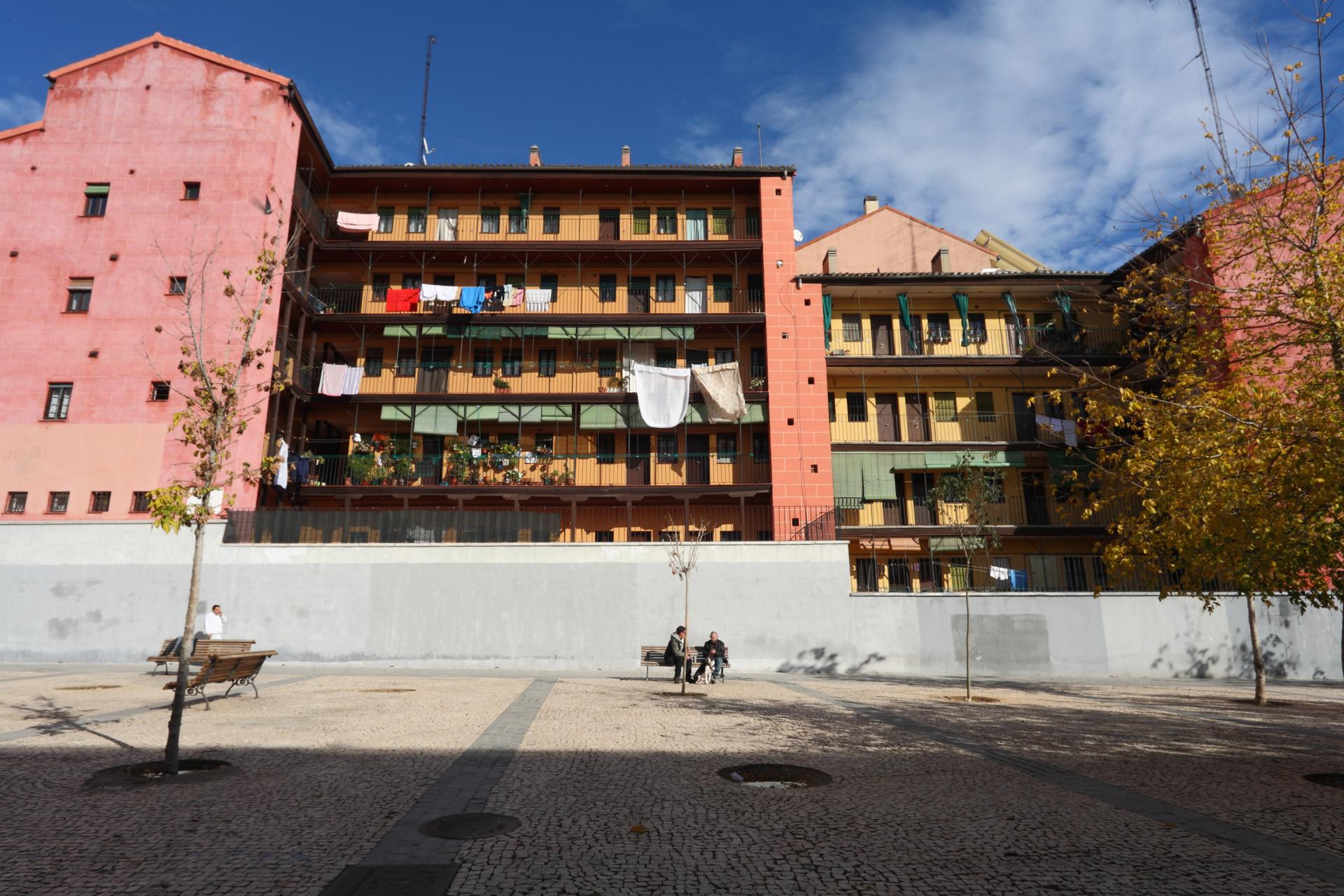
Behind the brick wall across the way, a cloistered community still lives today. The church is free and opens around its services, and if you step inside you'll find the memorial and a second story.
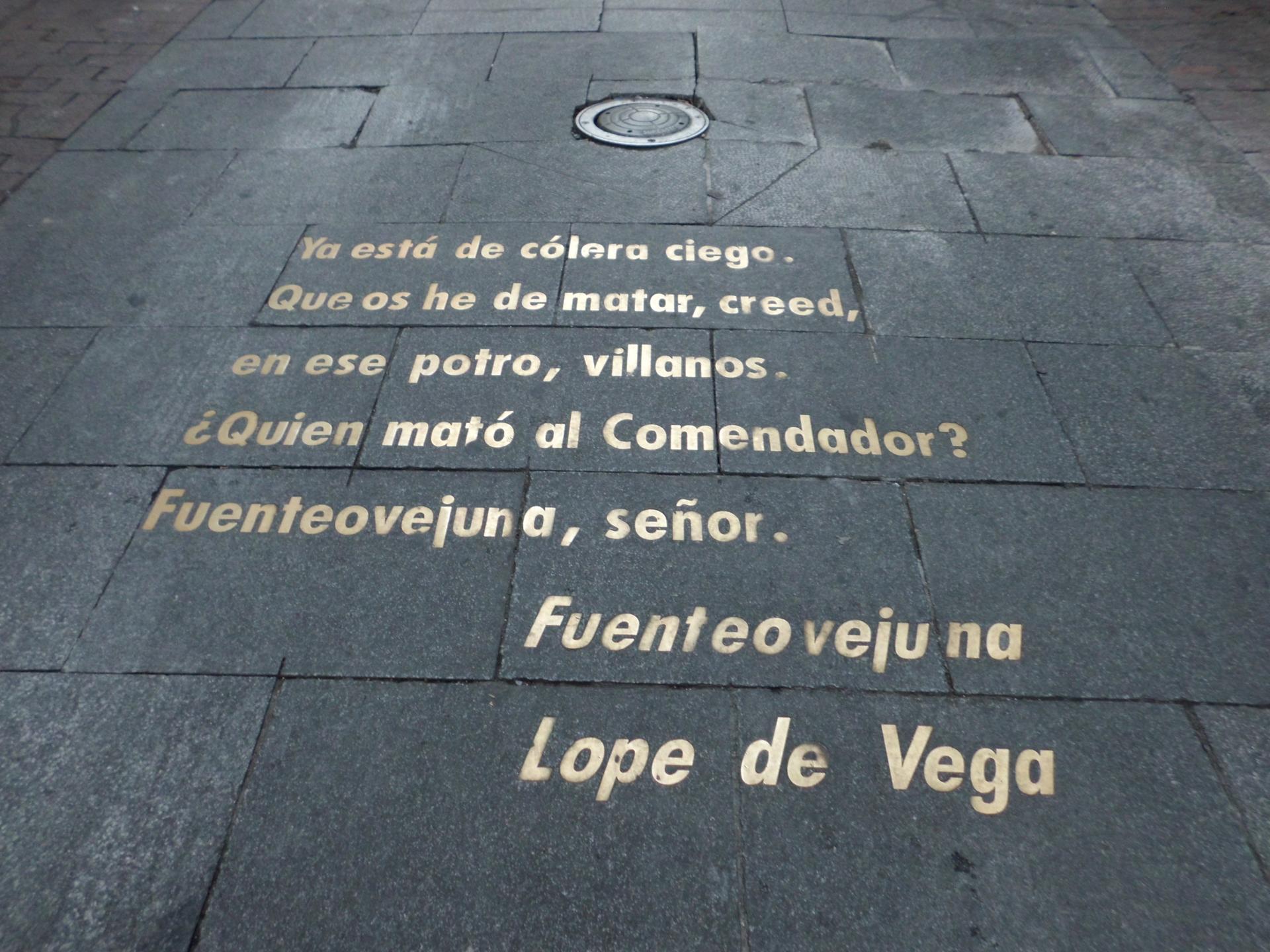
Sources. Story: Universidad Complutense de Madrid, Tribuna Complutense, over het onderzoek naar de resten van Cervantes; Asociación de Academias de la Lengua Española, itinerario Letras y espadas; Hispanopedia, Convento de las Trinitarias Descalzas. Photos: Ignacio Suárez Llanos, Sor Marcela de San Félix viendo el entierro de su padre, 1862, Museo Nacional del Prado, public domain via Wikimedia Commons. Ángel de la Fuente, La sepultura de Cervantes, in El Liberal of 23 April 1922, Biblioteca Nacional de España, public domain via Wikimedia Commons.