Stories in Budapest
49 stories about the places on our Budapest walks. Hear them on the spot in the app
Hear them where they happened
One map of Budapest. 49 stories on it.
Open ROODS in your browser, walk to a pin and hear its story right there. Nothing to install.
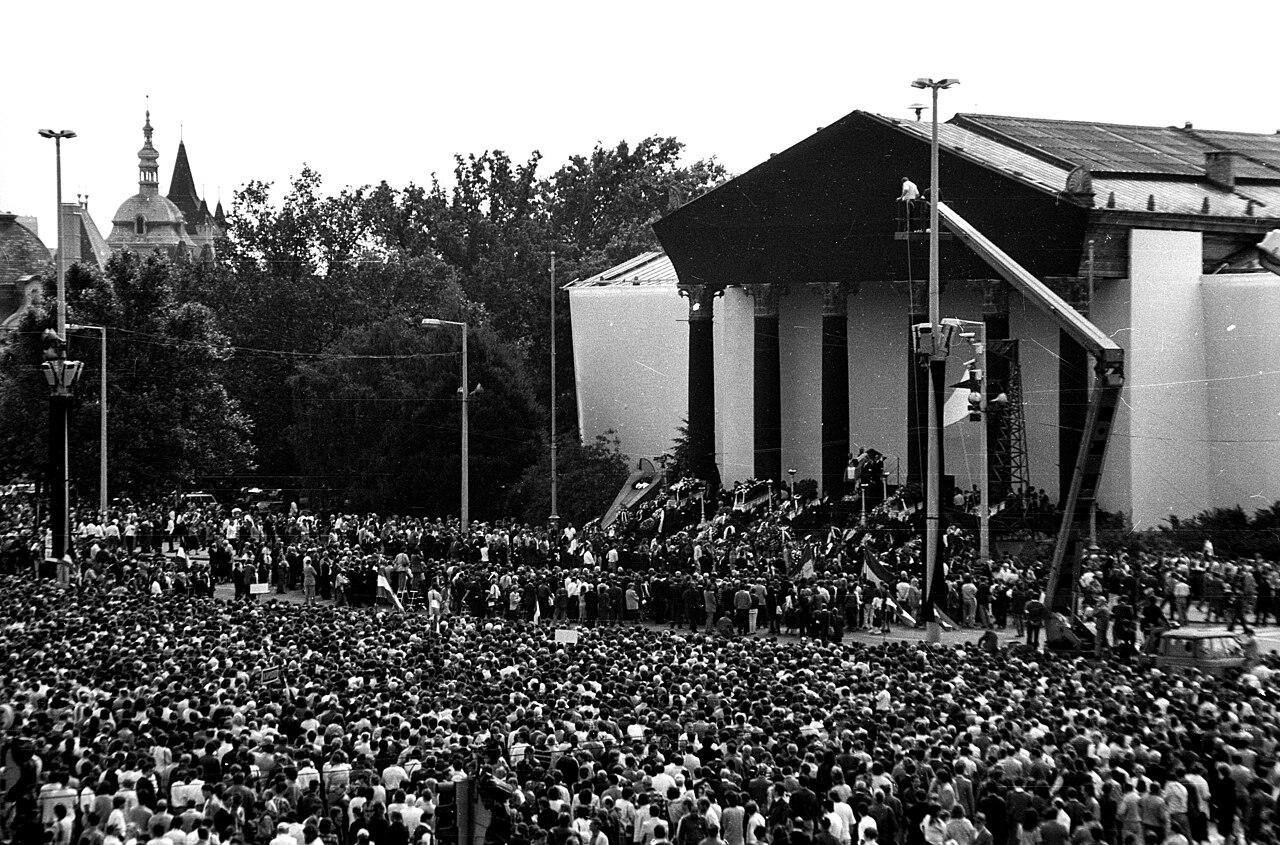
Back at Hősök tere
Back at the column, on the square where a papal envoy was stopped by a storm and where a quarter of a million people once gathered in 1989.
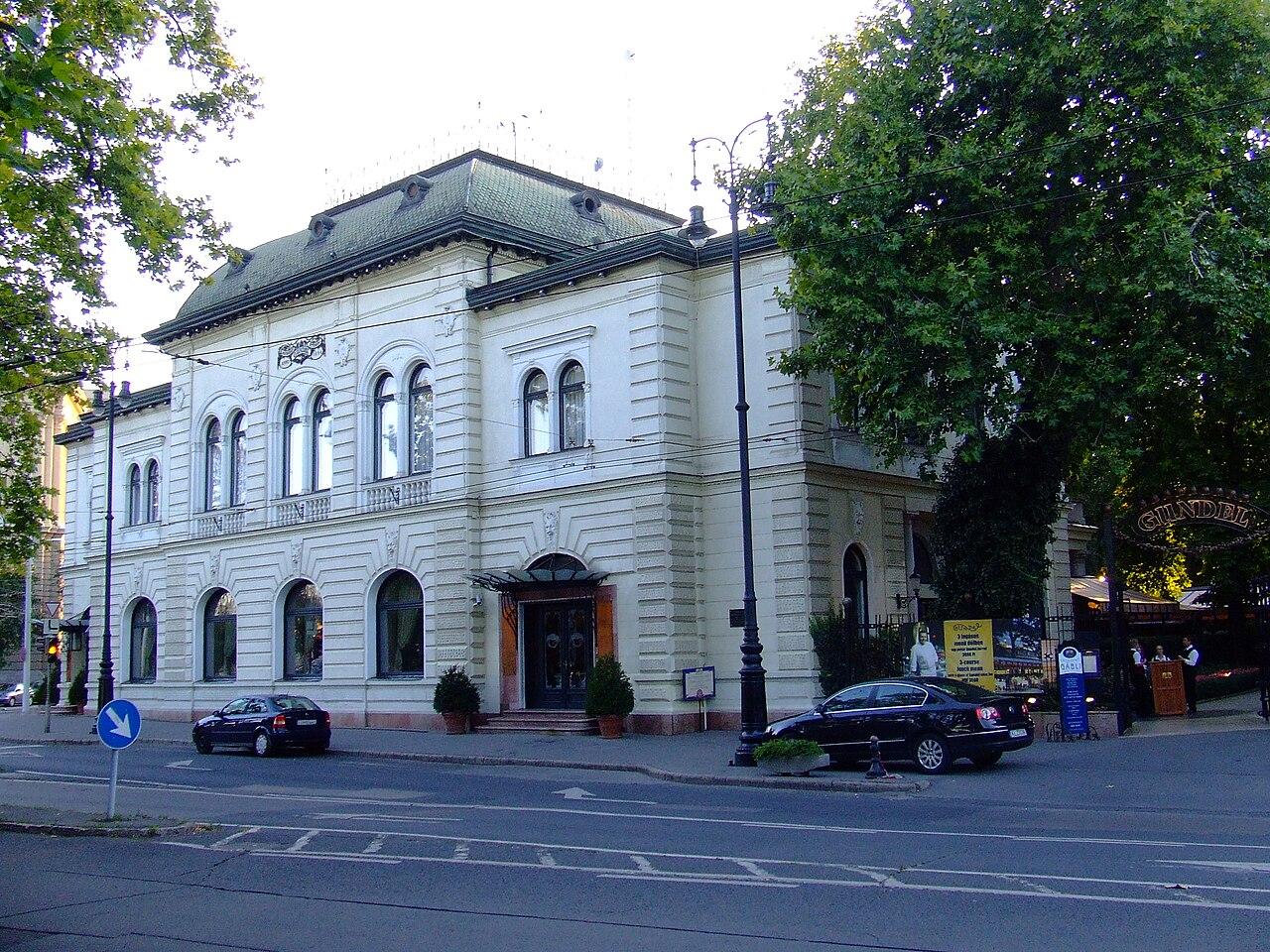
Gundel, which in 1896 was still called Wampetics
During the jubilee year this was Wampetics, and all of Pest gathered at its tables; the name on the facade only arrived fourteen years later.
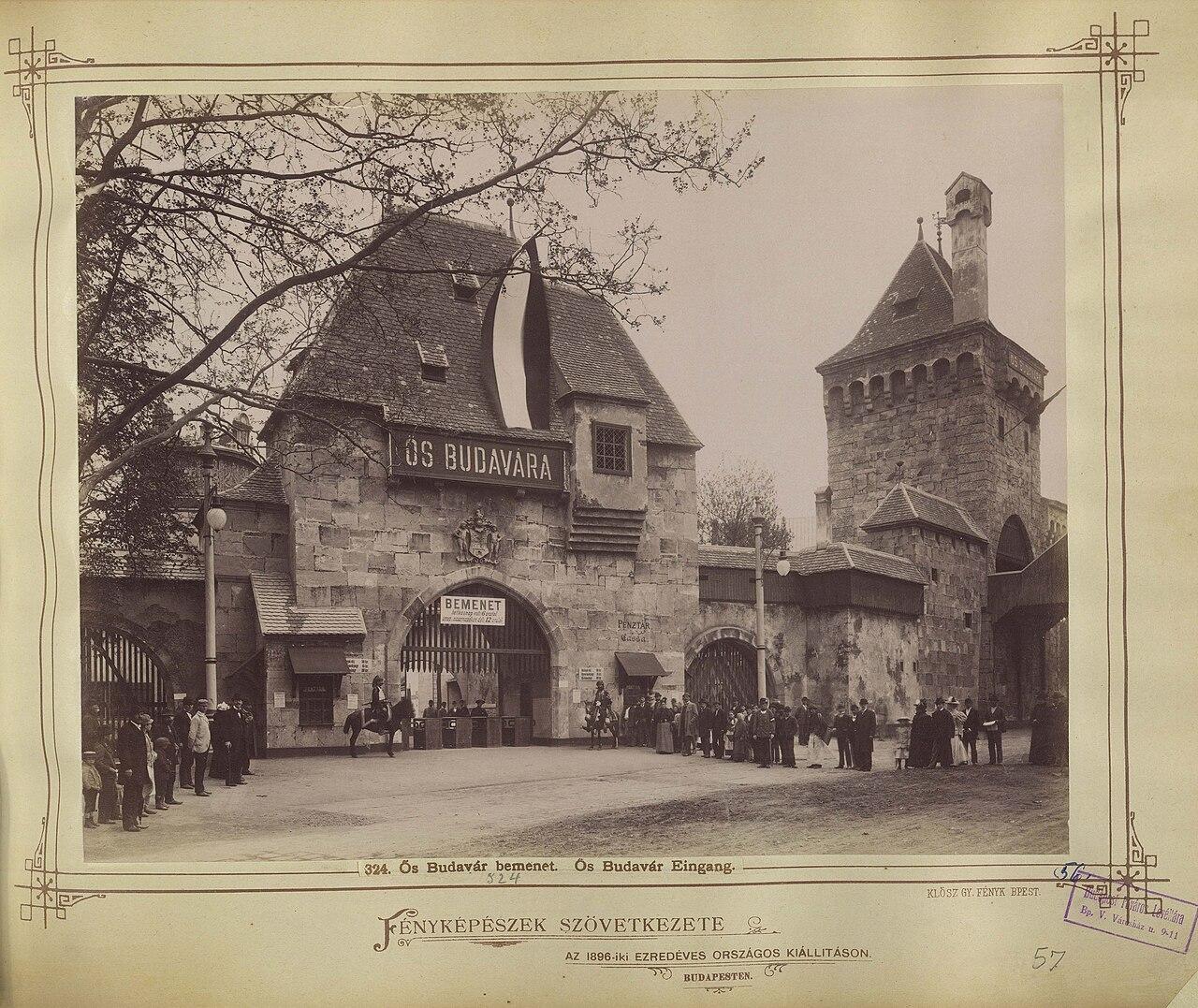
Ős-Budavára, the city that stood for one summer
A rebuilt Turkish Buda complete with beer halls and an orpheum, so popular that the zoo next door went bankrupt.
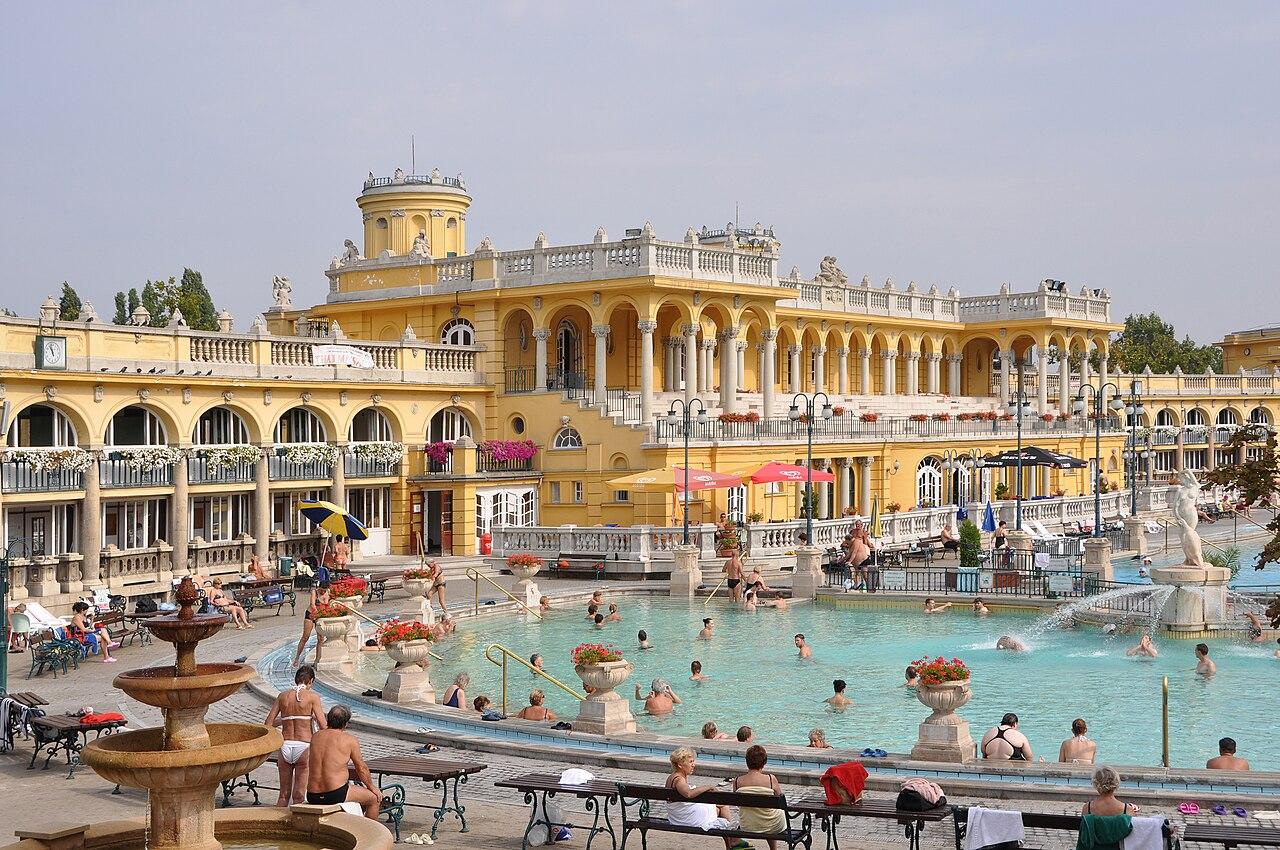
The Széchenyi Baths and the well beneath them
Europe's hottest spring water was found right where Árpád now sits on his horse, and the bathing palace only arrived seventeen years after the big anniversary year.
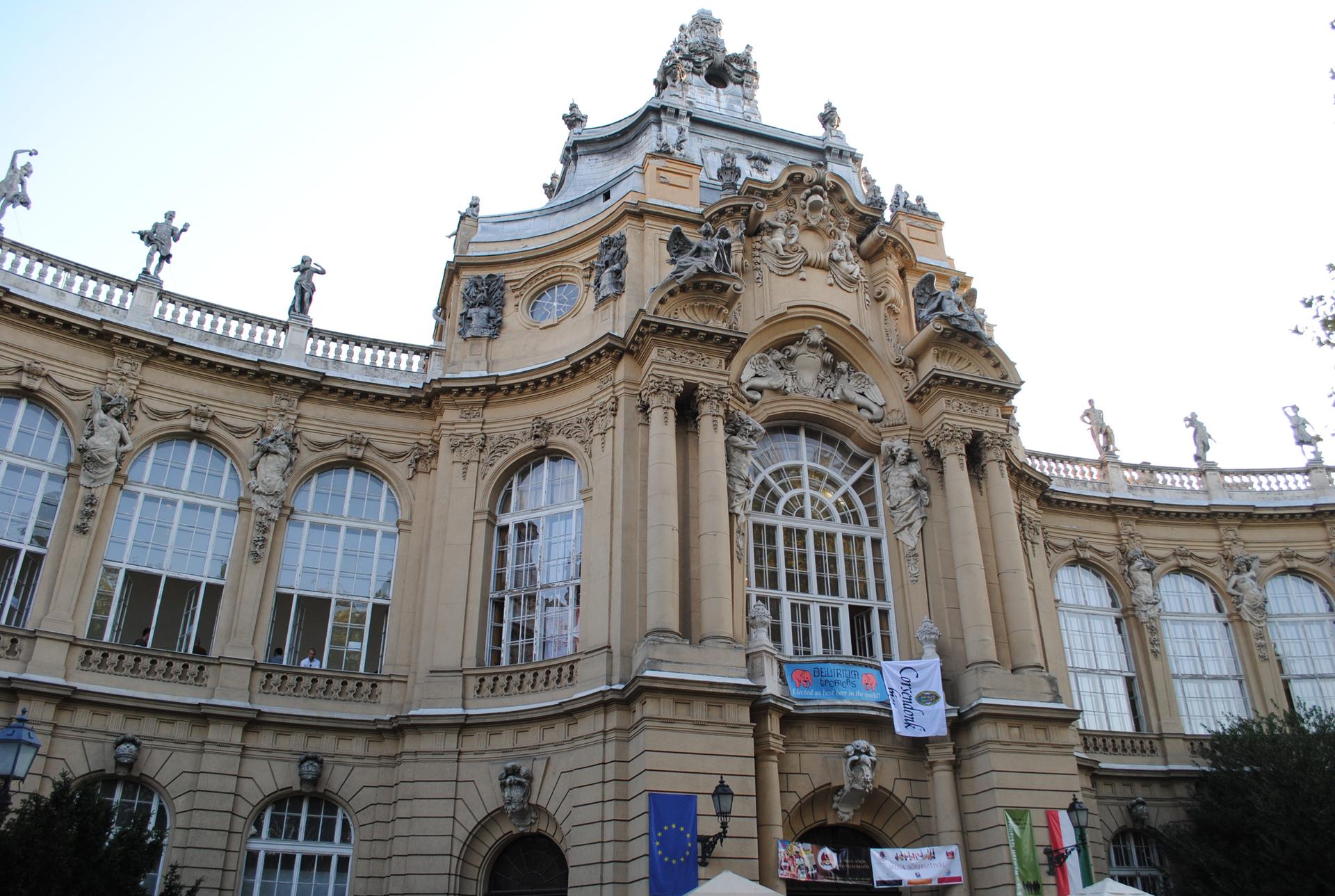
The Agricultural Museum, founded in the middle of the exhibition
A museum that came to life while the exhibition was still running outside, and that gave the plaster scenery a resident and a future.
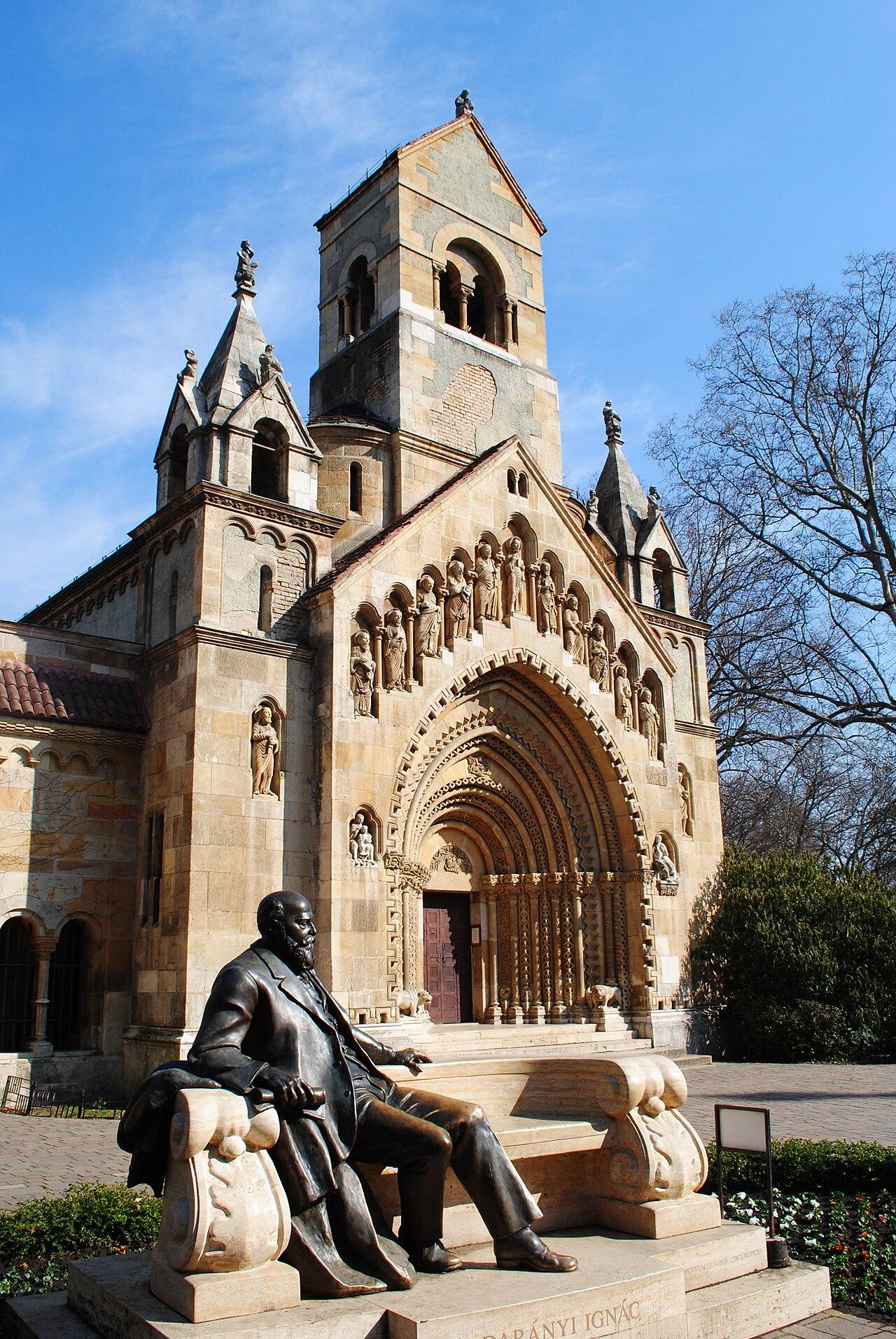
The Ják Chapel, one church made from three
A doorway from Ják, a tower from Kassa and a floor plan from Lébény, meant to be a library and only consecrated as a chapel in 1915.
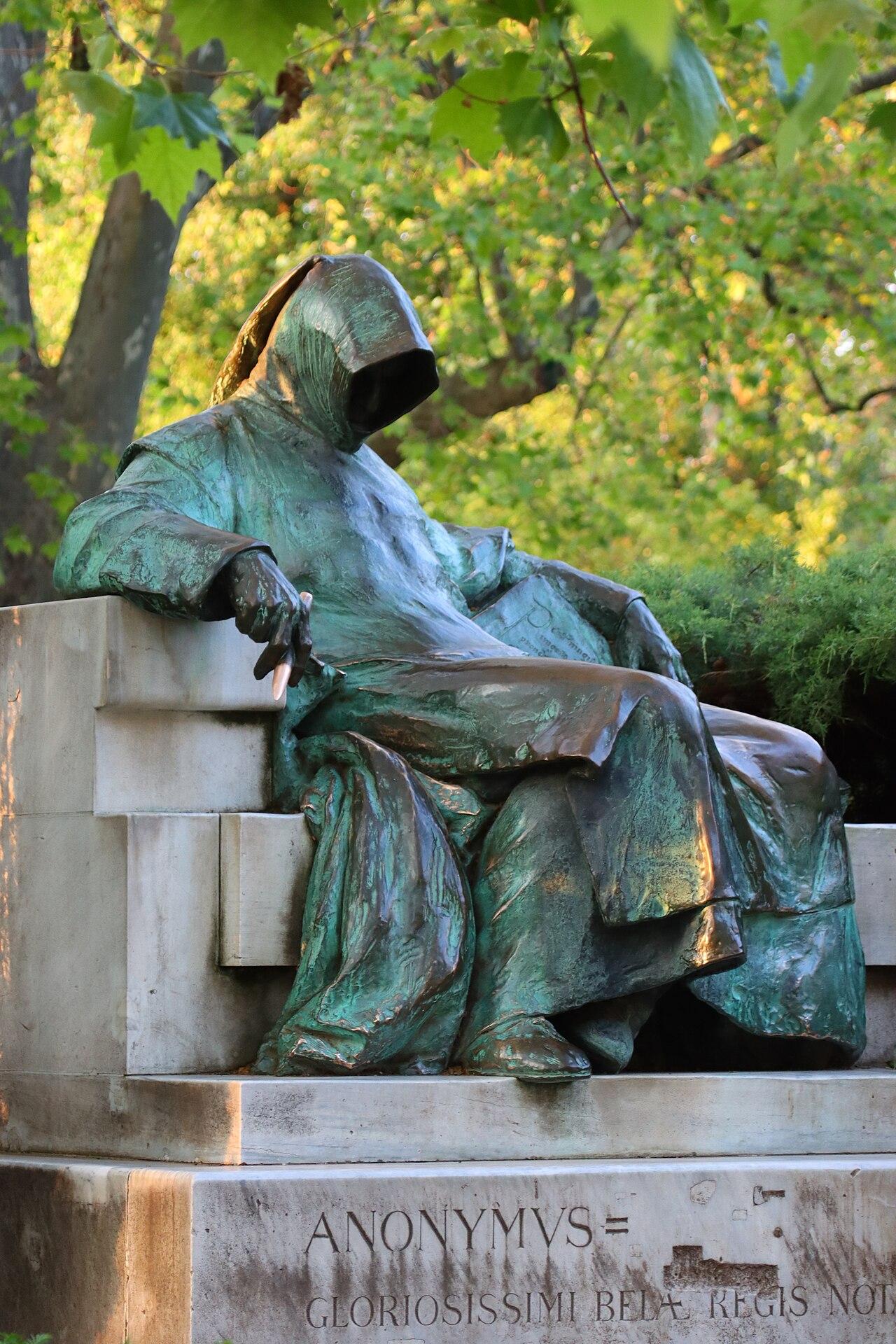
Anonymus, the writer without a face
A bronze monk with his face lost in shadow, a chronicler known only by a single initial, and a second version that had to be destroyed.
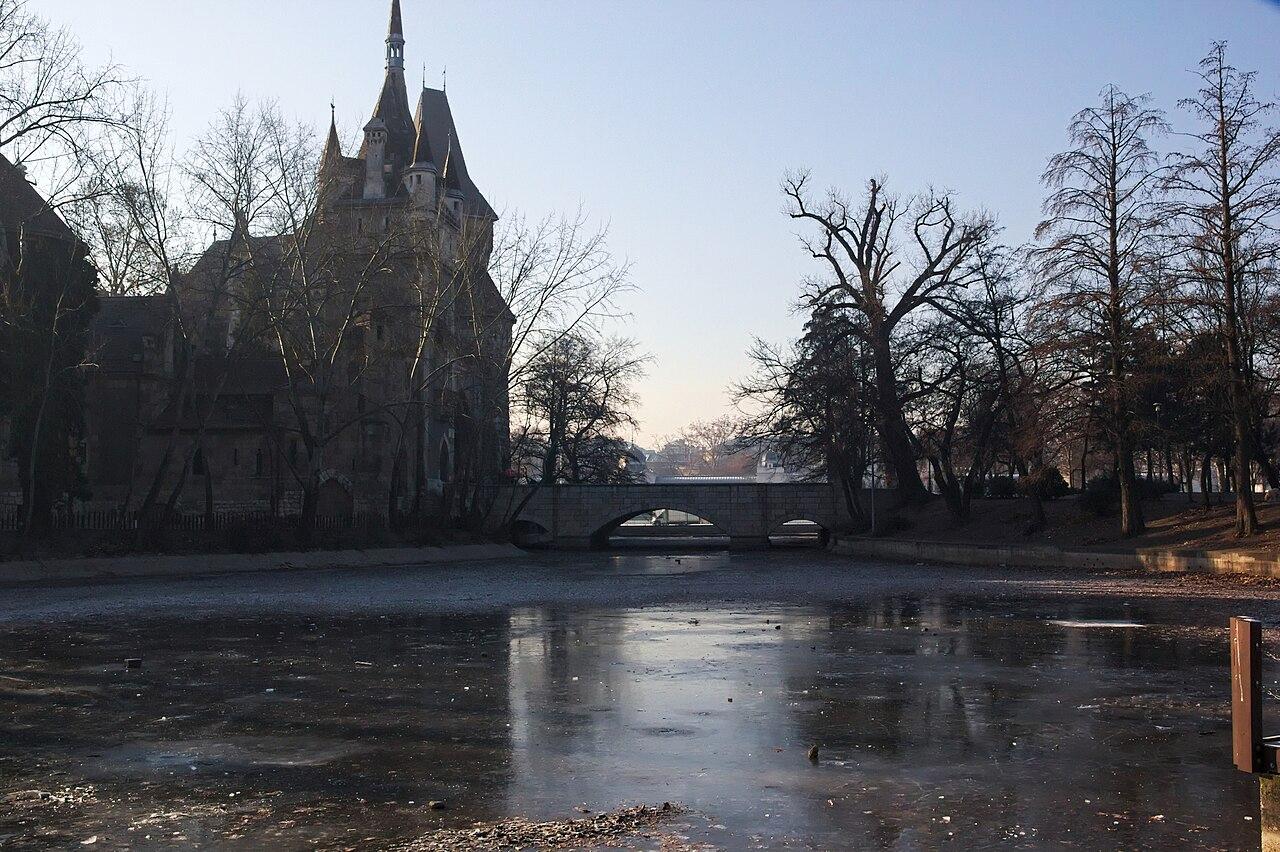
Vajdahunyad Castle
A castle of plaster and canvas that was supposed to be torn down after the exhibition, but the city had it rebuilt in stone instead.
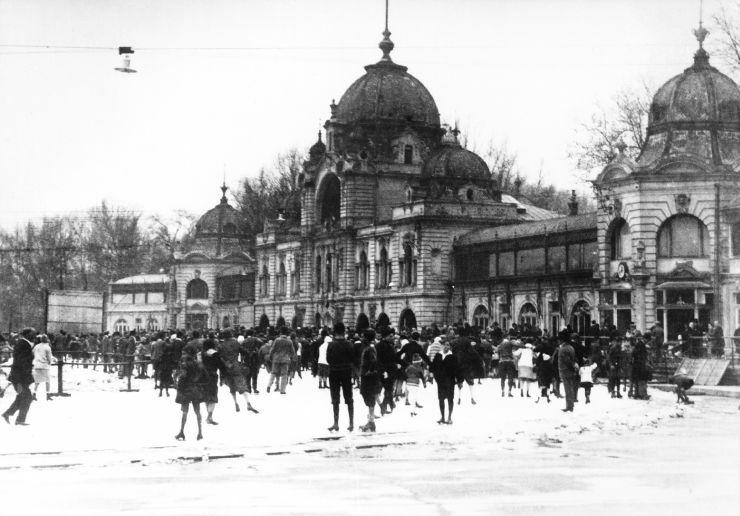
The pond and the ice rink
People have skated here since the 1830s, there's a skating hall built for the millennium celebrations, and since 1926 it's been the largest open-air ice rink in Europe.
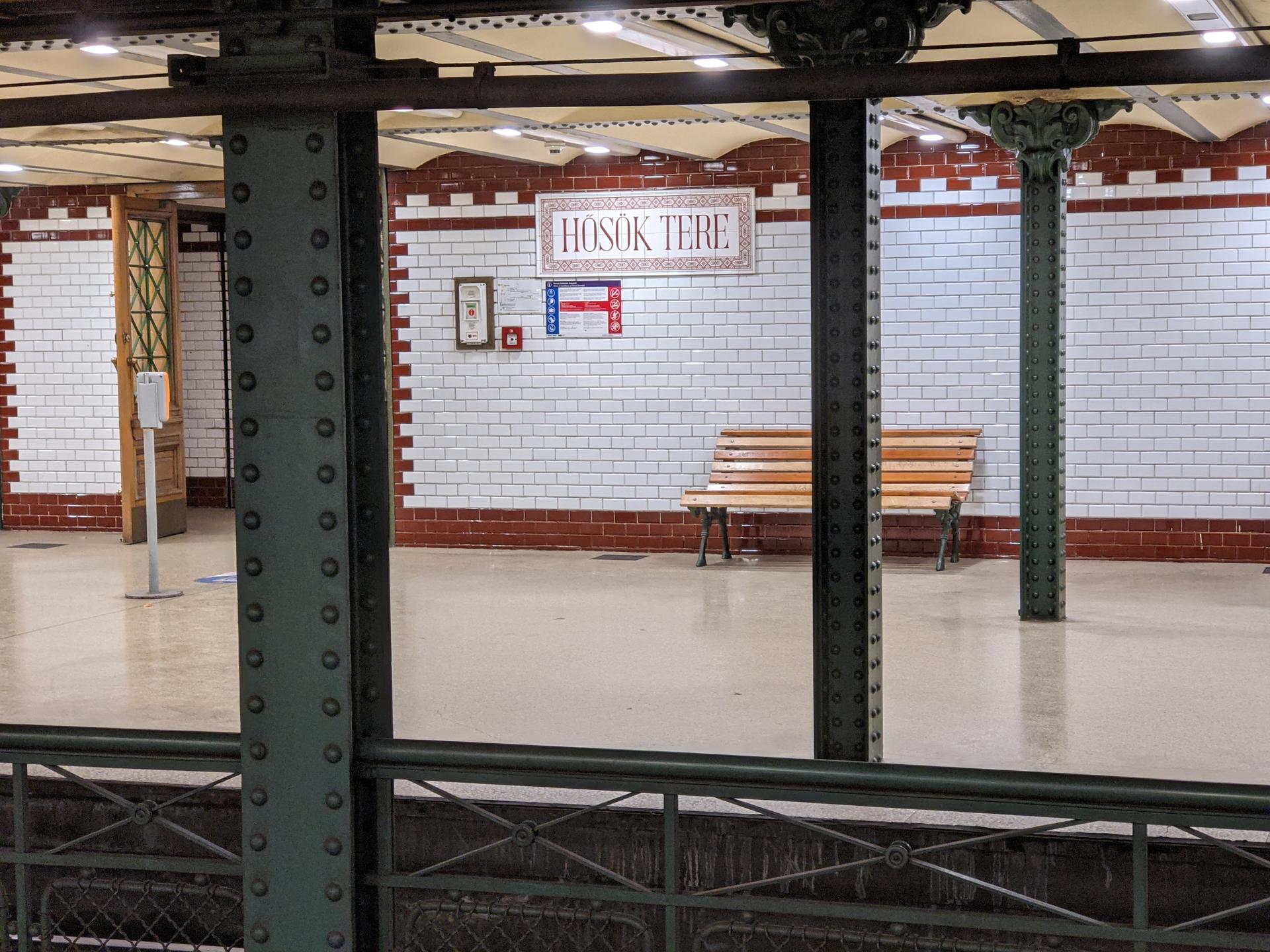
The Földalatti
The oldest underground railway on the European mainland, built in twenty months because Andrássy út was too grand for trams.
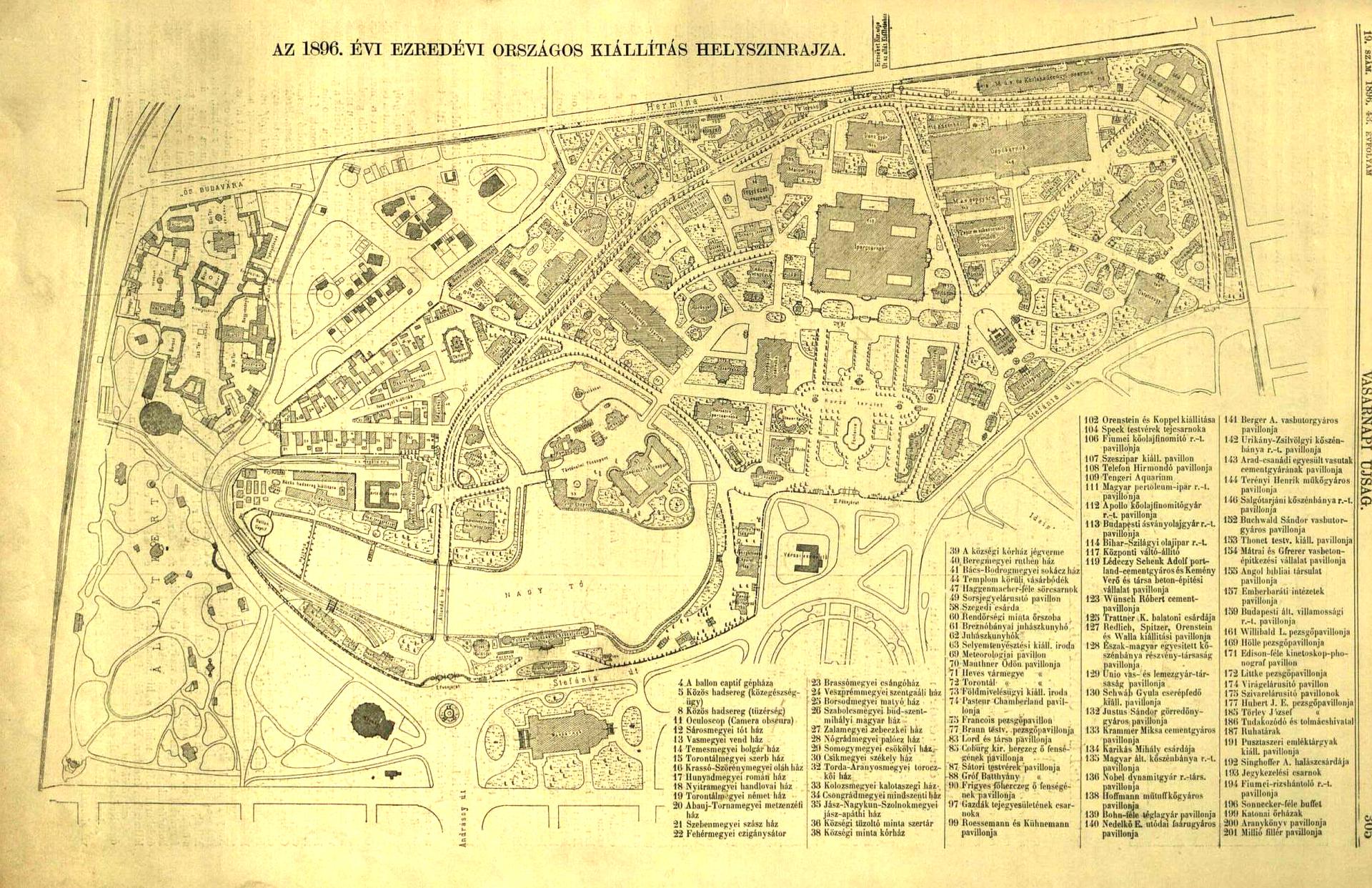
The Műcsarnok and the opening of May 1896
This is where Franz Joseph opened the exhibition in May 1896 that would draw almost six million people.
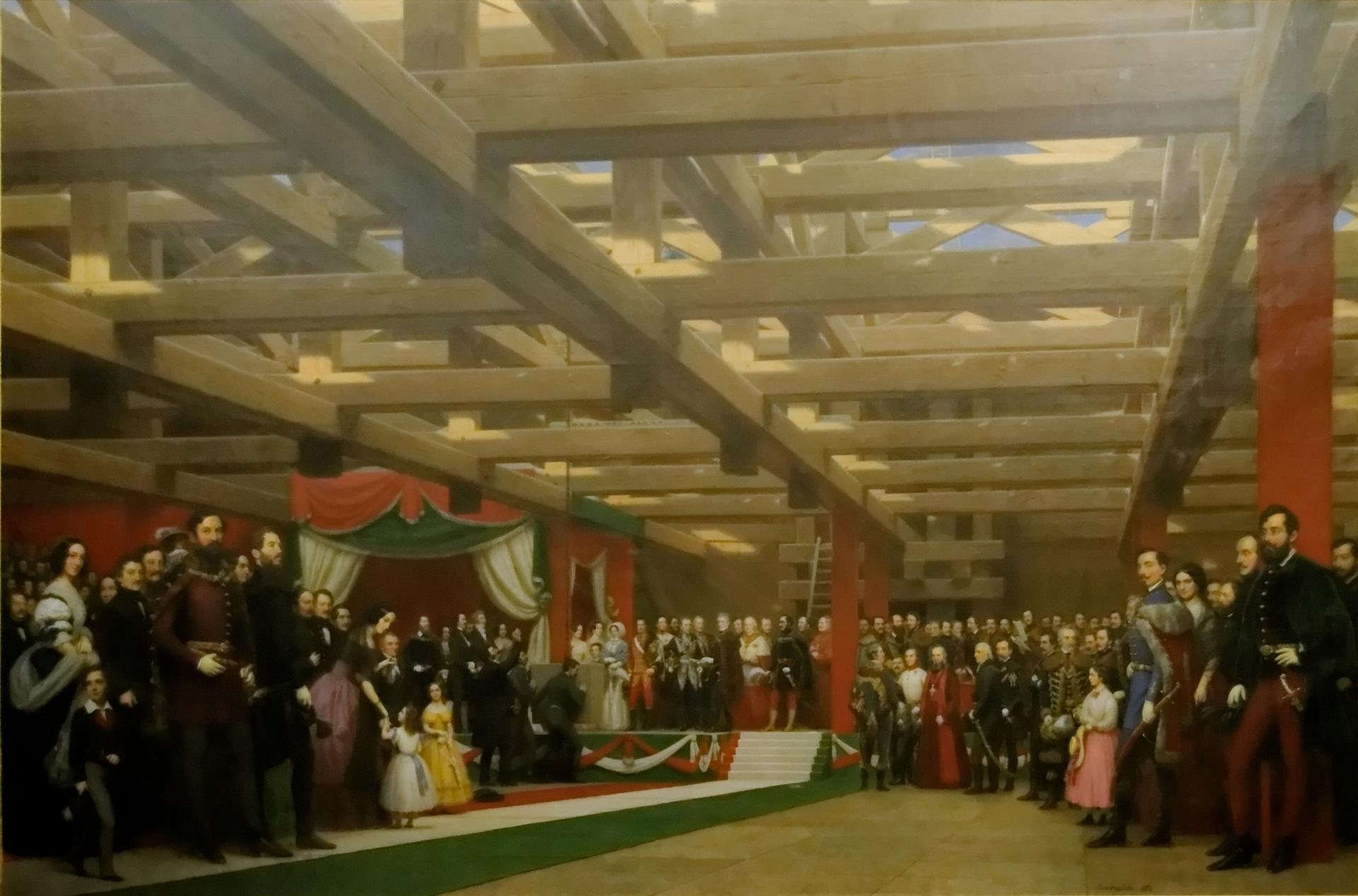
The Chain Bridge
A week spent waiting for the ice to clear cost Széchenyi his father's funeral and gave the city its first permanent bridge.
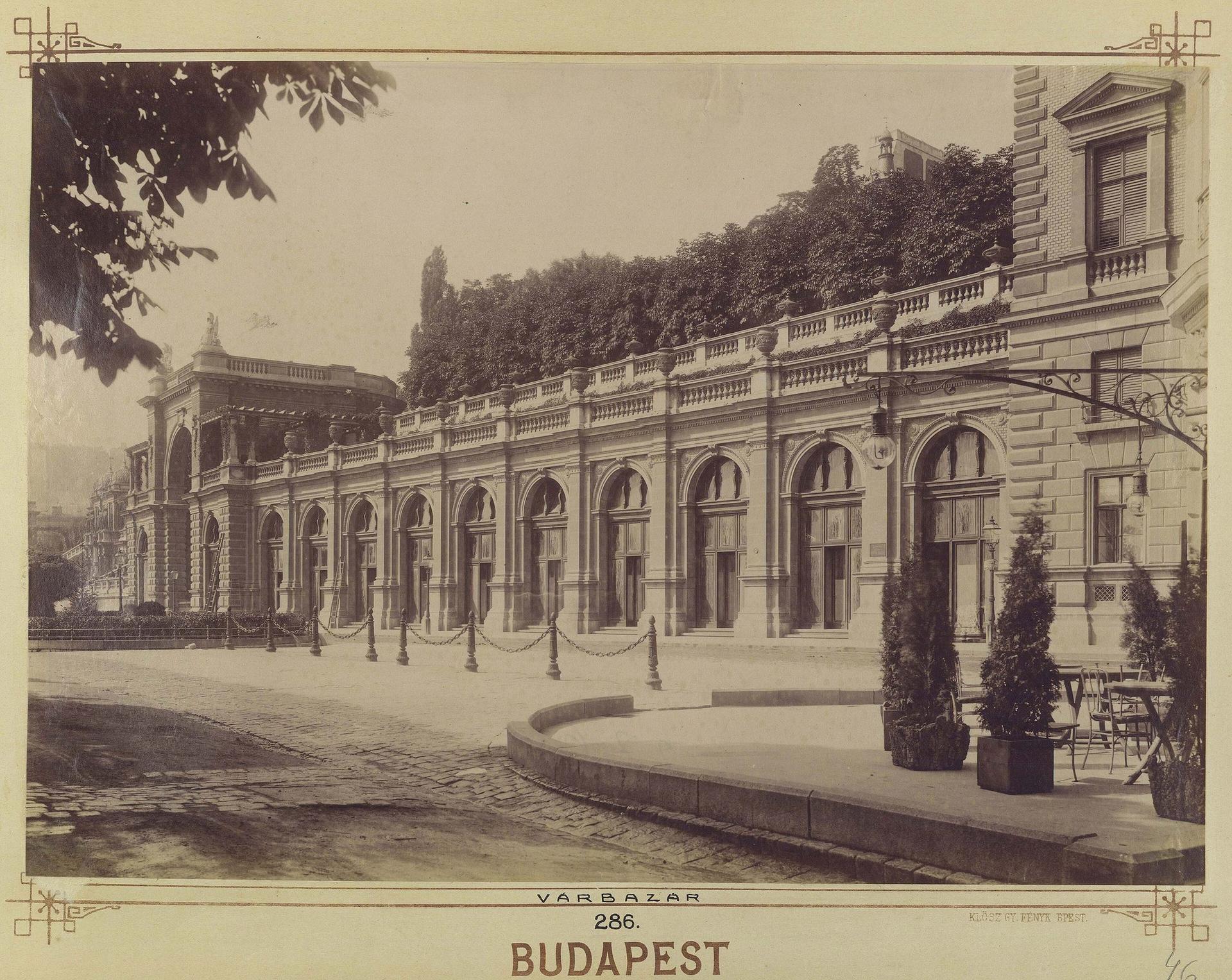
The Várkert Bazár
A shopping arcade beneath the palace gardens that never caught on, and spent twenty years as the country's rock venue.
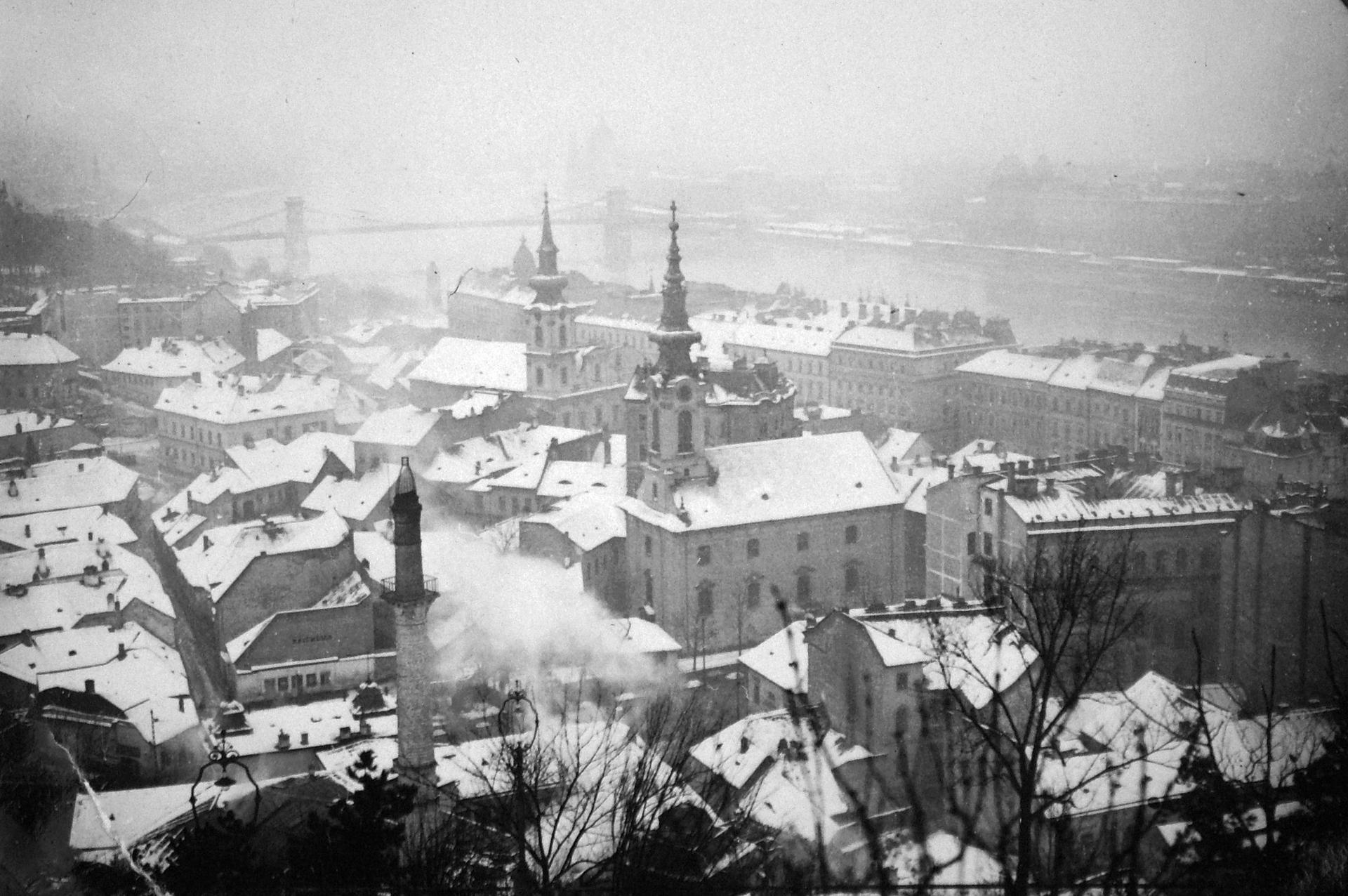
The Tabán
A whole neighbourhood once lay beneath this grass, with vineyards, taverns and hundreds of houses.
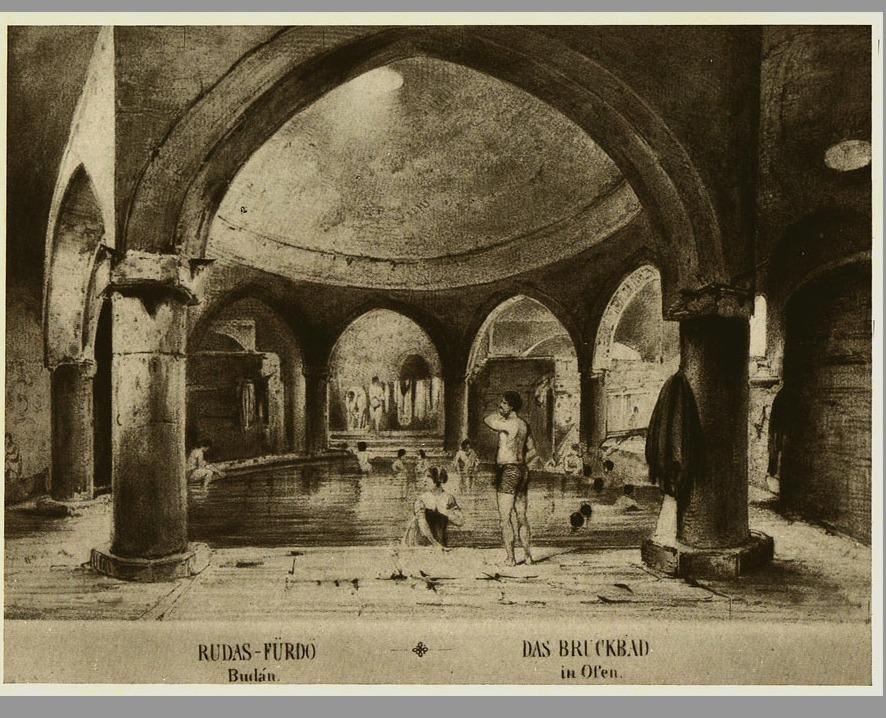
The Rudas Baths
An octagonal pool beneath an Ottoman dome, in use for more than four hundred and fifty years.
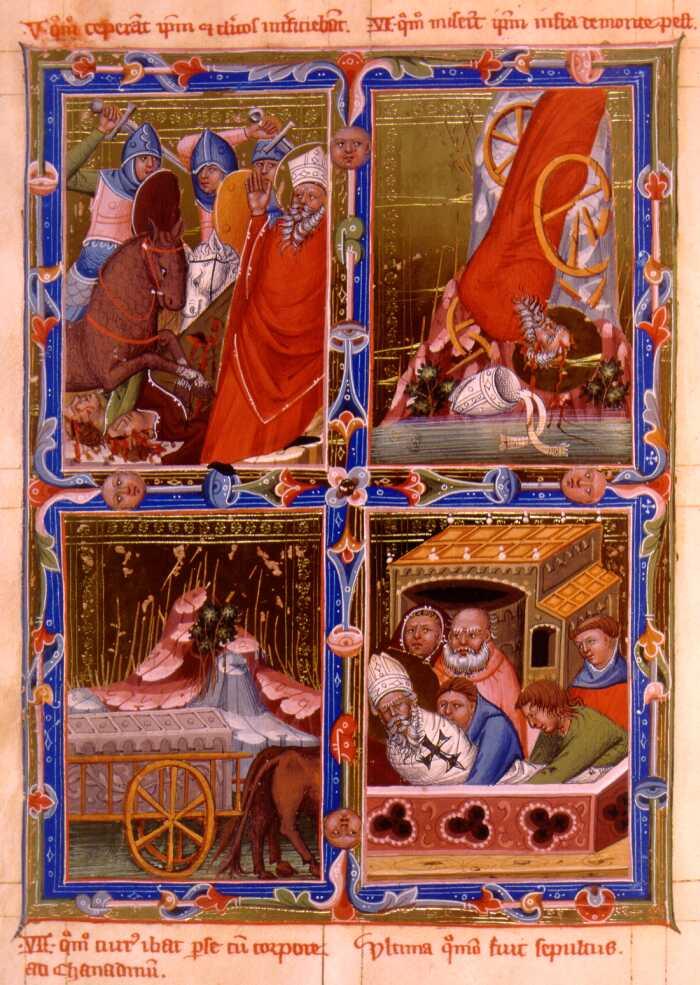
Szent Gellért tér
The hill above you had a different name until a bishop was thrown off it in 1046.
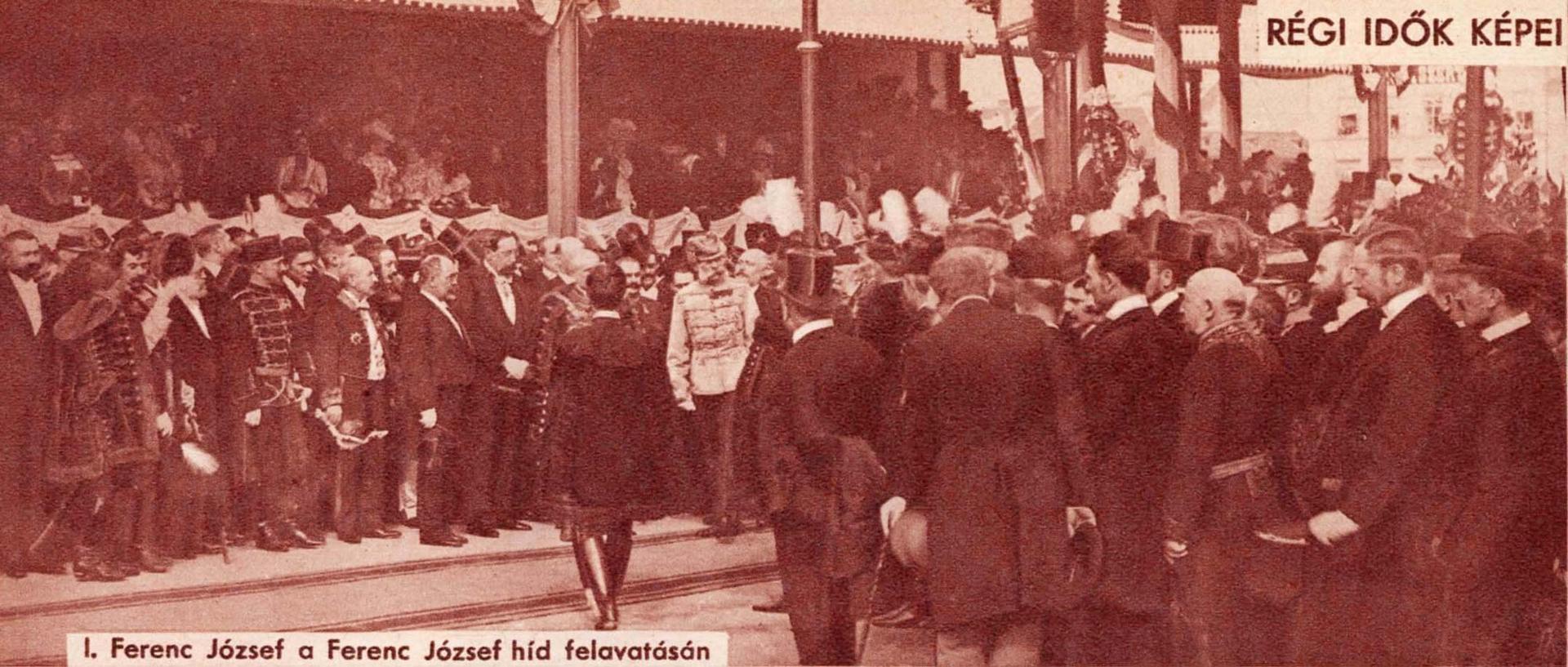
The Liberty Bridge
The emperor drove in the final rivet, though it was actually pushed into place with a press.
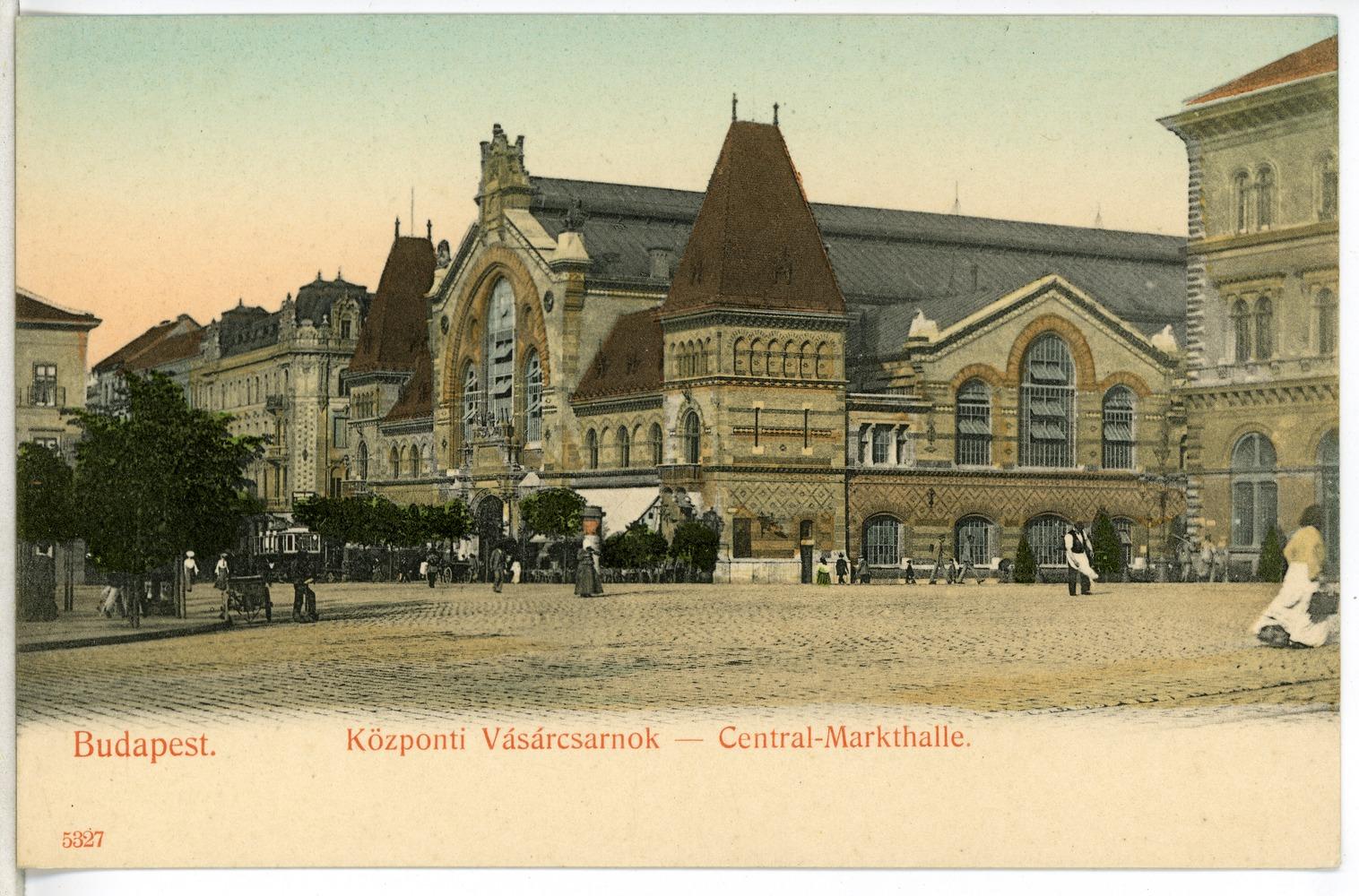
The Great Market Hall
A market hall where the barges sailed in beneath the floor, and which burned down ten days before it opened.
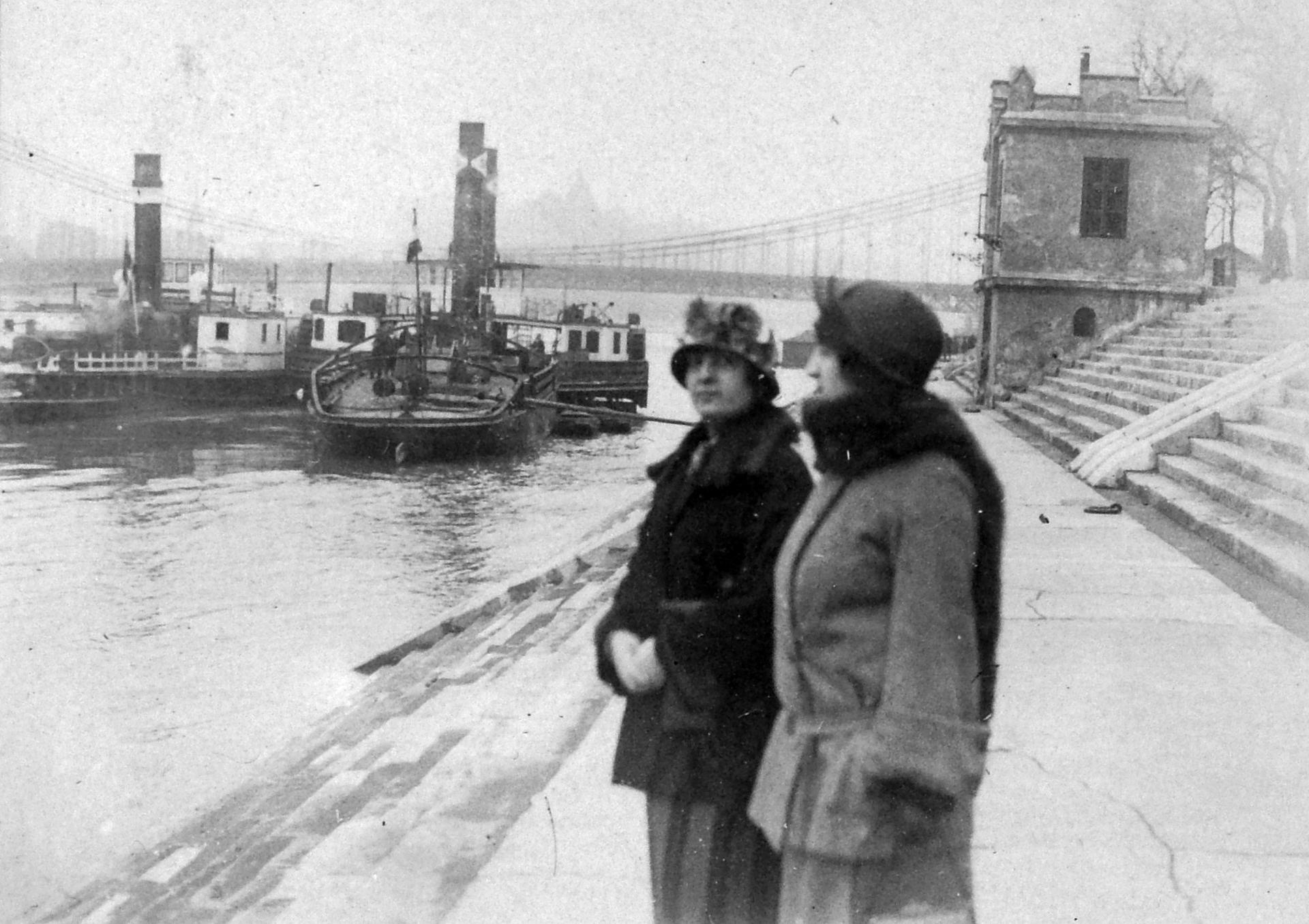
The loading quay on Belgrád rakpart
The stones you're walking over are the structure itself: a harbour and a dike in one.
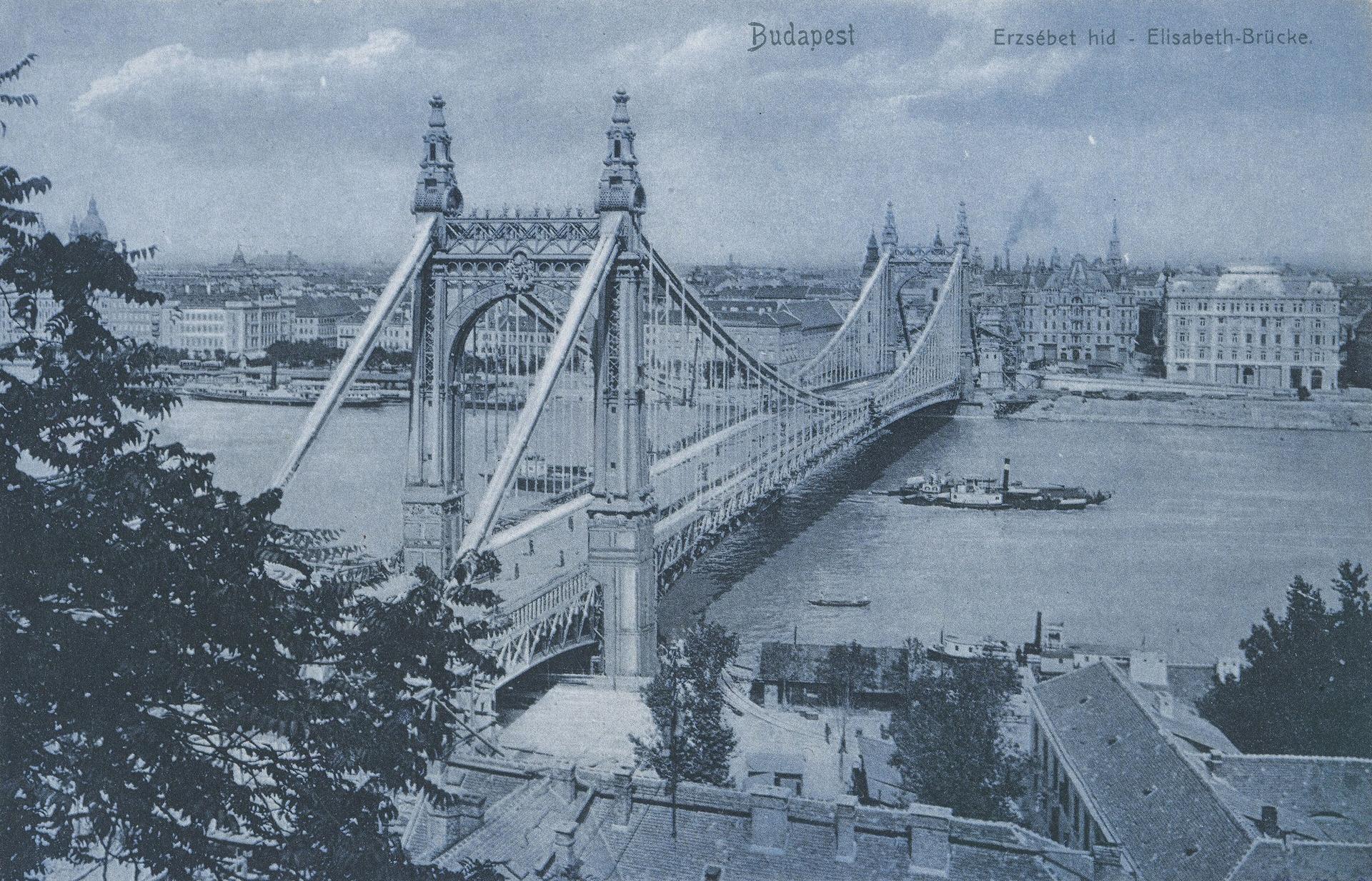
The Elizabeth Bridge
The white bridge above you is the second one; the first held the world record until 1926.
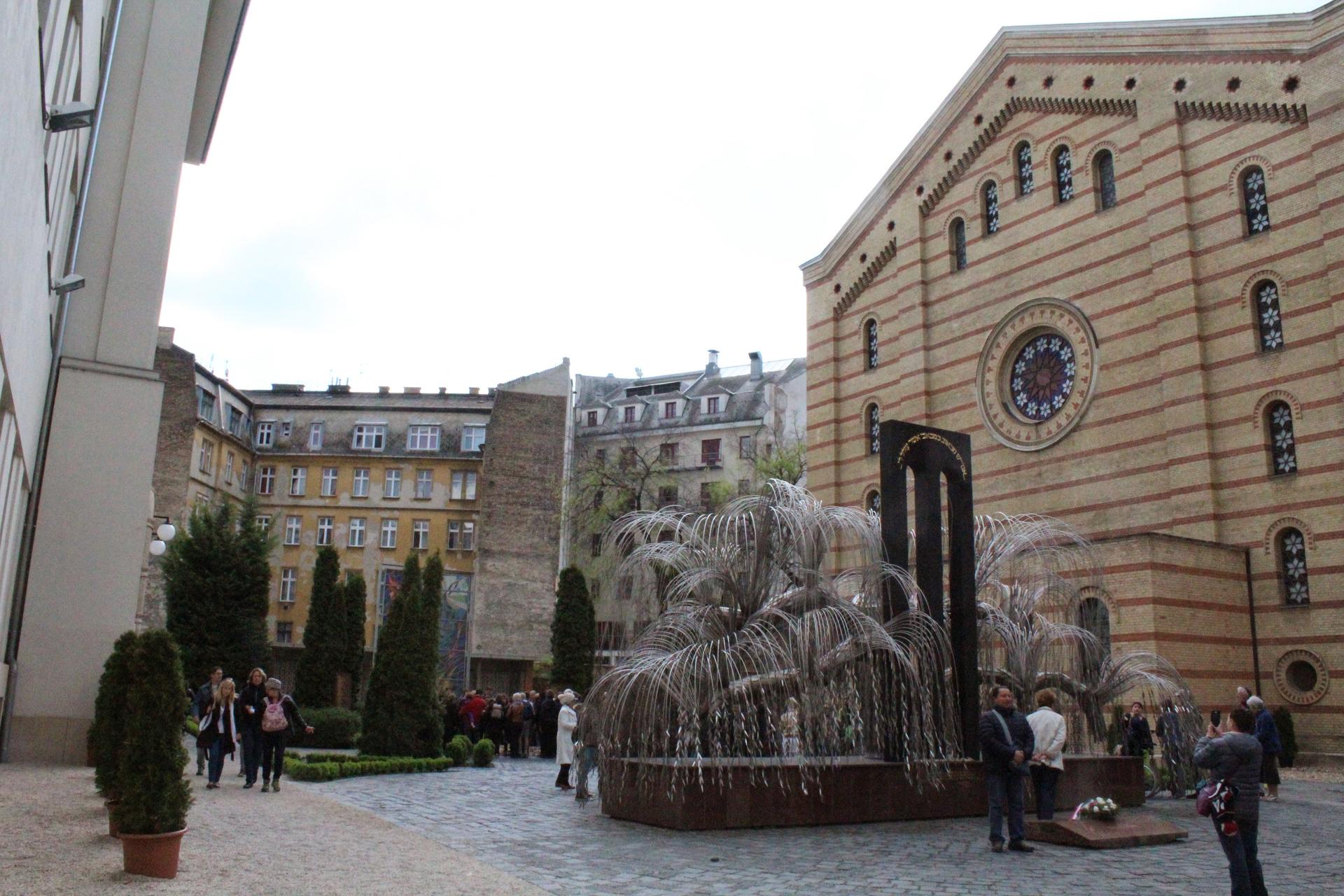
The Emanuel Tree and the graves in the garden
The only synagogue garden in the world with graves in it, and a steel weeping willow where every leaf carries a name.
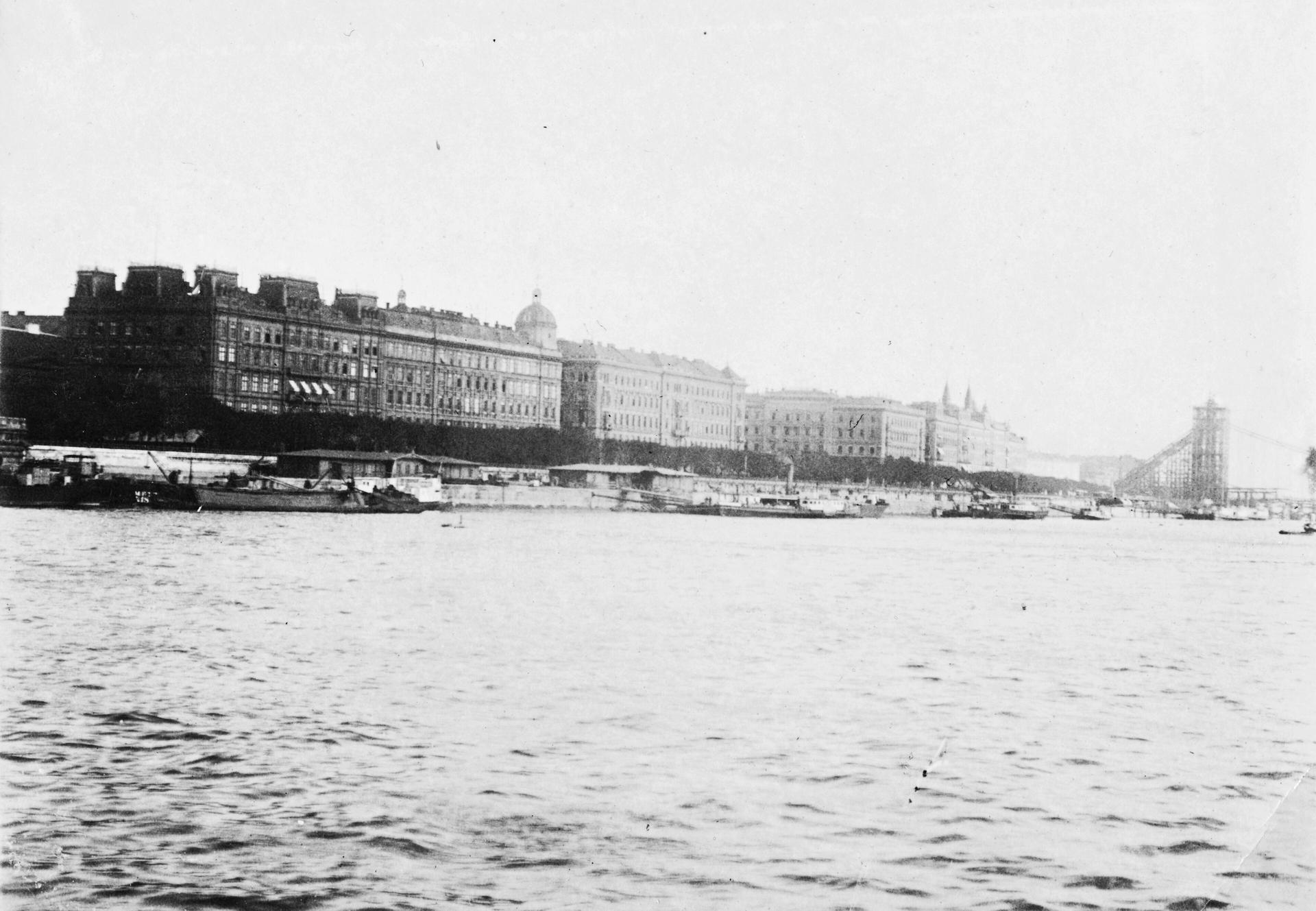
The Vigadó and the korzo
The ballroom that was shot to pieces from across the river, and the building that took its place.
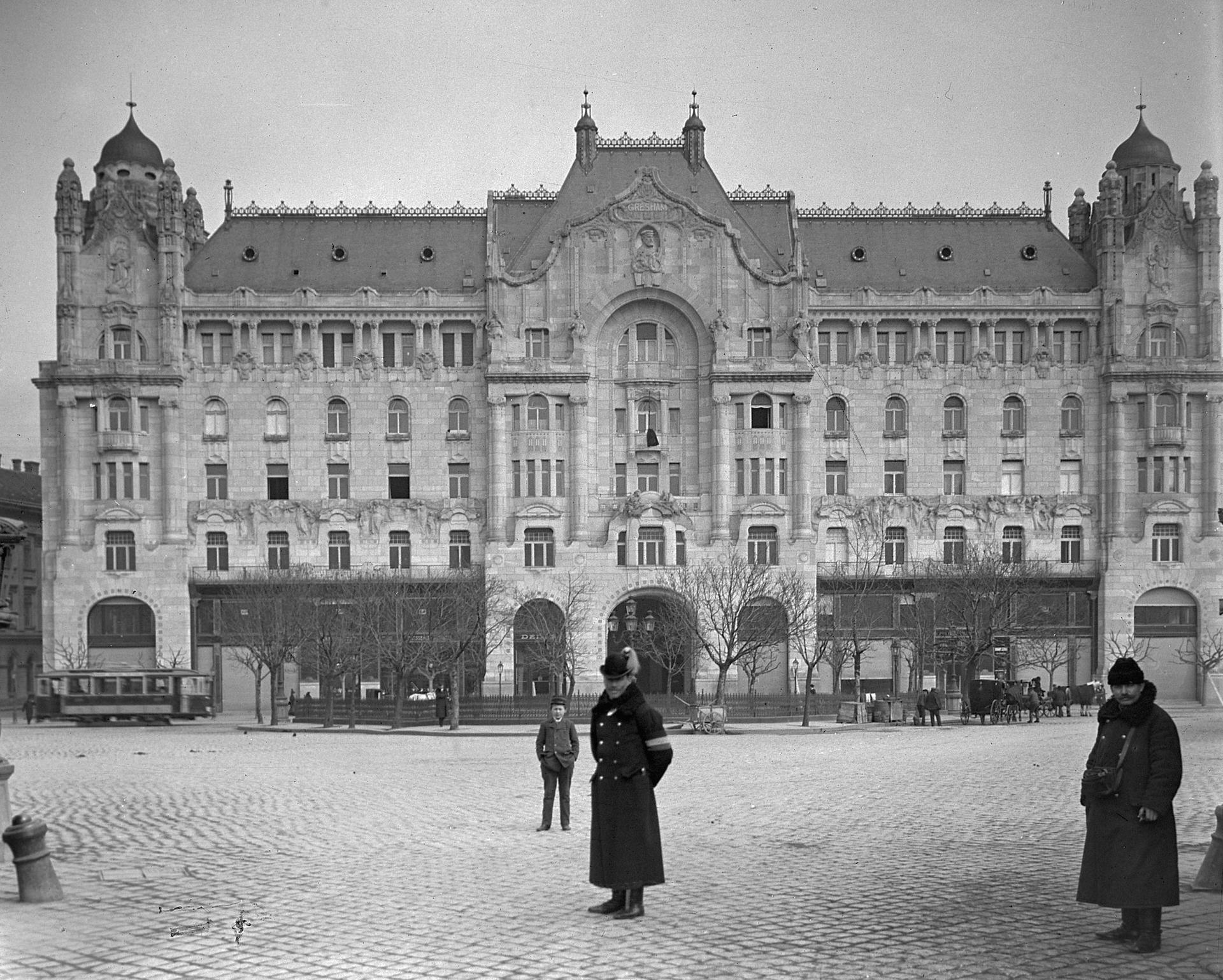
The Gresham Palace
An English insurer built a palace here, which later spent forty years falling to pieces.
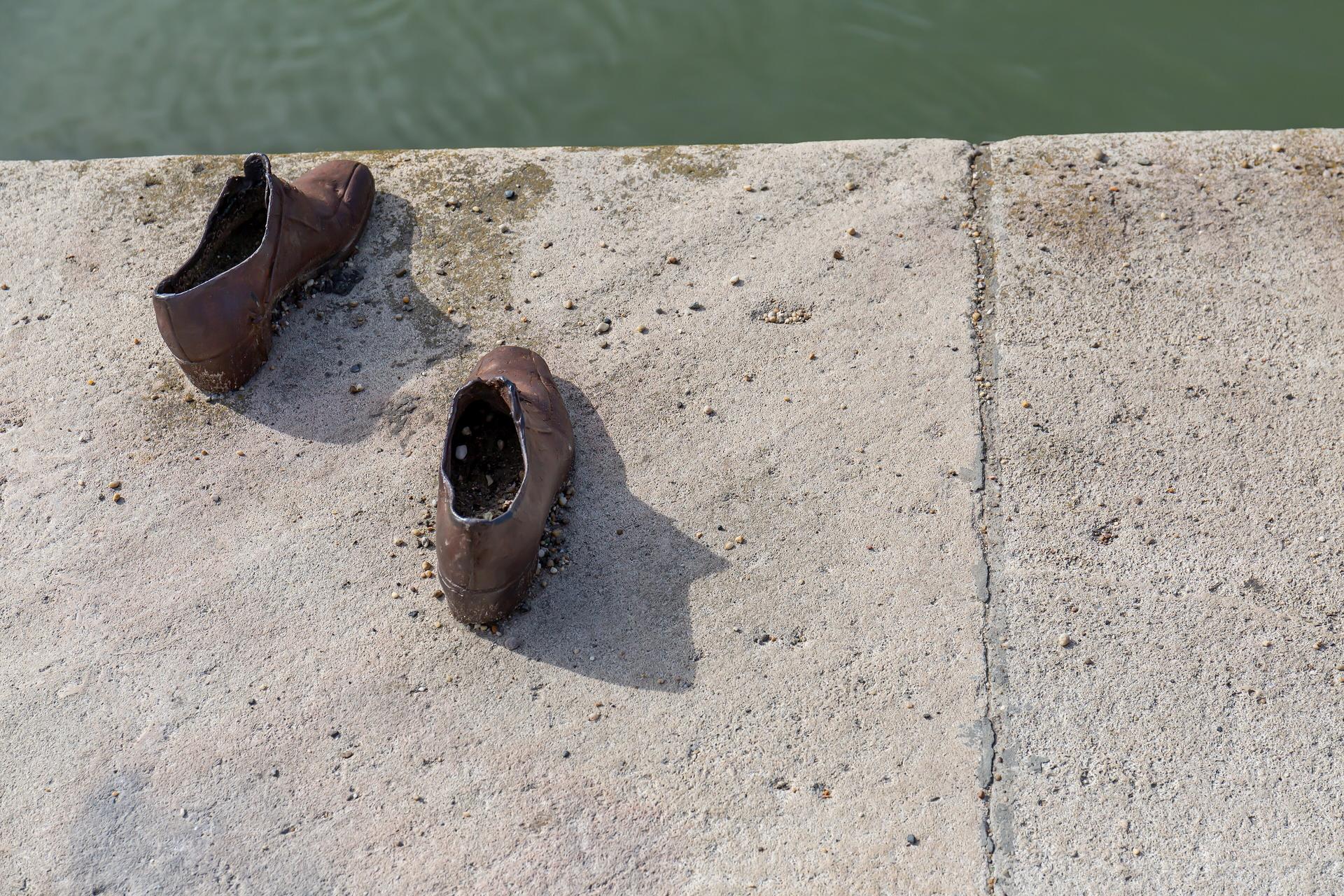
The Shoes on the Danube
Sixty pairs of cast-iron shoes along the edge of the embankment, their toes pointing towards the water.
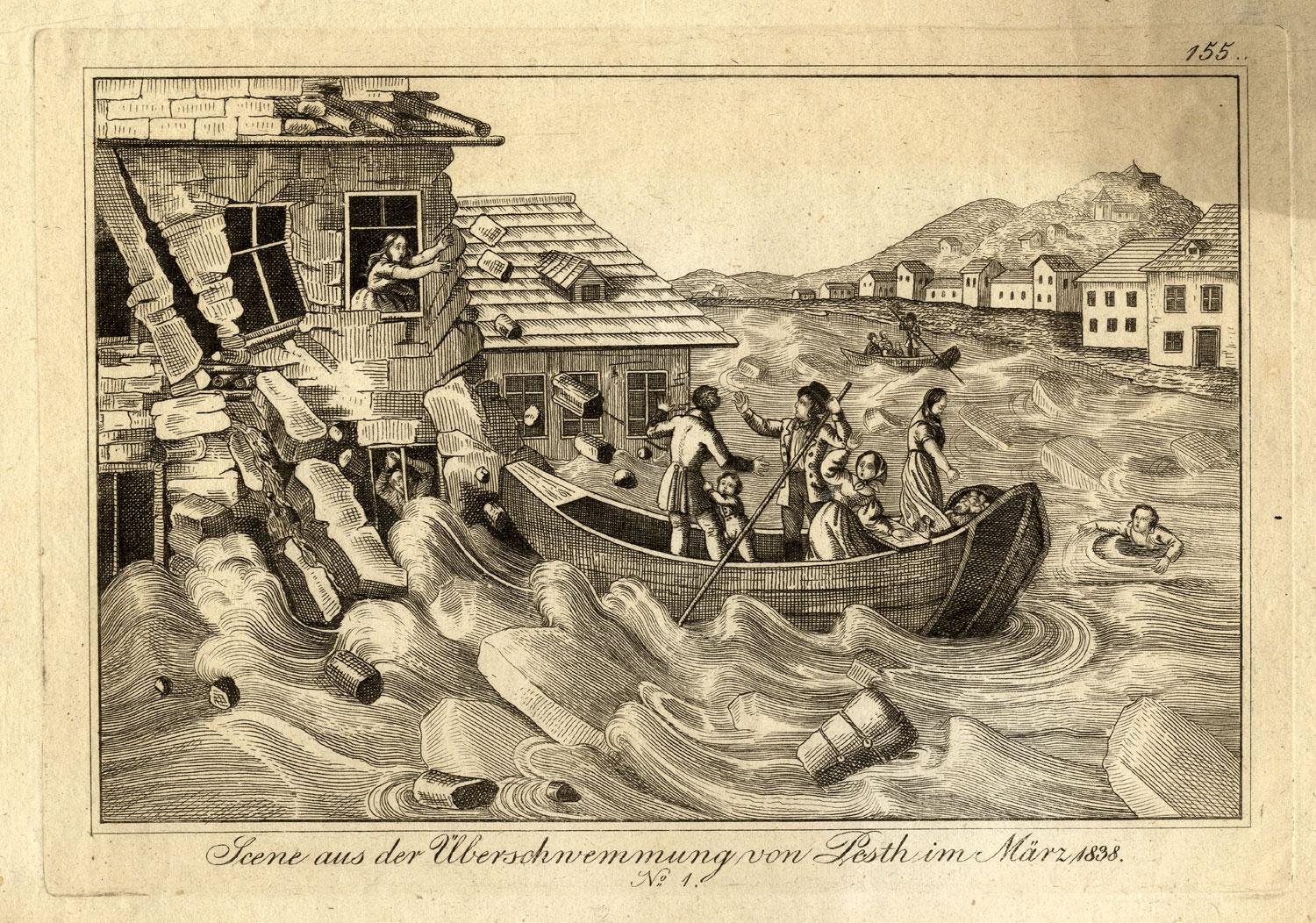
The embankment below Parliament
In March 1838 the ice jammed, half of Pest collapsed, and a baron took to a rowing boat.
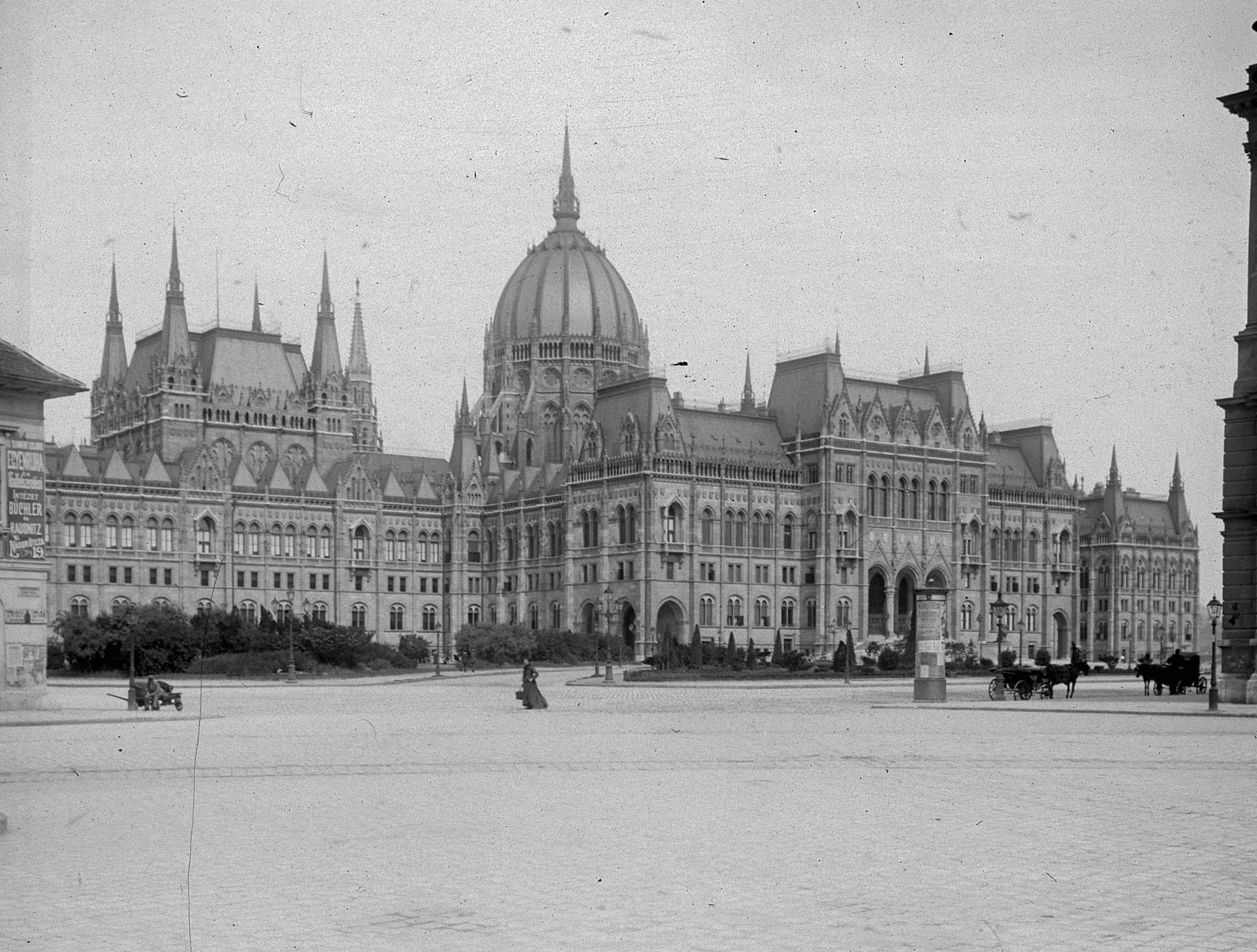
The Parliament Up Close
Nineteen designs, forty million bricks, and an architect who went blind before his building was finished.
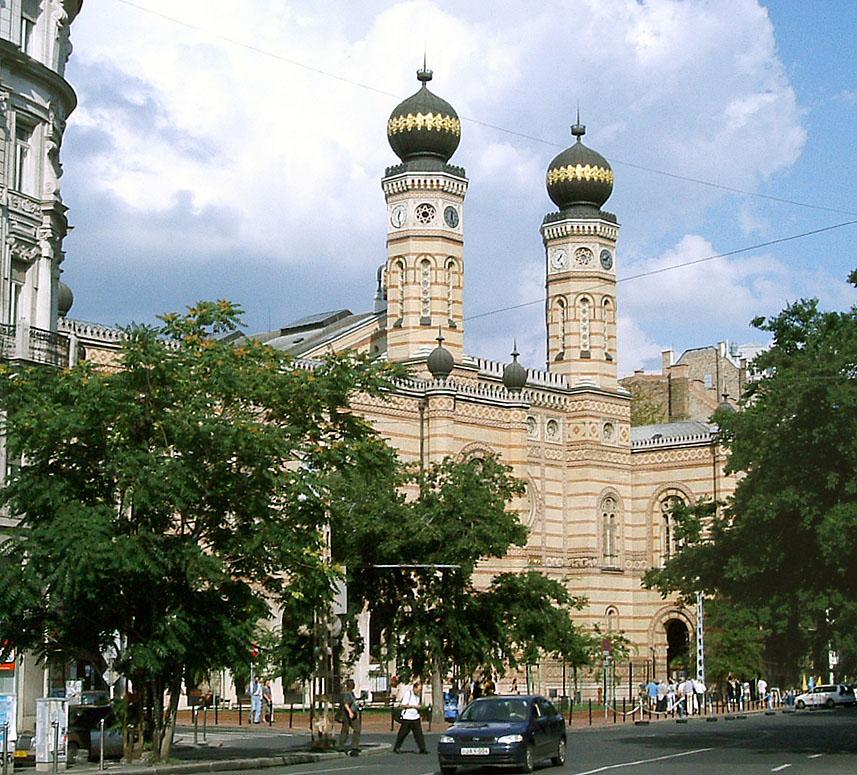
The Dohány Street Synagogue
The largest synagogue in Europe, built to be seen, with an organ that Liszt once played.
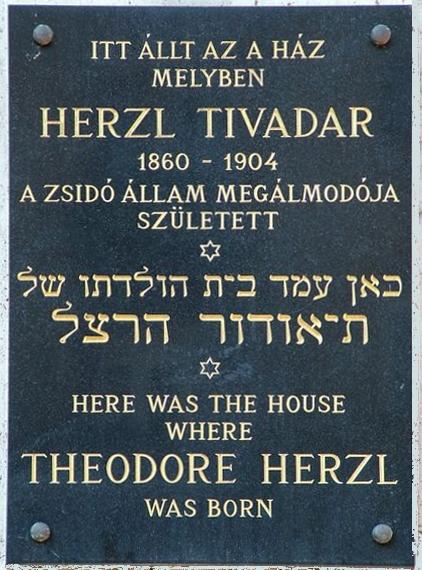
The birthplace of Theodor Herzl
This is where the house once stood in which the founder of Zionism was born, in a city that rejected his idea.
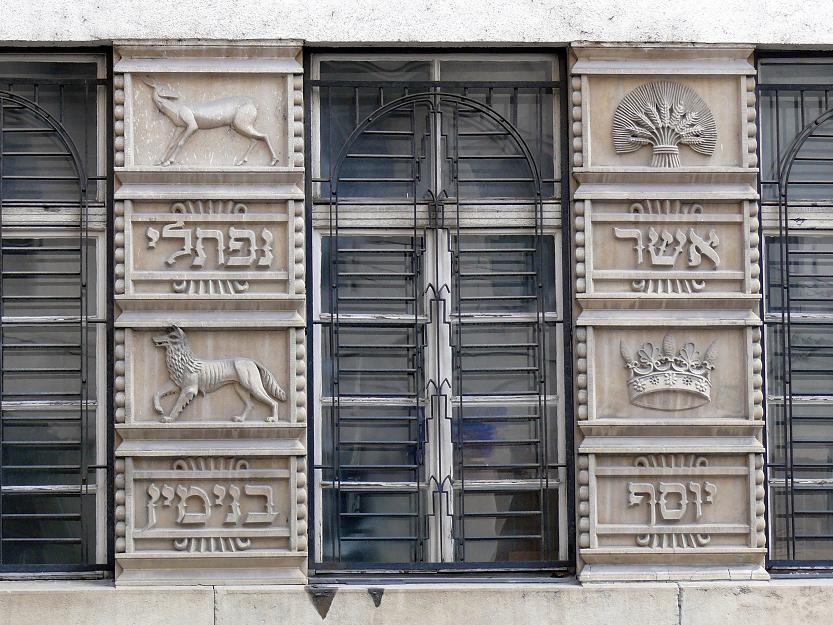
Síp utca 12, the address of the Jewish Council
The building where the Jewish Council had its seat, and where two bricks in the chimney still hold a date from 1944.
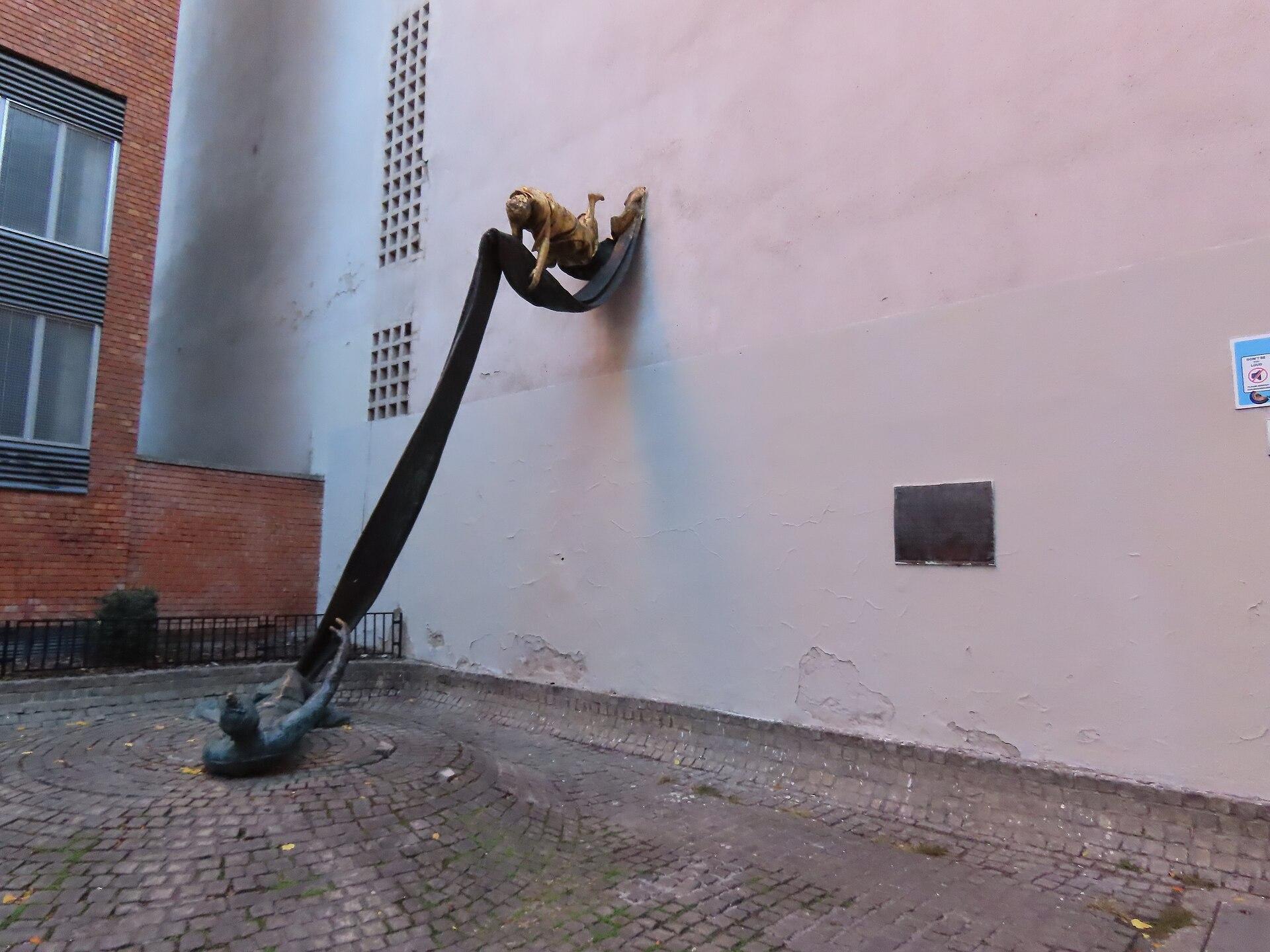
The monument to Carl Lutz
A gilded angel diving down out of the wall, for the man who gave sixty thousand people papers.
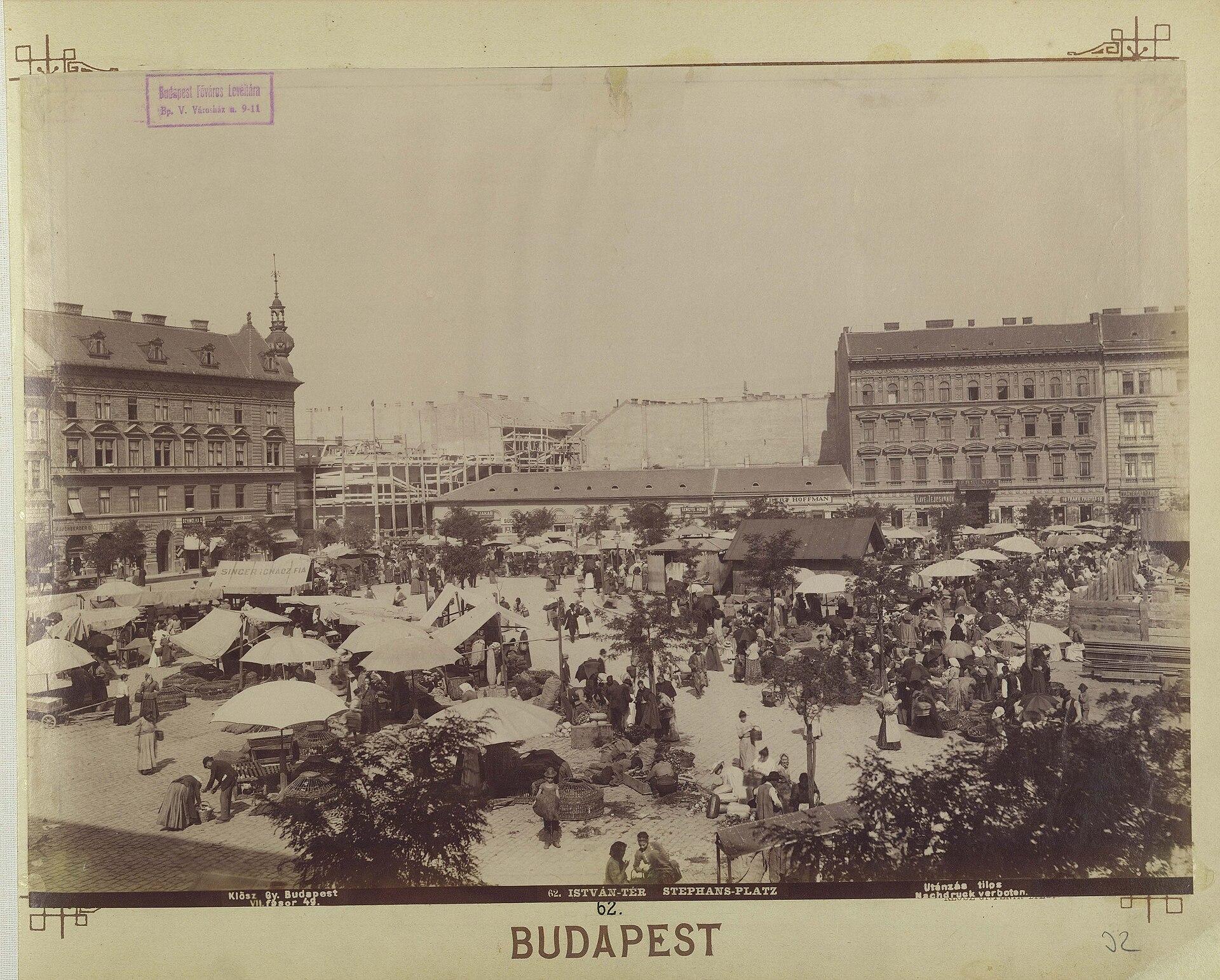
Klauzál tér
Four square metres of bronze set into the grass, exactly the space one prisoner in the ghetto was given.
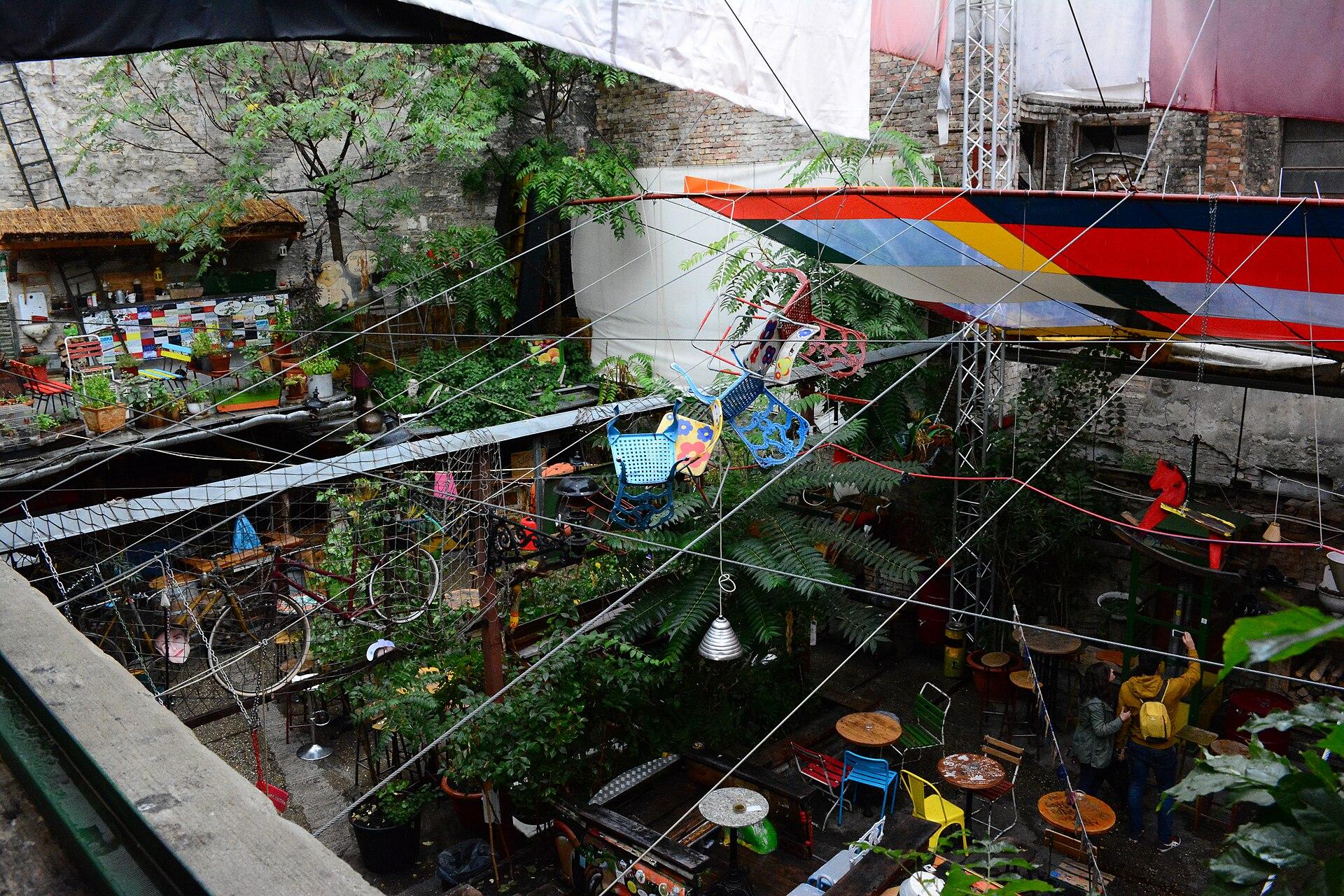
Szimpla kert
The city's first ruin pub, in a building that had already been written off.
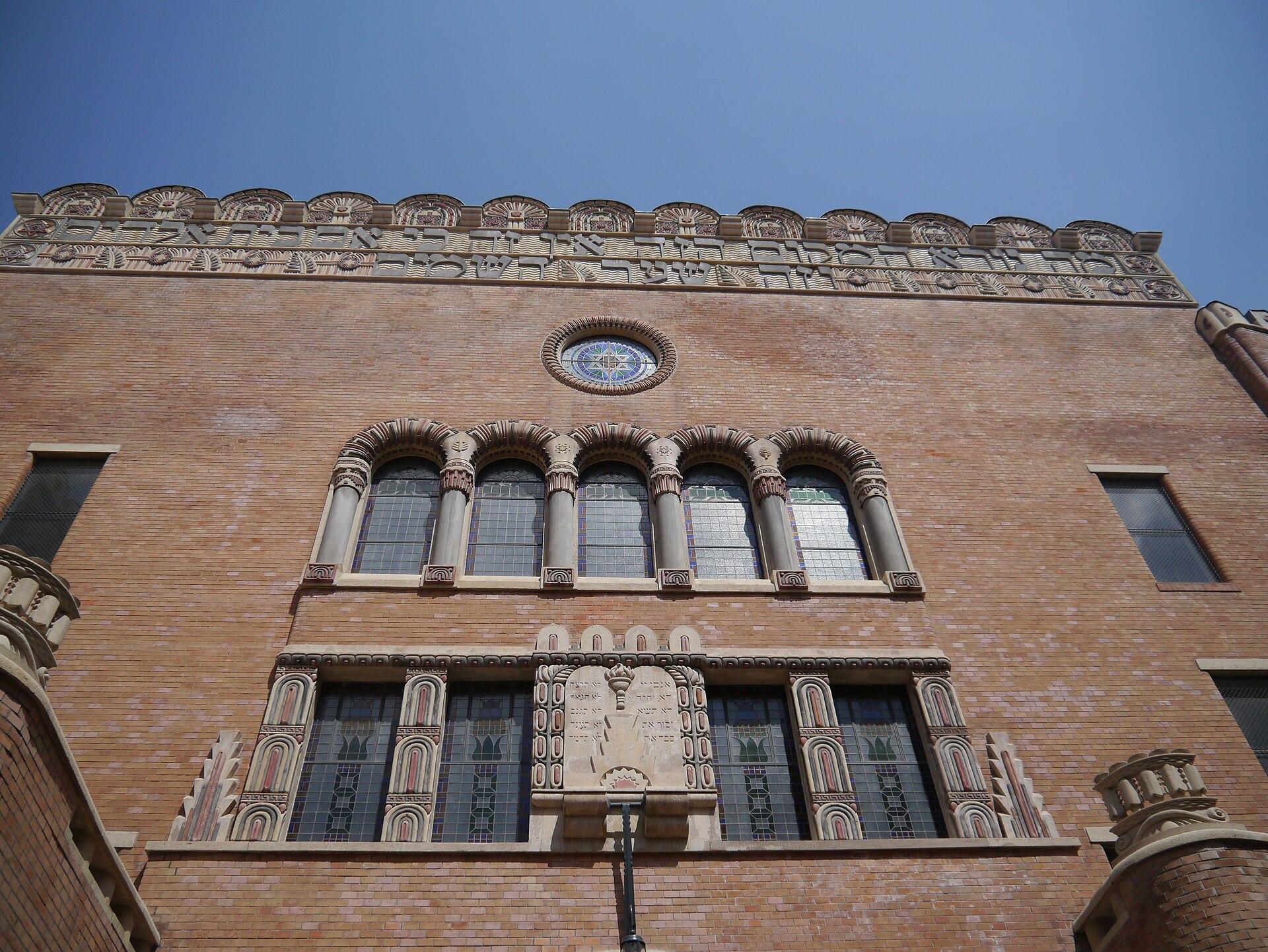
The Orthodox synagogue on Kazinczy utca
The two brothers who lost the competition, got the commission anyway, and then had to strip back their own facade.
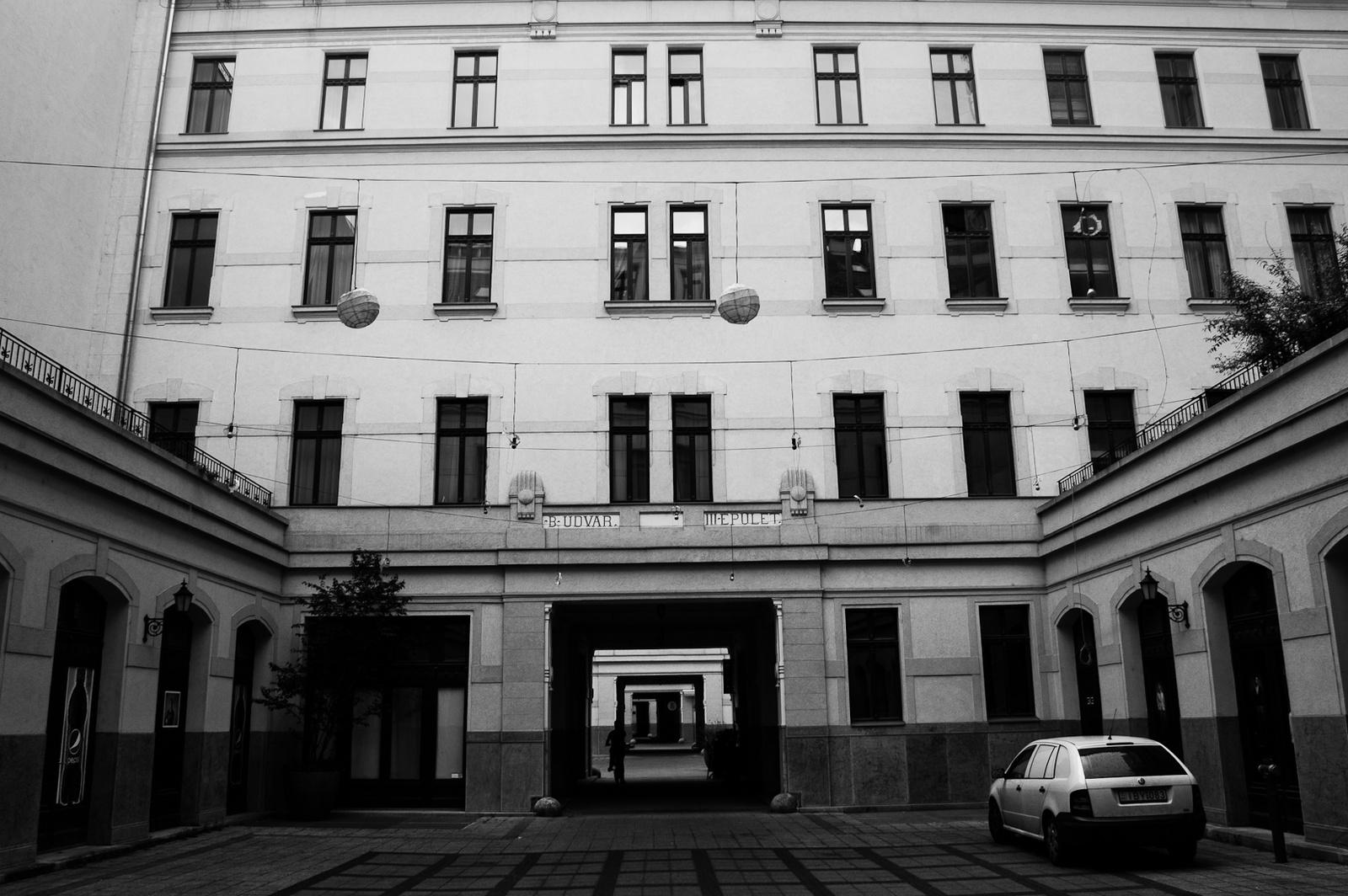
Gozsdu udvar
Six courtyards in a row, paid for from the estate of a Romanian lawyer.
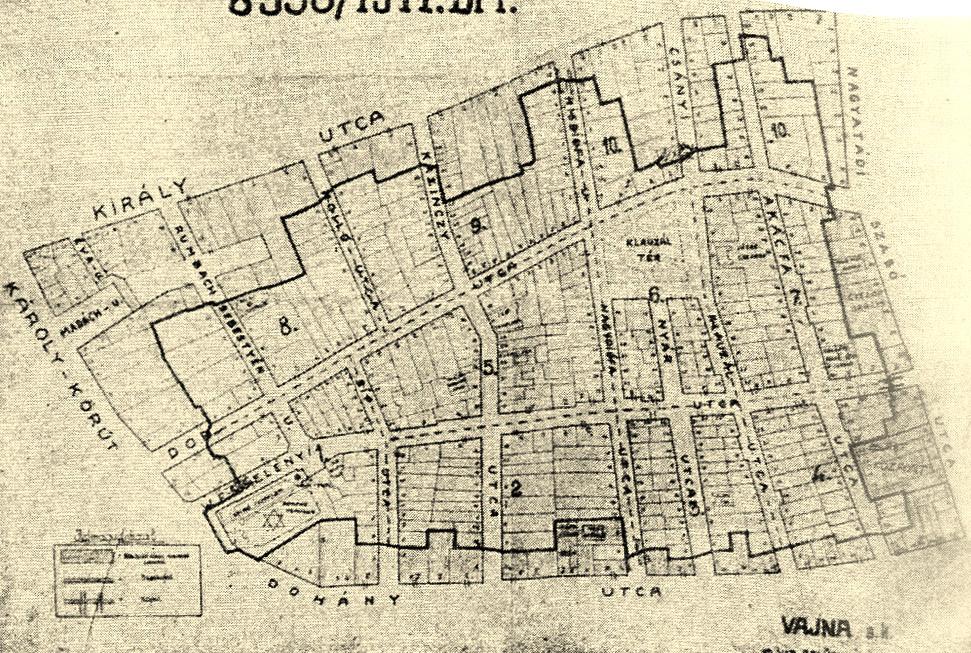
The piece of ghetto wall on Király utca
The last wall of the ghetto, demolished, rebuilt brick by brick, and still disputed today.
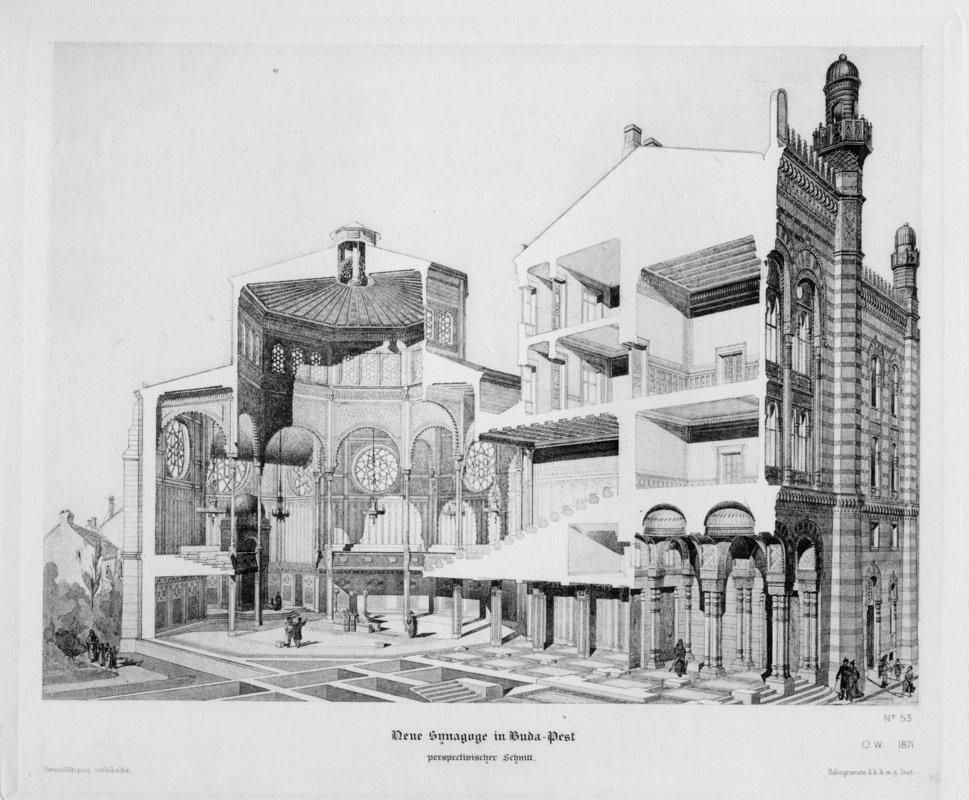
The Rumbach Synagogue
The building you'd walk straight past if nobody pointed it out, by an architect who never set foot here.
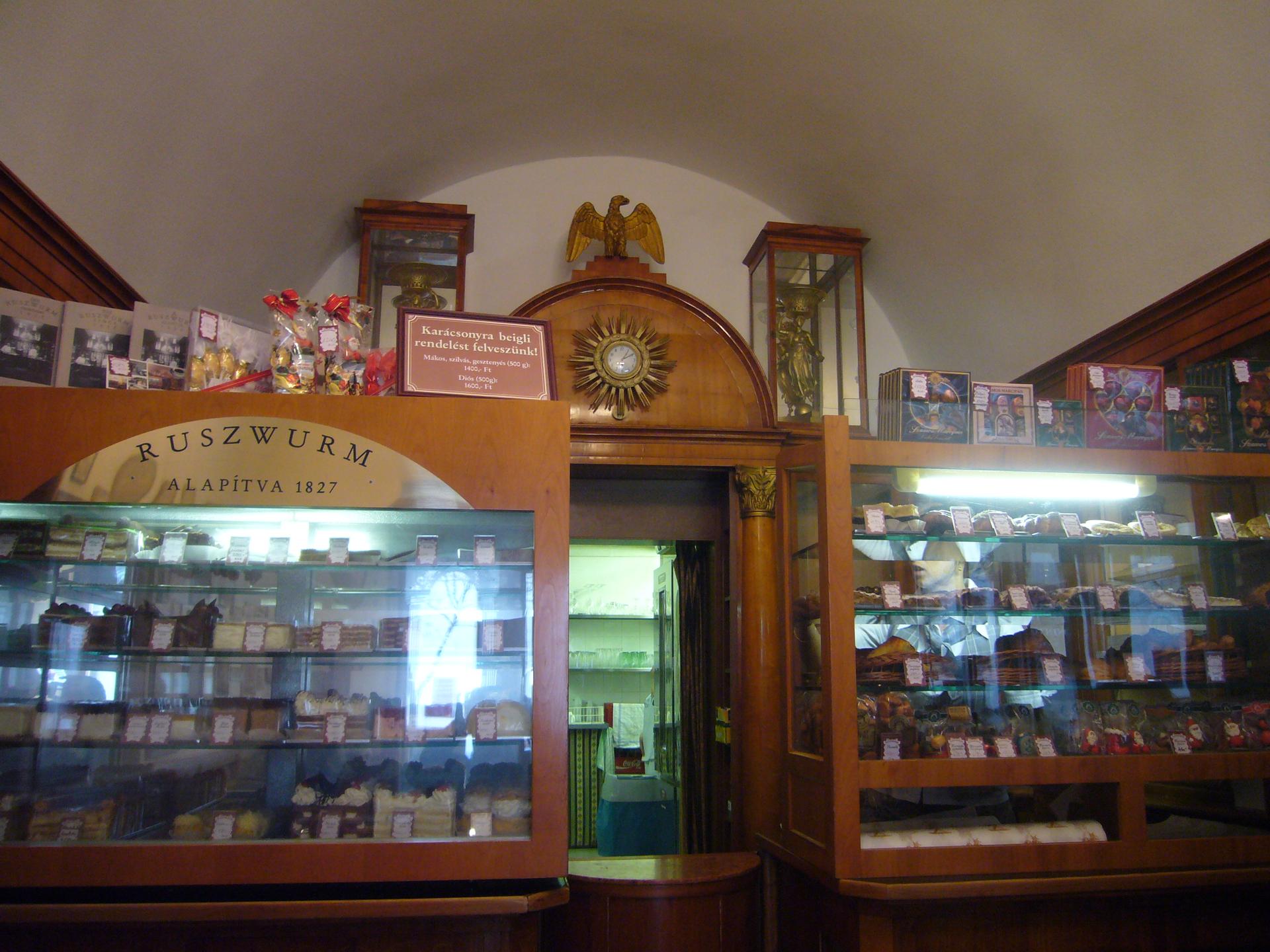
Ruszwurm and Trinity Square
A plague column, a confectionery from 1827, and the way back down.
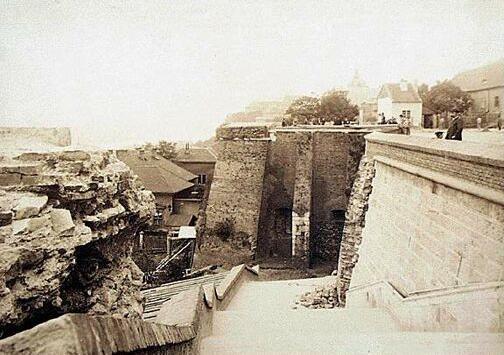
The Halászbástya
What looks like a fortress is actually a viewing terrace from around 1900.
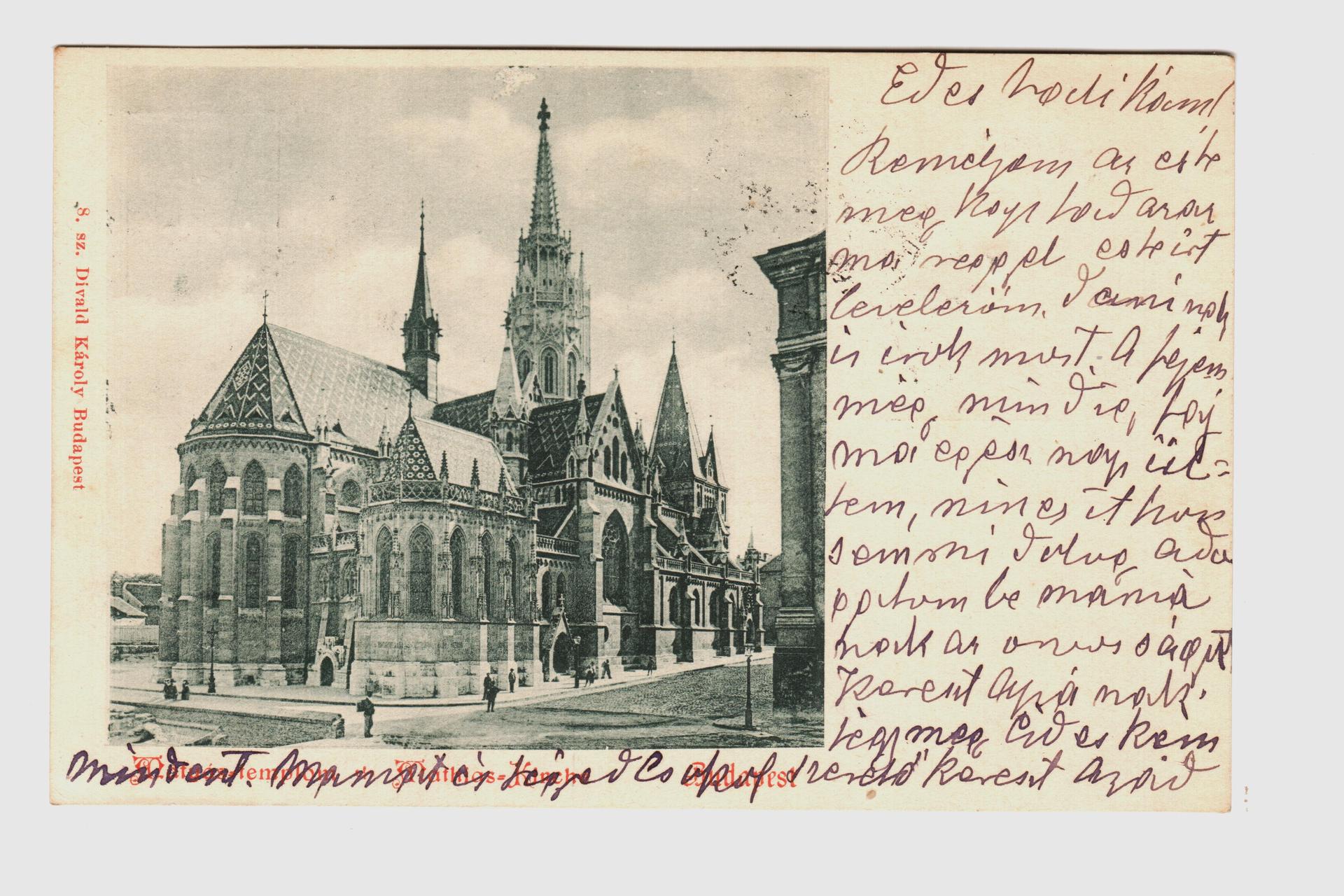
The Mátyás Church
A mosque for a hundred and forty-five years, then the church where an emperor became a king.
Táncsics Mihály utca
Beneath this street lies a synagogue that was found and then covered over again.
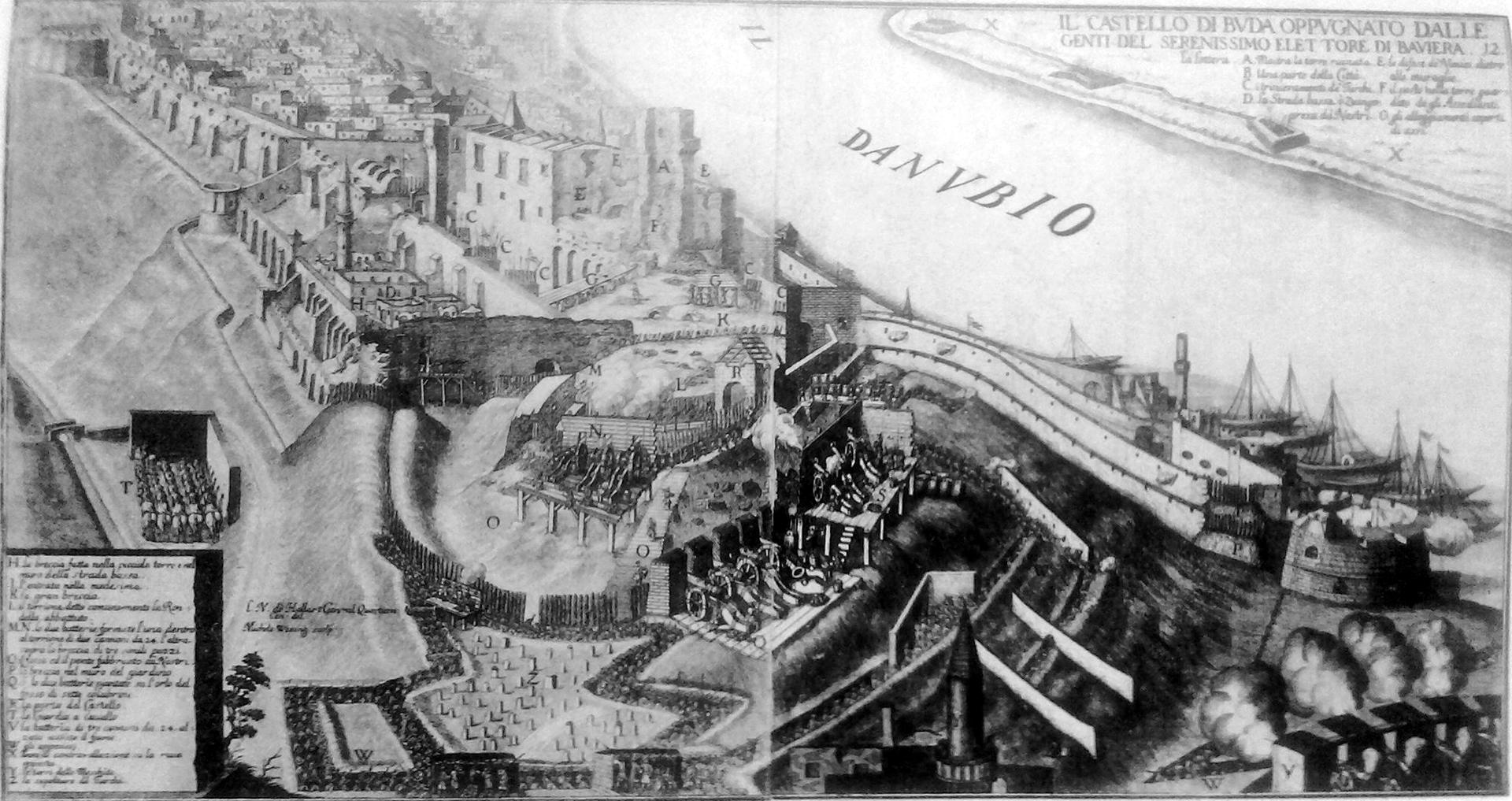
The Vienna Gate
This is where the wall broke in 1686, and where the man who defended it still lies.
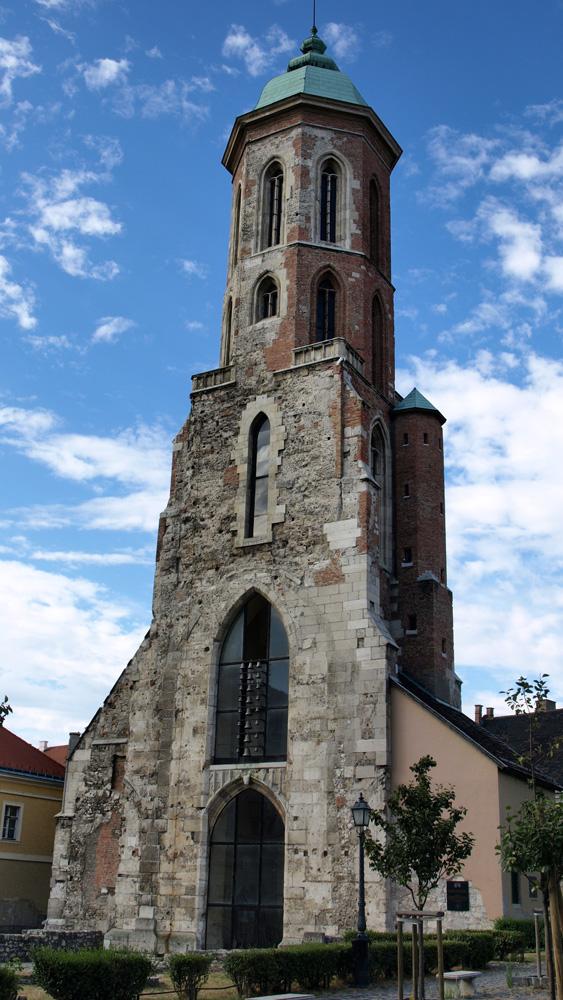
The tower of Mary Magdalene
The tower stands on its own, because the church around it was cleared away after the war.
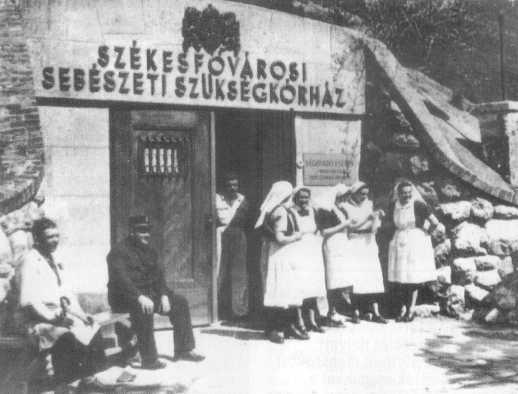
The Sziklakórház
A hospital inside the rock that officially didn't exist for forty years.
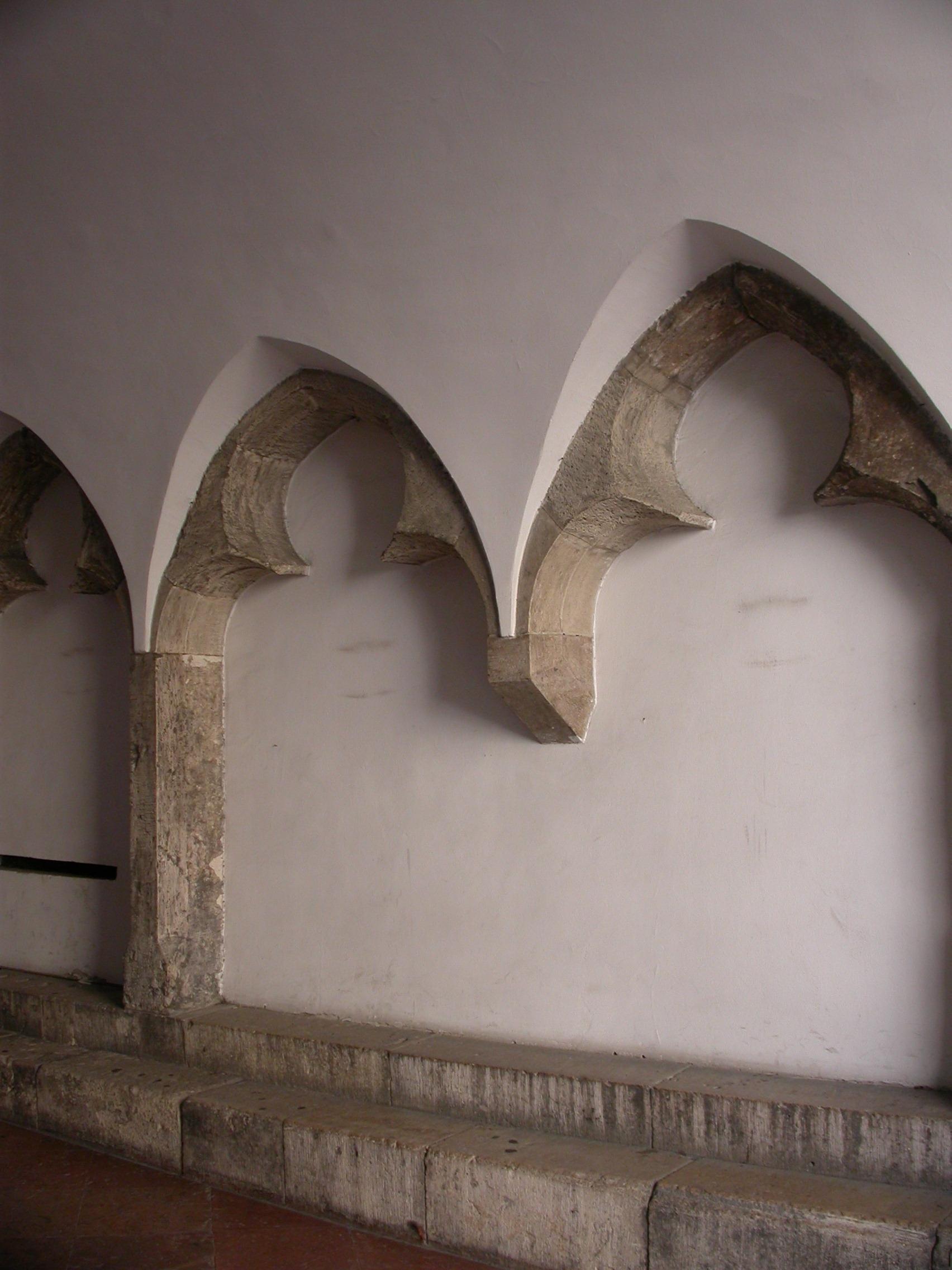
The Úri utca and its sitting niches
Stone benches in the gateways, and nobody knows what they were for.
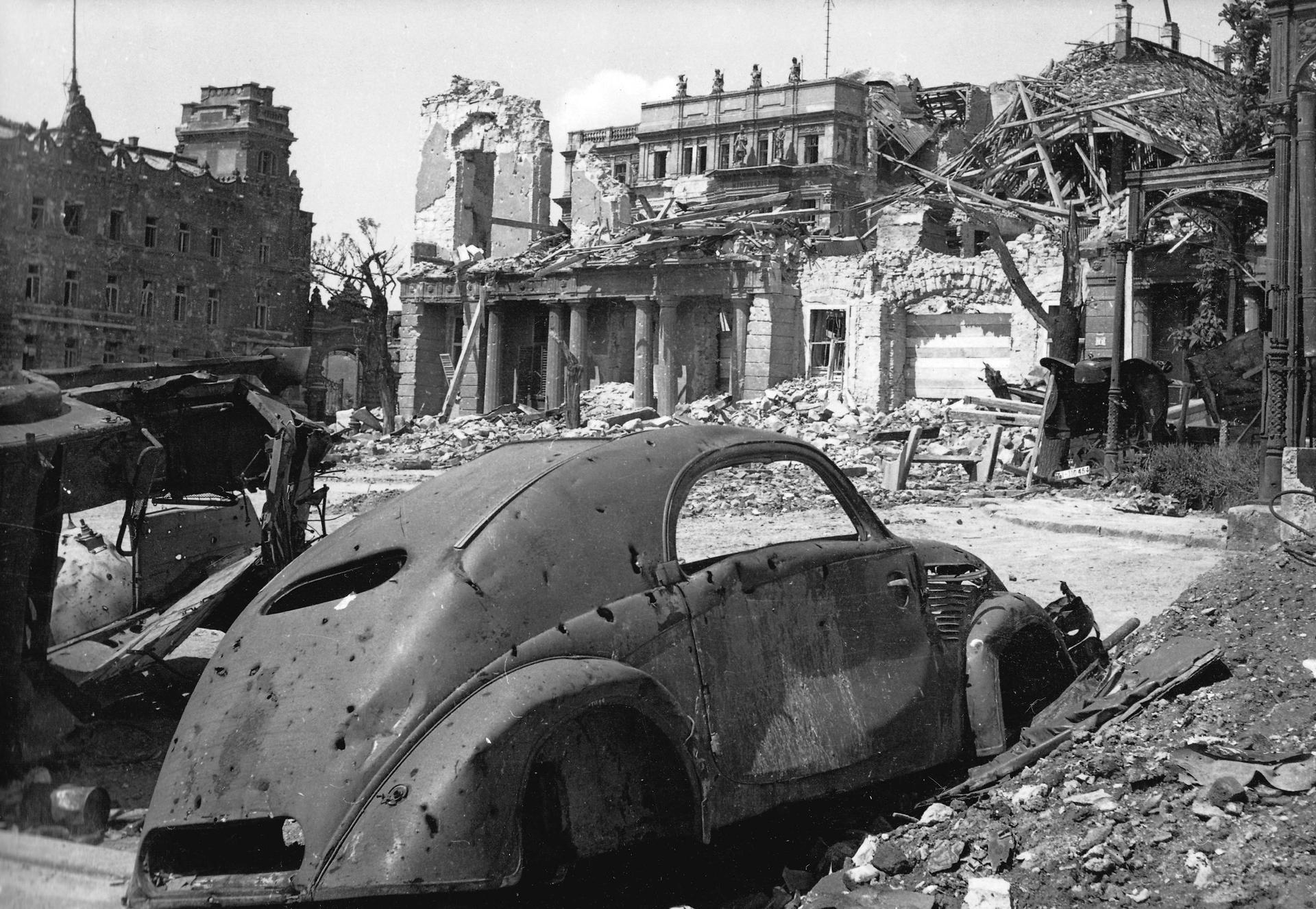
Szent György tér
The emptiest square in the quarter, and that emptiness is the trace the war left behind.
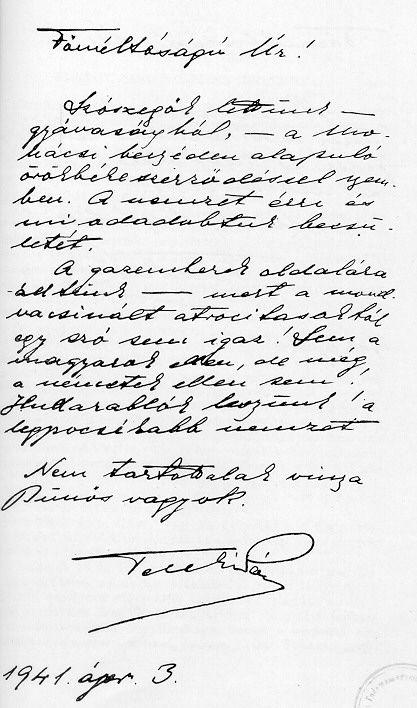
The Sándor Palace and the Várszínház
In this yellow palace, a prime minister wrote his final letter.
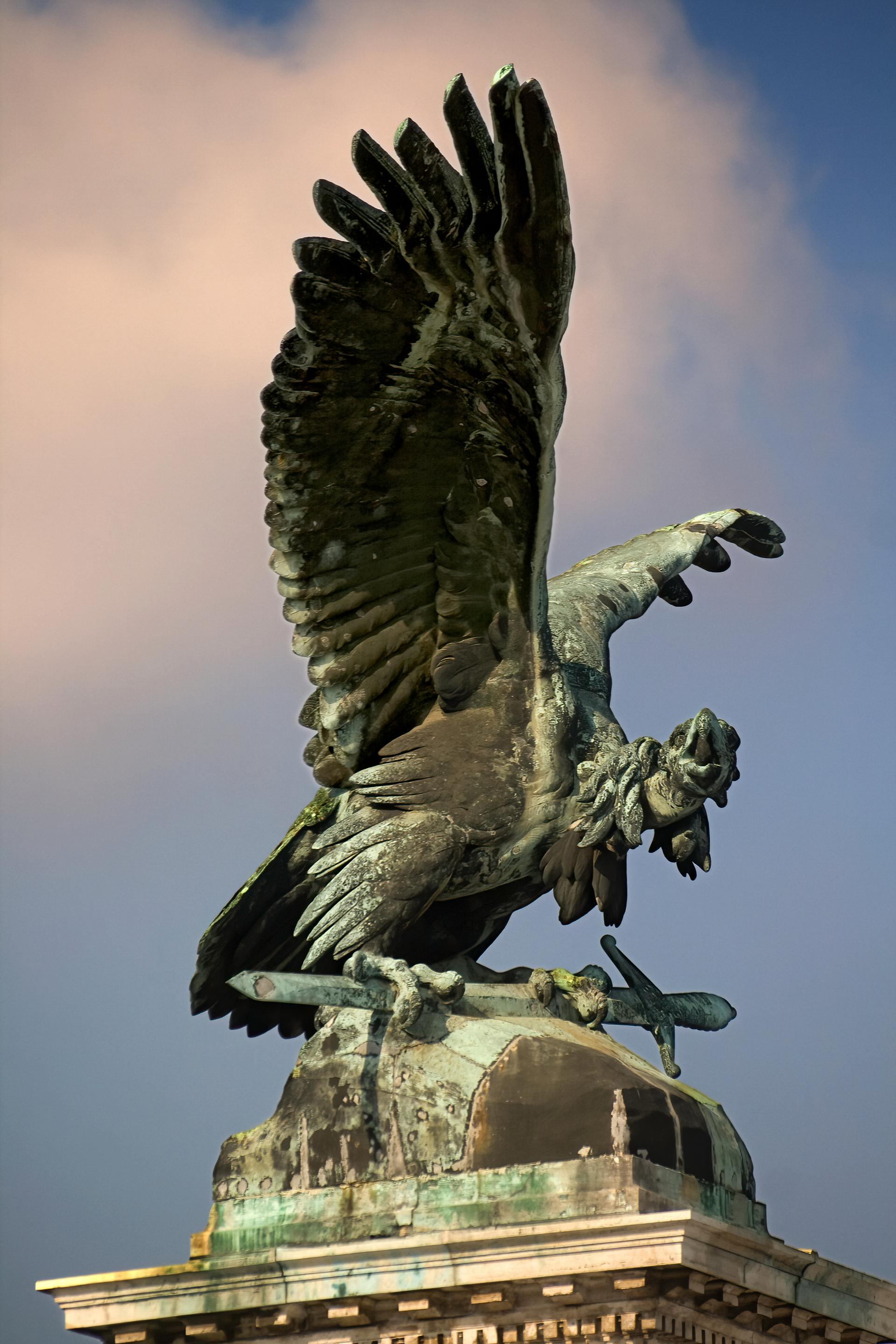
The Turul and the Habsburg Gate
A Hungarian origin myth, set in place by a dynasty from Vienna.
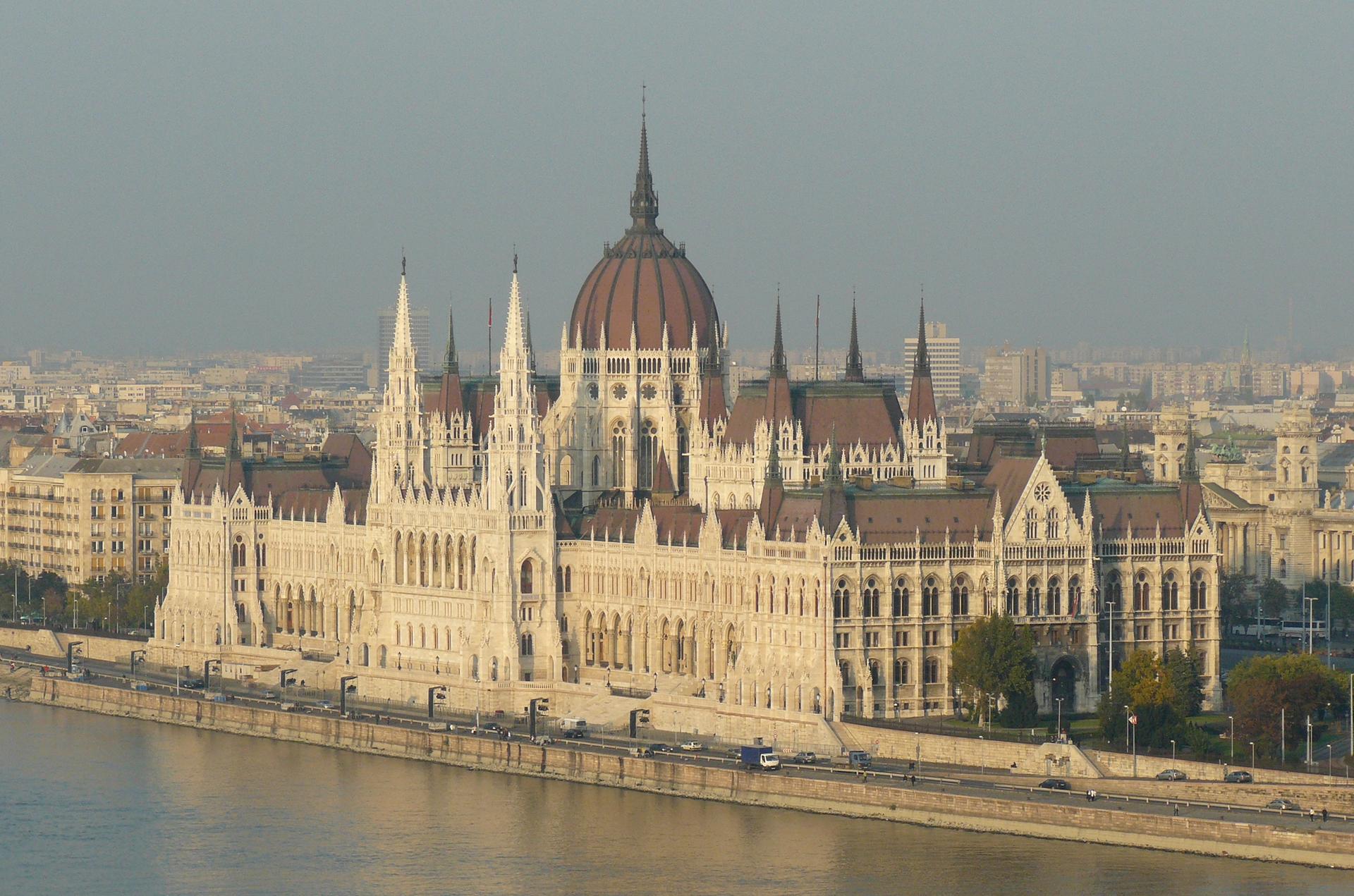
The view across to Parliament
The building across the water was designed for a country twice the size.
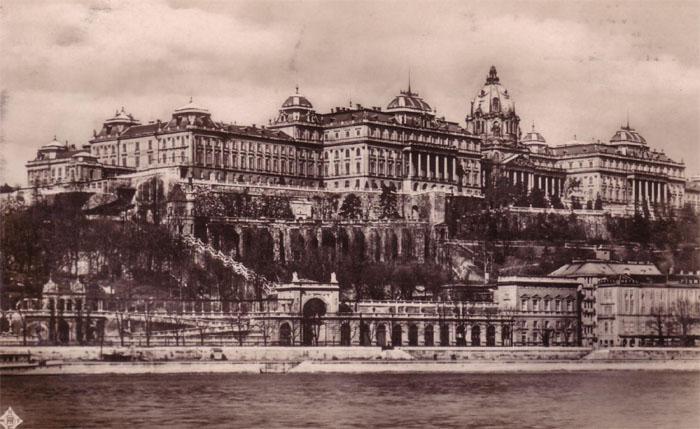
The Royal Palace
Four palaces have stood here, and not one of them died of old age.
You've read about Budapest.
Now walk it.
These stories are pins on our map. Open ROODS, walk to one, and hear it where it happened.