Stories in Vienna
84 stories about the places on our Vienna walks. Hear them on the spot in the app
Hear them where they happened
One map of Vienna. 84 stories on it.
Open ROODS in your browser, walk to a pin and hear its story right there. Nothing to install.
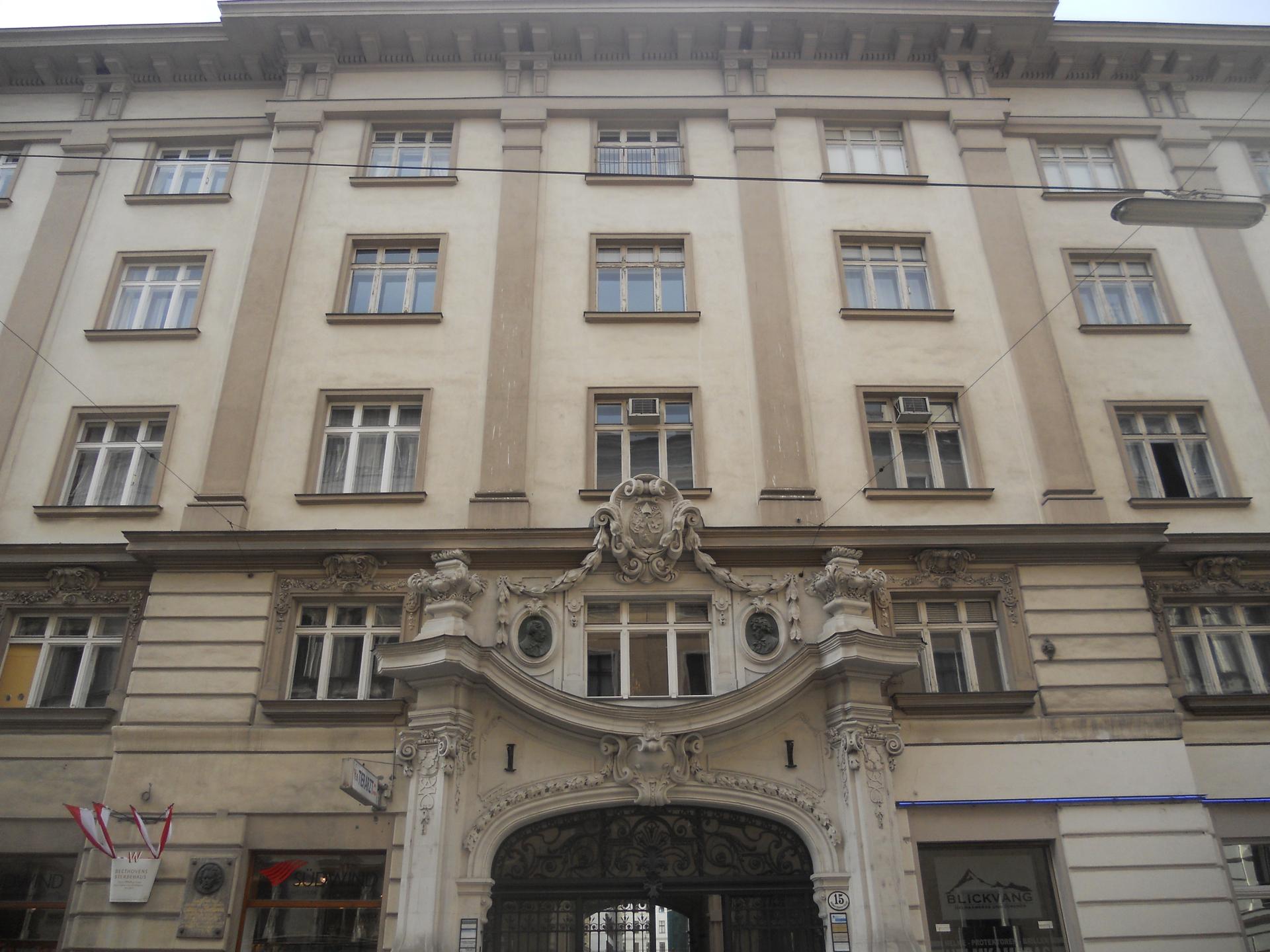
Tens of thousands in the streets
Beethoven died here, and three days later half the city followed his coffin.
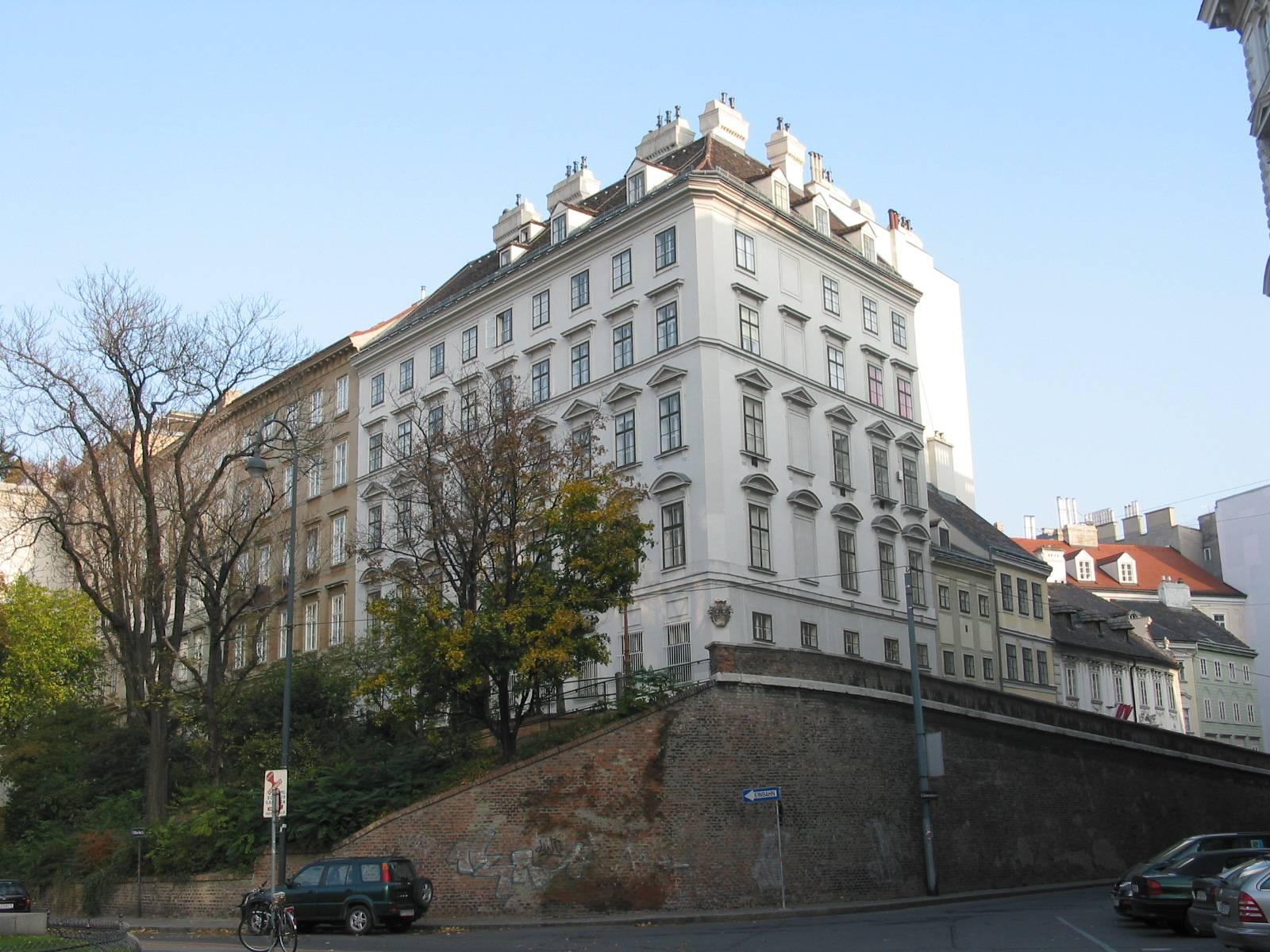
The rooms he kept coming back to
Beethoven left this place so often, and returned so often, that his landlord simply let the rooms stand empty.
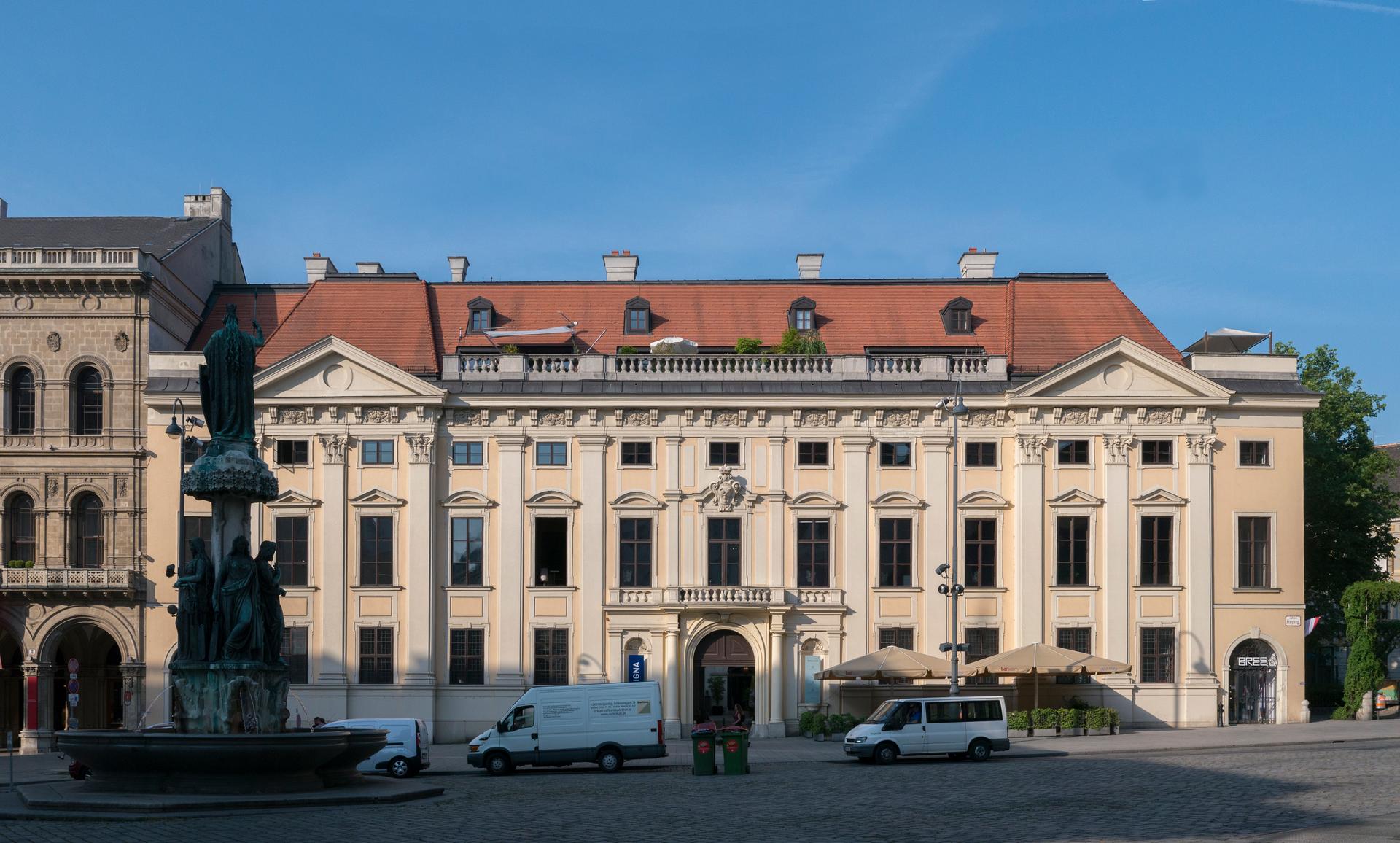
The Lord of the Village
On the estate of the family who lived in this palace, a wheelwright's son was born.
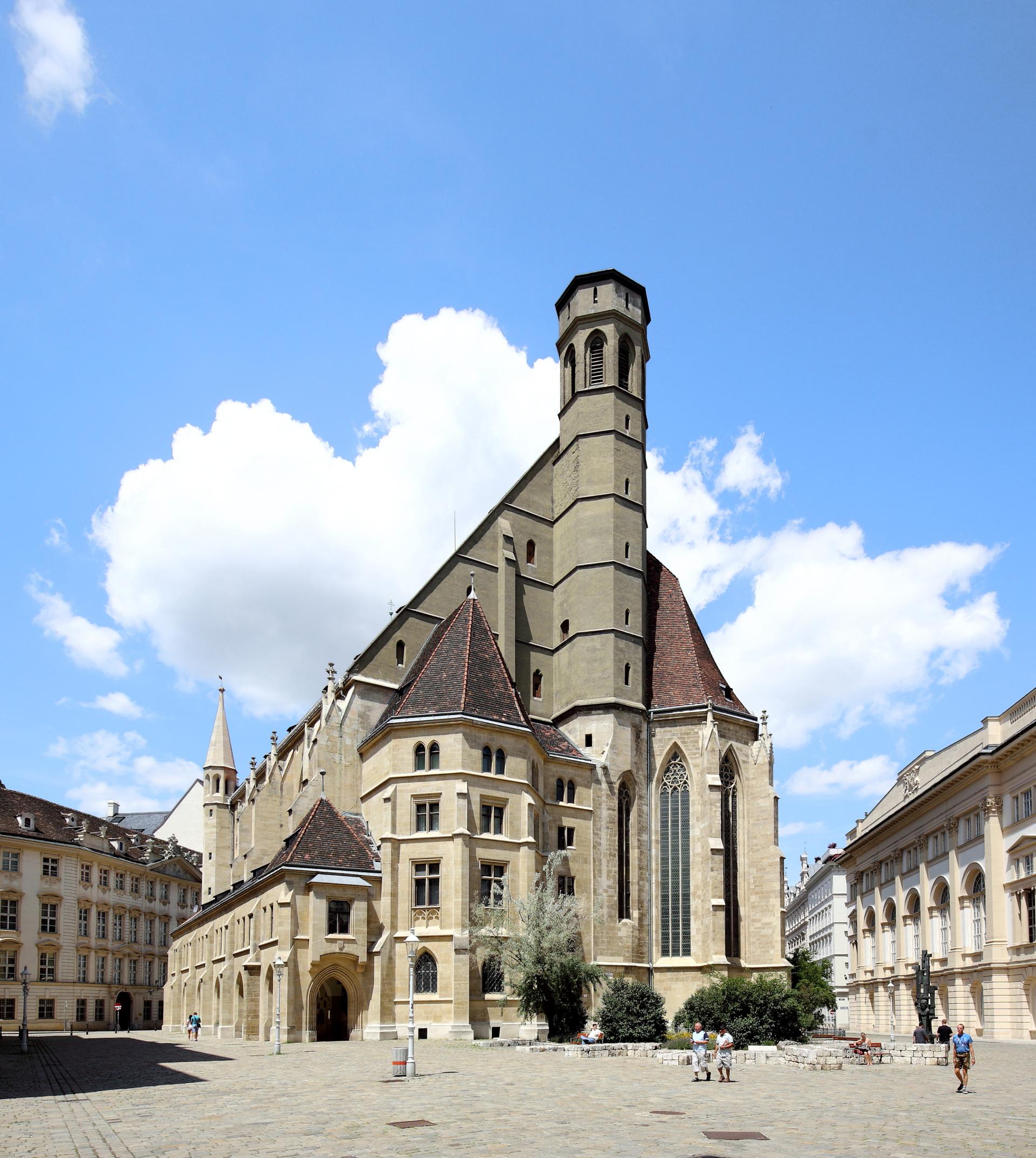
The Italians at Court
The church with the blunted tower is Vienna's Italian church, and it was the Italians who set the tone for the music here.
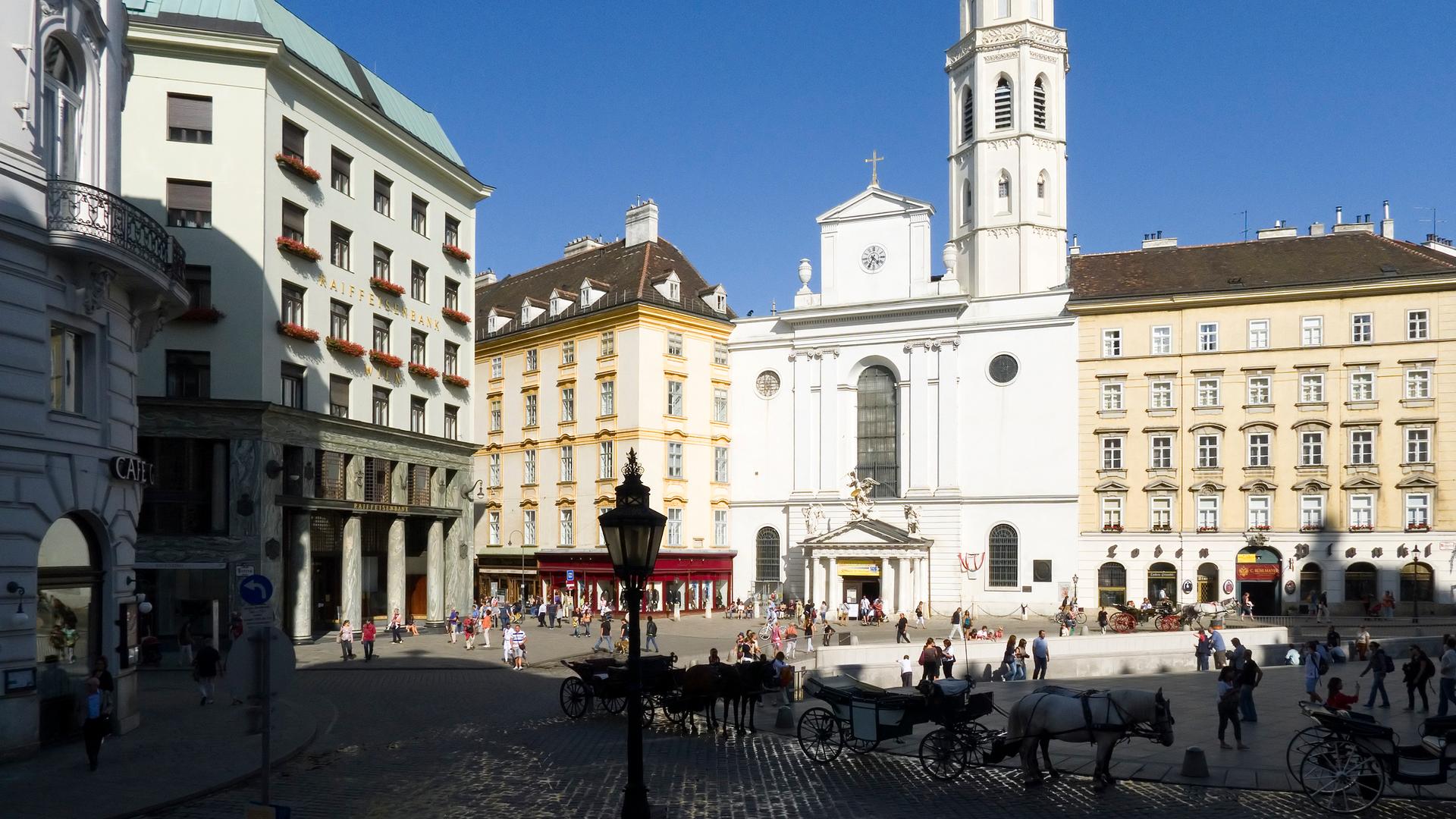
The attic and the court poet
Four floors up, under the roof, slept the seventeen-year-old Haydn, while the court poet lived below.
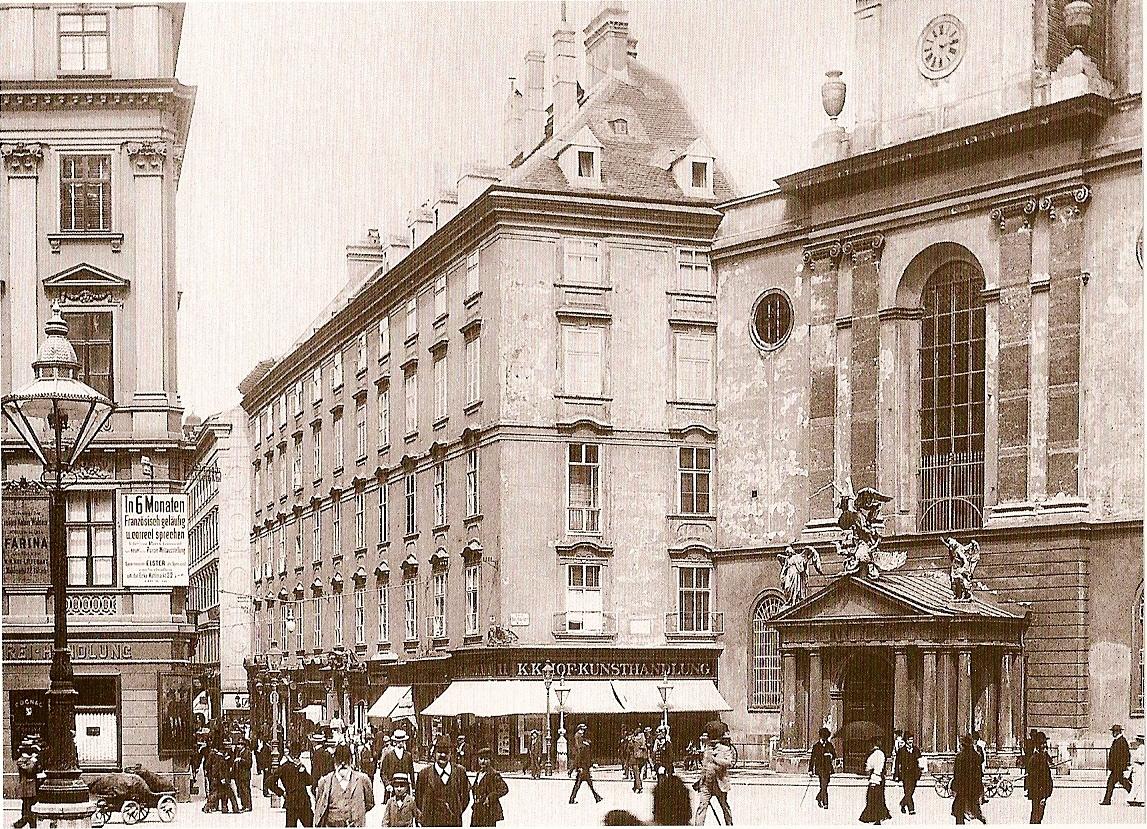
The publisher who cashed in
On this expensive shopping street sat the publisher who made money off Haydn, Mozart and Beethoven.
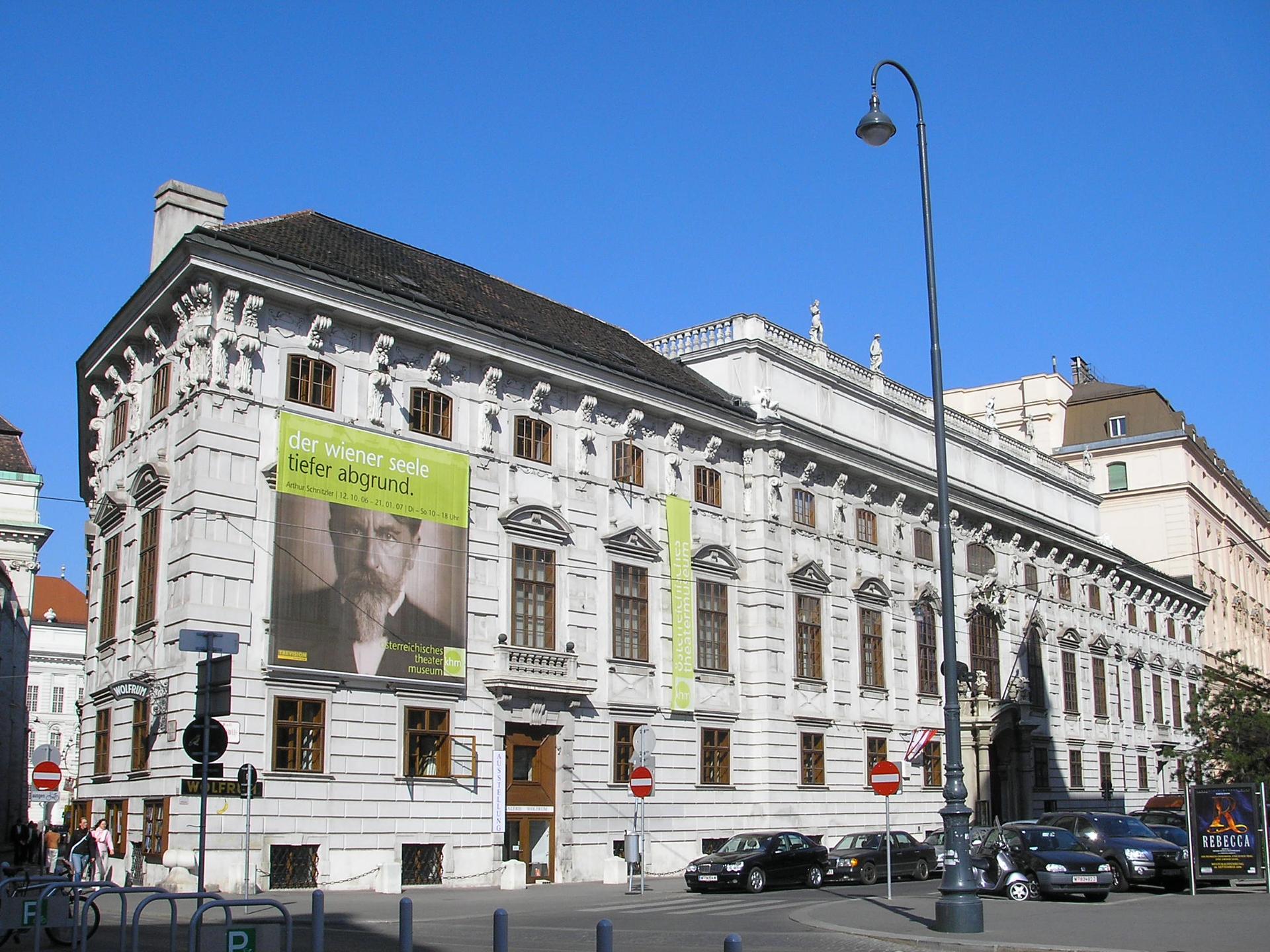
The prince who actually paid
Behind this facade the Eroica rang out for the first time, and you can still visit the hall.
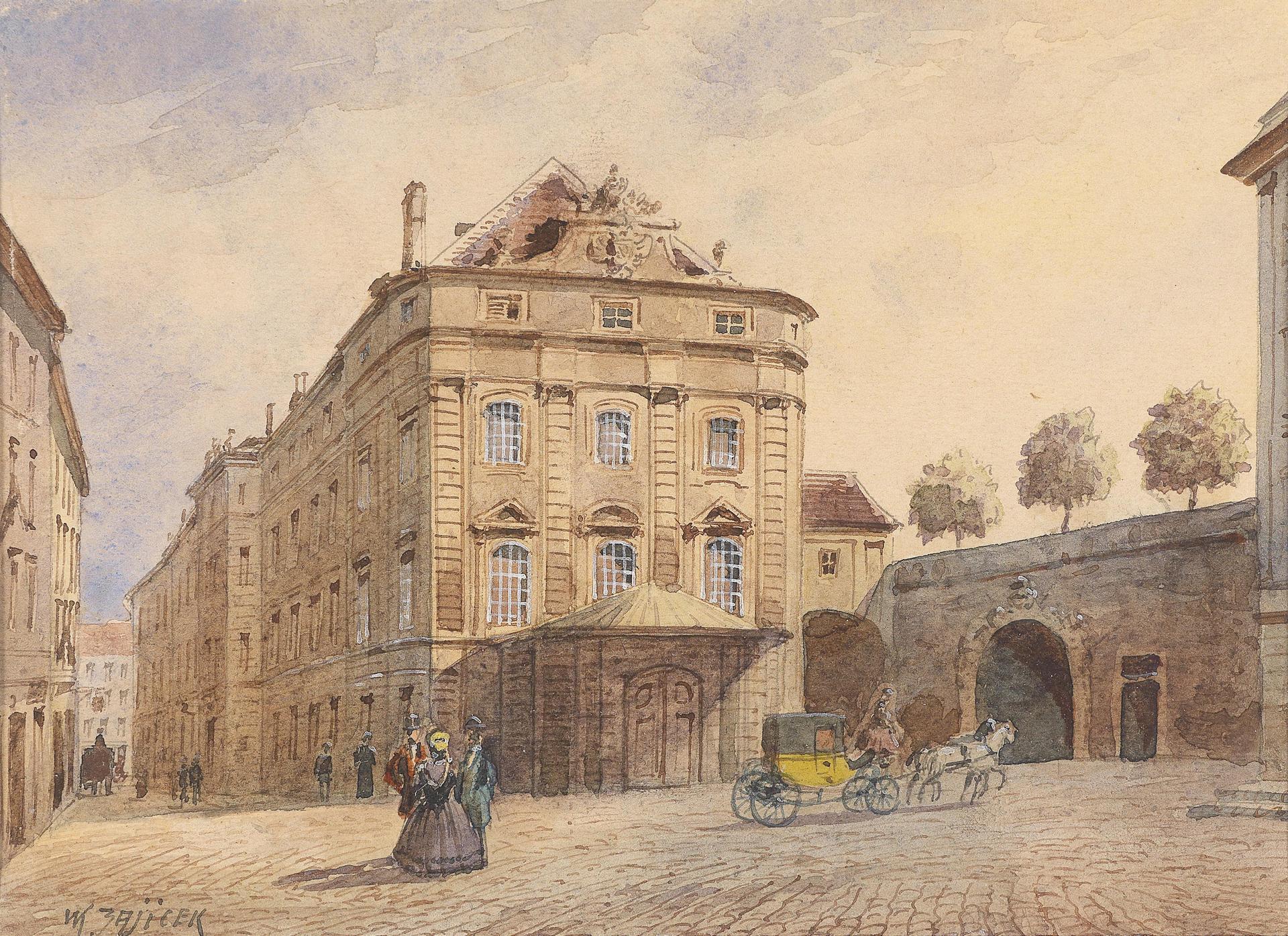
The theatre that isn't there anymore
On this corner stood the theatre where the Ninth Symphony rang out for a man who couldn't hear a note of it.
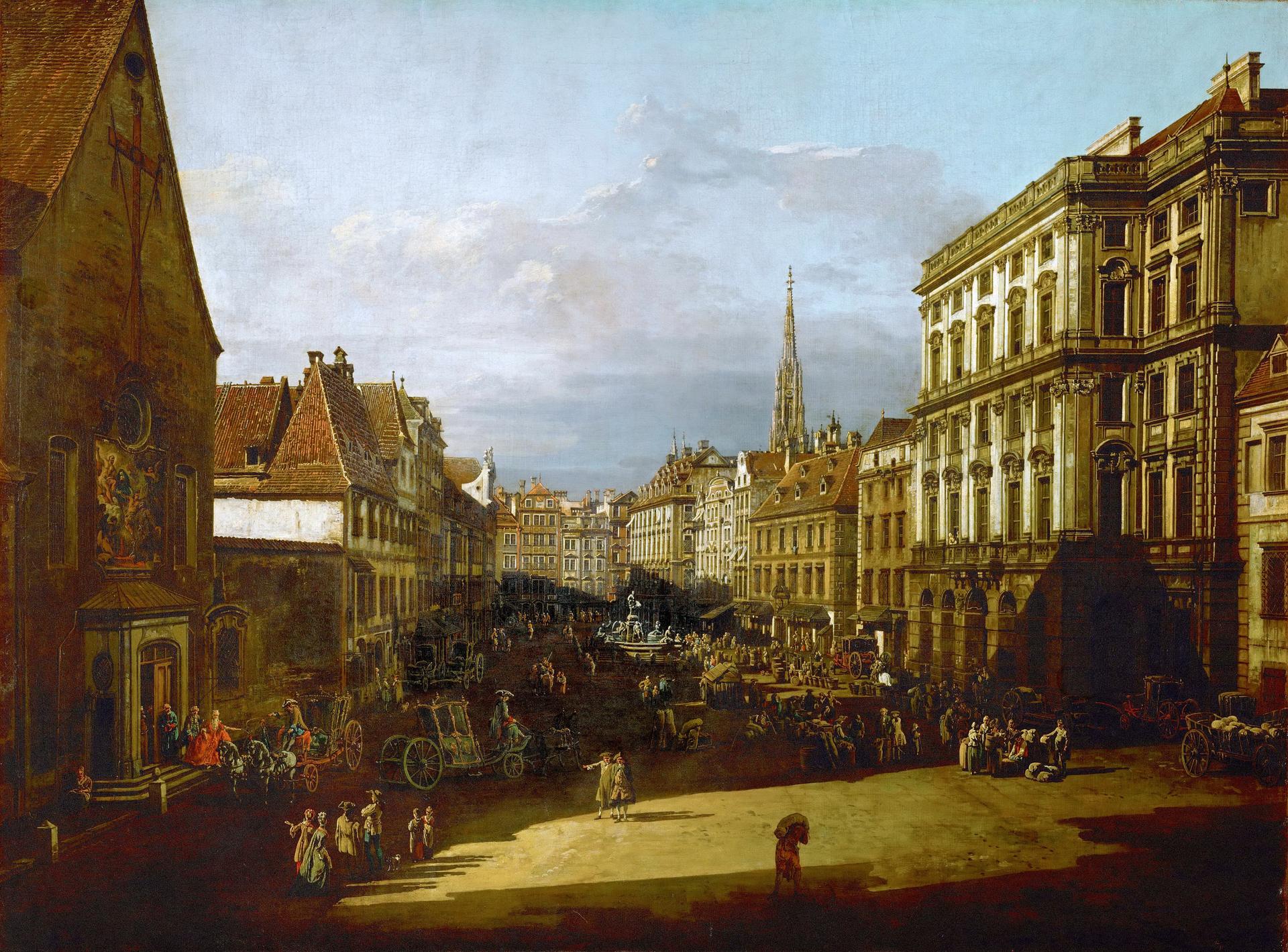
Selling the tickets himself
On this square Mozart rented the hall himself, sold the tickets himself and played the lead himself.
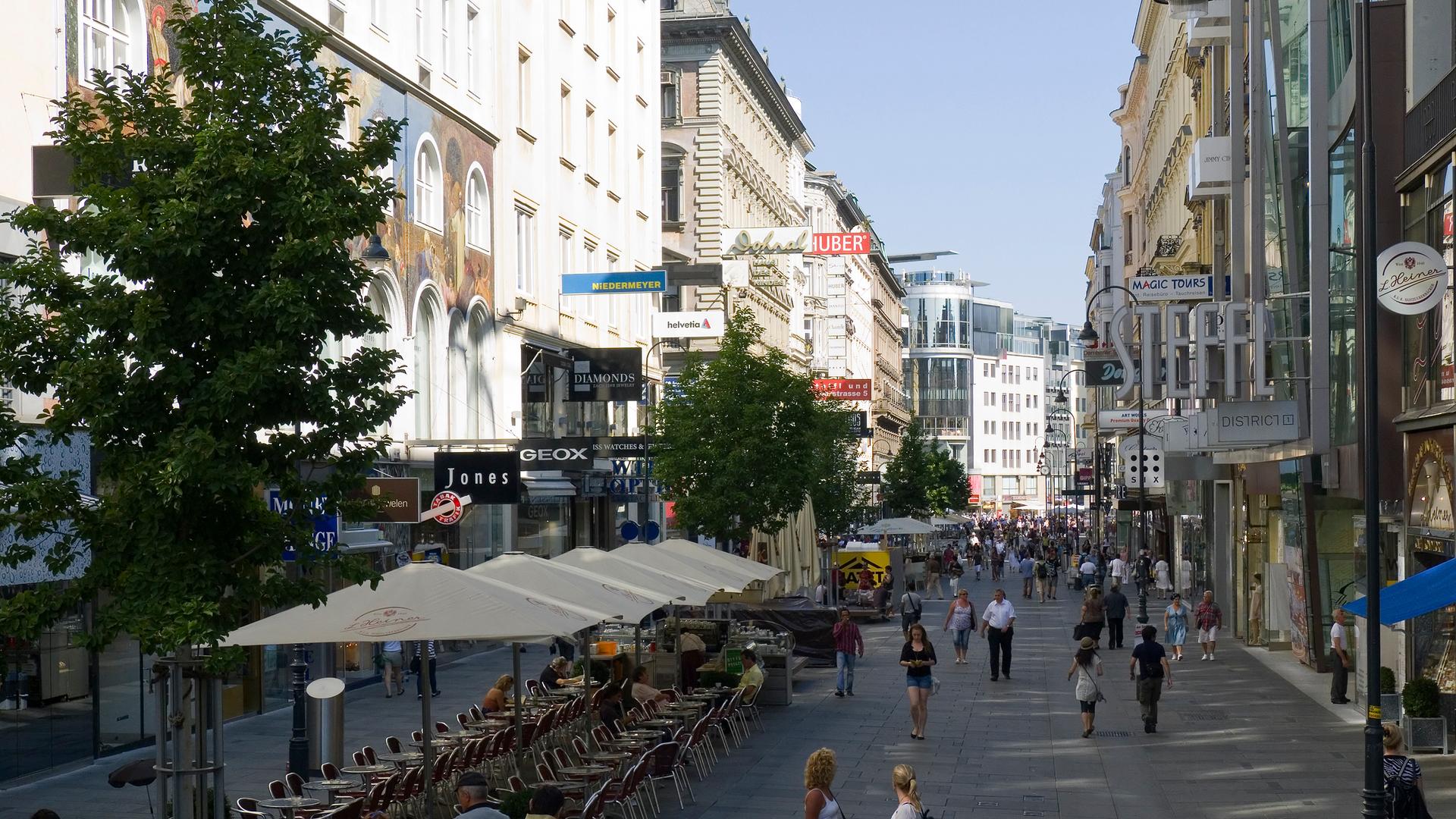
The Department Store on the Death Site
Behind the glass front of this department store stood the house where Mozart died at the age of thirty-five.
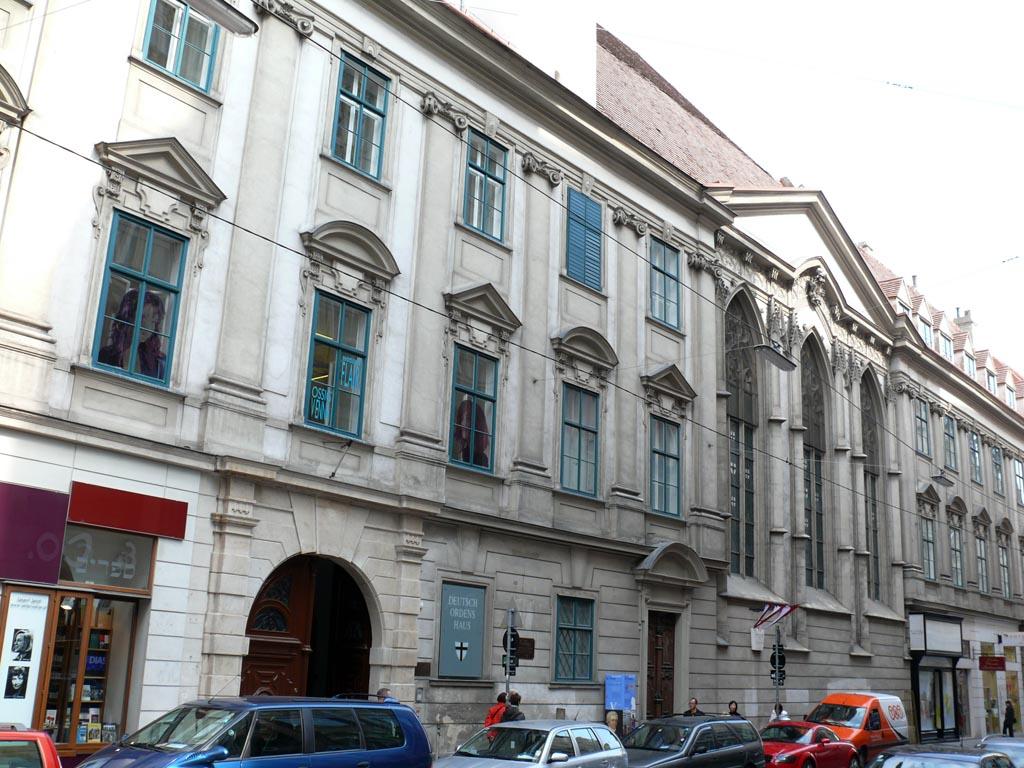
Kicked Down the Stairs
This is where Mozart was literally booted out the door in 1781, and he never quite got over it.
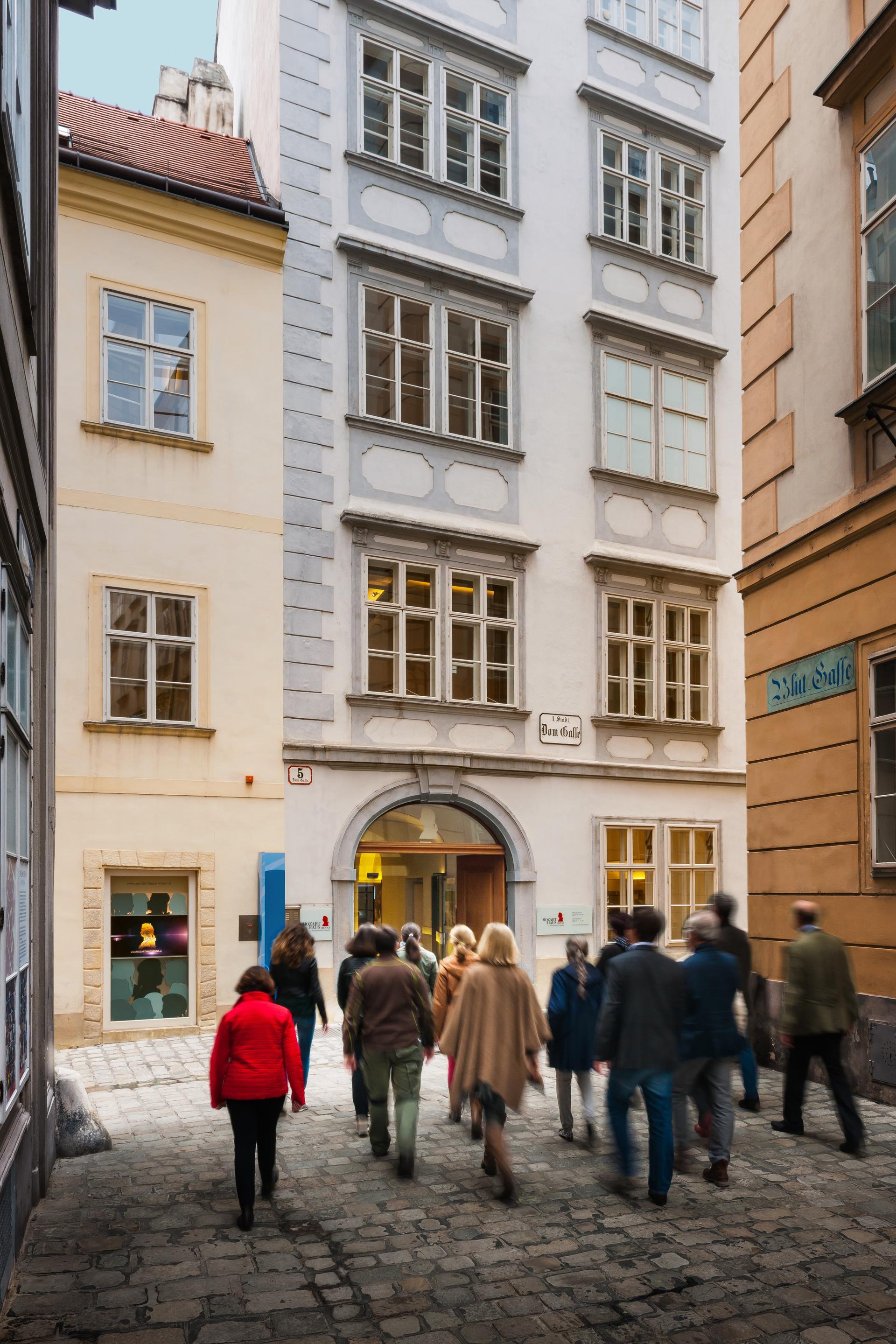
The priciest years
The only home Mozart lived in that Vienna still has, and the most expensive one he ever rented.
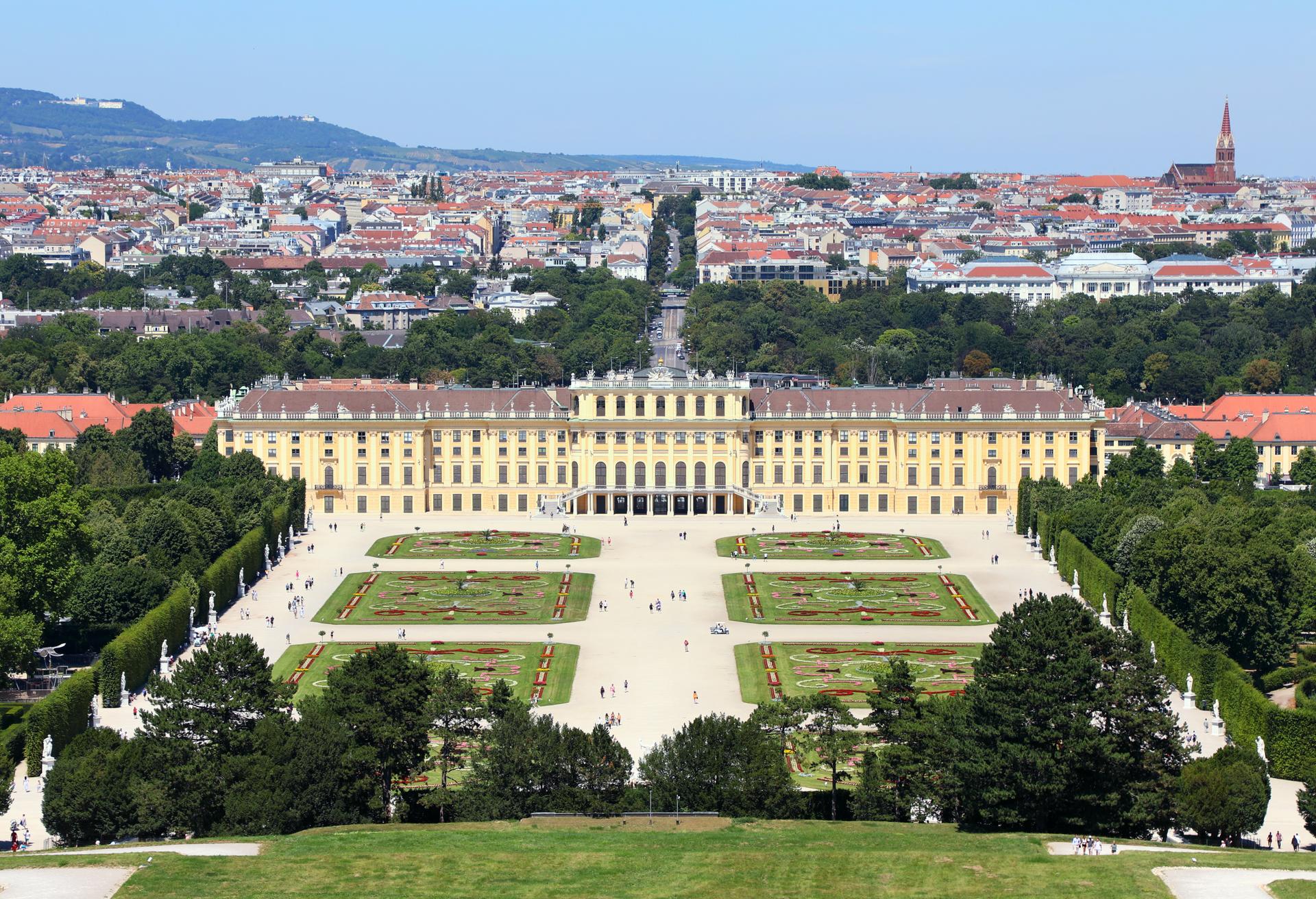
The palace with fourteen hundred rooms
A six-year-old Mozart played here for the empress, and Franz Joseph was both born and died within these walls.
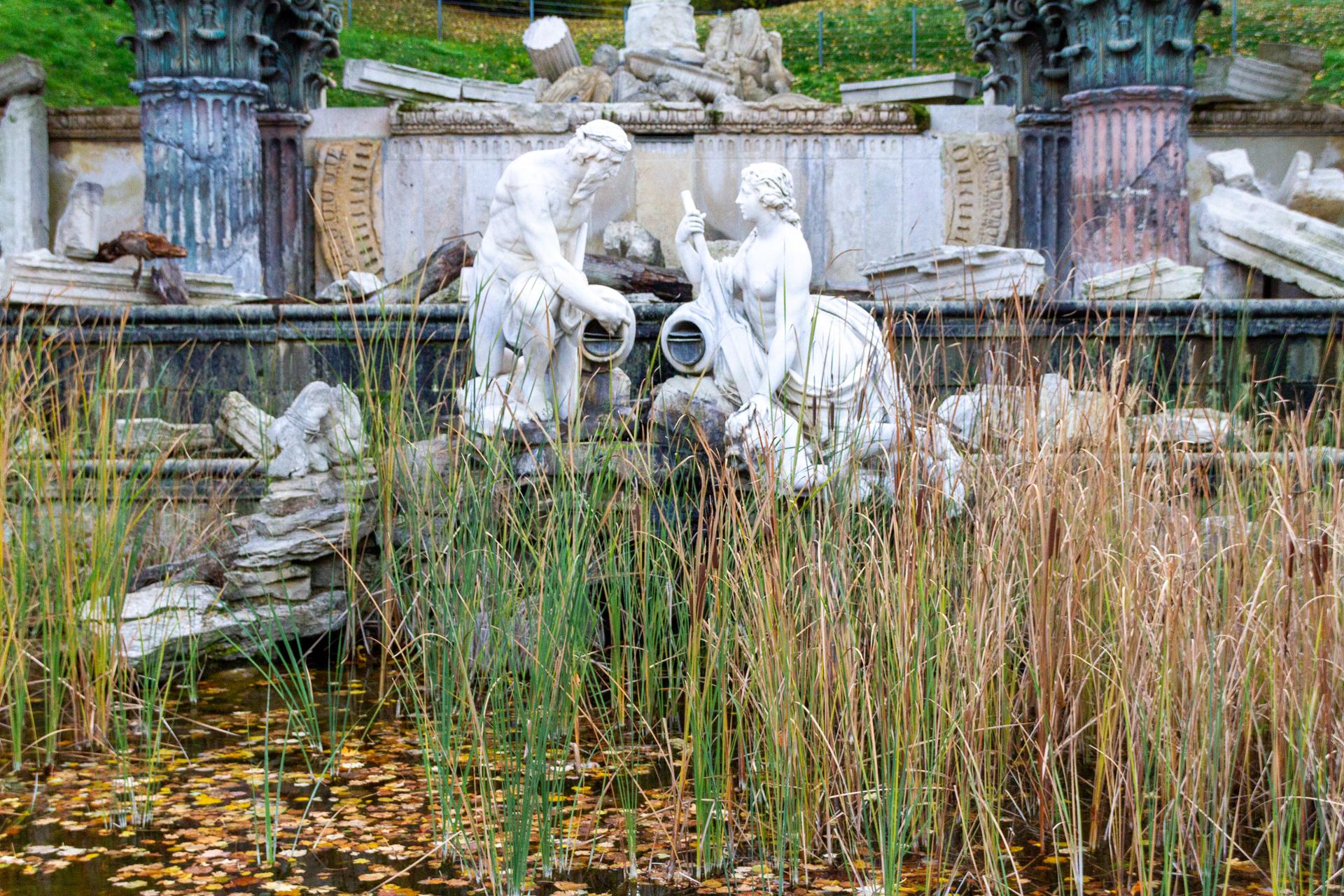
A ruin that was never whole
This ruin was built as a ruin in 1778, cracks and all, and a hundred metres away lies the spring that gave the city its name.
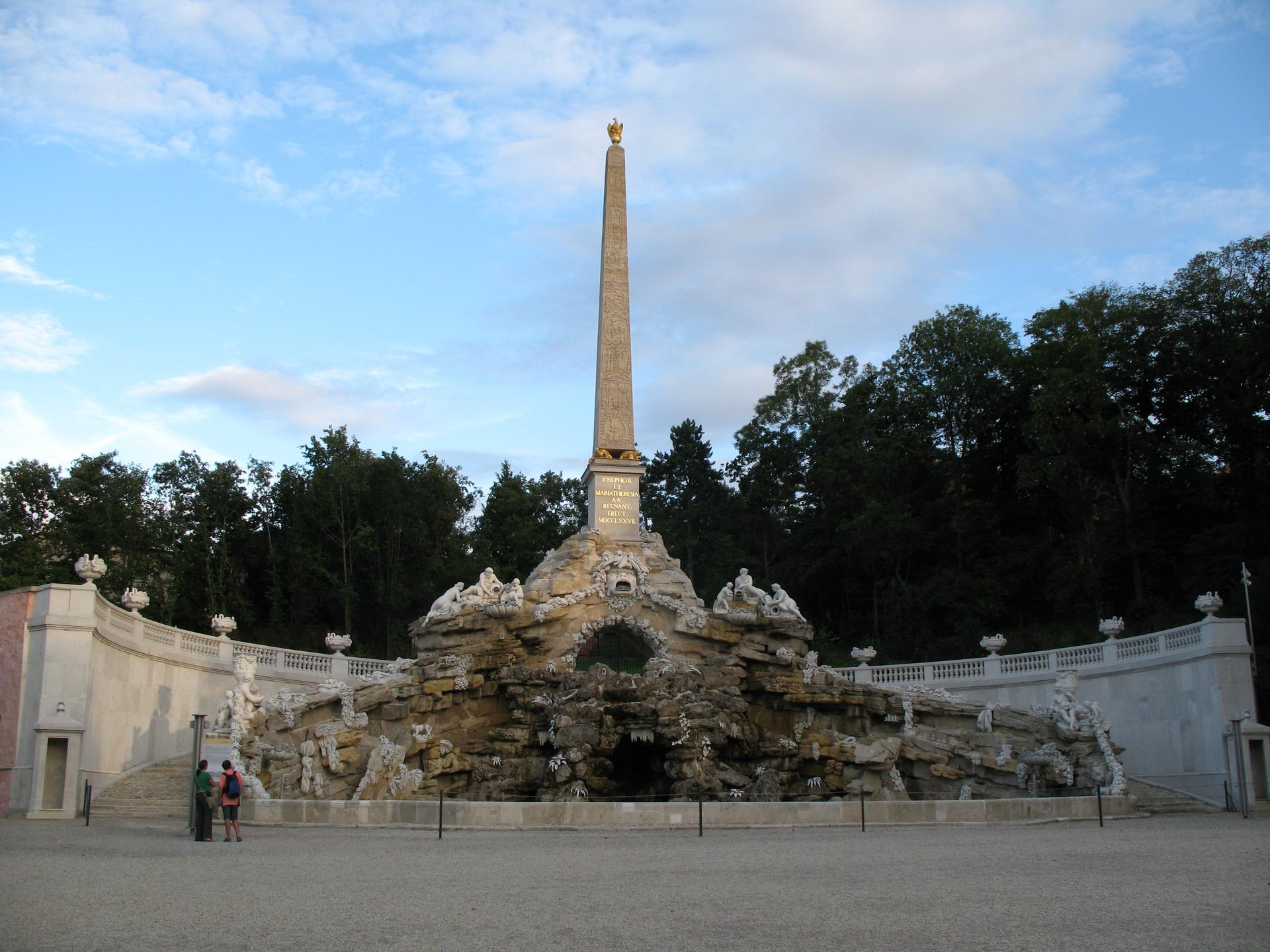
The obelisk with the made-up symbols
An Egyptian obelisk resting on four gilded turtles, covered in hieroglyphs that nobody could read.
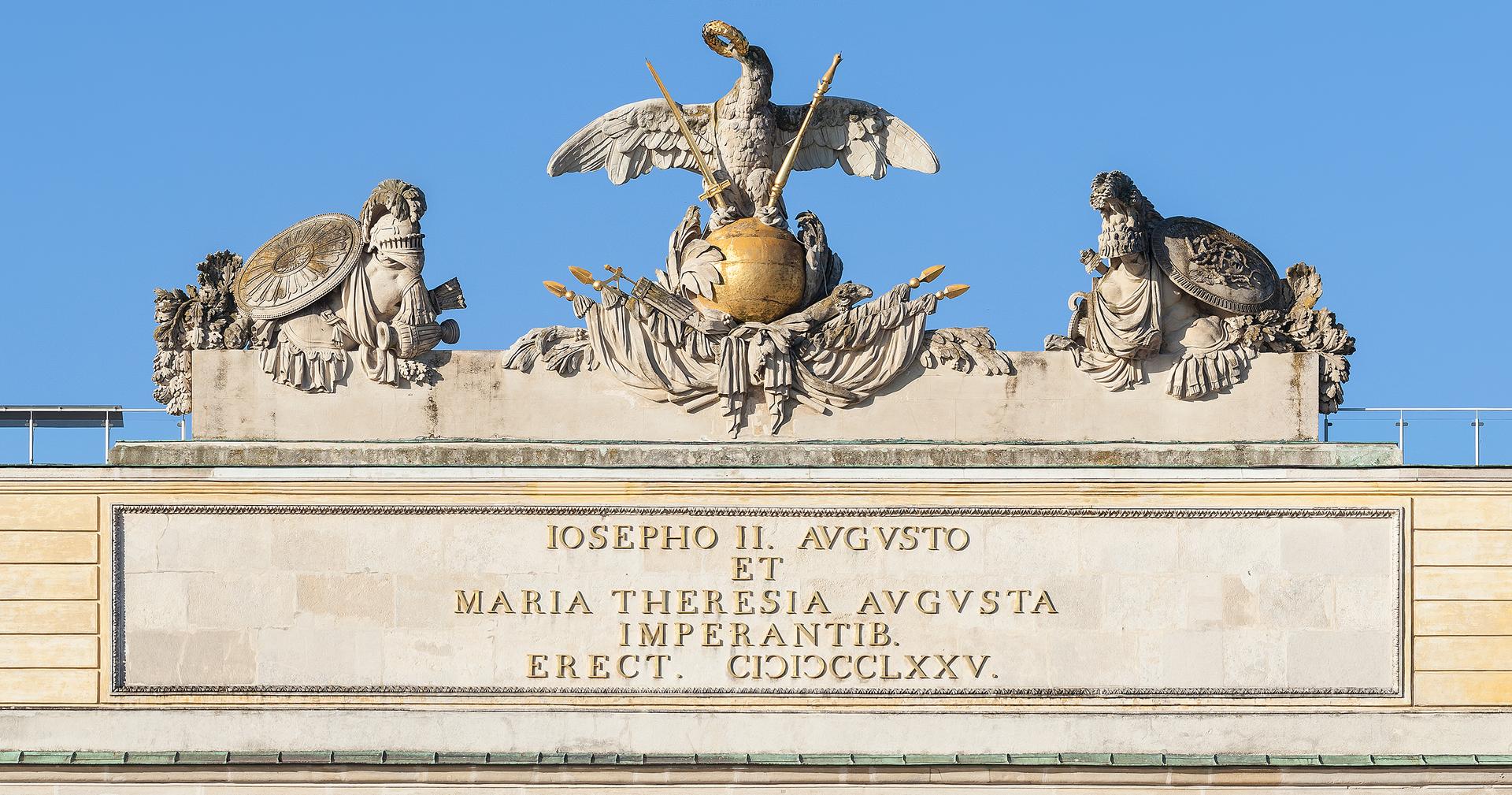
A monument to a war that was lost
Built from the stones of a demolished castle, as a monument to a war that was barely won.
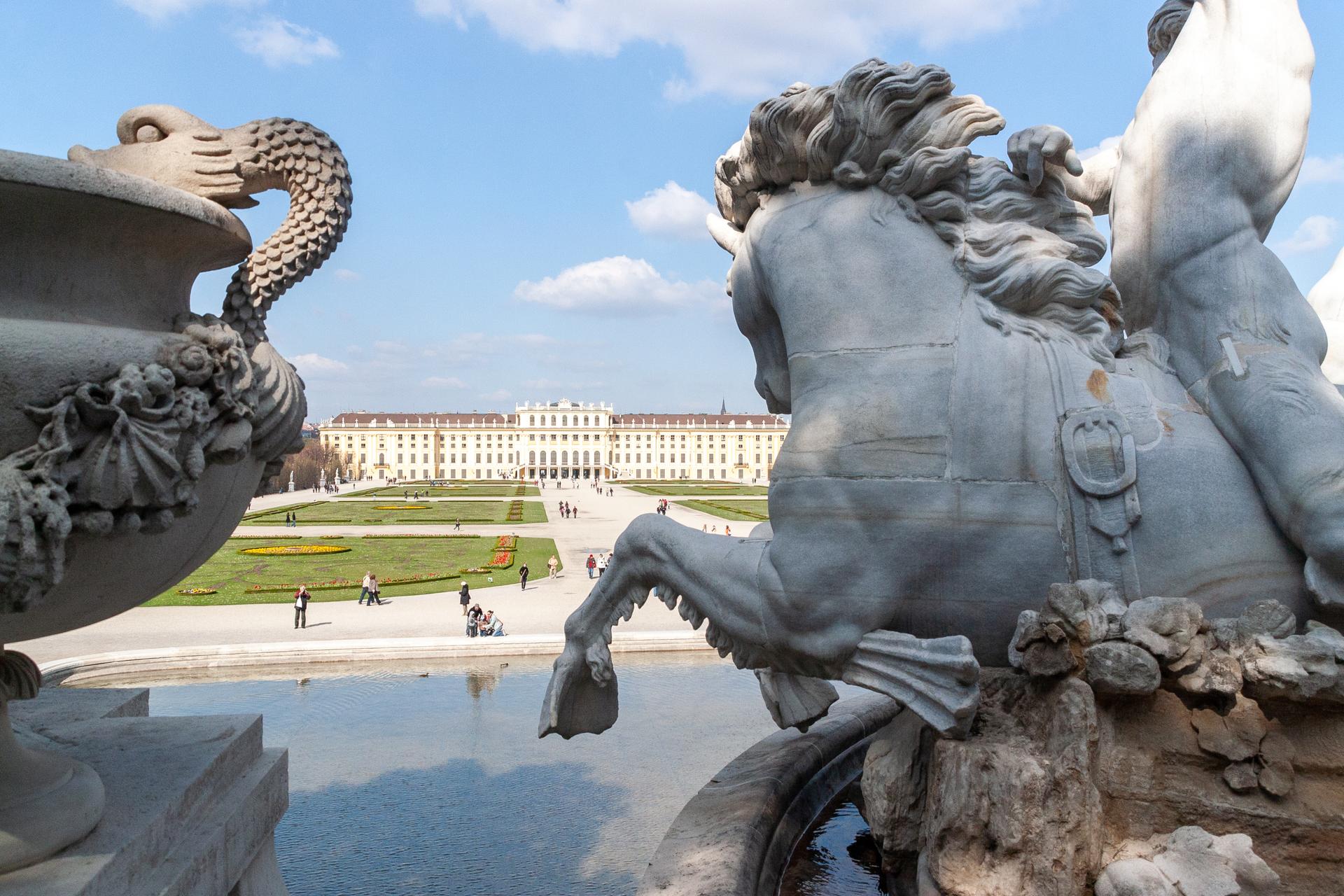
The fountain from her final year
Maria Theresia had this fountain built in the year she died, the last piece of her garden to be completed.
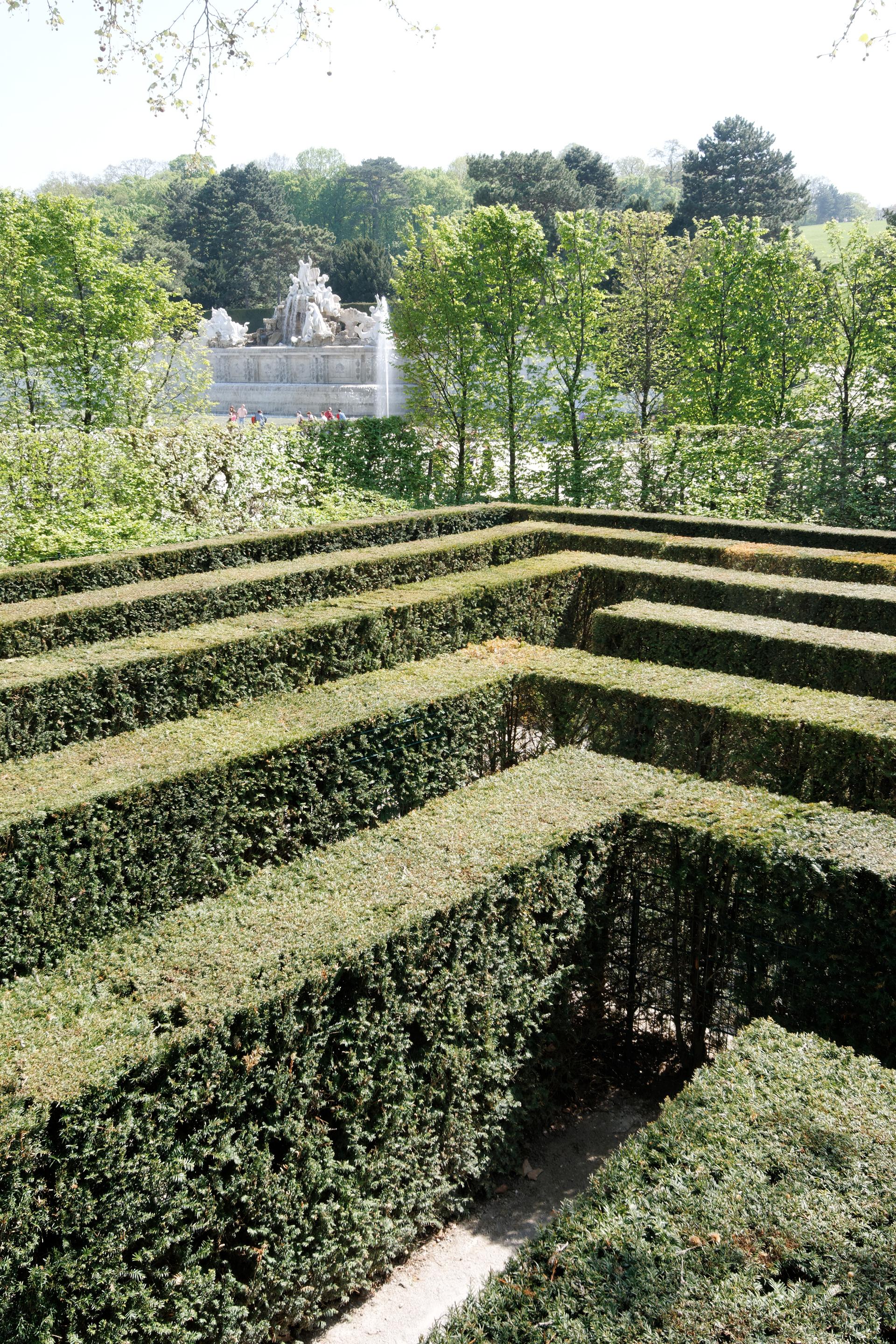
The Maze That Came Back
The original maze vanished in the nineteenth century and was replanted in 1999, following the old floor plan.
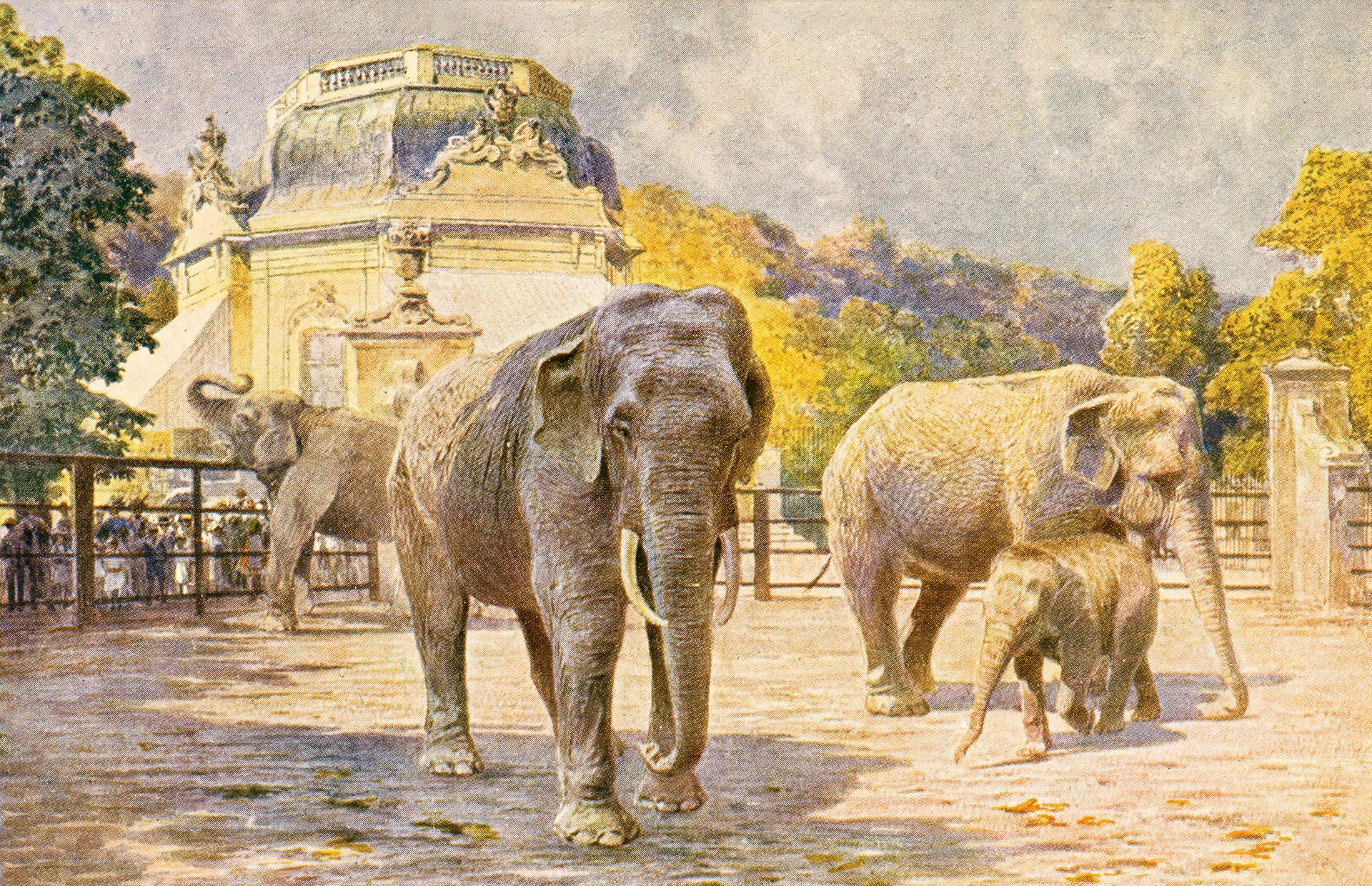
The oldest zoo in the world
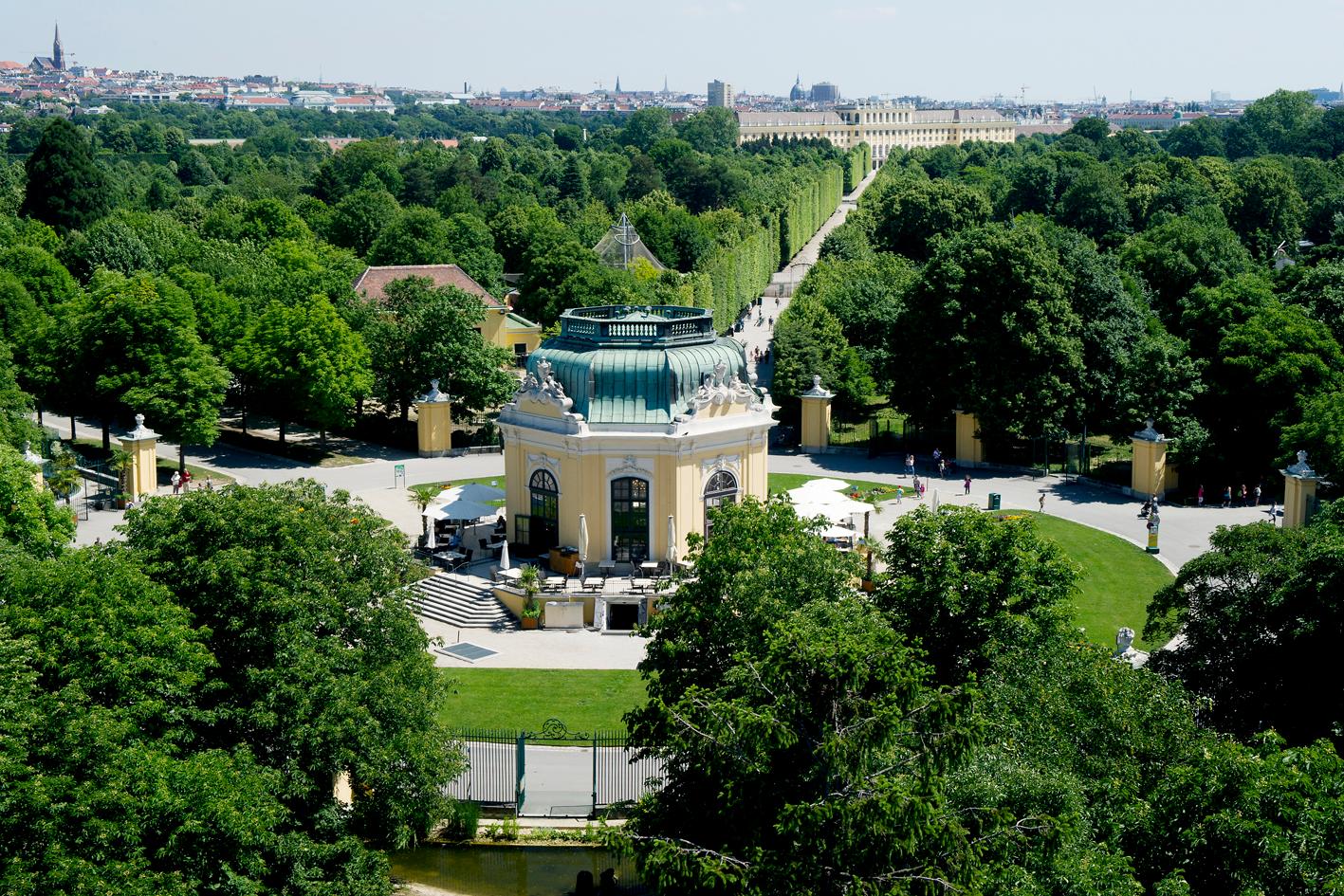
The oldest zoo in the world began as a menagerie where the court ate breakfast, with the animal enclosures arranged in a ring around them.
A desert under glass
A greenhouse that started out as a sundial house and now holds a desert, complete with naked mole-rats.
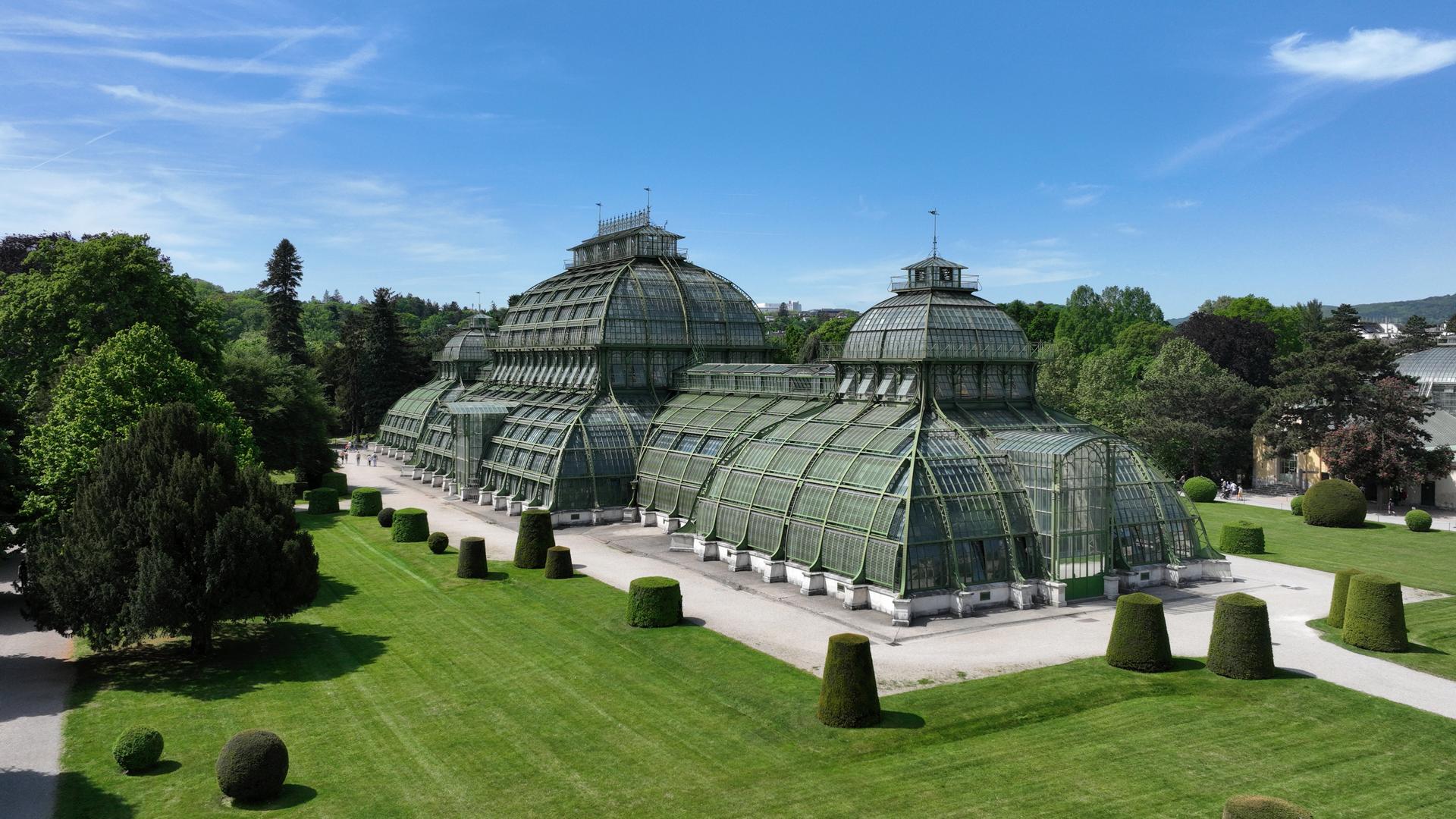
A bridge made of glass
A hundred and eleven metres of iron and glass, built by a bridge builder, holding three climates under one roof.
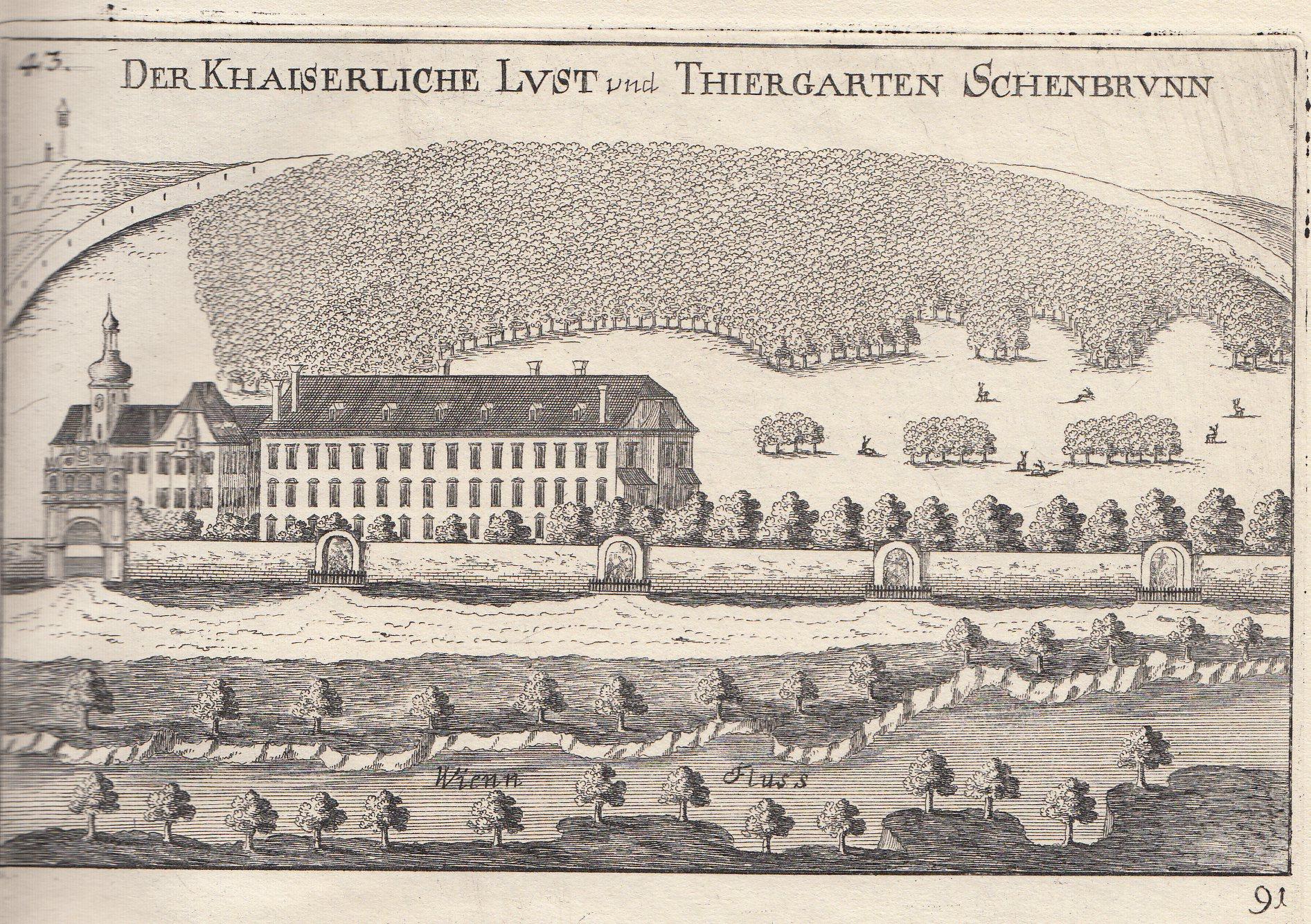
The Gate to the Imperial Garden
This park was an imperial hunting ground until Joseph the Second opened the gates to everyone.
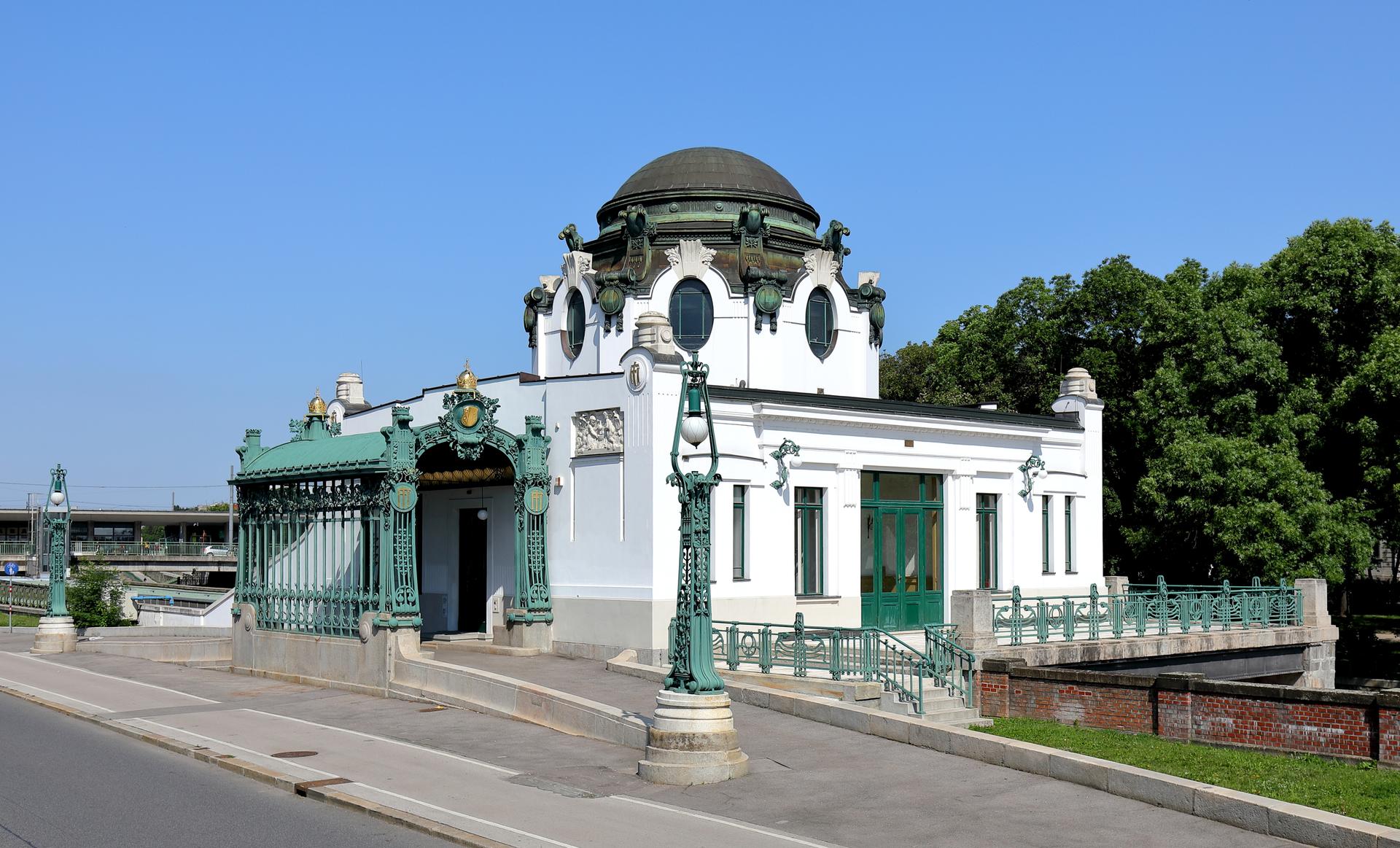
A station for a single passenger
A complete metro station built for one passenger, who by all accounts barely used it.
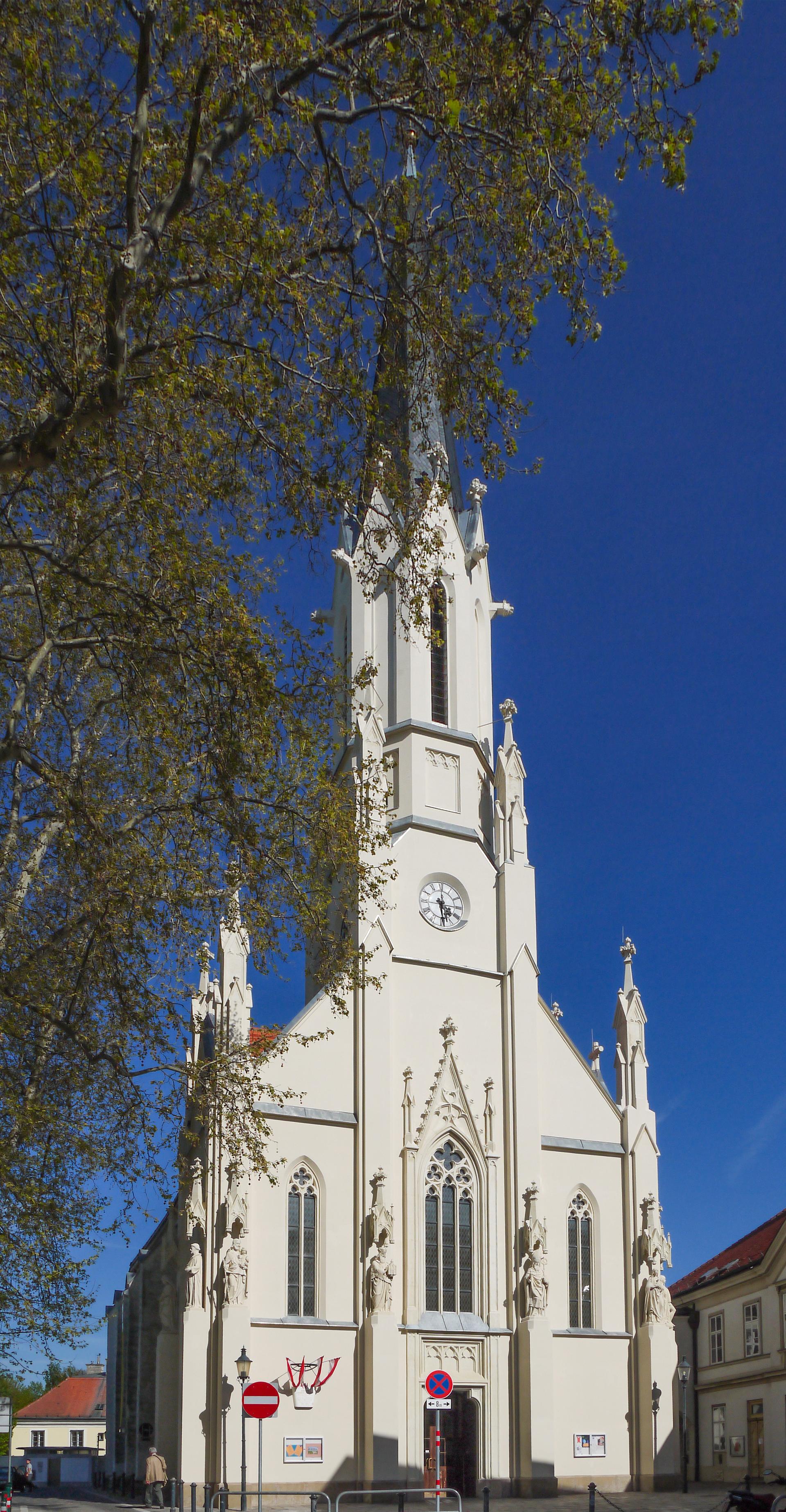
Burned Down Twice
A pilgrimage church that Ottoman armies destroyed twice and that was rebuilt twice.
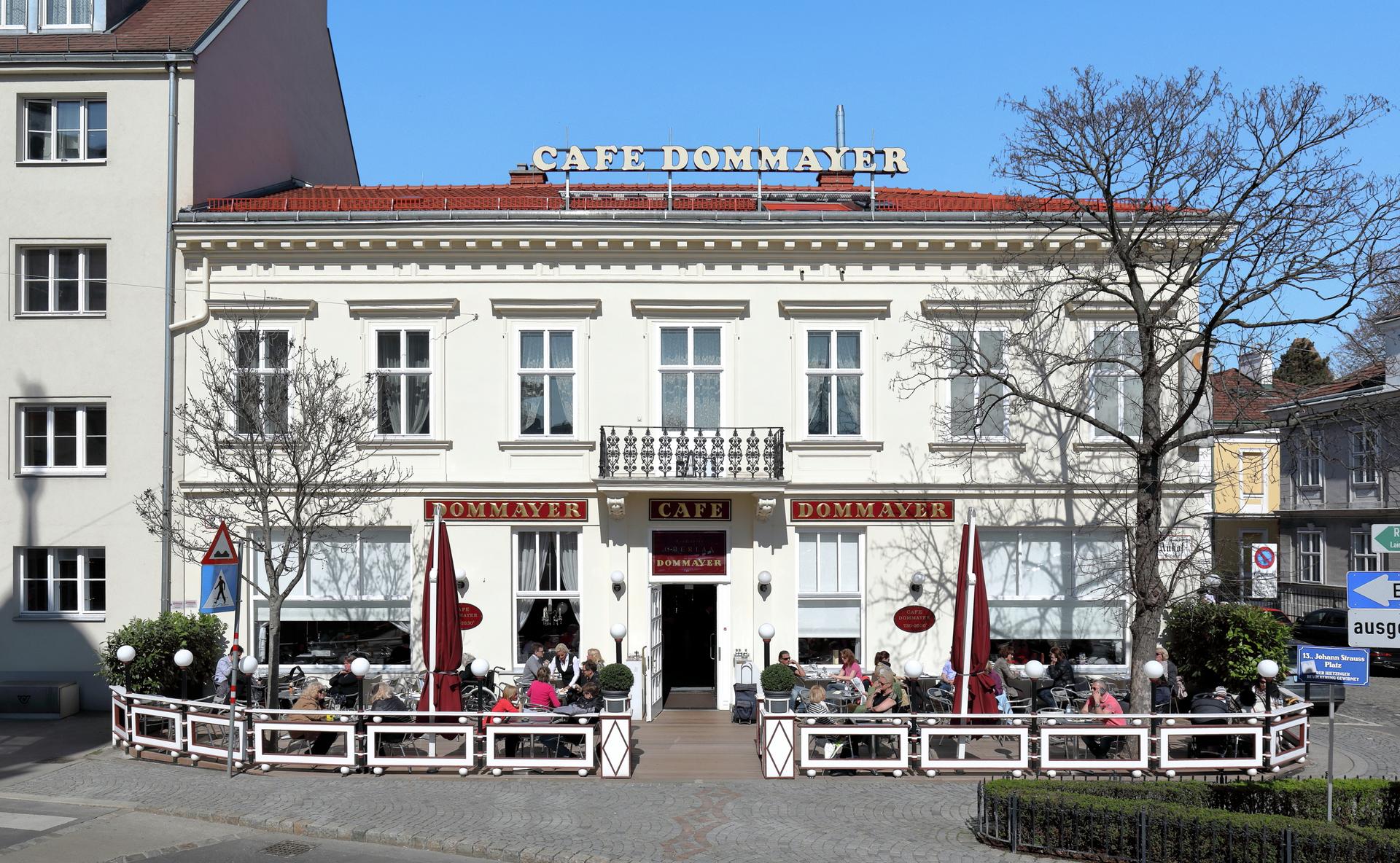
The debut his father forbade
This is where Johann Strauss the Younger made his debut against his father's wishes, and the hall demanded nineteen encores.
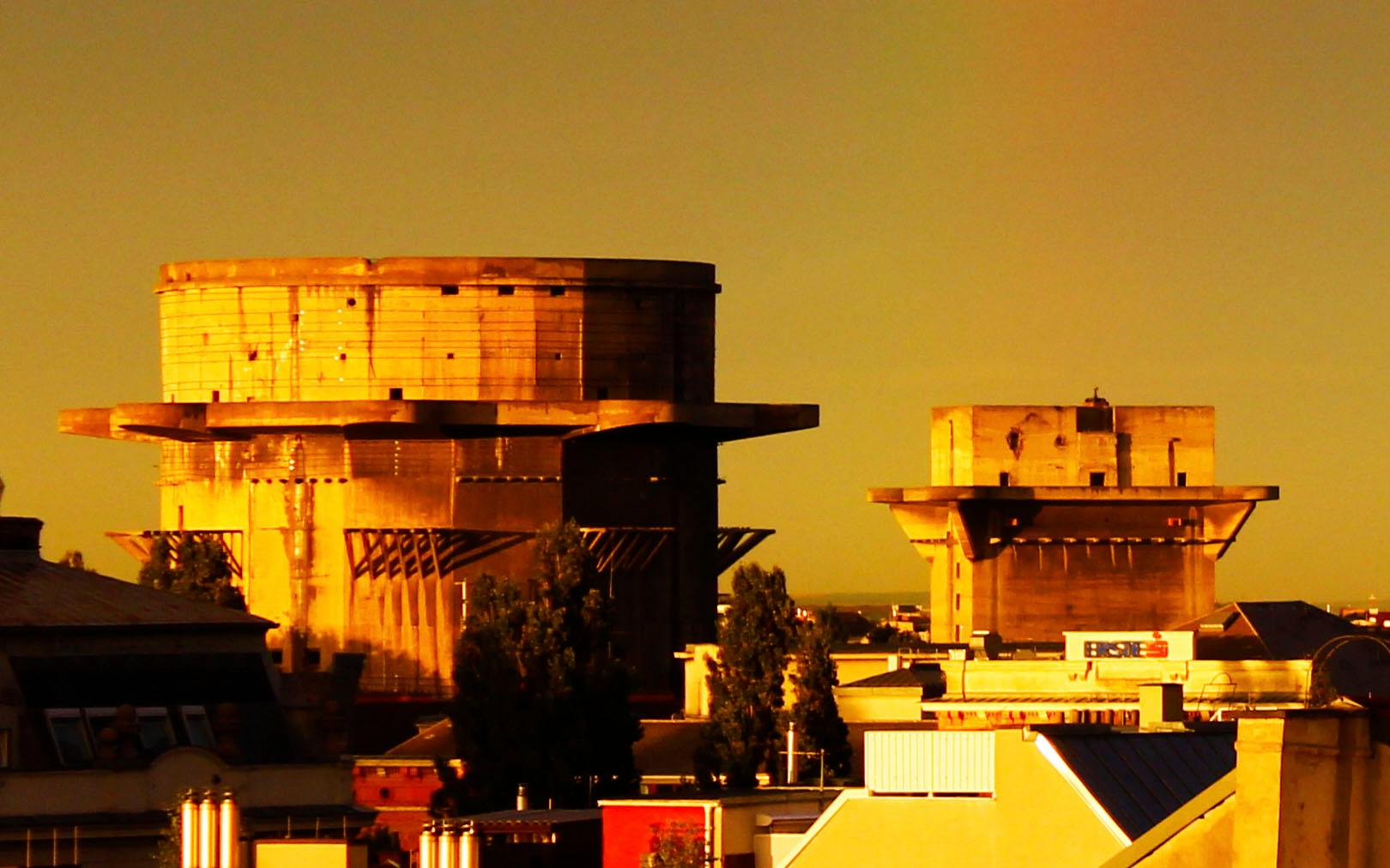
The second tower
Two towers, a garden for everyone and a district that started over. This is what Leopoldstadt made of it.
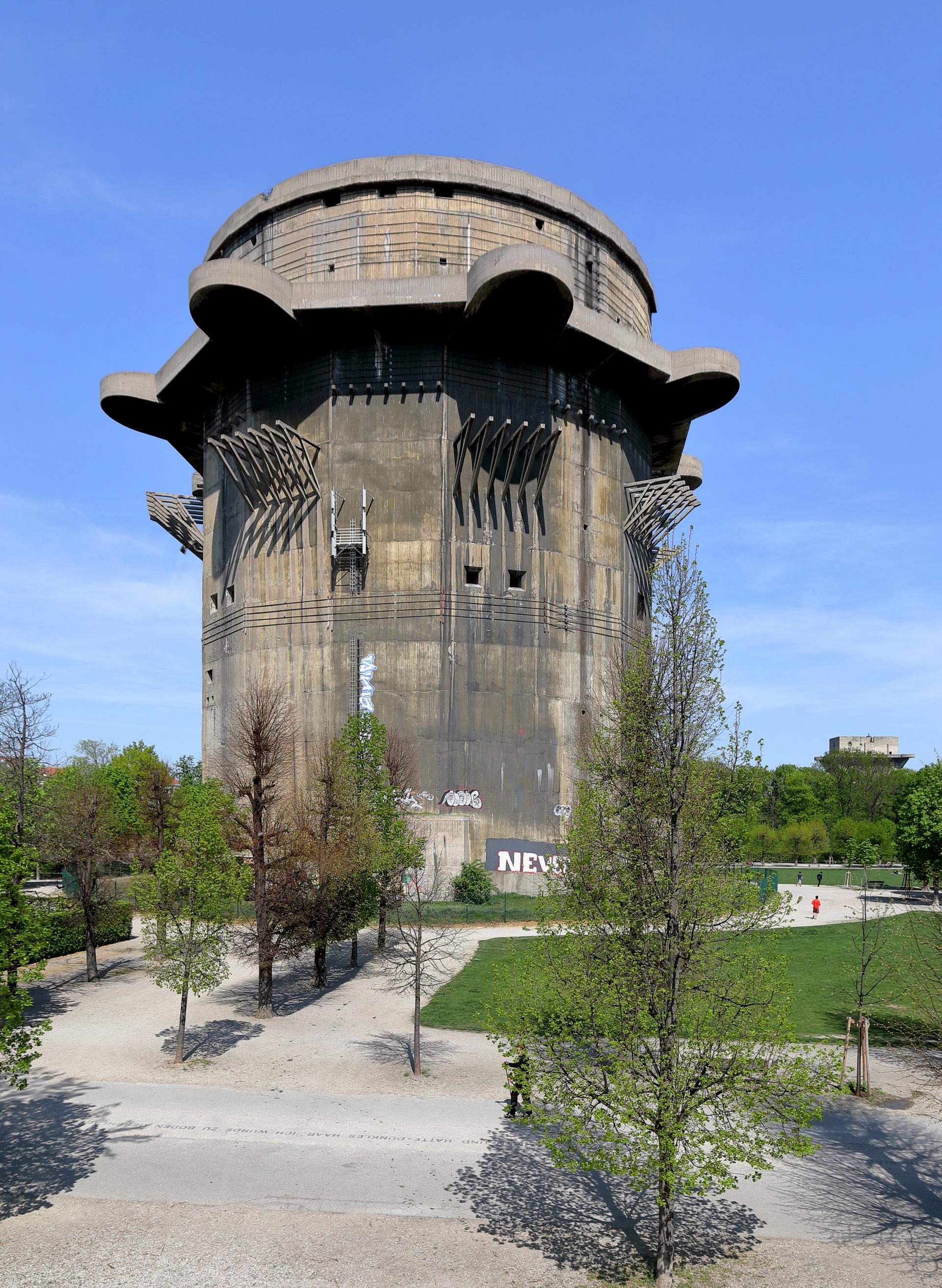
The tower that can't be removed
Fifty-five metres of concrete, built with forced labour, and too heavy ever to clear away.
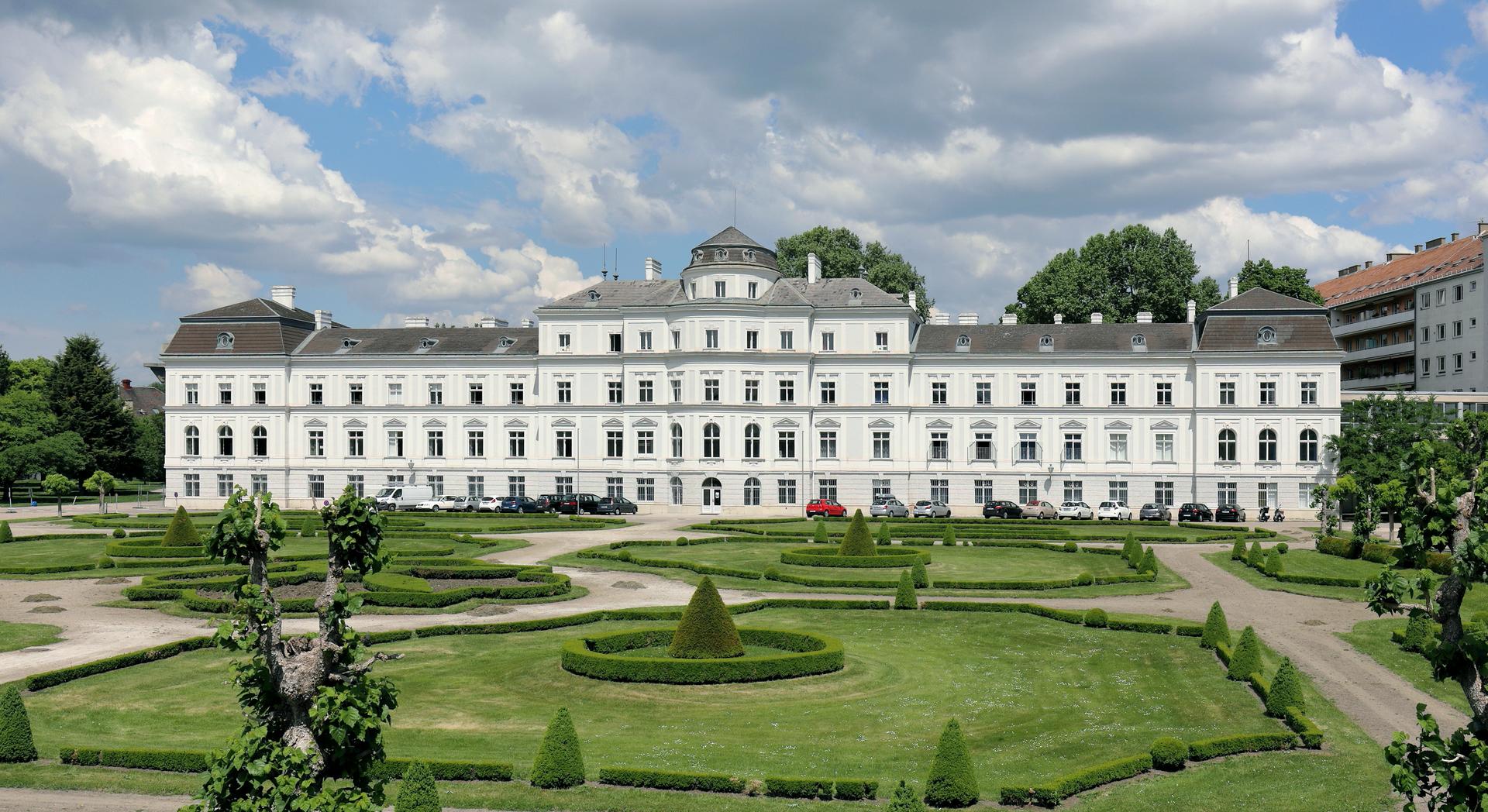
Singers and porcelain
A baroque palace in the park is home to the Sängerknaben, and right beside it porcelain has been fired for three centuries.
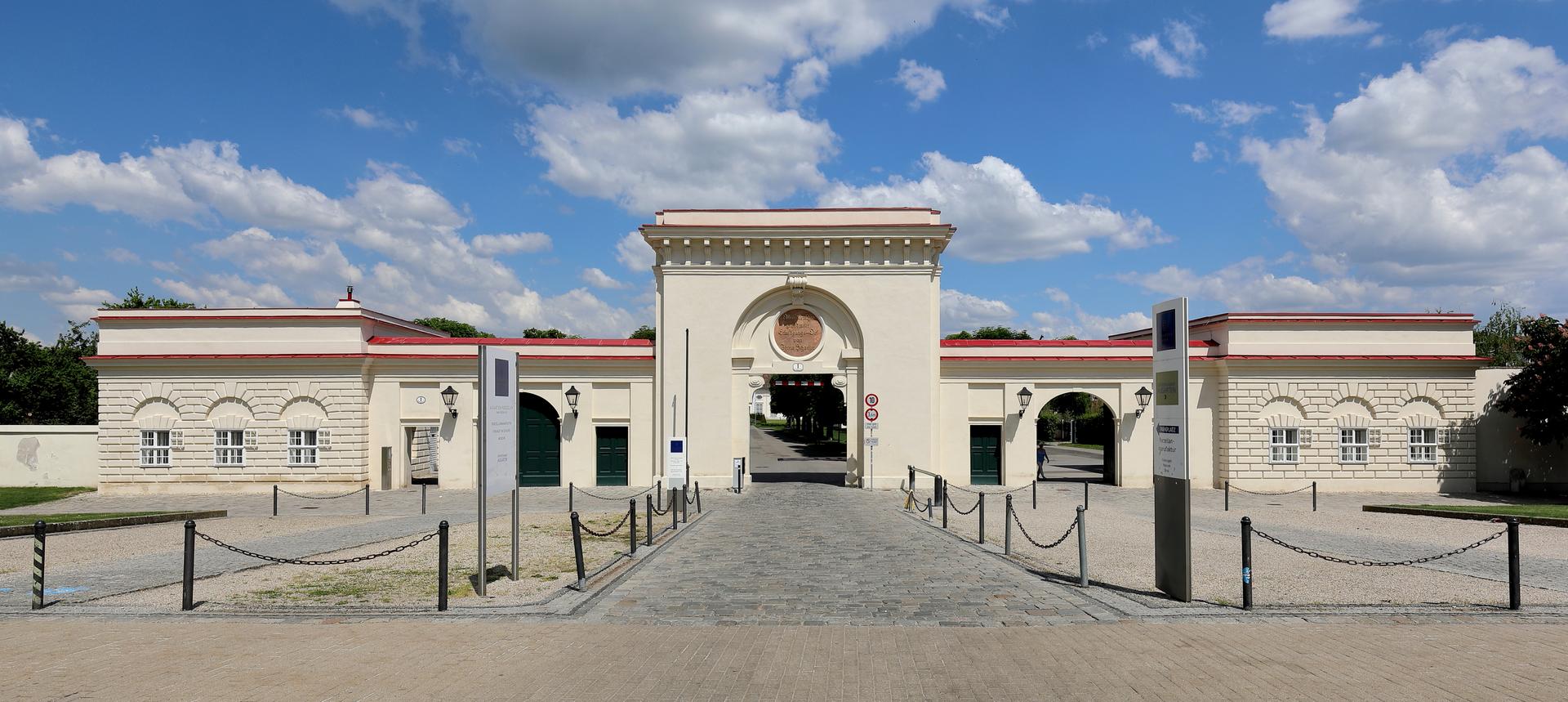
Dedicated to all people
An imperial garden thrown open in 1775, with a dedication to all people carved above the gate.
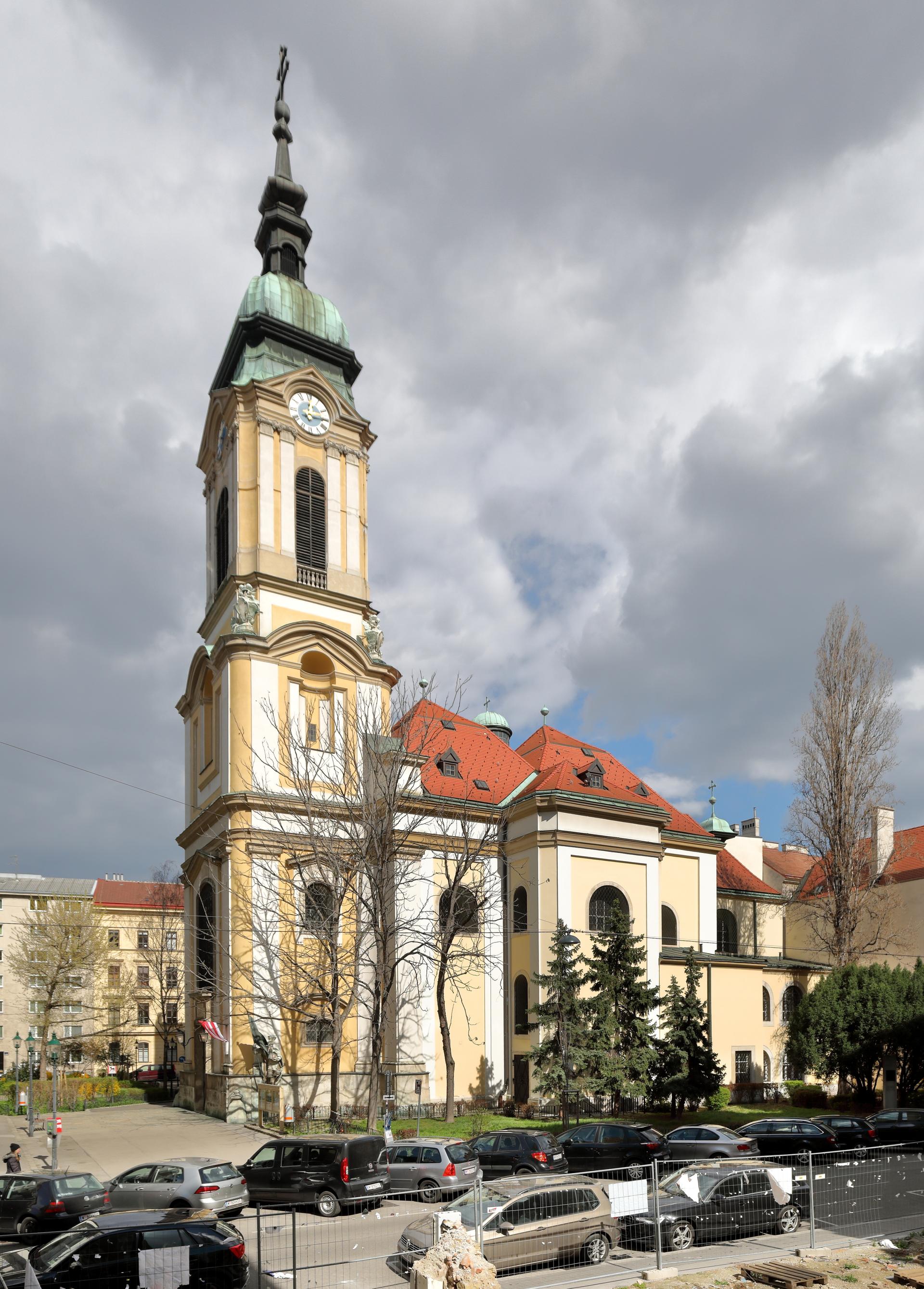
The Church on the Synagogue
This church stands where a synagogue was torn down in 1670, and the neighbourhood is named after the emperor who ordered it.
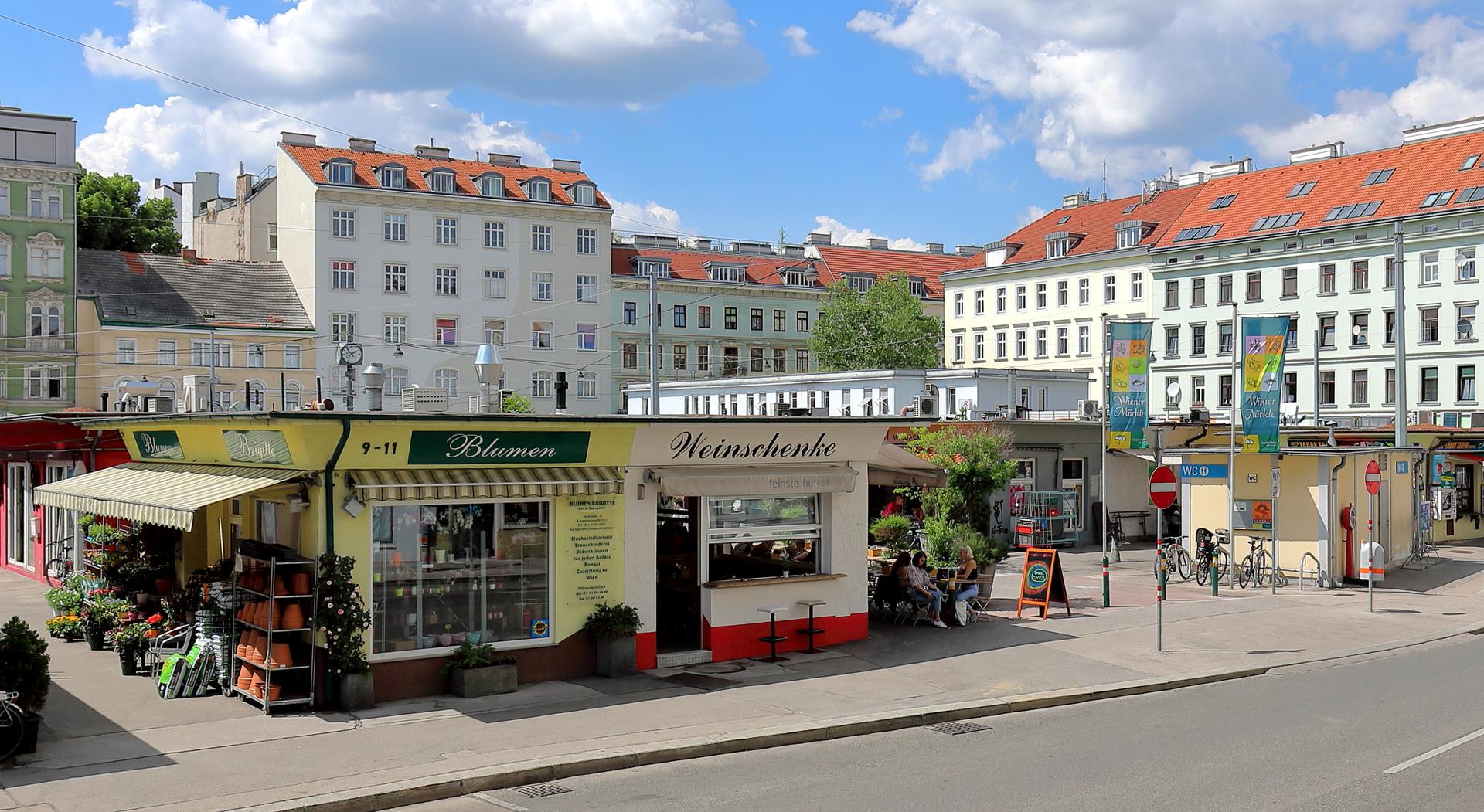
The Market of 1671
This market was granted its charter in 1671, by the same emperor who had emptied the neighbourhood a year earlier.
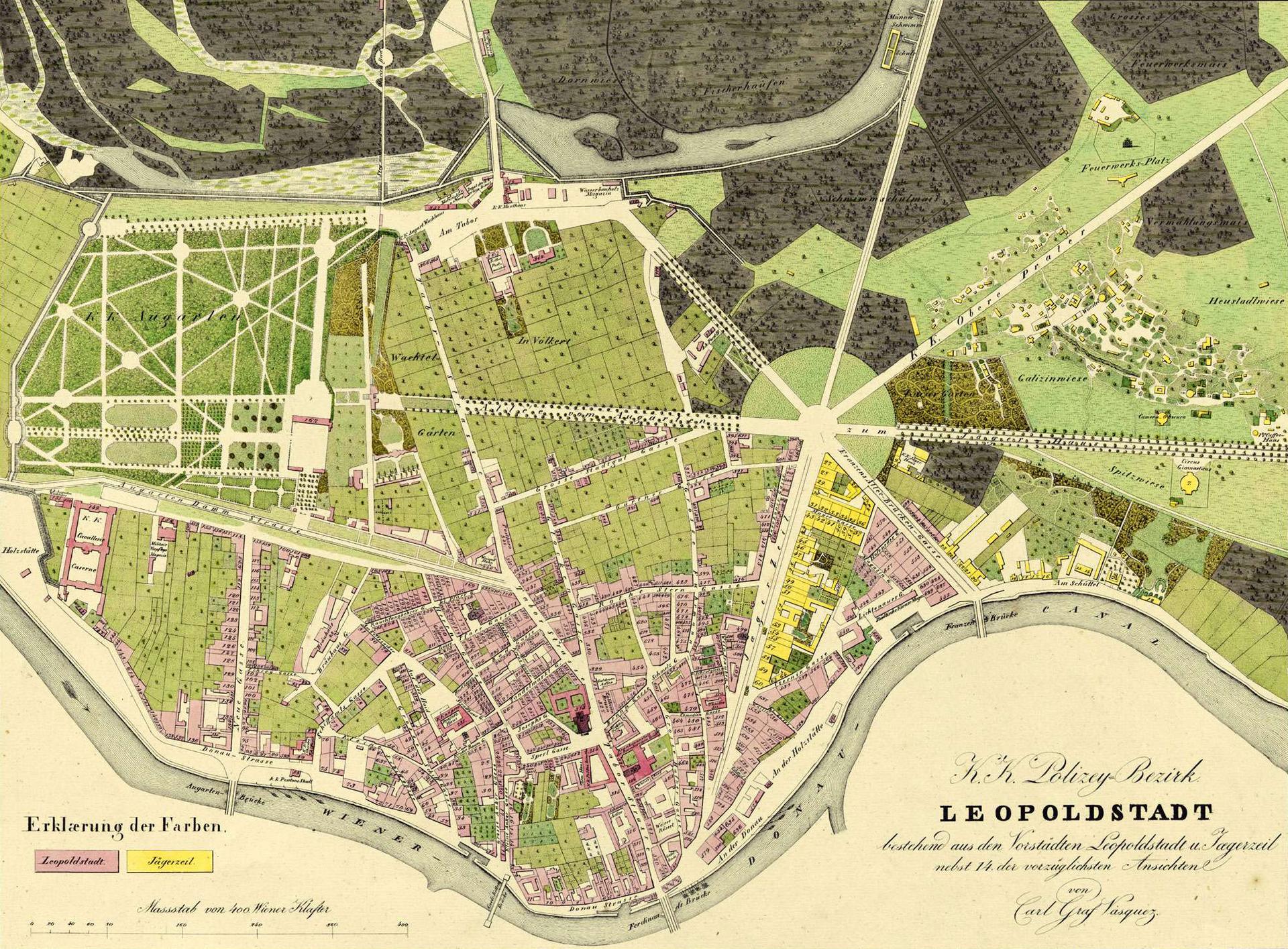
The church that gave the neighbourhood its name
The church that gave this neighbourhood its name went up in flames in 1683, along with the rest of the suburbs.
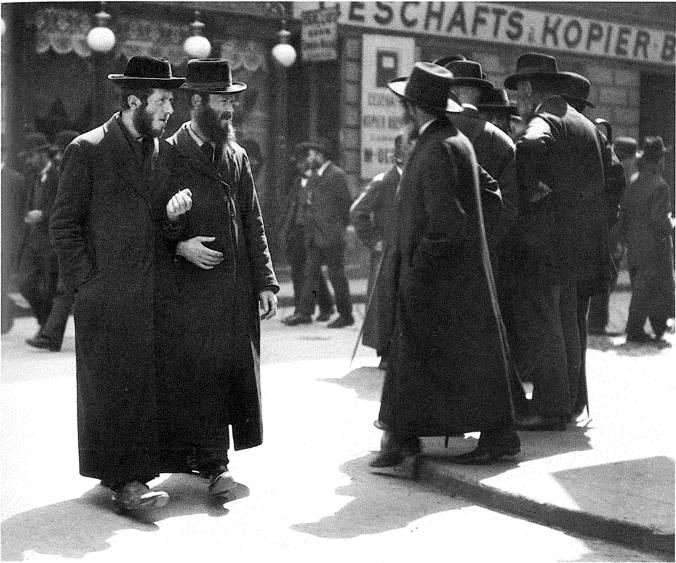
The Mazzesinsel
Around 1910 a third of the district lived in these streets, with their own schools, shops and theatres.
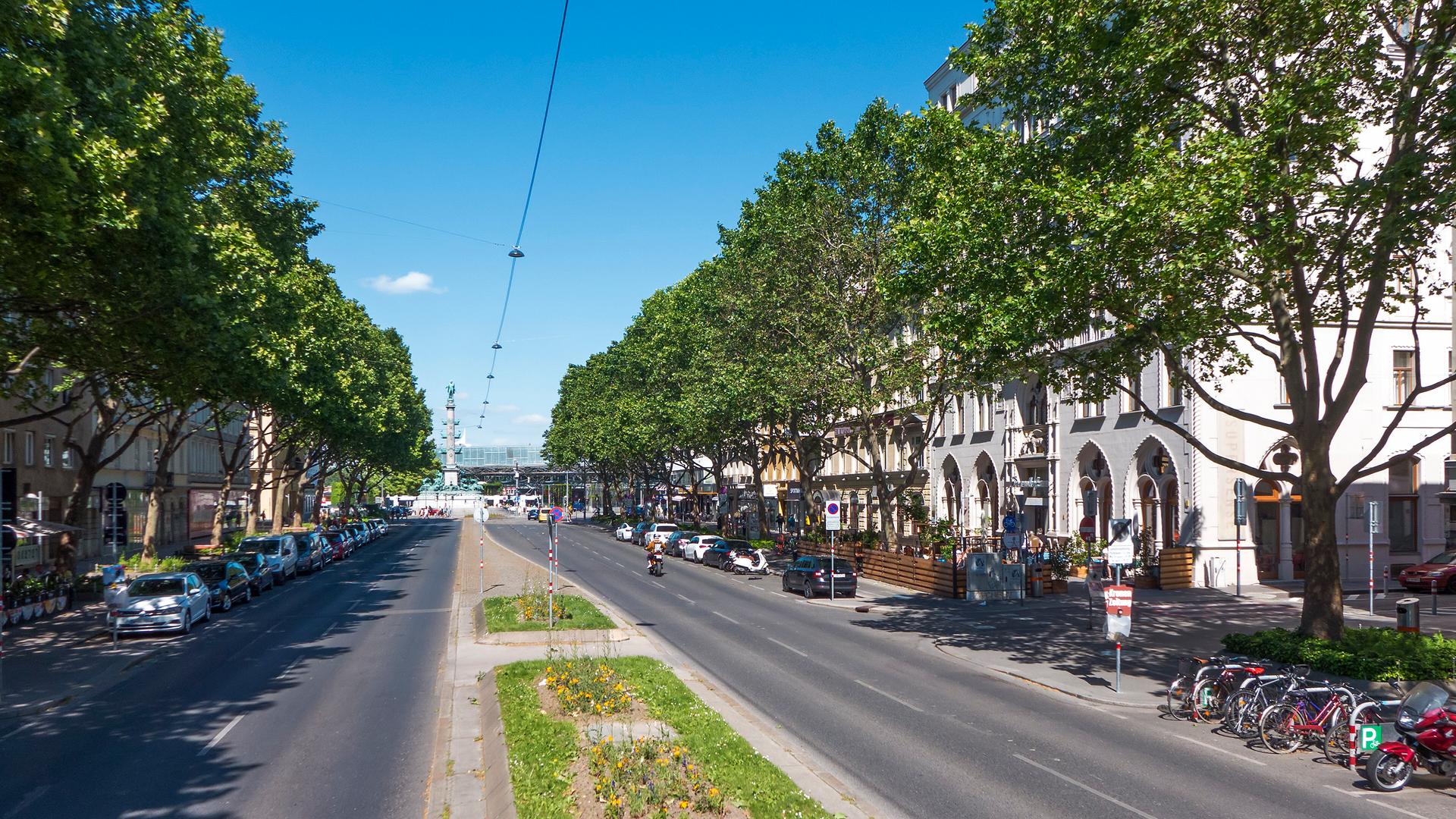
The waltz nobody wanted at first
The Blue Danube was written in this house, and at its premiere it fell completely flat.
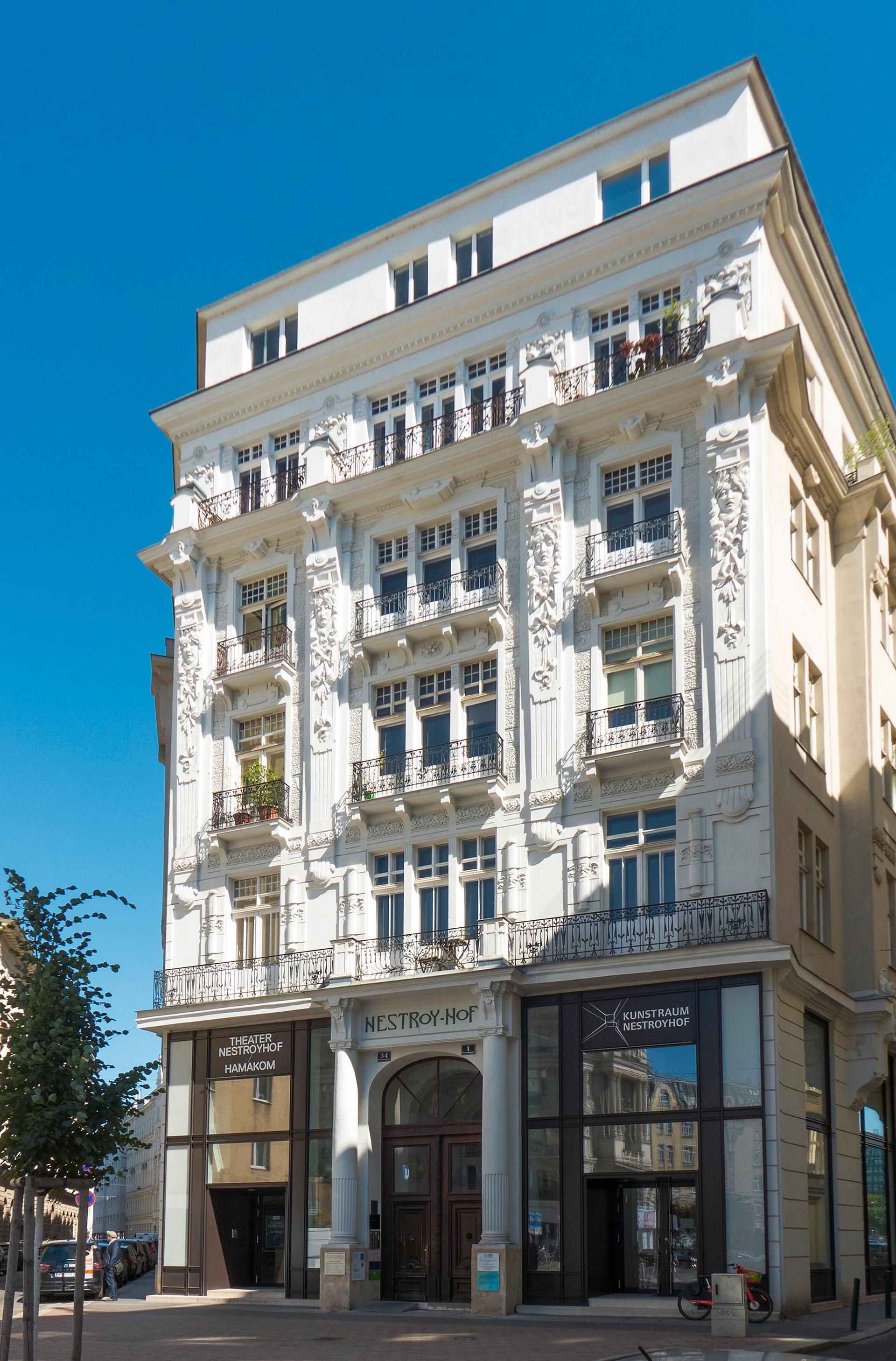
The theatre behind the shelves
For half a century, behind the shelves of a supermarket, sat a complete Art Nouveau theatre.
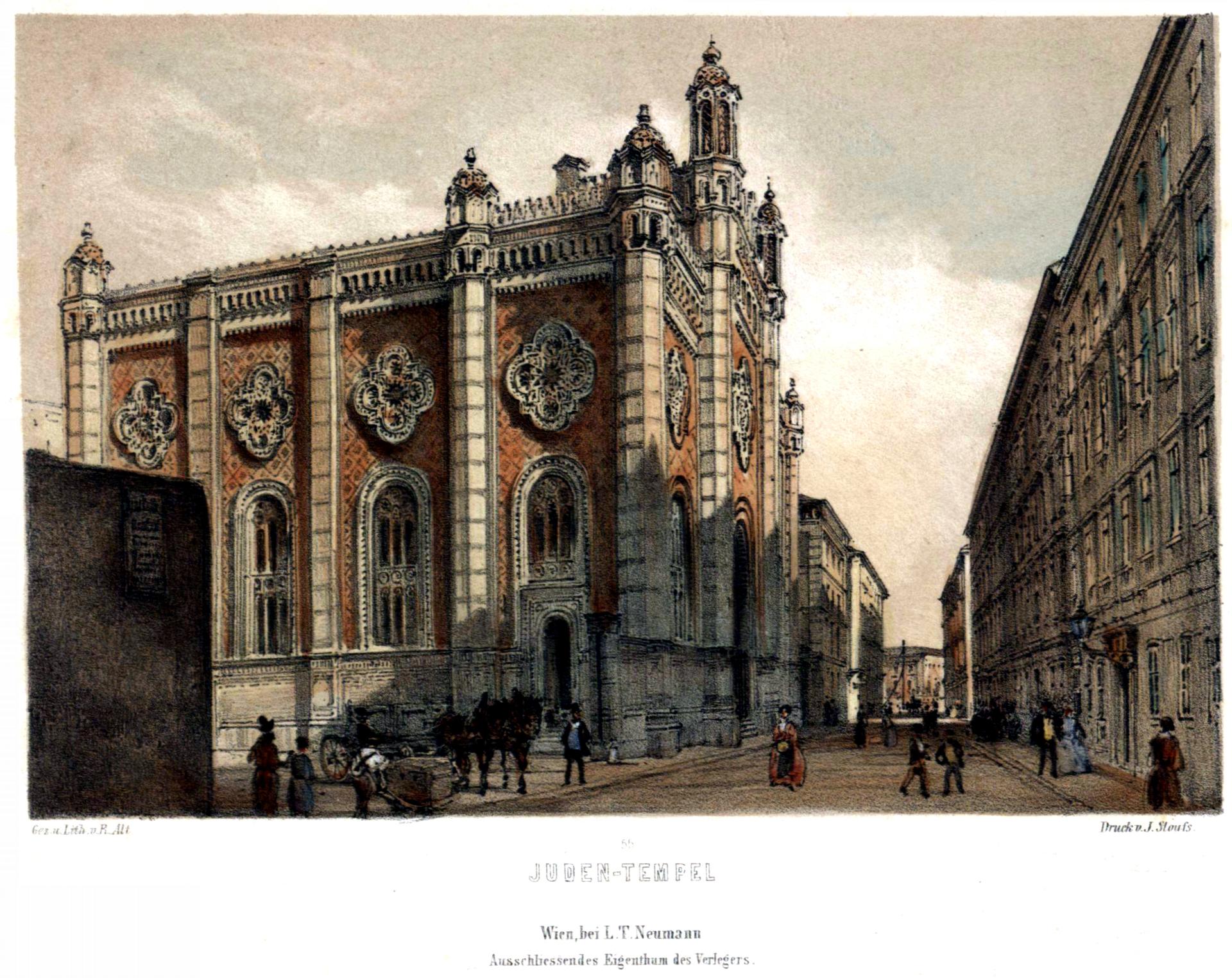
Four white columns
A synagogue for two thousand people once stood here, copied as far away as Bucharest. Four white columns now trace its outline.
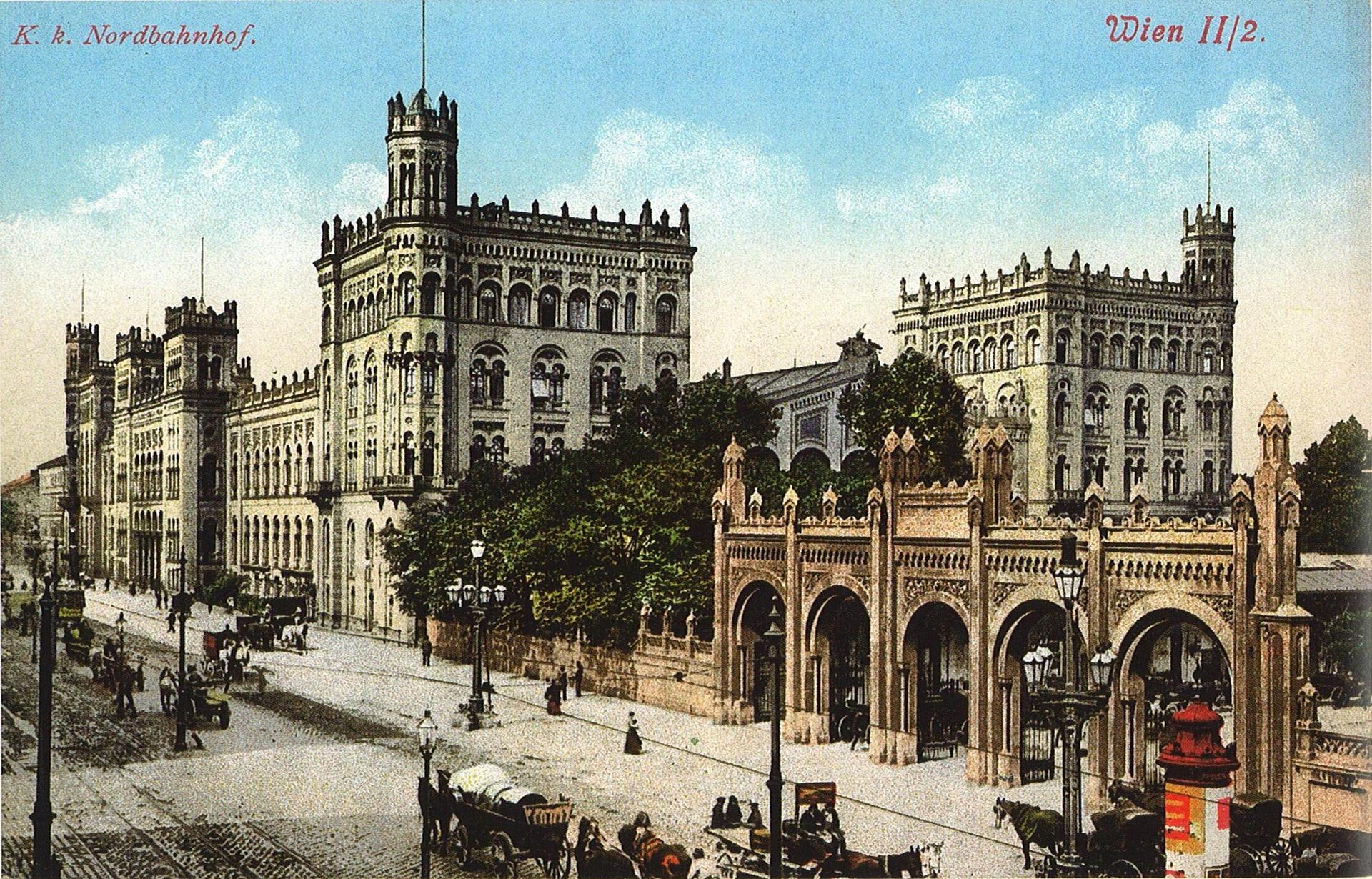
The road north
The road to Prague ran right through here, and anyone who wasn't allowed into the city itself ended up living on this side.
NeighbourhoodsThe year it all stopped
In 1918 Klimt, Wagner, Moser and Schiele all died within a single year, and with them this city ceased to exist.
CultureThe Slap Concert
A concert in this hall got so out of hand that it went down in history as the slap concert.
City SecretsThe house they walked out of
The house they walked out of, and the argument that led up to it, came down to money and influence more than anything else.
ArchitectureA station as a calling card
A city tram stop got marble, gold and sunflowers, because to Wagner public transport mattered.
CultureMahler closes the doors
For ten years Mahler ran this house, and he started by shutting the doors once the music began.
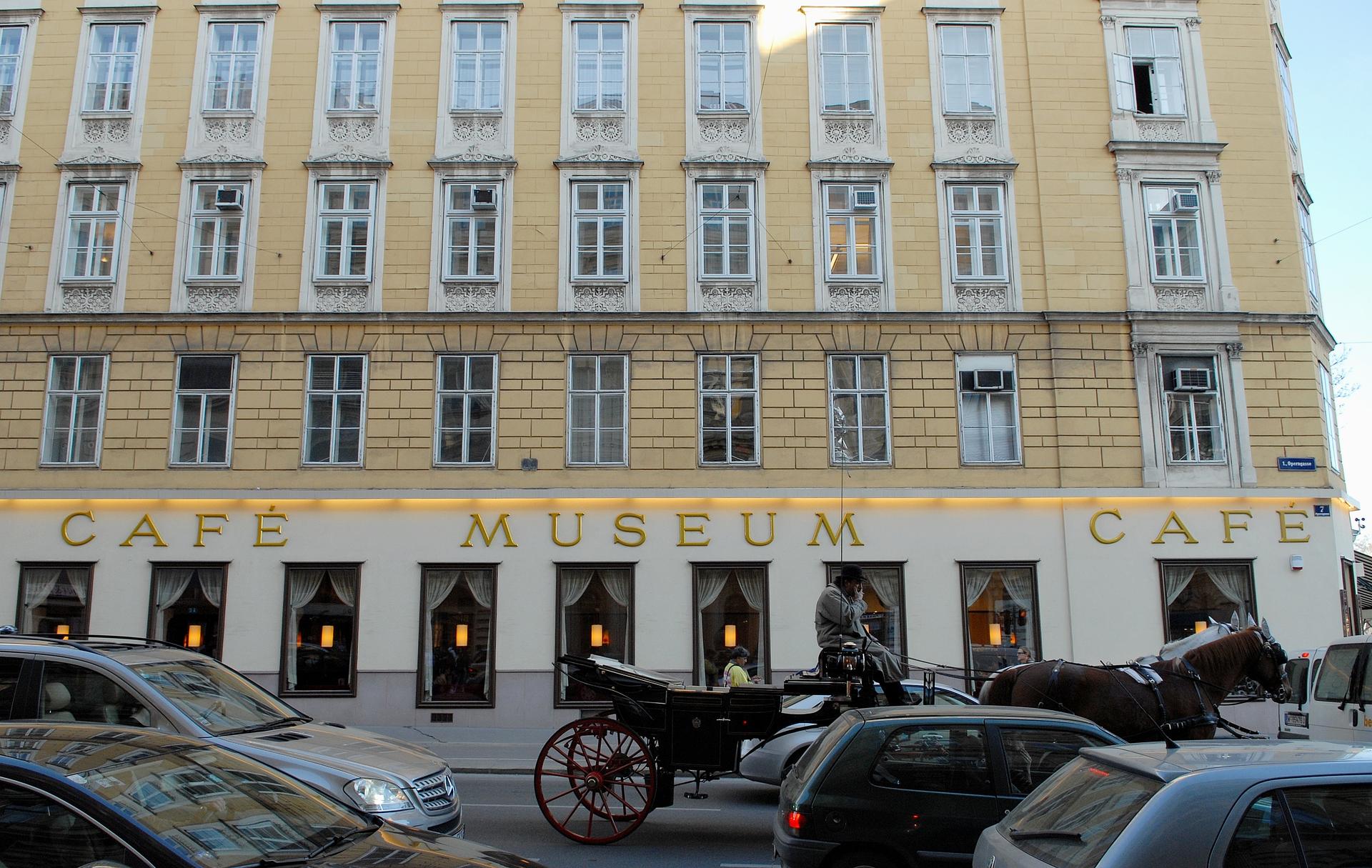
Café Nihilism
The interior was so bare that Vienna renamed the place Café Nihilism, and that is exactly why everyone turned up.
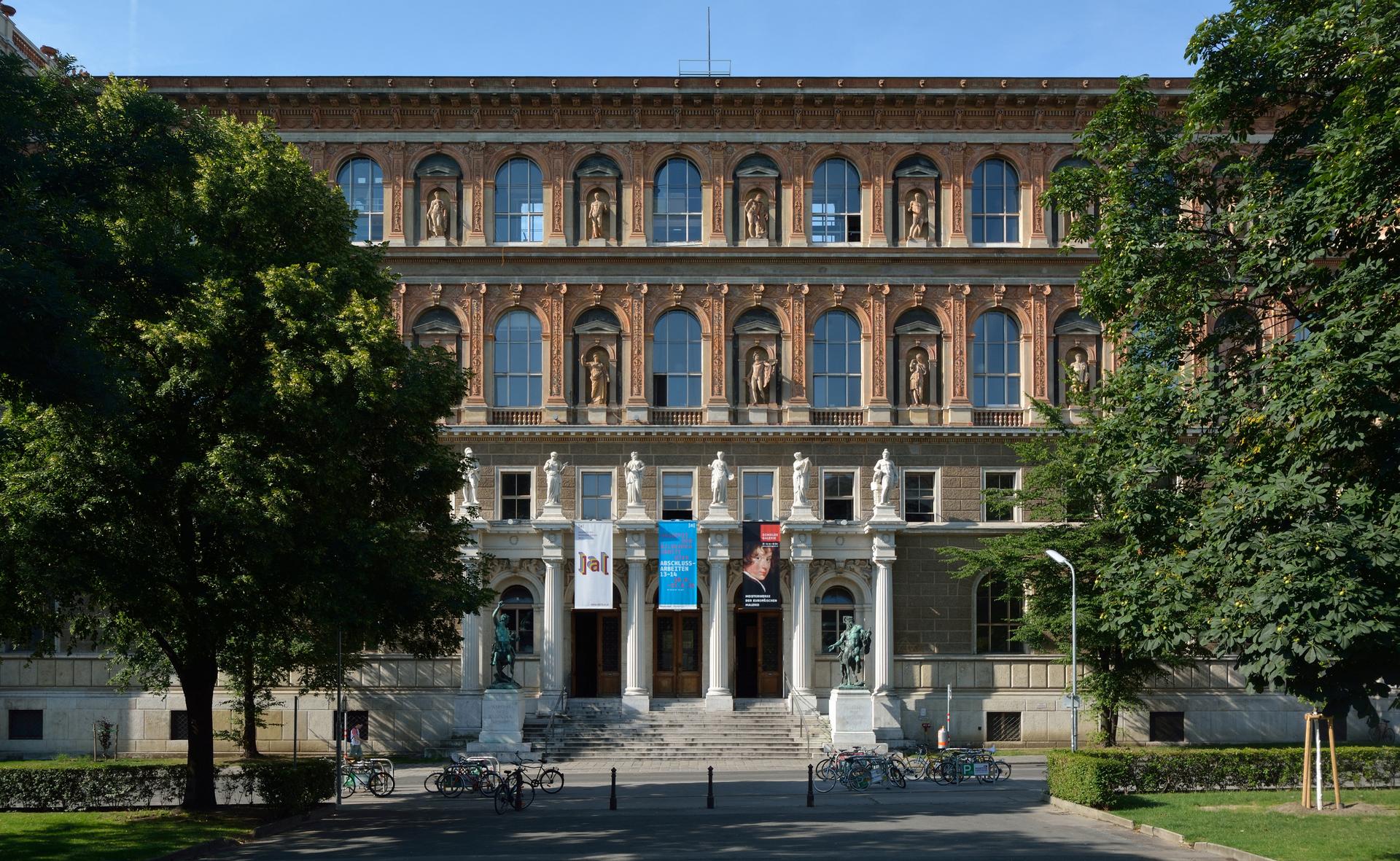
The academy that said no
Two years running, this academy turned away the same applicant, and watched another walk out in protest.
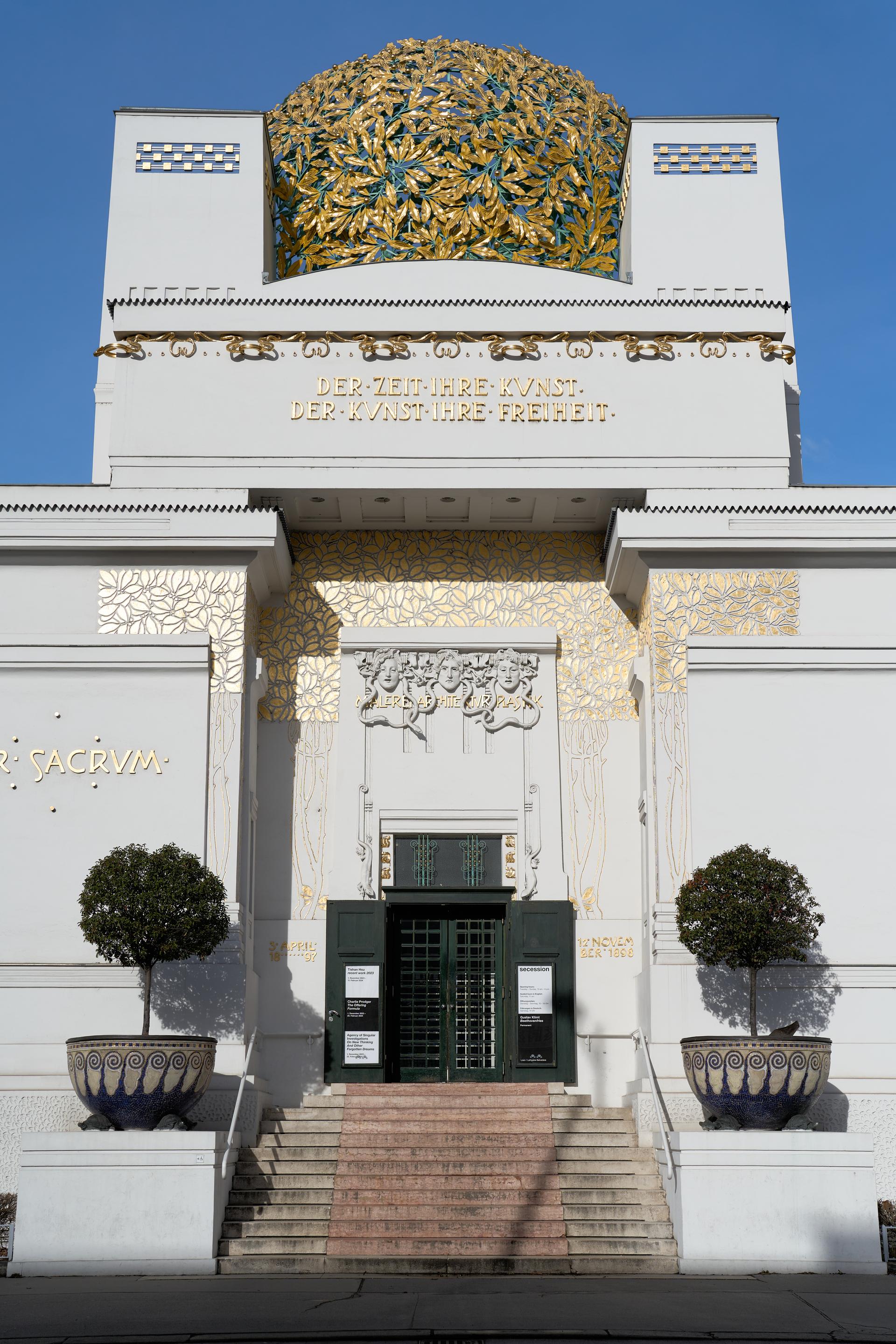
The Golden Cabbage
The Viennese christened the gilded dome the golden cabbage straightaway, and that is what it has stayed ever since.
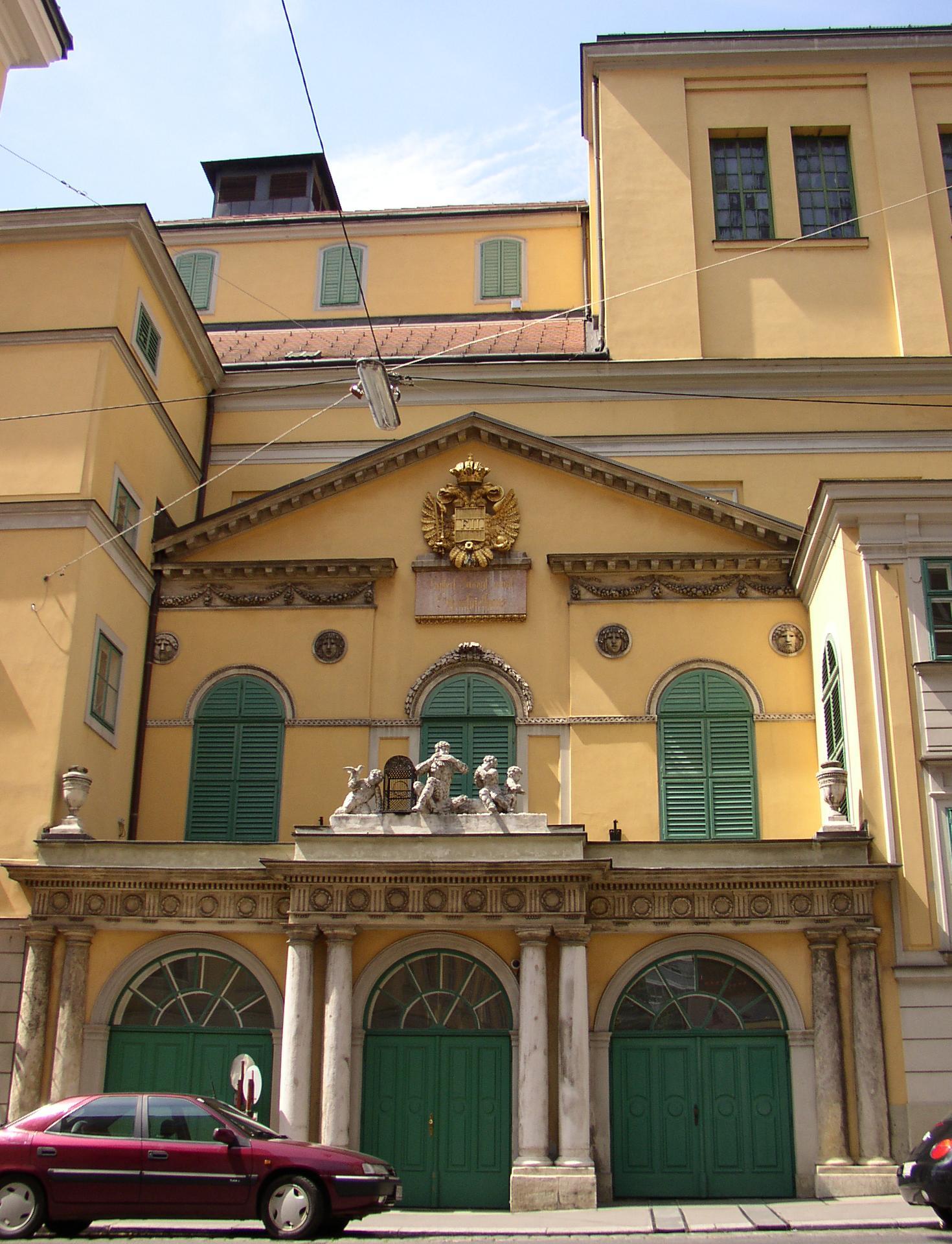
The birdcatcher above the gate
Above a side gate of this theatre stands the man who had it built, dressed as a birdcatcher.
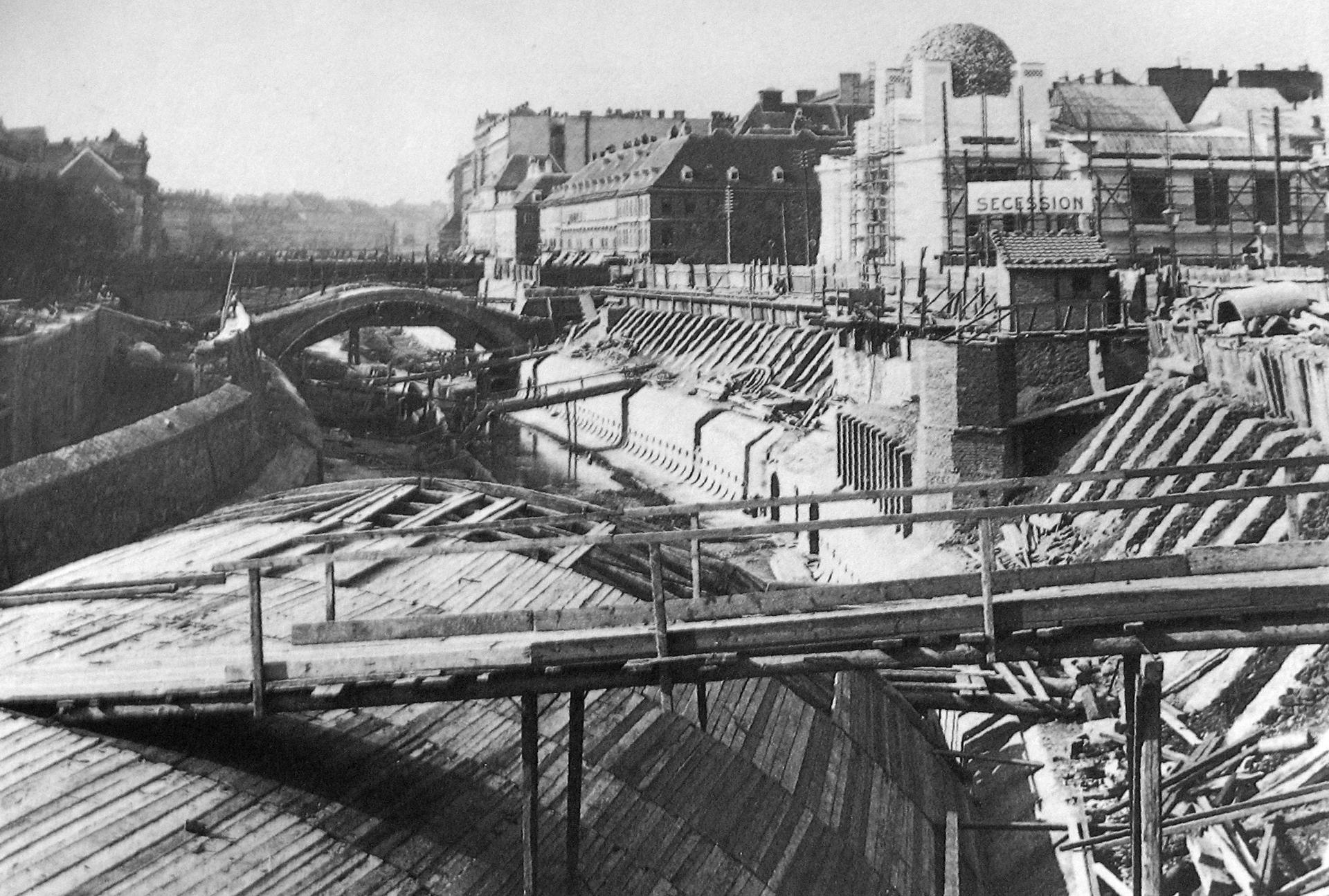
The river beneath the market
Under the stalls of Vienna's most famous market runs a river the city would rather forget.
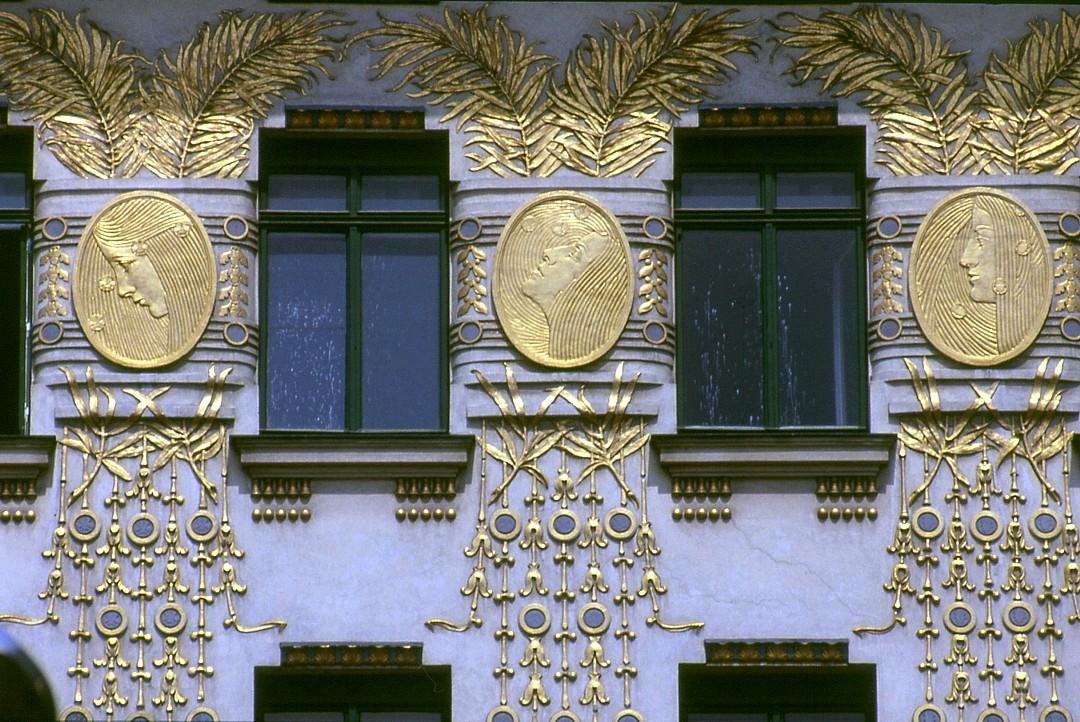
The glass bathtub
Otto Wagner had a bathroom with a glass bathtub built for himself, and first put it on display at an exhibition.
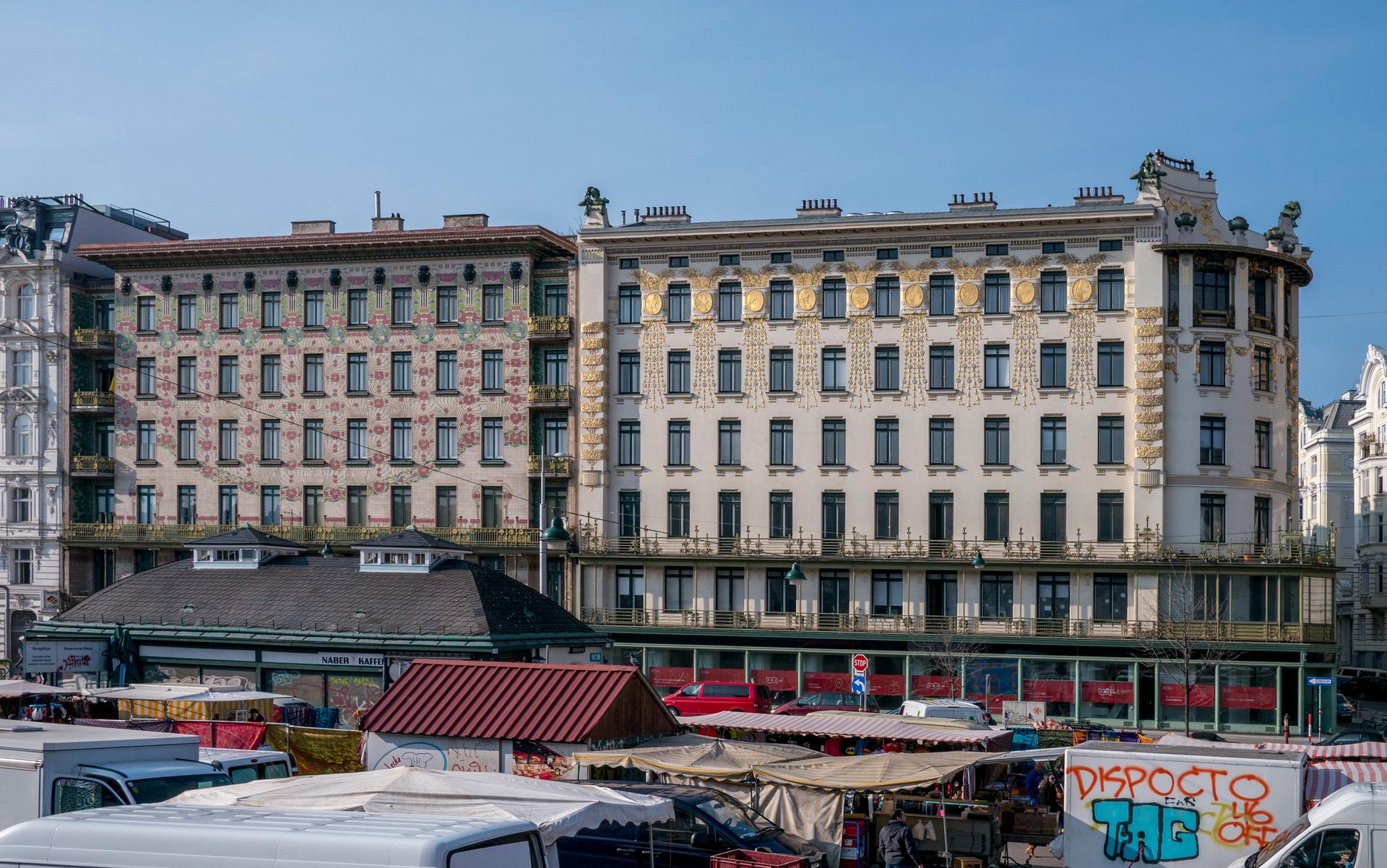
The boulevard that never came
Two facades of a boulevard that was never finished, one covered in tiled flowers, the other in gold.
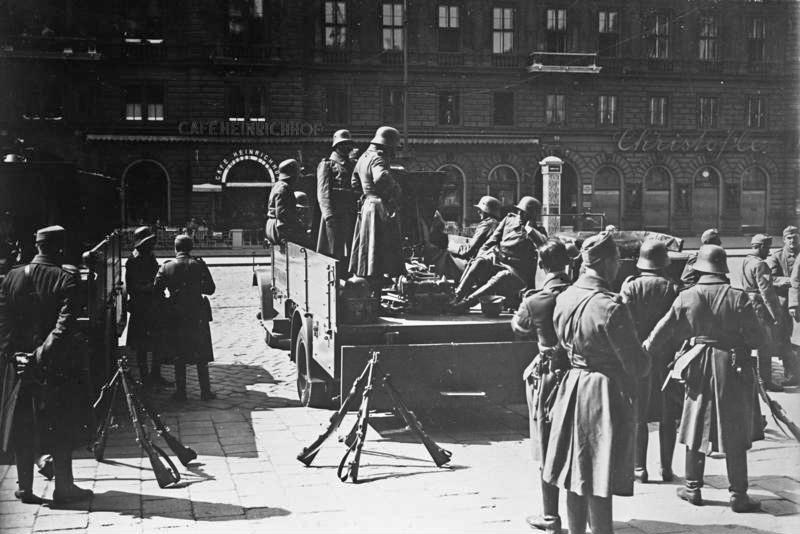
February 1934
On the twelfth of February 1934, the party headquarters was stormed, and four days later the republic had become a dictatorship.
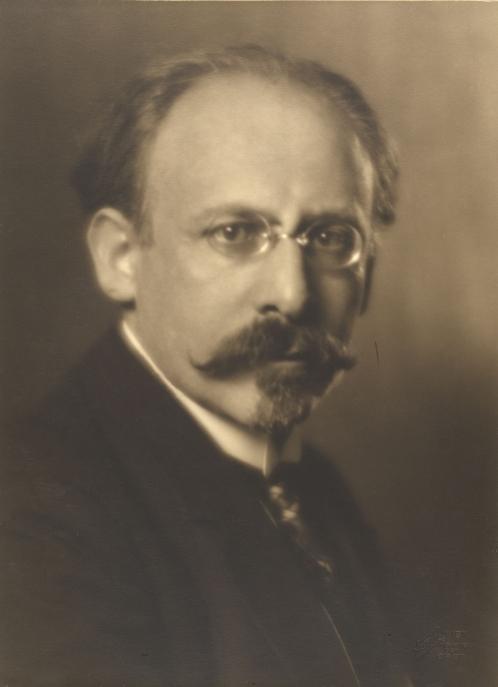
The Man Who Sent the Bill
Sixty thousand homes, built without a single loan. The man behind that feat was thoroughly hated for it.
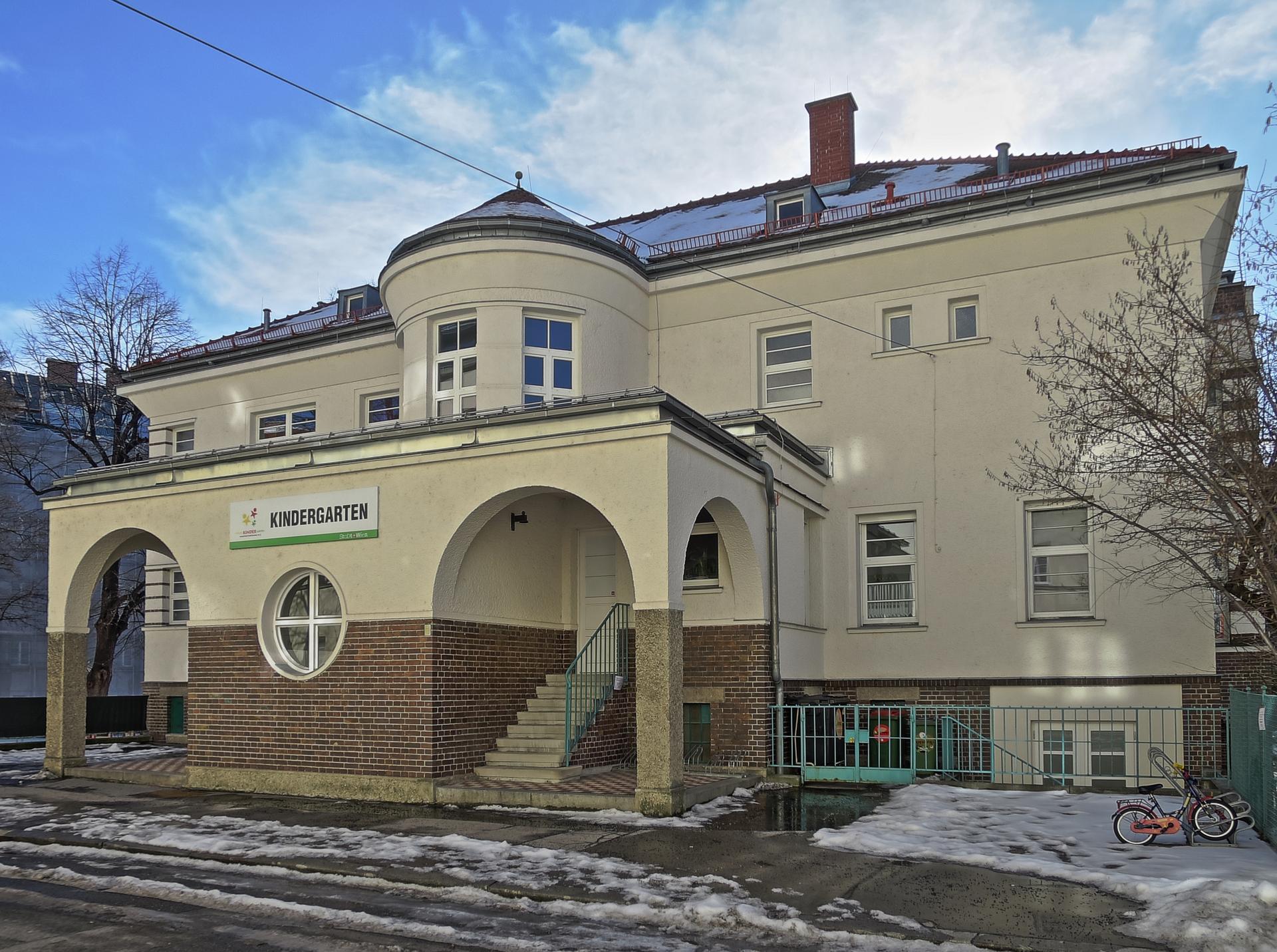
What had to come besides homes
Every newborn Viennese received a package of nappies from the city. Homes alone were not enough.
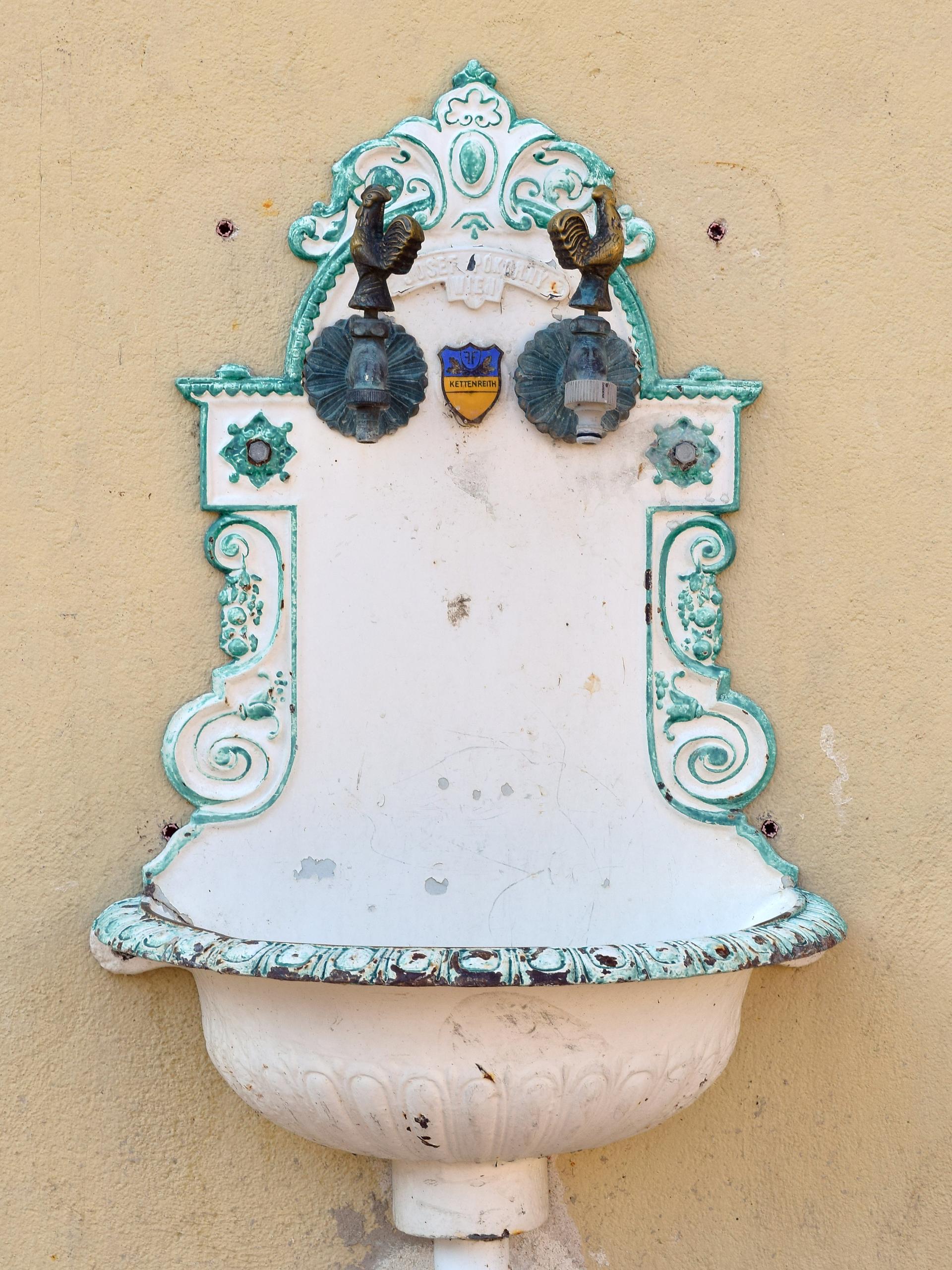
The Arbeitergasse and the bed renters
At night, someone different slept in the bed than during the day. This is how Vienna lived before the municipal housing arrived.
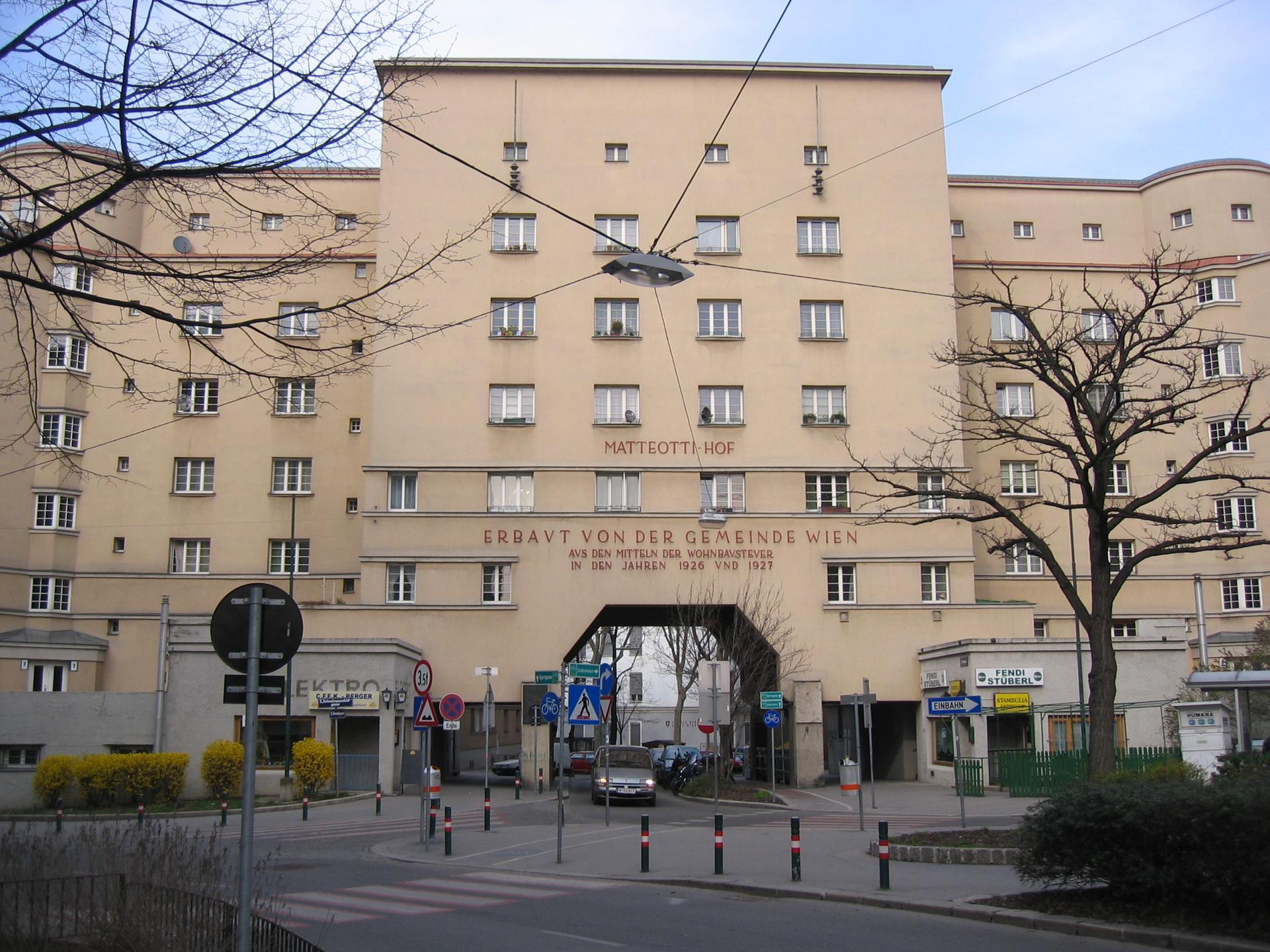
An Italian in Margareten
Vienna named an apartment block after Mussolini's most famous victim, even as its own government was busy courting good relations with Rome.
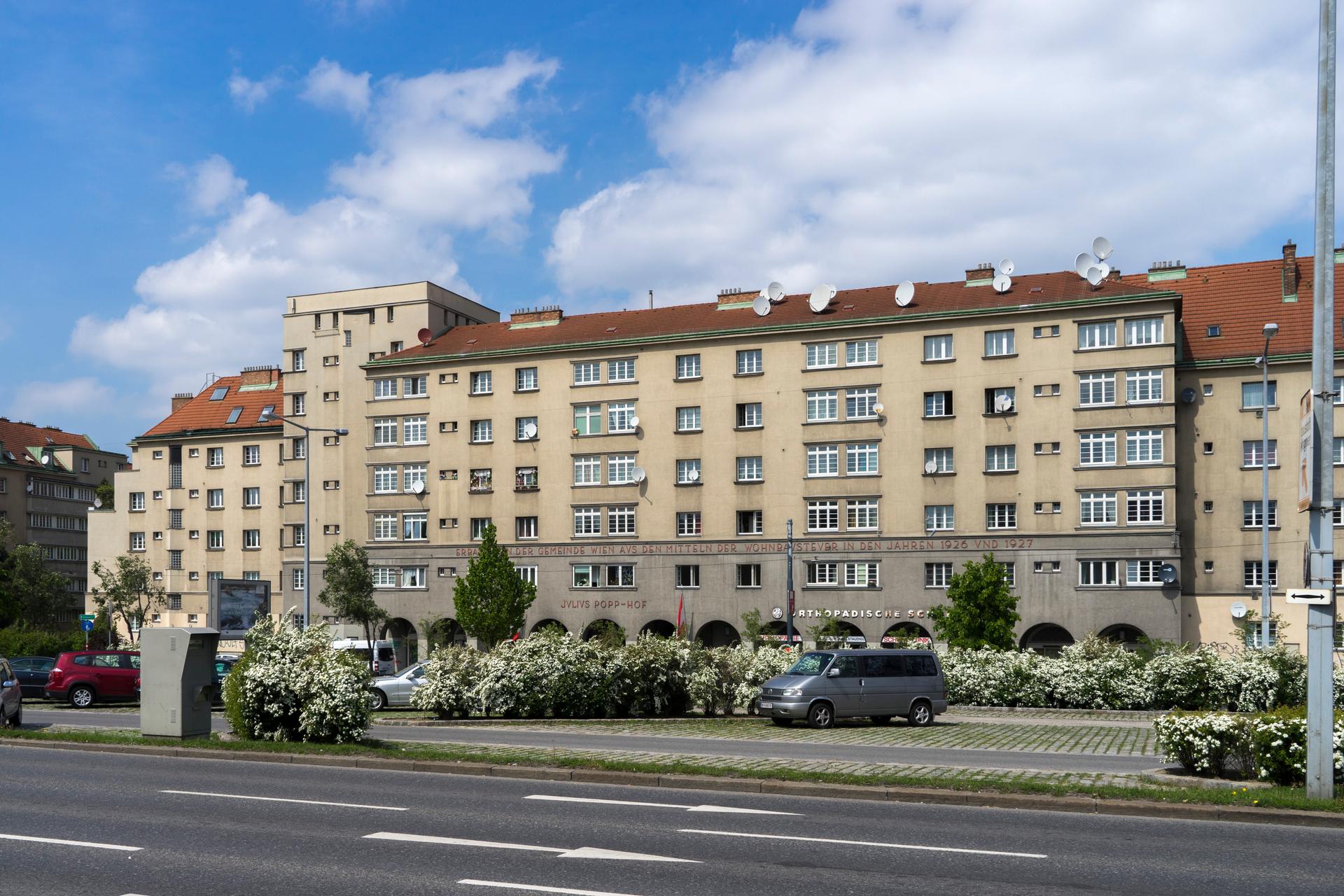
The Names They Chiselled Off
In 1934, the names of dozens of municipal housing blocks were chiselled off their façades. This one got its own back.
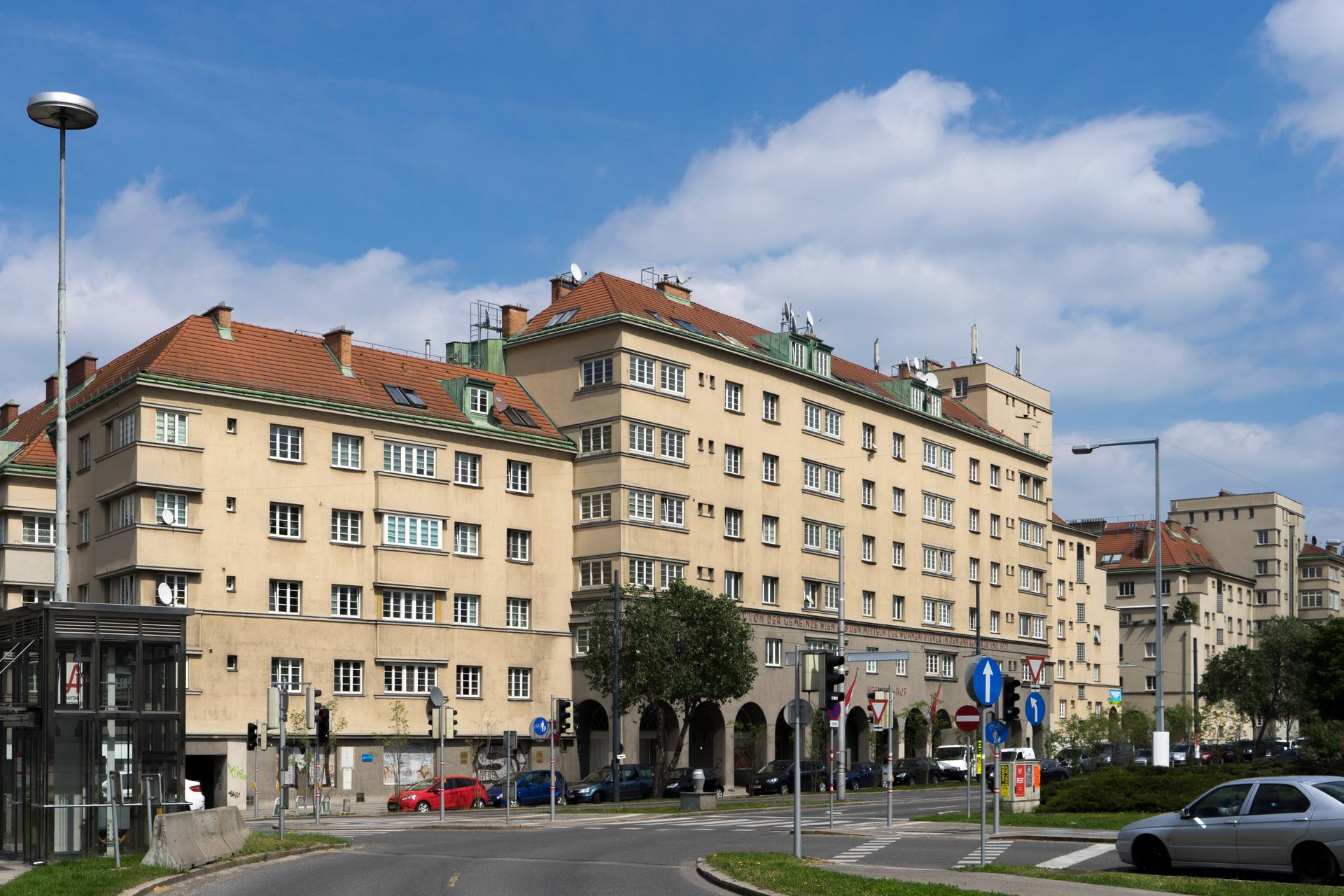
The Poet on the Facade
A housing block named after a poet who wrote that every wheel grinds to a halt the moment the strong arm wills it.
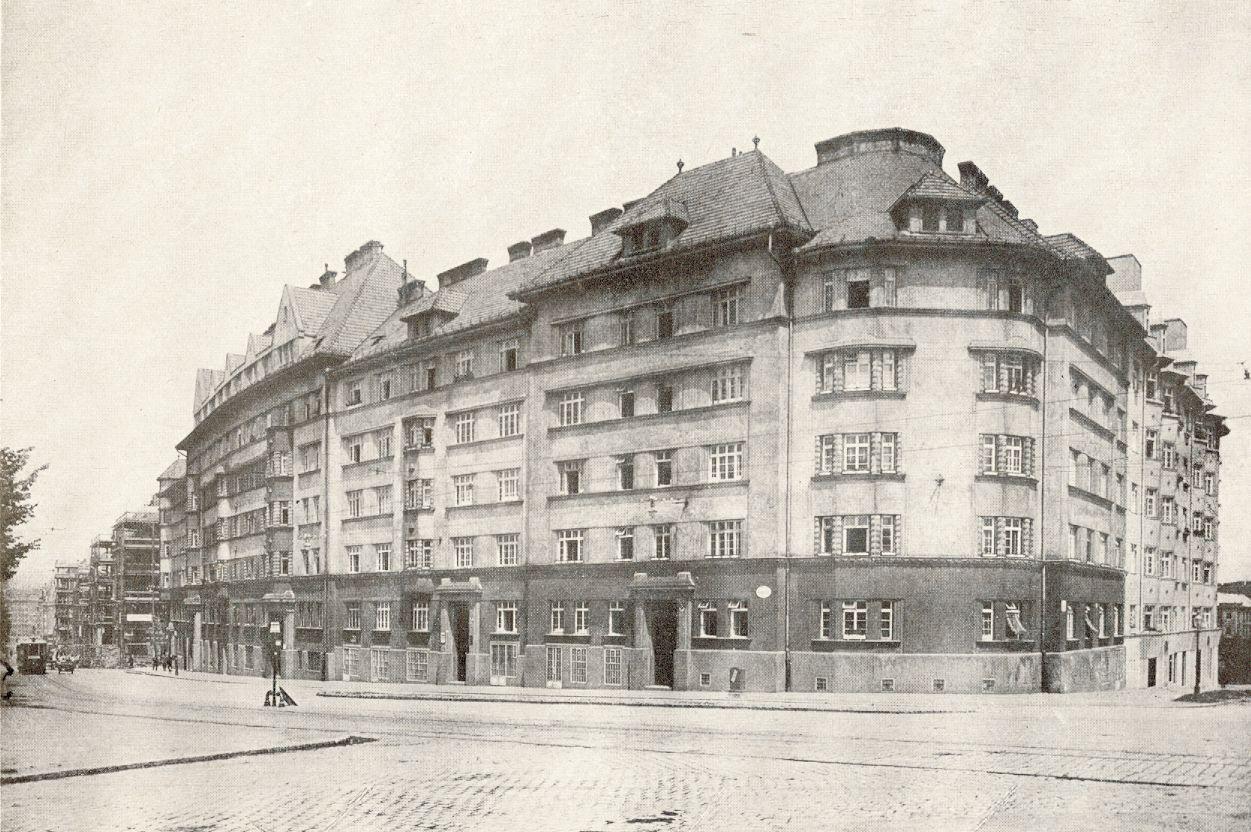
Where it began
Vienna's first real municipal housing block, half still from the imperial era and half already Red Vienna.
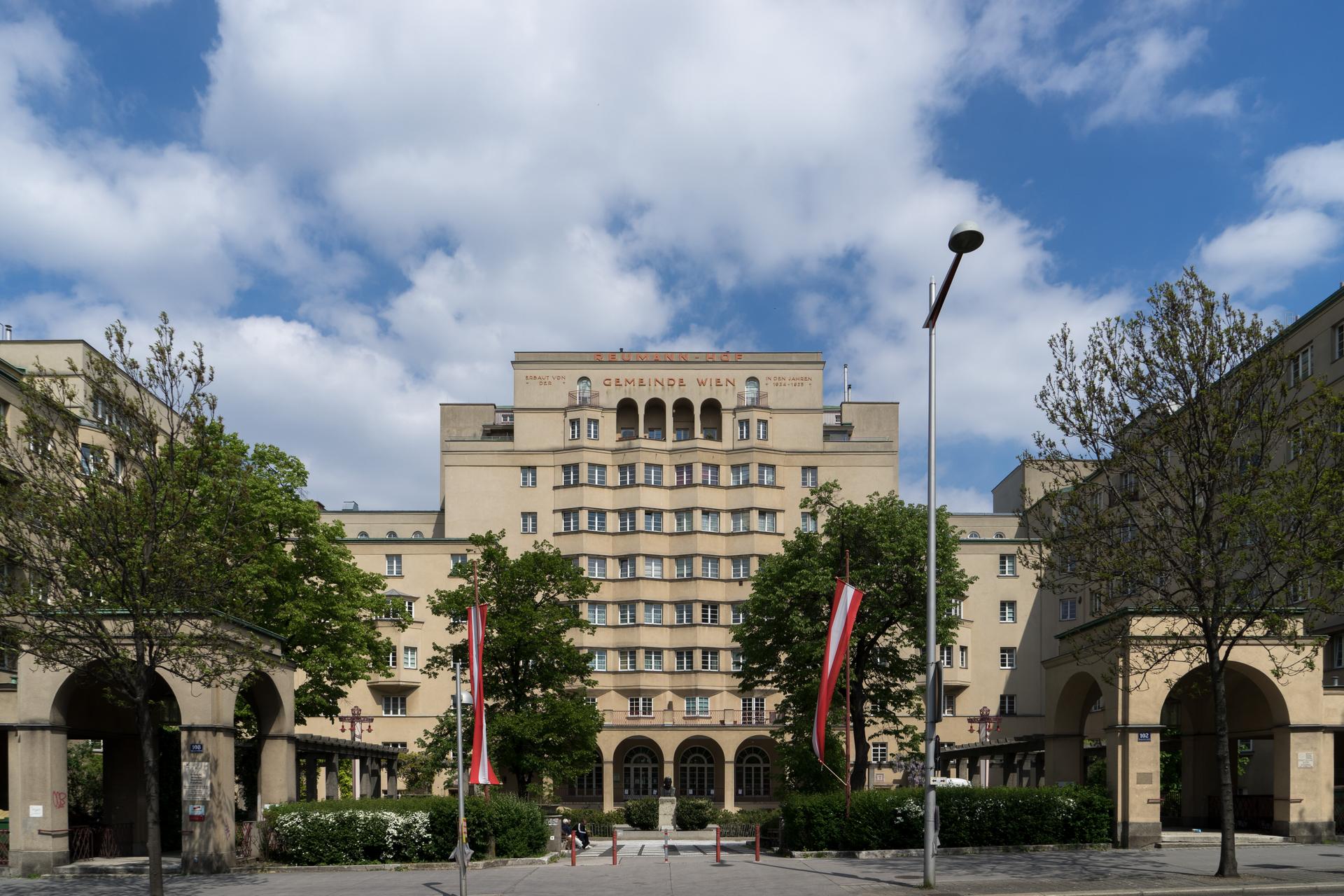
The showpiece
The block that ended up on the postcards, built like a palace for working-class families.
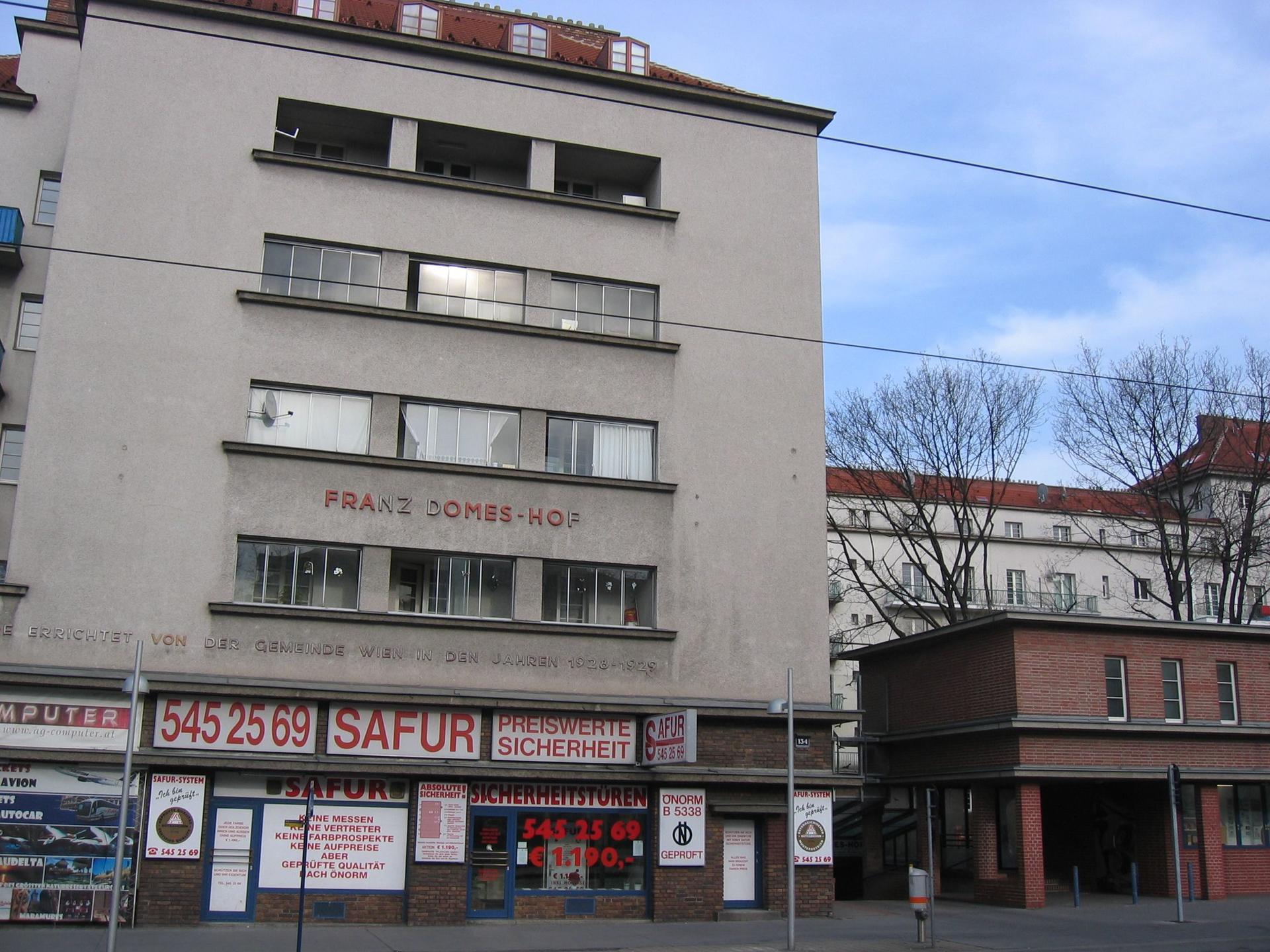
The Ringstraße of the Proletariat
Gates, towers and a courtyard of honour, built for families who had their own tap for the first time.
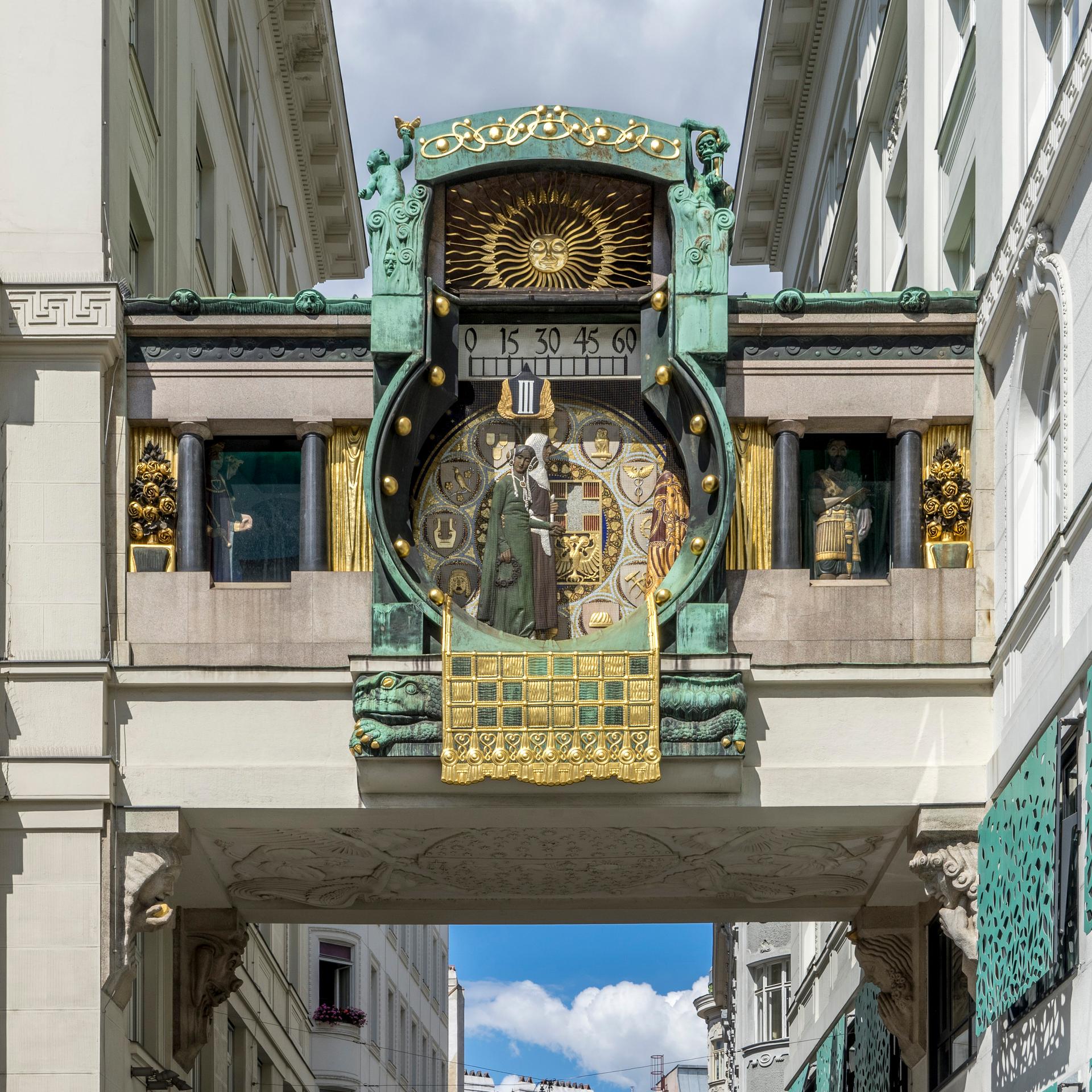
The clock everyone passes by
On the oldest square in Vienna, the mayor and the commander of 1683 file past one behind the other every day at noon.
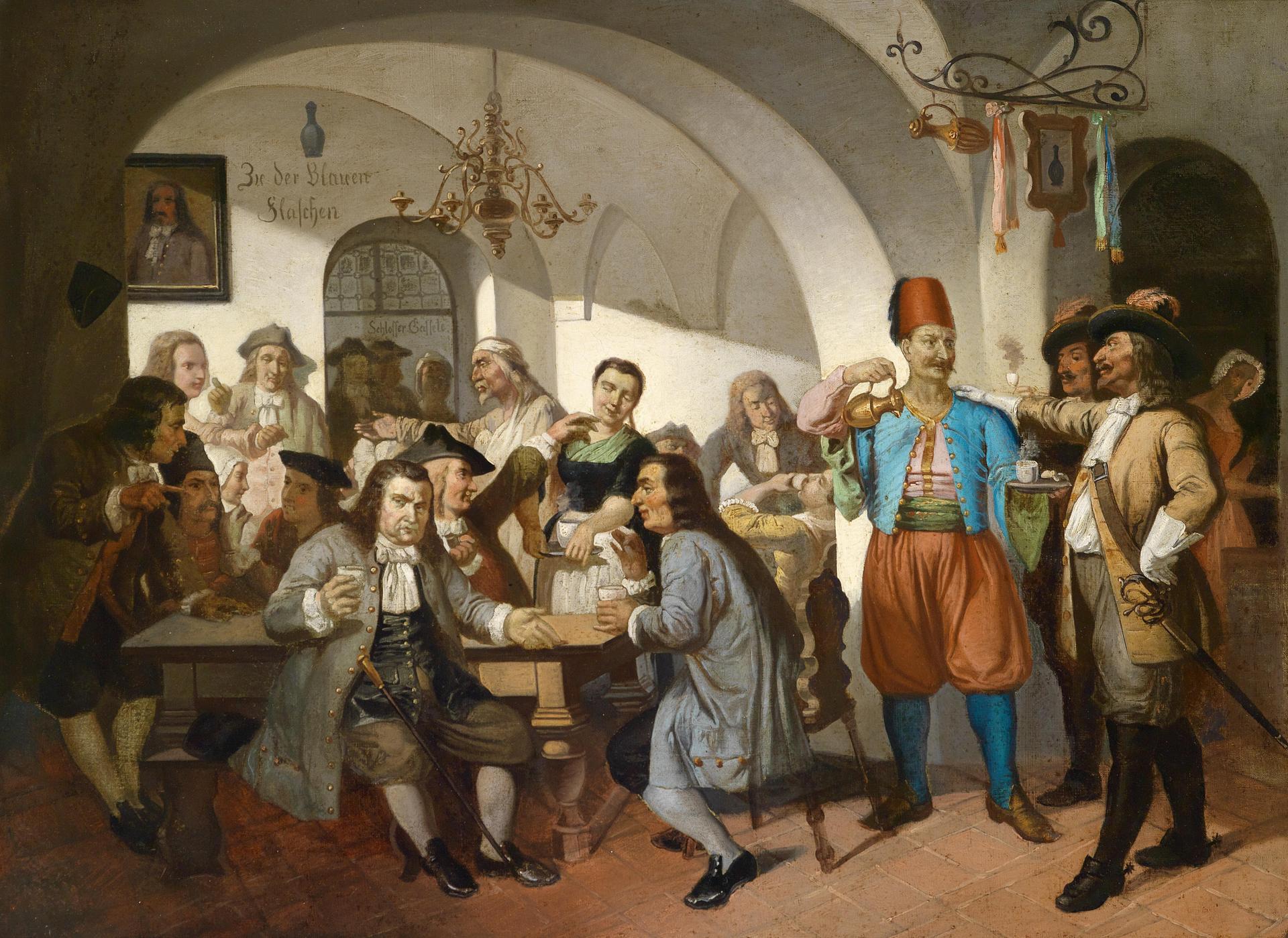
The first coffee house
The coffee house owes its existence to the siege, just not to the hero the story usually credits.
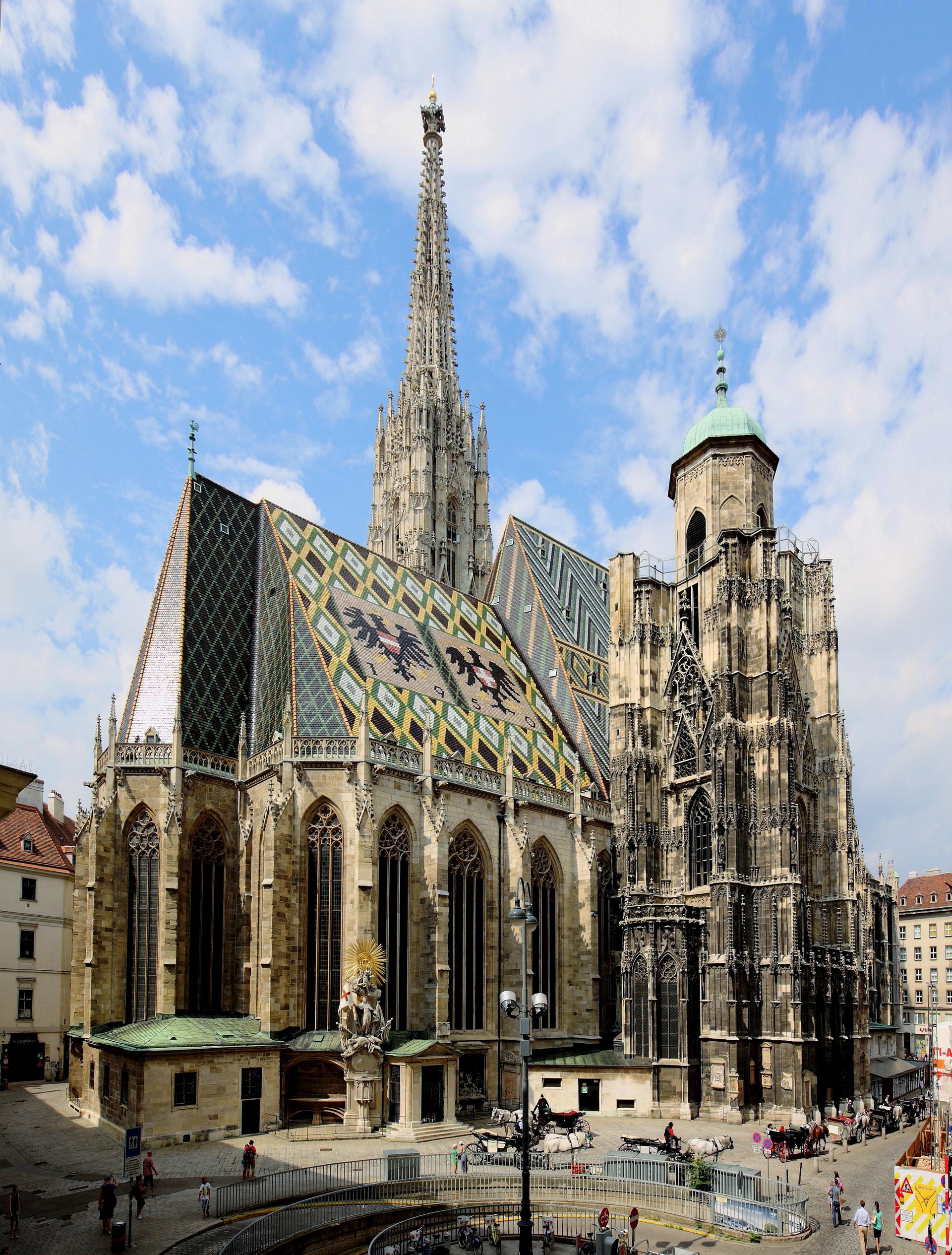
The tower that watched for rescue
From this tower, Vienna kept its eyes fixed on the help that was coming. The country's largest bell was cast from captured cannon.
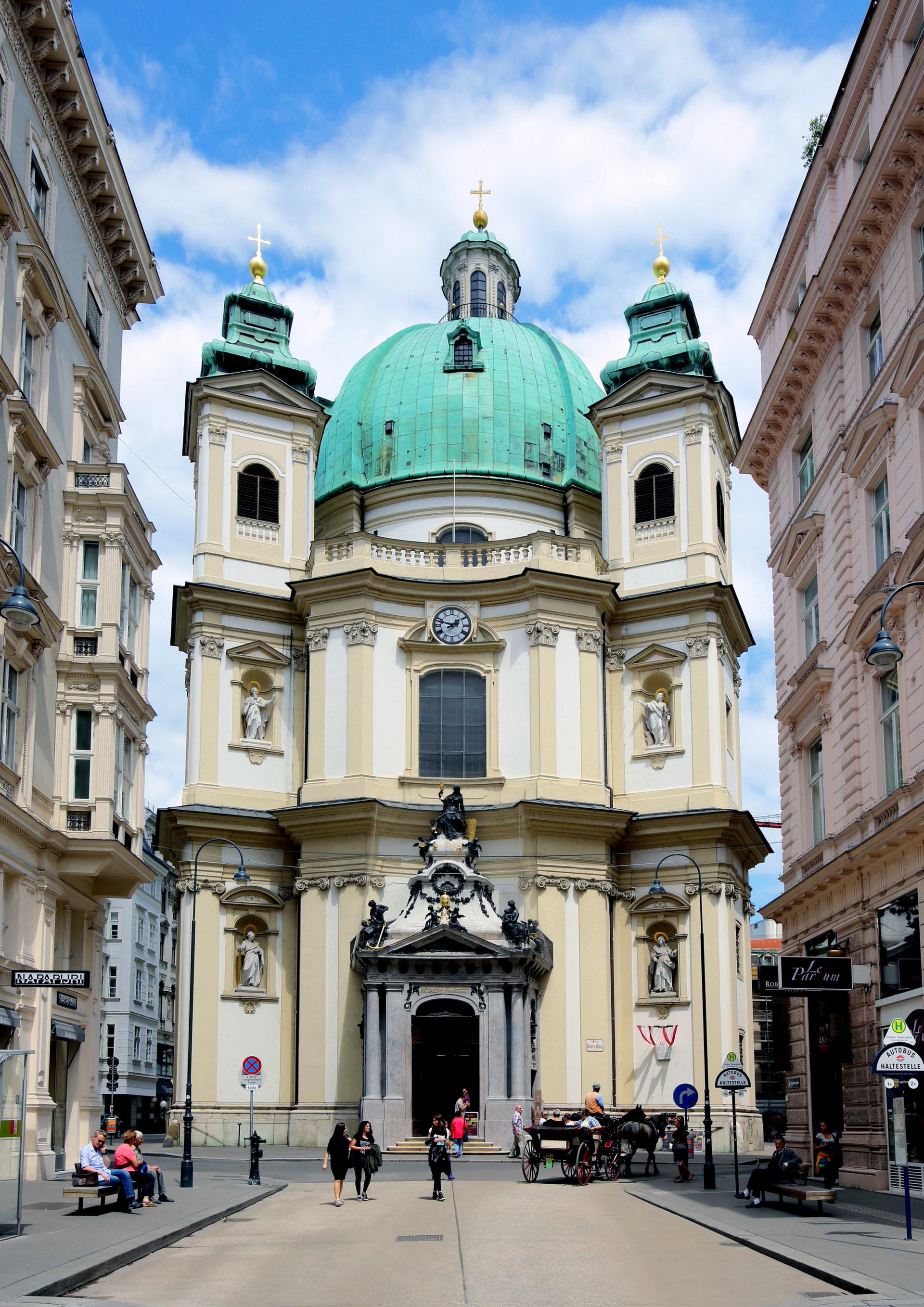
The Church That Came After the Fear
A church that exists because of a promise made during the plague years, built in the century when Vienna finally let go of its fear.
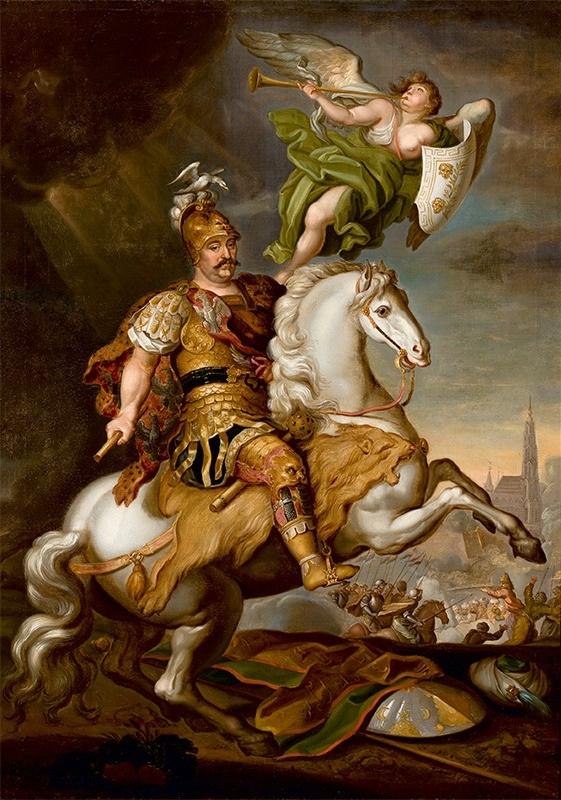
The king nobody quite knew how to thank
The city had been saved by a Polish king, and the emperor wasn't sure how to go about thanking him.
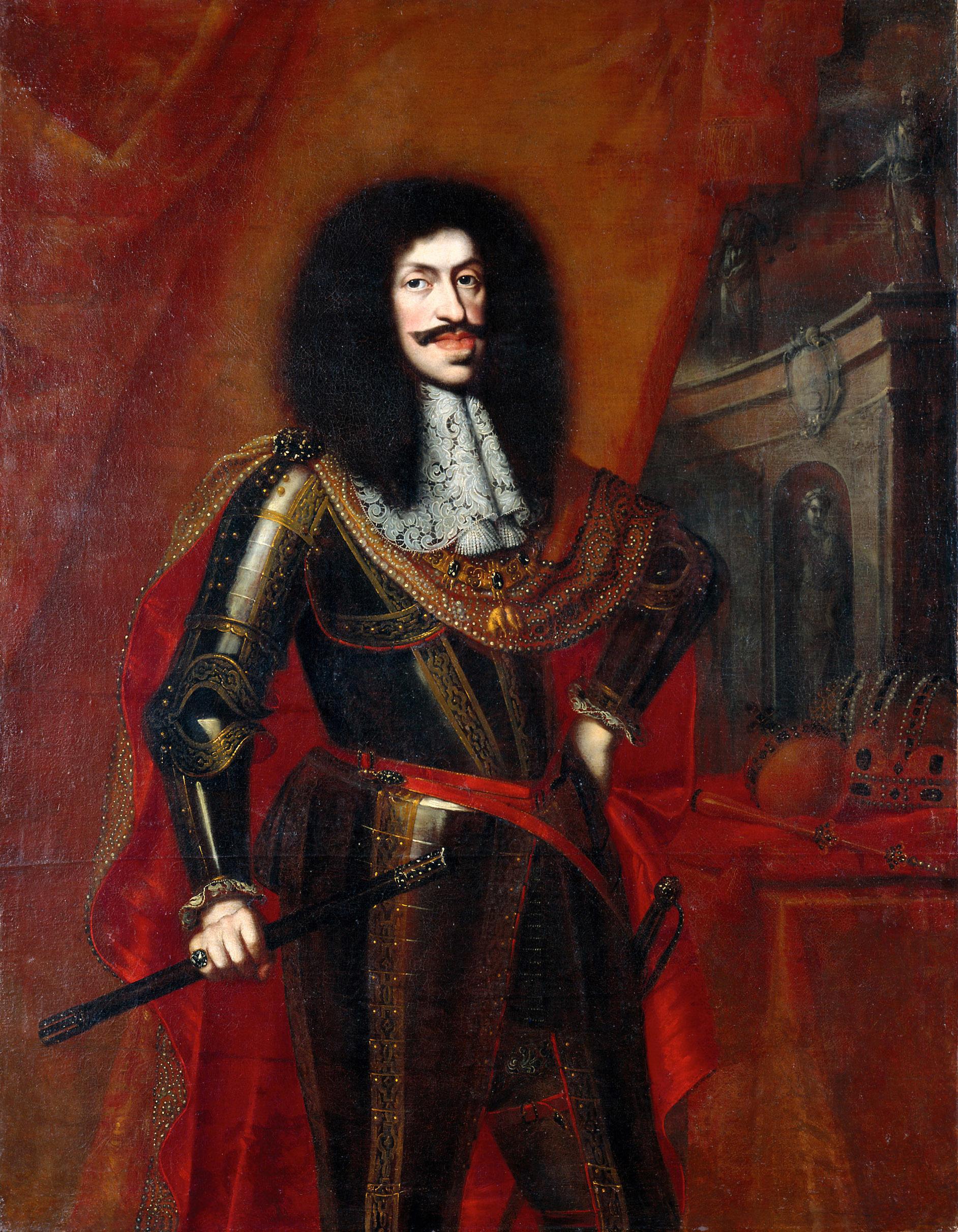
The Emperor Who Left
The emperor fled the city before the siege closed in. The square where he rode off would later become the address of power.
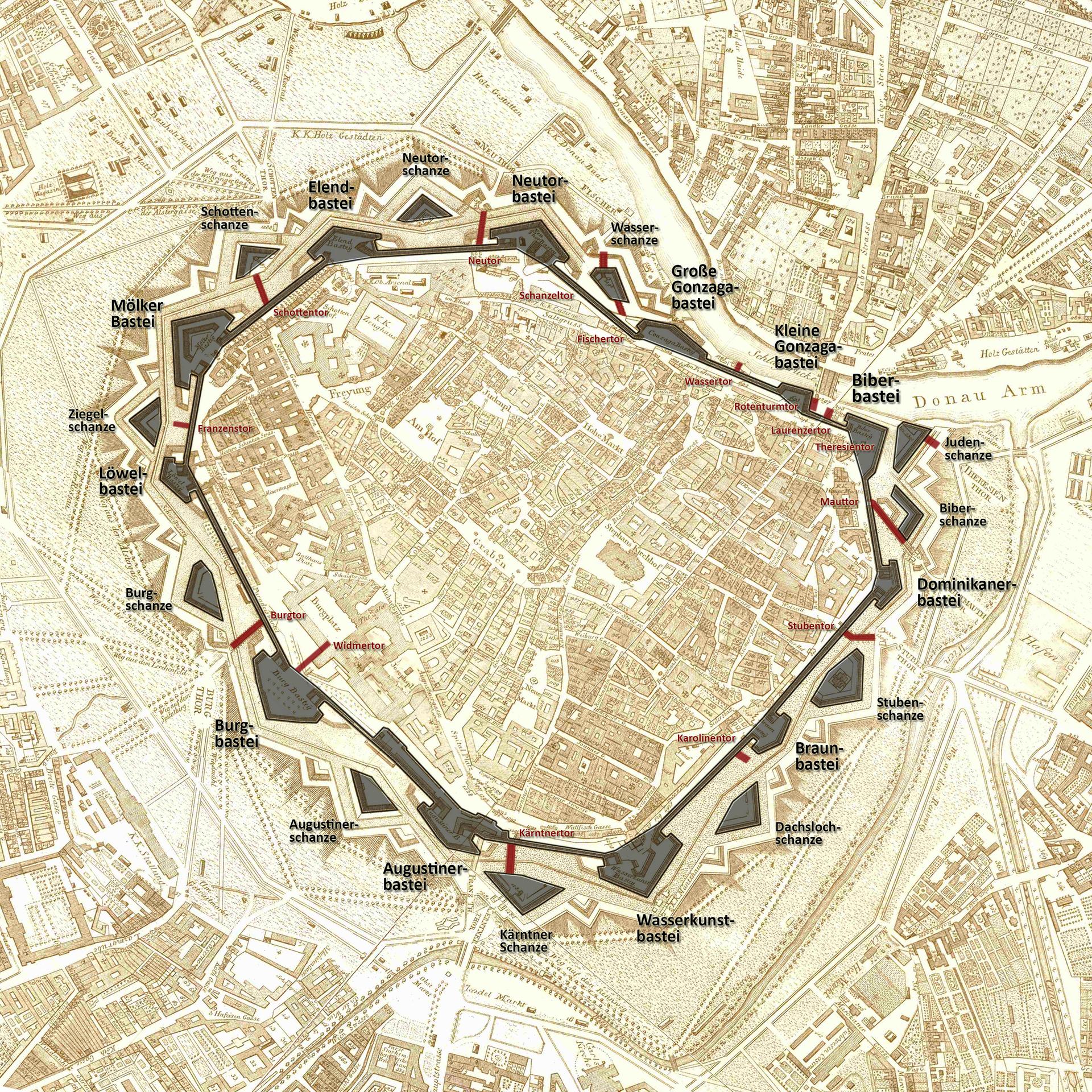
The bastion that broke
The Löbelbastei stood here, where the wall gave way. The street name is all that's left of it.
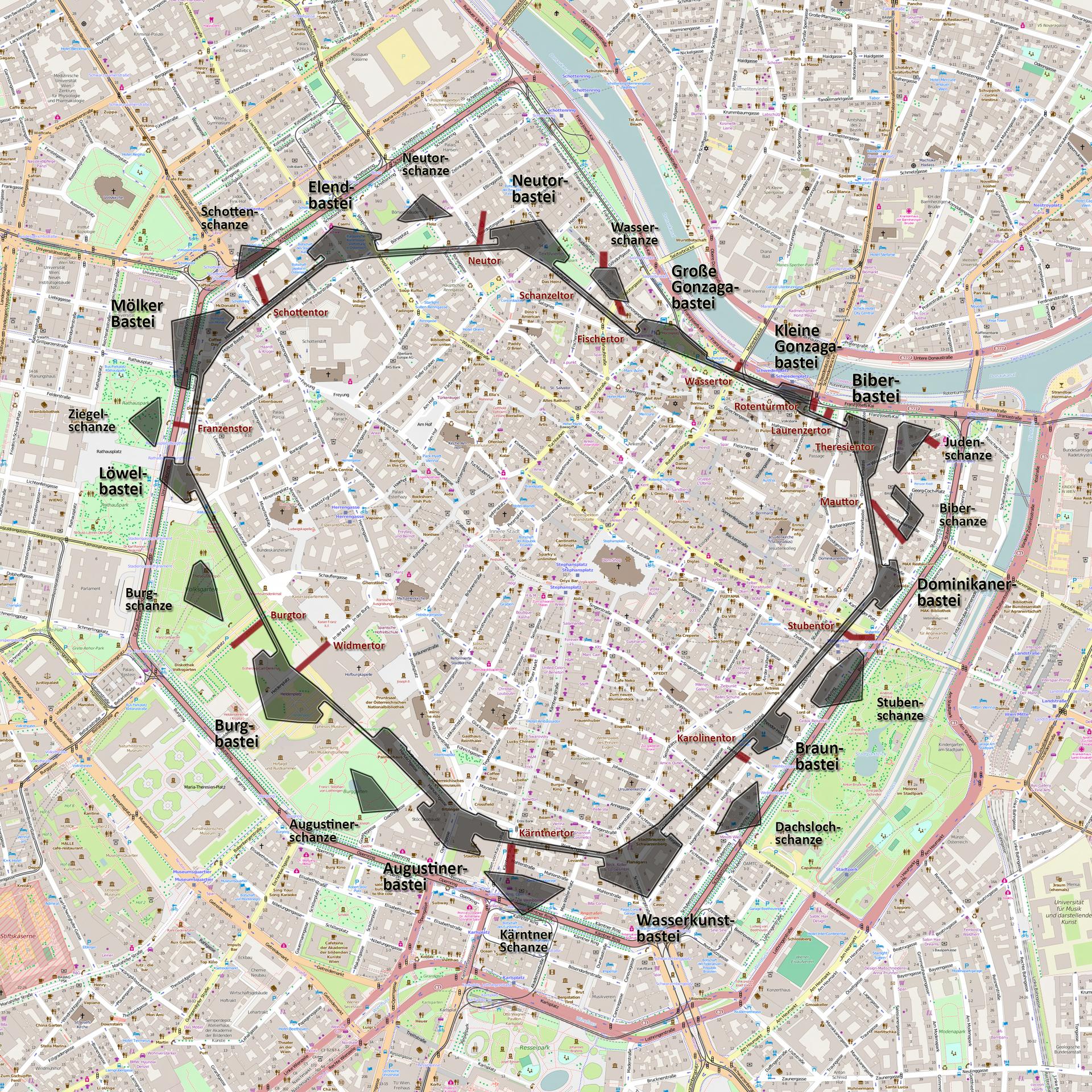
The field that had to stay empty
Vienna's widest boulevard exists because for centuries nothing was allowed to stand here: this was the field of fire.
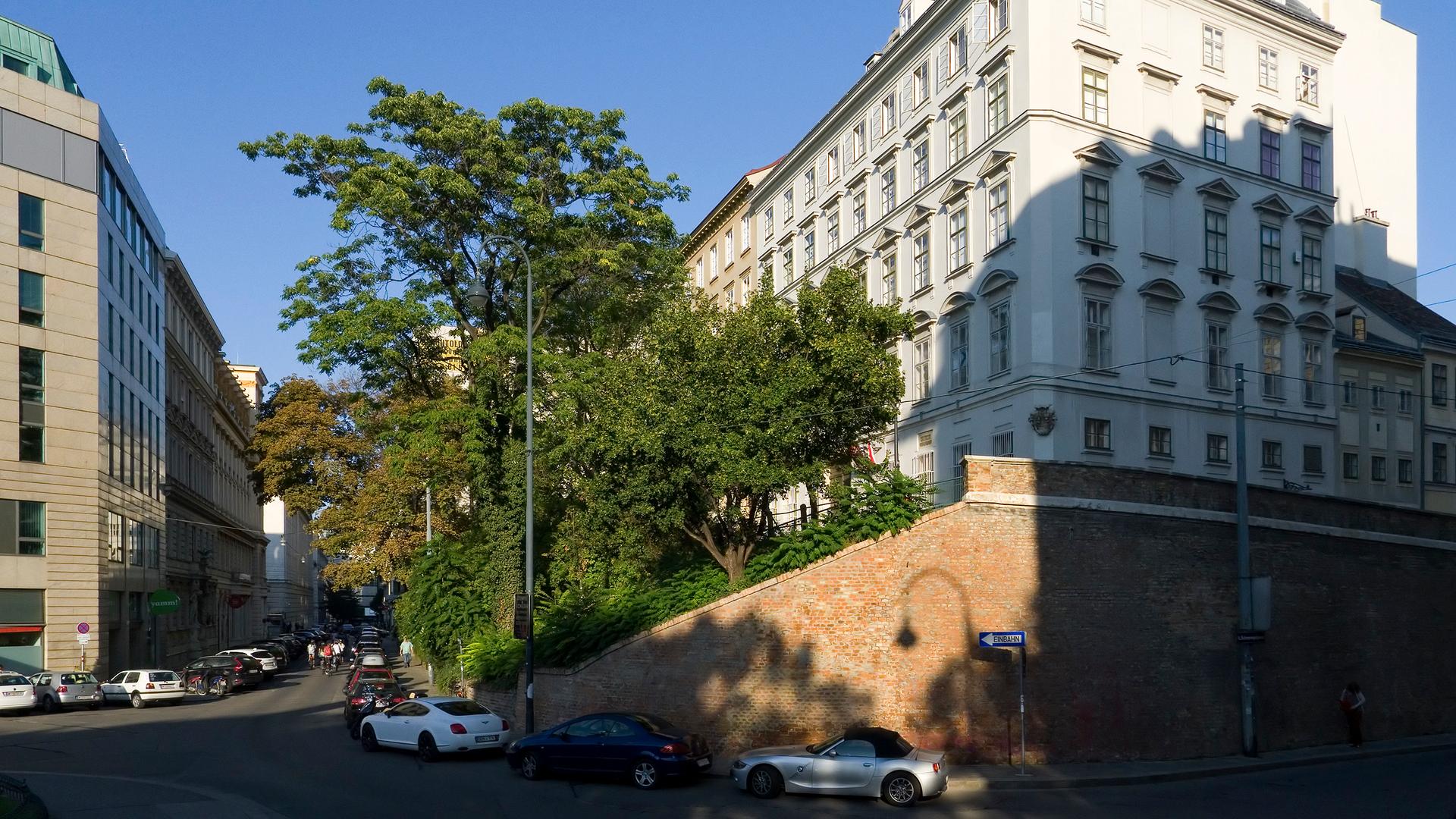
The last stretch of wall
The last piece of Vienna's fortifications, and the spot where it becomes clear why the Ottomans dug beneath the wall.
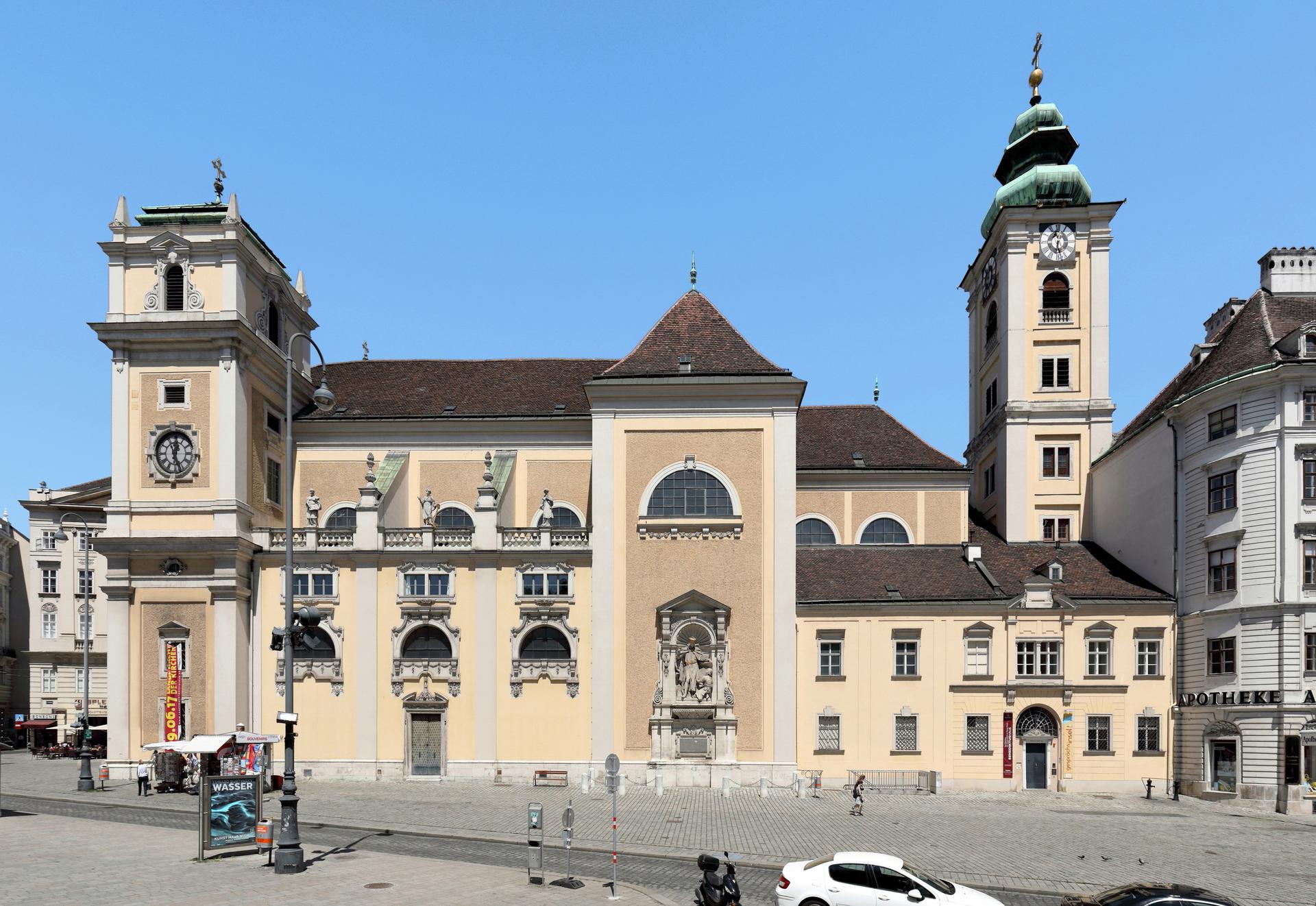
The man who refused
Starhemberg was offered the chance to surrender the city, and he turned it down. He lies buried beneath the church on this square.
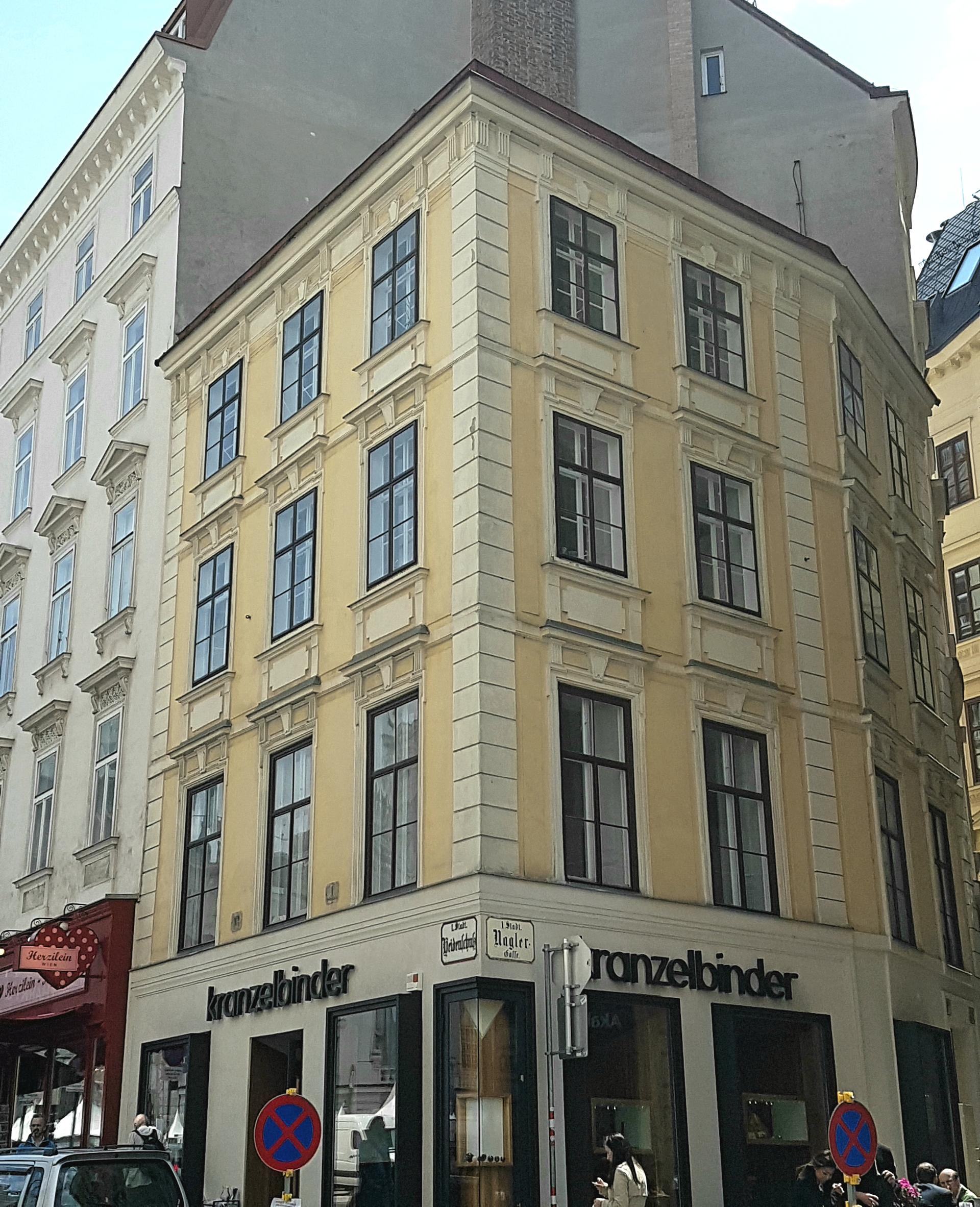
The Horseman on the Facade
A baker's apprentice heard digging beneath his cellar and saved the city. Trouble is, almost none of that story holds up.
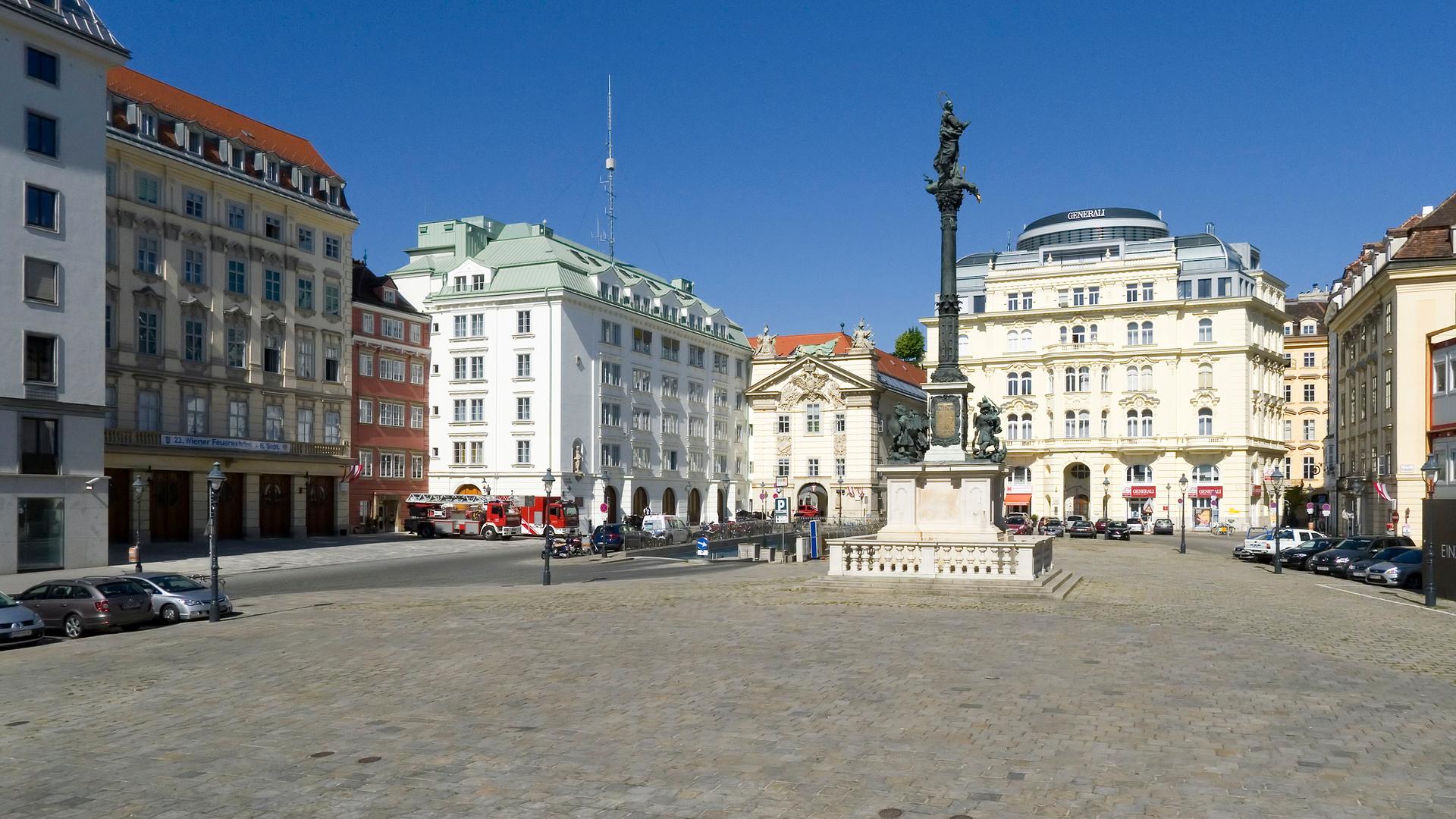
Am Hof, where the city armed itself
The emperor left, the citizens stayed. This square held the arsenal where Vienna equipped itself.
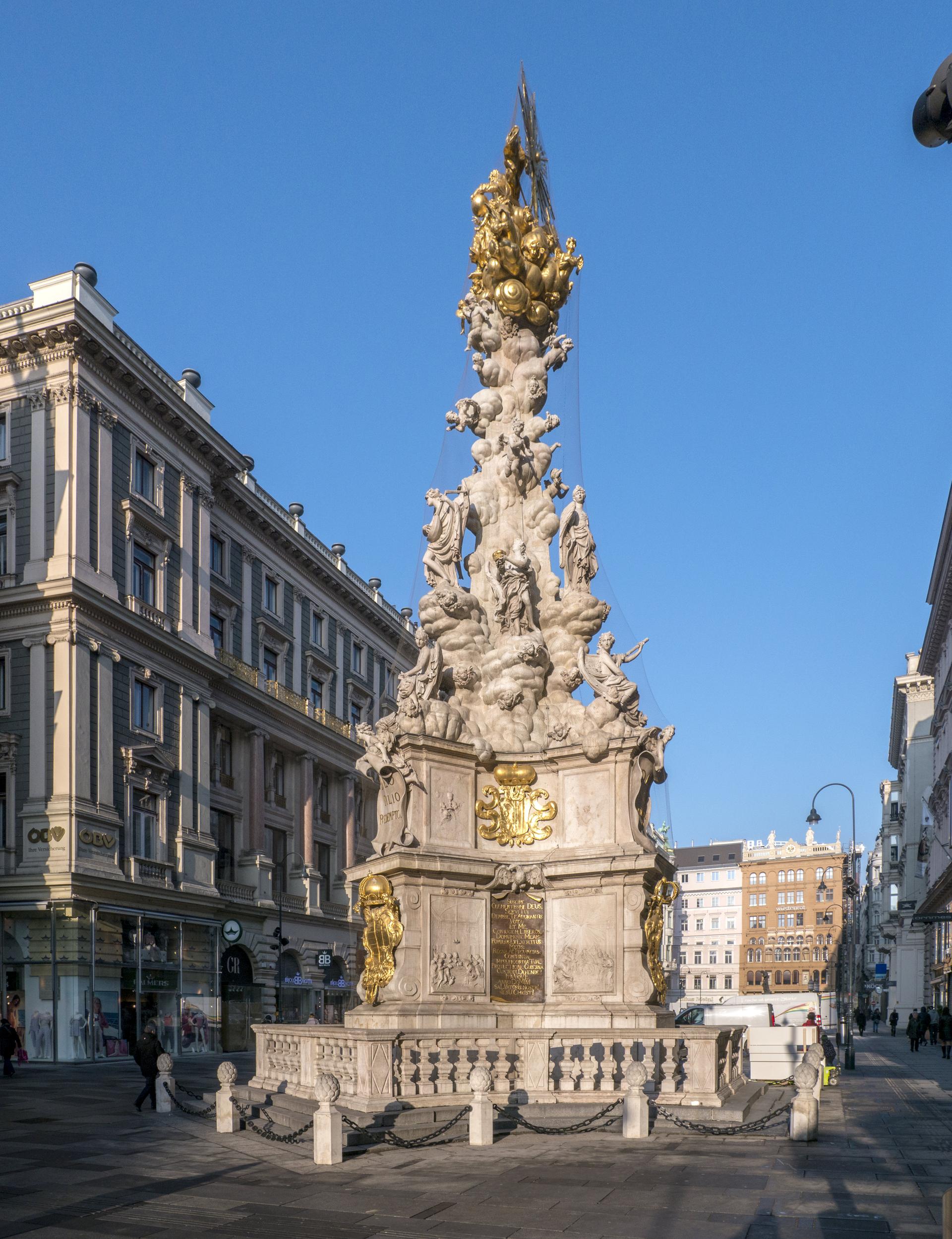
The column for a disaster that came first
Four years before the siege, Vienna already stood half empty because of the plague. The column on the Graben explains why the city was so vulnerable.
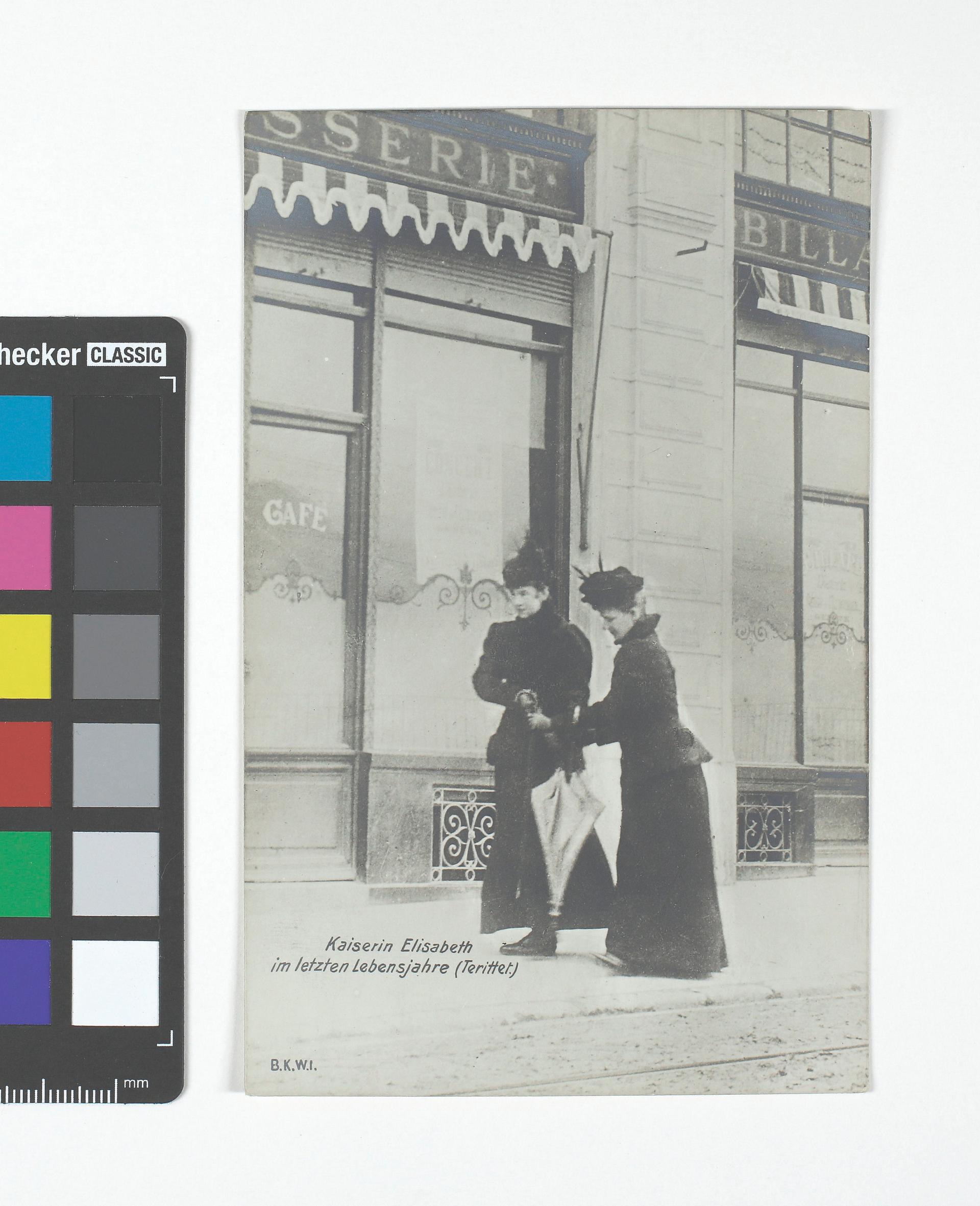
Geneva, and what is left
Weihburggasse 3, Innere Stadt (Route 1)
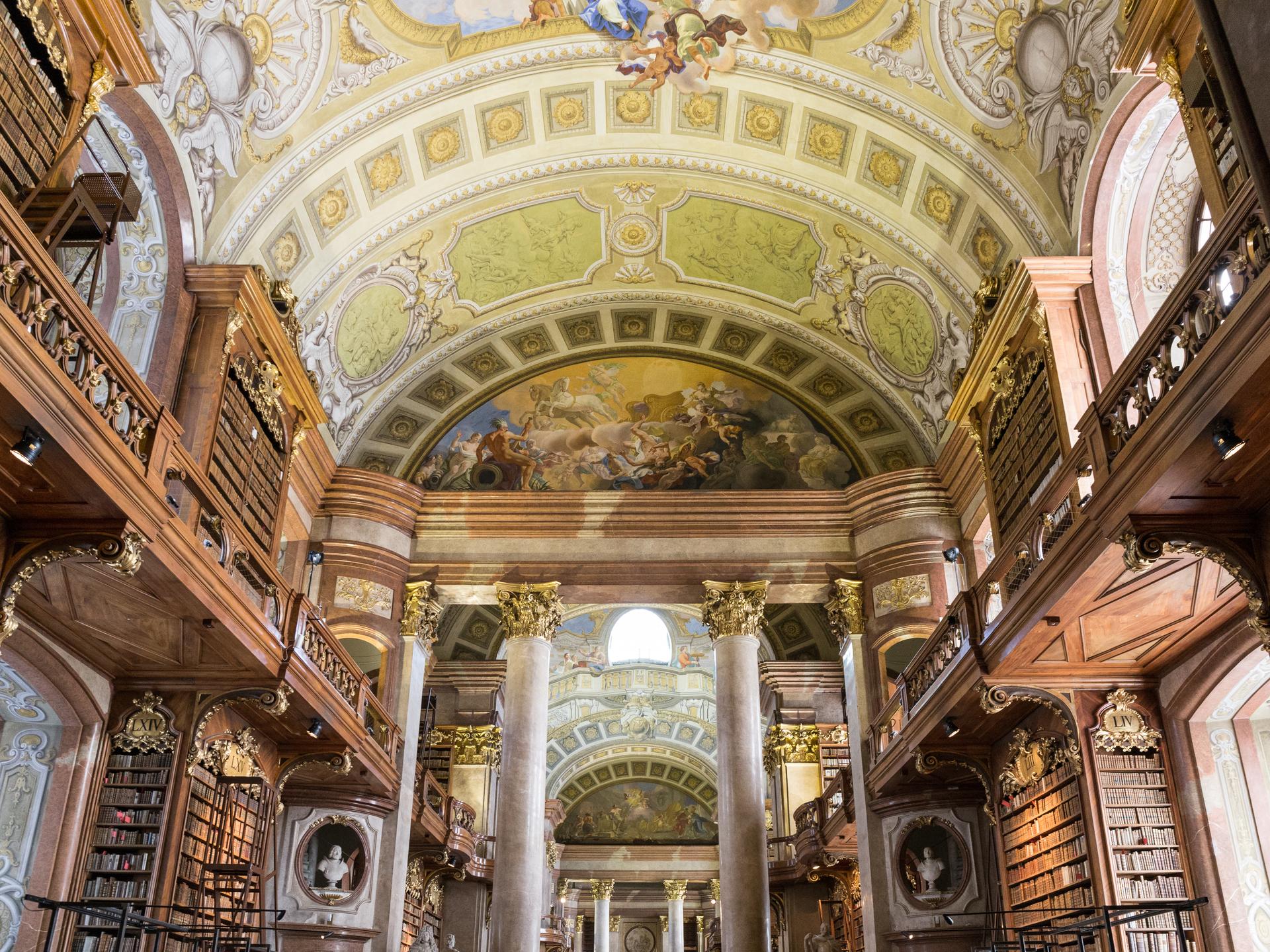
The book she locked away
Josefsplatz, Innere Stadt (Route 1)
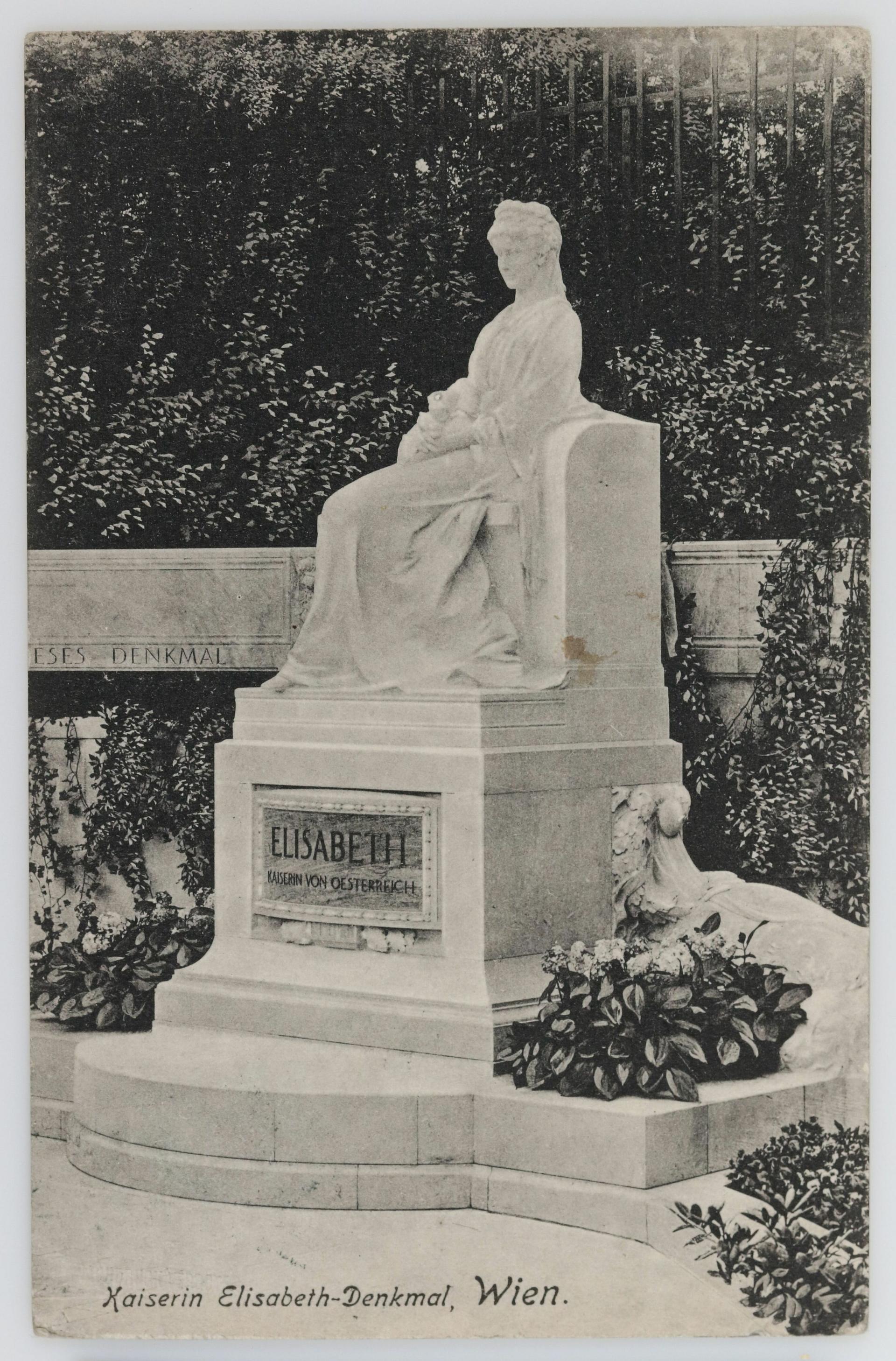
The face she never wanted sold
Volksgarten, Innere Stadt (Route 1)
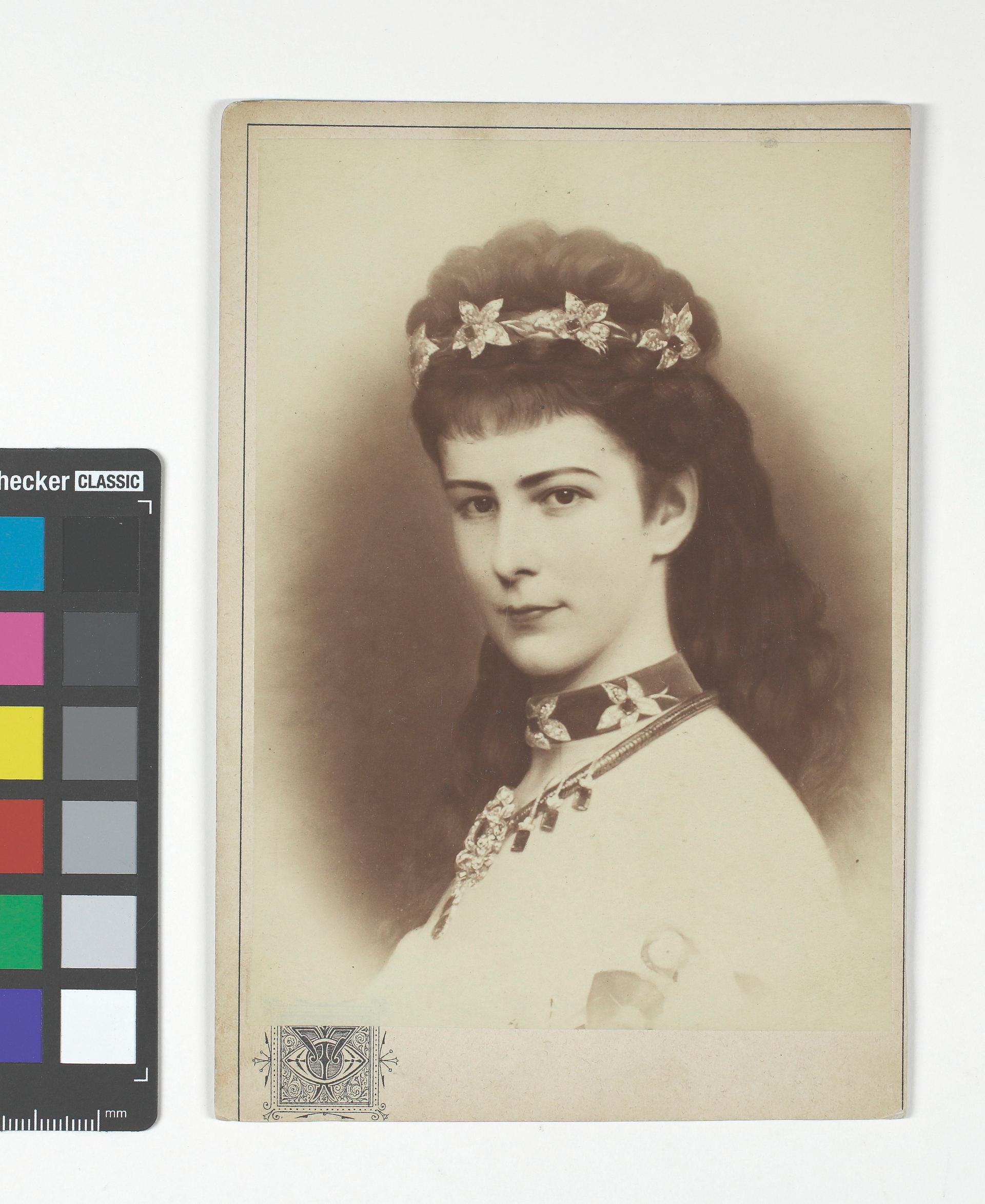
Three hours of hair
In der Burg, Hofburg (Route 1)
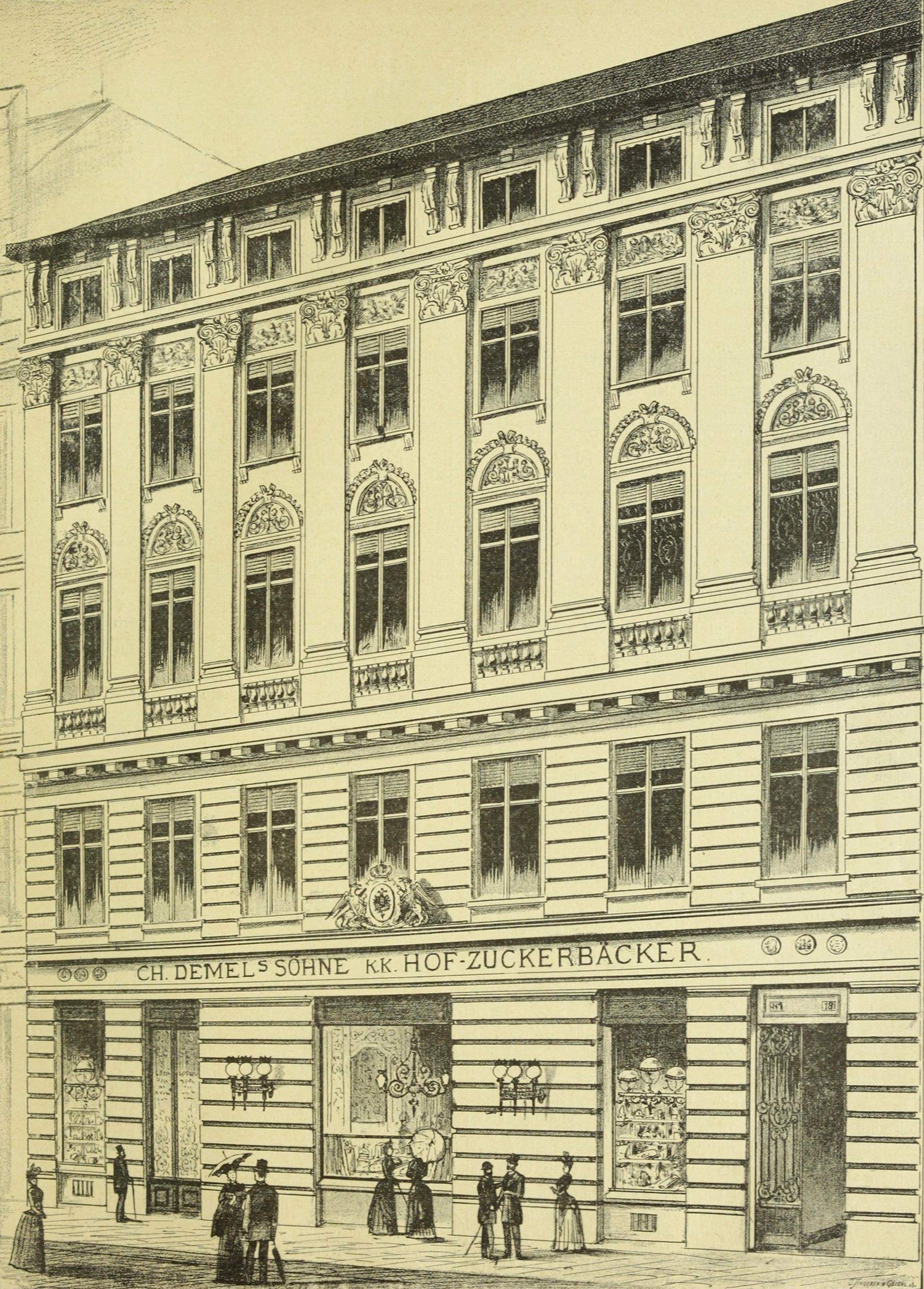
Violets and hunger cures
Kohlmarkt 14, Innere Stadt (Route 1)
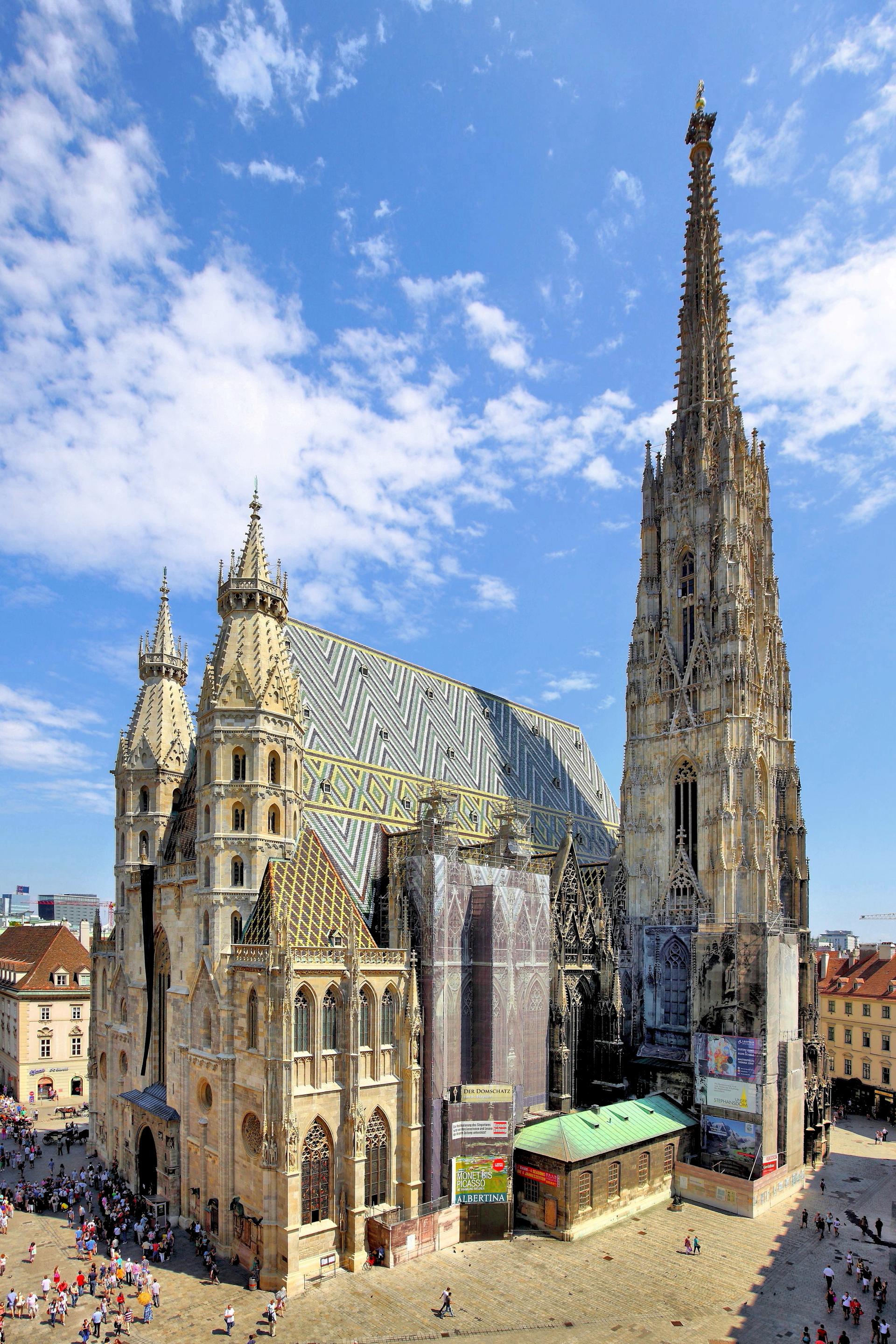
Three churches, one empress
Stephansplatz, Innere Stadt (Route 1)
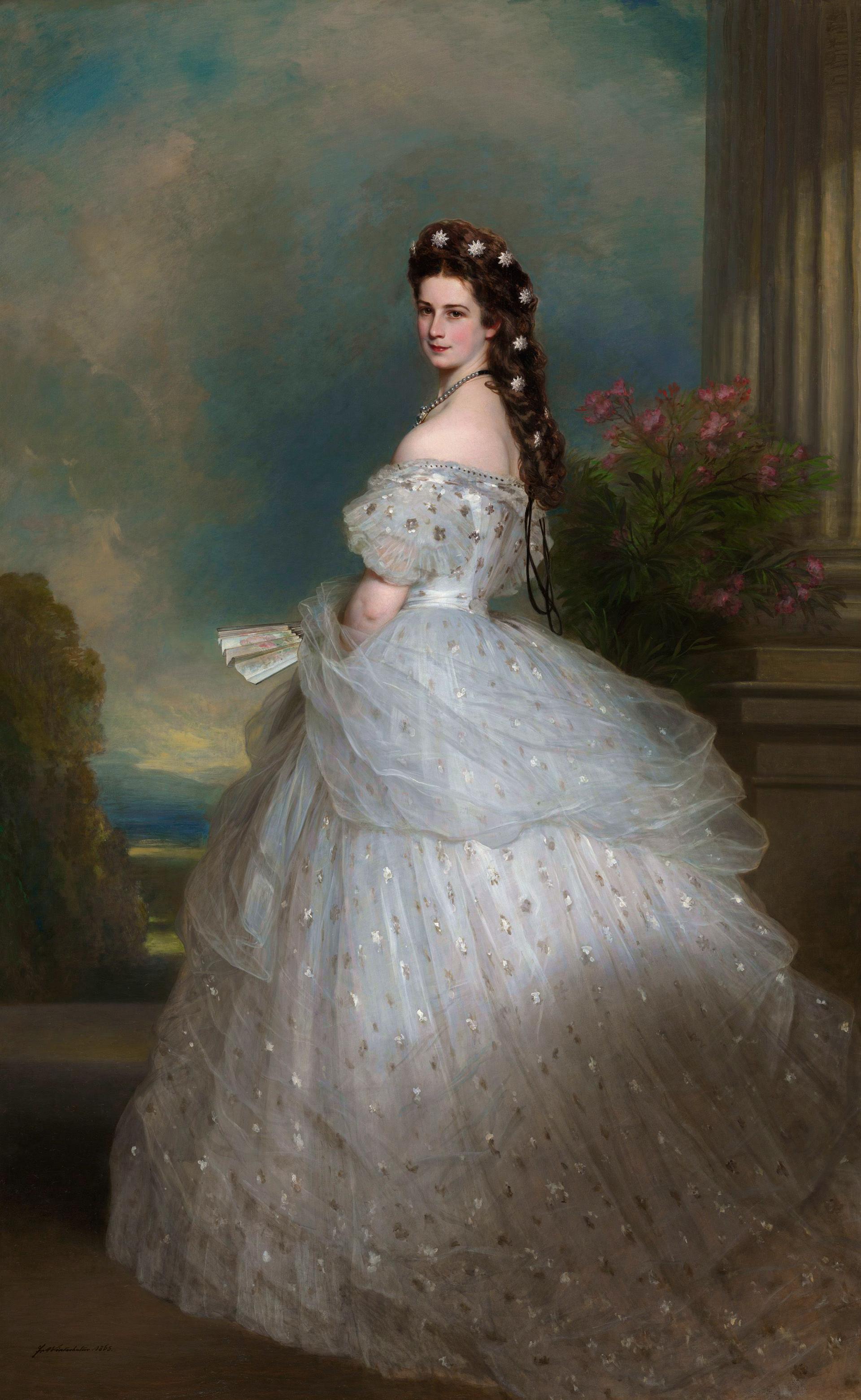
The hotel and the empress
Weihburggasse 3, Innere Stadt (Route 1)
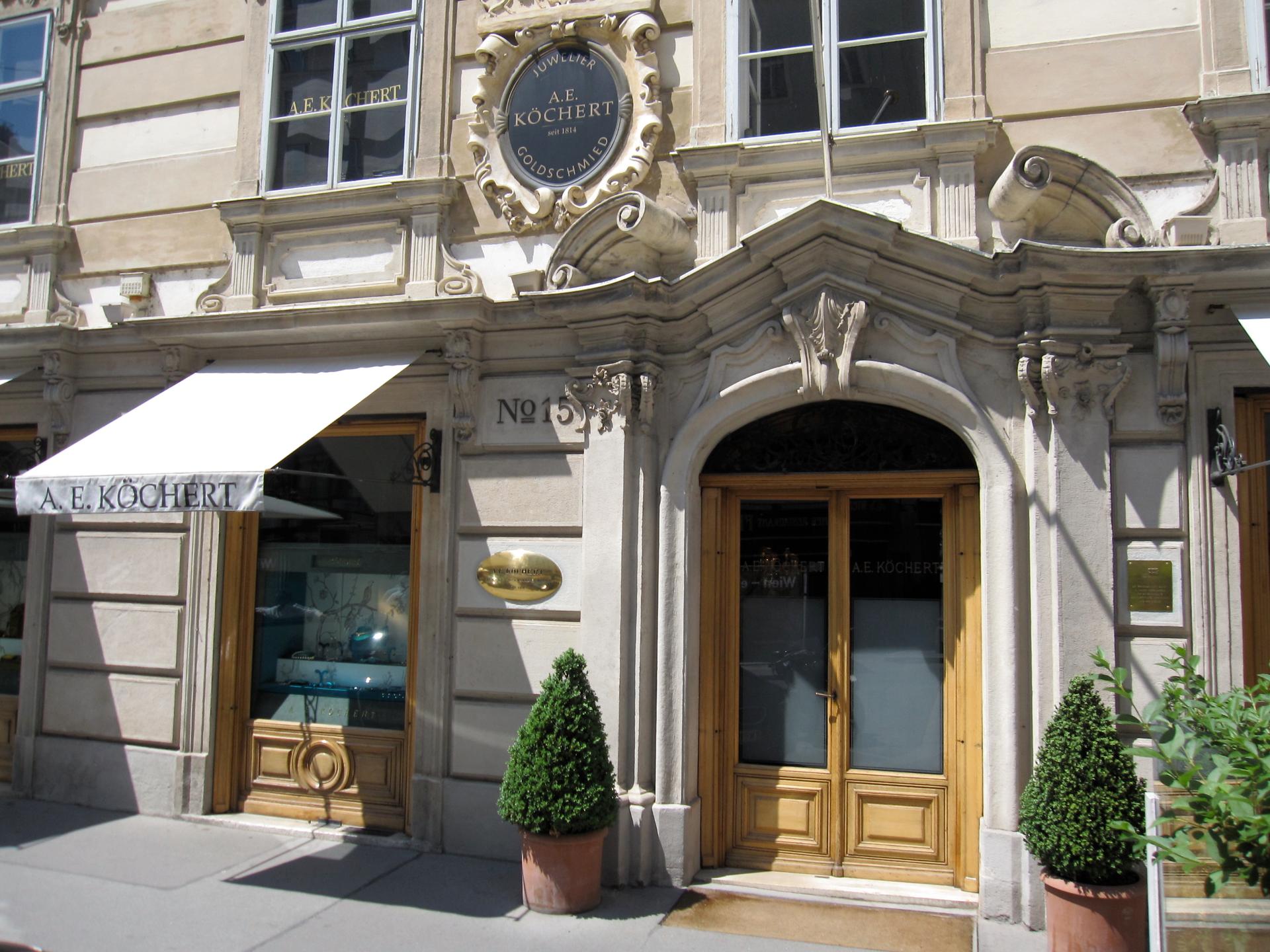
The stars in her hair
Neuer Markt 15, Innere Stadt (Route 1)
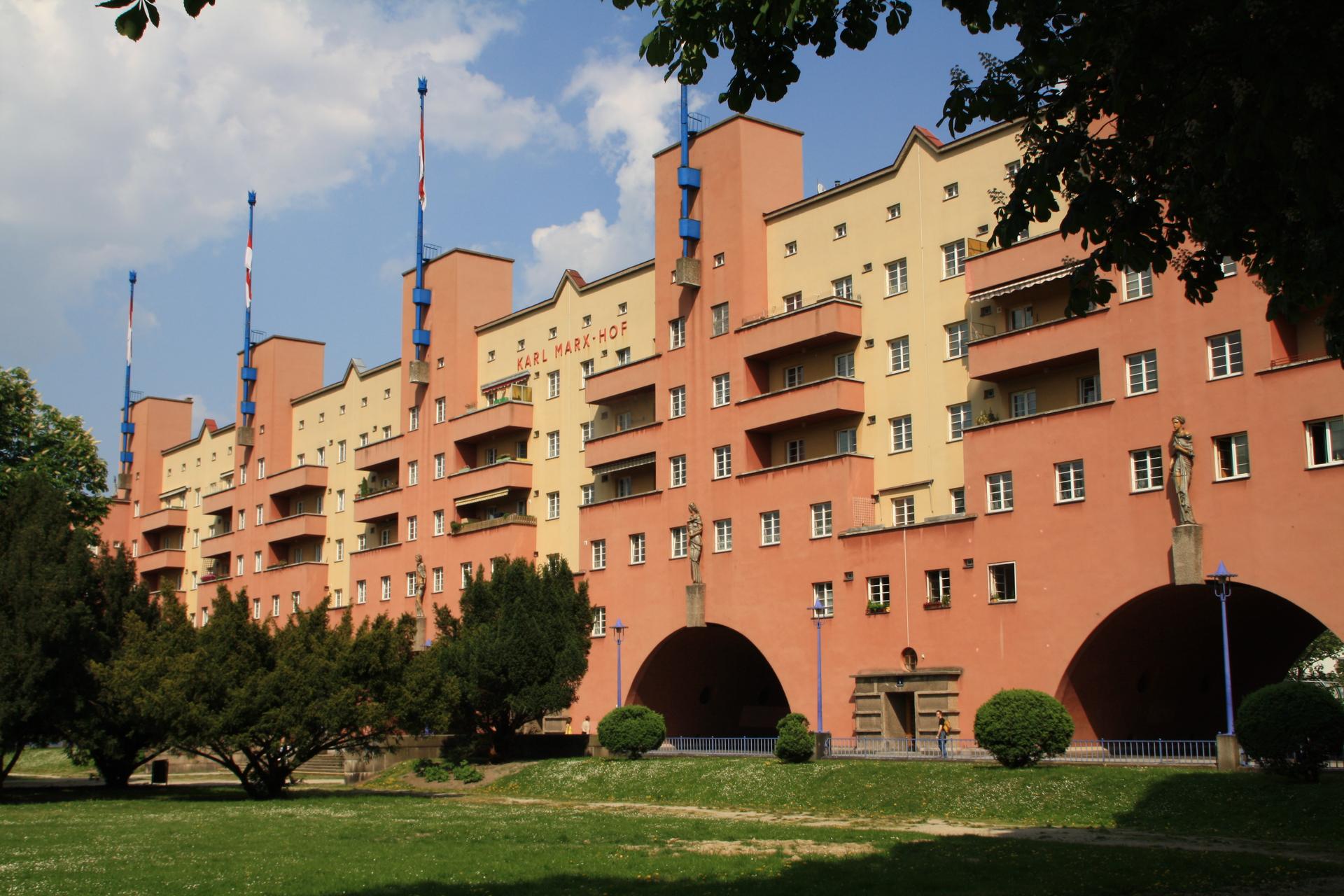
What's Left of It
Vienna still owns well over two hundred thousand municipal flats, and that's why housing works differently here.
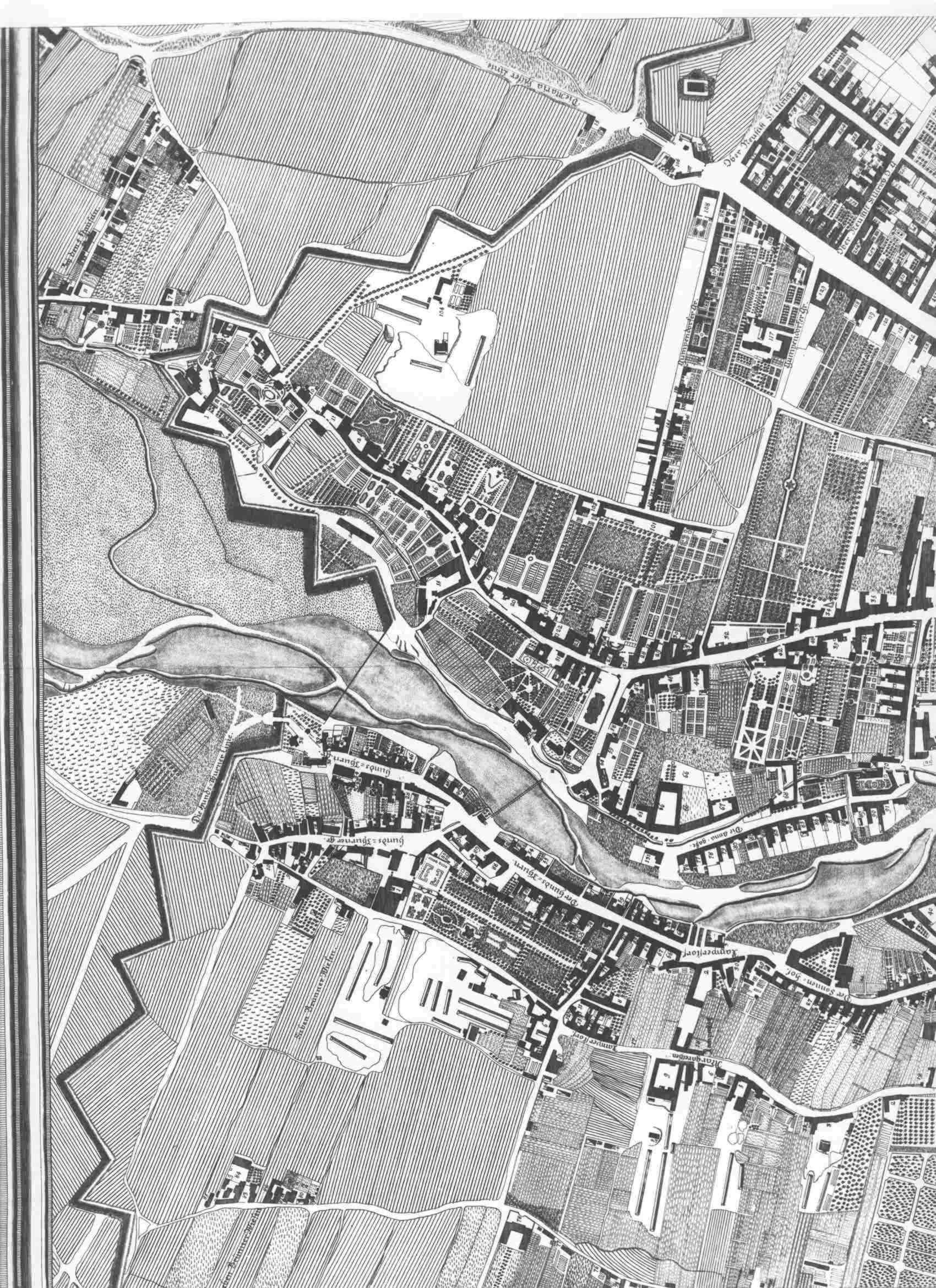
Seven springs and a village
Beneath the apartment blocks lies a village with vineyards, still visible in the curves of the streets.
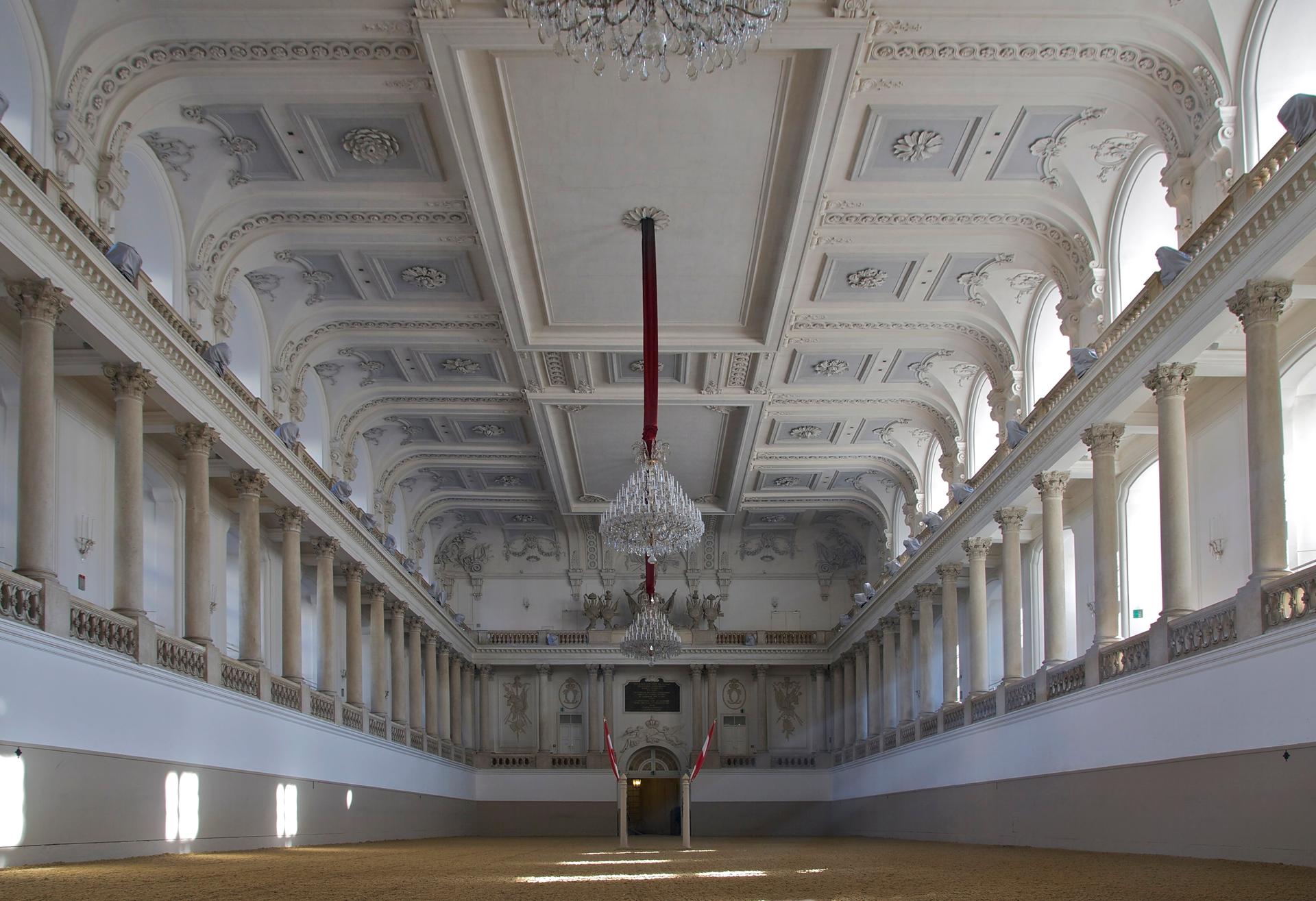
The best rider in Europe
Reitschulgasse, Innere Stadt (Route 1)
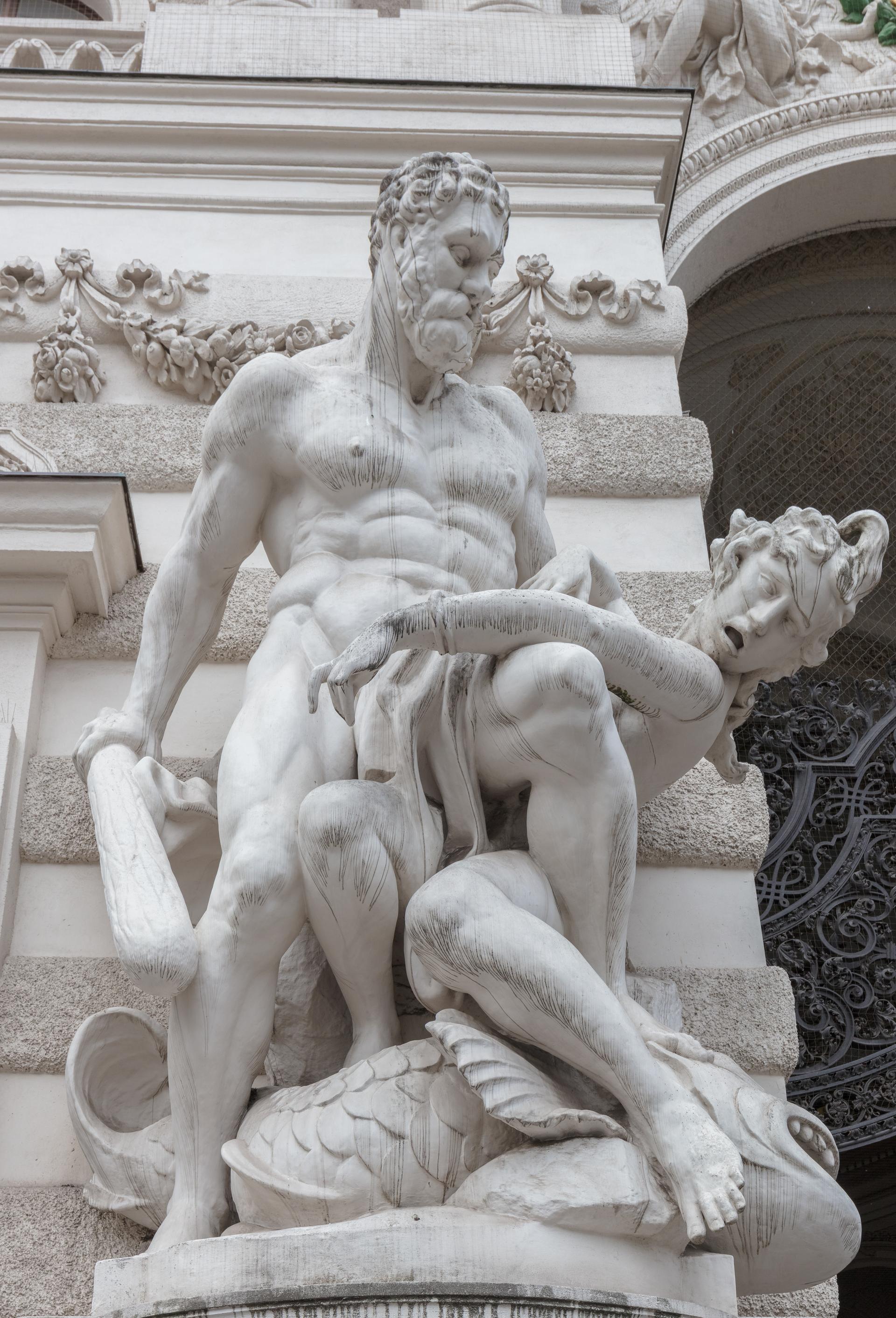
A front door finished too late
Michaelerplatz, Innere Stadt (Route 1)
You've read about Vienna.
Now walk it.
These stories are pins on our map. Open ROODS, walk to one, and hear it where it happened.