Stories in Florence
69 stories about the places on our Florence walks. Hear them on the spot in the app
Hear them where they happened
One map of Florence. 69 stories on it.
Open ROODS in your browser, walk to a pin and hear its story right there. Nothing to install.
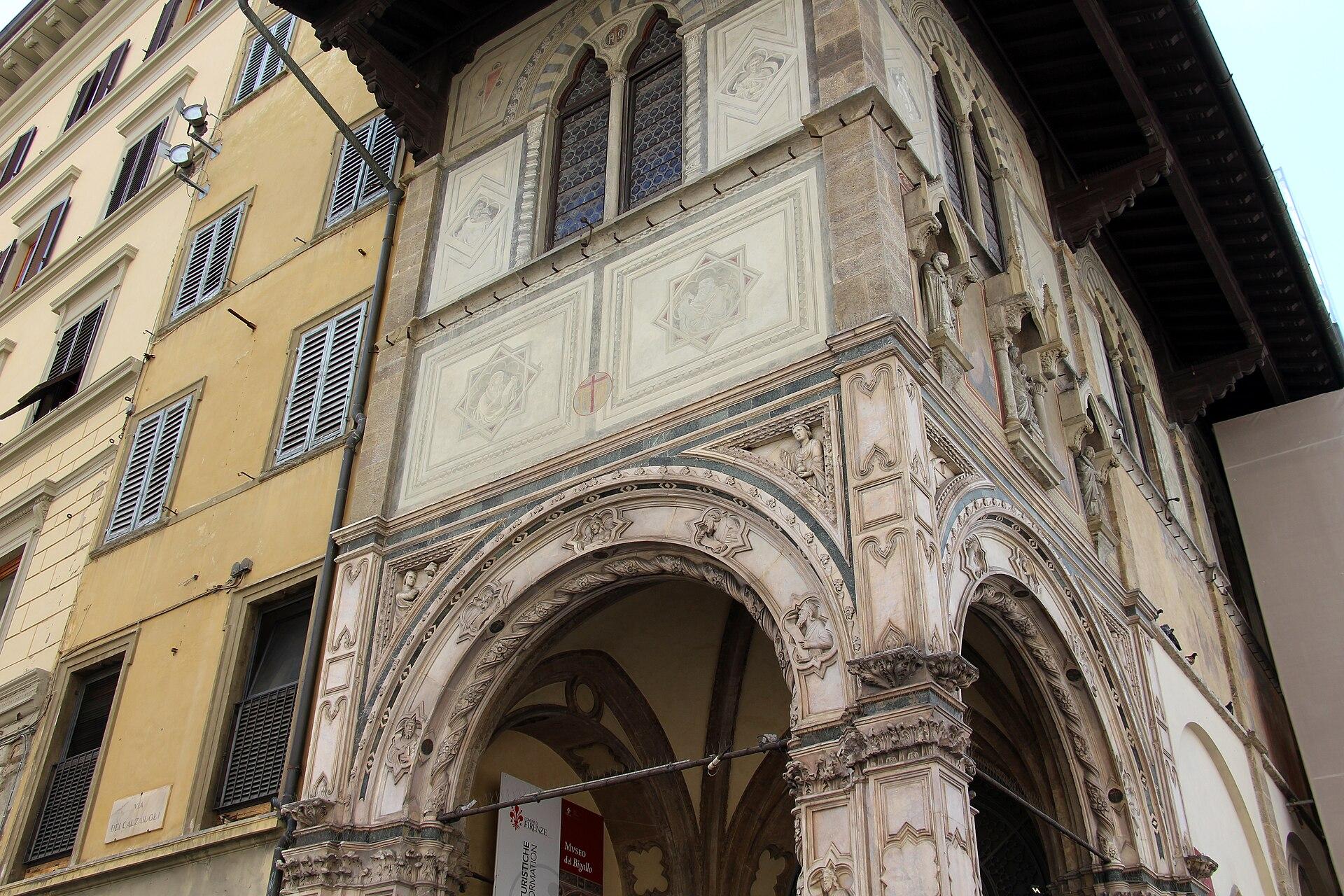
Three Days Under the Arches
Beneath these arches, abandoned children were shown for three days, in the hope that someone would recognise them.
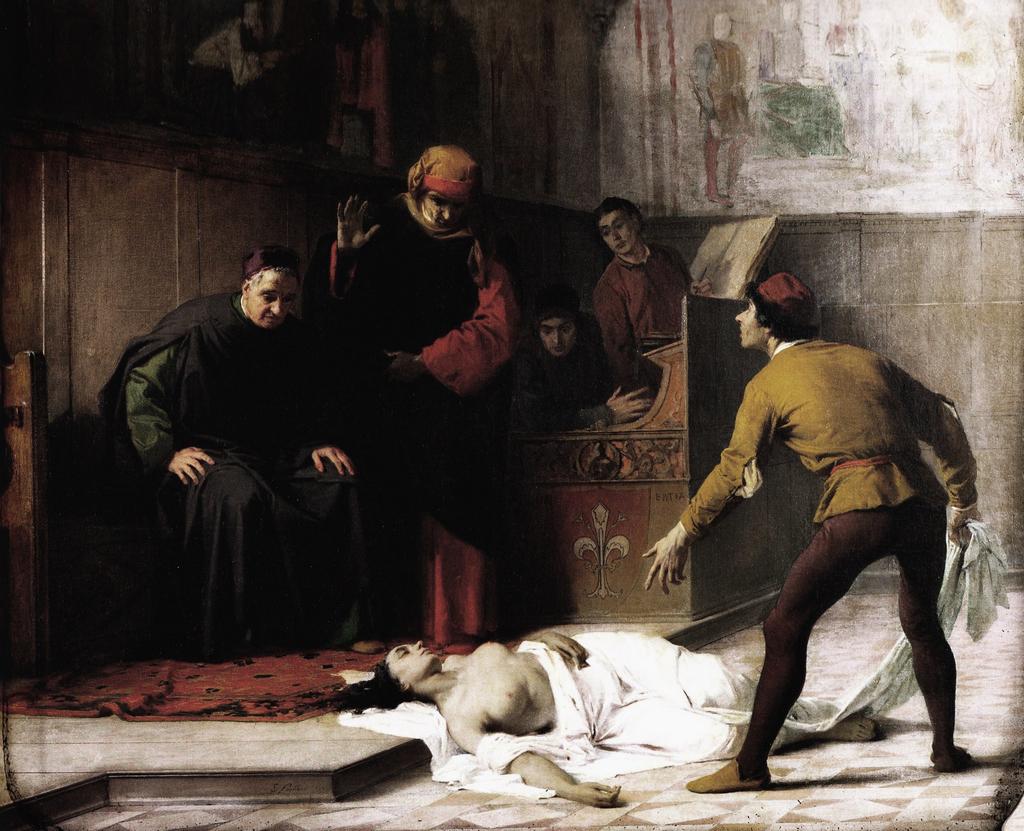
The Men in Black
A brotherhood that has carried the sick since the thirteenth century, once with black hoods over their faces.
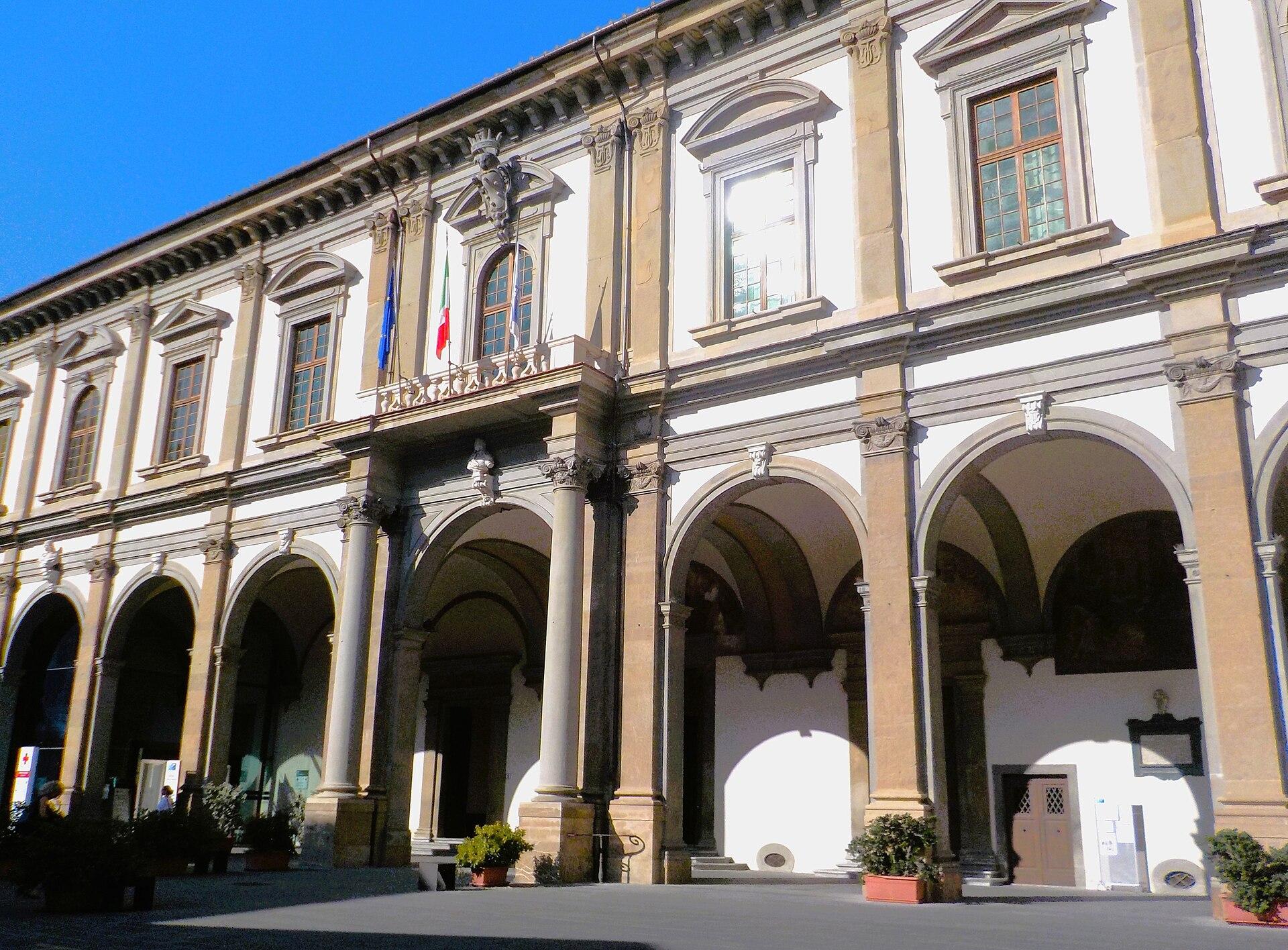
Open for seven hundred years
A hospital running without a break since 1288, founded by the father of Beatrice.
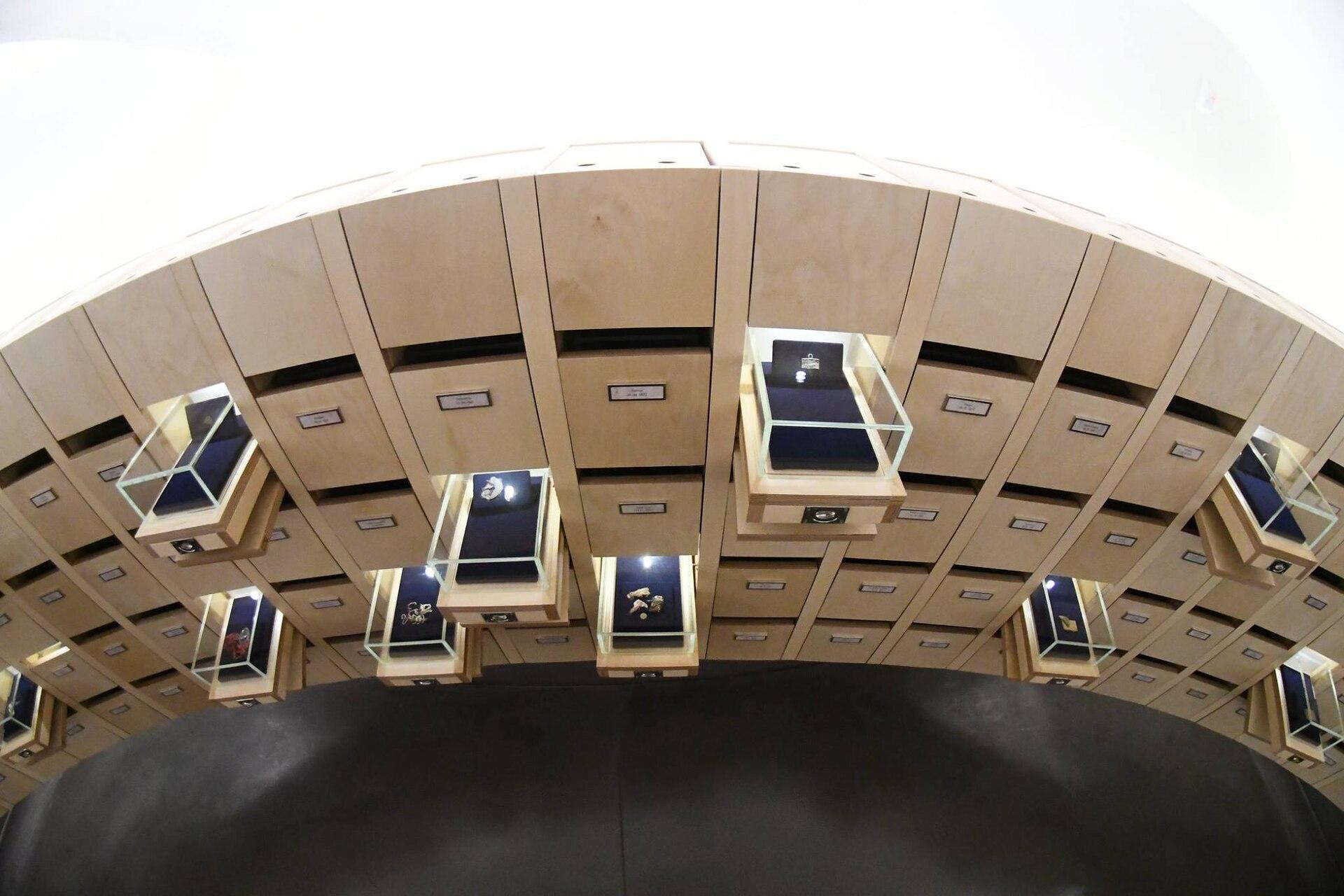
The Half Coins
Six hundred years of record-keeping, with the tokens parents left behind and the numbers that go with them.
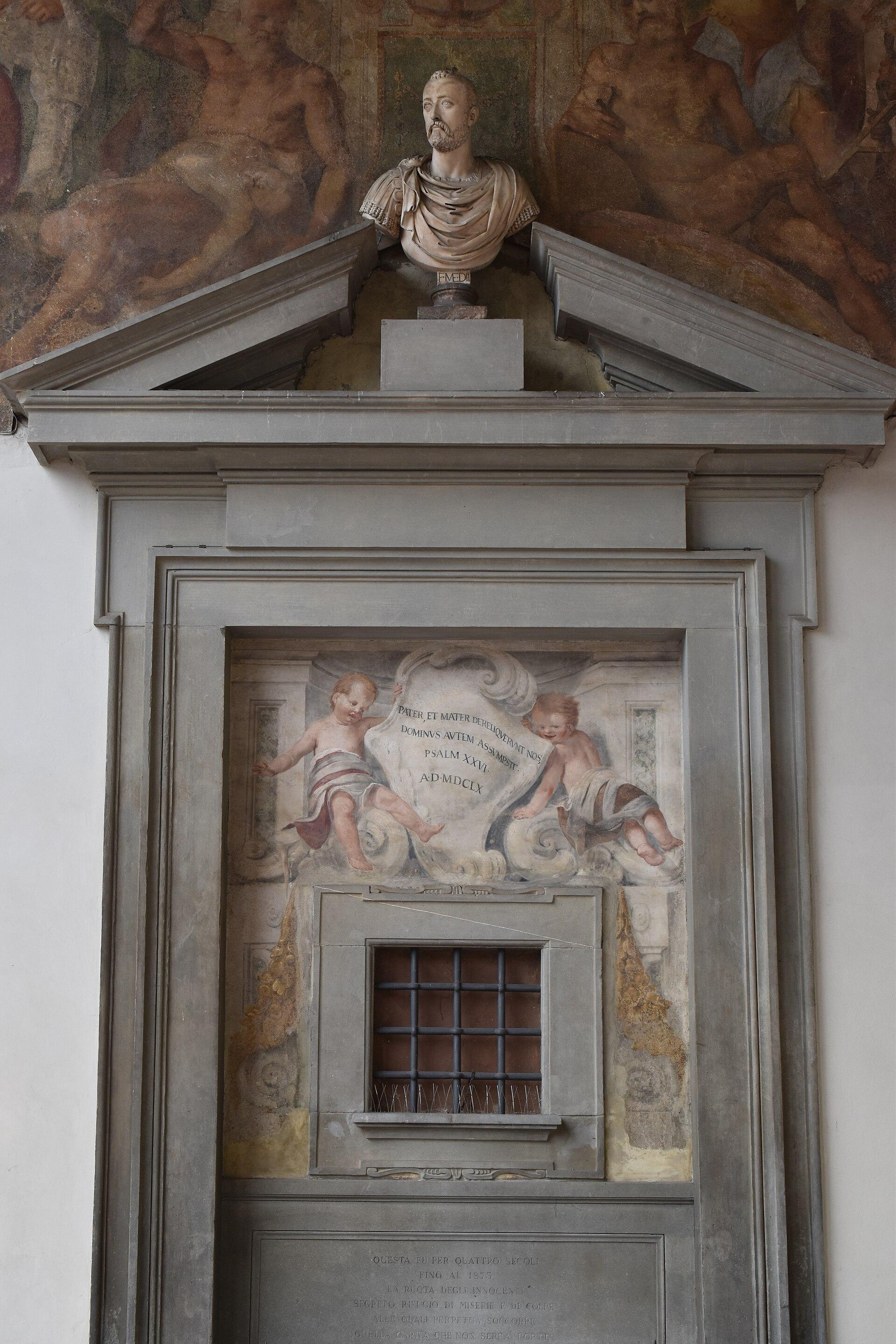
The cylinder in the wall
A niche with a rotating cylinder, where you could leave a child without being seen.
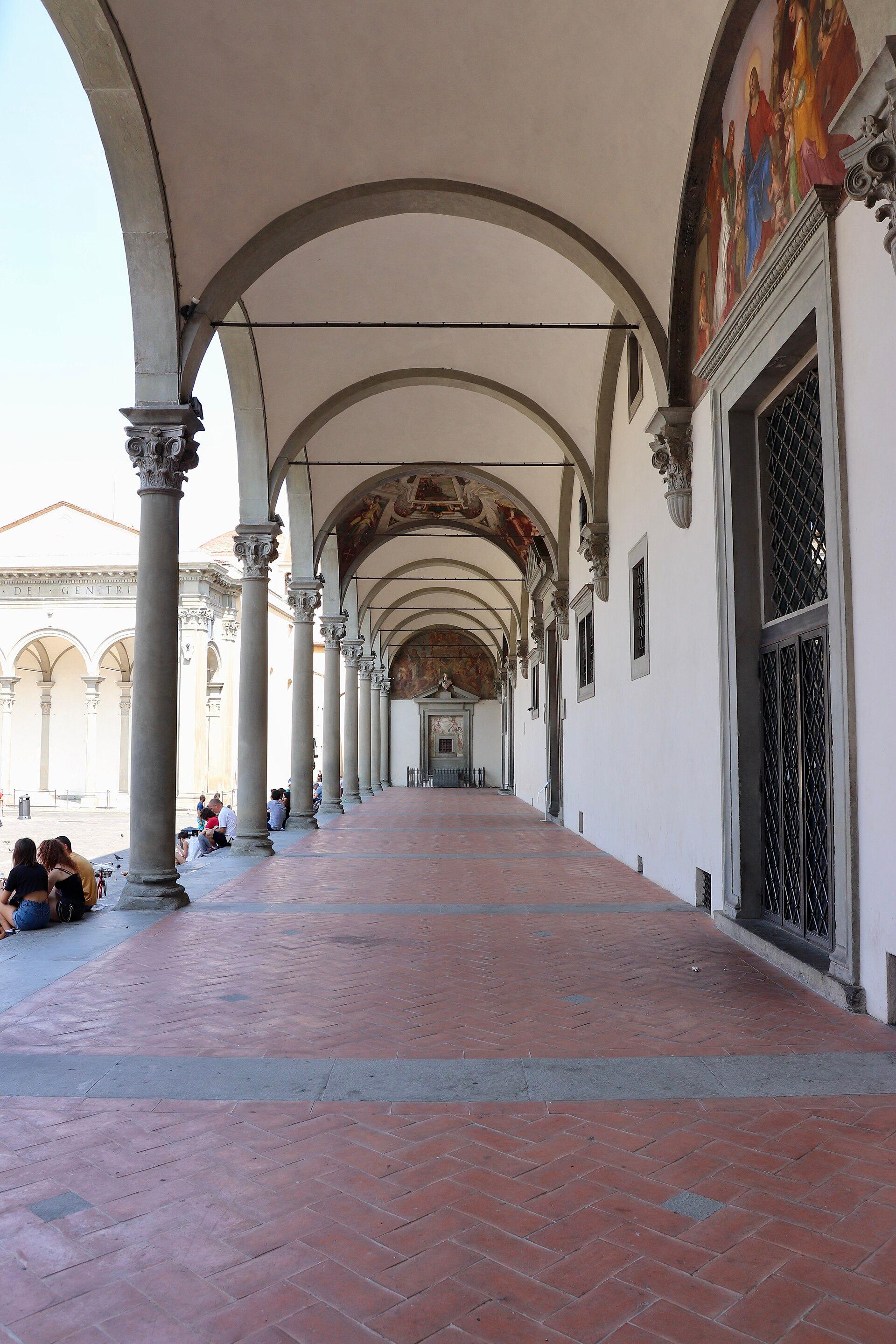
The babies above the arches
The silk guild paid for the first building in the world designed to care for abandoned children.
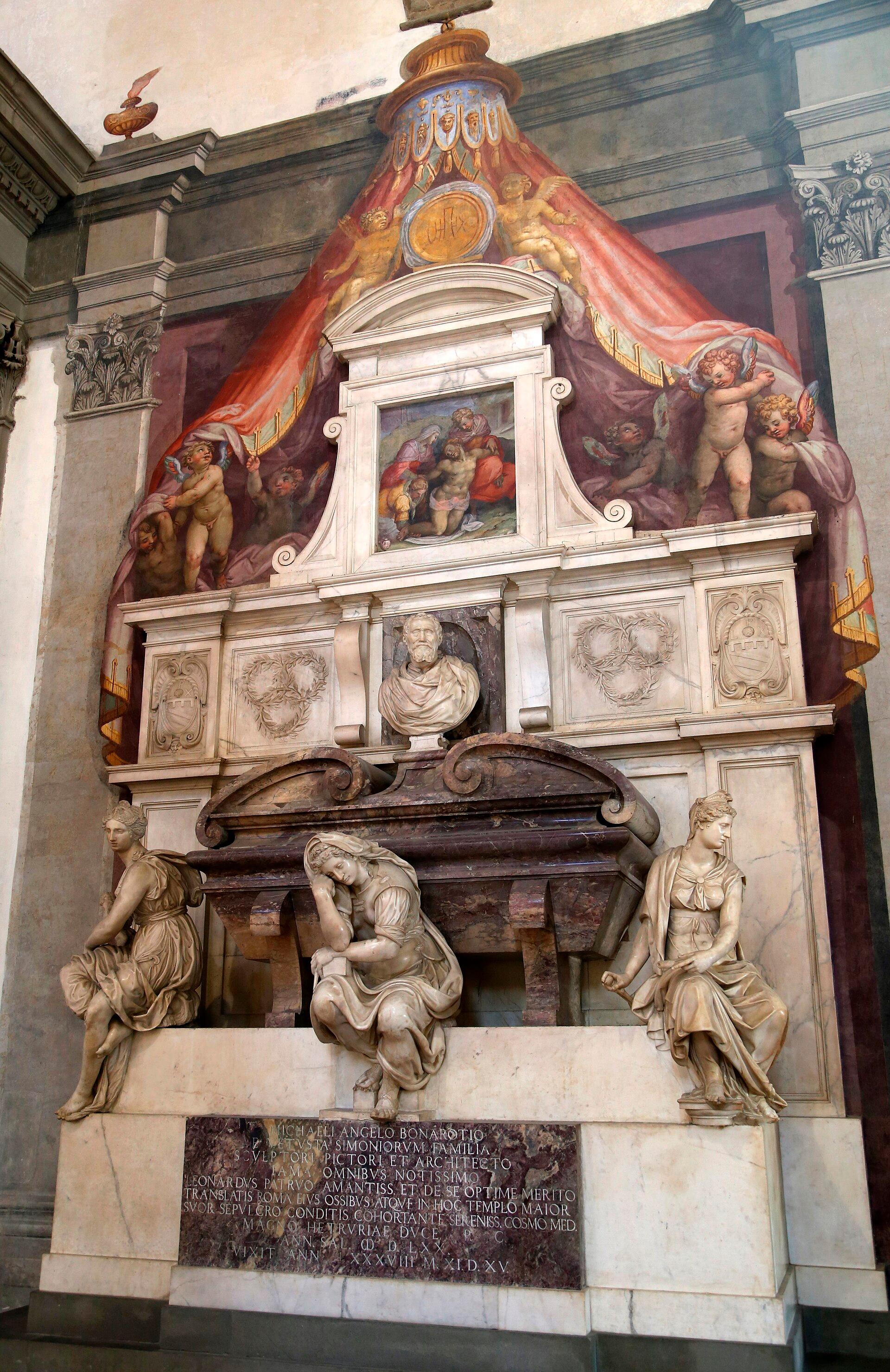
The Crate from Rome
Rome wanted to keep him, so his body travelled to Florence as merchandise, packed in a crate.
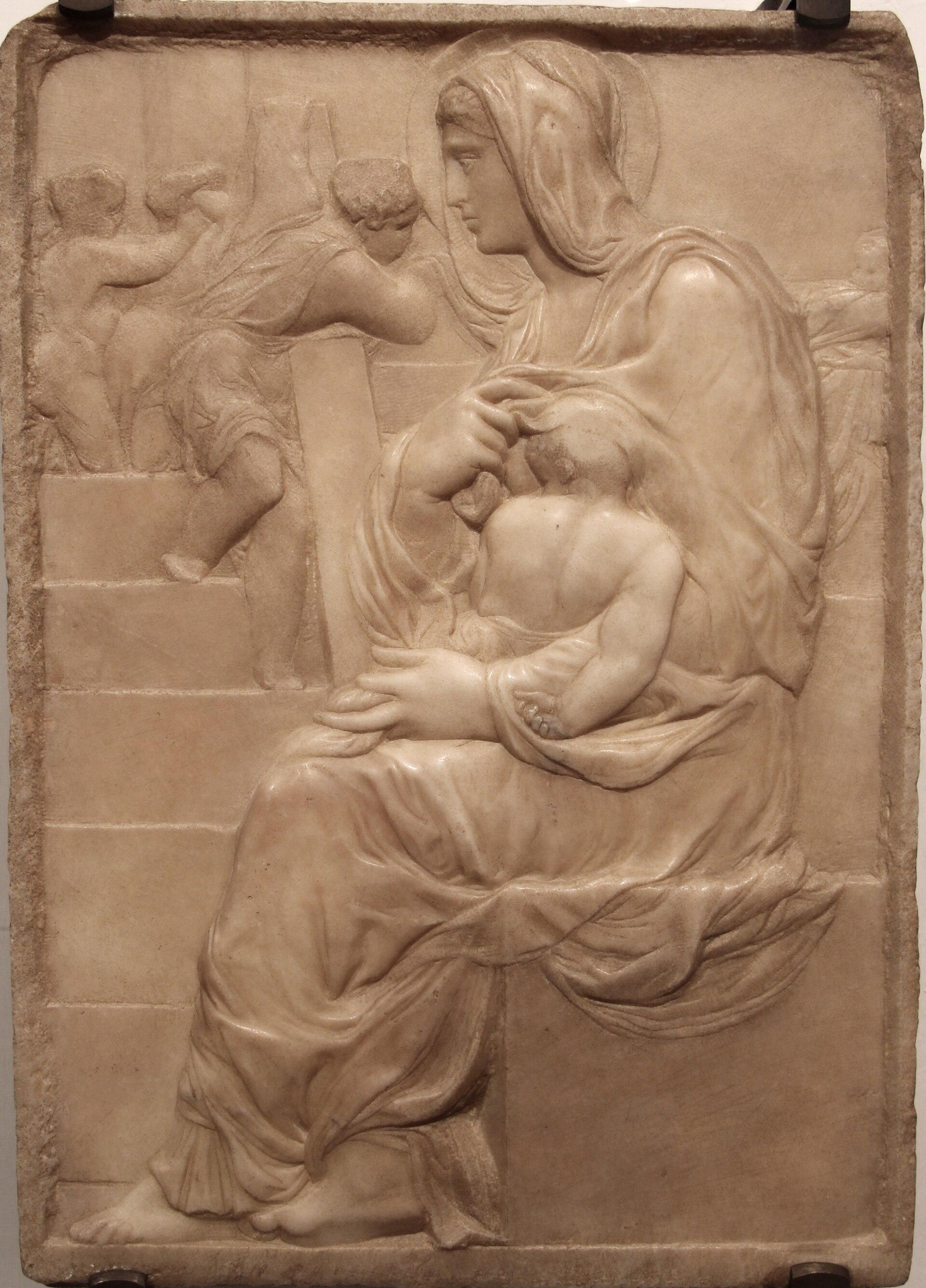
Two reliefs by a teenager
The house he bought for his family, holding the two reliefs he carved as a boy of sixteen.
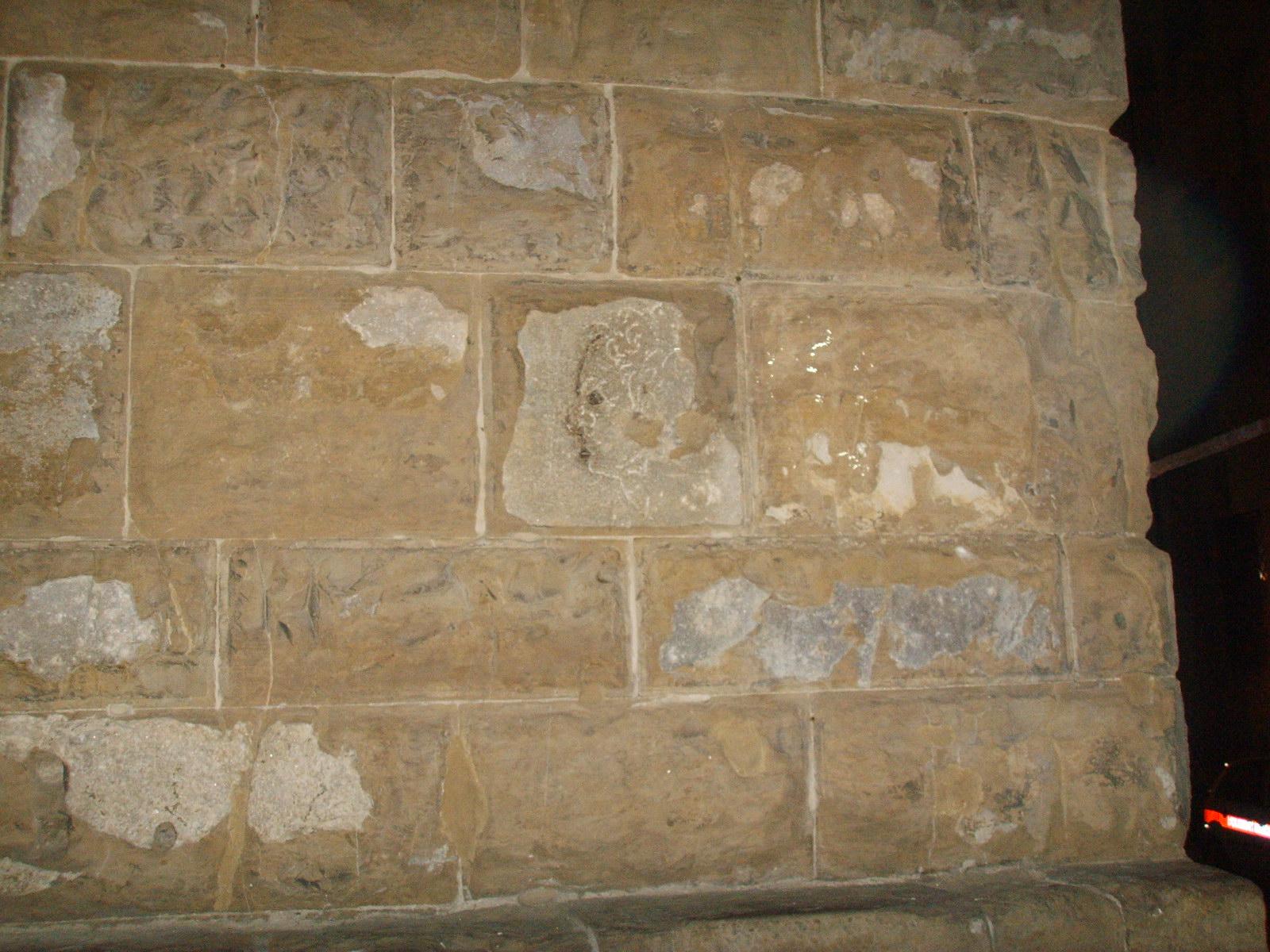
The annoying man in the wall
A face carved into the wall of the town hall, scratched out, so the story goes, with his hands behind his back.
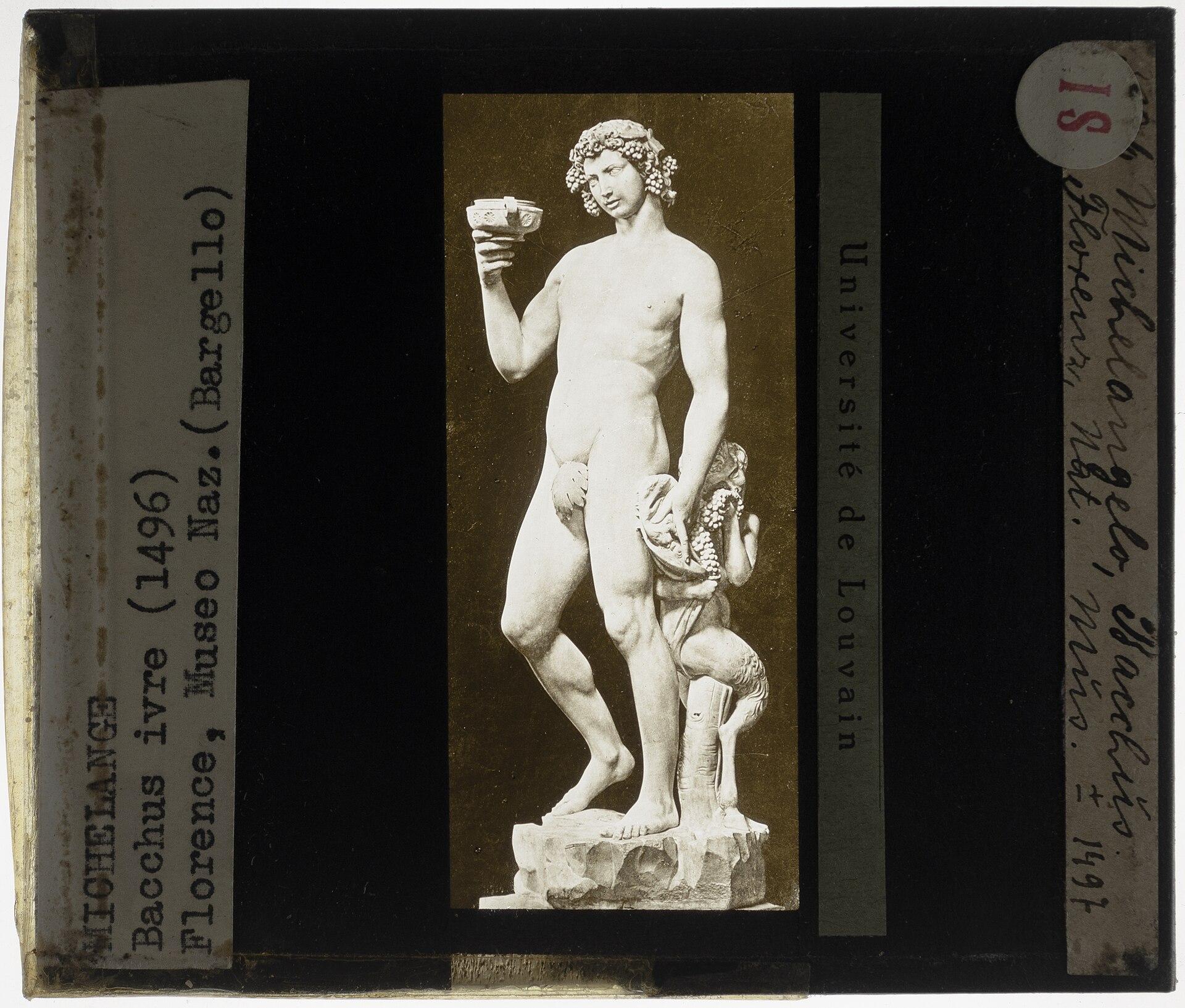
The drunken god
A drunken Bacchus by a boy of twenty-one, and a bust he left half-finished.
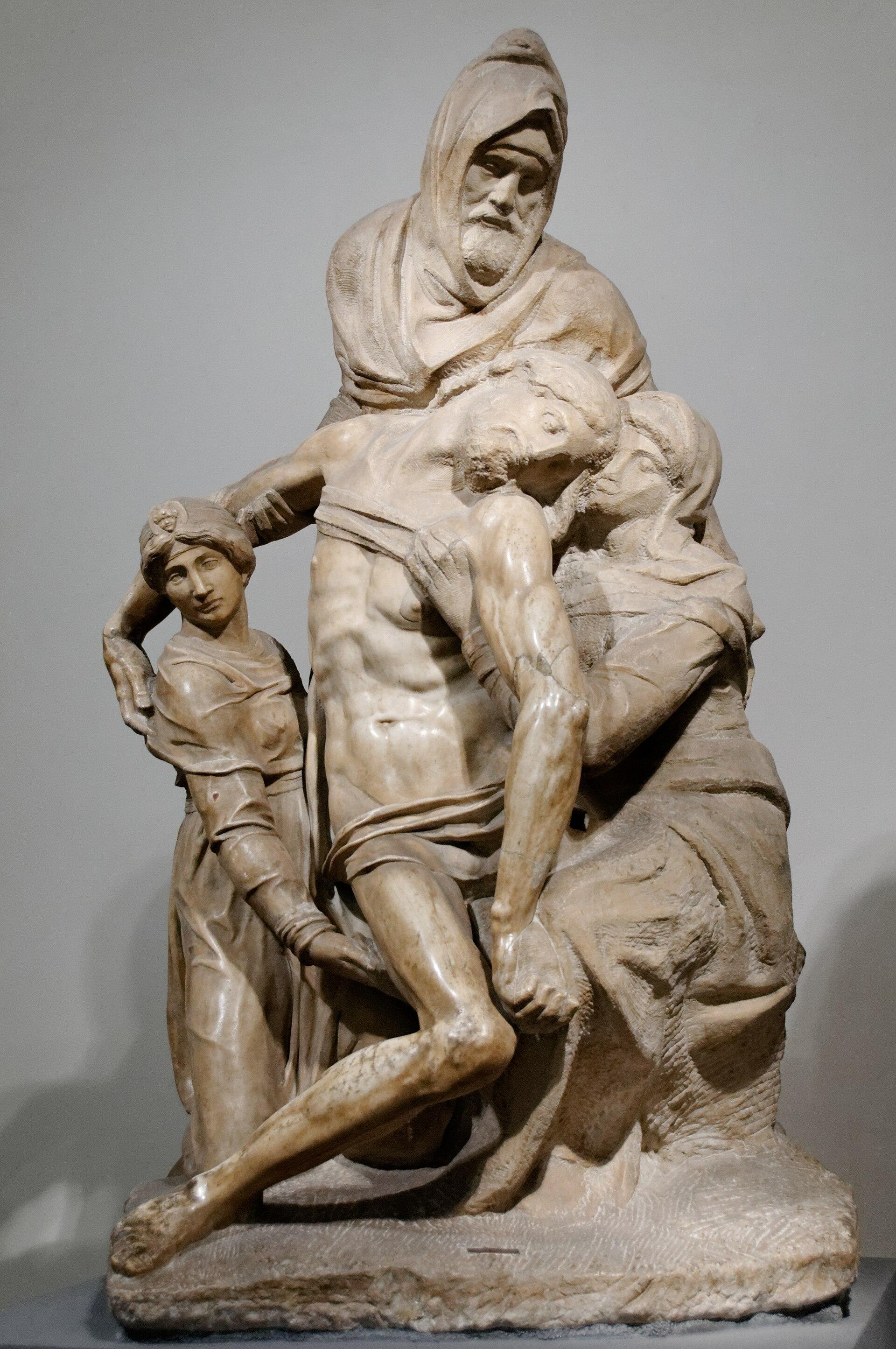
The statue he smashed
At eighty he carved a statue for his own grave, then took a hammer to it.
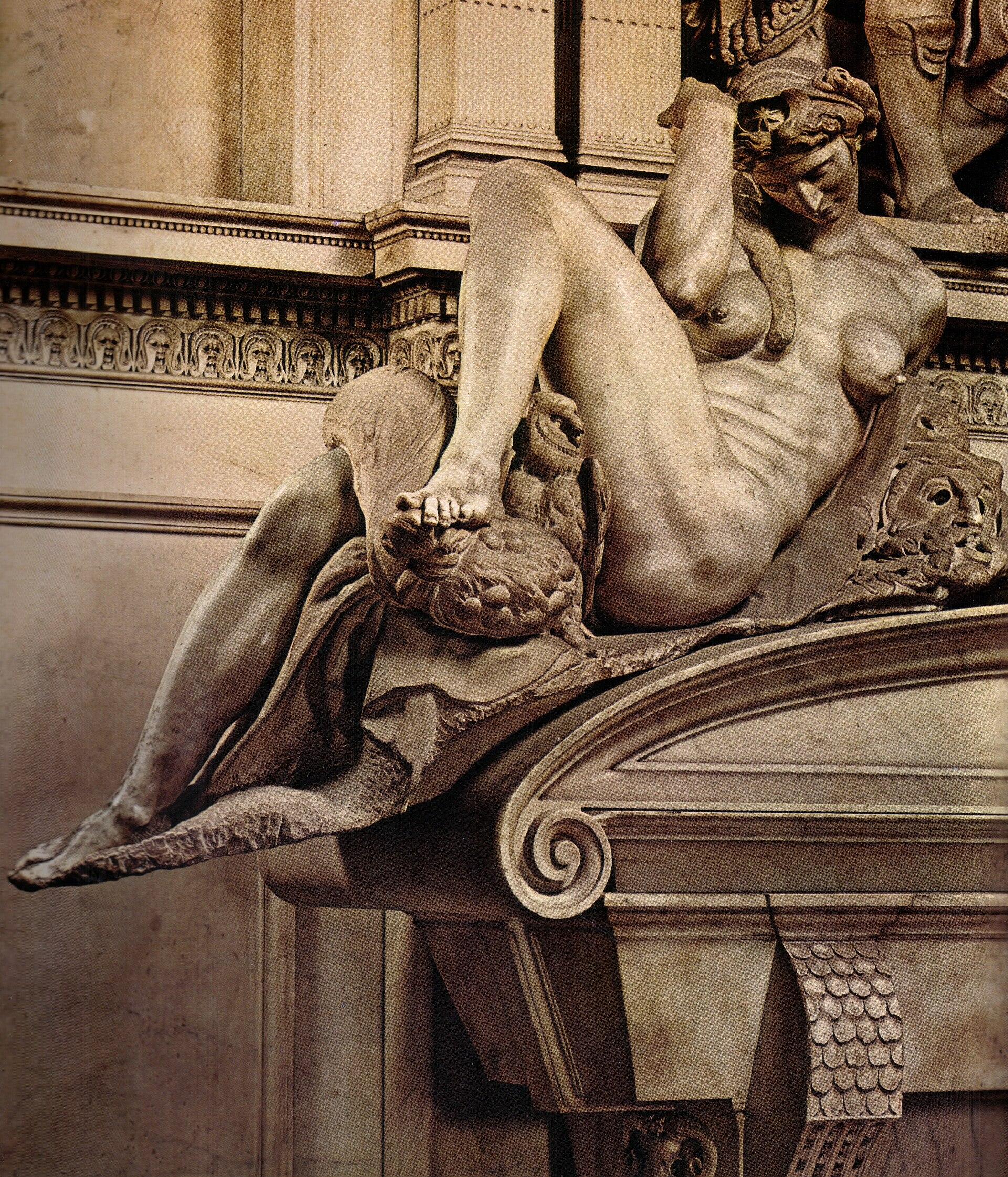
The little room beneath the chapel
Under the burial chapel lies a small room covered in charcoal drawings, where he is said to have hidden after the fall of the republic.
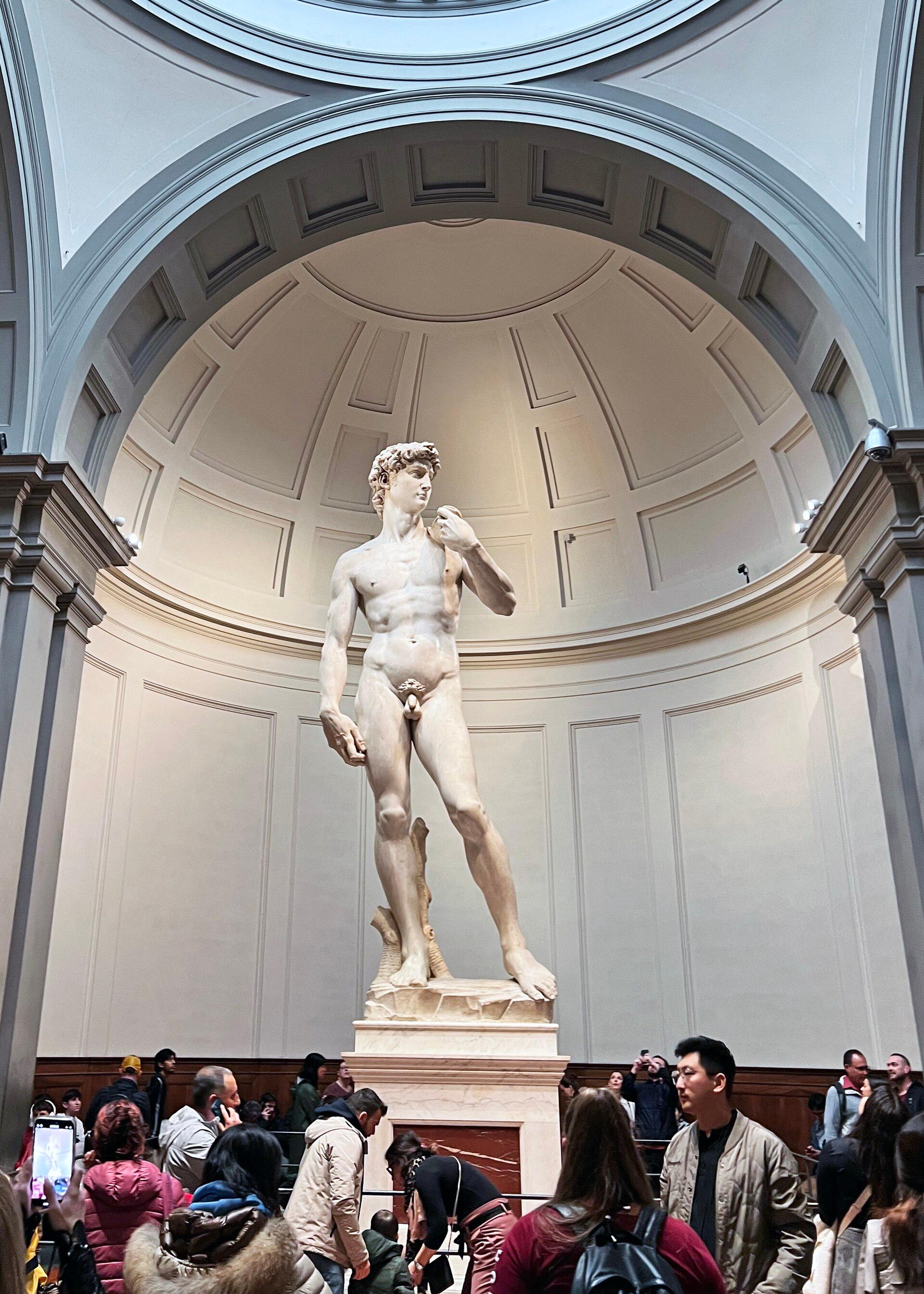
The giant left lying
Two sculptors gave up before a man of twenty-six pulled the David out of that same block.
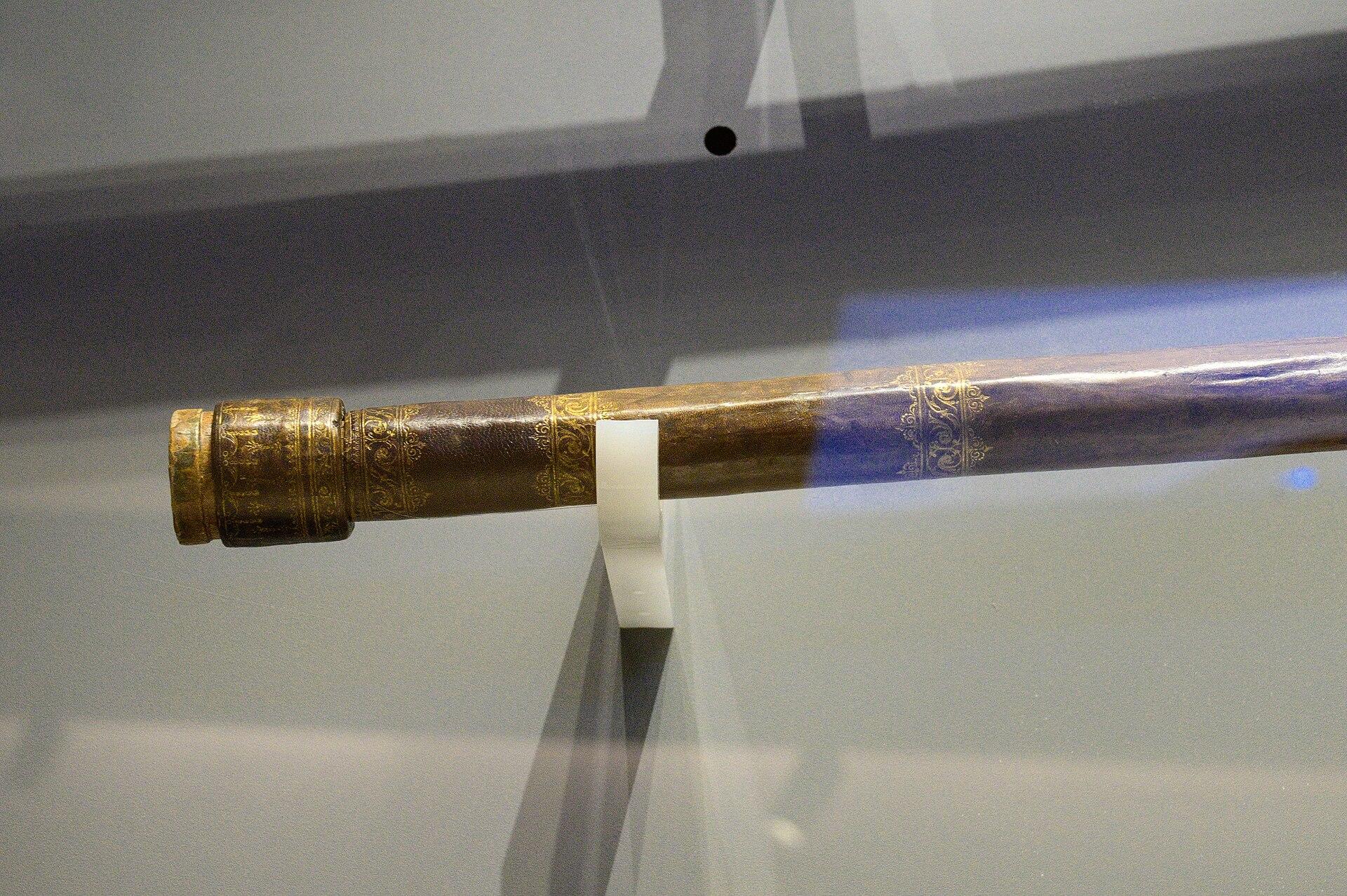
What the City Learned
What Florence took from that night: monitoring stations, dams, and a restoration craft that now travels the world.
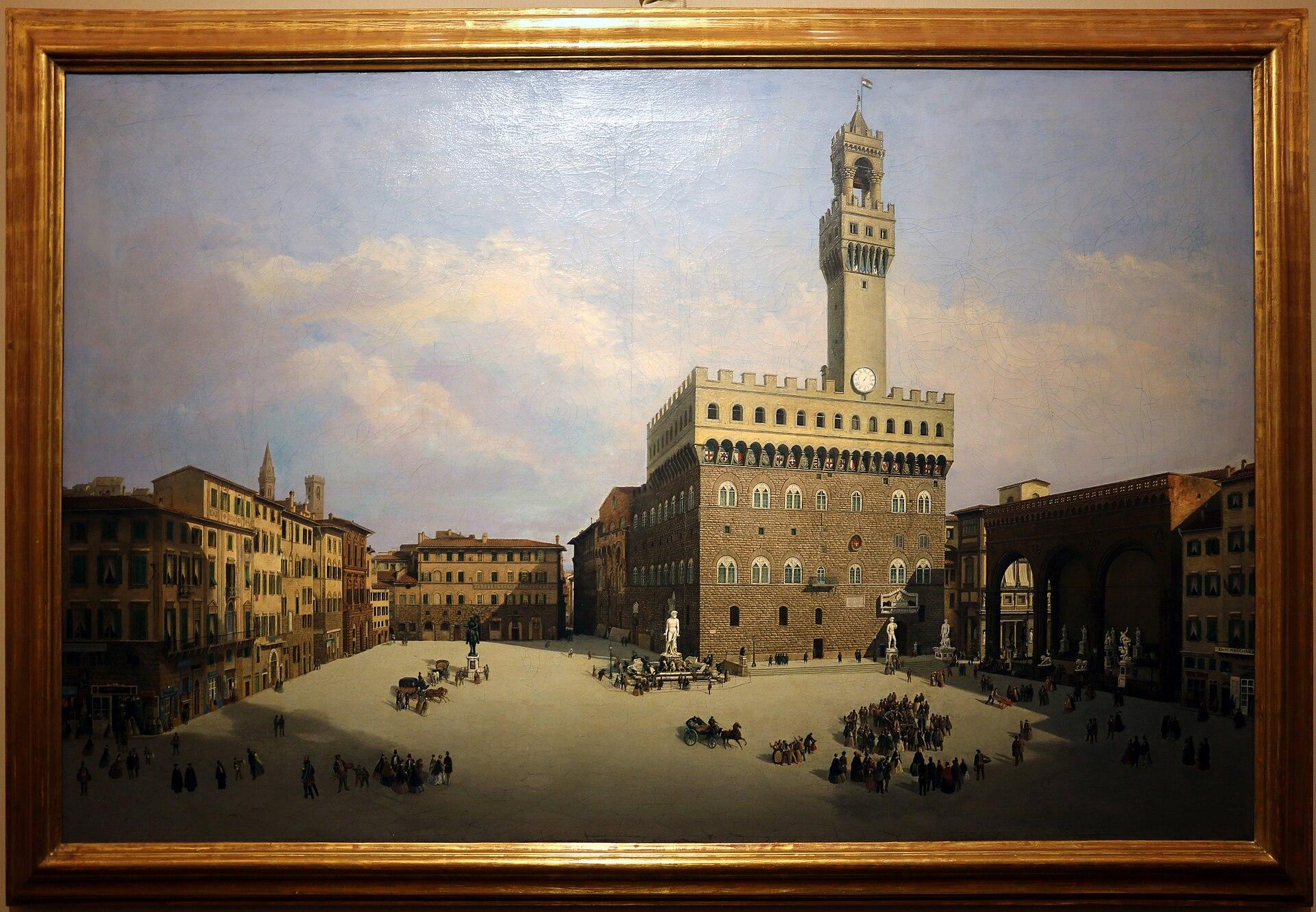
The days without water
Days on end without drinking water, light or a working phone, while help began pouring in from all over Europe.
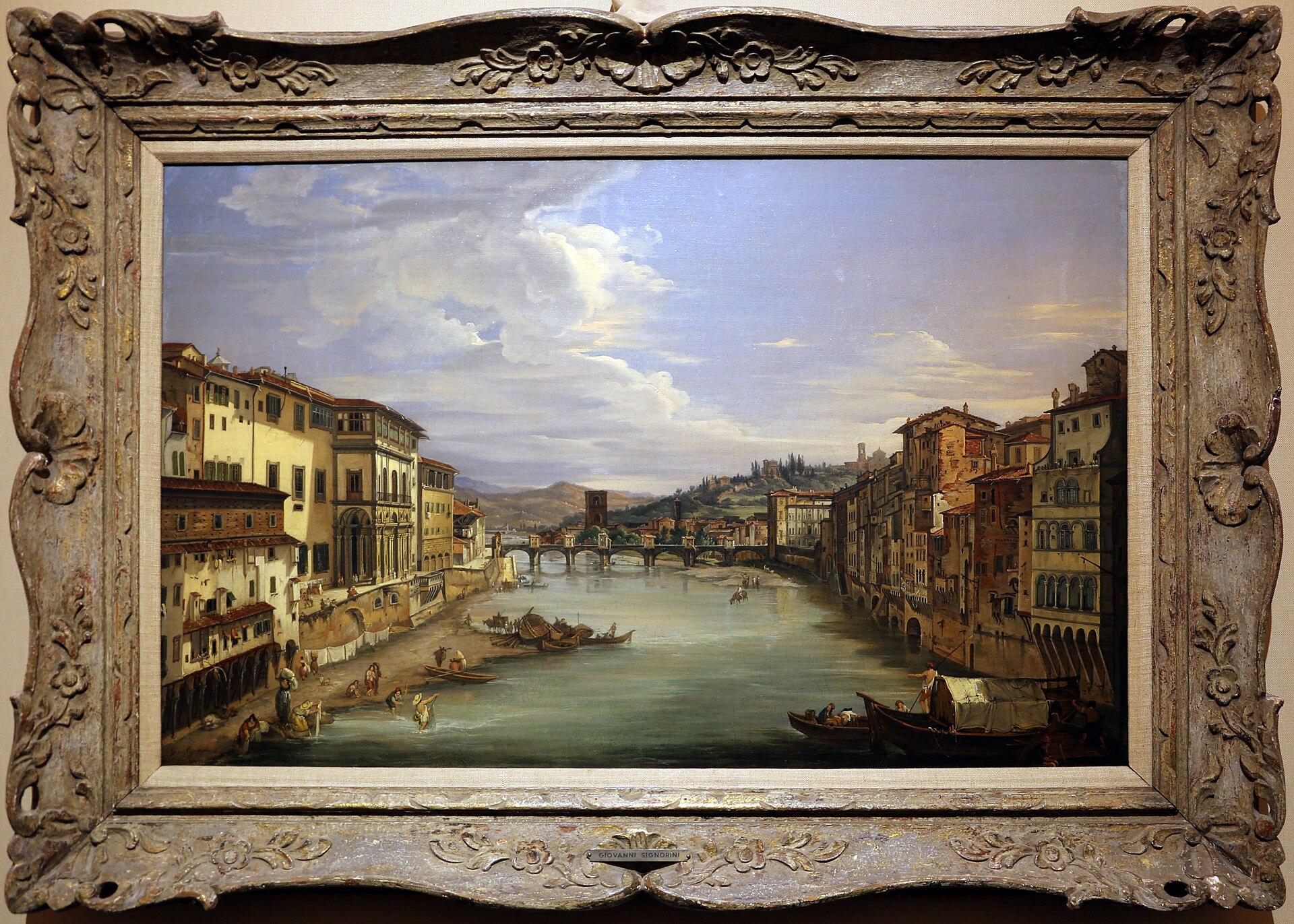
The night on the bridge
A night watchman saw the water coming and called the goldsmiths, who emptied their shops in the dark.
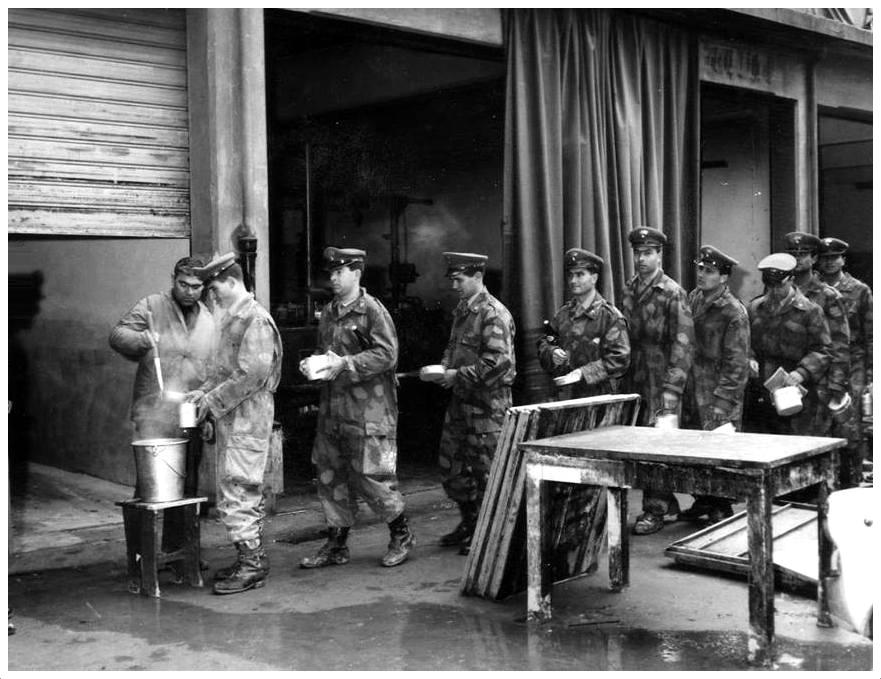
The oil in the cellars
What made the water so destructive was sitting in the cellars beneath your feet: thousands of tonnes of heating oil.
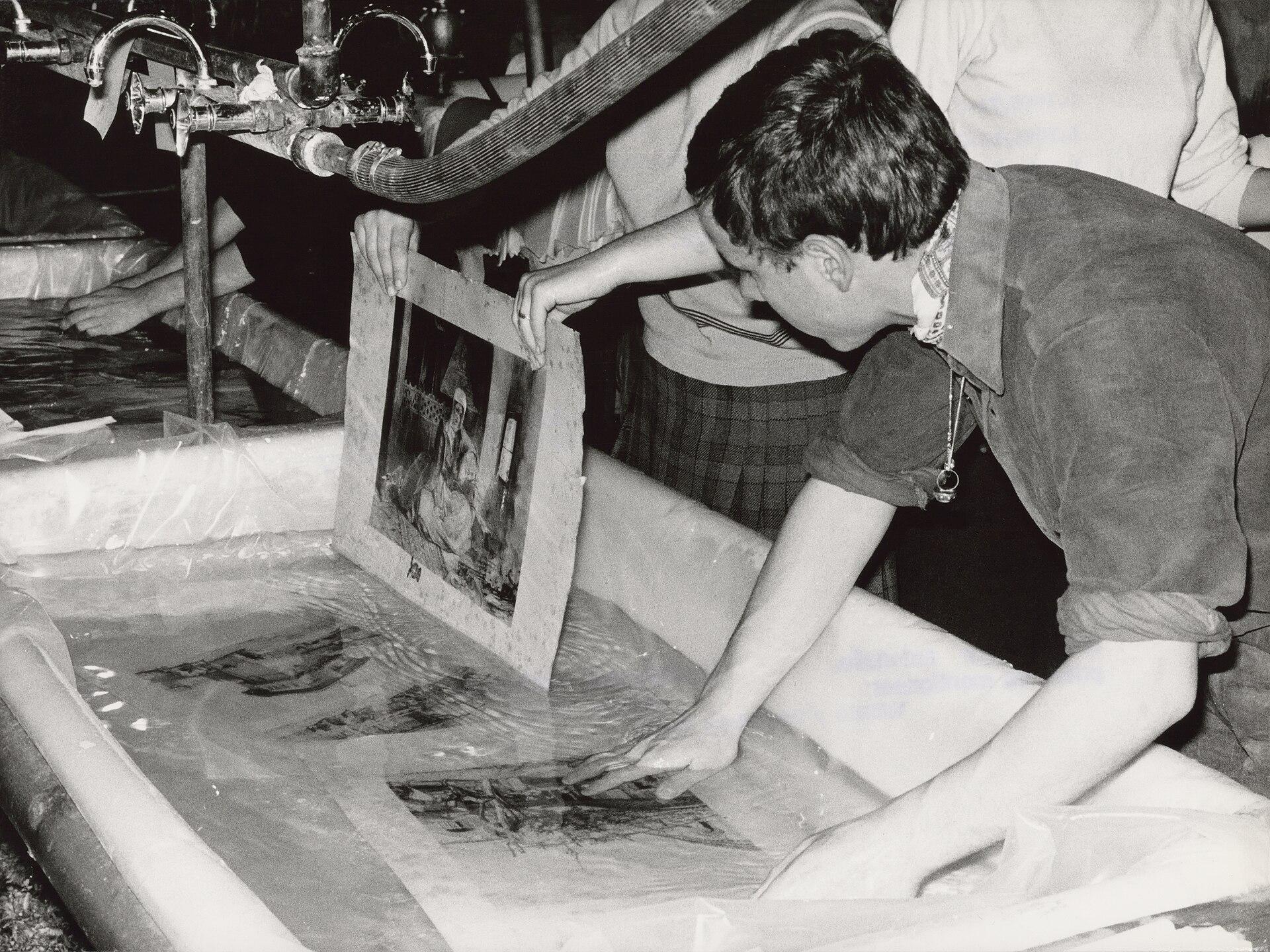
The mud angels
Here young people from all over the world passed soaked books from hand to hand, in the dark and in the mud.
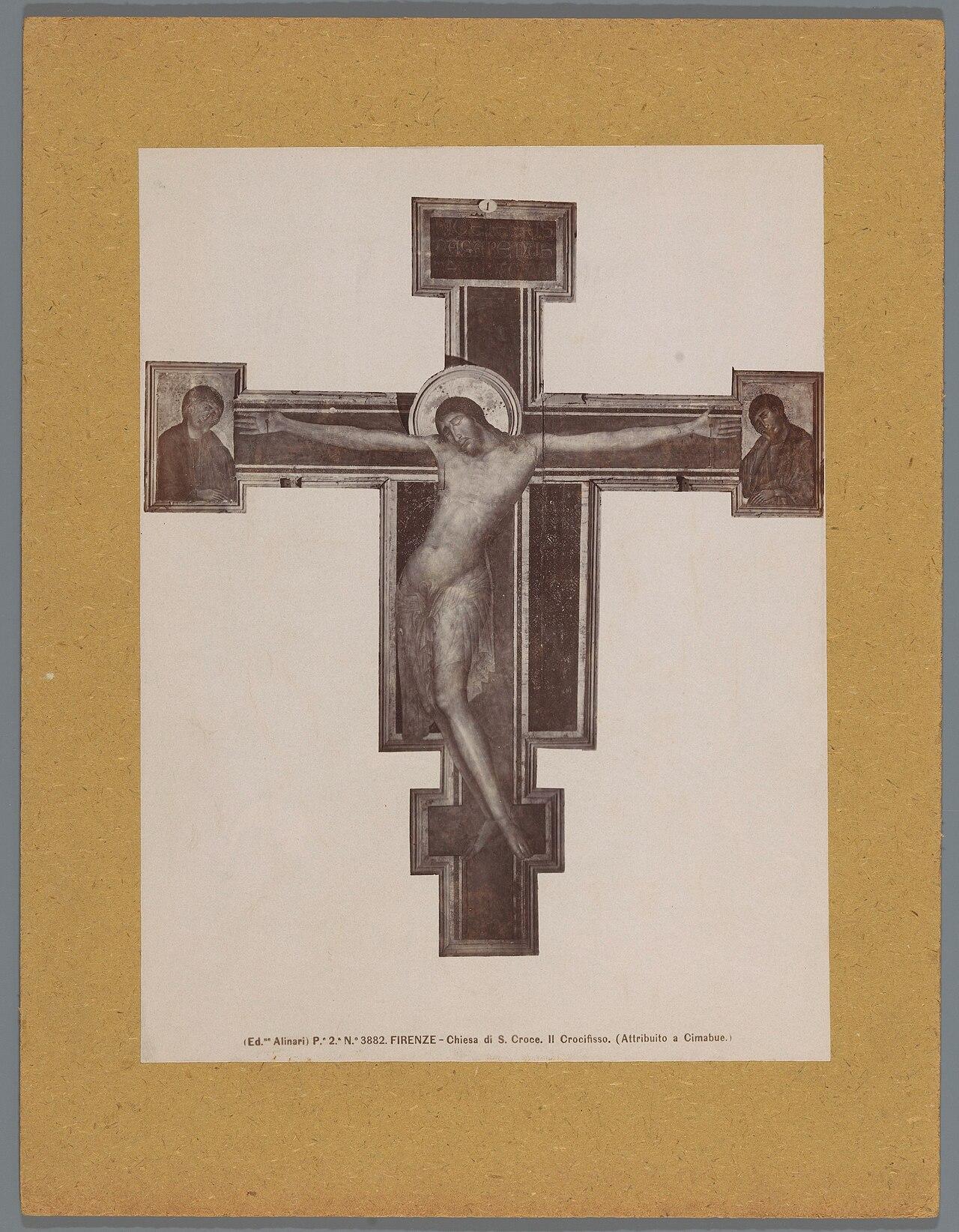
The crucifix that survived
Cimabue's crucifix became the face of the disaster, and the damage was deliberately left visible.
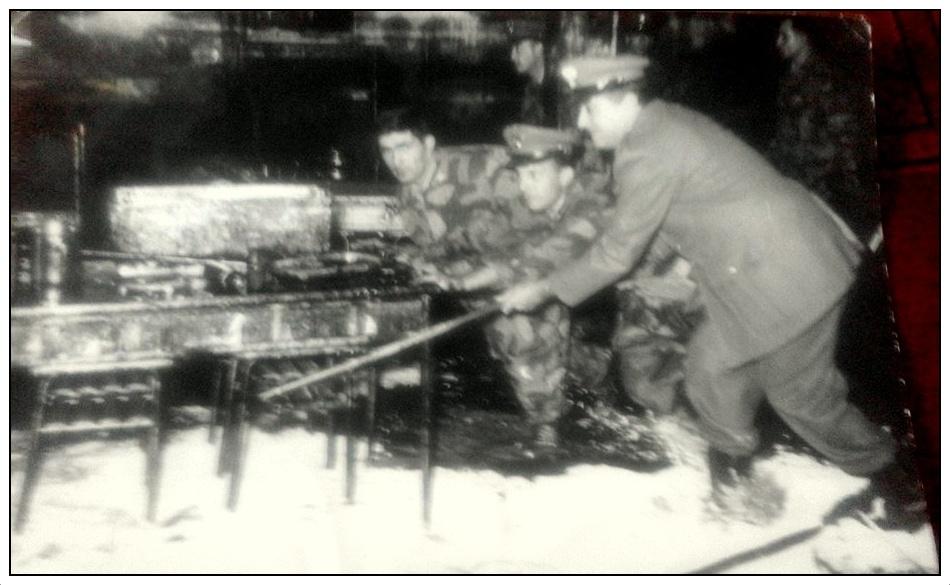
The lowest point in the city
This is where the water rose highest, in the neighbourhood with the cheapest homes and the most workshops.
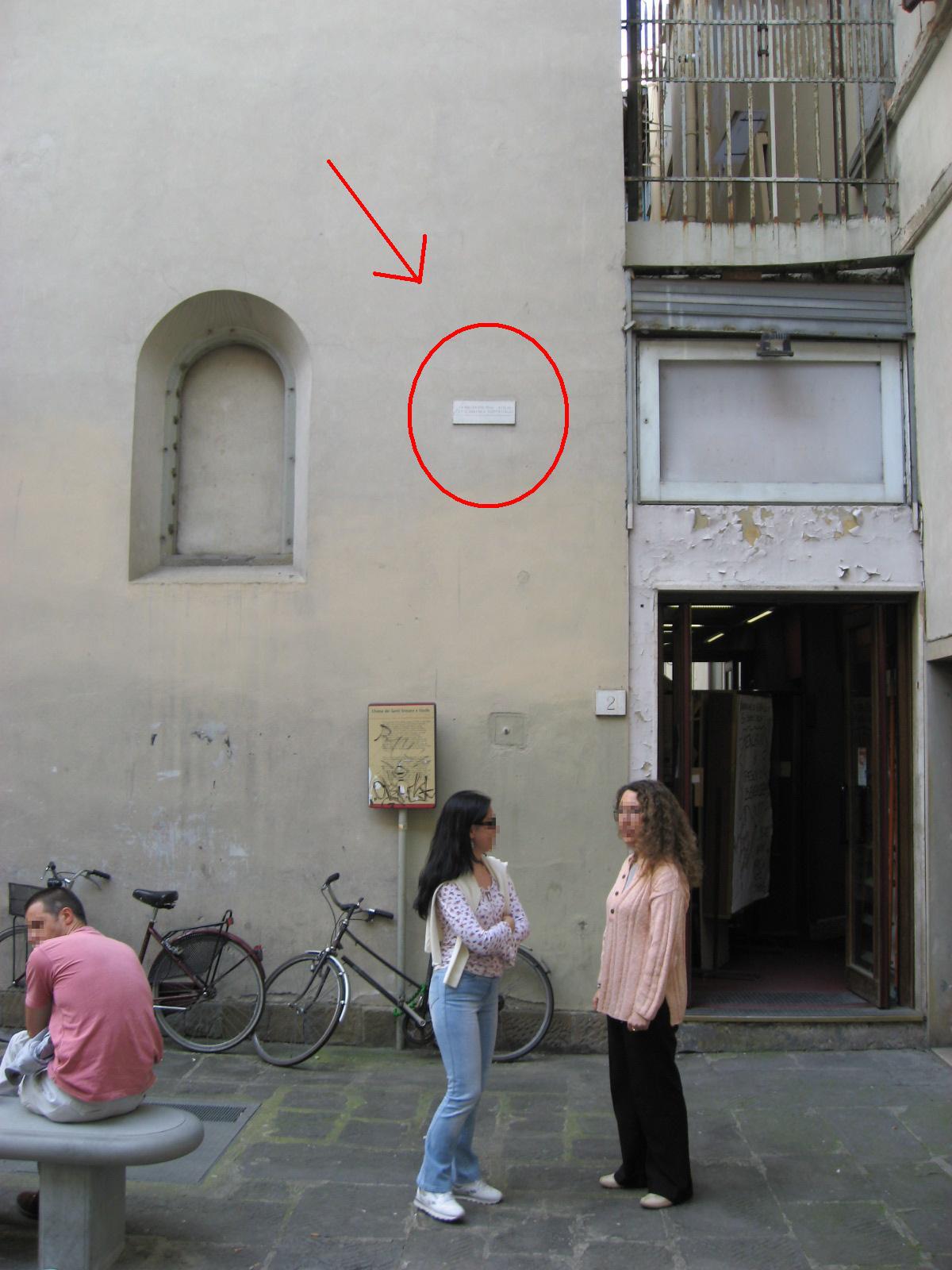
The line on the wall
Two marks in the same wall, one above the other, with six centuries between them.
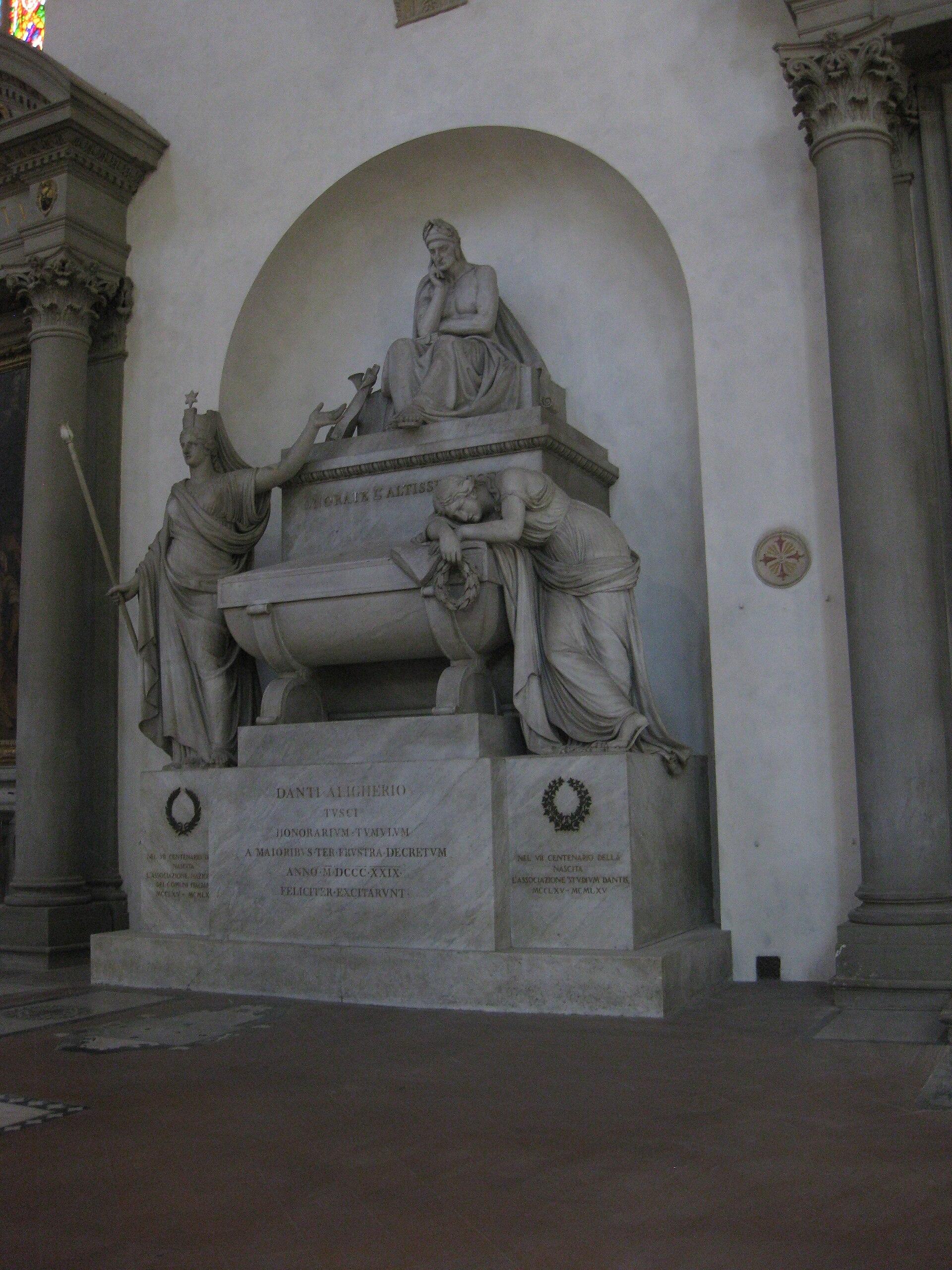
The Empty Grave
Dante's tomb in this church stands empty, and Ravenna has held onto his bones for seven hundred years.
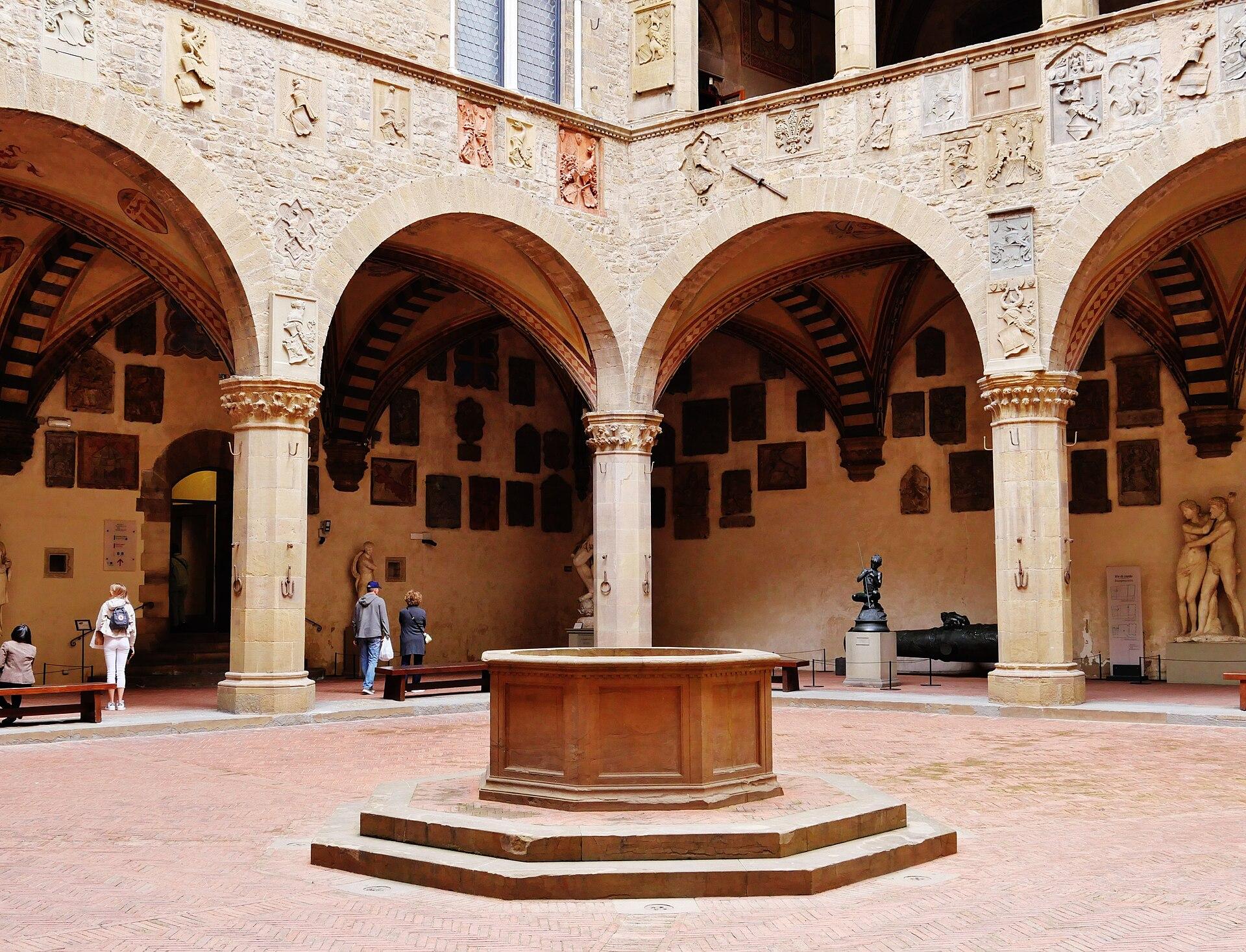
The sentence and the face
He was condemned in this building, and centuries later his earliest portrait surfaced here from beneath a coat of whitewash.
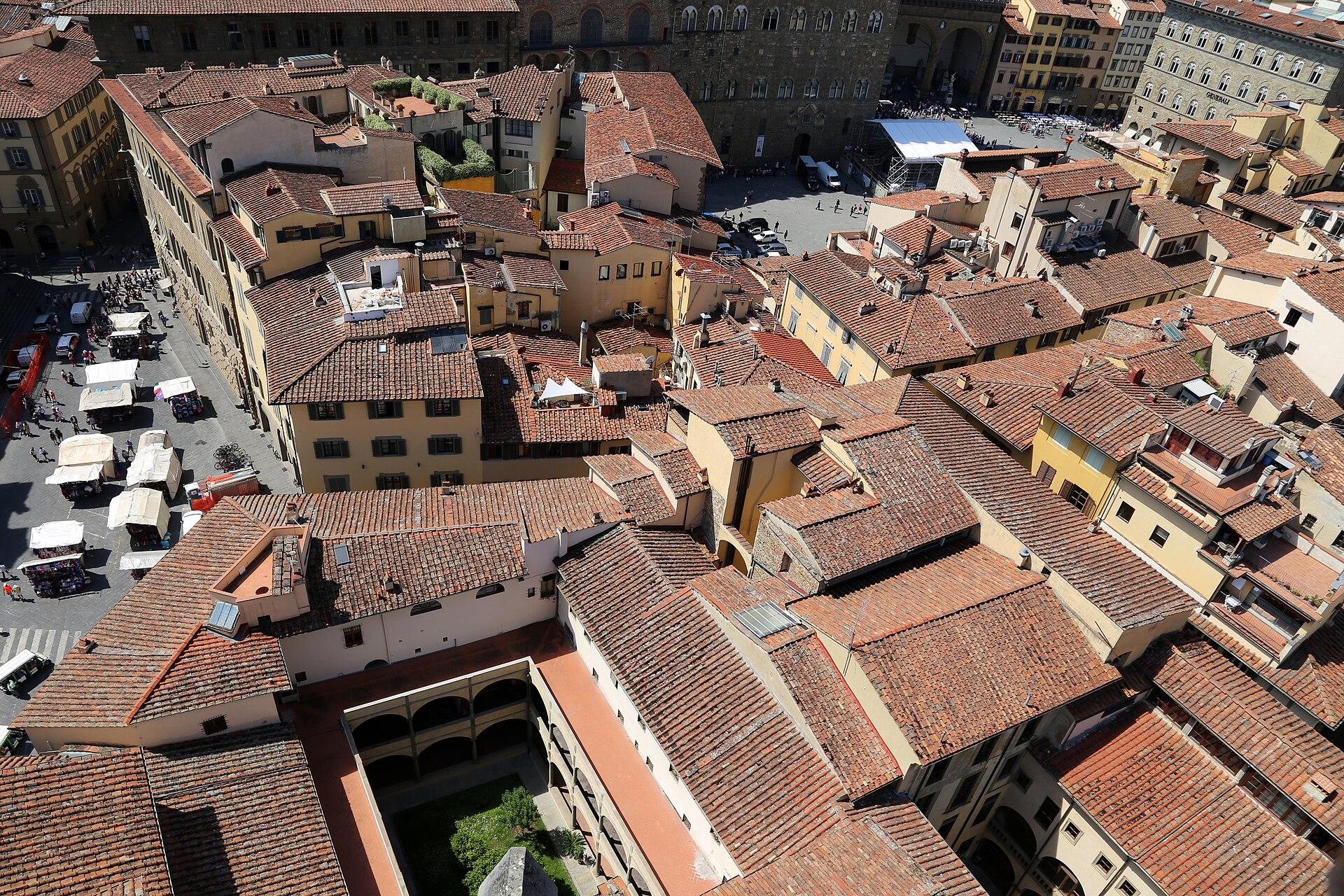
The bell and the reader
The bell that set the rhythm of his day, and the city that had his poem read aloud seventy years later.
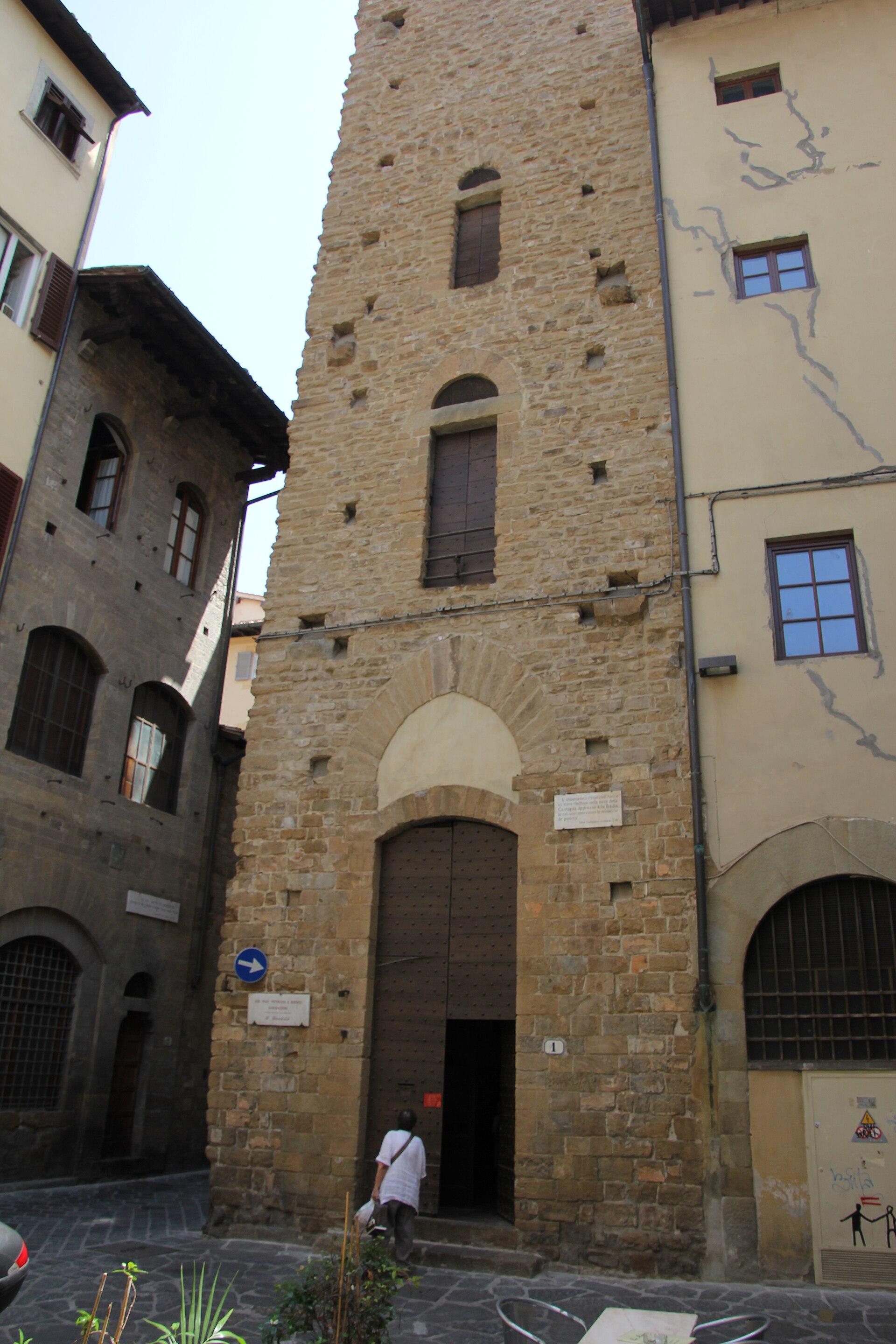
Voting with chestnuts
For two months he helped govern from this tower, and those two months cost him his city.
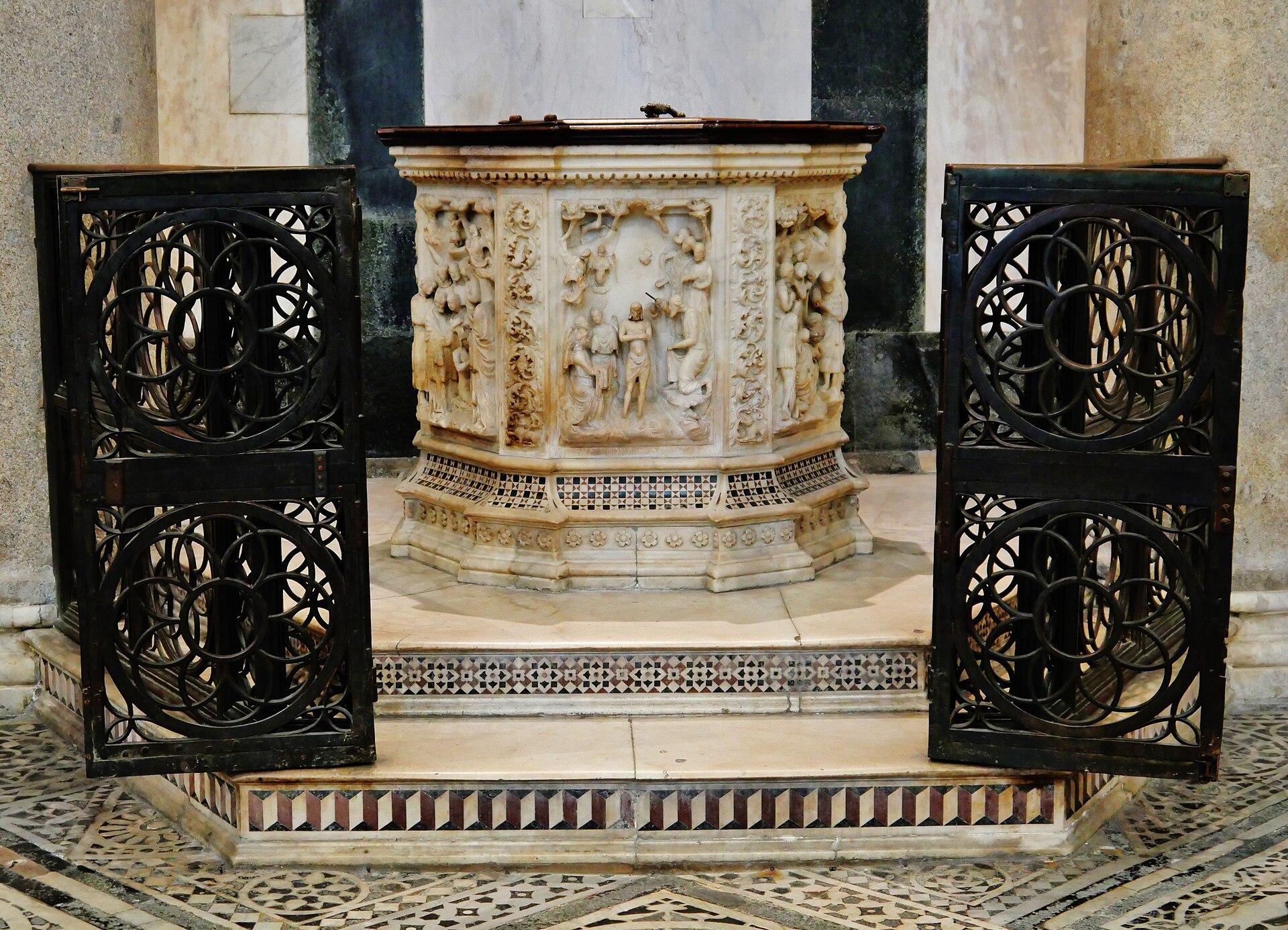
The Laurel Crown That Never Came
He was baptised here, and here he hoped to be crowned as a poet.
HistoryThe Neighbour Who Was His Enemy
The street of the man who drove him out of the city, and of the family he had married into.
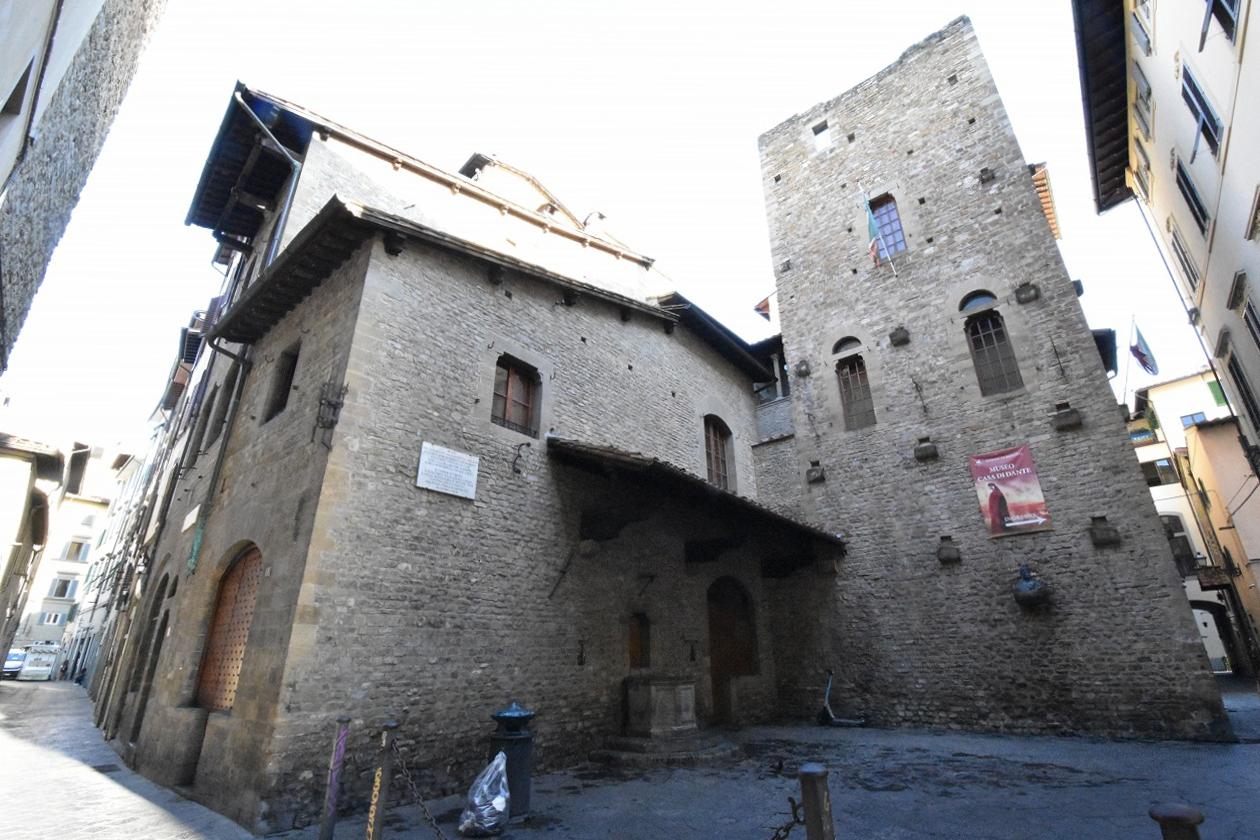
A birthplace from 1910
Dante's house is a reconstruction from 1910, and that's exactly what makes the story more interesting.
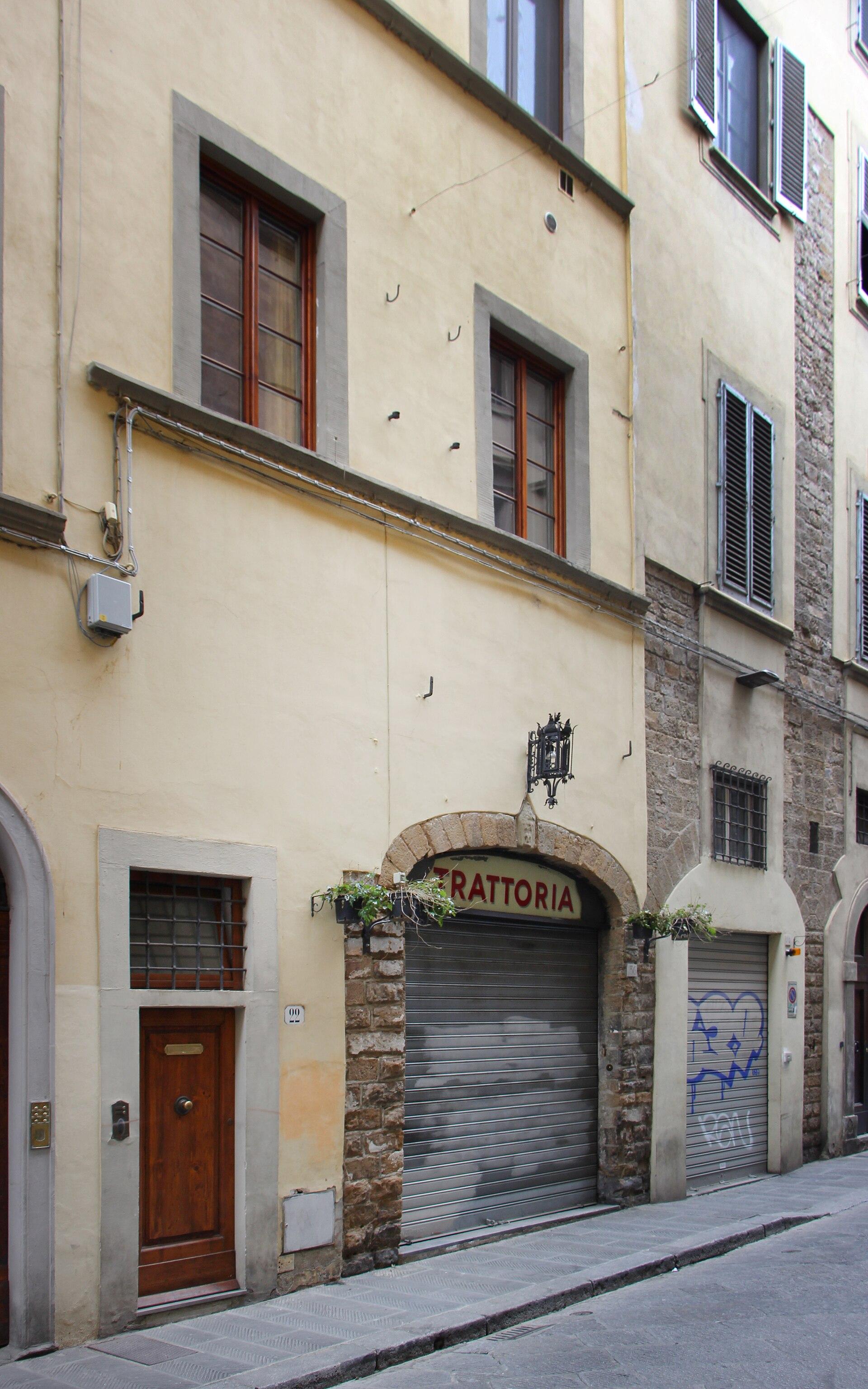
Who still lives here
A neighbourhood trying to hold onto itself, with workshops tucked in among the new apartments.
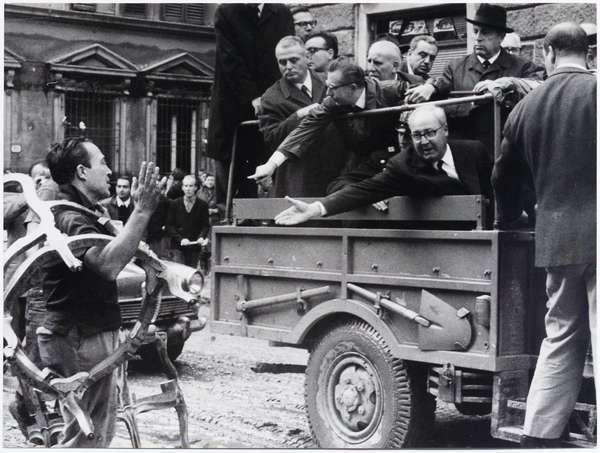
What the Water Left Behind
After the flood of 1966, Florence had to learn how to rescue thousands of damaged works, and that knowledge lives in this quarter.
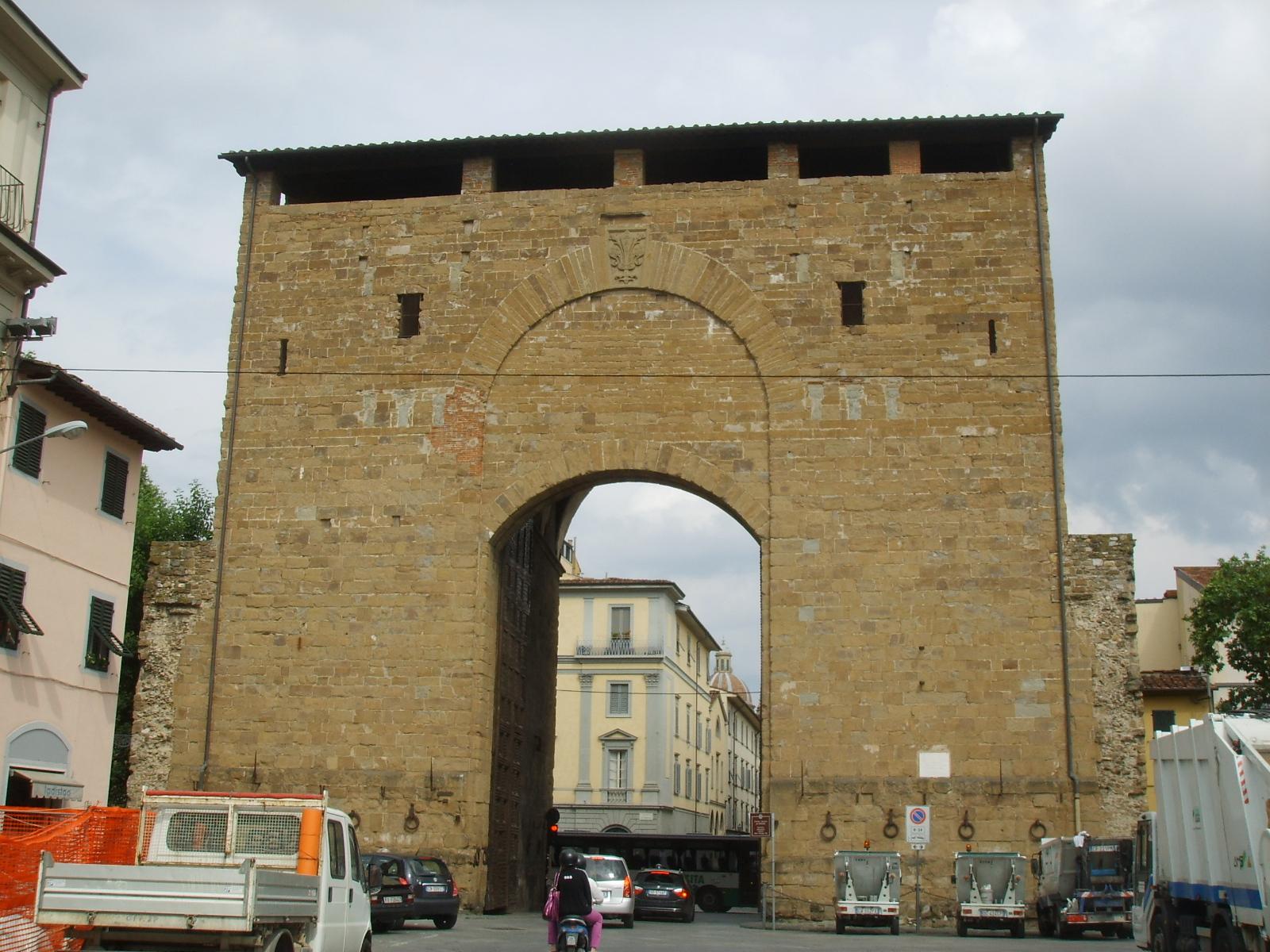
The gate toward Pisa
A fourteenth-century city gate that still holds its original wooden doors.
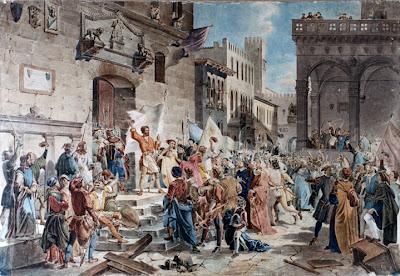
The wool carder who became standard-bearer
A wool carder from this neighbourhood ran Florence for a few months in 1378.
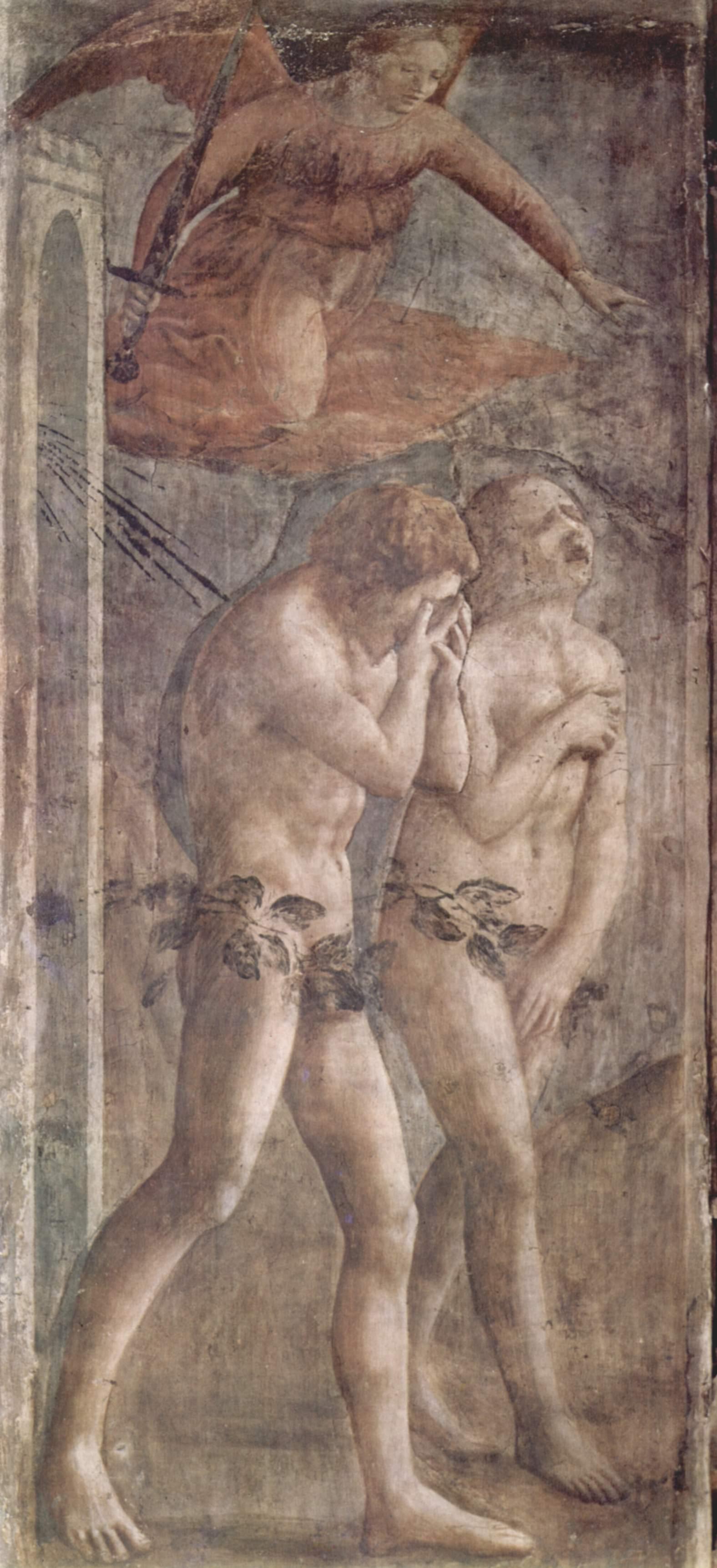
The chapel that survived the fire
The church burned almost entirely in 1771, and the one part left standing was the very chapel where half of Florence had learned to draw.
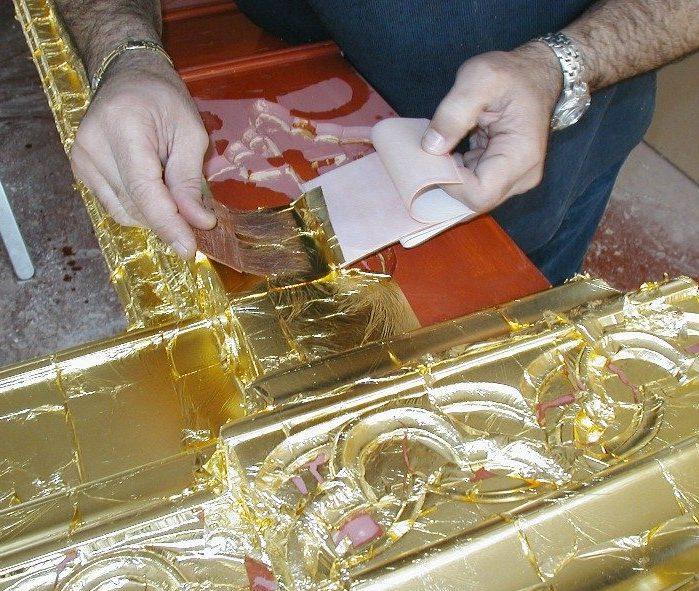
Gold as thin as breath
Gold leaf that drifts away on your breath, and streets where the craft has passed from hand to hand for centuries.
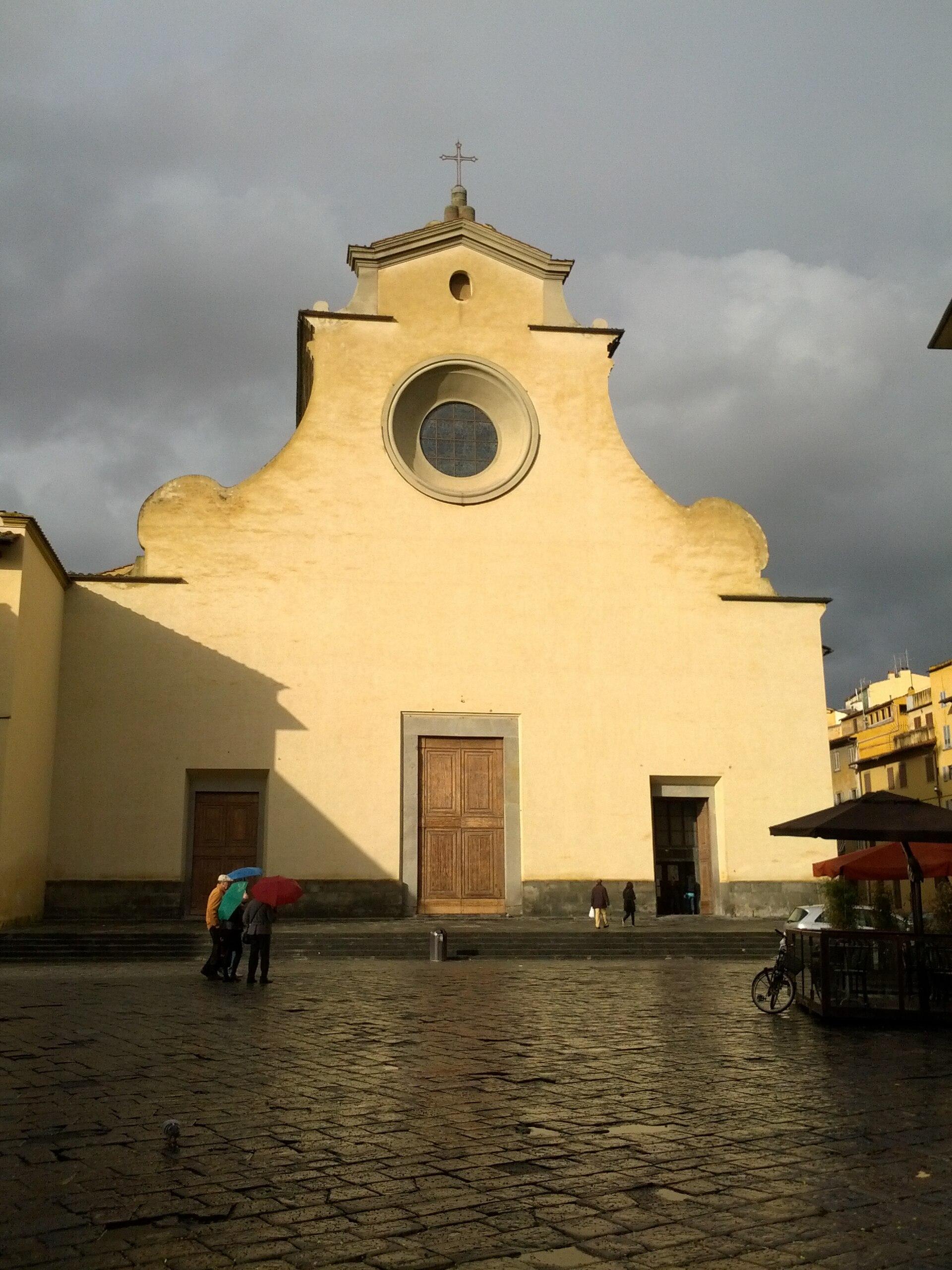
The church without a face
A facade stripped of any detail, and a church that holds Brunelleschi's last and most austere design.
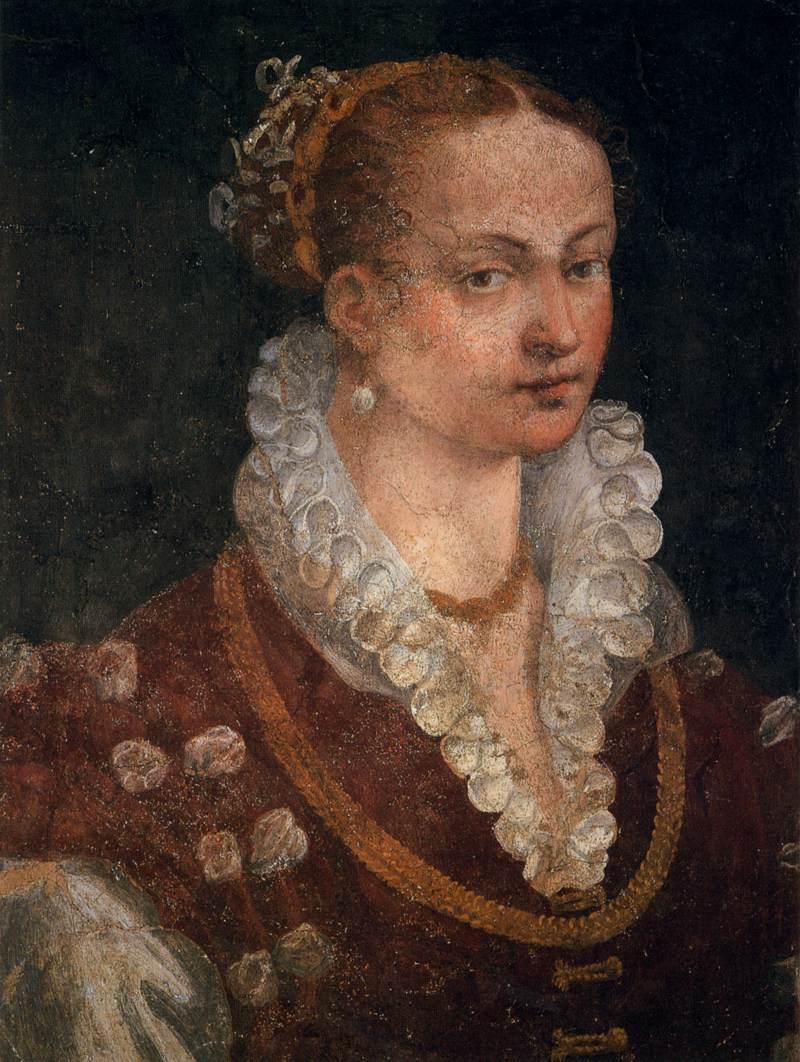
Bianca's House
A facade covered in grey sgraffito, built for the Venetian mistress of a grand duke.
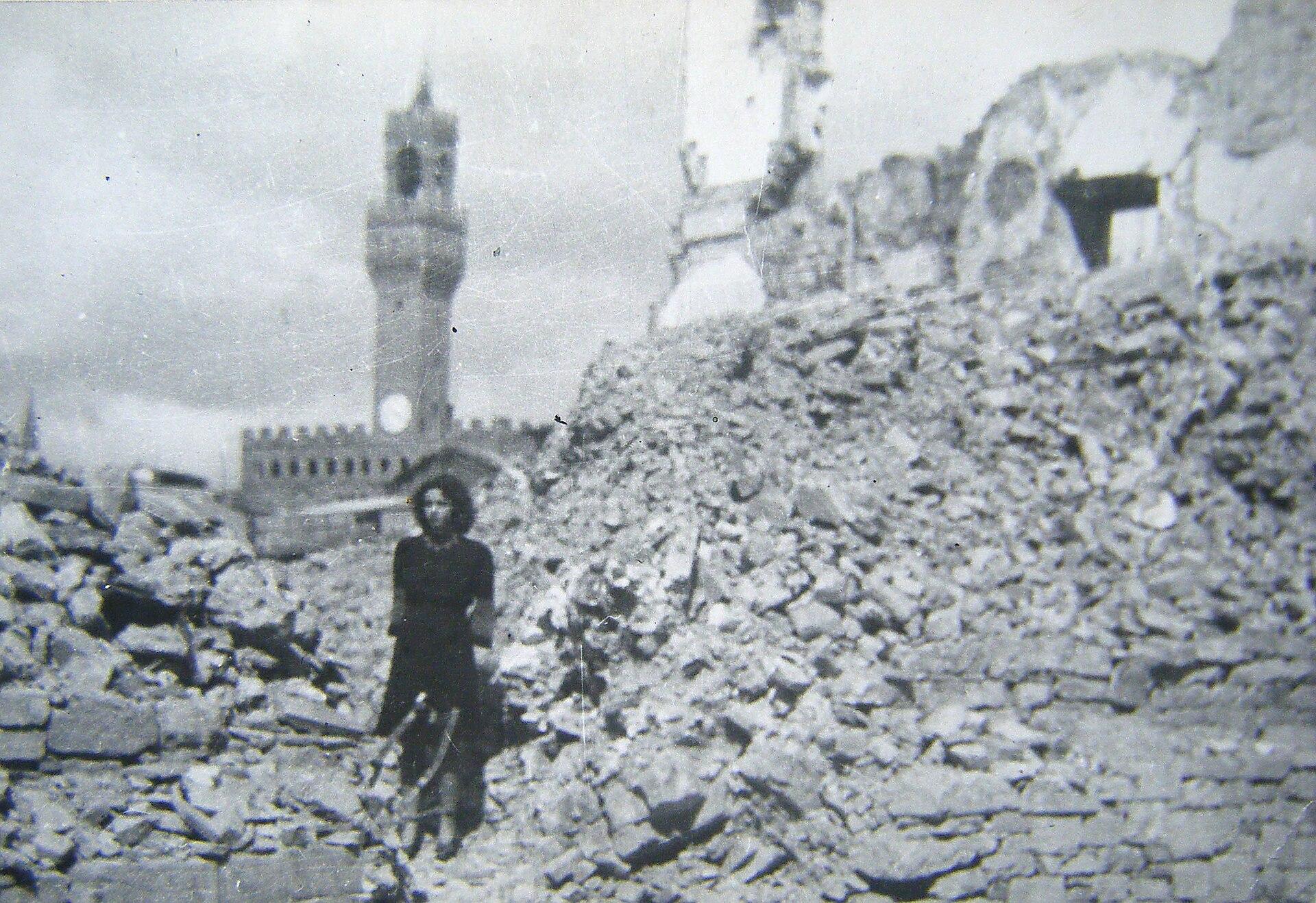
The street that was sacrificed
Two medieval towers among younger houses, on the street that was given up to the bridge in 1944.
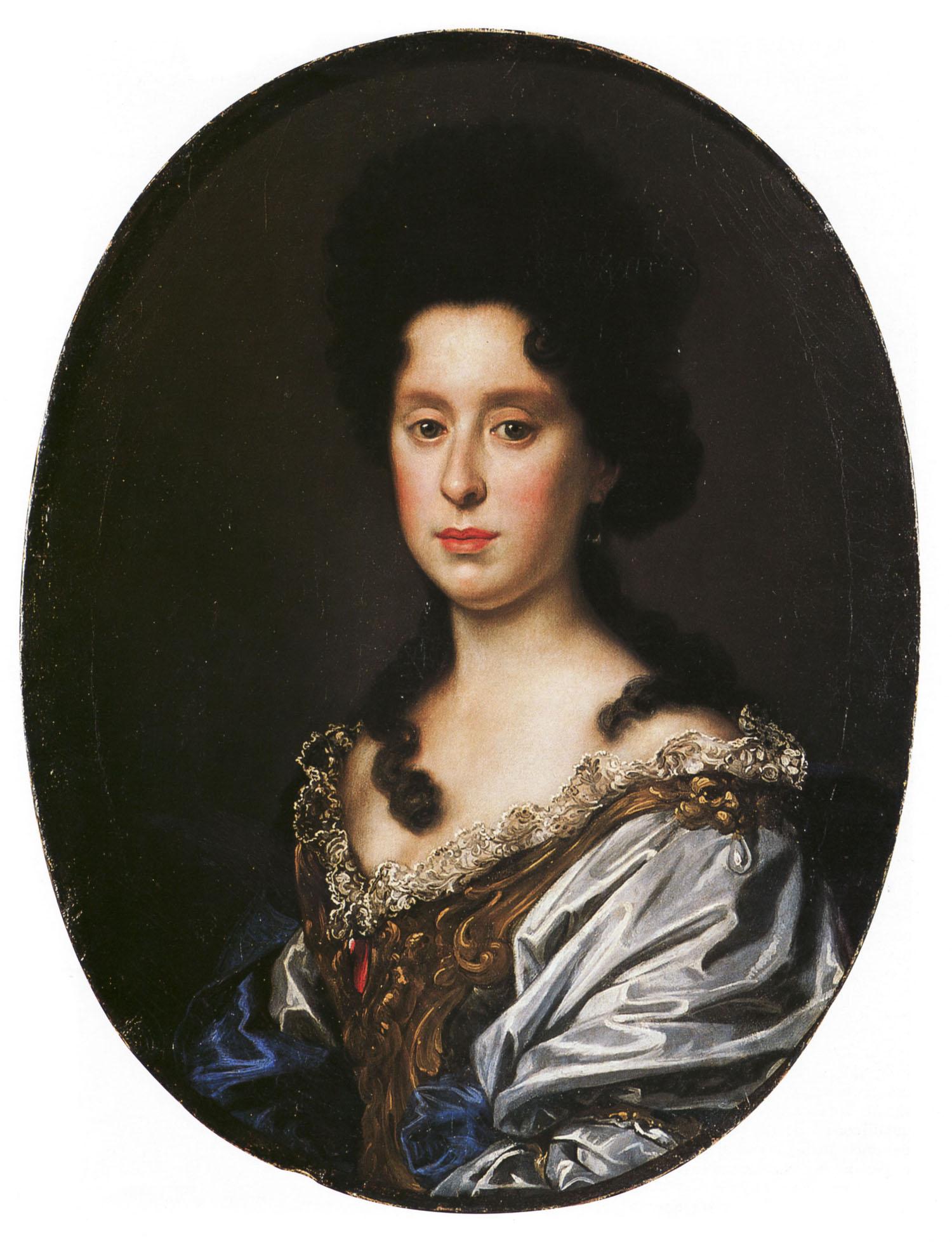
The woman who left it all behind
The last of the Medici made sure that everything the family owned would stay in Florence forever.
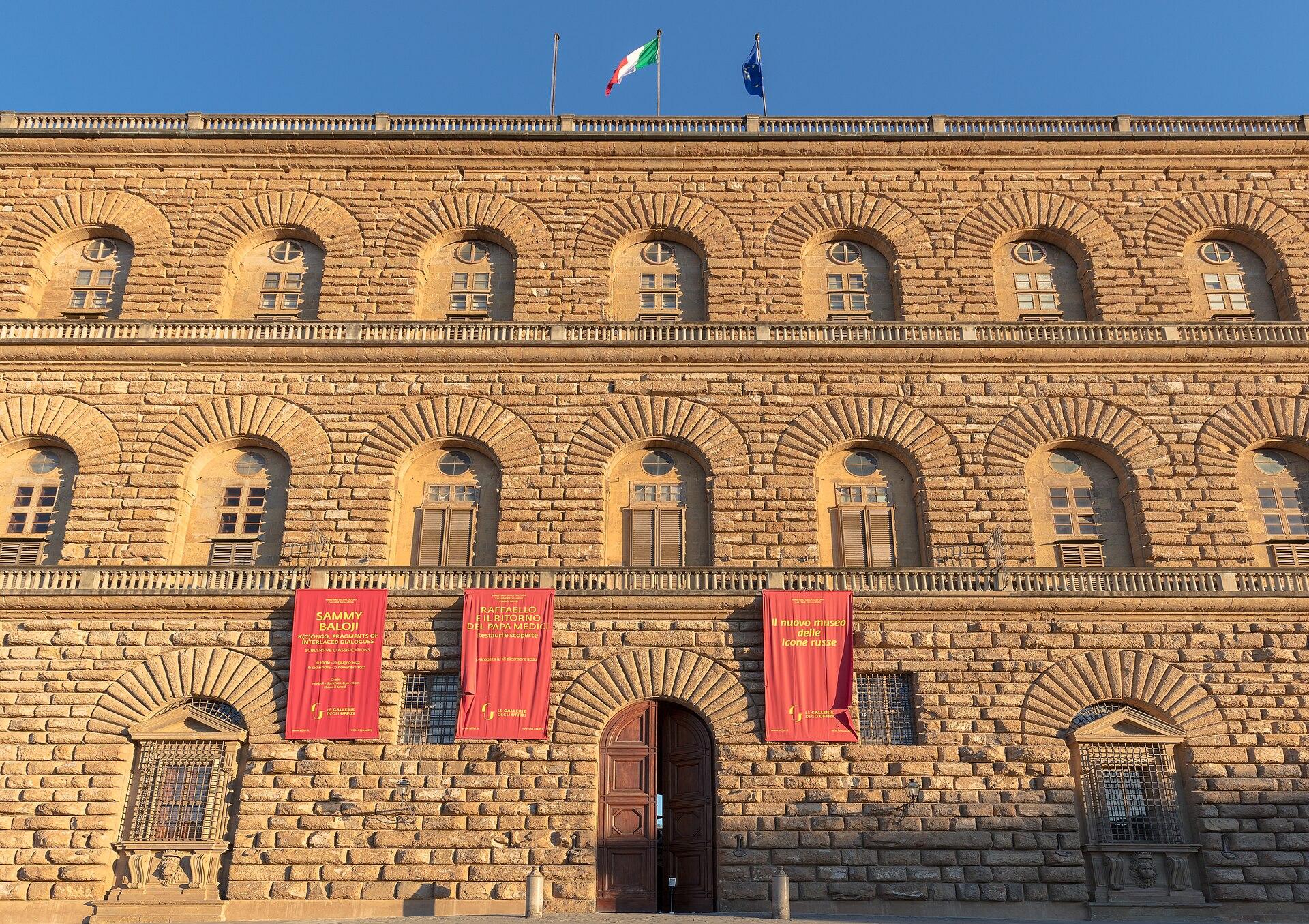
The rival's palace
A rival built this palace to outshine the Medici, and a hundred years later they were the ones living in it.
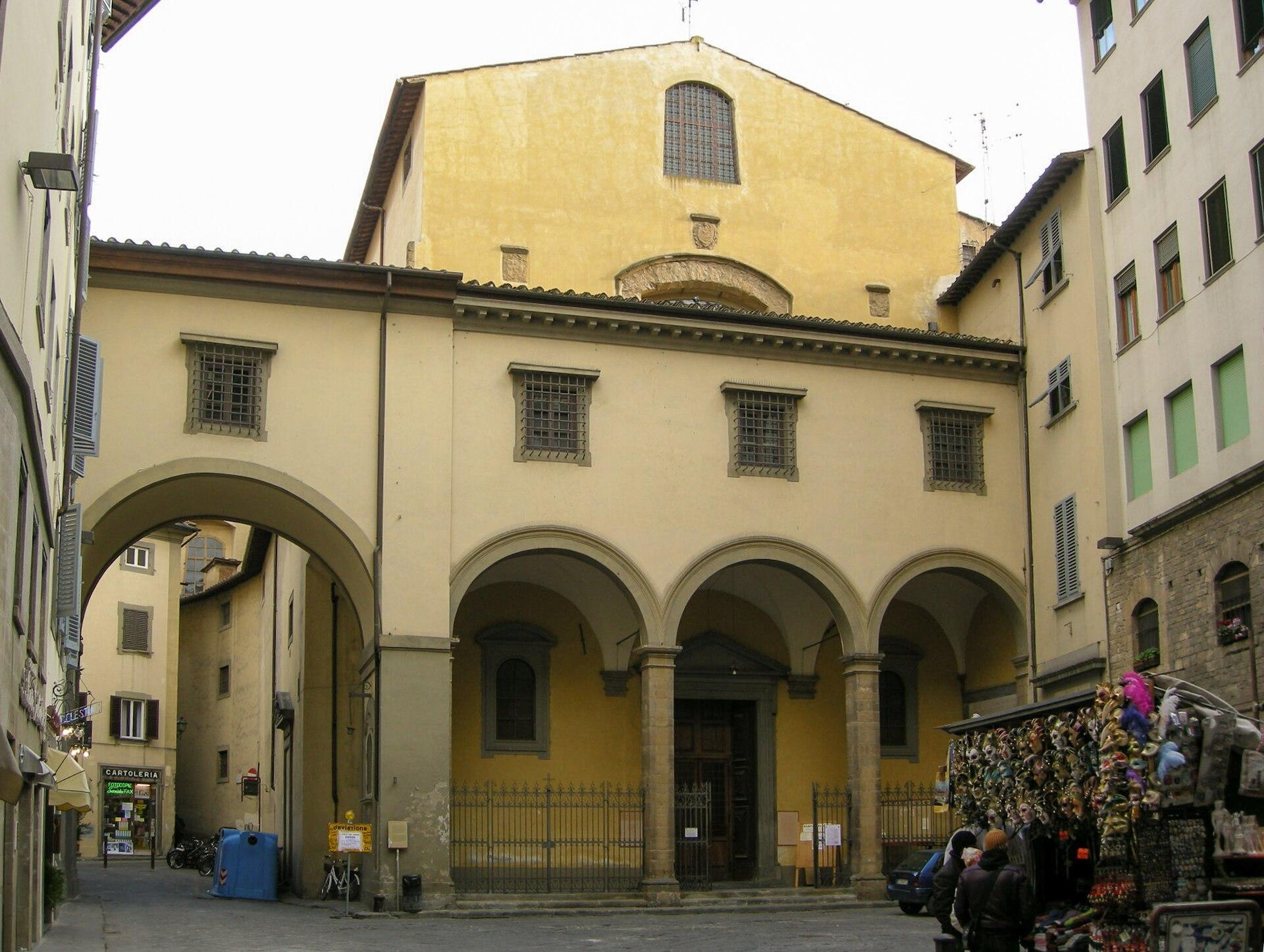
The church beneath the corridor
The corridor runs straight across the front of this church, and inside it opens onto a balcony.
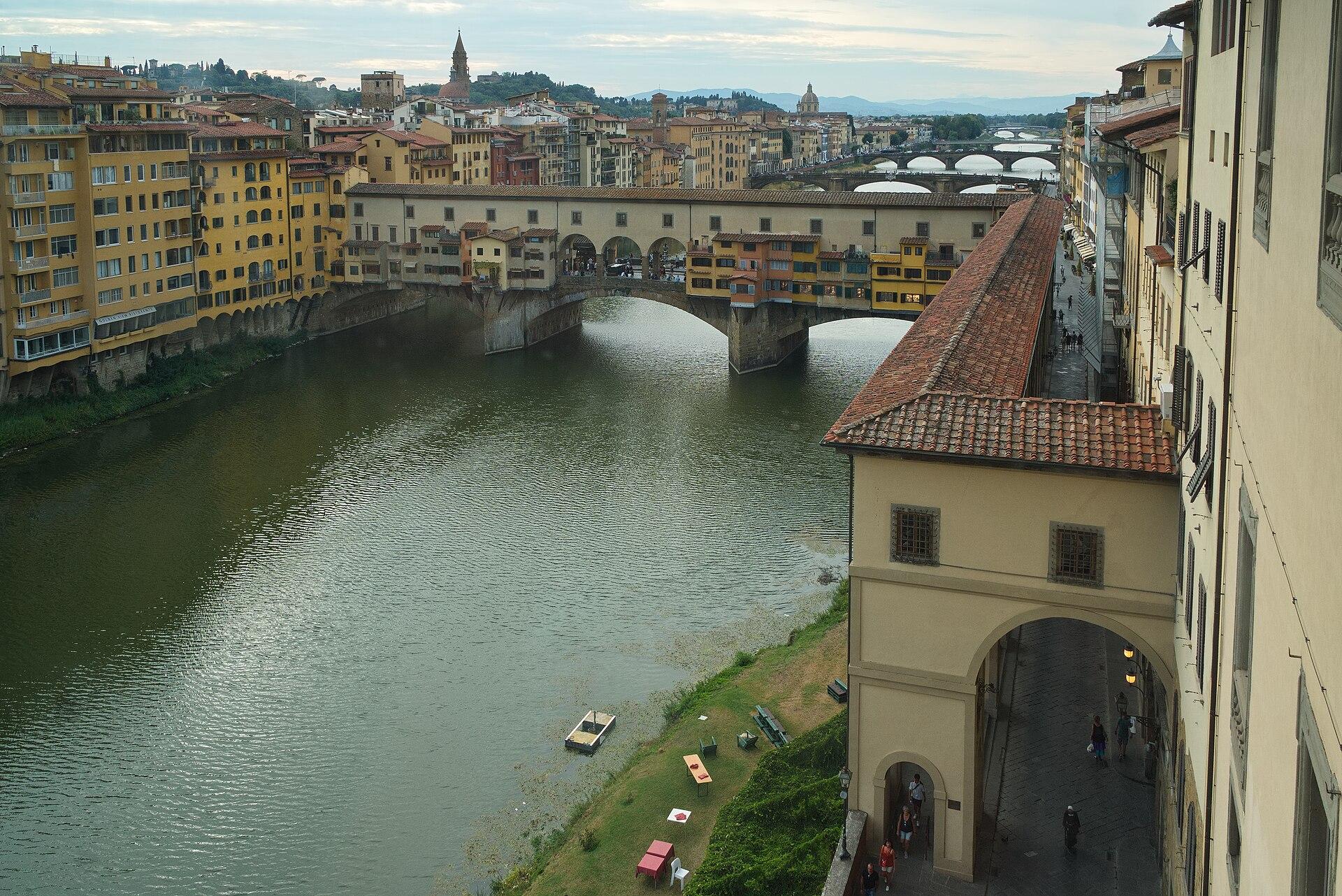
The corridor above the city
A corridor running almost a kilometre over shops and water, built in five months for a wedding.
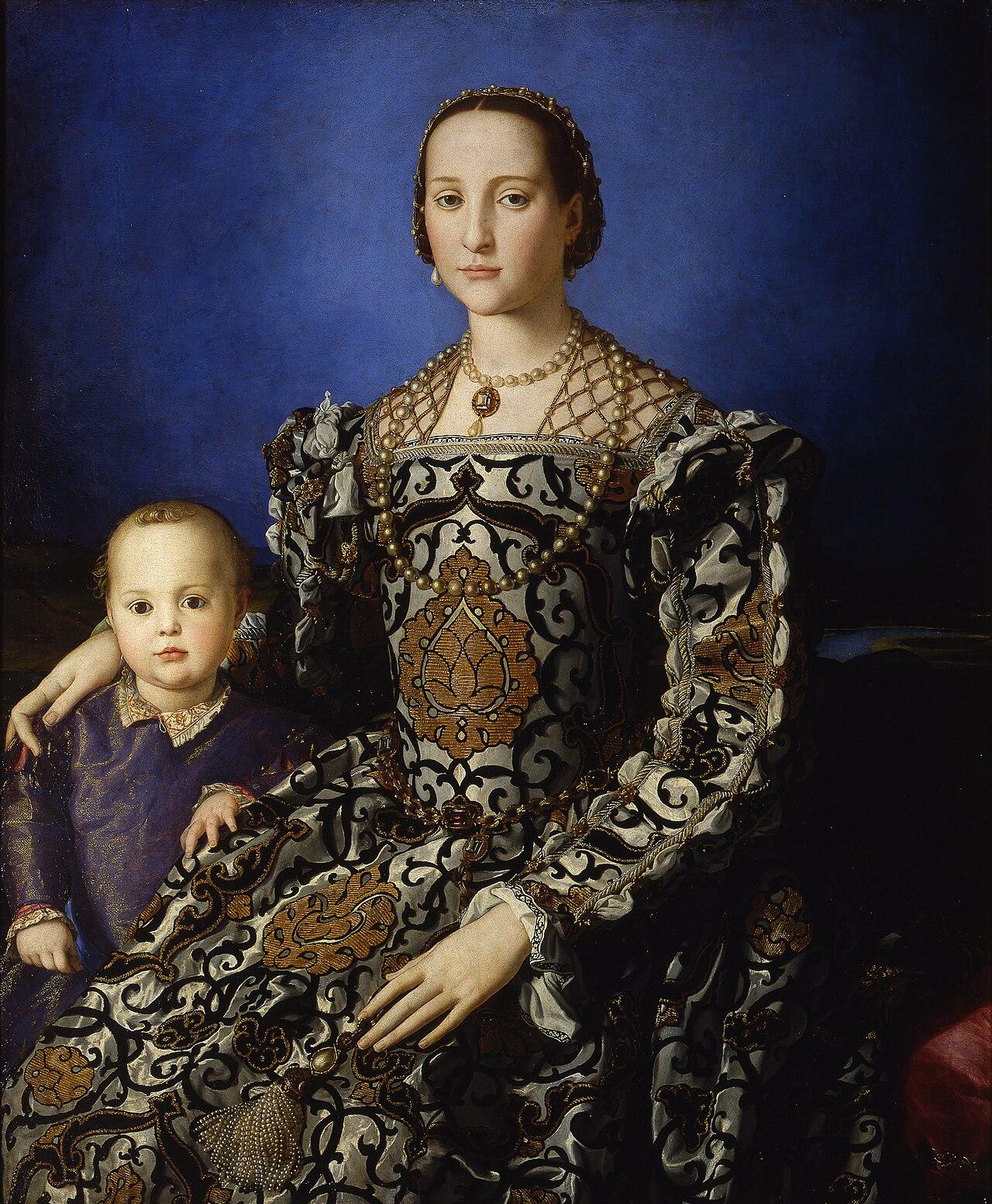
The duchess who paid the bill
The duchess from Naples who kept the duchy running with her own money and her own land.
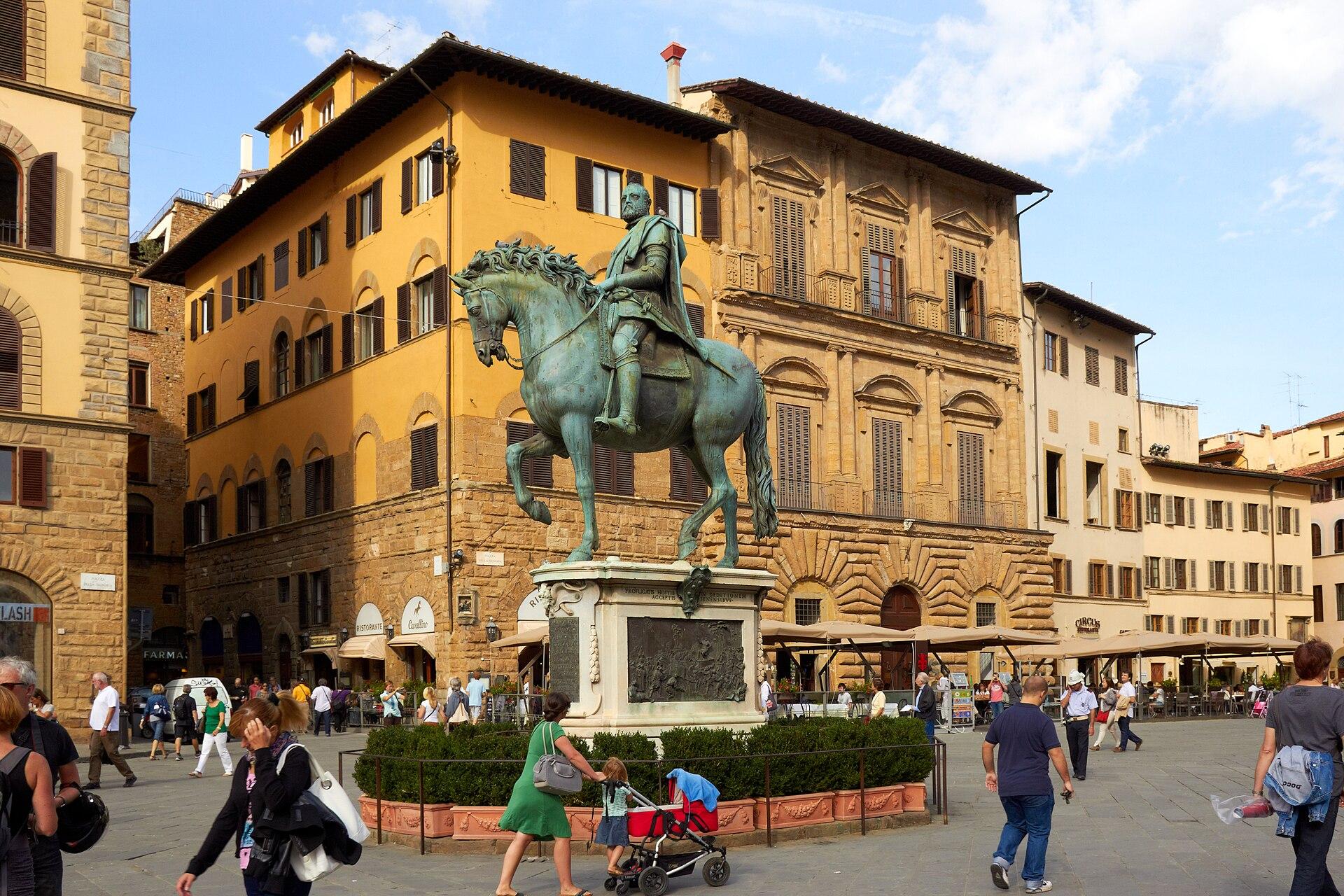
The boy who became a duke
A seventeen-year-old everyone thought they could control, cast in bronze on the square of the republic he shut down.
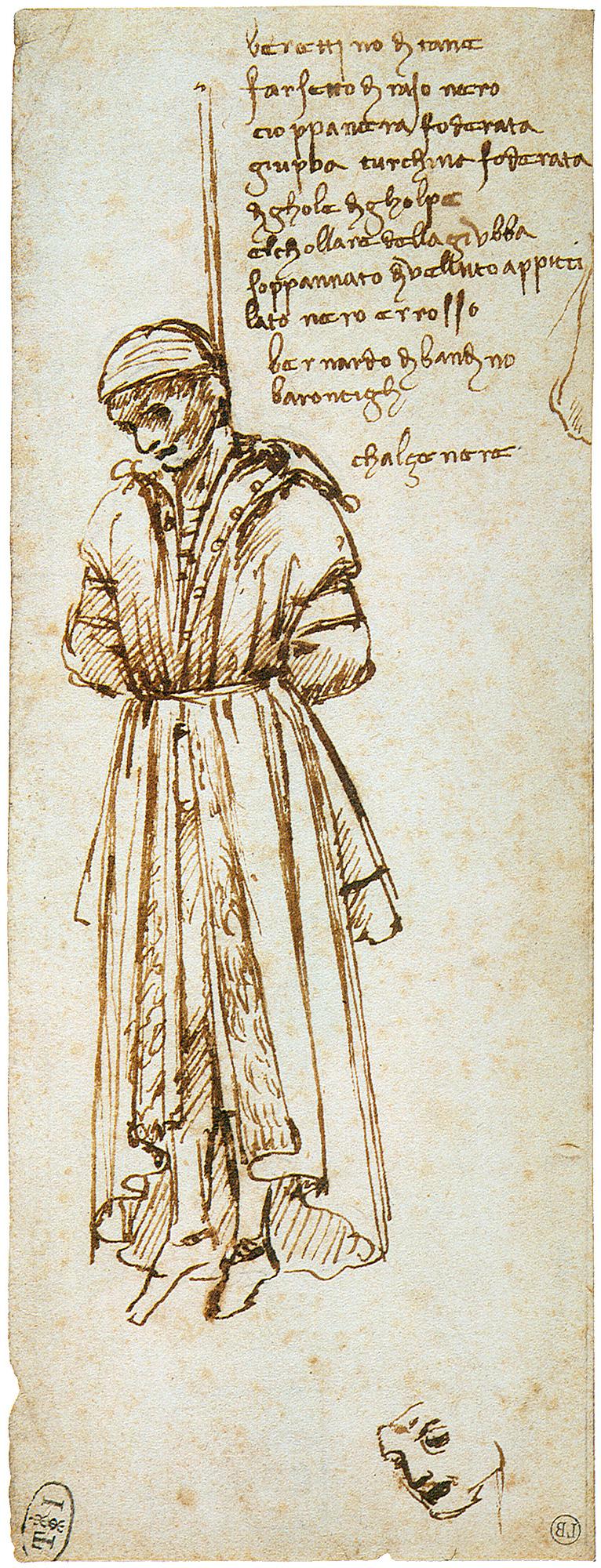
The mass of 1478
During High Mass in April 1478, one brother was stabbed to death right here while the other locked himself behind bronze doors.
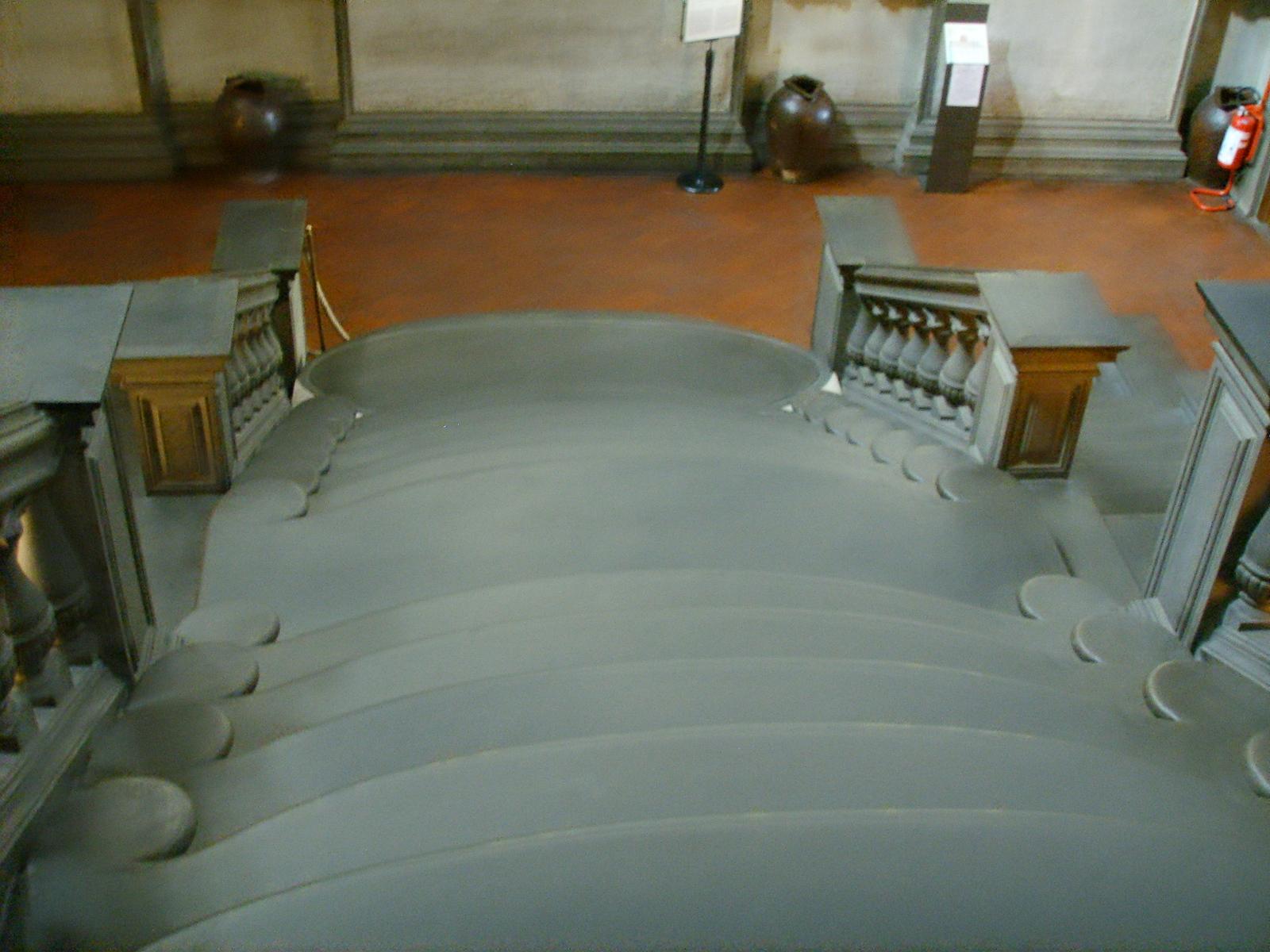
Michelangelo's staircase
A staircase that pours out of the room like a stream of lava, leading to a library the family treated as a possession.
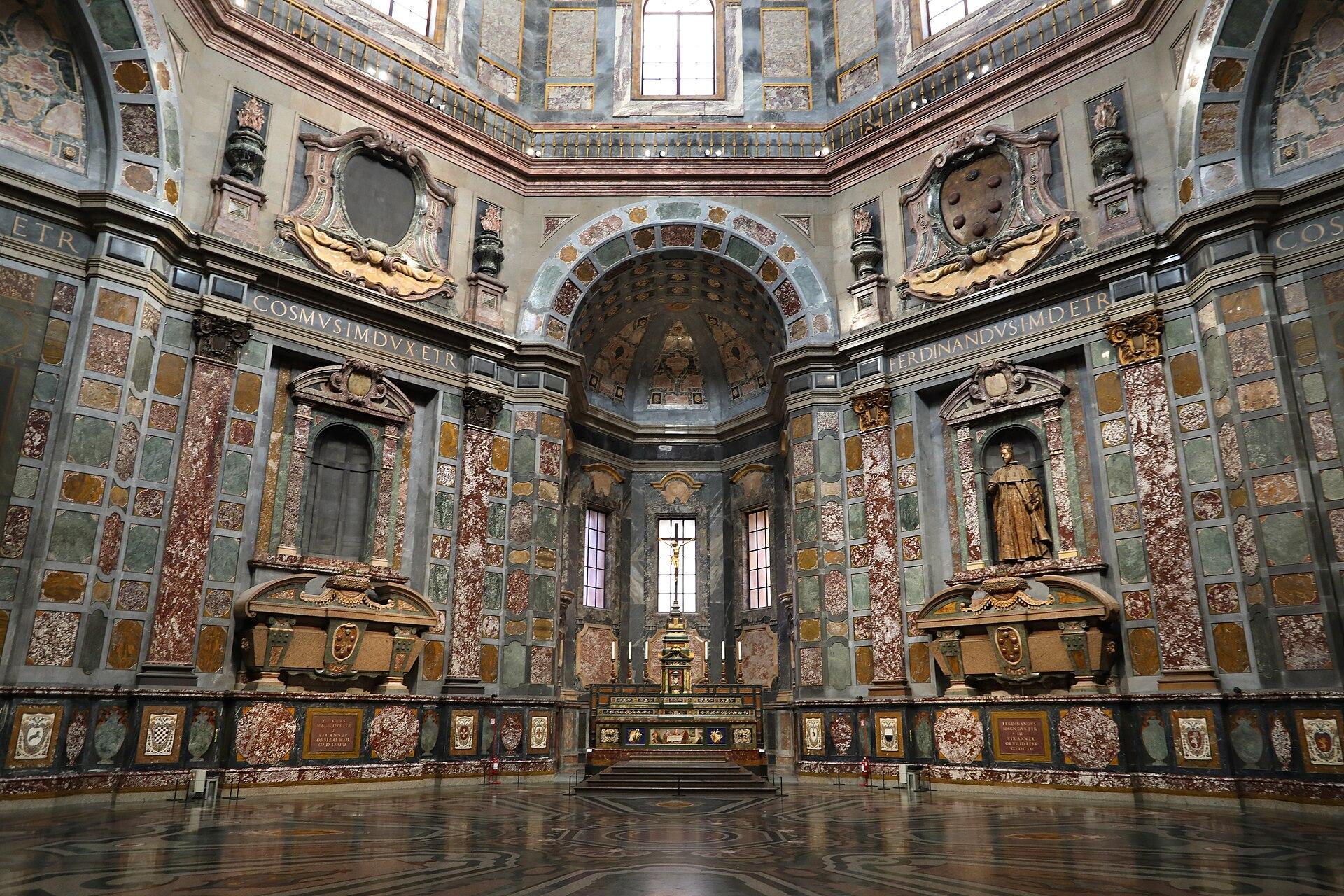
A tomb made of semiprecious stone
A funerary chapel of jasper and porphyry that spent three centuries under construction, built for a family that had already died out before it was finished.
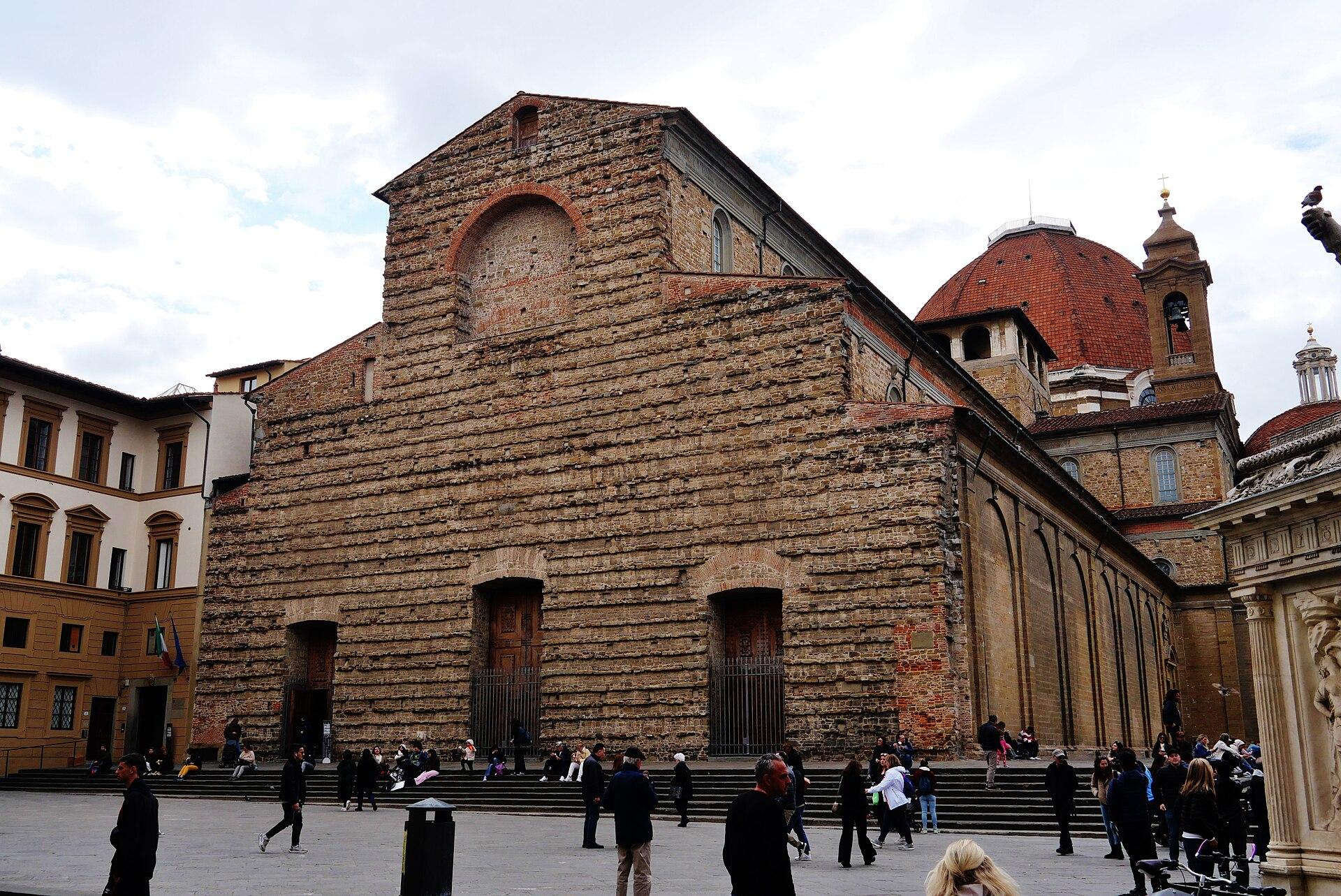
The Neighbourhood Church
The parish church the family bought, with a facade that was never finished and a tomb beneath the floor.
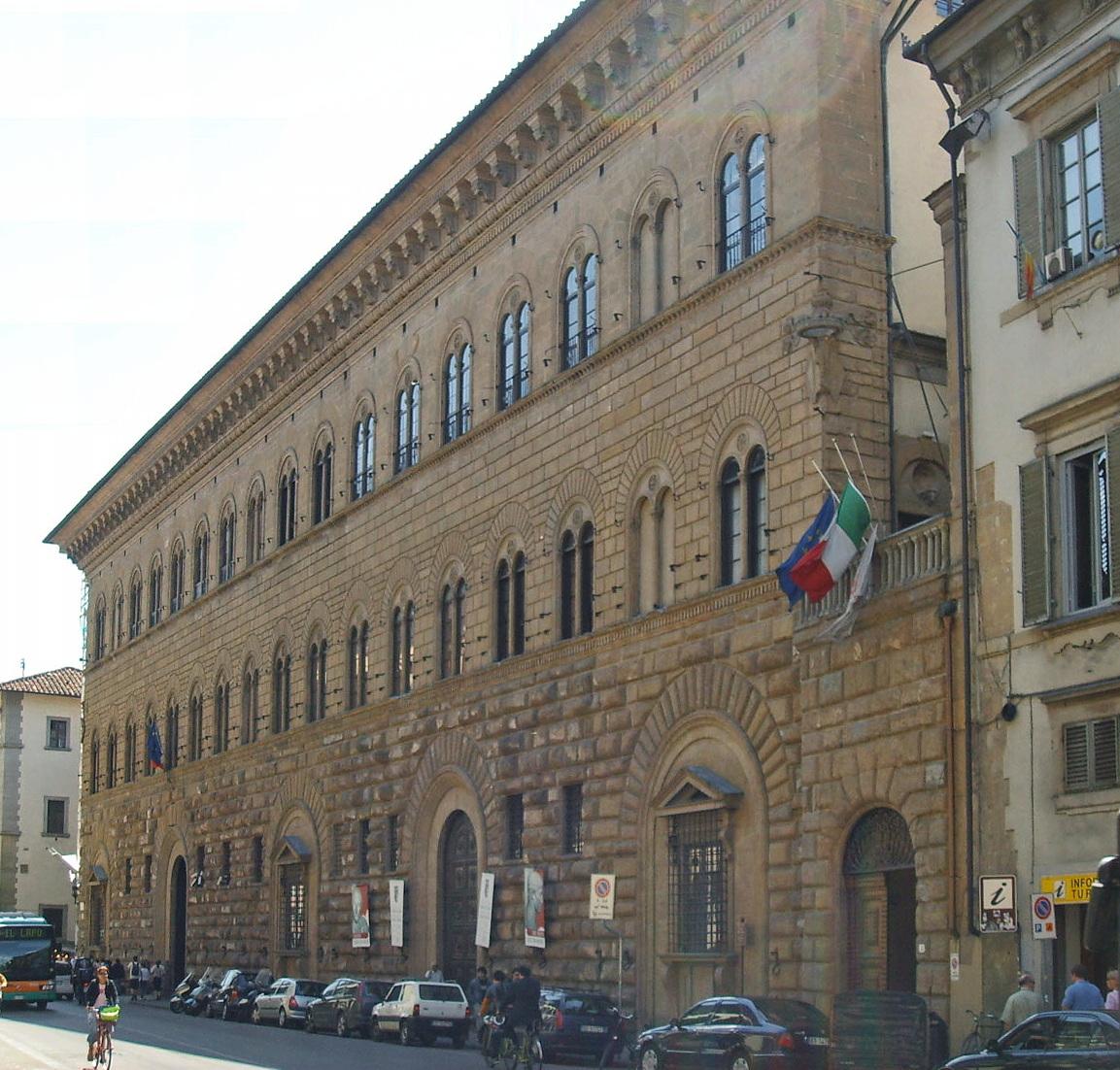
The House That Wasn't Supposed to Stand Out
The banker who ran the city without ever holding office, and a design he found too flashy.
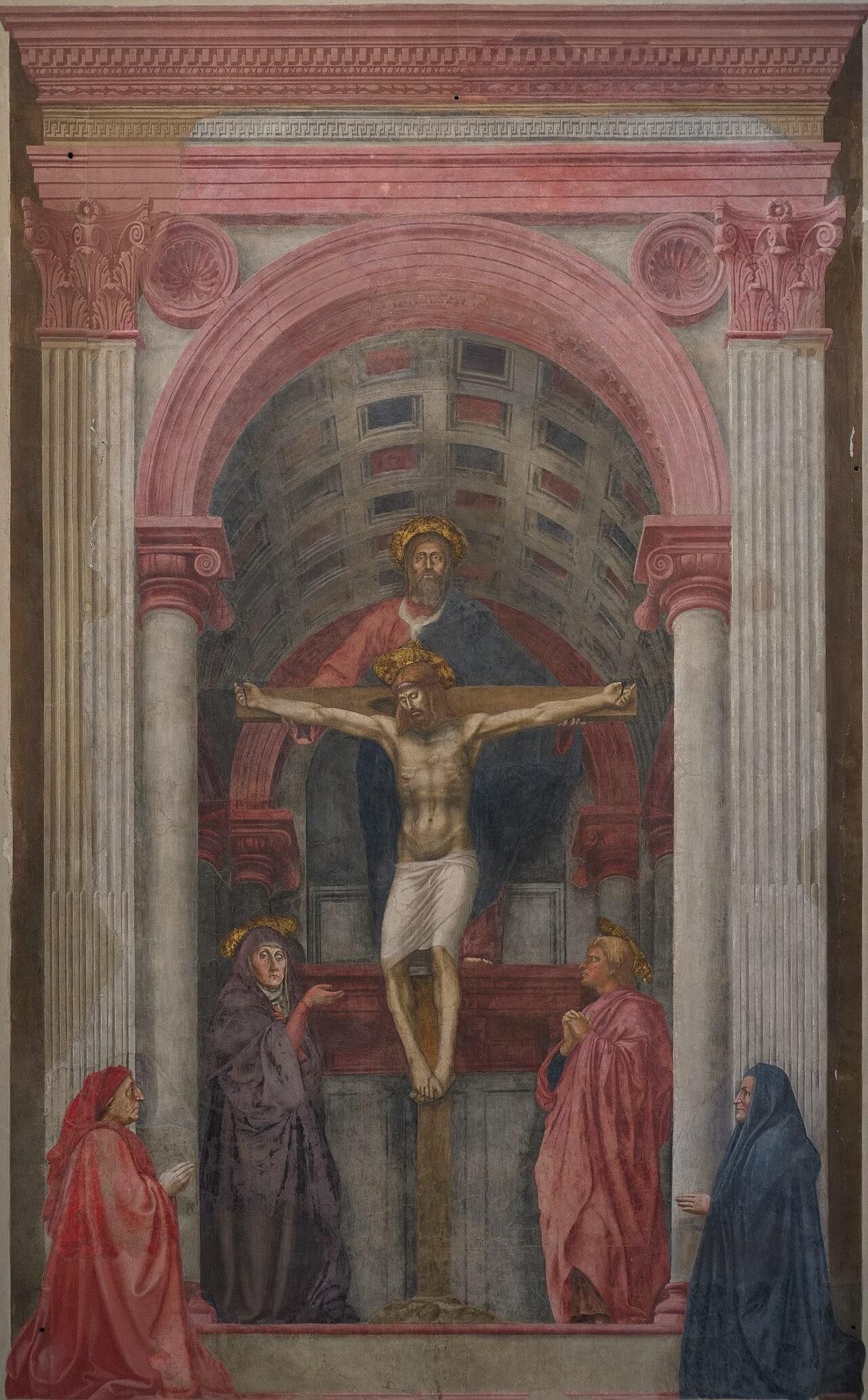
The hole in the wall
The wall where perspective came out right for the first time, with a skeleton that speaks to you.
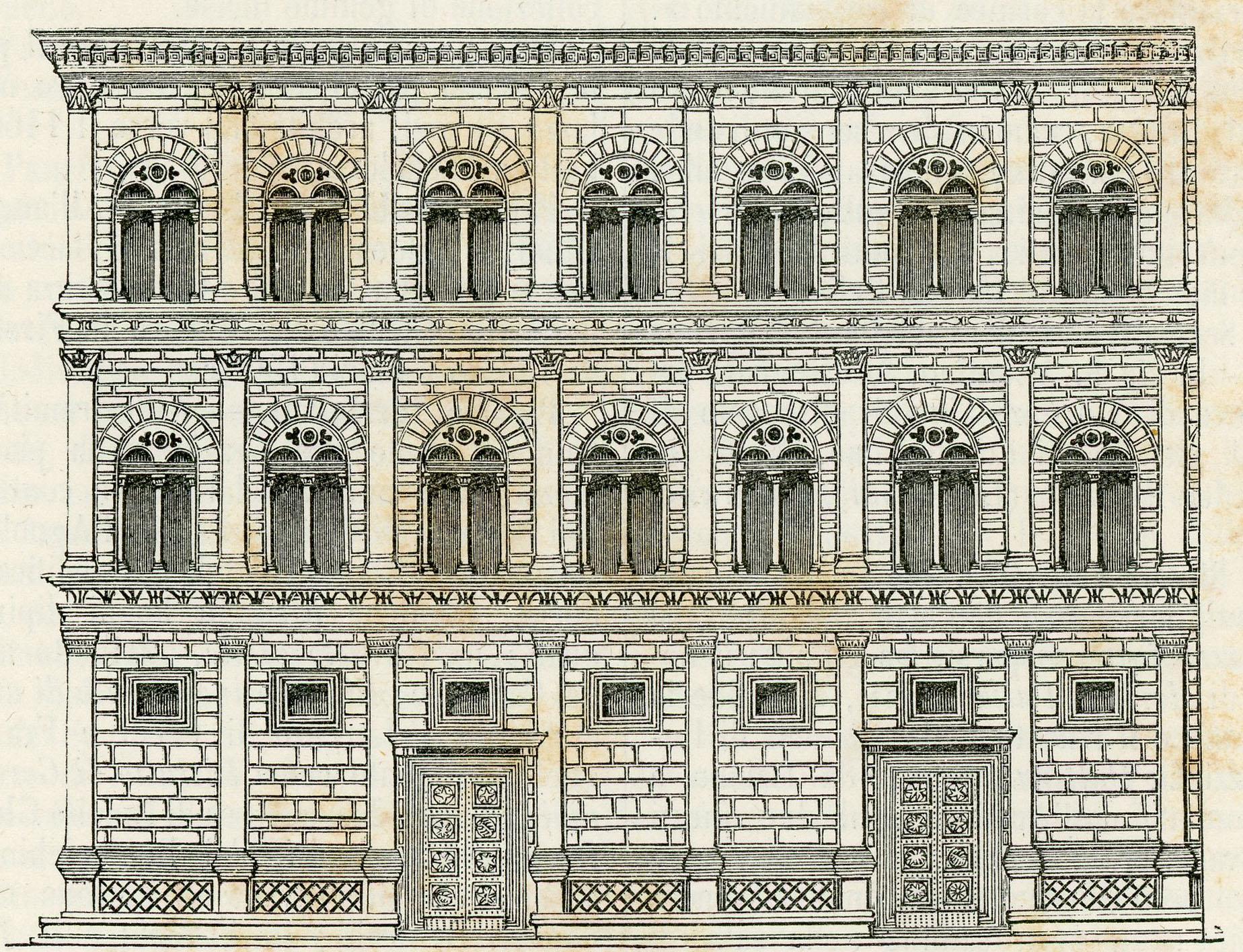
The name that came from a lichen
A family name born from a dye, and a stone bench along the facade for anyone who had to wait.
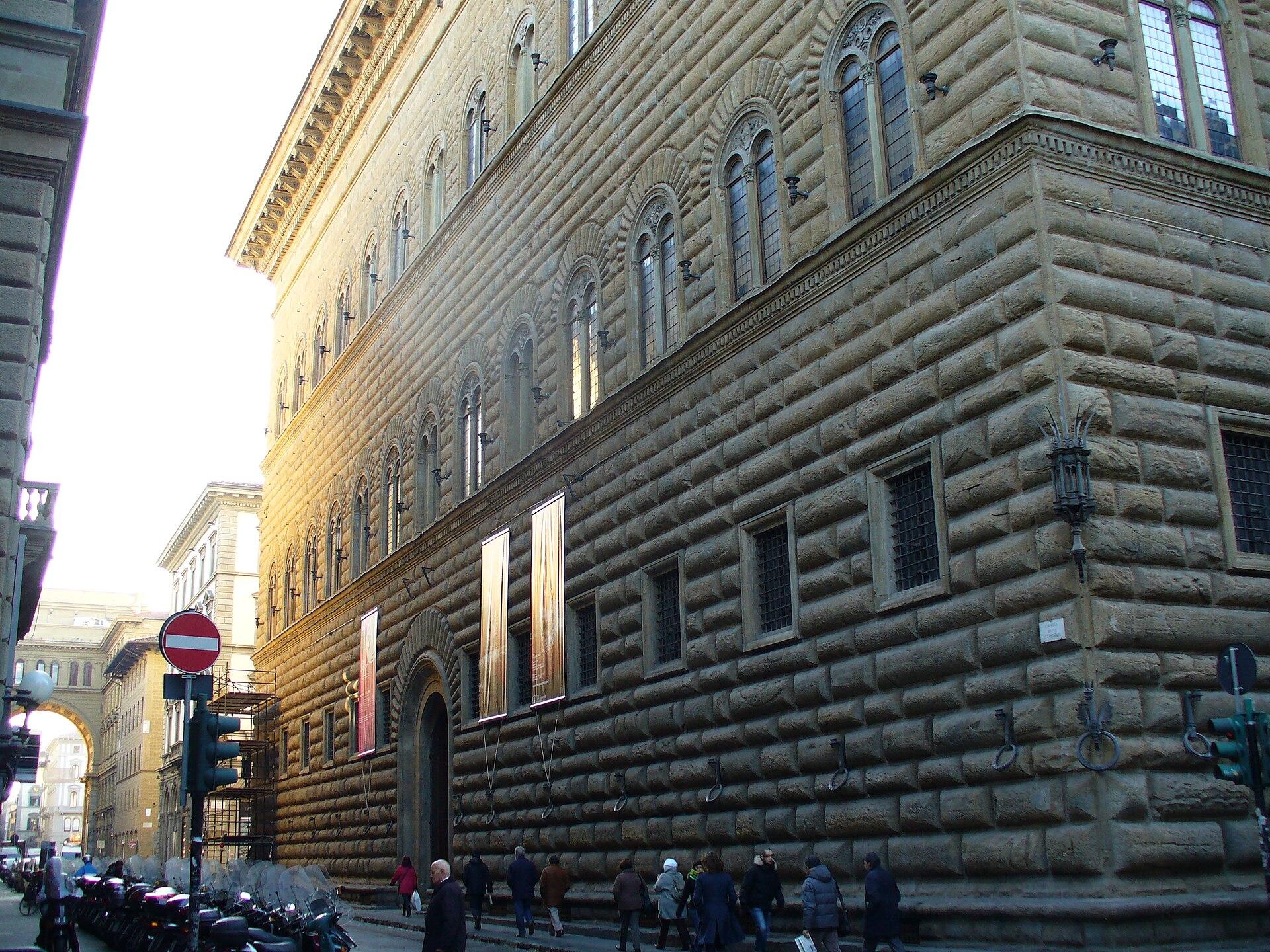
The palace of the returned exile
An exile who came back and built a palace that was never quite finished.
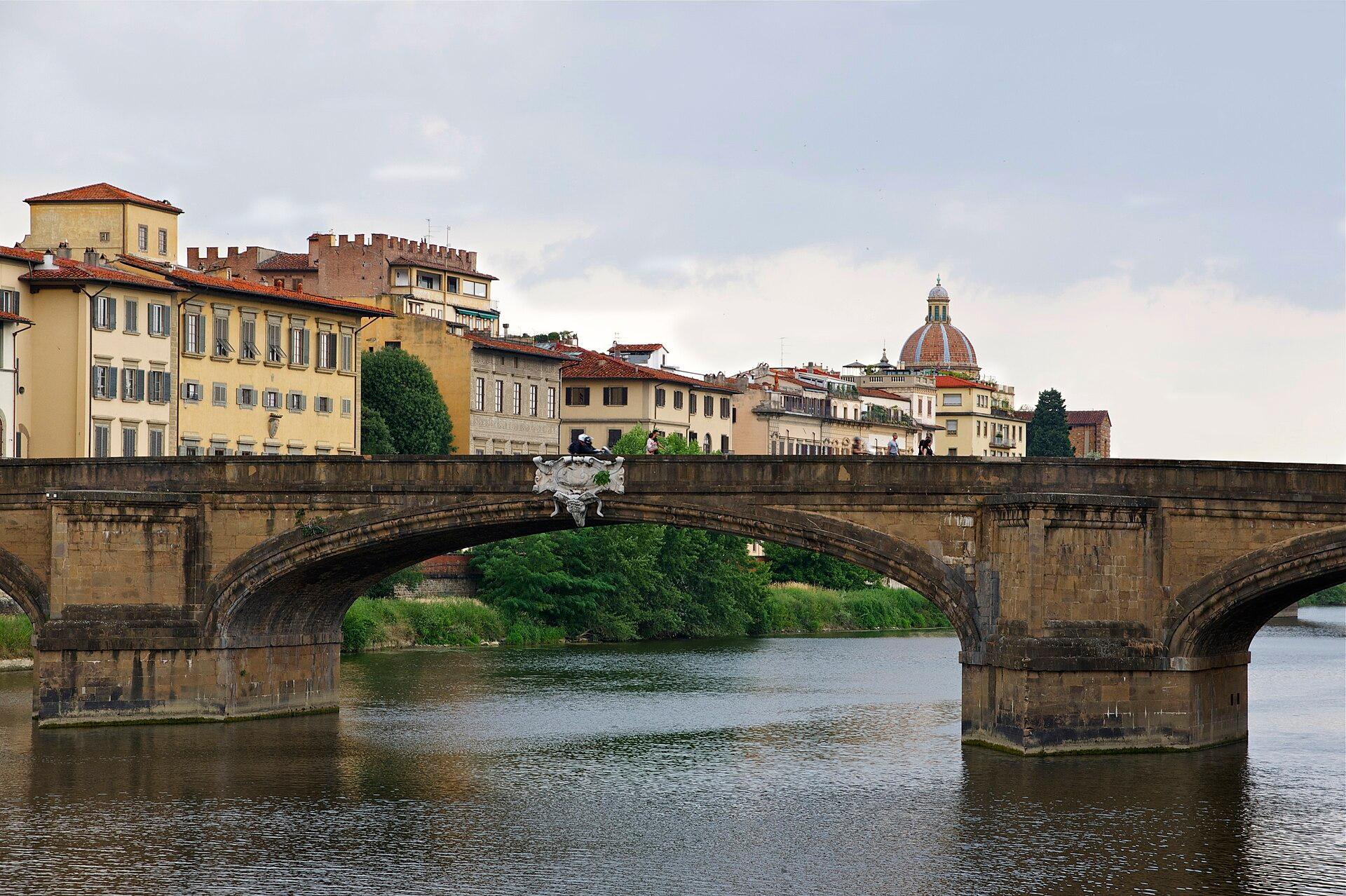
The Head of Spring
A bridge fished out of the river, and a stone head that went missing for seventeen years.
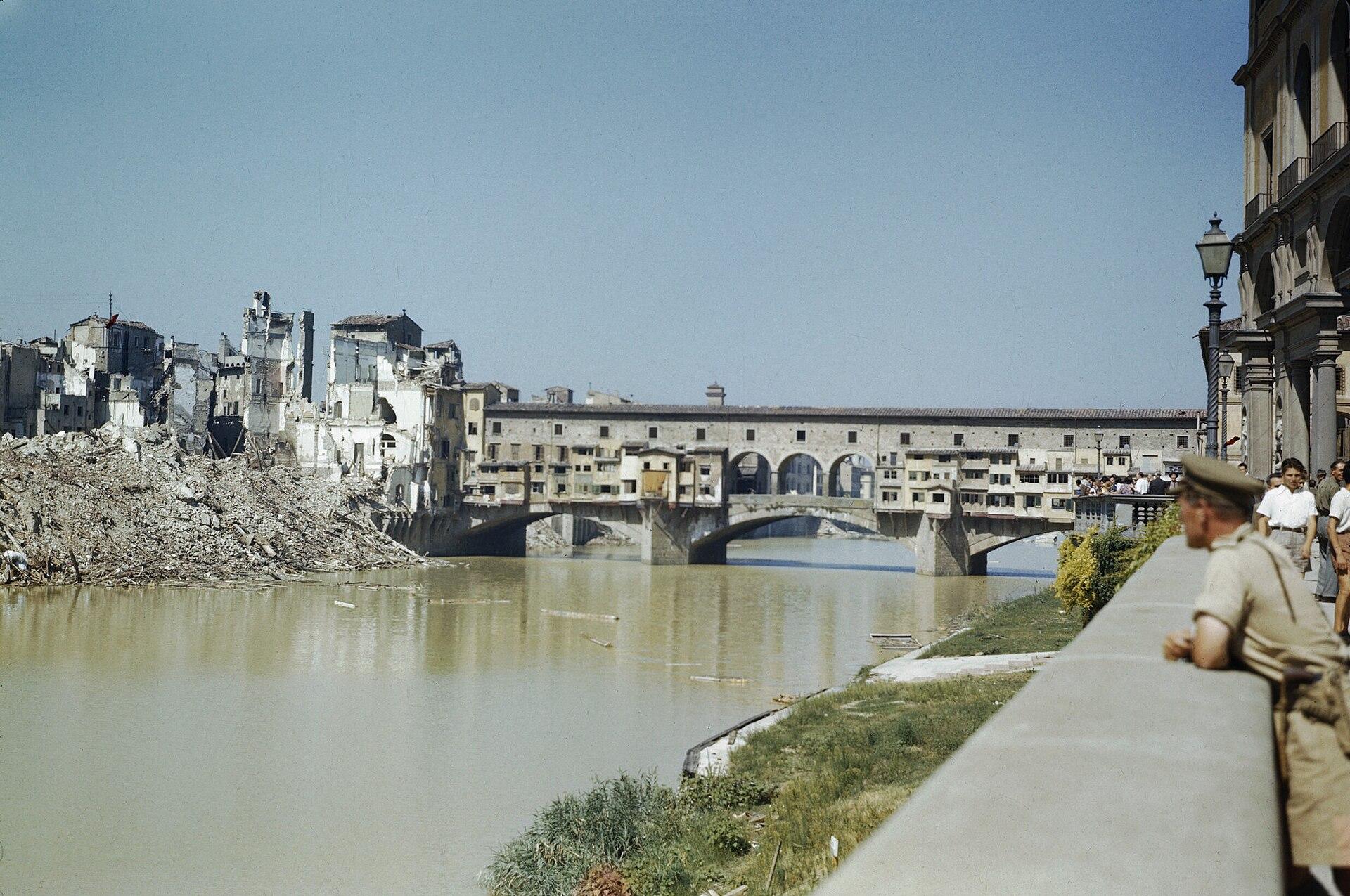
The bridge of the goldsmiths
Butchers who became jewellers, and the only bridge that survived the war.
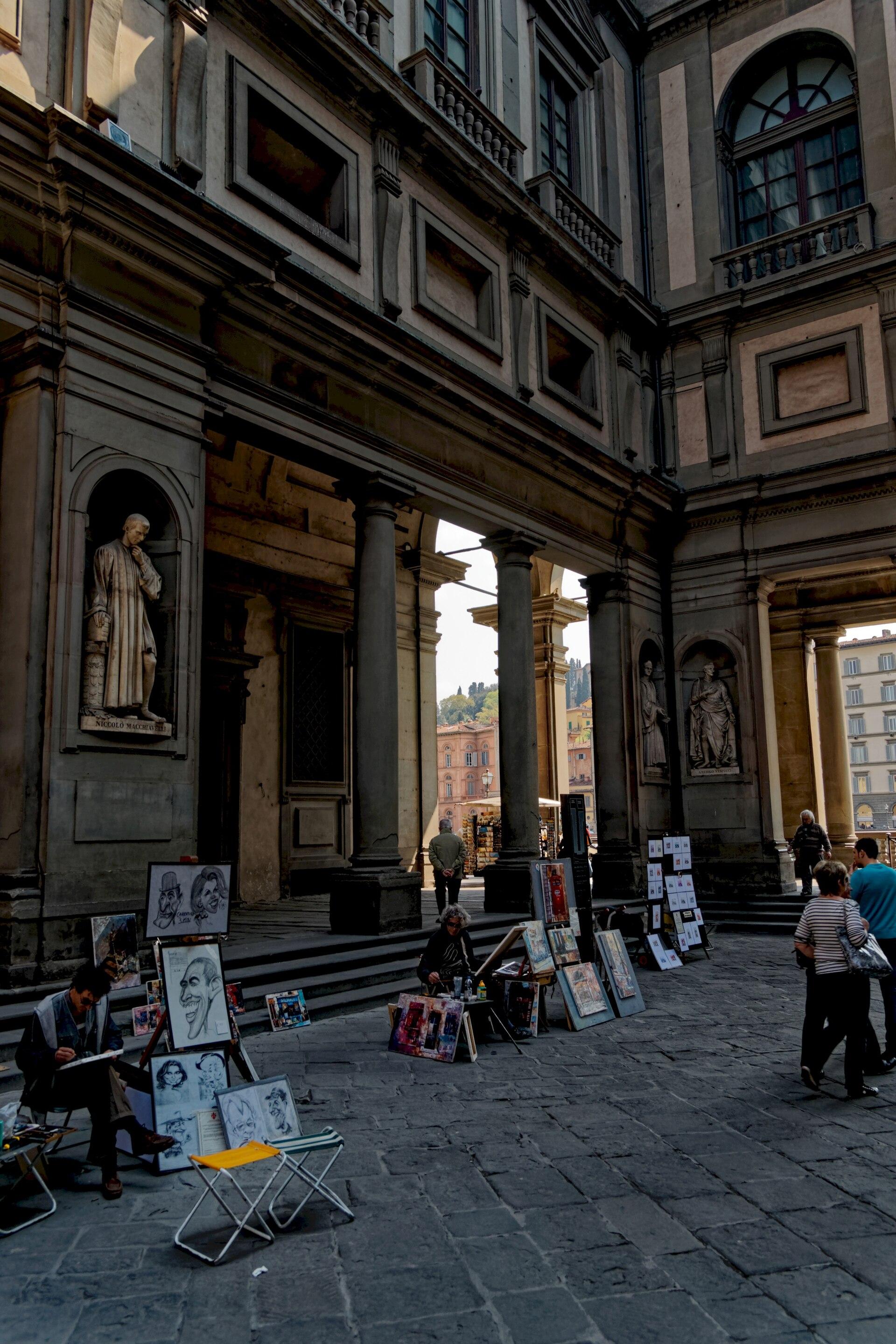
The Duke's Offices
An office building that swallowed a church and is now one of the busiest museums in Europe.
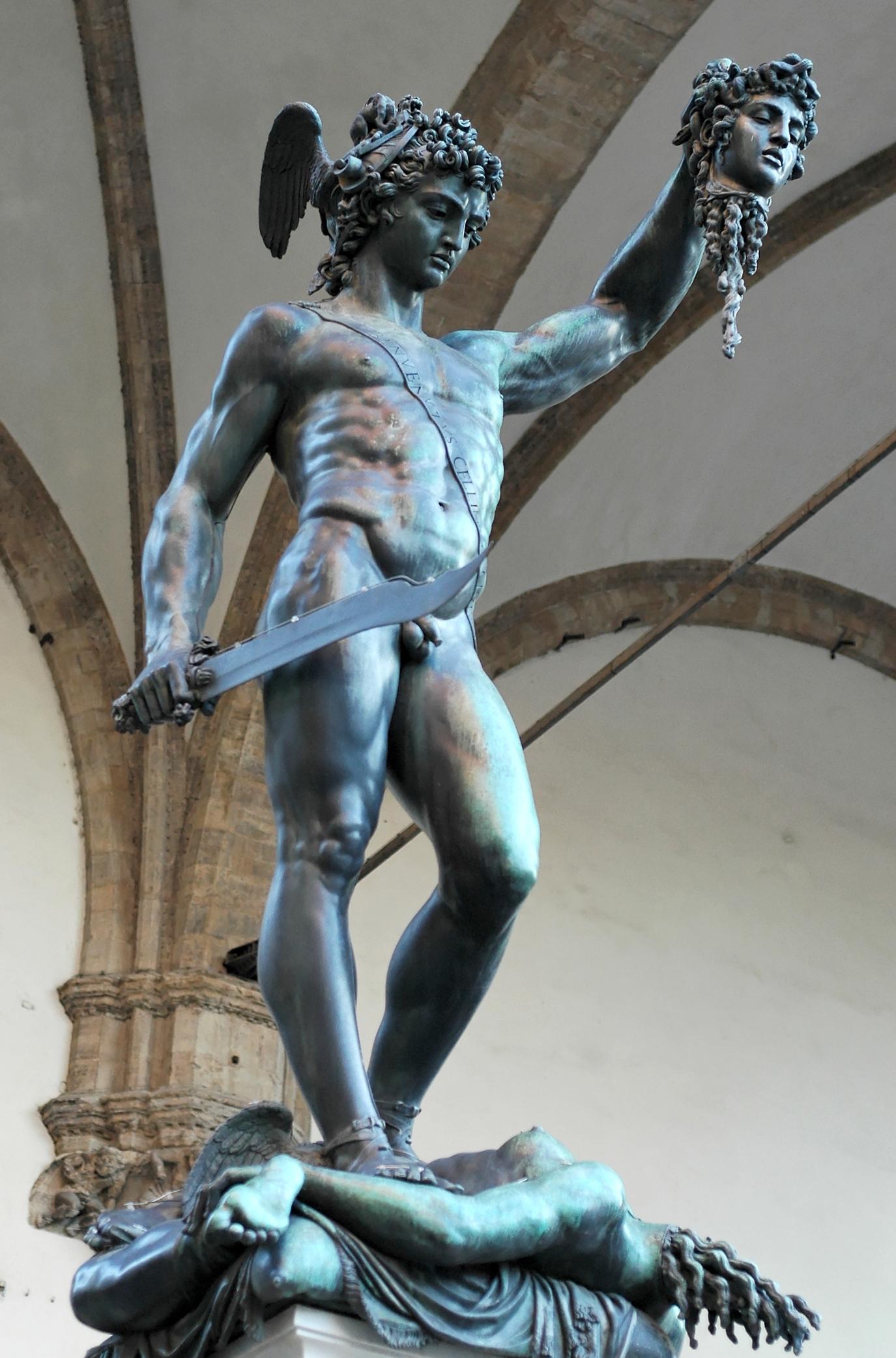
The face in the helmet
A museum without a door, with a self-portrait hidden on the back of a bronze helmet.
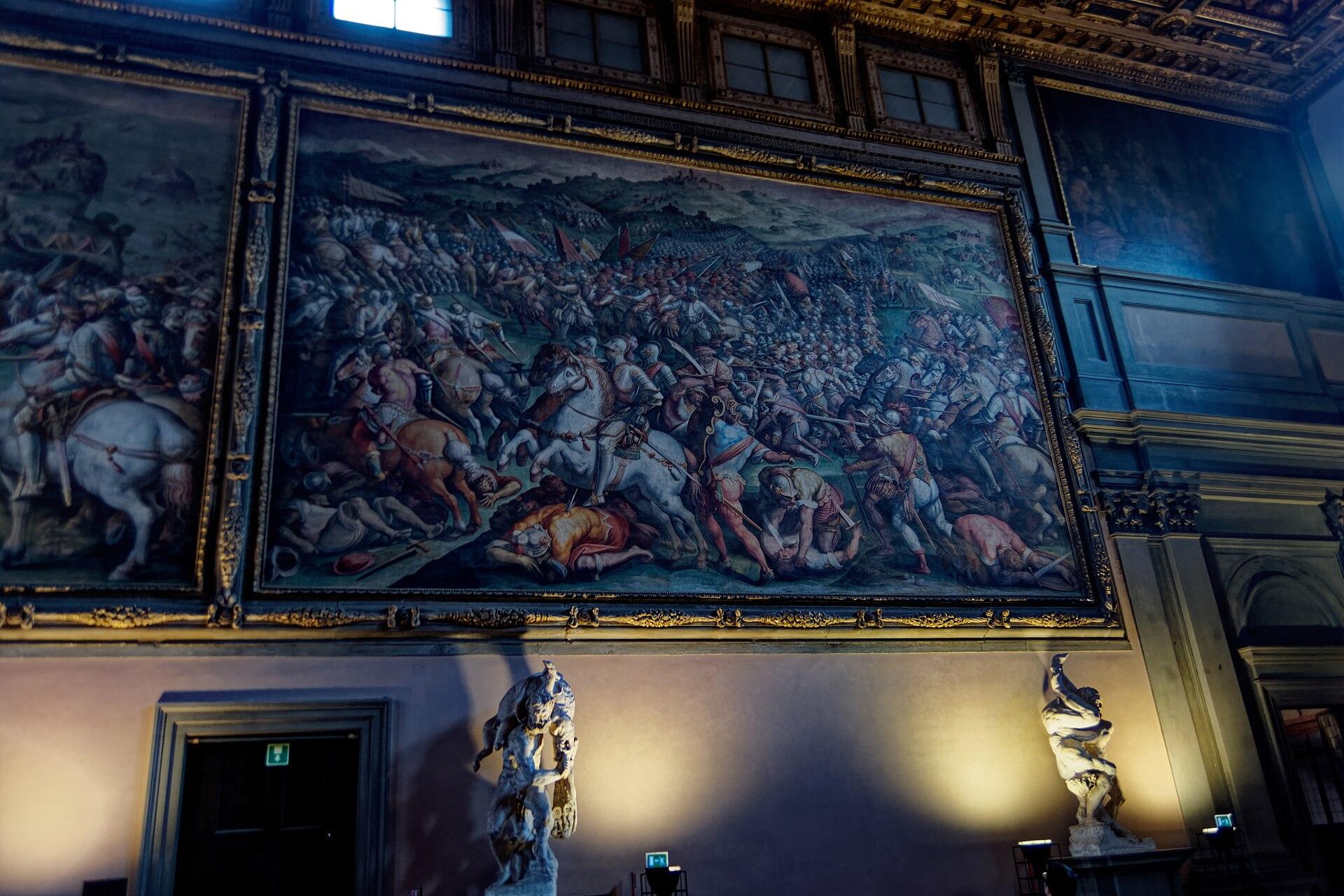
The hall with the hidden wall
Behind the walls of the town hall lies a chamber where a lost Leonardo may still be waiting beneath the plaster.
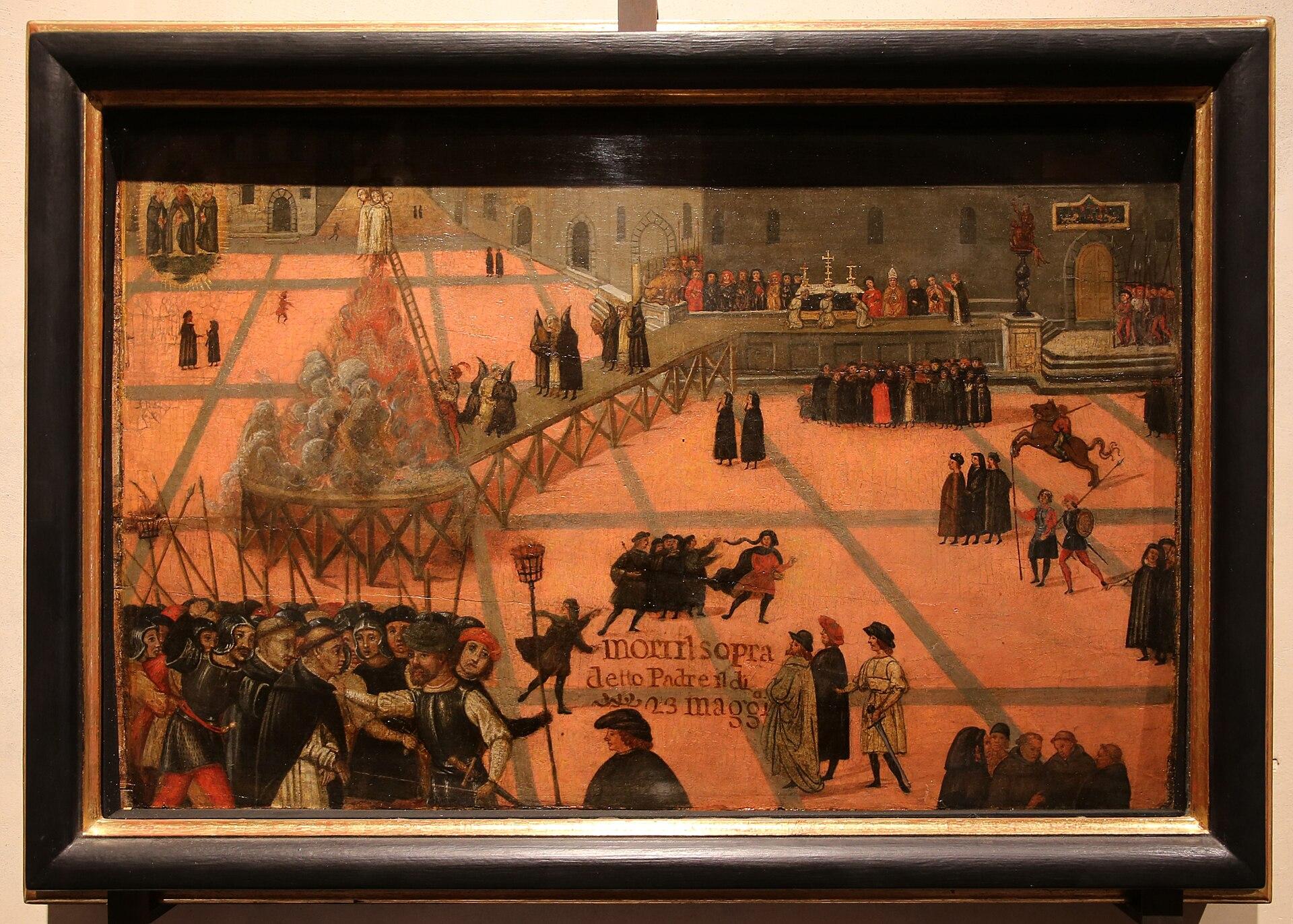
Savonarola's Stone
A round stone set into the pavement marks the pyre of the monk who held the city in his grip for four years.
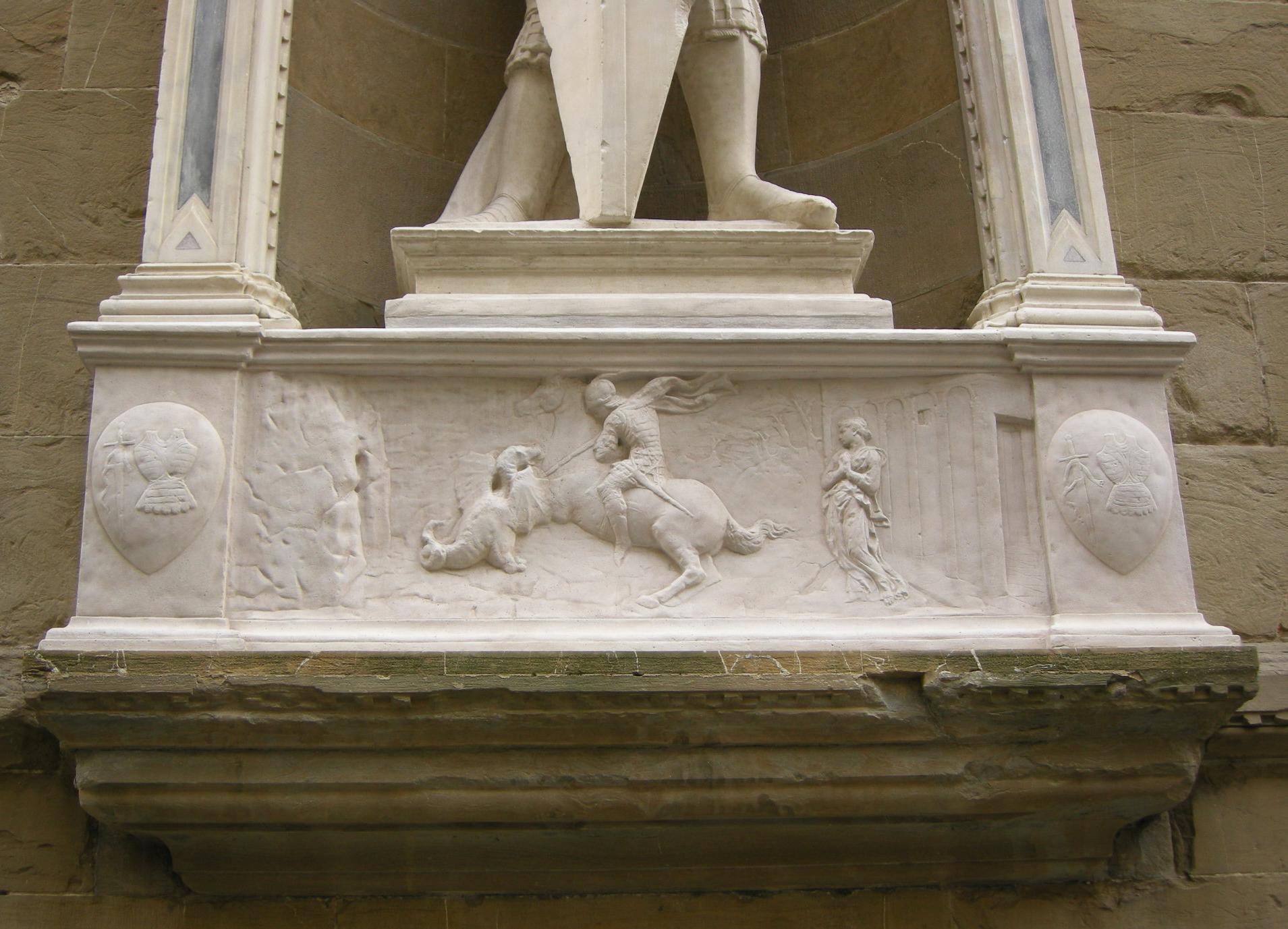
The saints of the guilds
A grain warehouse that became a church, with every niche showing off the calling card of a guild.
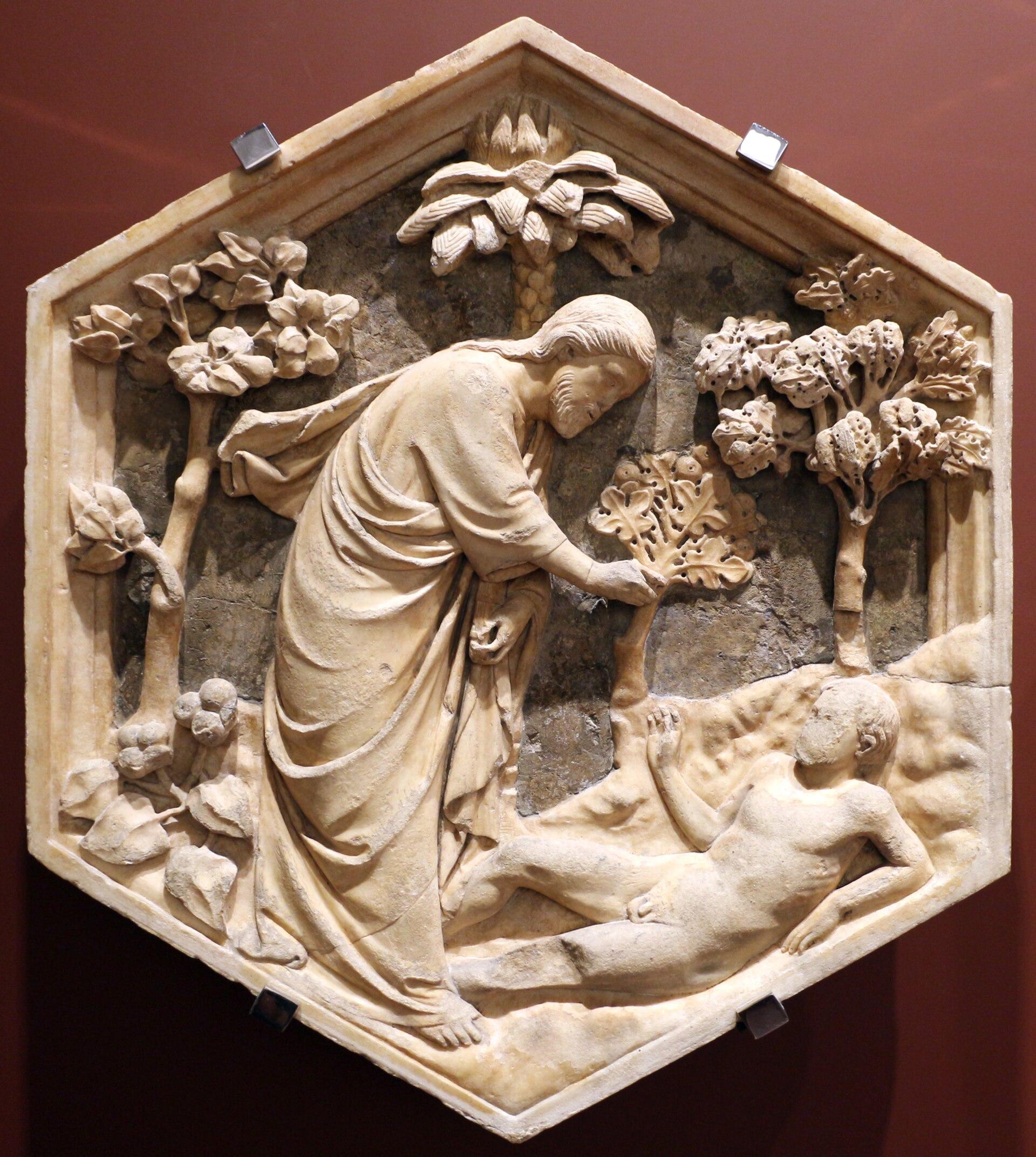
The Painter's Tower
A painter who started a tower, and reliefs at eye level showing ordinary work.
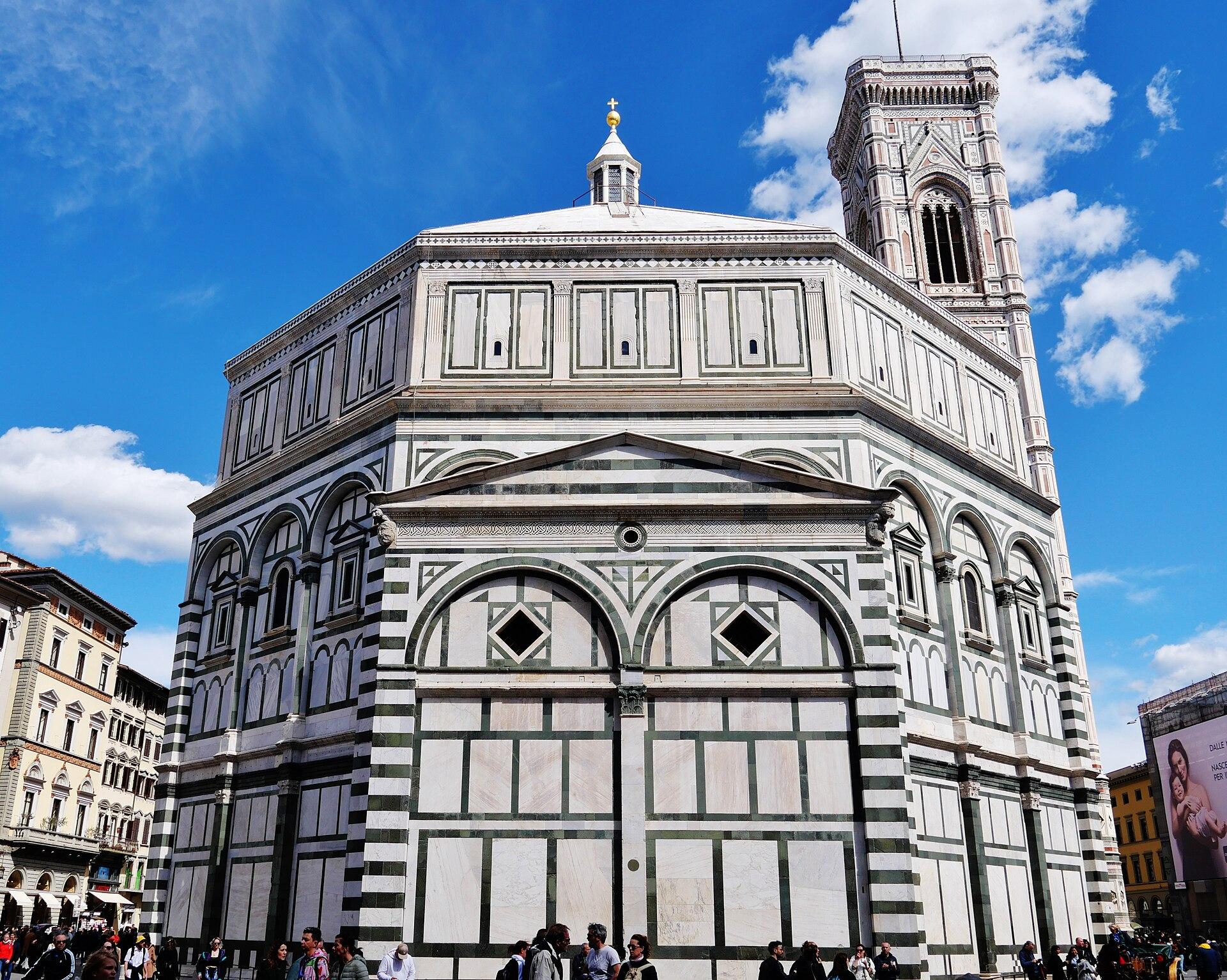
The house of beans
The oldest building in the city, where every Florentine was baptised and the population was counted with beans.
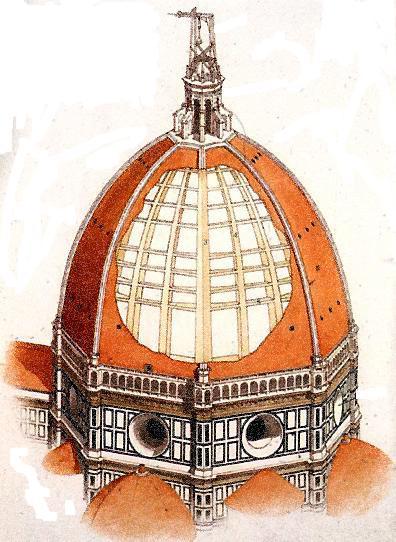
The ox head and the dome
An ox head above a side door, and the dome that seemed impossible for a hundred years.
The basket of notes
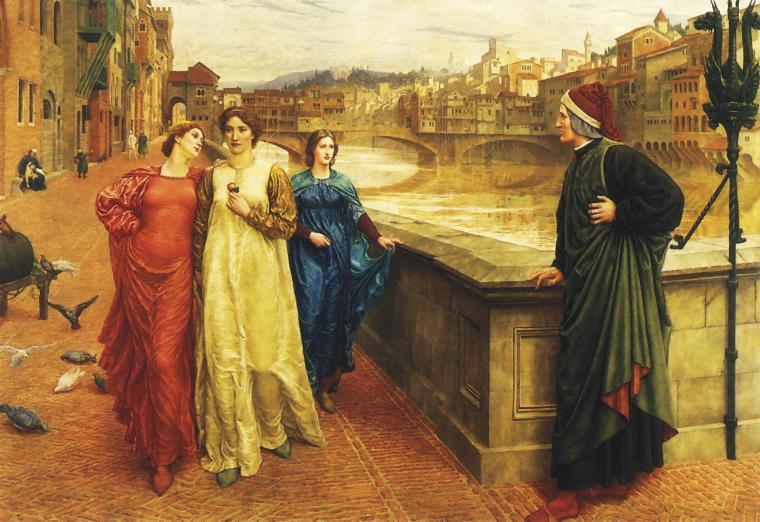
A basket full of handwritten notes beside a grave, for a girl he spoke to only twice.
The student's crucifix
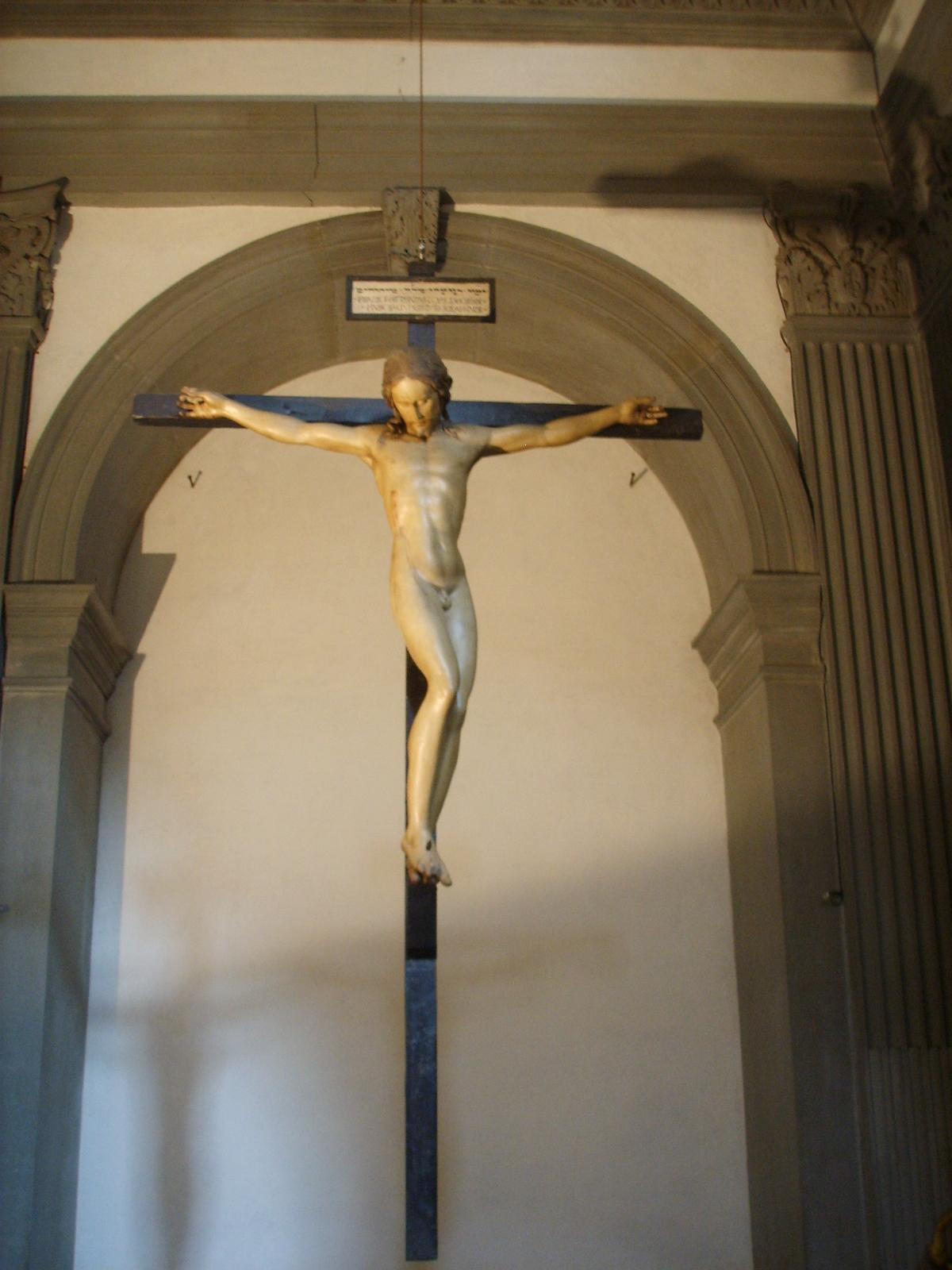
A crucifix carved by a seventeen-year-old boy, made in exchange for access to the dissection table.
The balcony and the entombment
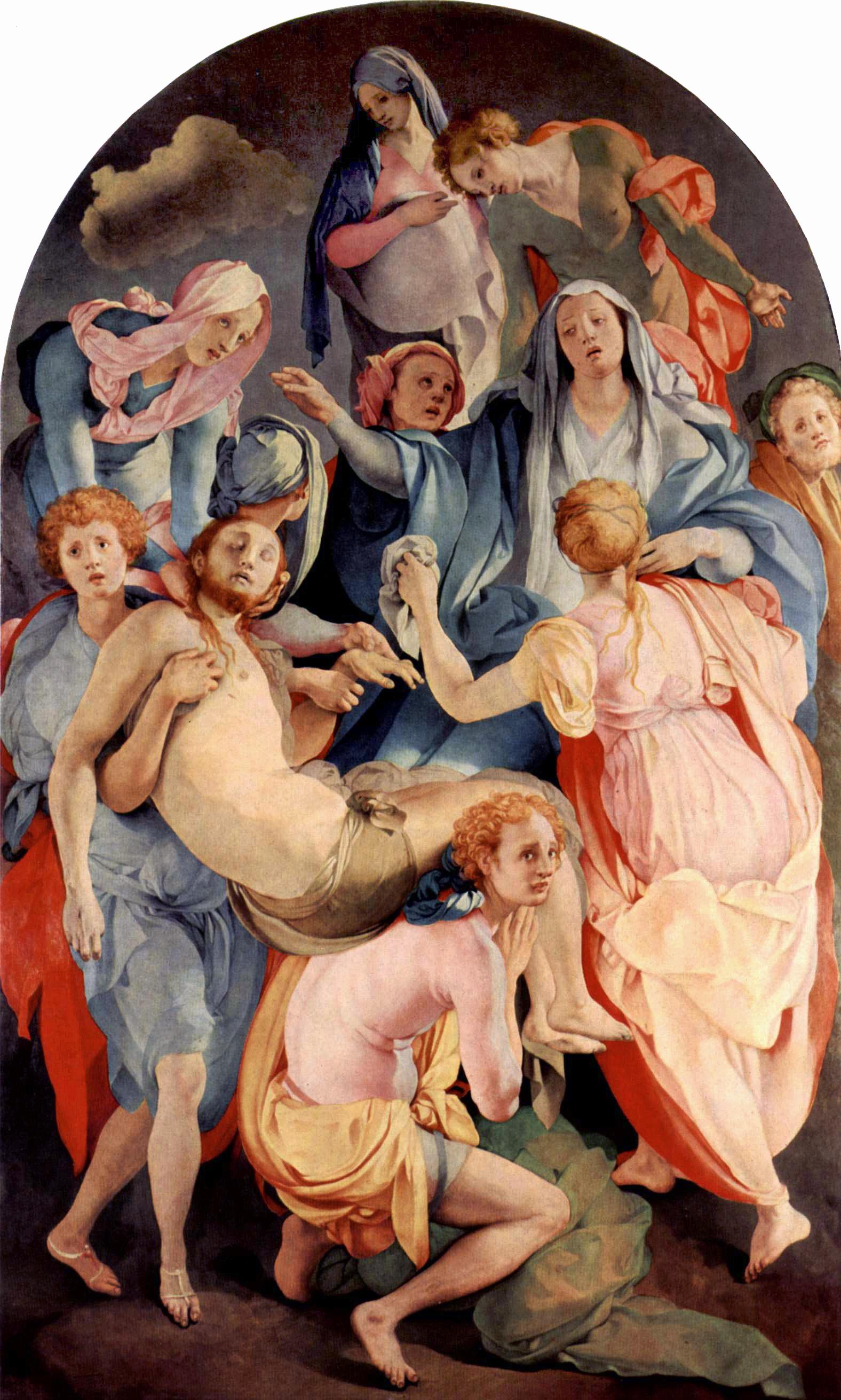
The dukes' screened balcony, and an entombment painted in colours you'll find nowhere else.
The facade that never came
Three years in the marble quarries, a road built through the mountains, and a facade that never came.
The bridge that survived 1333
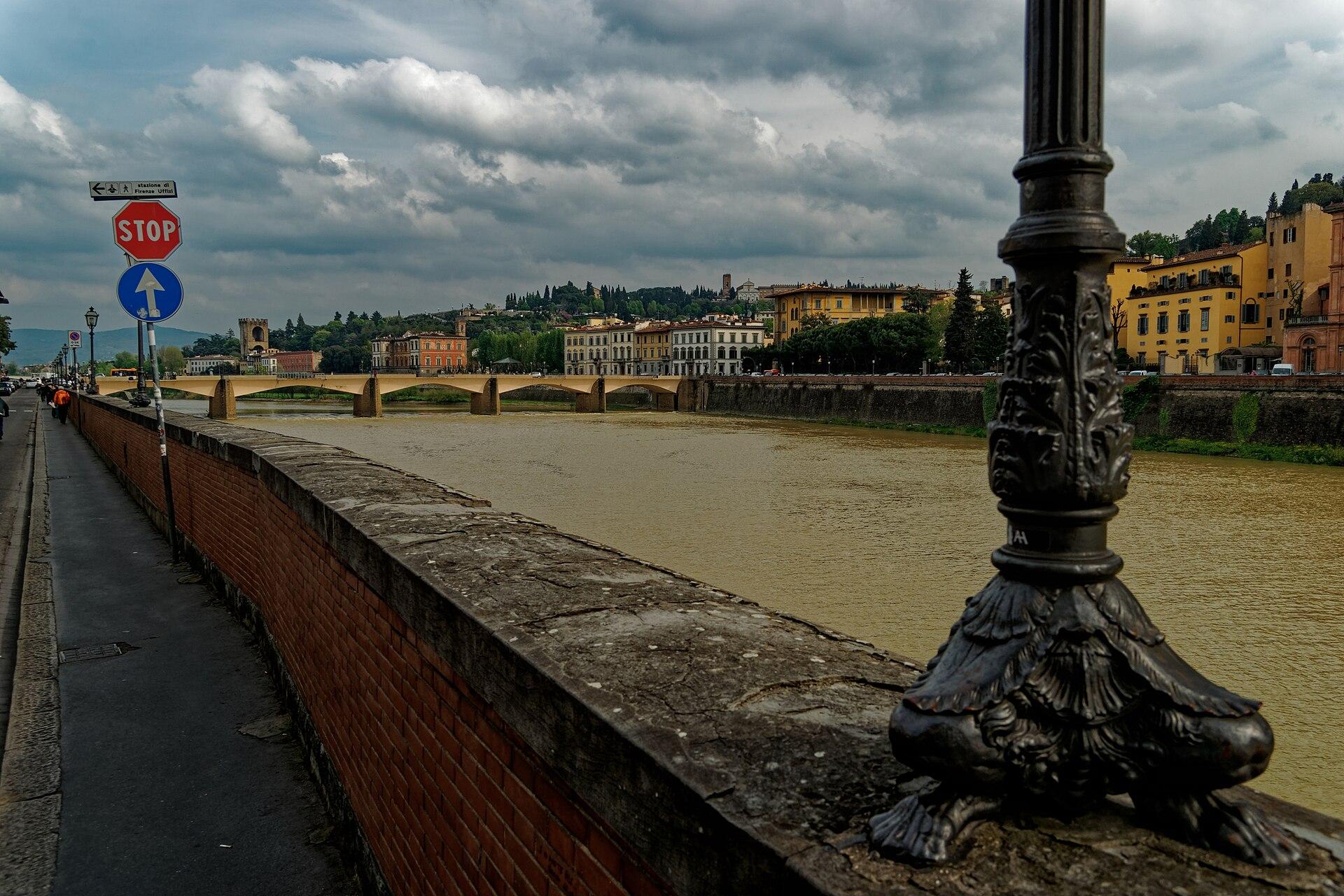
The Arno has flooded before, in 1333, 1557 and 1844, and this bridge has lived through all of it.
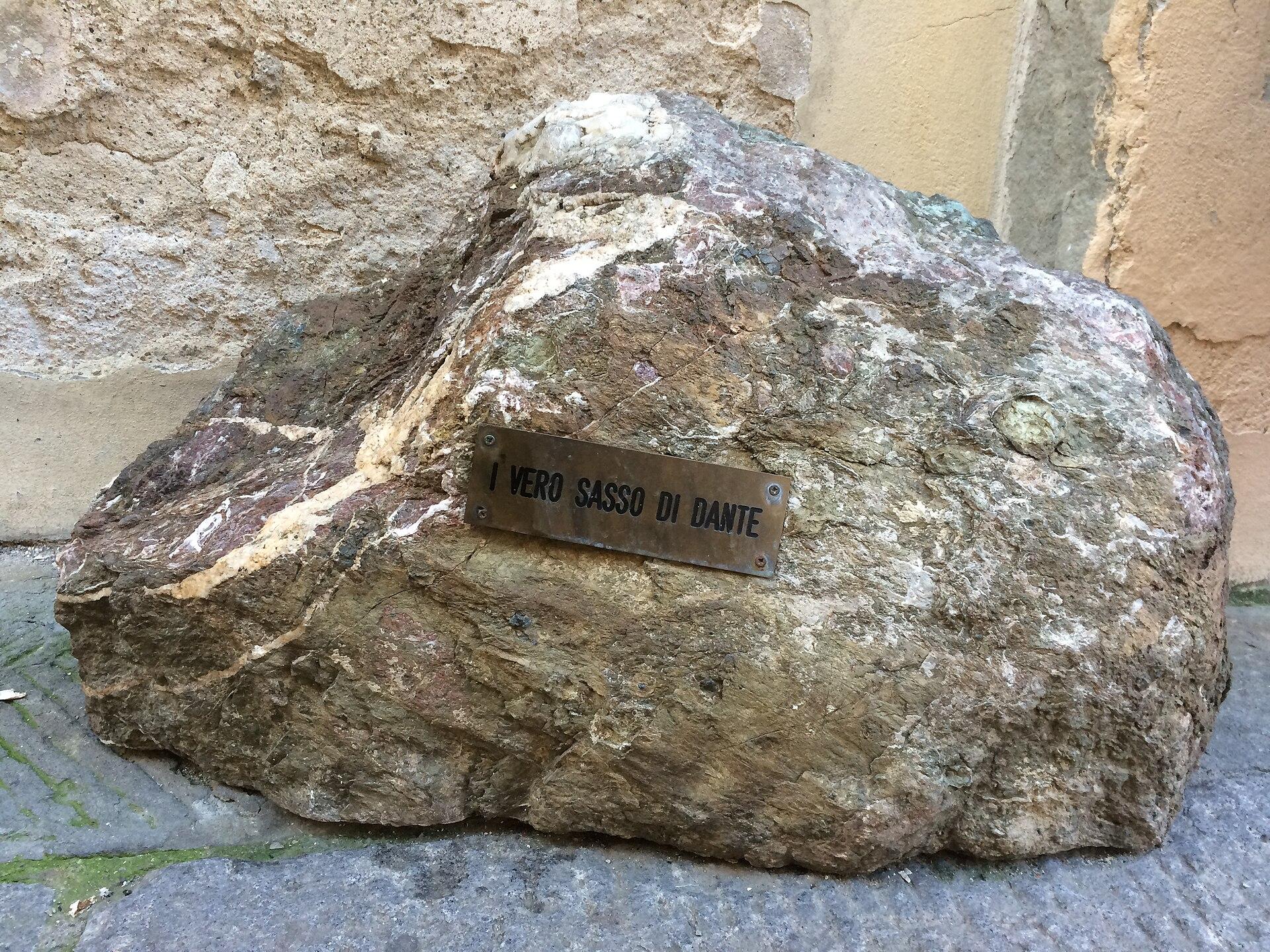
The stone where he sat
The stone where, as the story goes, he sat watching the construction, and the answer he gave a year later.
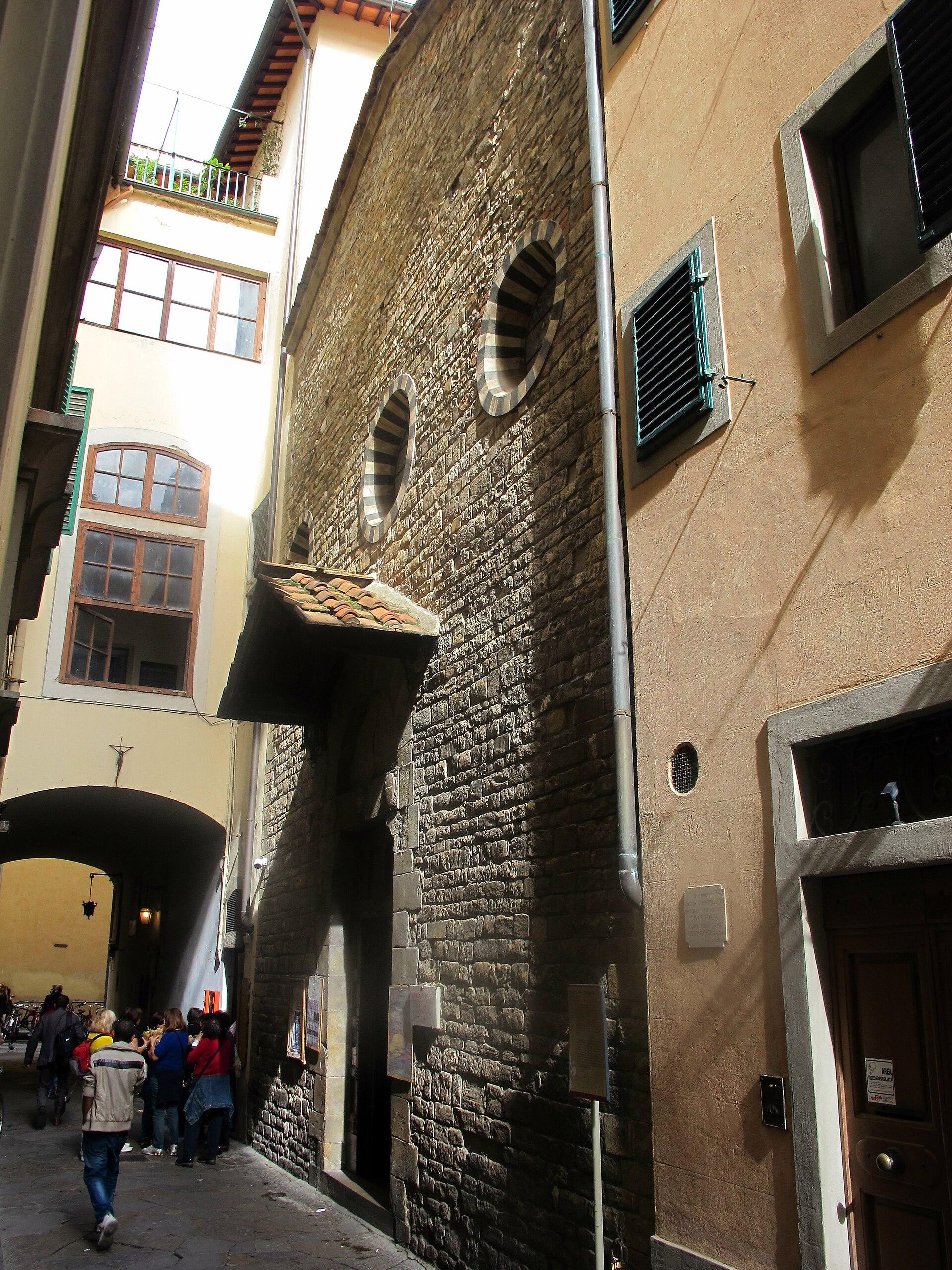
The neighbours' little church
The parish church of two families who made each other's lives miserable, and of the girl who changed everything.
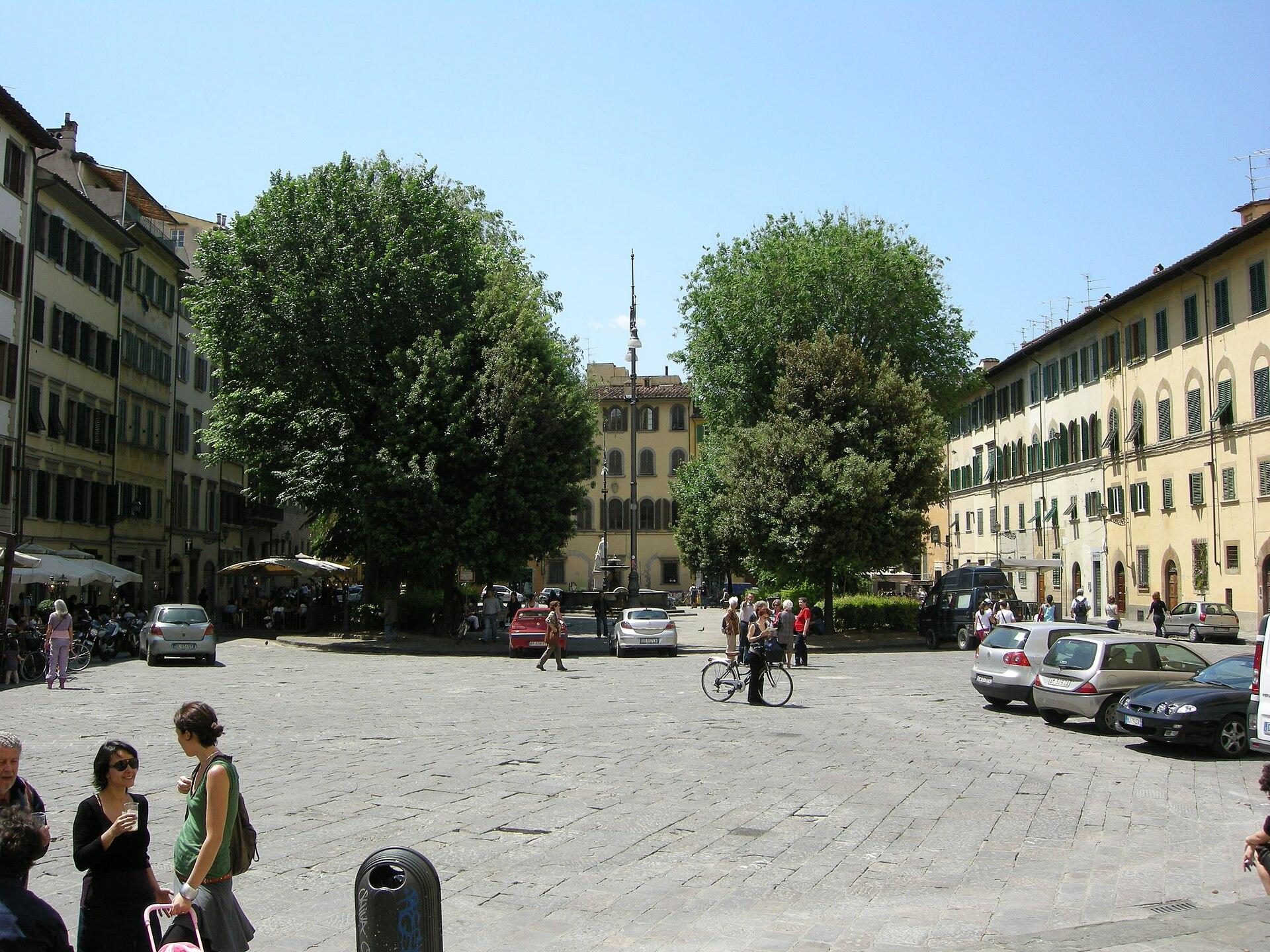
The neighbourhood's square
The living room of the district, where the market stands every morning and where the city's first public library once took shape.
You've read about Florence.
Now walk it.
These stories are pins on our map. Open ROODS, walk to one, and hear it where it happened.