AUDIO TOURS IN BUDAPEST
A city where the first underground railway on the continent was dug for a single birthday party, and where a castle built of plaster and canvas was rebuilt in stone because nobody could bear to lose it.
Start ExploringA Short History of Budapest
Period 1:
Three Cities on One River
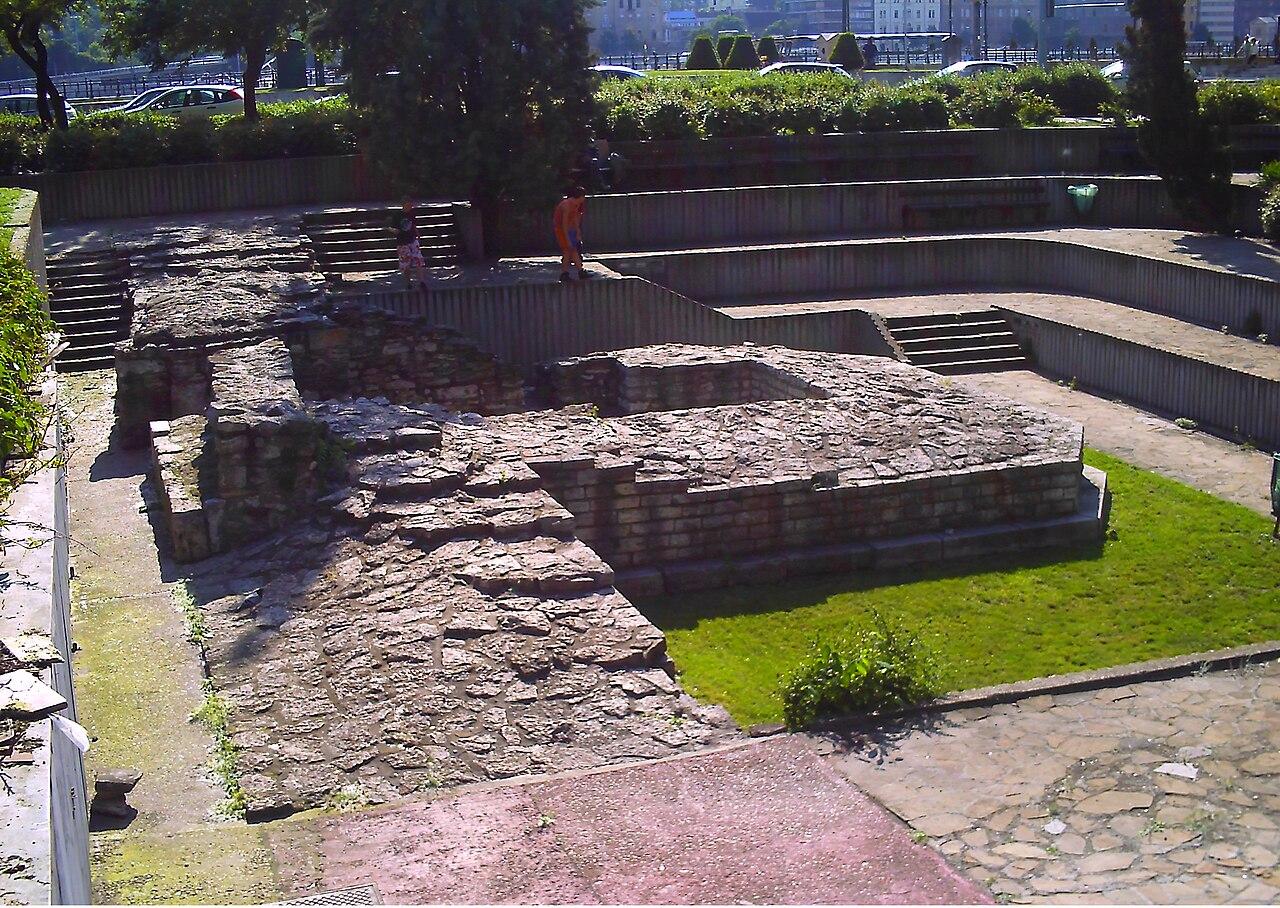
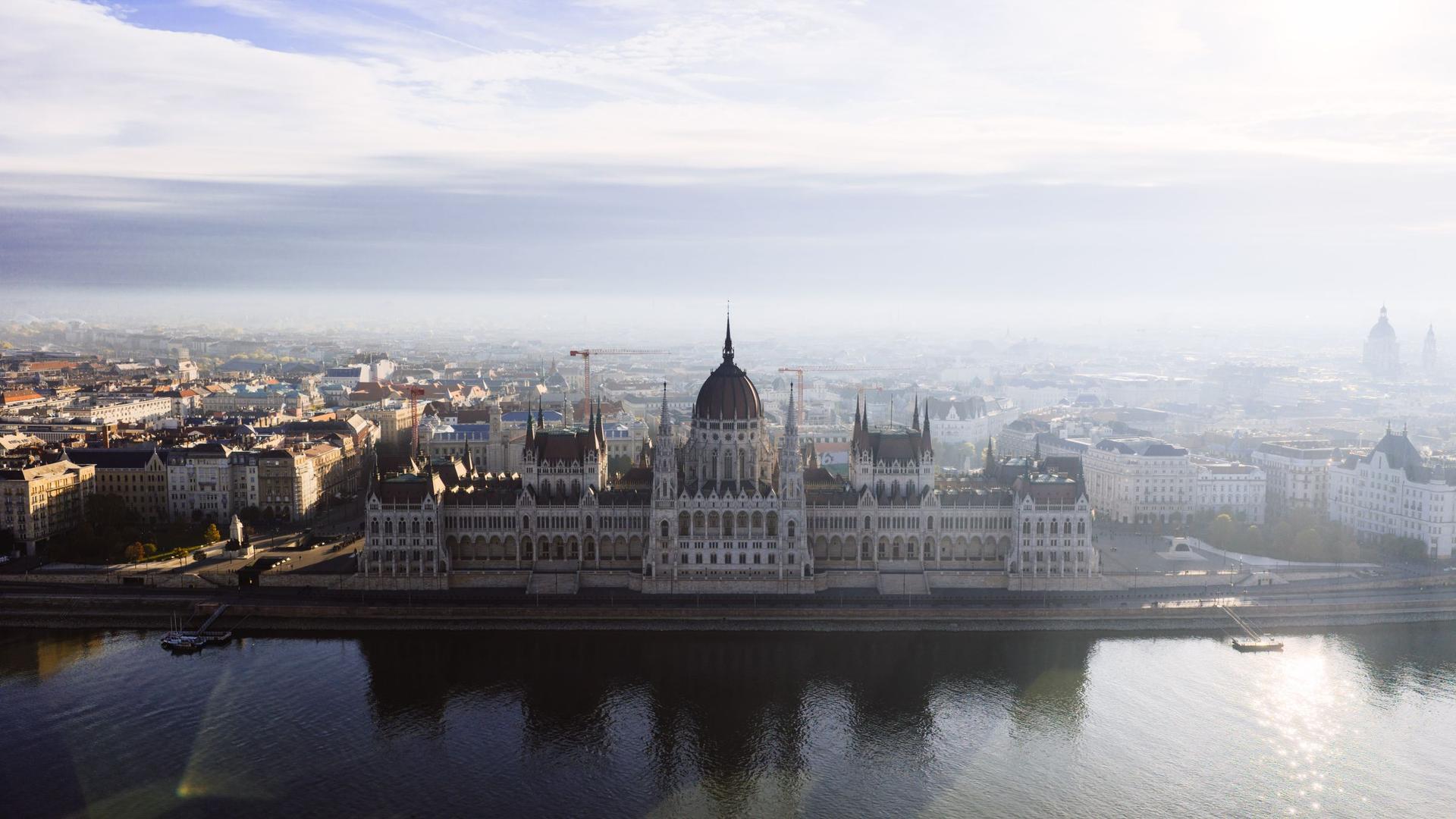
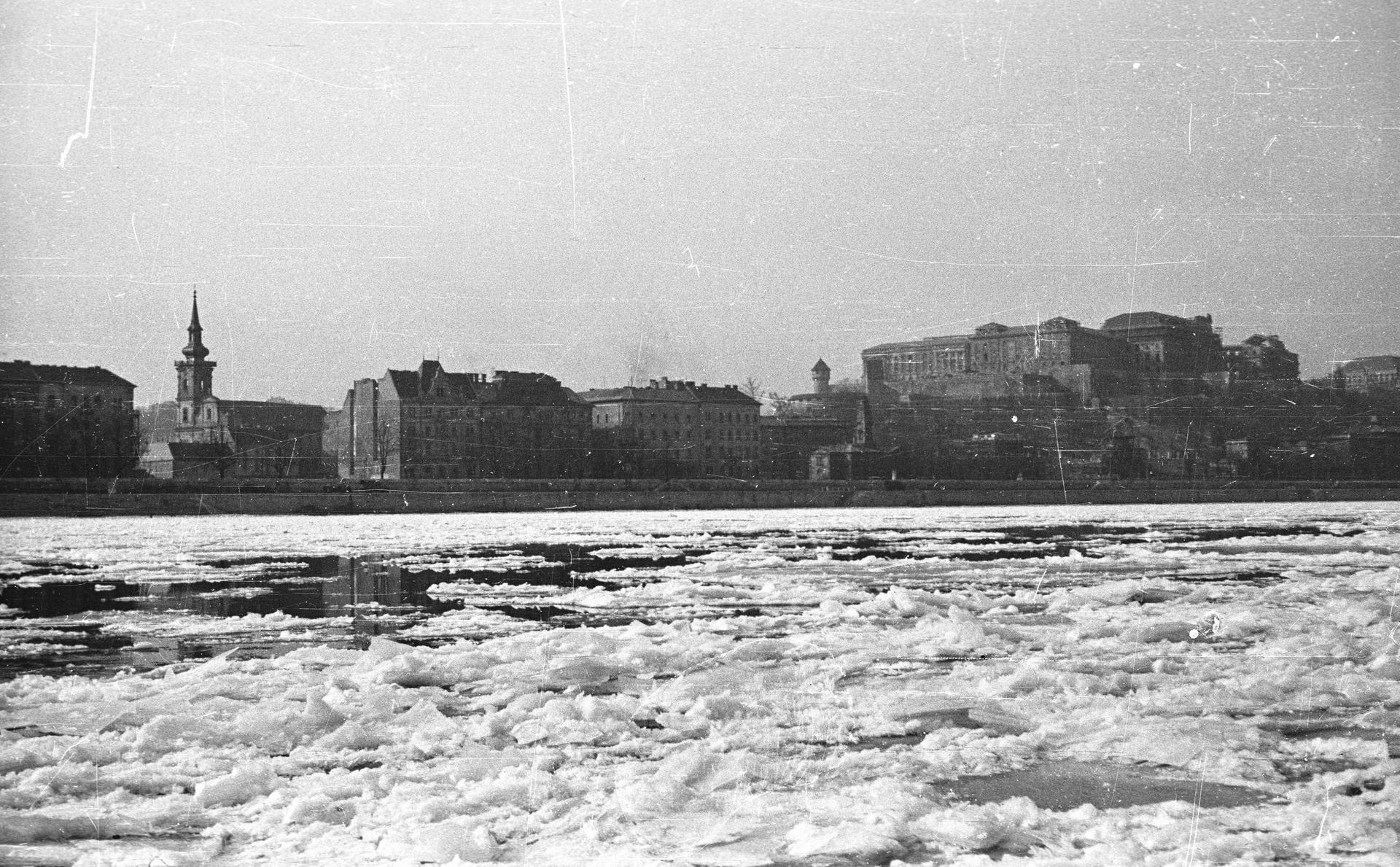
For most of its history Budapest was not one city but three. Buda sat high on the hill with the royal palace and everything to do with power, Pest lay flat across the water where the trade was, and Óbuda to the north was older than both, built on the ruins of the Roman garrison town of Aquincum. Anyone crossing between them took a ferry, and when the Danube froze or ran too fast, nobody crossed for weeks.
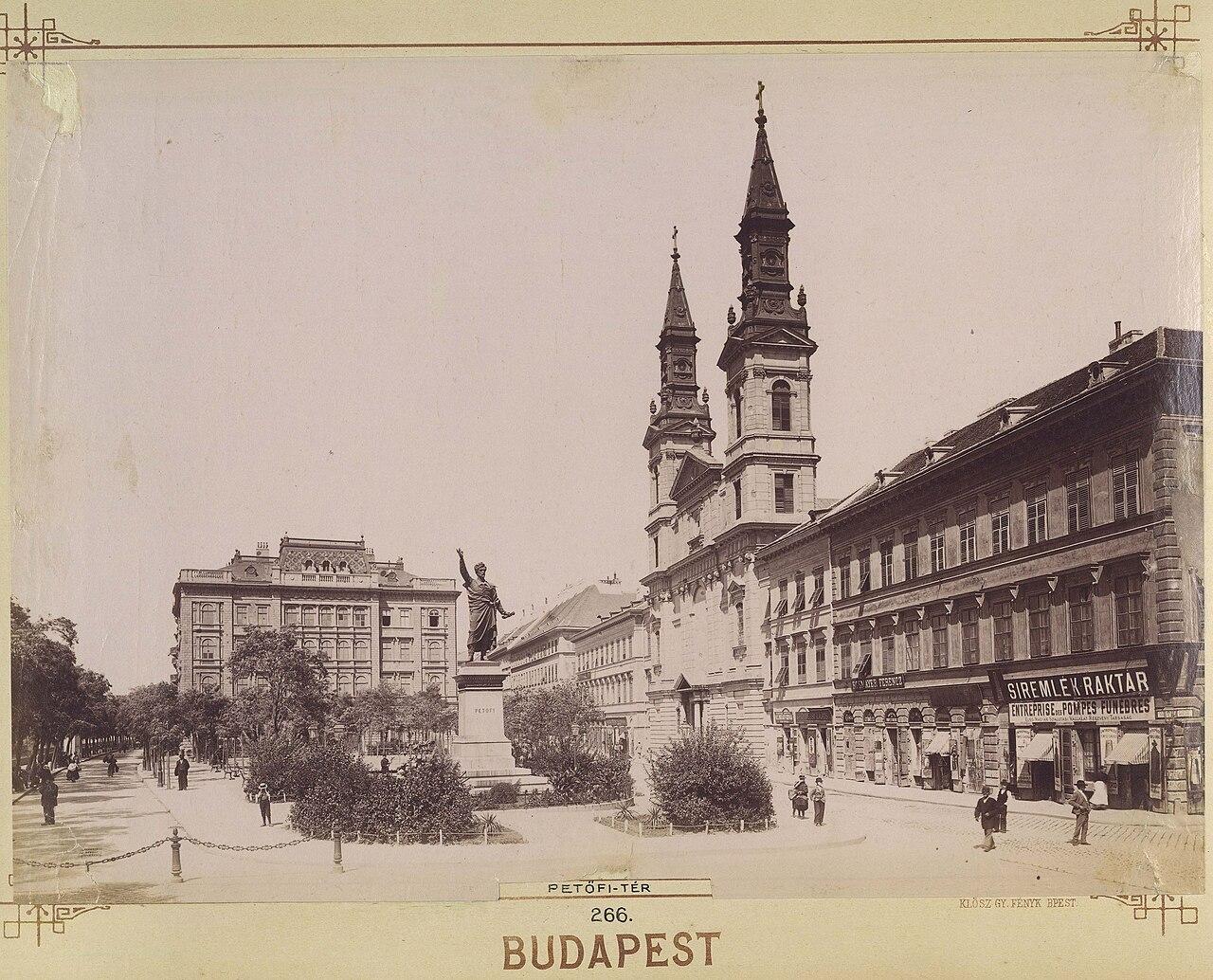
The Chain Bridge changed that in 1849, and in 1873 the three towns became one capital. What followed was a building spree with few equals in Europe. For the thousandth anniversary of the Hungarian land-taking in 1896, the city opened the first underground railway on the continent, laid out a boulevard to the city park, and filled that park with pavilions of plaster and canvas. One of them, a castle stitched together from copies of buildings across the kingdom, proved so popular that the city rebuilt it in stone. It is still standing.
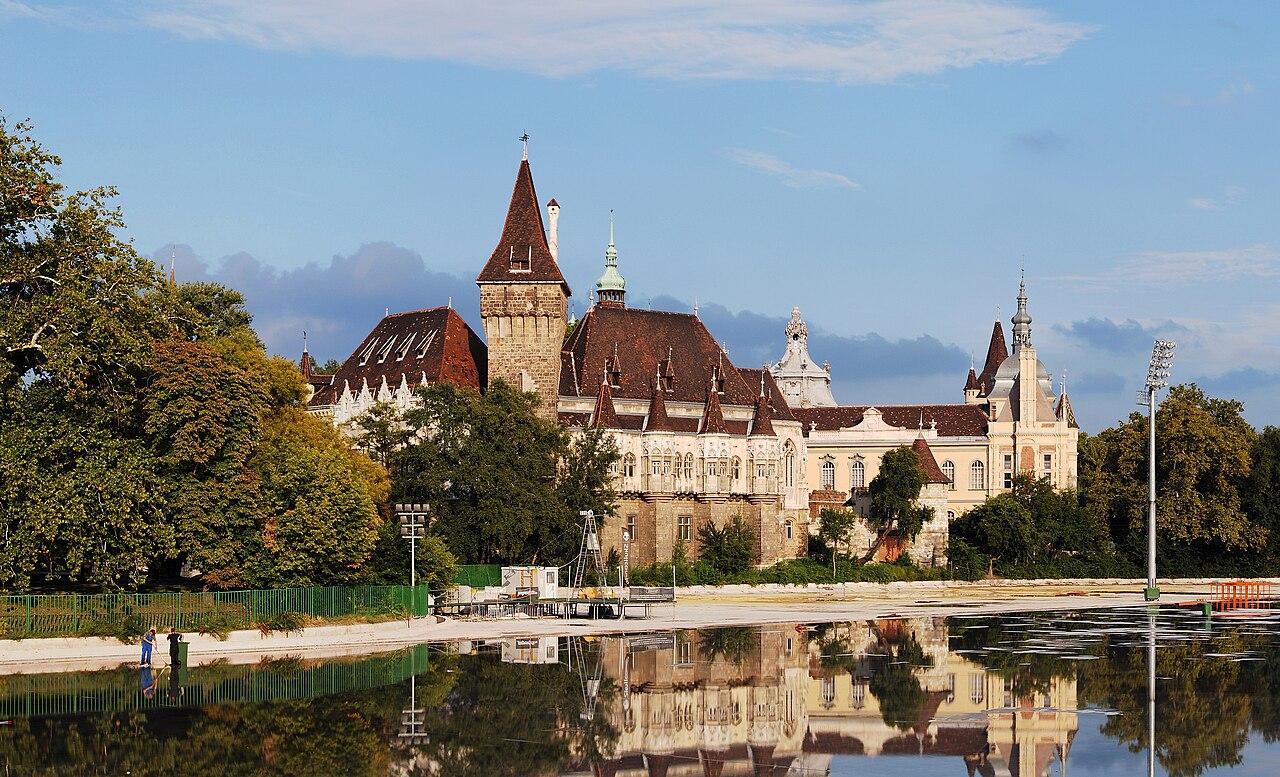
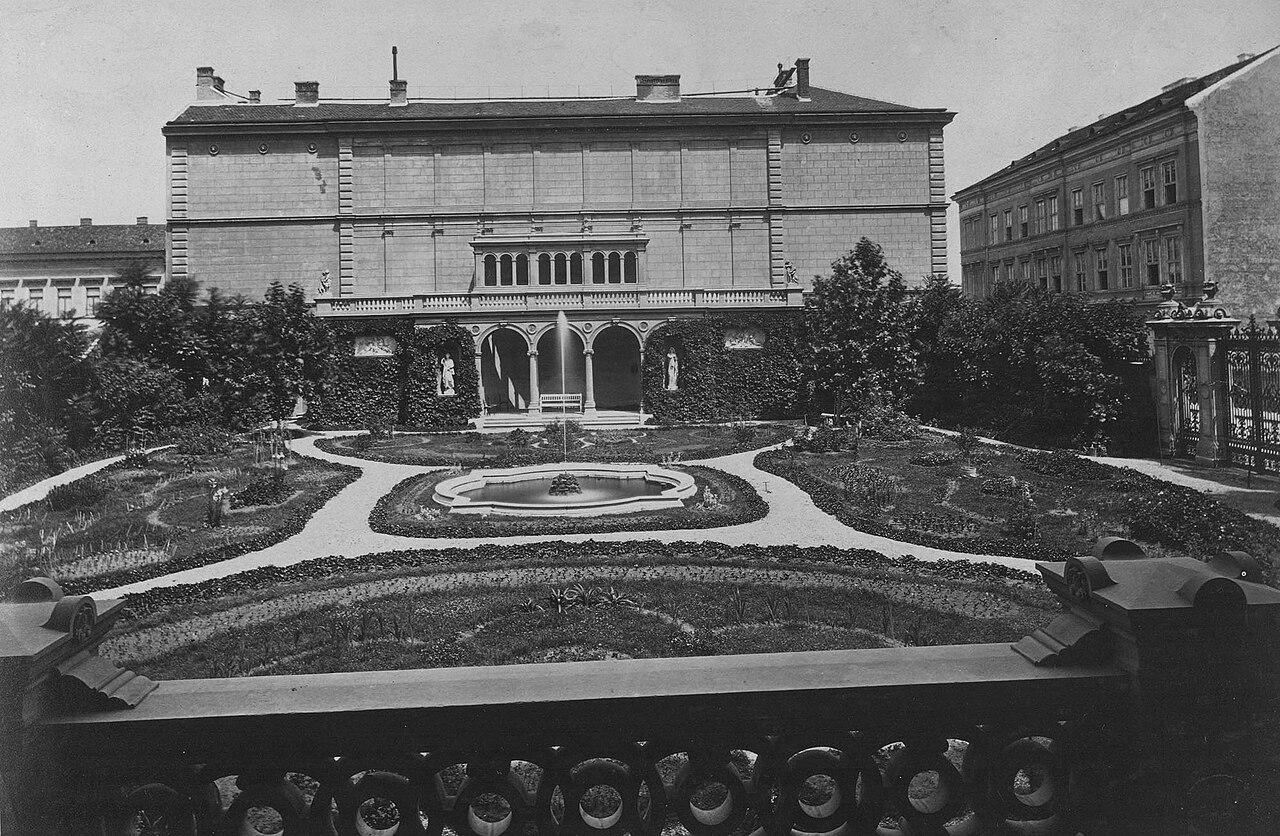
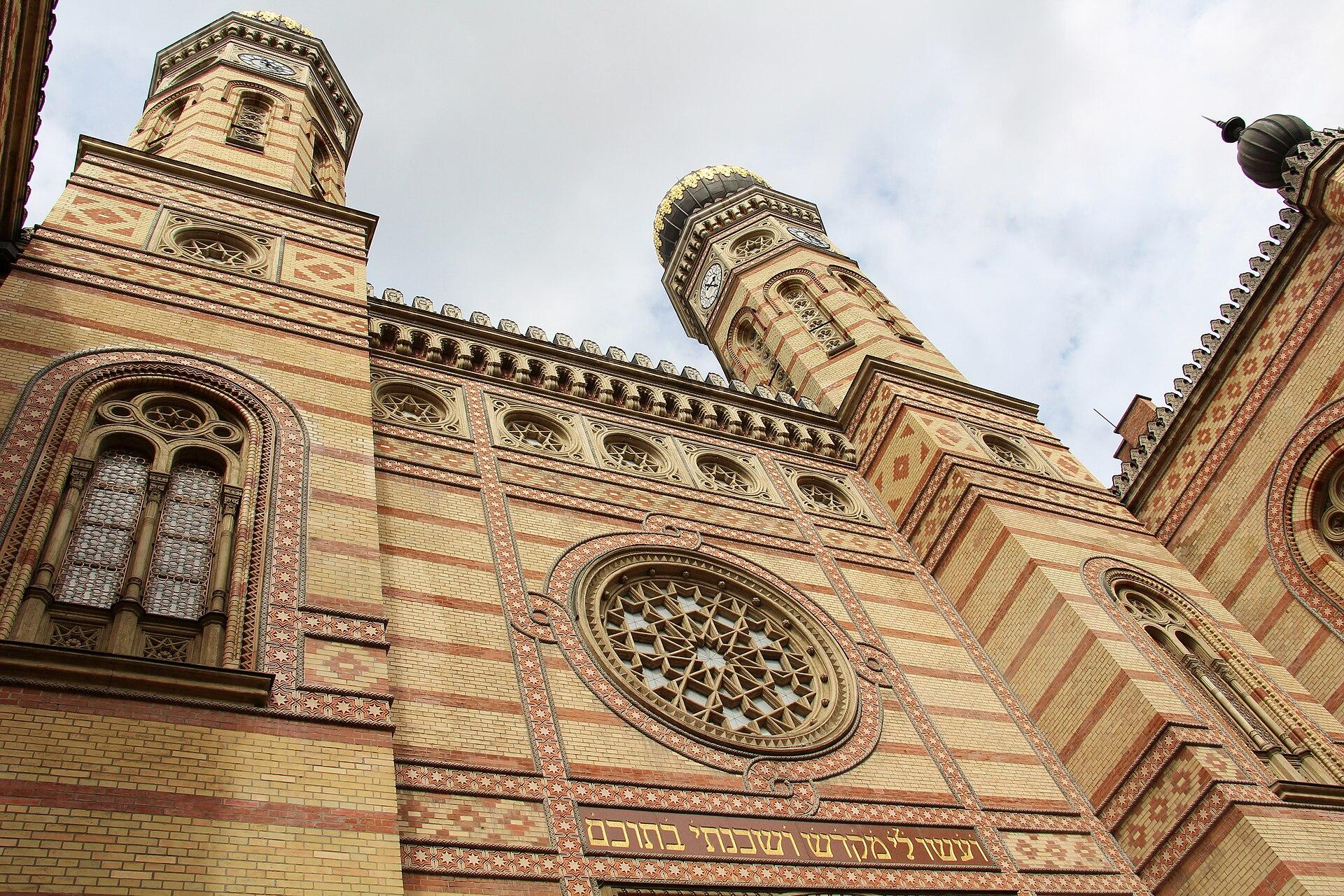
Felix König, CC BY 3.0, via Wikimedia Commons
Period 2:
Ghetto, Siege and Uprising
The twentieth century took it all apart again. In the winter of 1944 the Jewish quarter of Erzsébetváros was walled off into a ghetto, and the siege that followed left the city in ruins with every bridge across the Danube blown. Swiss and Swedish diplomats issued protective papers from offices a few streets apart, and tens of thousands of people survived because of them.
What came after was quieter and no less heavy. In 1956 the uprising began with a march and ended with Soviet tanks in the boulevards, and the prime minister who had sided with the crowd was hanged two years later and buried without a name. On 16 June 1989, a quarter of a million people stood on Heroes Square to bury him properly, live on radio and television. Within months the country had changed shape, and the walk you take through Budapest today crosses all of it.
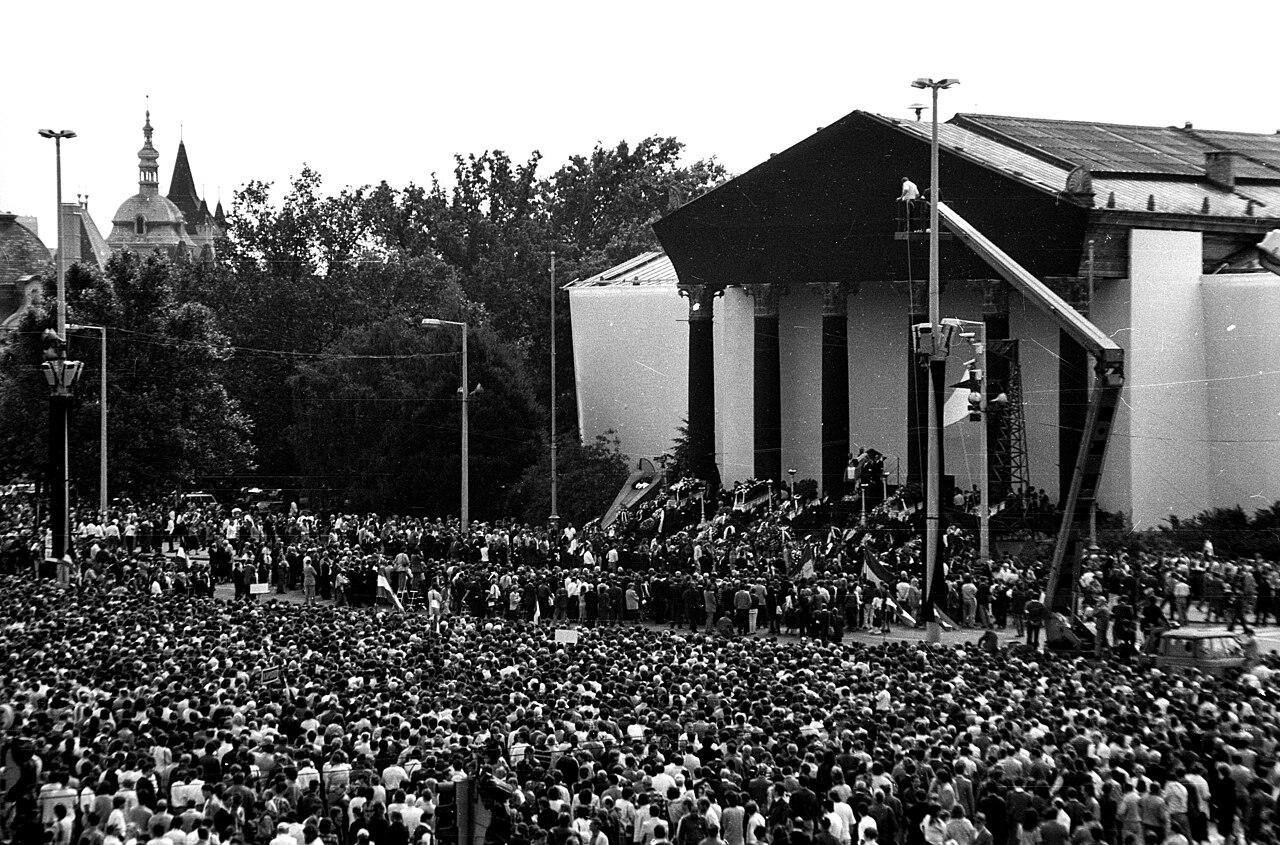
Fortepan / adományozó TM, CC BY-SA 3.0, via Wikimedia Commons
Explore Budapest Your Way
The best stories aren't in the guidebook. These audio tours take you past a hospital carved into the rock, the last standing piece of the ghetto wall and a pleasure city that disappeared after a single summer.
The places behind the stories
Every stop on our map of Budapest has its own story — 62 of them. Read them here, or hear them where they happened.