Stories in Paris
196 stories about the places on our Paris walks. Hear them on the spot in the app
Hear them where they happened
One map of Paris. 196 stories on it.
Open ROODS in your browser, walk to a pin and hear its story right there. Nothing to install.
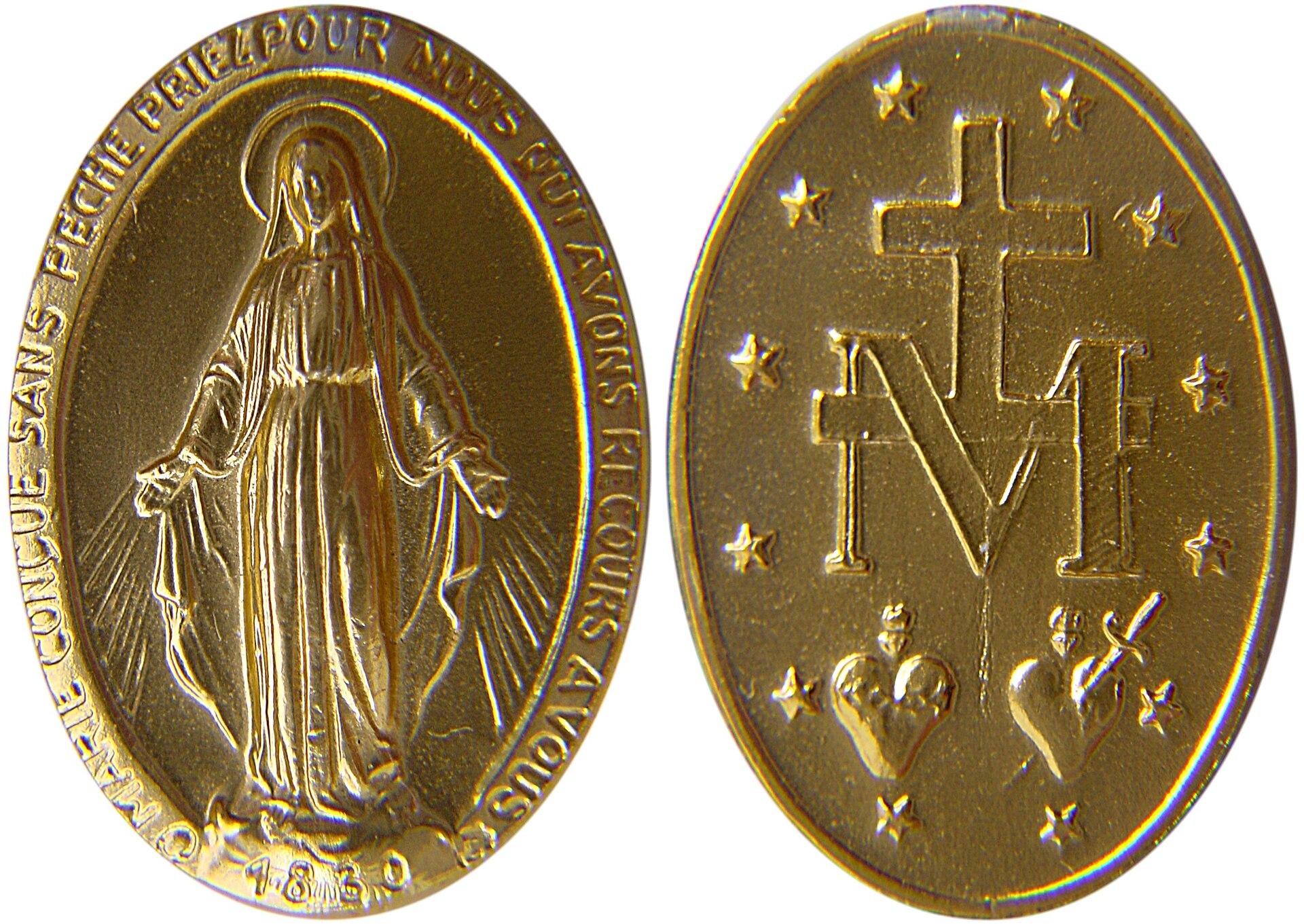
Chapel of Our Lady of the Miraculous Medal
Behind an ordinary wooden door on a busy Parisian street hides one of the most visited sacred sites in the world, and almost no one walking past has any idea it's there.
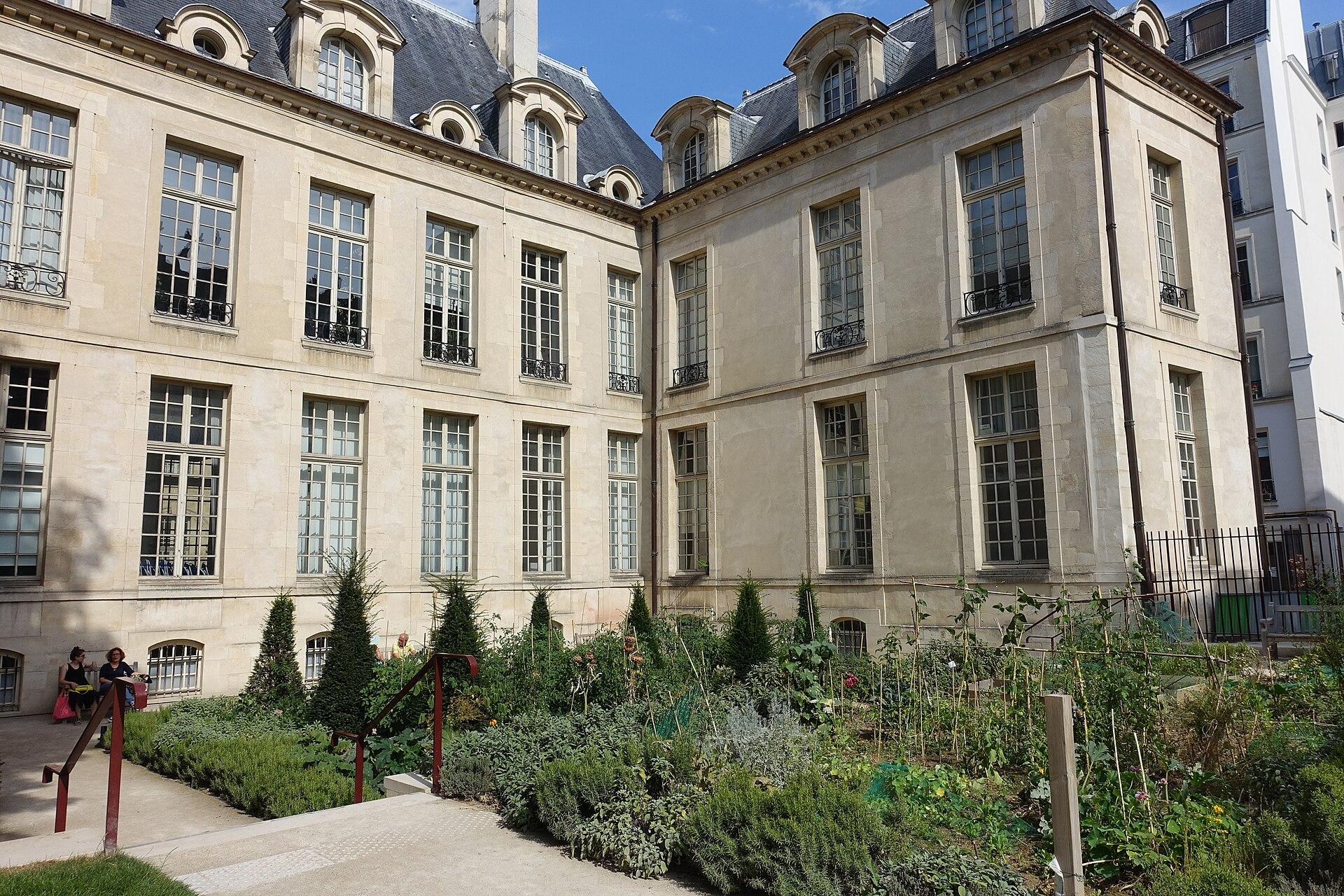
Rosiers–Joseph Migneret
Tucked behind ancient mansion walls in the heart of Le Marais, this secret garden hides a heroic story most visitors never discover.
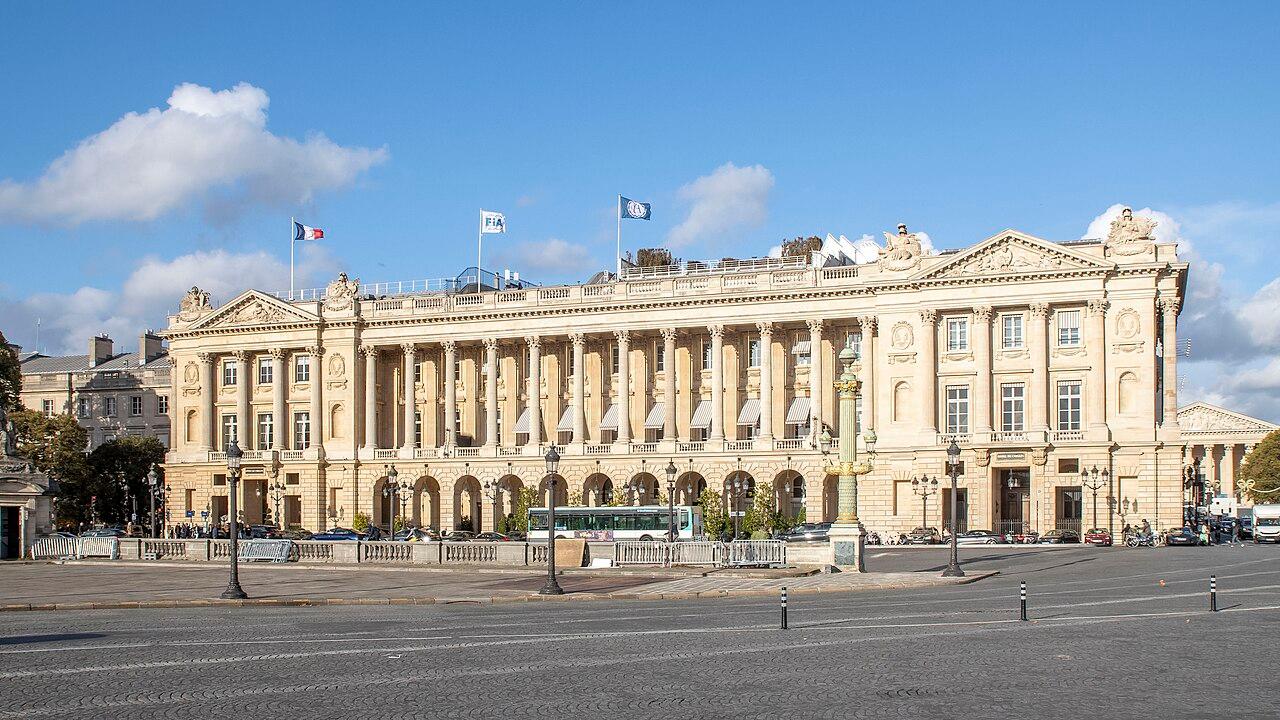
Hôtel de Crillon
Behind this palatial facade on Place de la Concorde lies a building that has witnessed royal piano lessons, a Nazi occupation, and one of literature's most famous acts of dish-washing.
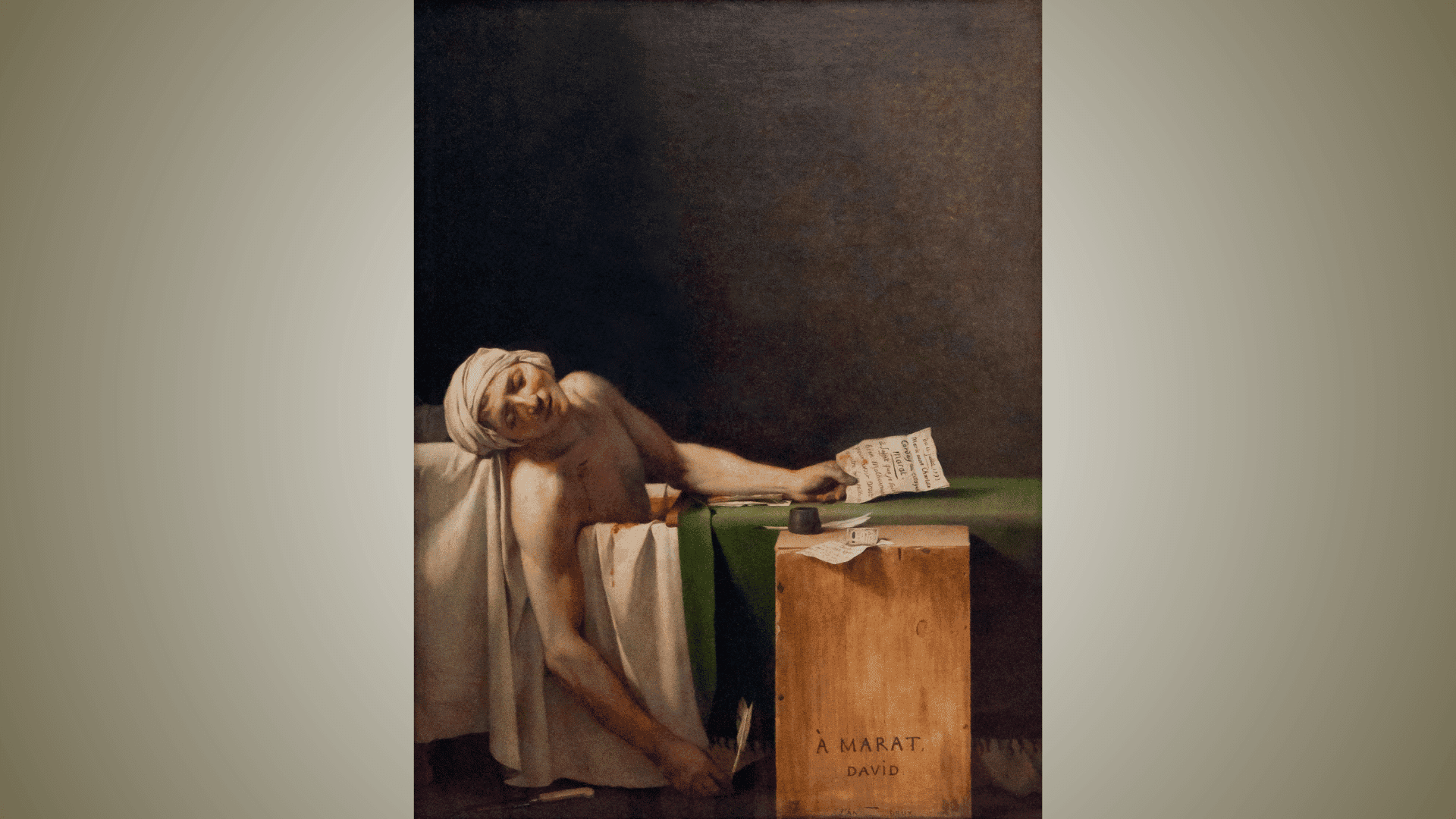
The Death of Marat
A bathtub, a knife, and a single visit that changed the course of a revolution — it all happened right here.
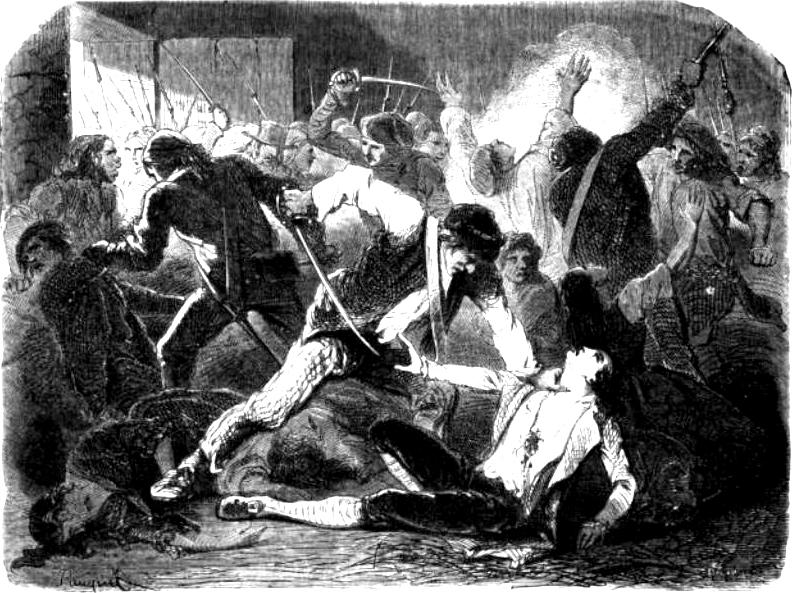
Prison de l'Abbaye
On this exact corner, a makeshift court once decided in seconds whether you walked free or died by the blade.
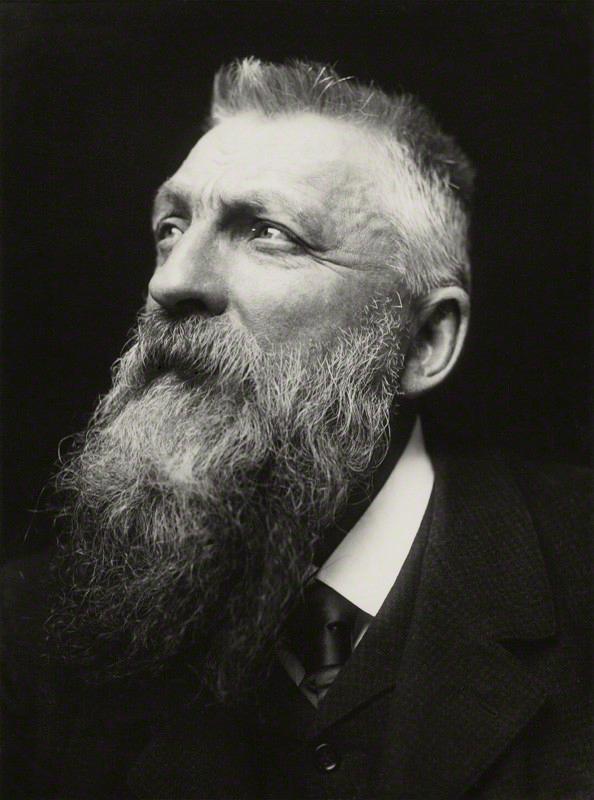
Musée Rodin
The man who created some of the most celebrated sculptures in history was rejected, accused of fraud, and died cold and alone — and the building you're standing in front of tells that whole story.
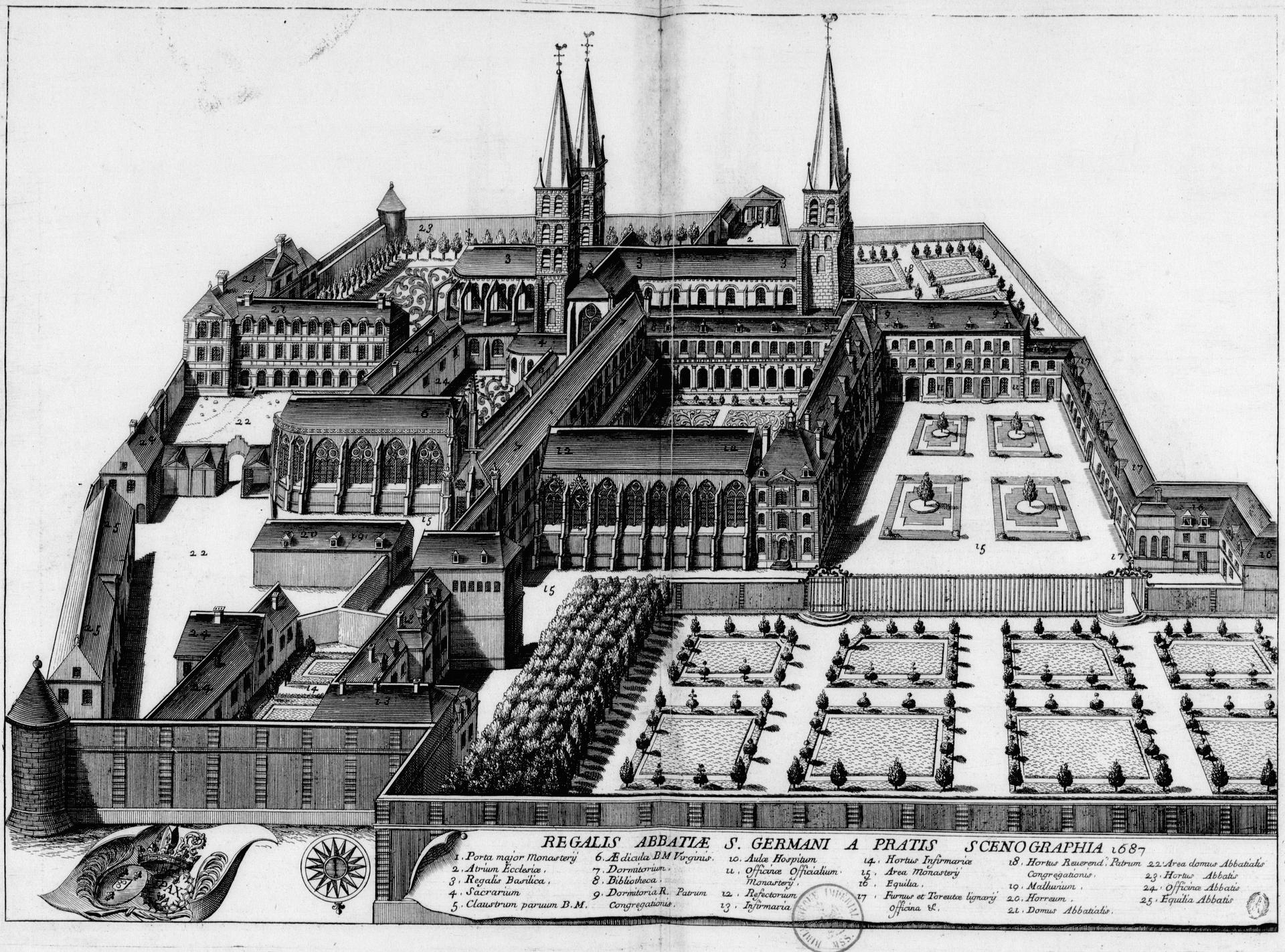
Saint-Germain-des-Prés Abbey
The stone tower in front of you has survived Viking raids, a gunpowder explosion, and a revolutionary government that wanted to tear it down.
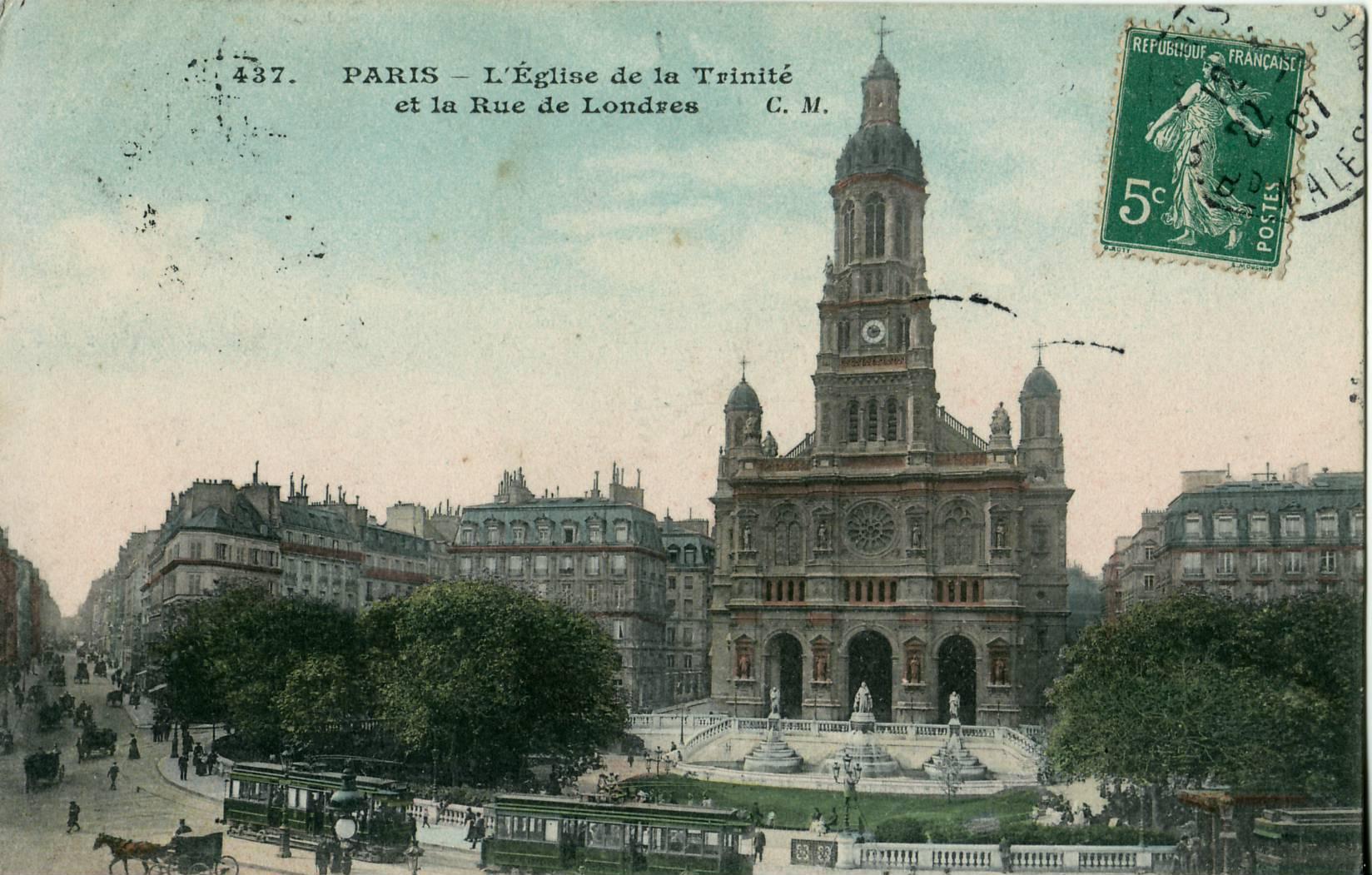
Église de la Trinité
The church in front of you has been a pilgrim shelter, an orphanage, a revolutionary stage, and a concert hall — all before your morning coffee.
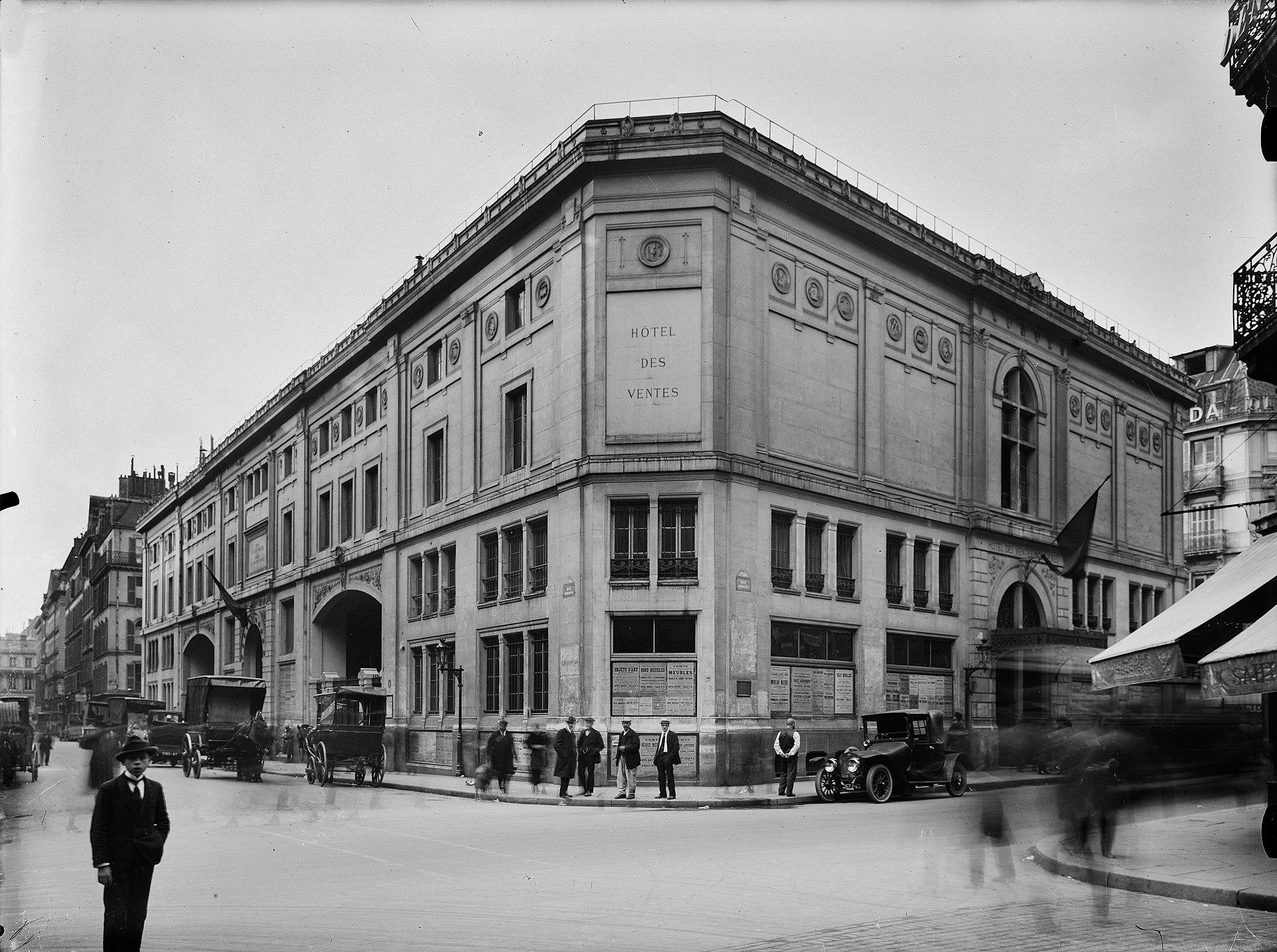
Hôtel Drouot
Behind this ordinary-looking façade hides one of the most secretive, scandalous, and strangely compelling places in Paris.
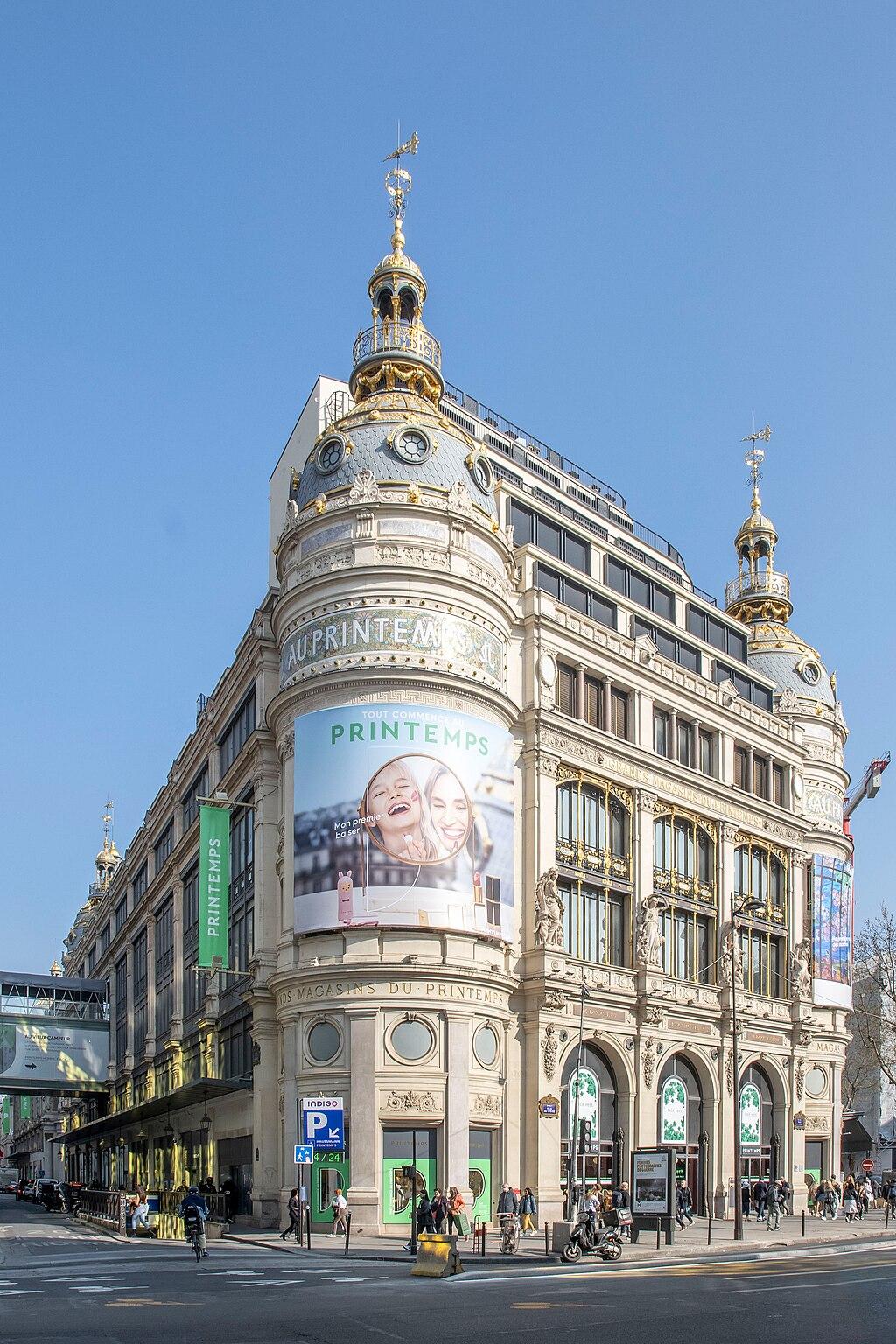
Printemps
The store standing in front of you didn't just sell clothes — it invented the way modern retail works.
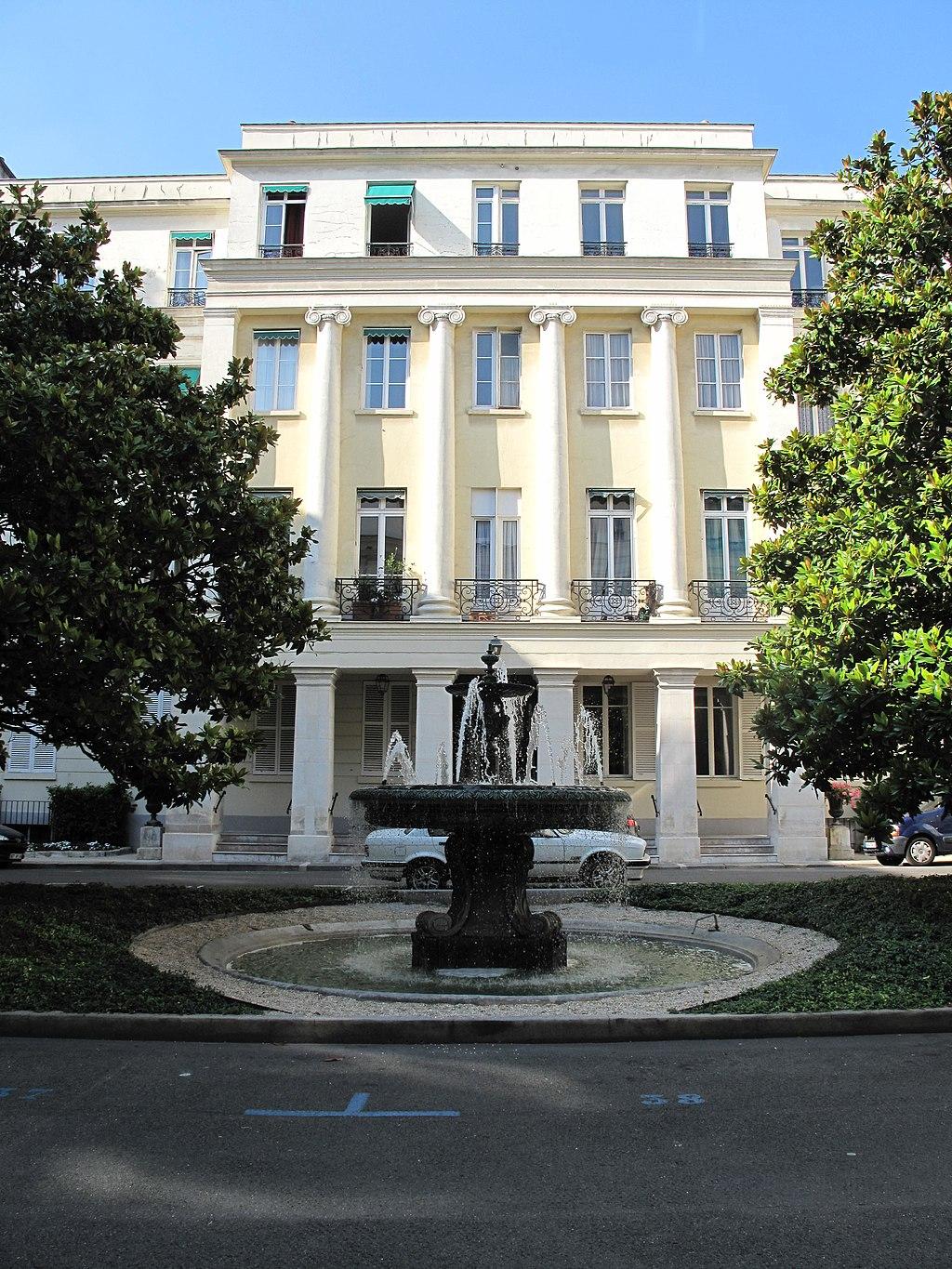
Square d'Orléans
Behind a quiet green gate on an ordinary street, one of history's most unconventional love stories played out between two artists who lived together by living apart.
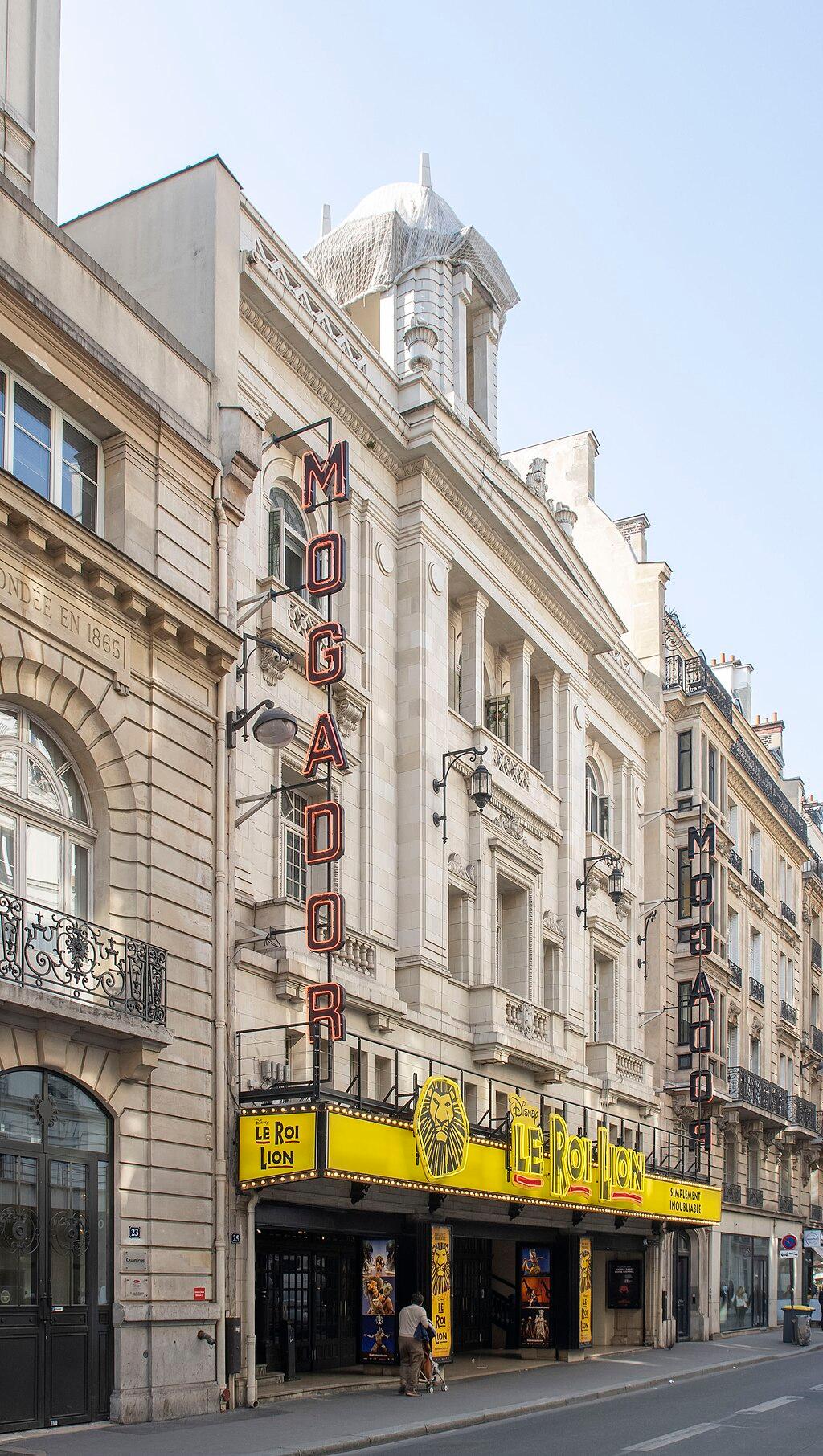
Théâtre Mogador
This theatre was born out of a love story, and it has never stopped stealing hearts since.
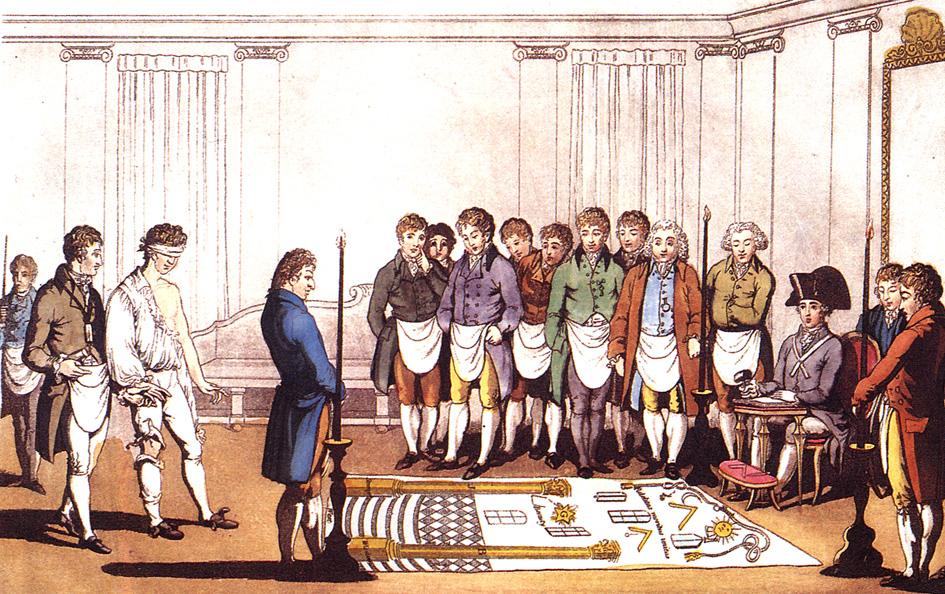
Museum of Freemasonry
Behind this quiet façade hides one of the most secretive brotherhoods in history, and its fingerprints are all over the world you live in today.
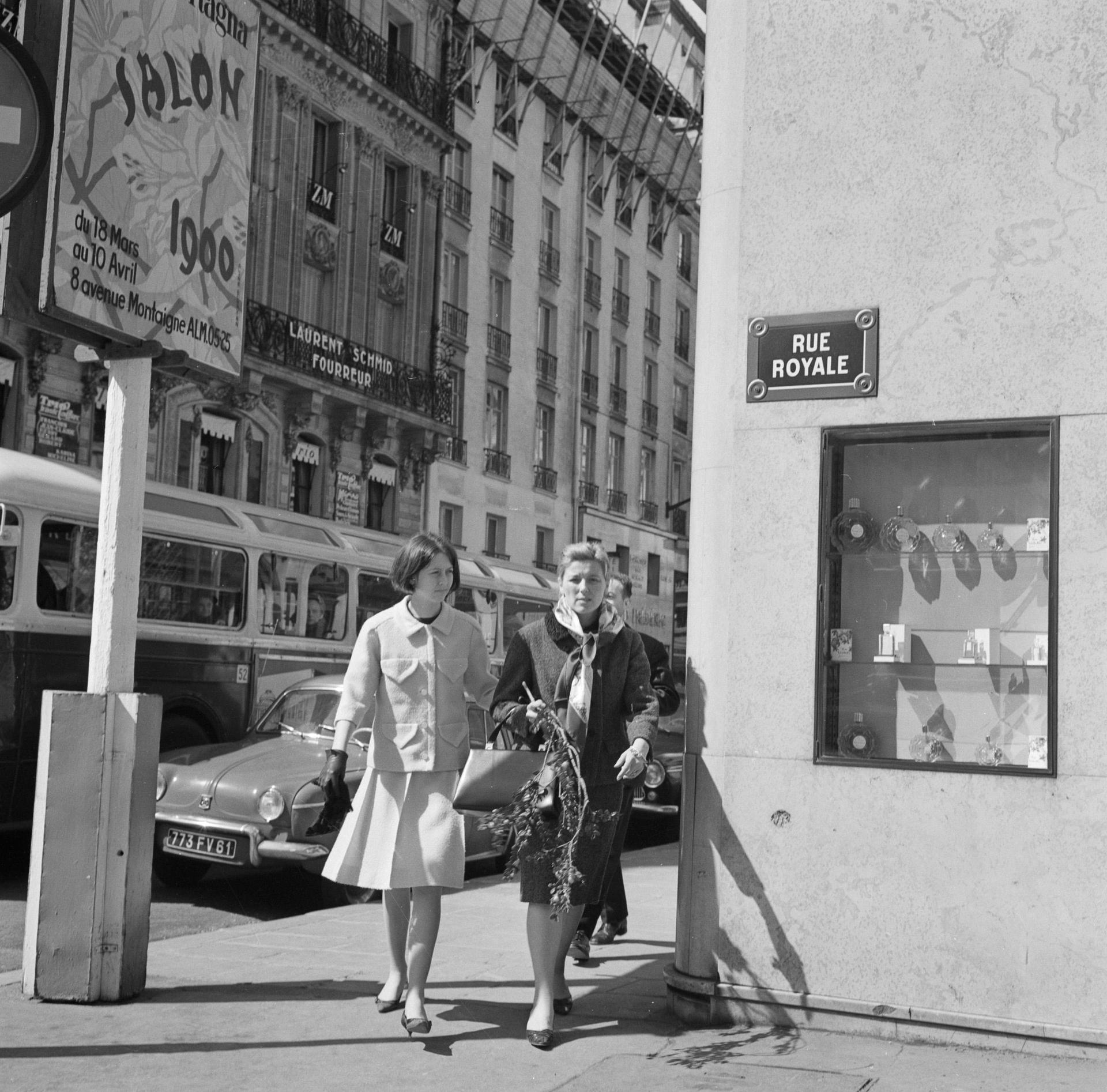
Rue du Faubourg Saint-Honoré
This street began as a muddy track lined with vegetable gardens, and somehow became the most powerful two kilometers in the world.
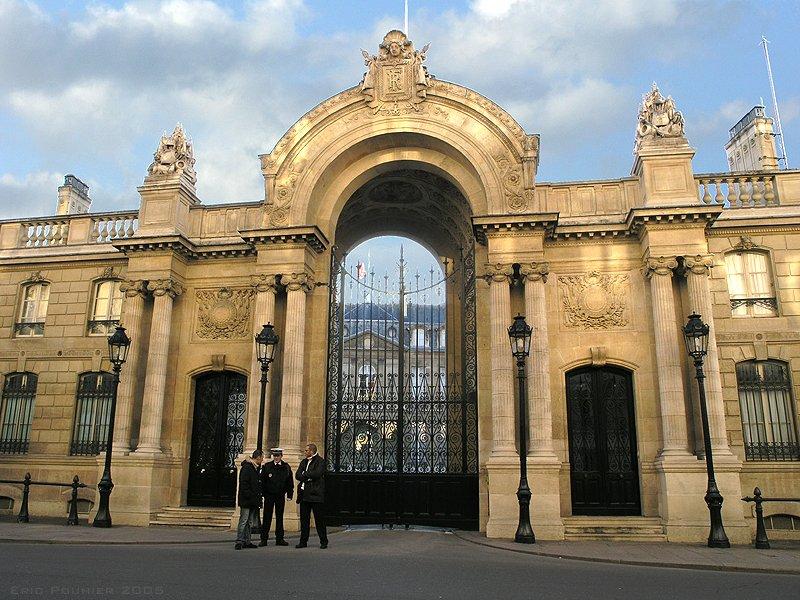
Élysée Palace
The official residence of the French President has a past so scandalous, so deliciously improper, that it makes the current political dramas look rather tame.
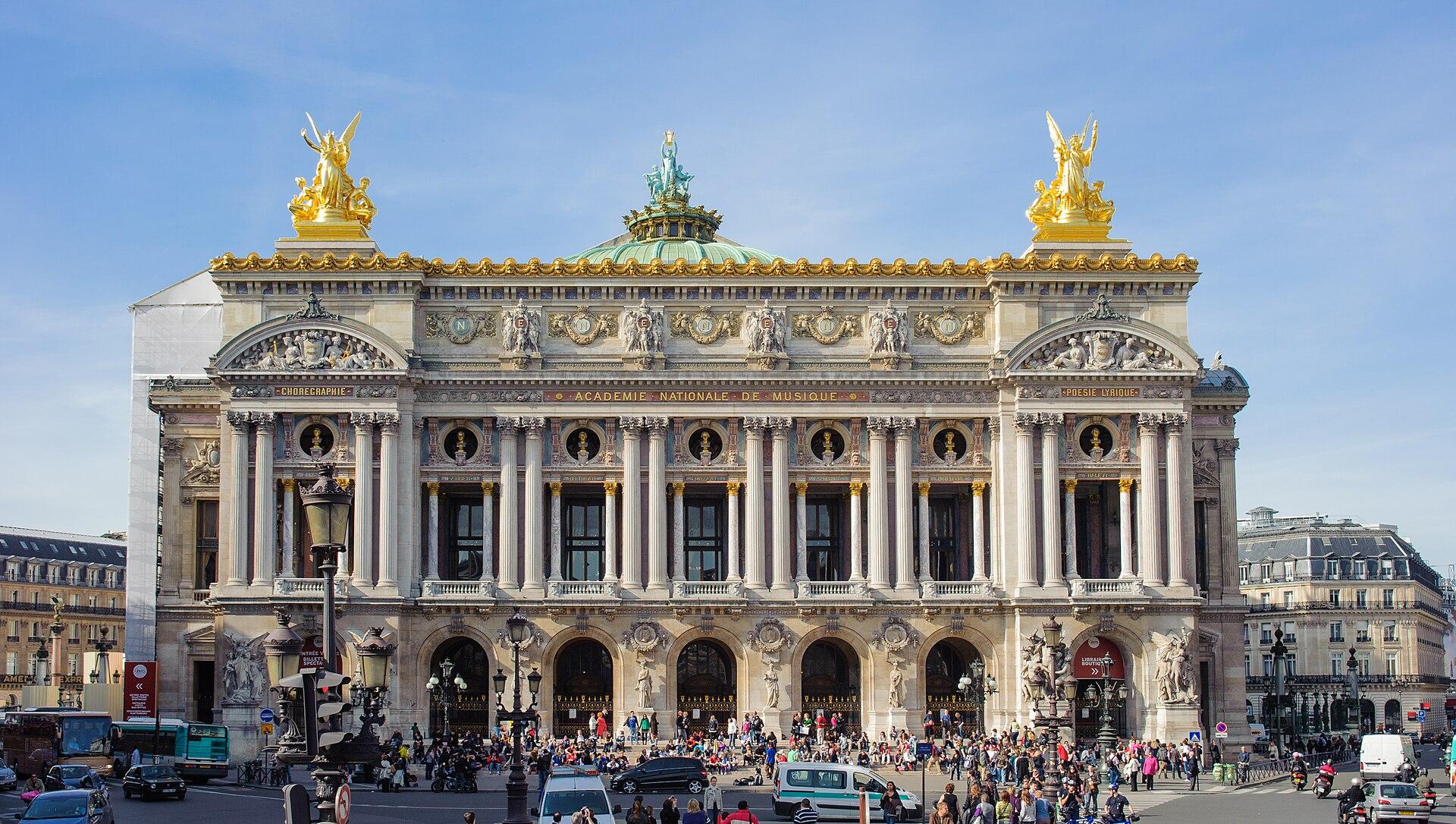
Palais Garnier
This opera house was born from a bomb attack, built over an underground lake, and inspired one of the most famous ghost stories ever written.
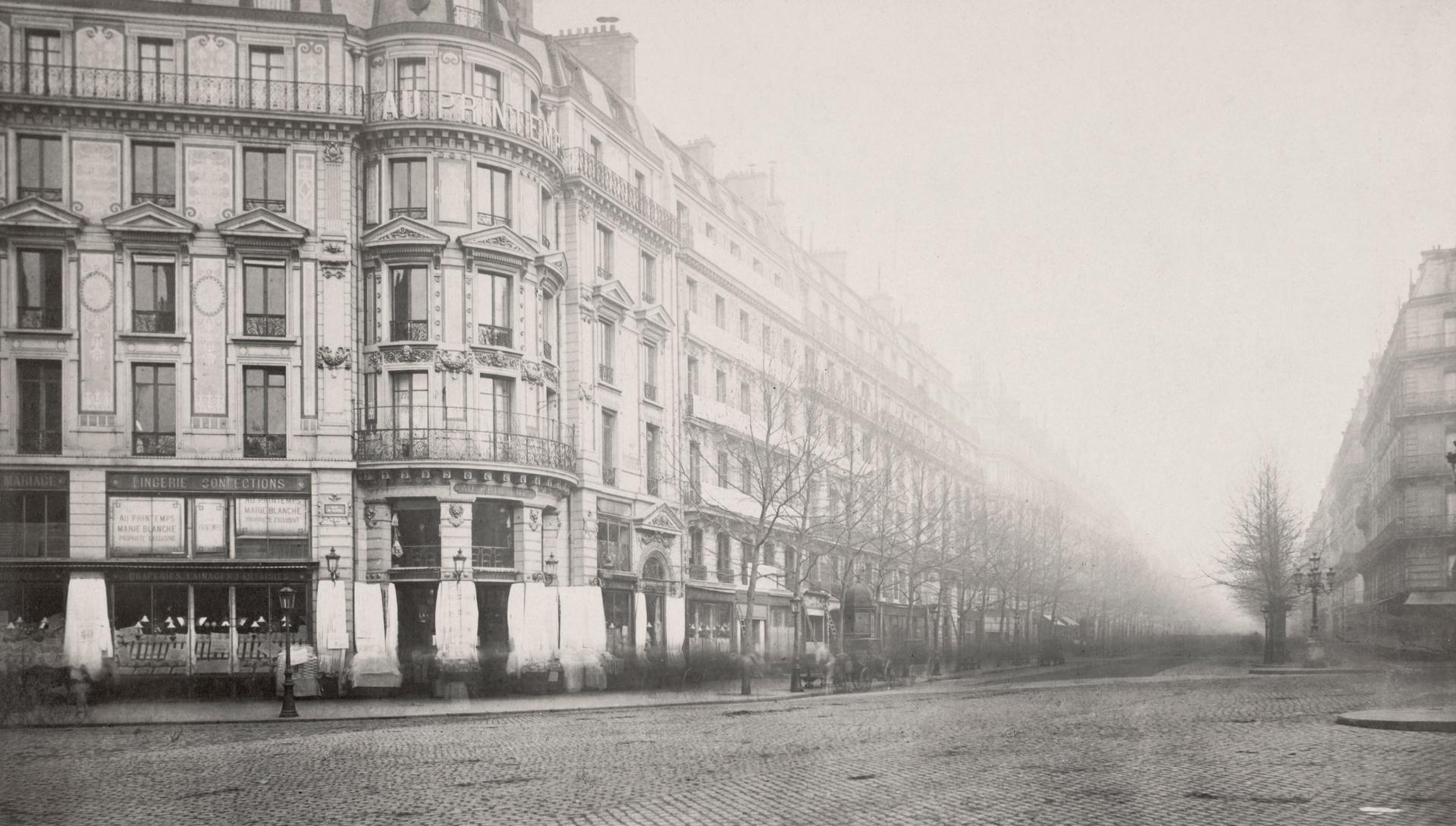
Boulevard Haussmann
This boulevard is named after the man who demolished an entire city to build it.
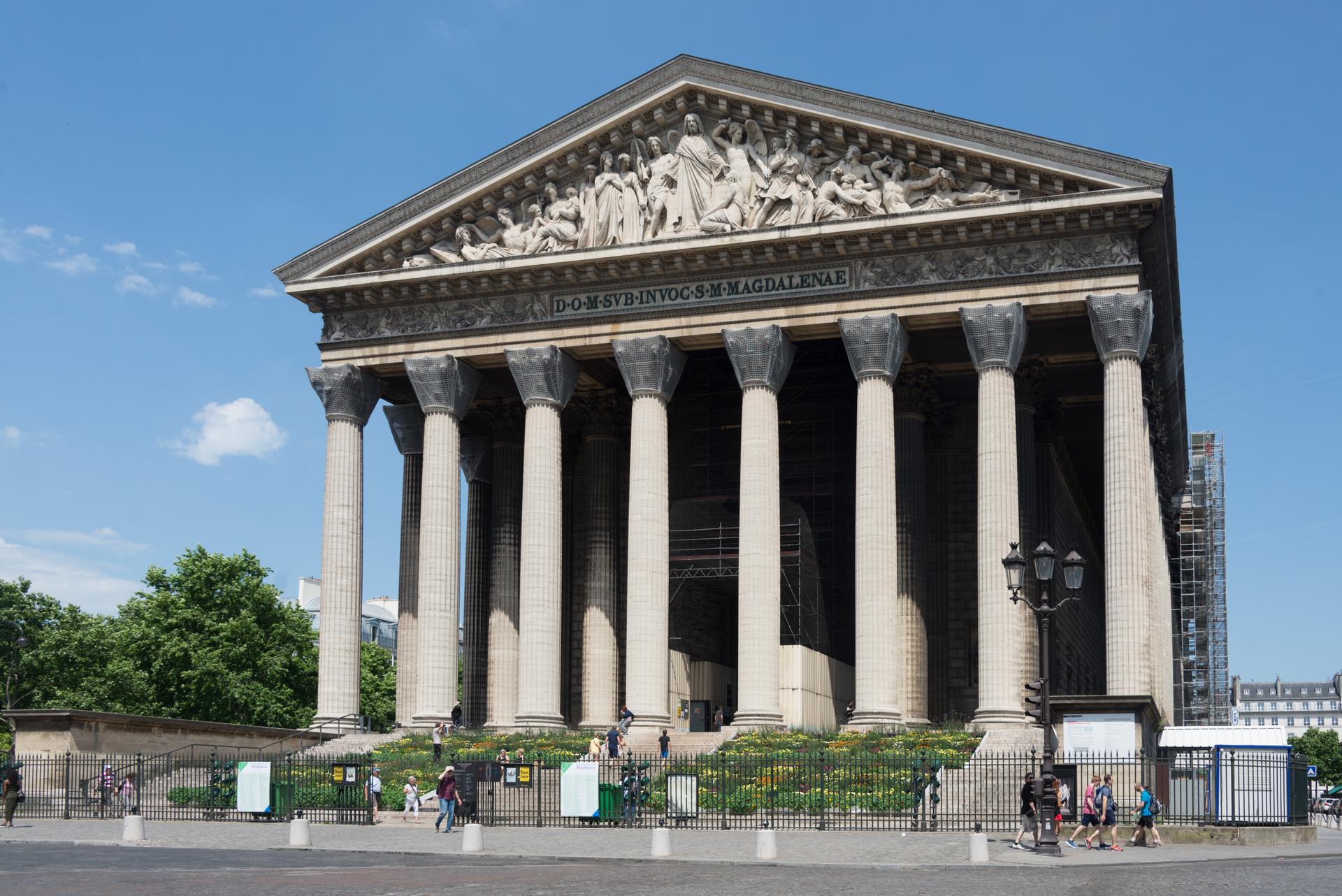
La Madeleine
This church took 85 years to build, survived Napoleon's ambitions, and once made a grieving crowd wait two weeks because of a velvet curtain.
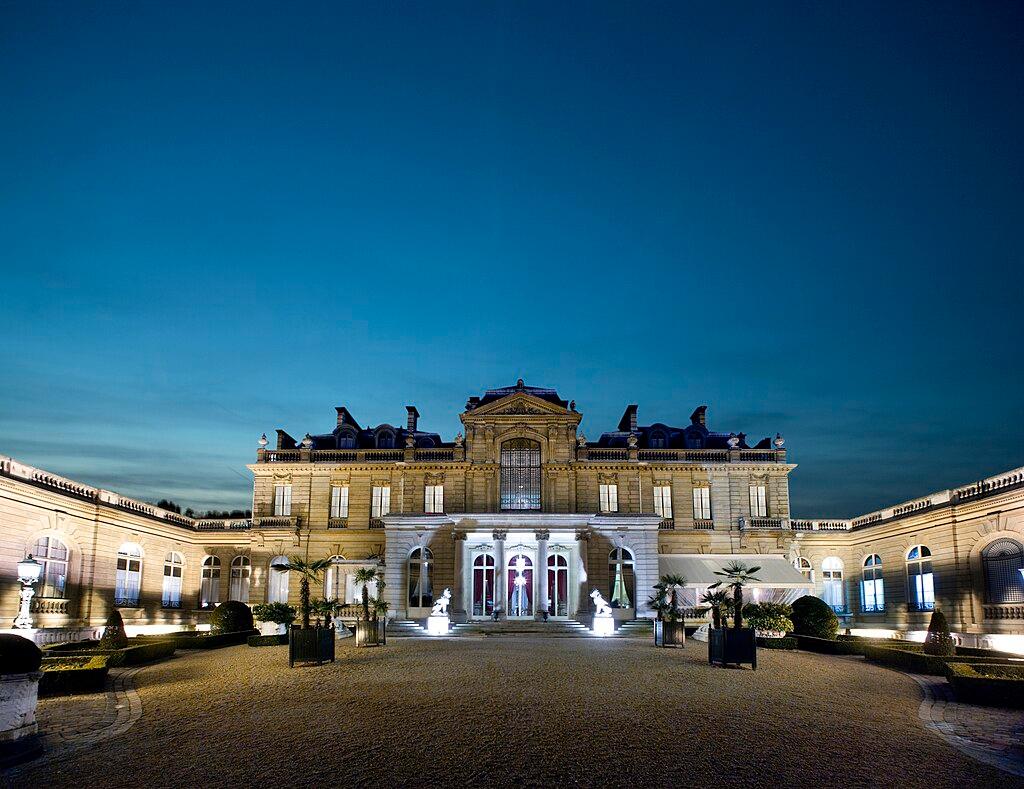
Musée Jacquemart-André
Behind this grand façade lies a love story, a legal battle, and one of the most personal art collections in all of Paris.
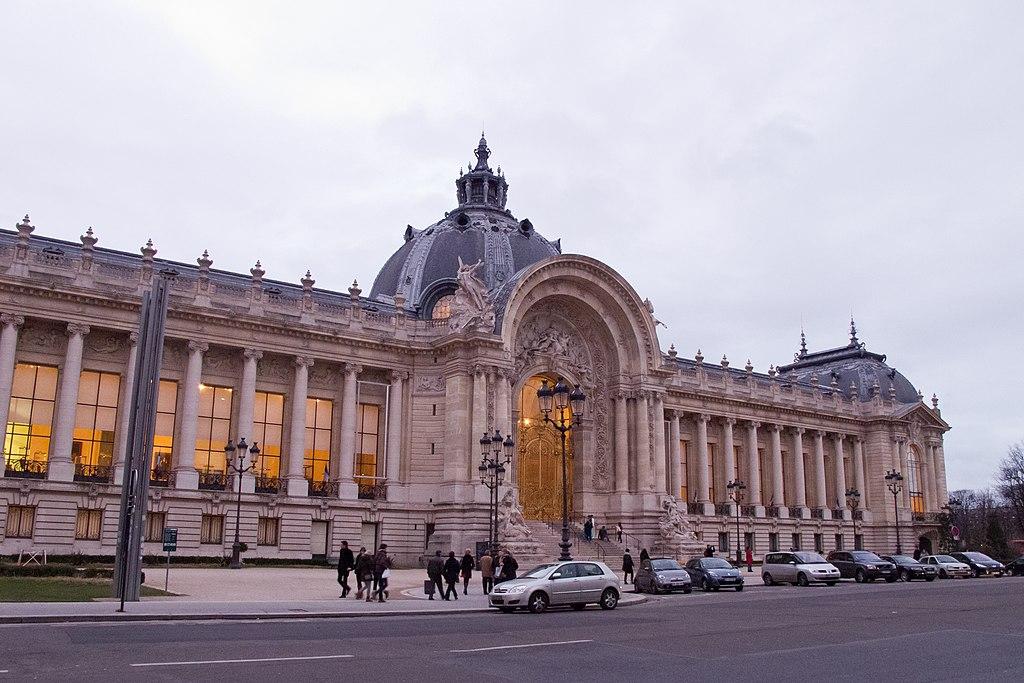
Petit Palais
The man who designed this building didn't even win the competition — and yet what he built became one of Paris's best-kept secrets.
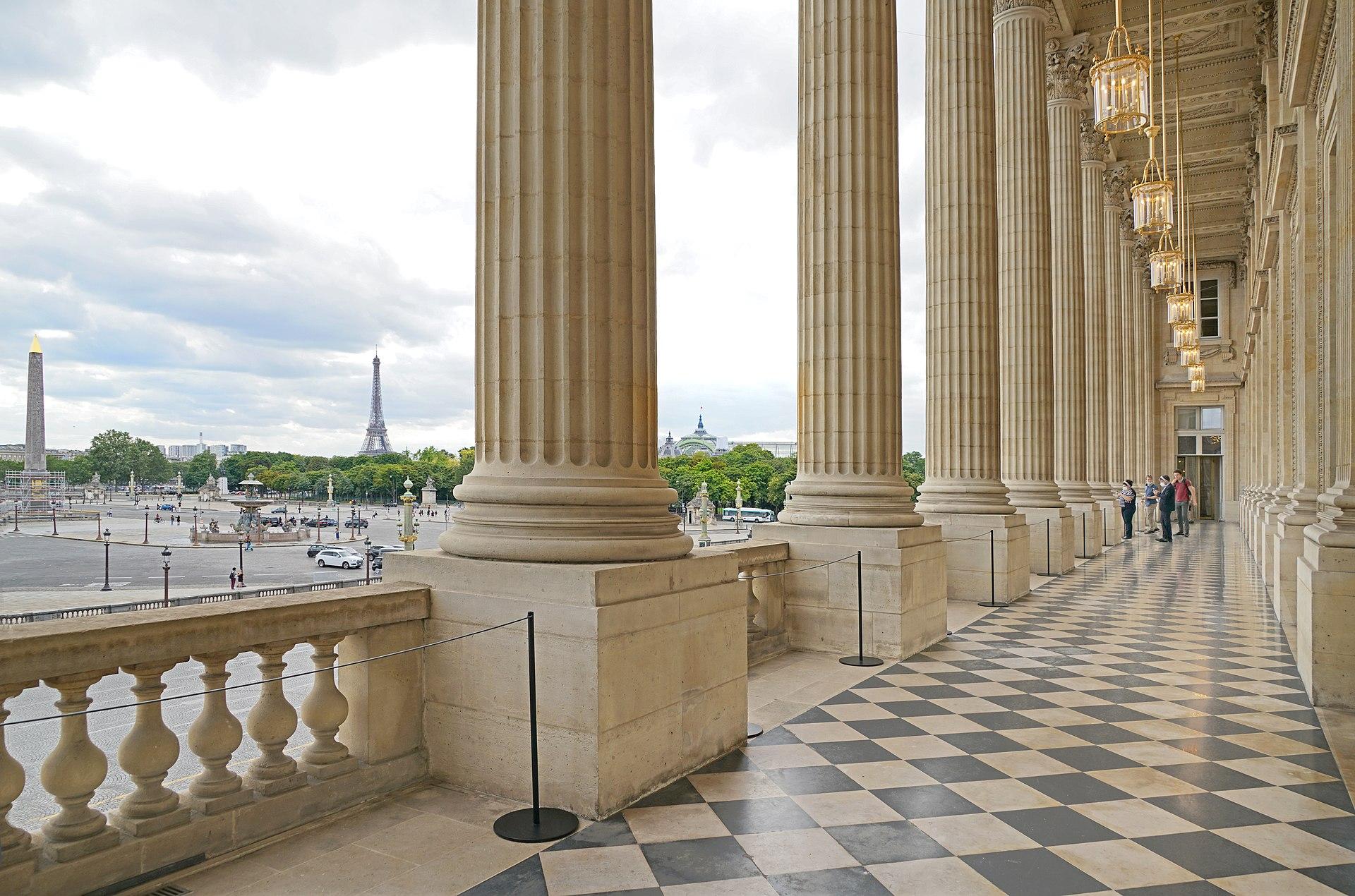
Hôtel de la Marine
This building has witnessed crown jewel heists, secret listeners behind fireplaces, and the last Nazi surrender in Paris, all behind the same elegant facade.
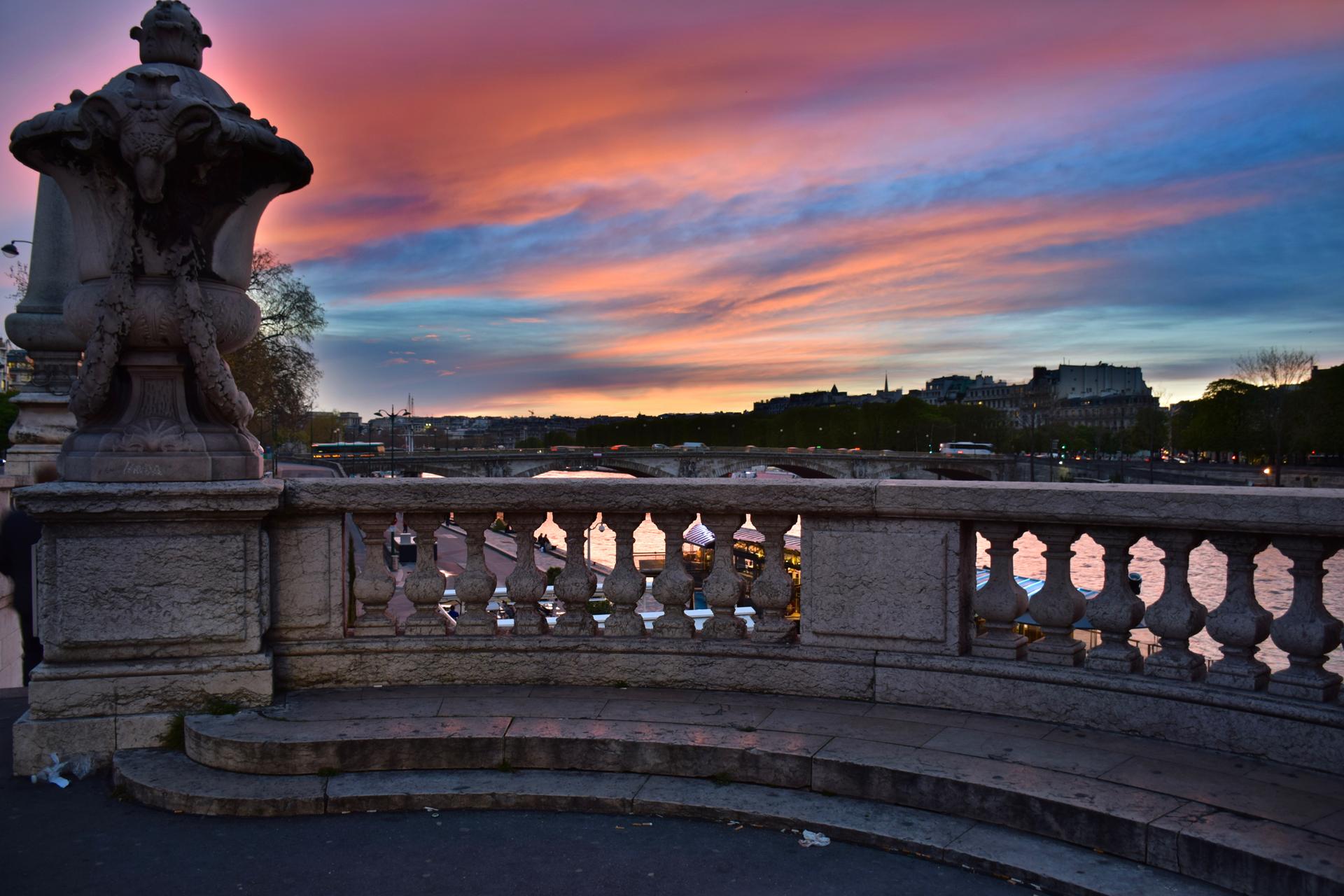
Pont Alexandre III
This bridge was built with one strict rule: it could never block the view.
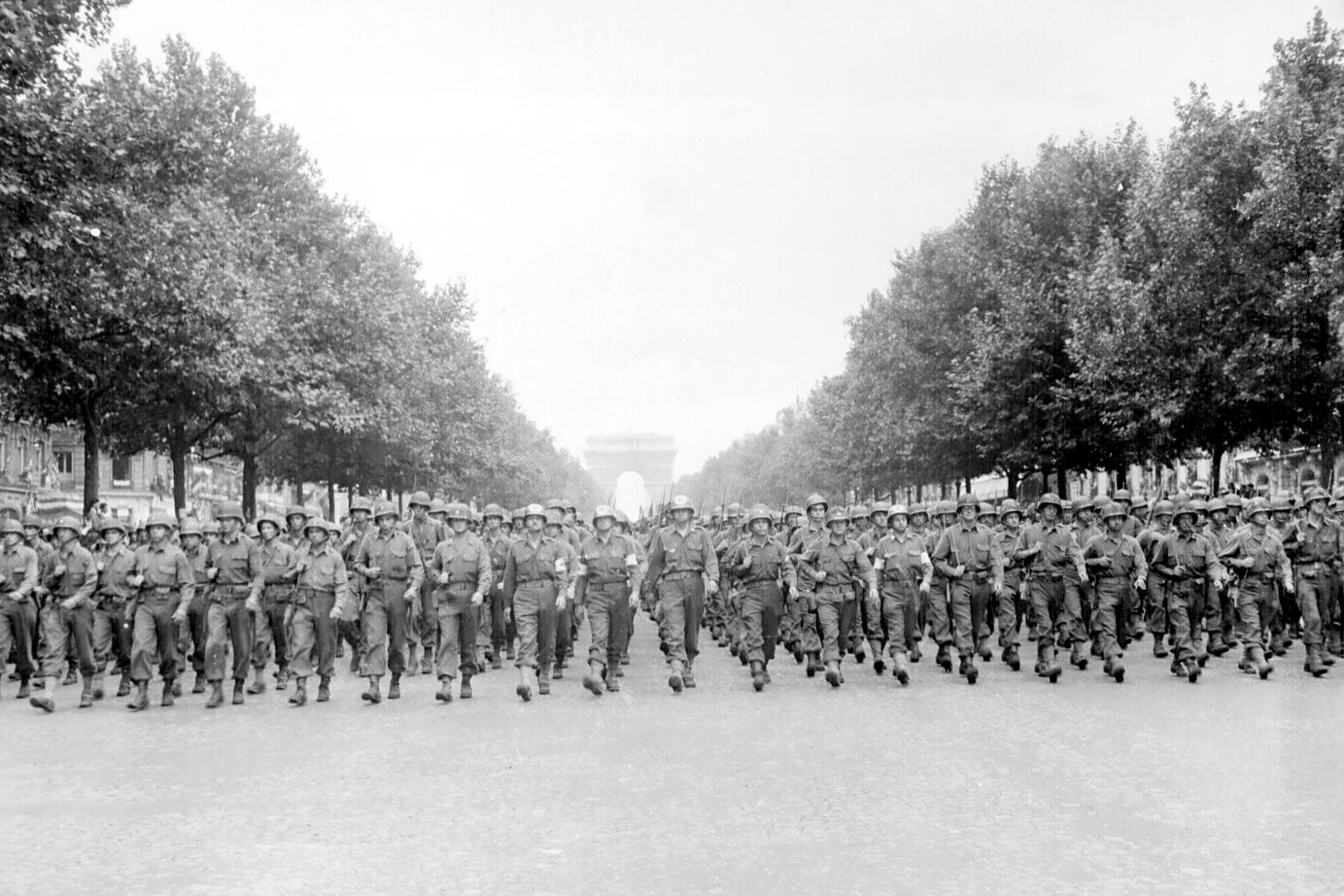
The Champs-Élysées
One boulevard has witnessed both the darkest humiliation and the most joyful liberation of a city, sometimes within the memory of a single lifetime.
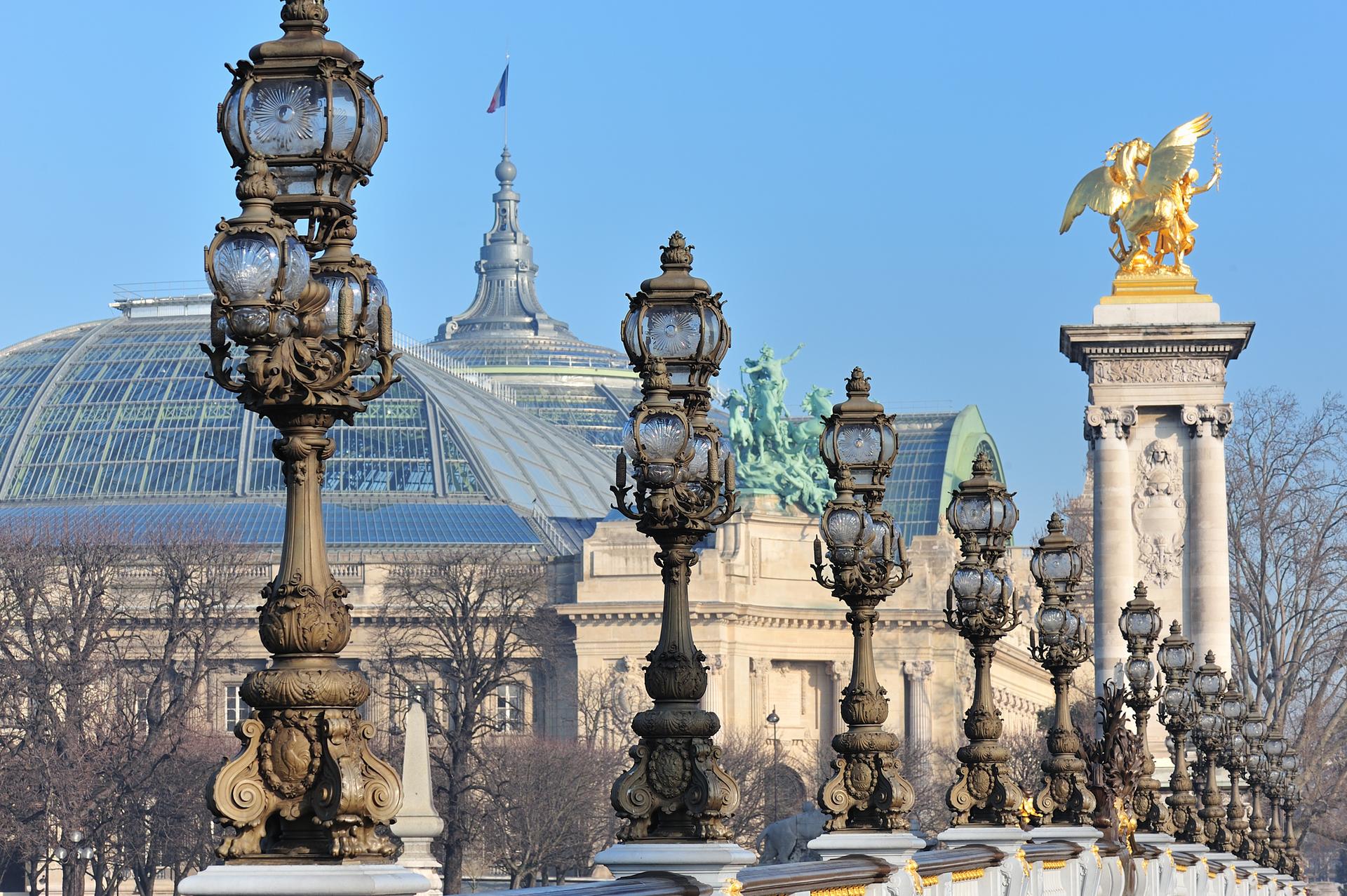
The Grand Palais
Two palaces, four rival architects, and a German tank that nearly burned it all down — this building has lived more lives than most cities.
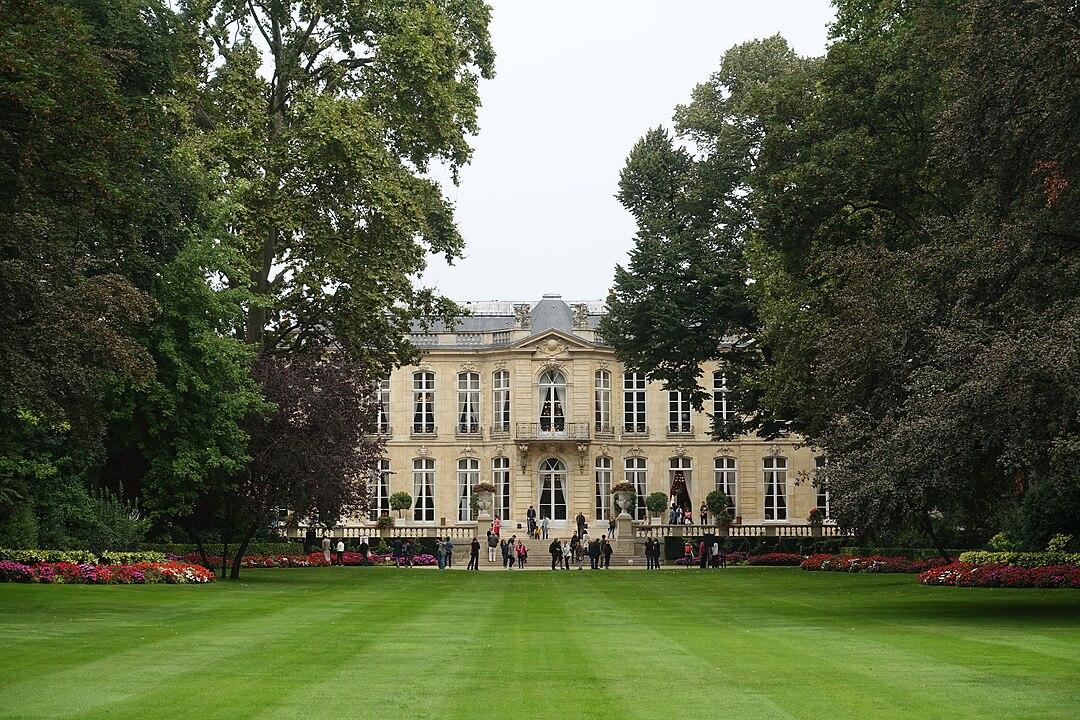
Hôtel Matignon
Behind this elegant façade hides a story of naked angels, a scandalous dancer, and labor rights that changed France forever.
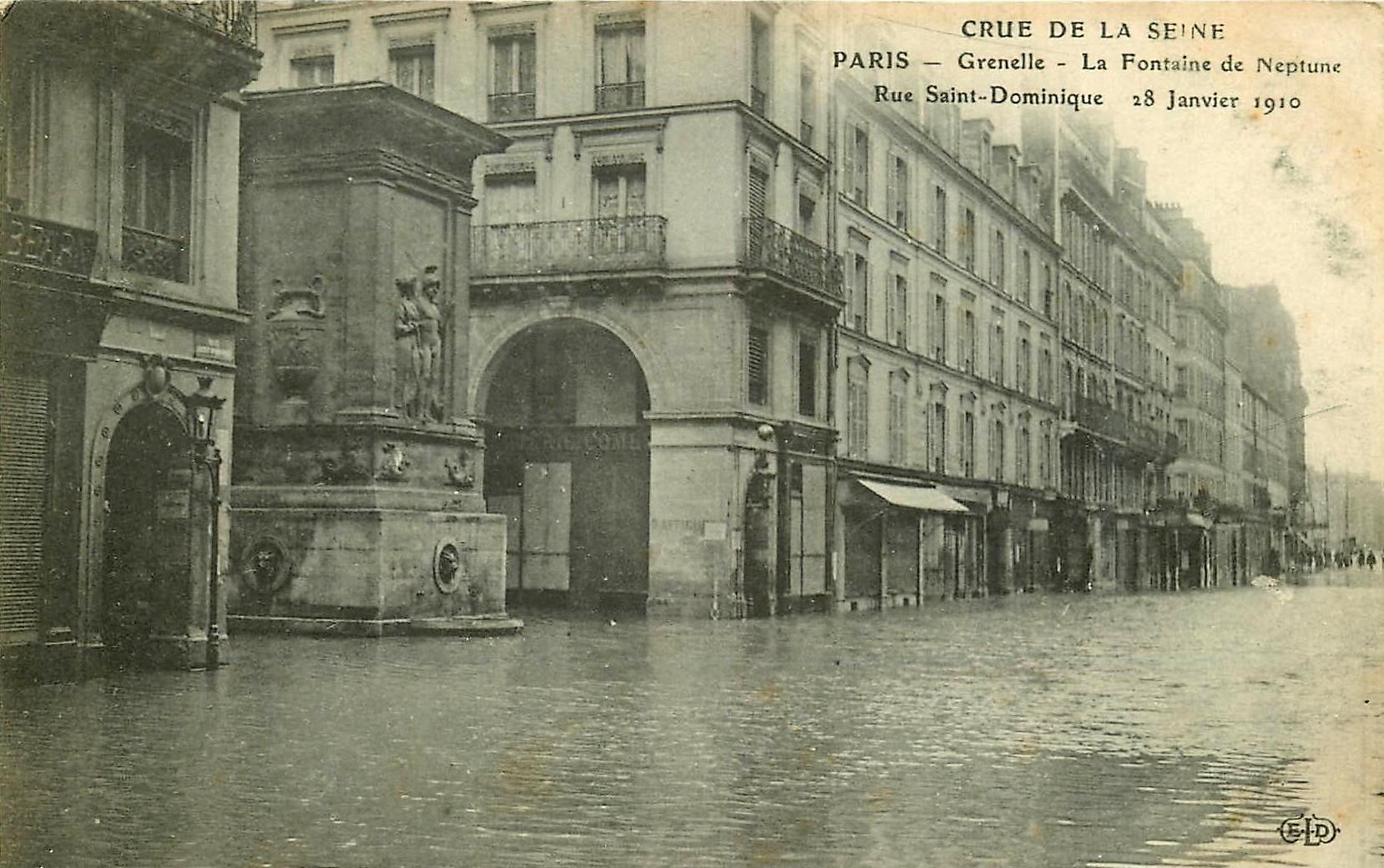
Fontaine de Mars
A stone fountain tucked between a military hospital and the Eiffel Tower holds a secret about water, power, and a presidential dinner that filled a restaurant for years.
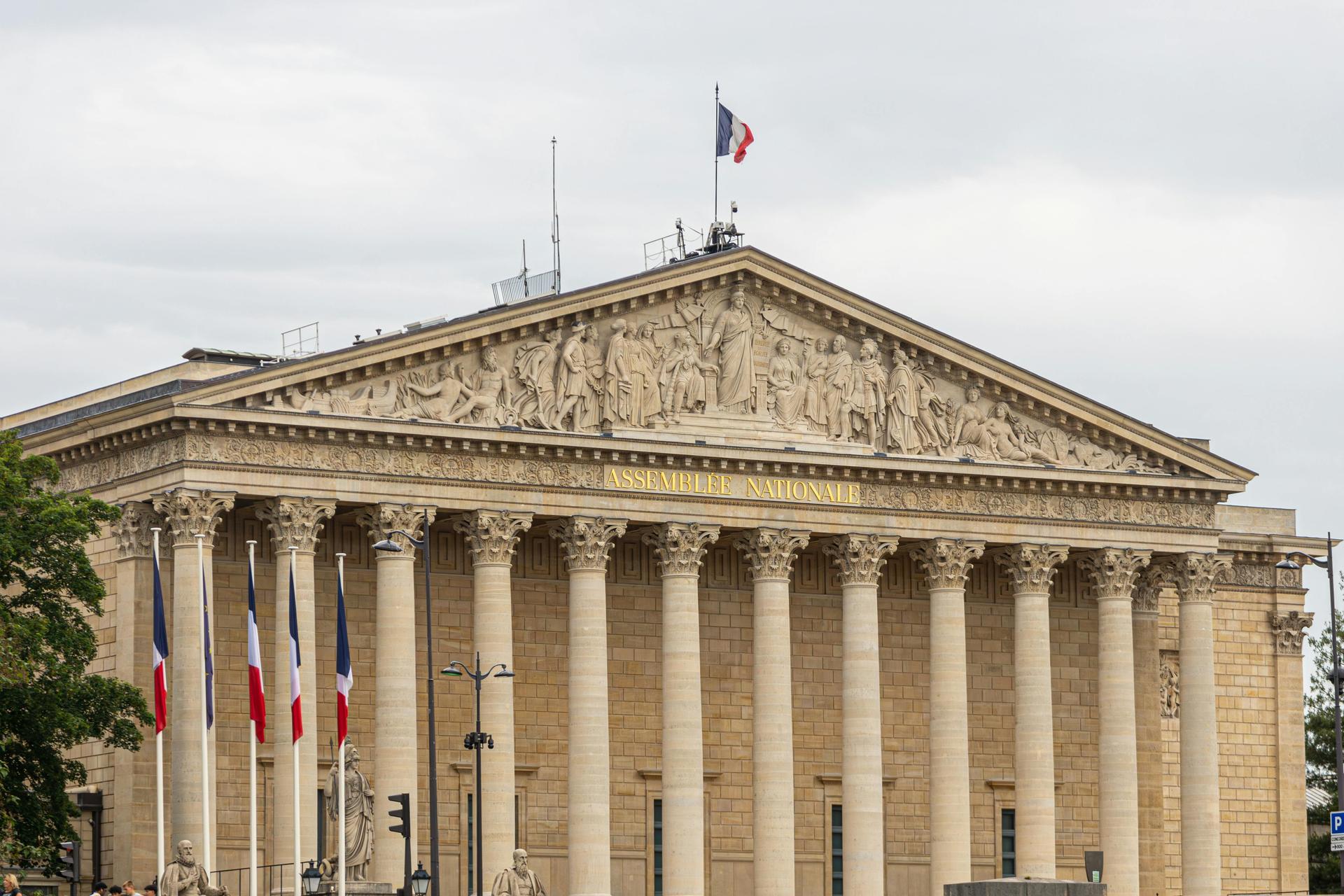
Palais Bourbon: Home of the Assemblée Nationale
The building in front of you was born as a royal pleasure palace, survived a Nazi occupation, and holds a rule so strict that even the president of the republic cannot walk through its doors uninvited.
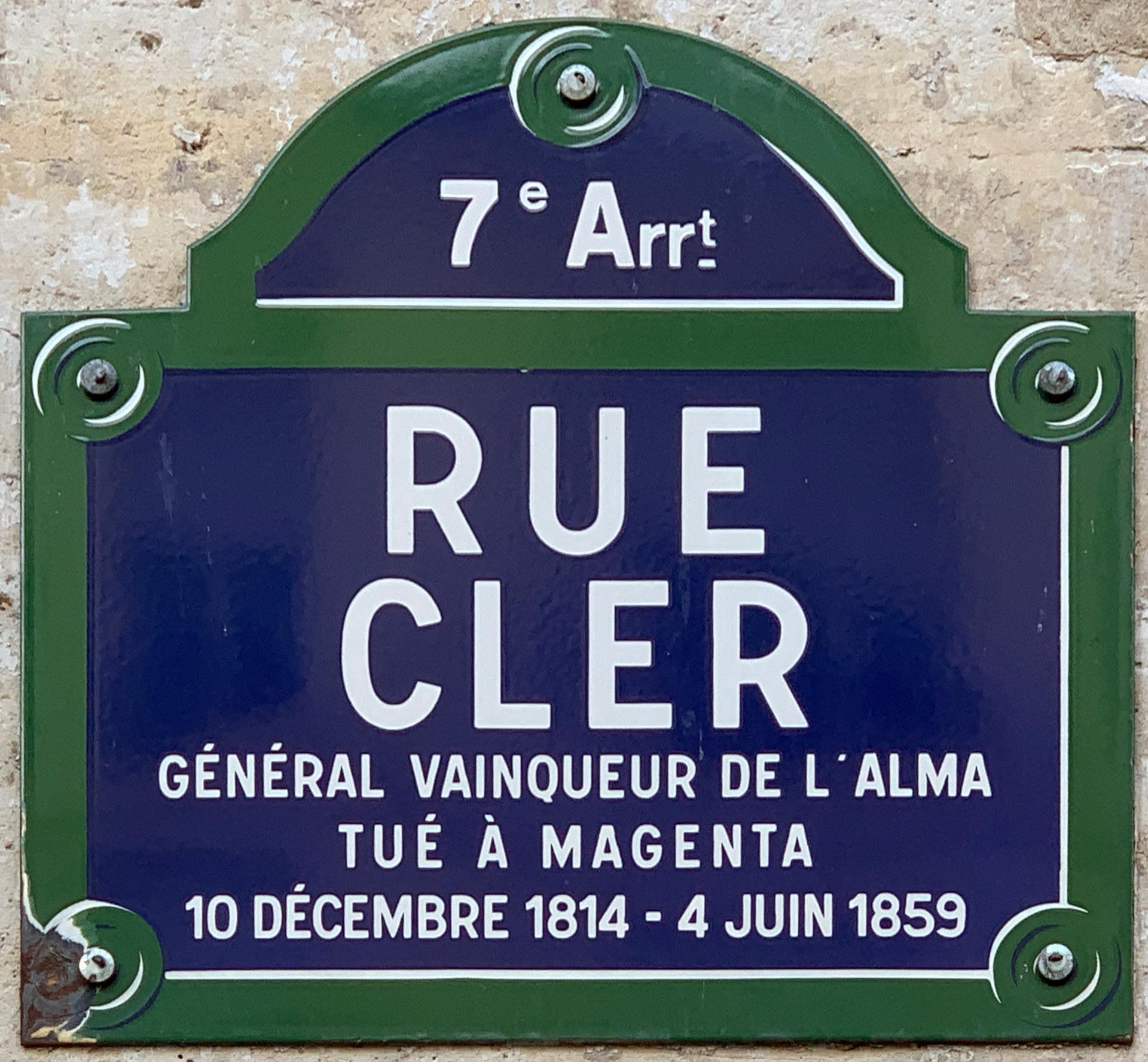
Rue Cler
This quiet cobblestone street hides a soldier's legacy, a culinary legend, and a Sunday ritual so precise it involves telling your cheese vendor exactly what time you plan to eat.
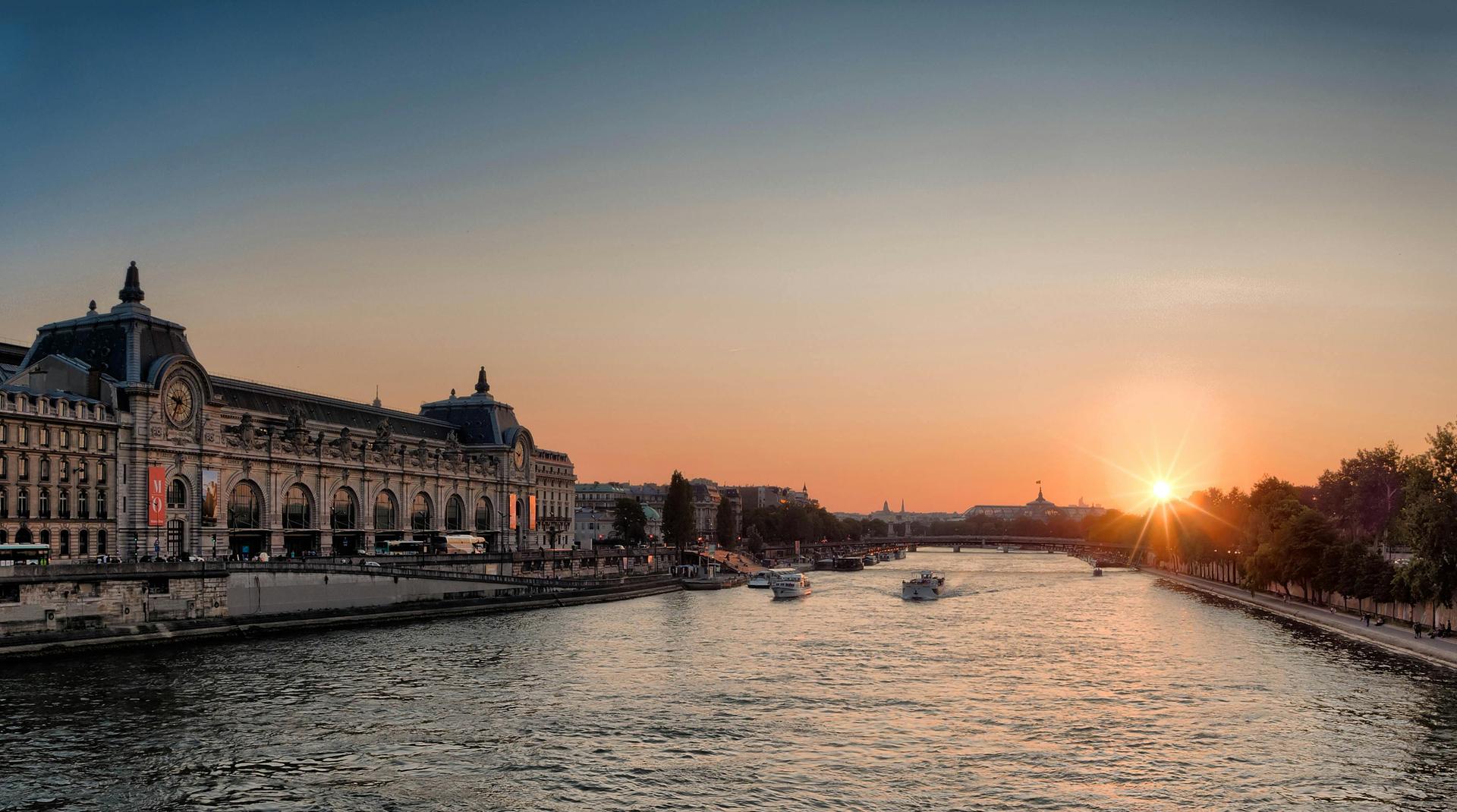
Musée d'Orsay
The building you're standing in front of was never supposed to survive — and yet here it is, holding some of the most iconic paintings in the world.
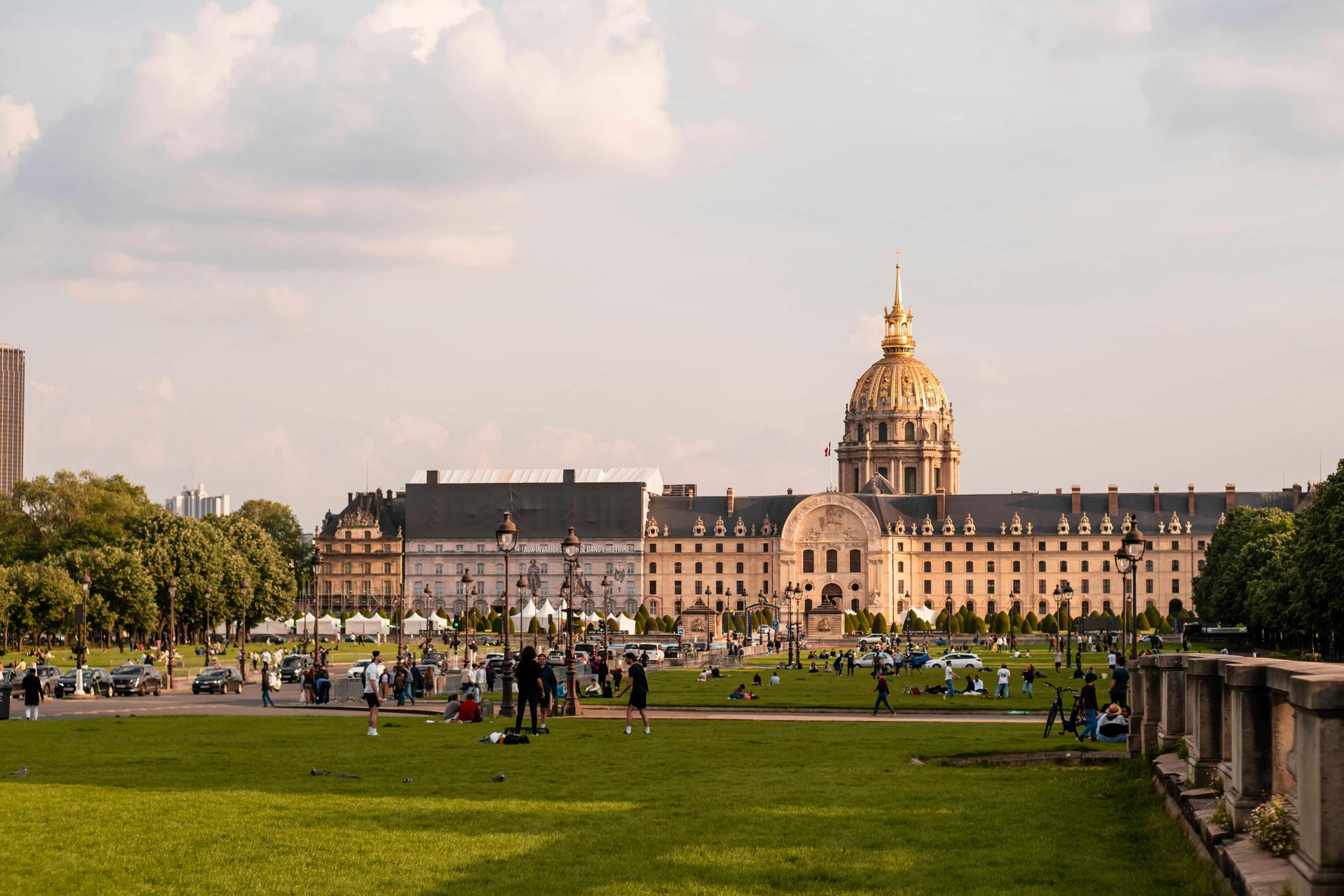
Hôtel des Invalides
The golden dome gleaming above you holds secrets that stretch from a king's mercy to a revolution's first spark.
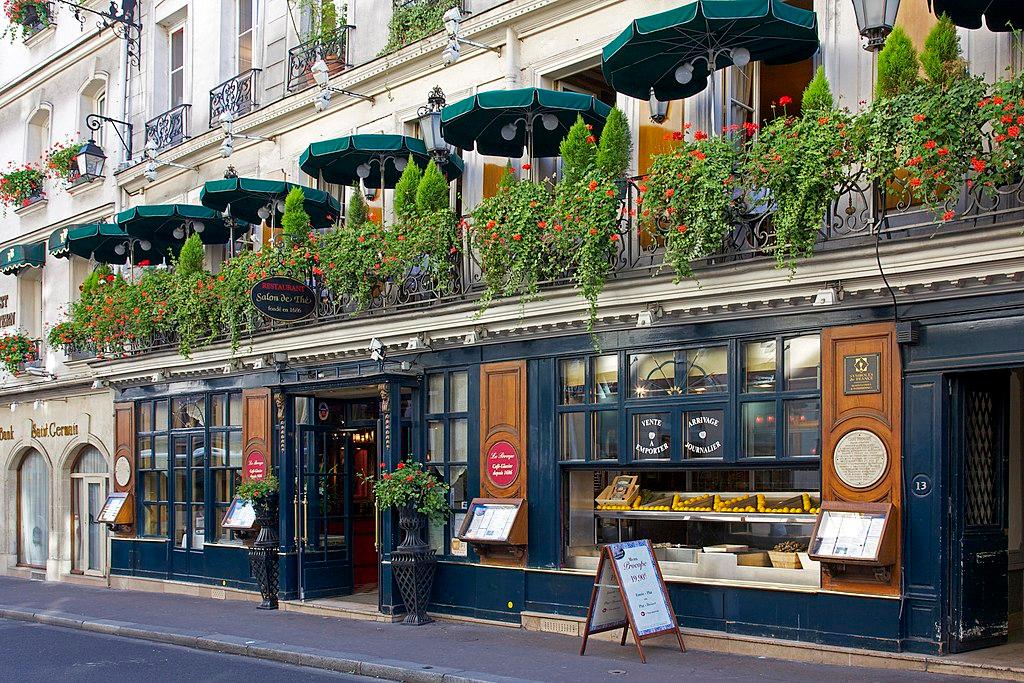
Le Procope
This unassuming café on a narrow Parisian street quietly shaped revolutions, republics, and the modern world.
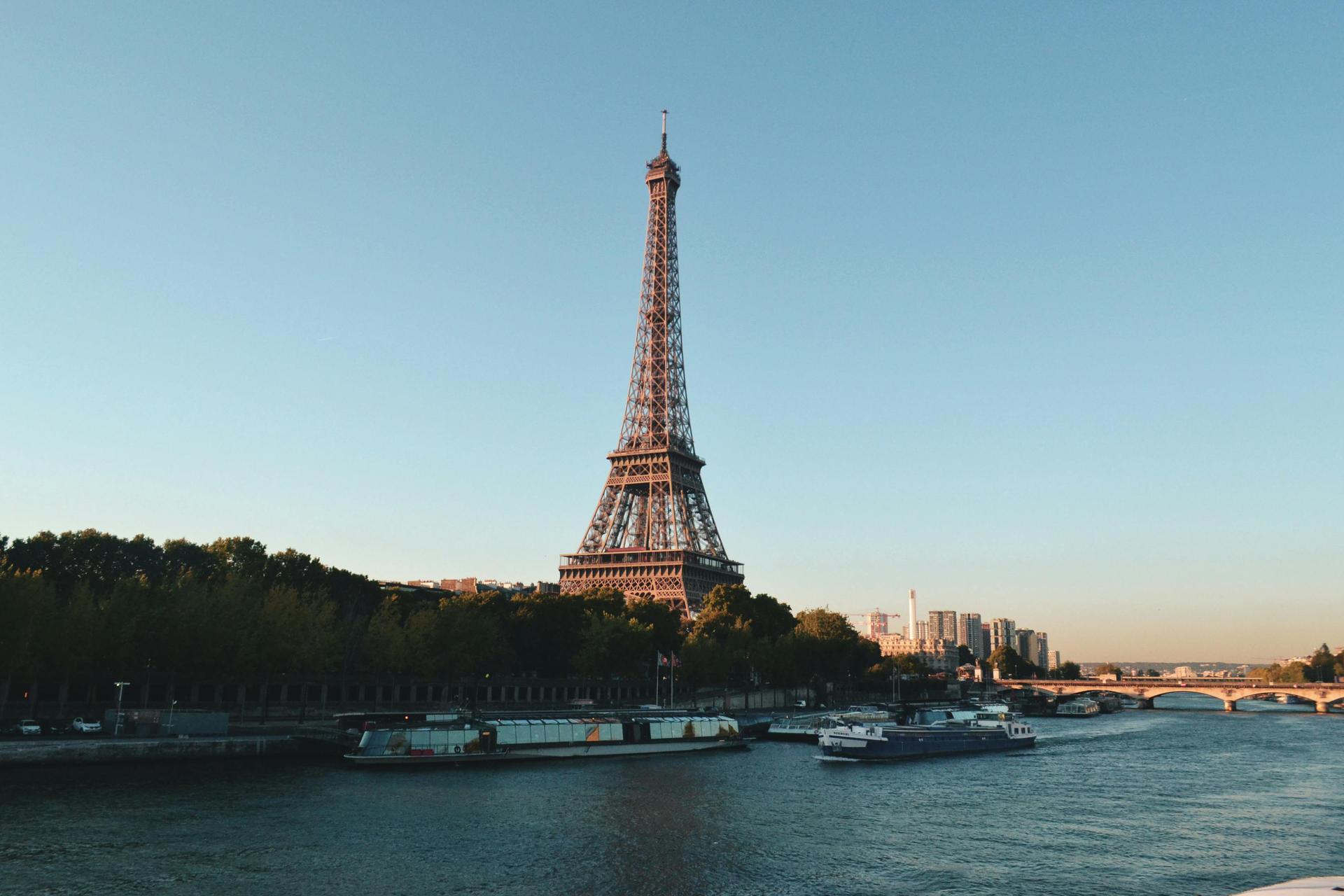
The Eiffel Tower
The world's most recognizable iron lady almost ended up in Barcelona — and was nearly destroyed before she ever became a legend.
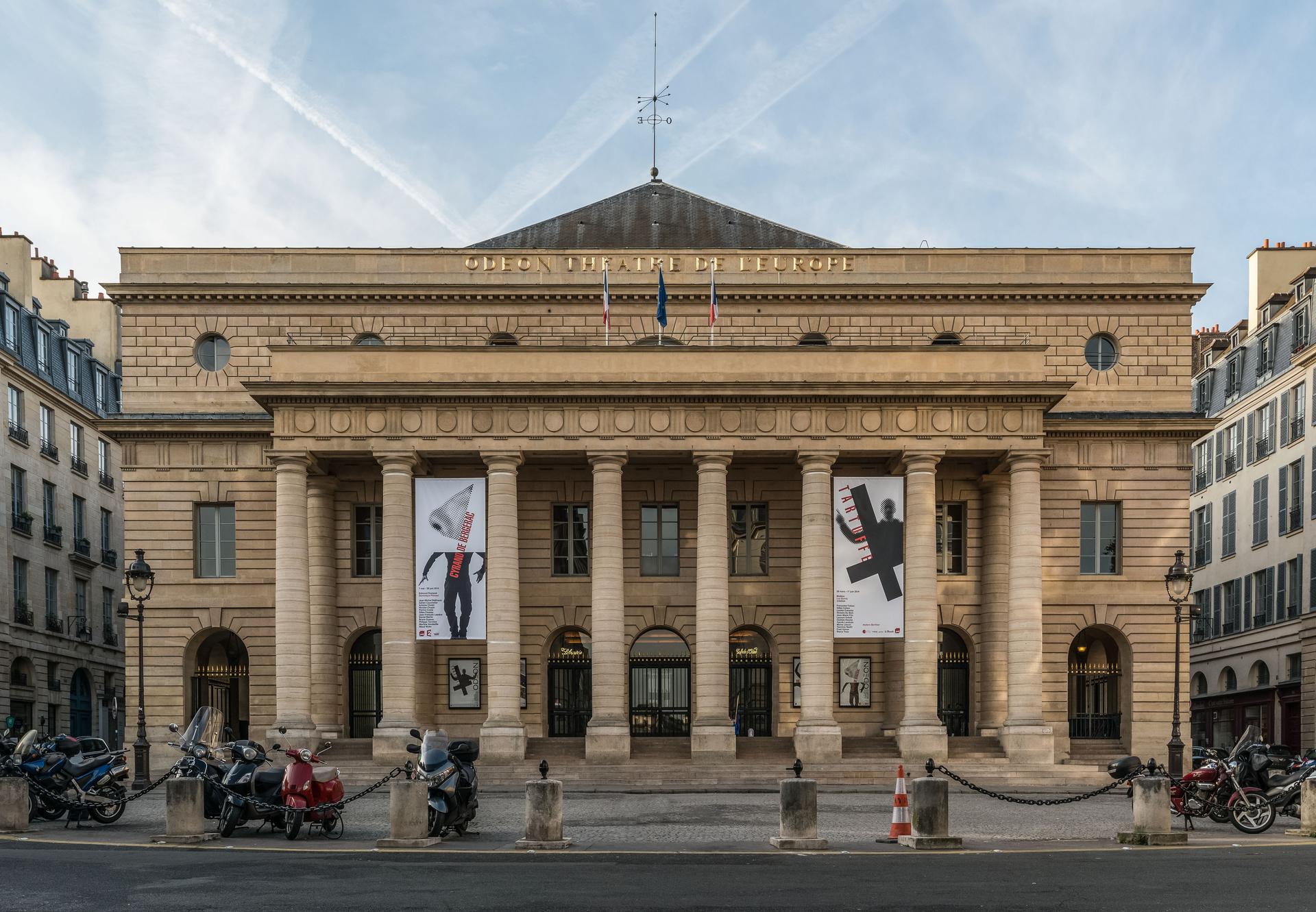
Odéon-Théâtre de l'Europe
The theater standing before you has changed its name nine times, and every single rename tells a story of revolution, empire, or reinvention.
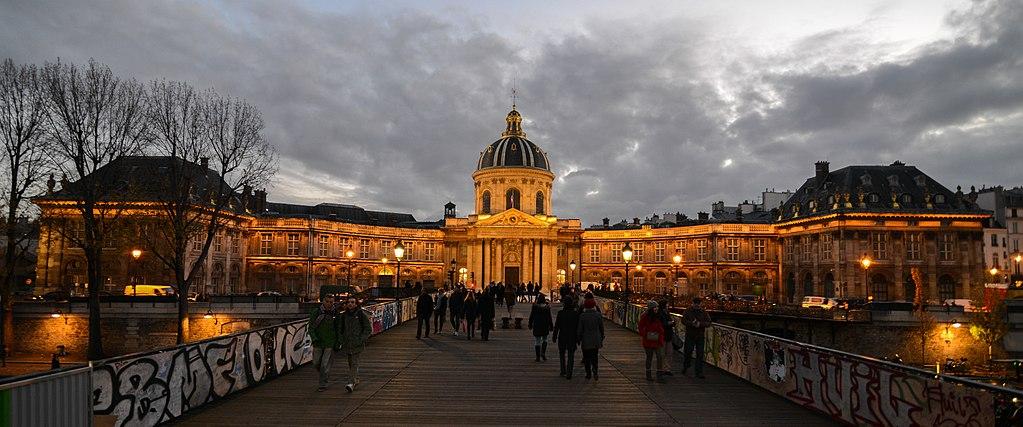
The Académie Française
The institution built to protect the French language once forgot to include the word "French" in its own dictionary.
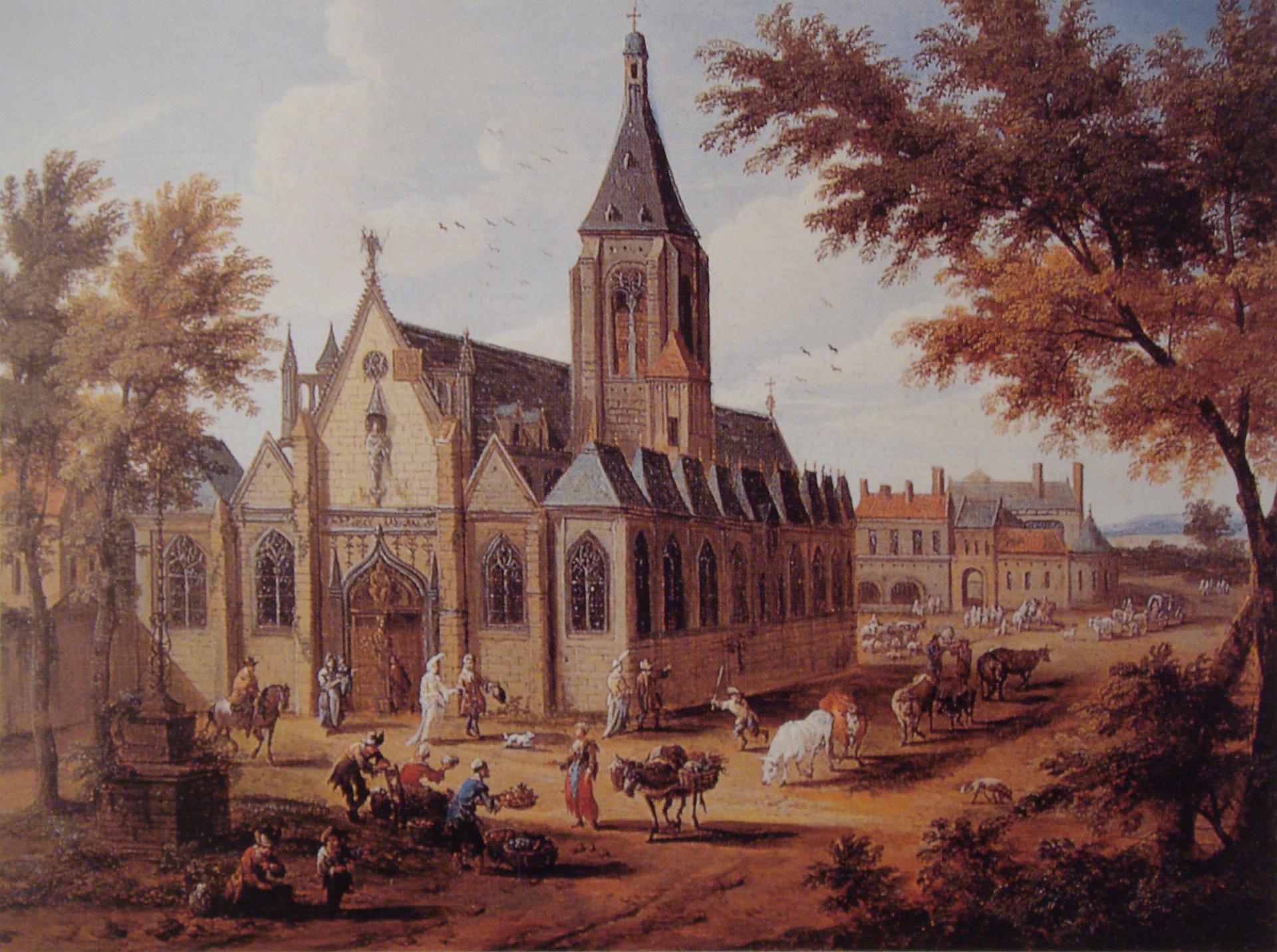
Église Saint-Sulpice
This church has been hiding a centuries-old secret in plain sight, and millions of visitors have completely misunderstood it.
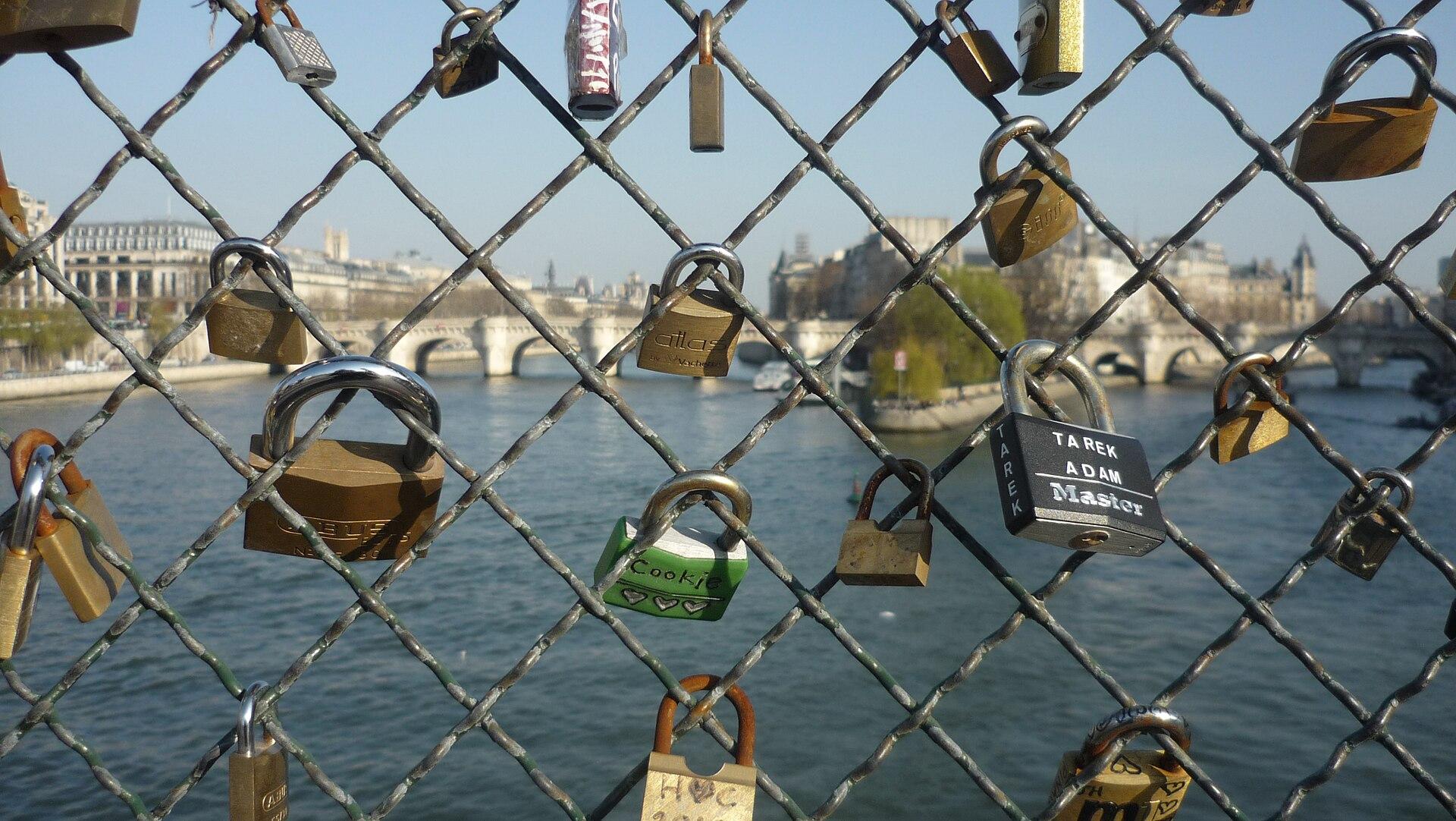
Pont des Arts
This bridge once held 700,000 padlocks and nearly collapsed under the weight of love.
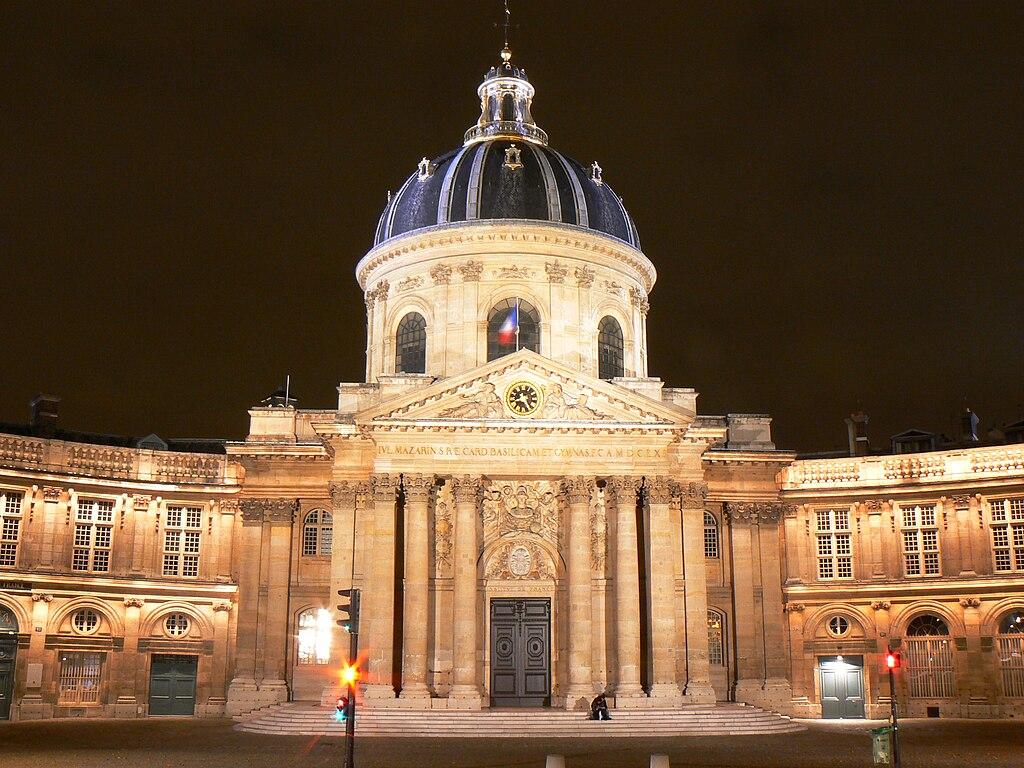
College des Quatre Nations
A 17th-century complex now home to the Institut de France.
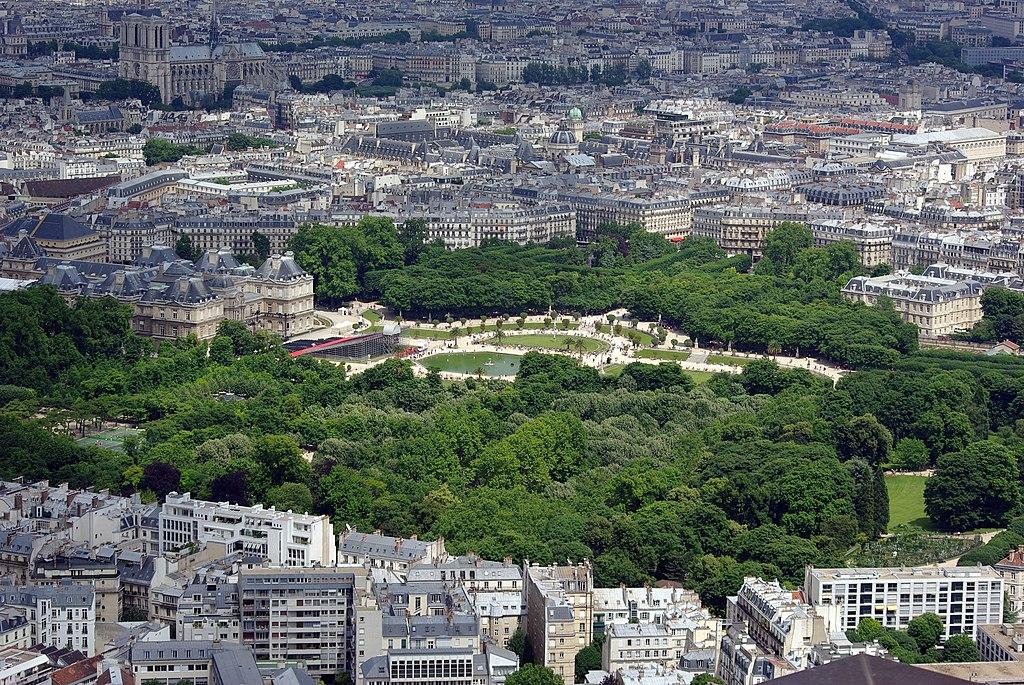
Jardin du Luxembourg
This garden looks peaceful today, but beneath its lawns lie secrets that most visitors never suspect.
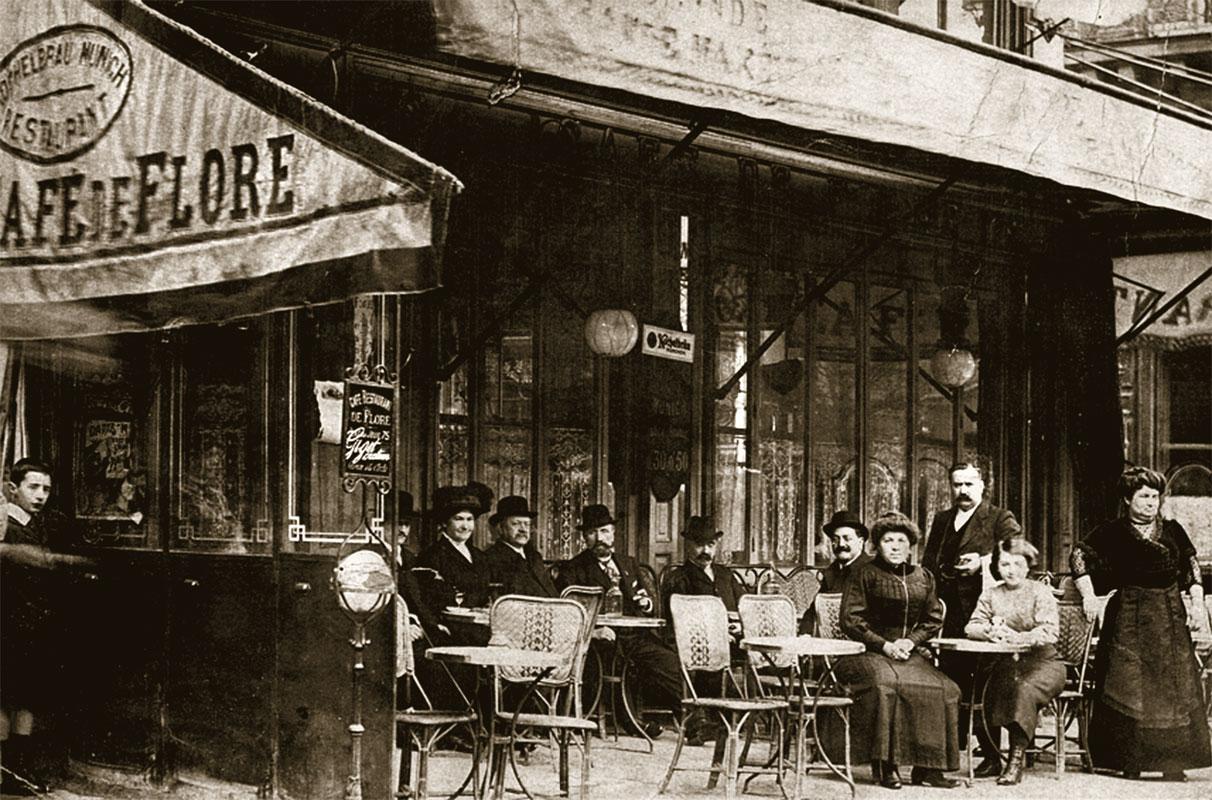
Café de Flore
This café has served coffee to surrealists, existentialists, a future Chinese premier, and a novelist who wrote his way to fame one cognac at a time.
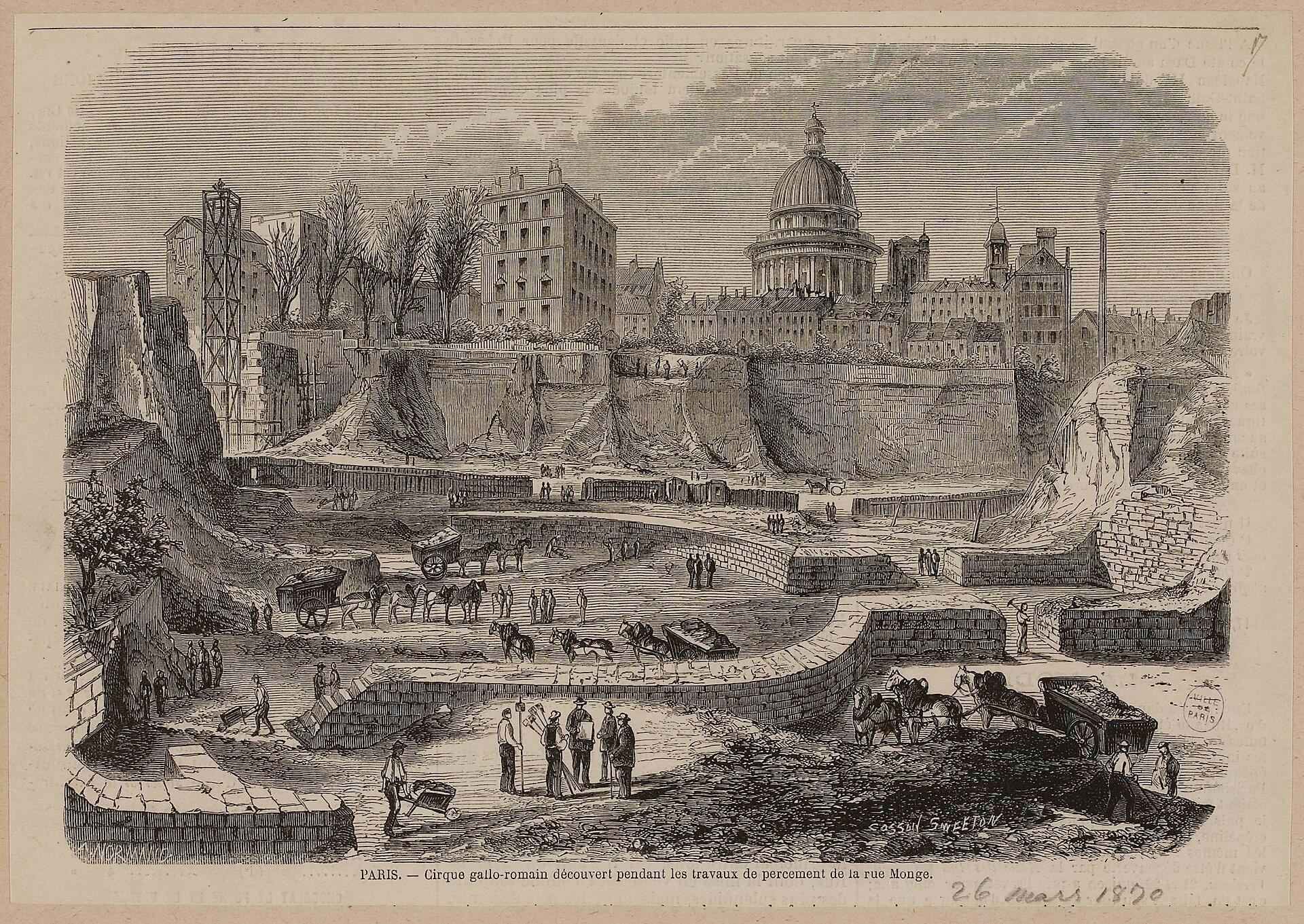
Arènes de Lutèce
Behind this green fence hides a Roman arena that was buried, forgotten, looted, and nearly turned into a tram depot — and it took Victor Hugo to save it.
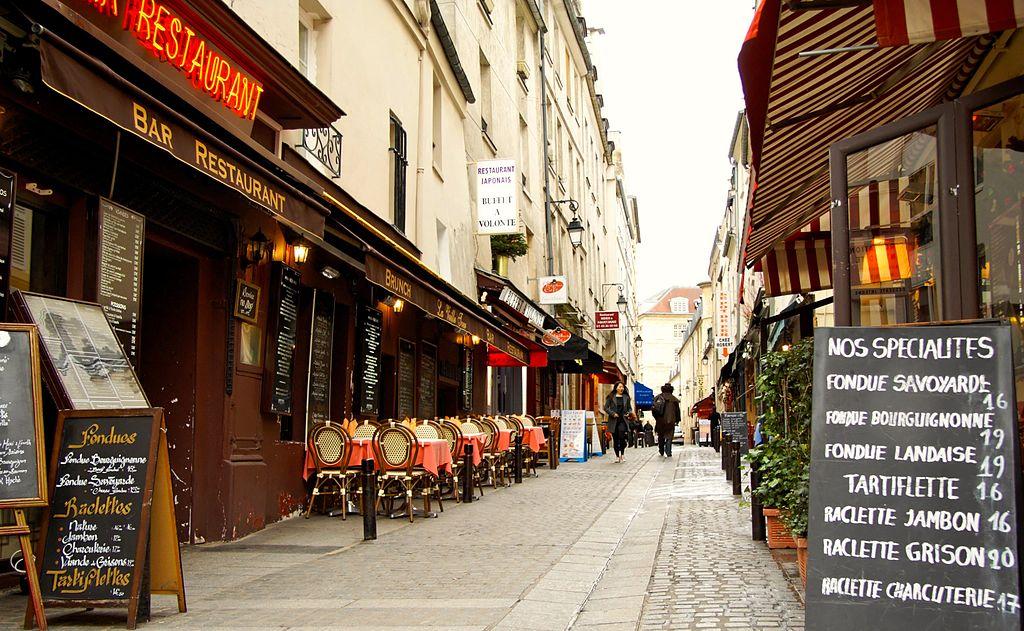
Rue Mouffetard
This ancient street smells wonderfully fresh today, but trust us, that has not always been the case.
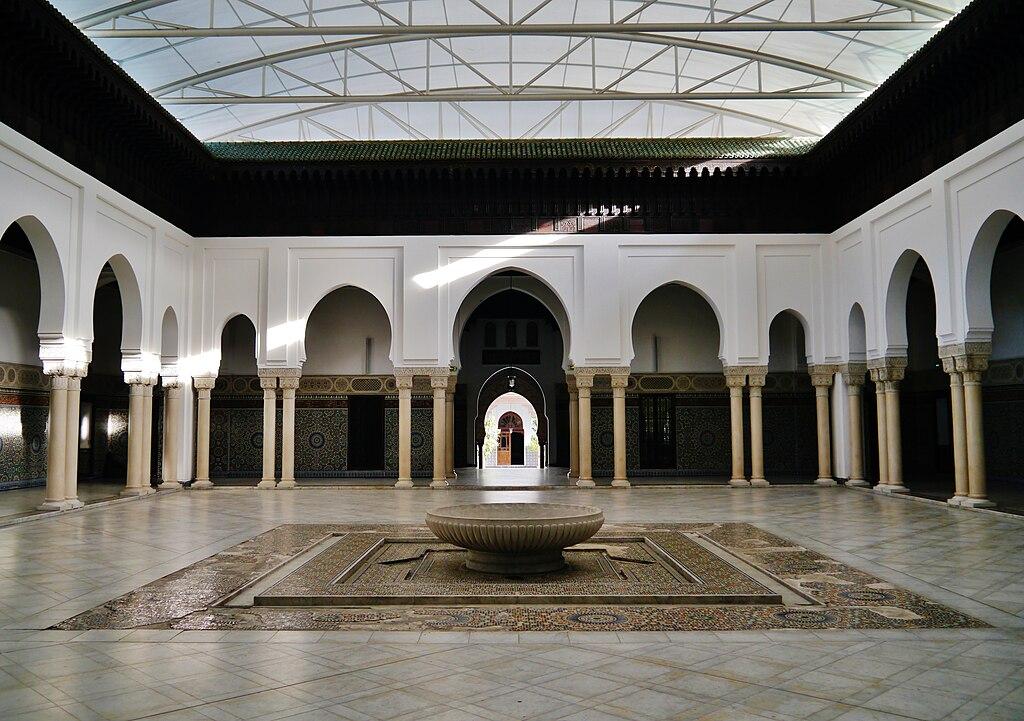
Grande Mosquée de Paris
This beautiful mosque holds a secret that saved over a thousand lives during the darkest years of the Nazi occupation.
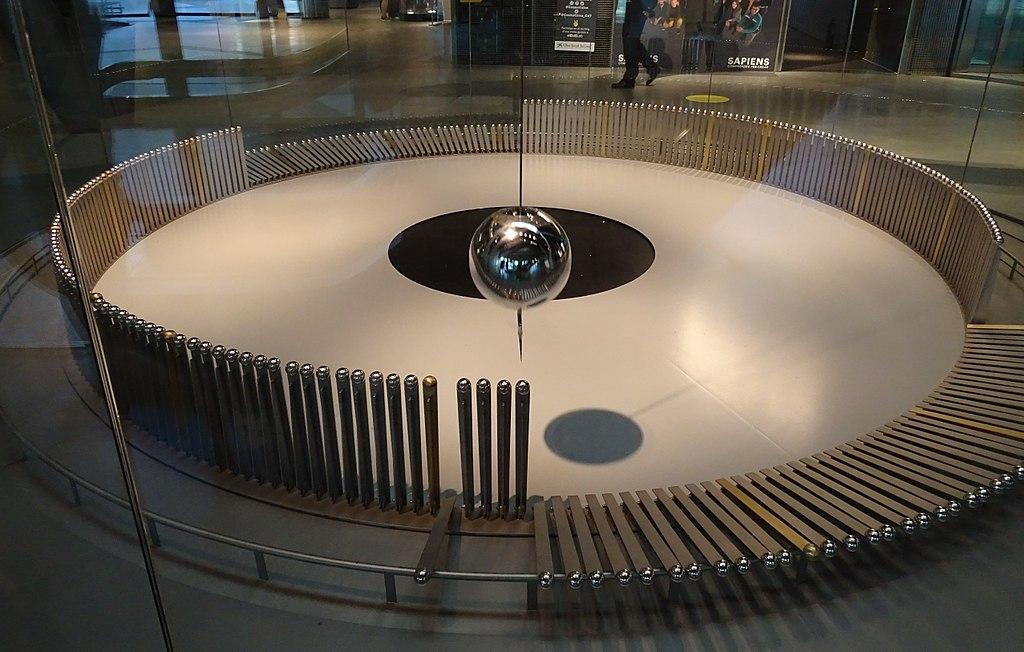
Foucault's Pendulum at the Panthéon
A failed medical student once hung a ball on a rope in his basement and accidentally proved that the Earth moves beneath our feet.
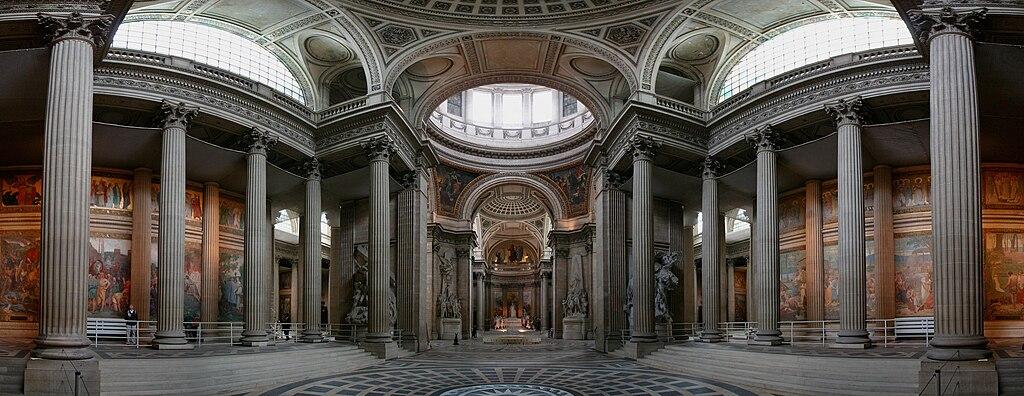
The Panthéon
This building has kicked out its own dead, funded itself with lottery tickets, and still holds two men who absolutely hated each other.
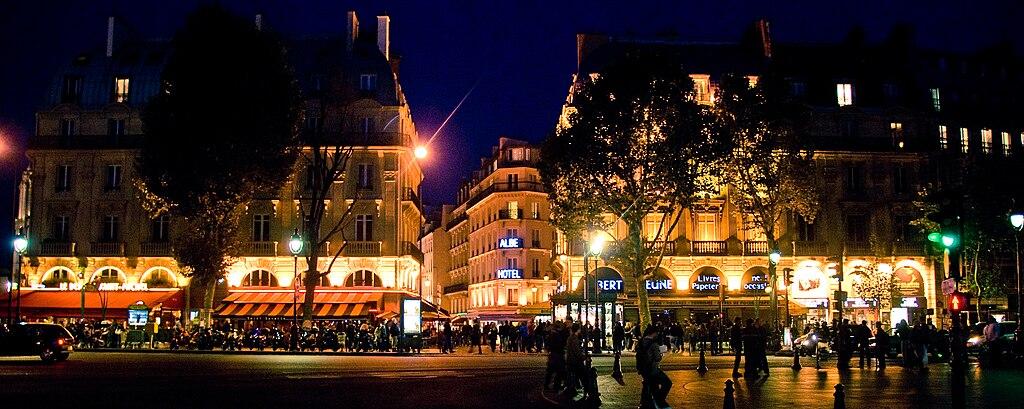
The Latin Quarter
This neighborhood got its name not from ancient Rome, but from students who literally spoke Latin on the street until the 1700s.
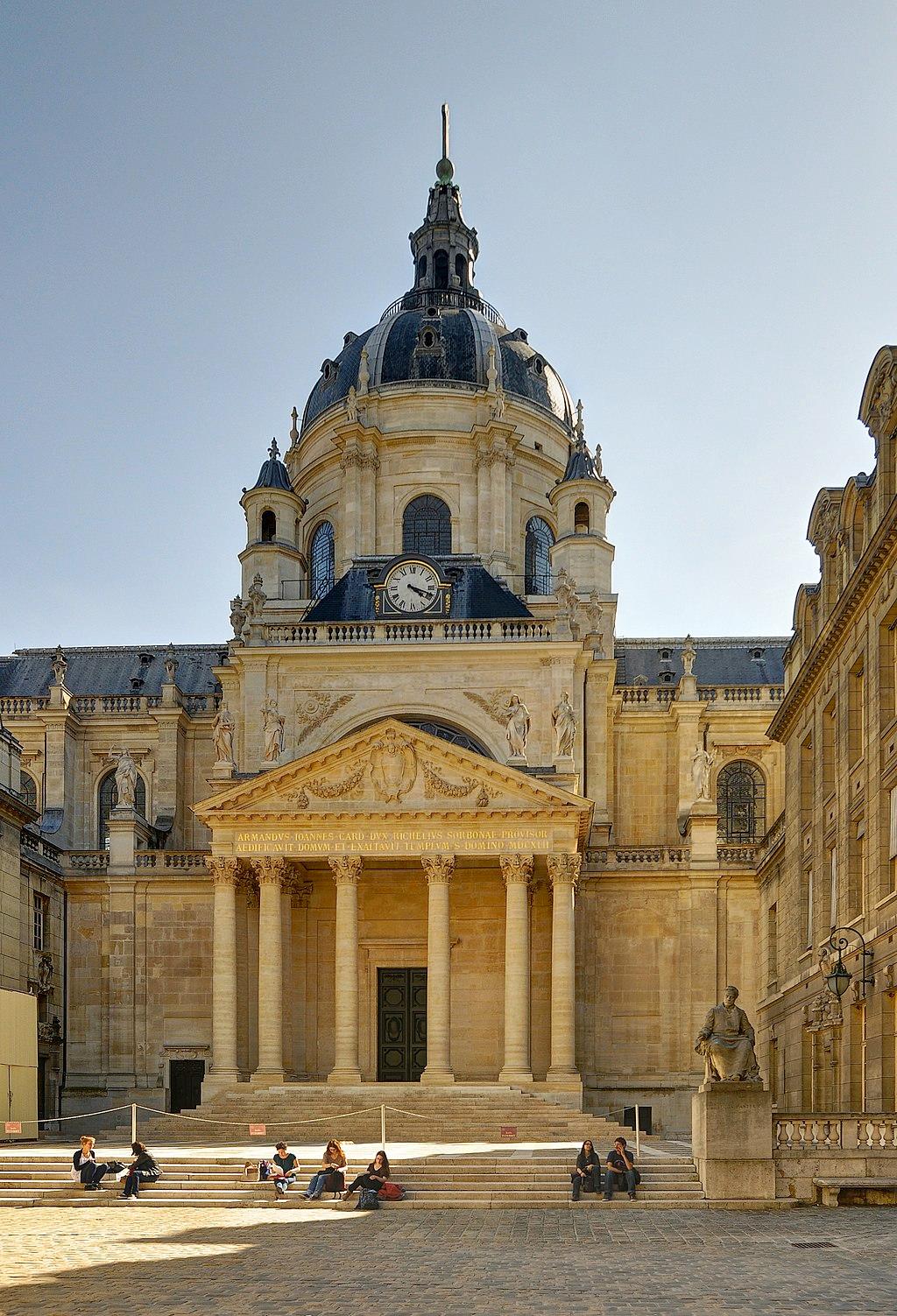
The Sorbonne
The stones of this university have witnessed a woman's triumph, a saint's condemnation, and over eight centuries of ideas that changed the world.
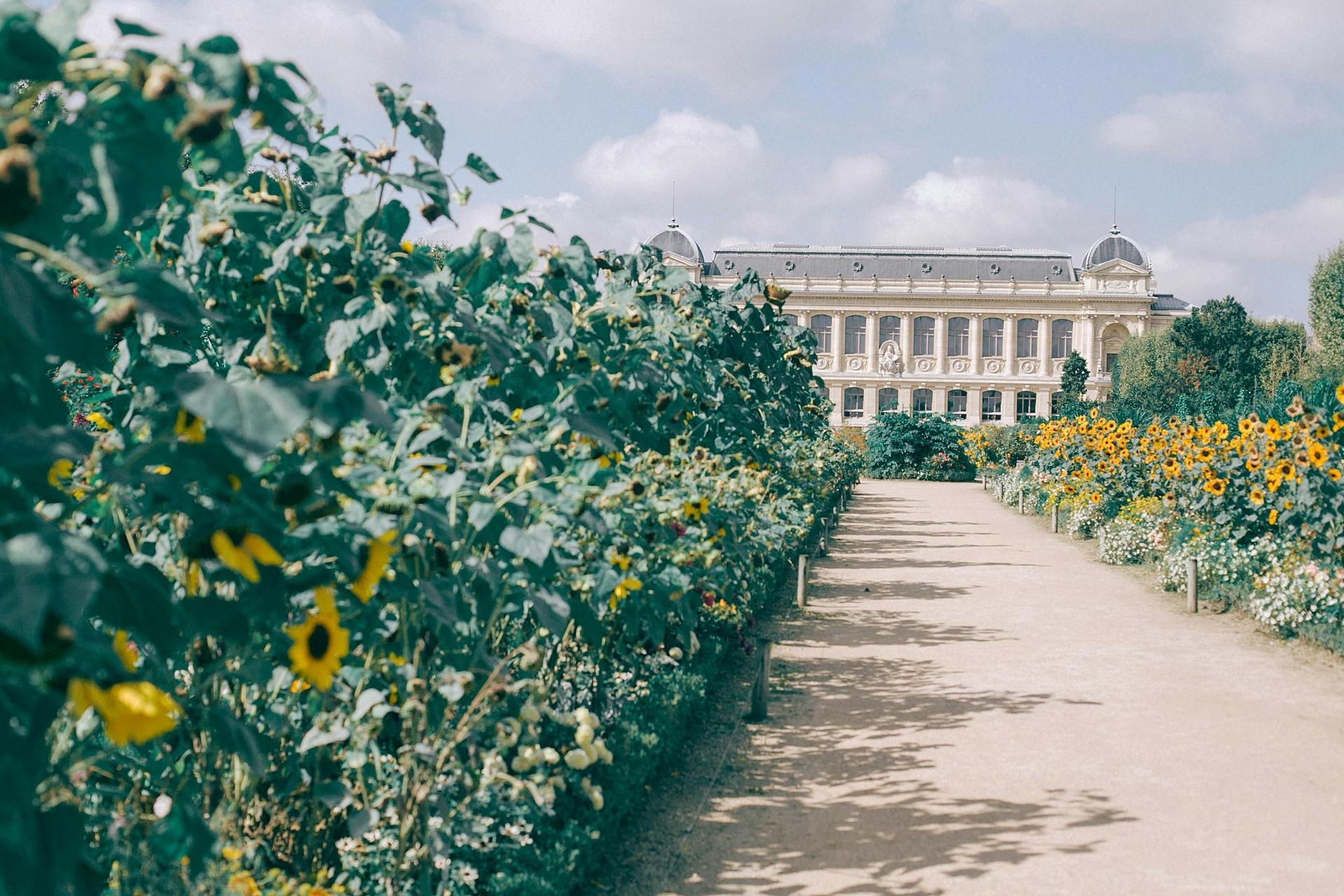
Jardin des Plantes
This peaceful garden hides a story of royal medicine, revolutionary survival, and a Christmas dinner so shocking it still turns stomachs today.
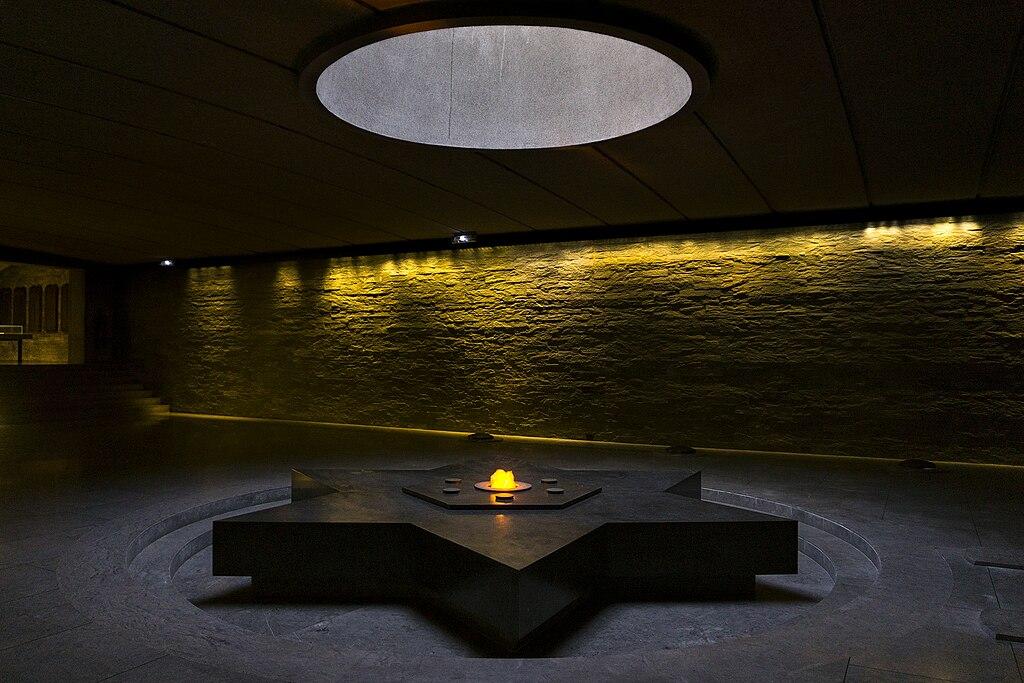
Shoah Memorial
This is a place that will silence you, but also make sure you never forget.
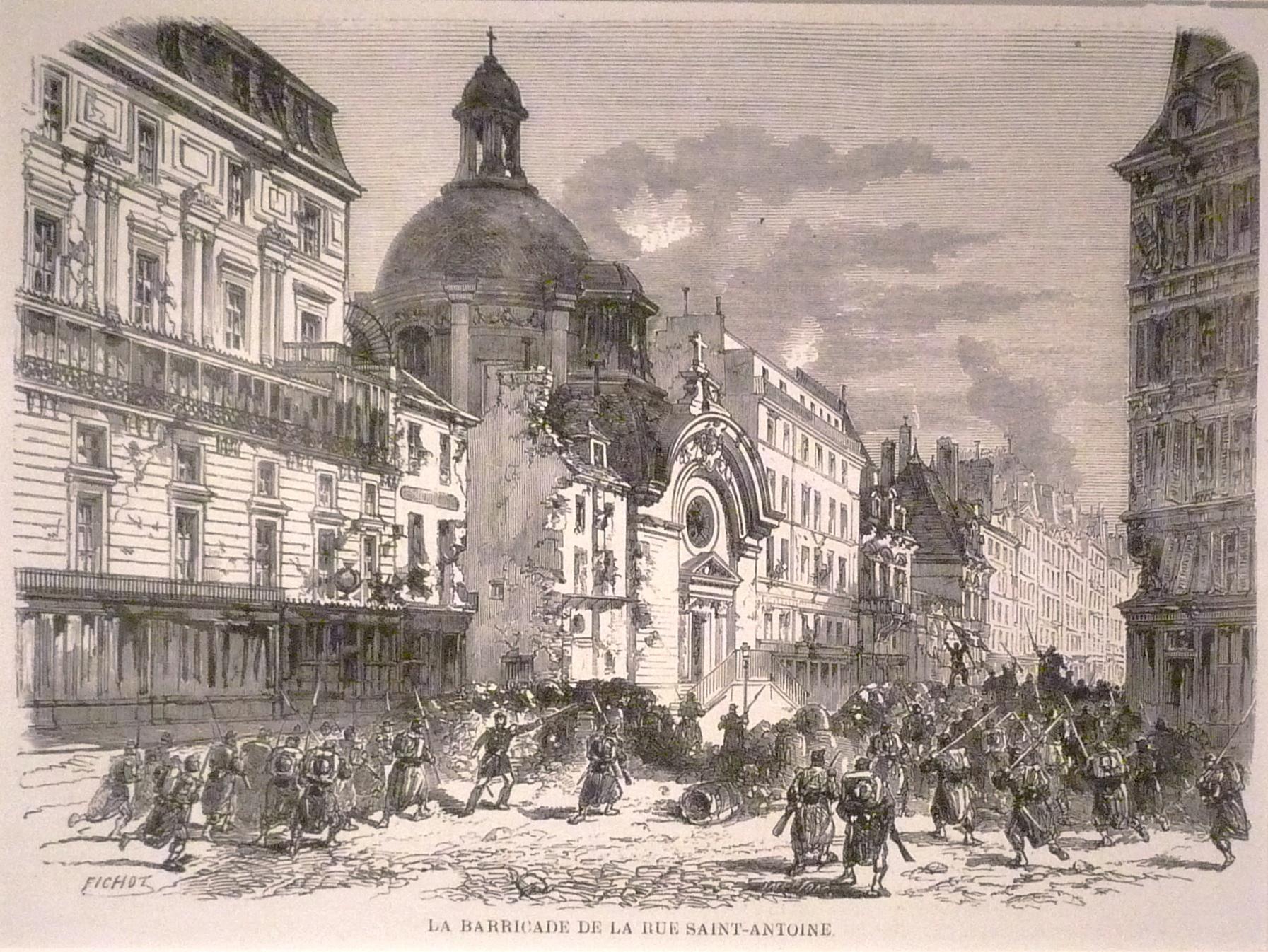
Temple du Marais
This quiet church on Rue Saint-Antoine hides a story of cursed kings, doomed knights, and a royal family locked behind walls two metres thick.
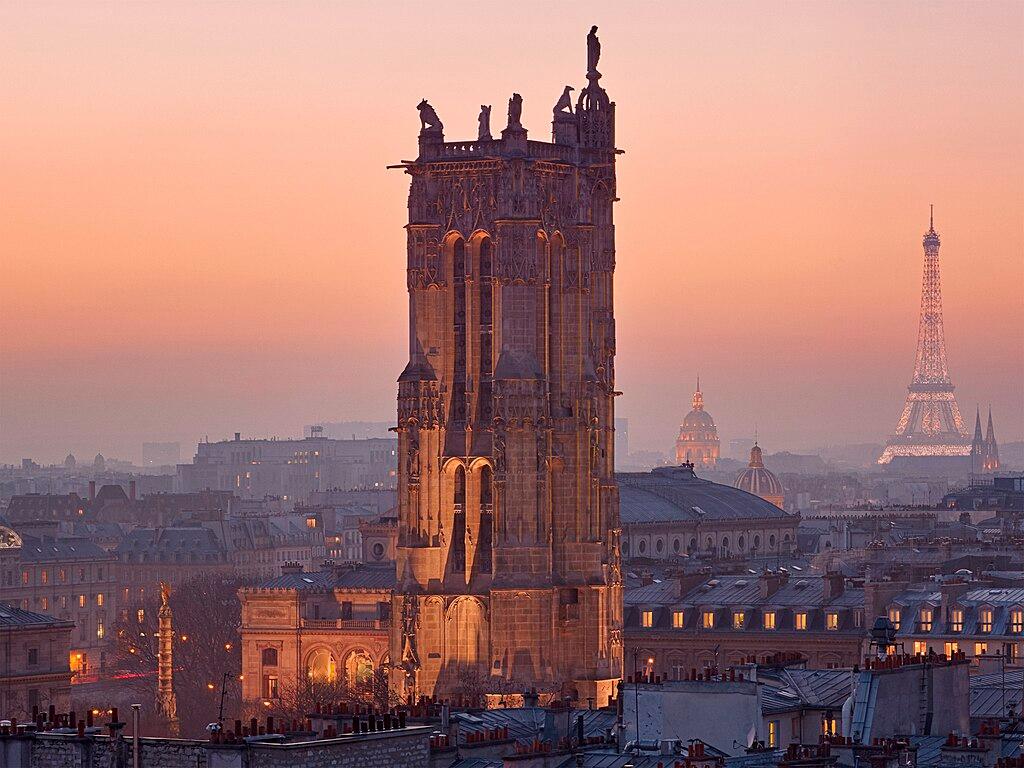
Saint-Jacques Tower
This lonely Gothic tower has survived revolution, a bullet factory, and a vegetable merchant who used a medieval gravestone to store spinach.
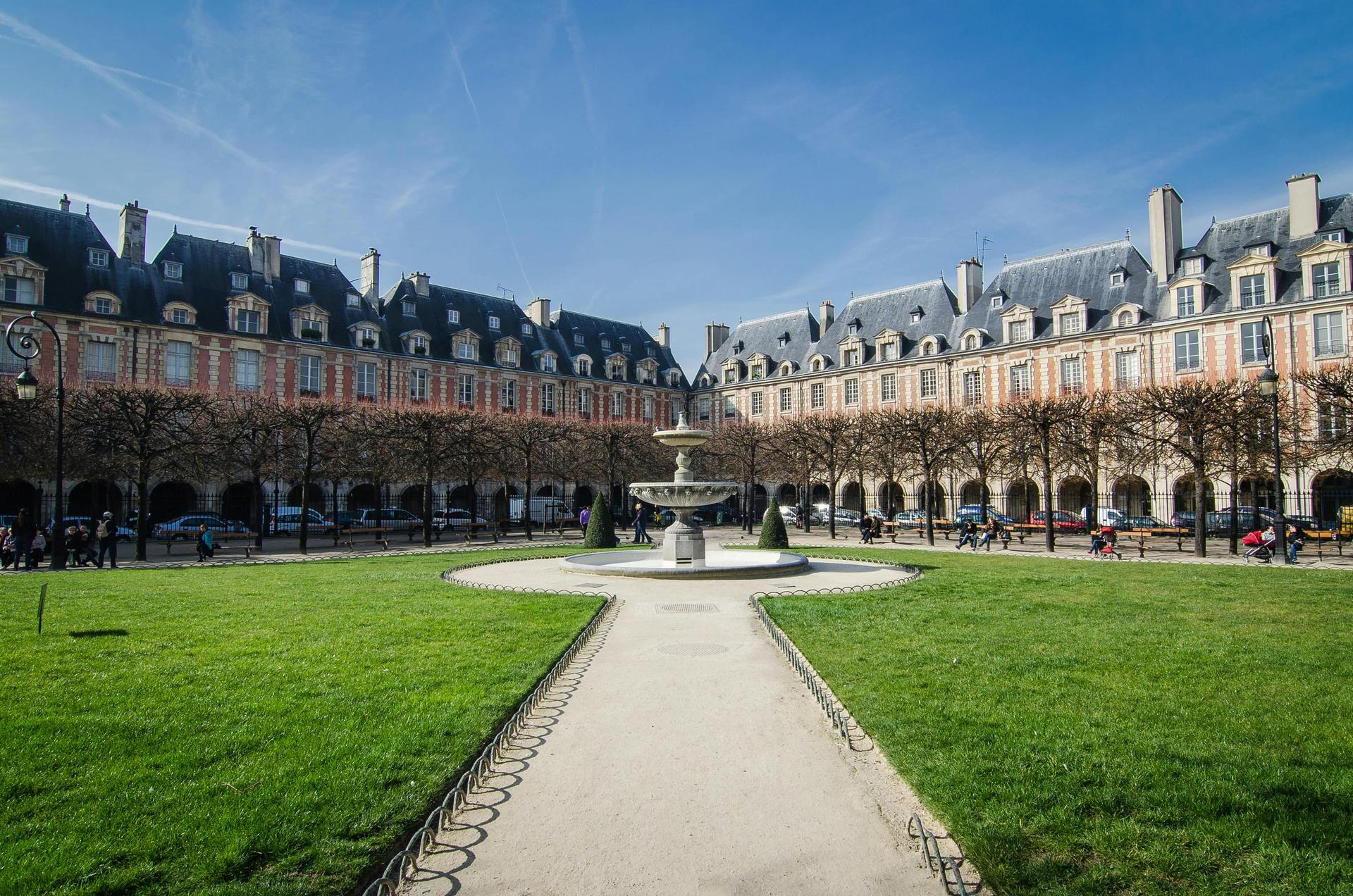
Place des Vosges
Paris’s first planned square (1612), framed by red-brick pavilions.
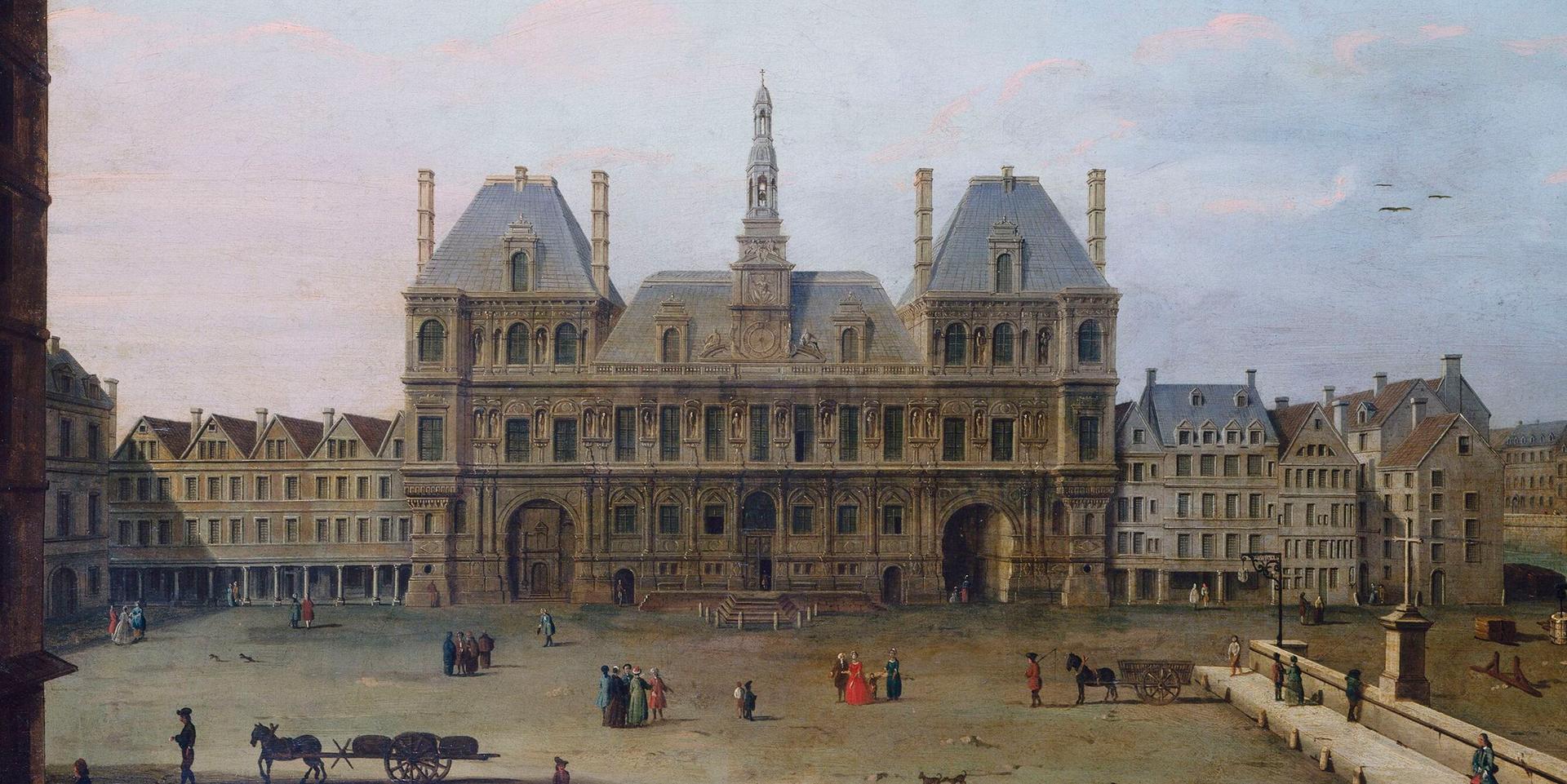
Hôtel de Ville
The building in front of you is watching you back — through 338 pairs of stone eyes.
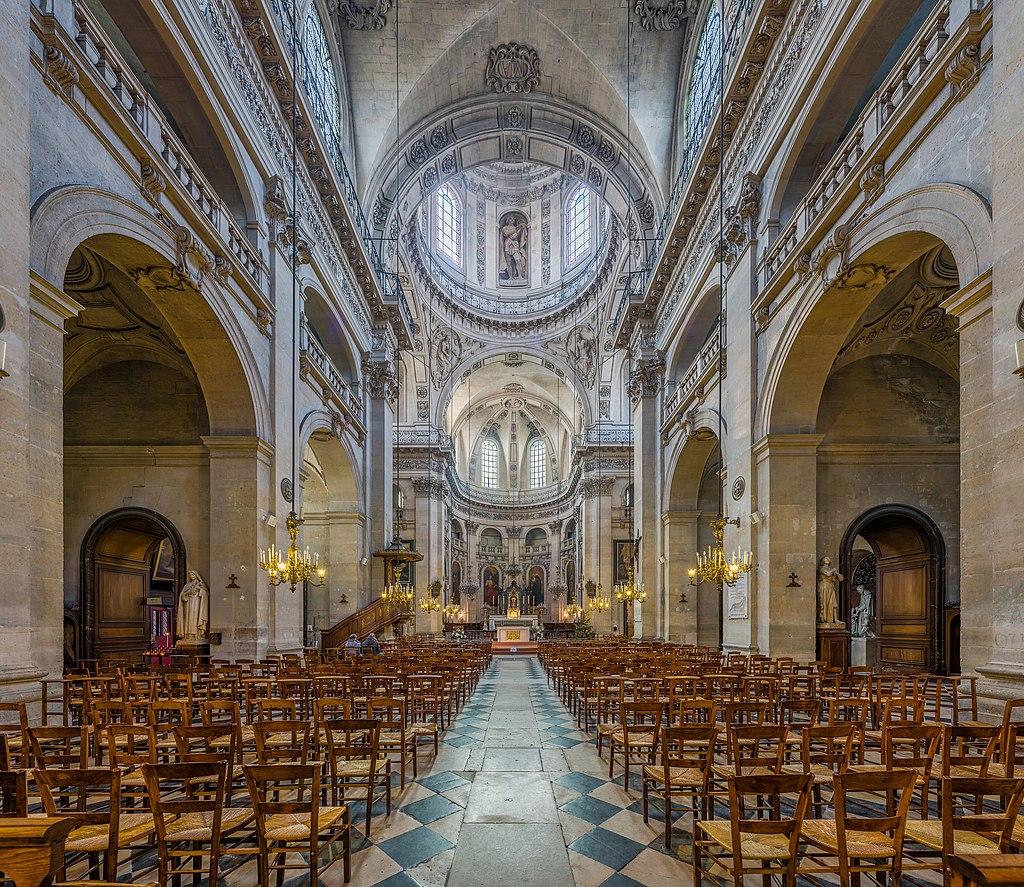
Church of Saint-Paul-Saint-Louis
This church once had royal hearts hanging above its altar, and a painter stole them to mix into his paint.
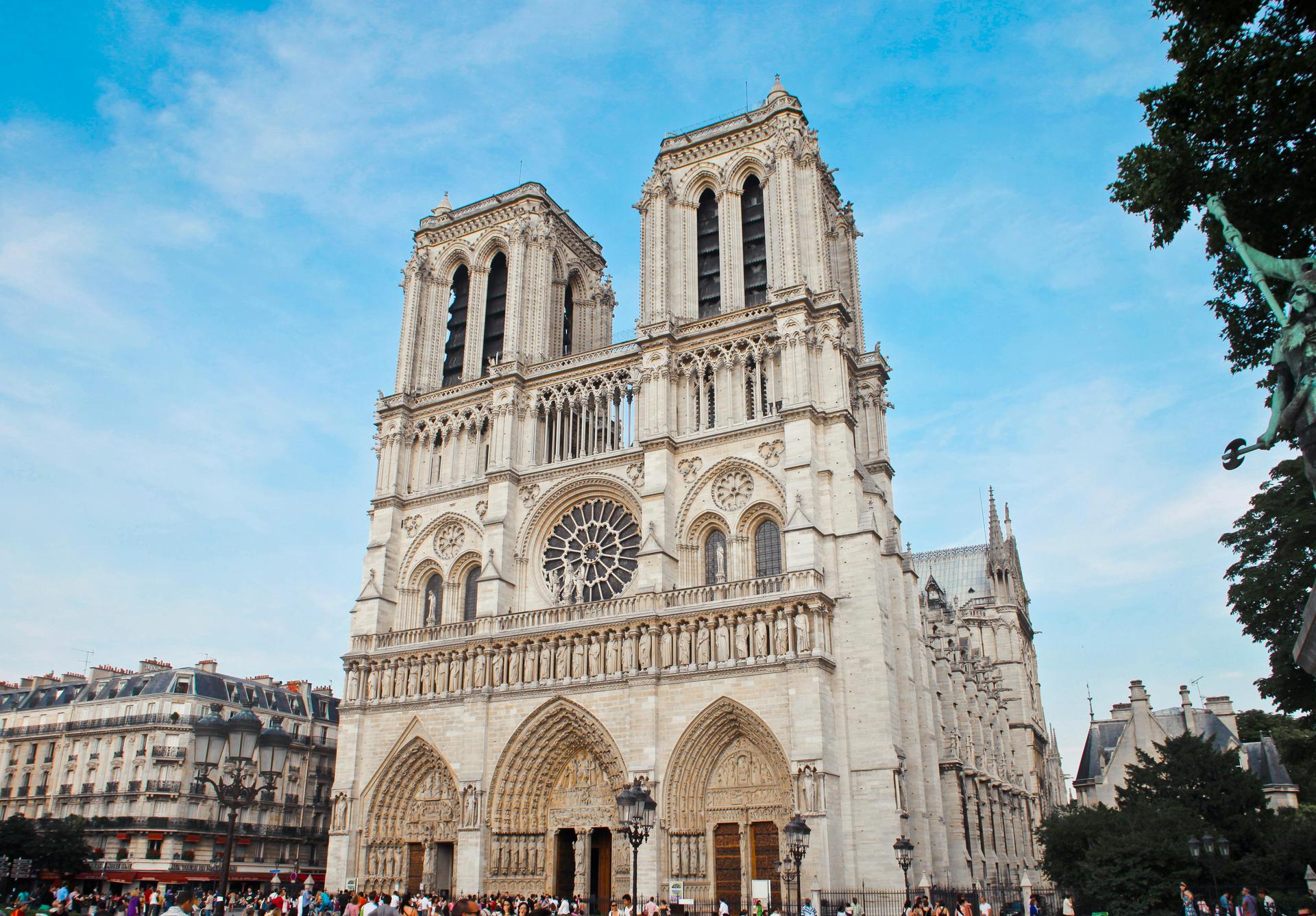
The Notre-Dame
Before this cathedral was a church, it was a pagan temple — and the stones beneath your feet have been soaked in two thousand years of secrets.
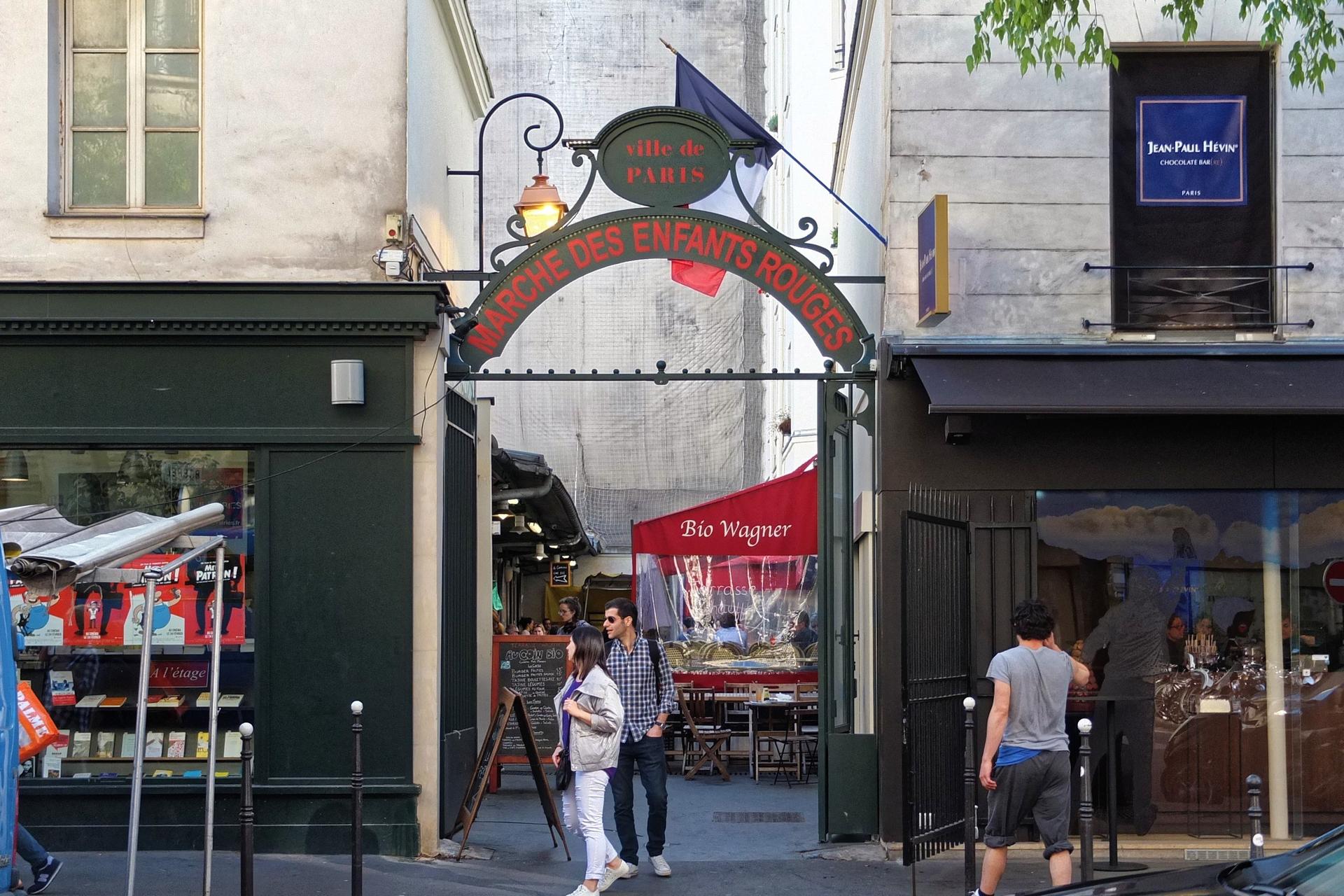
Marché des Enfants Rouges
The oldest covered market in Paris was nearly bulldozed for a parking lot, and the man who once improved it lost his head for his troubles.
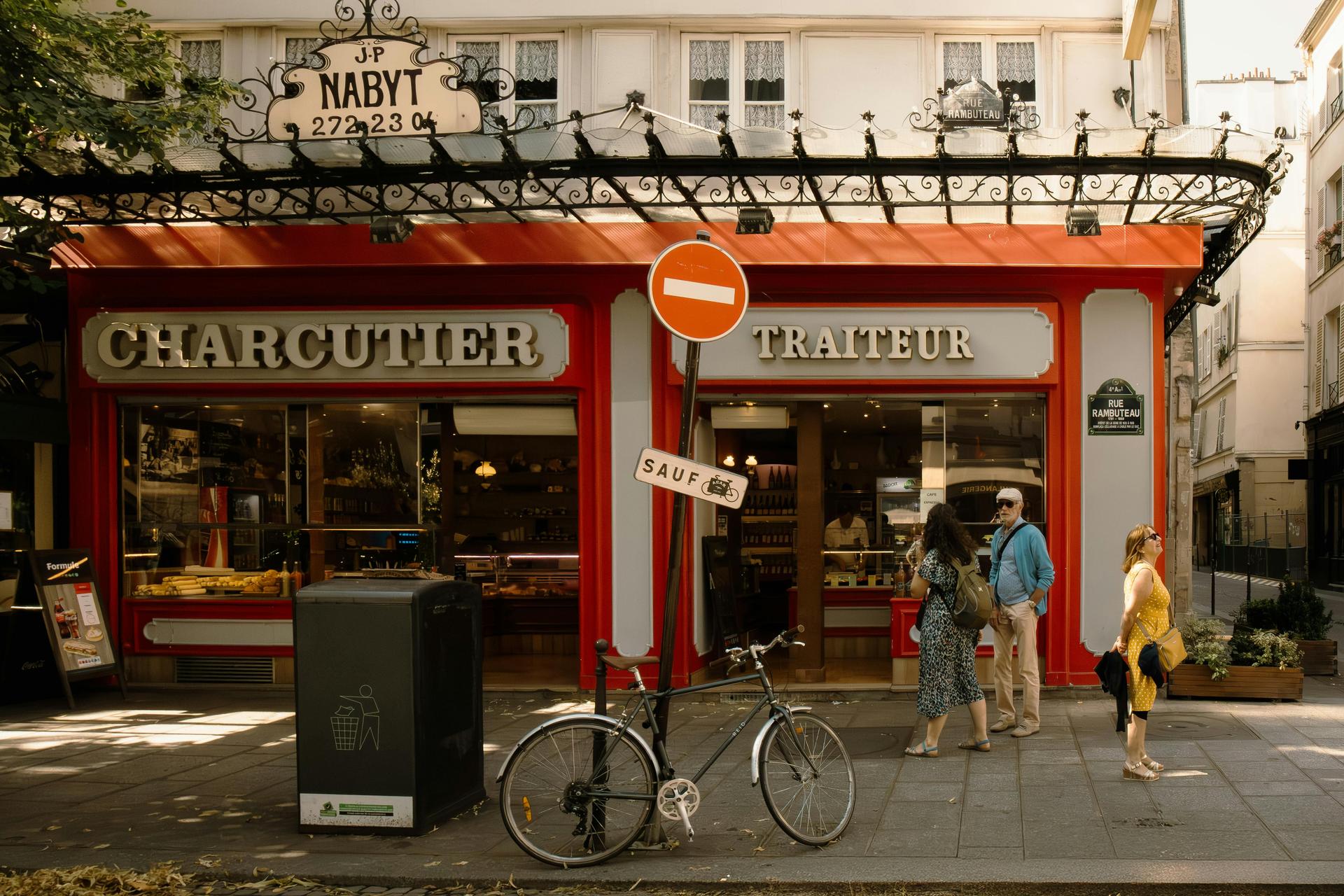
Le Haut Marais
The neighborhood you're standing in was once a swamp, and that's just the beginning of the story.
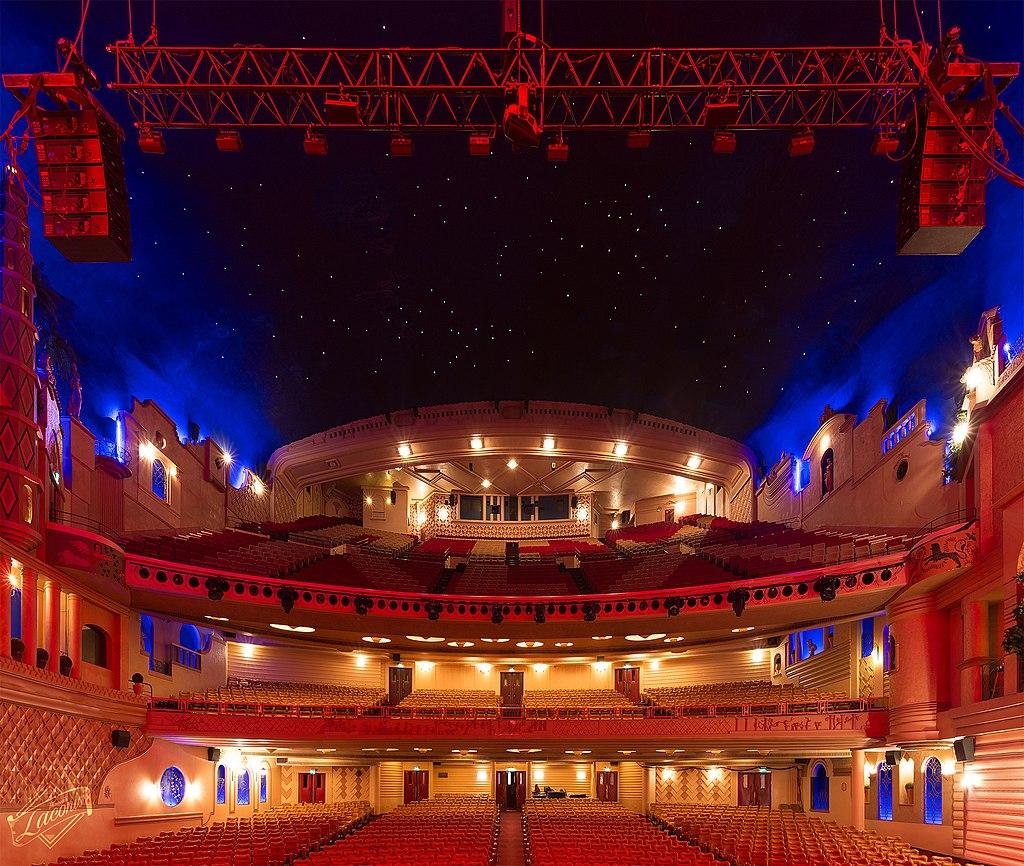
The Grand Rex
Europe's biggest cinema has a past that's equal parts glamour, resistance, and one very inconvenient train announcement.
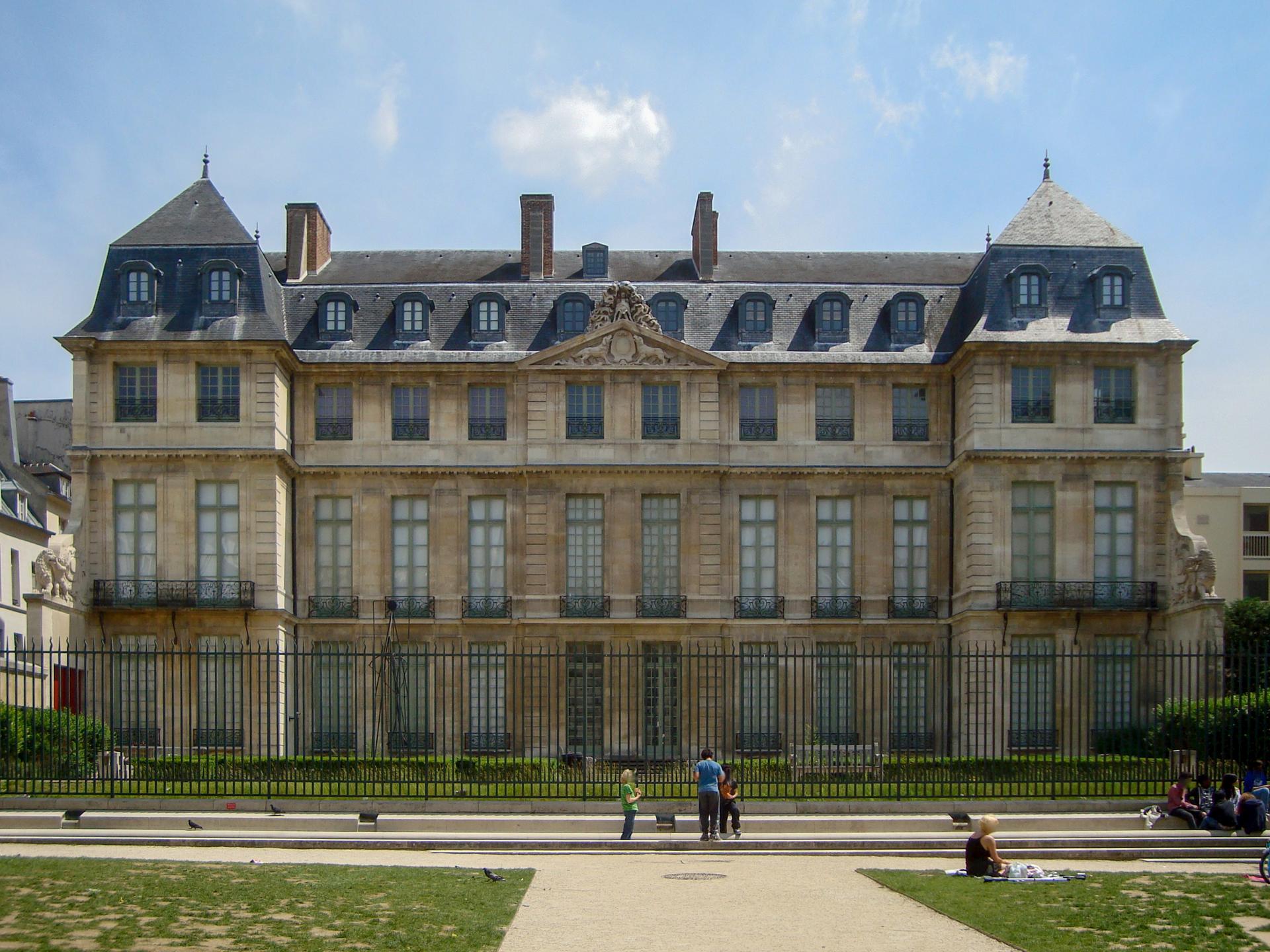
Picasso
Before one of Paris's most beloved museums stands a story that begins not with genius, but with grief.
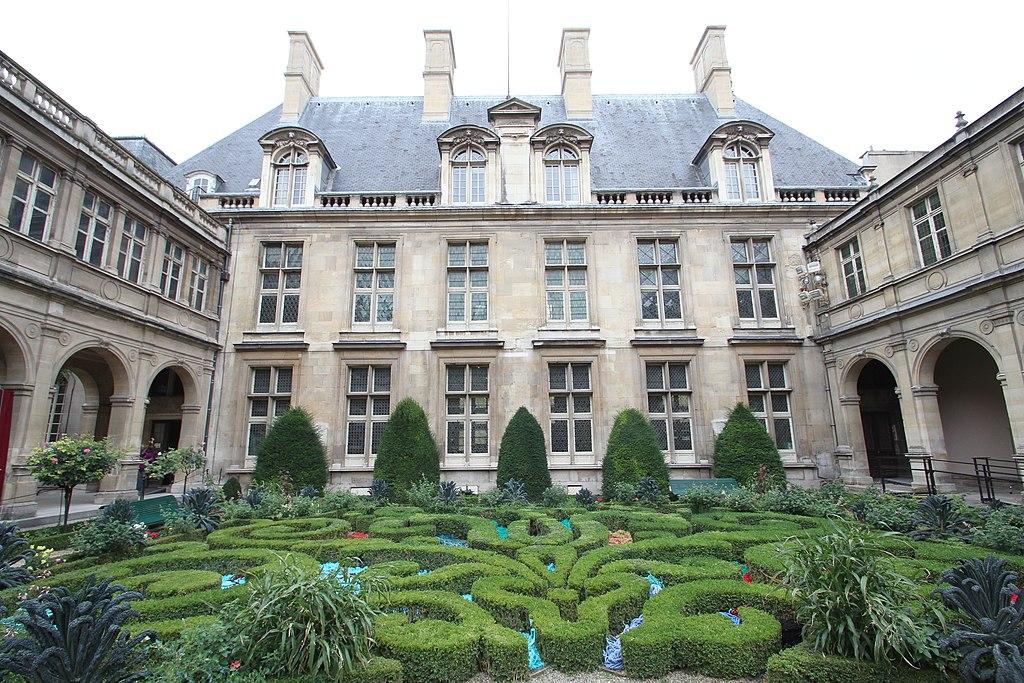
Hôtel Carnavalet
This building has survived centuries of Parisian chaos, and the story of how it got its name is almost too ridiculous to be true.
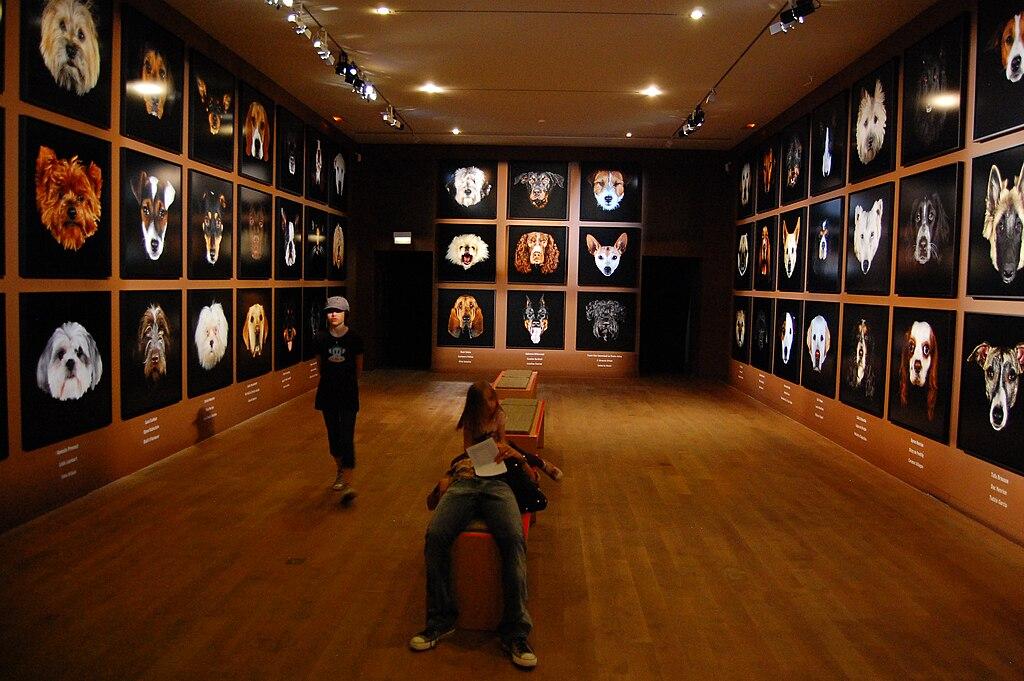
Musée de la Chasse et de la Nature
Smithsonian Magazine called it one of the most rewarding museums in Paris, yet most Parisians have never heard of it.
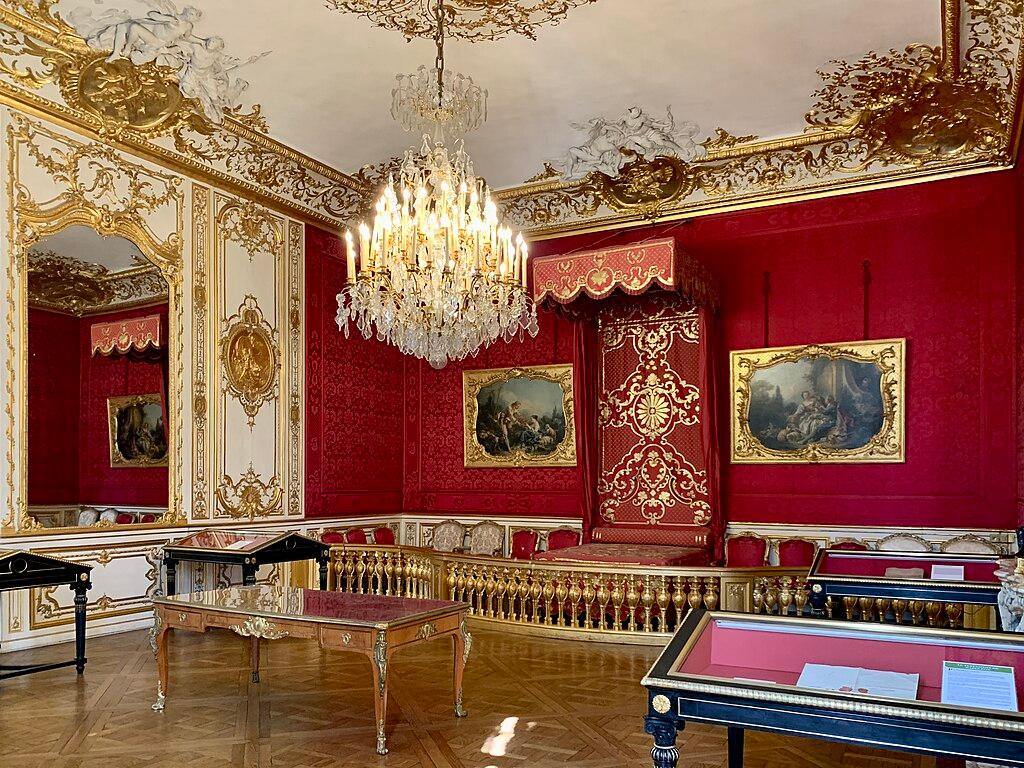
Hôtel de Soubise
This building went from medieval fortress to murder plot headquarters to one of France's most glamorous institutions, and it happened right where you're standing.
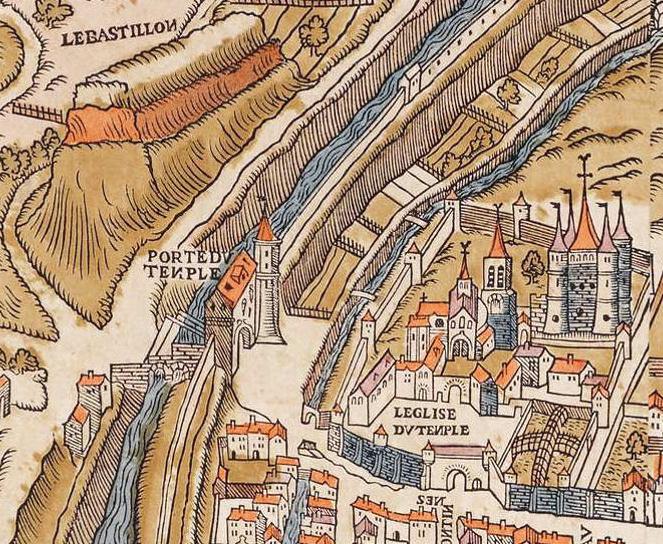
The Gates of the Temple, Paris
Friday the 13th has a darker origin than most people realize, and it started right here.
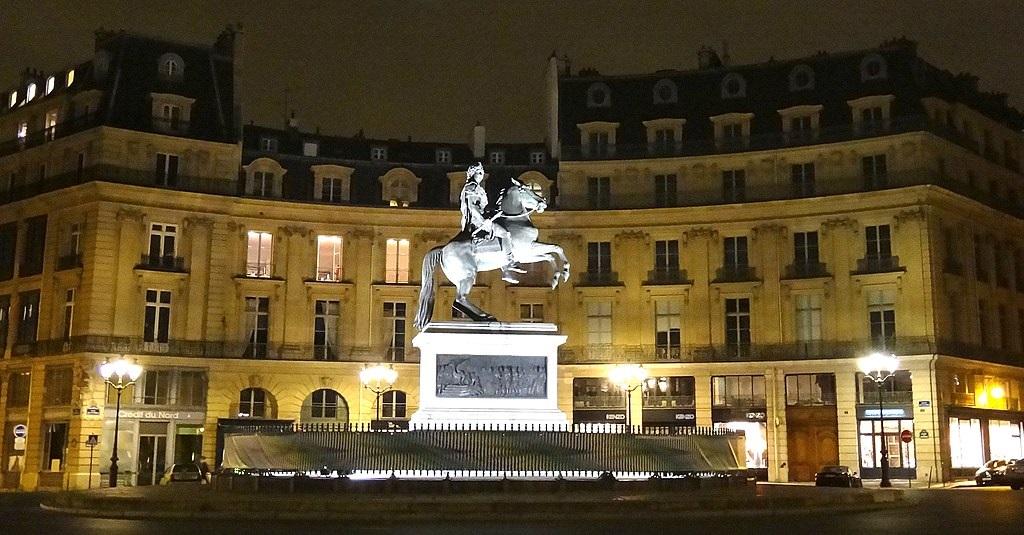
Place des Victoires
One man spent his entire fortune building this square to impress a king who was secretly embarrassed by the whole thing.
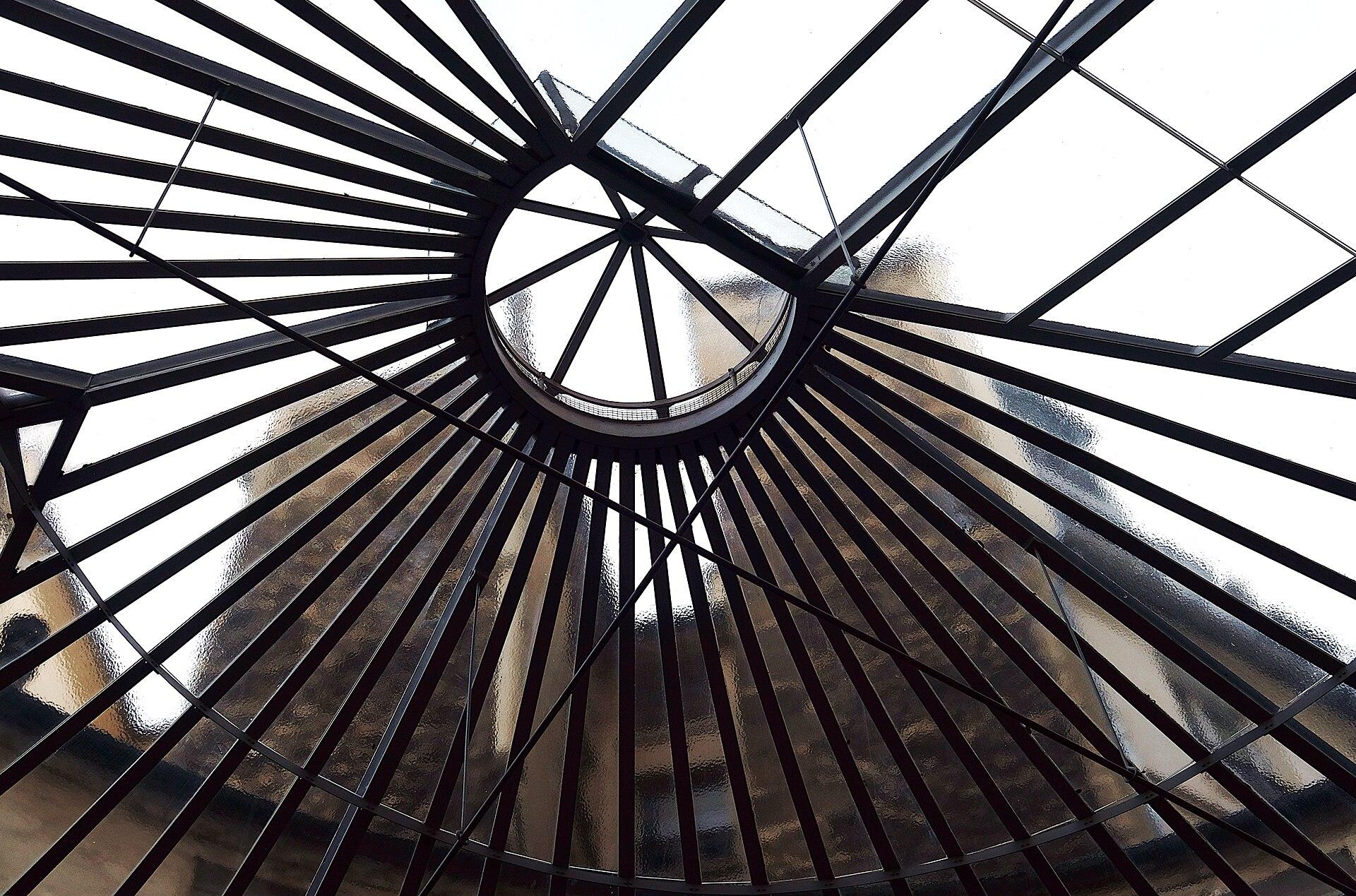
Passage du Caire
The oldest covered arcade in Paris was built on the graves of nuns, and almost nobody knows it exists.
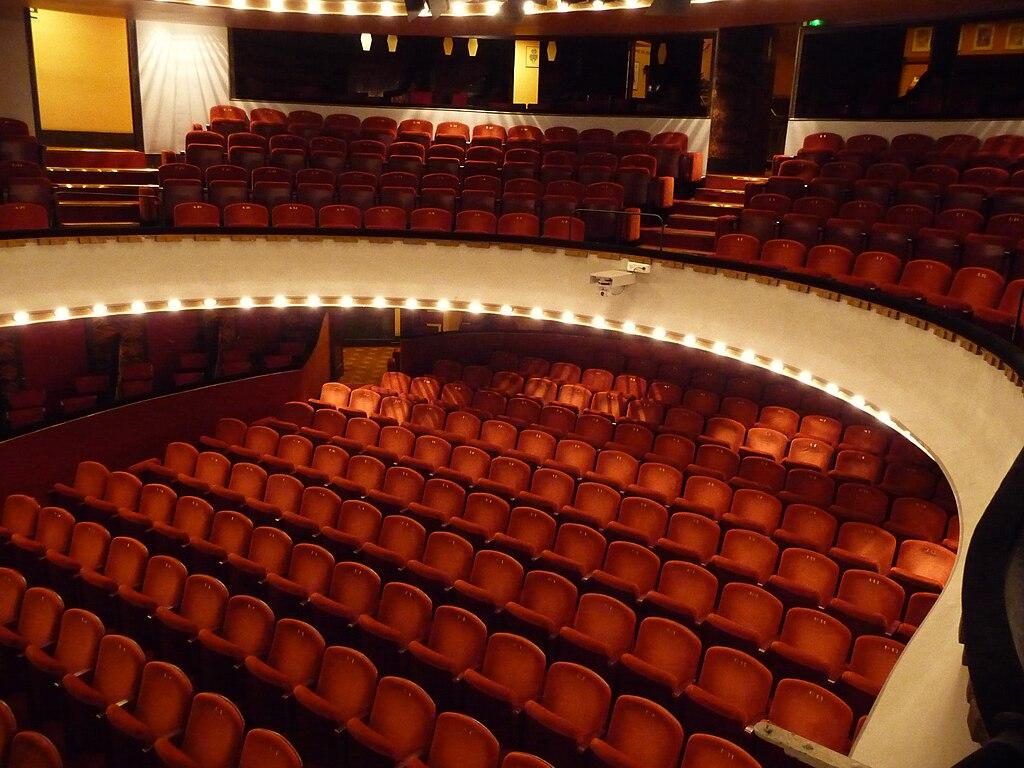
Théâtre de la Michodière
Before this elegant theater existed, a grand marshal's palace stood here — and the street itself is younger than you might think.
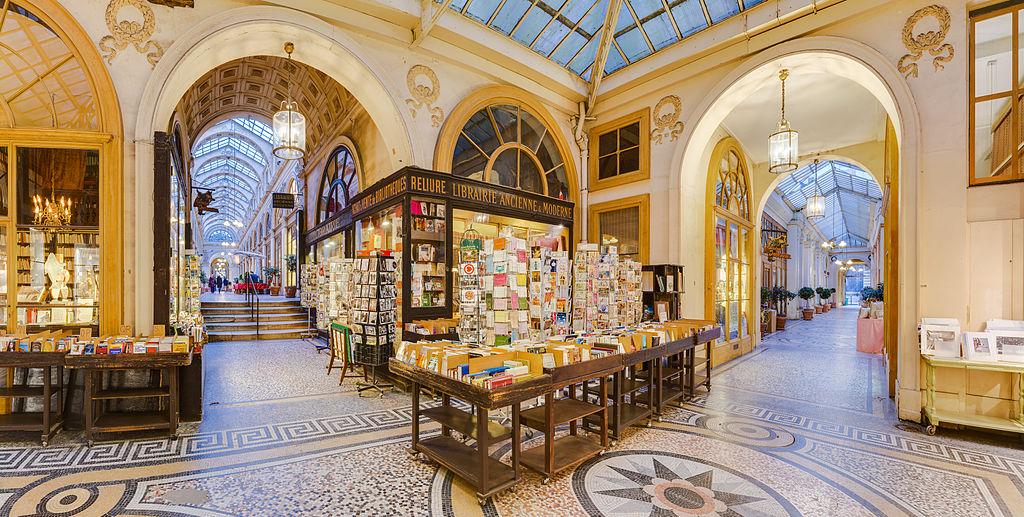
Galerie Vivienne
Beneath this glass roof lies a passage where a teenage girl, the world's first private detective, and a fashion revolution all quietly share the same mosaic floor.
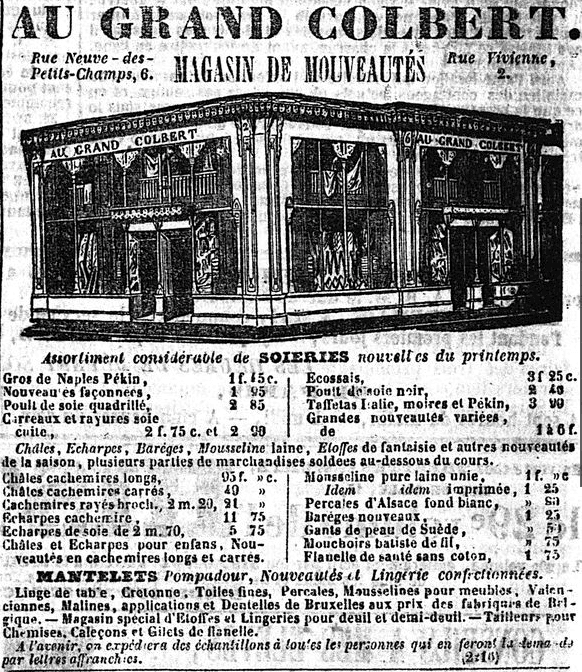
Galerie Colbert
Behind this elegant glass-roofed arcade hides a rivalry, a Hollywood romance, and a mosaic floor with a secret connection.
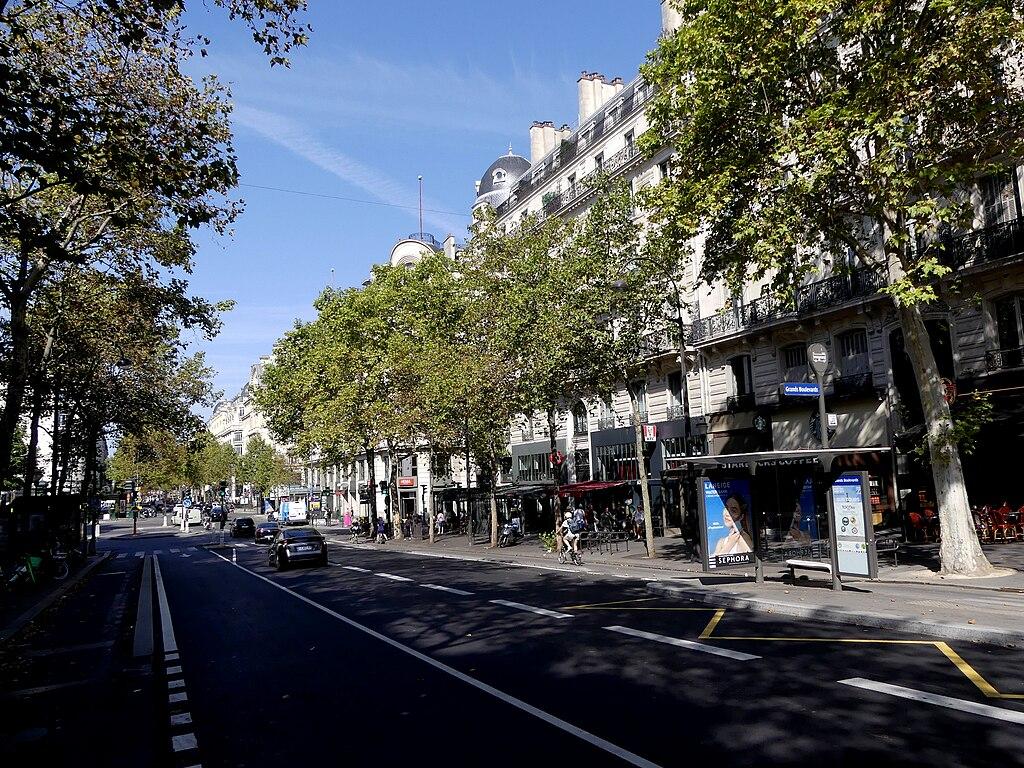
Boulevard Montmartre
This boulevard hides two secret worlds behind its walls, and most people walk right past them.
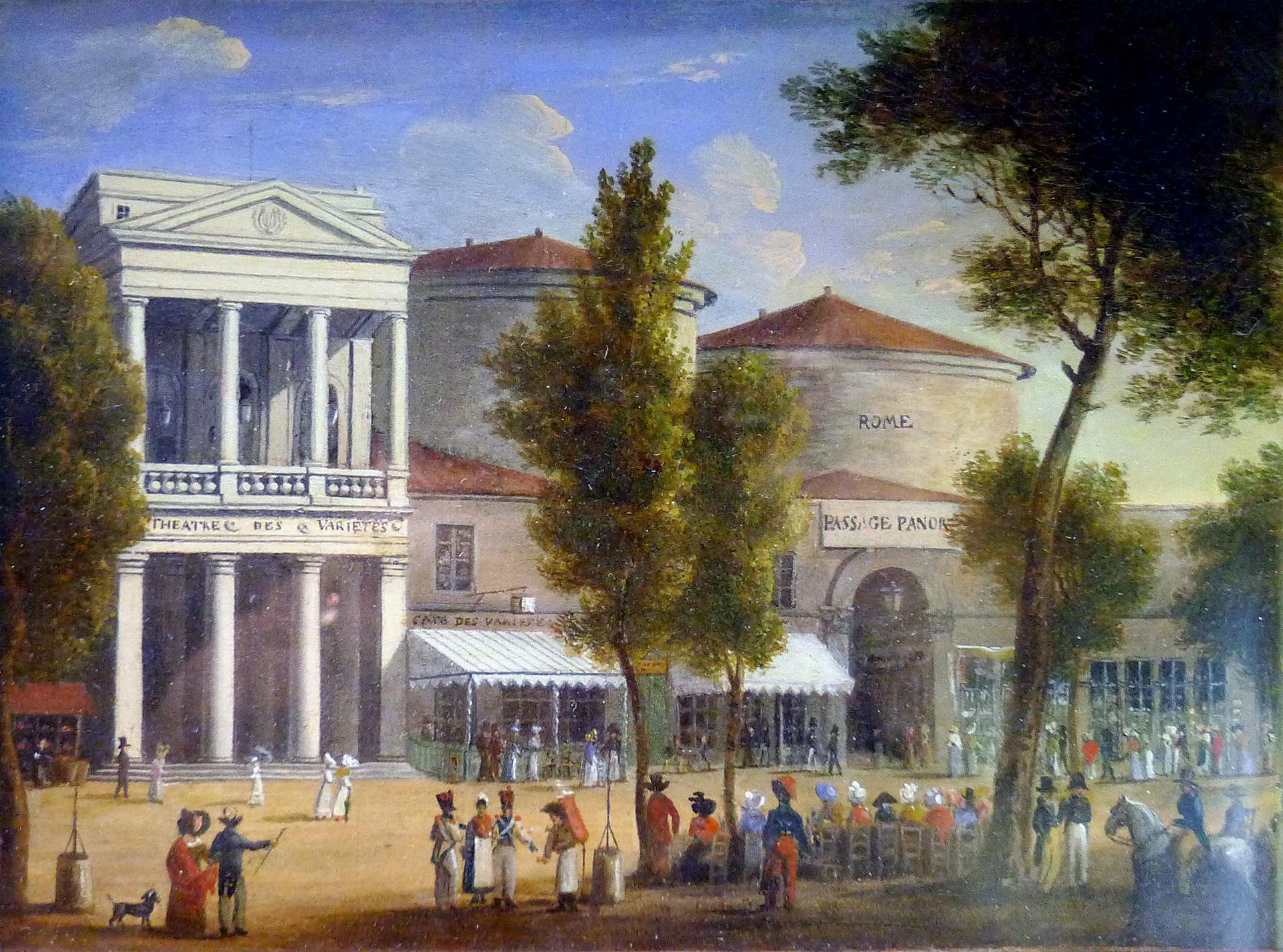
Passage des Panoramas
The arcade above you hasn't changed much in over two centuries, and that's exactly what makes it so extraordinary.
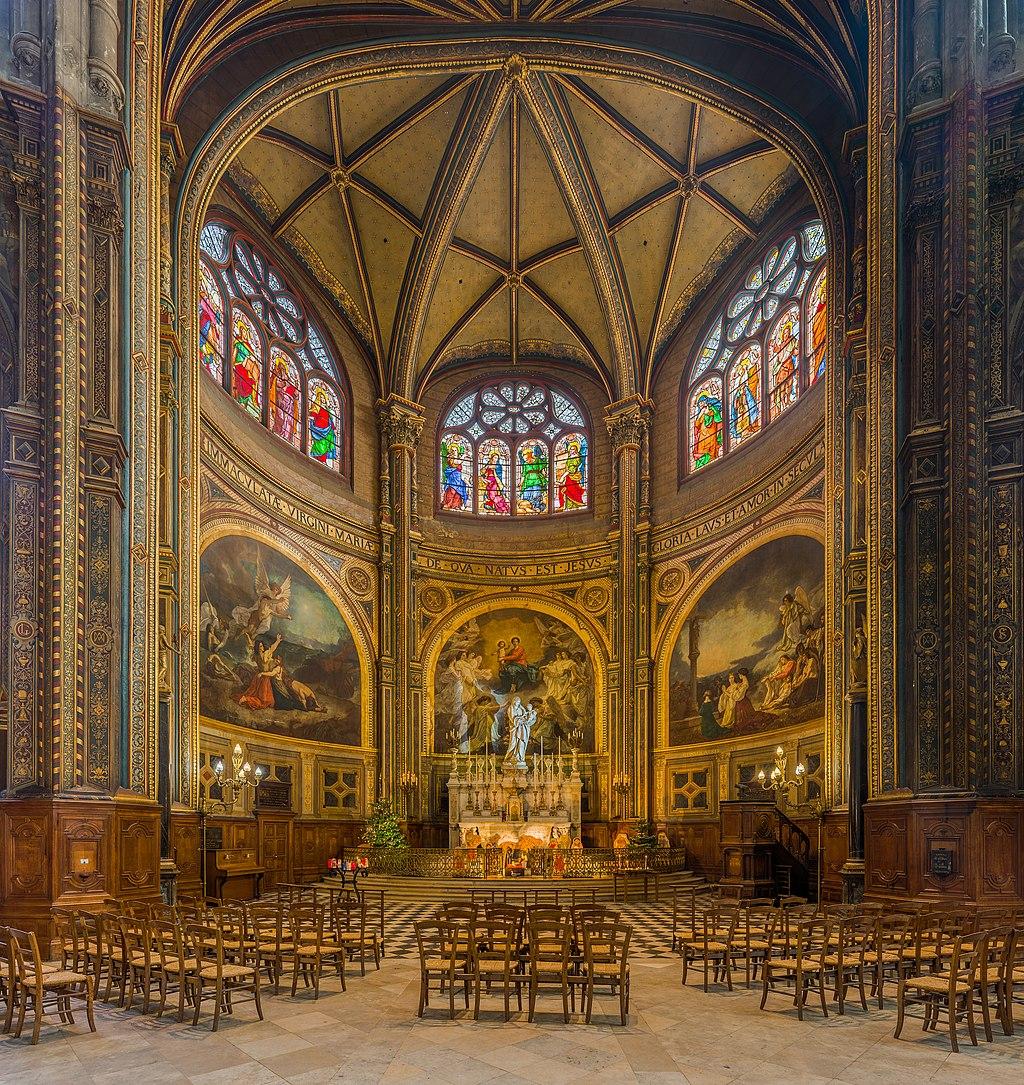
Saint Eustache Church
This church exists because of a fish tax — and that's just the beginning of the story.
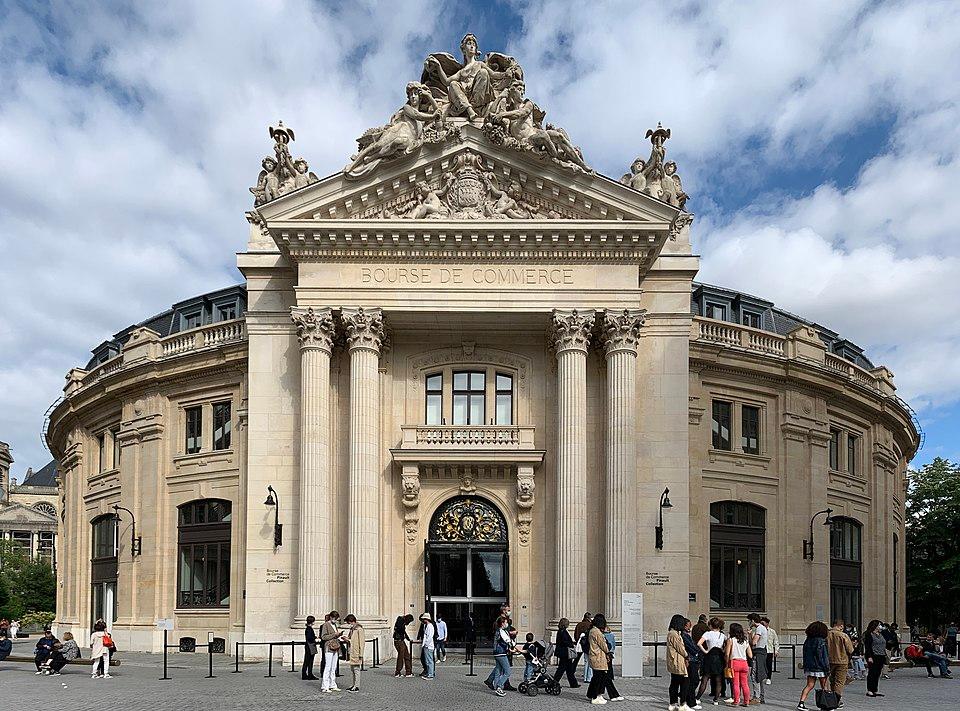
Bourse de Commerce
This round building has been a grain warehouse, a trading floor, and is now one of the most exciting art spaces in the world.
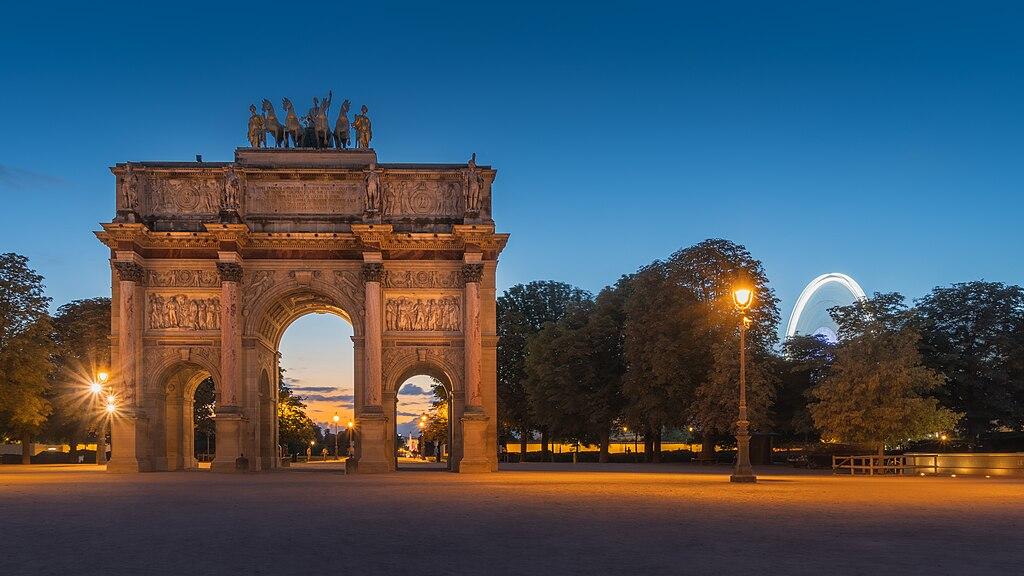
Arc de Triomphe du Carrousel
Napoleon built this arch to impress, but there's one thing he never got to see from it — and that irony is delicious.
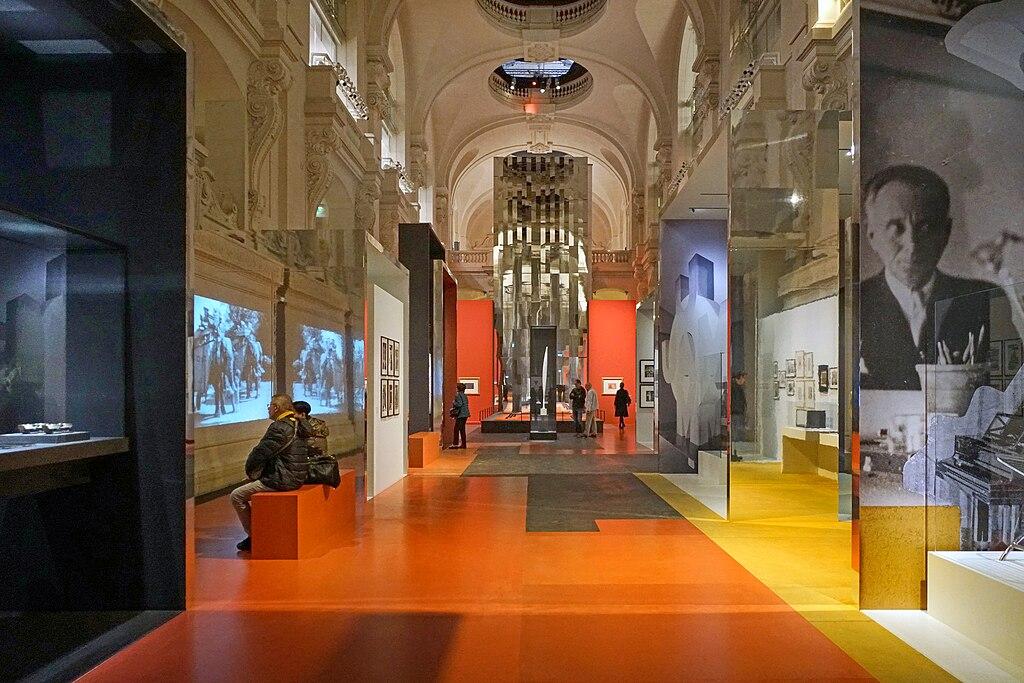
Musée des Arts Décoratifs
The term "Art Deco" was born right here, and most people walk past without ever knowing it.
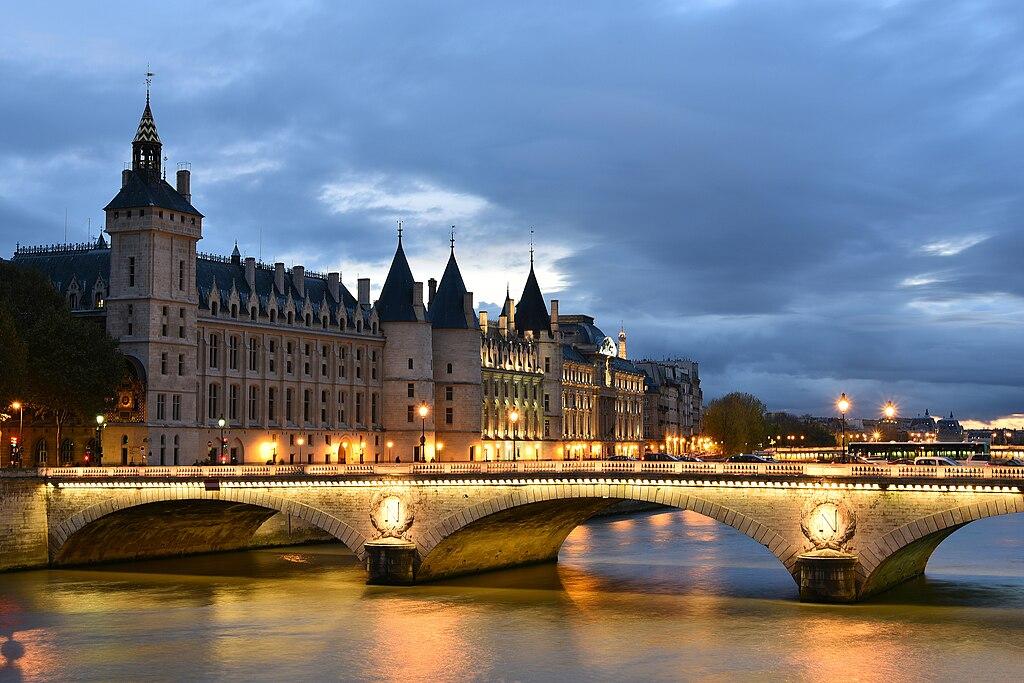
The Conciergerie
If you were brought here during the Revolution, there was a very good chance you wouldn't be leaving on your own two feet.
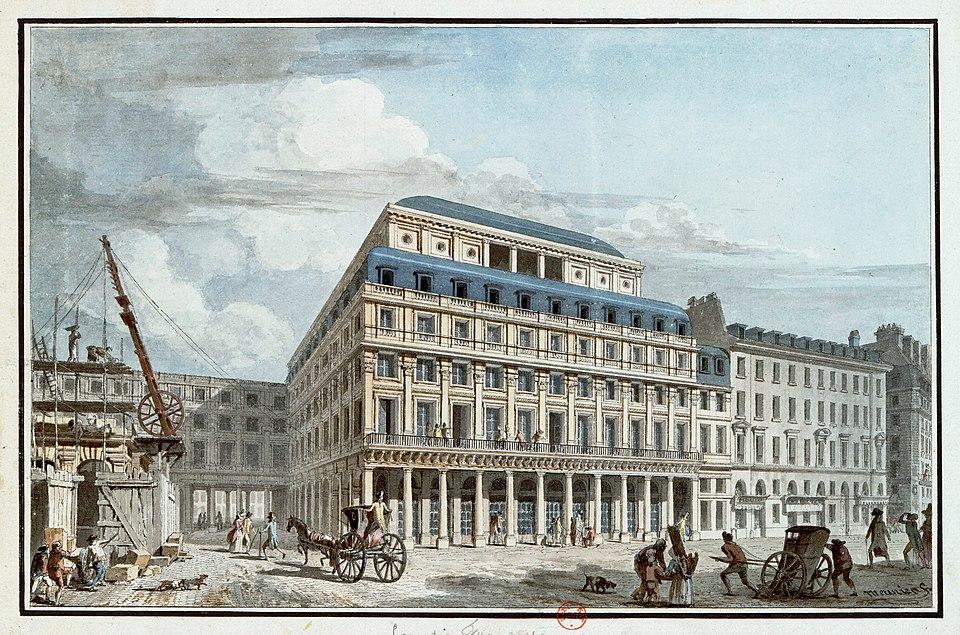
Comédie-Française & Molière
The chair where Molière started dying mid-performance is still kept backstage in this very building.
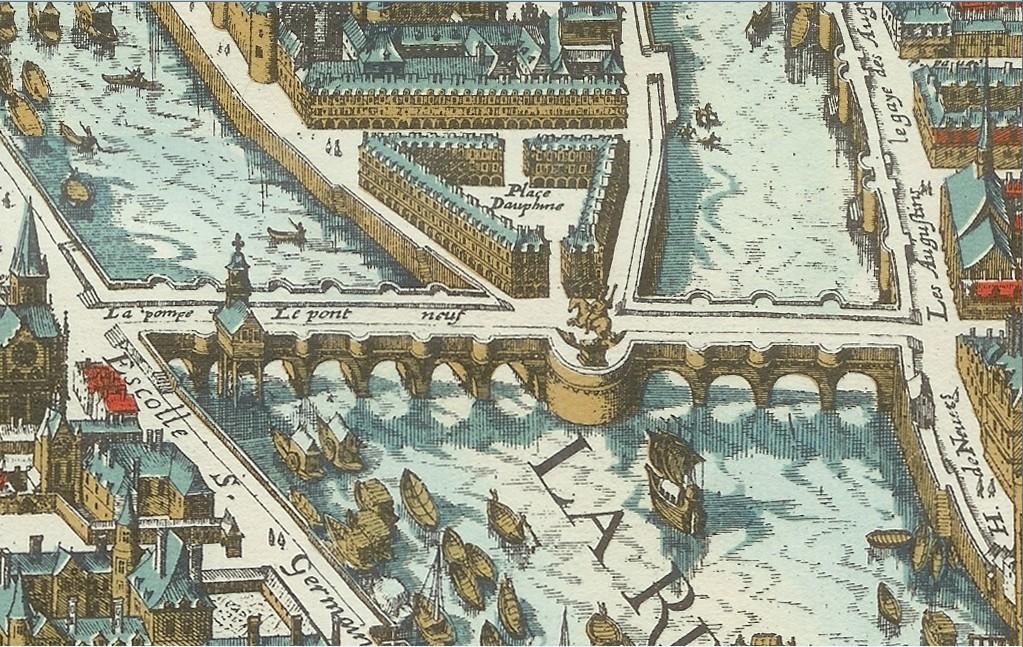
Pont Neuf
The oldest bridge in Paris has a secret hidden inside a horse's belly.
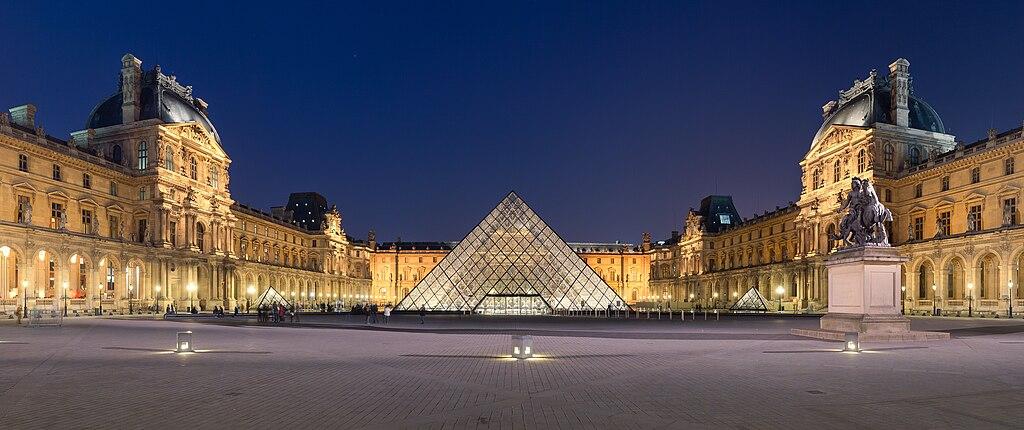
The Louvre
You probably know the Louvre is the world's most visited museum, but what happened here when the Nazis marched into Paris is a story most people have never heard.
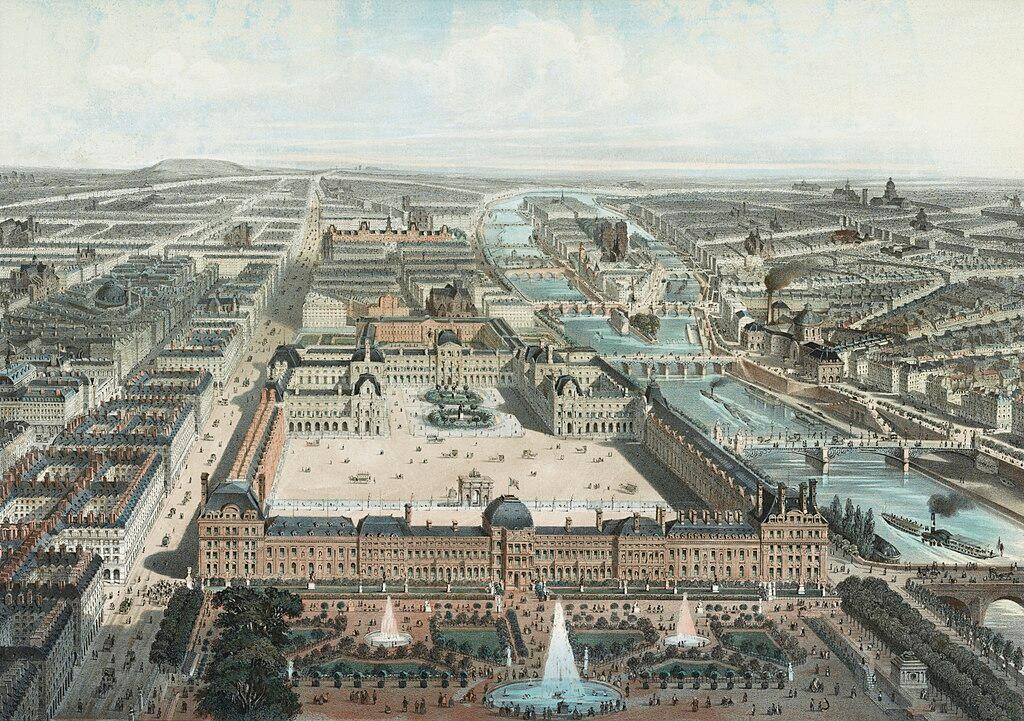
Tuileries Garden
You're standing in a garden where a palace once burned, a balloon first touched the sky, and kings lost everything.
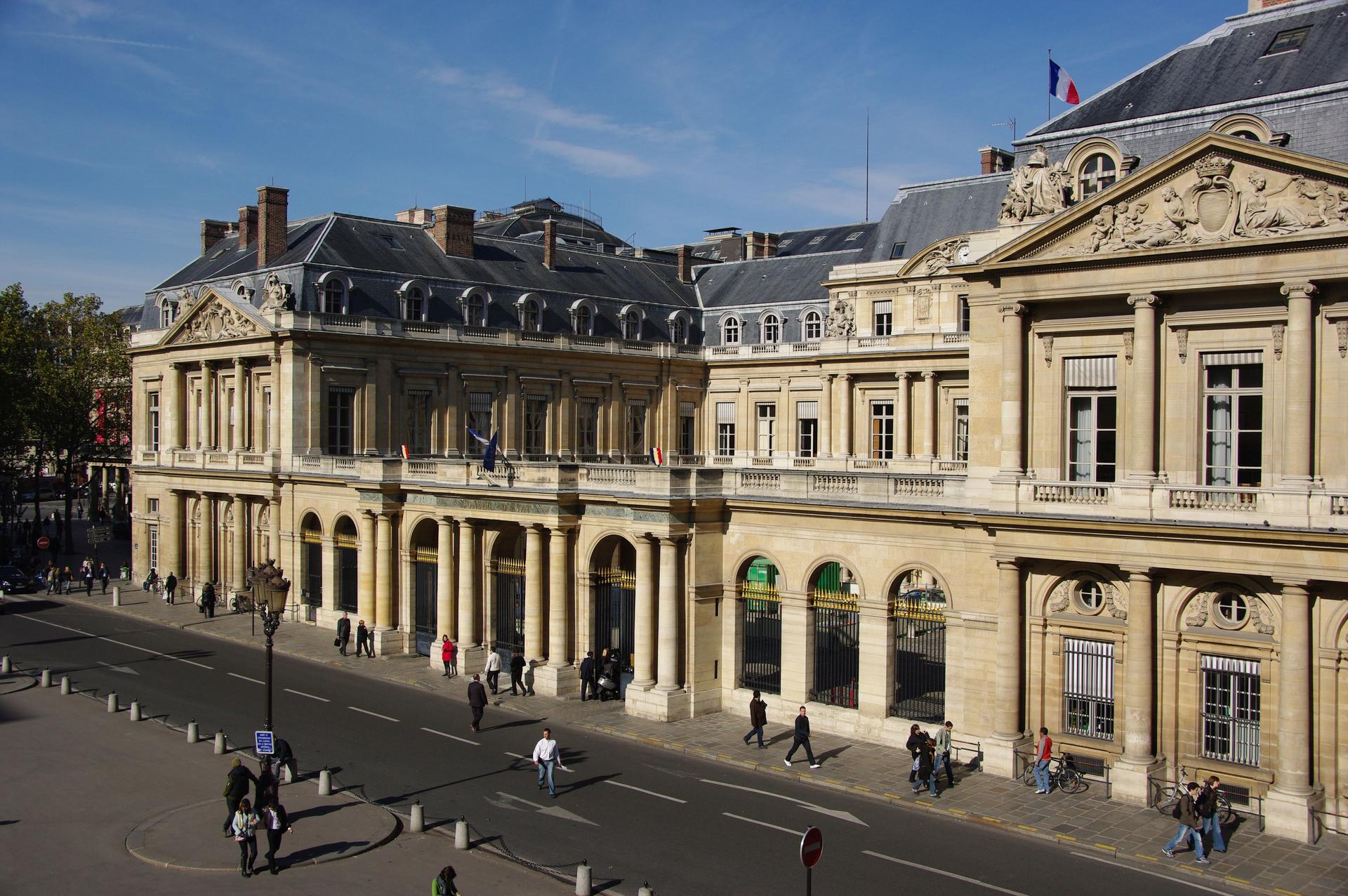
Palais-Royal
Behind these elegant arcades hides a place where revolution was sparked, police were banned, and a young Napoleon met a stranger who changed his life.
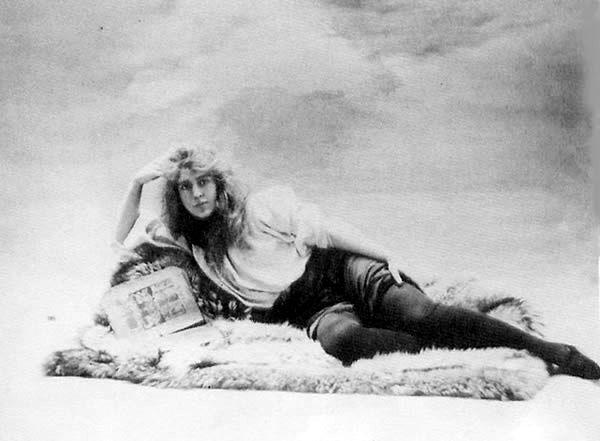
The Queen and her Temple
Behind this door, a woman who never apologised for loving women ran the most famous salon in Paris for 60 years.
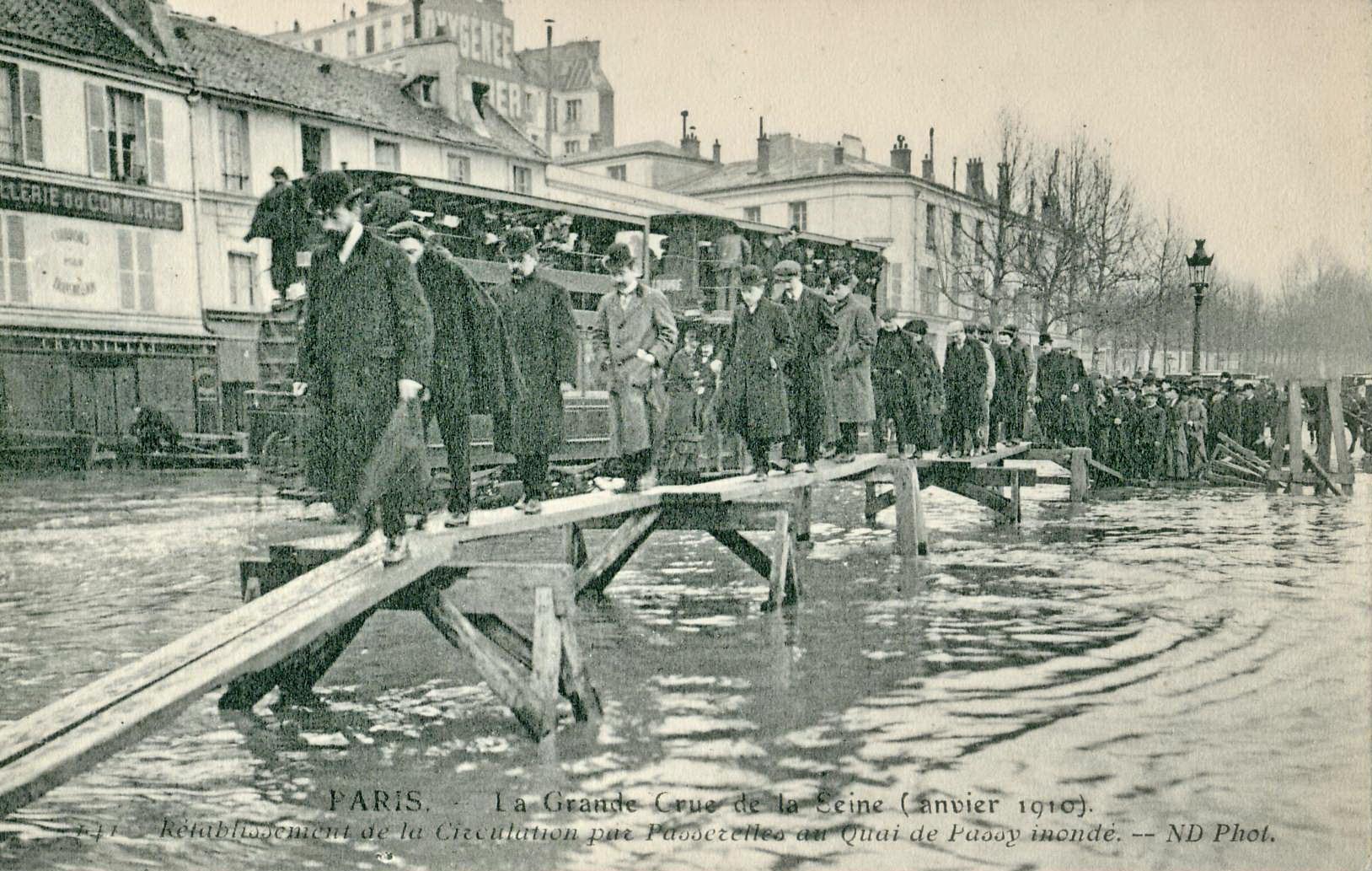
Flood in 1910
The great flood that inundated Paris in 1910.
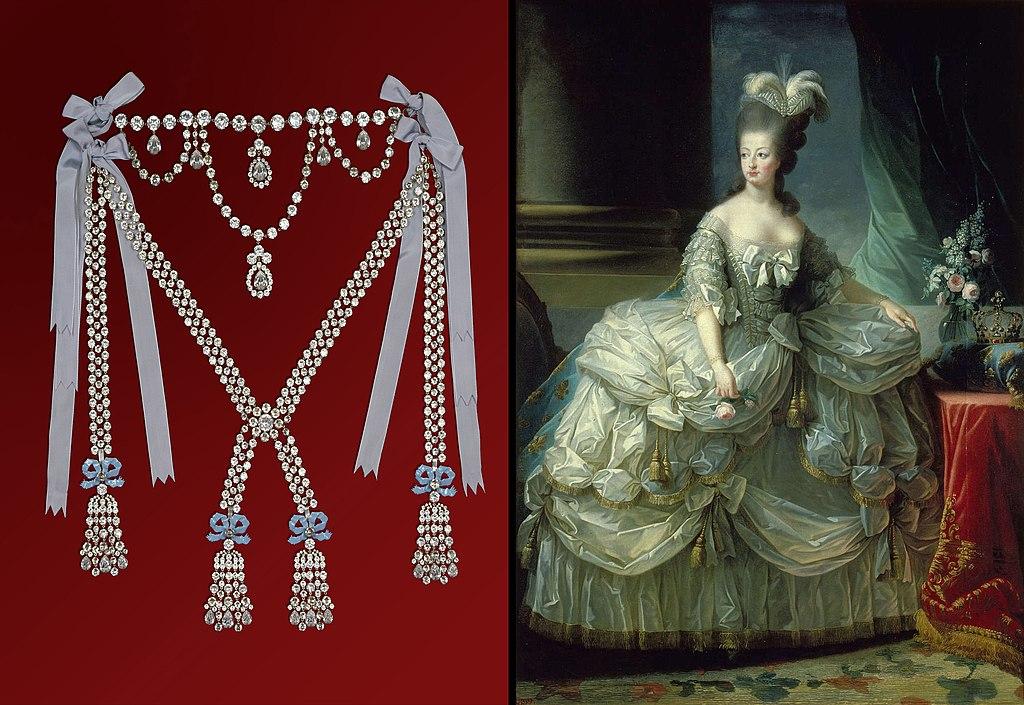
The Affair of the Diamond Necklace
A court scandal that helped erode royal prestige.
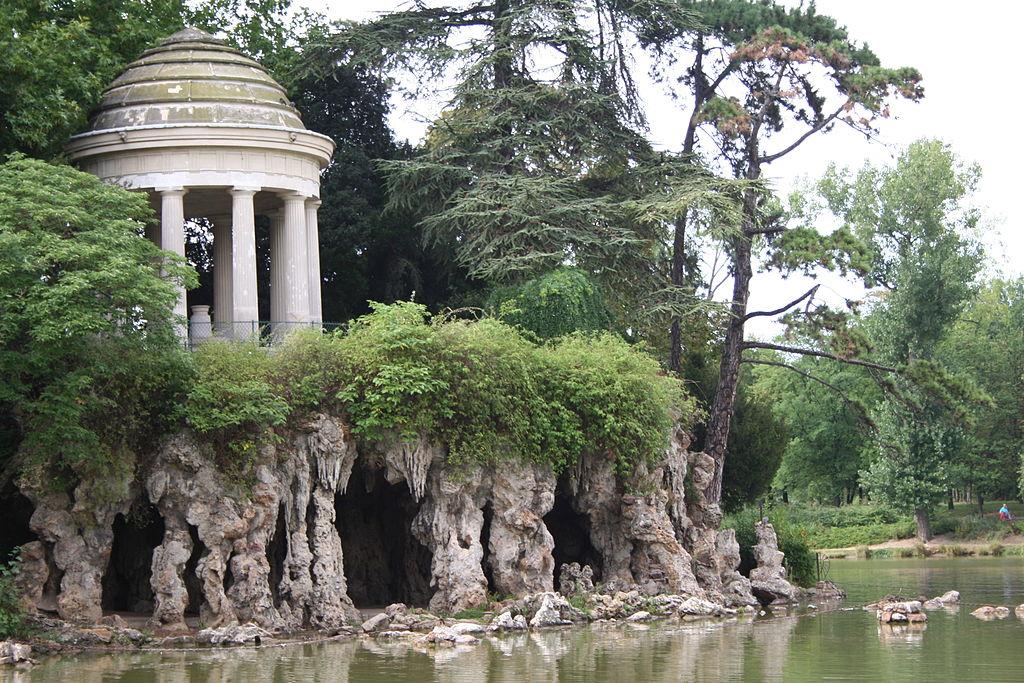
Bois de Vincennes
A vast eastern woodland for walks, lakes, and sport.
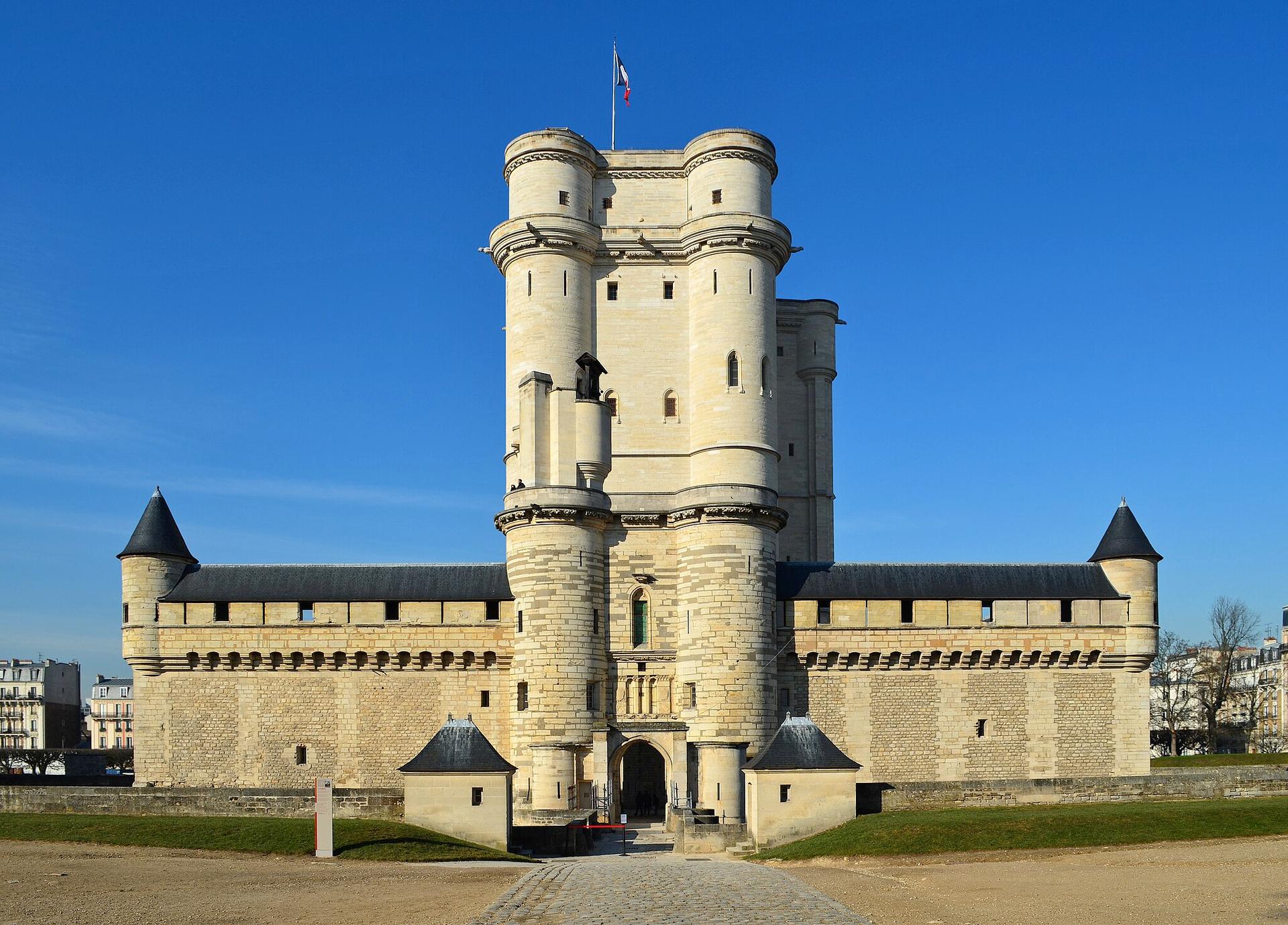
Chateaux de Vincennes
A medieval fortress later used as a royal residence.
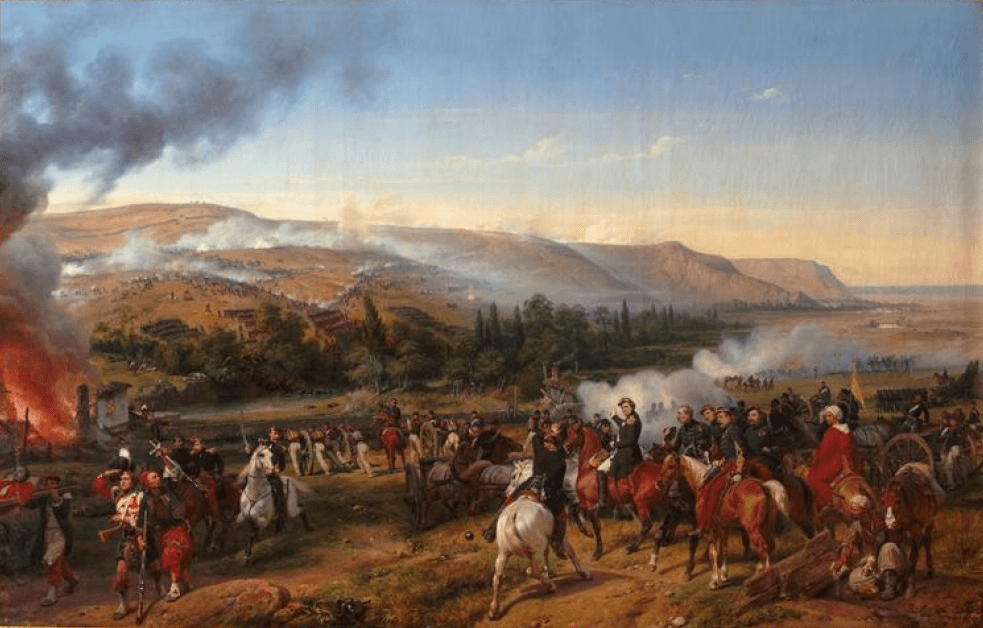
Battle of Alma
A Crimean War battle that lent its name to a Paris bridge.
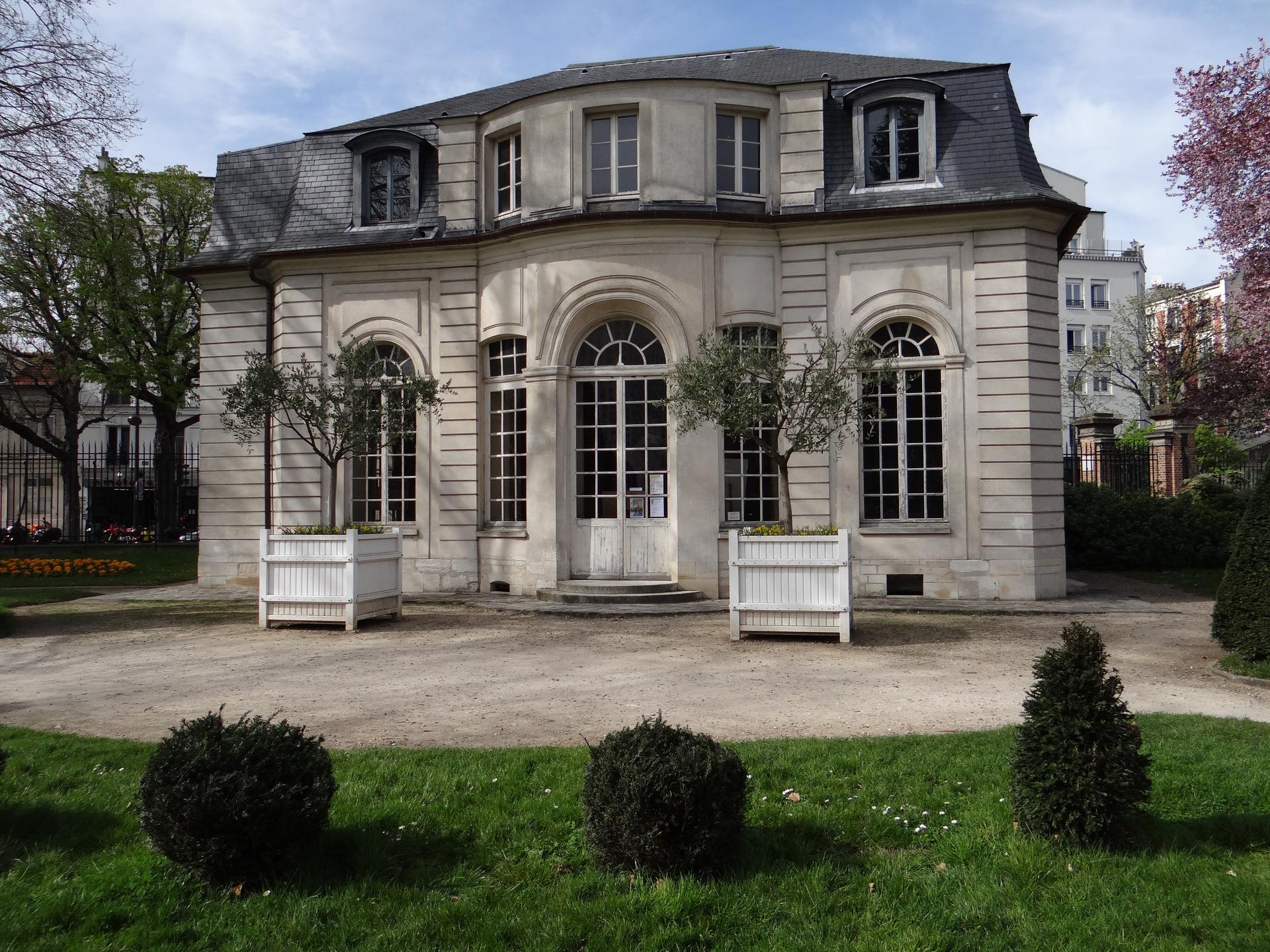
Rue de Bagnolet
An eastern street mixing workshops, cafés, and street art.
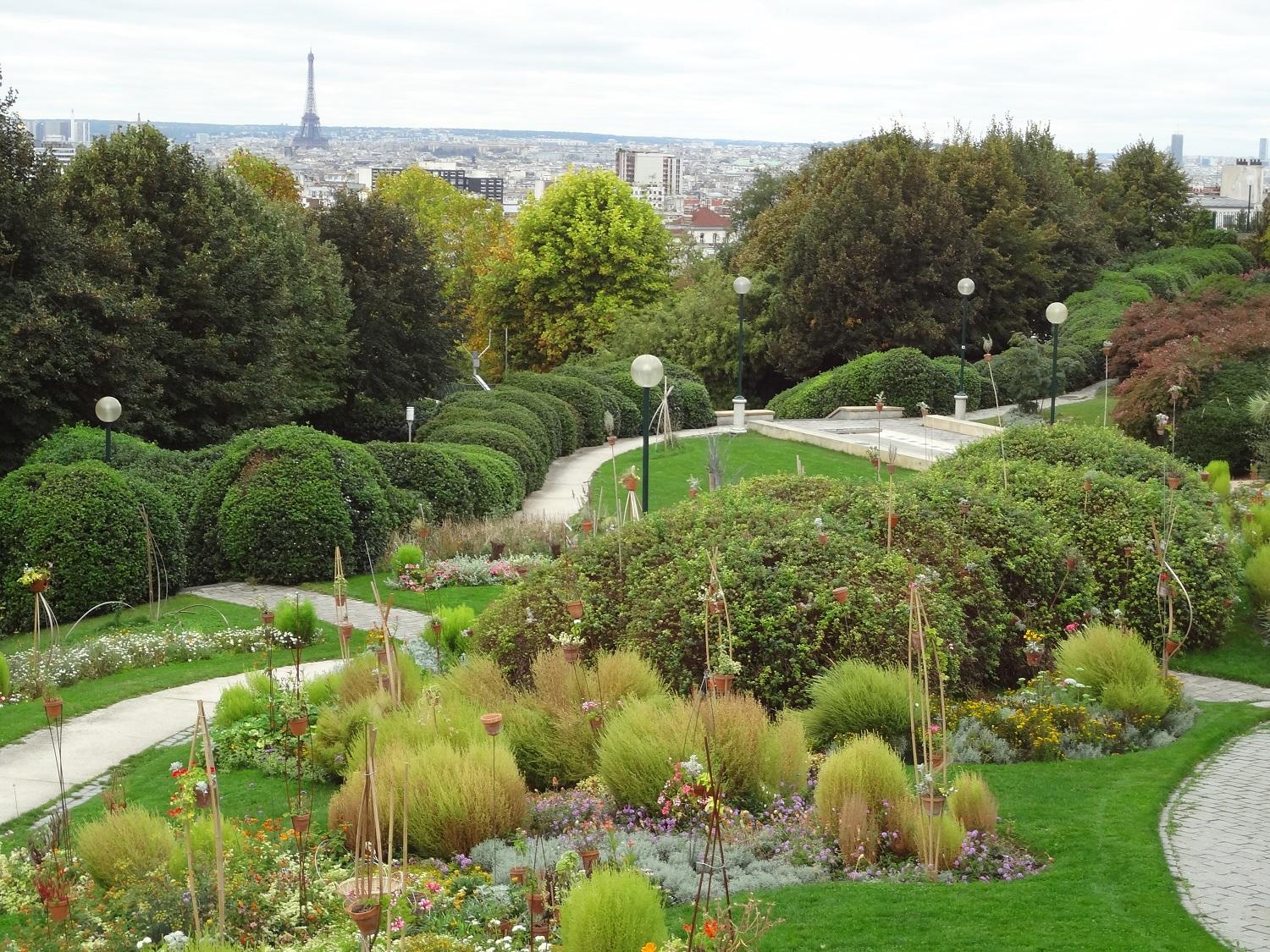
Parc de Belleville
A hillside park with some of the best views over Paris.
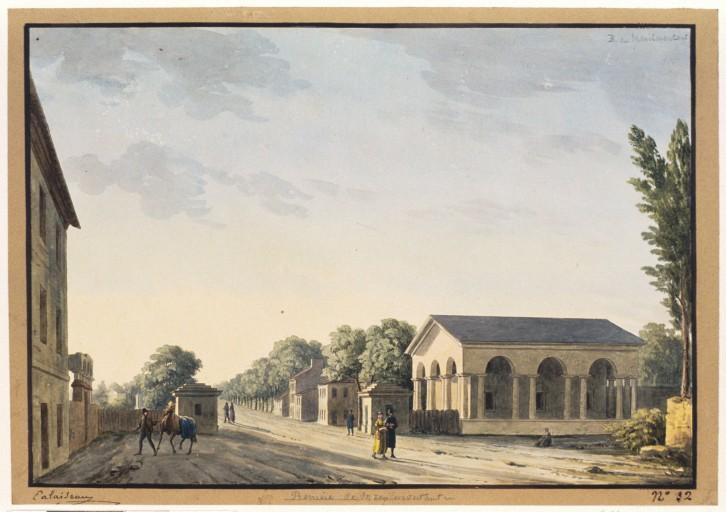
Ménilmontant
A historic working-class neighborhood with steep streets.
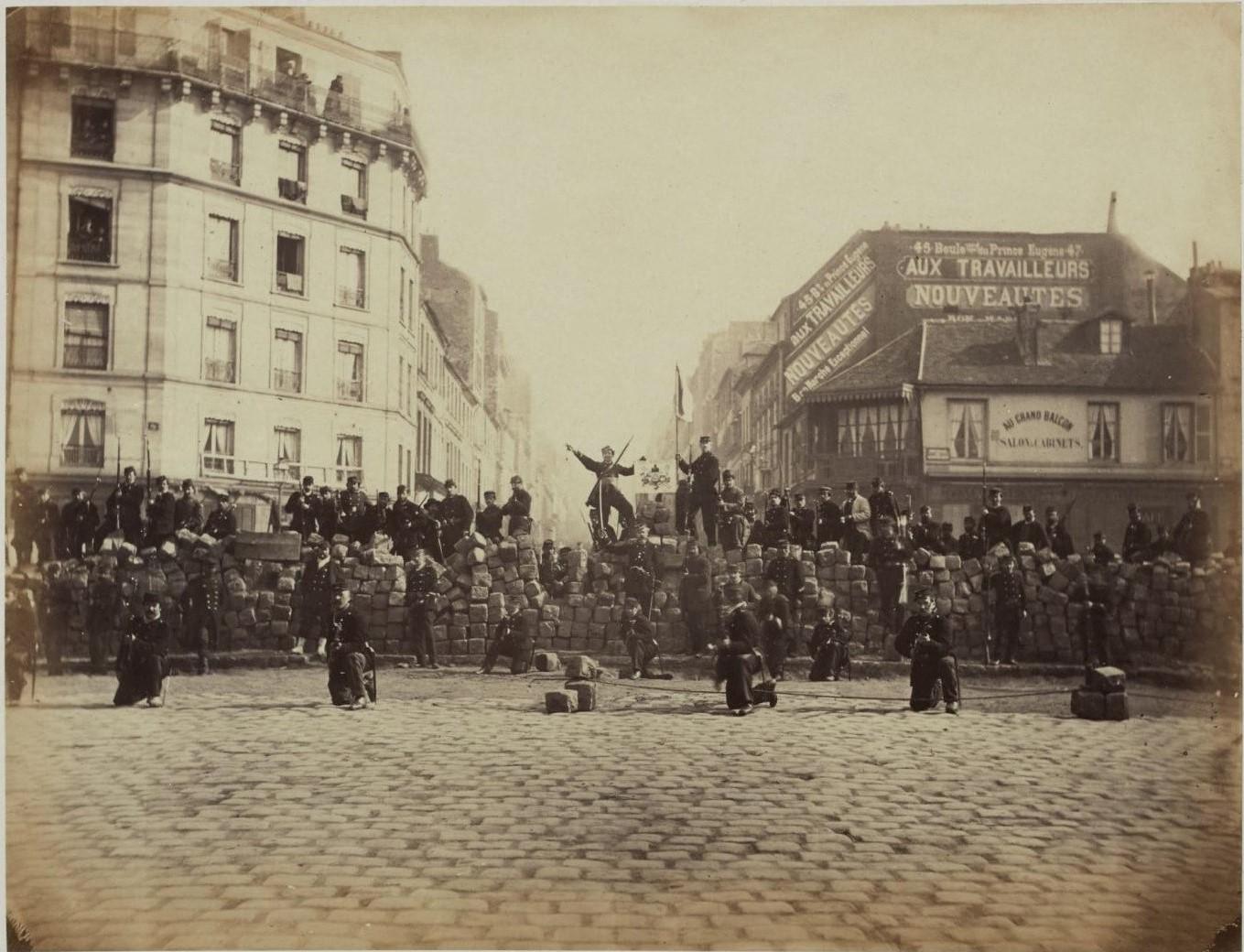
The Paris Commune
A chapter on the Paris Commune of 1871.
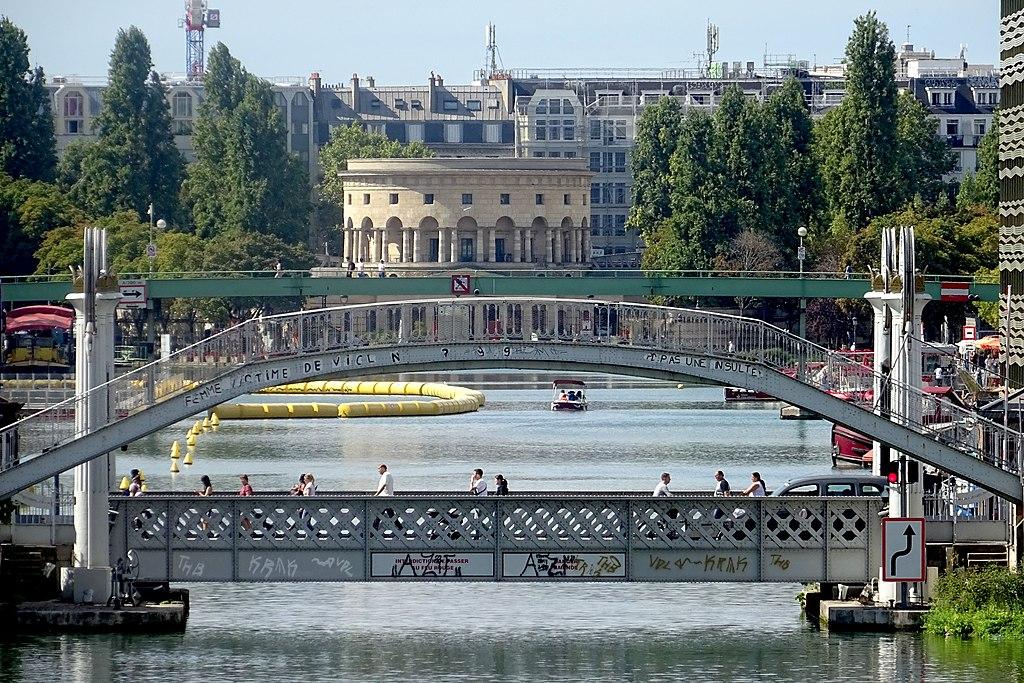
Bassin de la Villette
A large basin connecting to Canal de l’Ourcq.
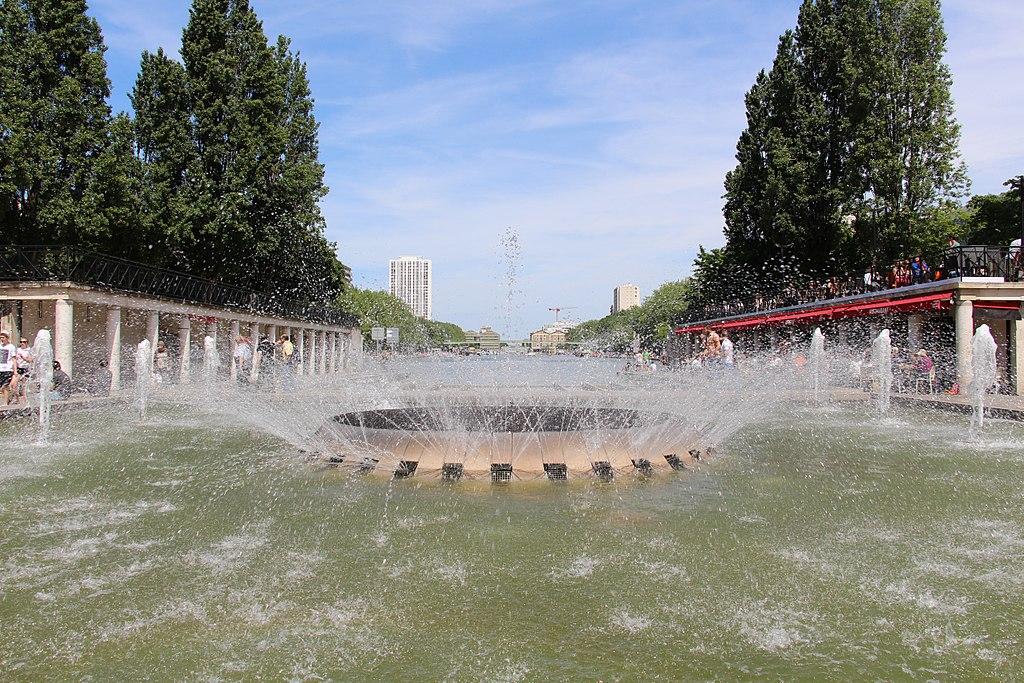
Place de la Bataille-de-Stalingrad
A square named for a World War II battle.
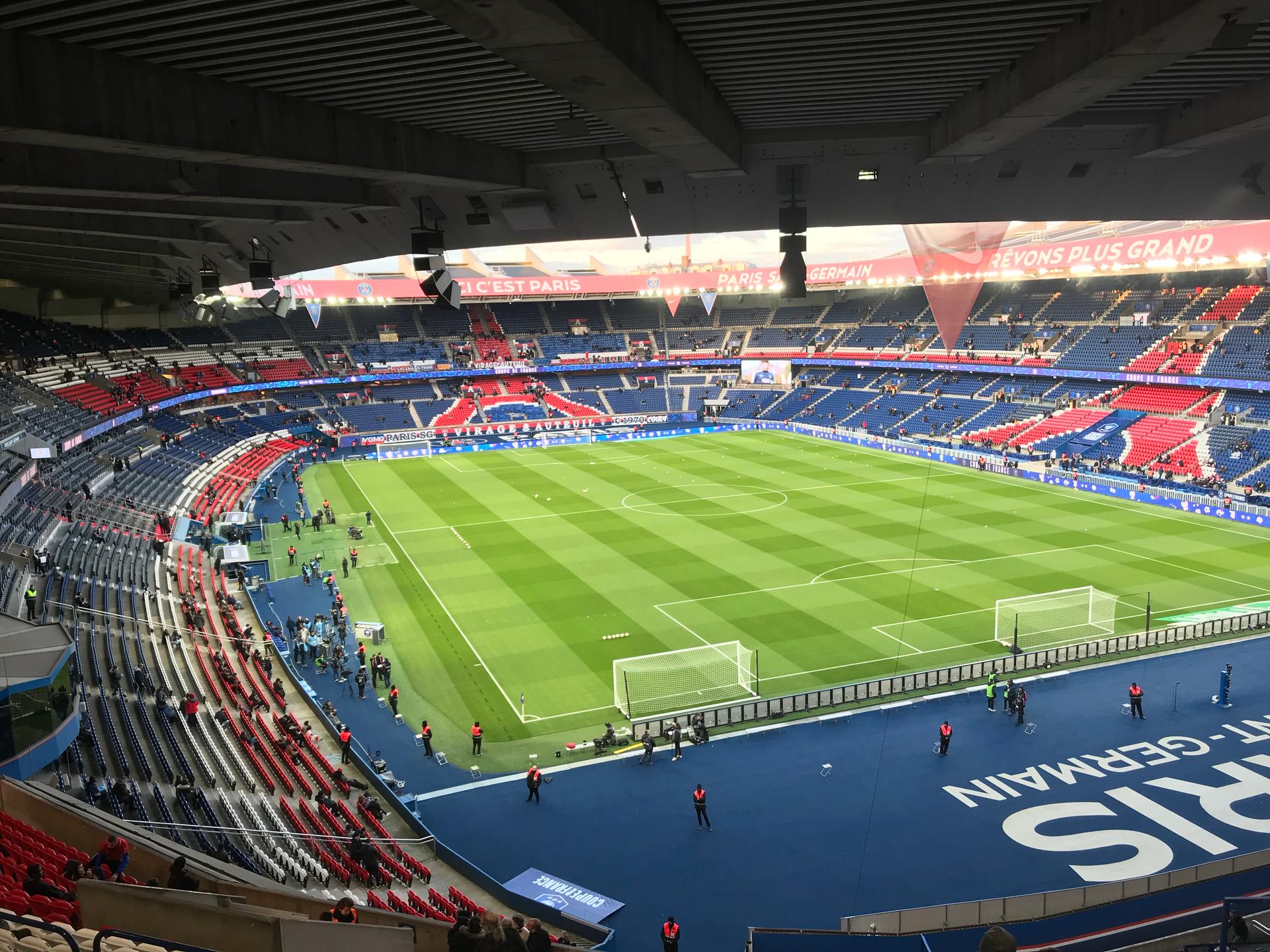
Parc des Princes
The home stadium of Paris’s top football club.
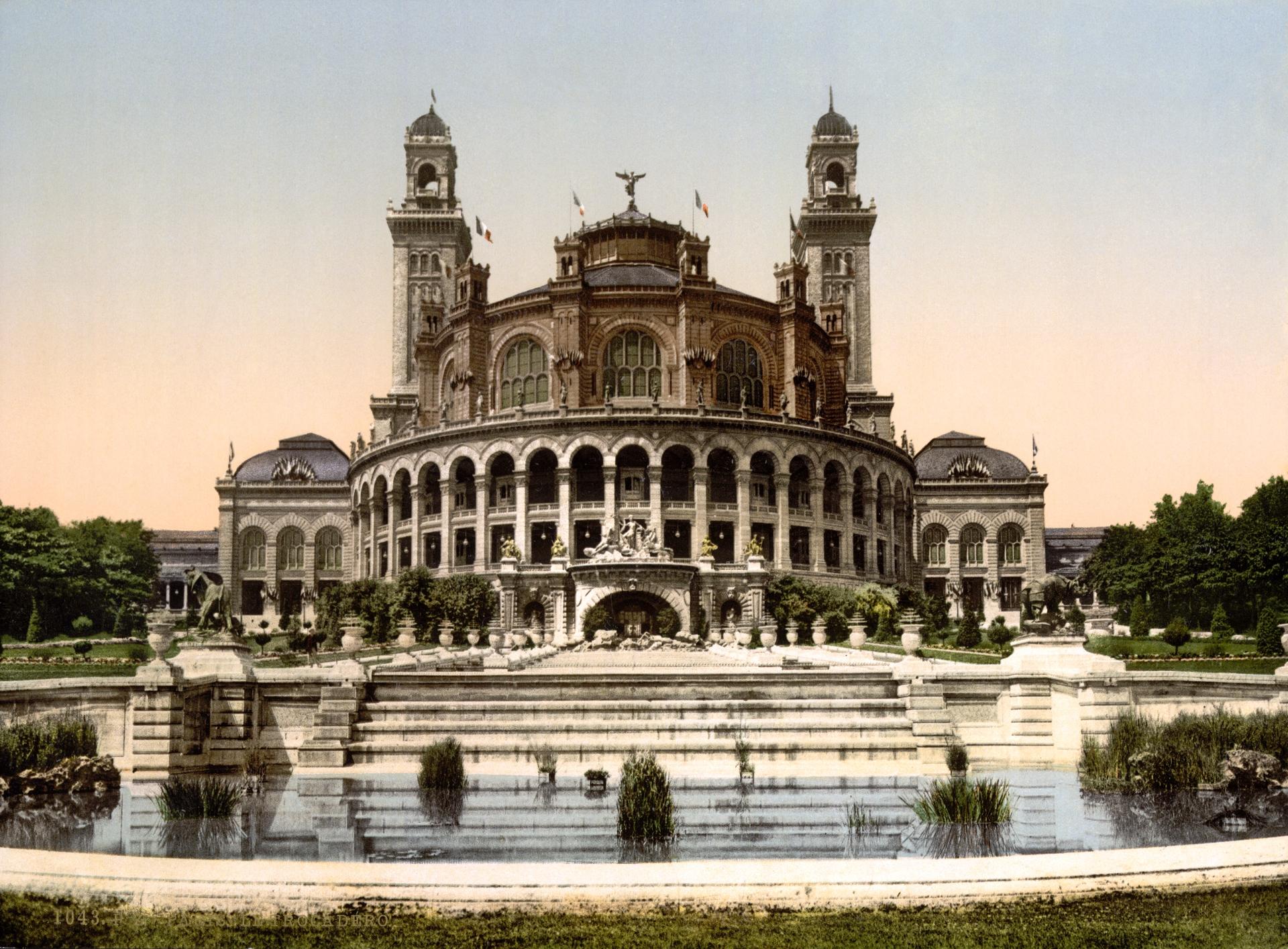
Palais du Trocadéro
A former palace site that hosted exhibitions before Chaillot.
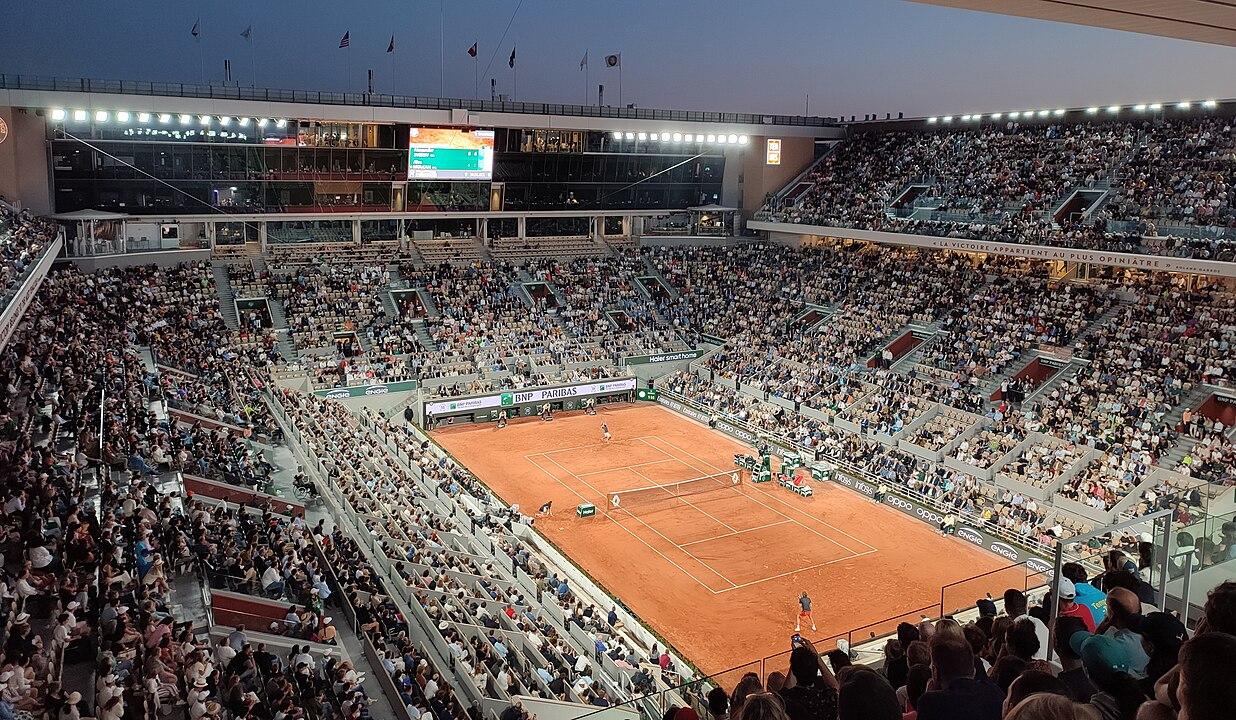
Roland Garros Stadium
The venue of the French Open tennis championships.
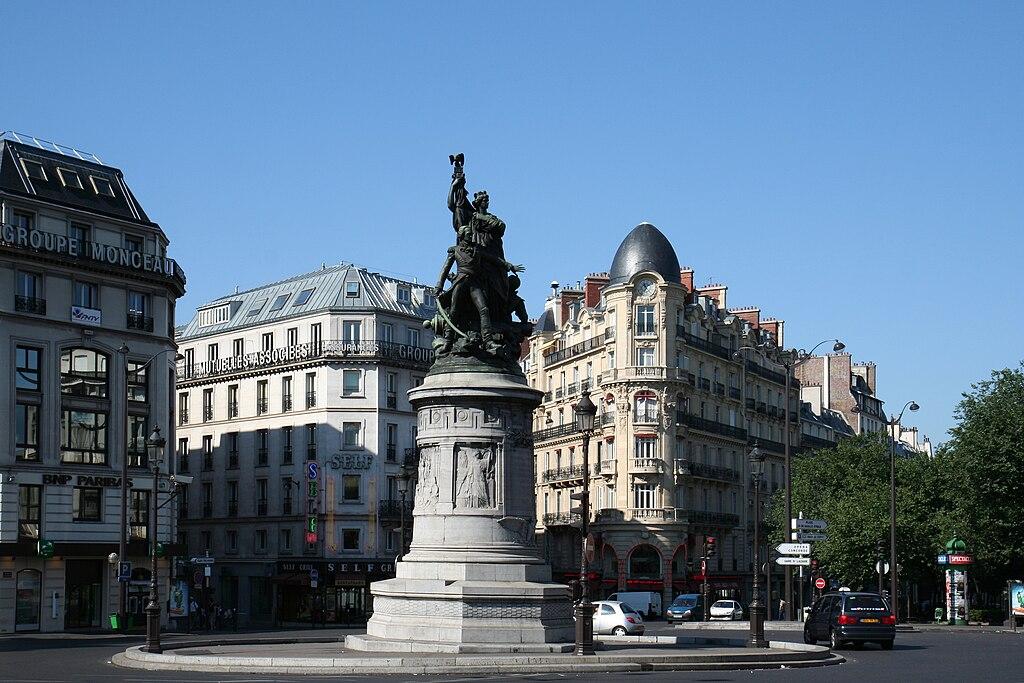
Place de Clichy
A busy square linking several northern districts.
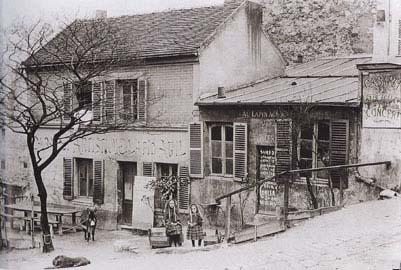
Au Lapin Agile
A historic Montmartre cabaret and artists’ haunt.
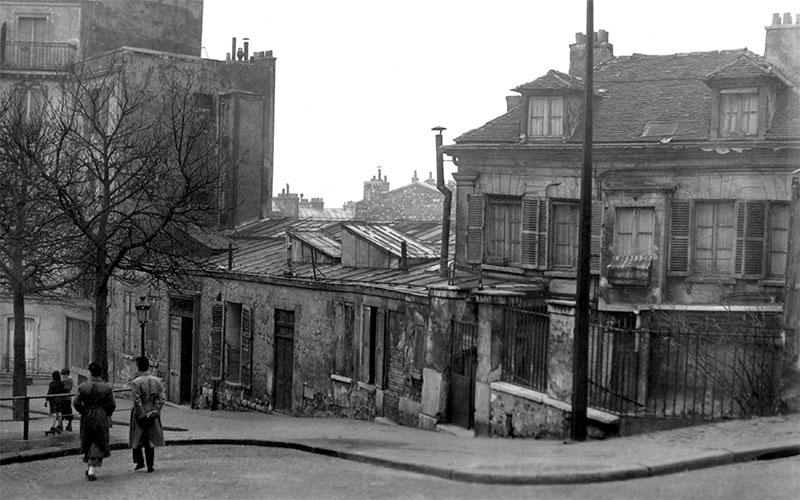
Bateau-Lavoir
Studios that hosted Picasso and early 20th-century artists.
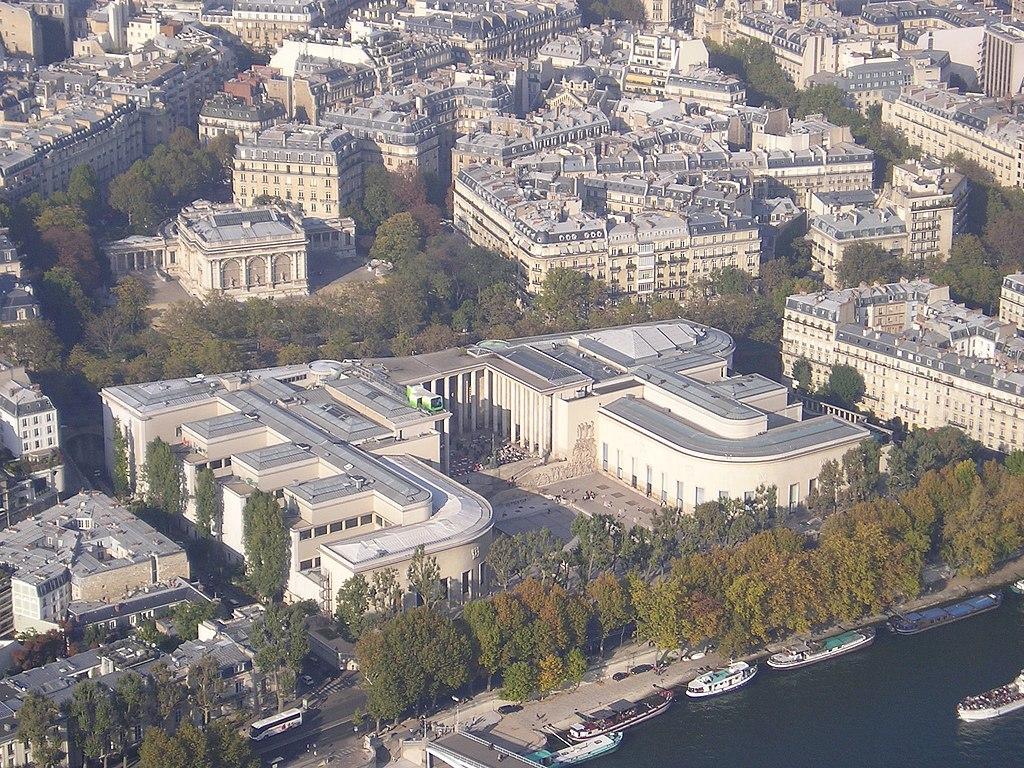
Palais de Tokyo
A contemporary art center in a former palace wing.
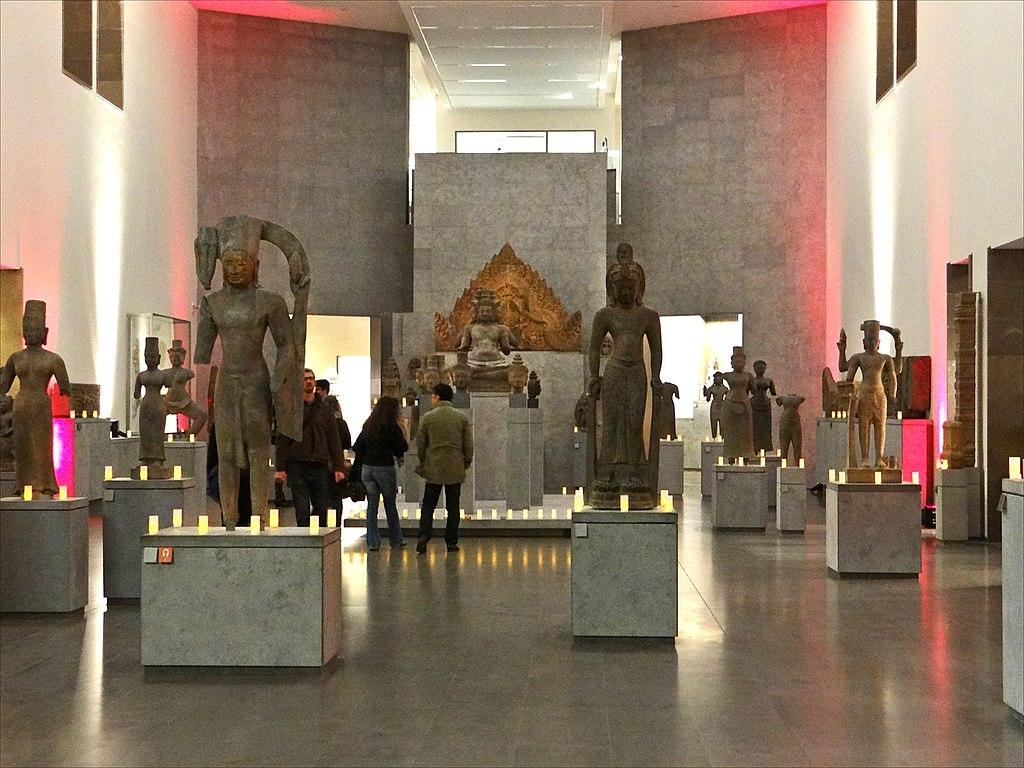
Musée national des arts asiatiques Guimet
A museum of Asian arts founded in the late 19th century.
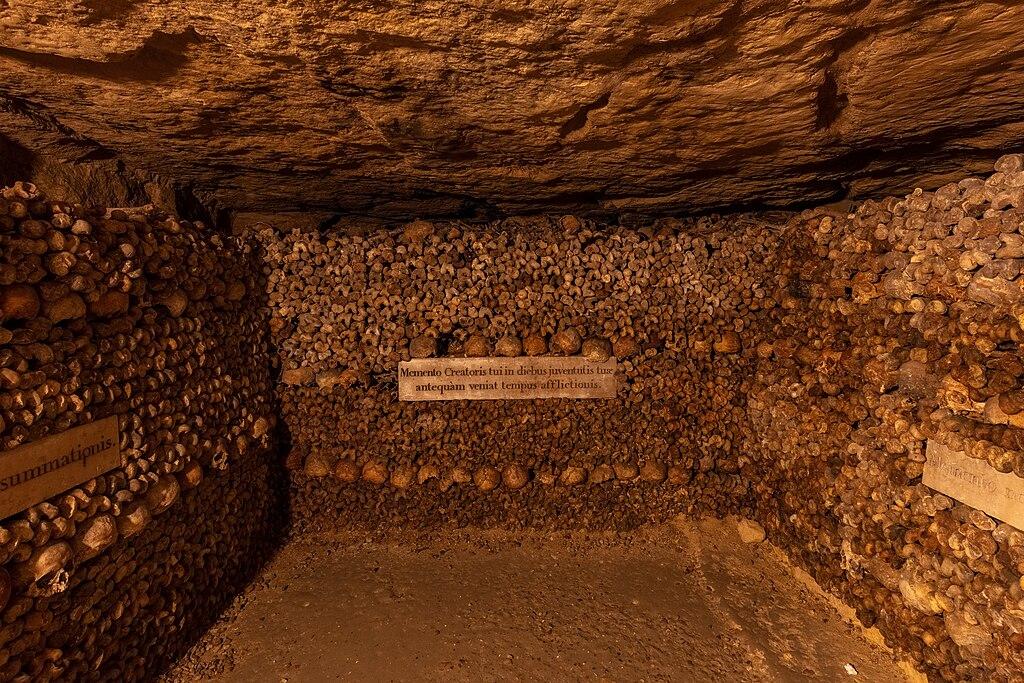
The Paris Catacombs
Underground ossuaries holding millions of remains.
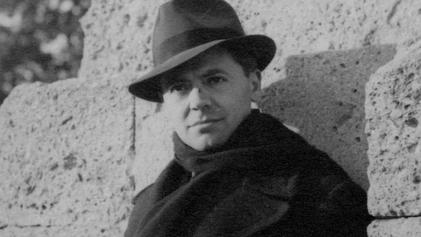
Jean Moulin
A story of the Resistance hero and his legacy.
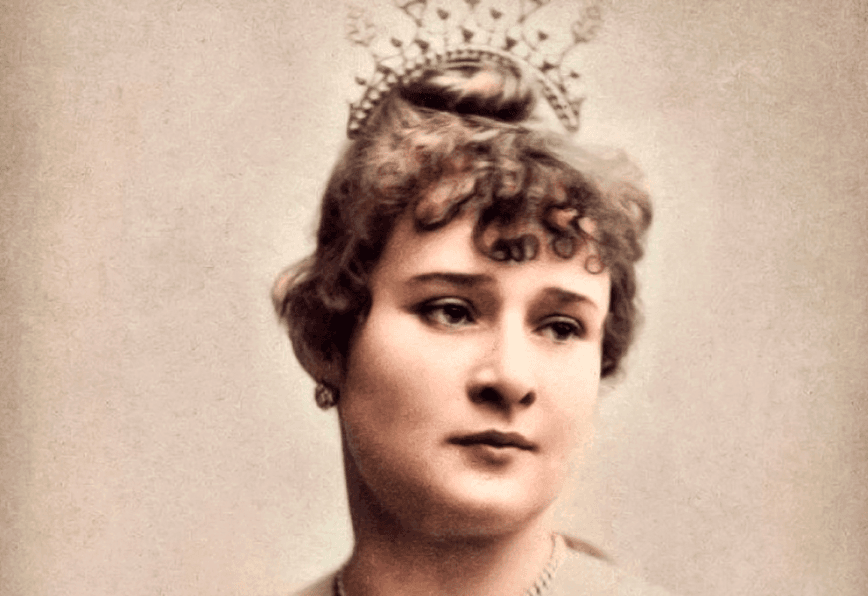
La Goulue
A famed can-can dancer of the Belle Époque.
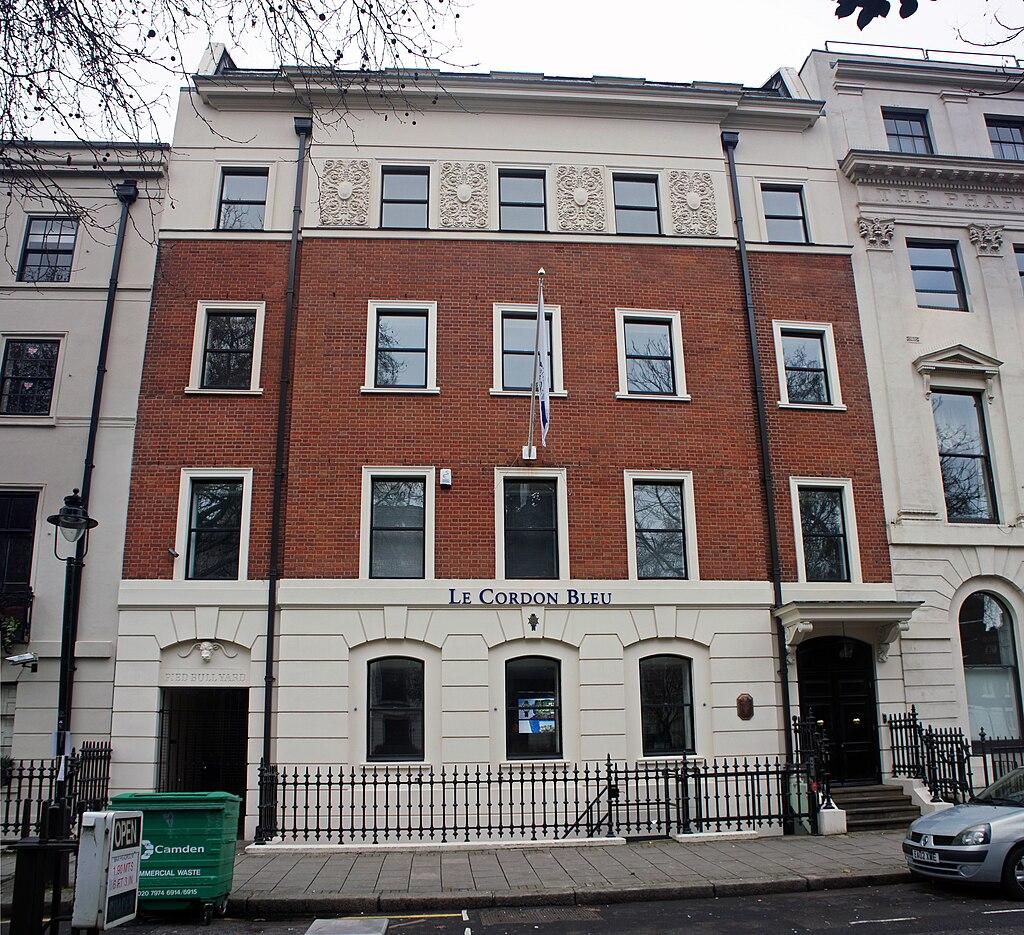
Le Cordon Bleu School
One of the world’s most recognized culinary schools.
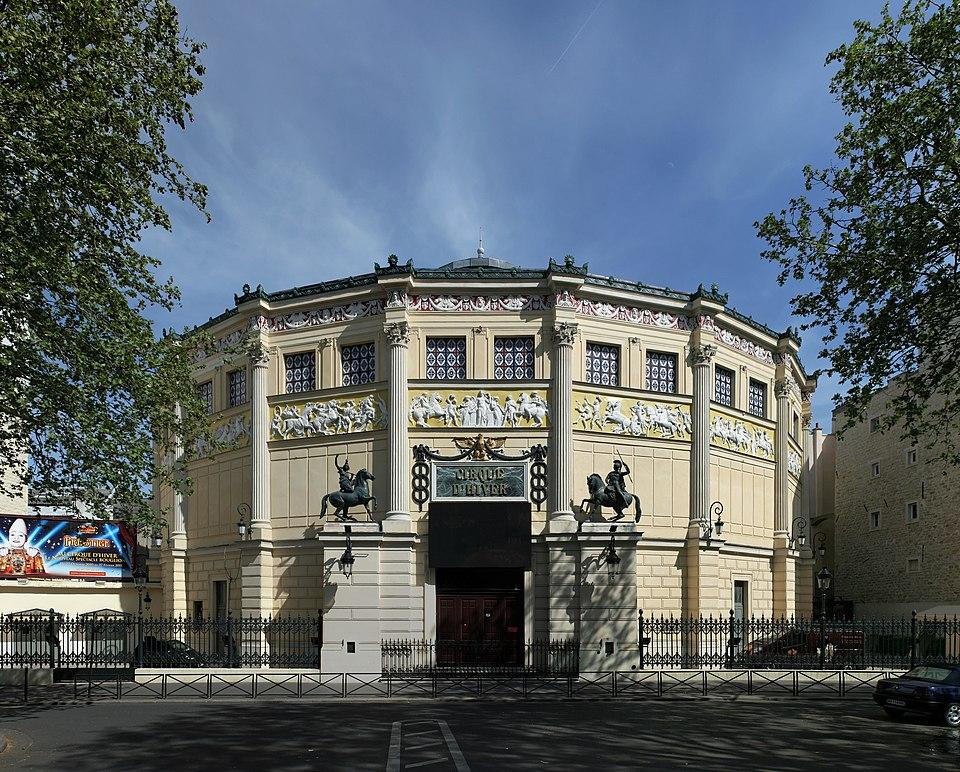
Cirque d'Hiver
A 19th-century circus building still in use.
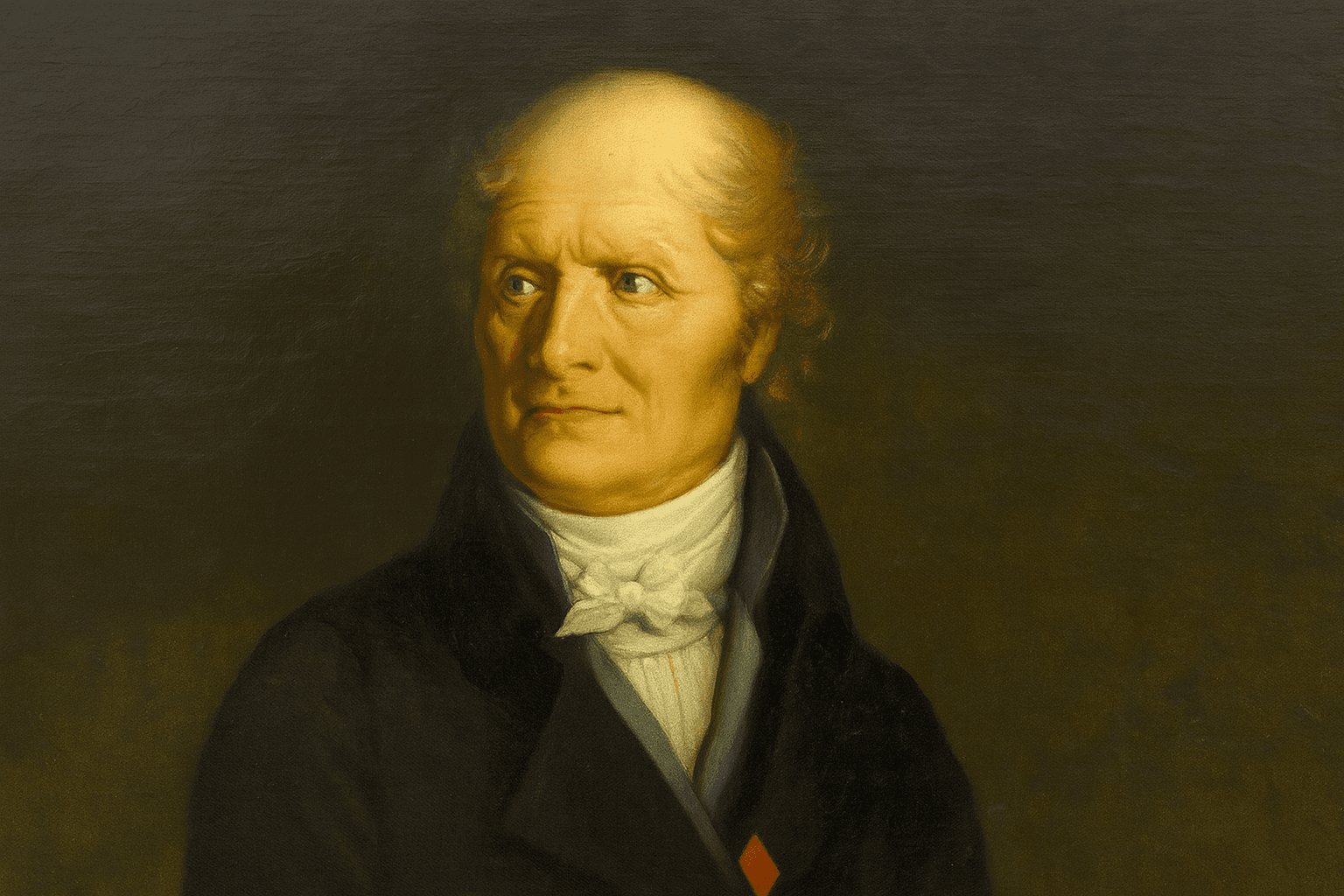
Oberkampf Street
A street identified with bars, venues, and street art.
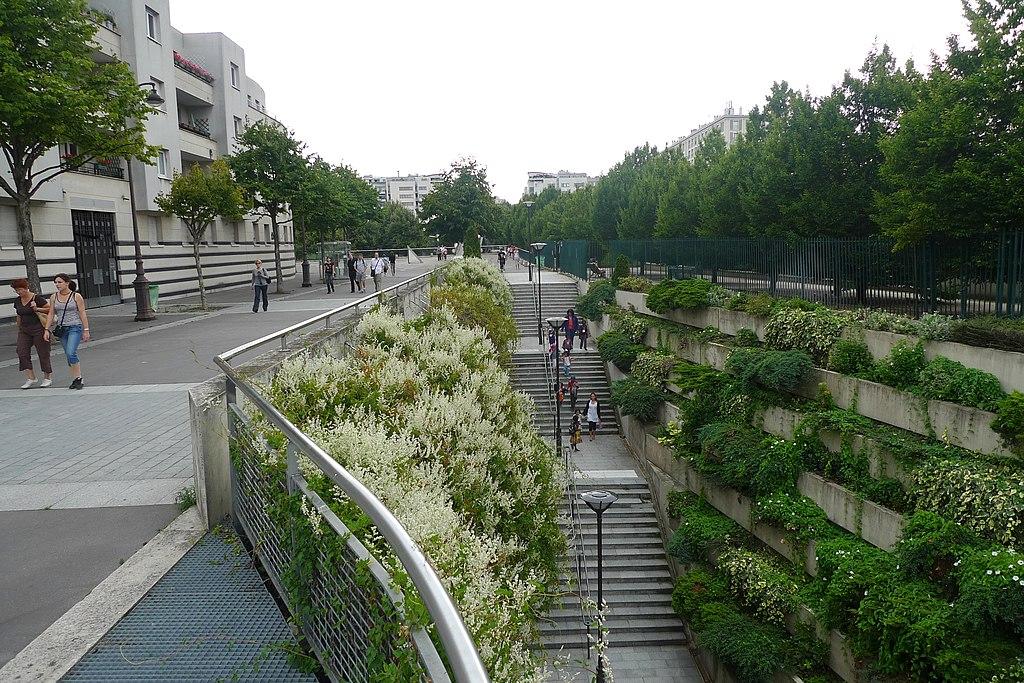
Promenade Plantée
An elevated greenway built on a former railway.
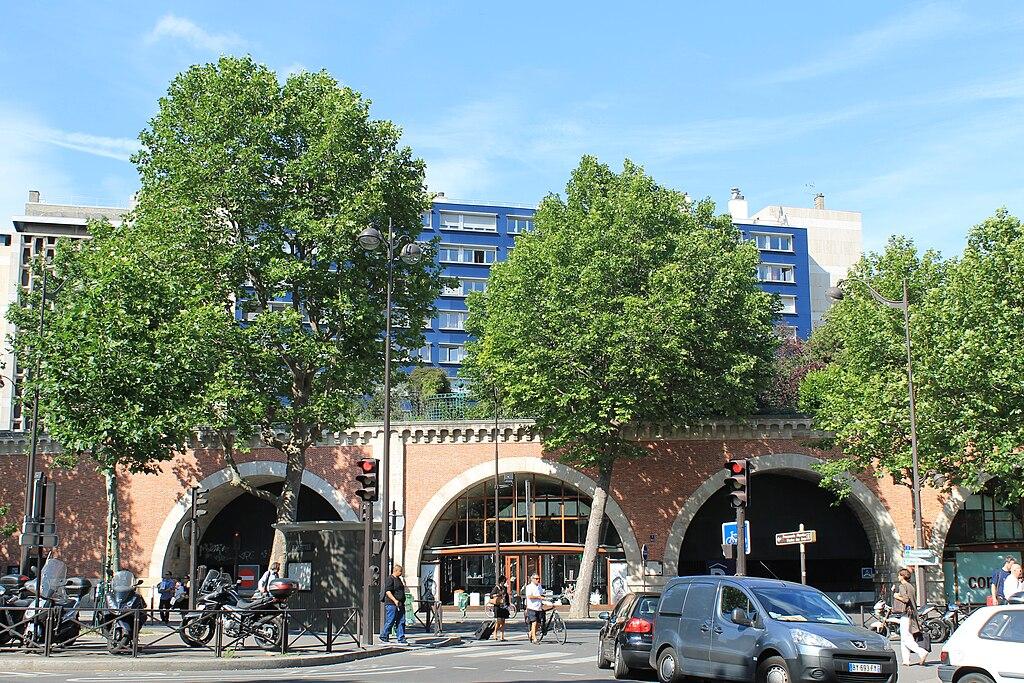
Viaduc des Arts
A viaduct converted into artisan workshops and a promenade.
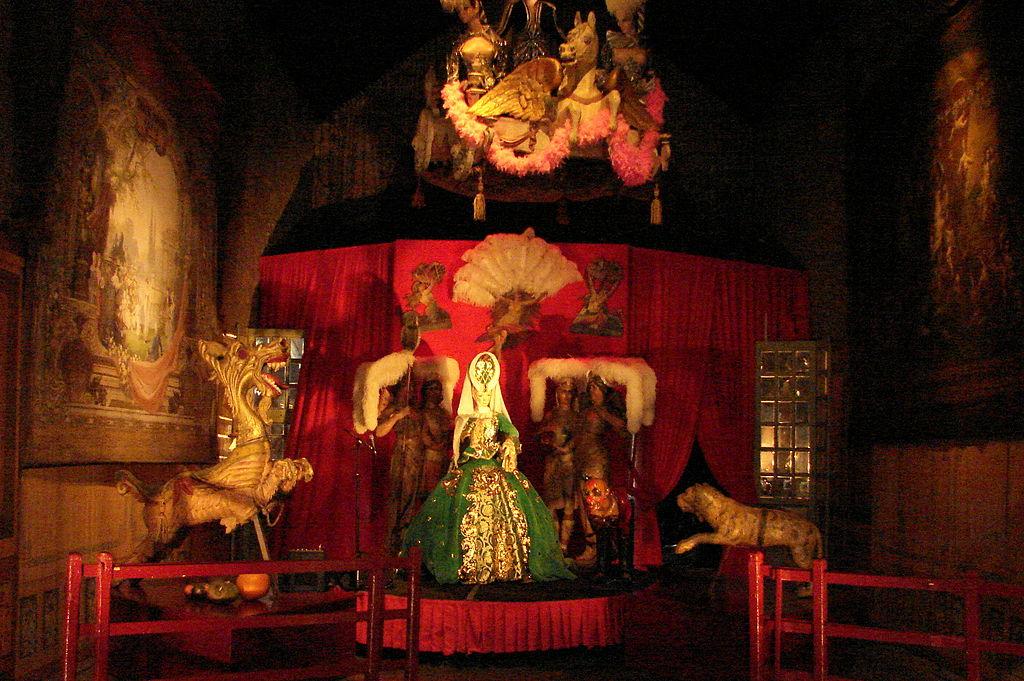
Musée des Arts Forains
A museum devoted to fairground arts and rides.
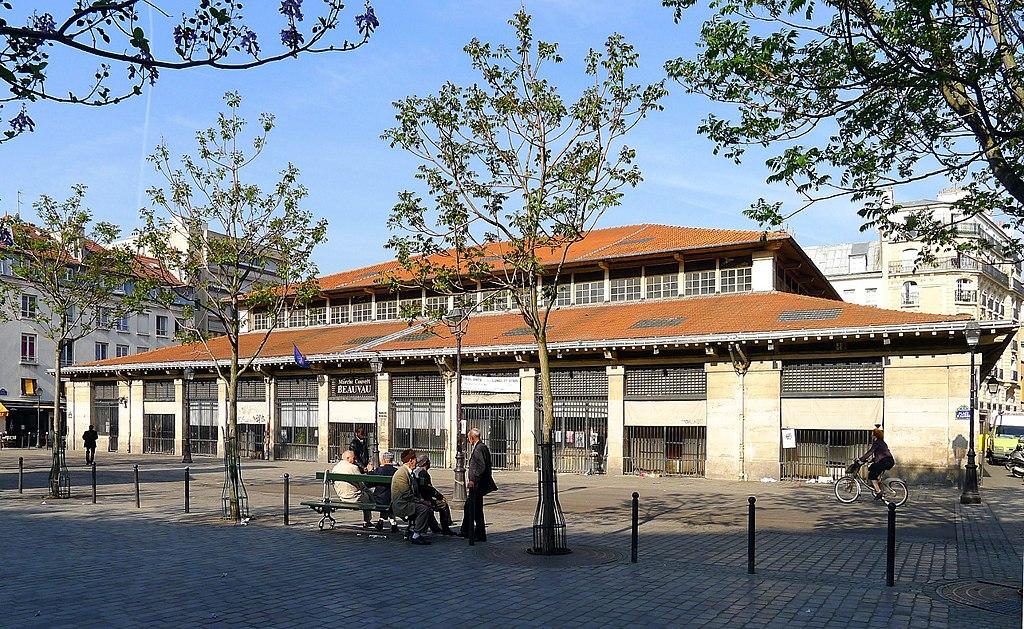
Aligre Market
A lively neighborhood market in the 12th arrondissement.
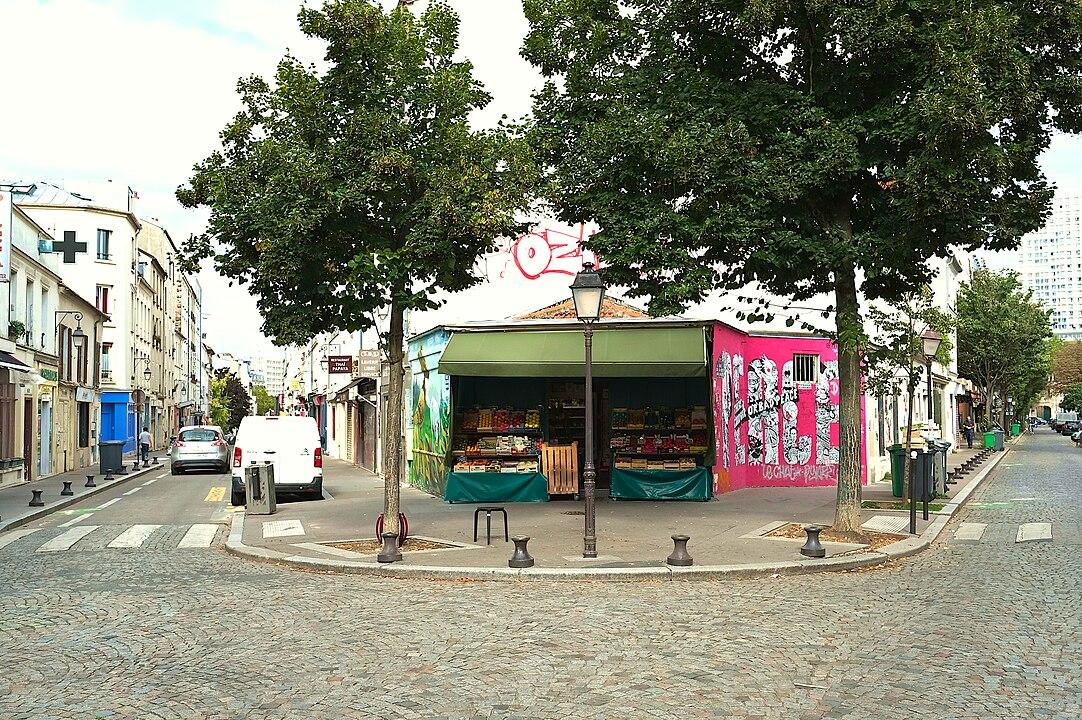
La Butte-aux-Cailles
A village-like hill with murals, cafés, and pools.
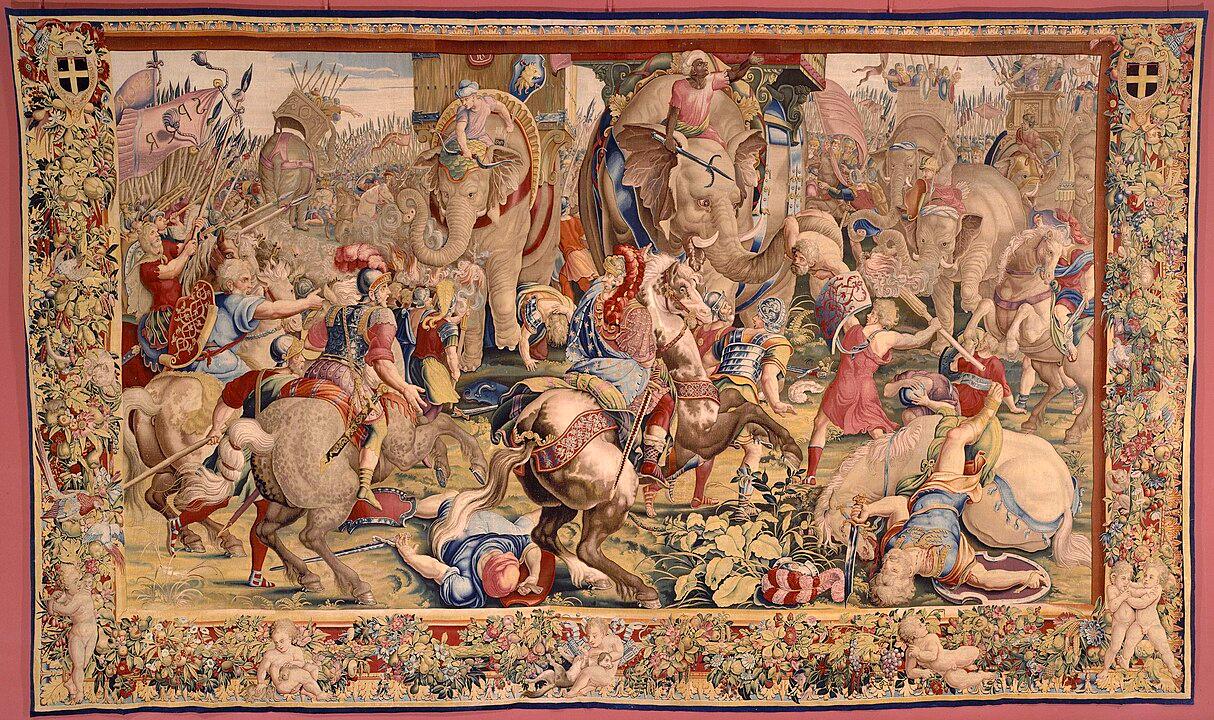
Gobelins Manufactory
A historic tapestry and textile manufactory.
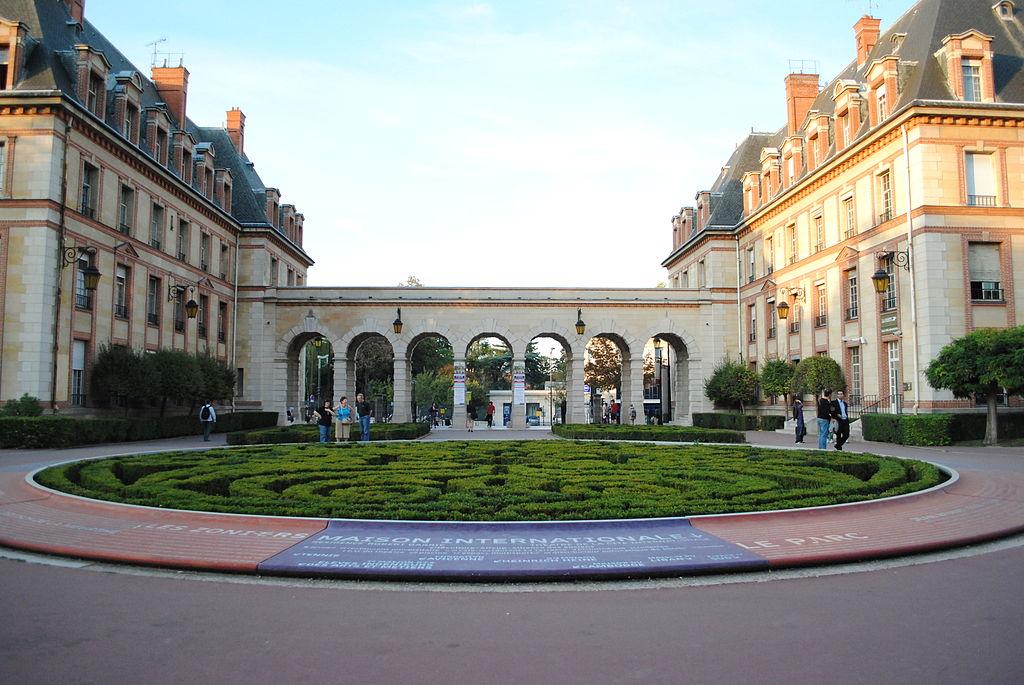
Cité Internationale Universitaire de Paris
A residential campus hosting students from around the world.
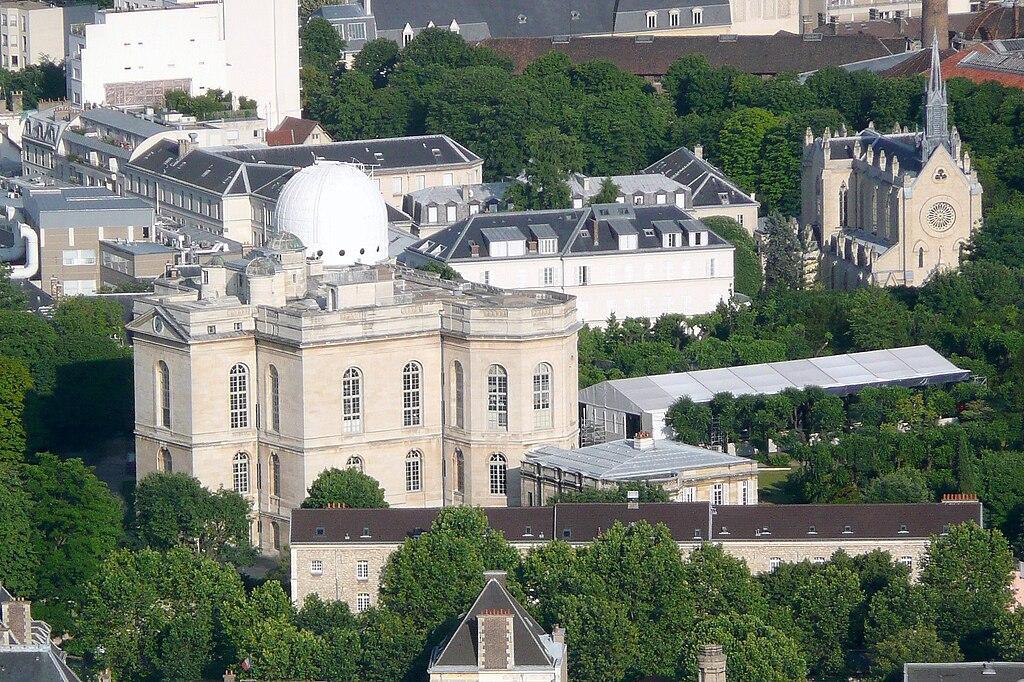
Paris Observatory
The nation’s oldest working astronomical observatory.
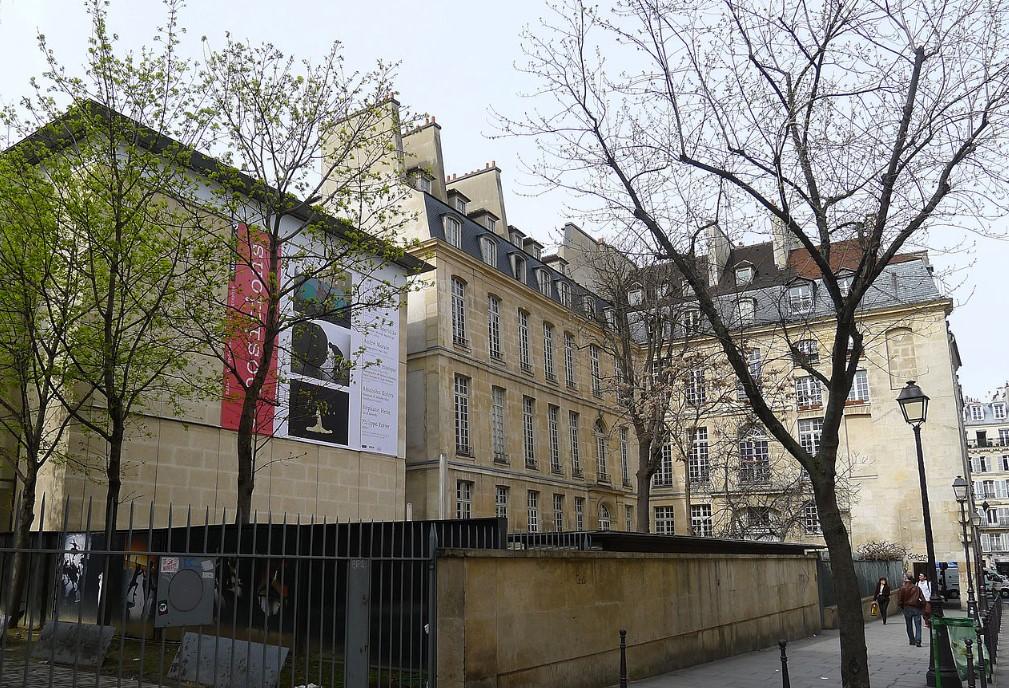
Maison de la Photographie
A photography venue dedicated to the medium’s history.
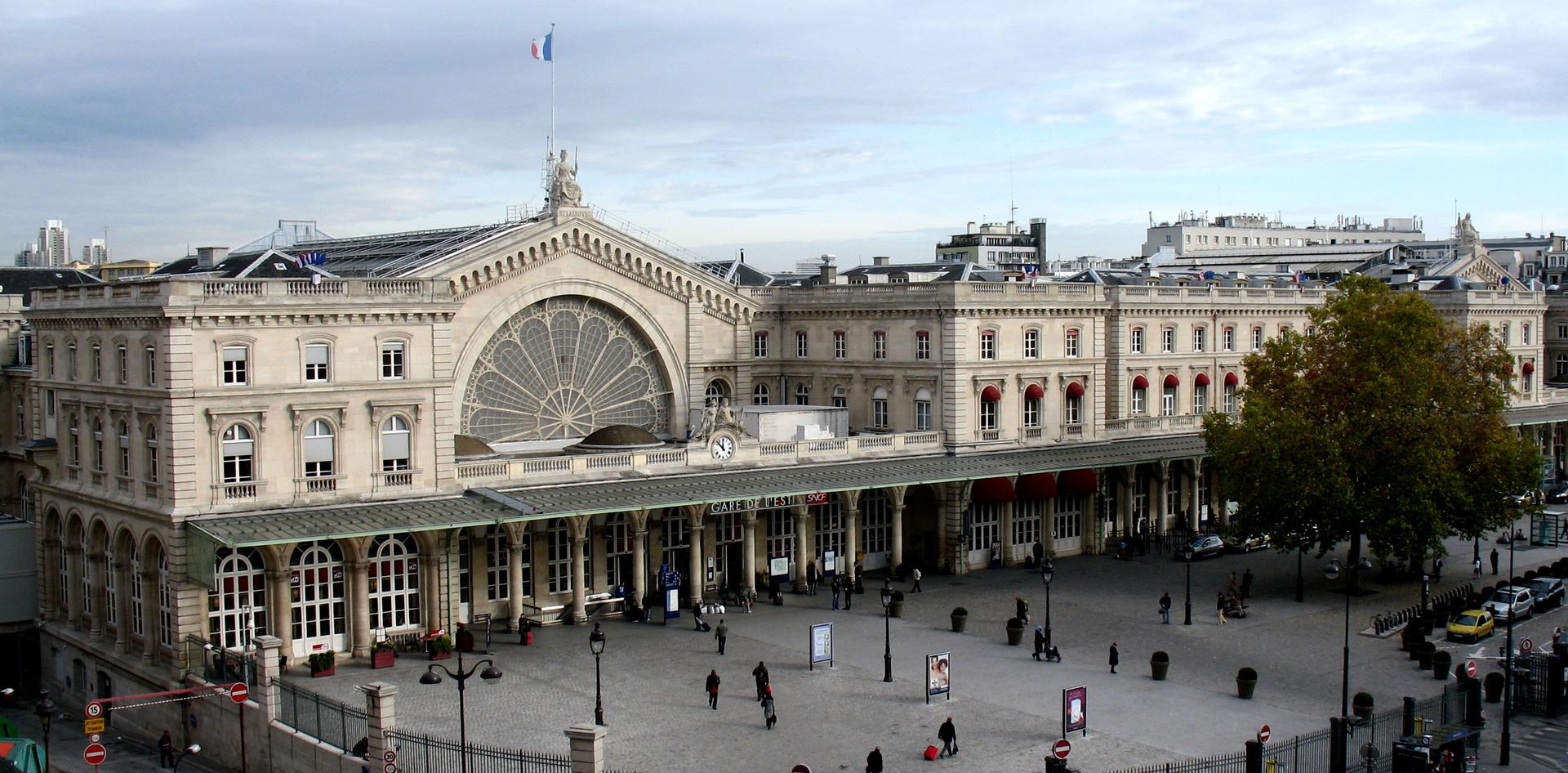
Gare de l'Est
Another grand 19th-century station serving the east.
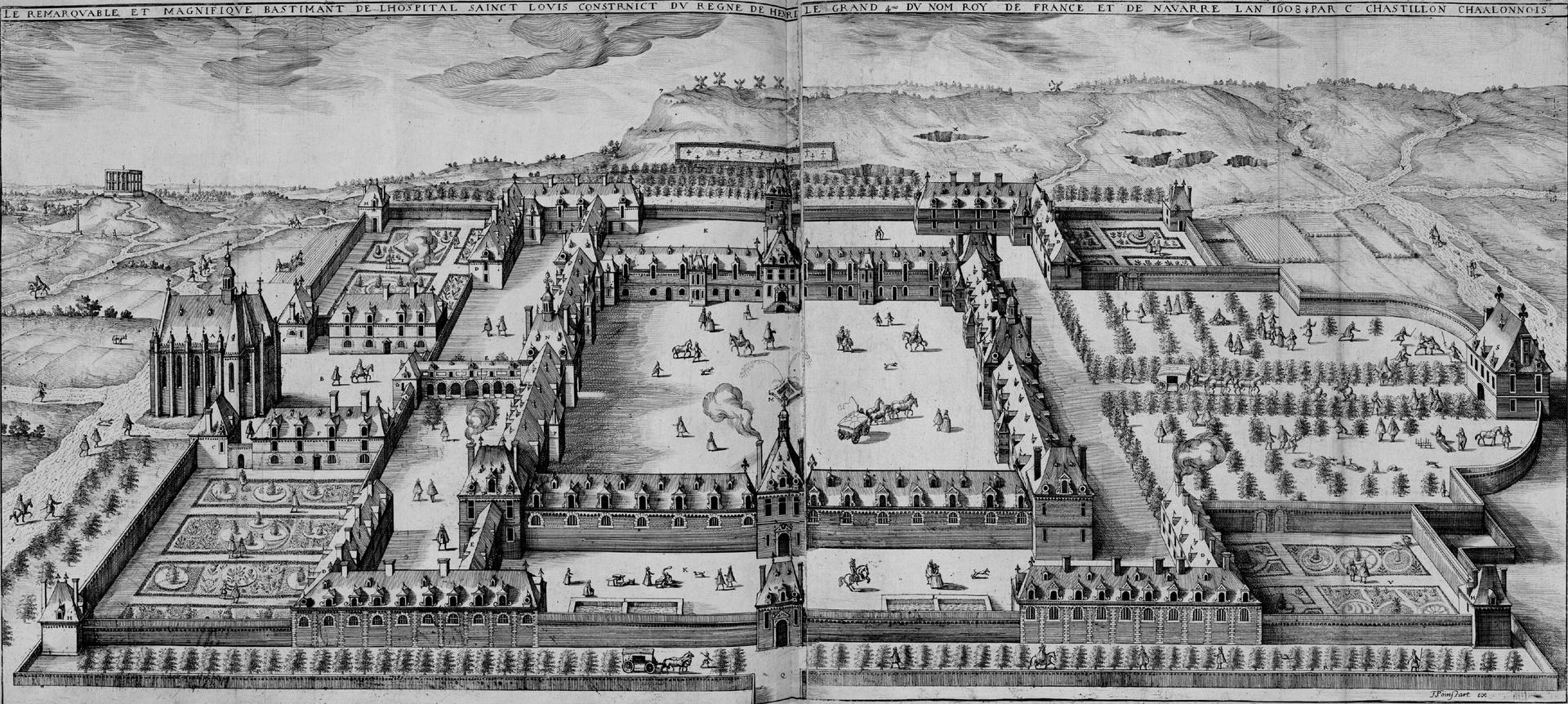
Musée des Moulages
A medical museum within a historic hospital complex.
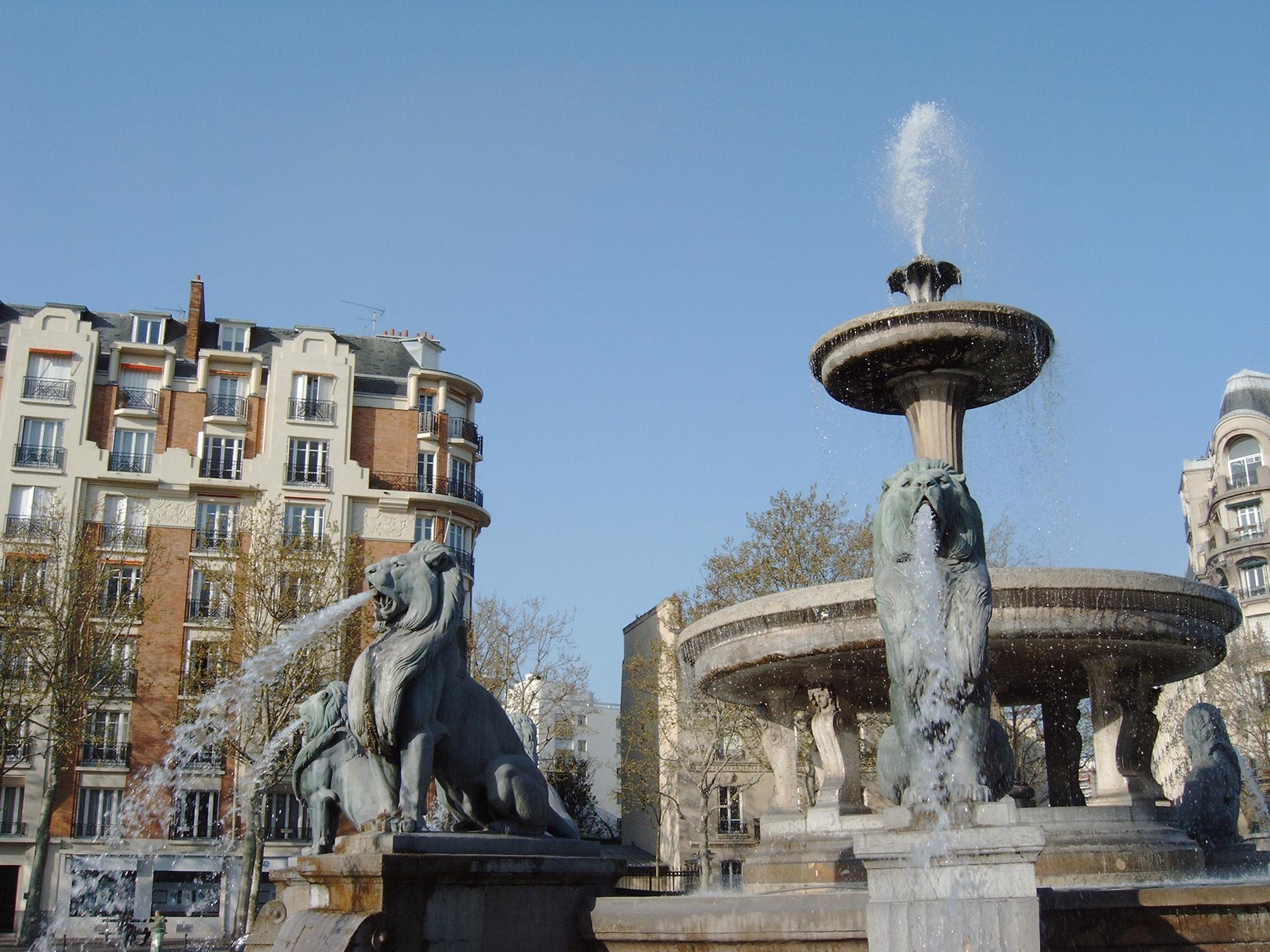
Rue du Château d'Eau
A street once known for water vendors and hair salons.
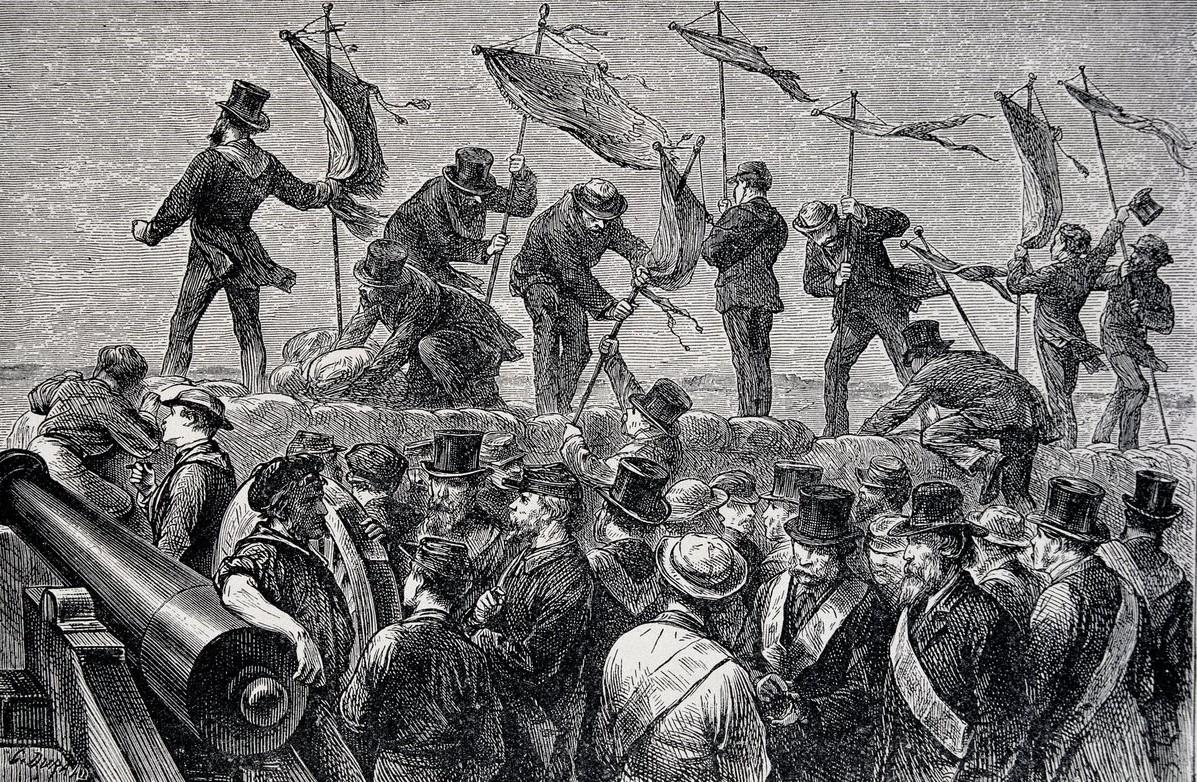
Freemasonry in France
An overview of Freemasonry’s role and culture in France.
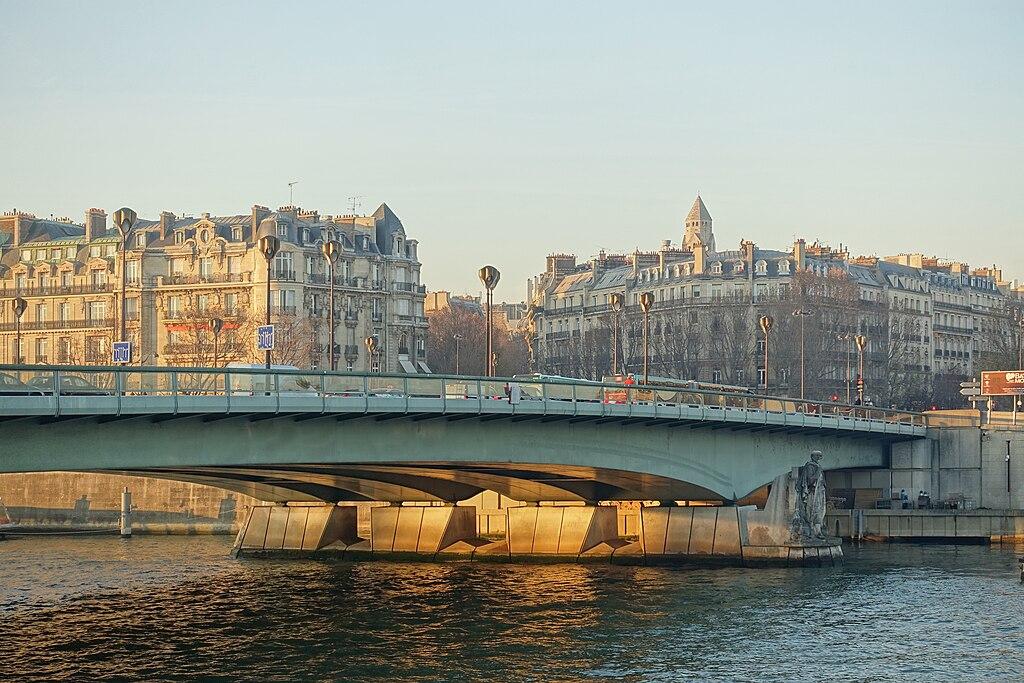
Pont de l’Alma
A bridge and tunnel area linked to modern memorials.
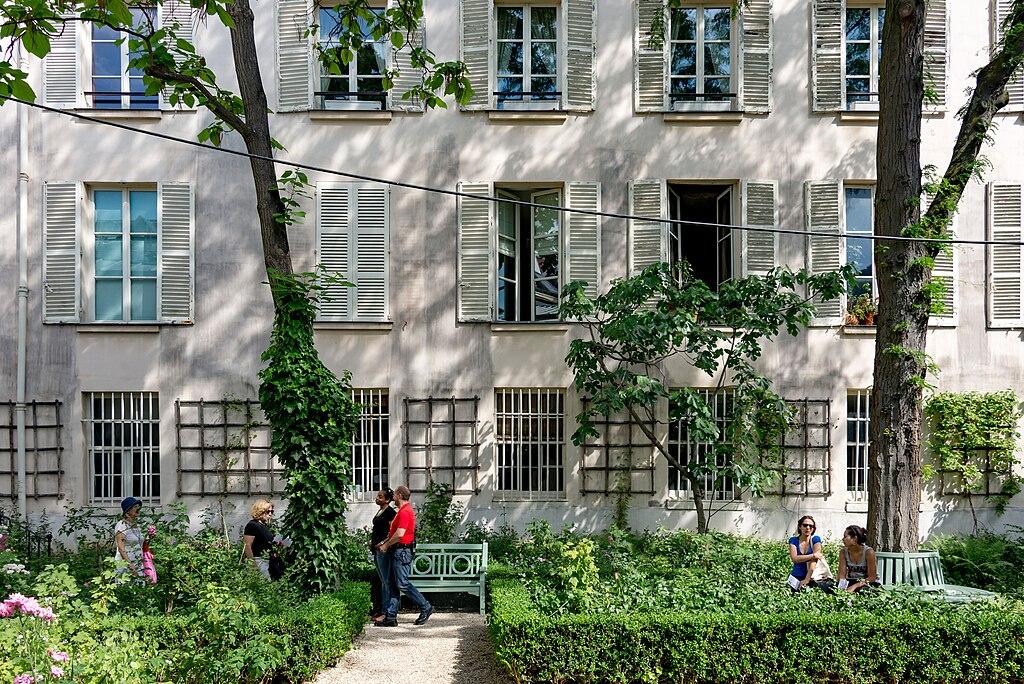
Musée national Eugène Delacroix
A museum in Delacroix’s former home and studio.
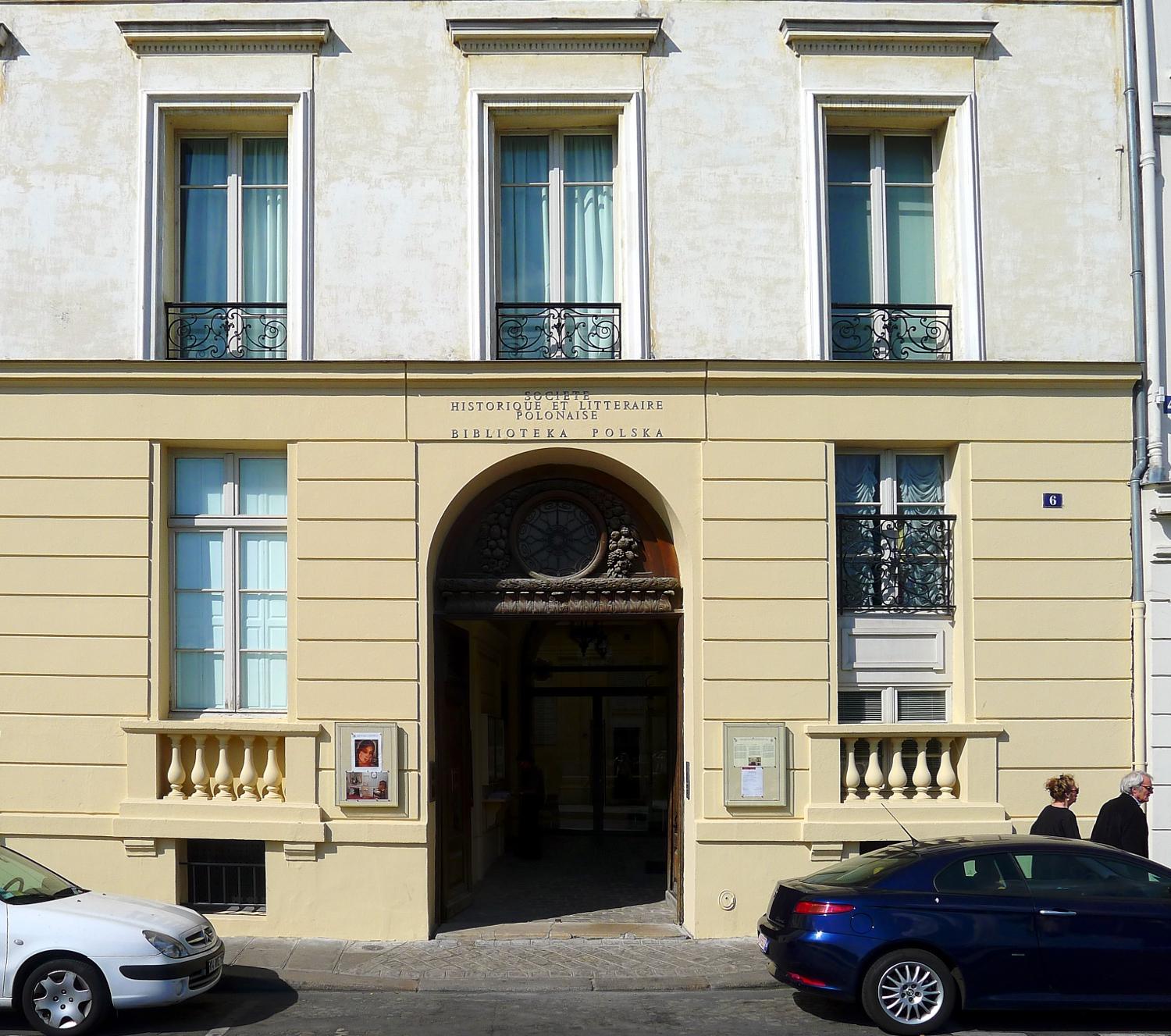
Musée Adam Mickiewicz
A small museum honoring the Polish poet Adam Mickiewicz.
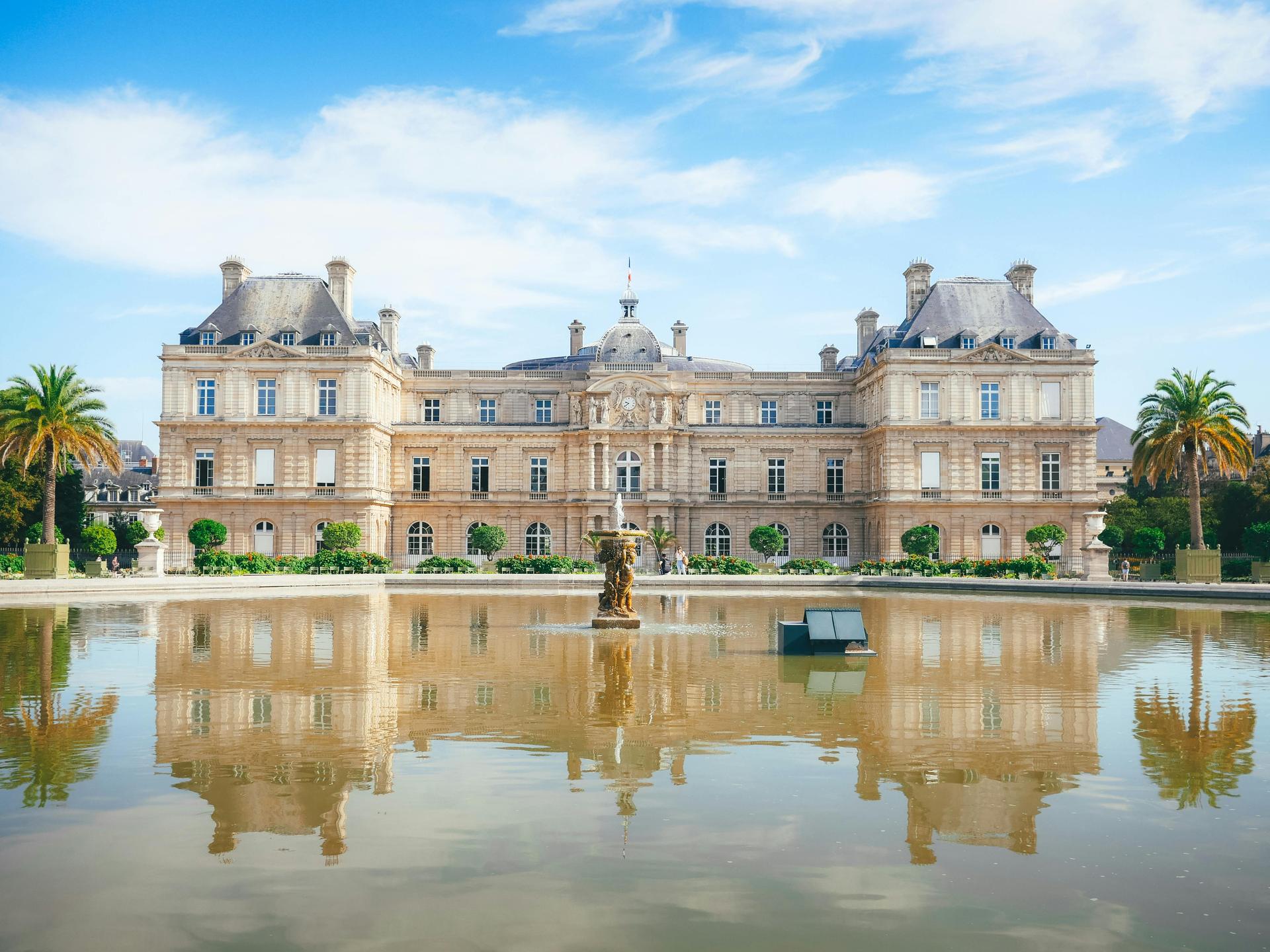
Palais du luxemburg
The French Senate’s seat beside the Luxembourg Gardens.
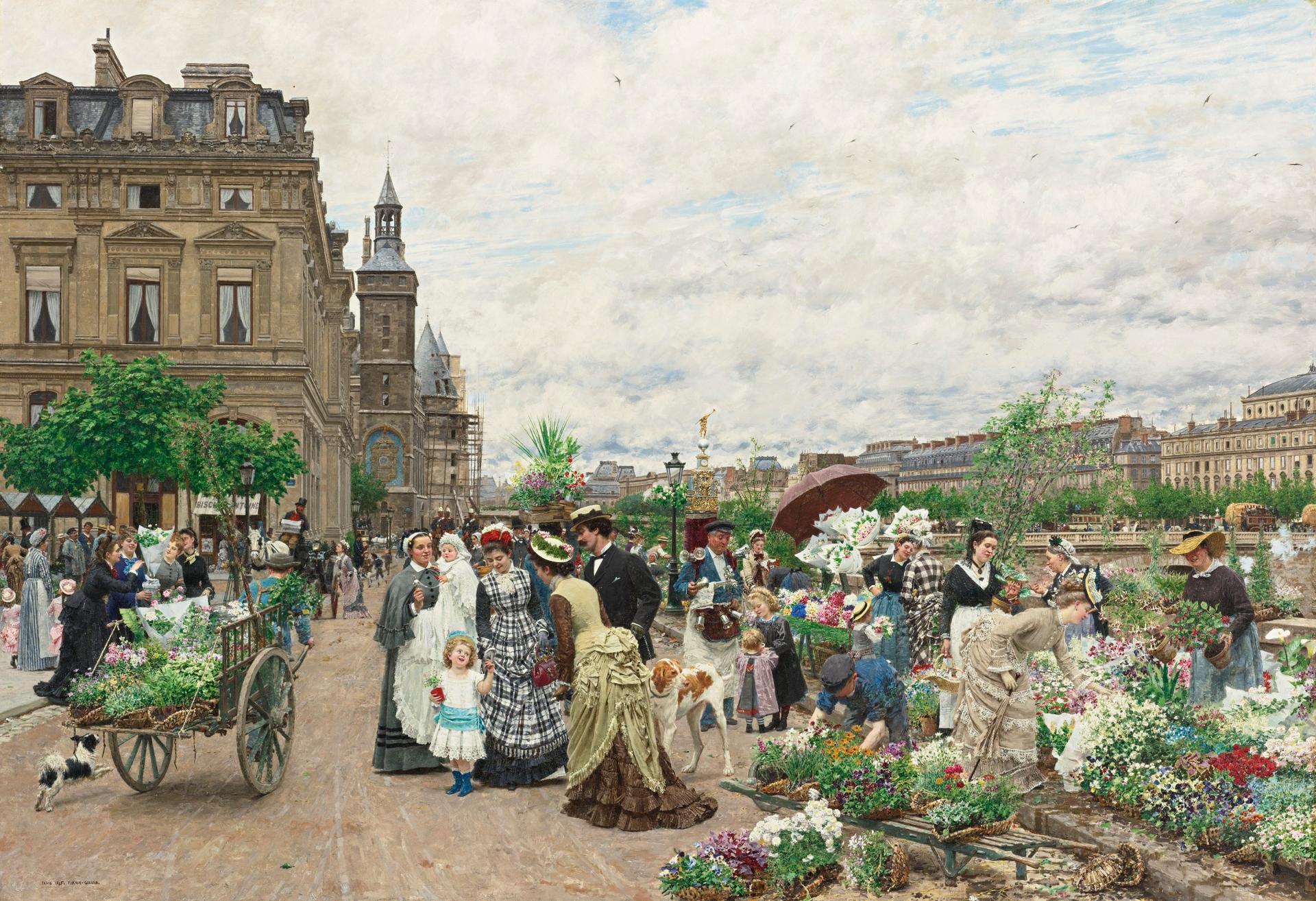
Marché aux fleurs
A central flower market with roots in the 19th century.
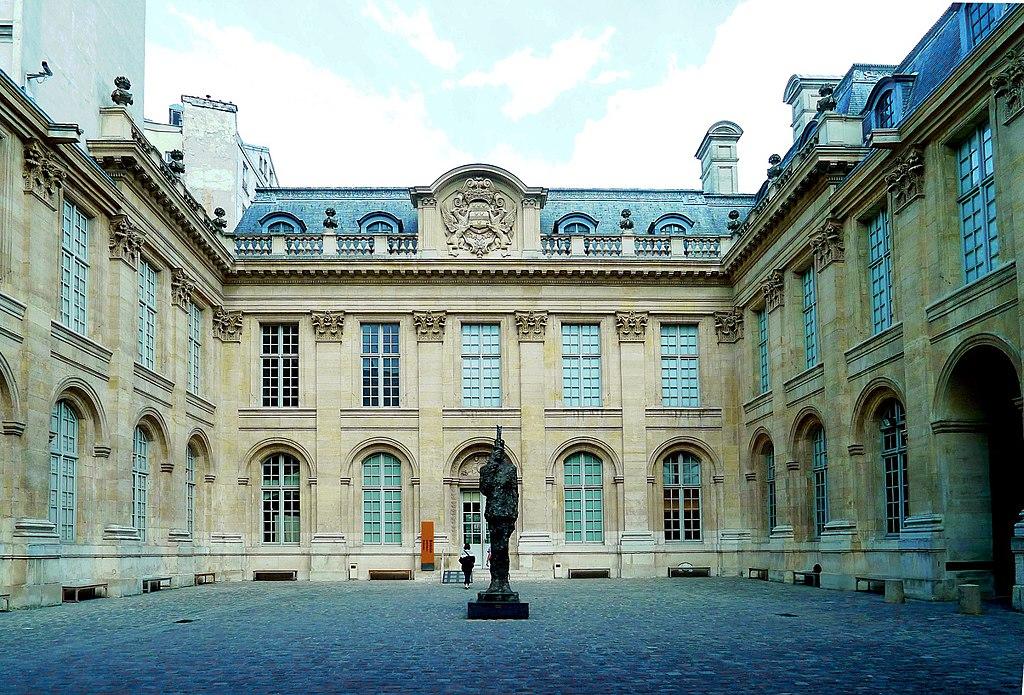
Musée d'Art et d'Histoire du Judaïsme
A museum exploring Jewish art, culture, and memory in France.
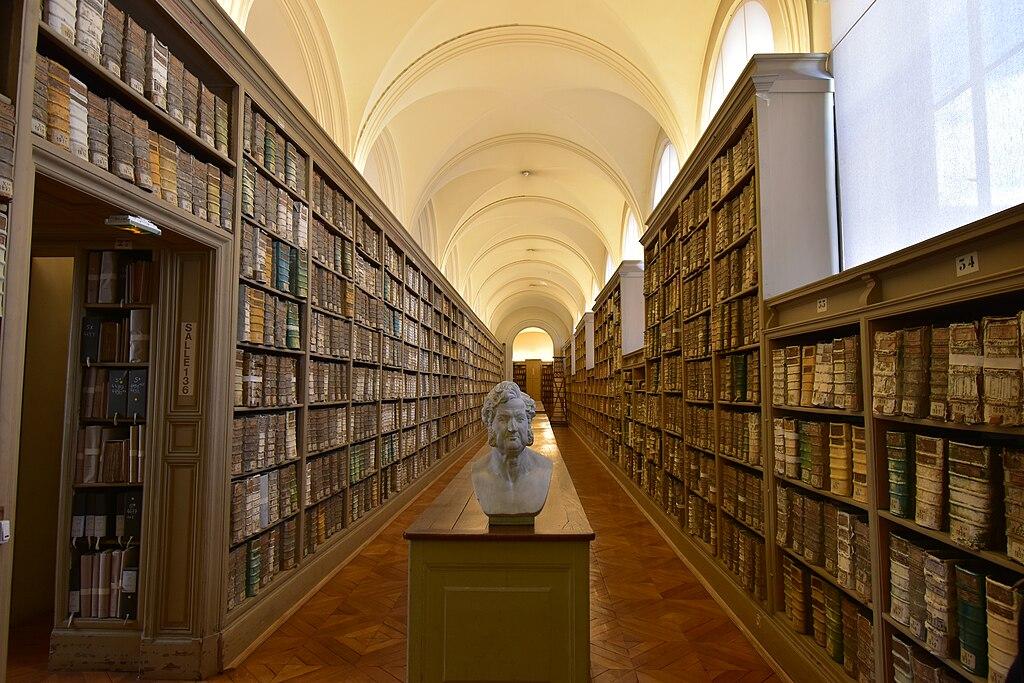
Archives Nationales
France’s state archives safeguarding centuries of documents.
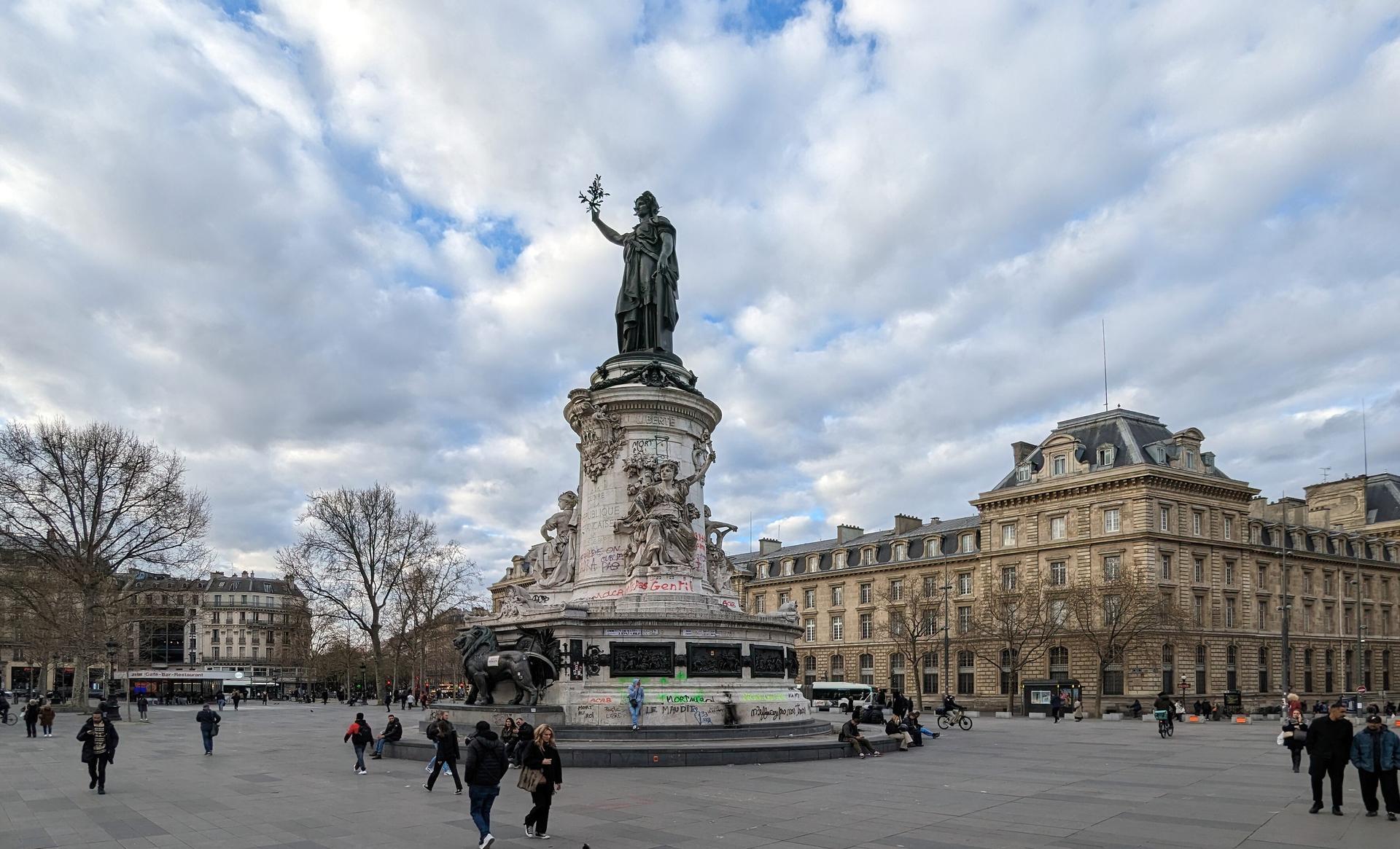
Place de la République
A vast square that has hosted protests, markets, and celebrations.
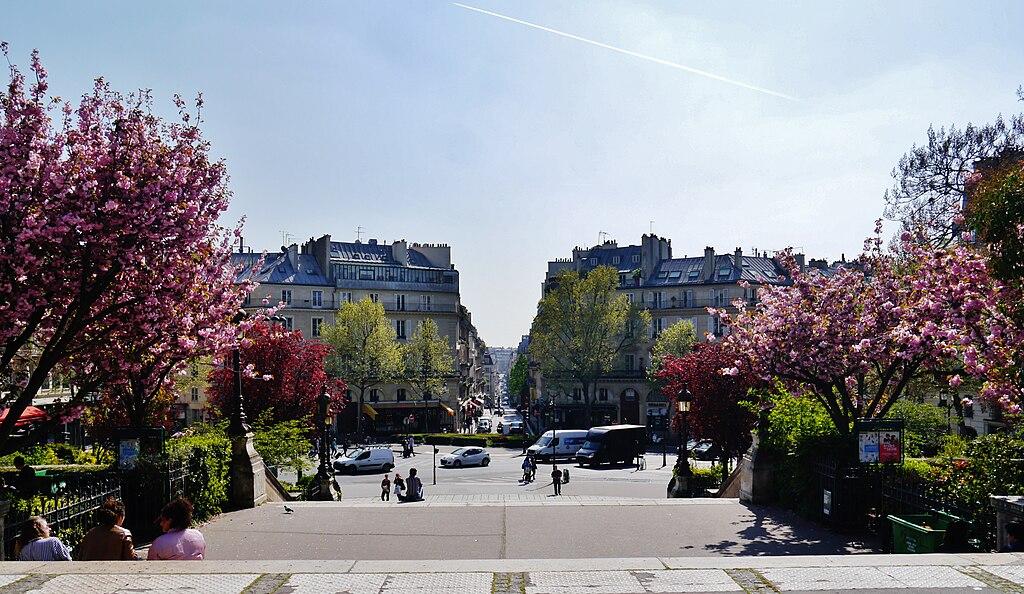
Square Franz Liszt
This quiet Parisian square was once the epicentre of an entire musical generation, and the story of how it got there starts with a 12-year-old being slammed in the face by a door.
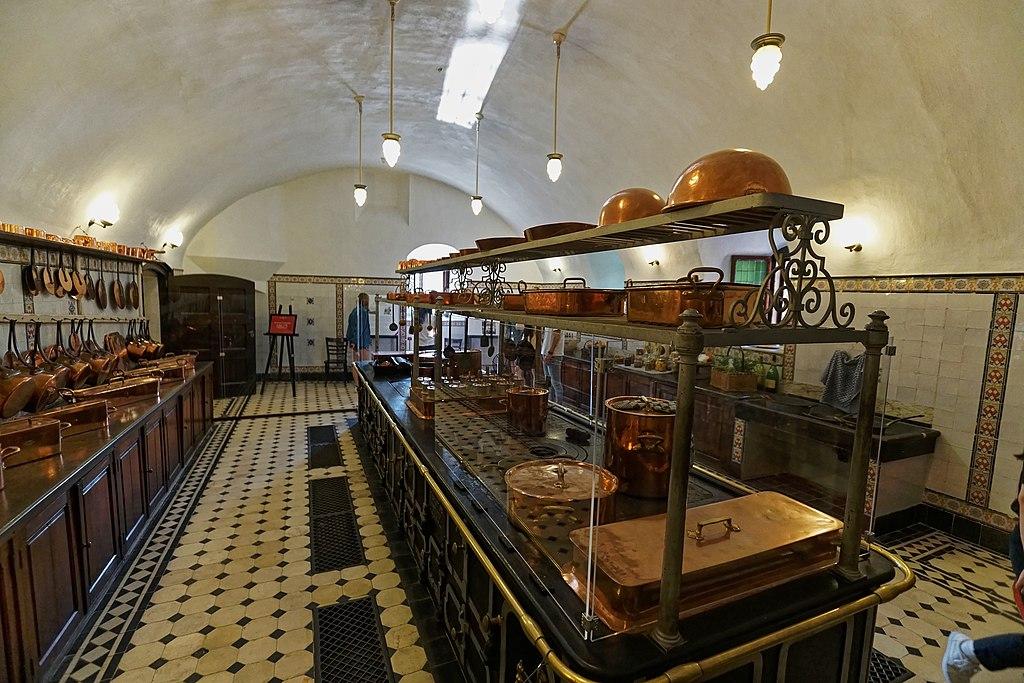
The French Cuisine
A snapshot of how regional traditions shaped French cuisine.
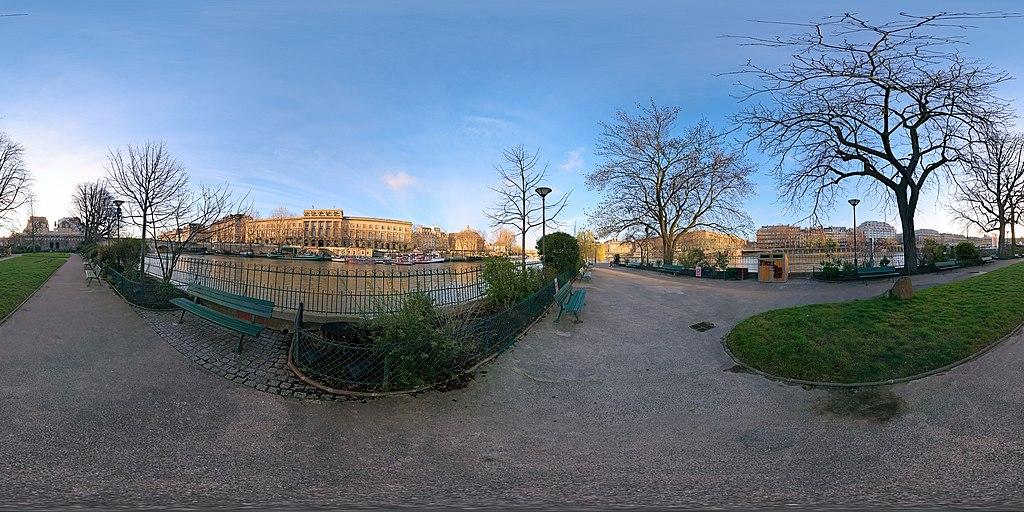
Square du Vert-Galant
A tiny riverside park with classic views beside the Pont Neuf.
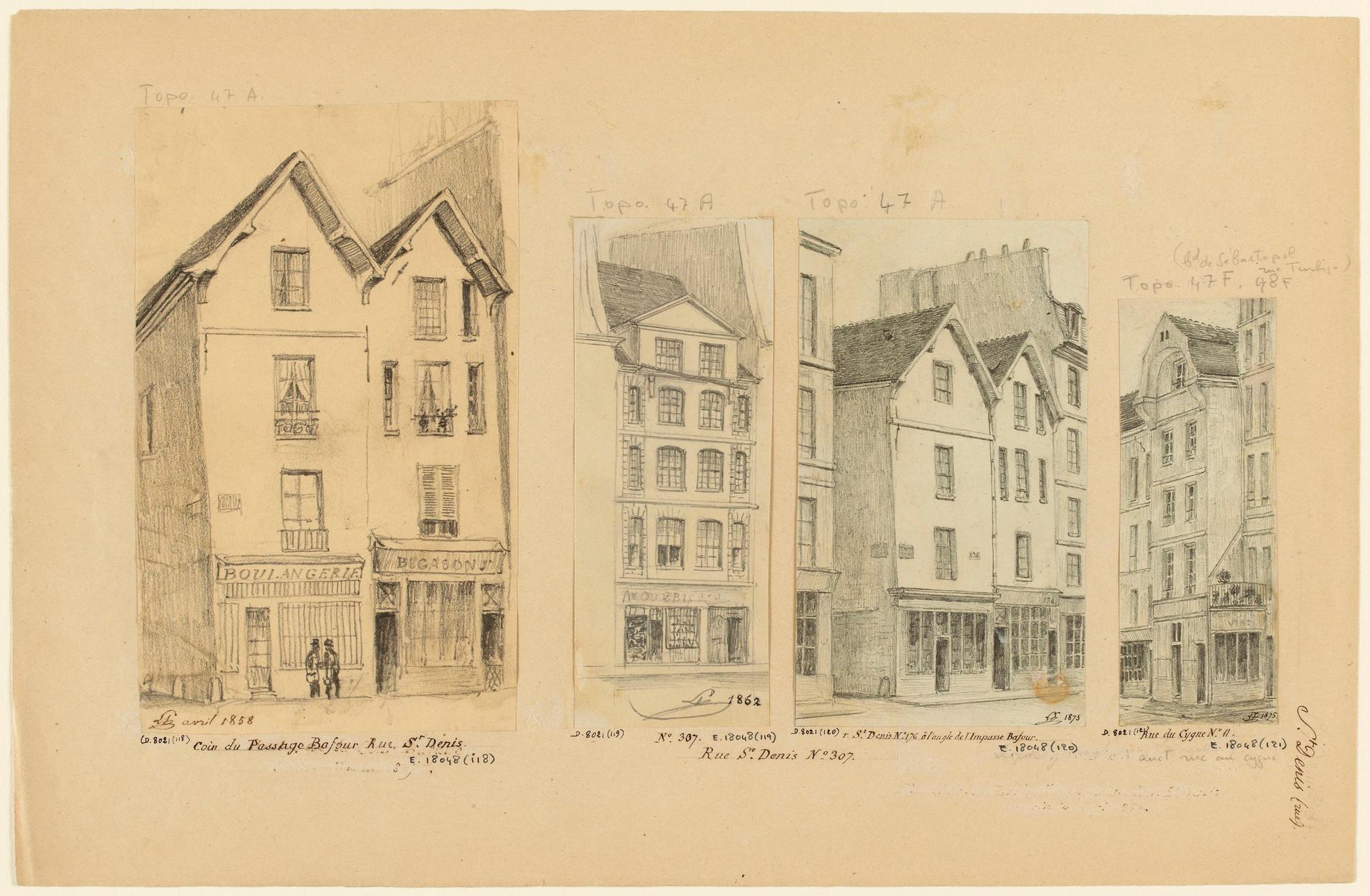
Rue Saint-Denis
One of Paris’s oldest streets, long tied to trade and nightlife.
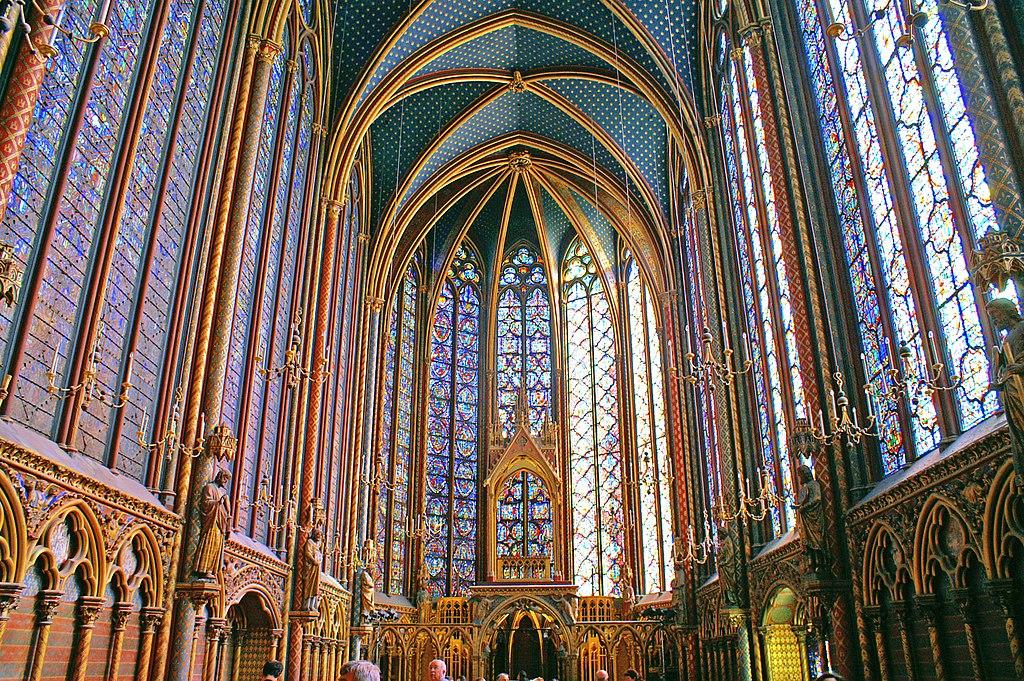
Sainte-Chapelle
Another view of the royal chapel, highlighting crown relics and craftsmanship.
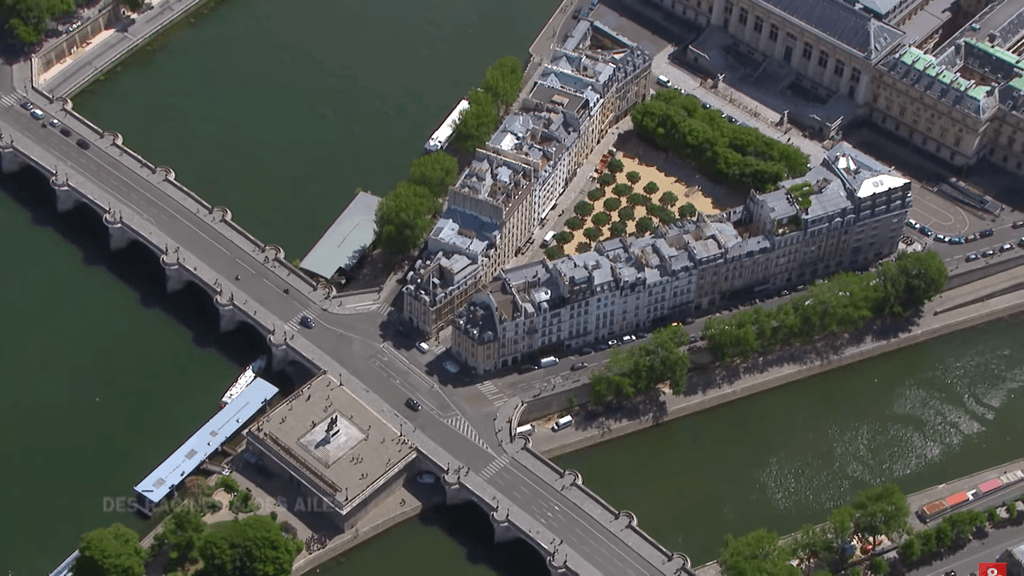
Place Dauphine
A triangular square from Henri IV’s urban plan at the tip of Île de la Cité.
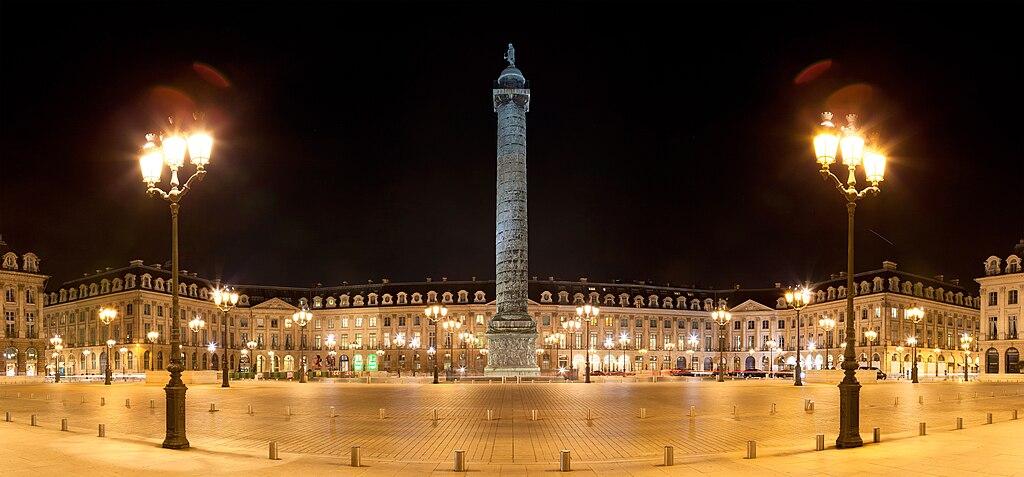
Place Vendôme
A harmonious 17th-century square famed for jewelry houses and uniform façades.
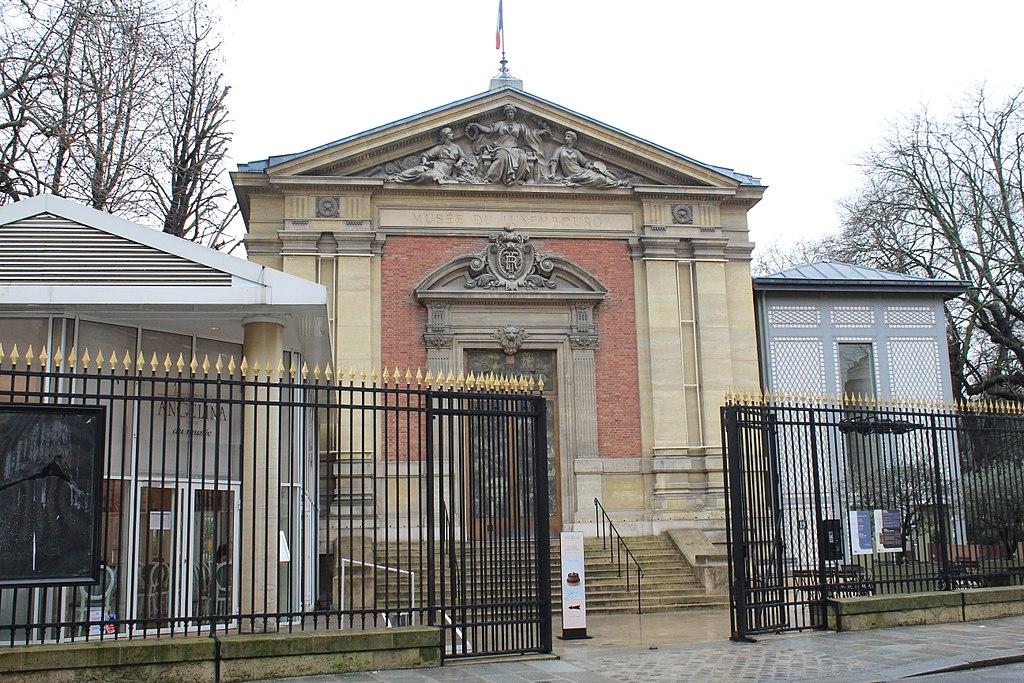
Musée du Luxembourg
A museum space devoted to rotating art exhibitions.
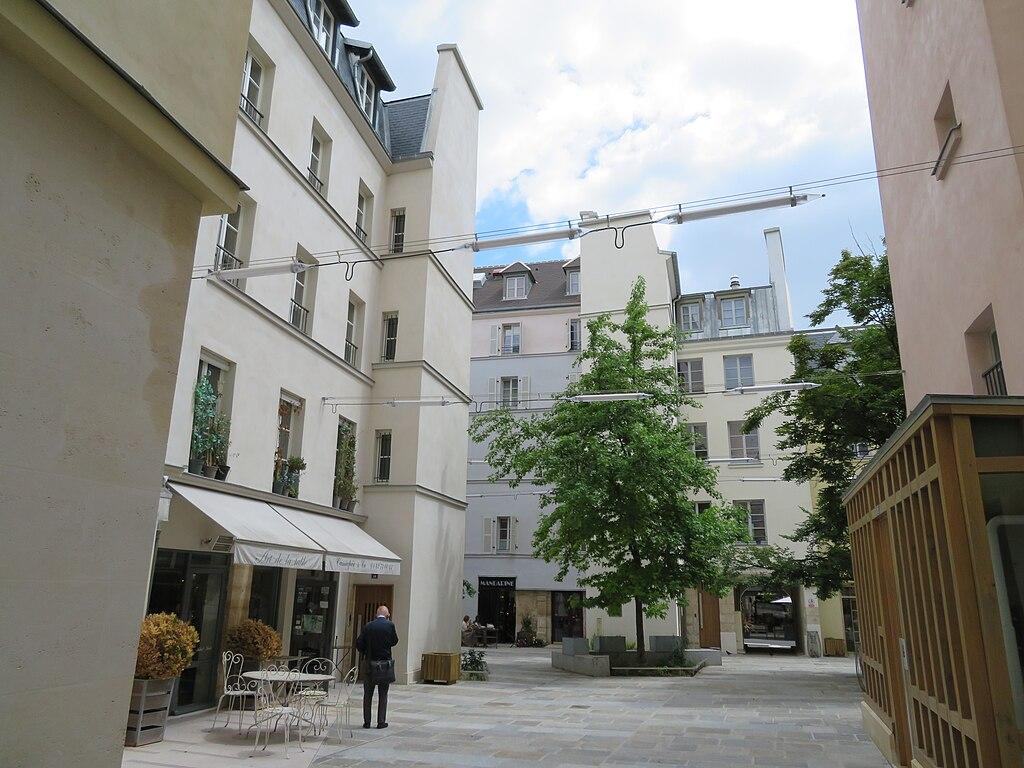
Le Village Saint-Paul
Tucked behind a church in the heart of Paris, a secret village has been hiding in plain sight for over six hundred years.
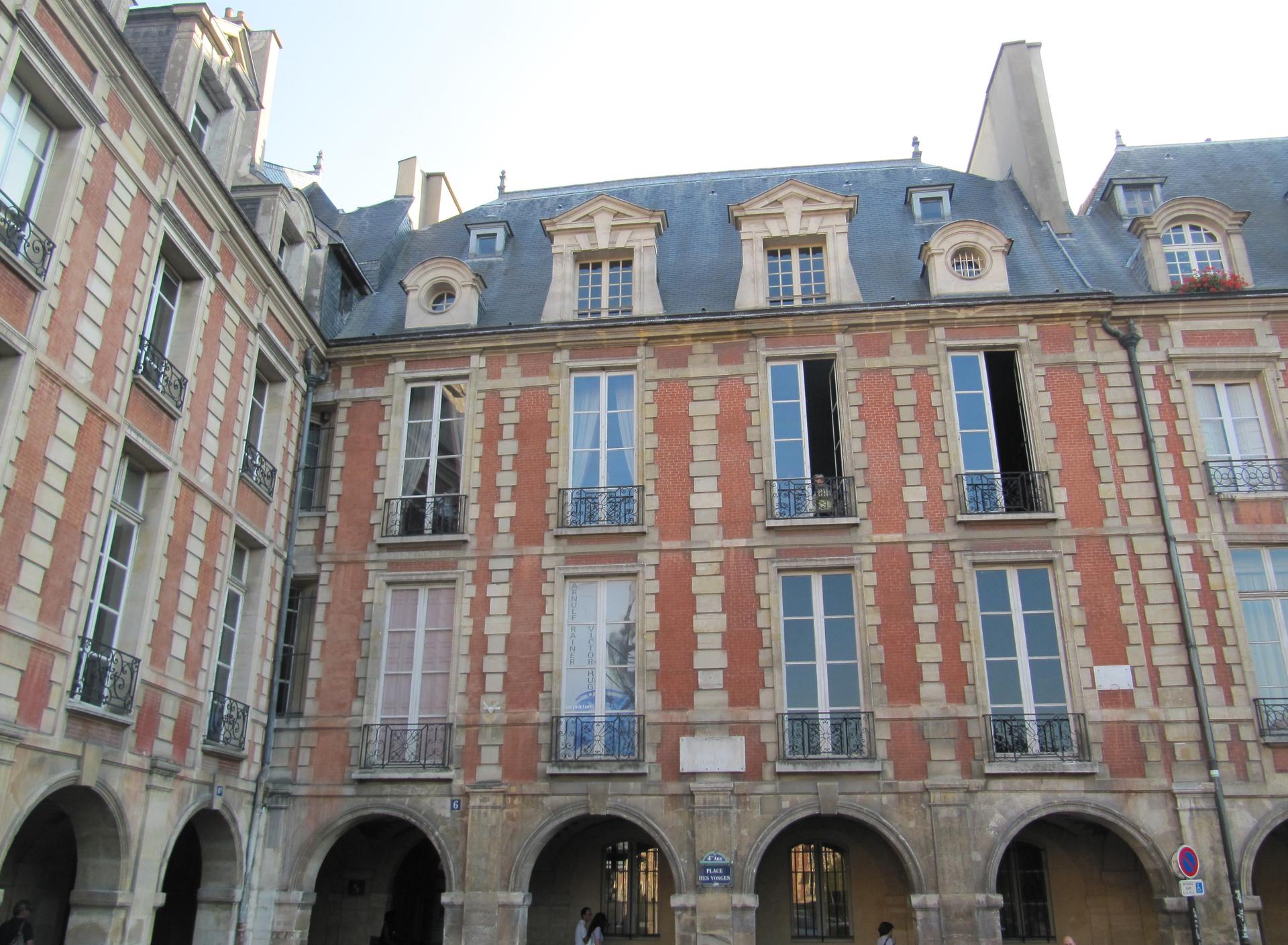
Maison de Victor Hugo
Victor Hugo’s restored home, where Les Misérables took shape.
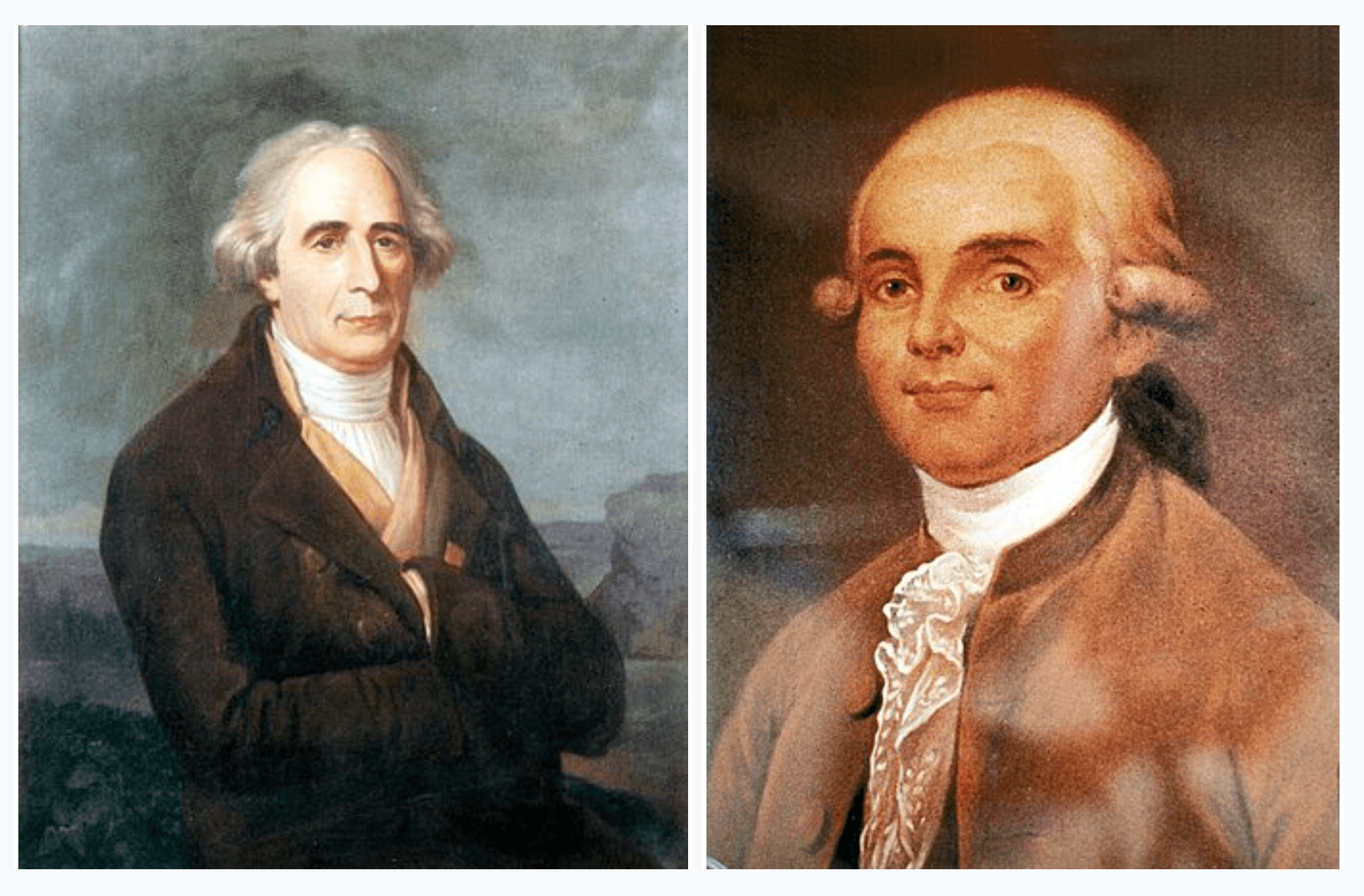
First Balloon flight and the Montgolfier brothers
The pioneers of manned flight and a Paris launch.
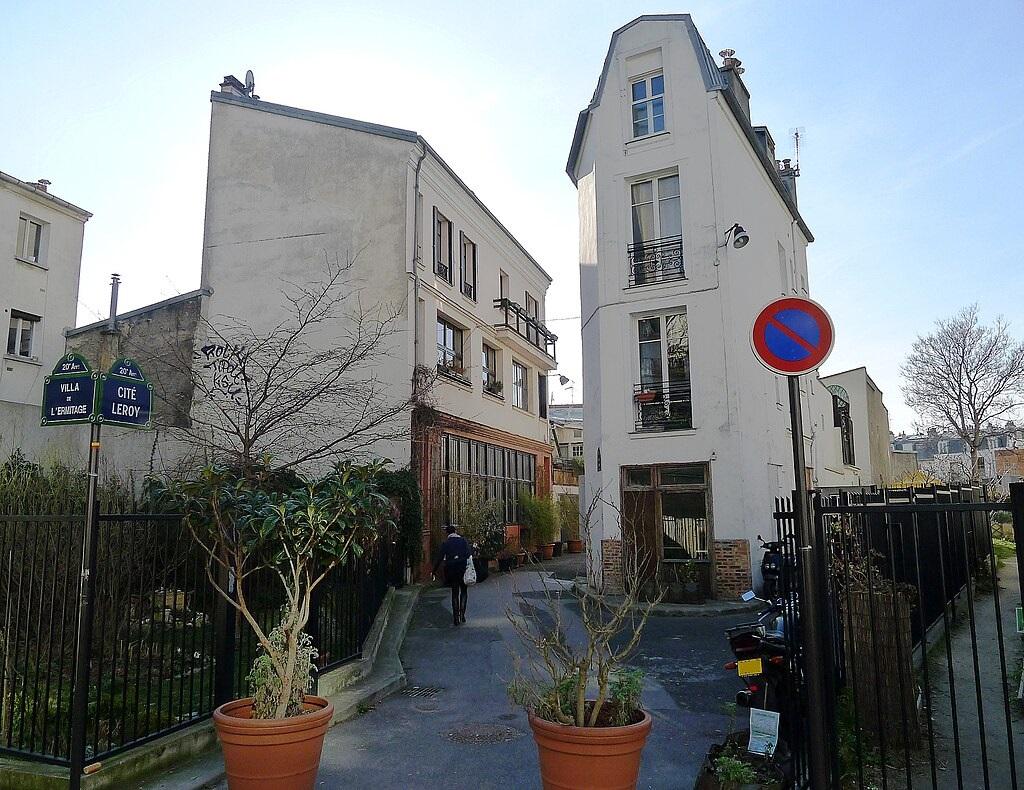
Cité Leroy
A quiet cobbled lane lined with small houses and gardens.
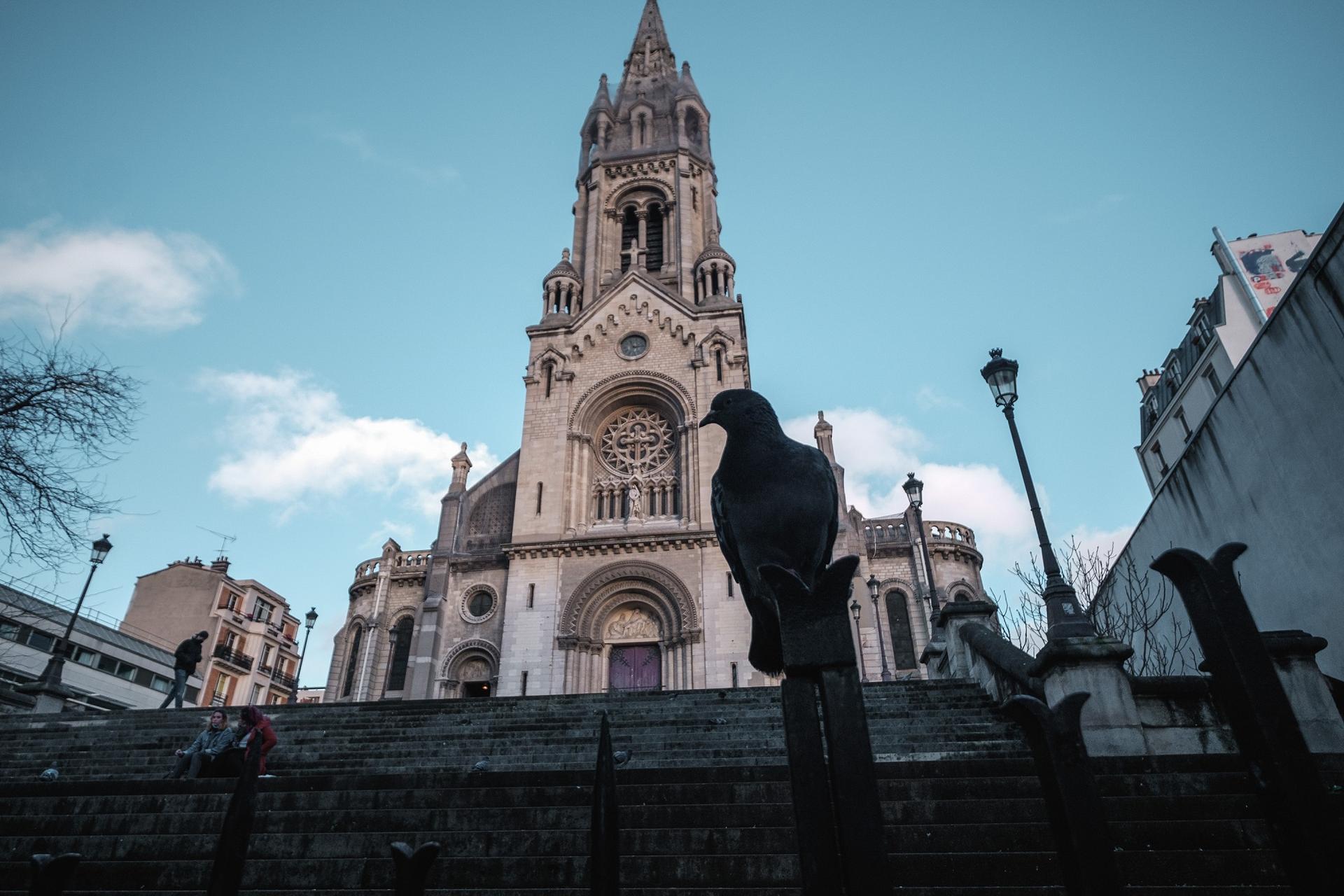
Eglise Notre Dame de La Croix
A 19th-century church dominating the Ménilmontant skyline.
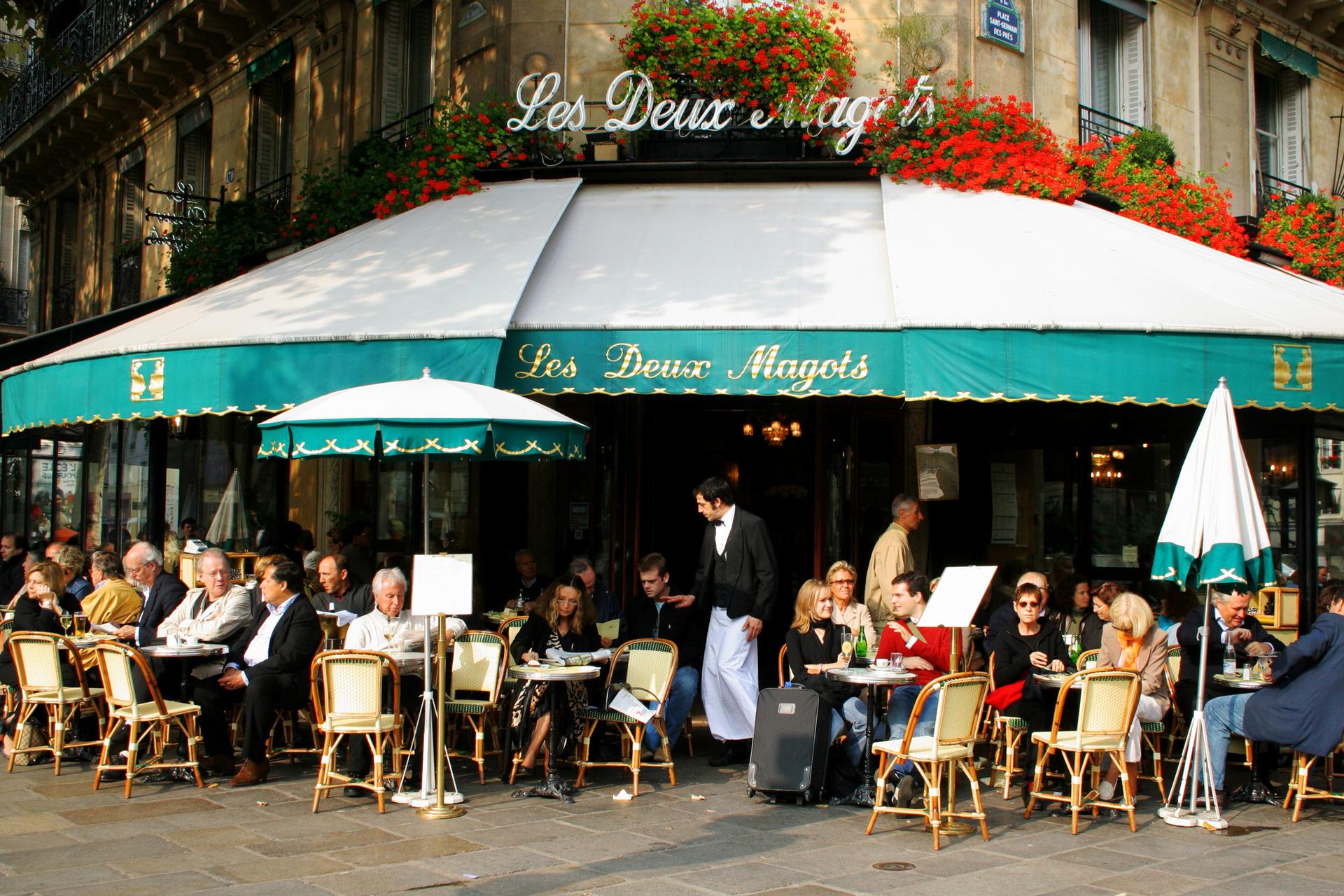
The Terraces
A glance at Paris’s café-terrace culture and rituals.
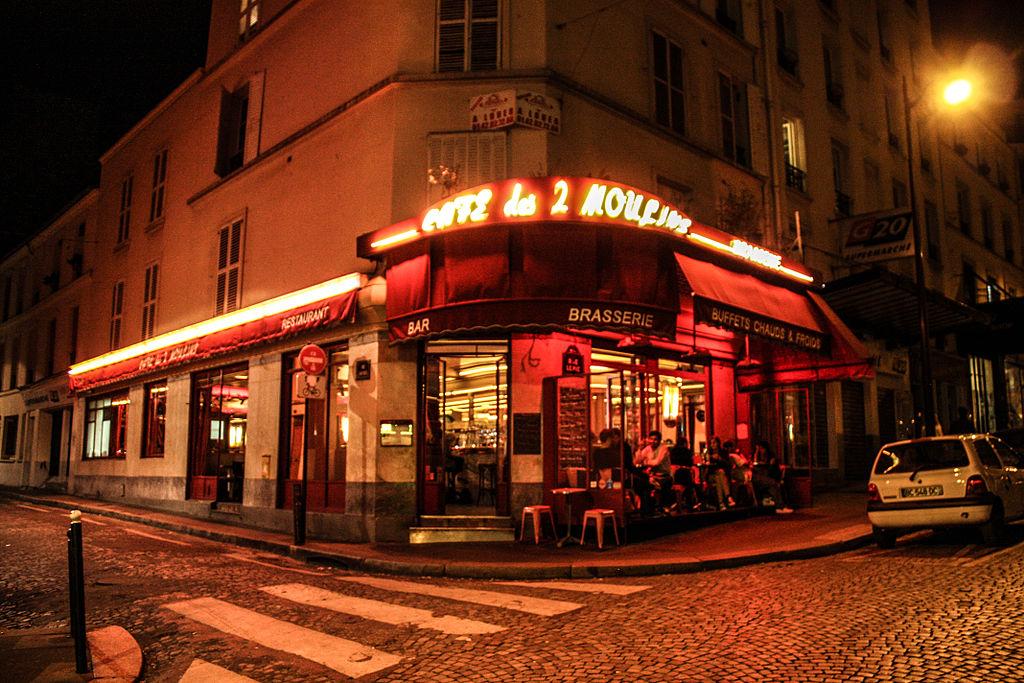
Café des 2 Moulins
A café made famous by the film Amélie.
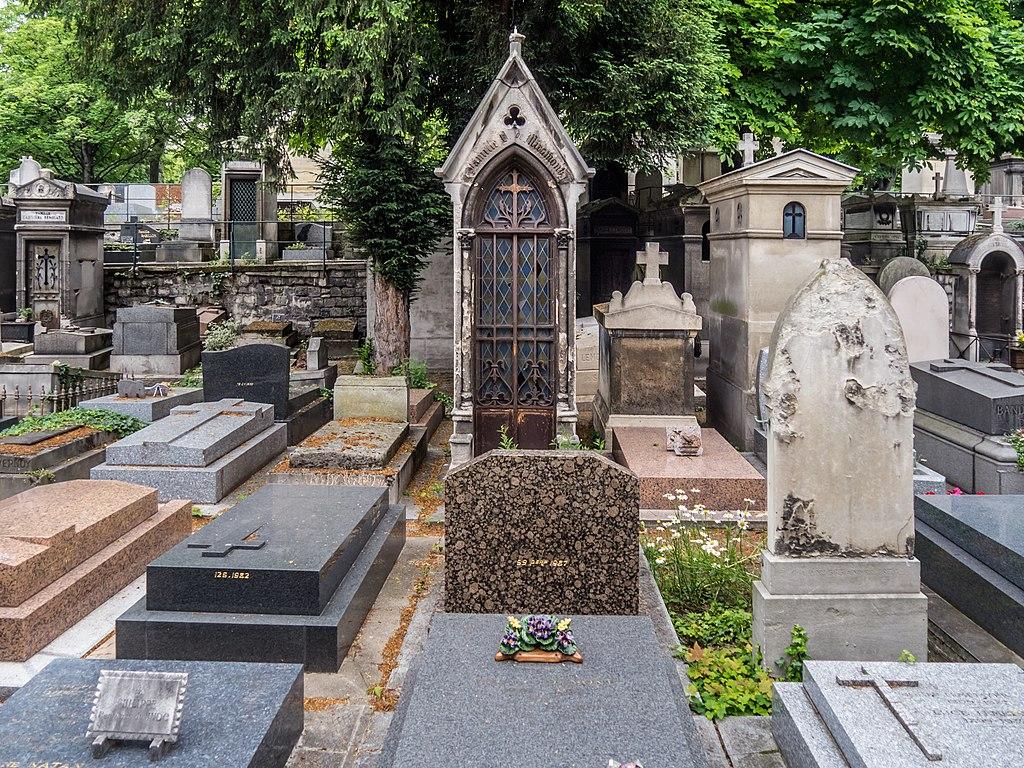
Cimetière de Montmartre
A cemetery where many notable figures are buried.
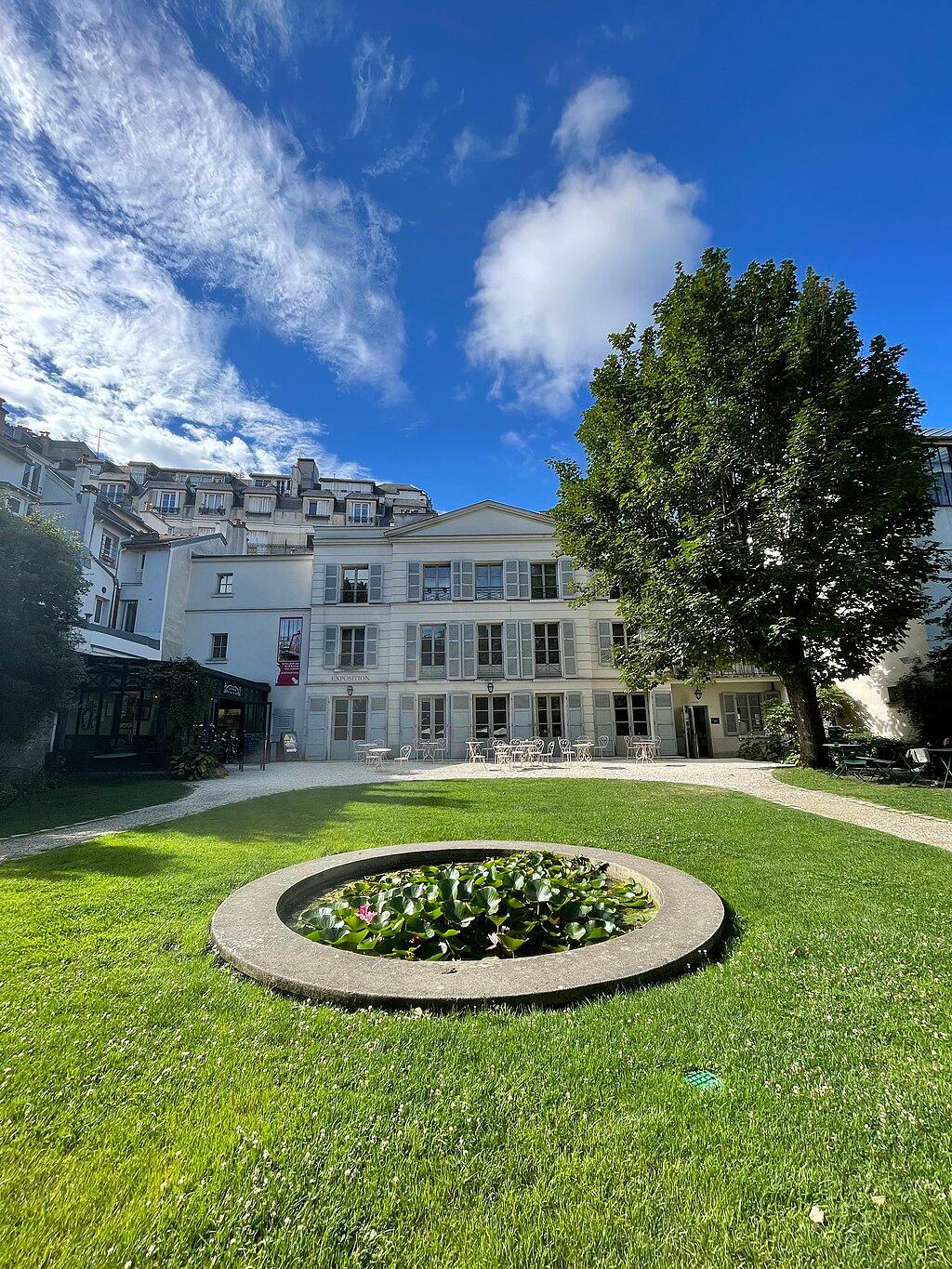
Musée de Montmartre
A museum chronicling Montmartre’s village history.
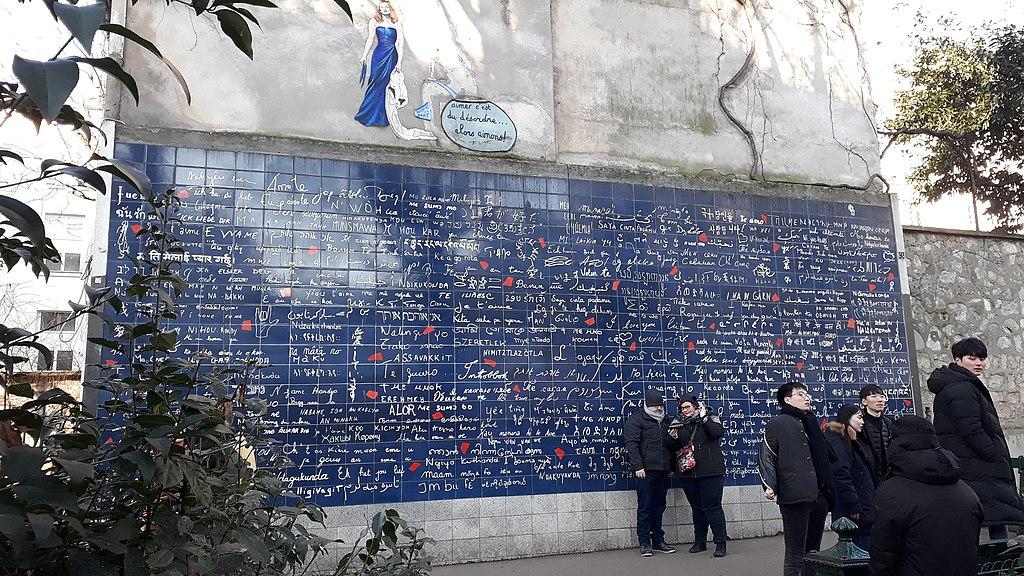
Le Mur des Je t'aime
A wall spelling “I love you” in hundreds of languages.
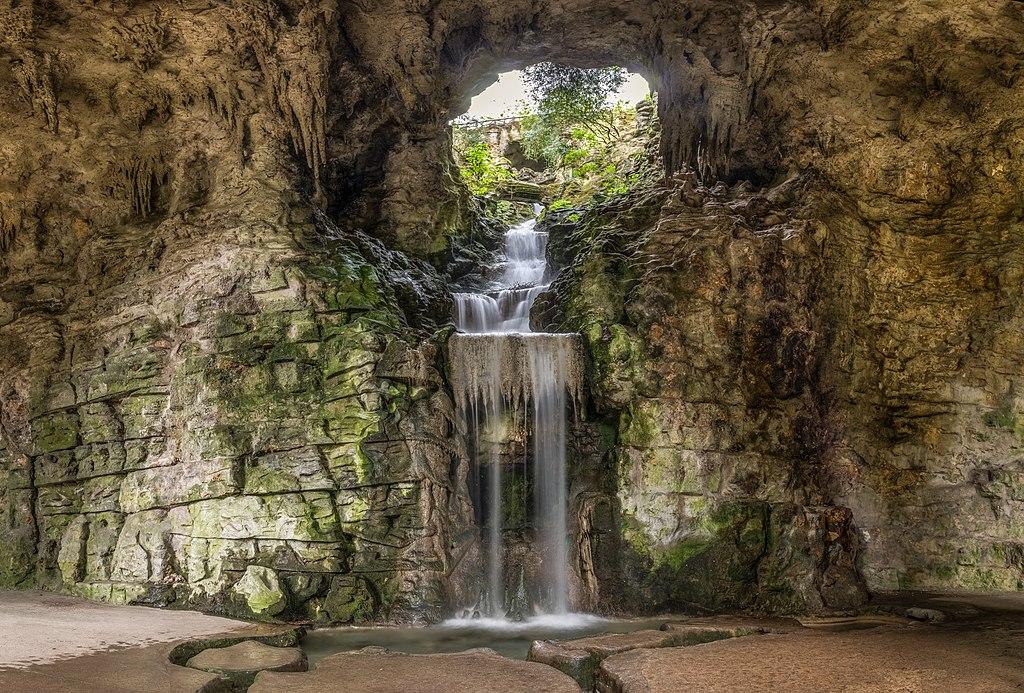
Parc des Buttes-Chaumont
A dramatic park of hills, bridges, and lake views.
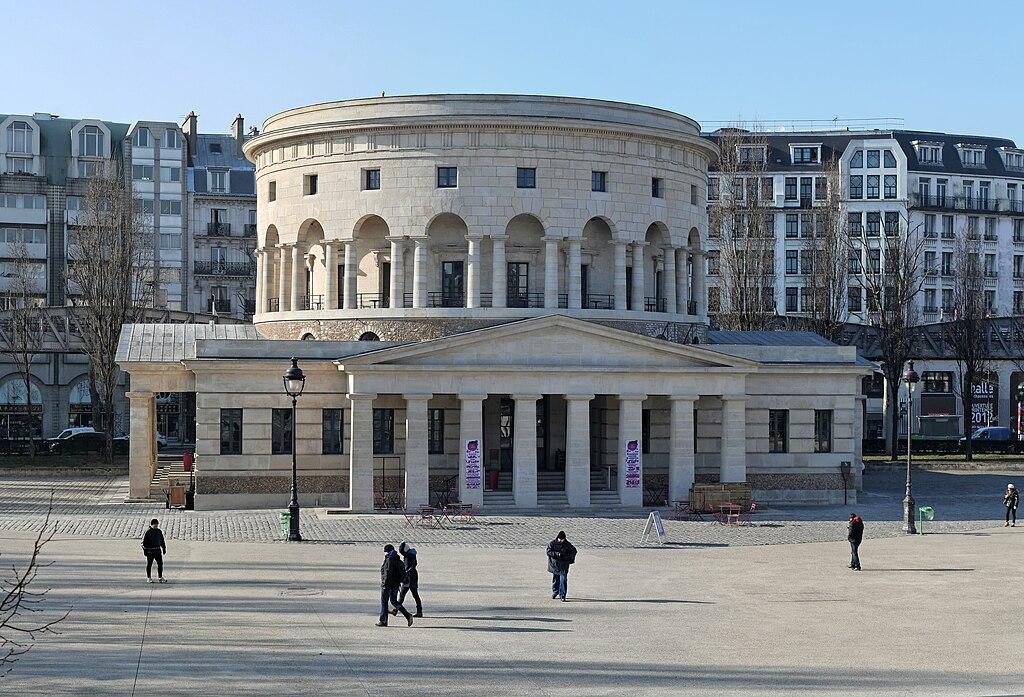
La Villette
A cultural park with music halls, museums, and lawns.
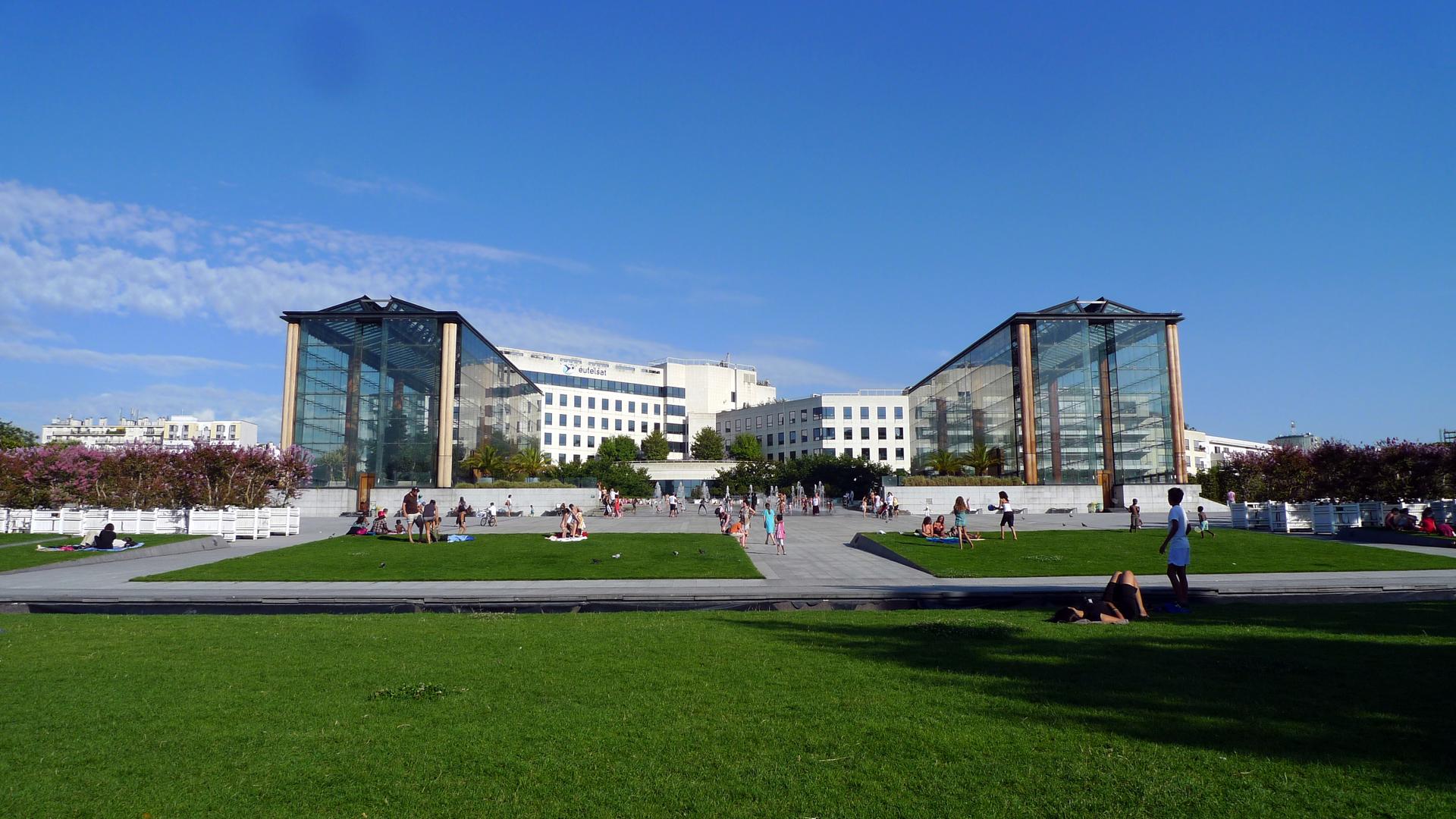
Parc André Citroën
A riverside park known for contemporary gardens and a balloon.
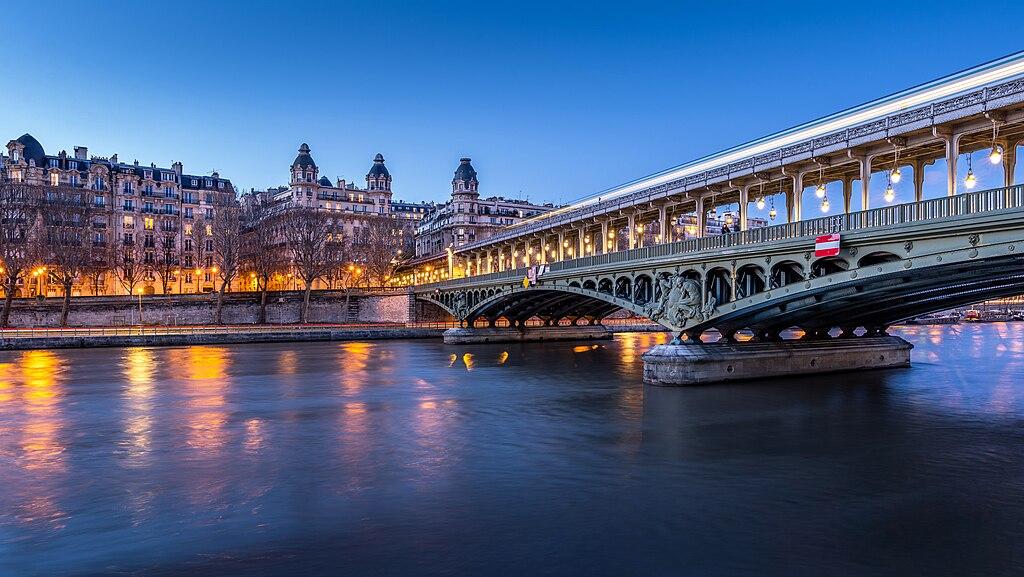
Pont de Bir-Hakeim
A steel bridge with cinematic views of the Eiffel Tower.
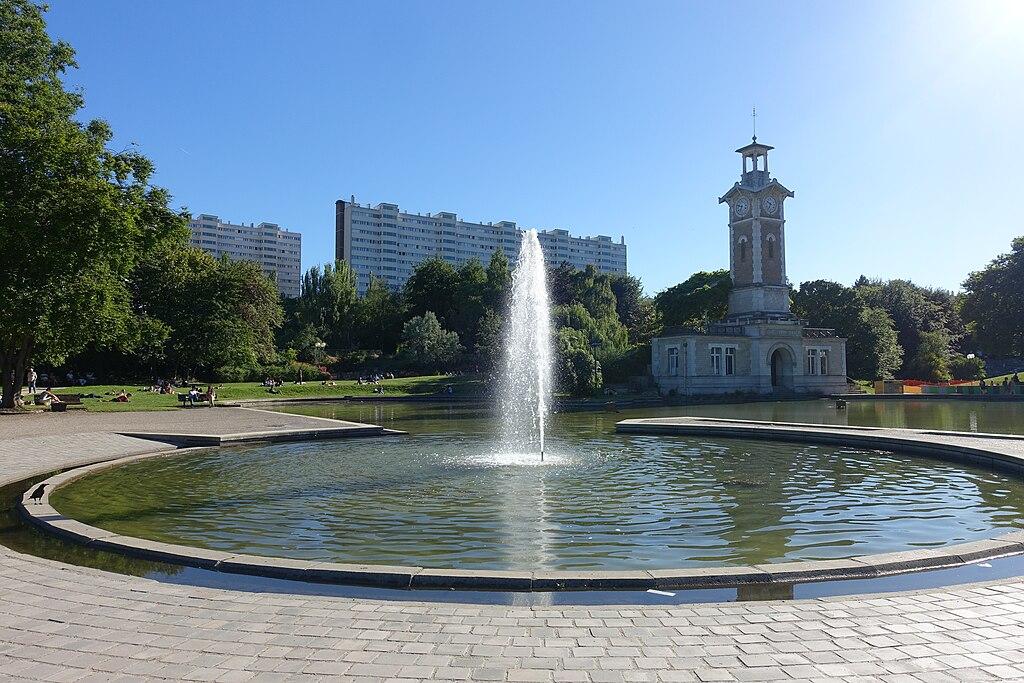
Georges Brassens Park
A neighborhood park named for the singer-poet.
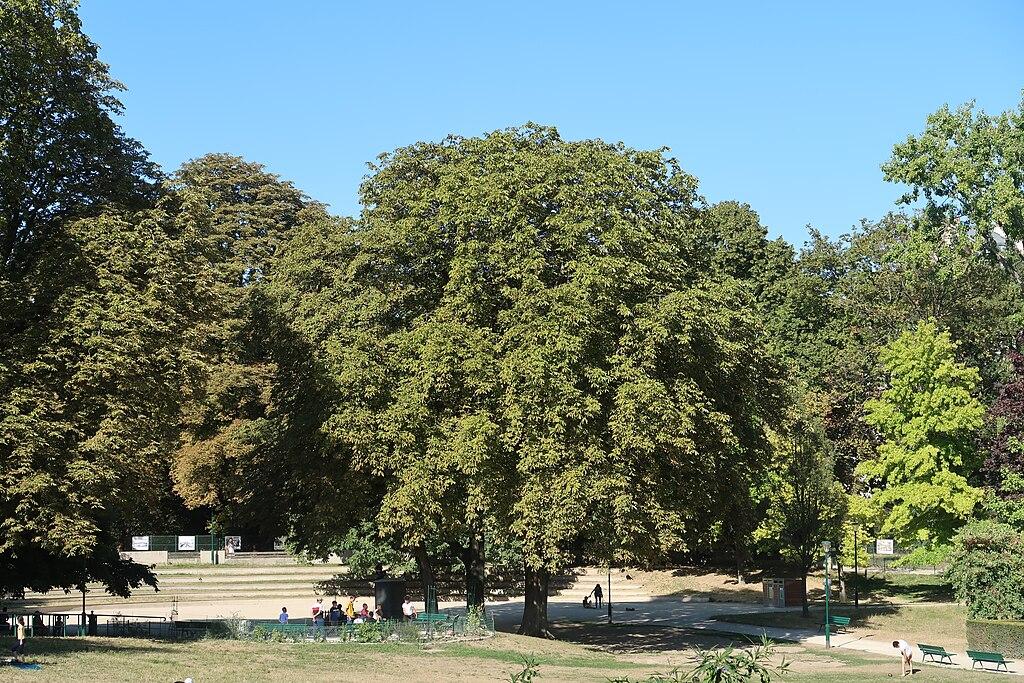
Parc Sainte-Périne
A quiet green space in the 16th arrondissement.
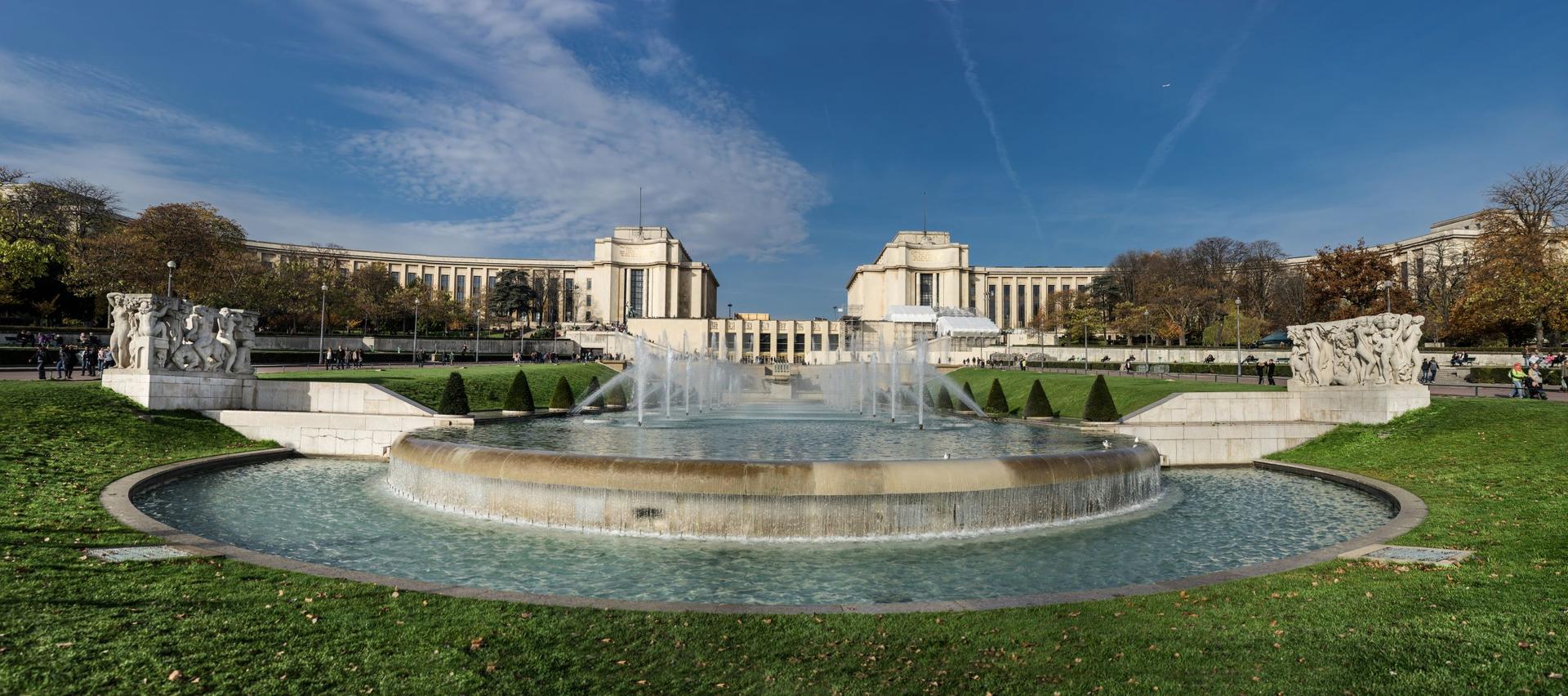
Palais de Chaillot
A hilltop complex facing the Eiffel Tower.
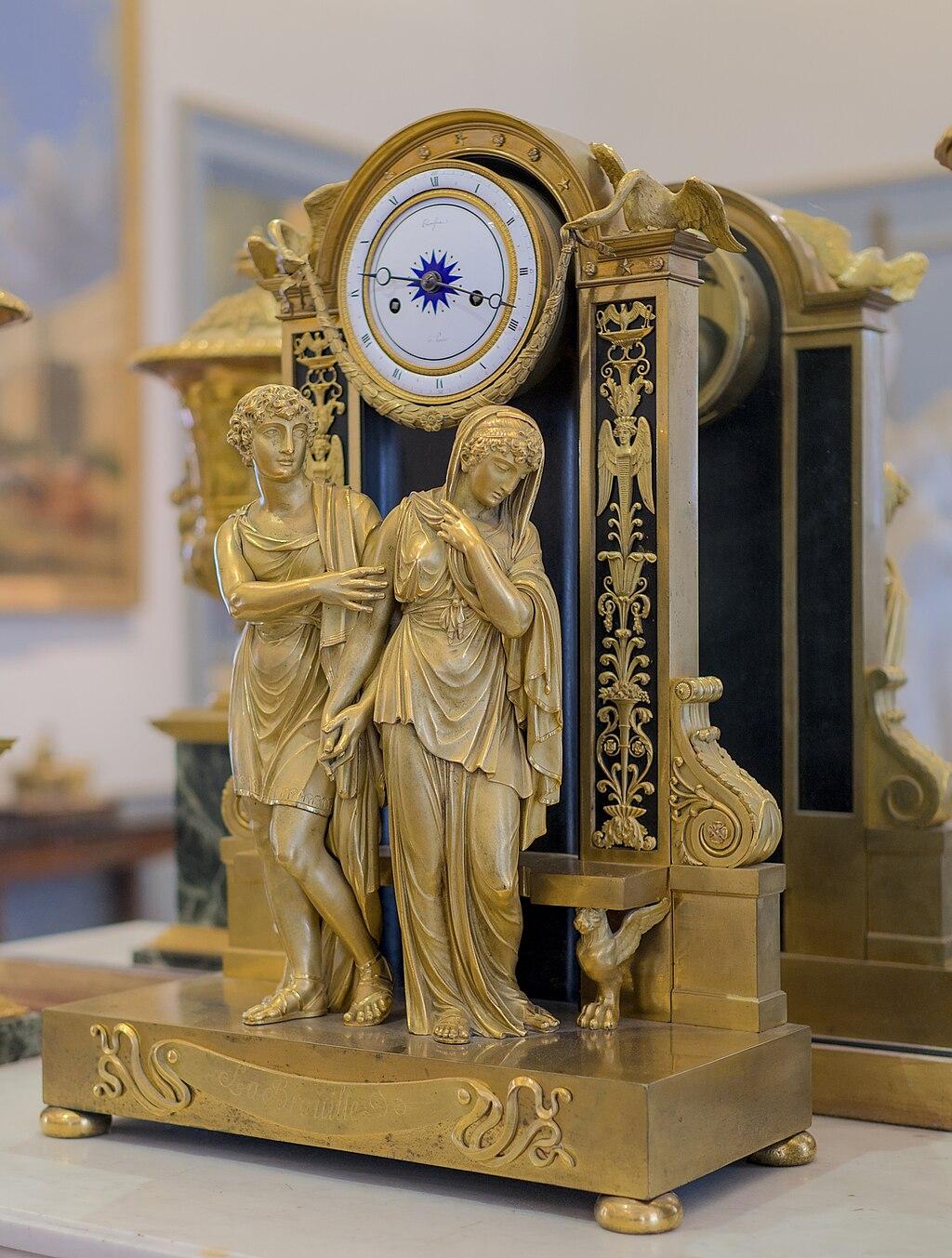
Musée Marmottan Monet
A museum renowned for Monet’s works and Impressionism.
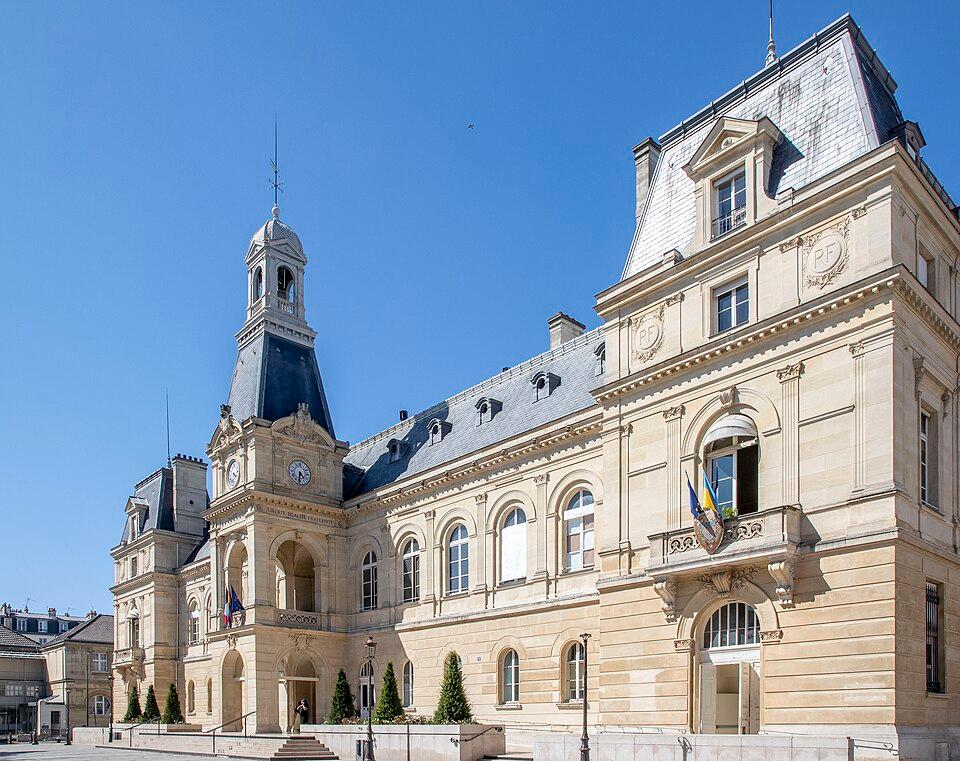
Mairie du XIVe Arrondissement
The town hall of the 14th arrondissement.
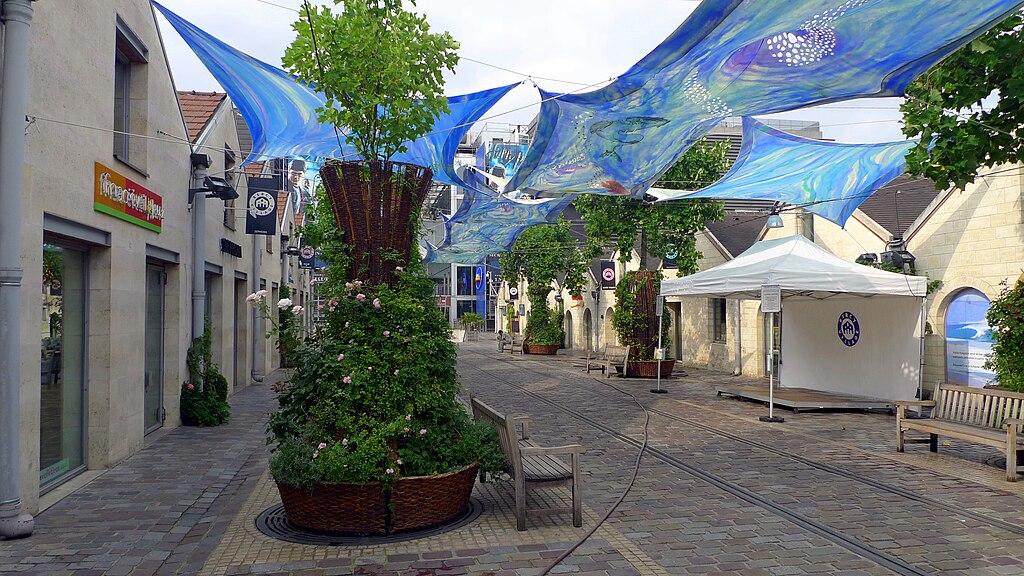
Bercy Village
A shopping and dining district in former wine warehouses.
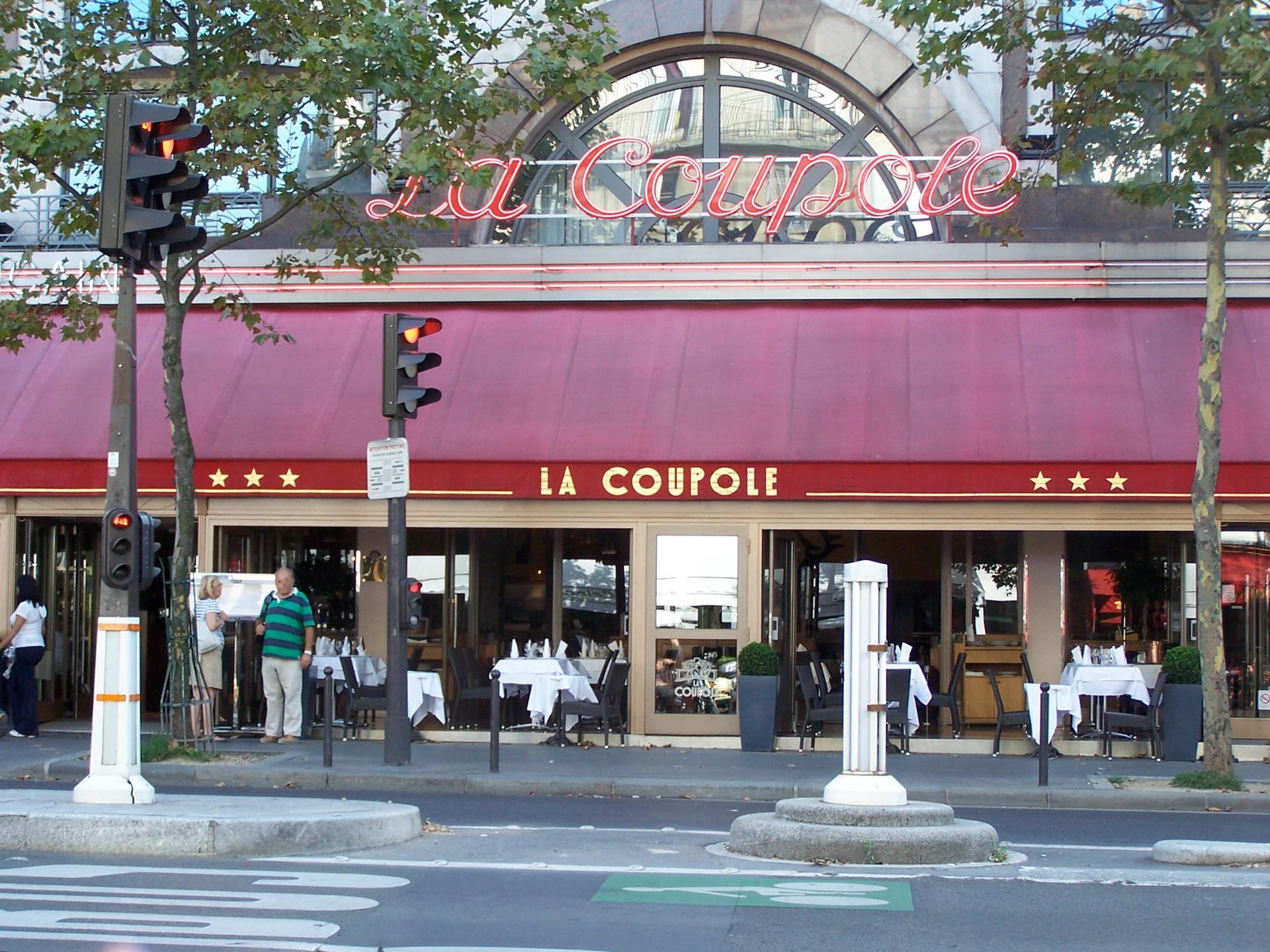
La Coupole
A legendary Montparnasse brasserie of artists and writers.
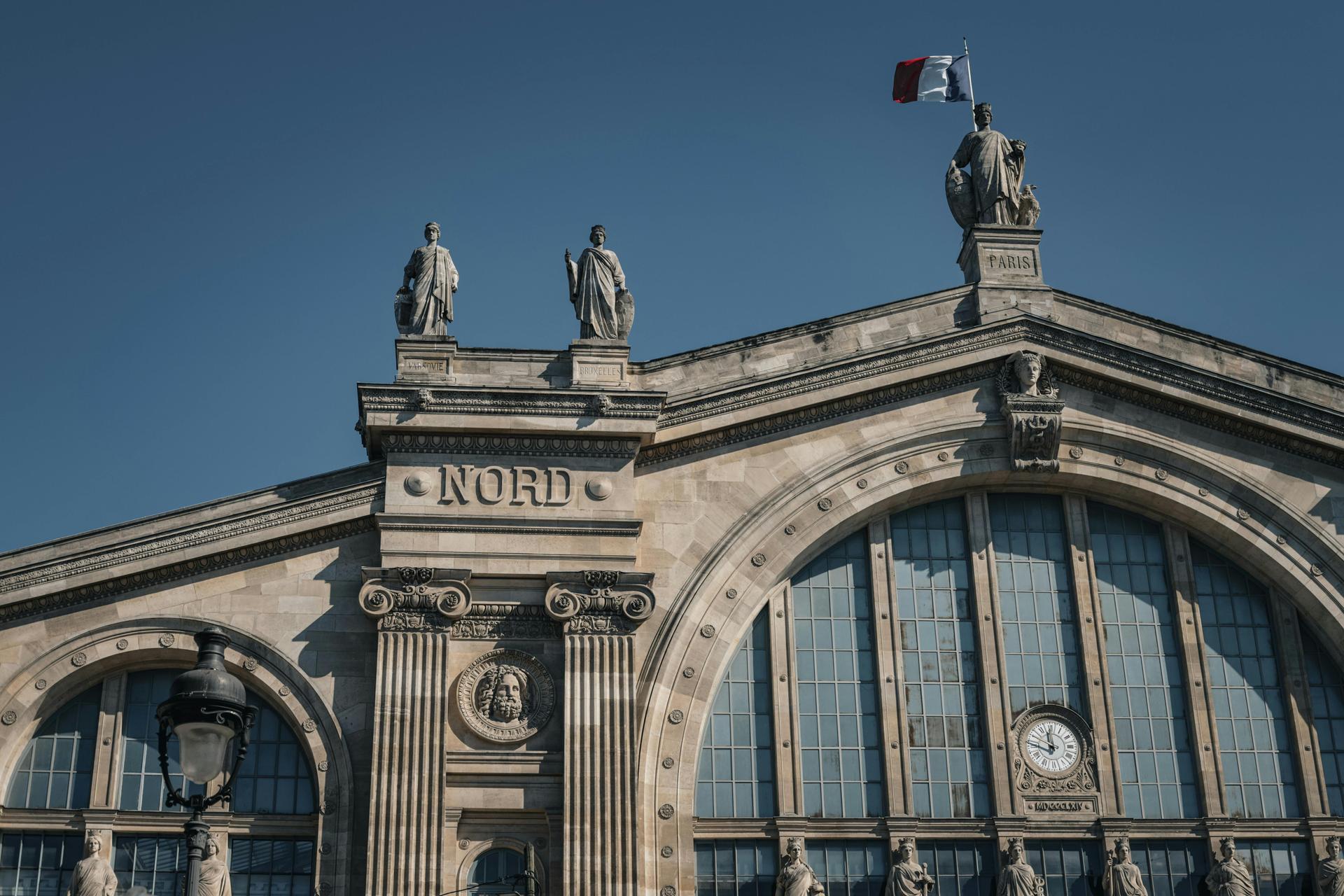
Gare du Nord
A major international rail hub for northern routes.
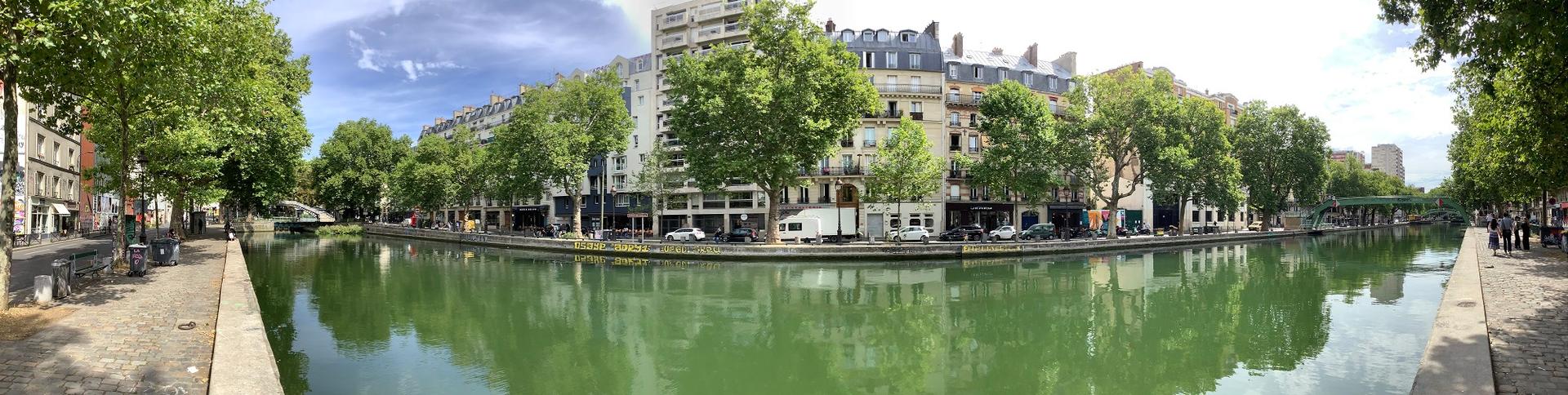
Canal Saint-Martin
A 19th-century canal popular for walks and picnics.
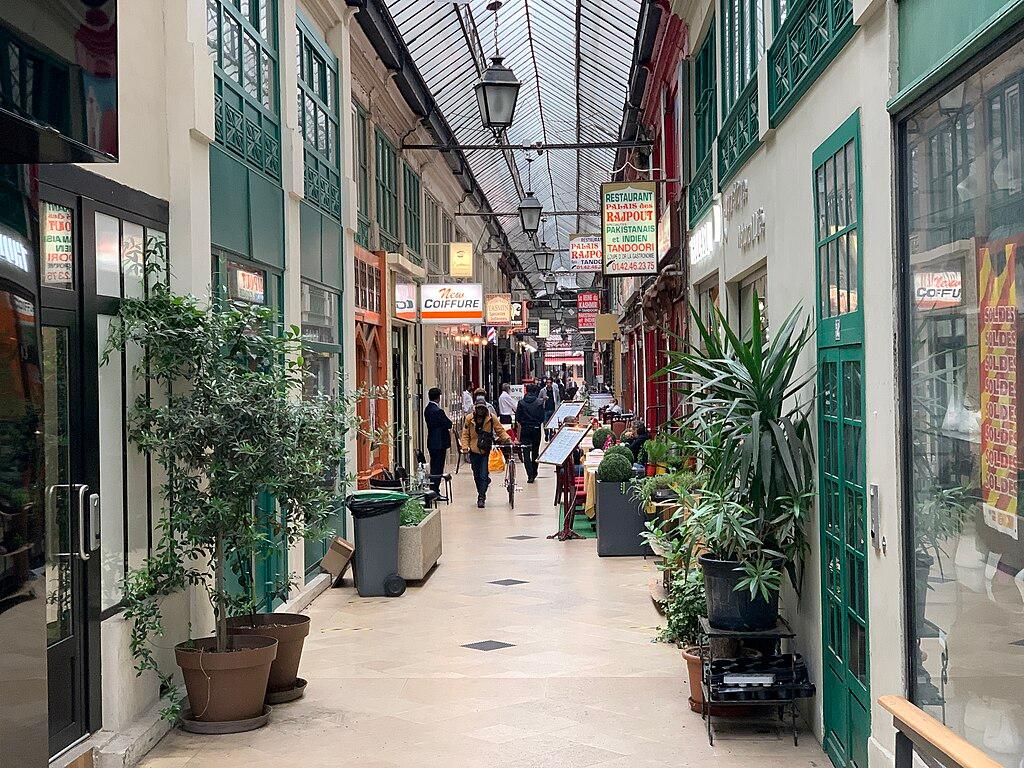
Passage Brady
A passage famed for Indian and Pakistani eateries.
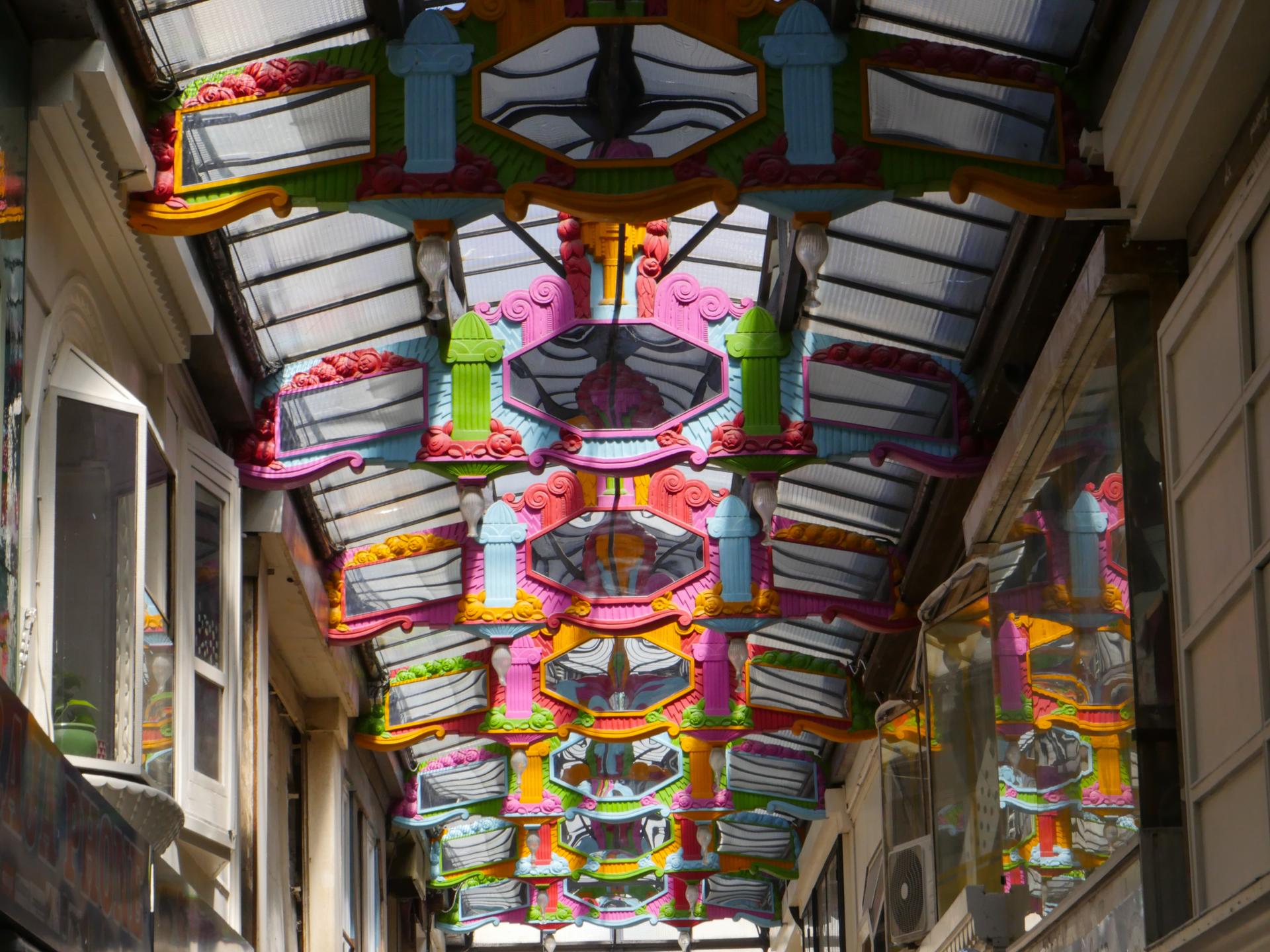
Passage du Prado
A covered passage dating from the interwar years.
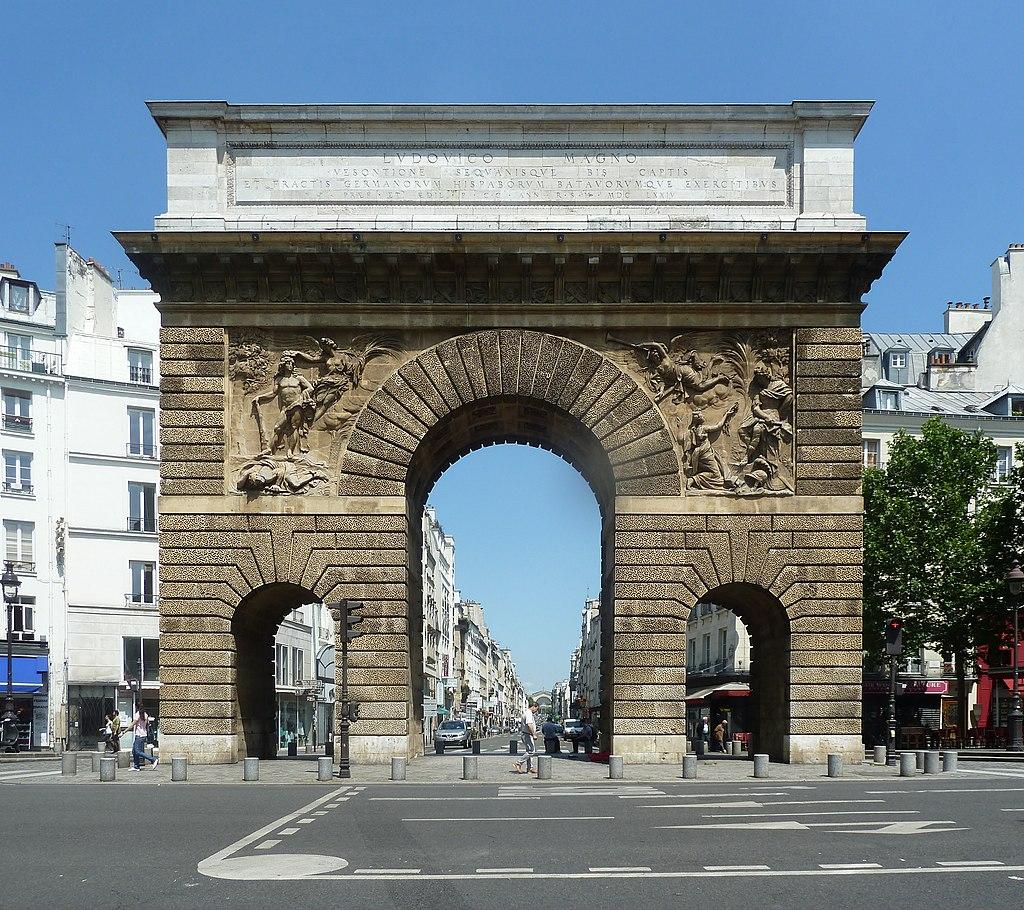
Porte Saint-Martin
A triumphal gate marking the northern city entry.
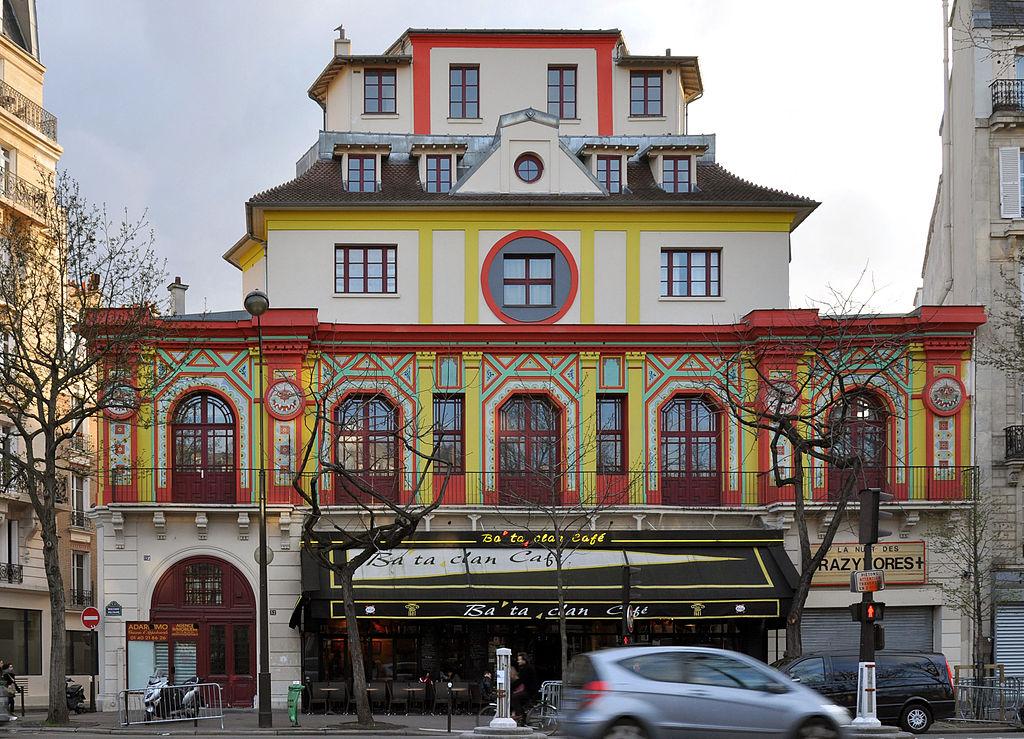
Le Bataclan
A historic concert hall associated with modern memory.
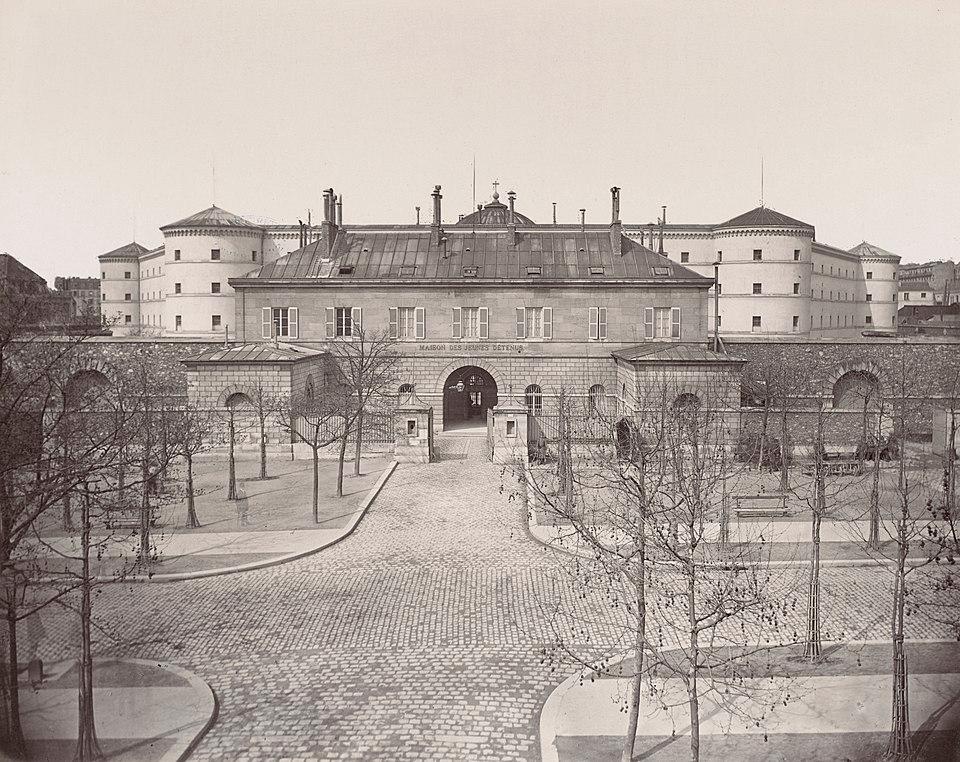
La Roquette Prison
The former site of a major 19th-century prison.
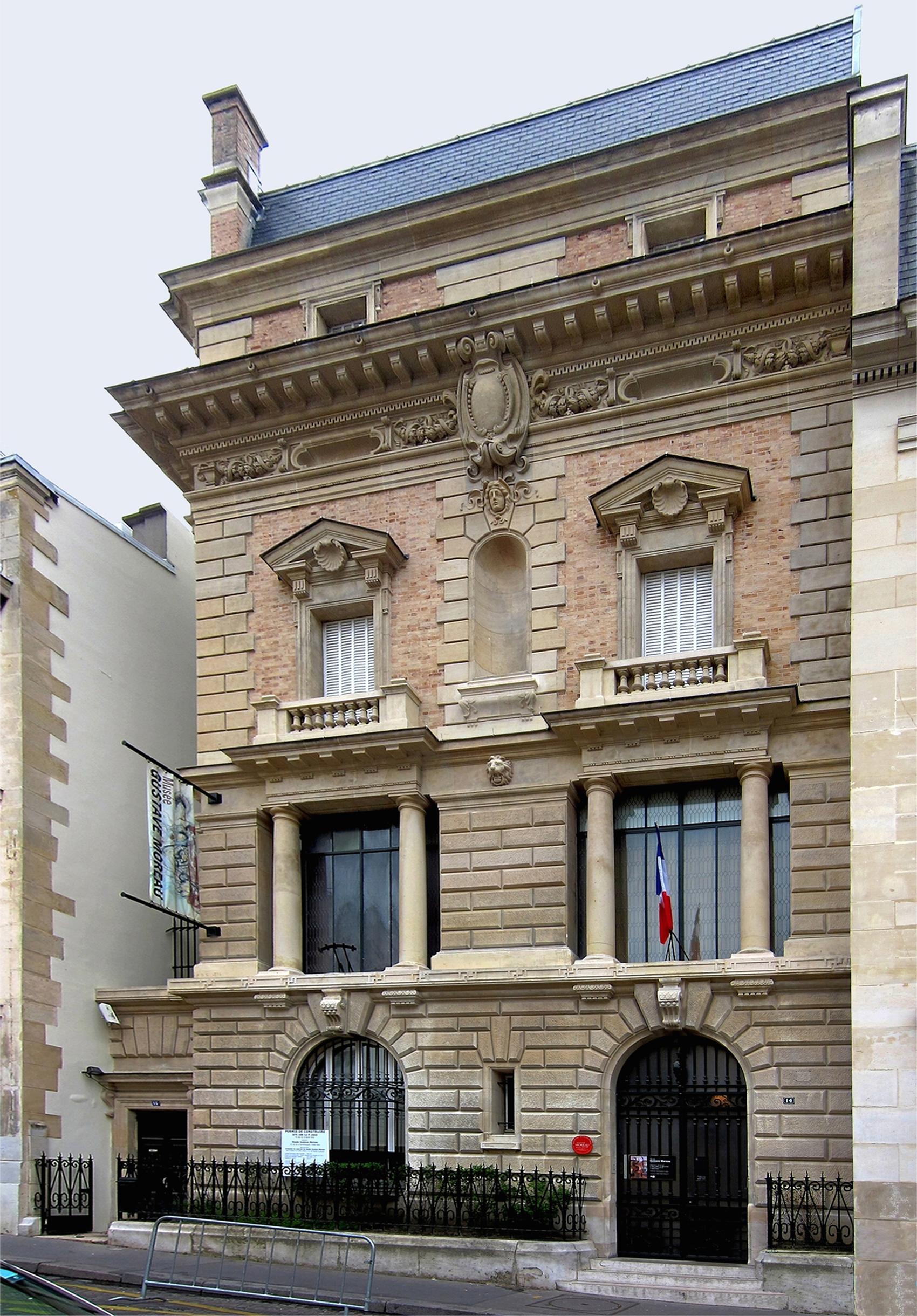
Musée Gustave Moreau
A museum honoring symbolist painter Gustave Moreau.
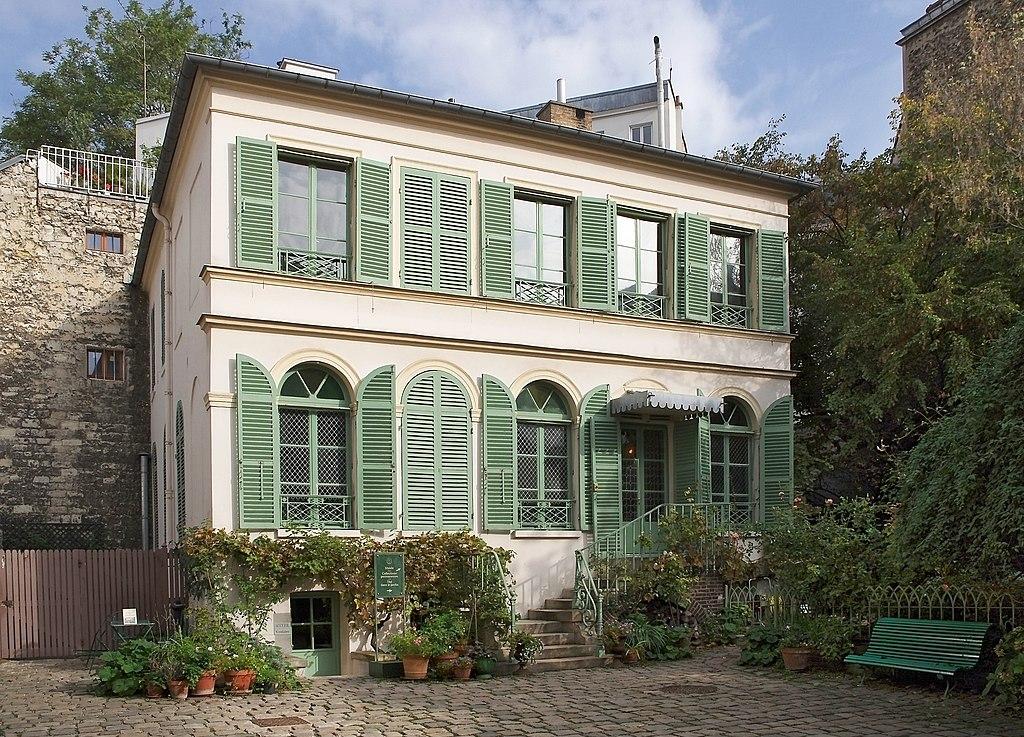
Musée de la Vie Romantique
A museum set in a Romantic-era townhouse and garden.
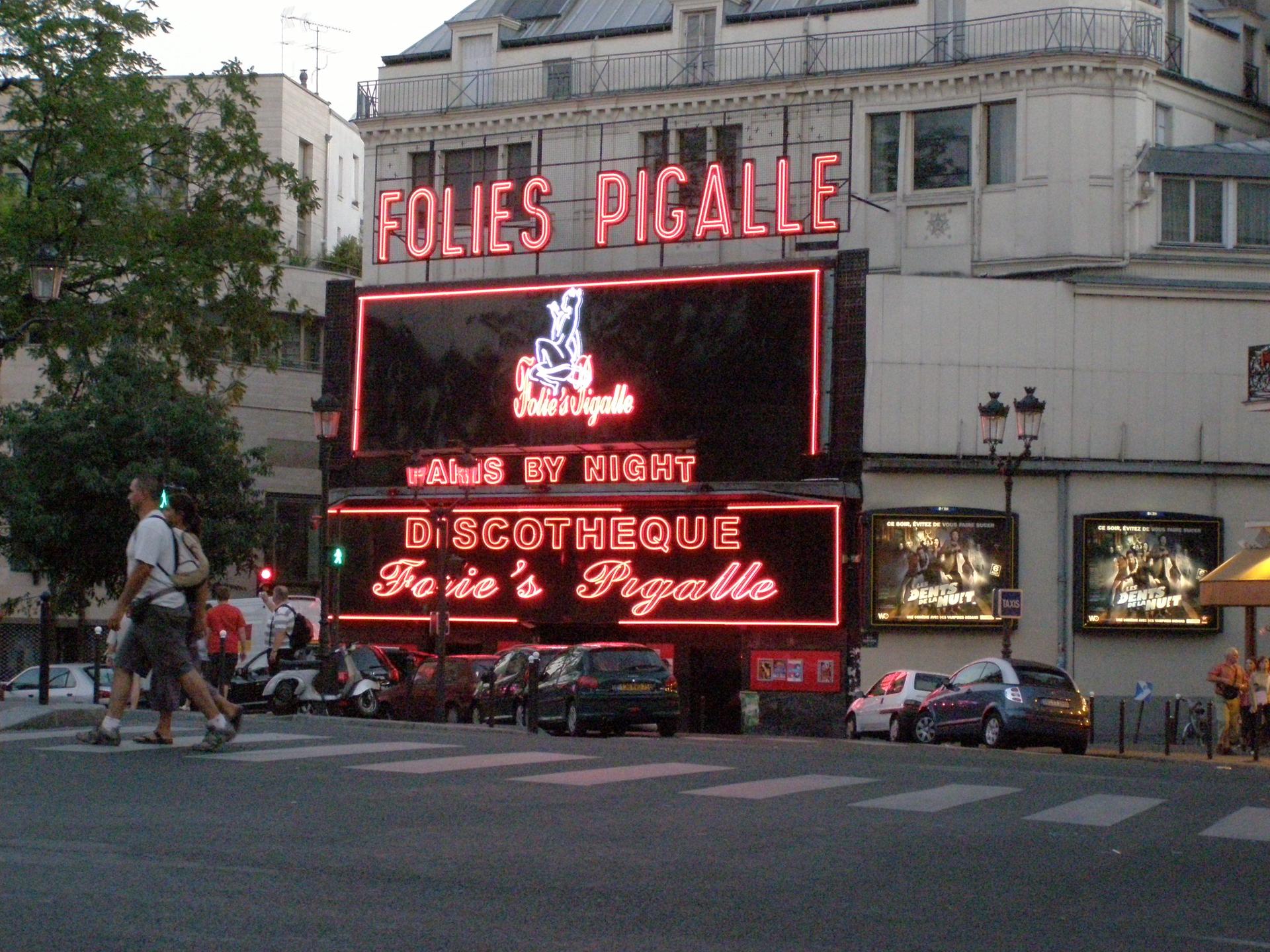
Pigalle
A district known for music venues and nightlife.
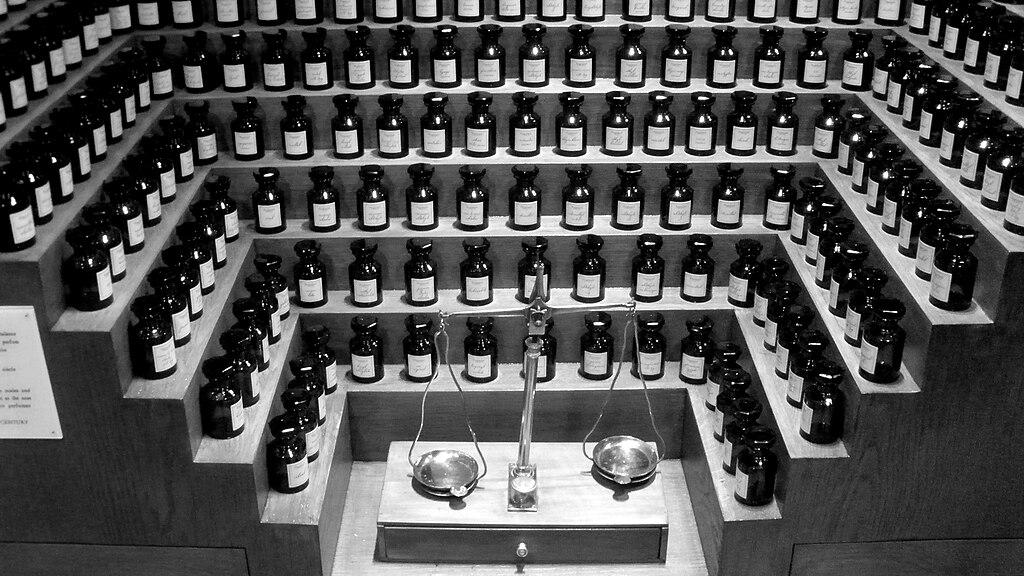
Musée du Parfum Fragonard
A perfume museum tracing fragrance craft in Paris.
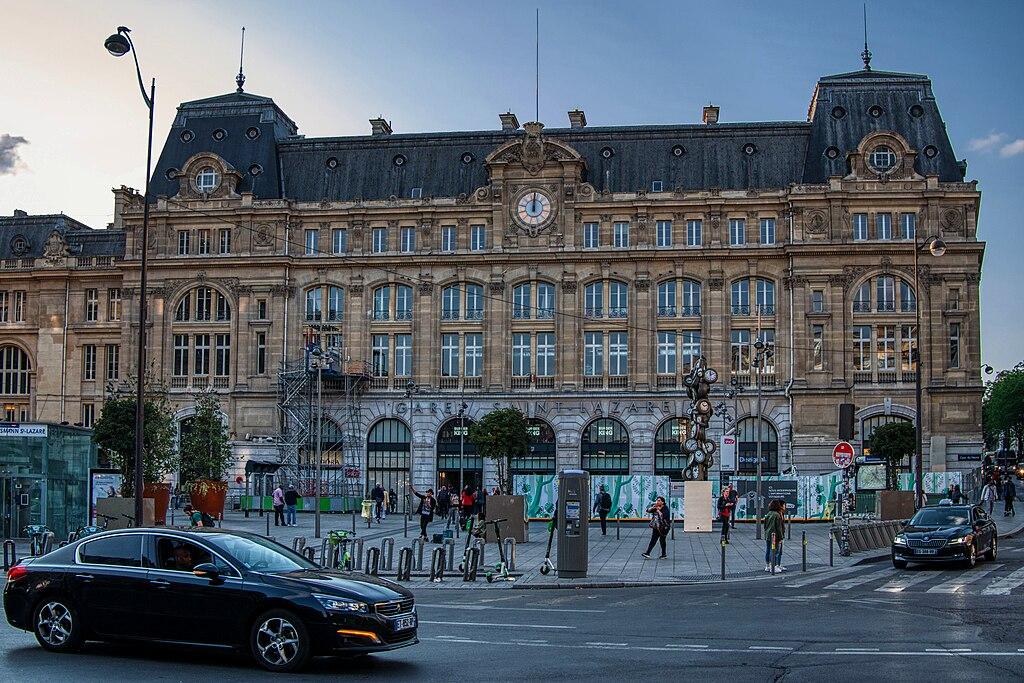
Gare Saint-Lazare
One of the city’s busiest 19th-century rail termini.
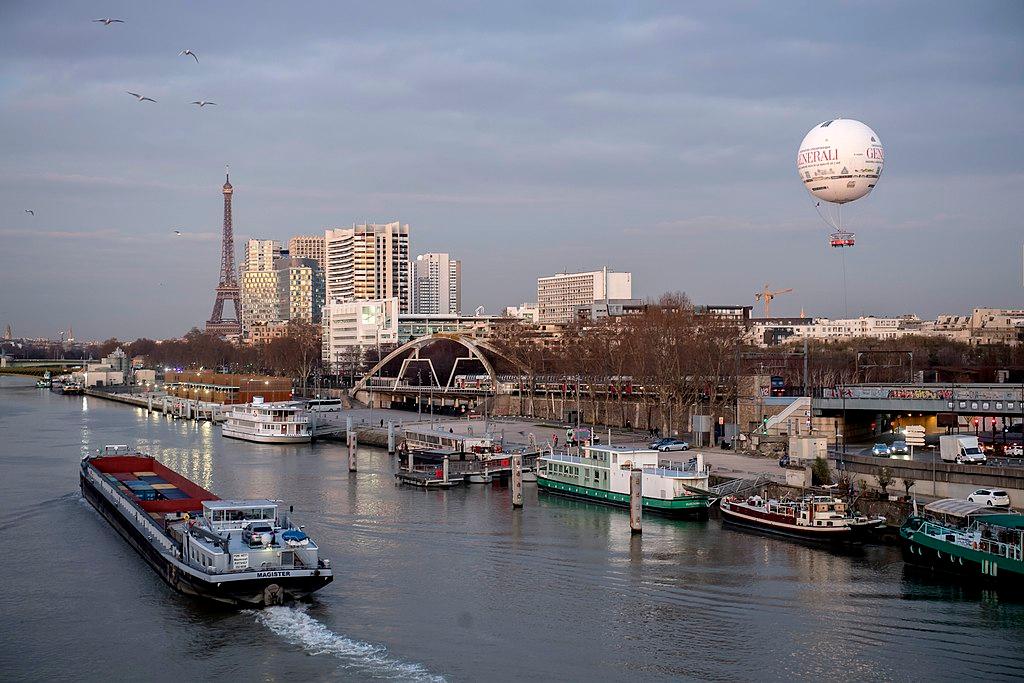
Le Ballon de Paris Generali
A tethered balloon offering panoramic views over Paris.
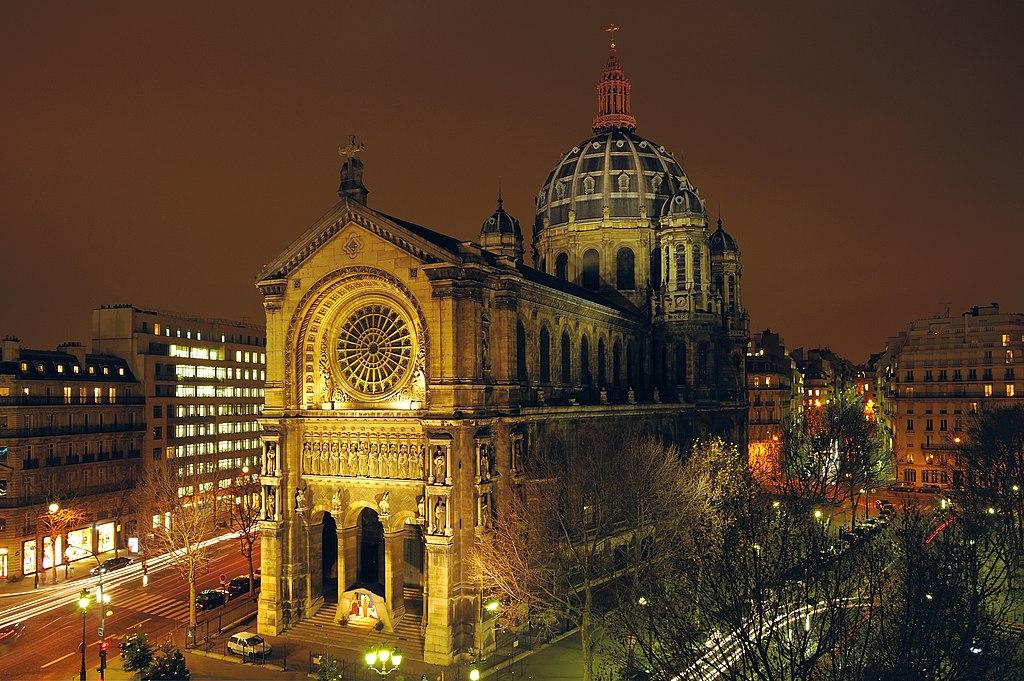
Saint-Augustin Church
A late-19th-century church near major boulevards.
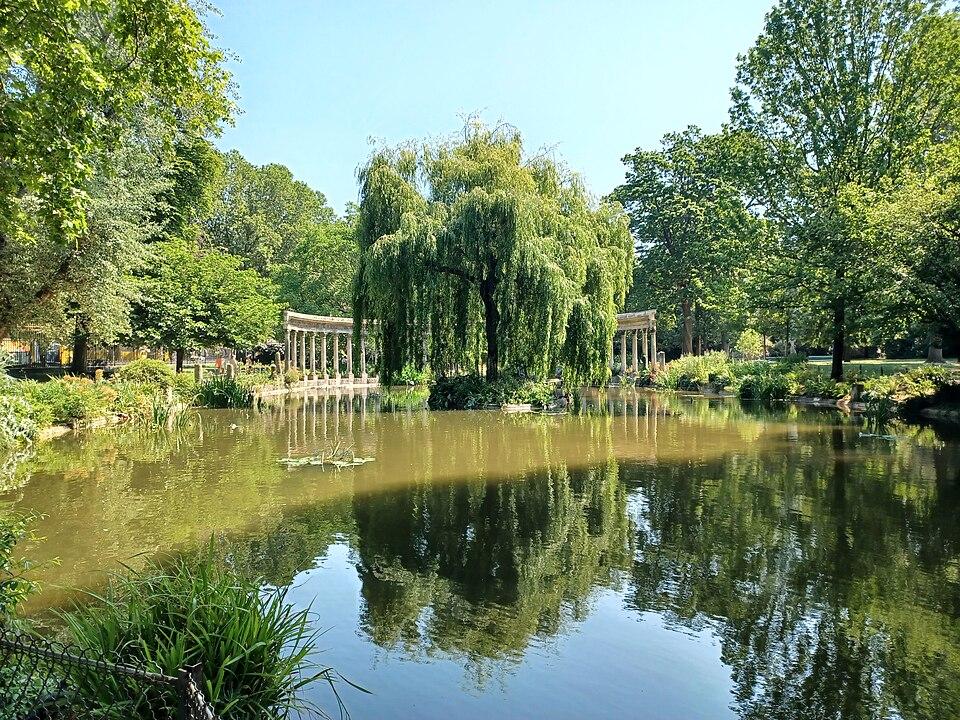
Parc Monceau
A landscaped 19th-century park with elegant townhouses.
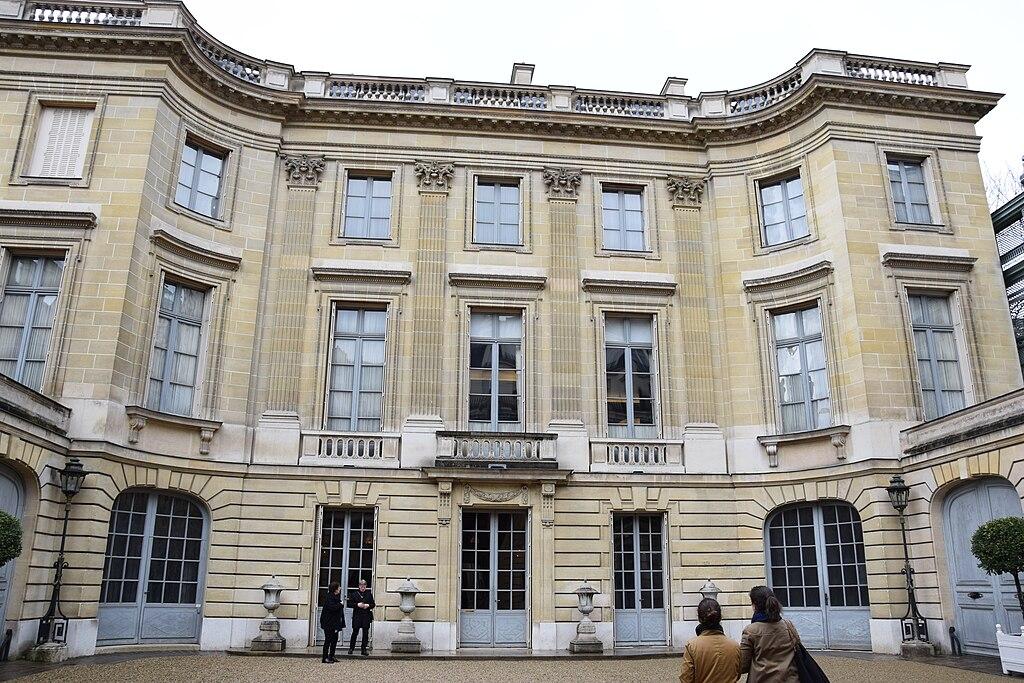
Musée Nissim de Camondo
A museum preserving a Belle Époque home and collection.
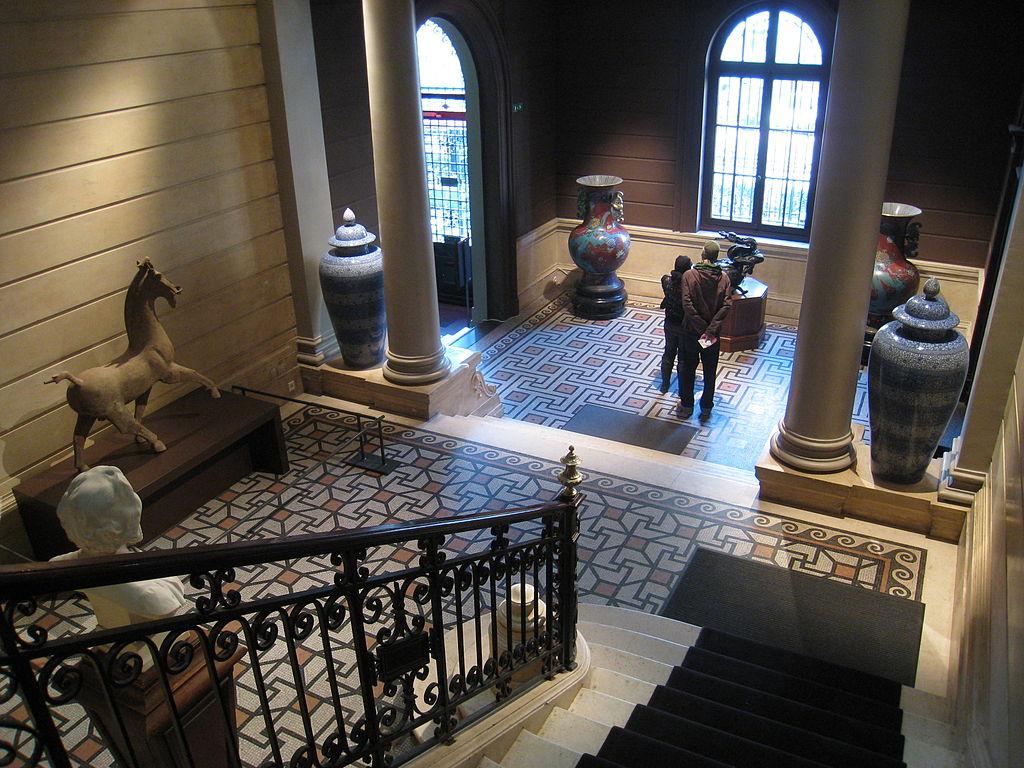
Musée Cernuschi
A museum dedicated to Asian art and archaeology.
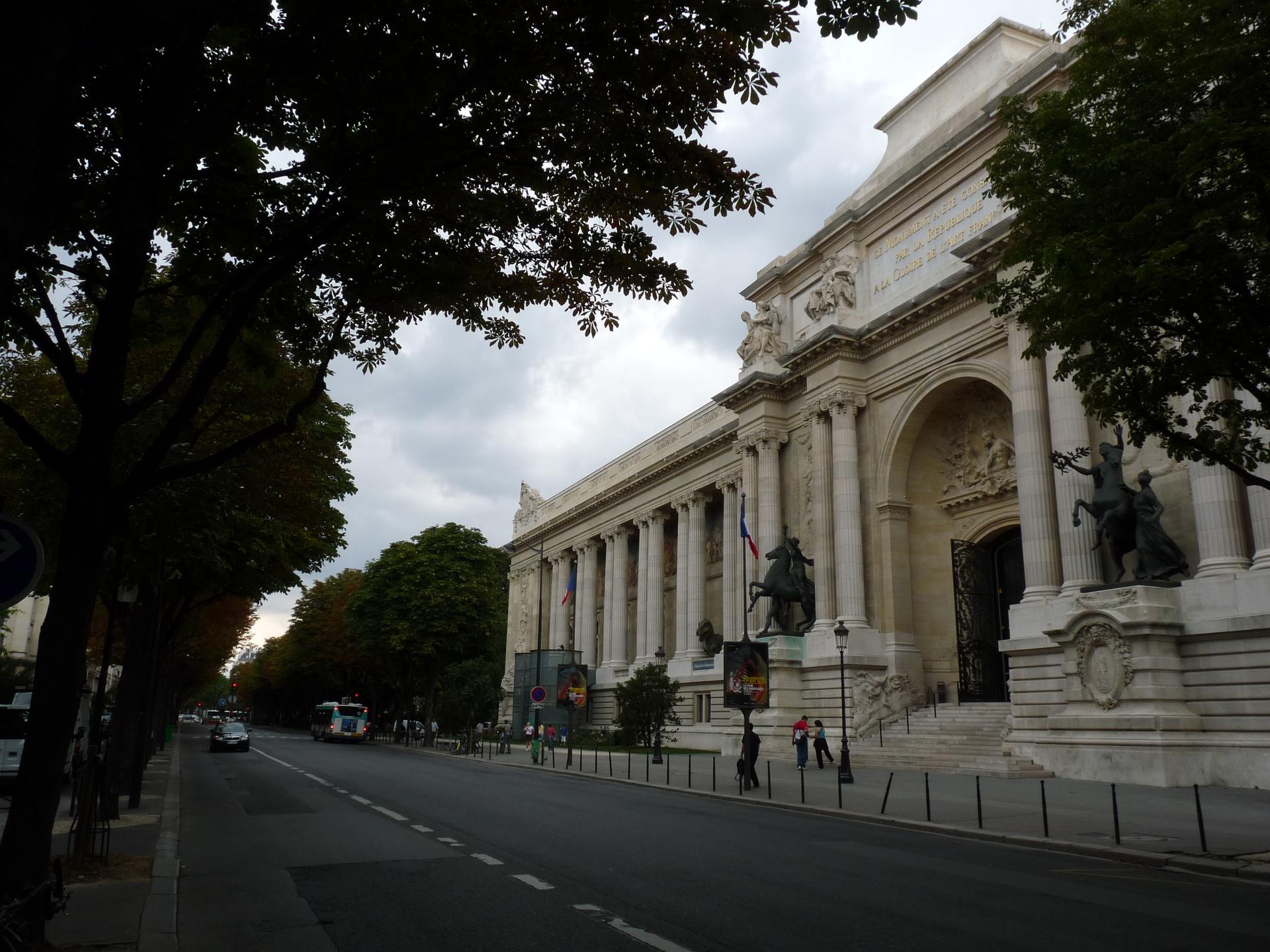
Palais de la Découverte
A hands-on science museum celebrating discovery.
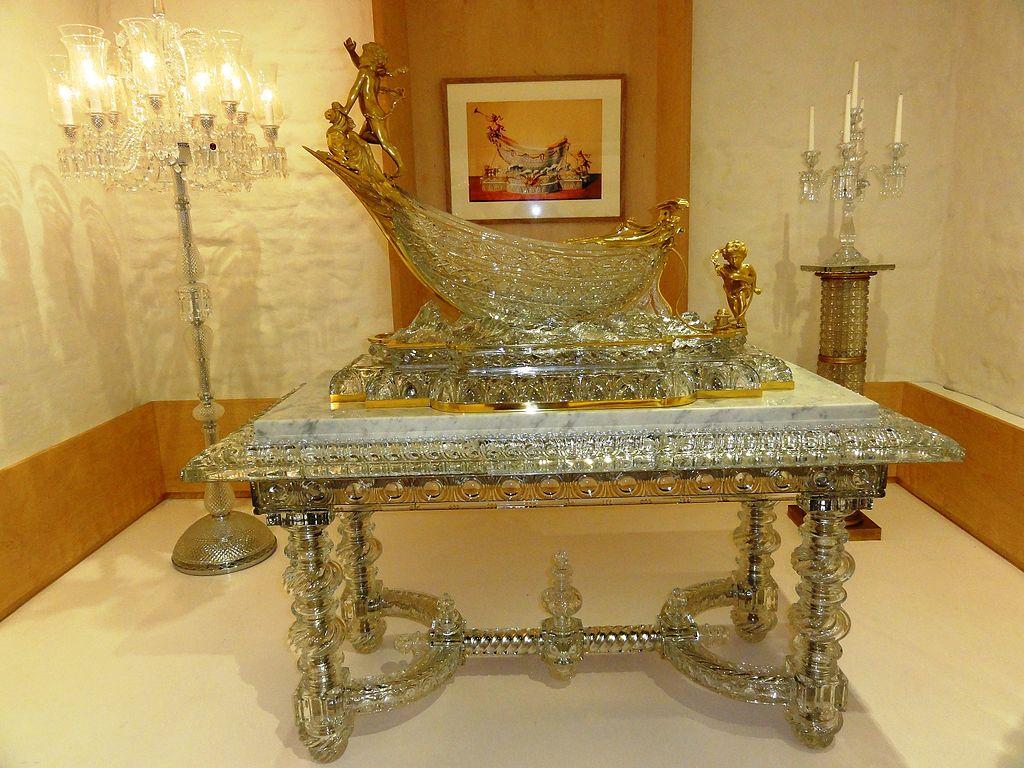
Musée Baccarat
A museum highlighting crystal craftsmanship and design.
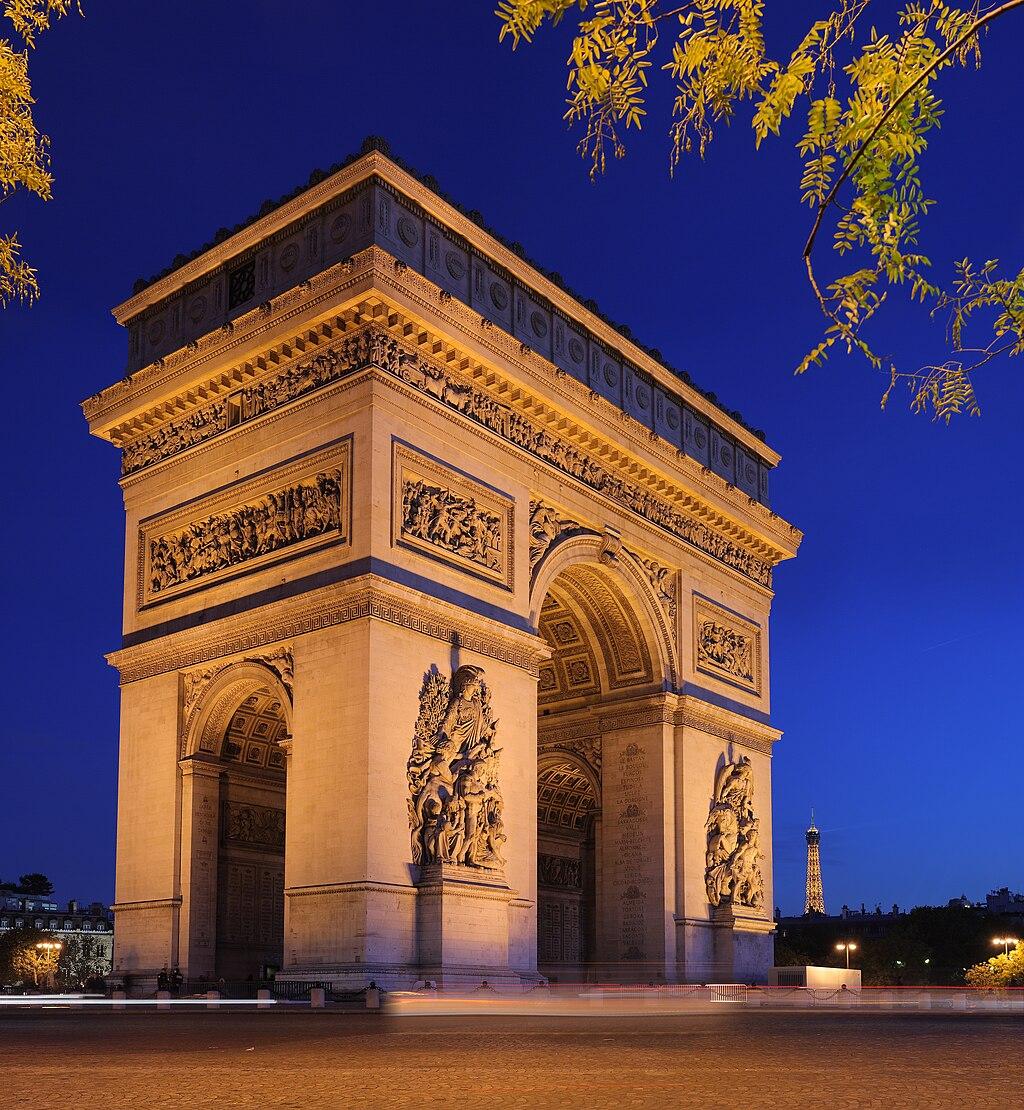
Arc de Triomphe
The monumental arch crowning the Champs-Élysées.
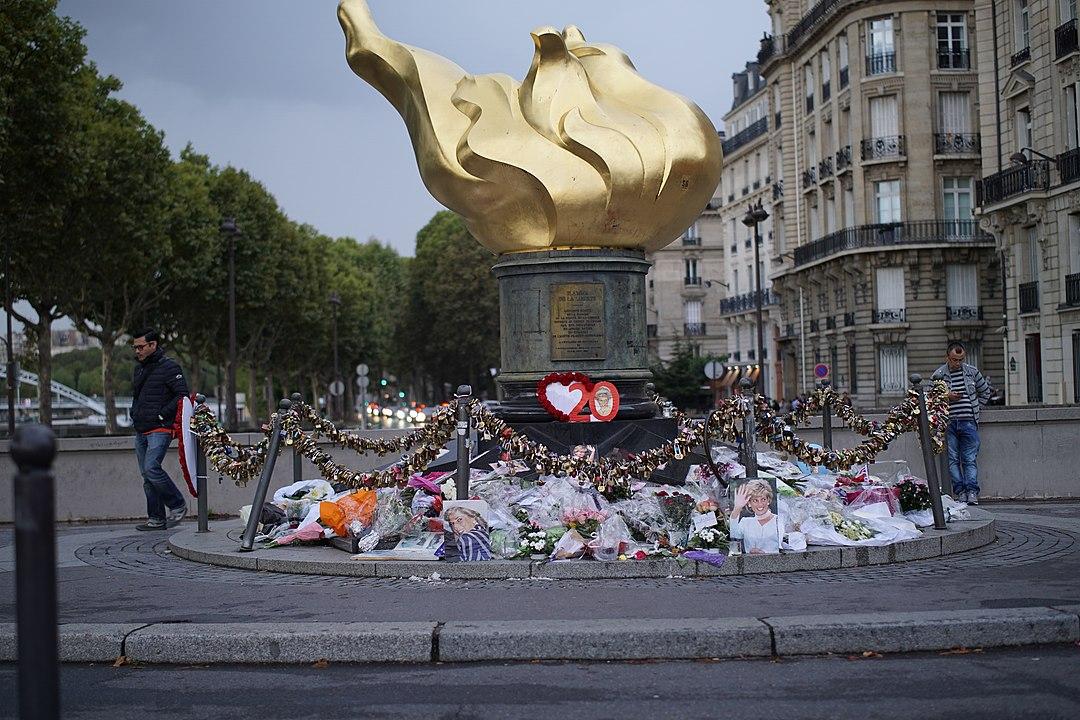
Accident Princes Diana
A reference to the 1997 crash near the Pont de l’Alma.
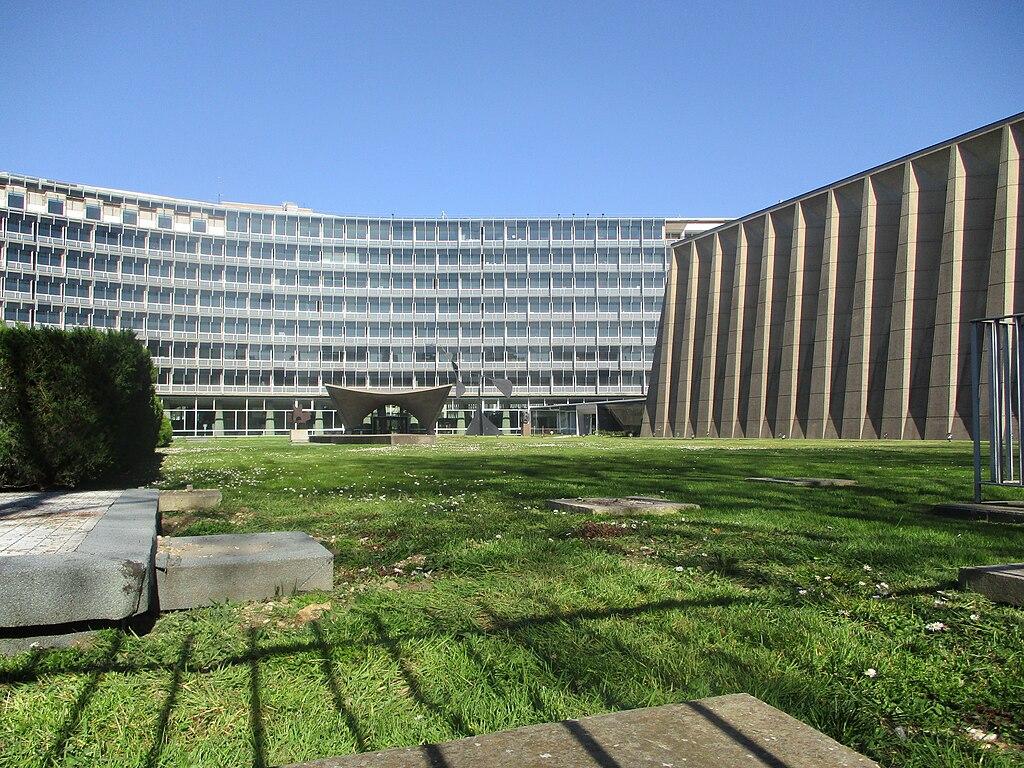
UNESCO Headquarters
The headquarters of the United Nations’ cultural agency.
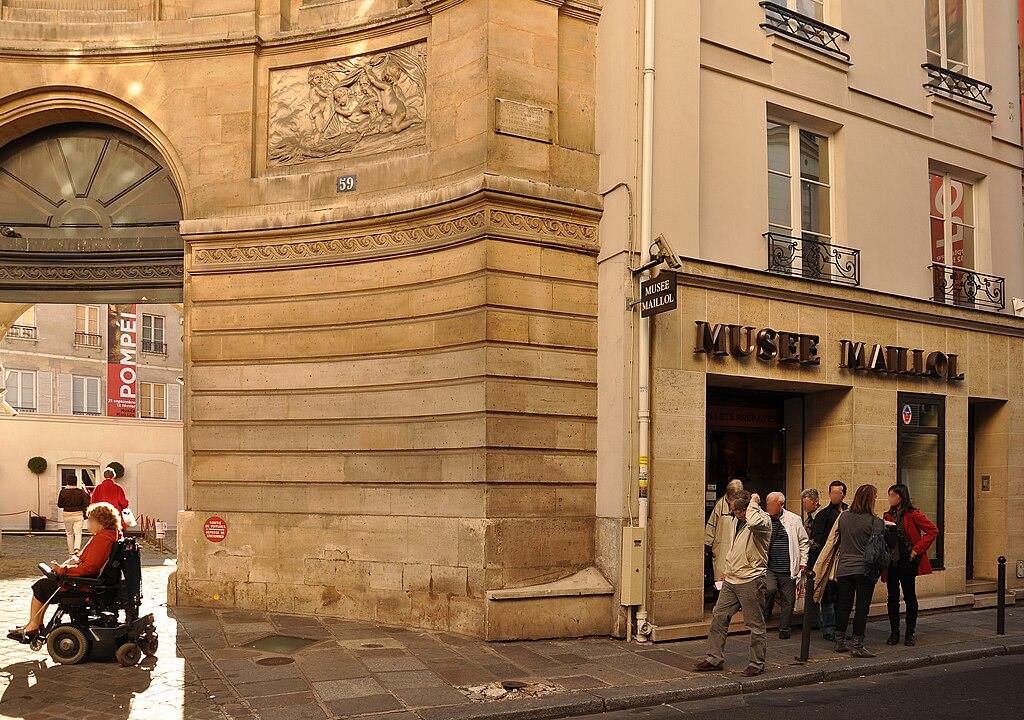
Musée Maillol
A museum of modern art and decorative objects.
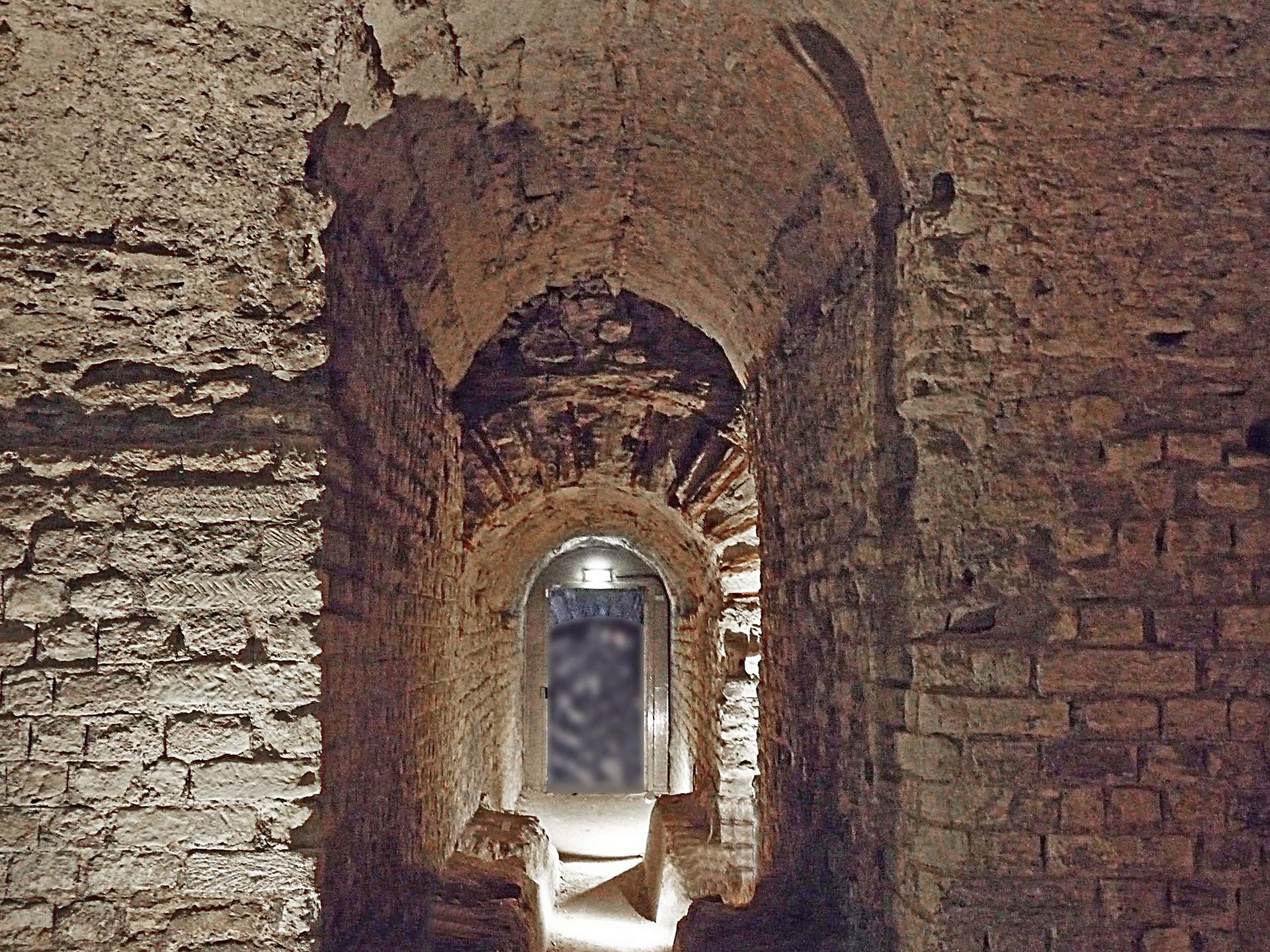
Les Égouts de Paris
An underground museum revealing the city’s sewer network.
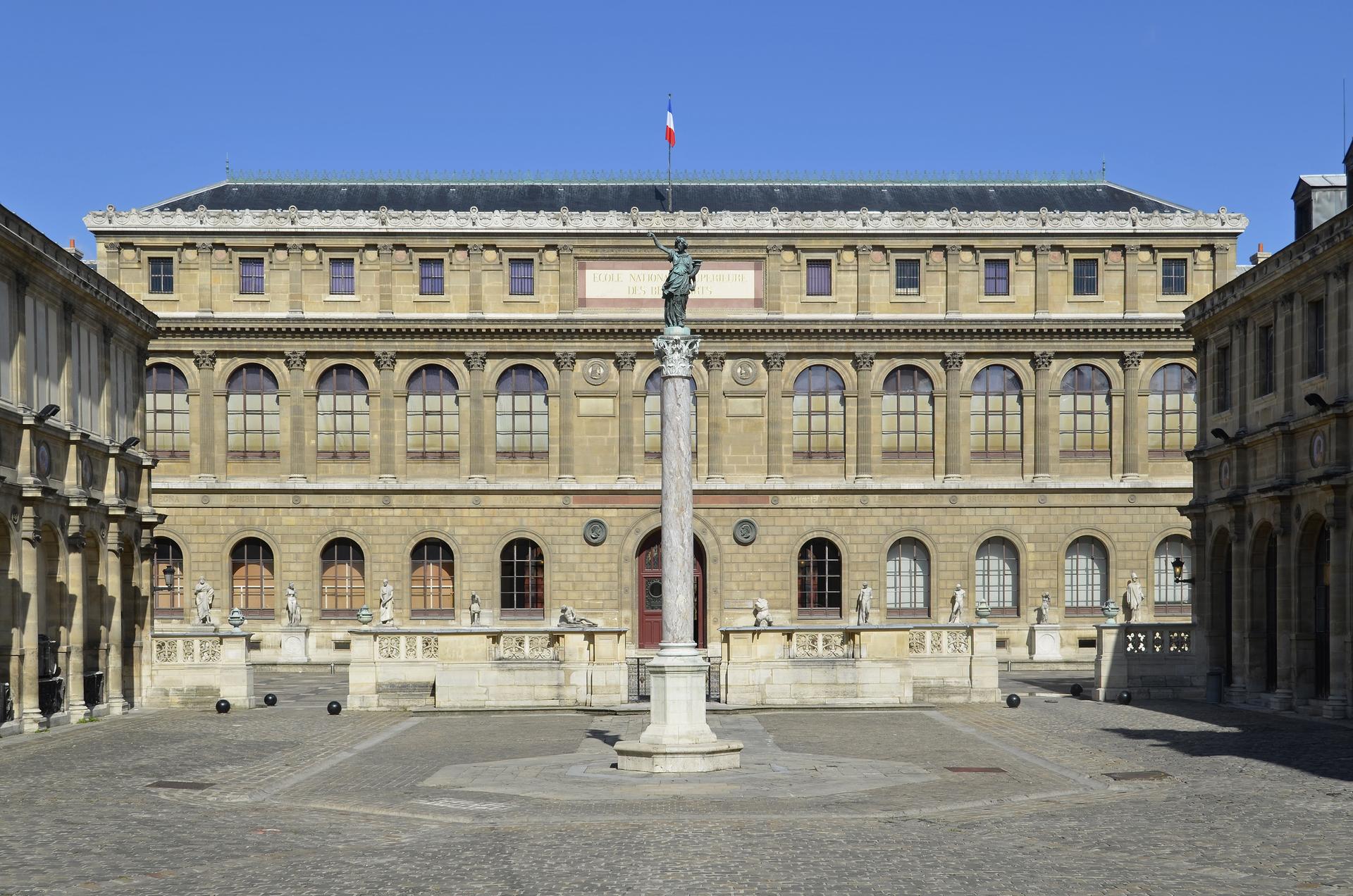
École des Beaux-Arts
France’s historic art school and atelier tradition.
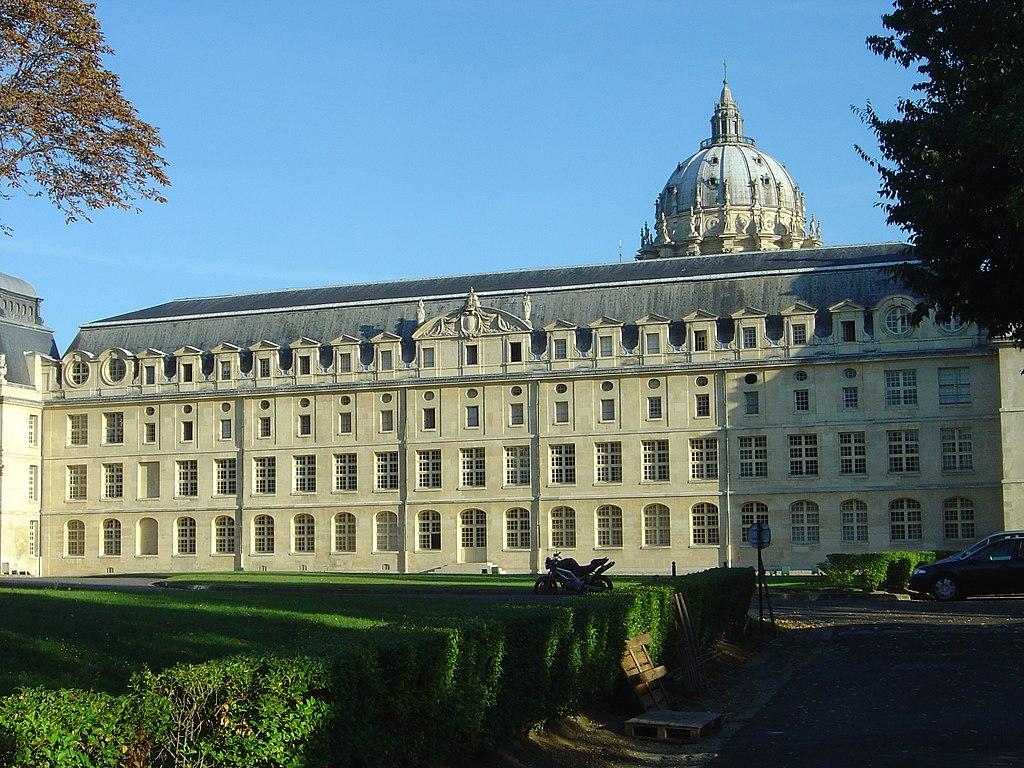
Val-de-Grâce
A 17th-century former military hospital and basilica.
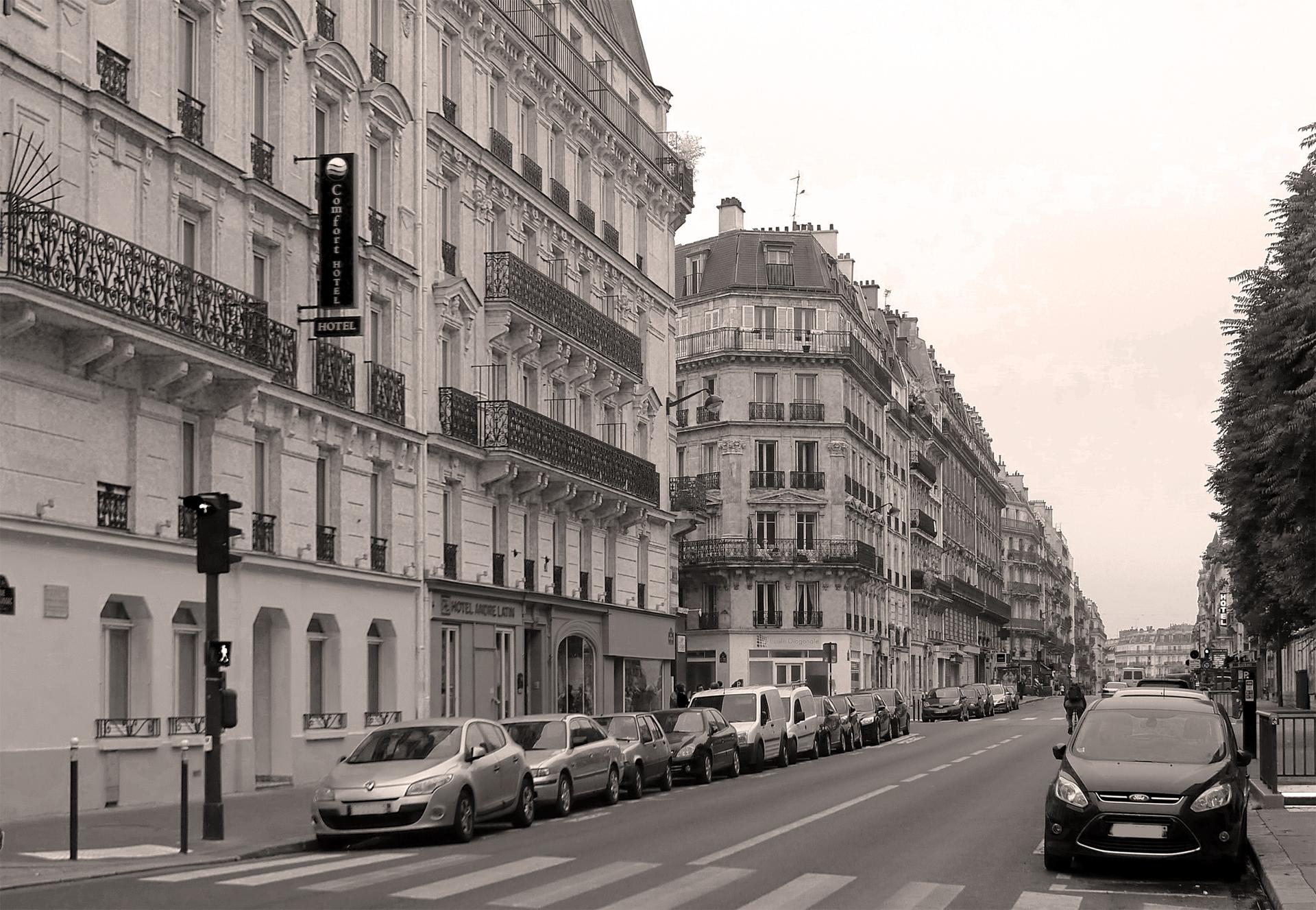
Rue Gay-Lussac
A Left Bank thoroughfare named for the chemist Gay-Lussac.
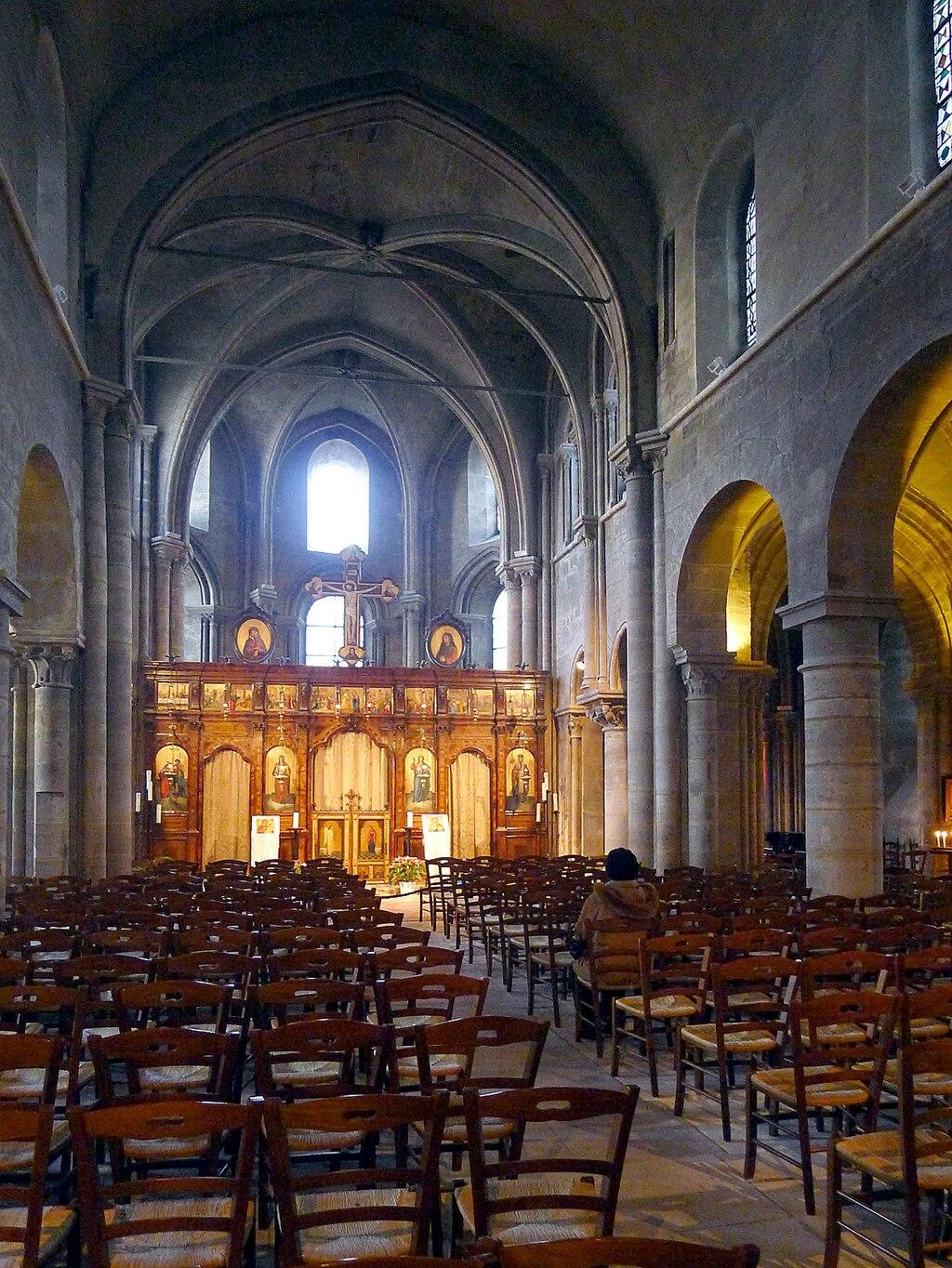
Église Saint-Julien le Pauvre
One of the city’s oldest churches, near the Seine.
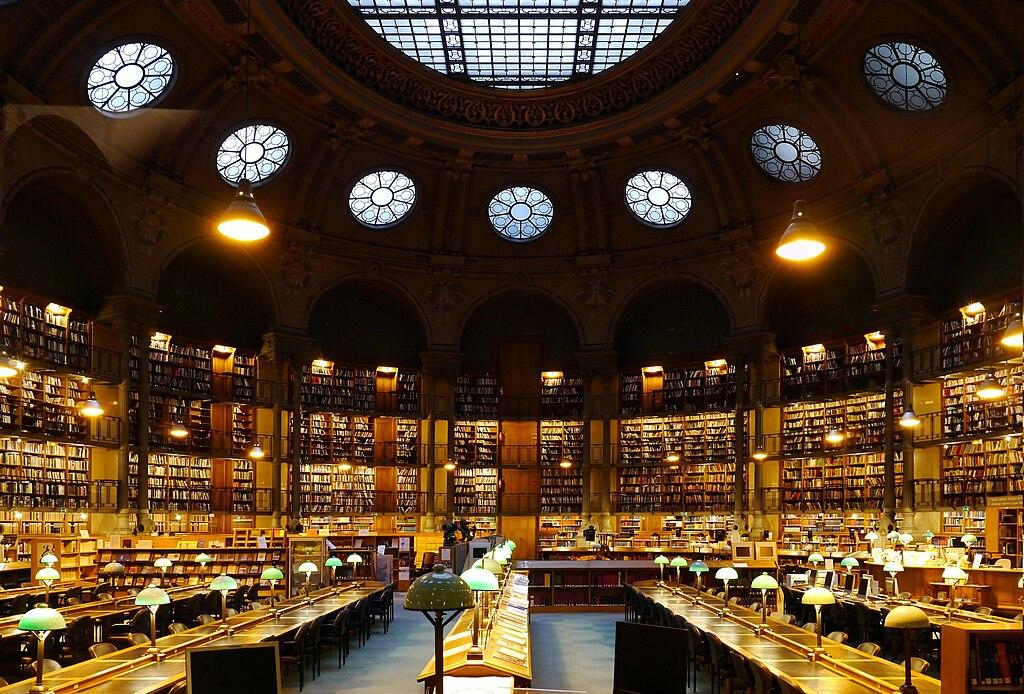
Bibliothèque nationale de France
France’s national library, steward of vast literary heritage.
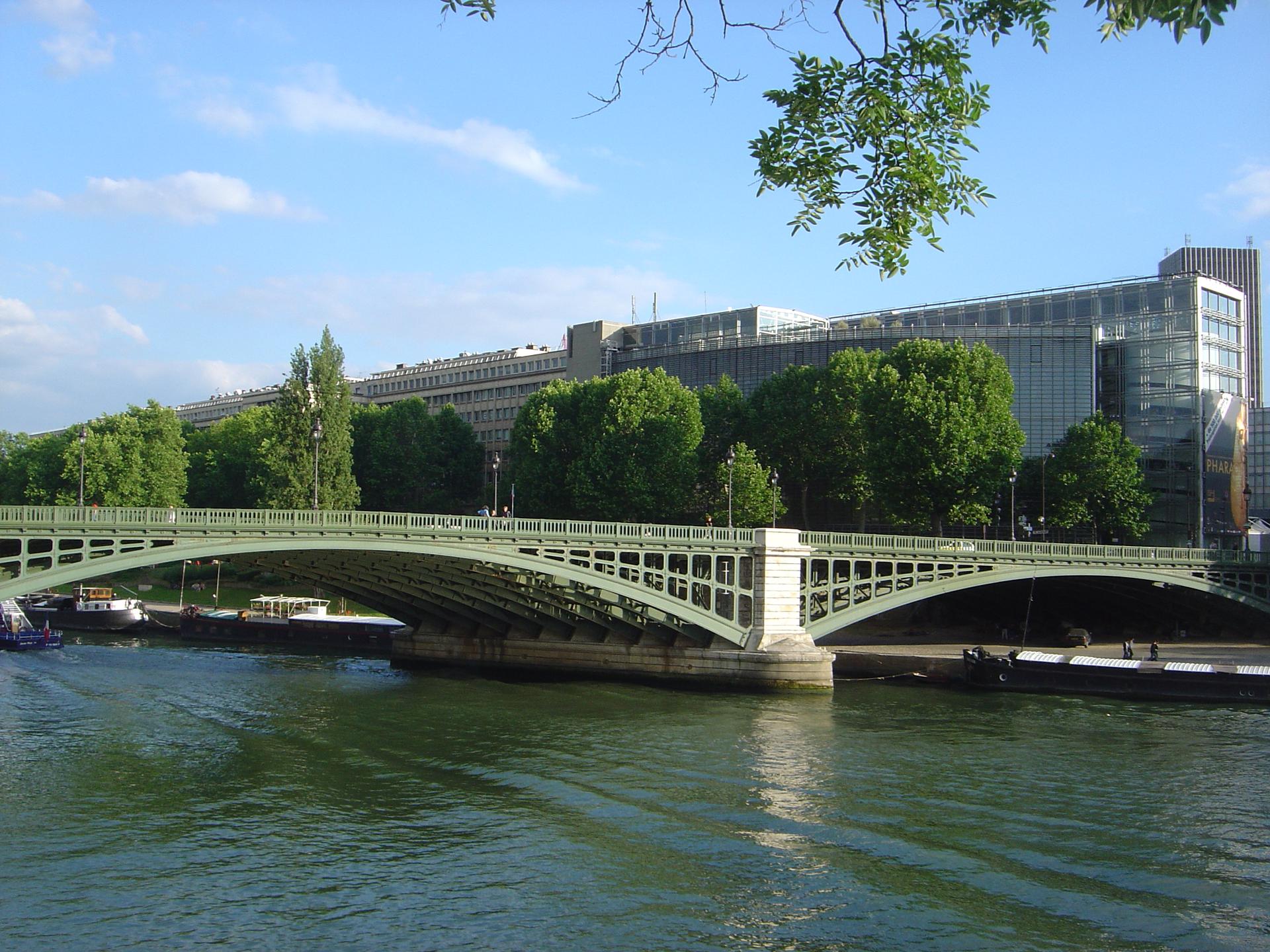
Institut du Monde Arabe
A cultural institute bridging Paris and the Arab world.
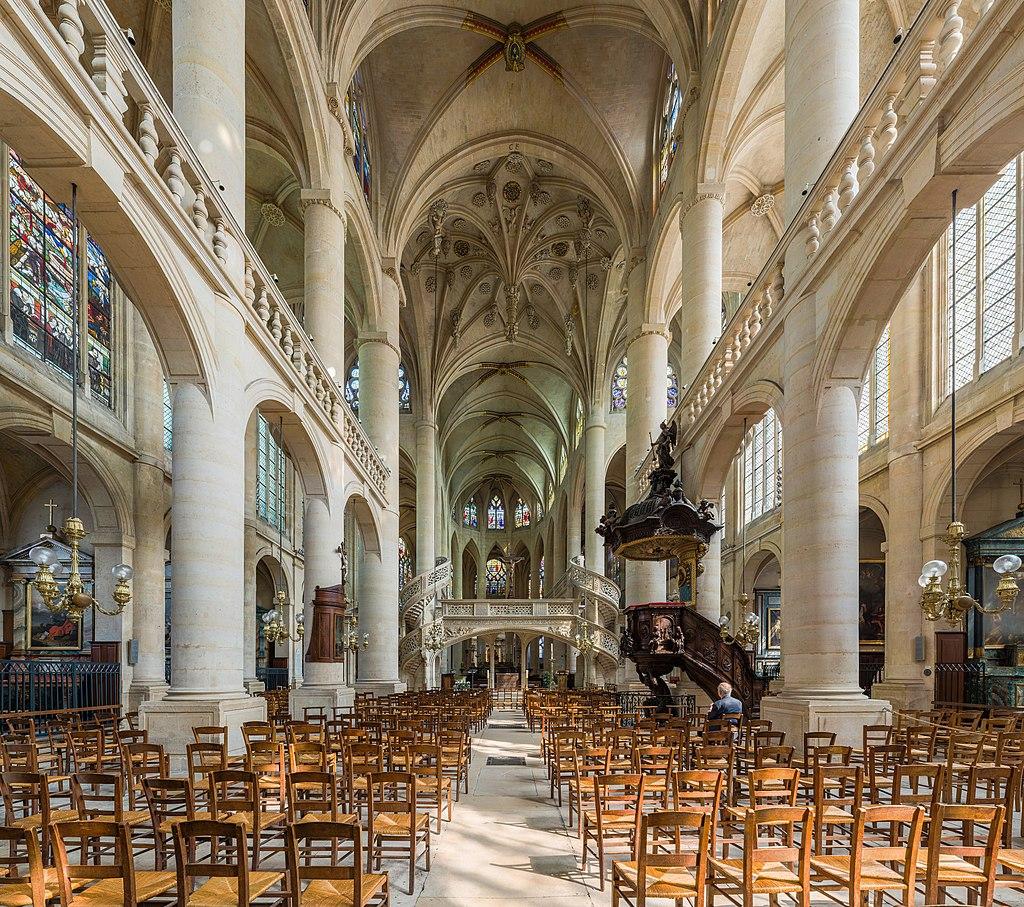
Église Saint-Étienne-du-Mont
A Gothic-Renaissance church tied to scholars and scientists.
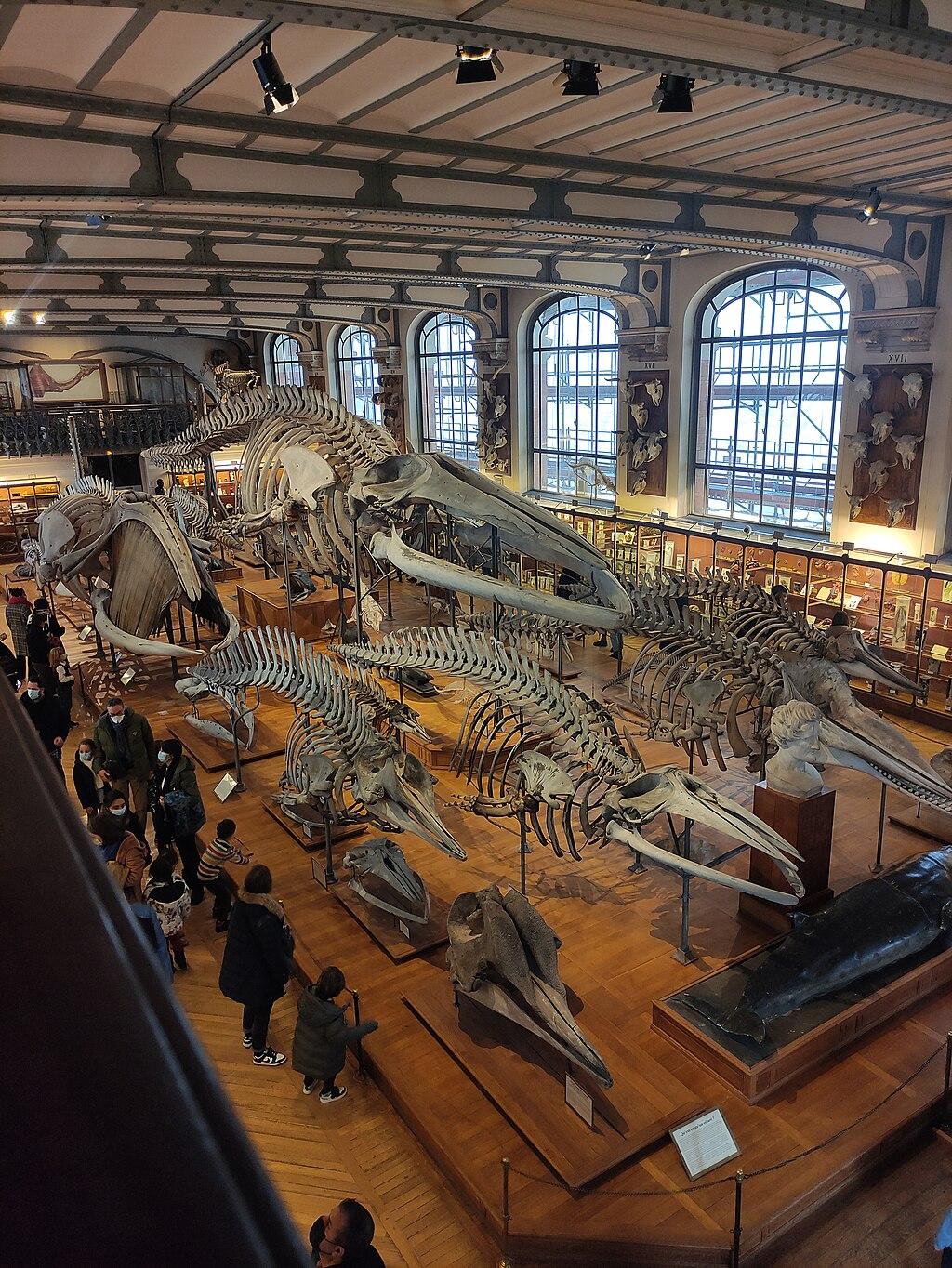
Muséum National d'Histoire Naturelle
France’s national natural history campus and collections.
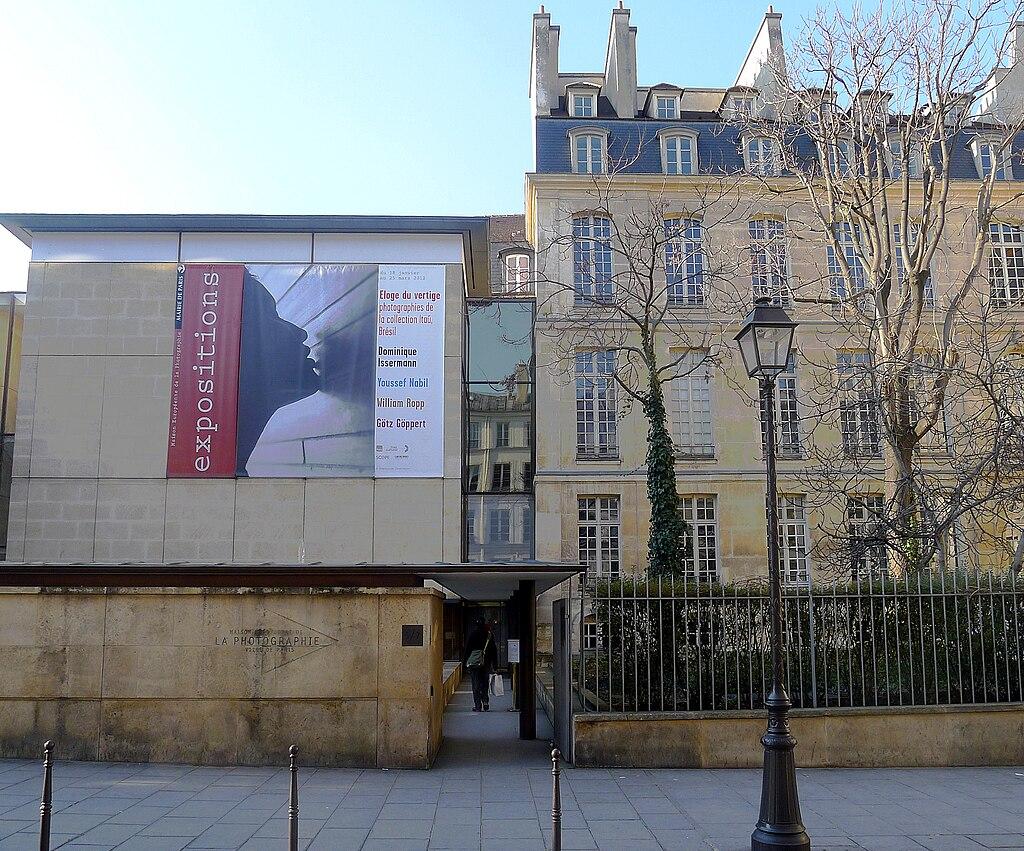
Maison Européenne de la Photographie
A photography center housed in a historic hôtel particulier.
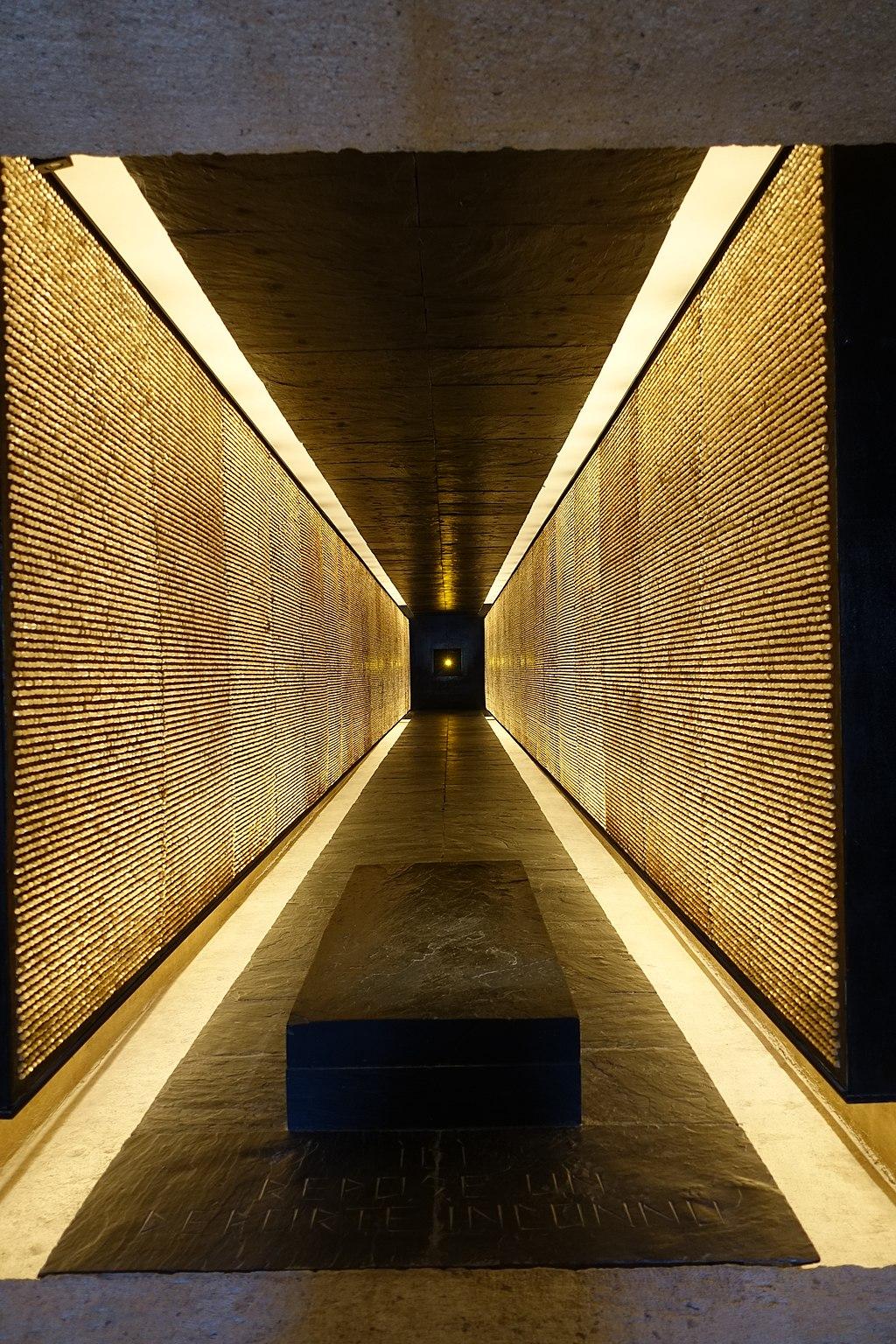
Mémorial des Martyrs de la Déportation
An island memorial to the deported of World War II.
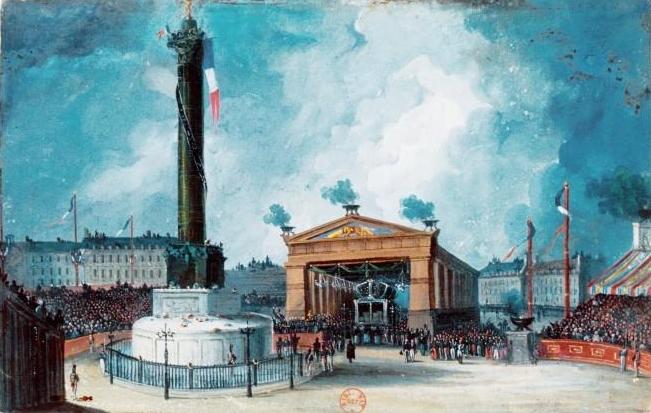
Colonne de Juillet
A column commemorating the July Revolution of 1830.
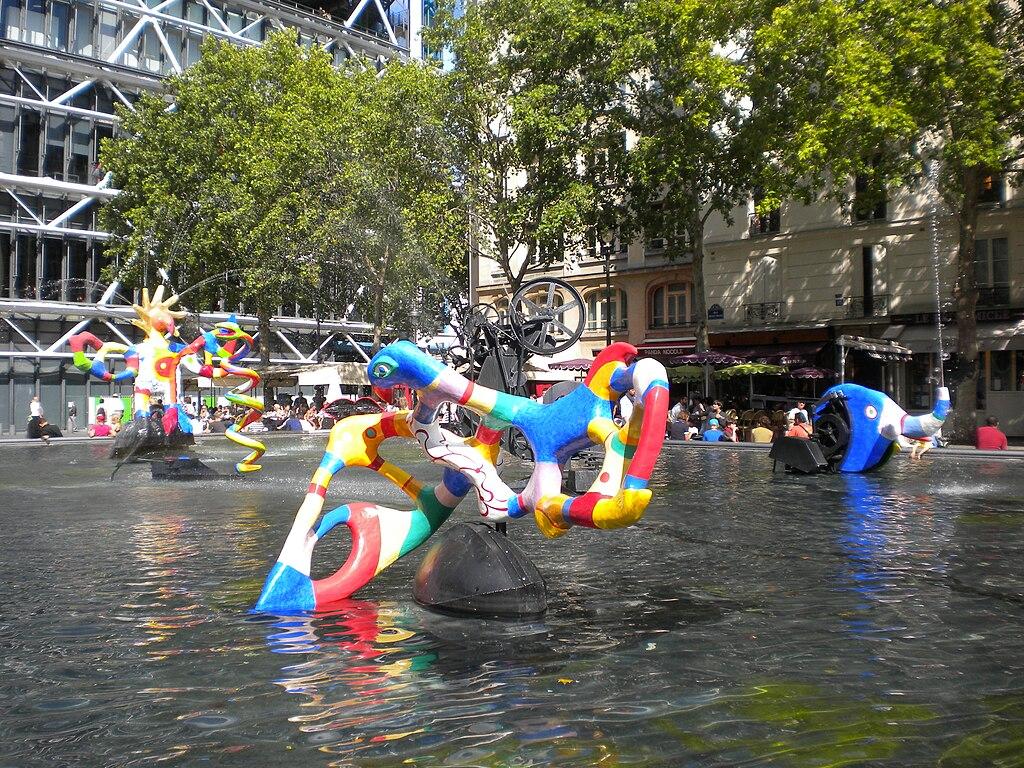
Stravinsky Fountain
A kinetic, colorful fountain beside the Centre Pompidou.
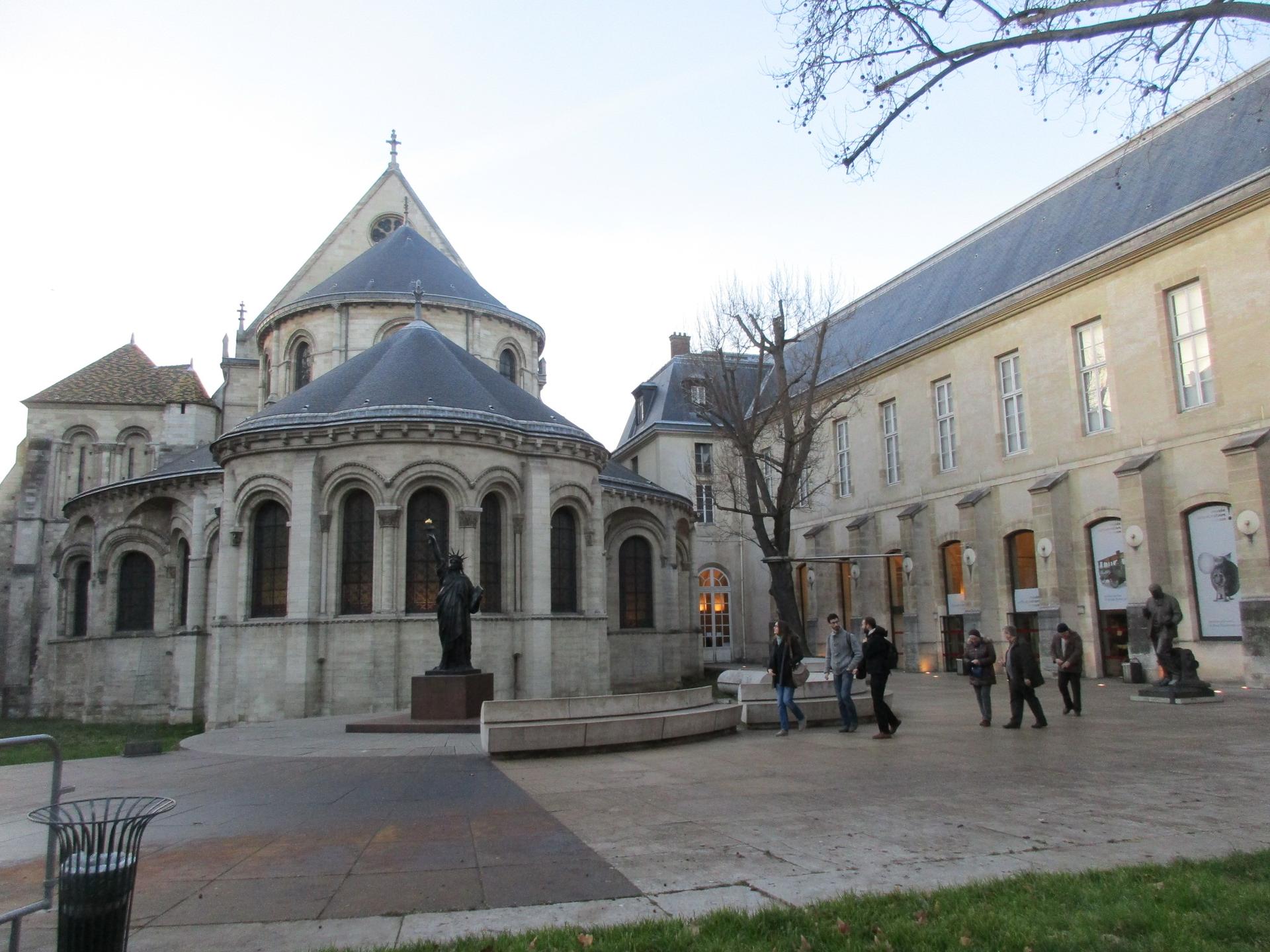
Musée des Arts et Métiers
A museum of science, innovation, and industrial design.
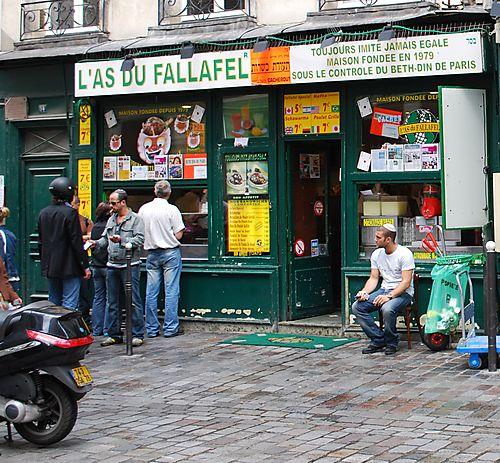
Rue des Rosiers
A historic street at the heart of the Jewish quarter.
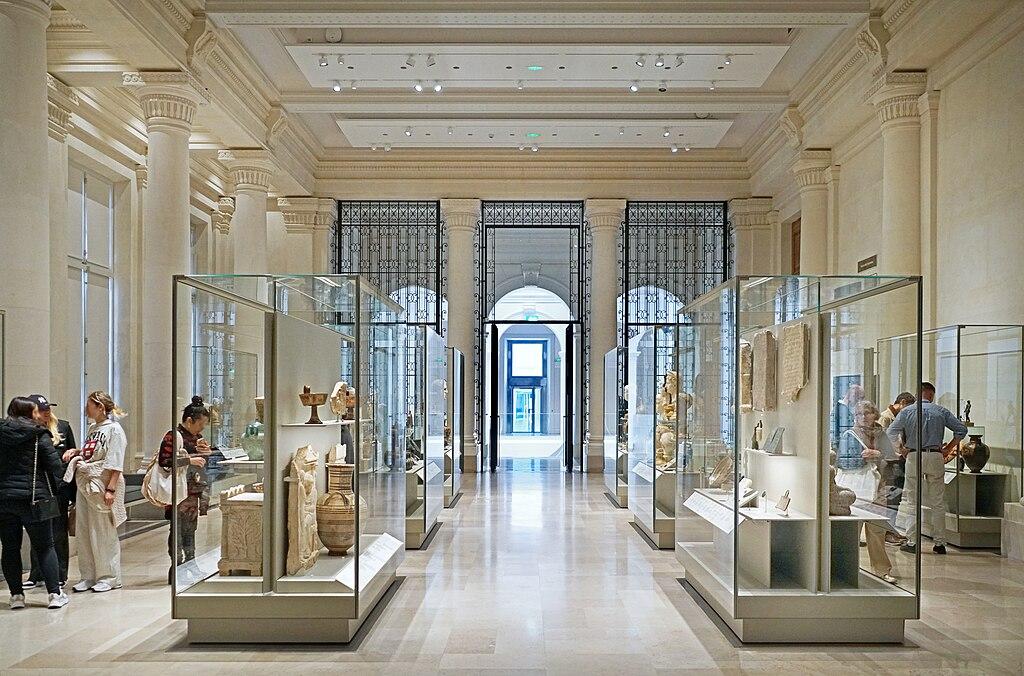
Musée de l'Histoire de France
A site narrating the evolution of the French state.
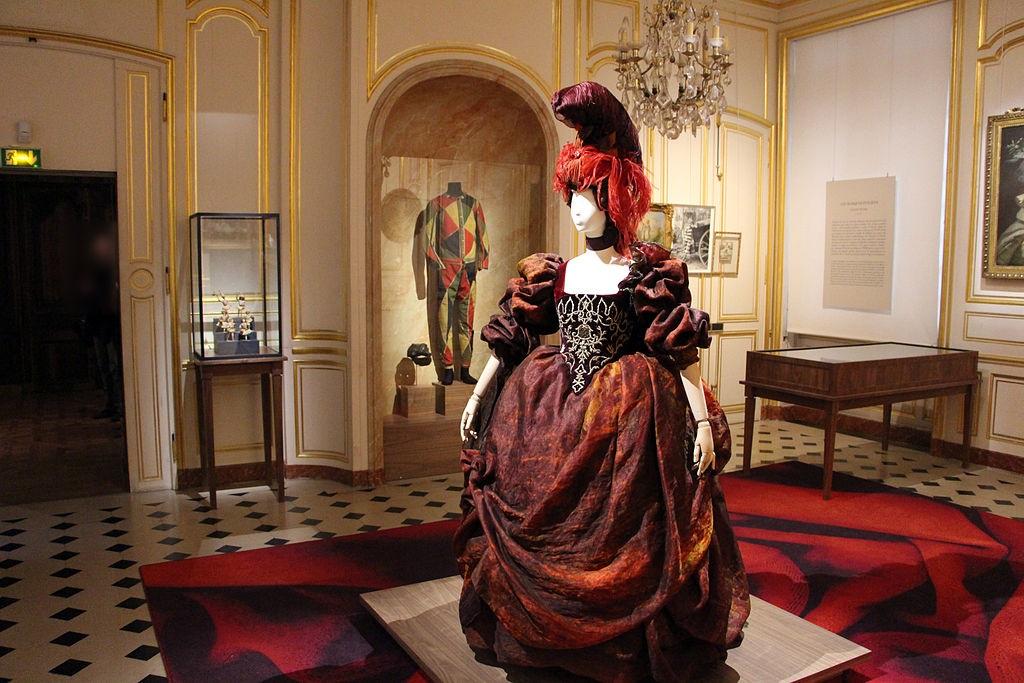
Musée Cognacq-Jay
An 18th-century collection focused on Parisian life and taste.
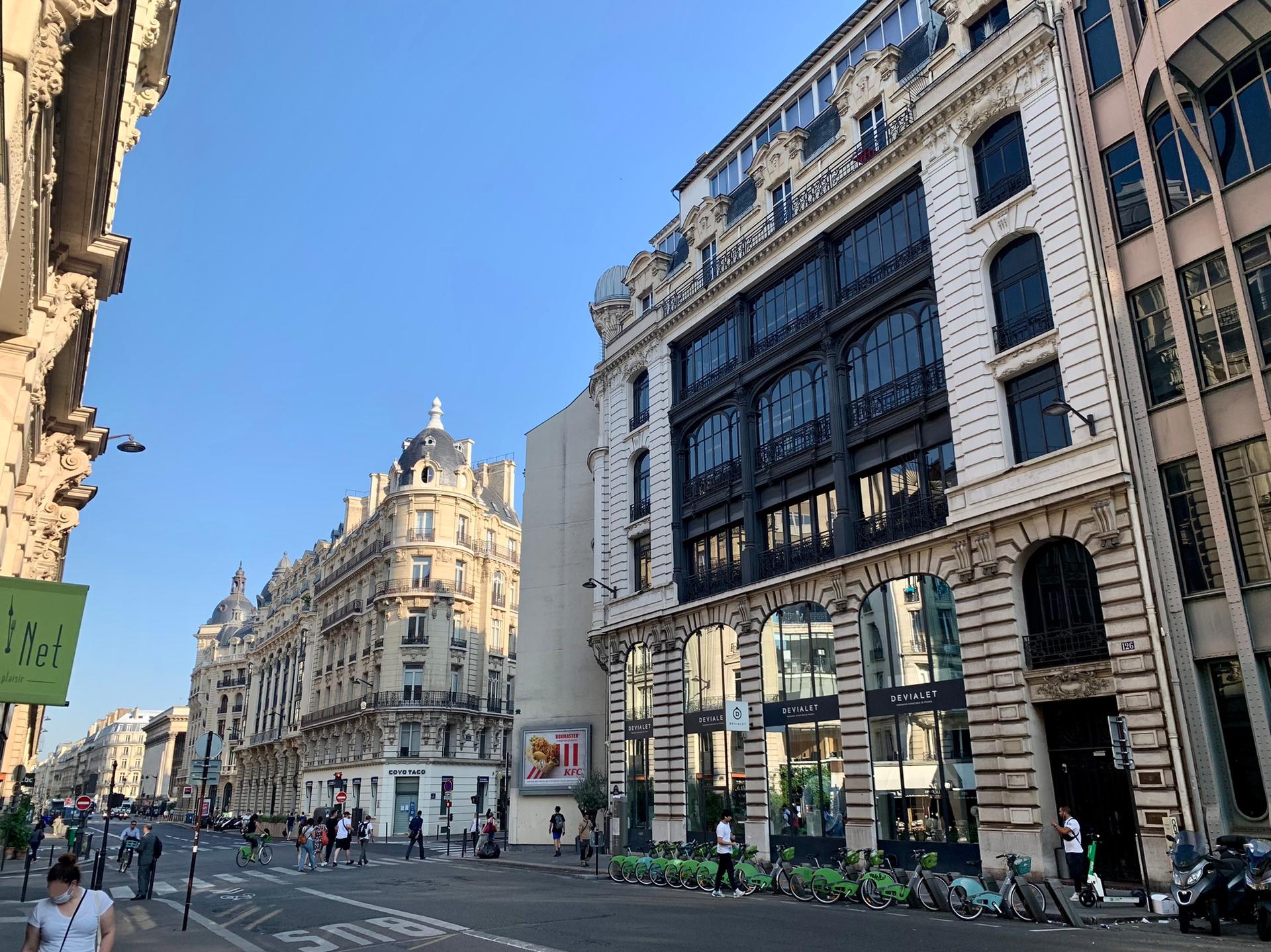
Rue Réaumur
A 19th-century street noted for innovative iron-and-glass architecture.
You've read about Paris.
Now walk it.
These stories are pins on our map. Open ROODS, walk to one, and hear it where it happened.