Stories in The Hague
91 stories about the places on our The Hague walks. Hear them on the spot in the app
Hear them where they happened
One map of The Hague. 91 stories on it.
Open ROODS in your browser, walk to a pin and hear its story right there. Nothing to install.
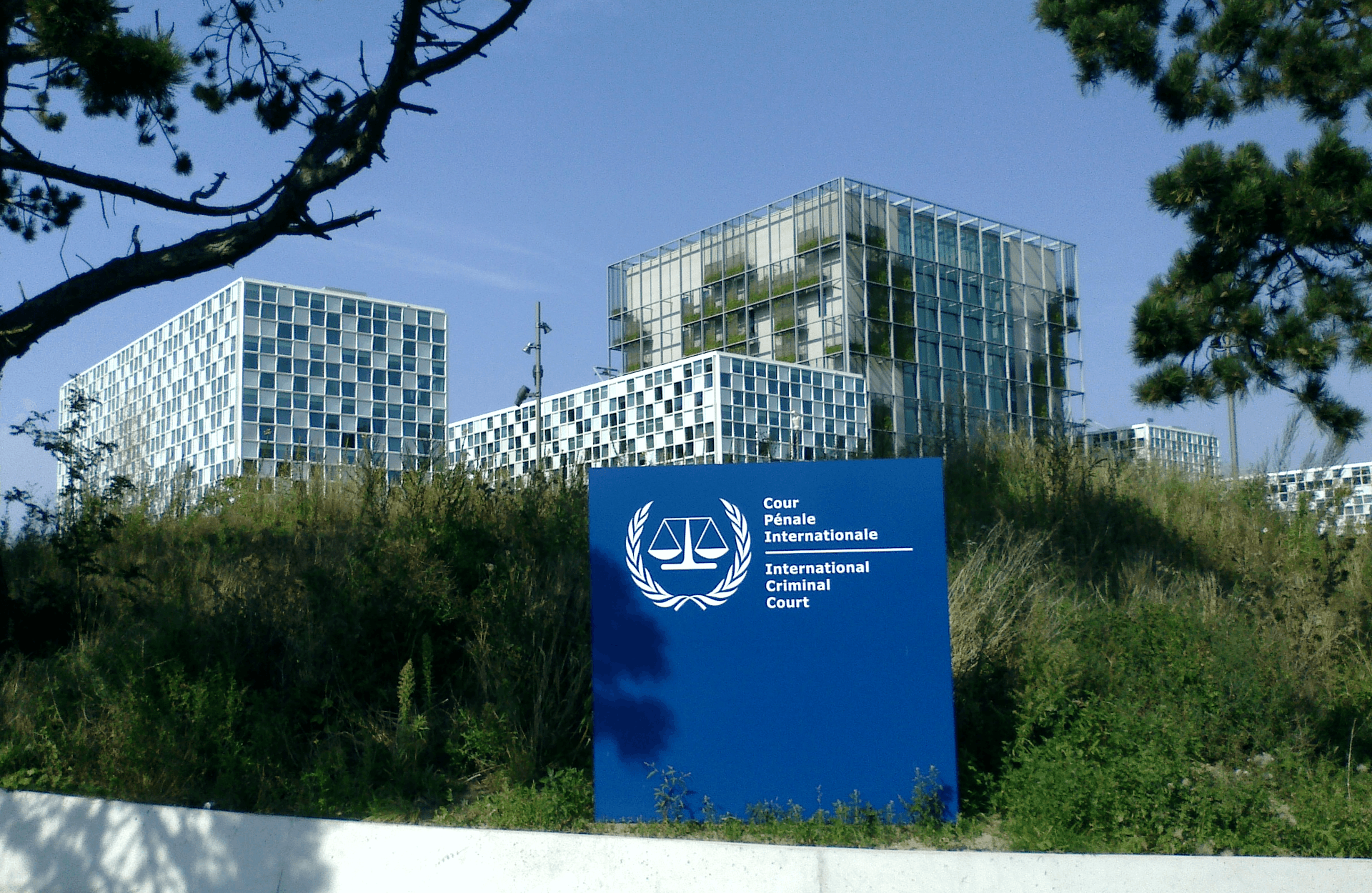
The International Criminal Court
On the grounds of a vanished barracks, this court tries genocide and war crimes.
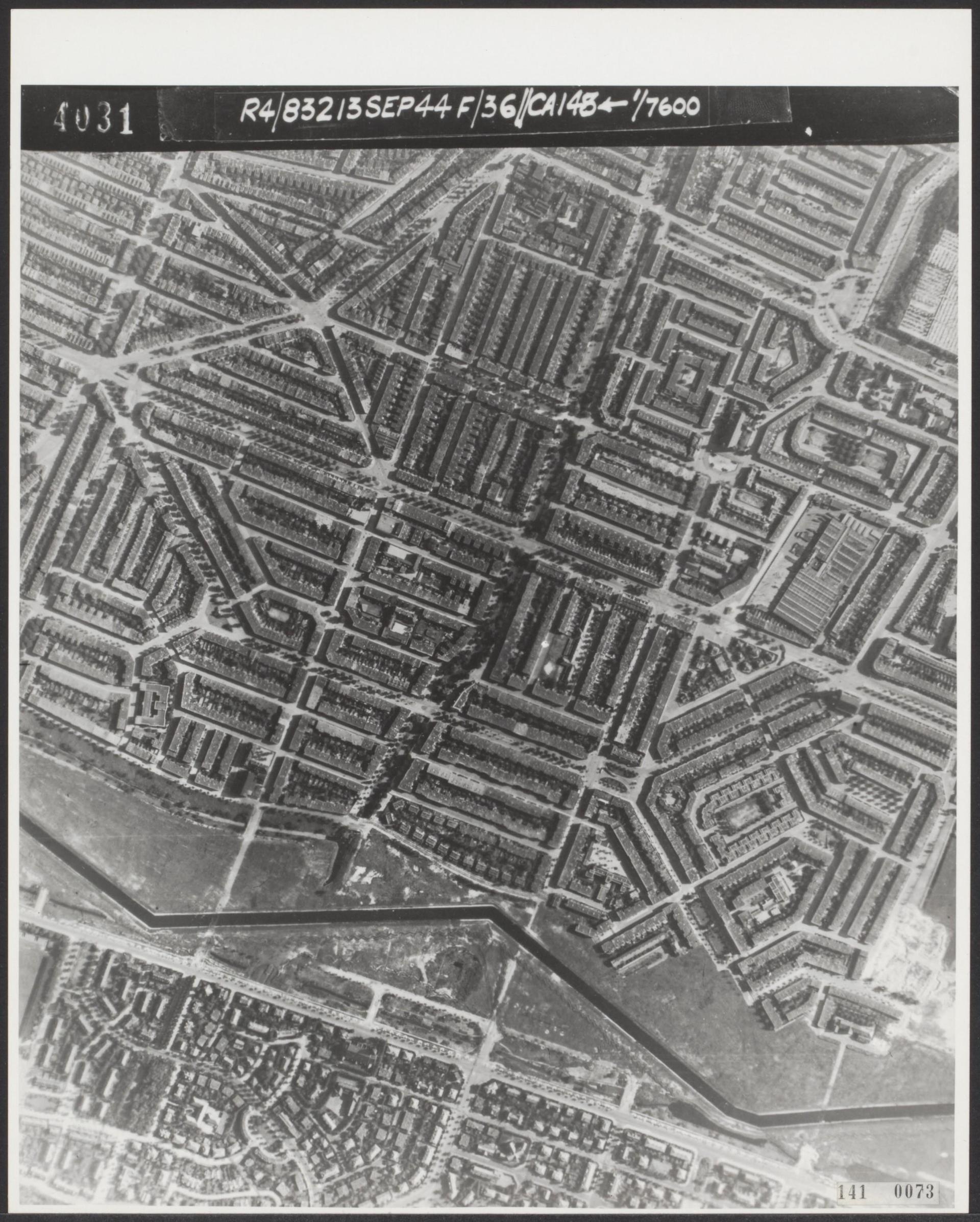
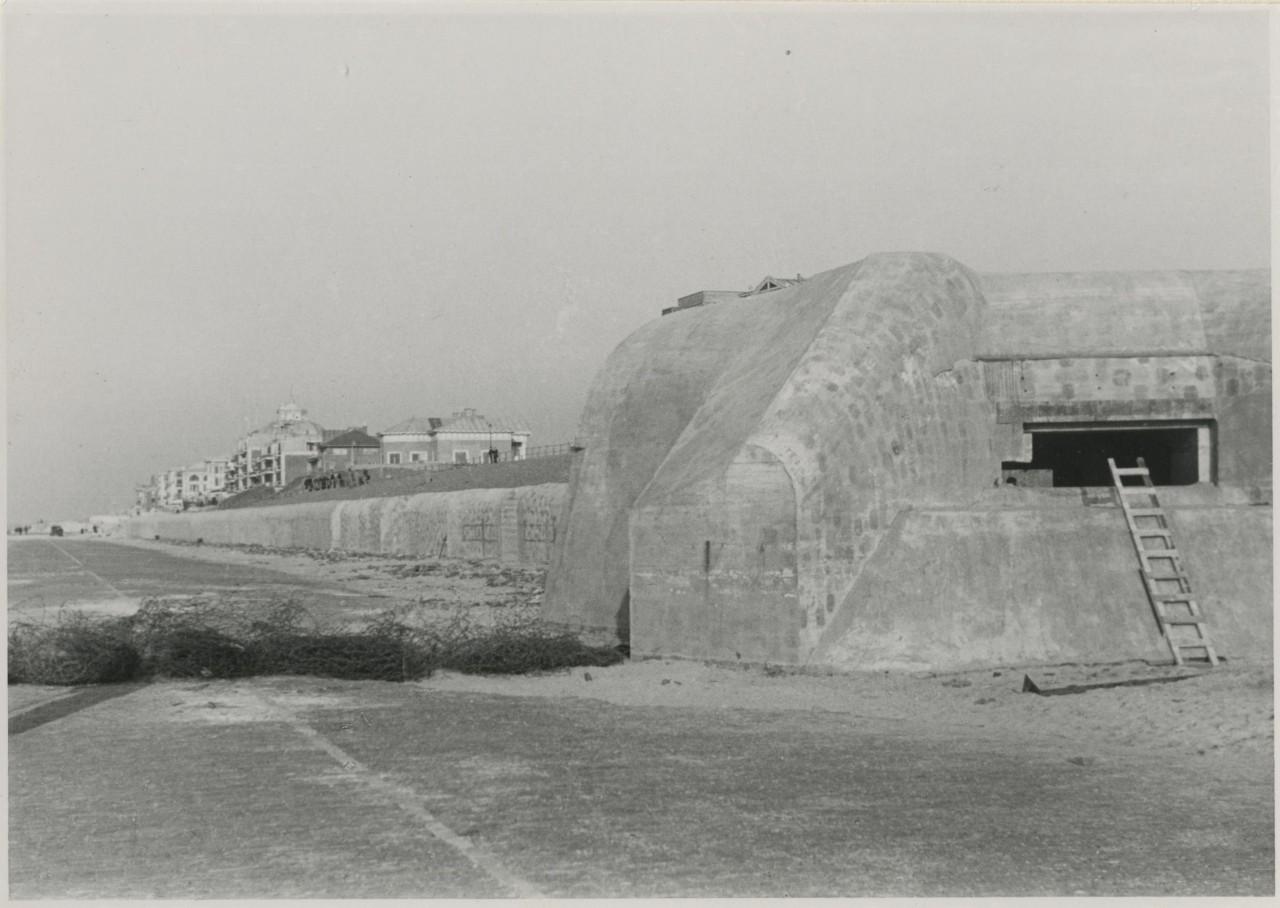
The anti-tank wall on the Van Alkemadelaan
Six hundred and fifty metres of the concrete anti-tank wall still stand here, with a gun casemate.
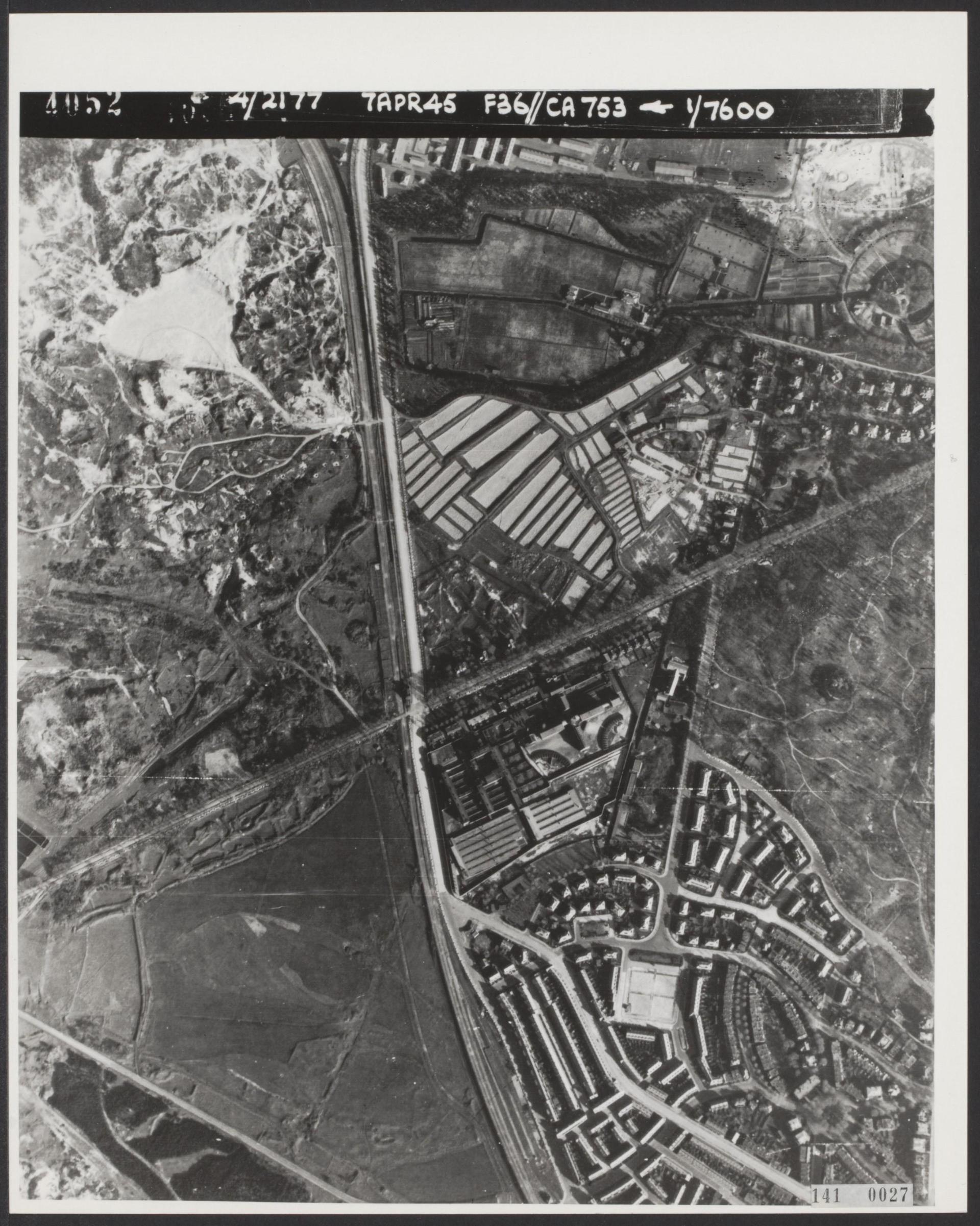
The Orange Hotel and cell 601
More than twenty-five thousand people were held in this prison, many of them resistance members.
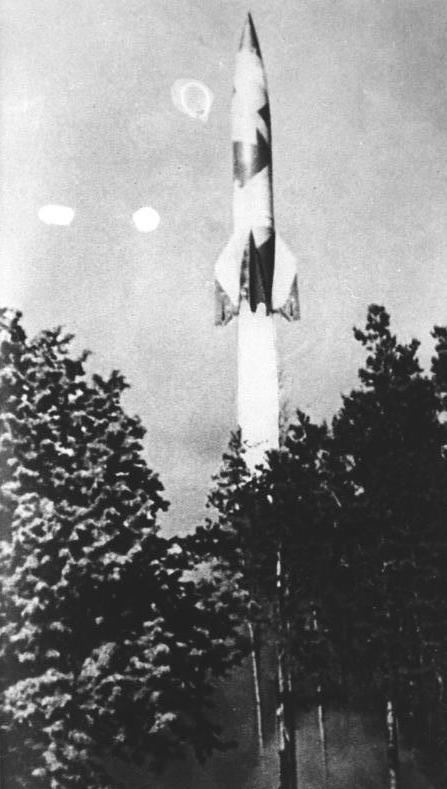
The V2 from the Westbroekpark
Rockets were launched at London from this park and the streets around it.
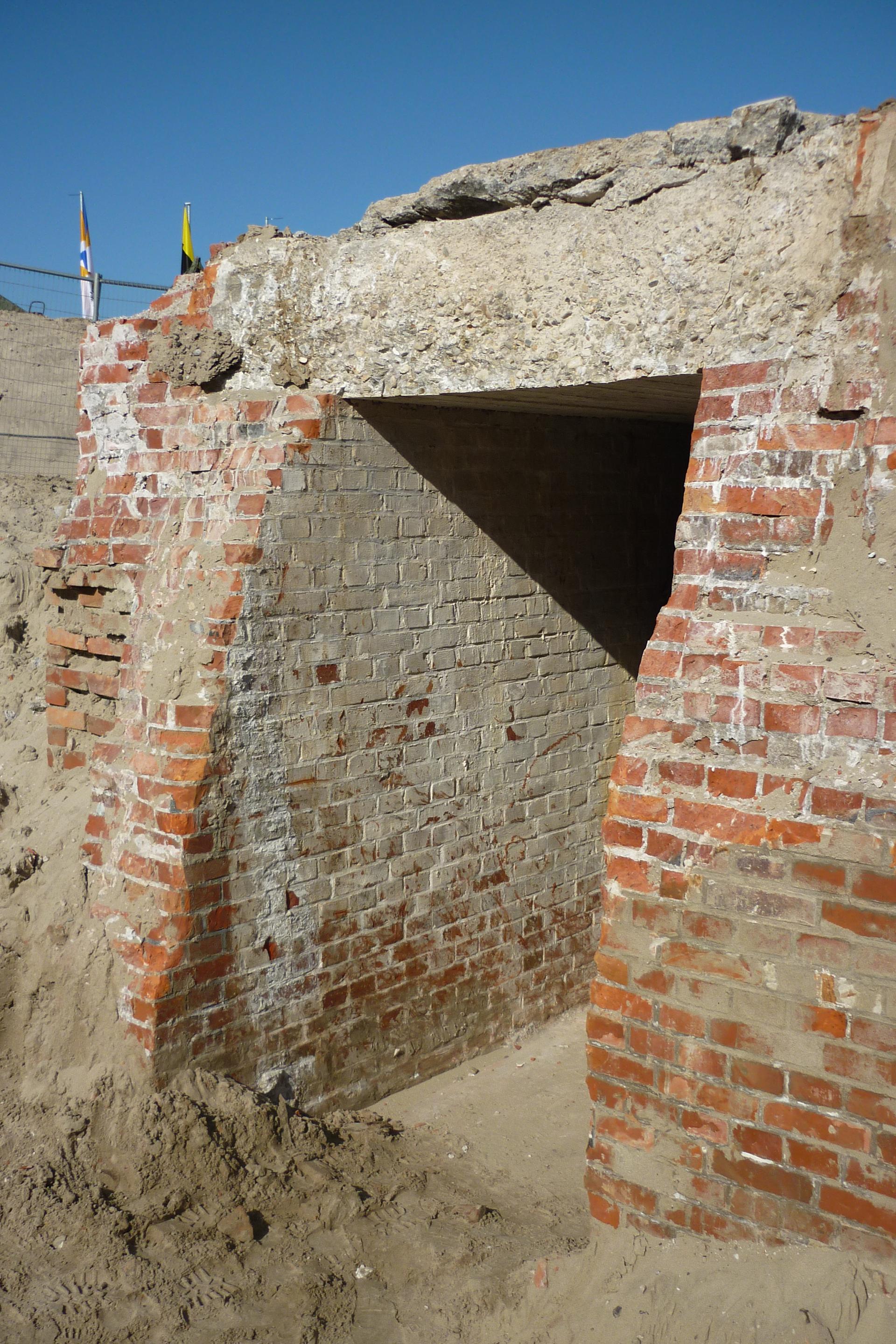
The command bunker on the Badhuisweg
From this bunker the occupier directed the defence of Scheveningen.
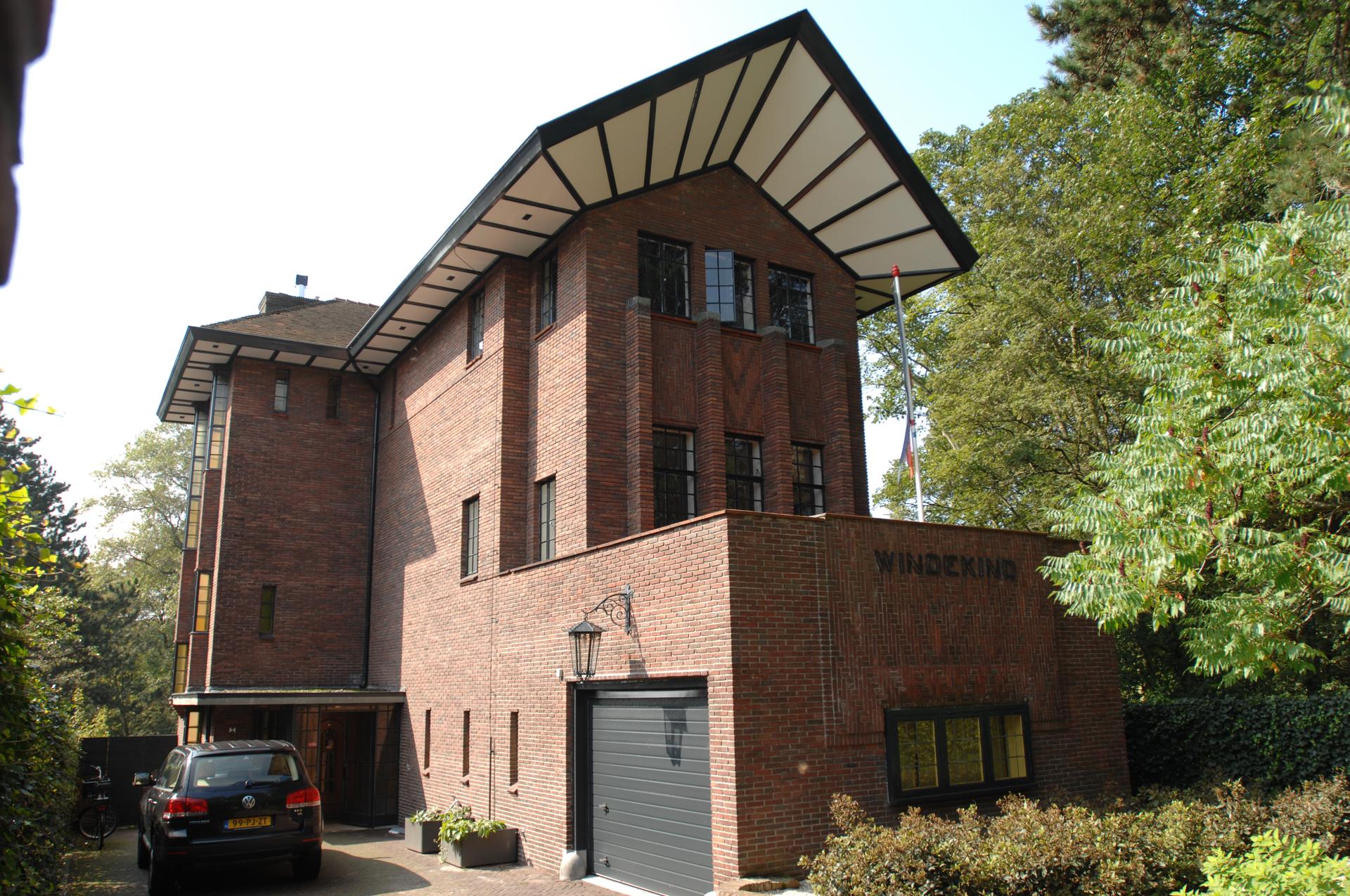
Villa Windekind
This villa housed the security police branch that hunted Jews in hiding.
The closed zone on the Nieuwe Parklaan
Residents here had to leave, and the empty villas were requisitioned by the occupier.
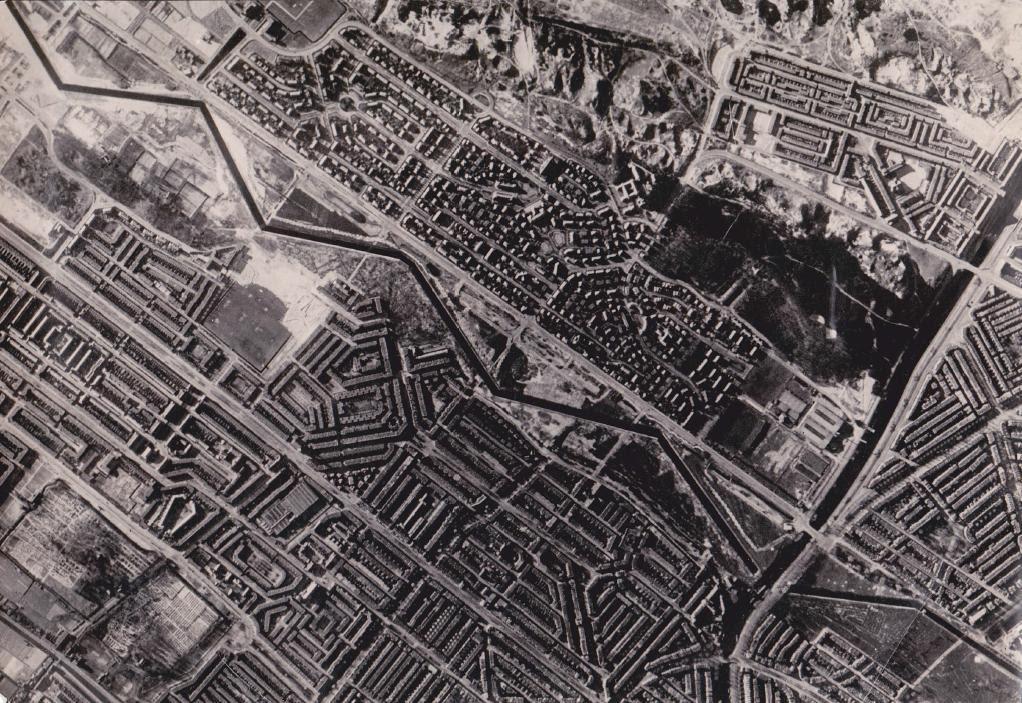
The anti-tank ditch at the Waterpartij
In the war this pond was dug out to become part of the anti-tank ditch.
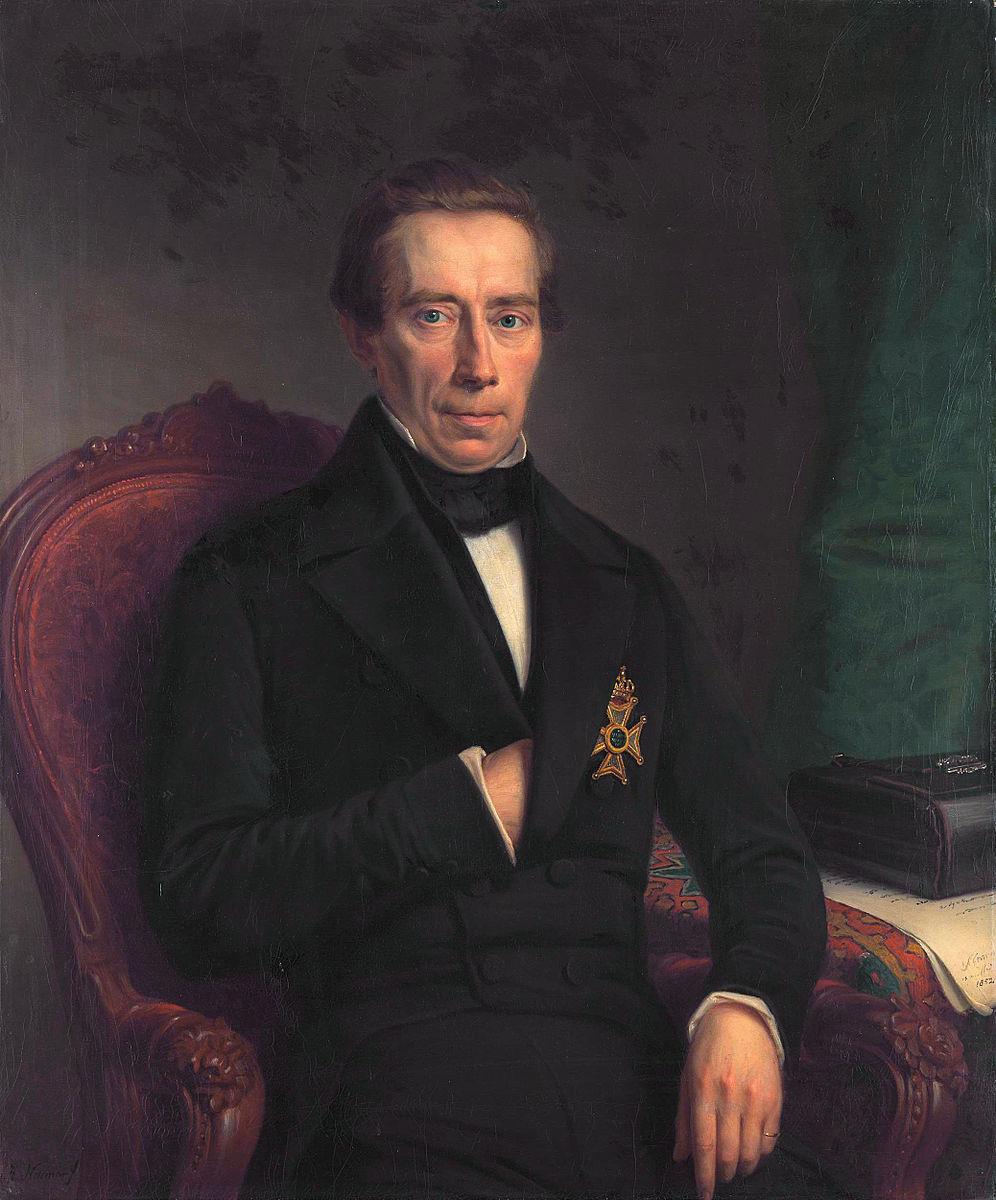
Thorbecke, the Outsider on the Voorhout
The man who rebuilt Dutch government was disliked by almost everyone who worked with him, and his home city took a century and a half to put him on this square.
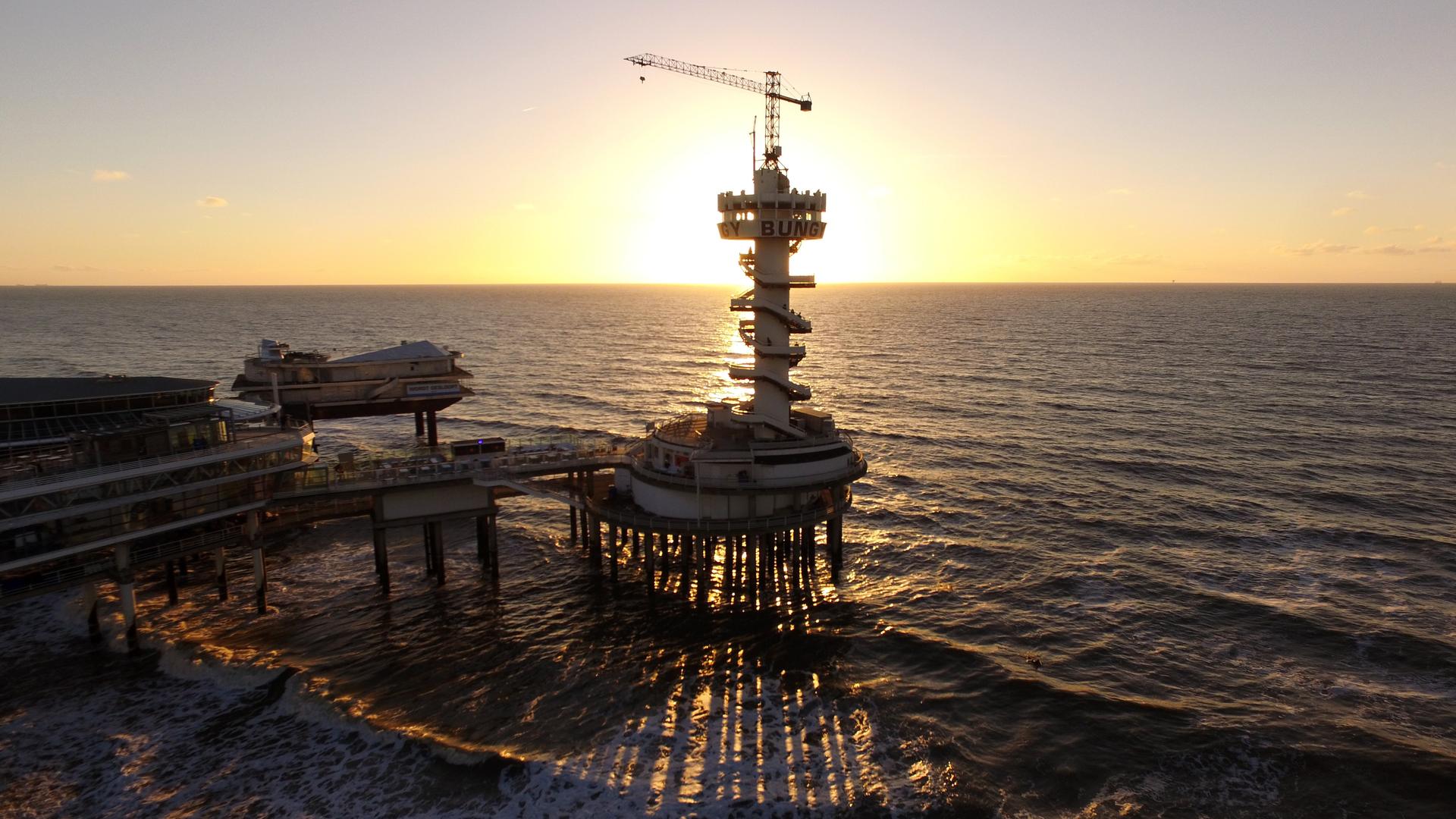
The Pier That Came Back
Eighteen years after the first pier burned down, Scheveningen built another one, and then spent half a century deciding what to do with it.
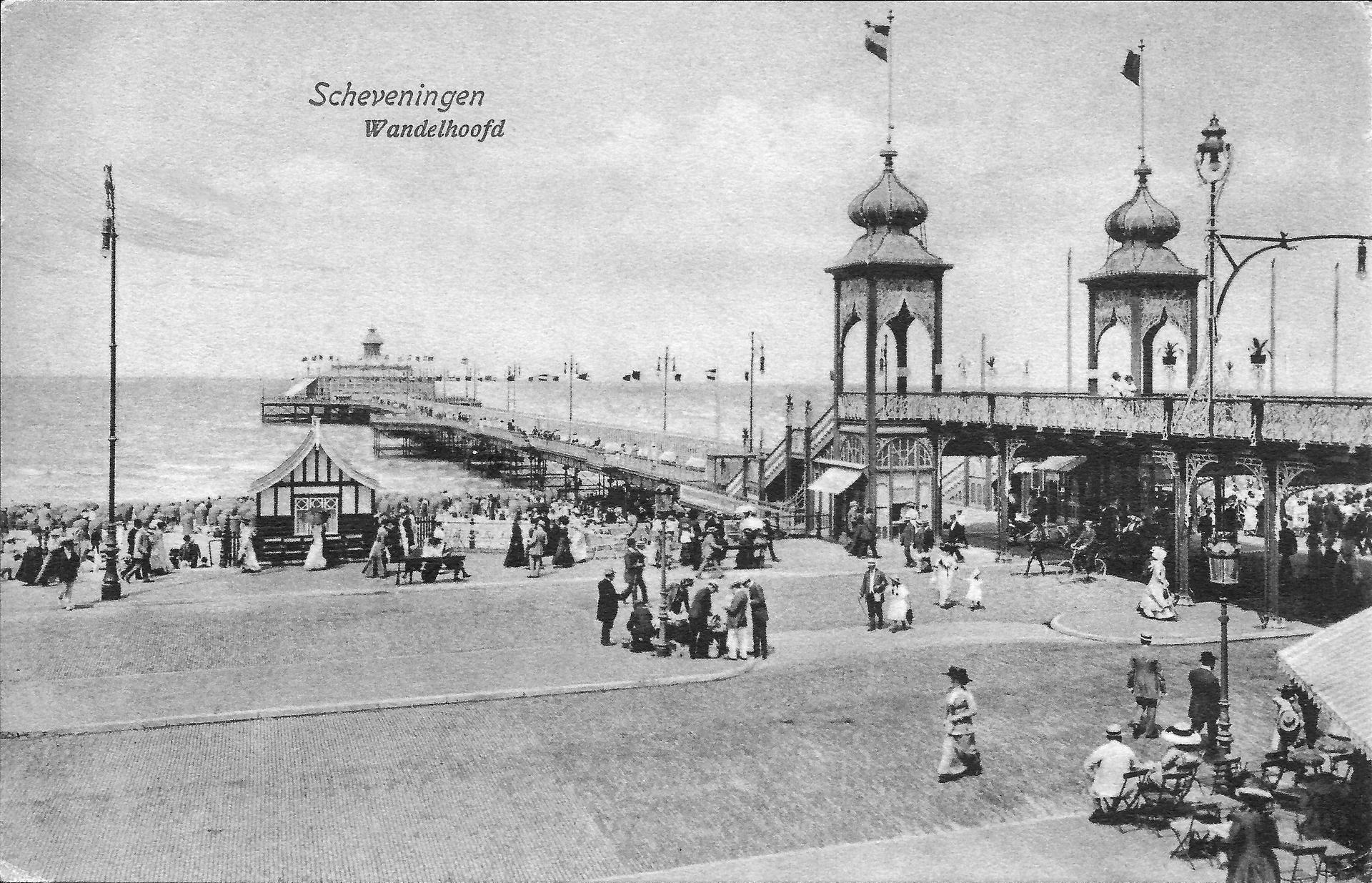
The Pier That Burned in 1943
A wooden walkway on 318 piles, reached by a private bridge from the Kurhaus, and gone in a single fire in 1943.
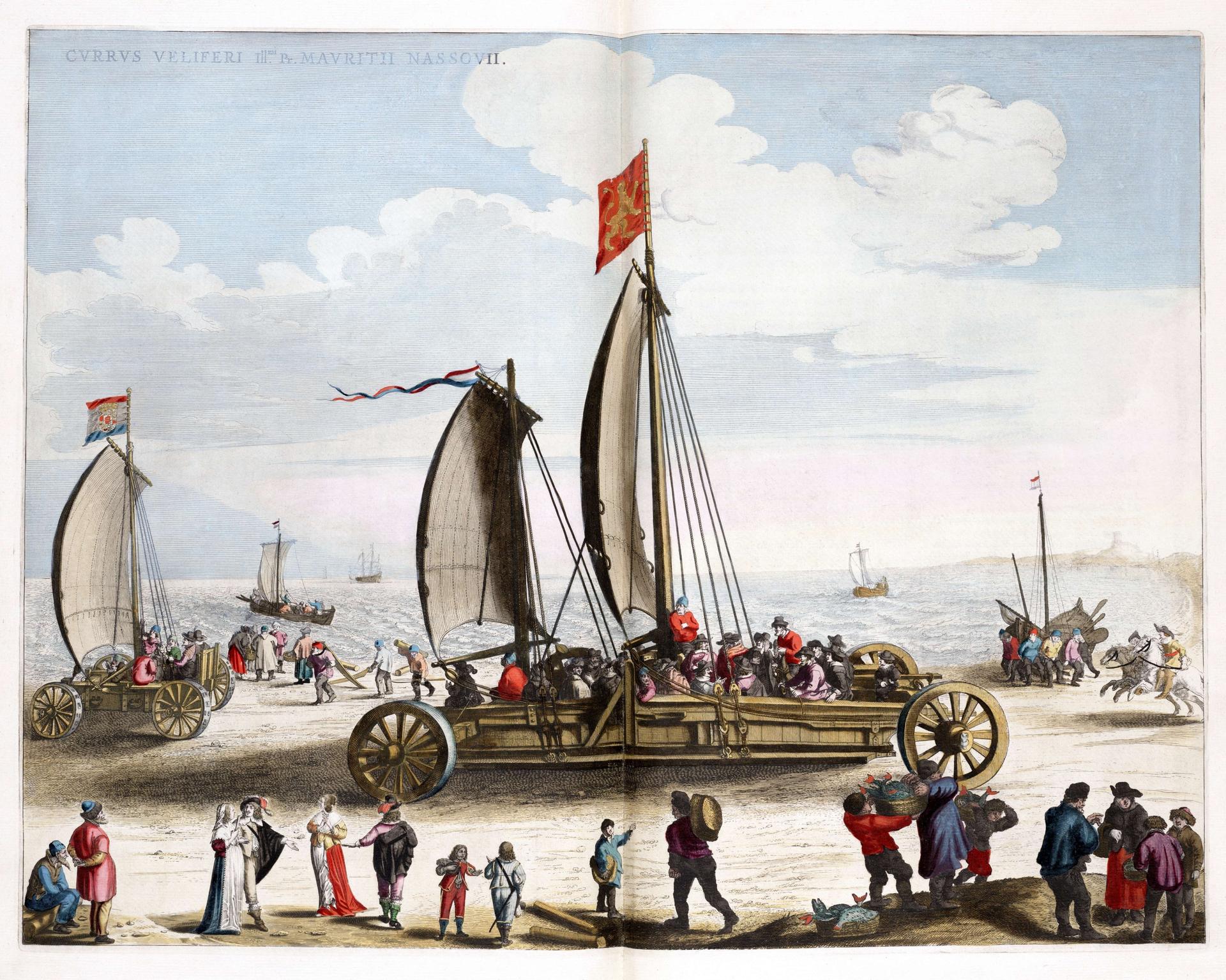
Simon Stevin's Sailing Chariot
For two hours in 1602, the fastest vehicle in Europe was a ship on wheels, running up this beach with a prince and a future father of international law on board.
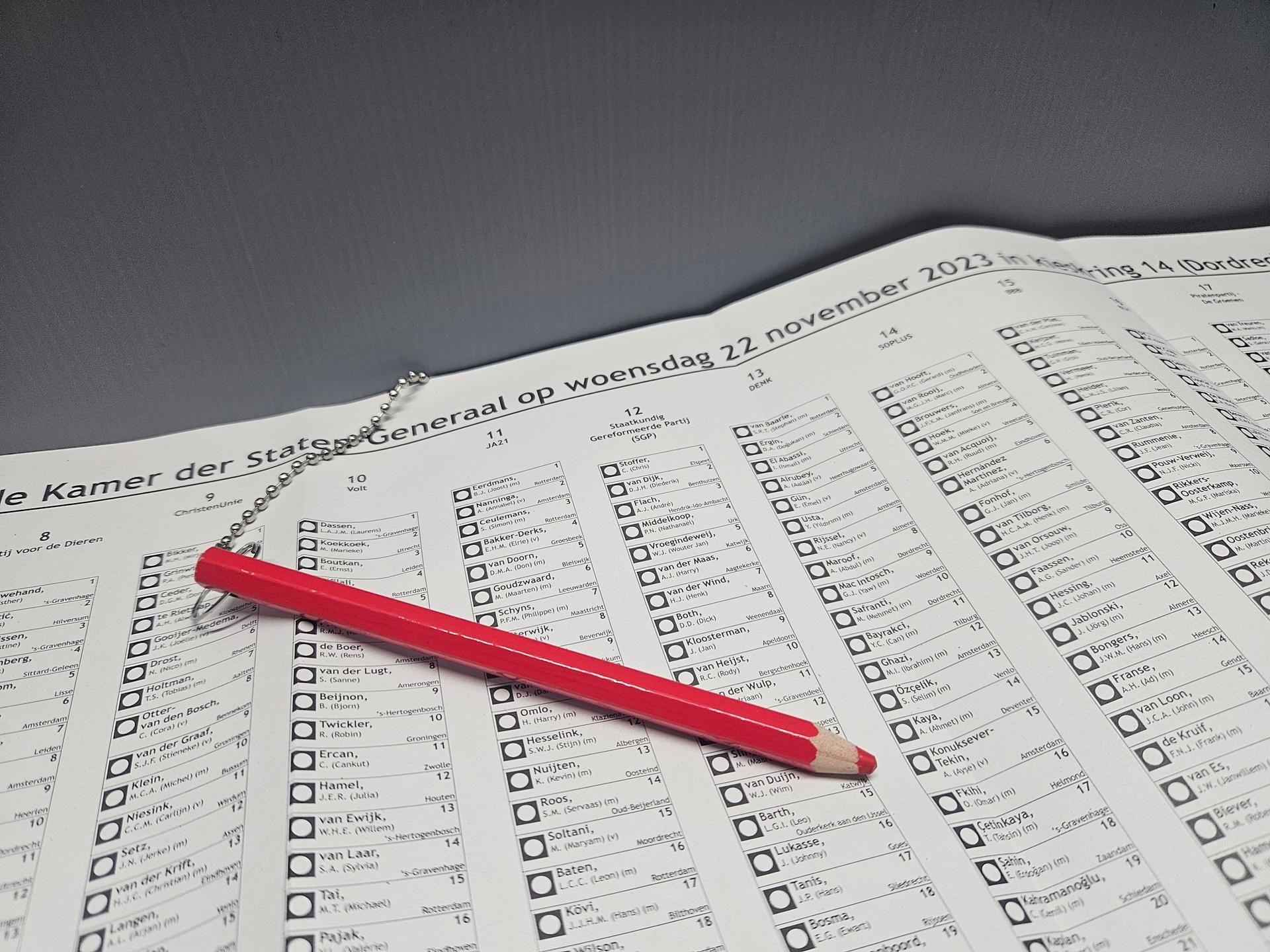
The Red Pencil
One of the most digitised countries in the world votes with a wooden booth and a pencil, and it chose to go back on purpose.
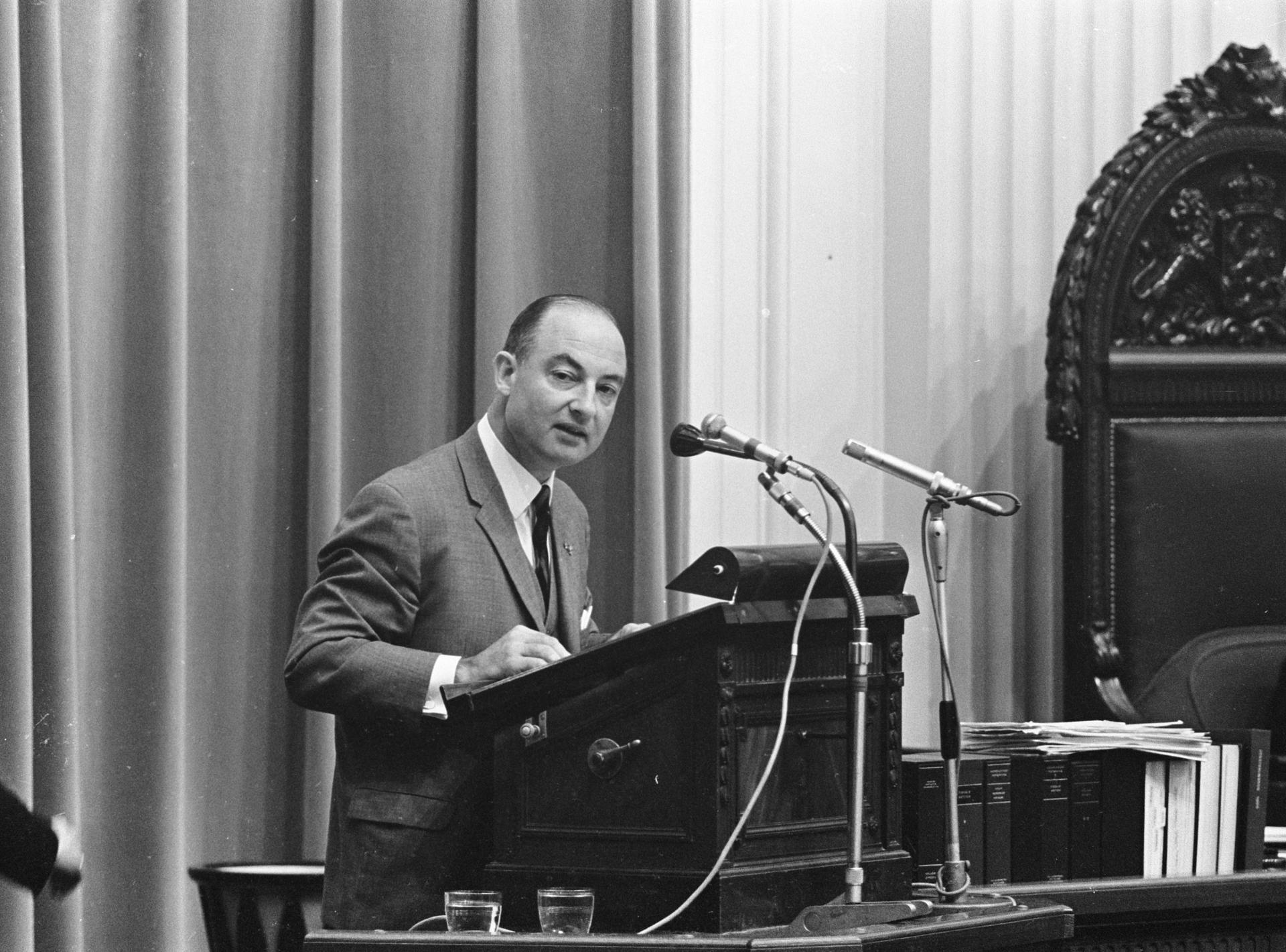
The Night of Schmelzer
A party leader toppled a prime minister from his own party at four in the morning, and the Dutch have been naming that night after him ever since.
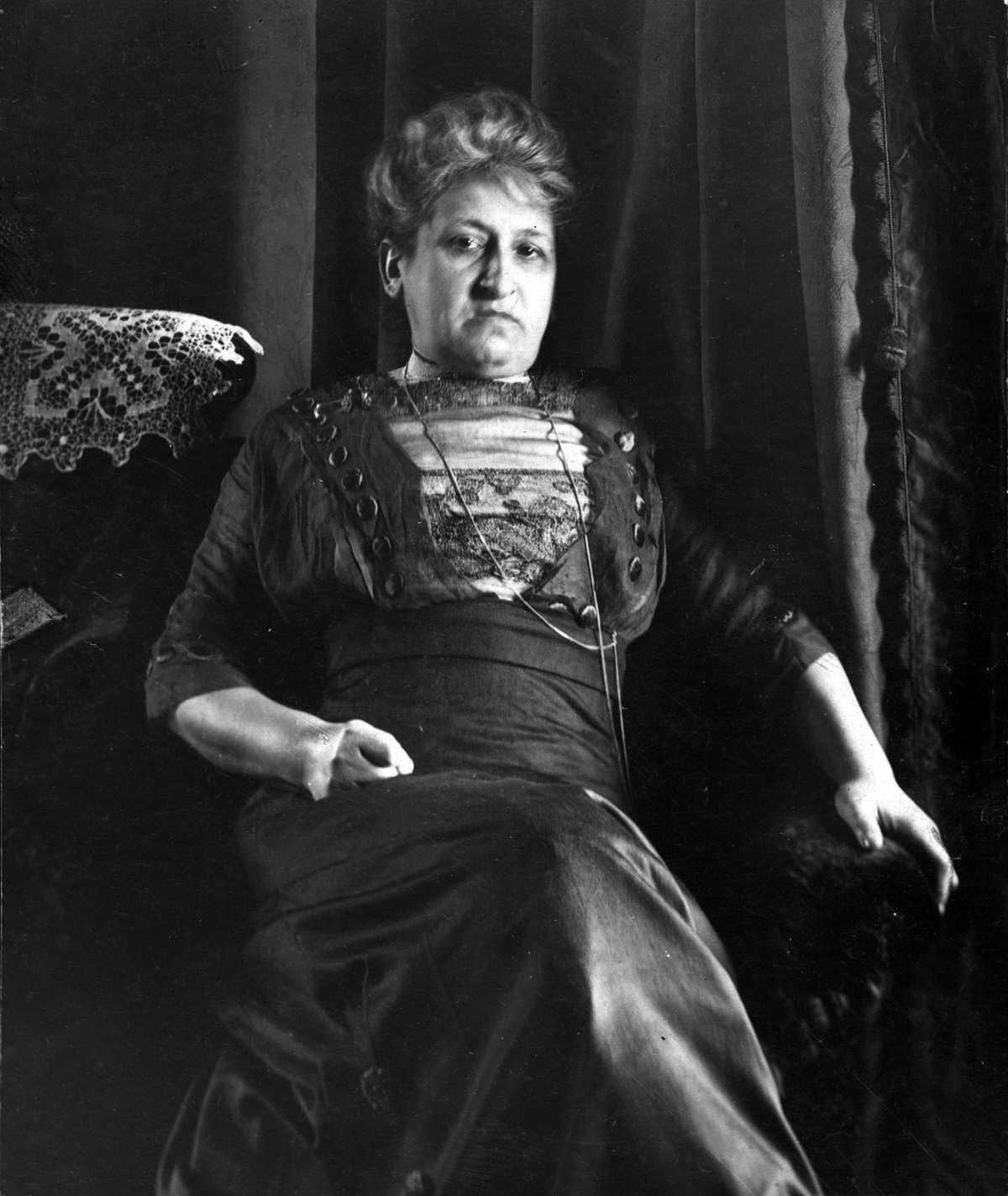
Aletta Jacobs and the Word That Was Added
A doctor read the constitution closely, found no mention of men, and asked for the vote. Parliament's answer was to add the word.
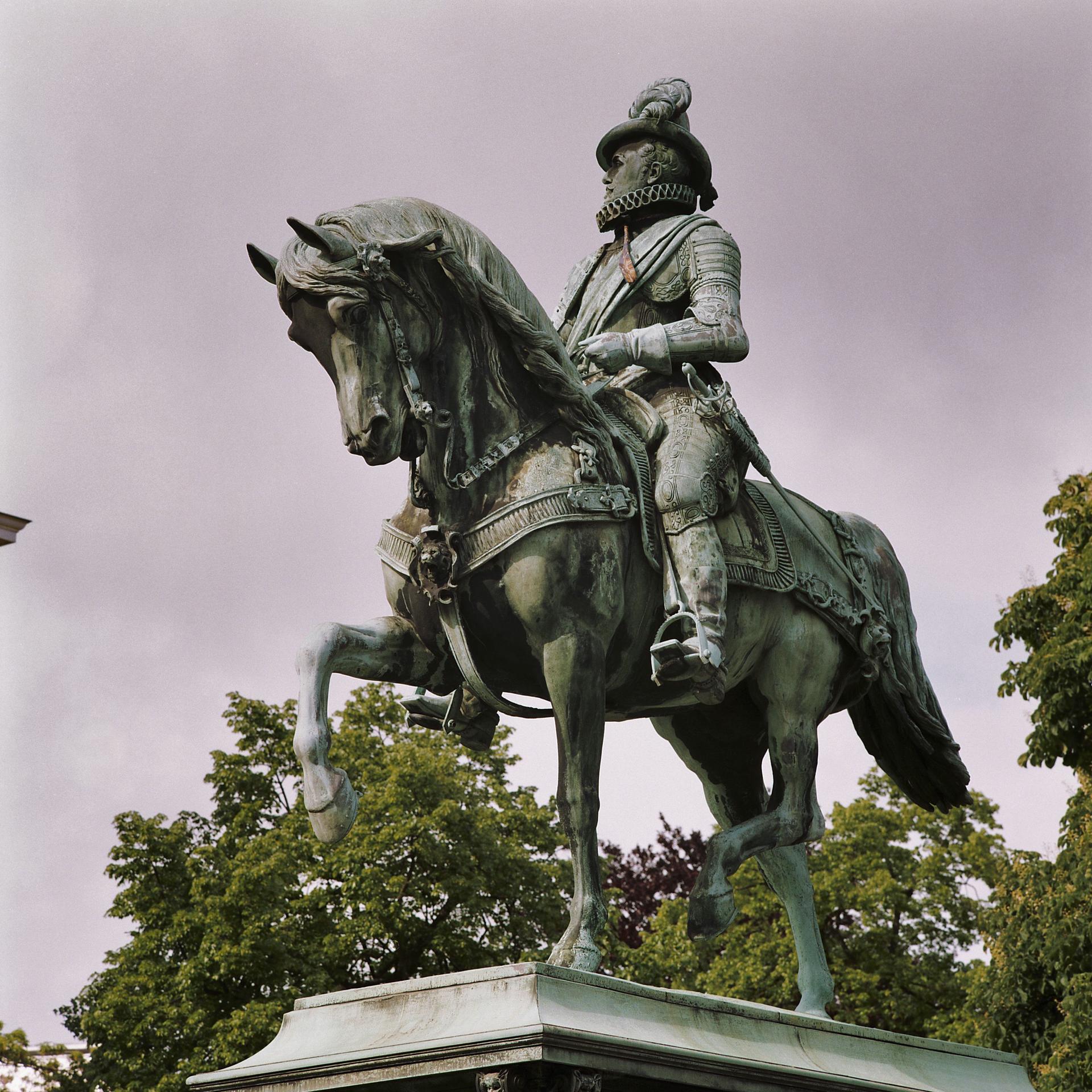
Willem van Oranje
Born Catholic, raised to serve the Spanish crown, and ended as the man Philip the Second put a price on.
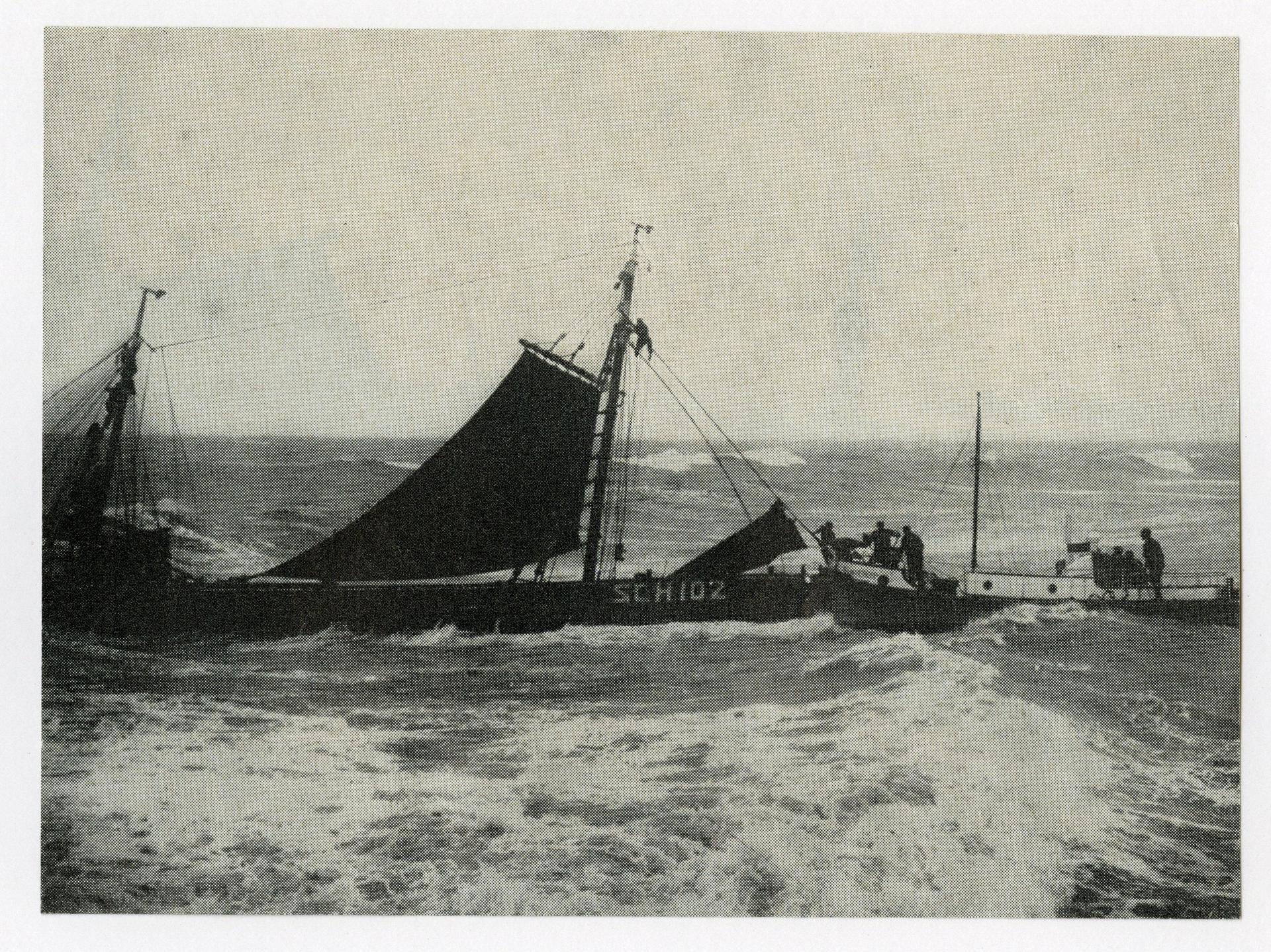
The Stranding of the SCH 102
A trawler four weeks at sea, a crowd waiting on the quay, and a current that put the ship on the rocks in front of everyone.
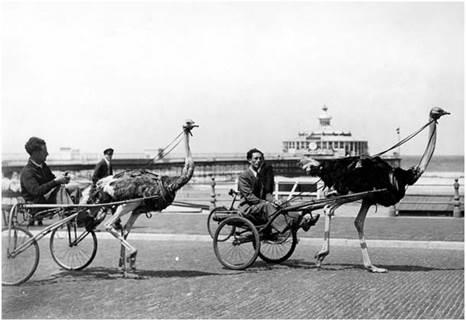
Ostrich Rides on the Scheveningen Boulevard
In the summer of 1935 the boulevard offered something the Dutch coast had never seen before: carts pulled by ostriches.
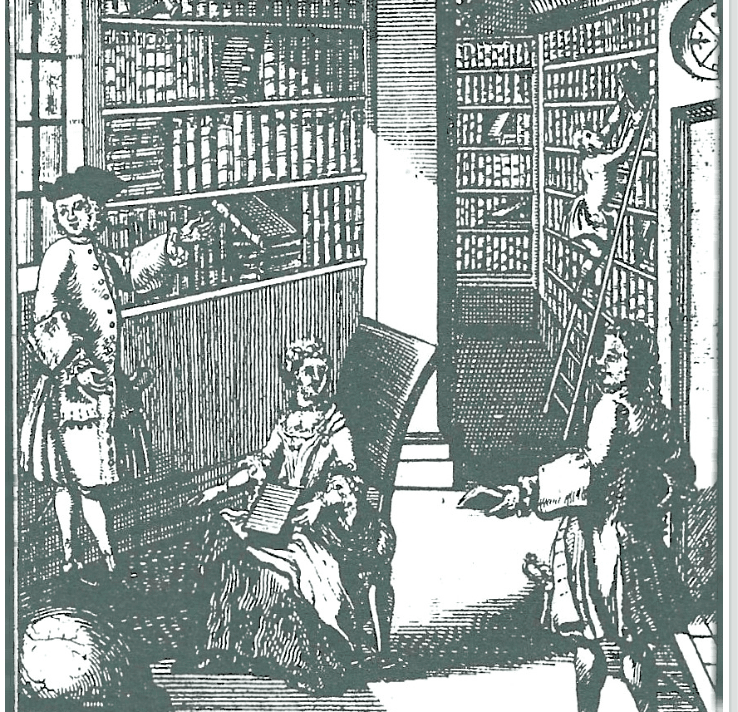
Scheurleer's Lending Library
In 1757 a bookseller on the Prinsegracht decided that people who could not afford books should be able to borrow them.
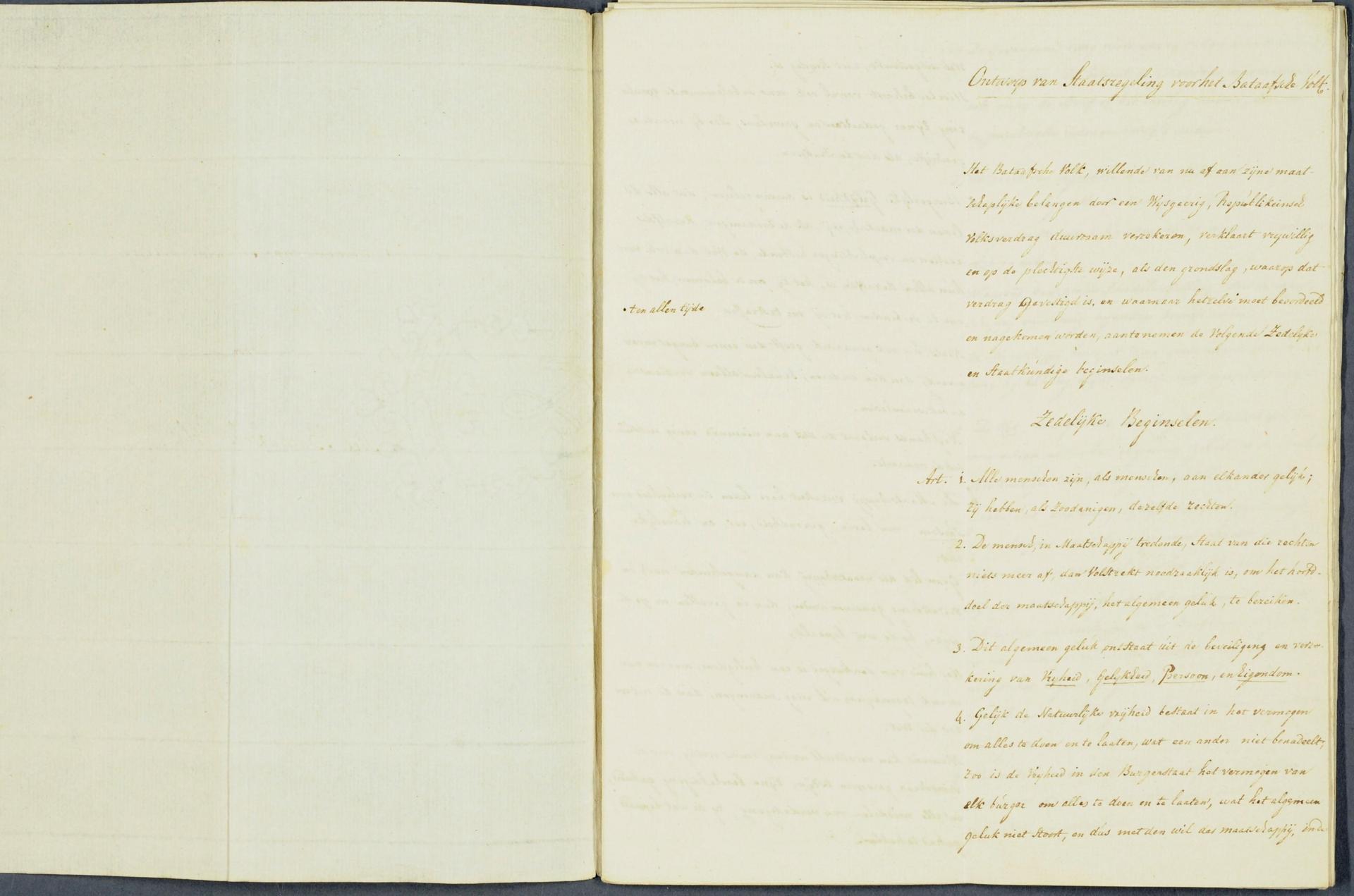
When Orange Was Banned
In 1784 the States of Holland banned the colour orange, on pain of death if need be.
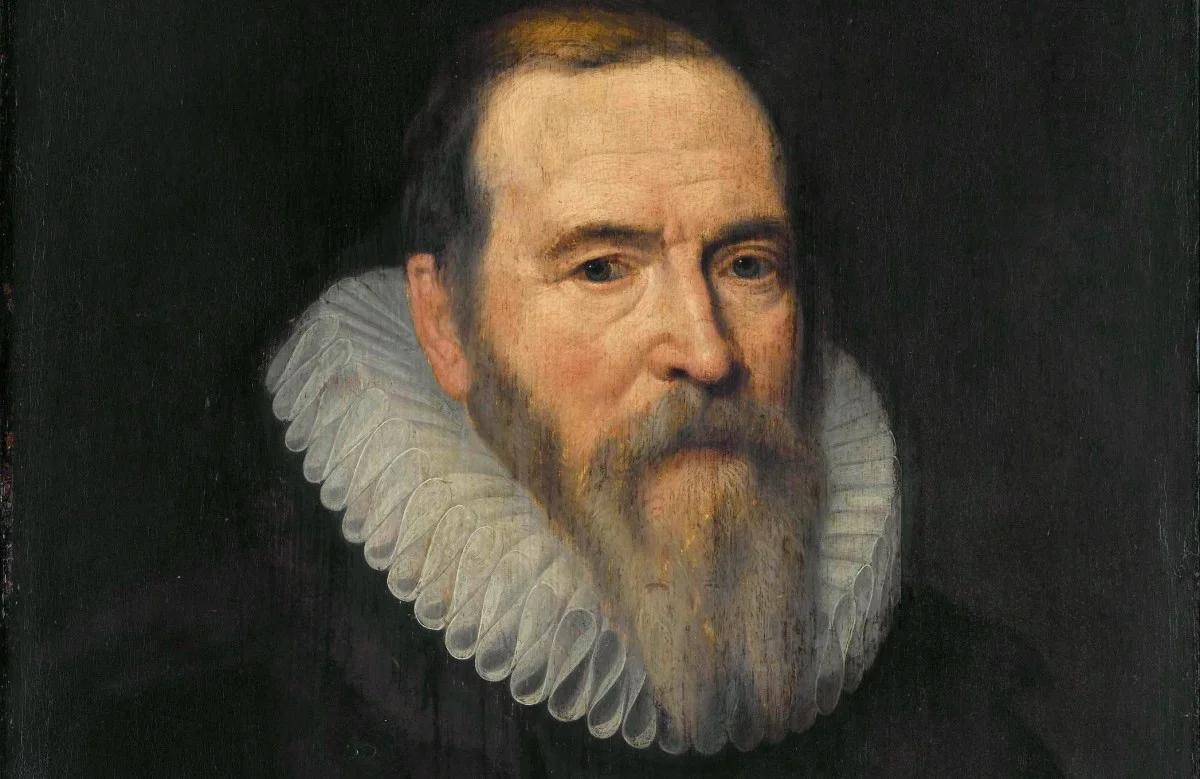
Johan van Oldenbarnevelt
He ran the diplomacy of the young Dutch Republic for three decades, and the Republic beheaded him on the Binnenhof at seventy-one.
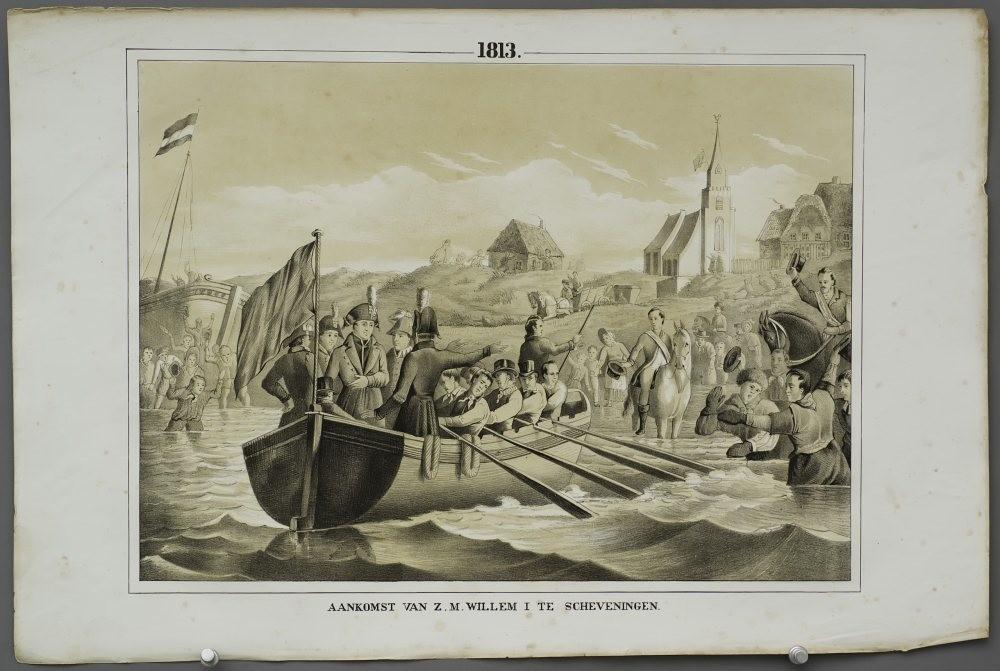
The Prince Lands at Scheveningen
A prince stepping off a British warship onto a windswept beach, returning to a country that had reinvented itself twice without him.
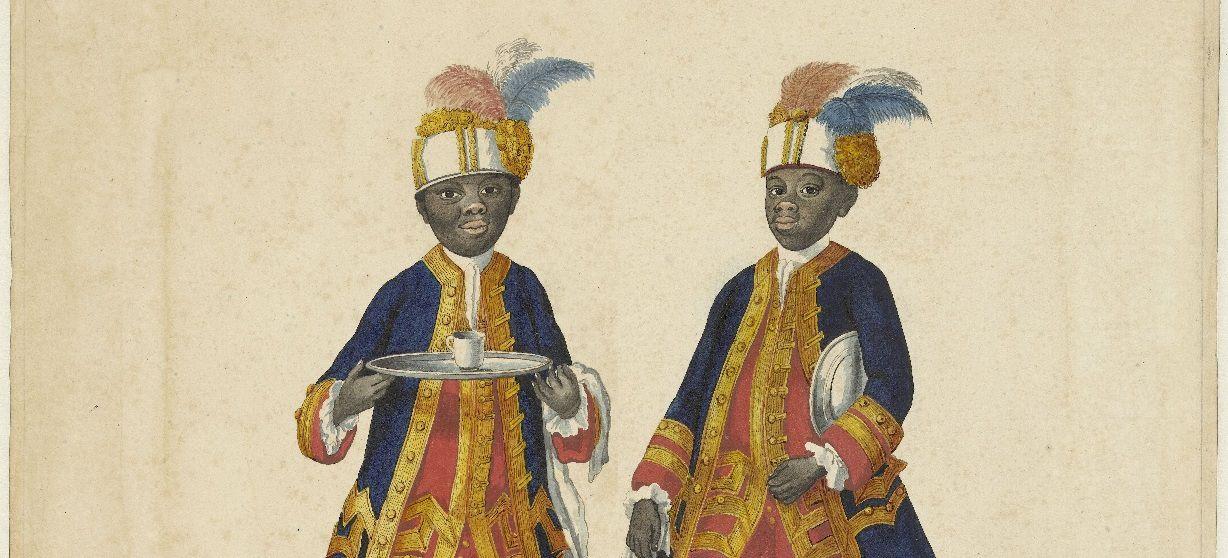
Cupido and Sideron
Two boys were handed to the Dutch court as diplomatic gifts. One rose to be the stadtholder's personal valet, and both followed the family into exile.
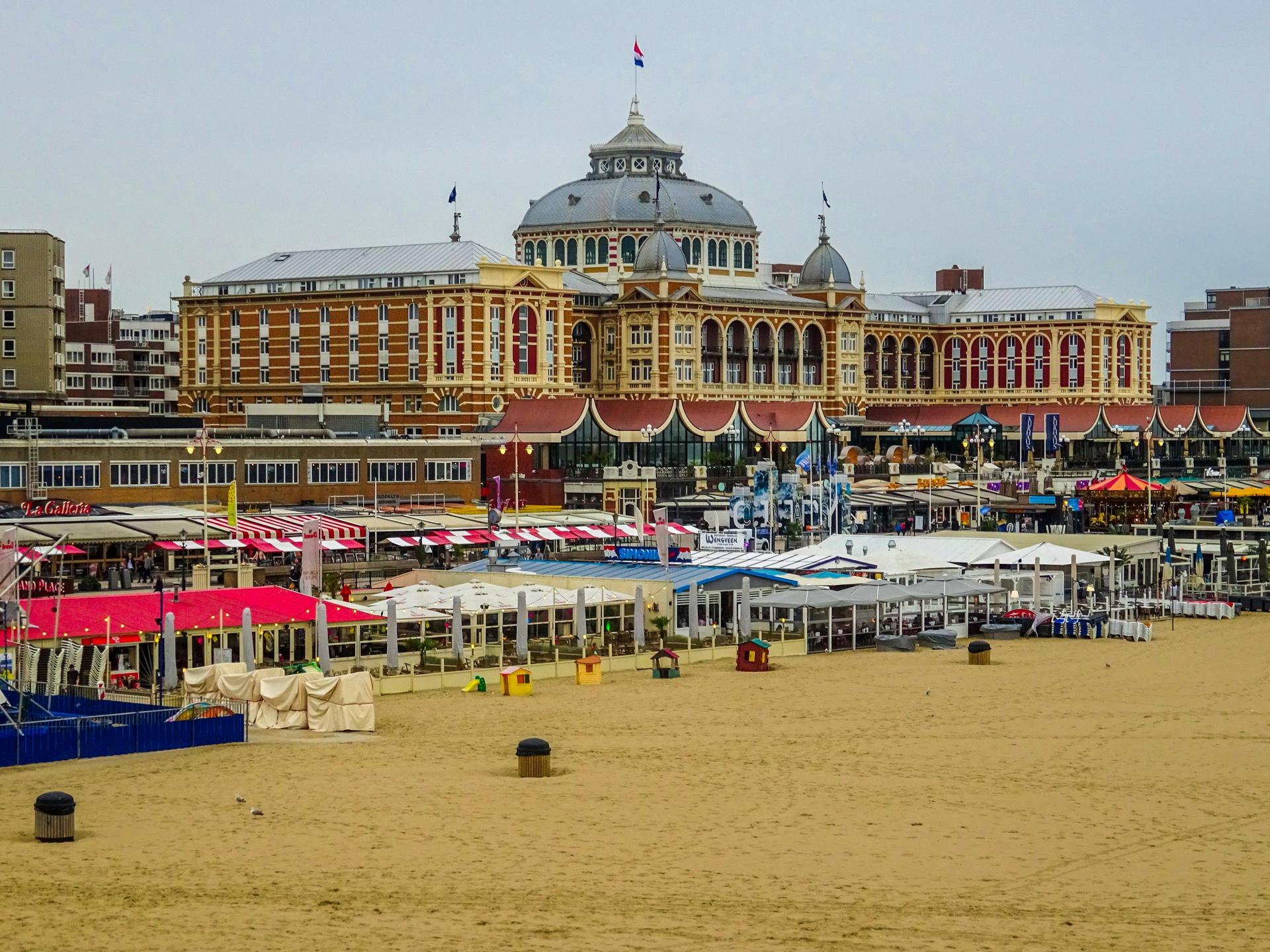
Kurhaus Scheveningen
A wooden bathing shed put up by a Scheveningen man in 1818 grew into the grandest hotel on the Dutch coast, and then burned to the ground.
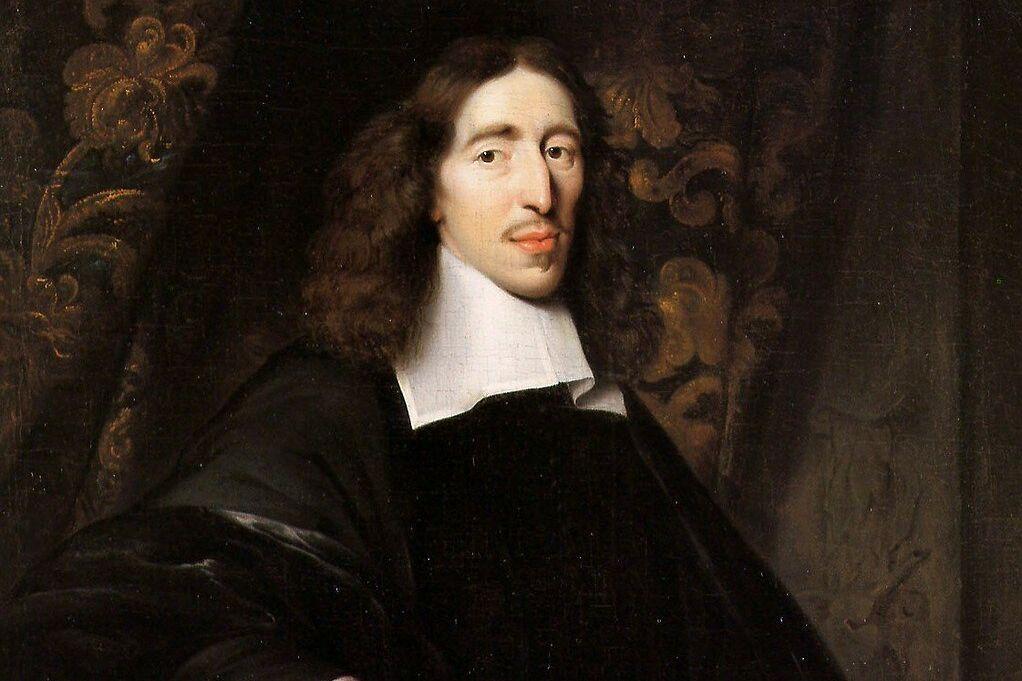
Johan de Witt
He led the Republic for nineteen years and wrote serious mathematics on the side, and a crowd killed him and his brother on this spot.
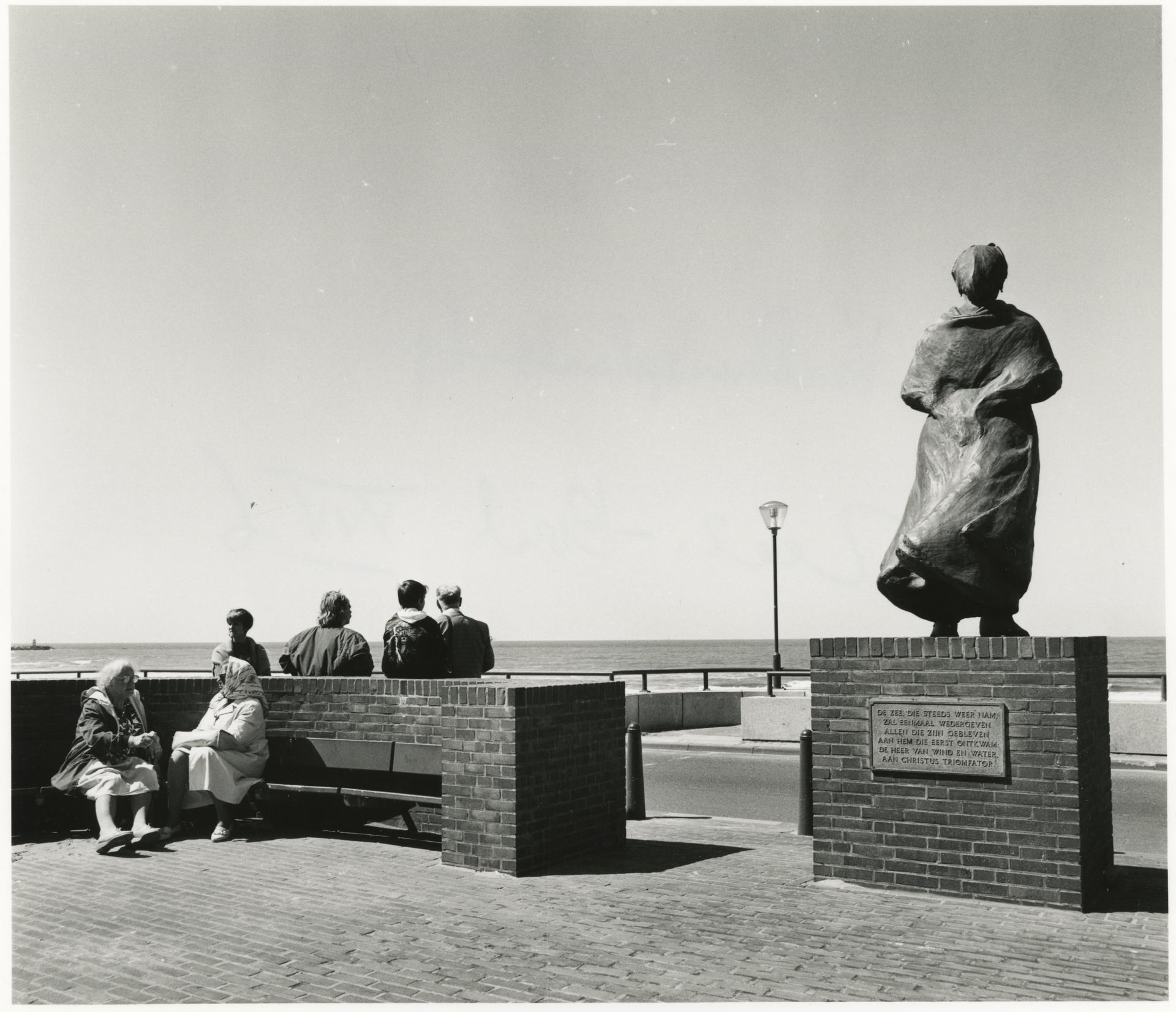
The Fisherman's Wife
She has been watching the horizon since 1982, standing in for every woman in this village who waited for a boat.
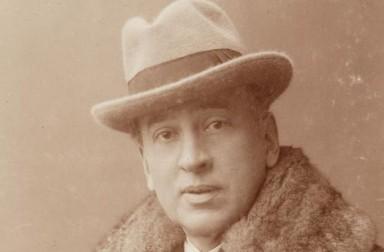
Louis Couperus
The youngest of eleven children from a wealthy Hague family, who turned that world into novels its own readers recognised uncomfortably well.
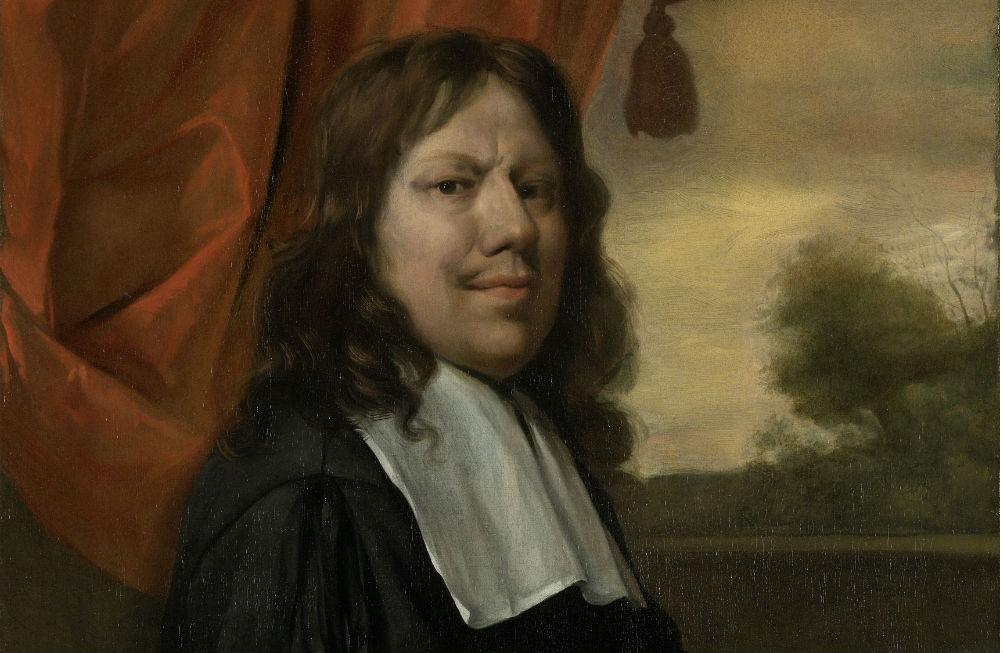
Jan Steen on the Bierkade
He learned his trade on this quay, married his master's daughter, and gave the Dutch language a phrase for a household in happy chaos.
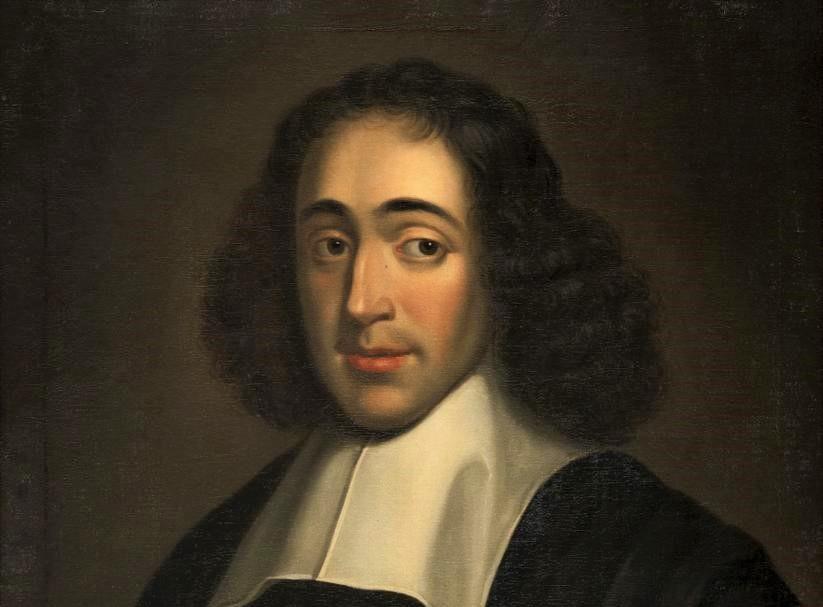
Spinoza on the Paviljoensgracht
Expelled by his own community at twenty-three, he ground lenses for a living and wrote the book that still unsettles people.
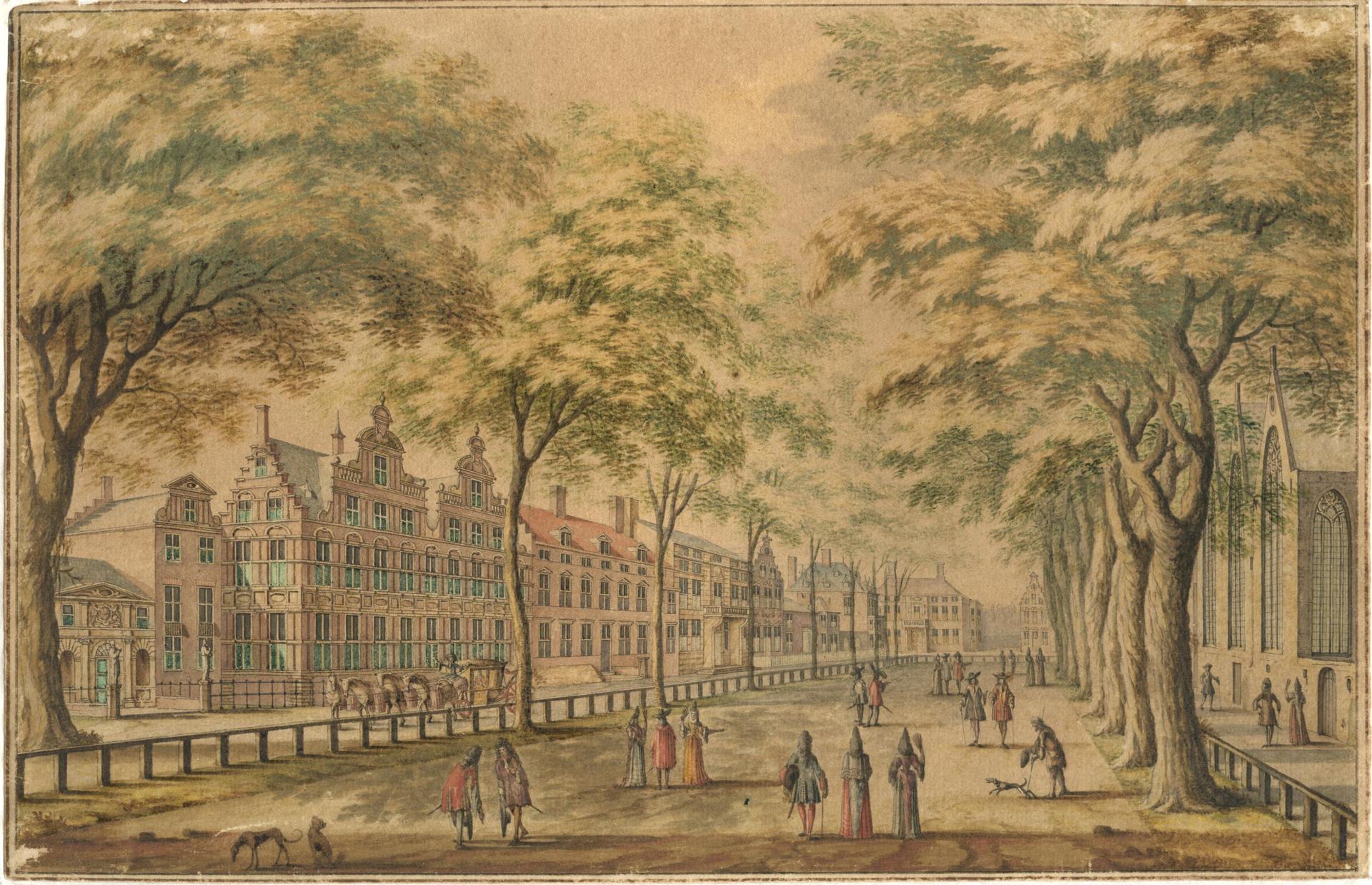
Lange Voorhout
Beneath the crunching shell sand of the country's grandest avenue sits a structure three metres deep.
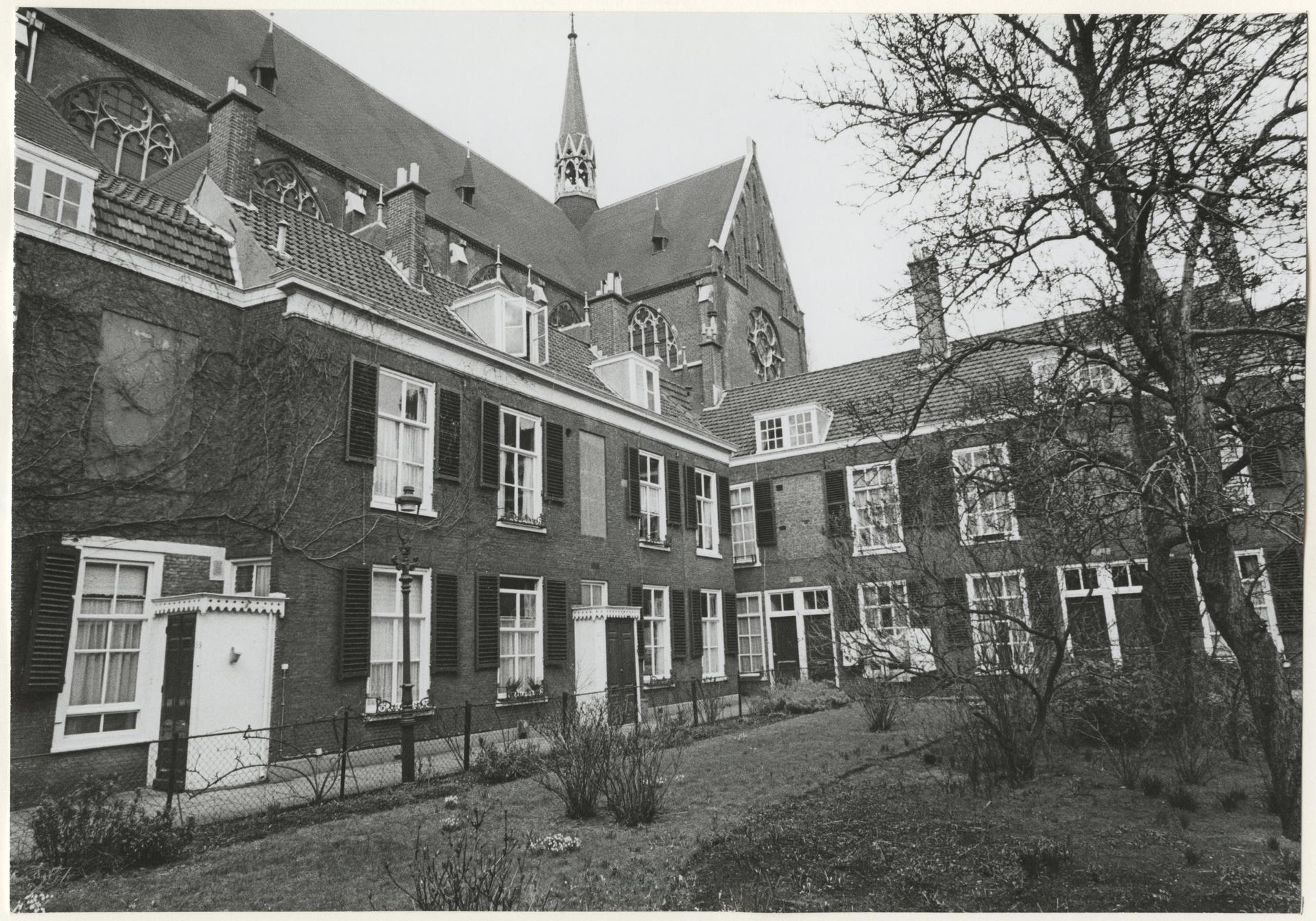
The Rules of Rusthof
A set of rules written in 1841 still decides who may live here.
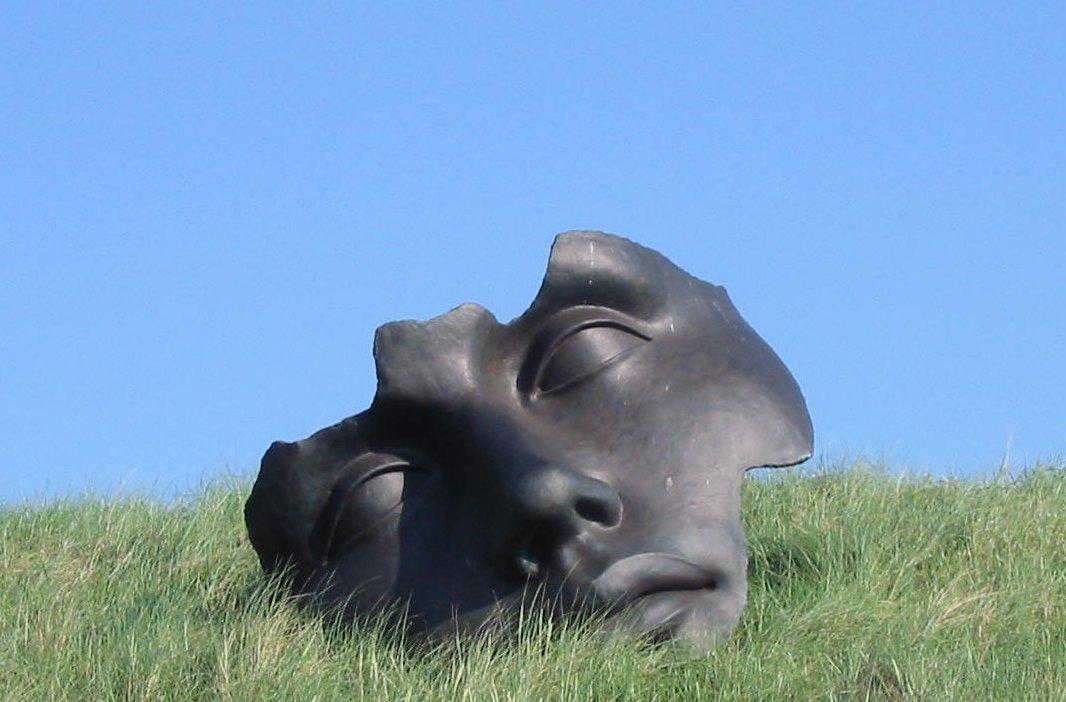
Beelden aan Zee Museum
A royal summer pavilion buried in the dunes, a museum built around it, and a crowd of bronze figures that children climb on.
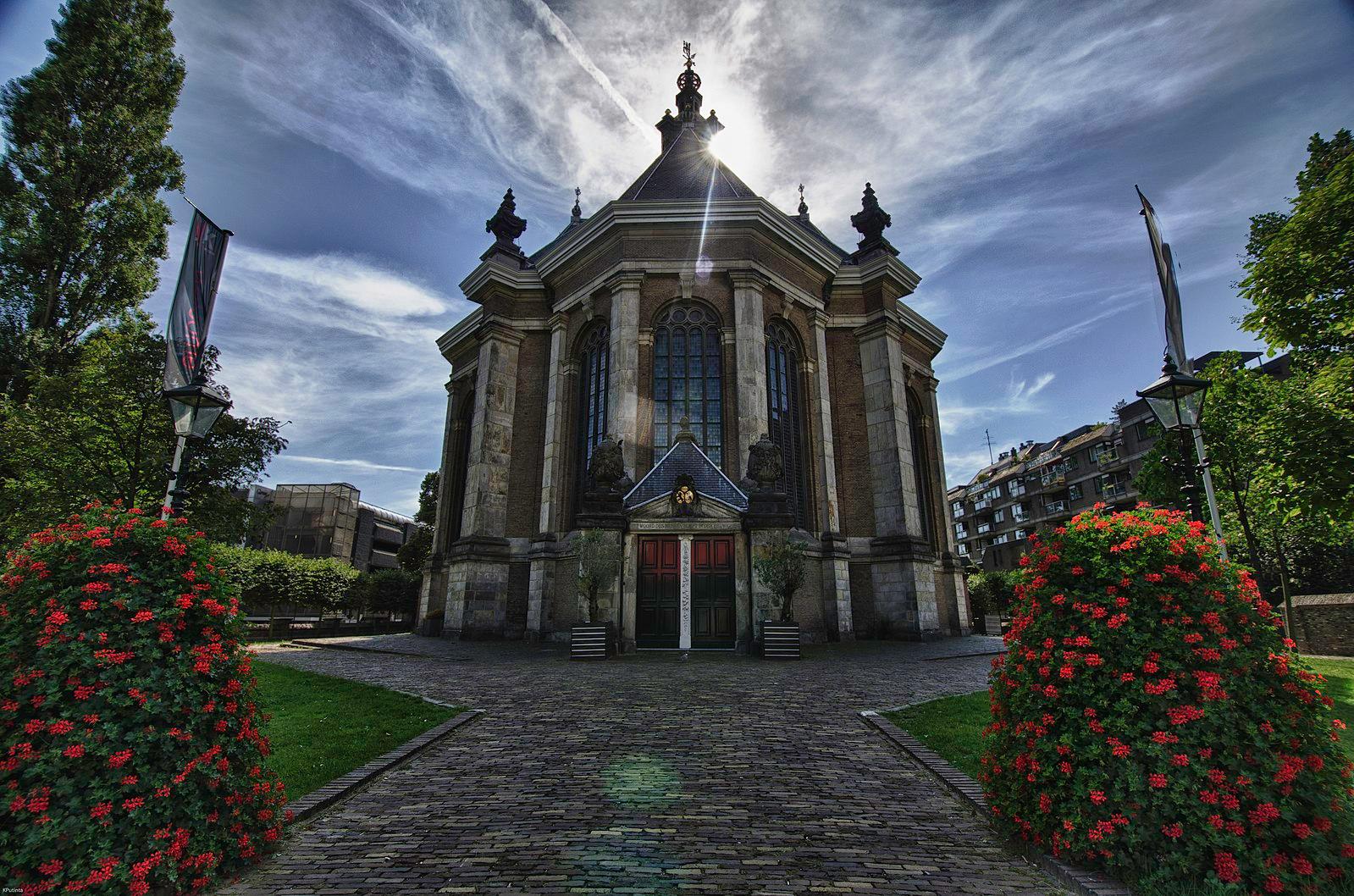
Spinoza's Empty Grave
Behind this church stands a grave monument to a philosopher whose bones have been lost for almost three centuries.
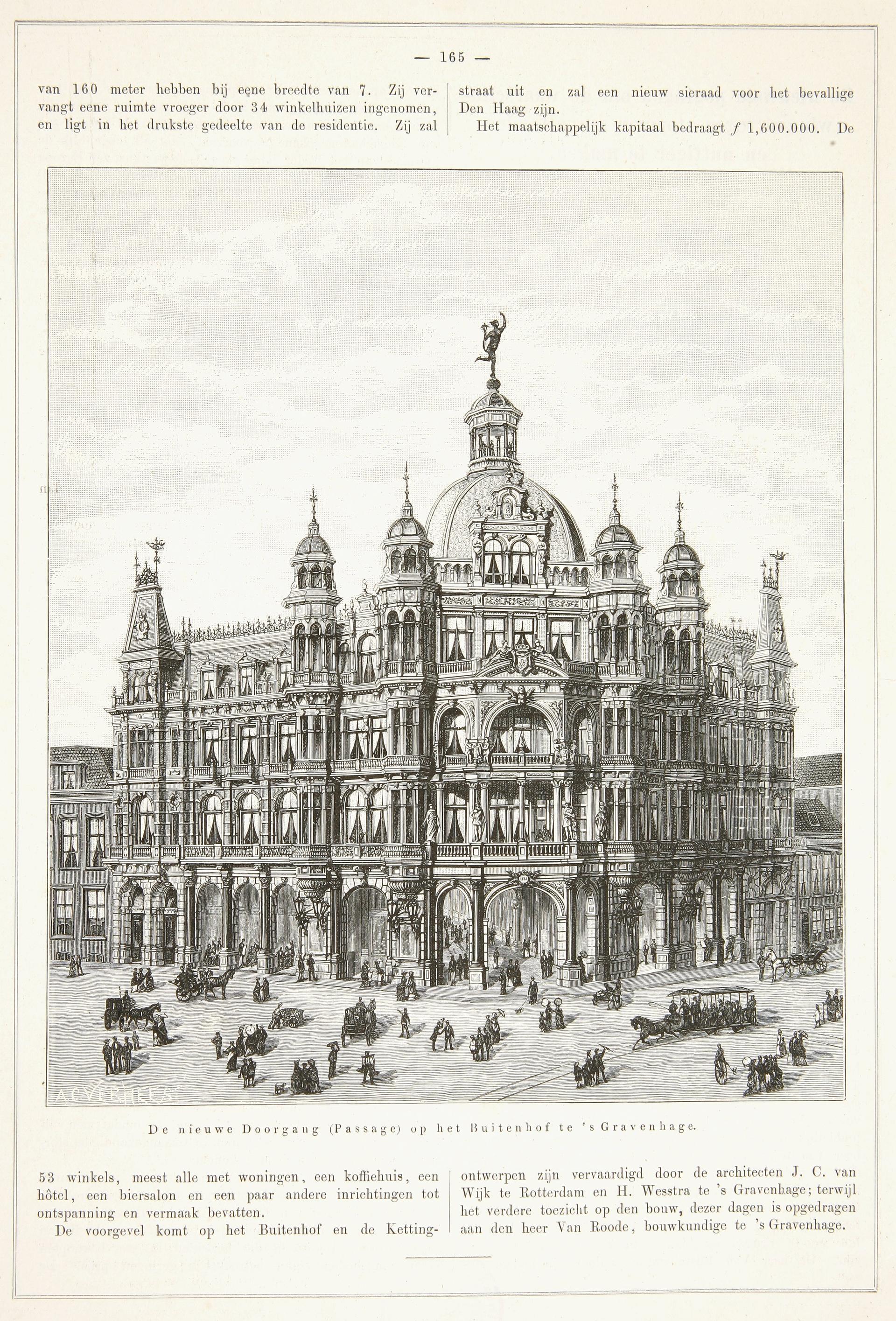
The Passage
Under this glass roof men found each other at a time when the law was against them.
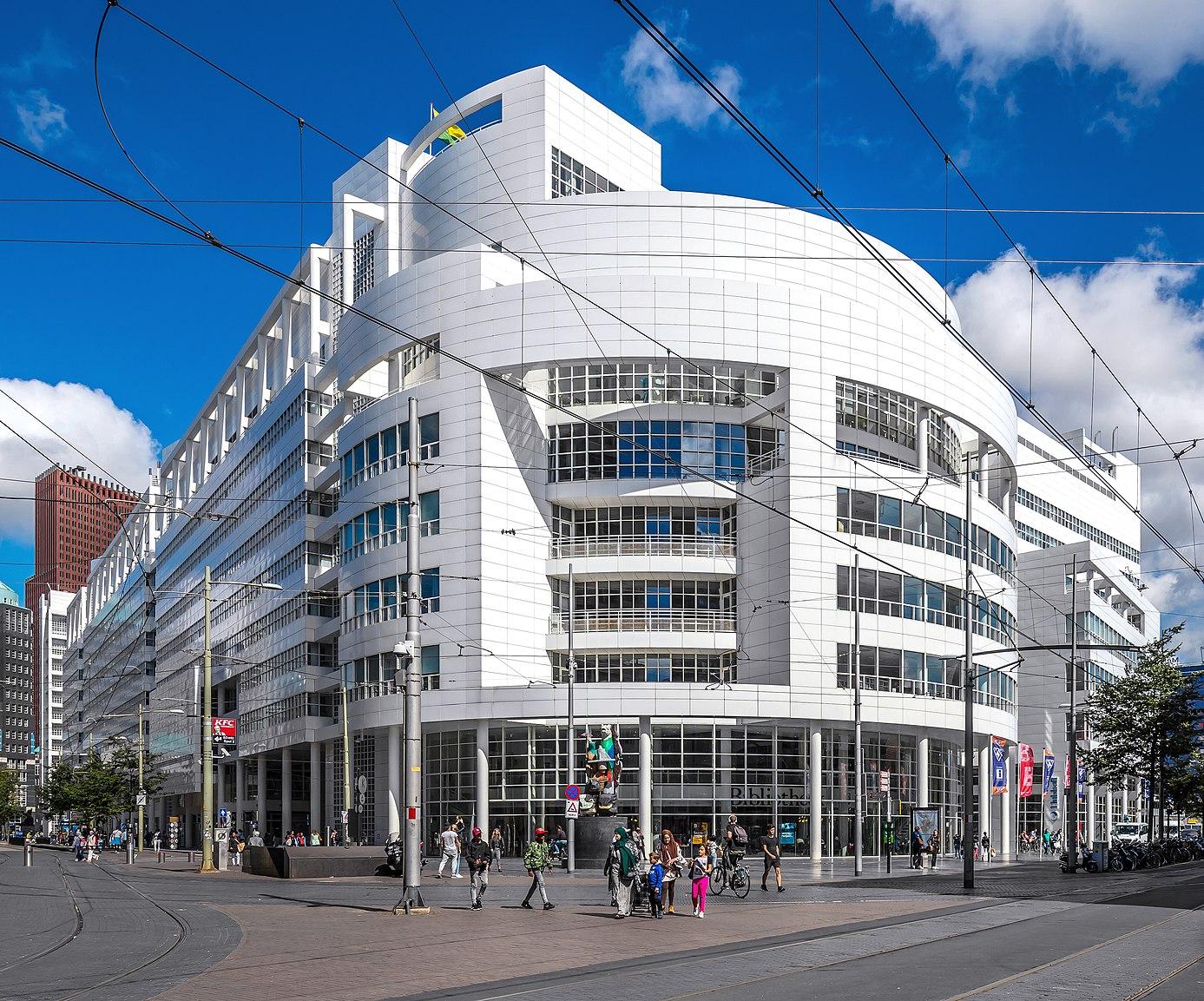
The Ice Palace
The nickname was an insult. Thirty years on, people from The Hague get married here and keep the photographs on the mantelpiece.
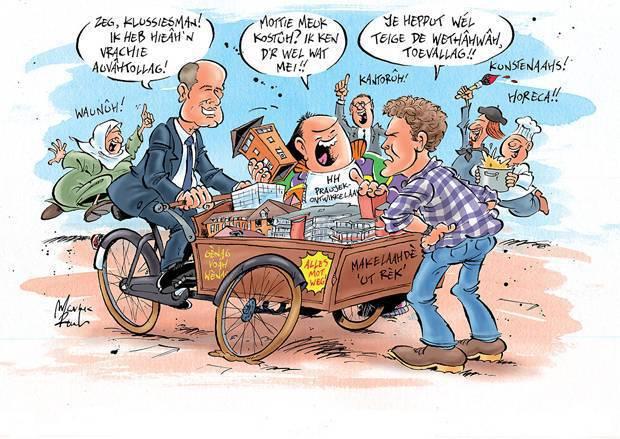
Haagse Harry
A cartoon character in a white tracksuit stands in bronze above the tram tunnel he spent years mocking.
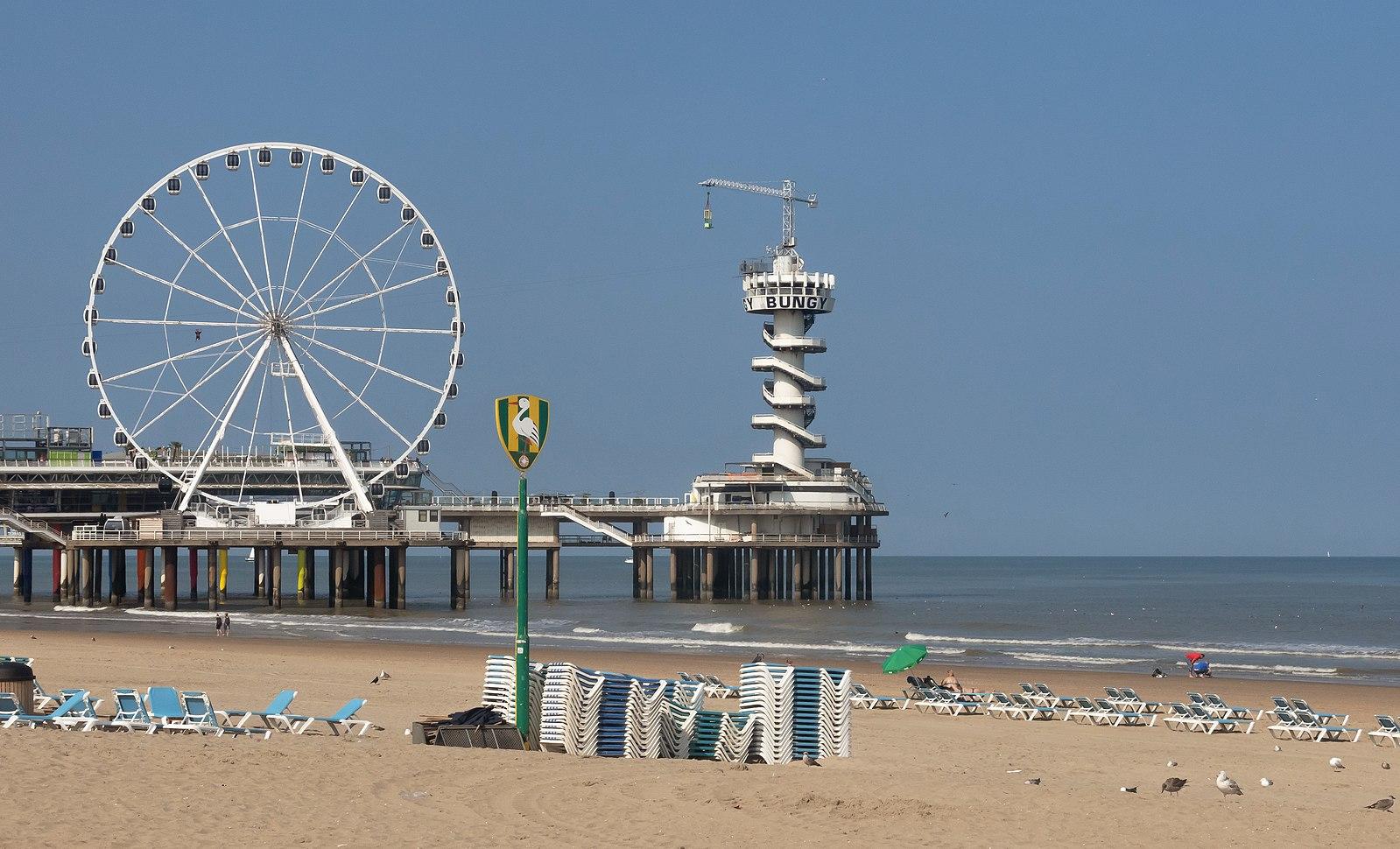
The Working Beach of Scheveningen
For centuries this sand was a workplace rather than a beach. Scheveningen had no harbour, so the fleet came ashore right here.
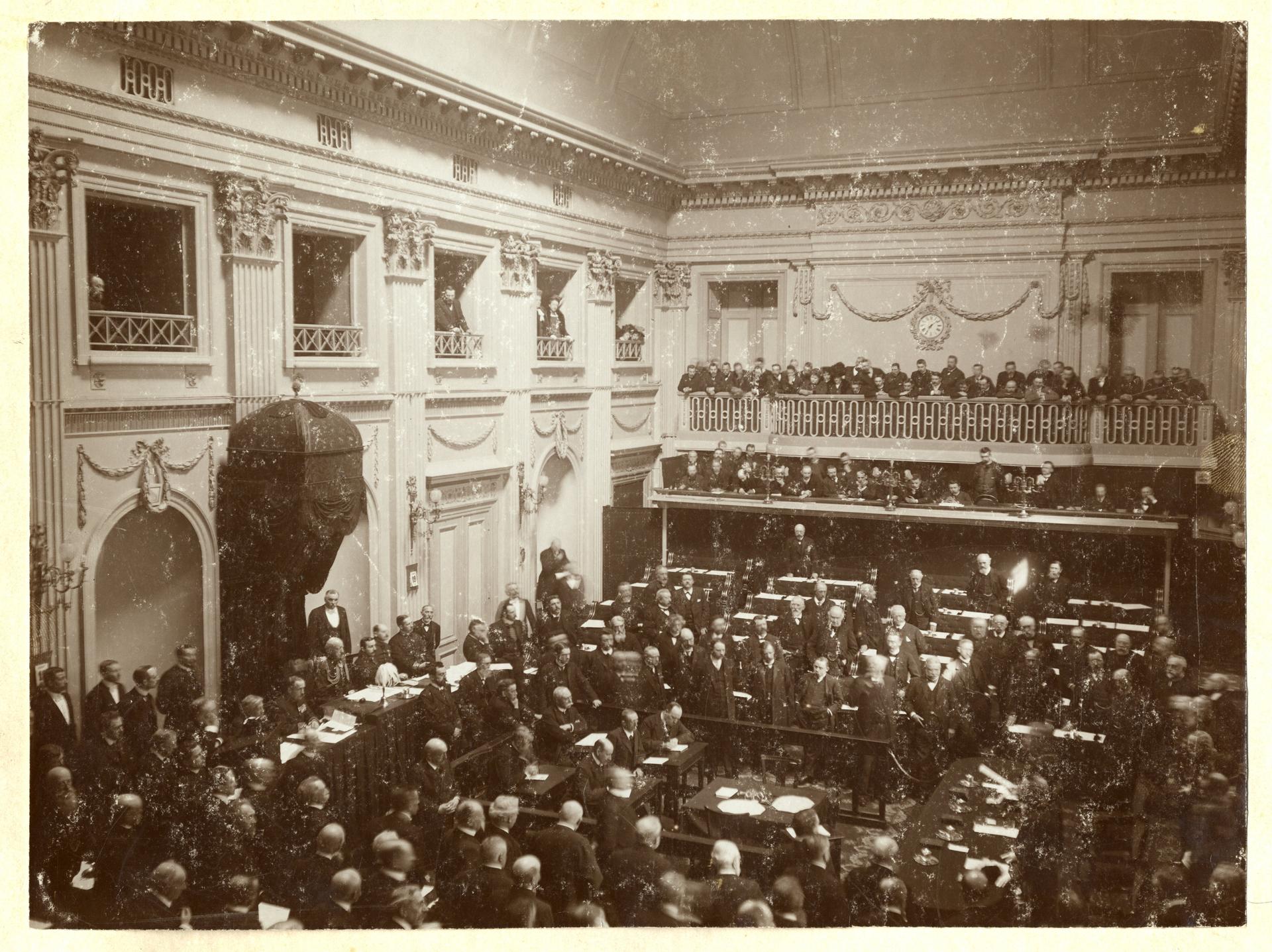
The Tweede Kamer
For more than one hundred and seventy years the Dutch parliament debated in a stadholder's ballroom, and any party with two thirds of a percent still gets a seat.
Johan Rudolf Thorbecke
An outsider from Zwolle rewrote the constitution in 1848, and he wanted the vote kept to taxpayers only.
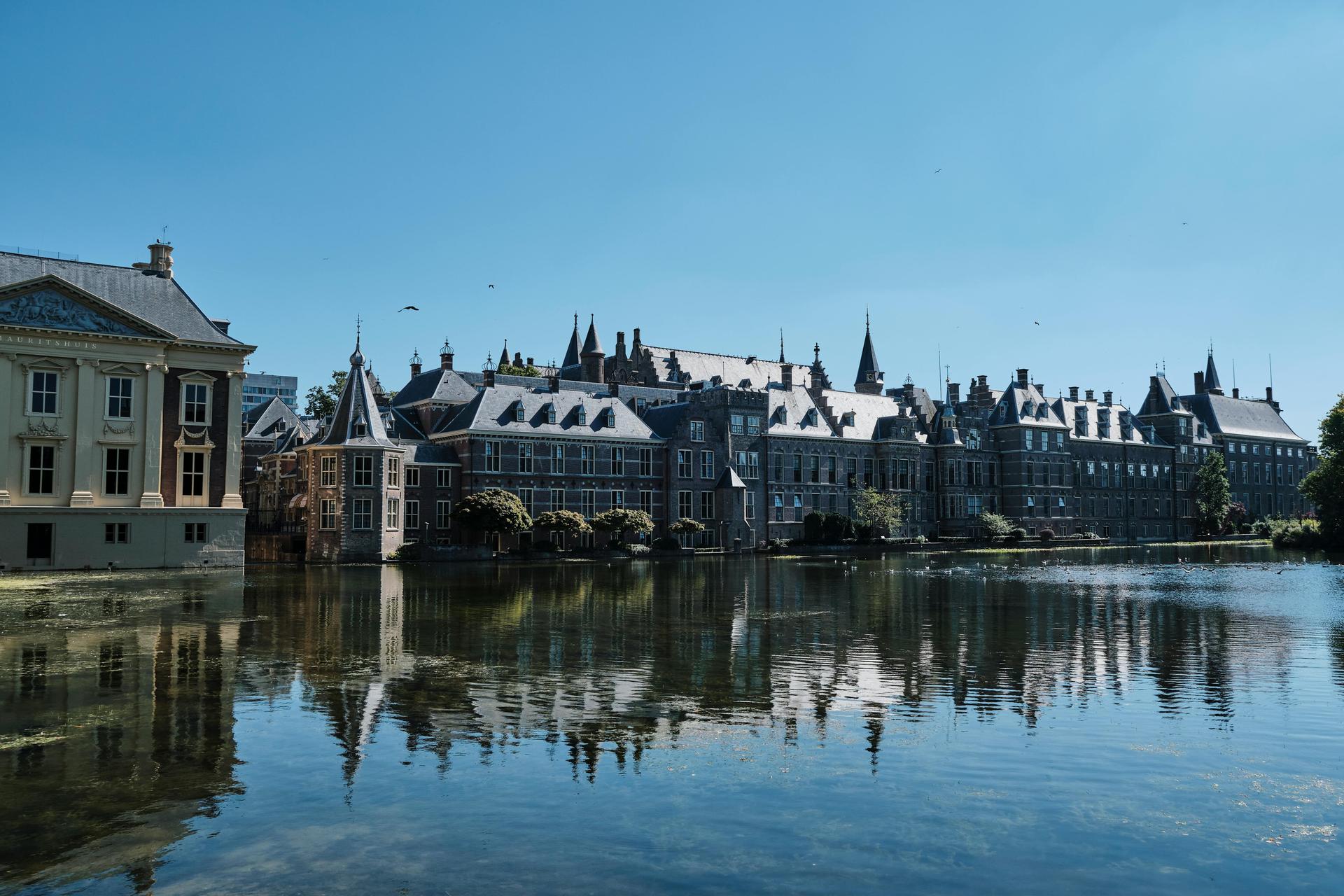
The Torentje
Inn, wine cellar, caretaker's house and seat of the prime minister. After seven centuries, it took a fire officer to empty the building.
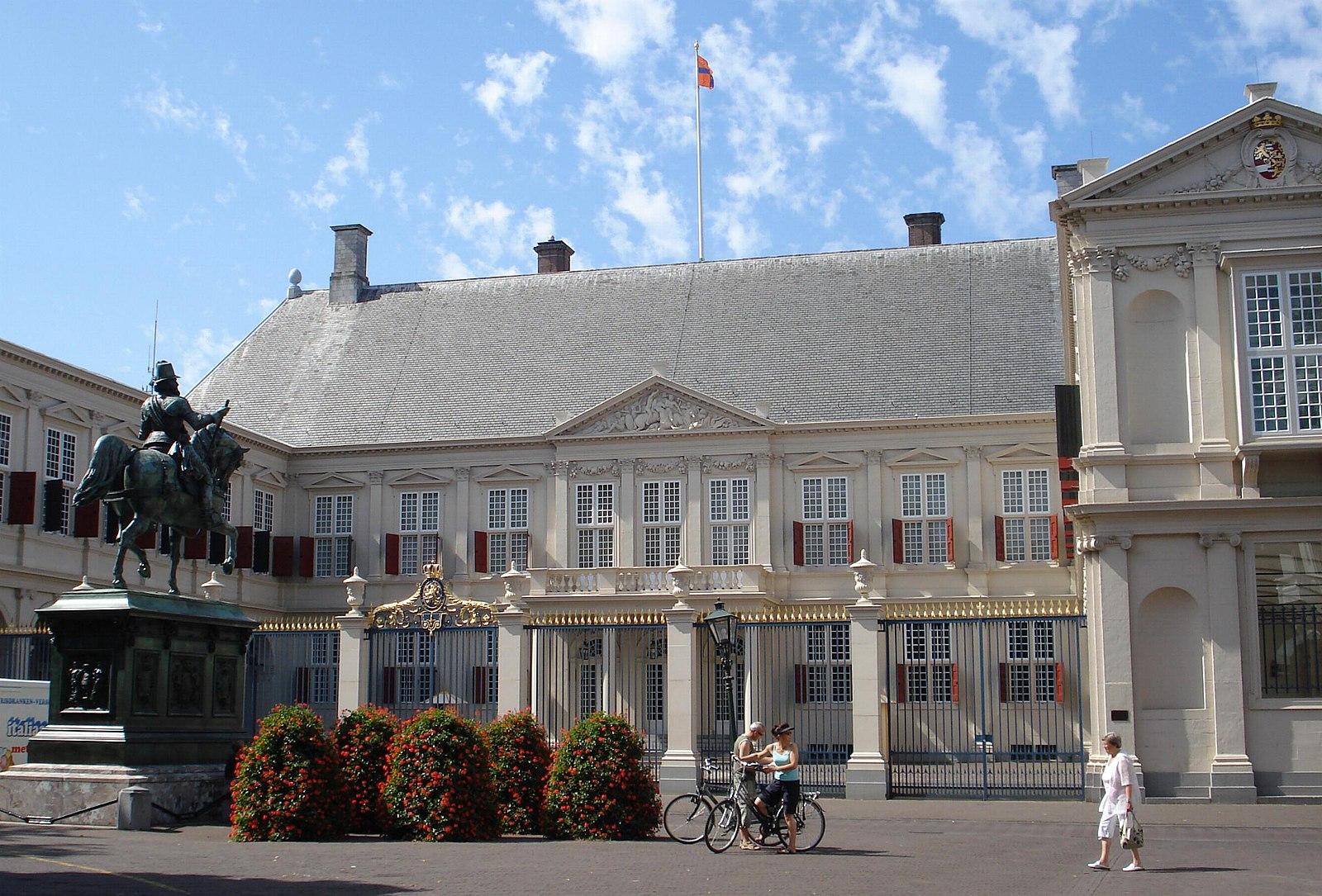
Noordeinde Palace, the palace that stood boarded up
After the fire of 1948 this palace stood boarded up, and for a quarter of a century students walked its corridors.
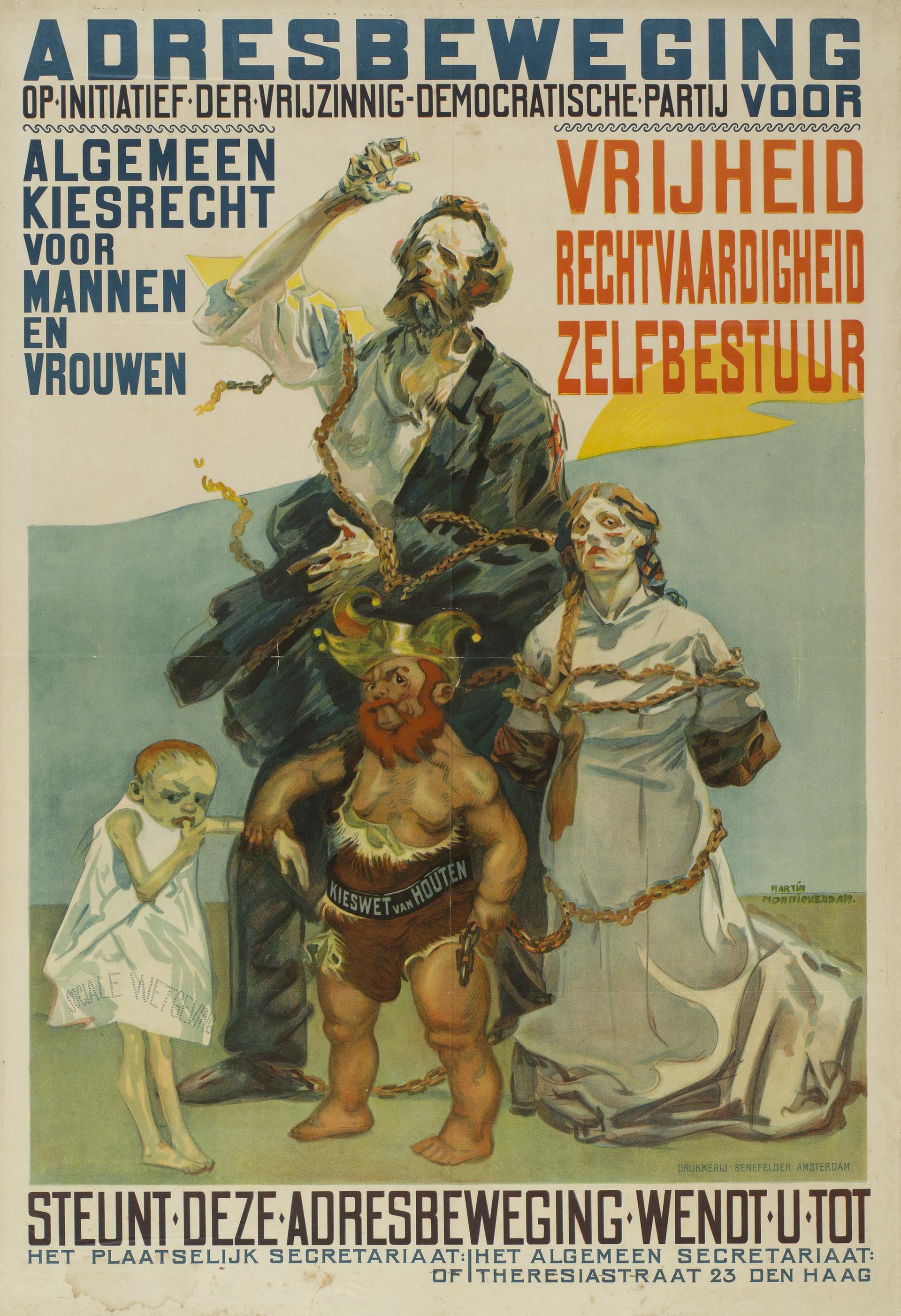
Who Was Allowed to Vote
The constitution of 1848 gave parliament real power, then handed the vote to about one adult man in ten and made everybody else wait.
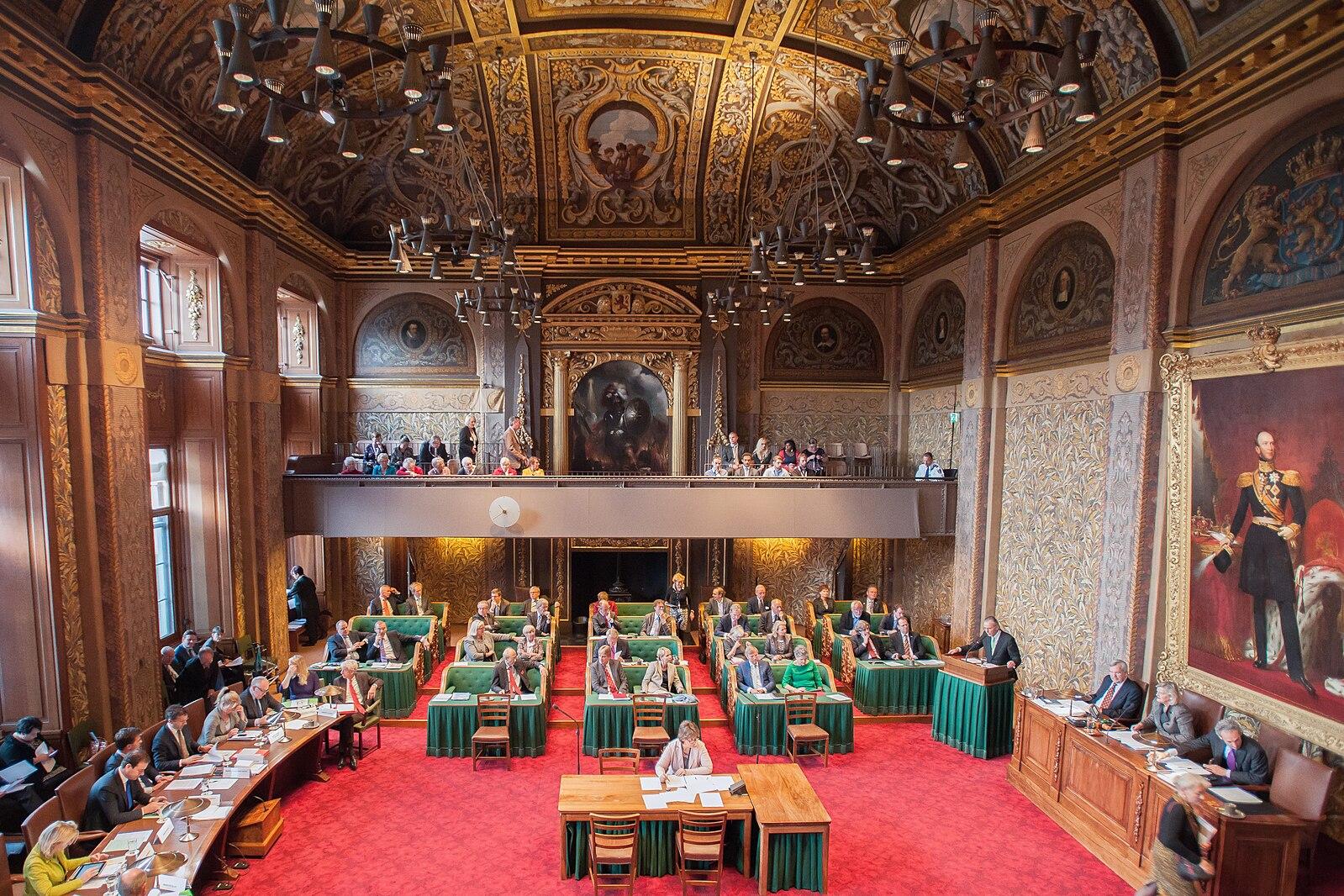
The Eerste Kamer
The Dutch senate was created to please the Belgian nobility, outlived that union by two centuries, and can only say yes or no.
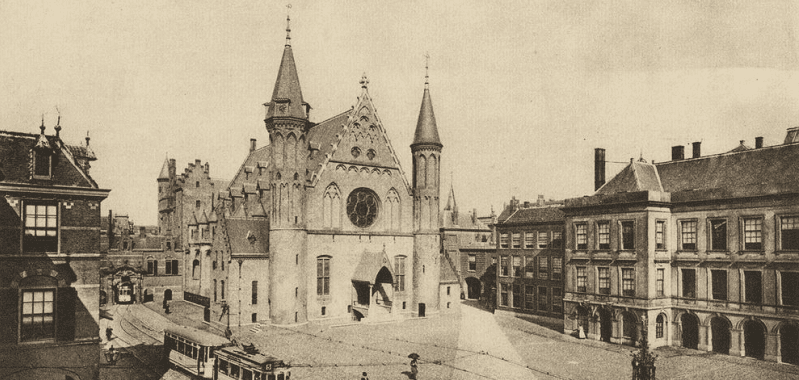
The Ridderzaal, once the Lottery Hall
The name is nineteenth-century romanticism. For centuries this building was known as the Lottery Hall.
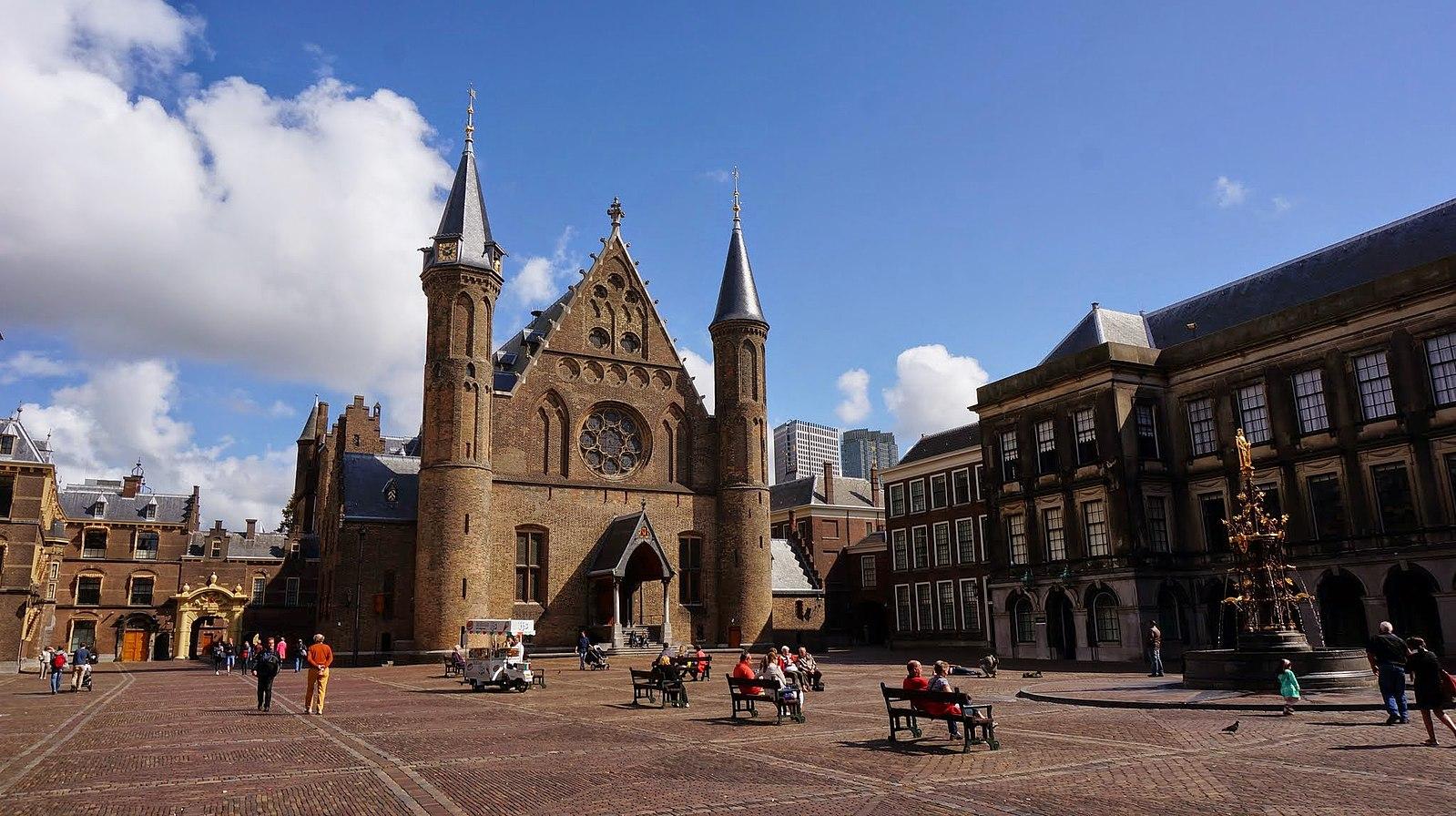
The Binnenhof
A hunting lodge that grew into a parliament by accident, now wrapped in scaffolding for a rebuild that will run past 2028.
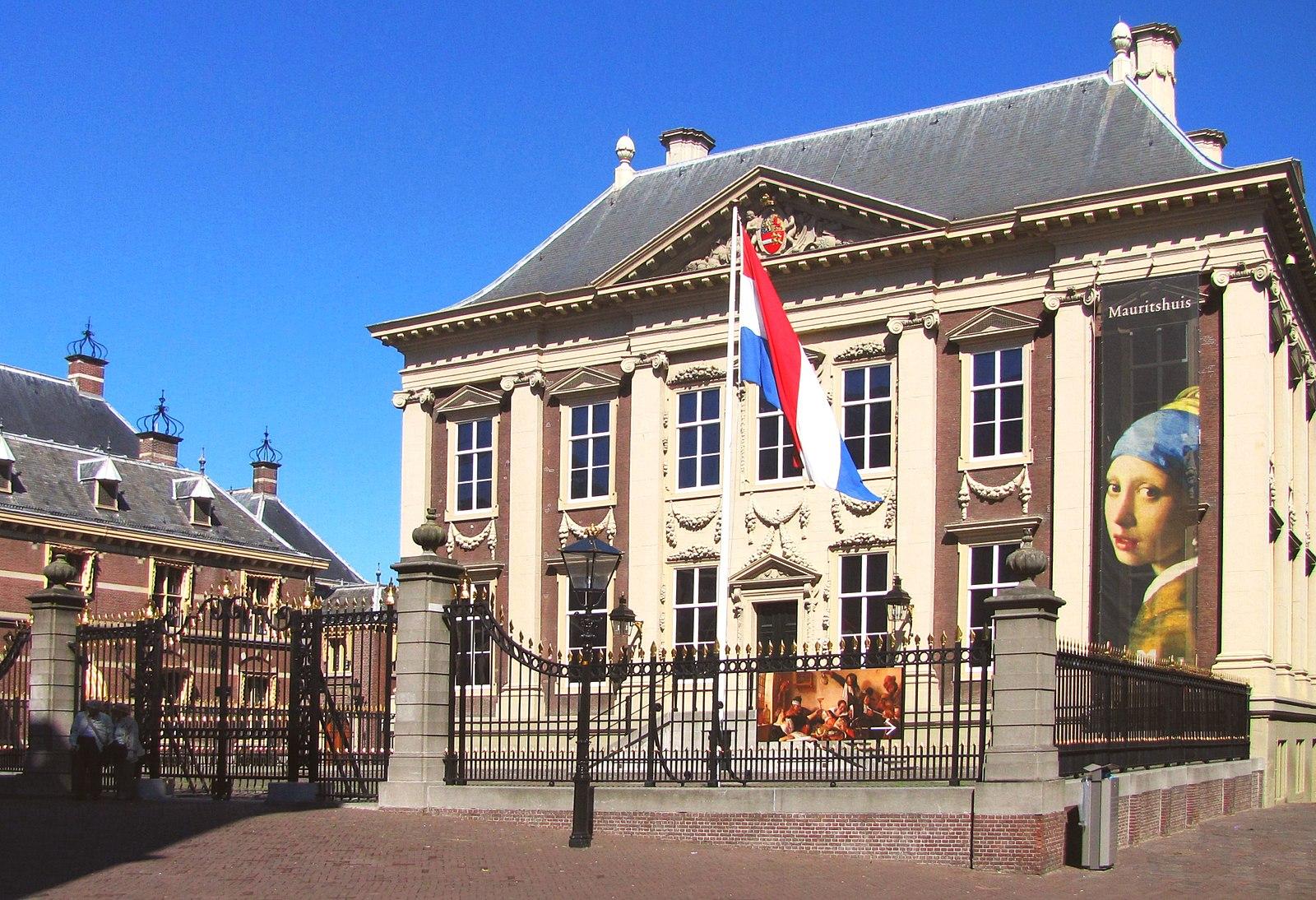
The Mauritshuis, the Sugar Palace
Contemporaries mocked this house as the Sugar Palace, and its most famous painting once changed hands for two guilders thirty.
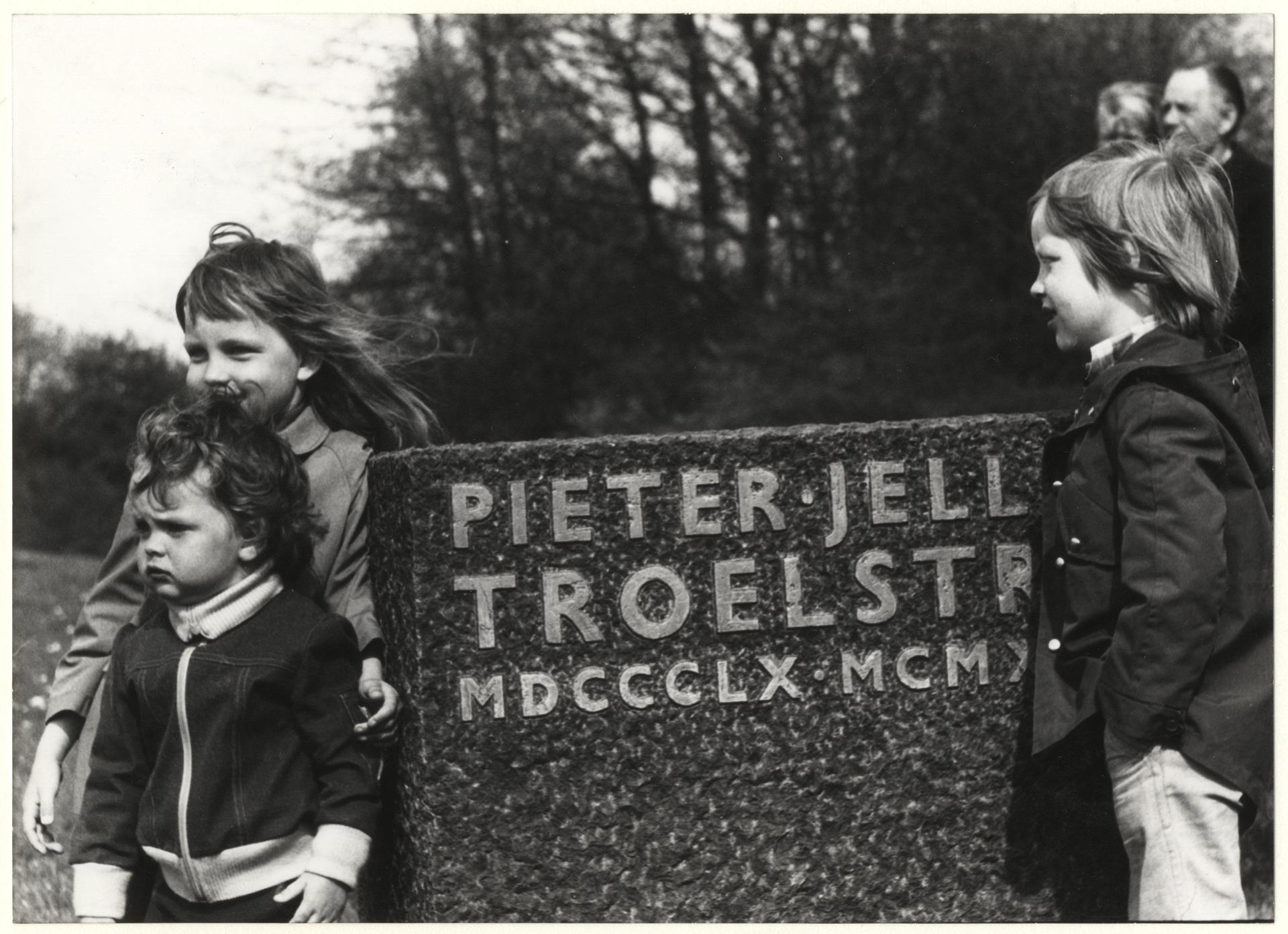
The Troelstra Monument
The man behind Troelstra's Mistake, arm raised in the Westbroekpark.
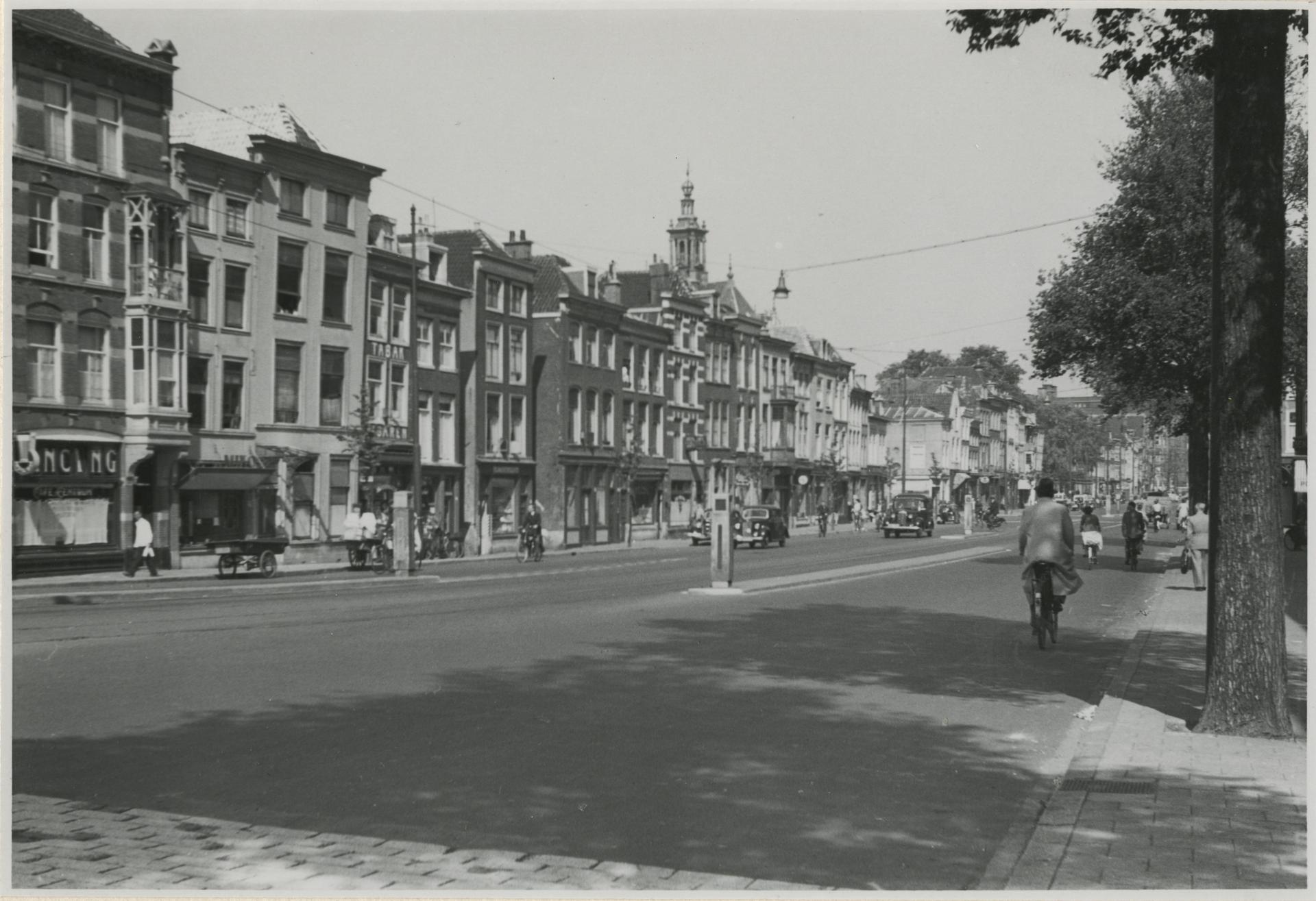
Ecksteins Burger Hotel
A bed for a guilder, boiled meat in winter, and a nightclub much later.
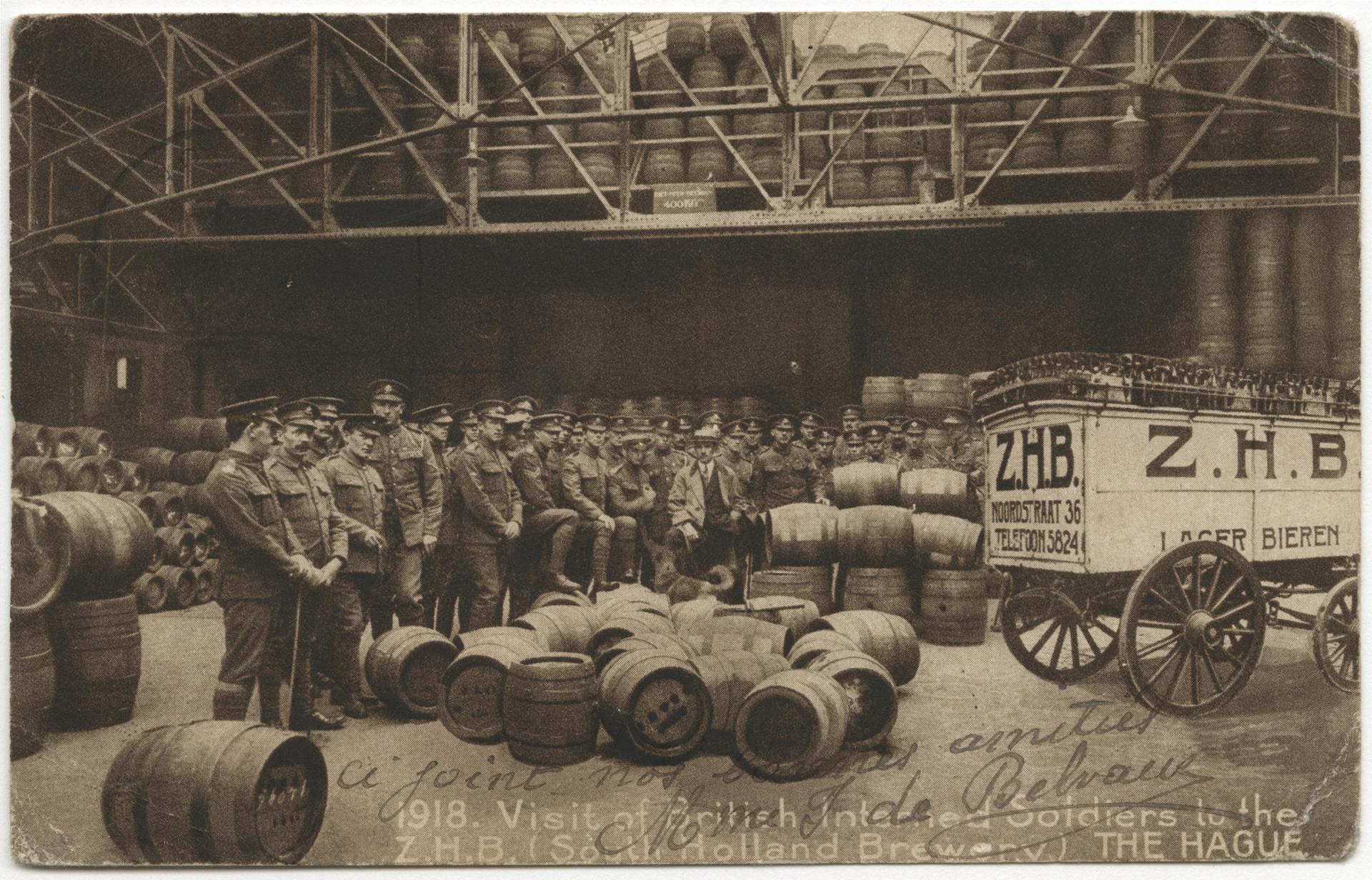
Hospital beer
The biggest brewery in The Hague, and the nickname the city gave its beer.
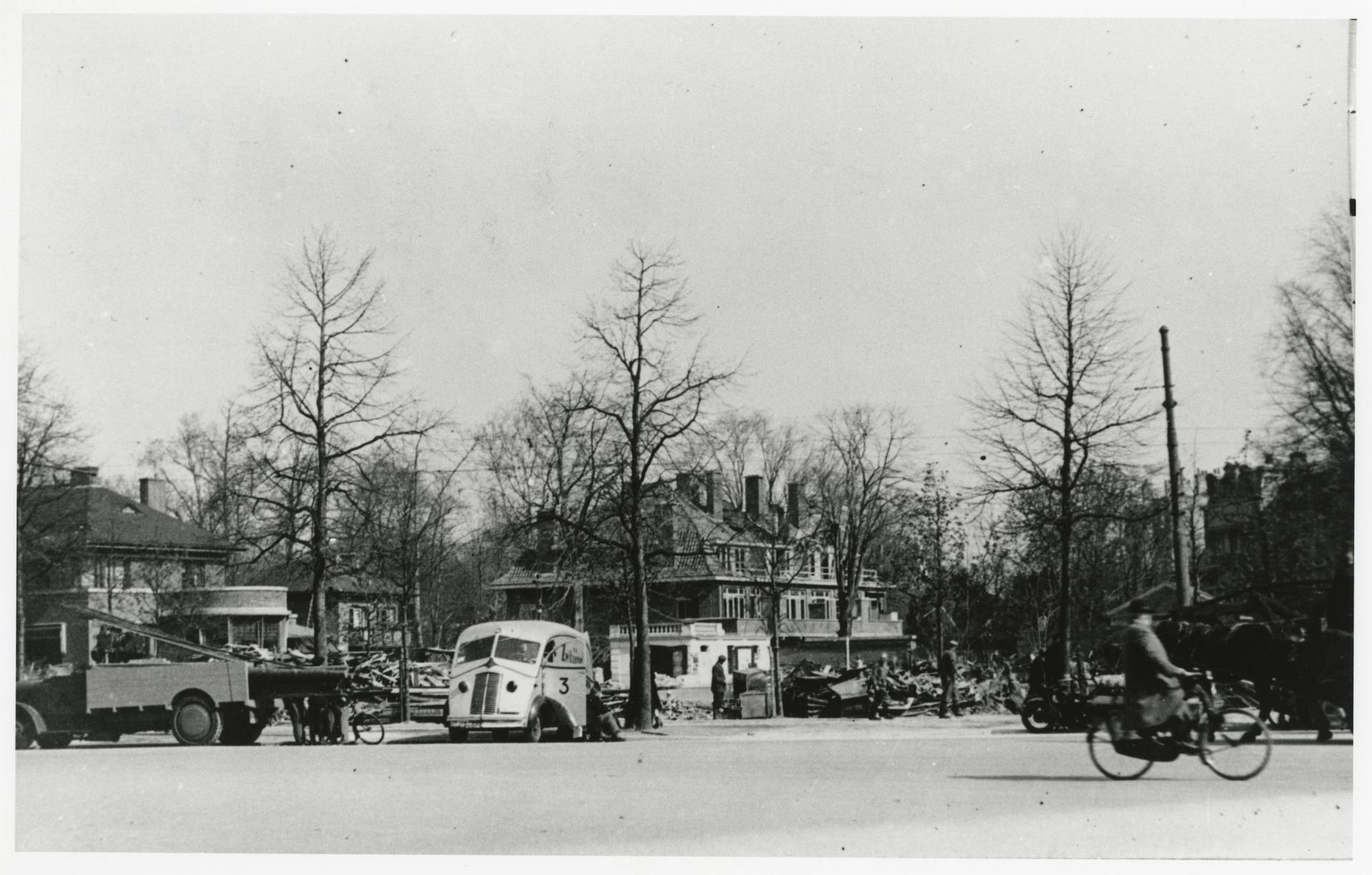
Bombing of Villa Kleykamp
Six Mosquitos against an archive of identity records, right across from the Peace Palace.
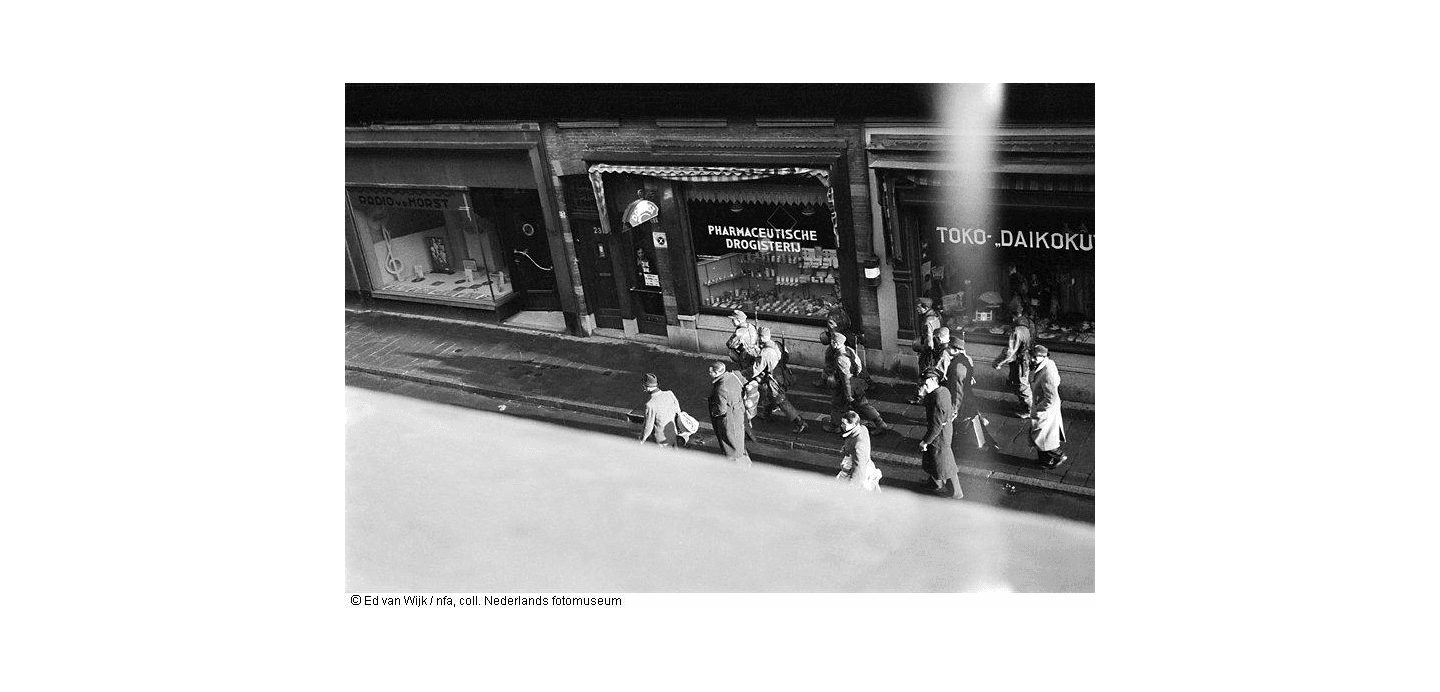
Operation Snowflake
On one morning in November 1944 the city was sealed off and seven thousand men were put on barges.
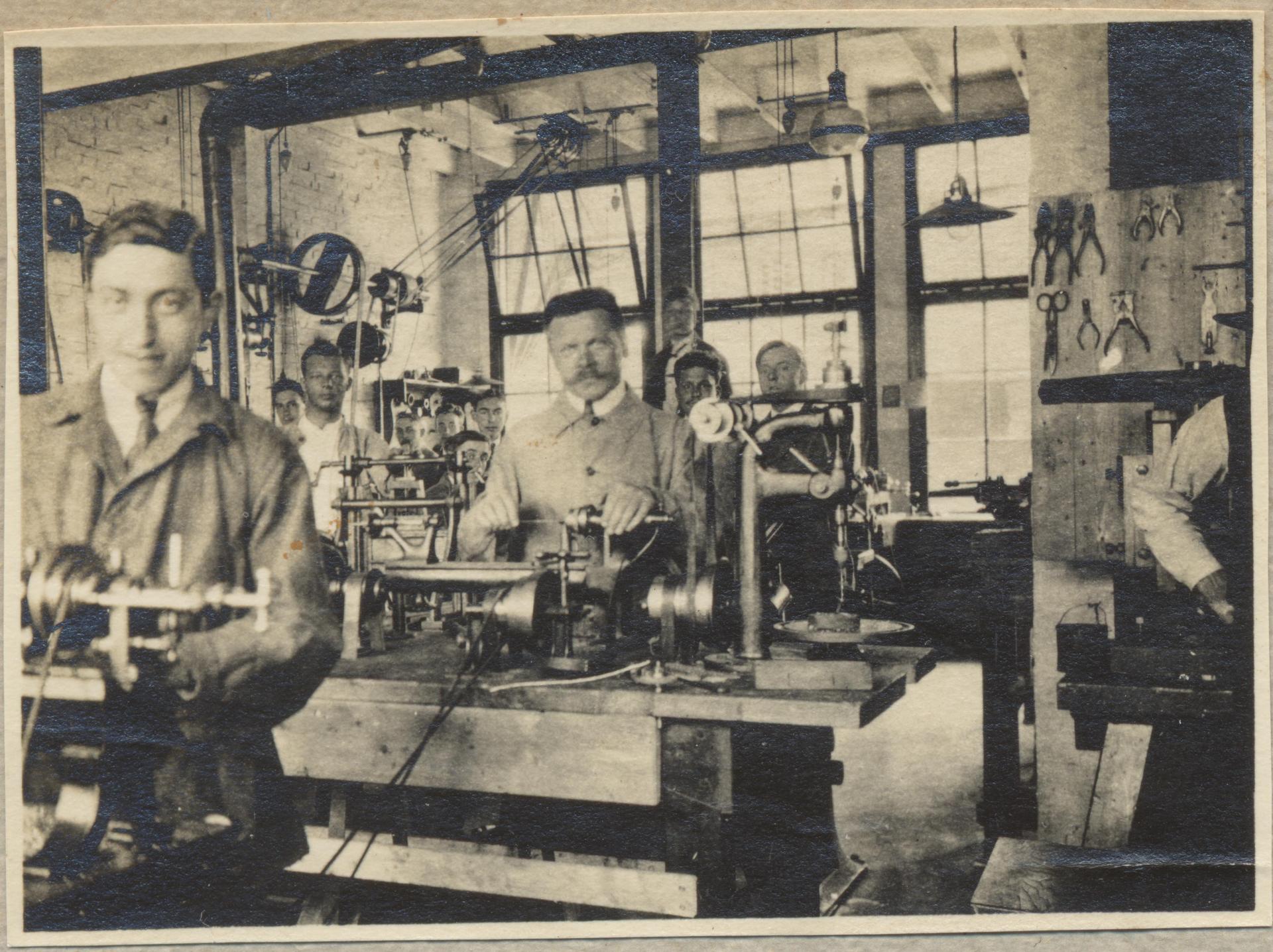
Radio Idzerda
From a workshop on the Beukstraat came the first scheduled radio broadcast in the world, in 1919.
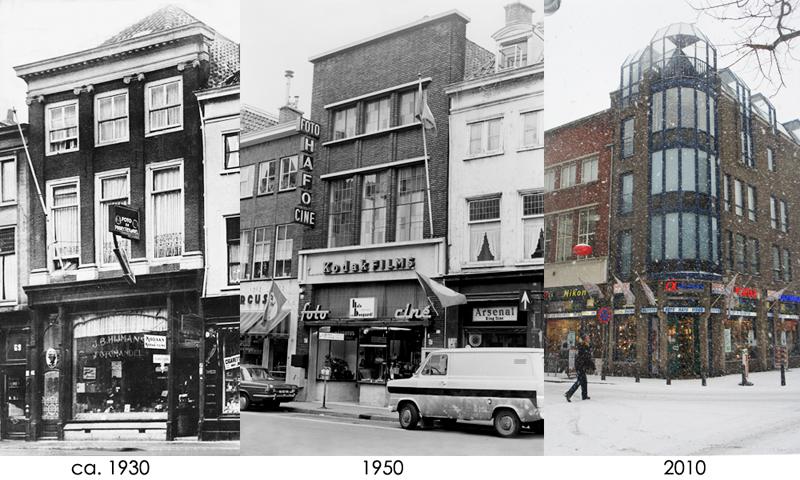
Hijmans Photo Trade
A camera shop on the Wagenstraat that barely survived the war and started again.
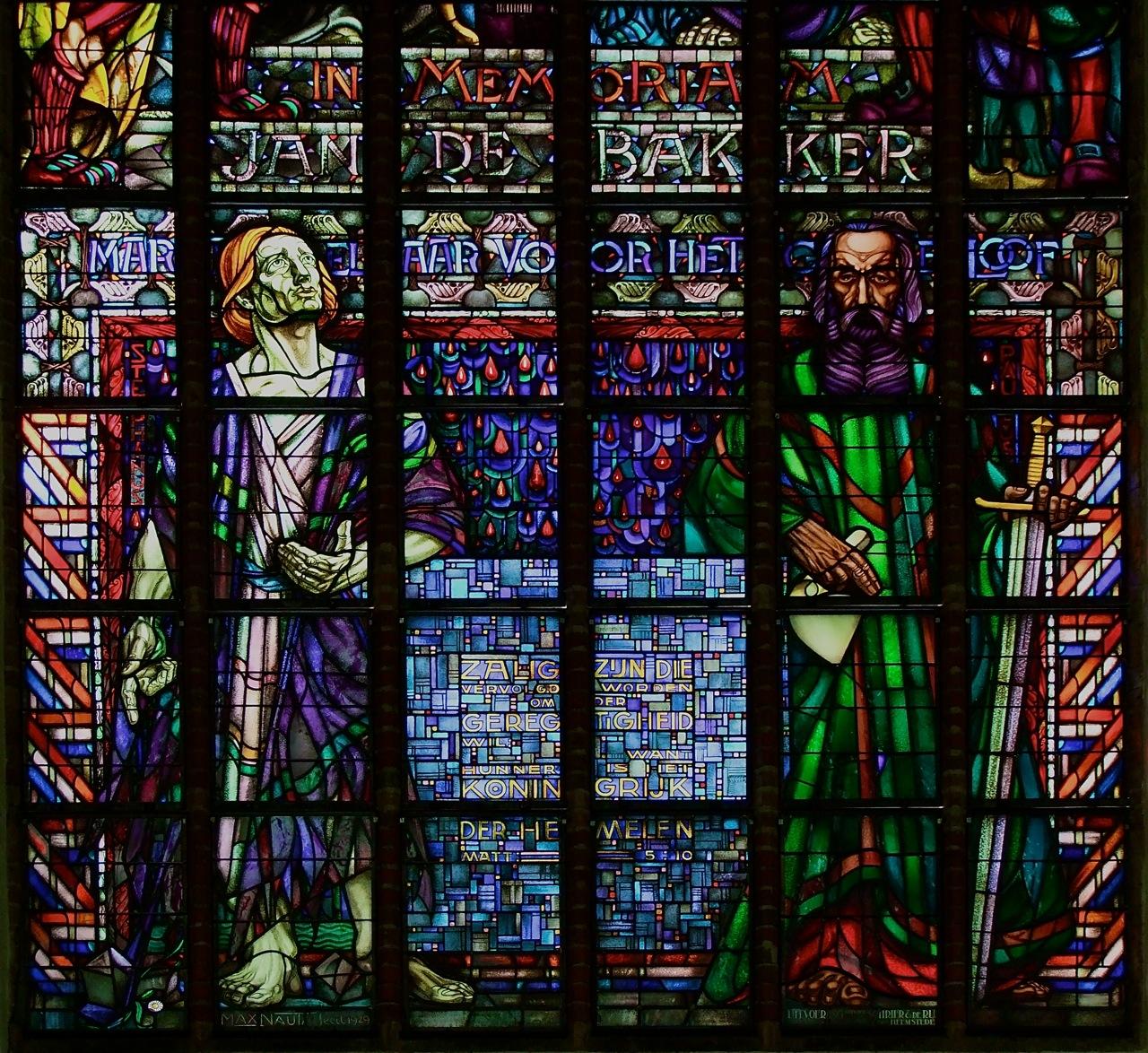
Jan de Bakker
A priest who became a baker and was executed on the Prinsenhof in 1525.
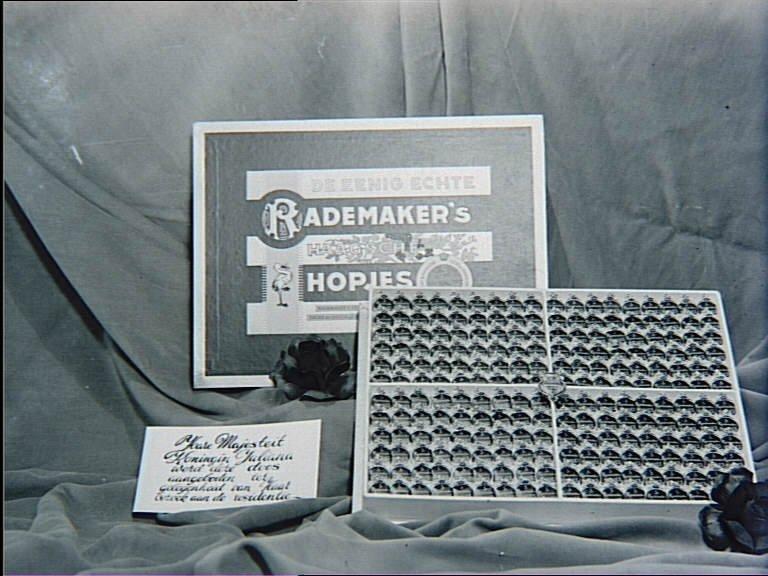
Haagse Hopjes
A forgotten cup of coffee on the stove, and a hundred years of argument over who made the real ones.
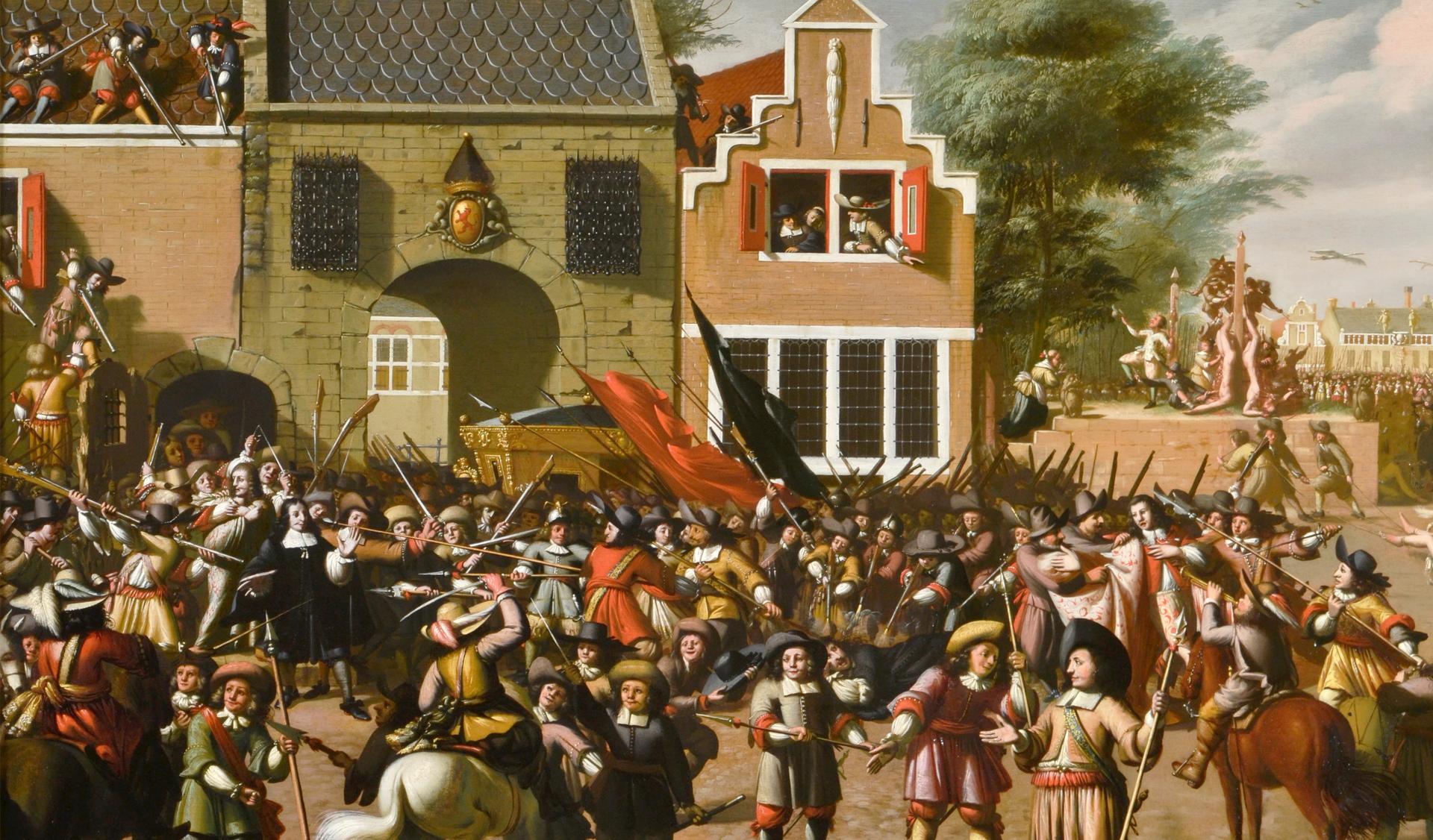
The murder of the De Witt brothers
The disaster year of 1672, a mob outside the prison gate, and relics that still exist.
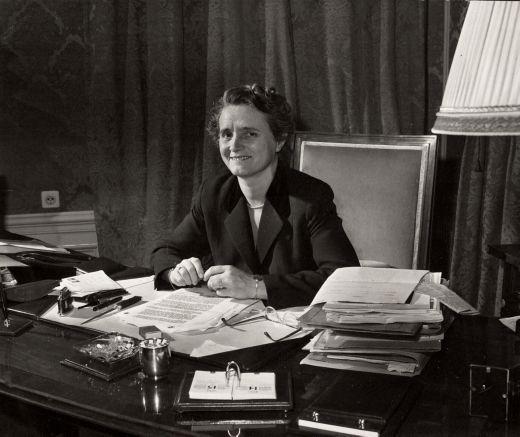
Marga Klompe
The first woman to serve as a Dutch minister, and the law that turned welfare from a favour into a right.
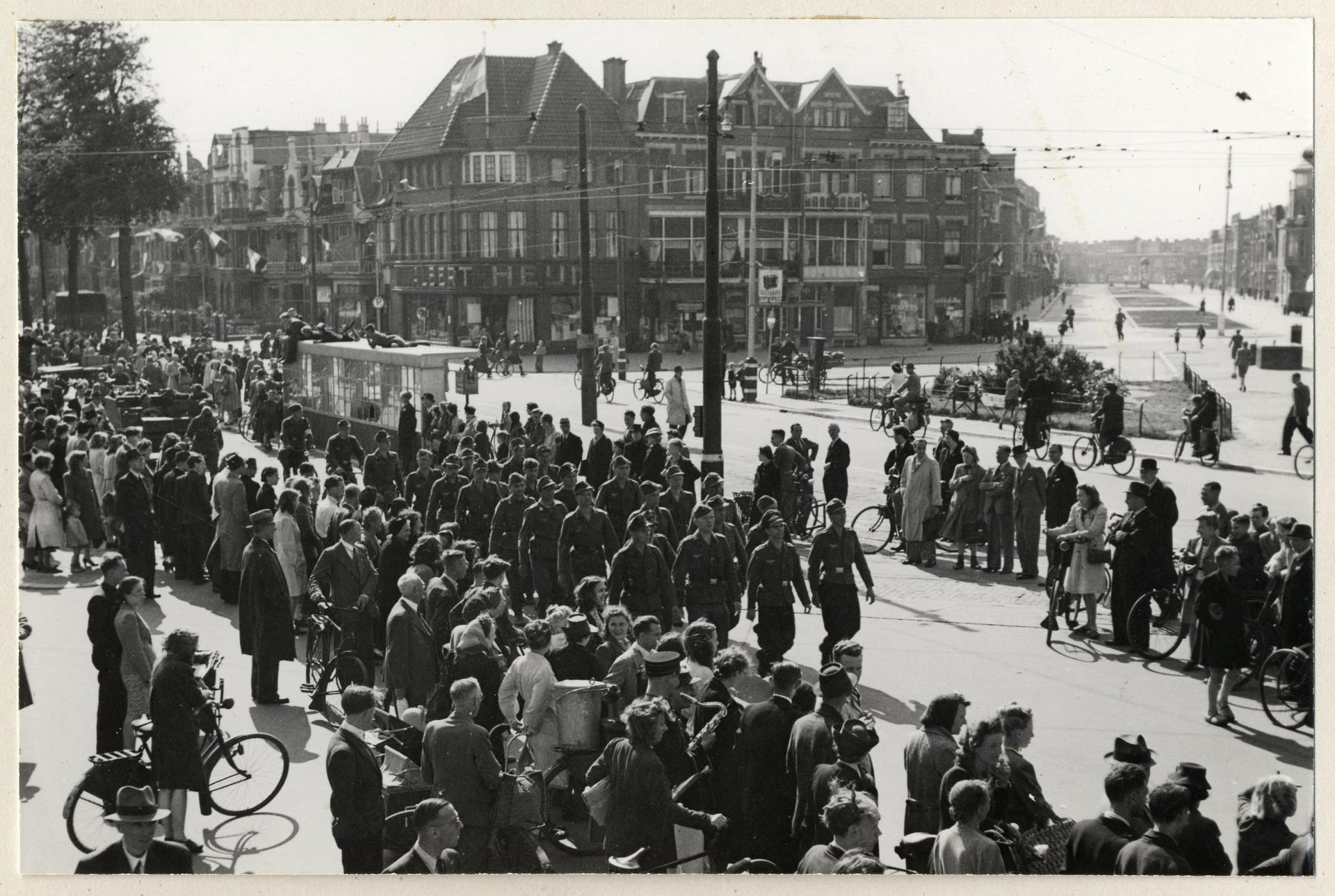
The Hague during the Second World War
Five years of occupation left The Hague with holes in its map and in its streets.
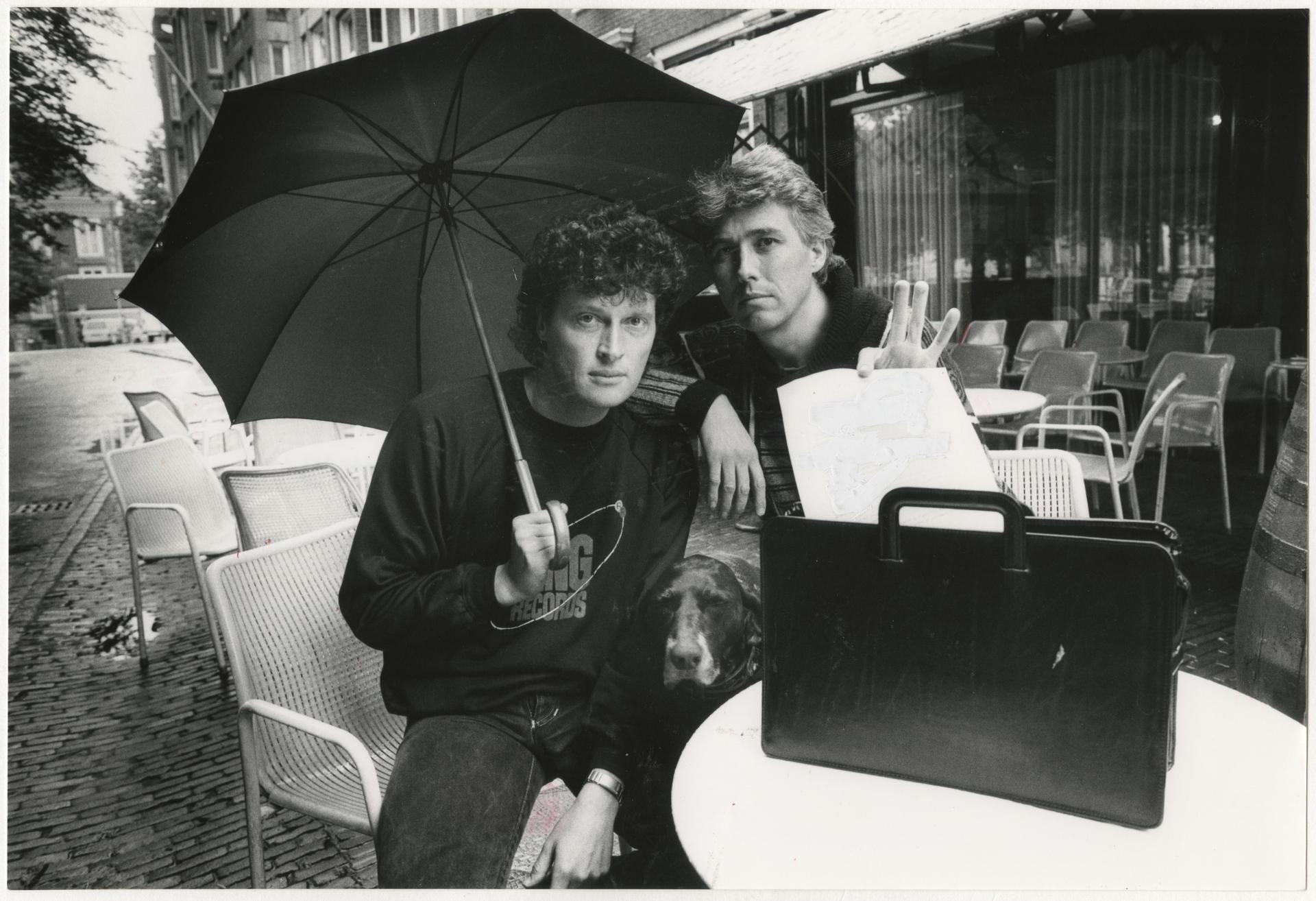
Beat City The Hague
How guitarists from the Indies and local teenage bands turned this city into the loudest place in the country.
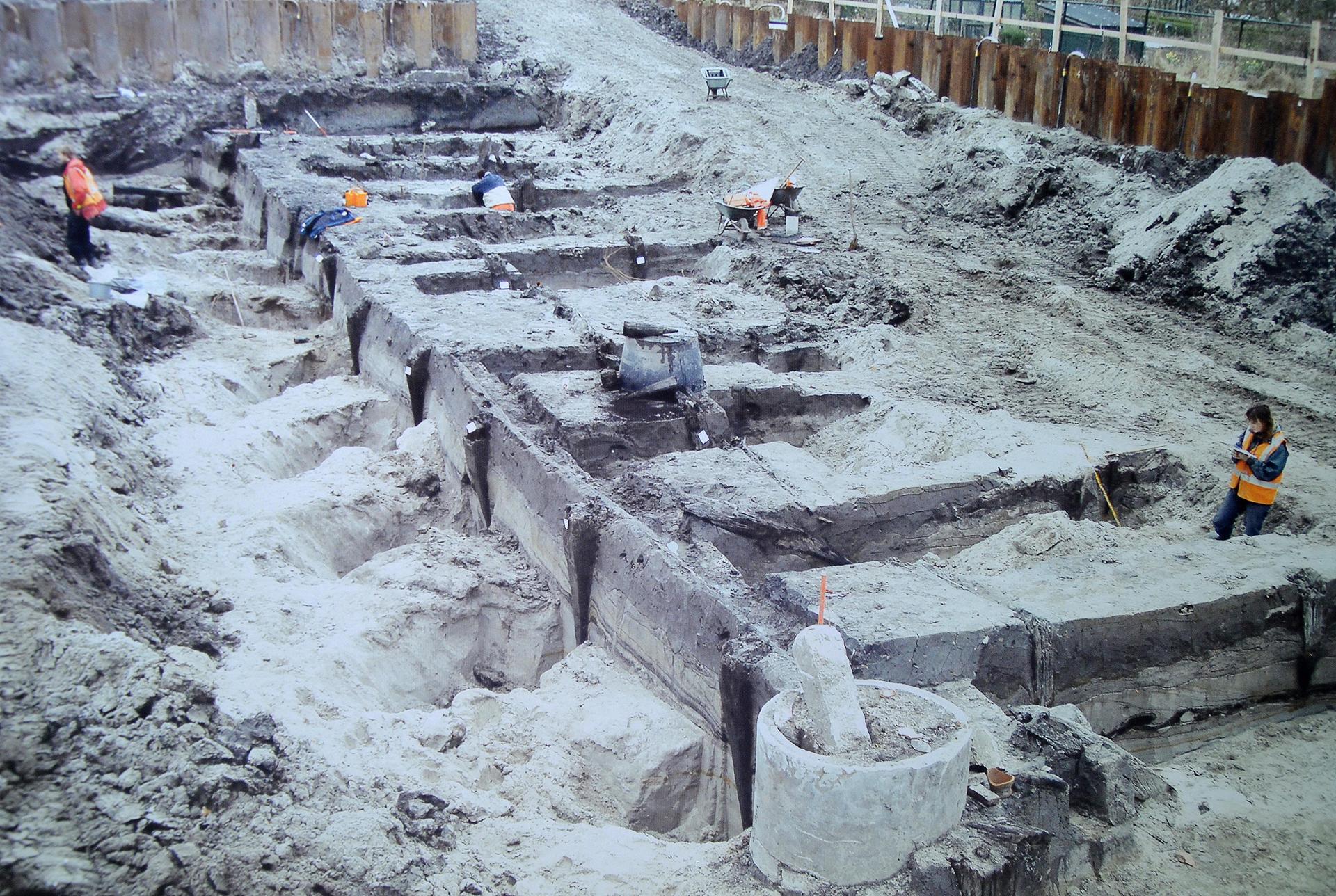
Forum Hadriani
Beneath Voorburg lies a Roman town that existed thanks to a dug canal.
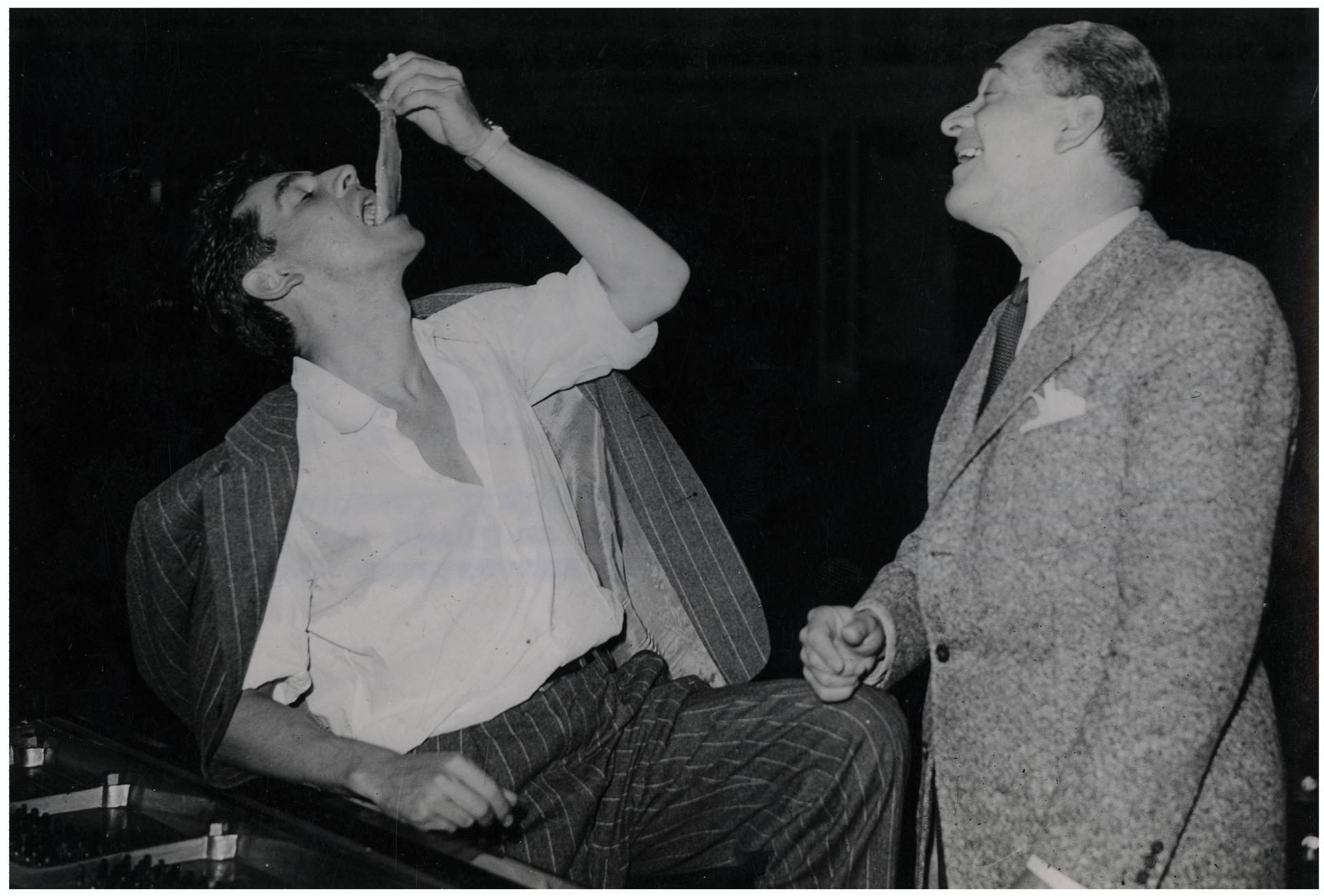
Hollandse Nieuwe
The first barrel of the season goes under the hammer, and the money has nothing to do with fish.
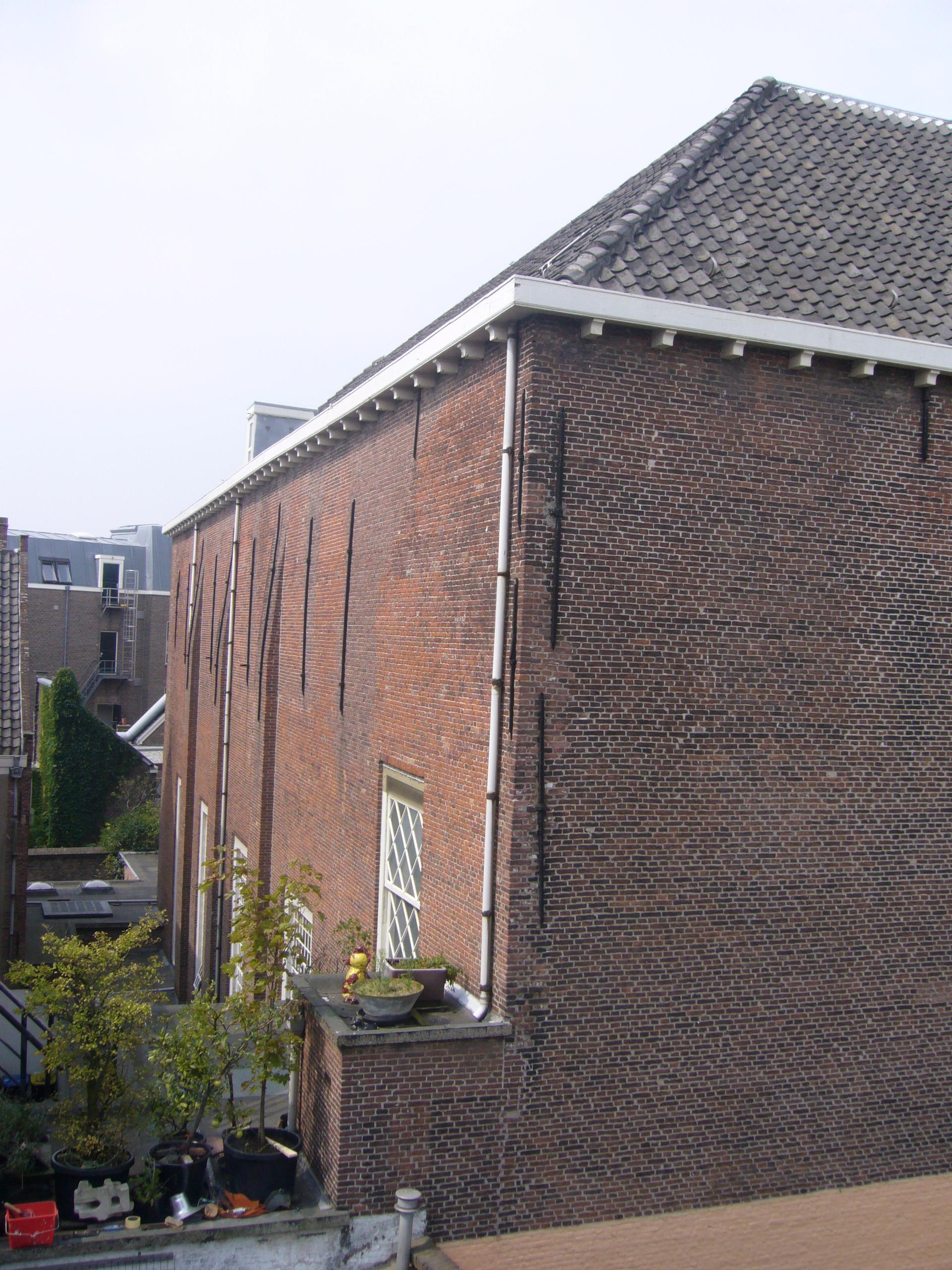
The hidden church on the Juffrouw Idastraat
A row of houses on a narrow lane from the outside, a full church with organ and galleries within.
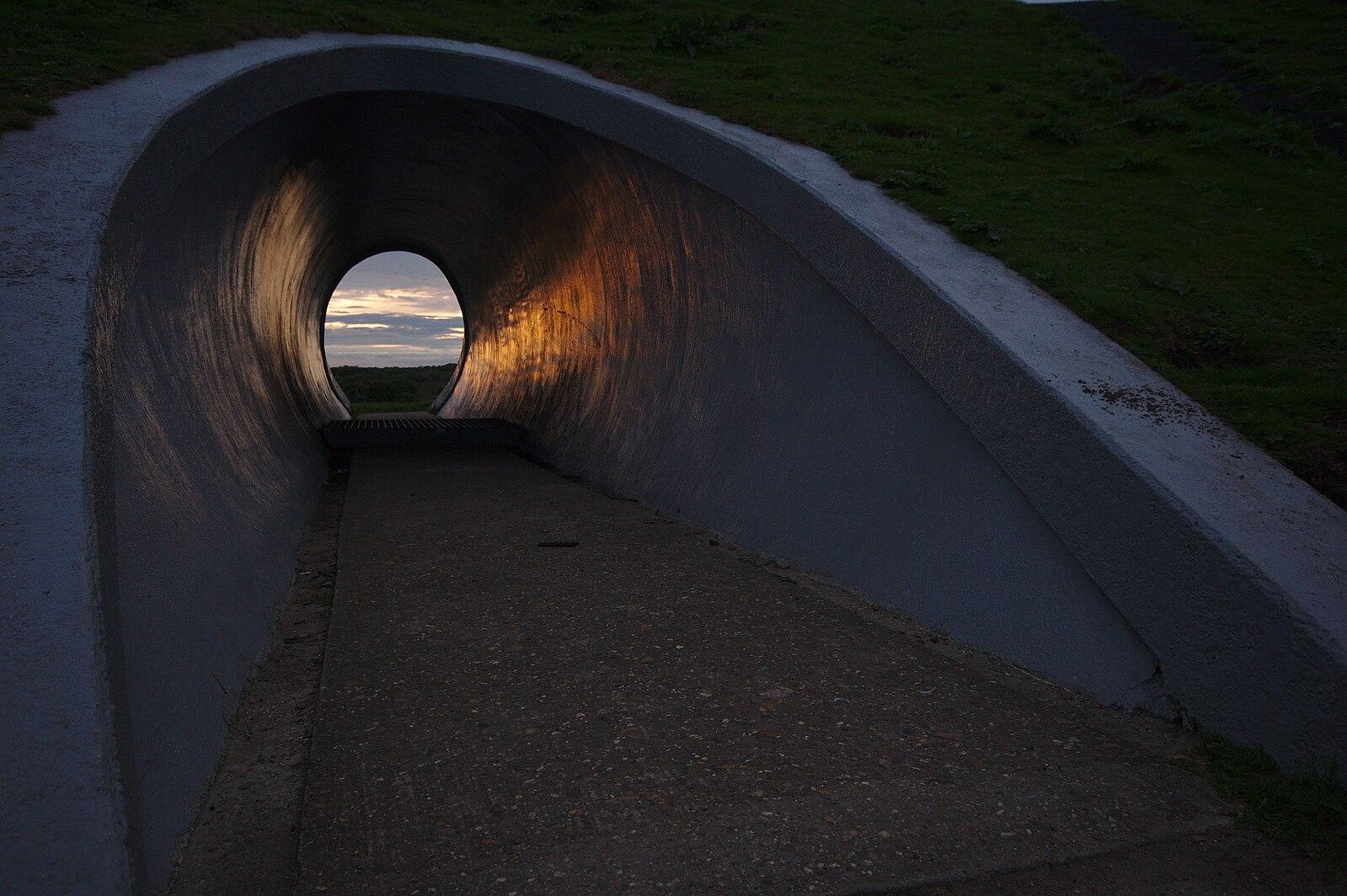
Celestial Vault
A crater in the dunes at Kijkduin where you lie on your back and the sky turns into a ceiling.
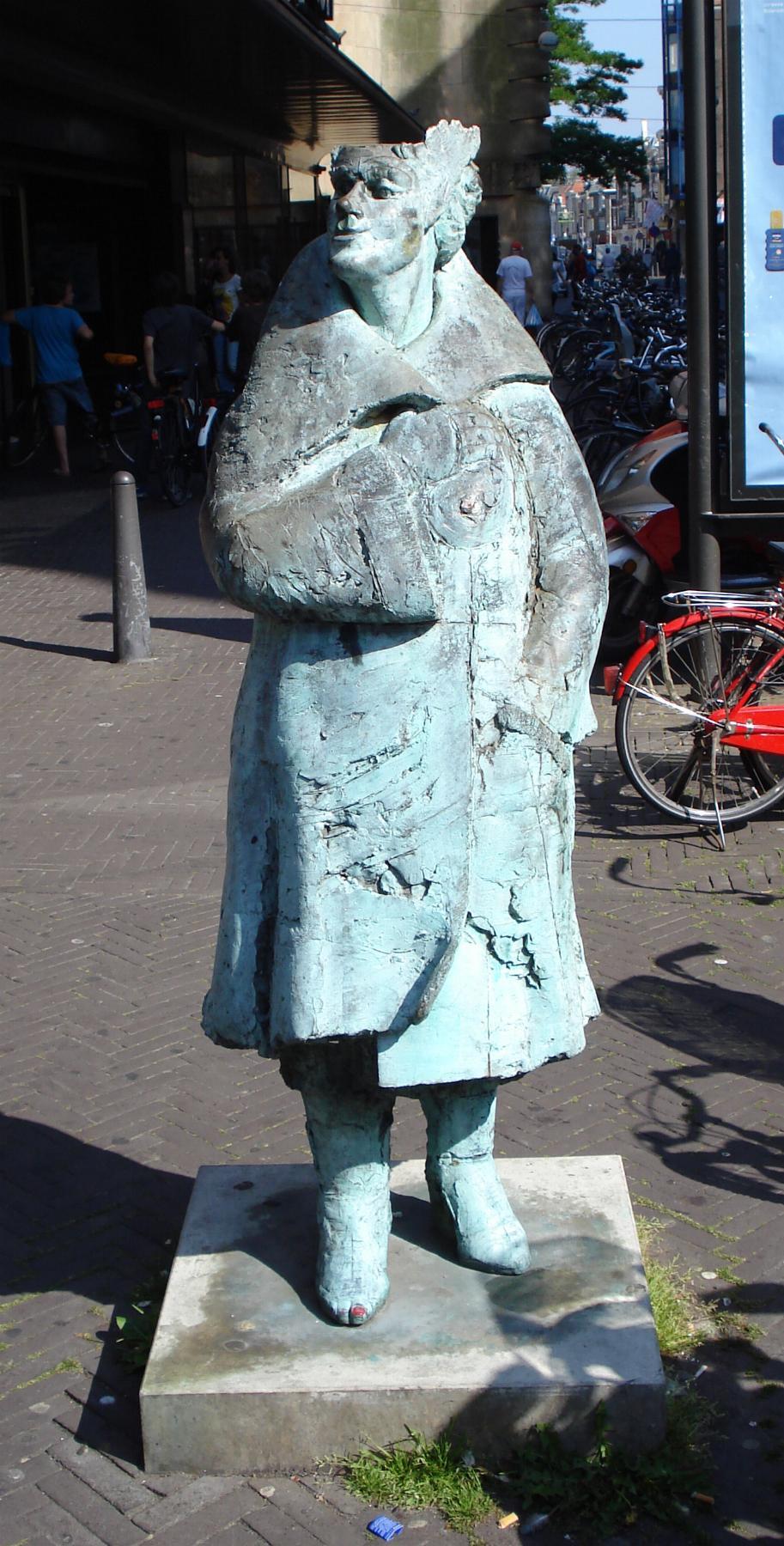
The Wereldwijf
A woman who stood out on the Wagenstraat and became a sculpture.
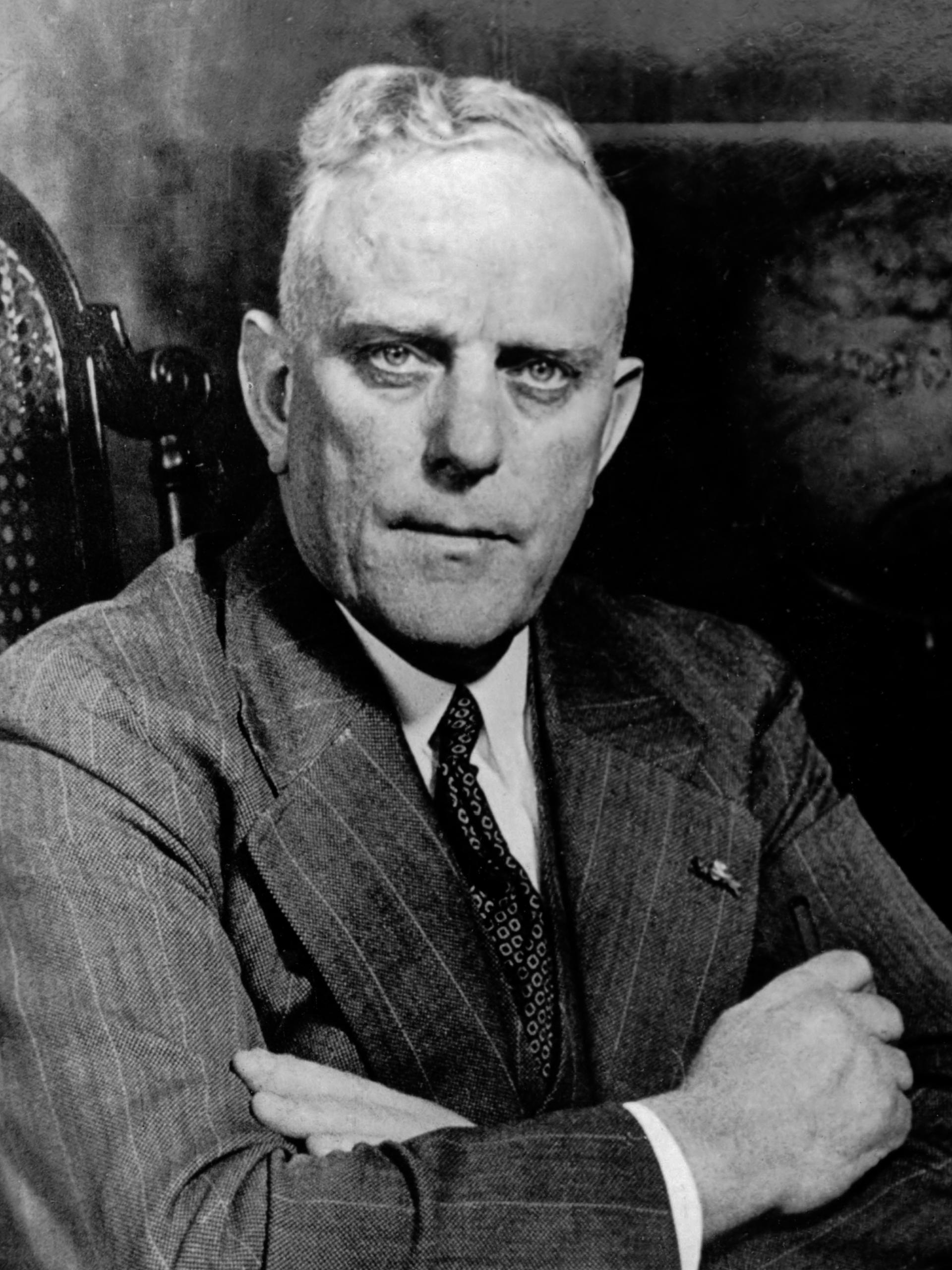
Albert Plesman
He founded an airline that was called royal before it owned a single aircraft.
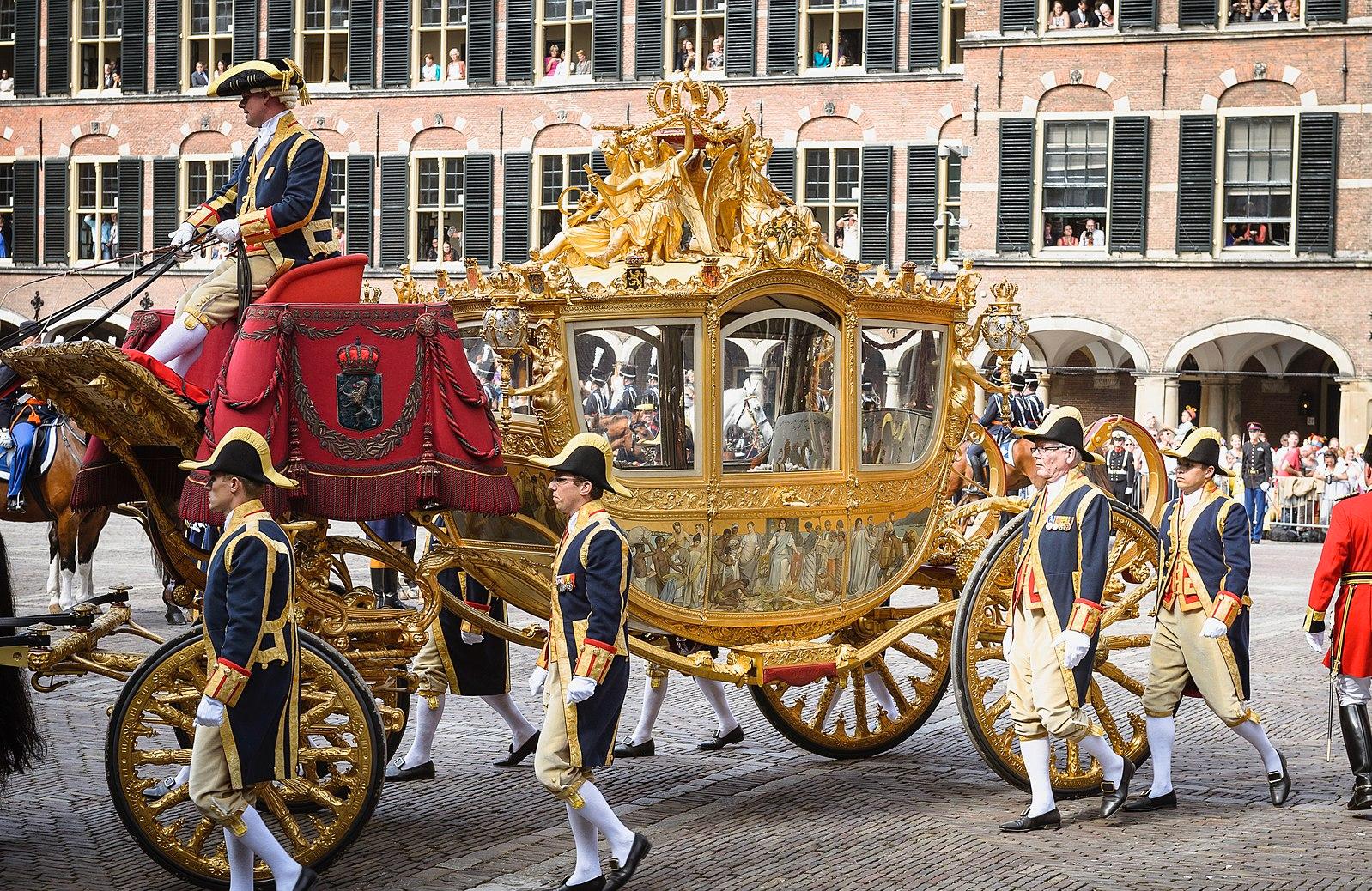
The Golden Coach
A gift from the citizens of Amsterdam that has stood still for years because of one panel on its side.
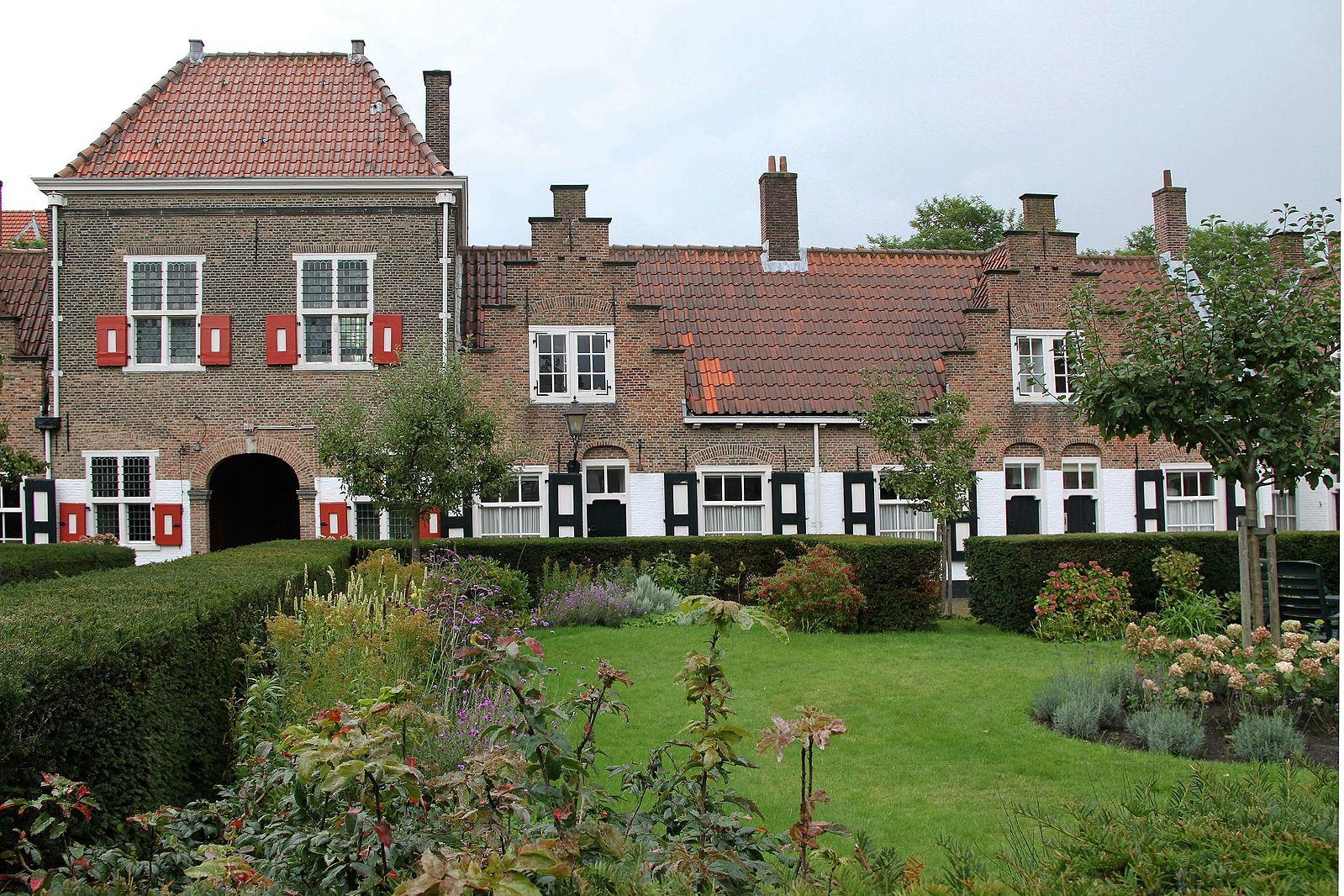
The van Wouw Court
Cornelia was already in her coffin when her maid insisted she was still alive.
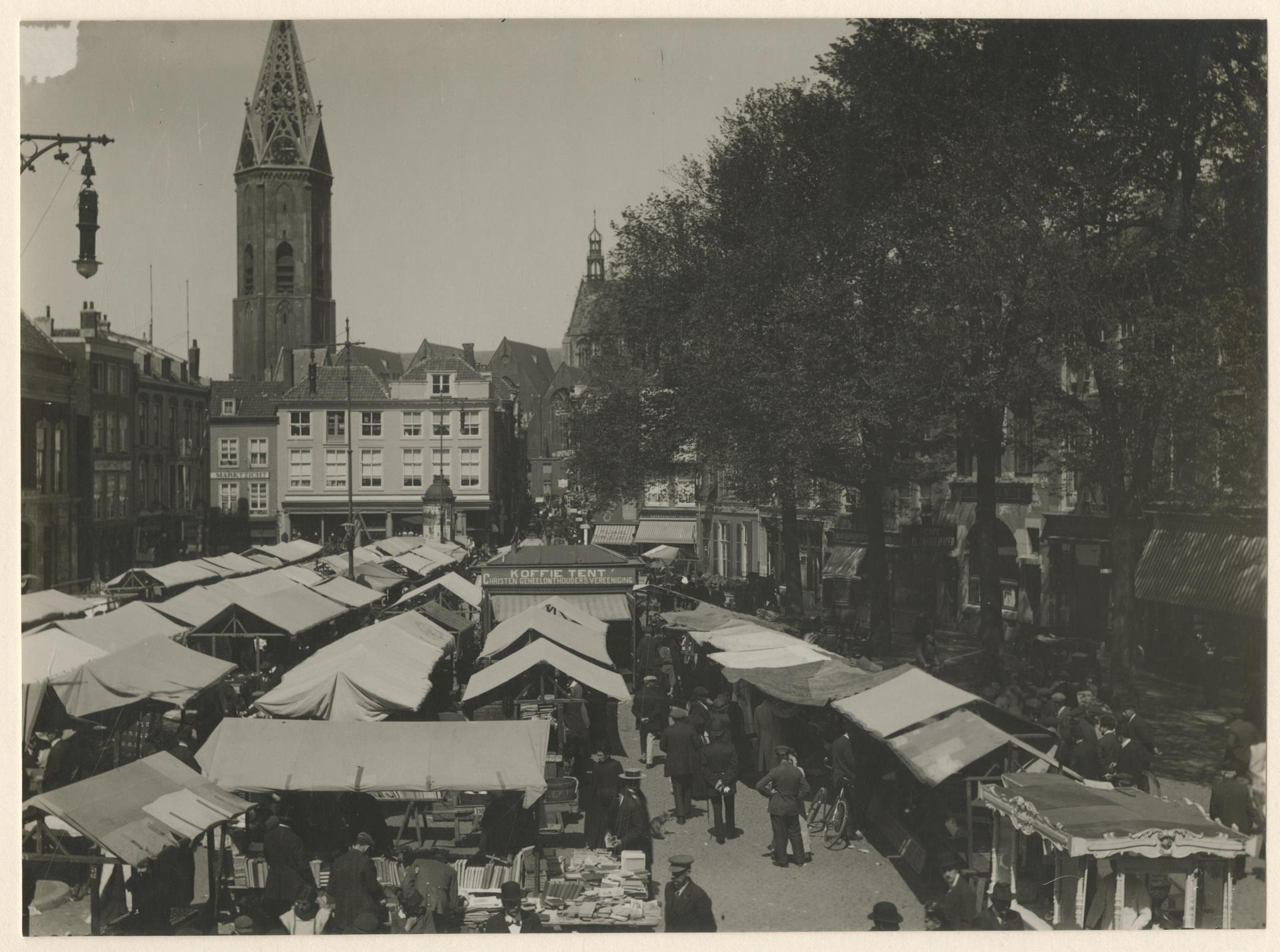
The Grote Markt
A convent, then the busiest market in town, and now the square where the bands play.
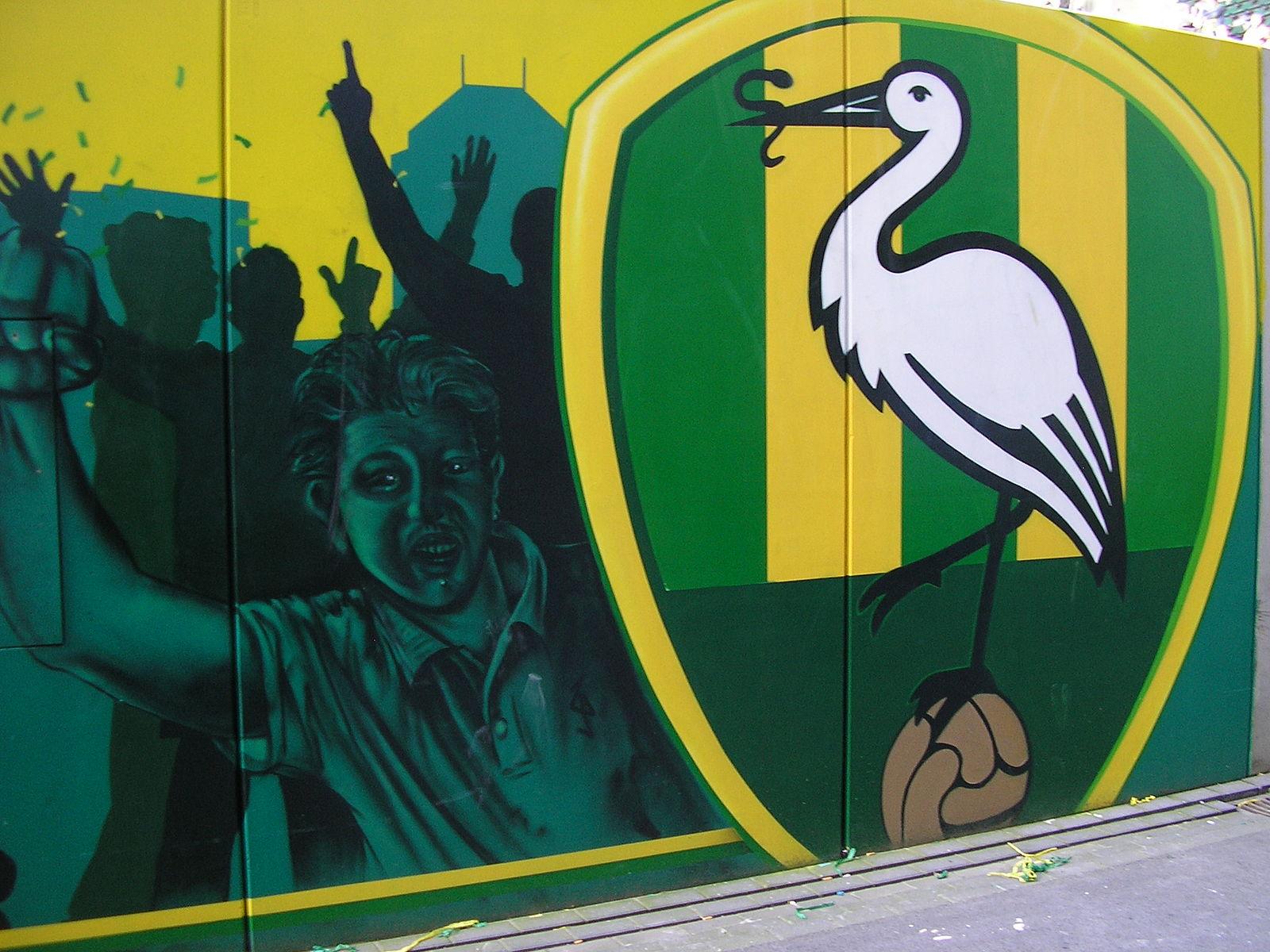
ADO Den Haag
National champions in wartime, and still the Haags kwartiertje.
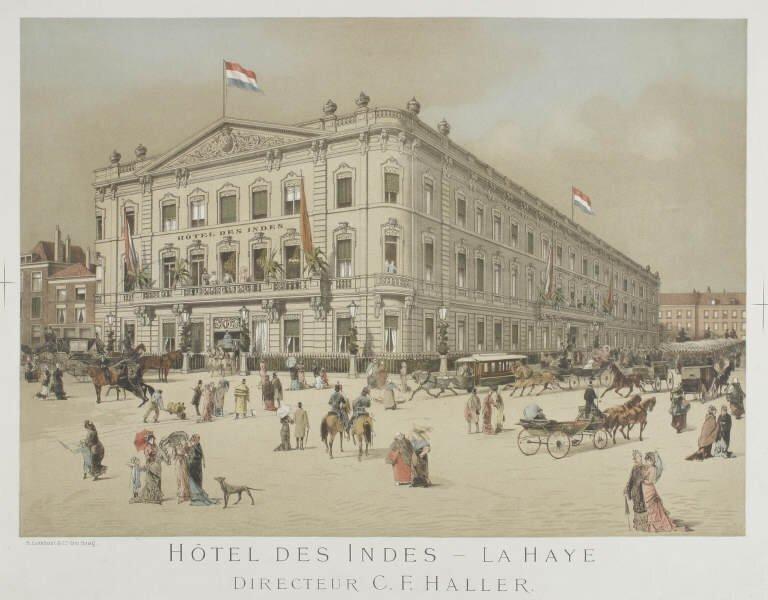
Hotel des Indes
Built as a private house, famous as a hotel, and a hiding place in the war years.
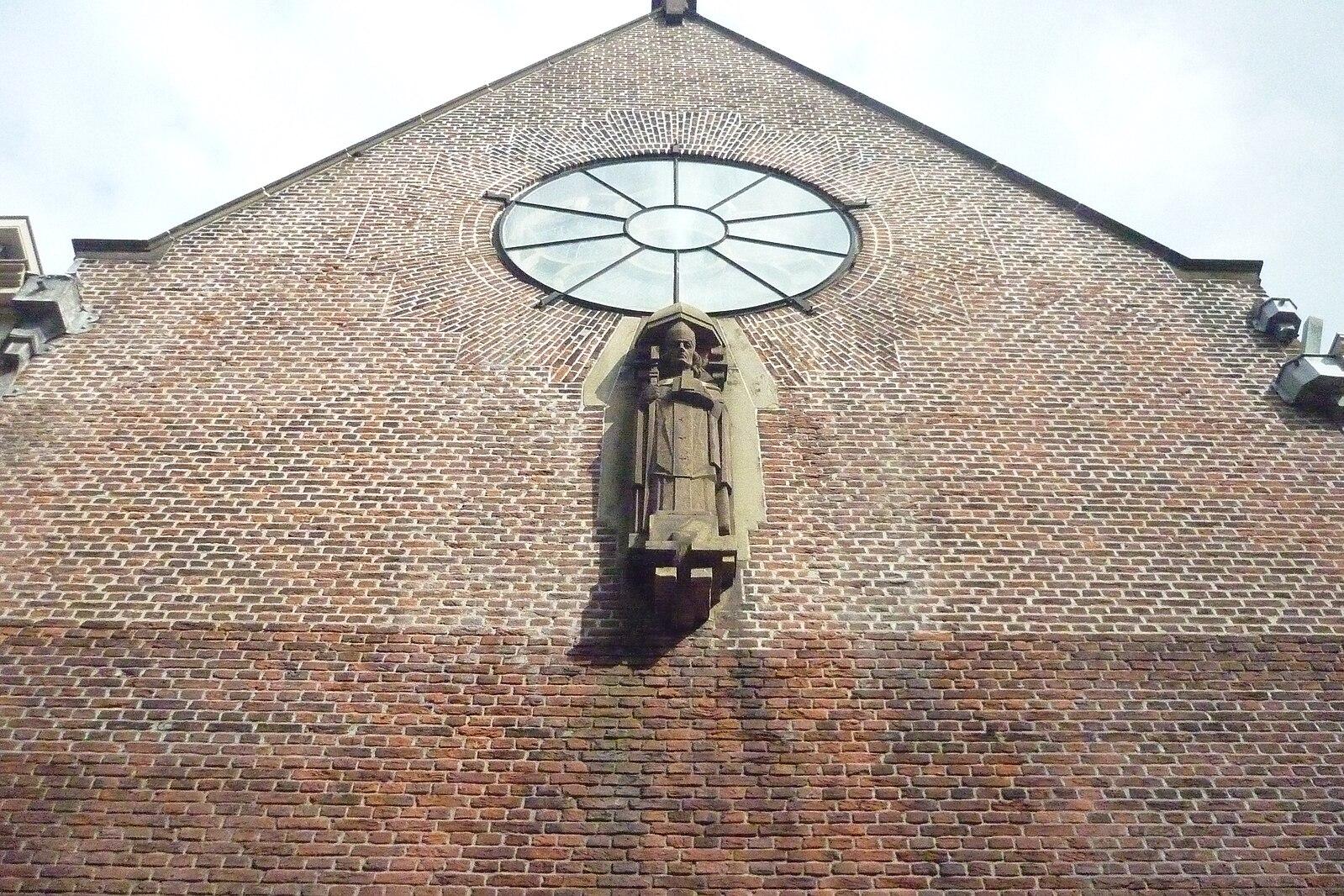
Willibrordus Chapel
Two centuries as a hidden church, and since 2010 they brew beer there.
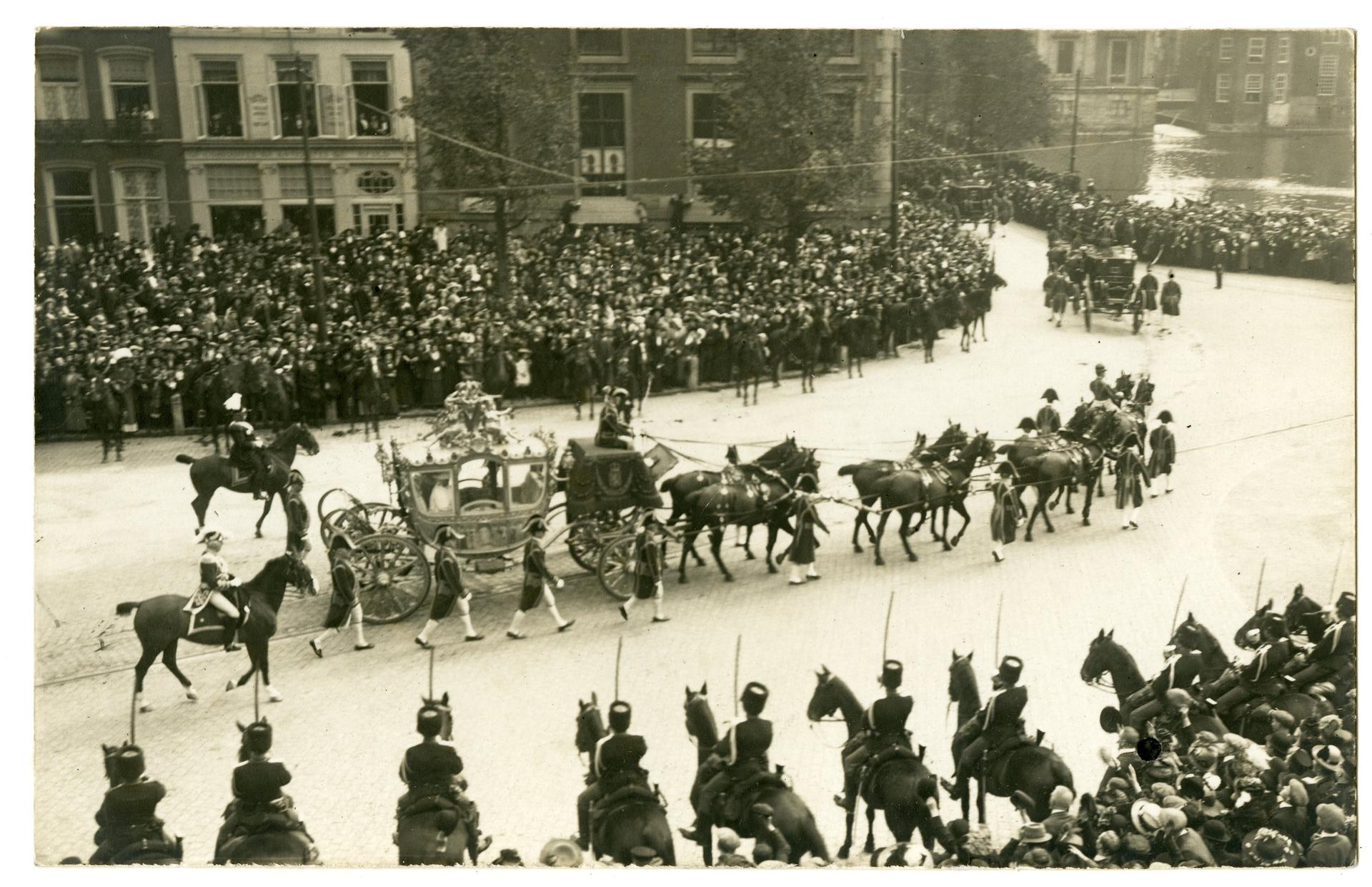
Prinsjesdag
The third Tuesday in September, named after the birthday of a prince who had to flee the country.
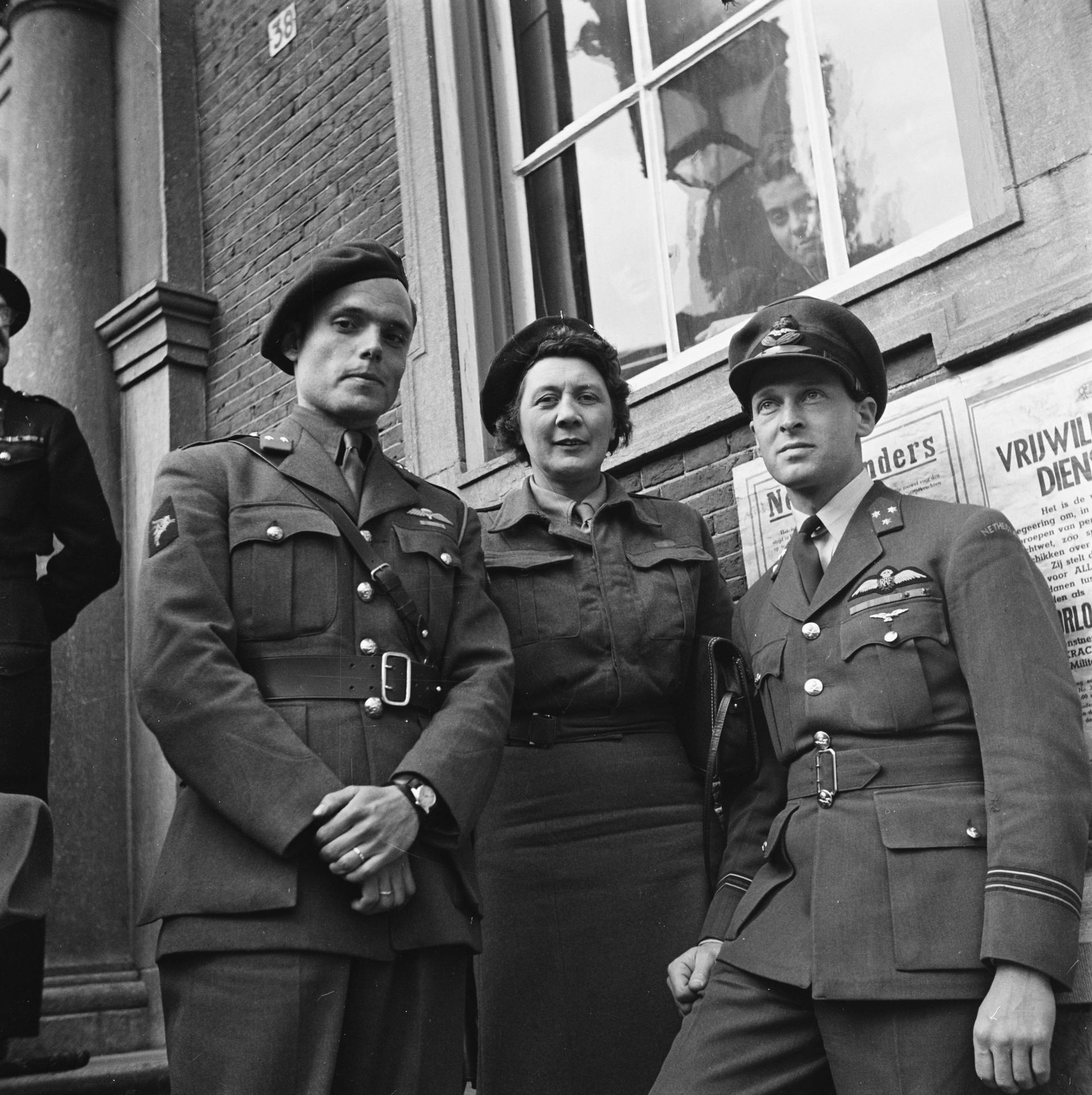
The Soldier of Orange
Engelandvaarder, pilot and writer, and for one week a prisoner in the Oranjehotel.
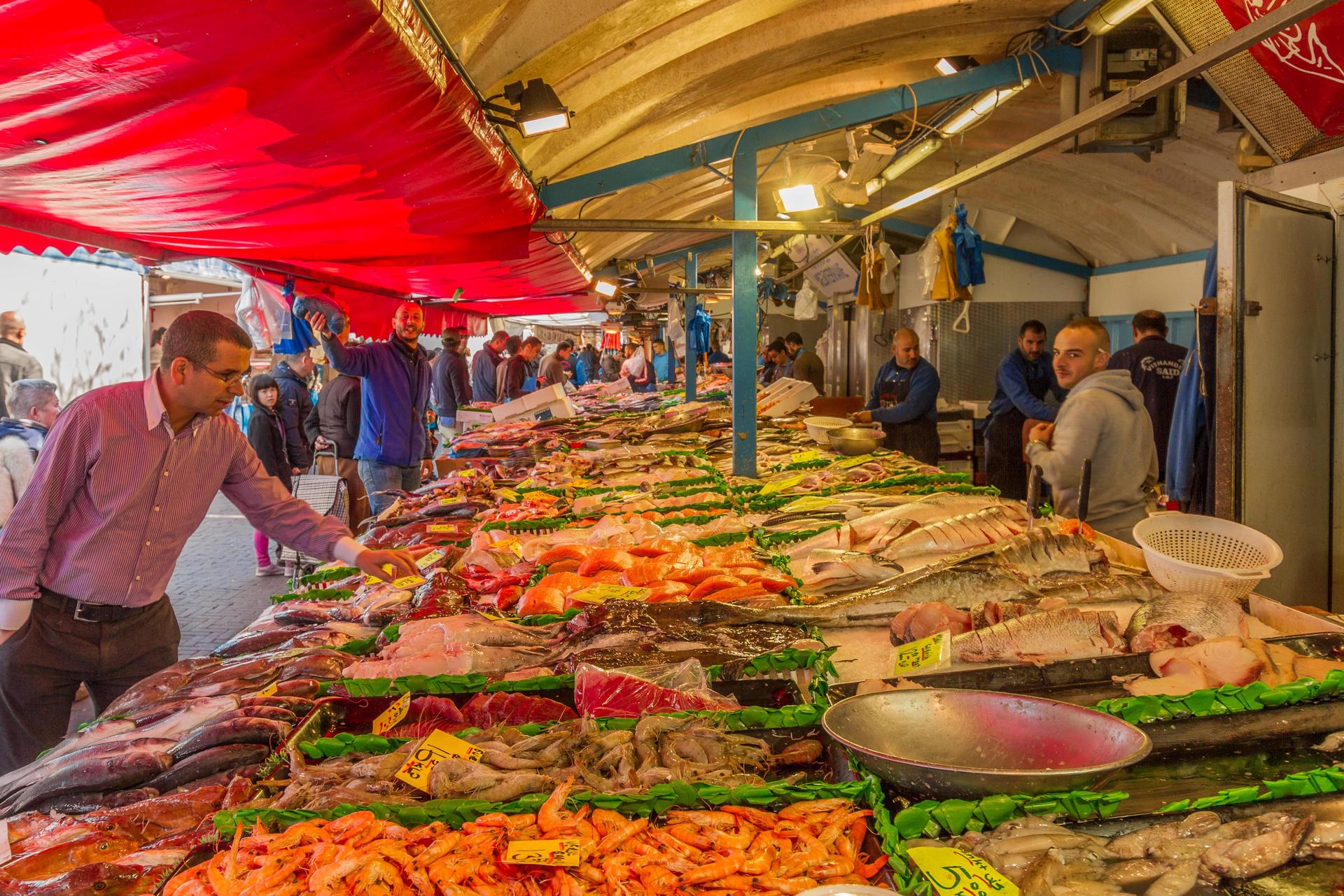
The Hague Market
One of the largest open-air markets in Europe, four days a week on the Herman Costerstraat.
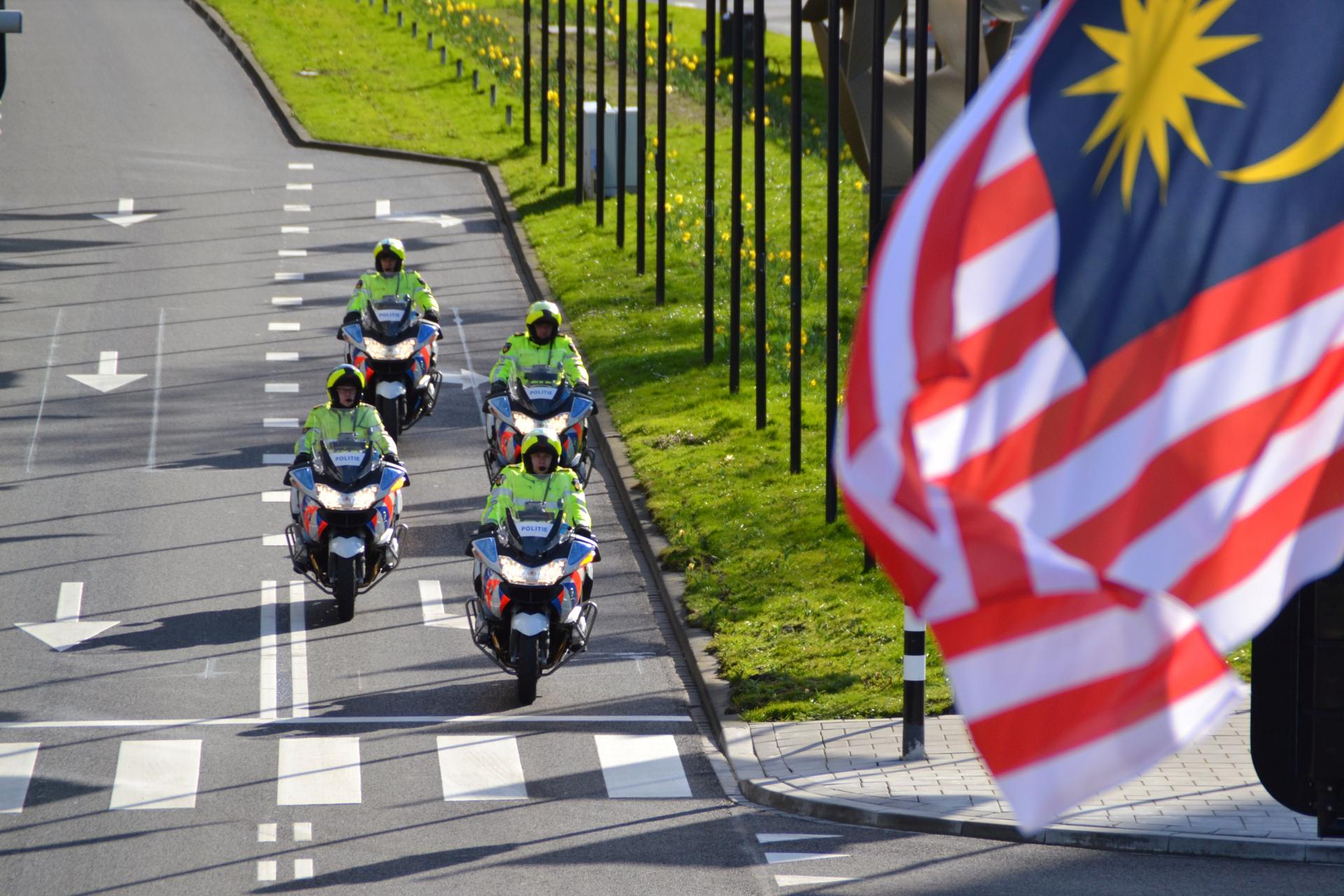
The International Heart of the Netherlands
The district around Johan de Wittlaan, where the fences and flagpoles give away what happens inside.
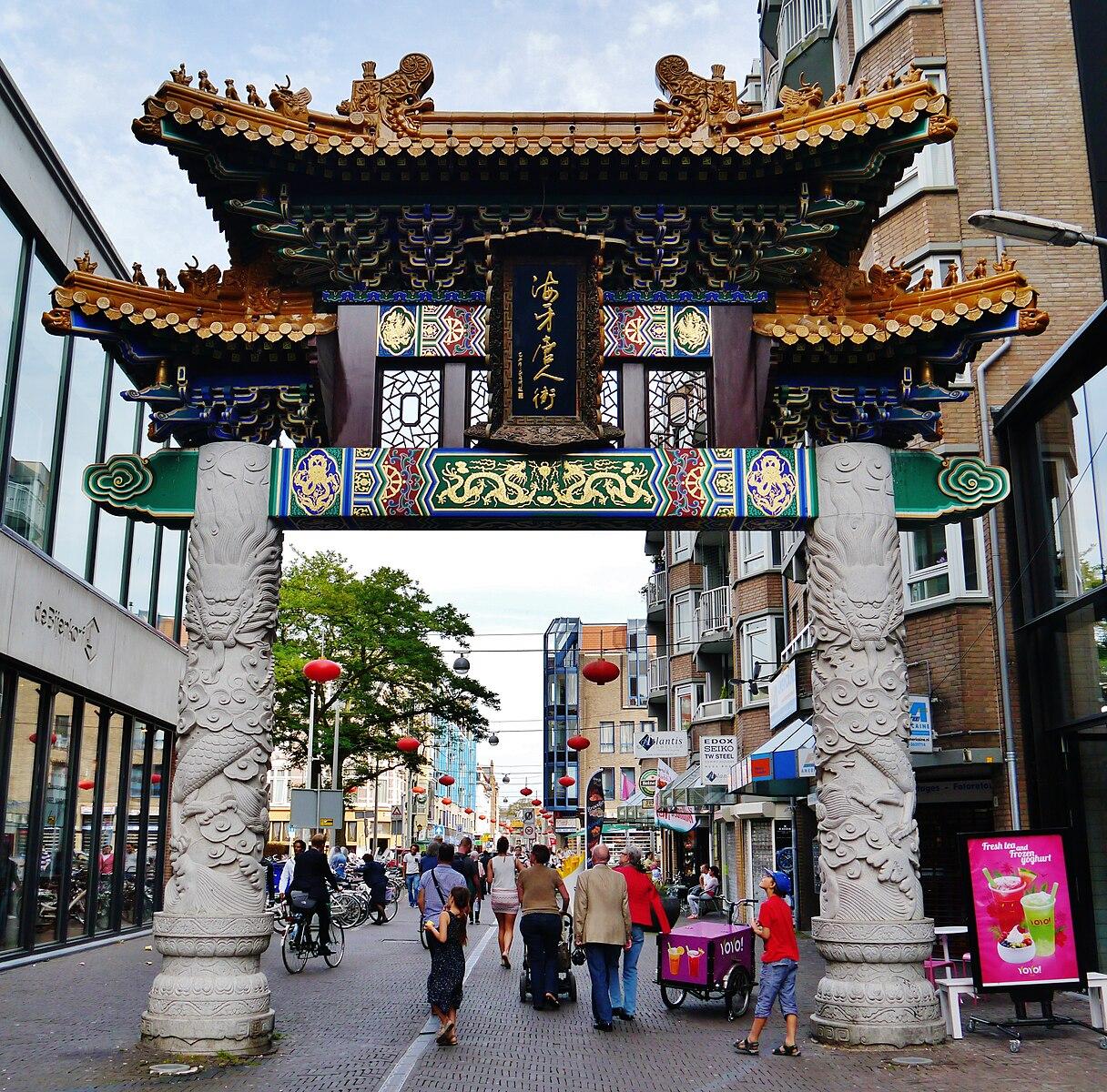
Chinatown
A quarter that was once the Jewish neighbourhood, fell into decline, and has run under Chinese gates since 2009.
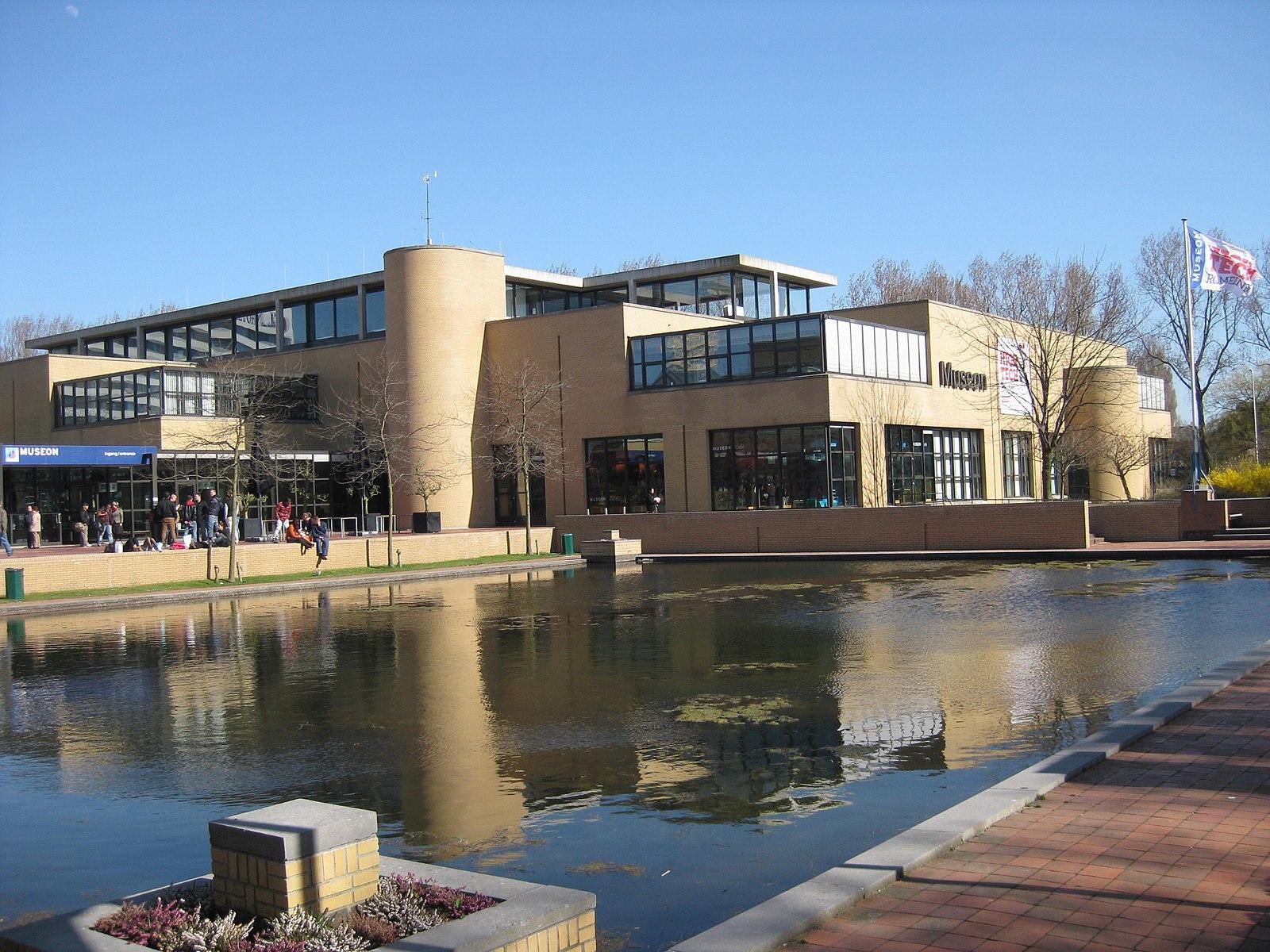
Museon-Omniversum
Founded in 1904 as a museum for schoolchildren, with a collection running from minerals to masks.
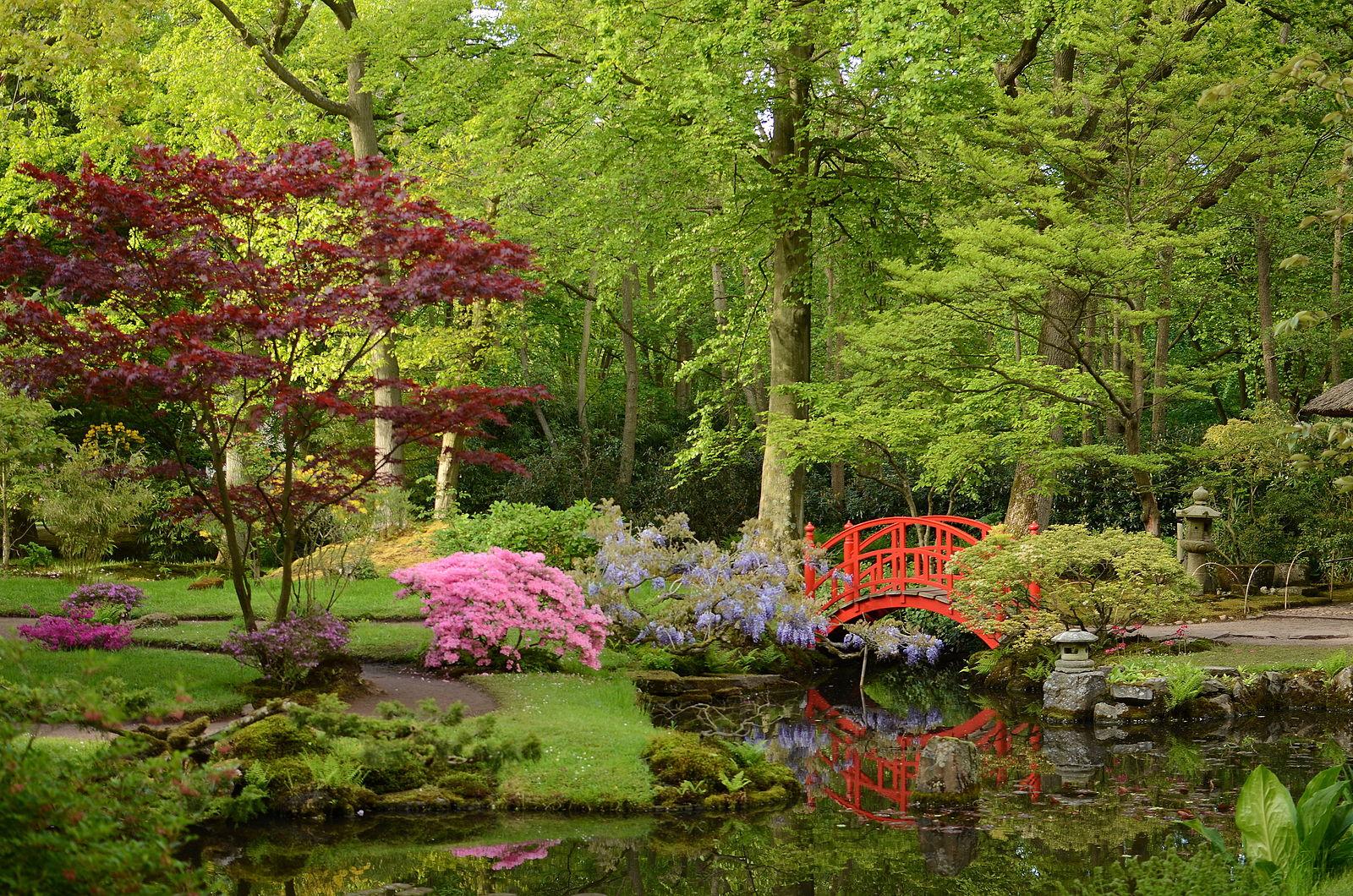
The Japanese Garden at Clingendael
A garden shipped over from Japan that opens only a few weeks a year, because the moss cannot take footsteps.
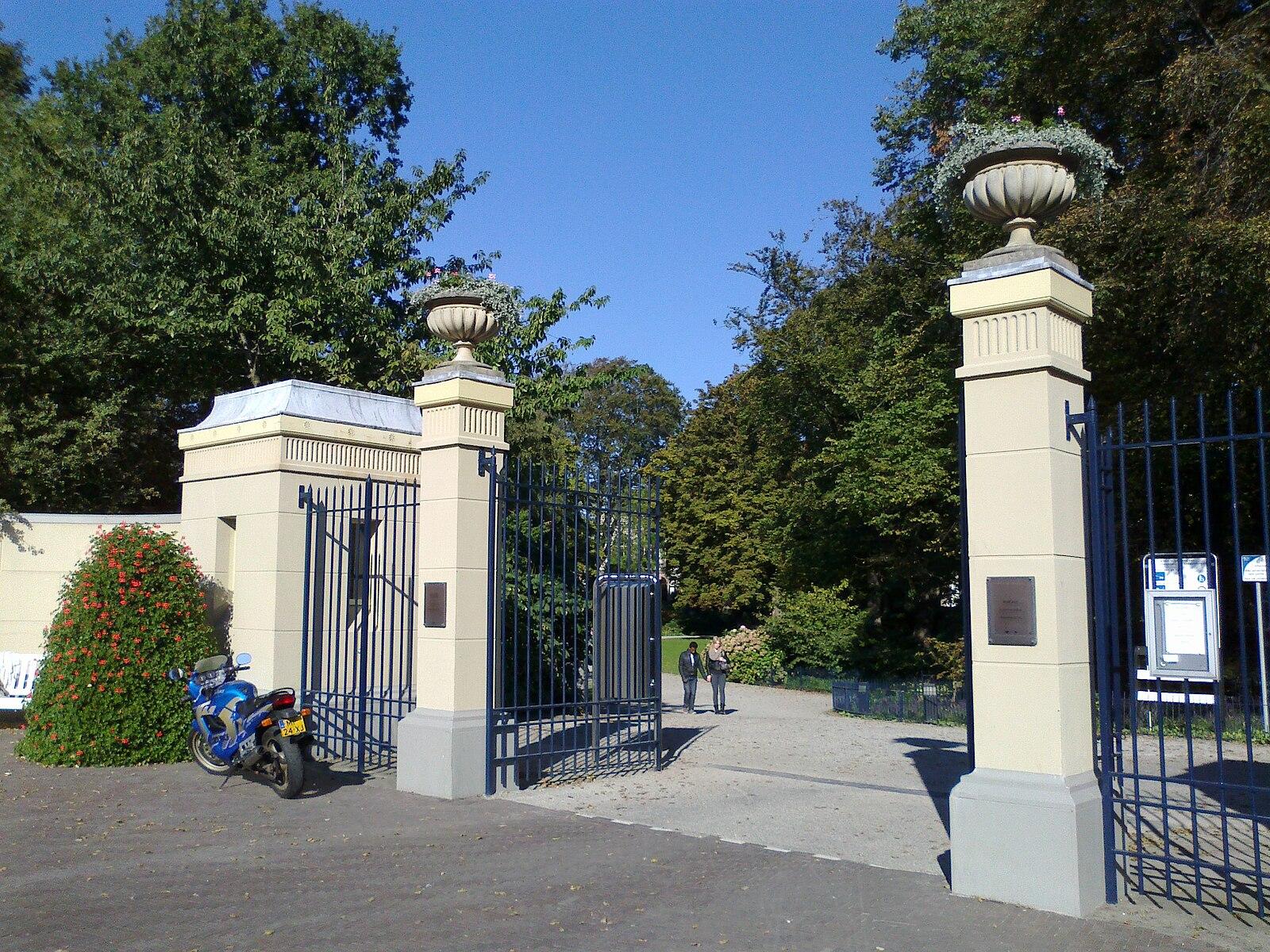
Palace garden
The first Dutch hot air balloon went up here in 1783, with nobody on board.
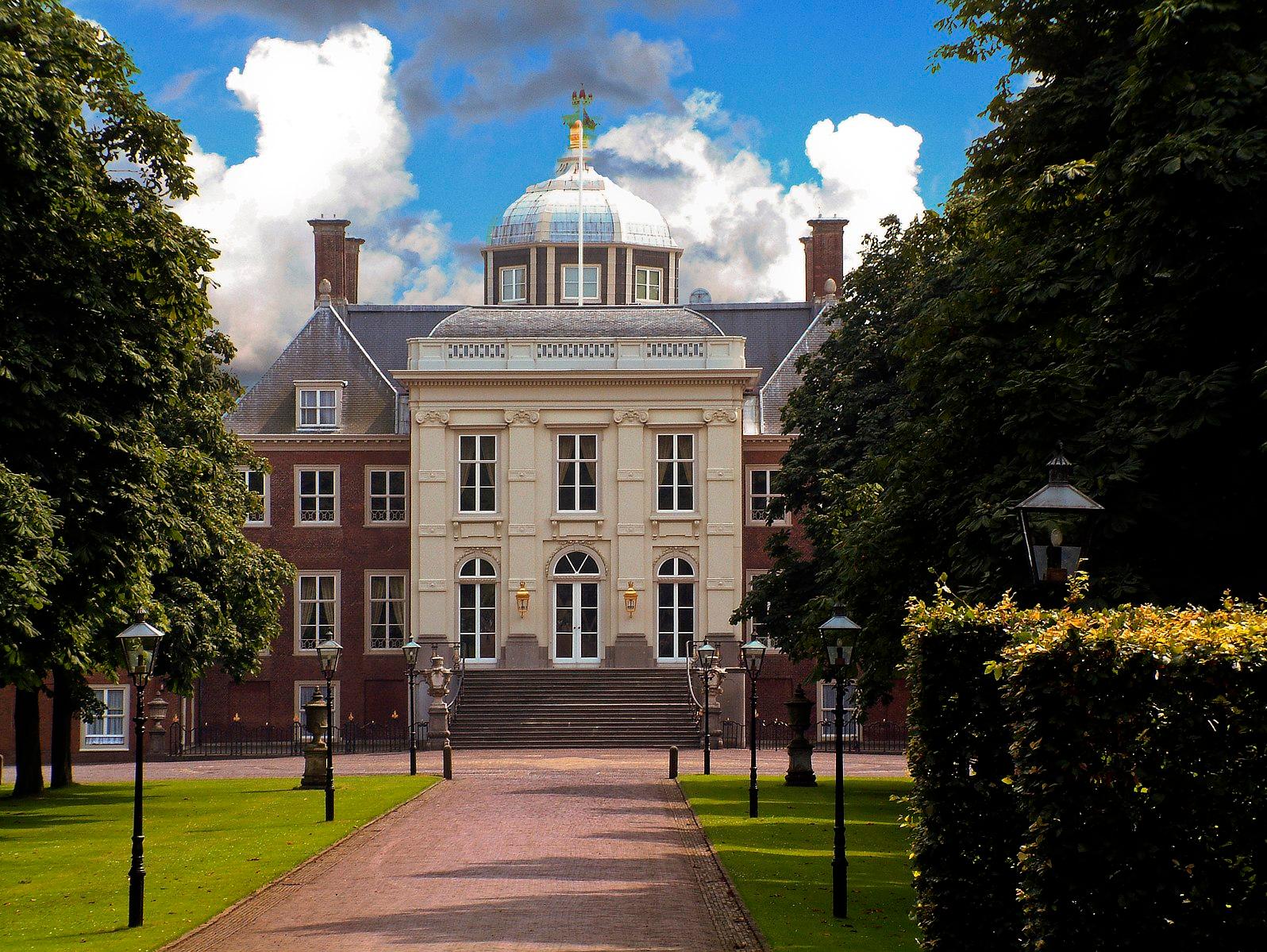
Huis ten Bosch Palace
A summer house in the woods that a widow had painted from floor to ceiling, and where the world met in 1899 to discuss peace.
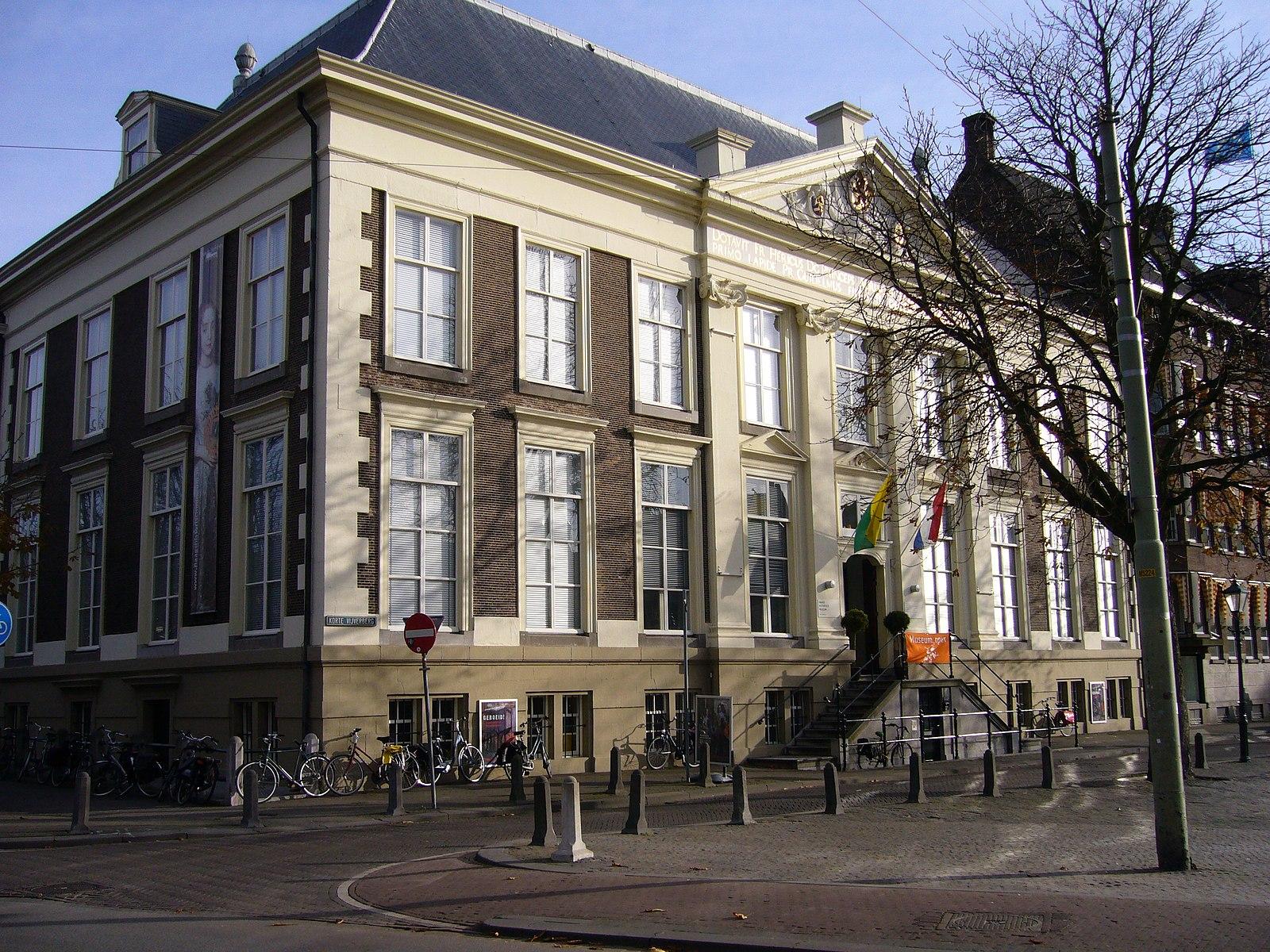
Historical Museum of The Hague
A militia hall from 1636 on the Hofvijver, holding the grimmest souvenir in the city.
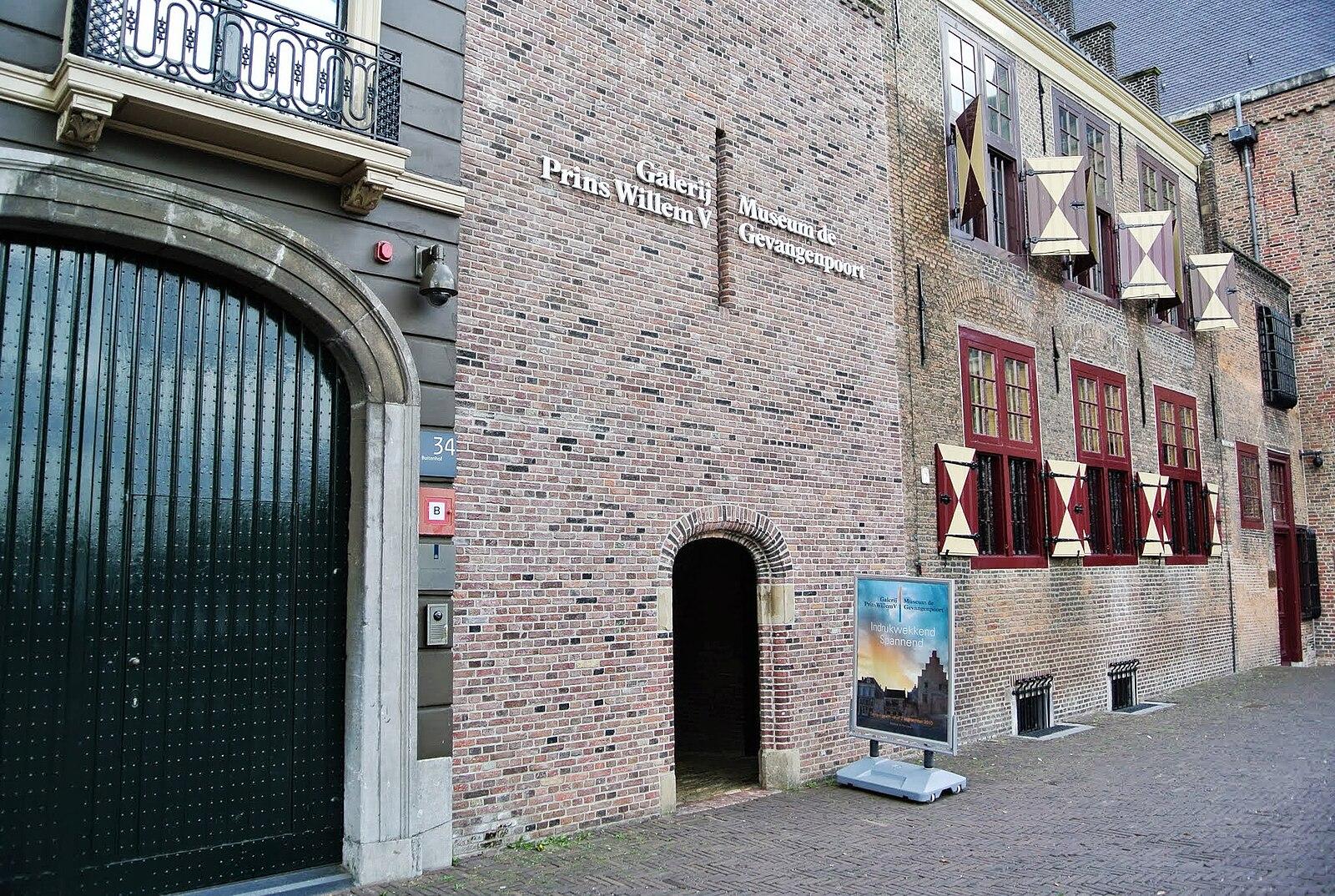
Museum de Gevangenpoort
A city gate that served as a prison for centuries, with comfort for those who could pay and a cellar for those who could not.
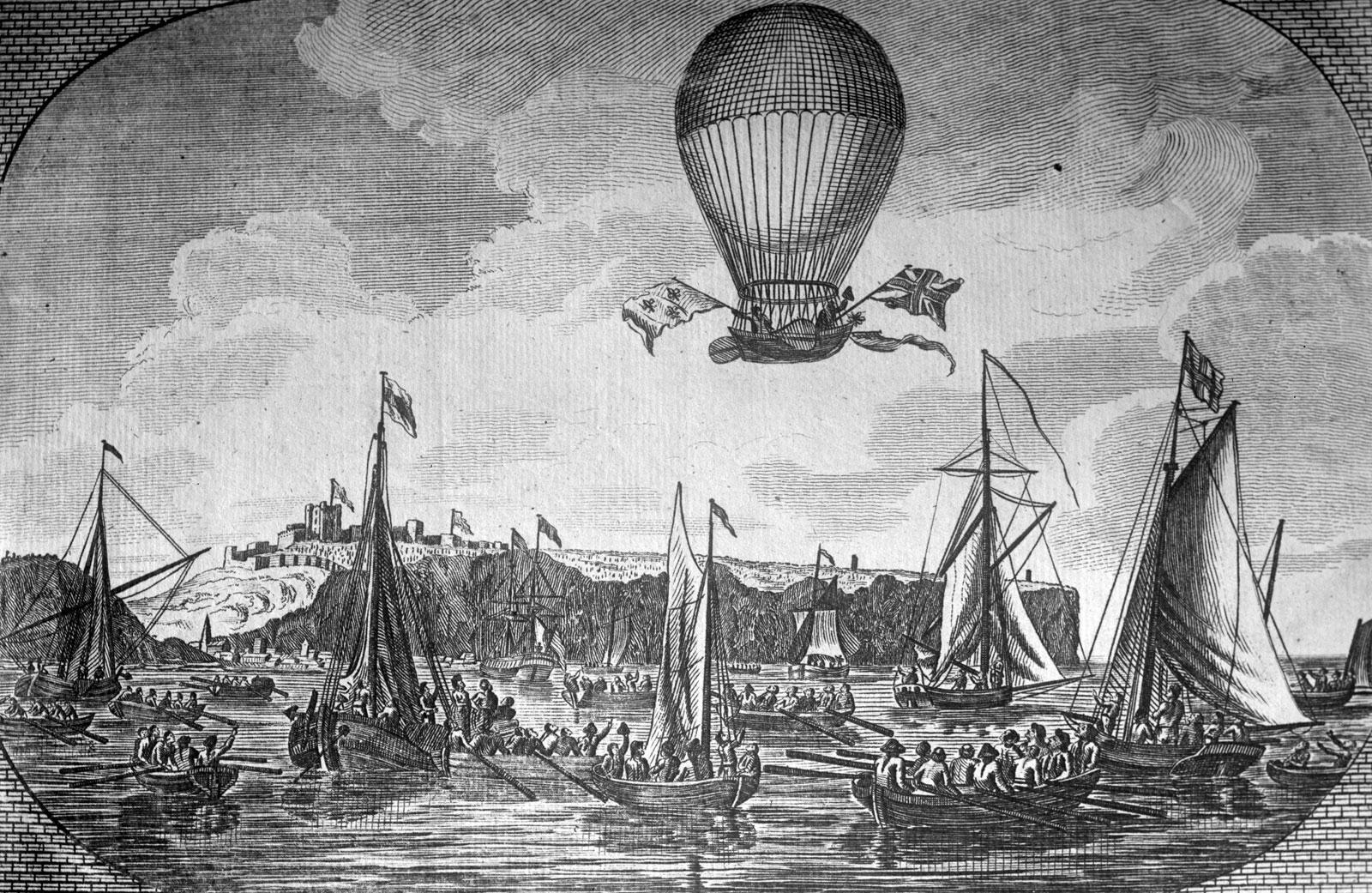
The first balloon ride
Thousands of spectators, two officers in a fistfight and farmers with pitchforks.
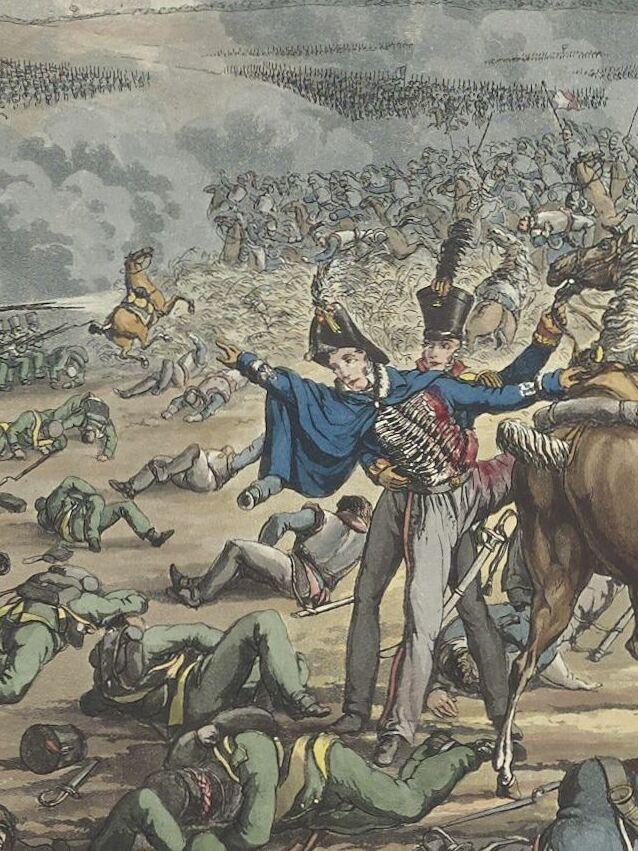
Battle horse Wexy
The mounted horse of William II still stands in the stables on the Noordeinde.
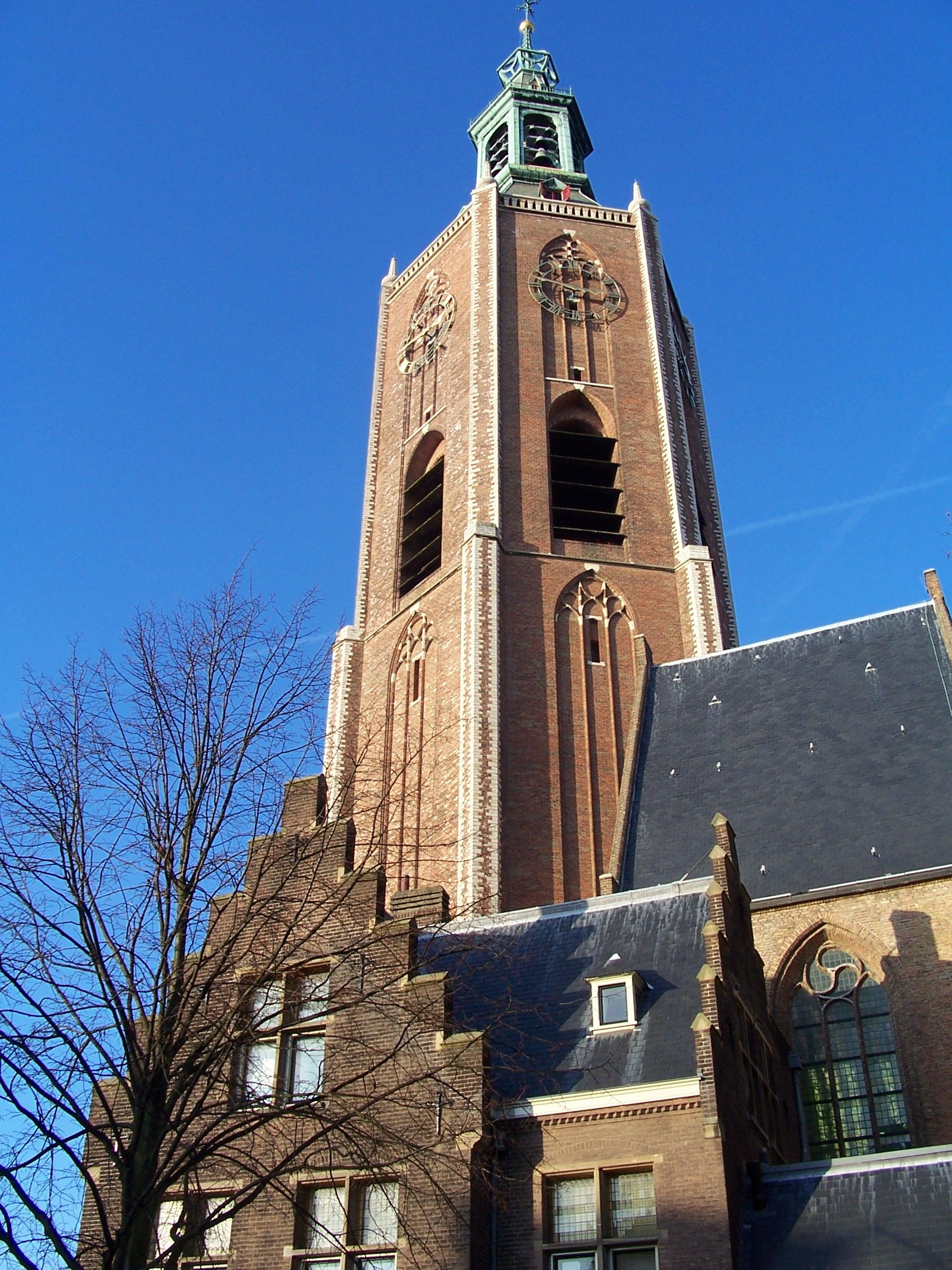
The Grote Kerk
A six-sided tower, and the coats of arms of knights who met here in 1456.
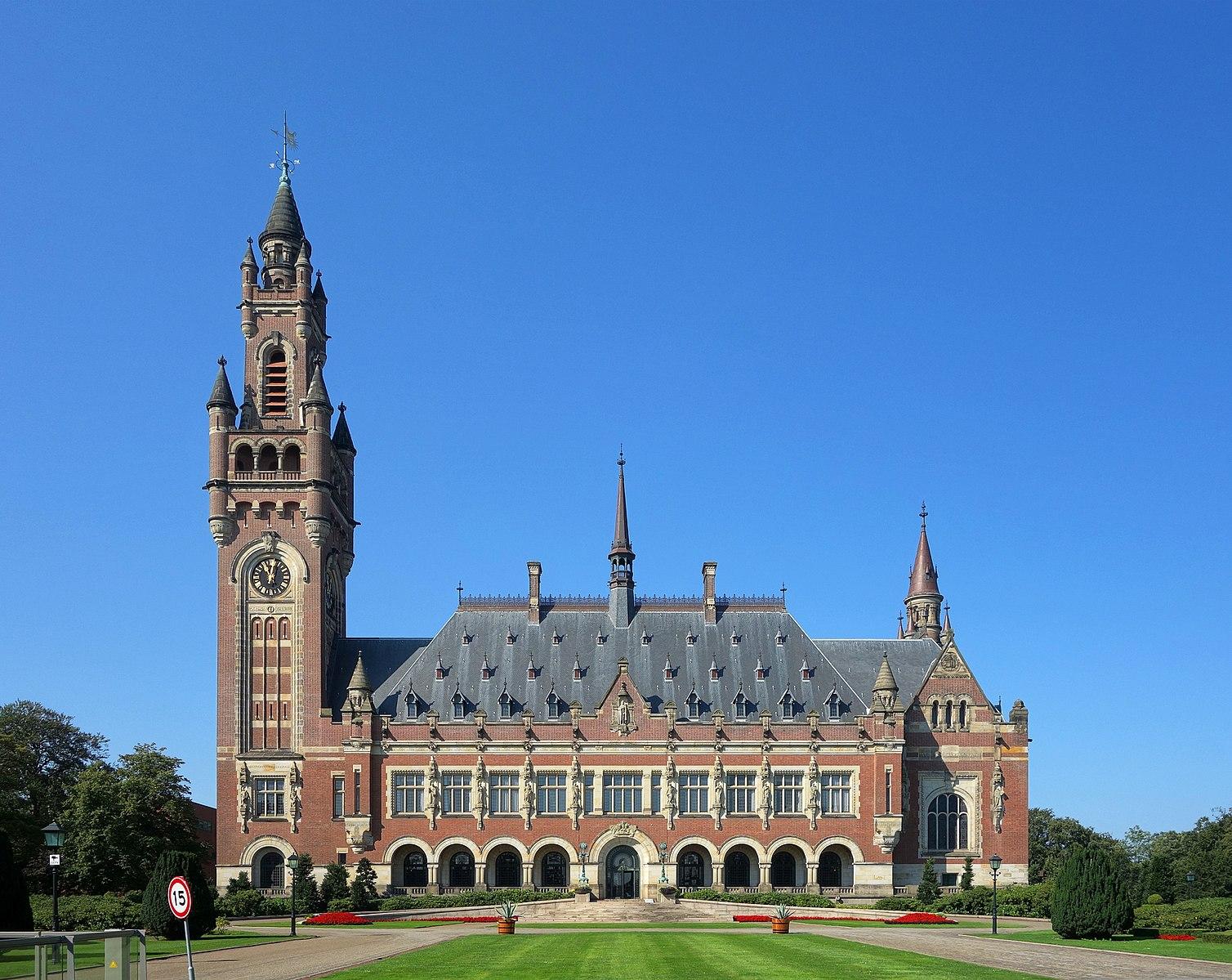
Peace Palace
A palace donated by the whole world, eleven months before that world went to war.
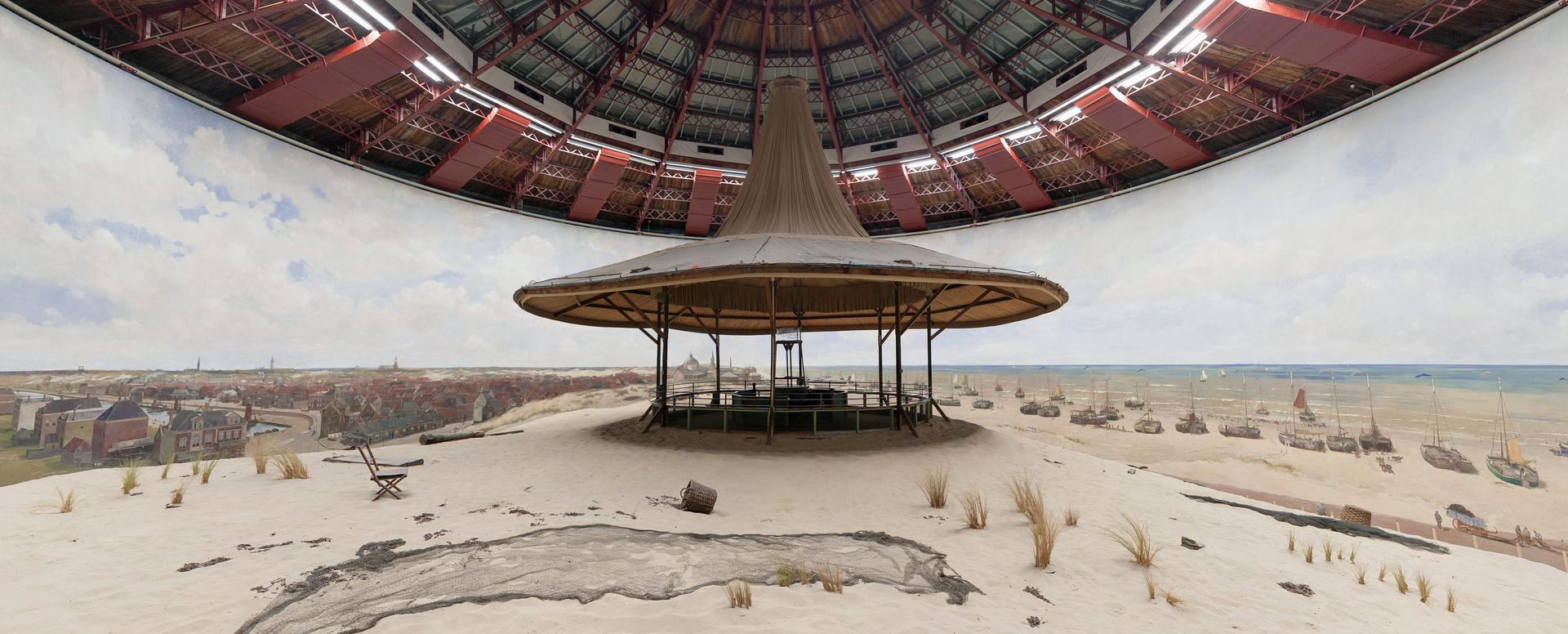
Panorama Mesdag
A beach a hundred and twenty metres around, painted in a few months, and saved by the painter himself.
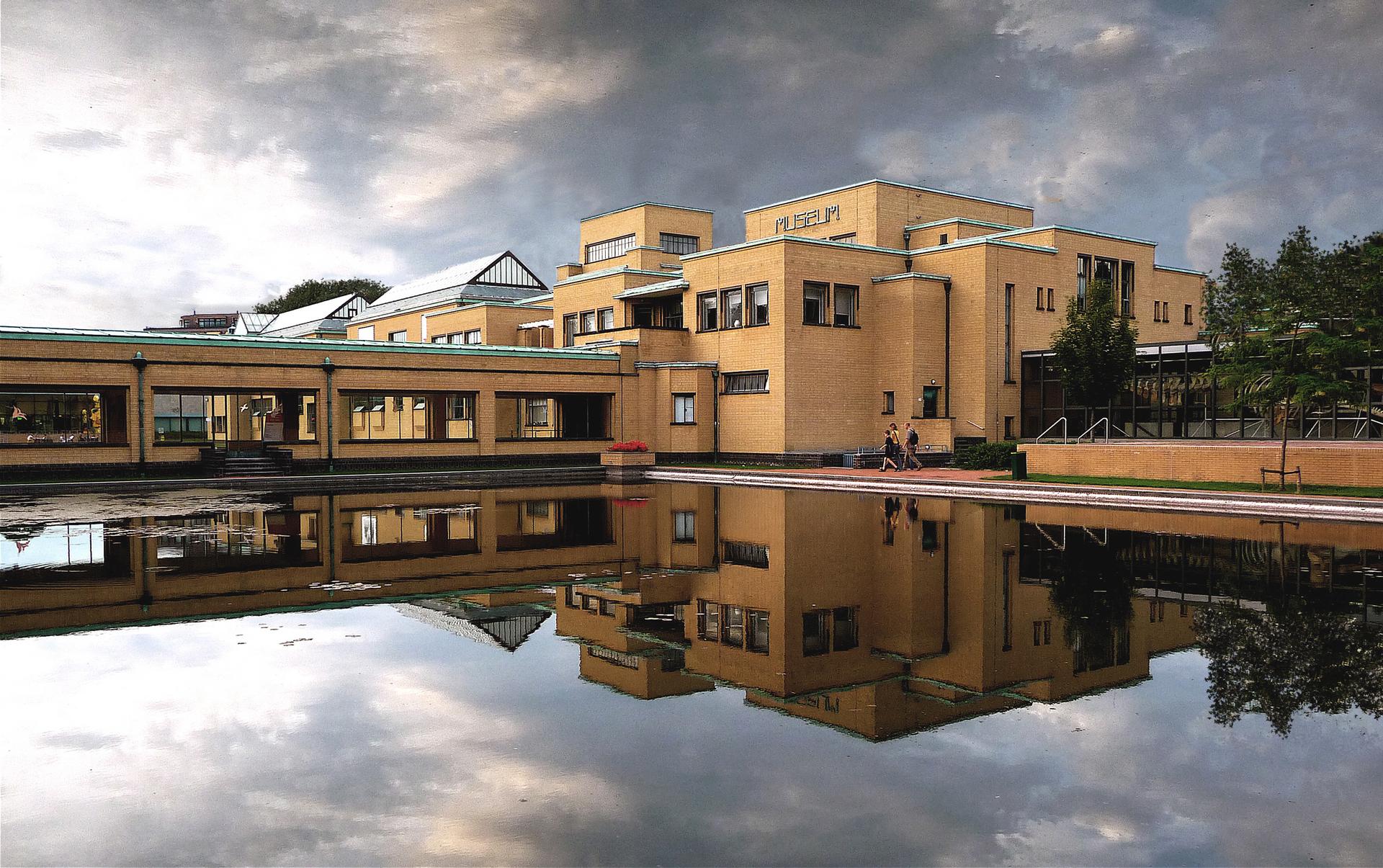
Kunstmuseum The Hague
Berlage's last building, and an unfinished painting made partly of tape that set off a national row.
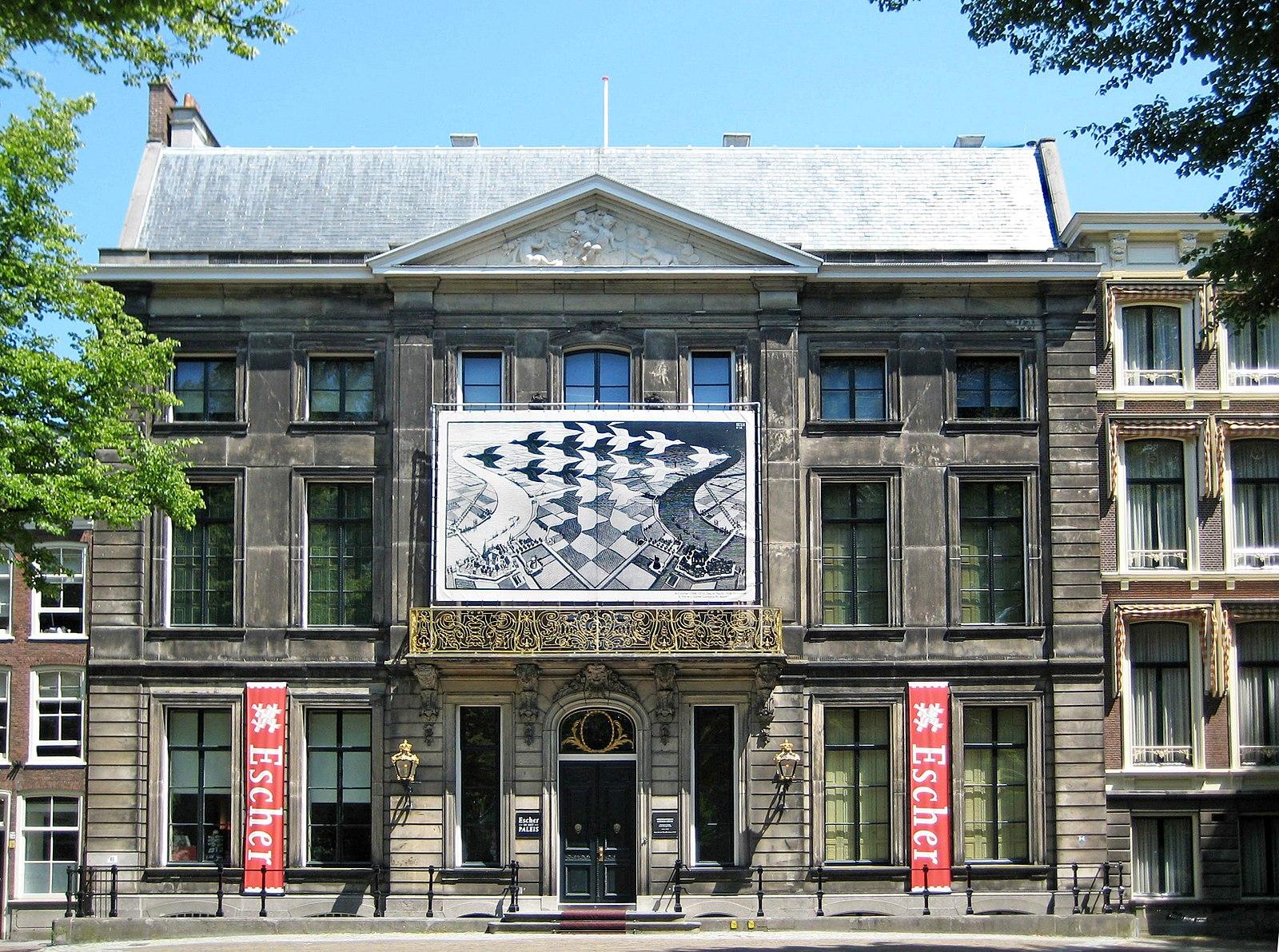
Escher in the Palace
A winter palace of Queen Emma, now full of impossible staircases and one very cold letter to Mick Jagger.
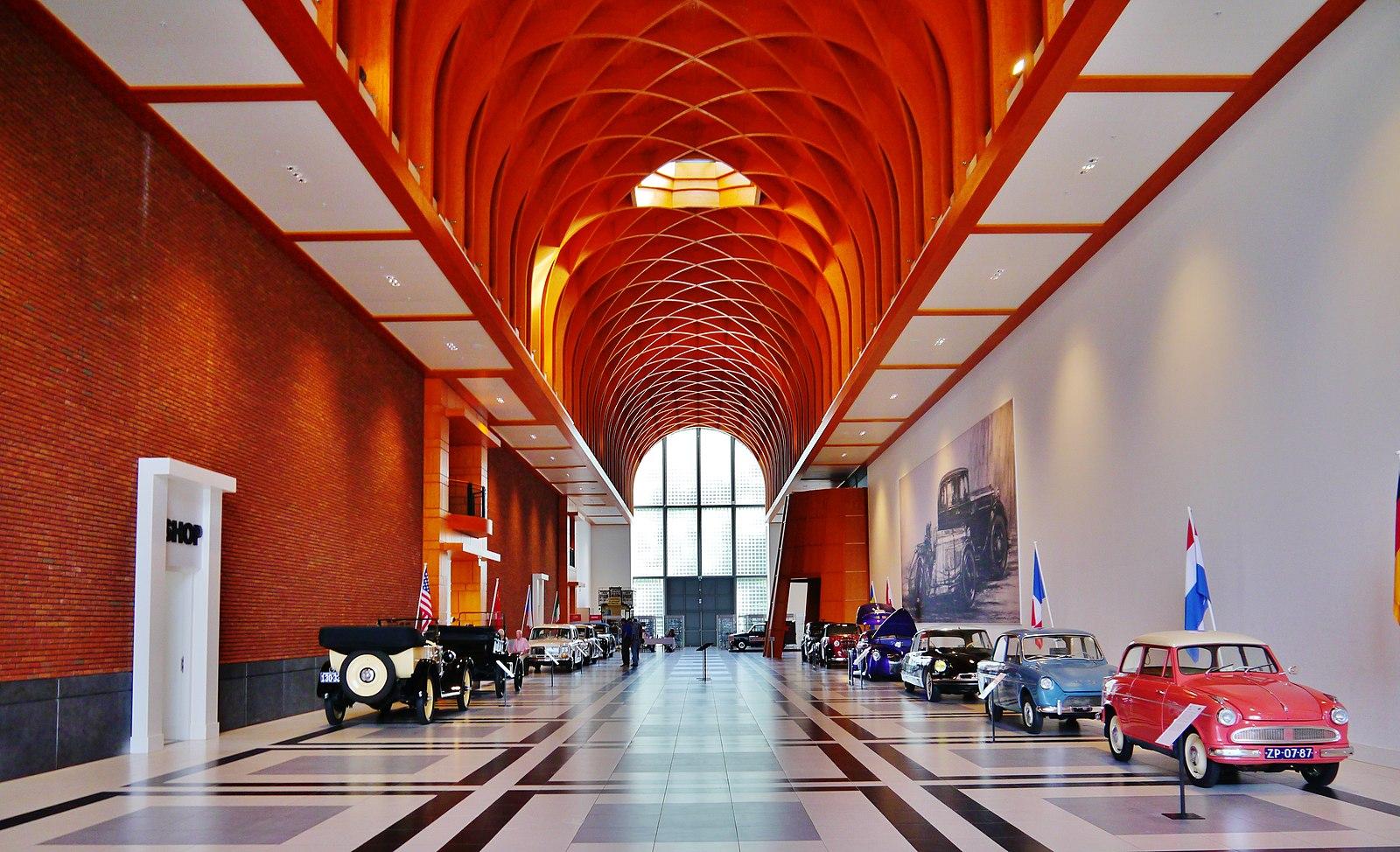
Louwman Museum
The oldest private car collection in the world, started with one second-hand Dodge in 1934.
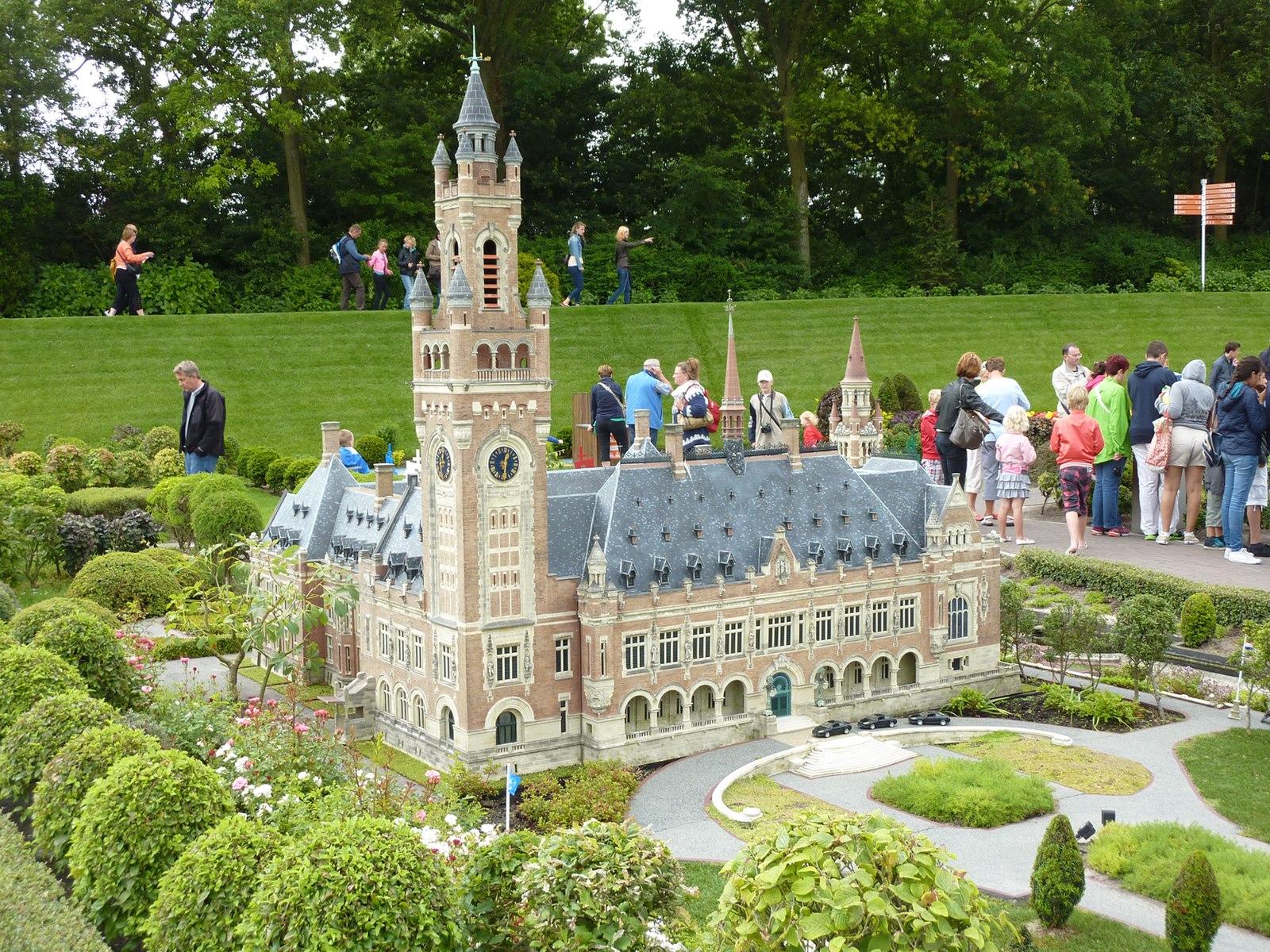
Madurodam
A miniature city that exists because a law student from Curacao did not survive the war.
You've read about The Hague.
Now walk it.
These stories are pins on our map. Open ROODS, walk to one, and hear it where it happened.