Stories in Madrid
88 stories about the places on our Madrid walks. Hear them on the spot in the app
Hear them where they happened
One map of Madrid. 88 stories on it.
Open ROODS in your browser, walk to a pin and hear its story right there. Nothing to install.
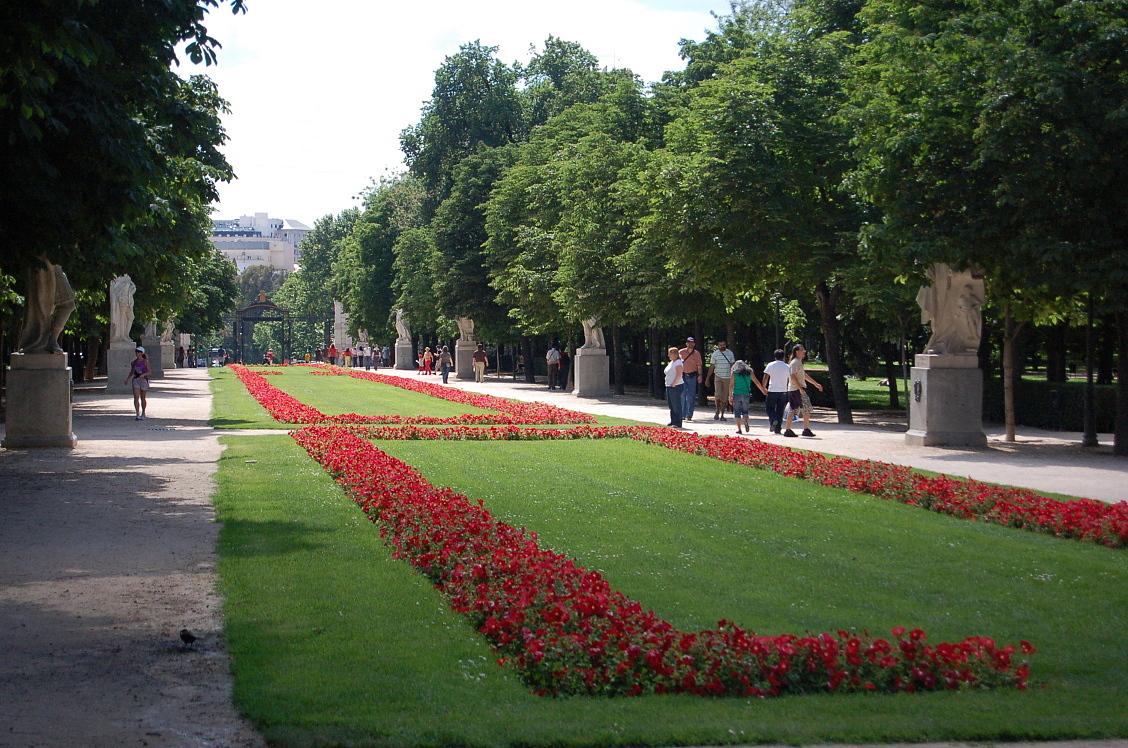
The kings in the park
The kings who were carved for the roof of the palace and ended up scattered across the city.
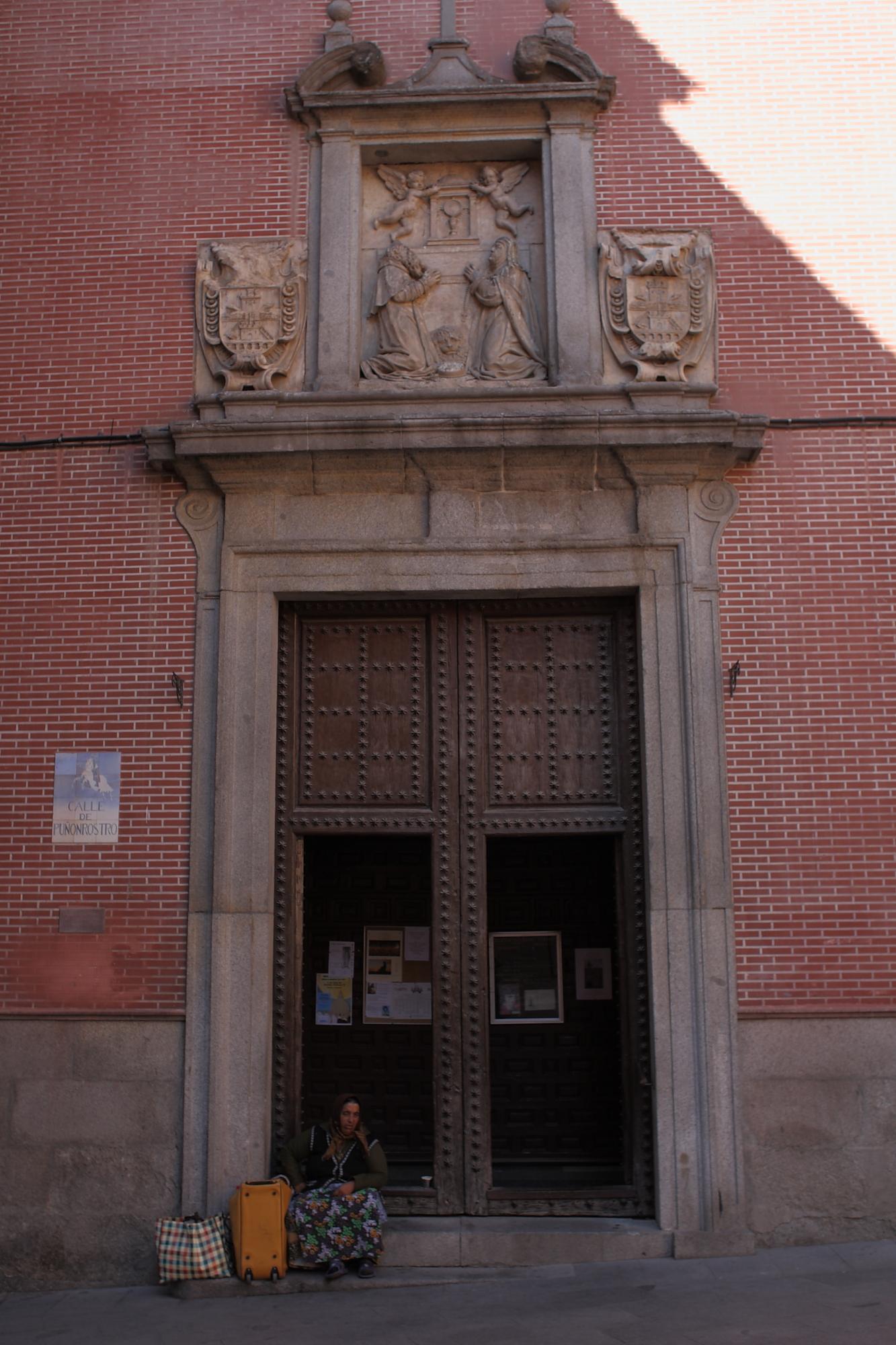
Las Carboneras
The enclosed convent where the sisters sell biscuits through a revolving hatch, without ever being seen.
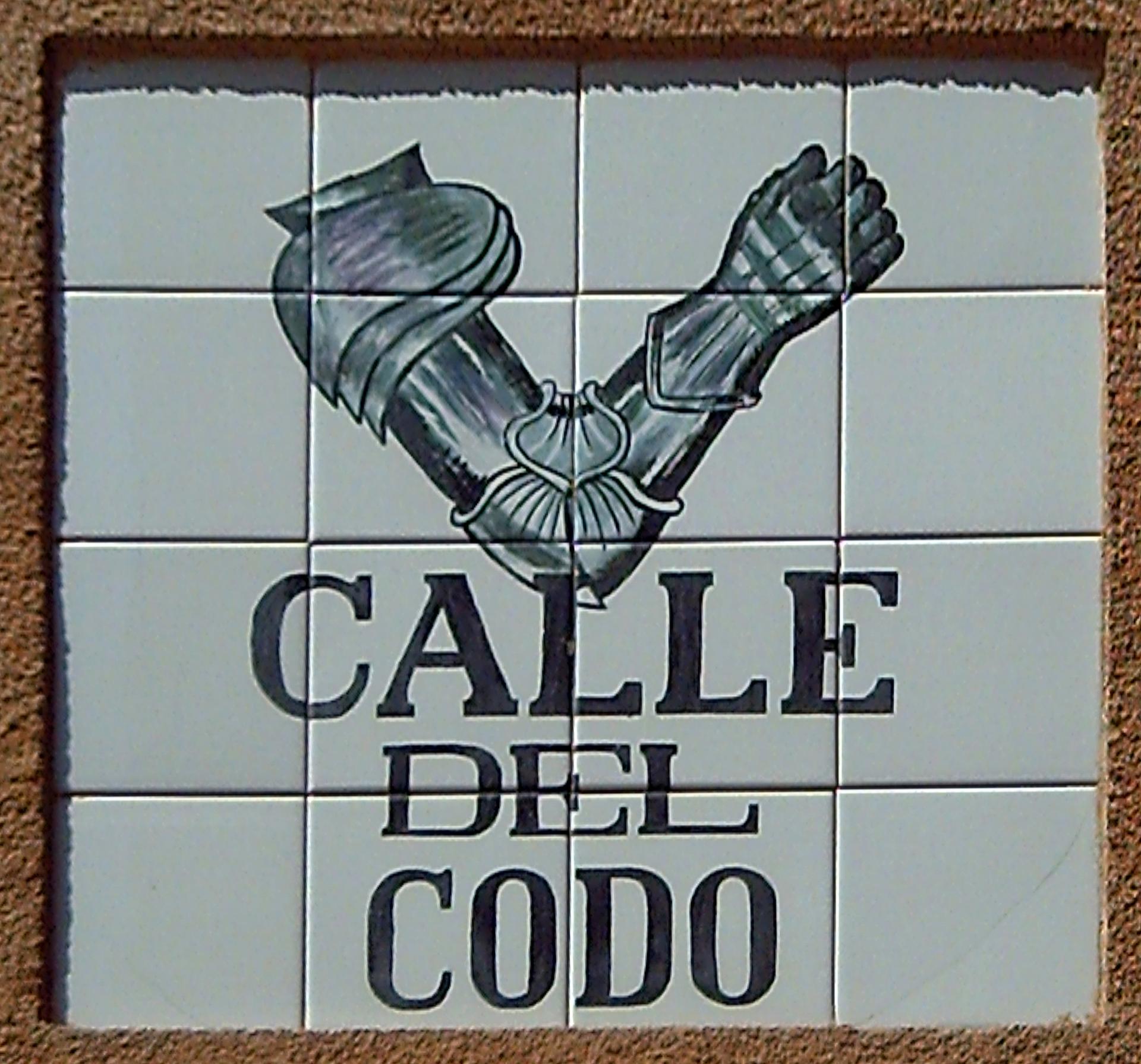
The Elbow
The tightest bend in old Madrid, where the street plan is still medieval.
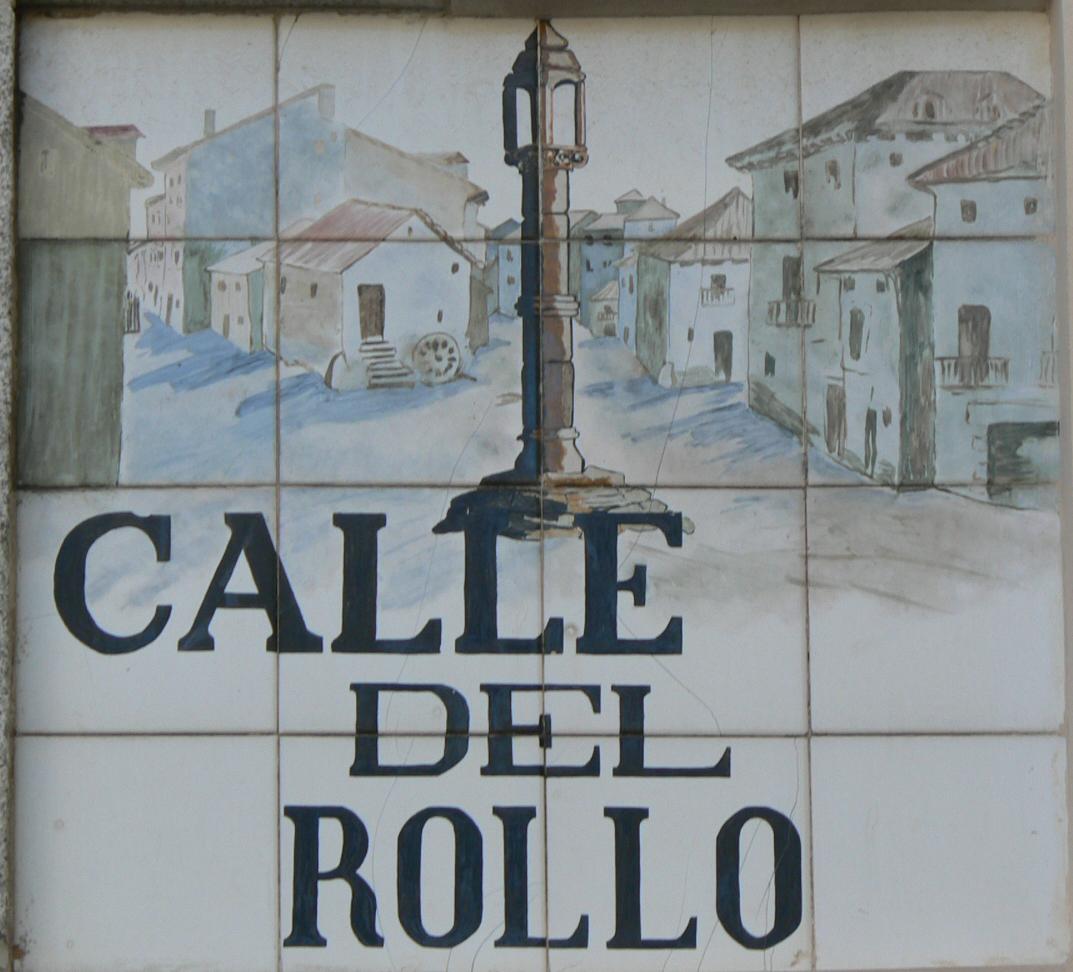
The pillory
The street named after the pillory, and how punishment stayed a public spectacle for centuries.
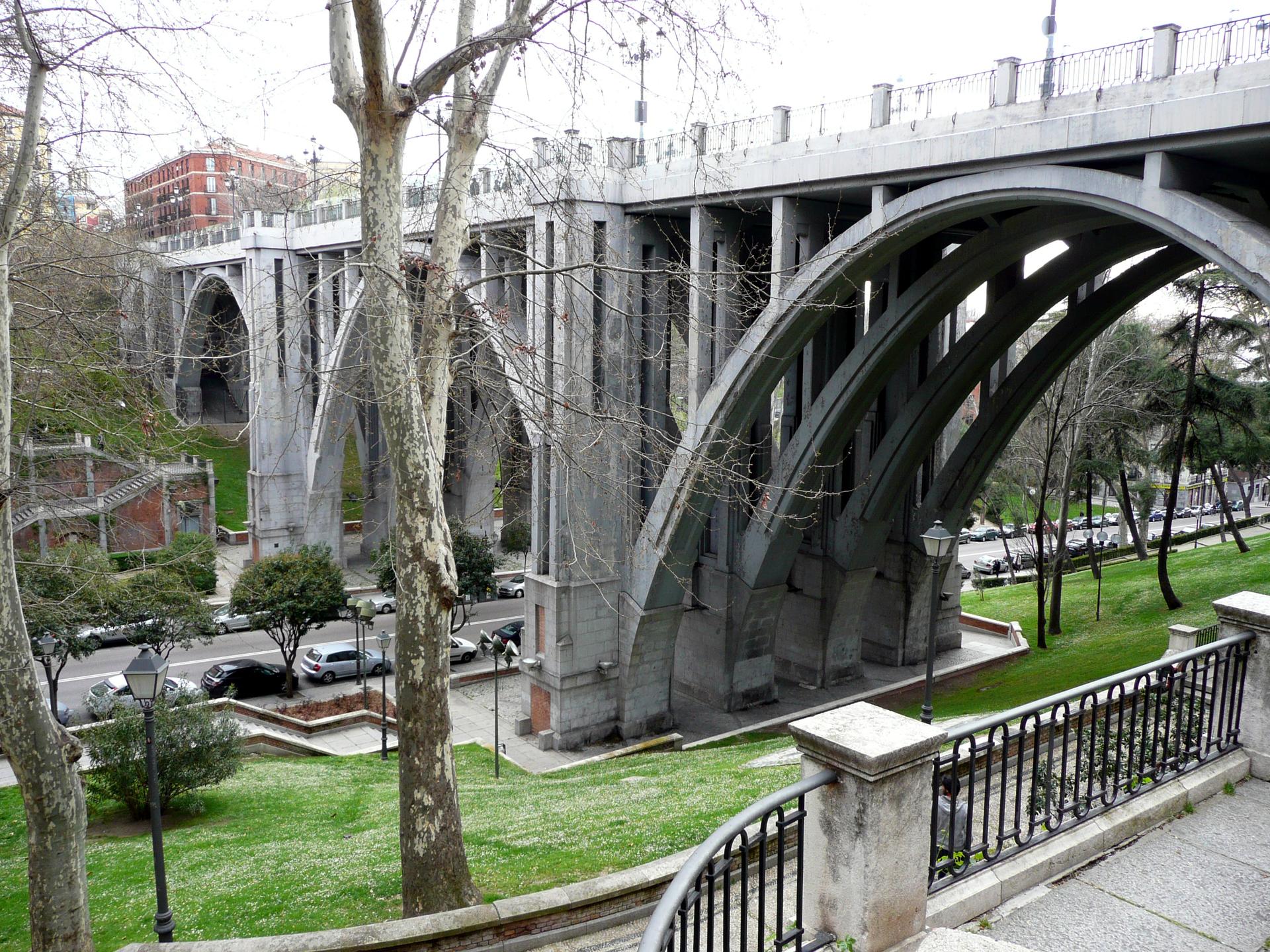
The viaduct
The bridge over the ravine, the reputation it earned, and the screens that put an end to it.
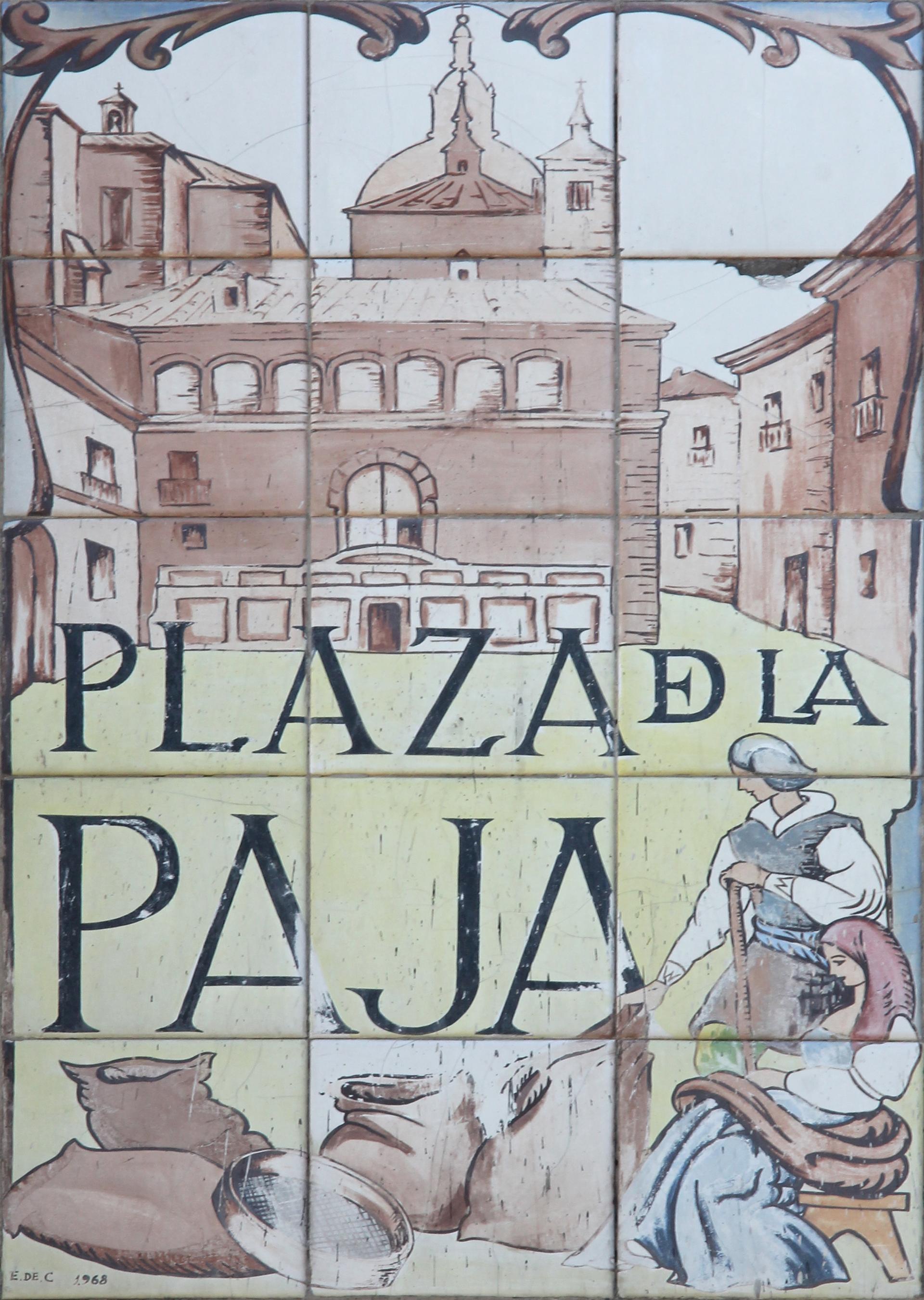
Plaza de la Paja
The heart of medieval Madrid, and the question of where a growing city puts its dead.
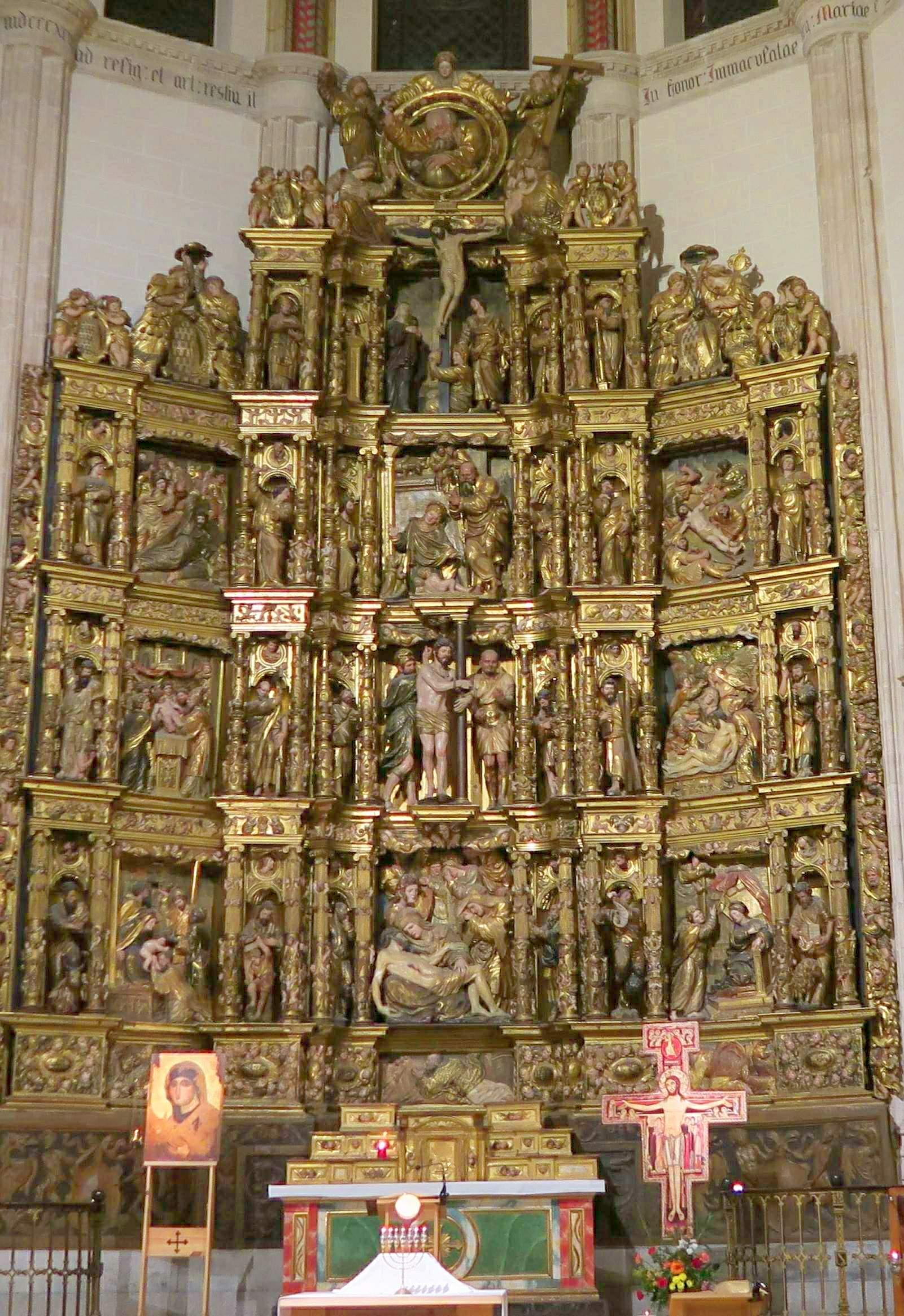
Capilla del Obispo
A Gothic funerary chapel full of alabaster, built by a family who kept the body of the city's patron saint in their own home.
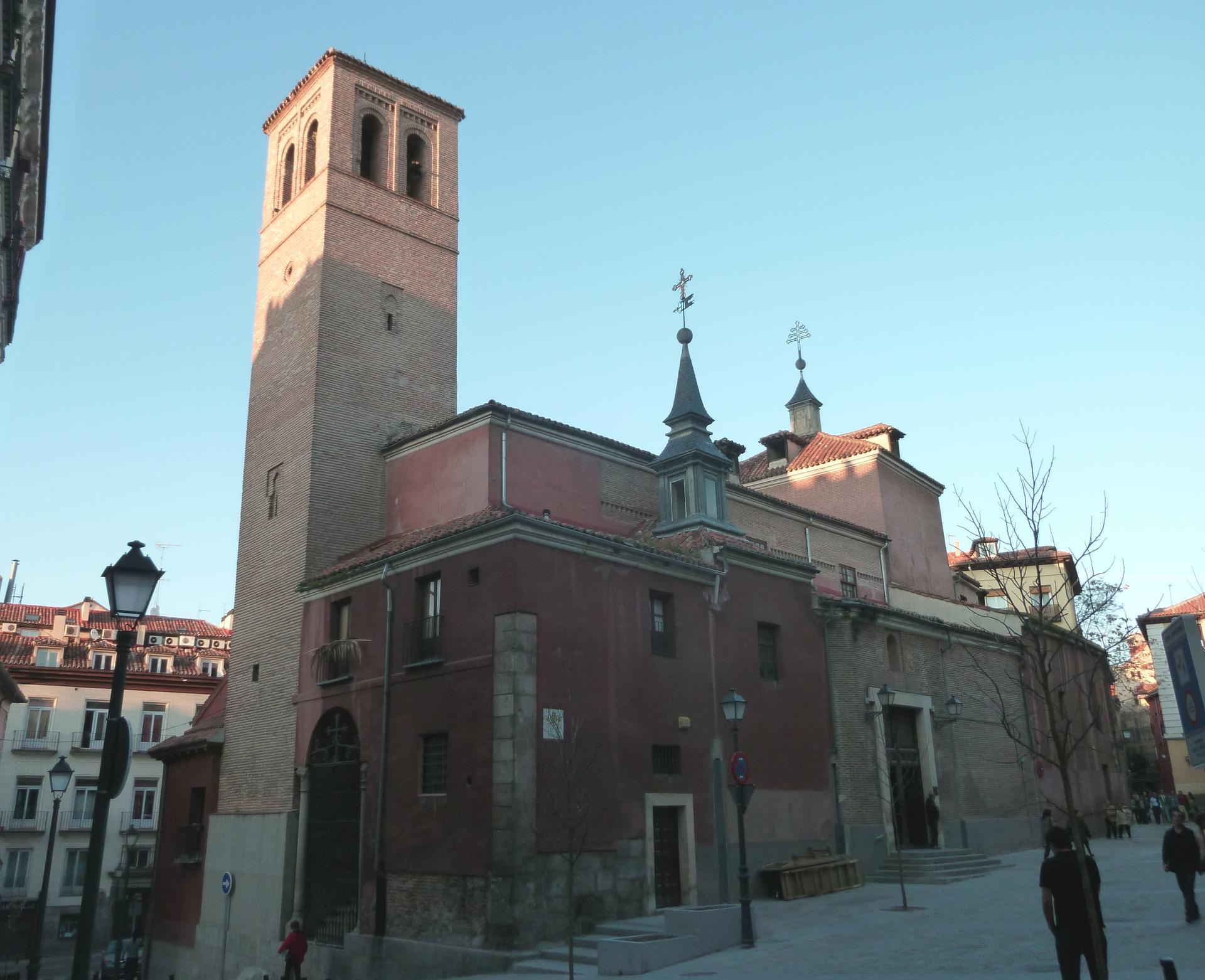
San Pedro el Viejo
One of Madrid's two oldest towers, built by the craftsmen who stayed on after the conquest.
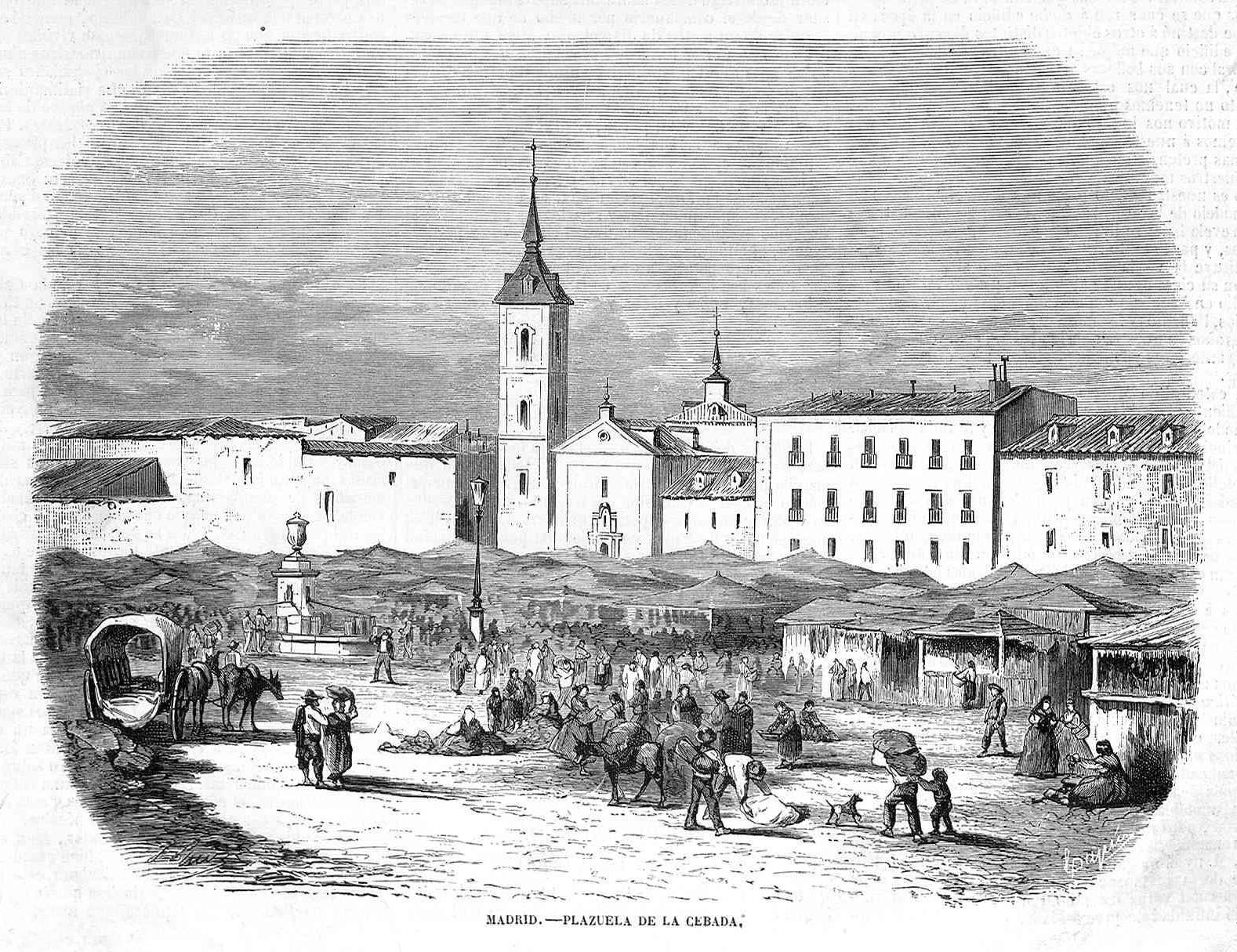
Plaza de la Cebada
The barley square, the market and the scaffold, where Luis Candelas was garrotted in 1837.
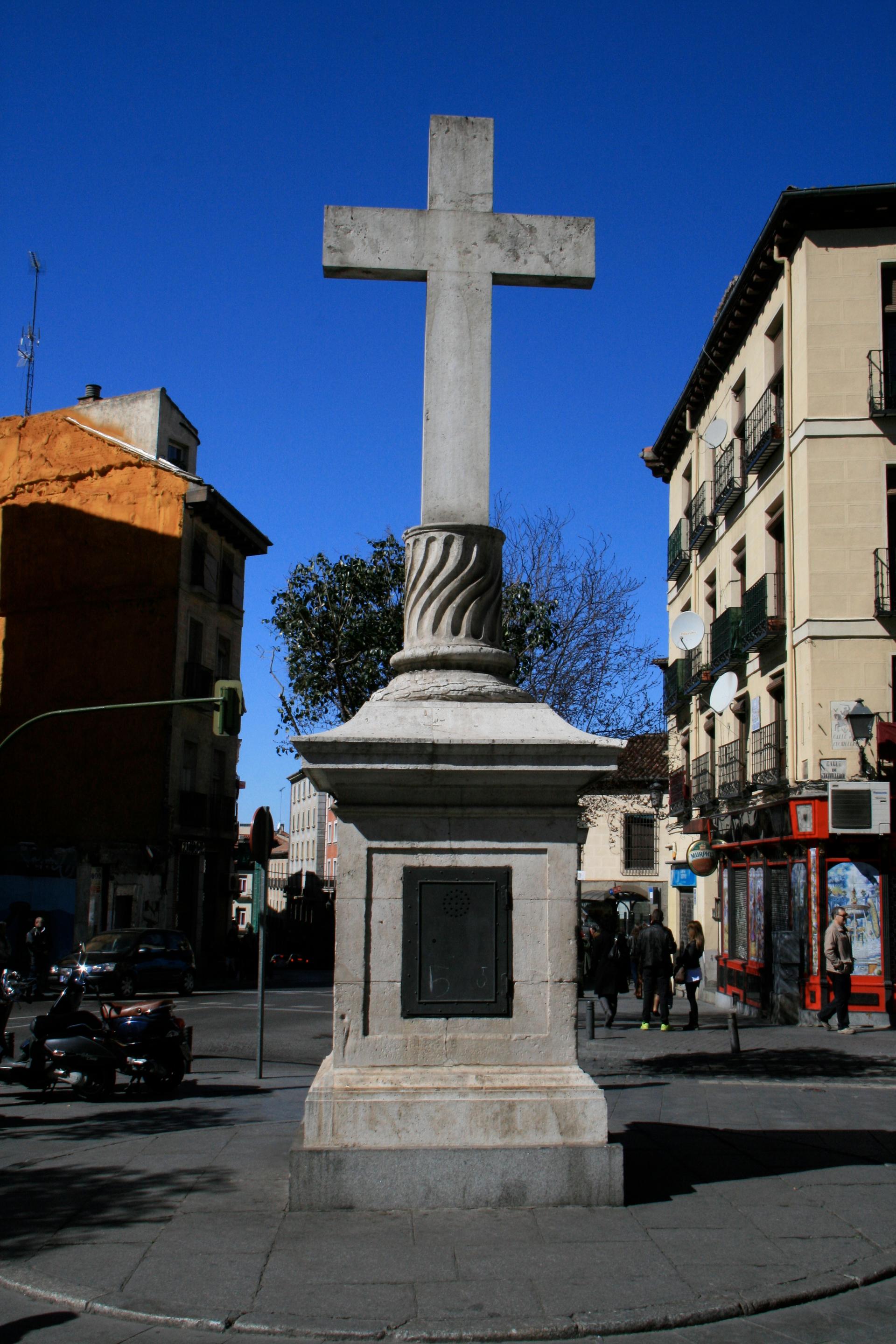
Puerta Cerrada
The city gate that got its name from the decision to keep it shut at night.
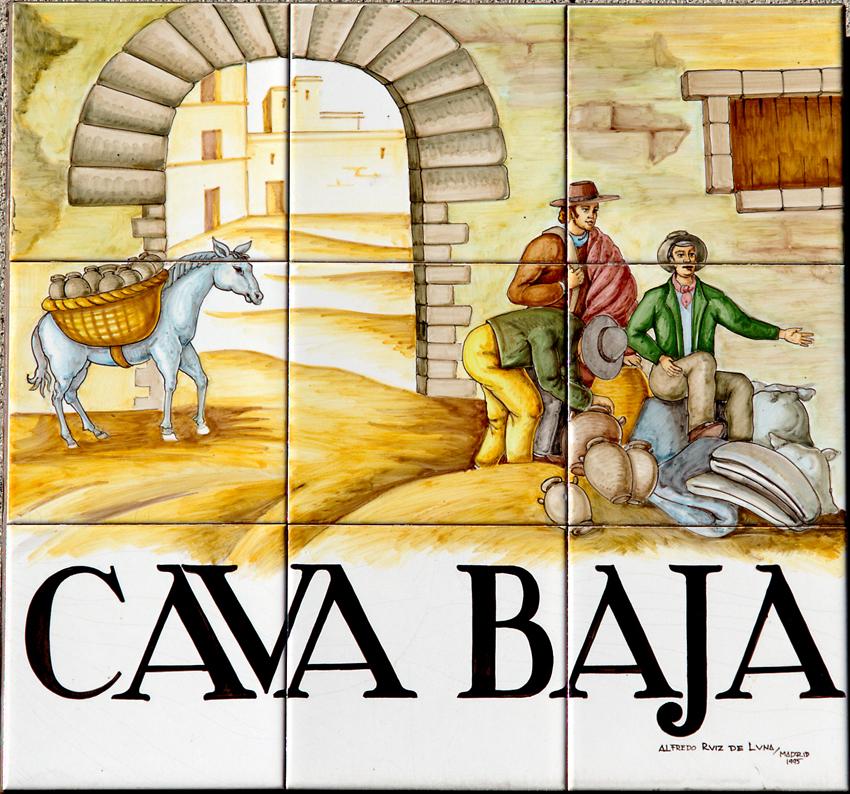
Cava Baja
The filled-in ditch that became Madrid's street of inns, with everything that came along with it.
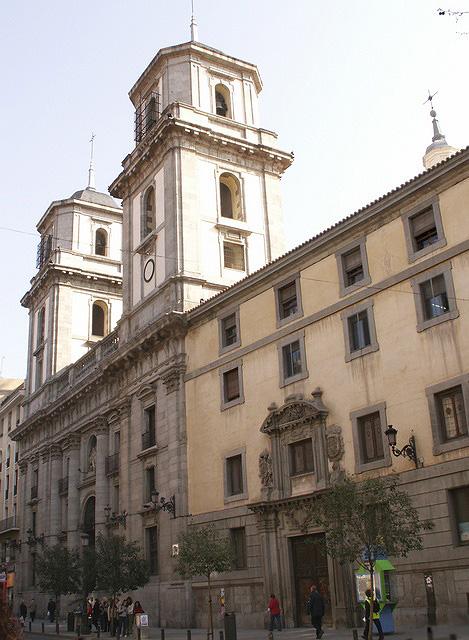
Colegiata de San Isidro
The Jesuit church that changed hands three times and burned out in 1936.
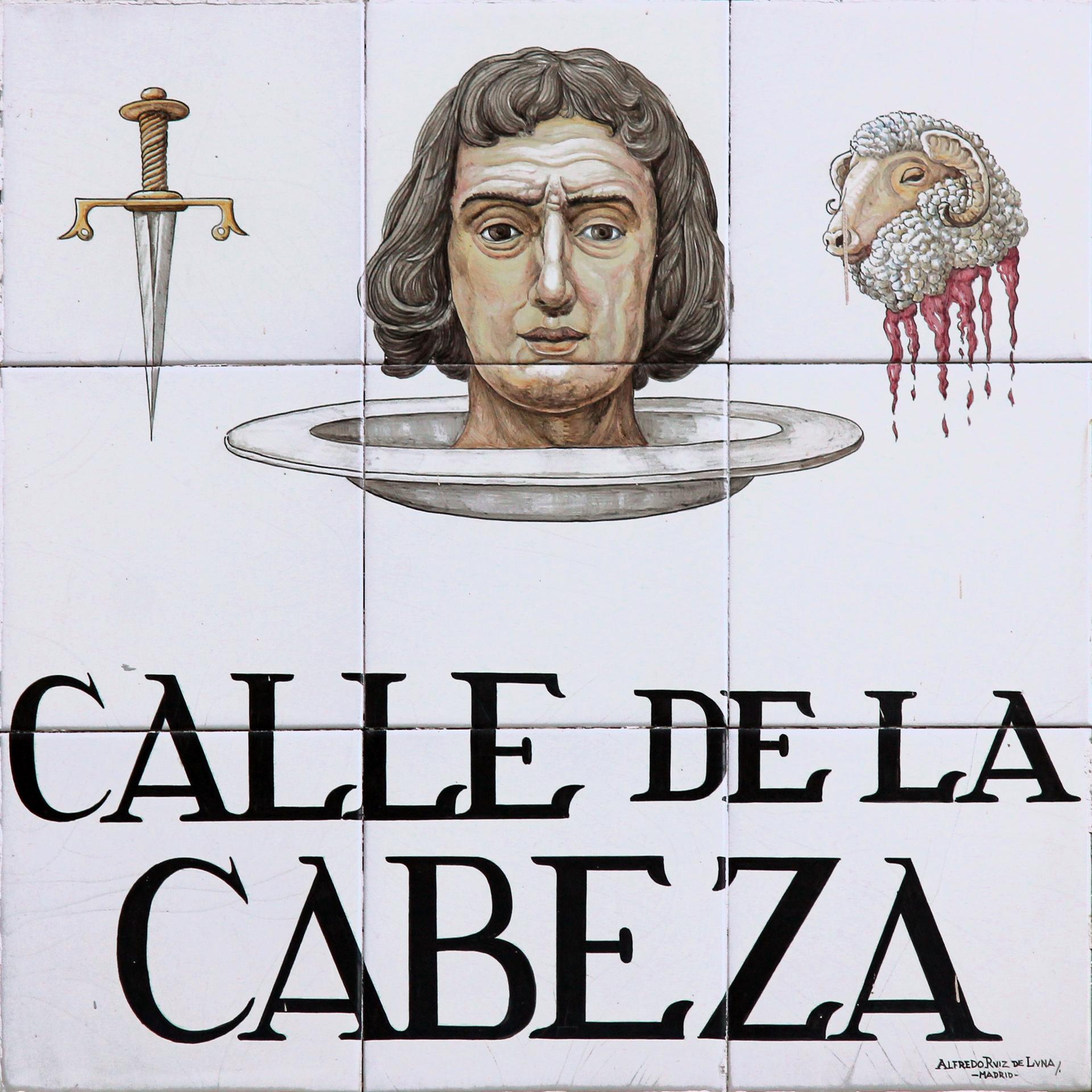
The street of the head
The street of the head, and what a story like this is doing in a city.
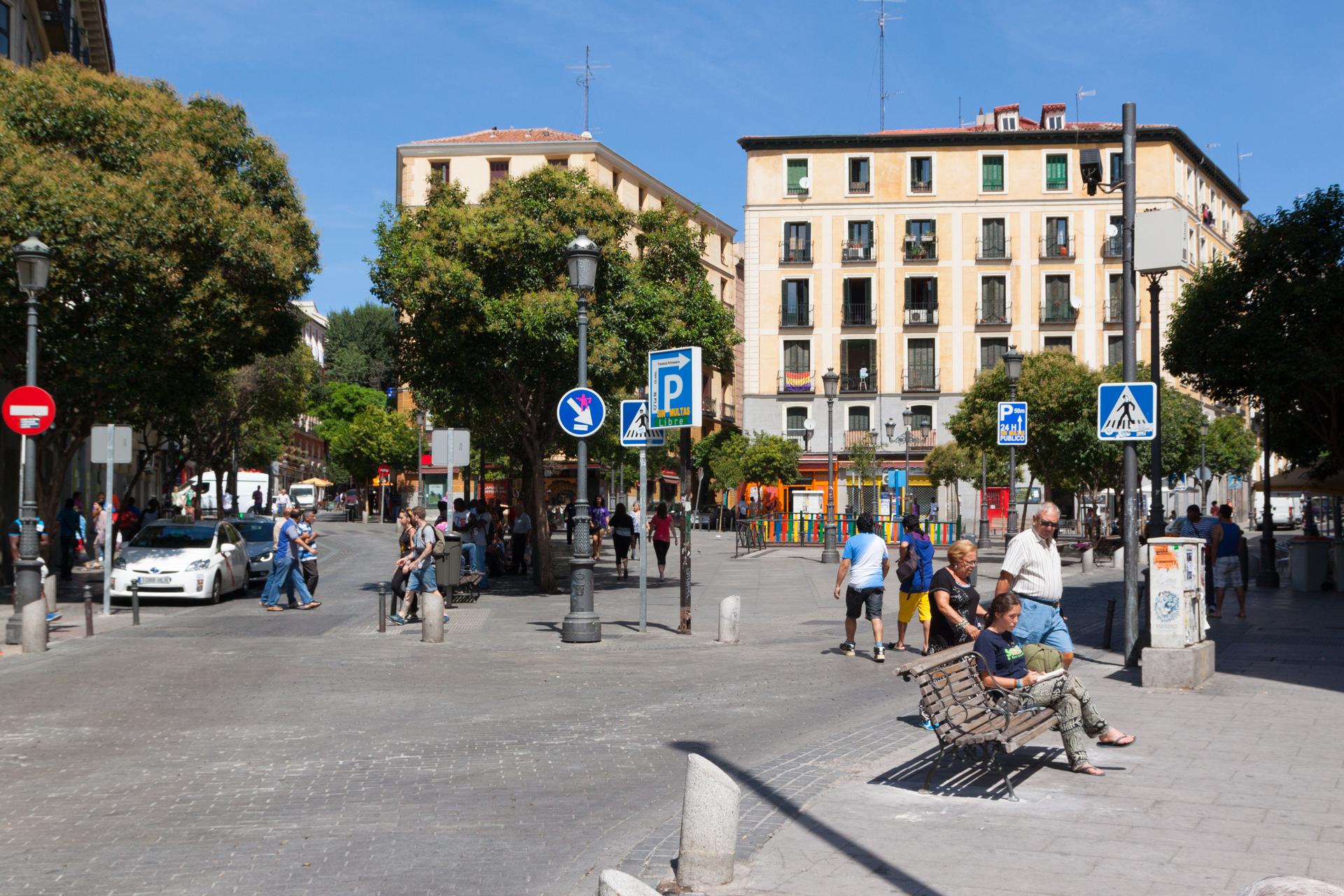
Back at the Plaza de Lavapiés
The walk ends in the square where it began, with the metro running under your feet.
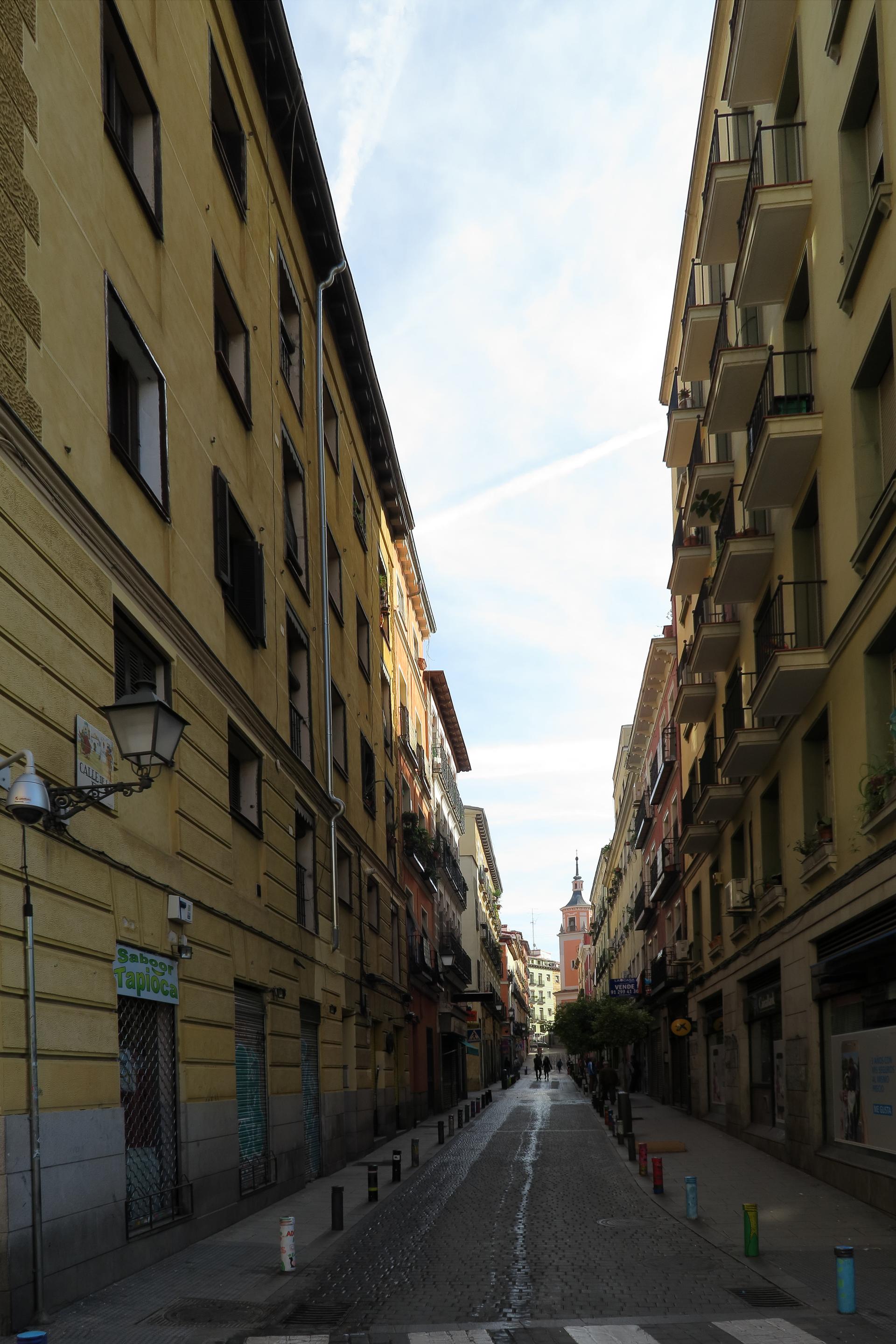
The synagogue that never was
The story that Lavapiés was the Jewish quarter, and what happens when you hold it up against the evidence.
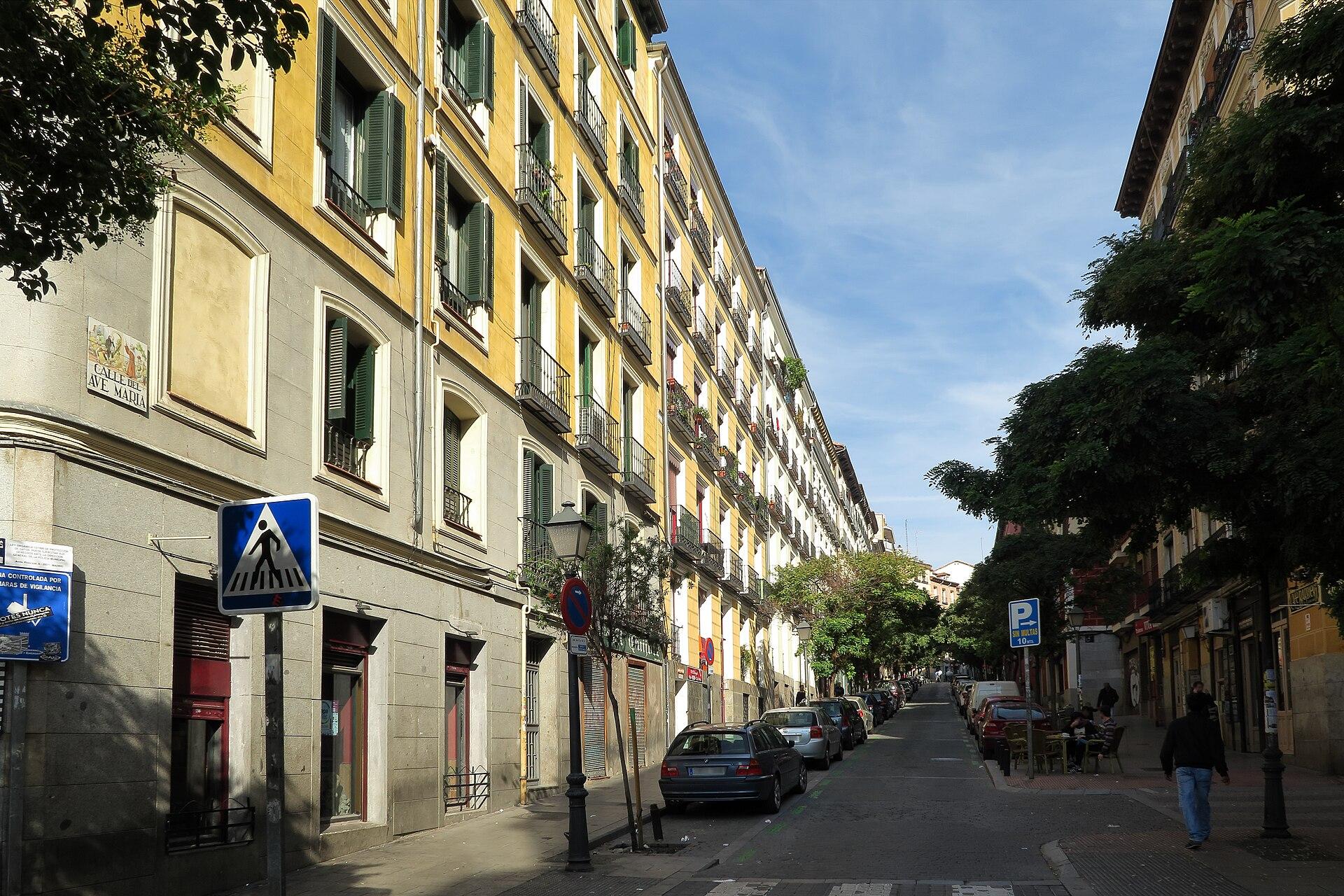
Calle del Ave María
The street where the neighbourhood gathers in the evening, and where wave after wave of residents stand side by side.
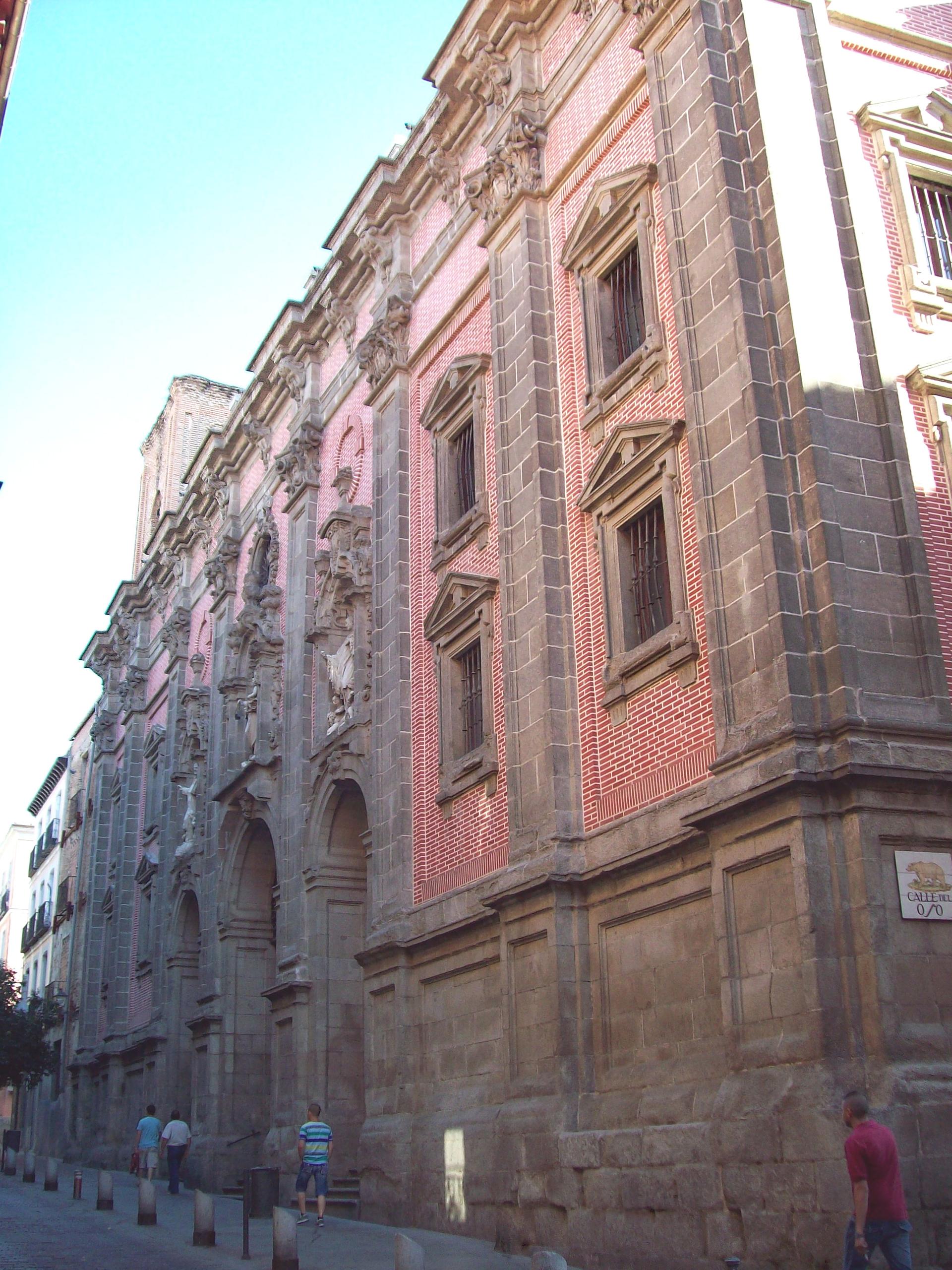
Iglesia de San Cayetano
A baroque facade that survived the fire of 1936 while everything behind it vanished.
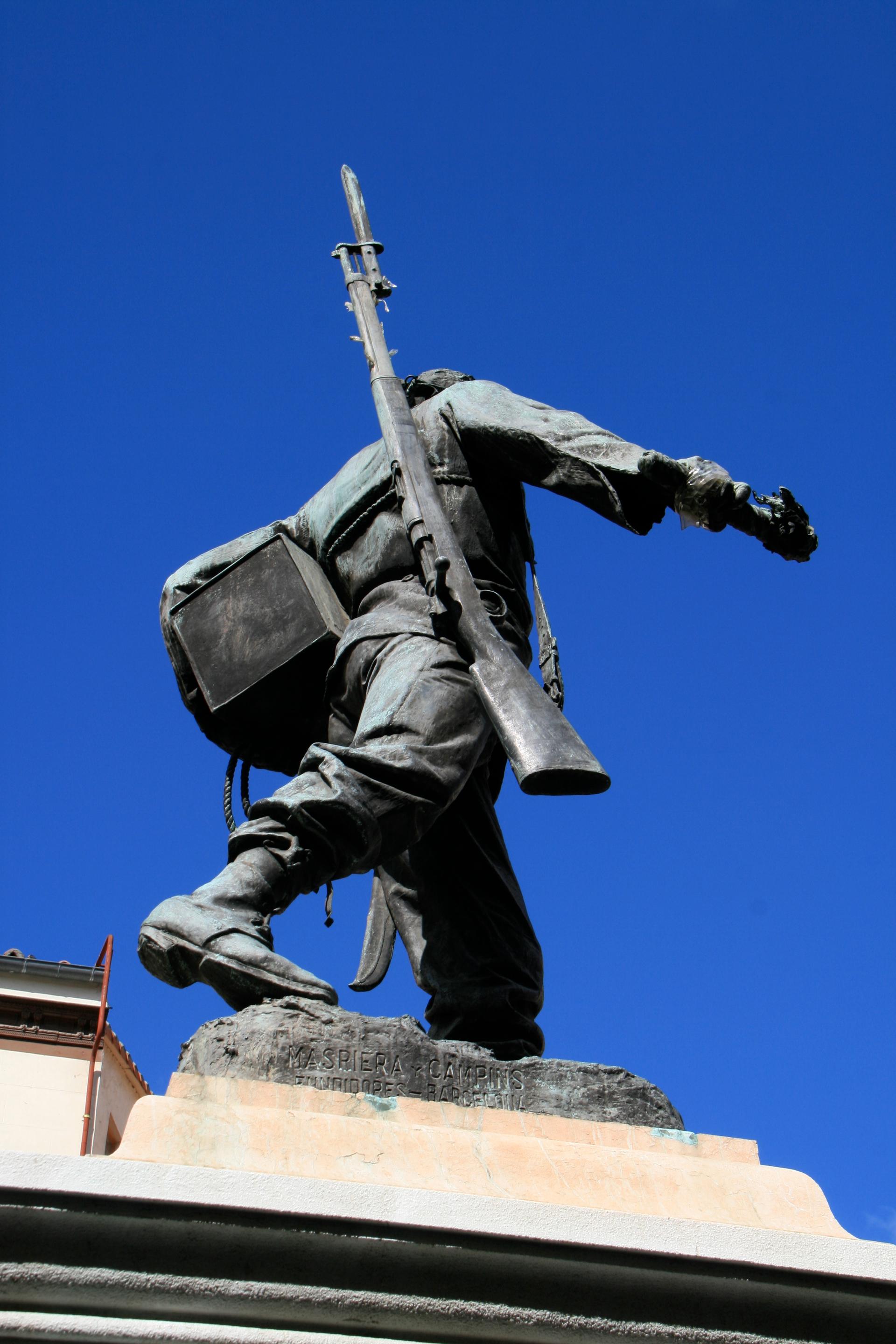
The hero of Cascorro
The statue of a foundling who took on a mission with a can of petroleum and a rope tied around his waist.
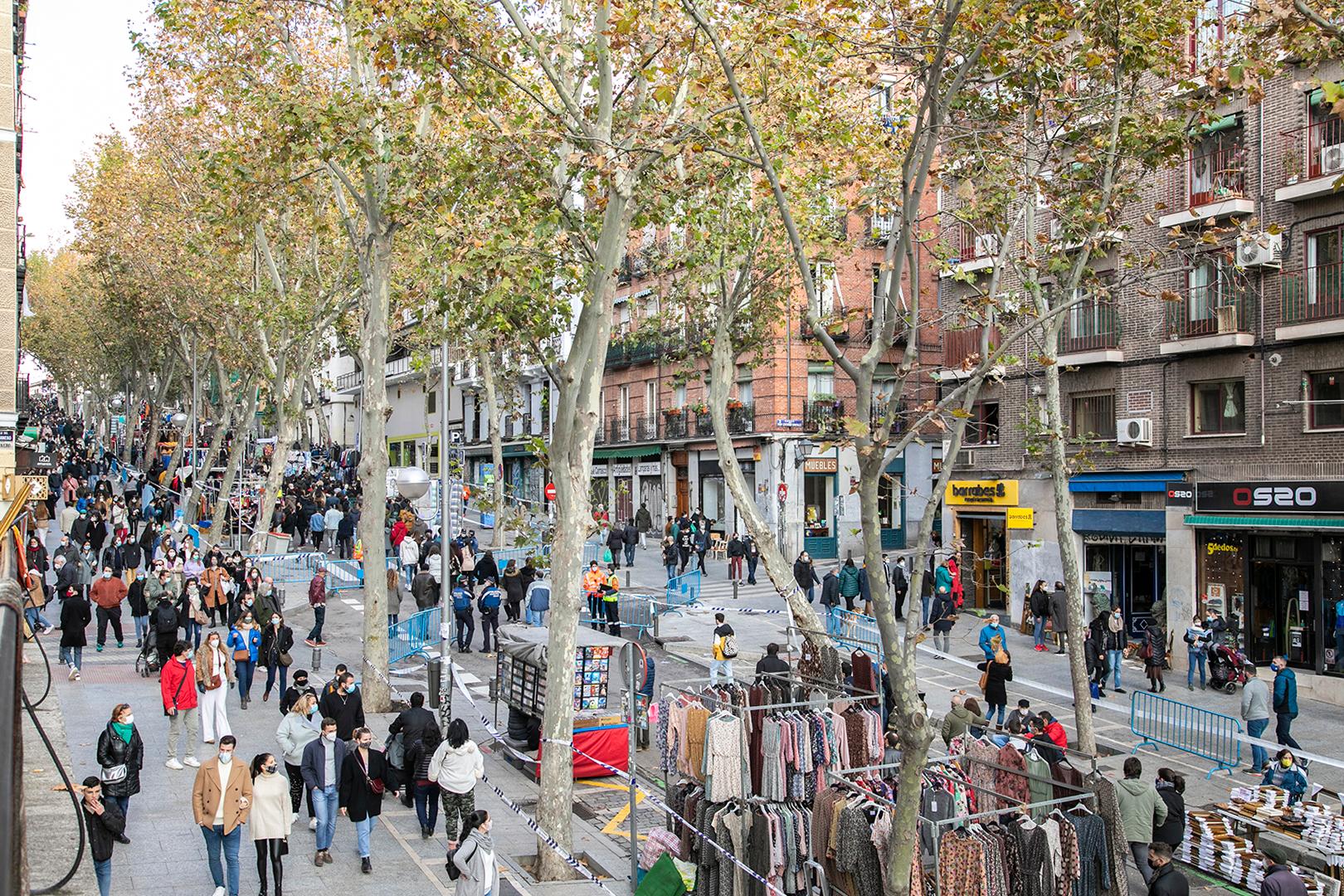
Ribera de Curtidores
The street of the tanners, the slope of the slaughterhouse, and the market that takes its name from them.
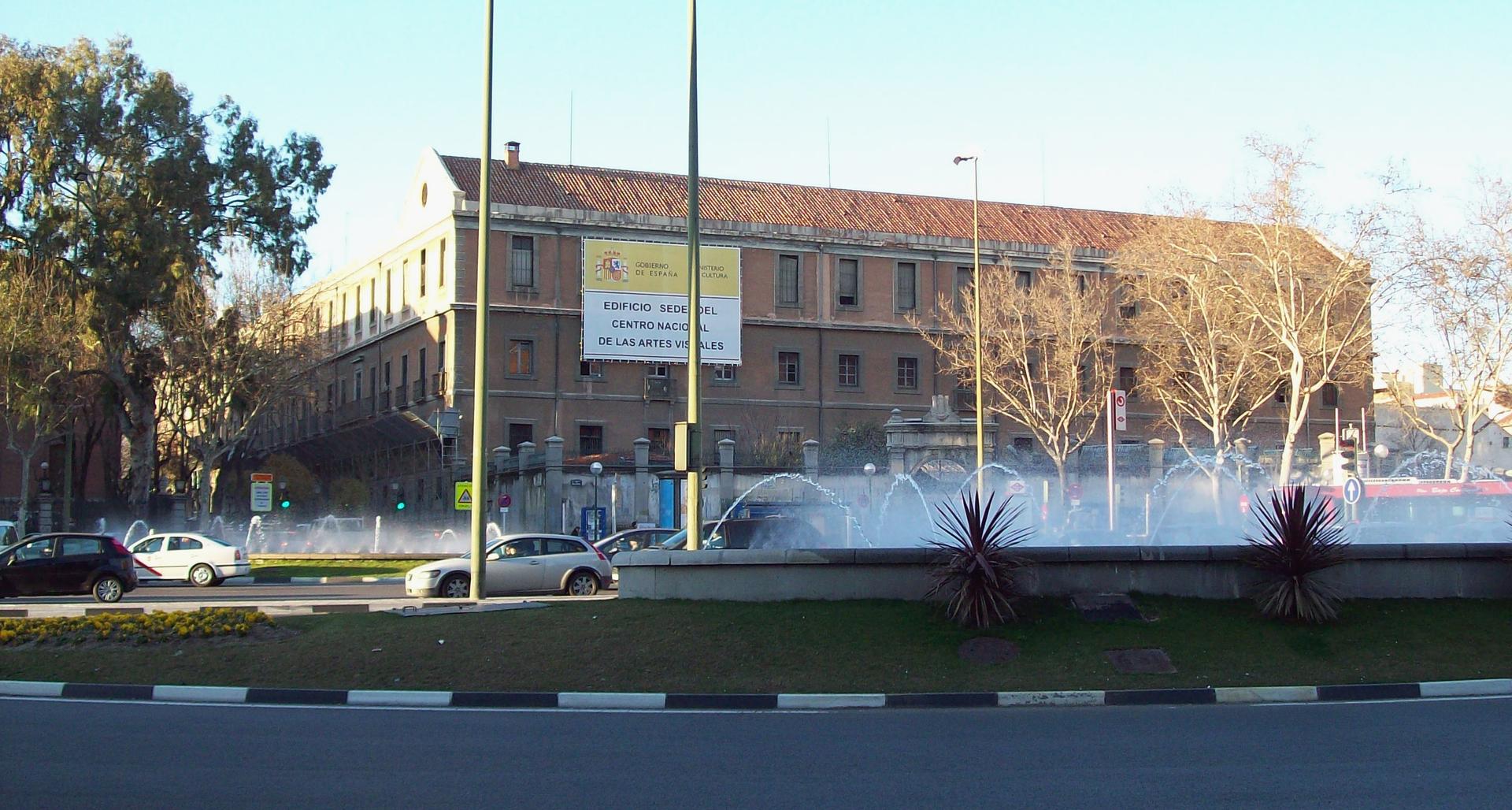
The Tobacco Factory
The factory where three thousand women rolled cigars and rose up in revolt in 1830. Inside, a second story is waiting for you.
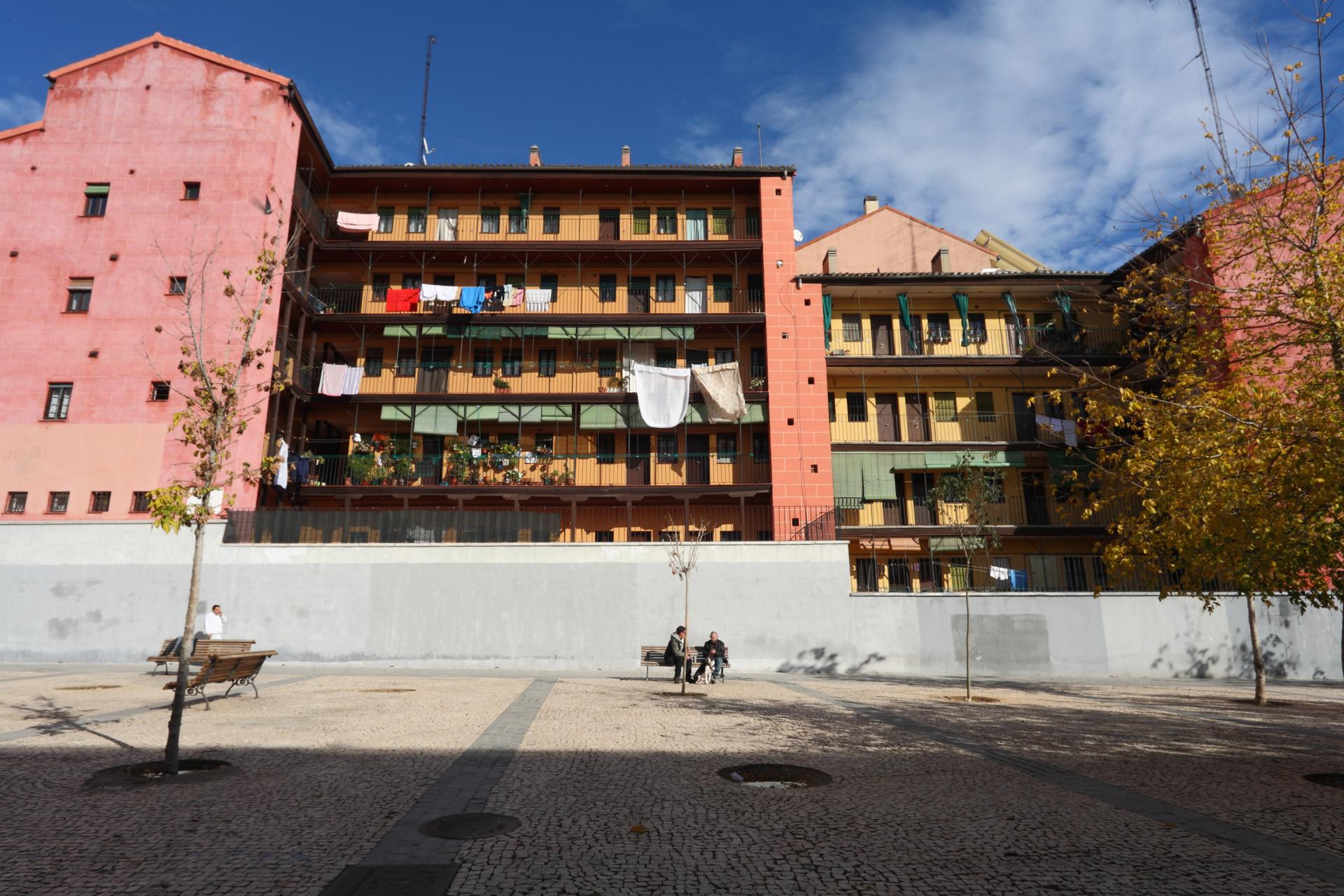
La Corrala
The housing style Madrid built for its workers, with galleries running around a courtyard and thirty square metres per family.
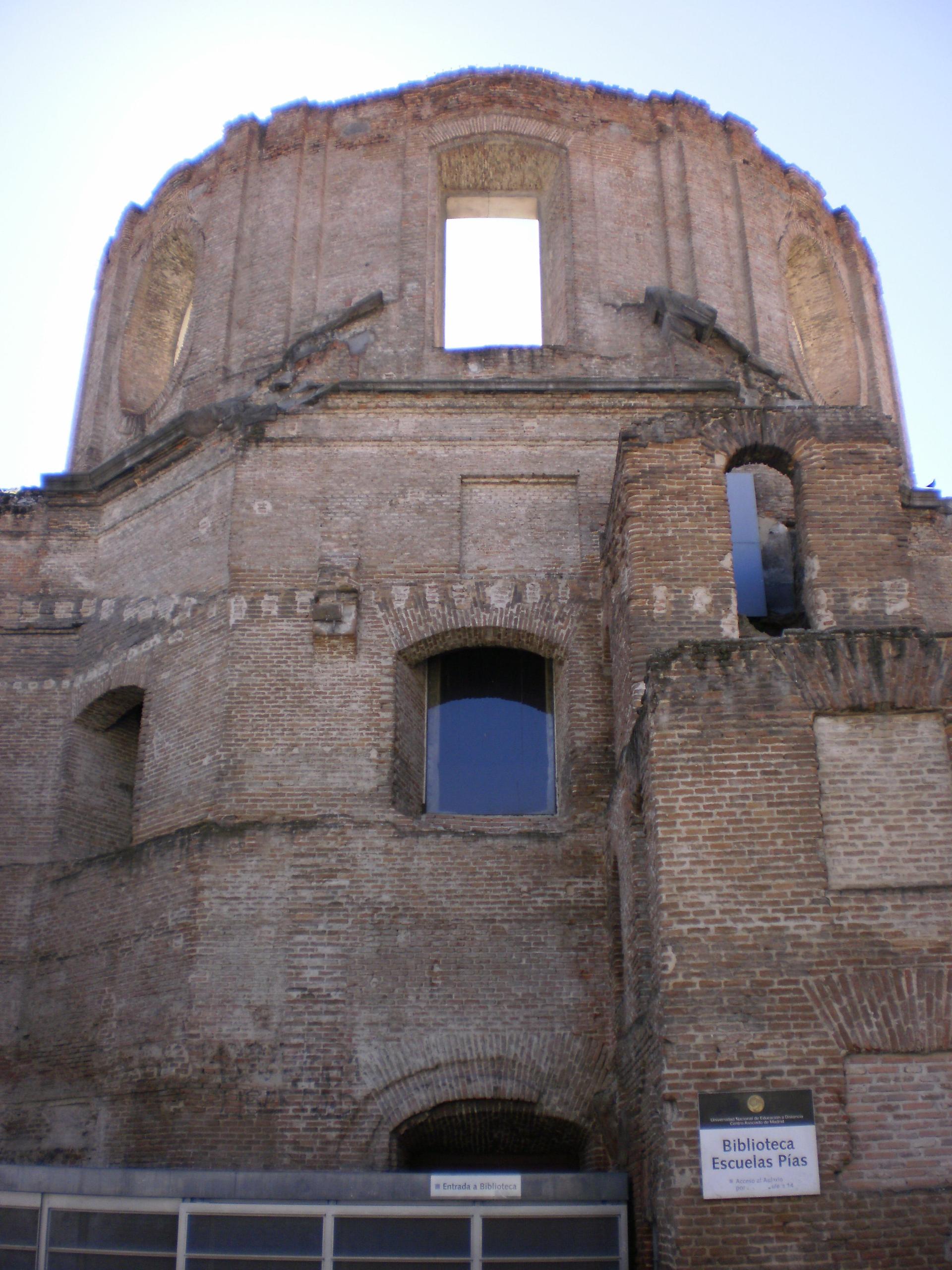
Escuelas Pías de San Fernando
A church that burned out in 1936 and stood as a ruin for seventy years, until a library was built inside it.
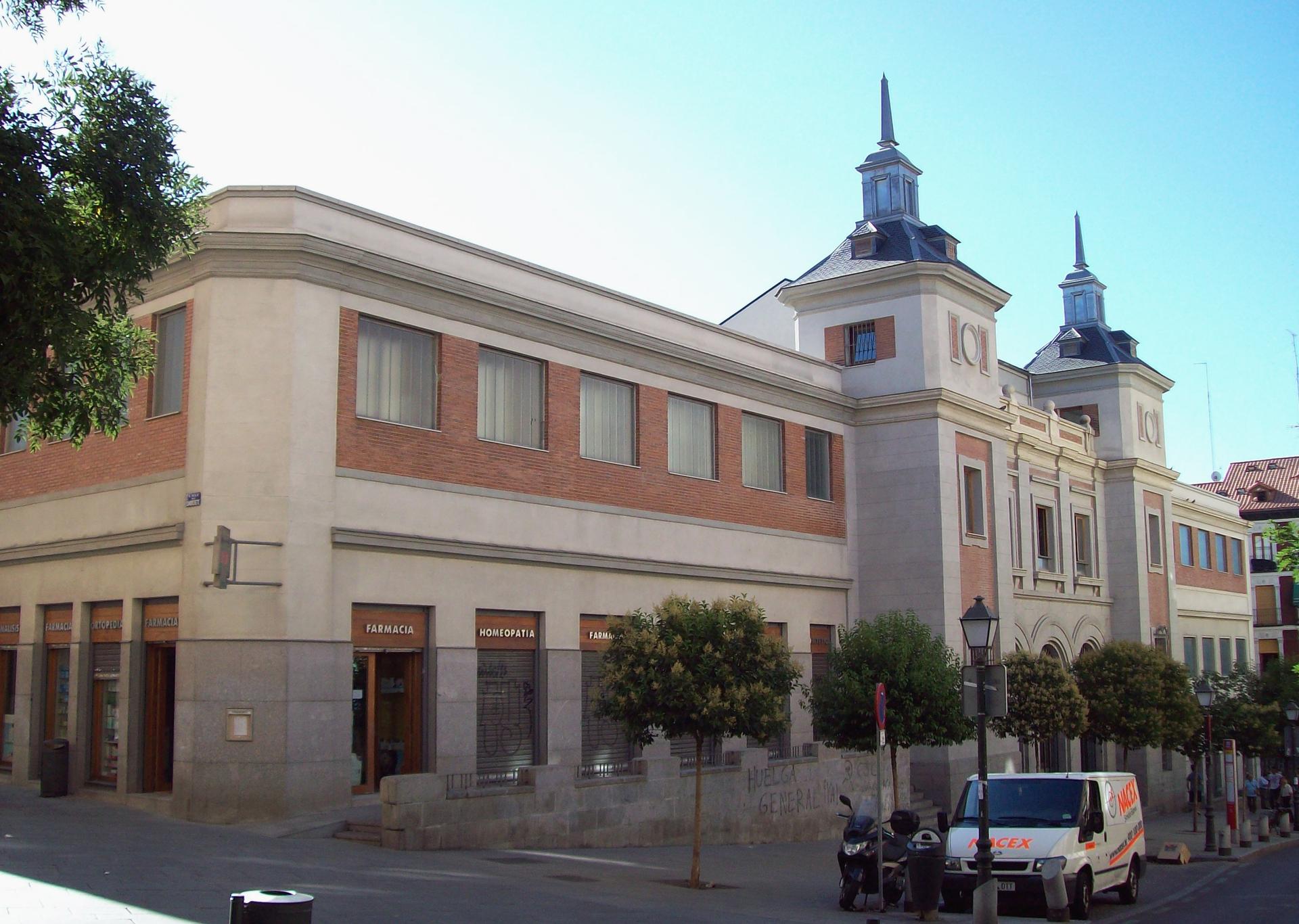
Mercado de San Fernando
A market hall from 1944, built on the grounds of a burned-out monastery, that reinvented itself.
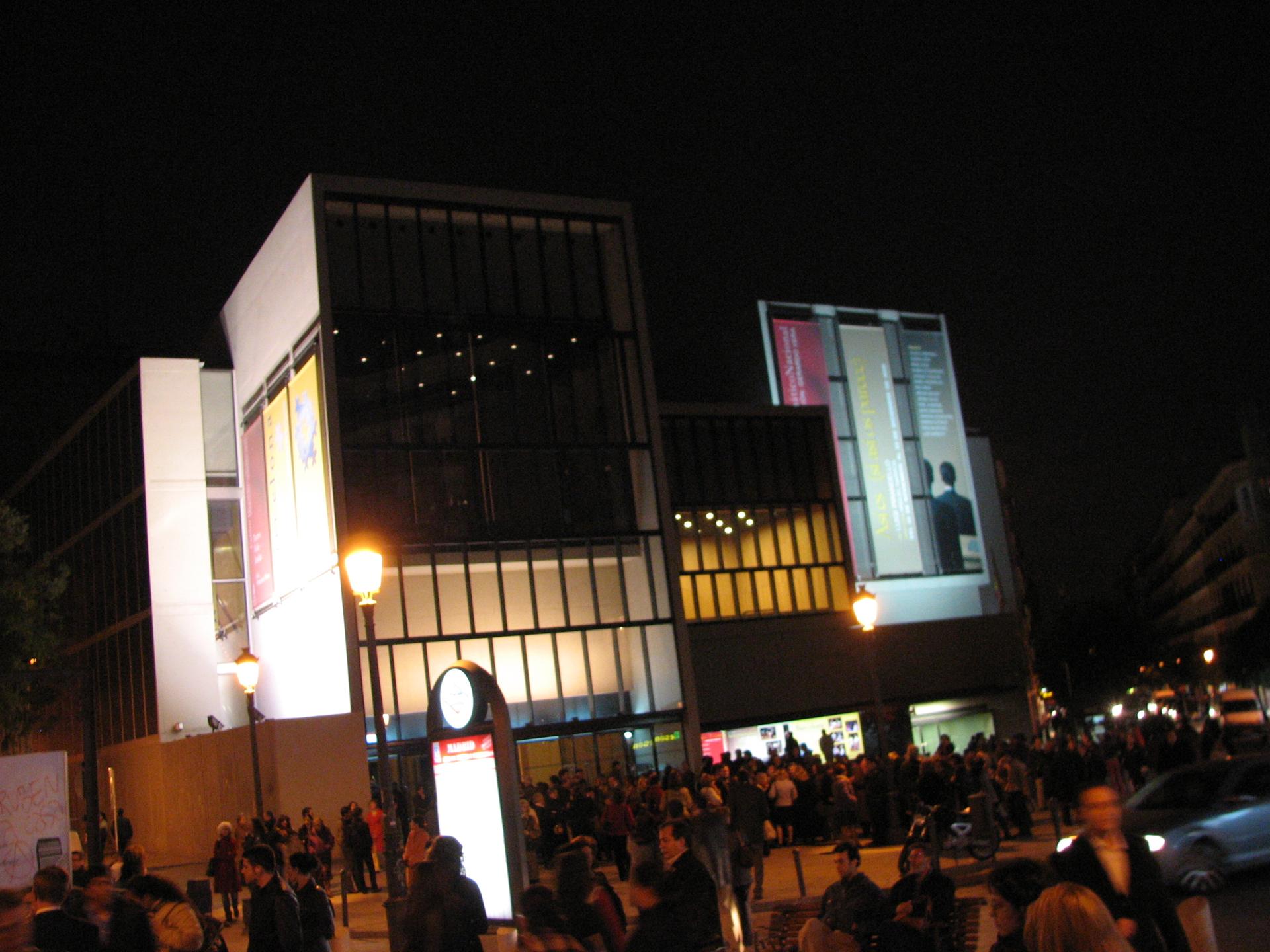
Teatro Valle-Inclán
A national theatre on a square that was long considered the wrong side of town.
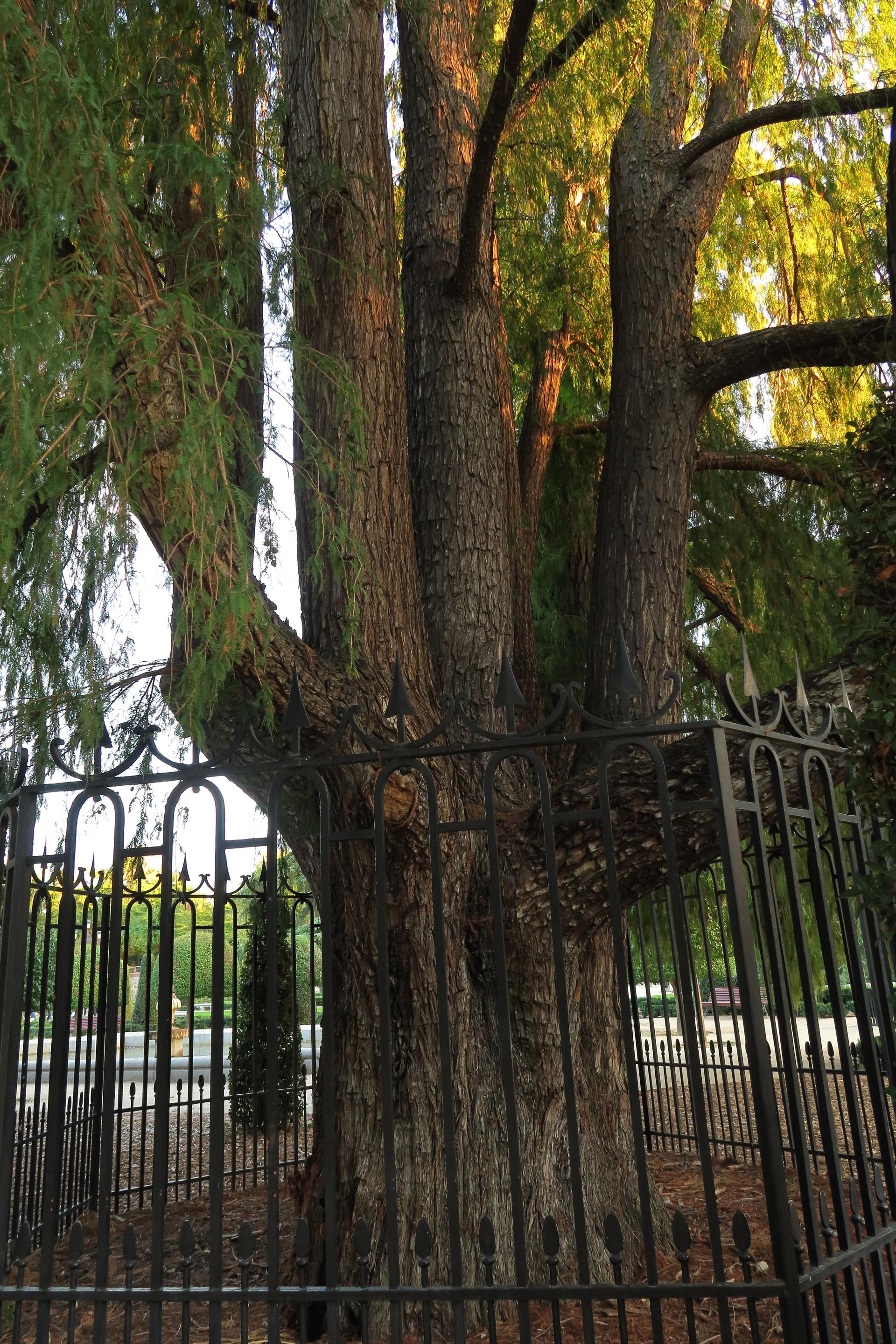
The oldest tree in Madrid
The oldest tree in Madrid is a Mexican swamp cypress that has stood here for four hundred years.
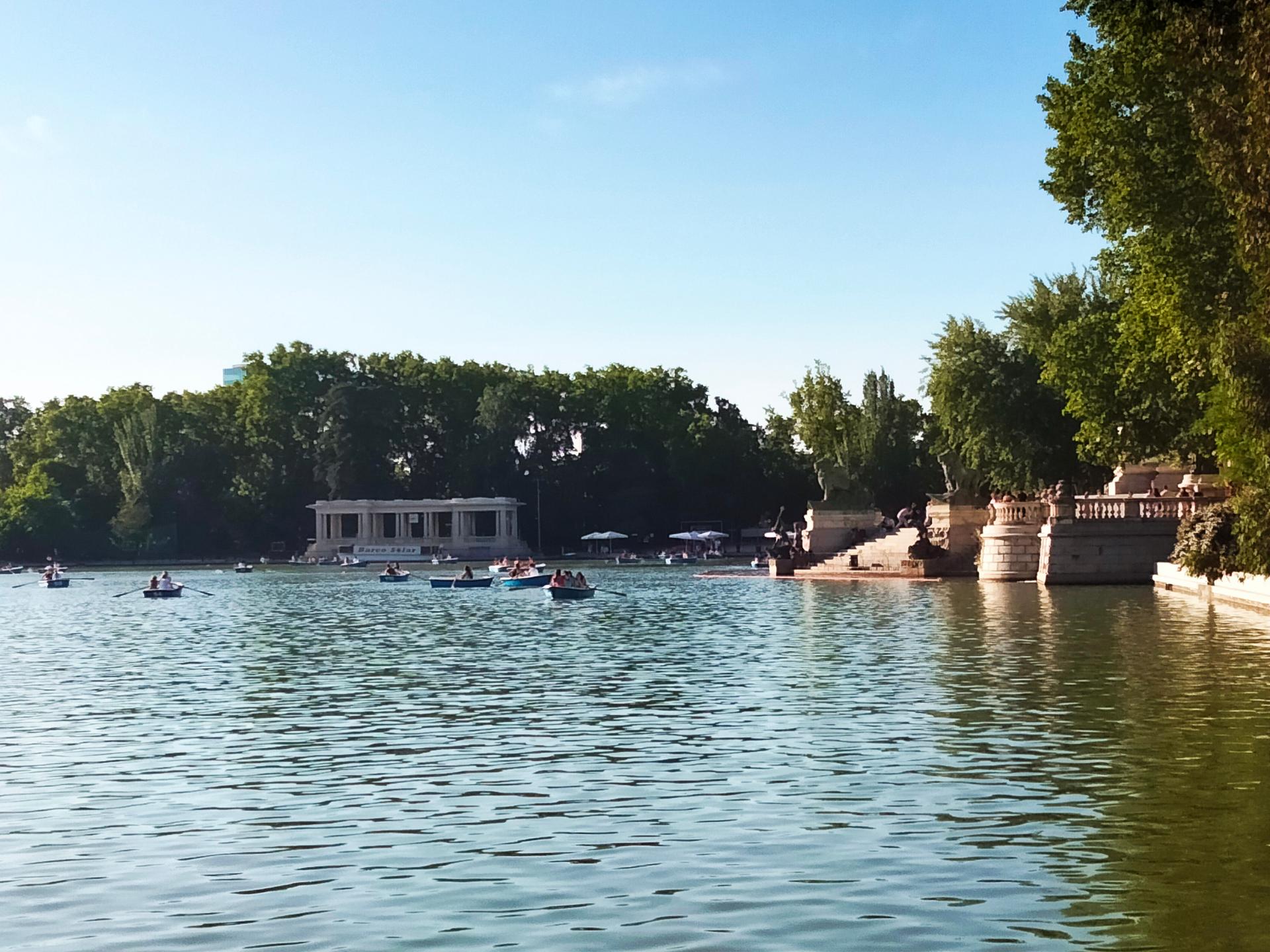
El Estanque
The pond where the royal court staged mock sea battles, with the monument to Alfonso XII rising on the far side.
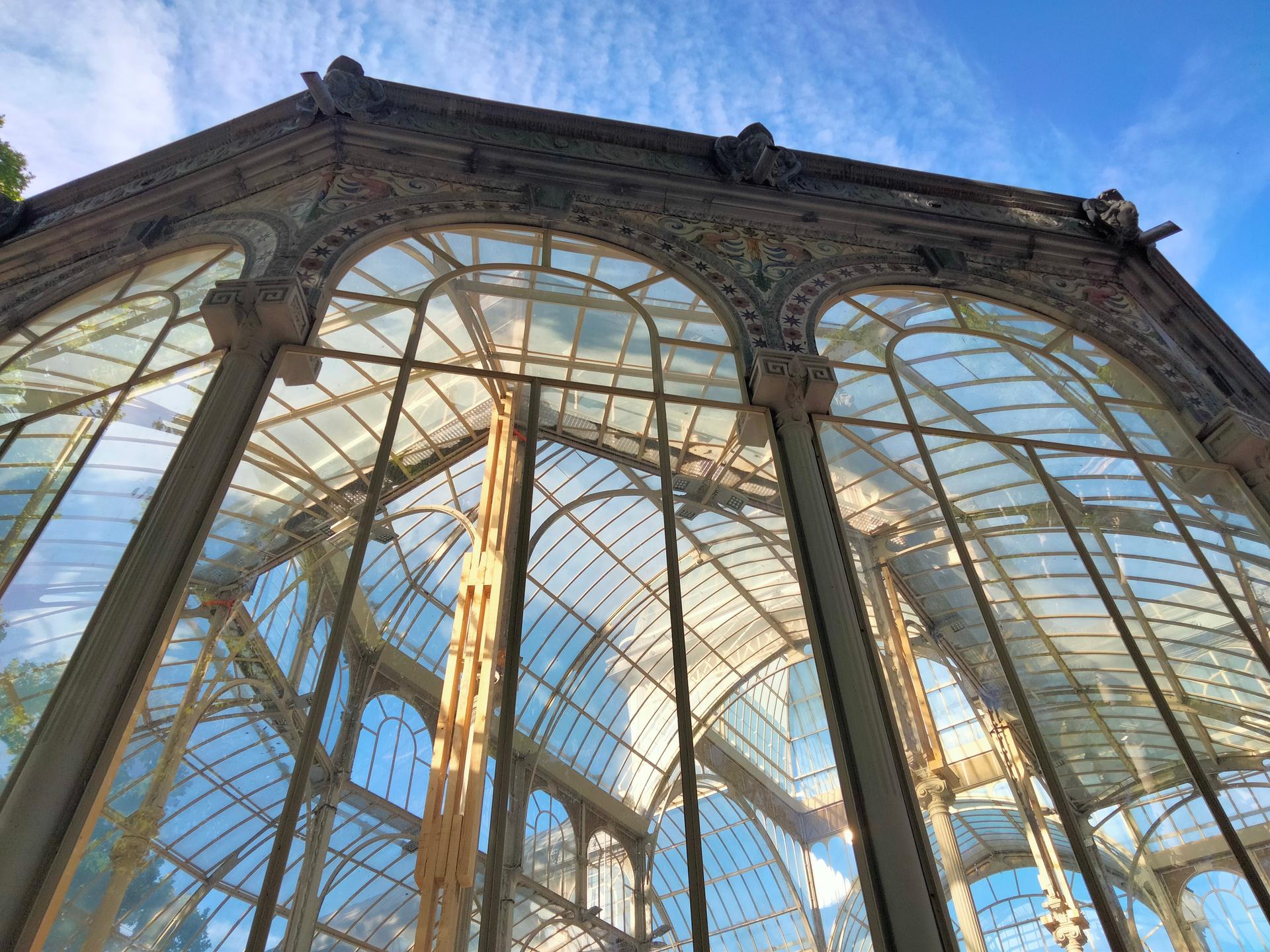
Palacio de Cristal
A greenhouse of glass and cast iron from 1887, built for a colonial exhibition with a human zoo beside it.
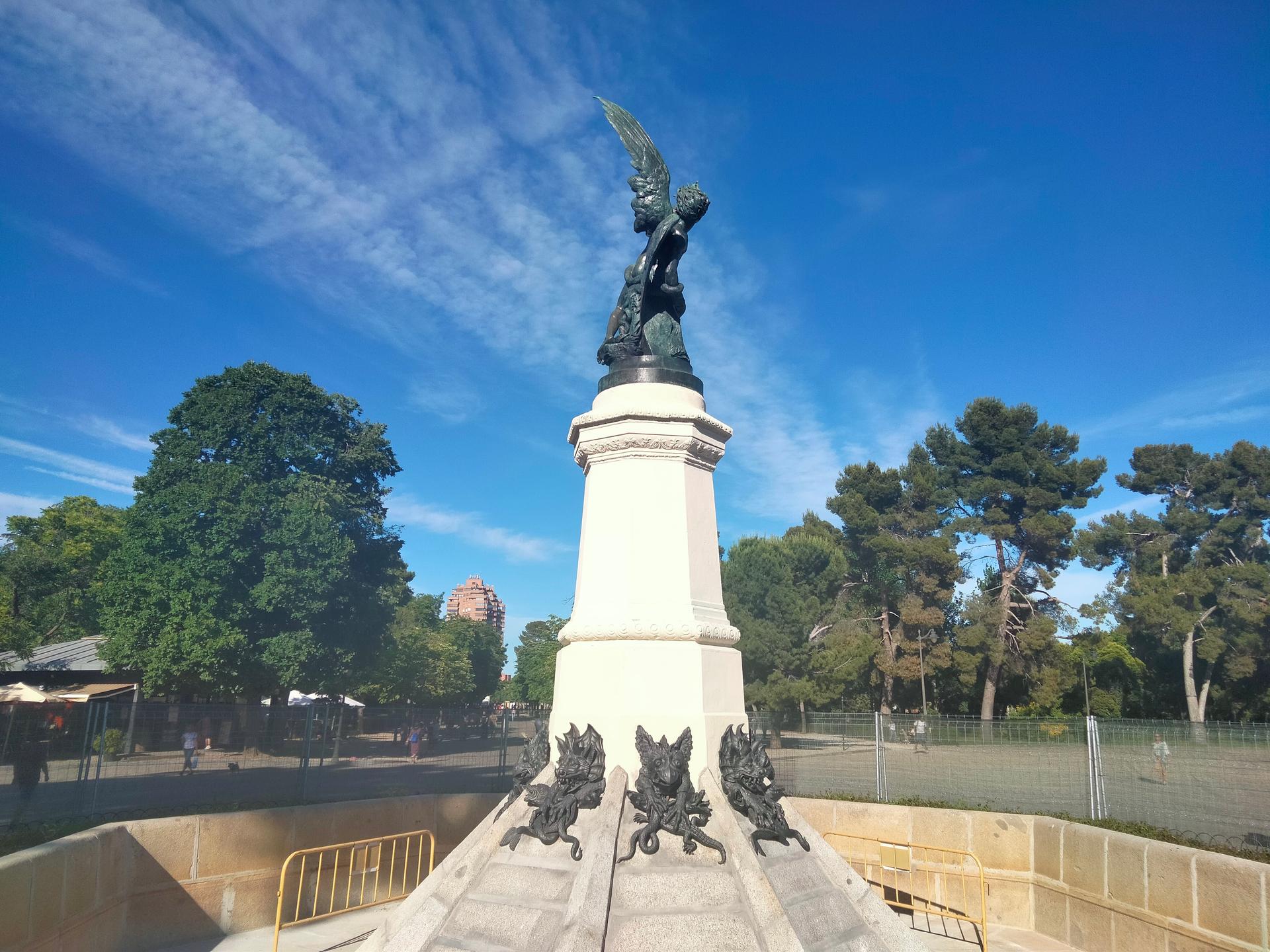
El Ángel Caído
One of the few public statues in the world depicting the devil, standing at six hundred and sixty-six metres above sea level.
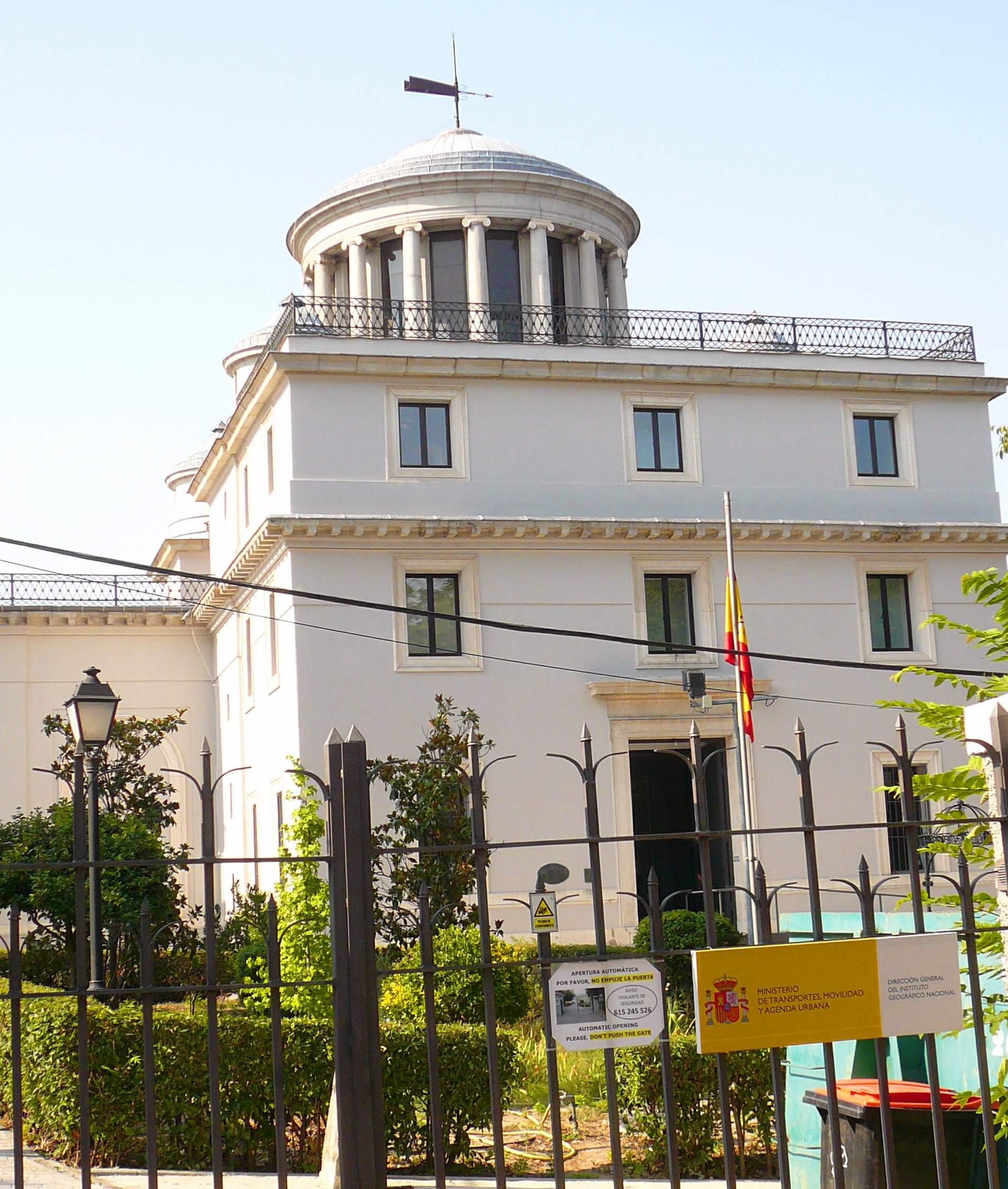
Real Observatorio
The observatory that Villanueva built, the telescope French soldiers melted down, and the end of our walk.
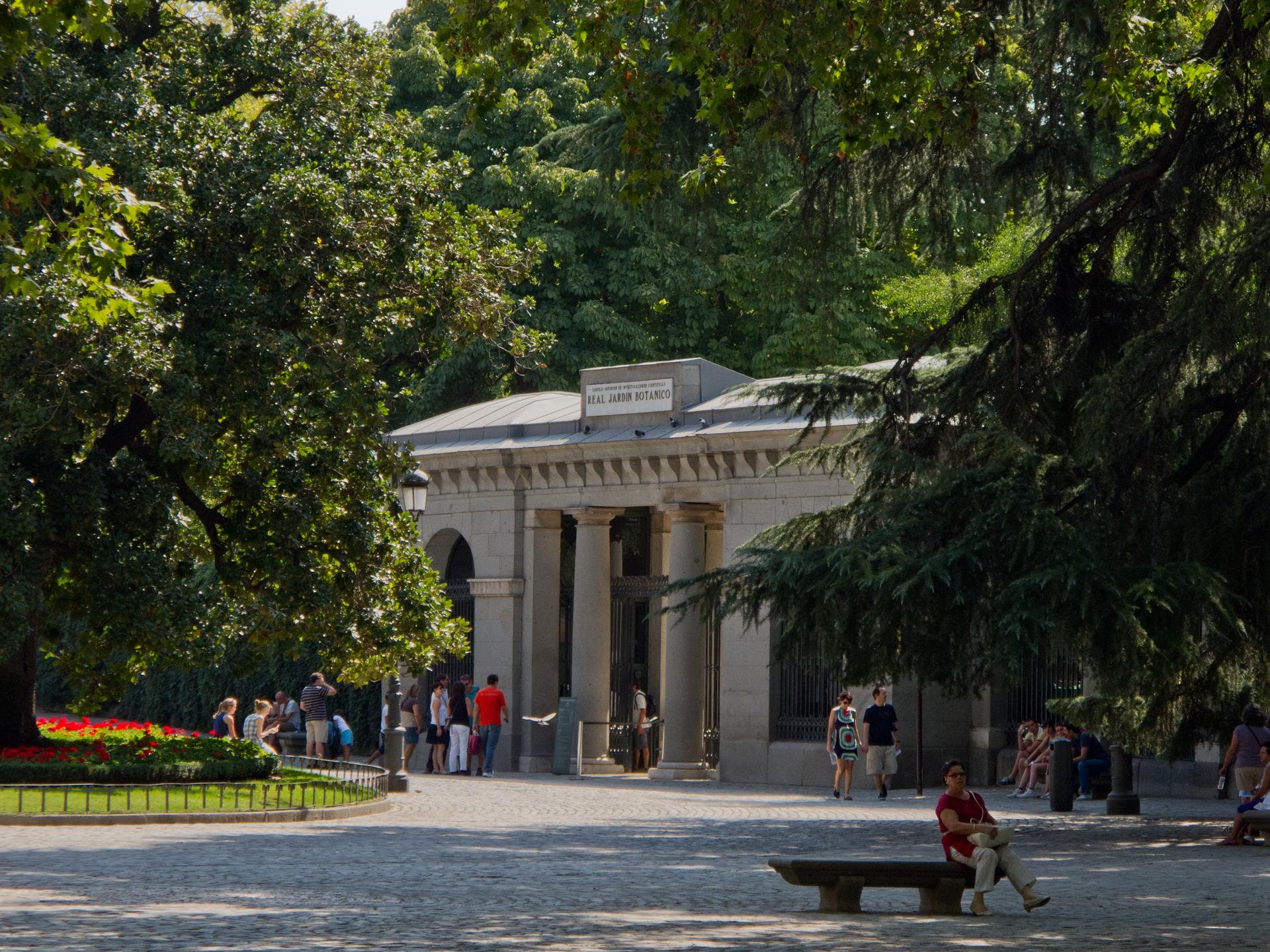
Real Jardín Botánico
The garden where everything the Spanish expeditions brought back landed. Indoor stop, ticket required.
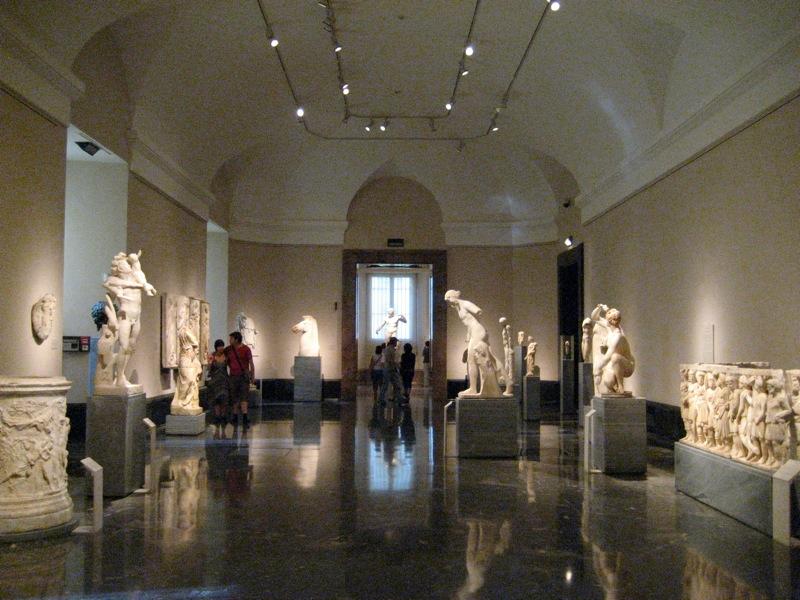
Museo del Prado
A cabinet of physics that turned into a museum, and the night Las Meninas was driven out of the city.
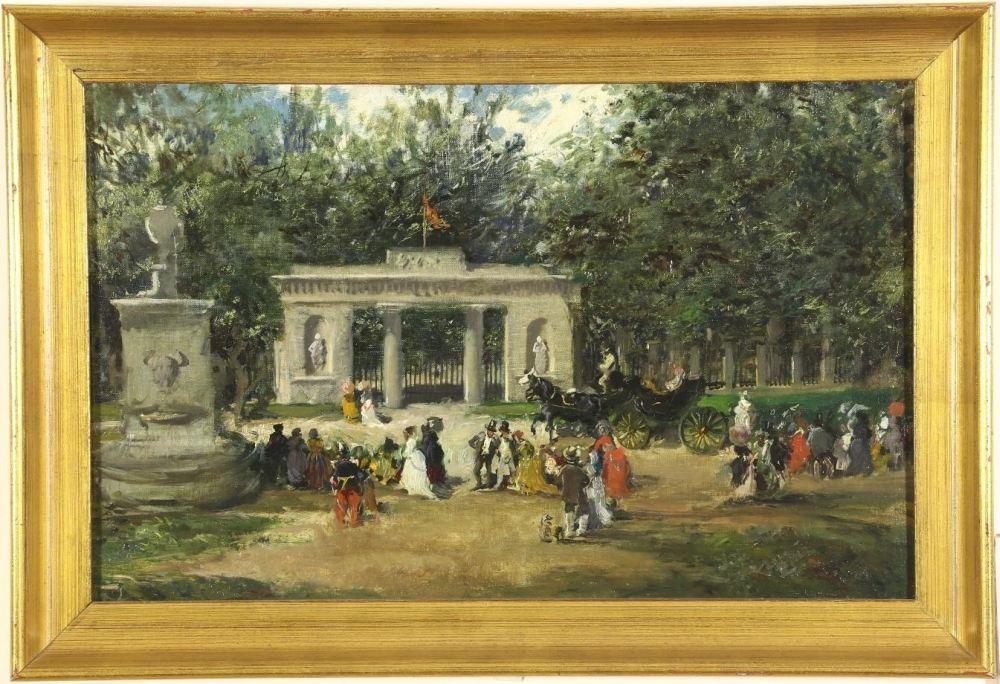
The Salón del Prado
The meadow that became a salon, shaped like a Roman racecourse and anchored by three fountains.
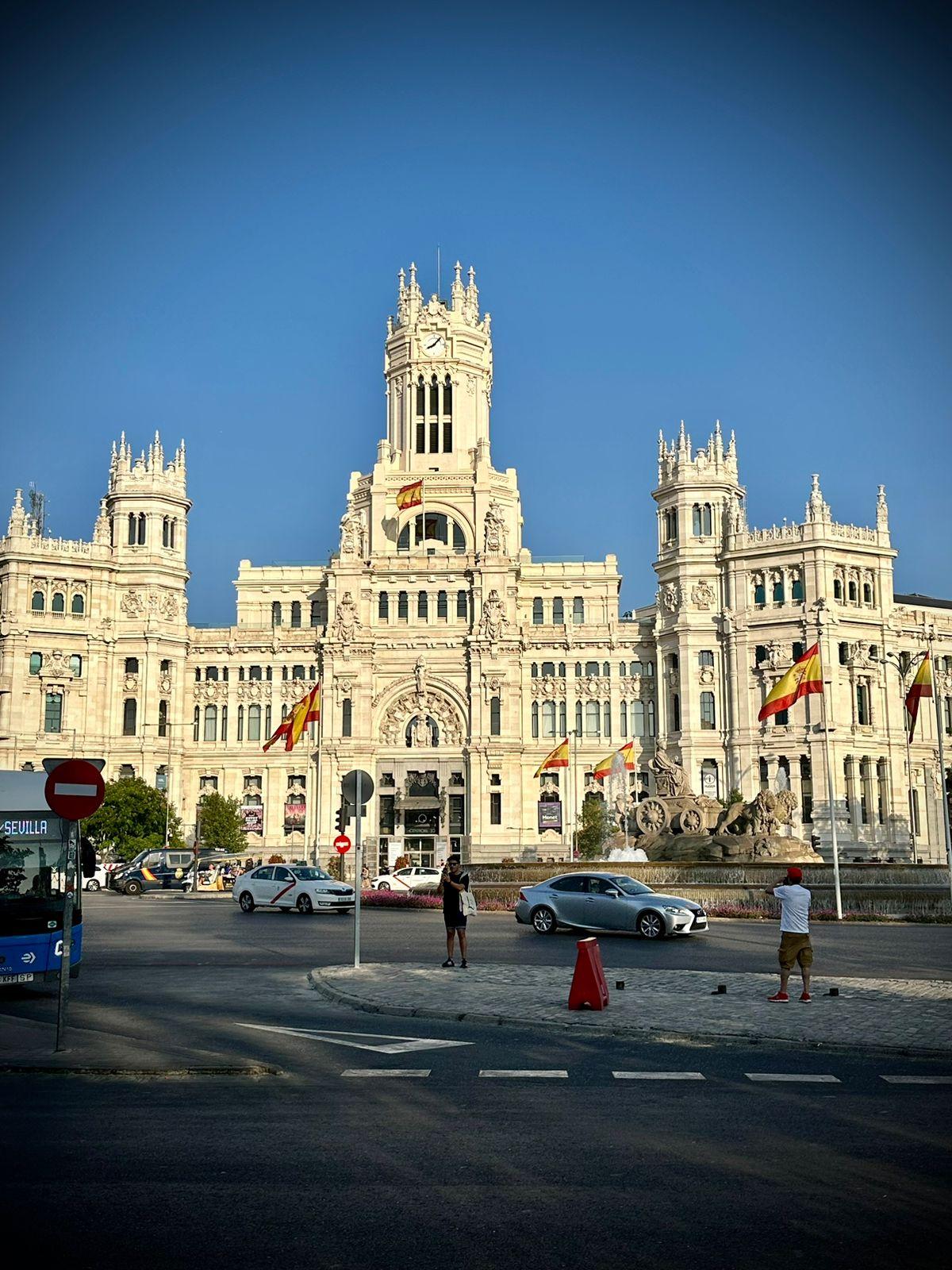
Palacio de Cibeles
A post office that looks like a cathedral, built by two architects who were both still under thirty.
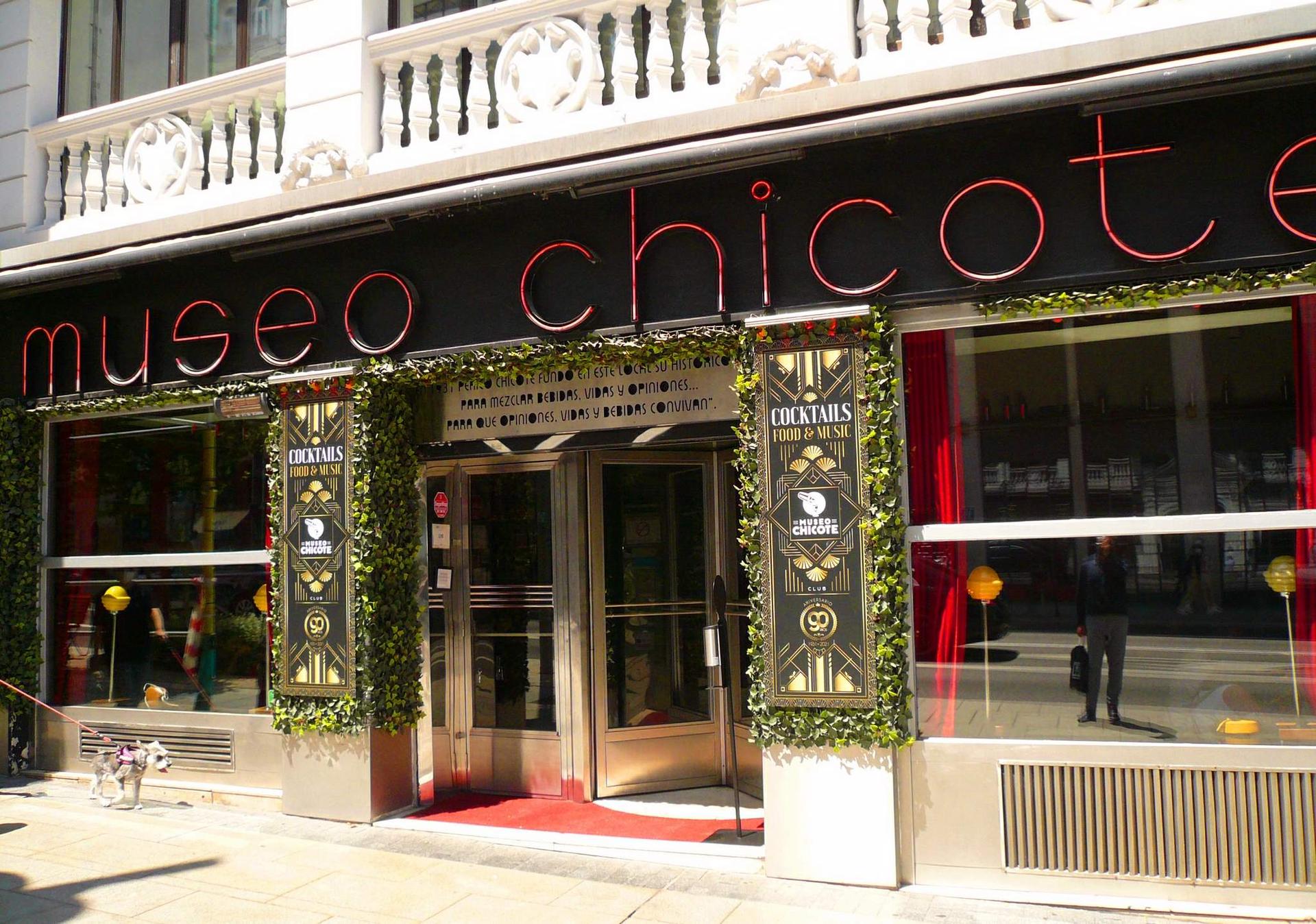
Chicote
Spain's first cocktail bar, which stayed open when the shells came in, and the end of the walk.
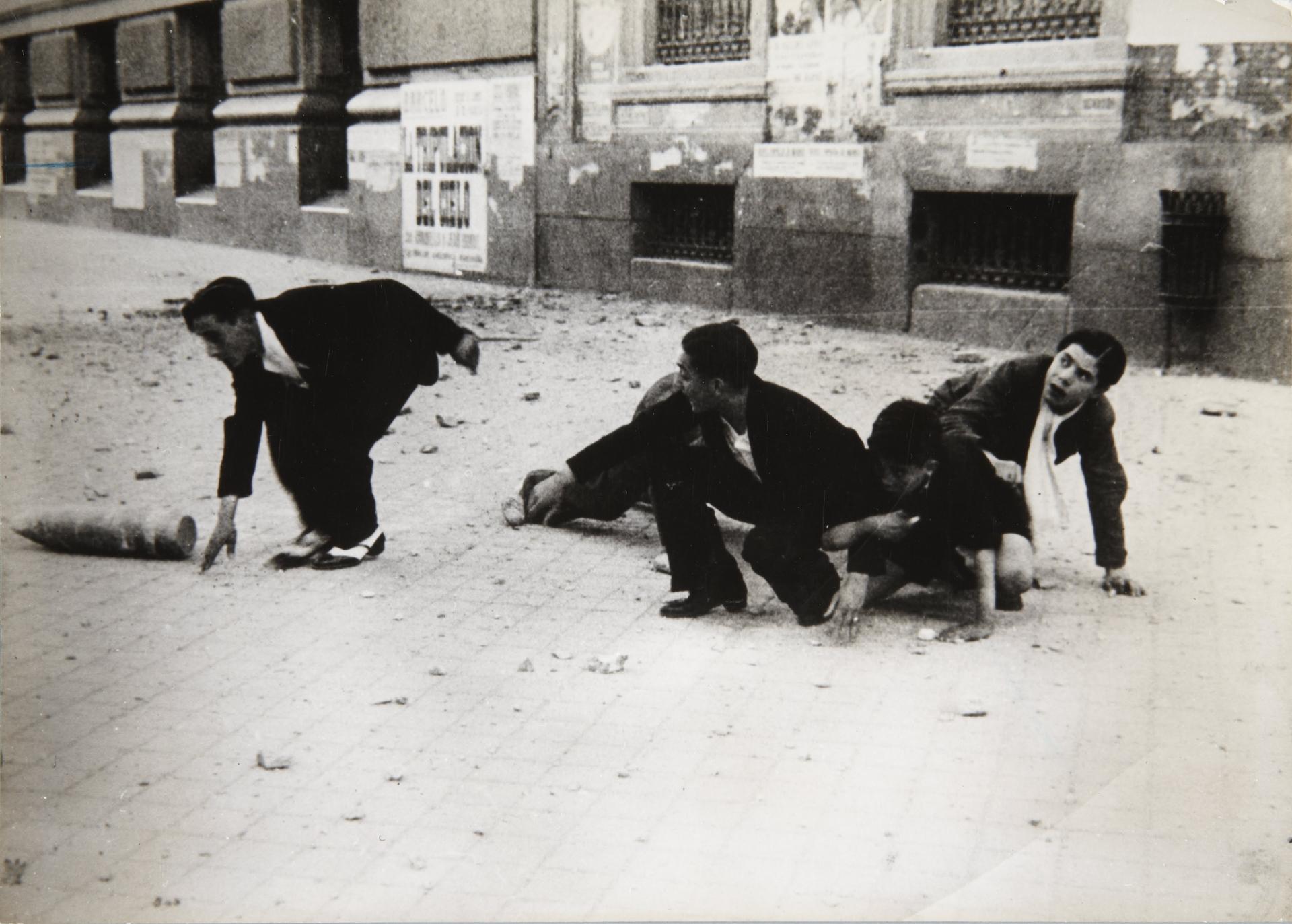
The city beneath the city
The metro station that became a shelter, and then a home for people who had lost theirs.
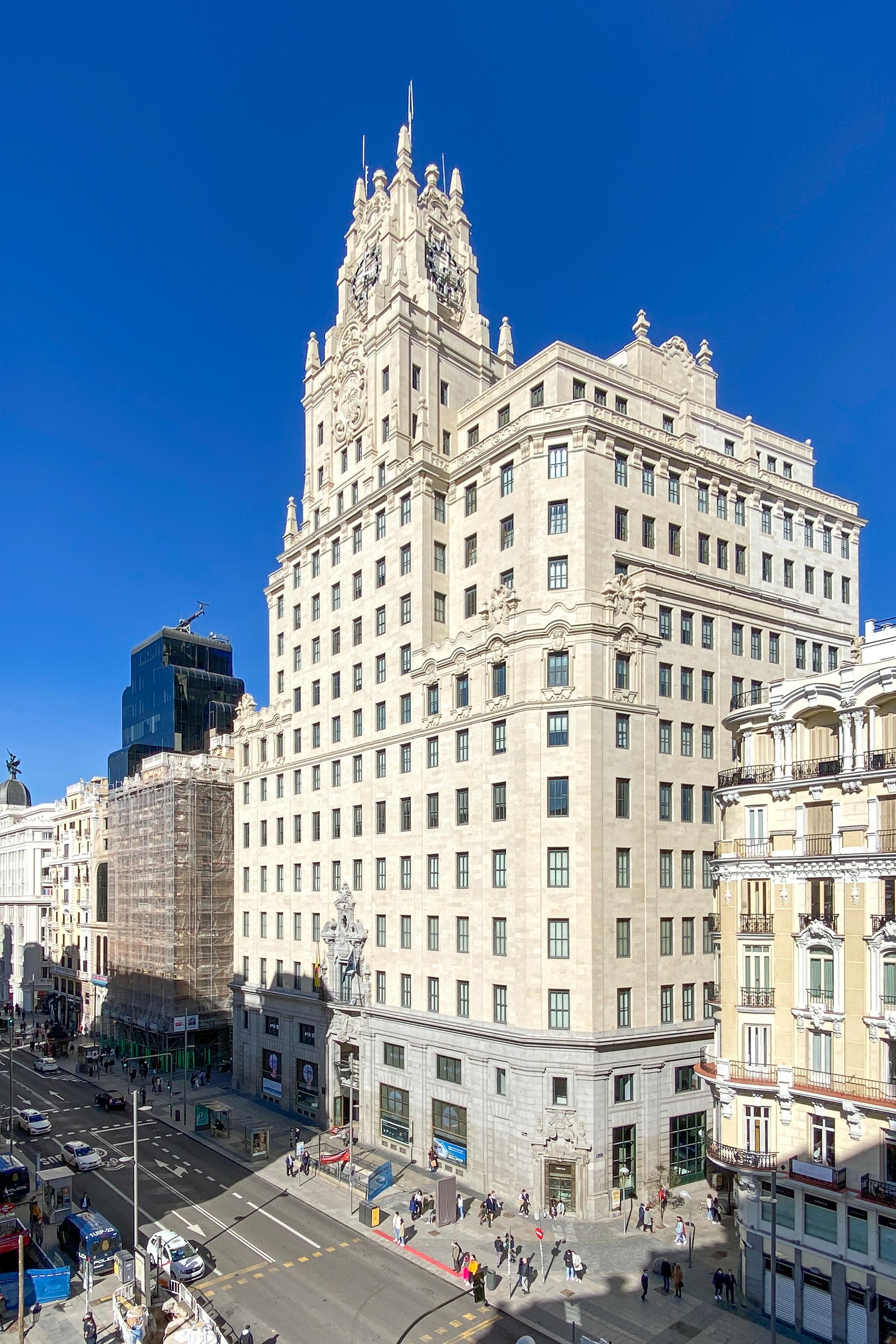
Censorship on the fifth floor
The fifth floor where every foreign dispatch had to pass through, in the building that also served as an aiming point.
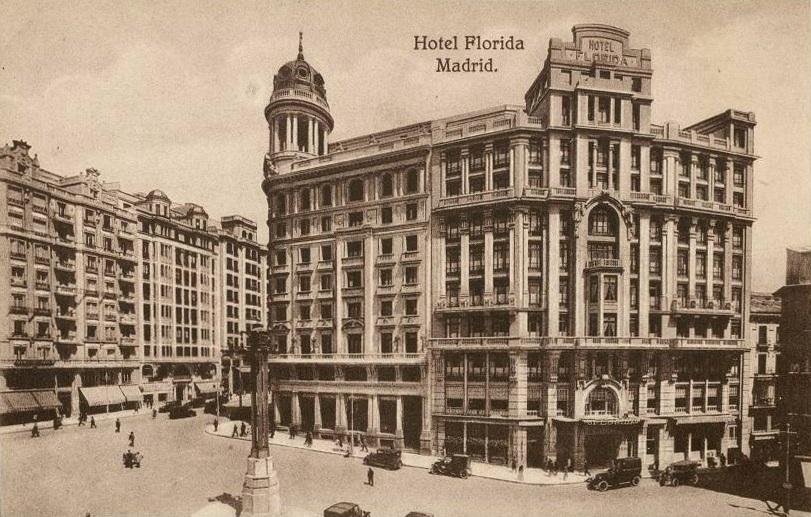
Hotel Florida
The hotel where the foreign press sat out the war, with hot water while the rest of the city queued for everything.
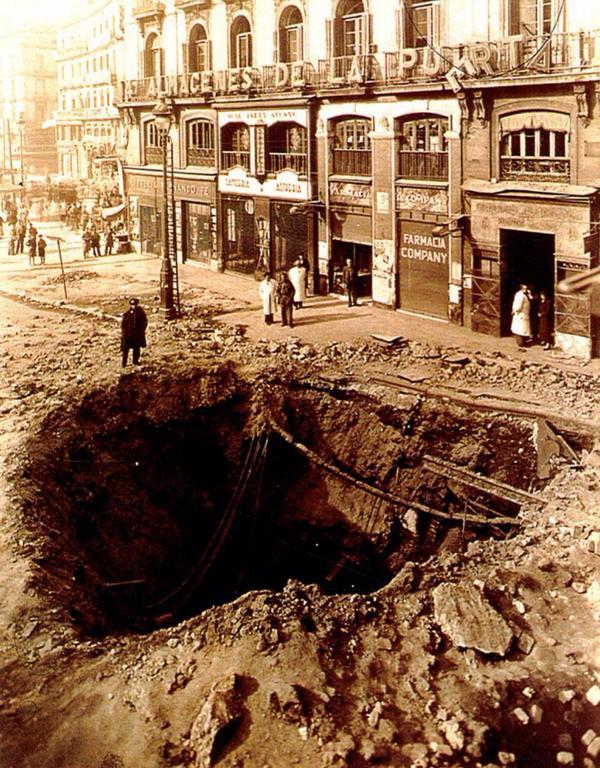
Avenida de los Obuses
The people of Madrid called this street Shell Avenue, and life simply carried on.
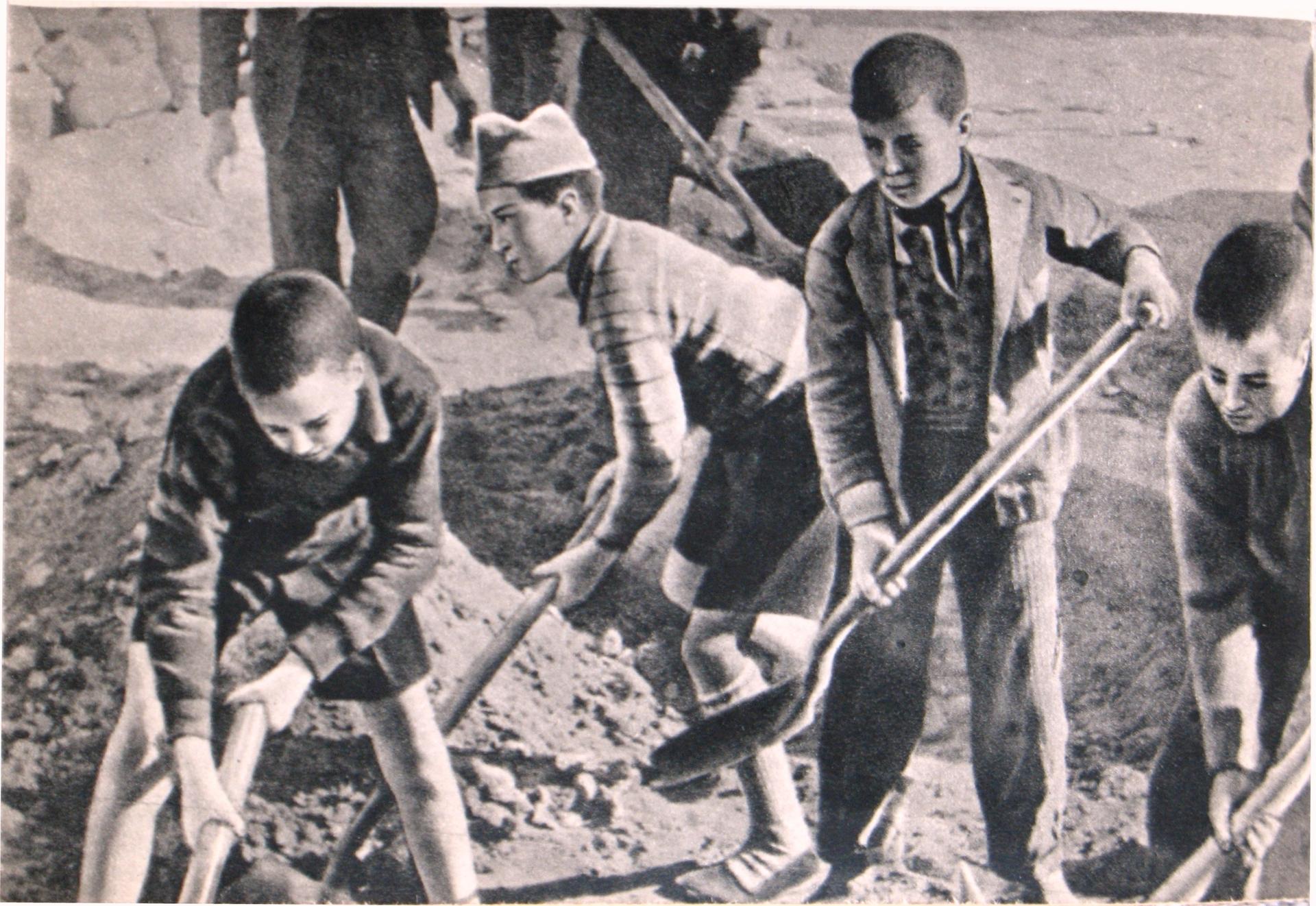
November 1936
November 1936, when everyone expected the city to fall within days and the Gran Vía was given a new name.
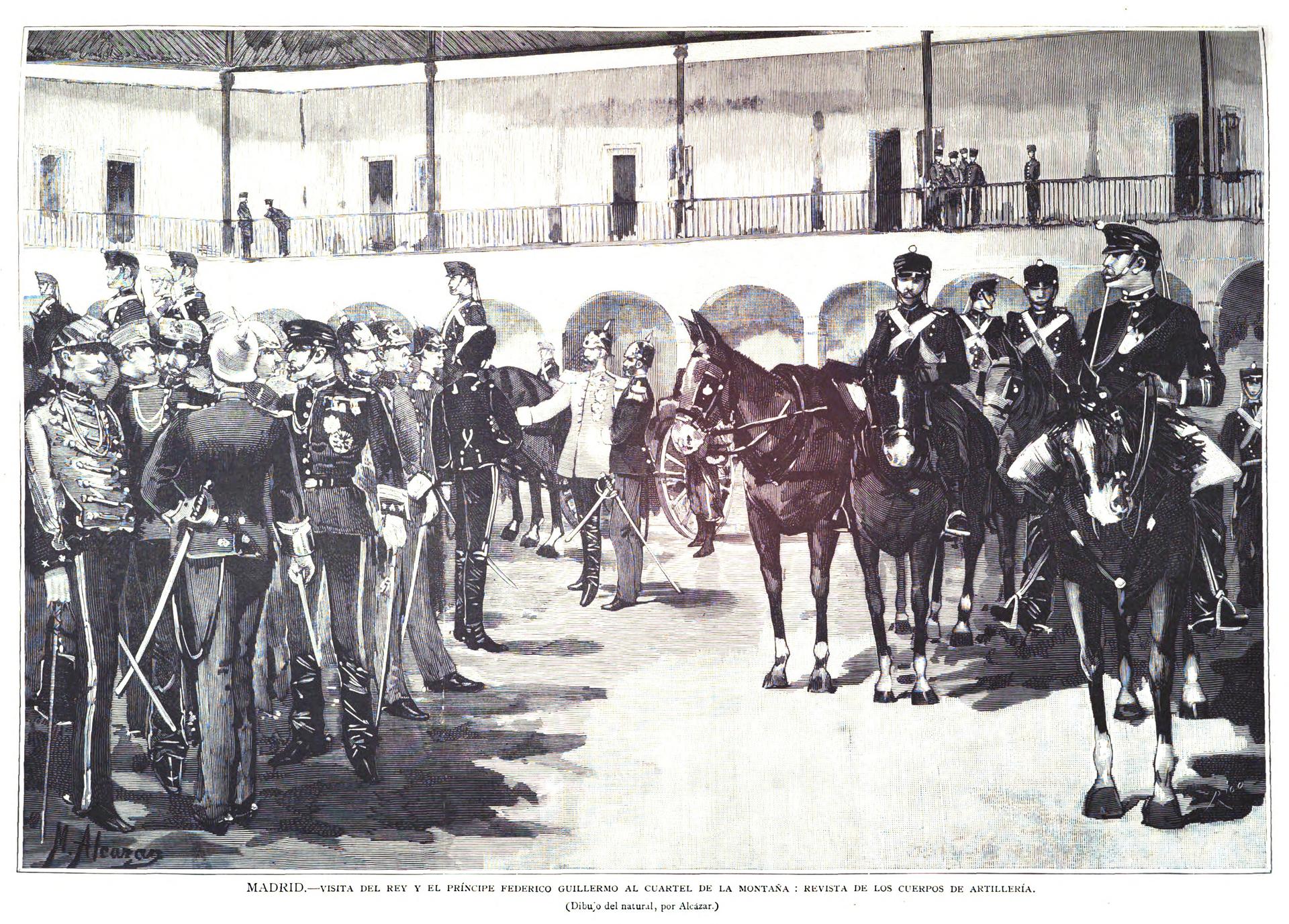
Two Cannons on the Calle de Ferraz
The street where two field guns were set up, aimed at the barracks standing among the houses.
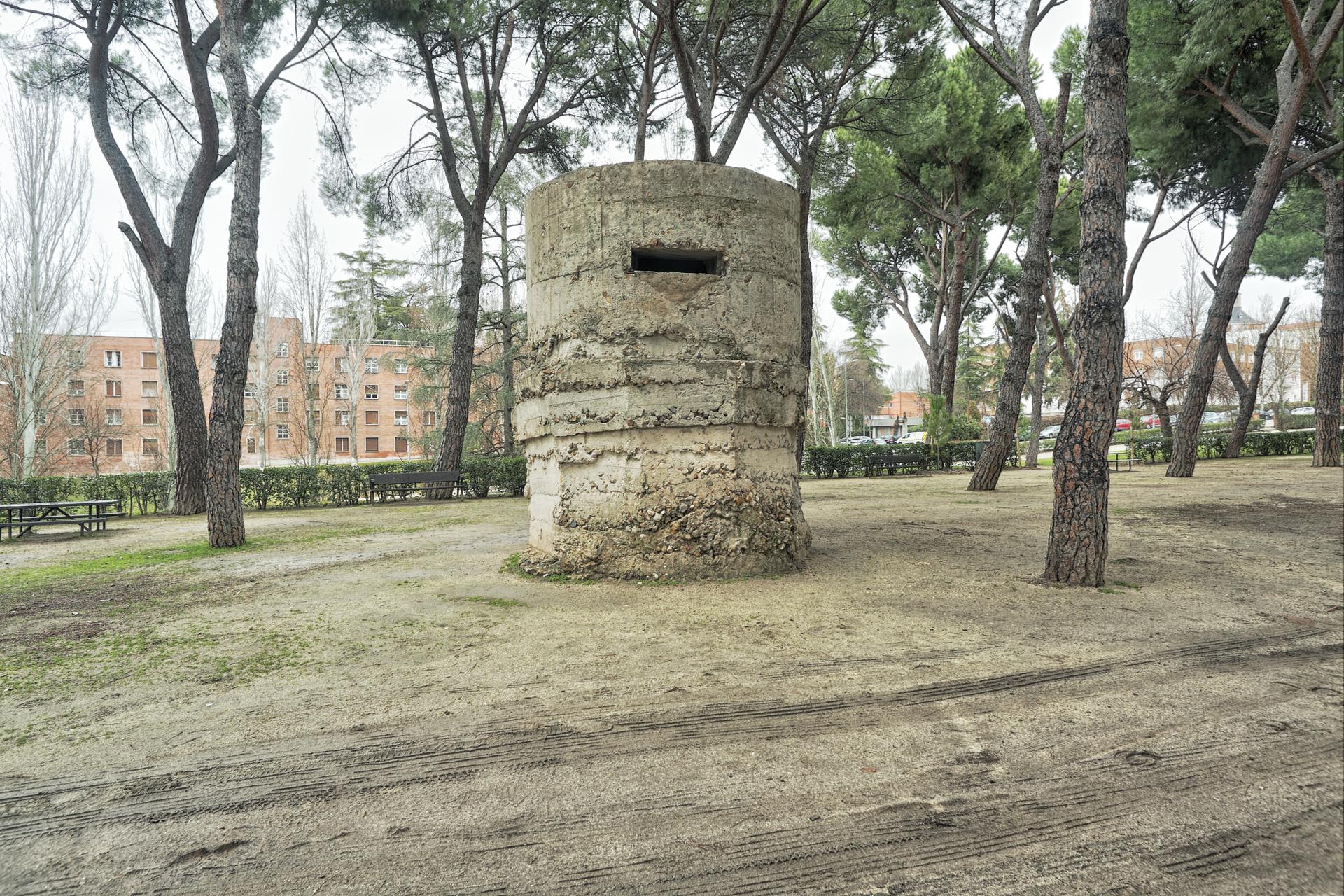
The front in the west
From this edge you look out over the front, which sat barely a kilometre and a half away for almost three years.
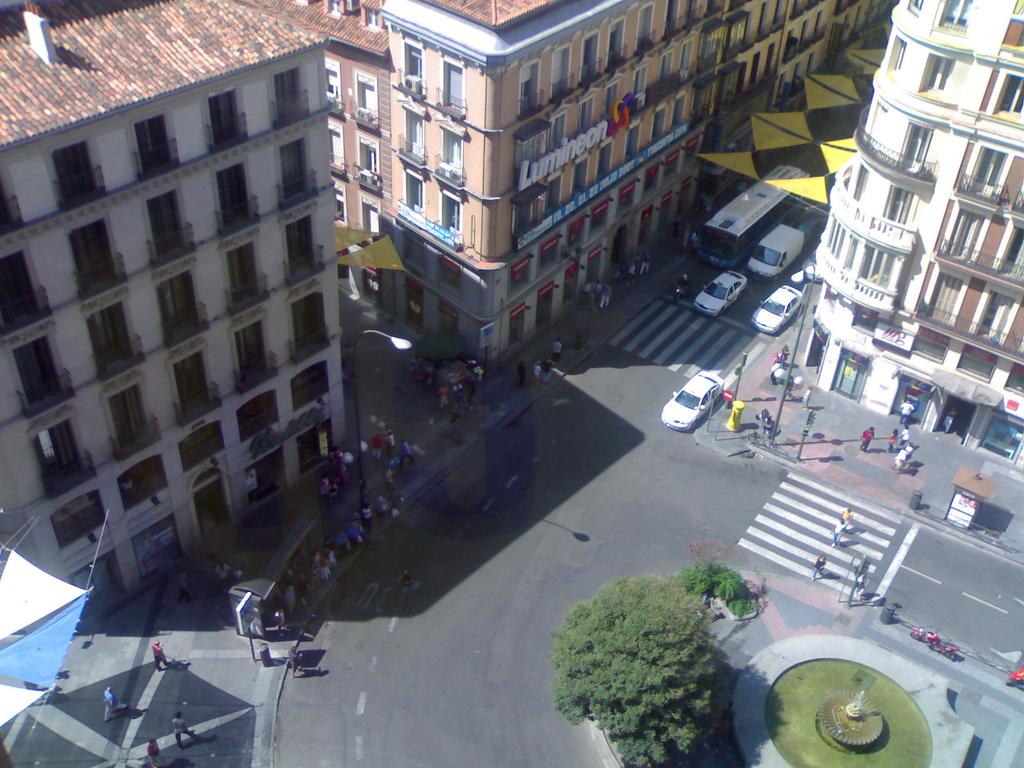
The news that rode out of the city
How the news rode out of the city and sparked a war that lasted six years, with the way back to the Puerta del Sol.
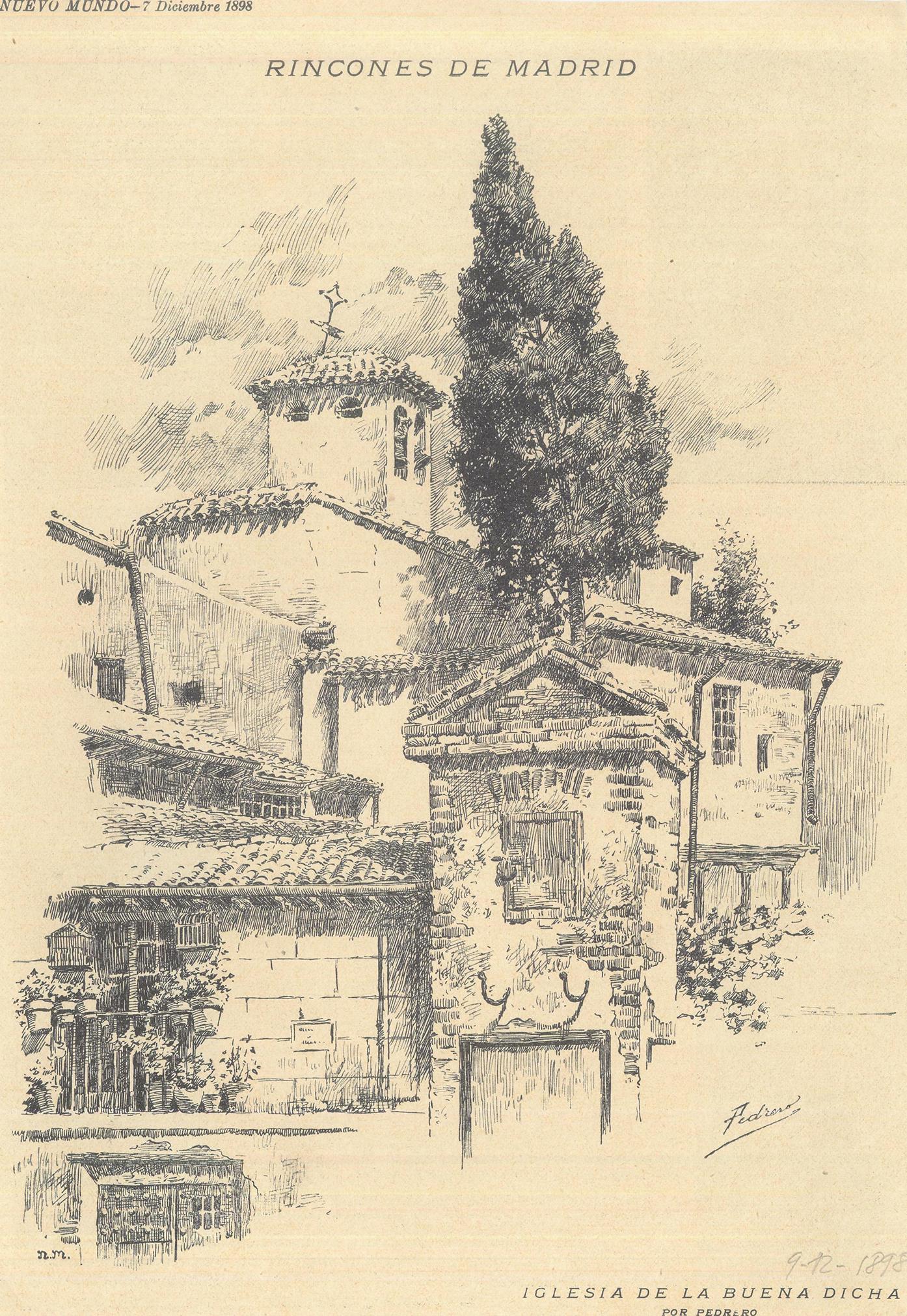
Iglesia de la Buena Dicha
The charity hospital where the wounded were carried, with the little graveyard behind it where Manuela Malasaña lies. Inside, a second story waits for you.
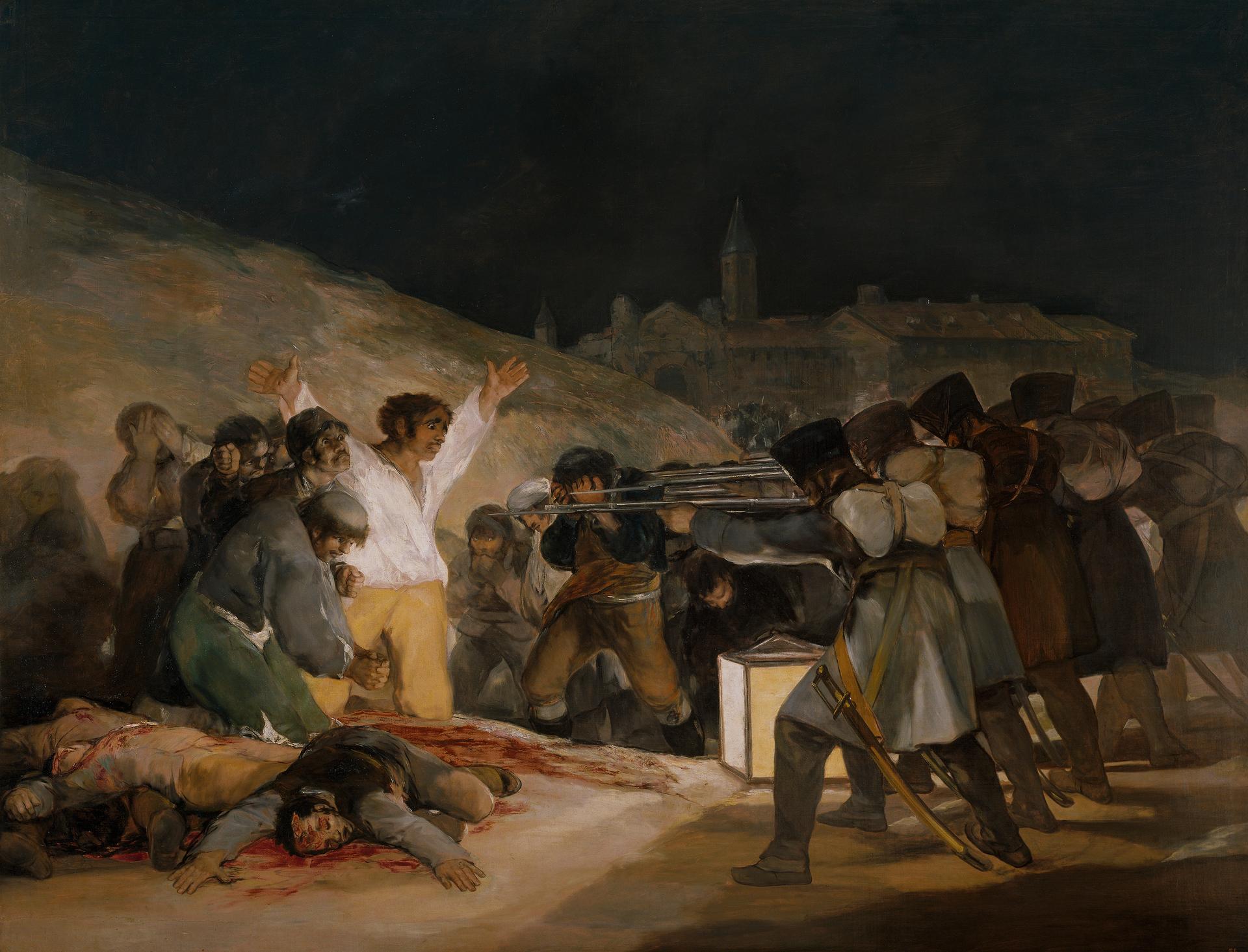
The Night of the Executions
The executions that night on a hill to the west, and the painting that shapes how we picture it.
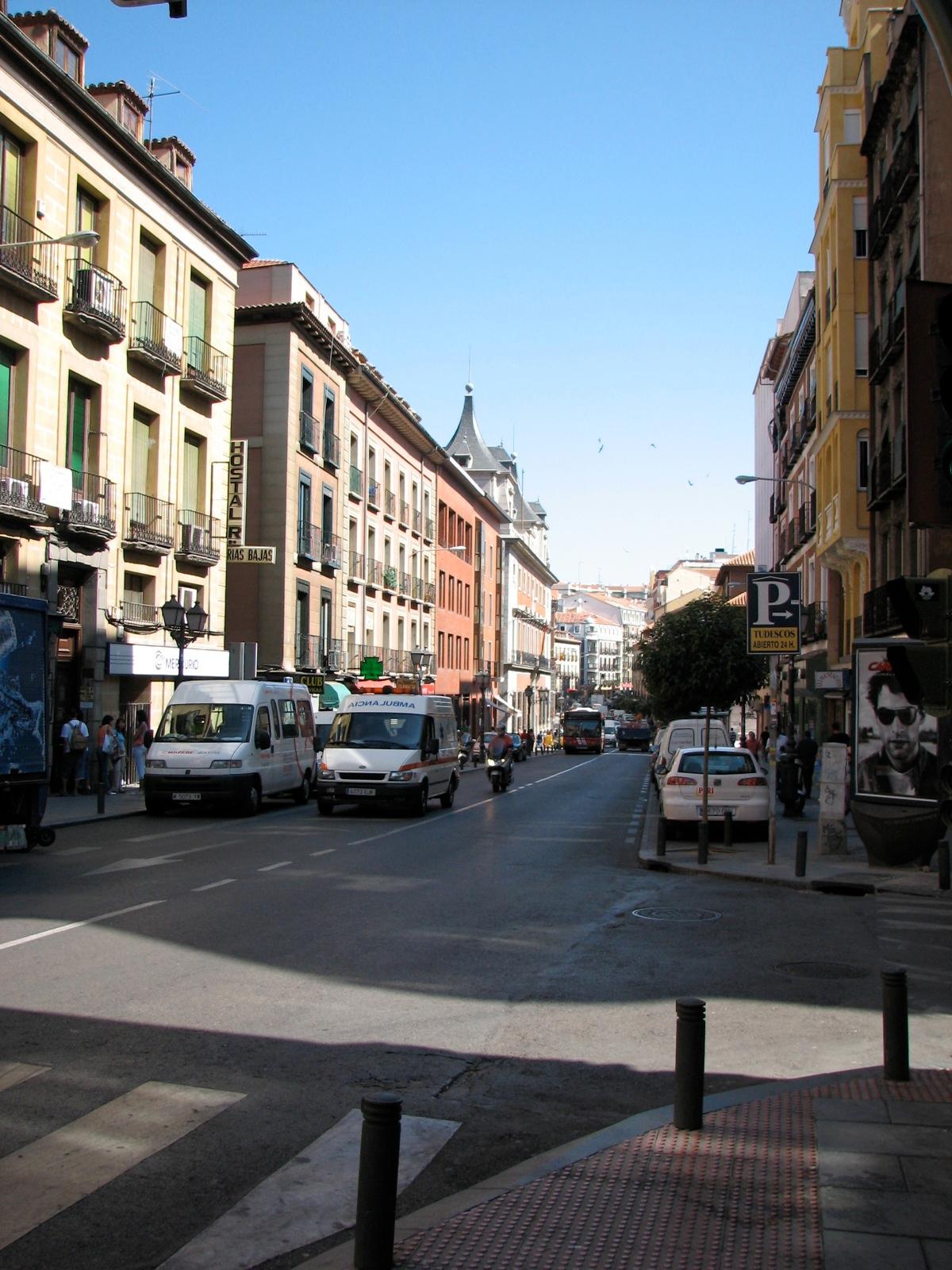
The wide street
The wide street the columns marched down, and the night Madrid fell under martial law.
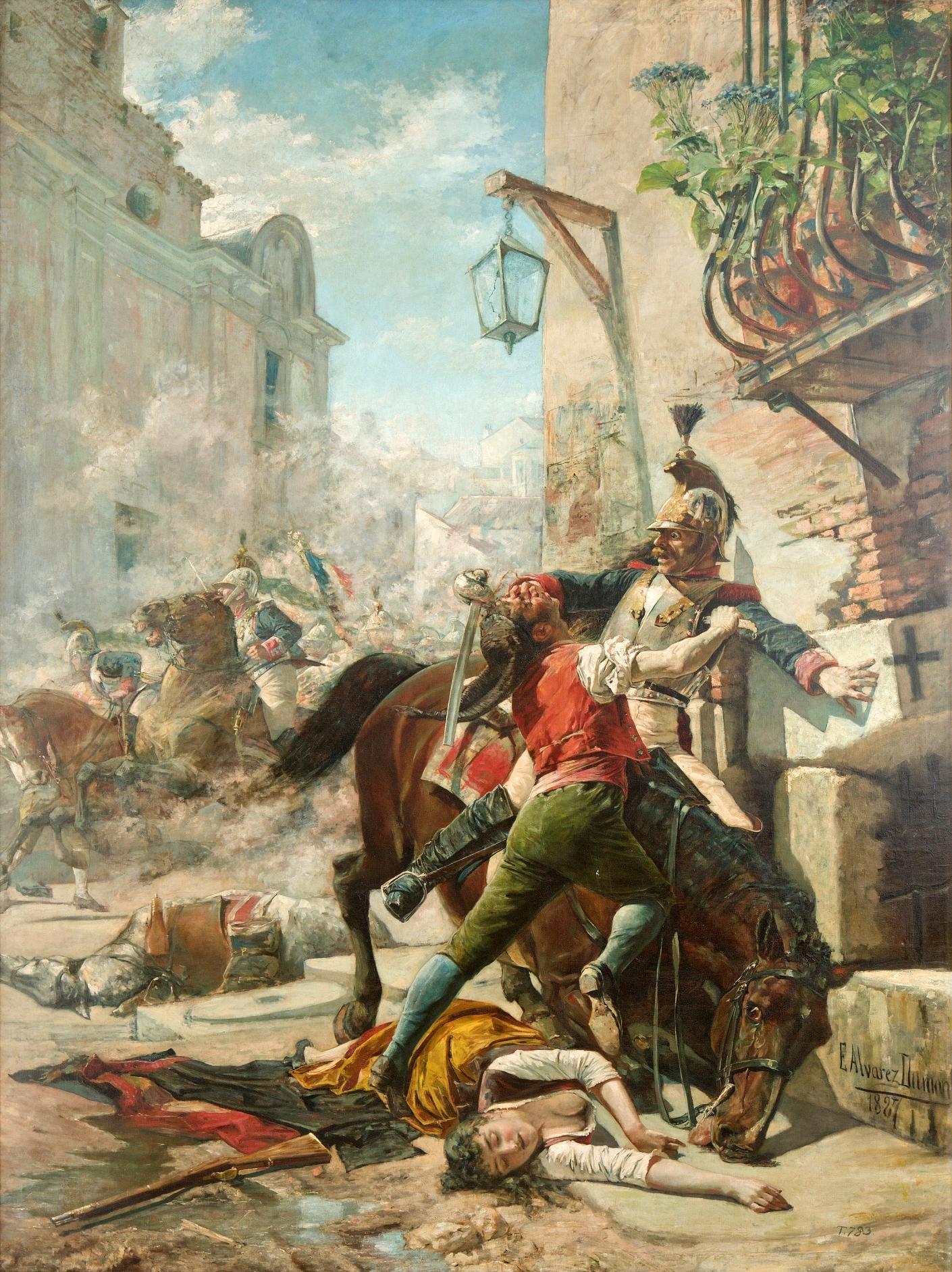
Manuela Malasaña
The seventeen-year-old embroiderer who gave her name to an entire neighbourhood, and what really happened to her.
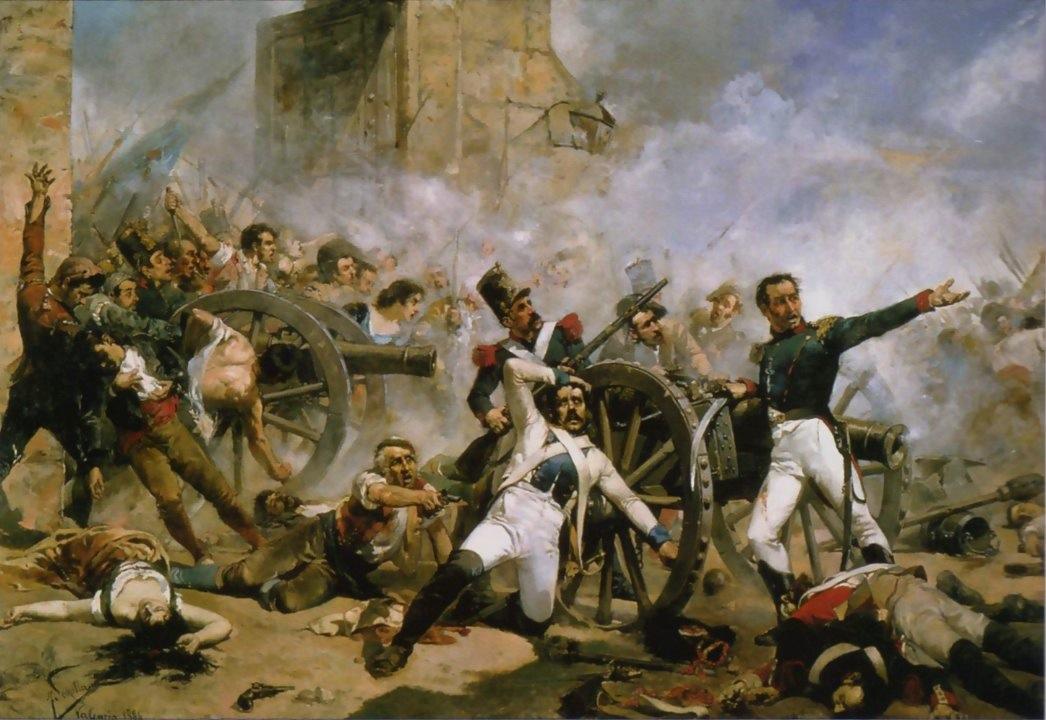
The Gate of Monteleón
The one barracks where there actually was fighting that day, and the two officers who set their orders aside.
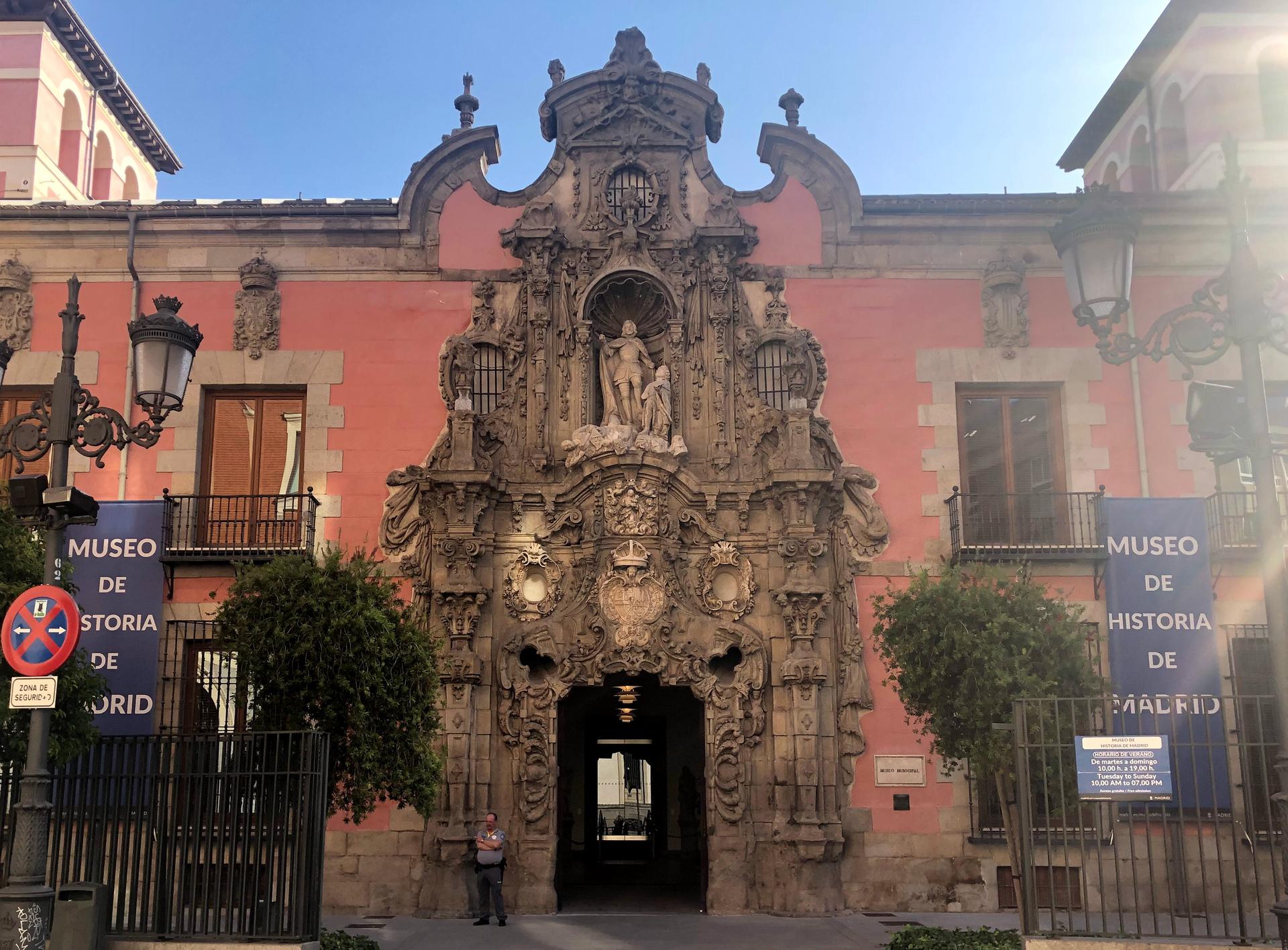
Museo de Historia de Madrid
A former almshouse with the most exuberant Baroque doorway in Spain, now home to the city museum. Free entry.
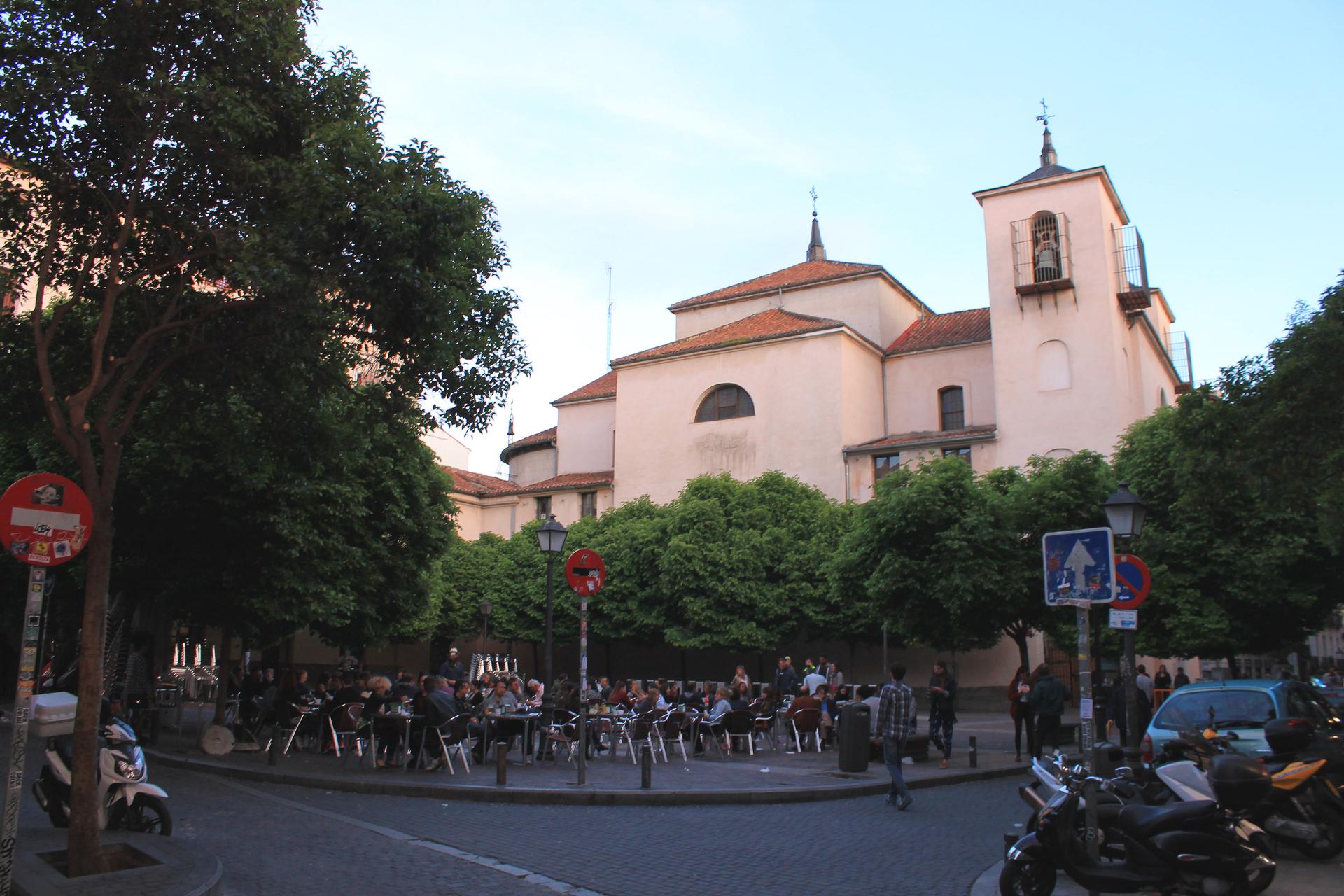
Plaza de San Ildefonso
The square of a neighbourhood that renamed itself after a single day, street by street.
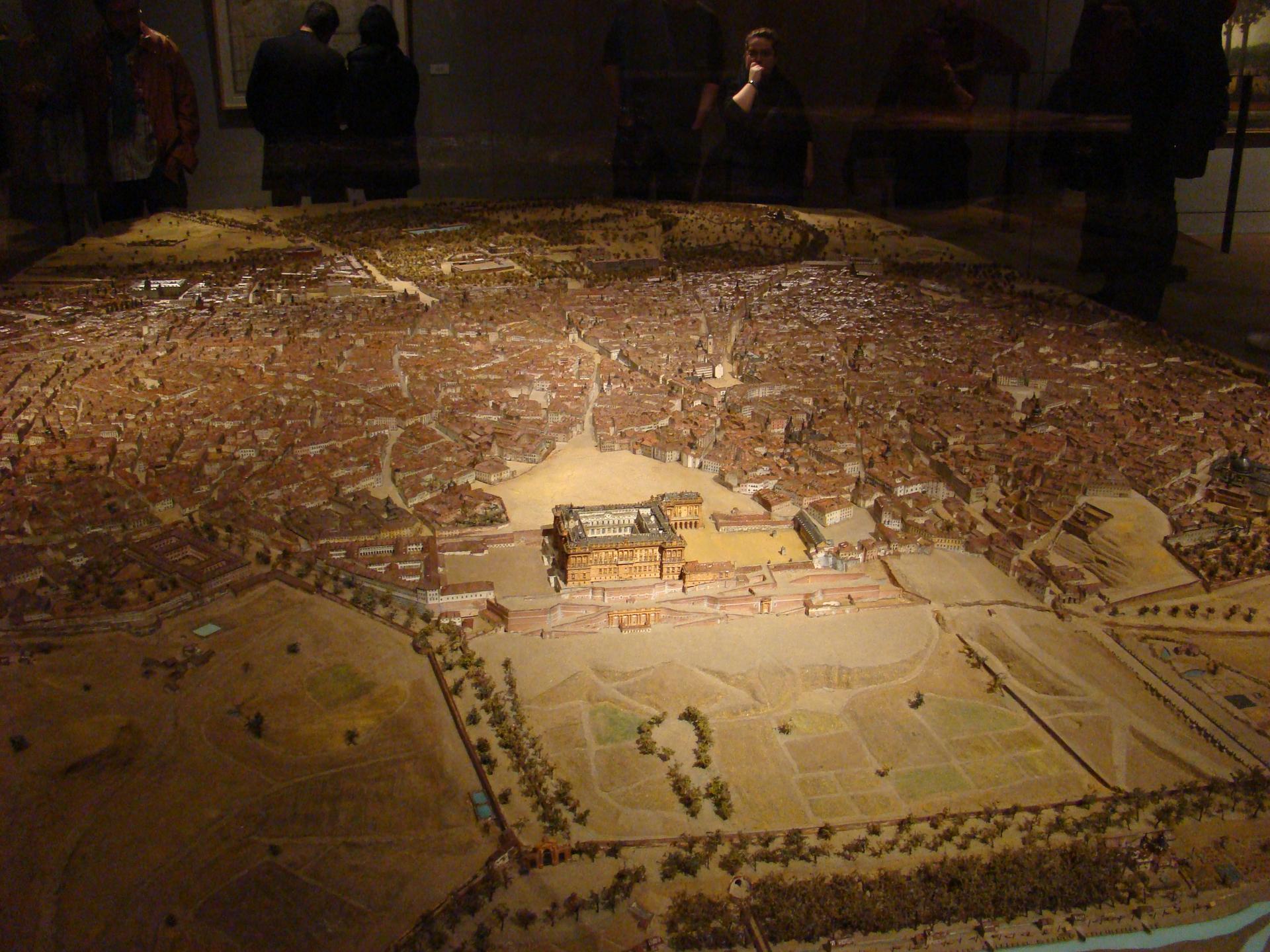
The streets that are gone
This is where the neighbourhood bands came together, and a century later a stretch of the battlefield vanished beneath a new street.
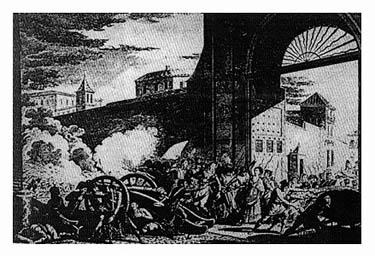
Fighting with Whatever Was at Hand
A city that fought with scissors, stones and flowerpots, while its own army stayed in the barracks.
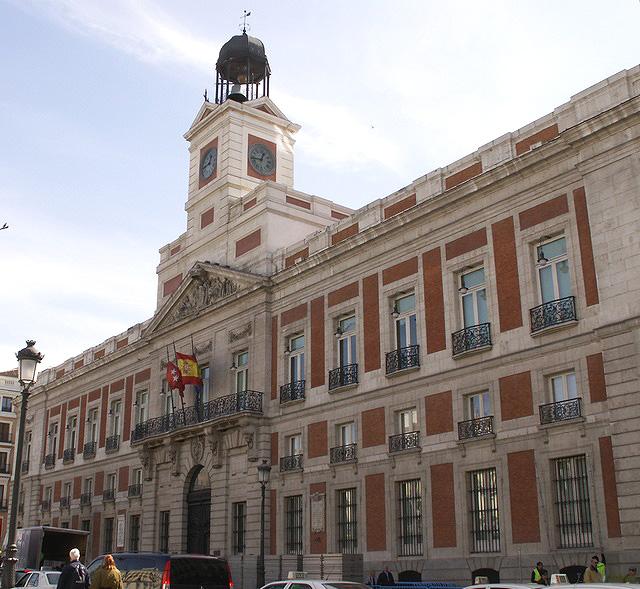
Real Casa de Correos
The only building on this square that witnessed the second of May, and the decree that was signed that afternoon.
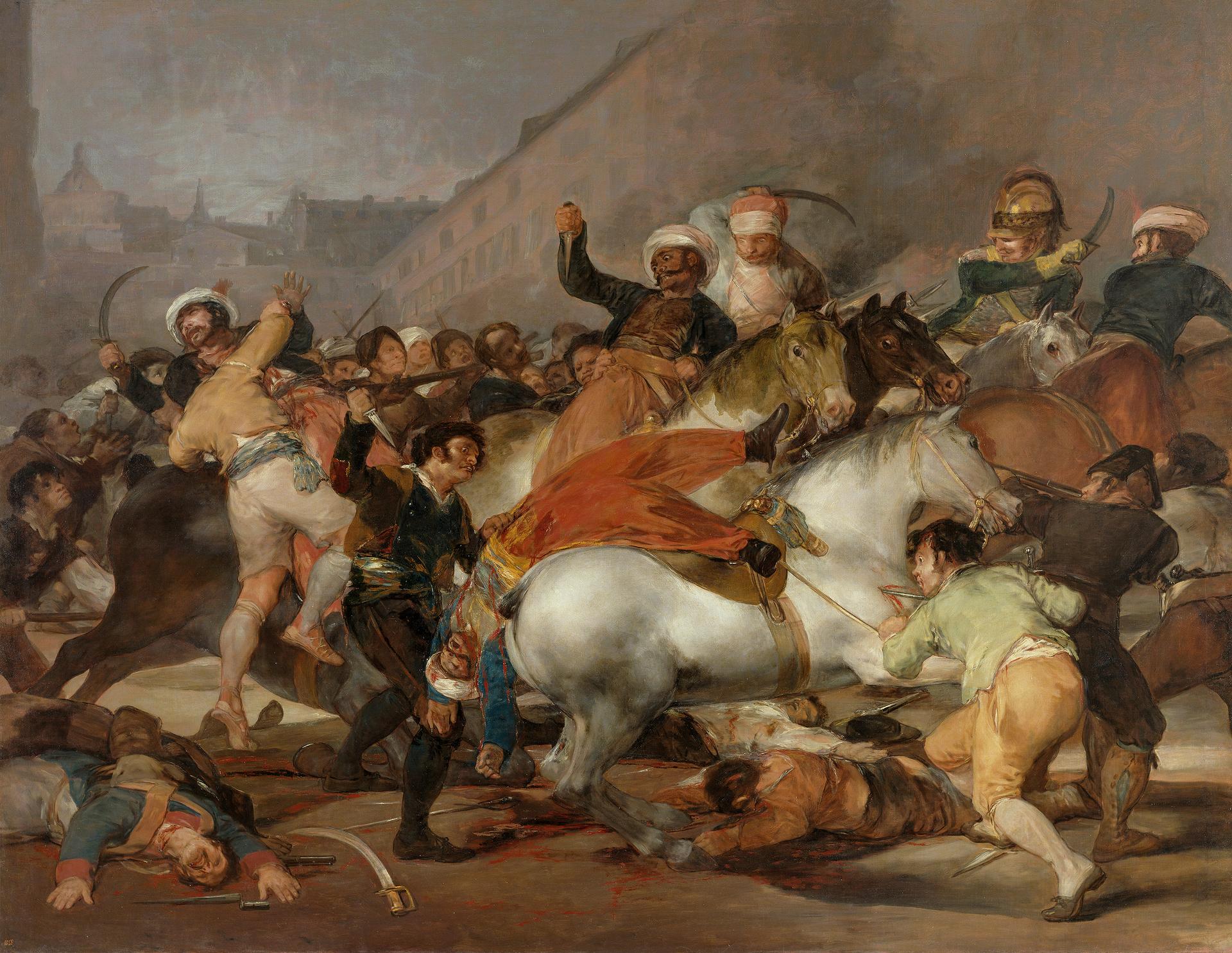
The Charge of the Mamelukes
What Goya painted six years later happened right here: the imperial cavalry against an unarmed crowd.
Back on the Plaza de Santa Ana
The end of the walk, with the spoils of fame divided and the way back to the metro.
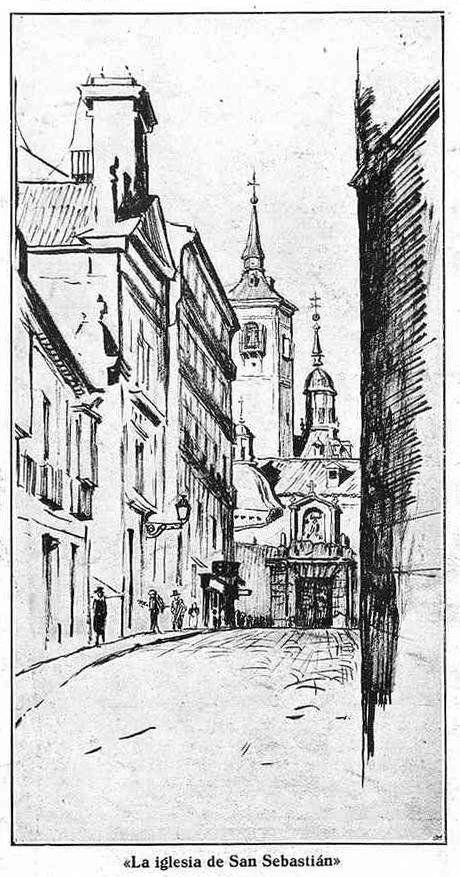
Iglesia de San Sebastián
The parish of the famous, with a tower that stops halfway up and a second story waiting inside.
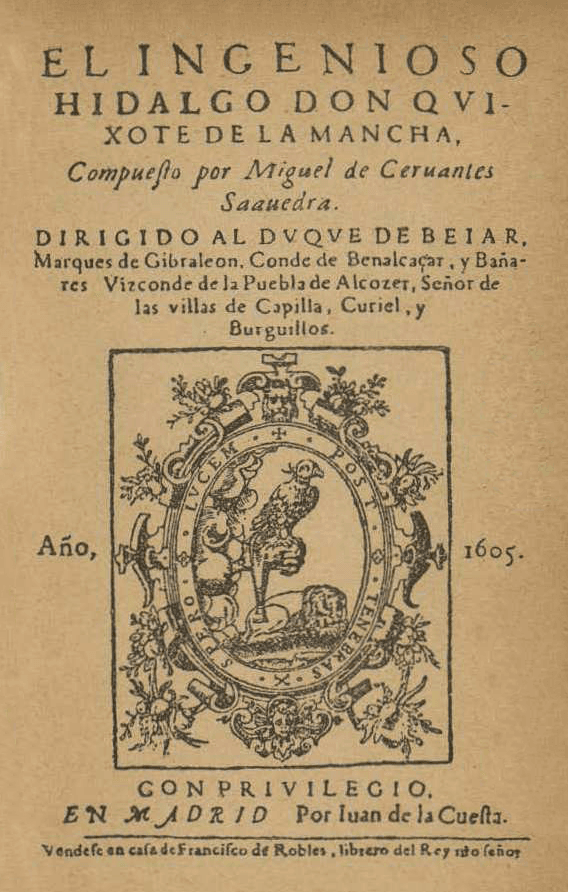
The printing house of Juan de la Cuesta
The print shop where Don Quixote first came off the press, on paper paid for with borrowed money.
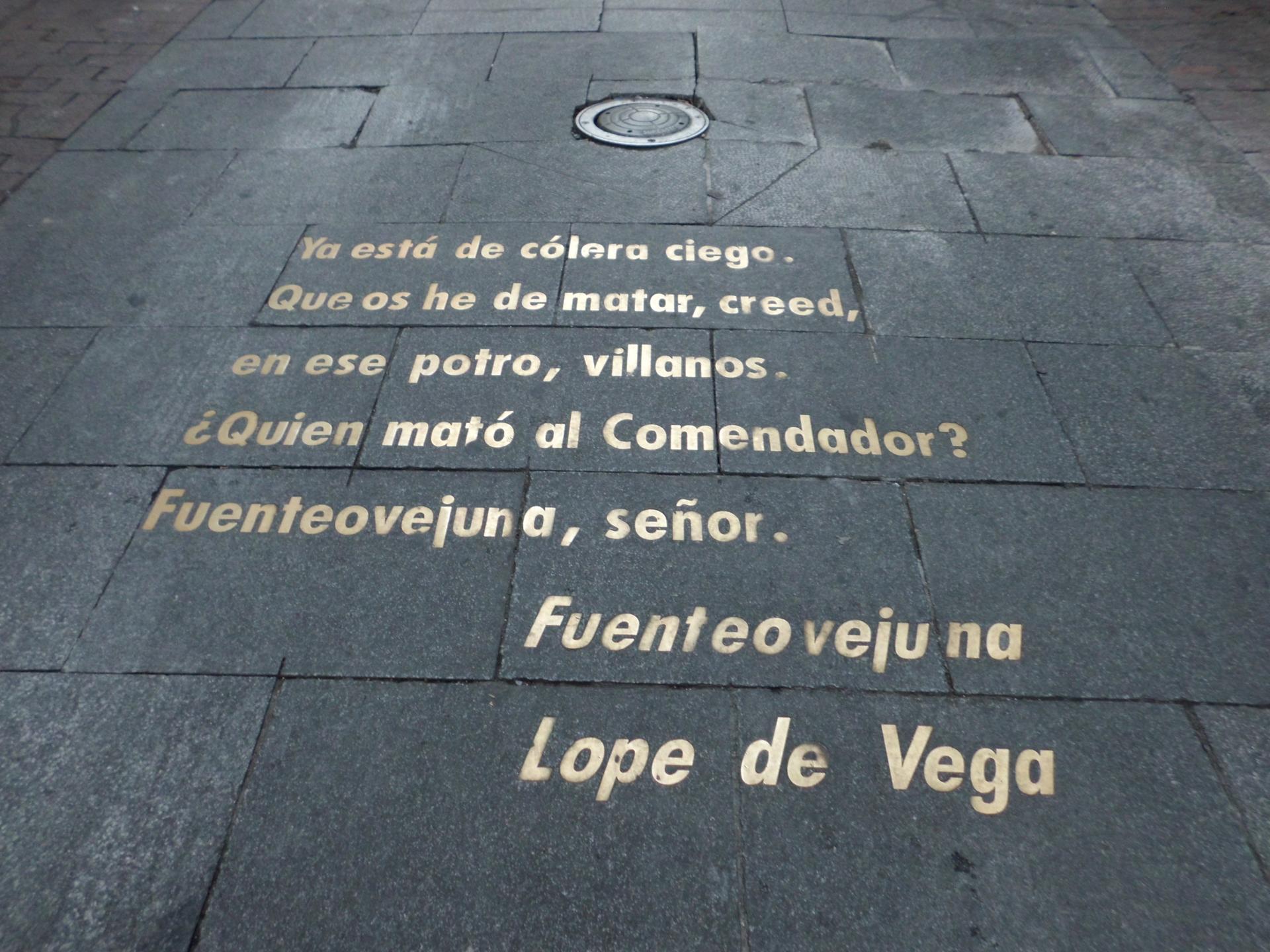
The letters in the pavement
The brass quotations set into the pavement, and the women writers who were only added later.
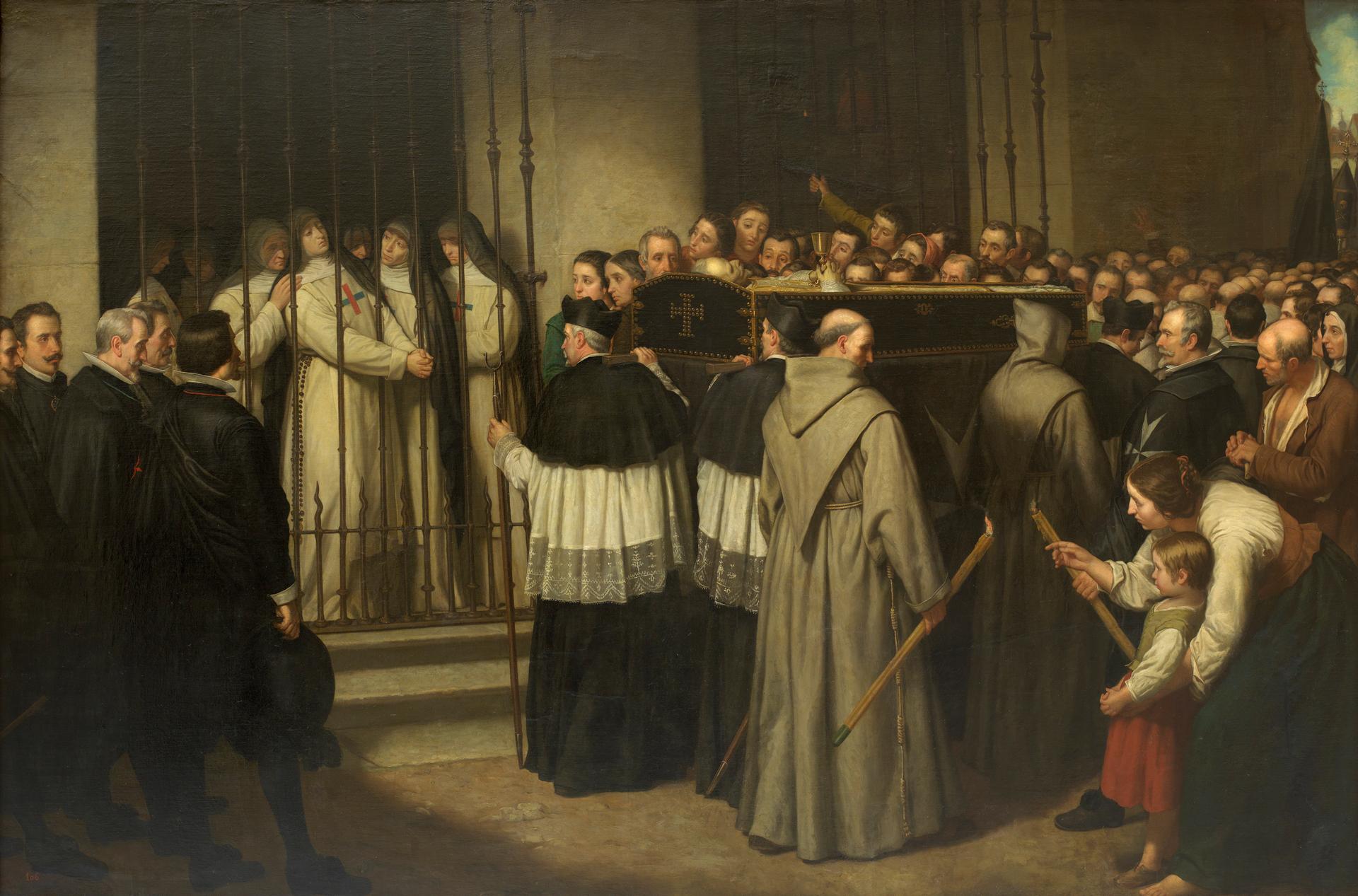
Convento de las Trinitarias
Cervantes lies buried behind this wall, and it took four centuries before anyone could say exactly where.
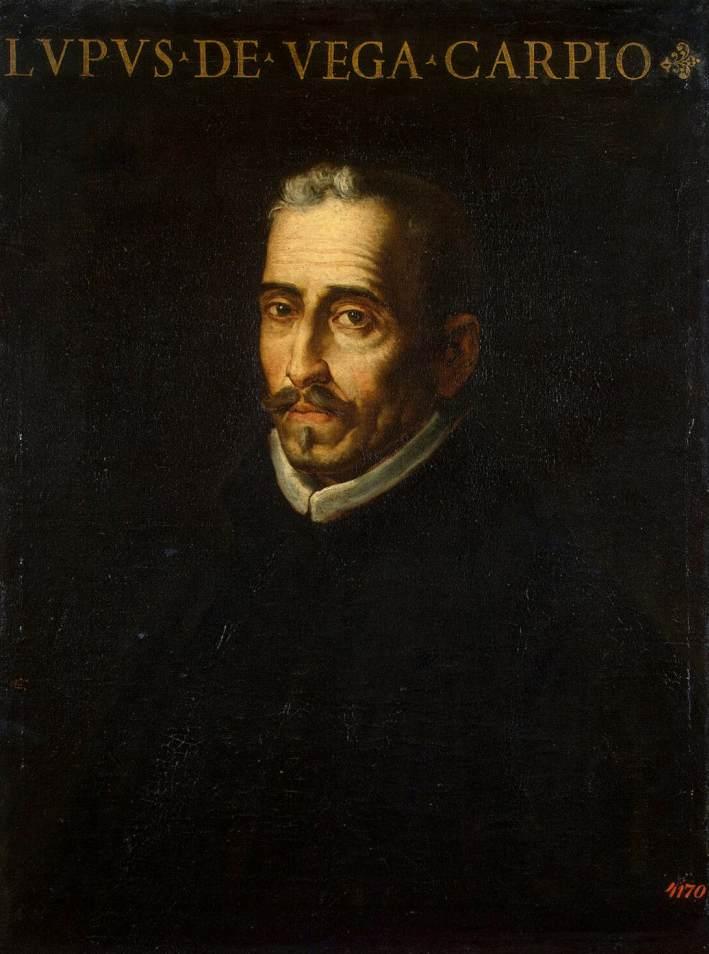
Casa Museo Lope de Vega
Lope de Vega bought this house at forty-eight and stayed until his death; inside, a second story is waiting for you.
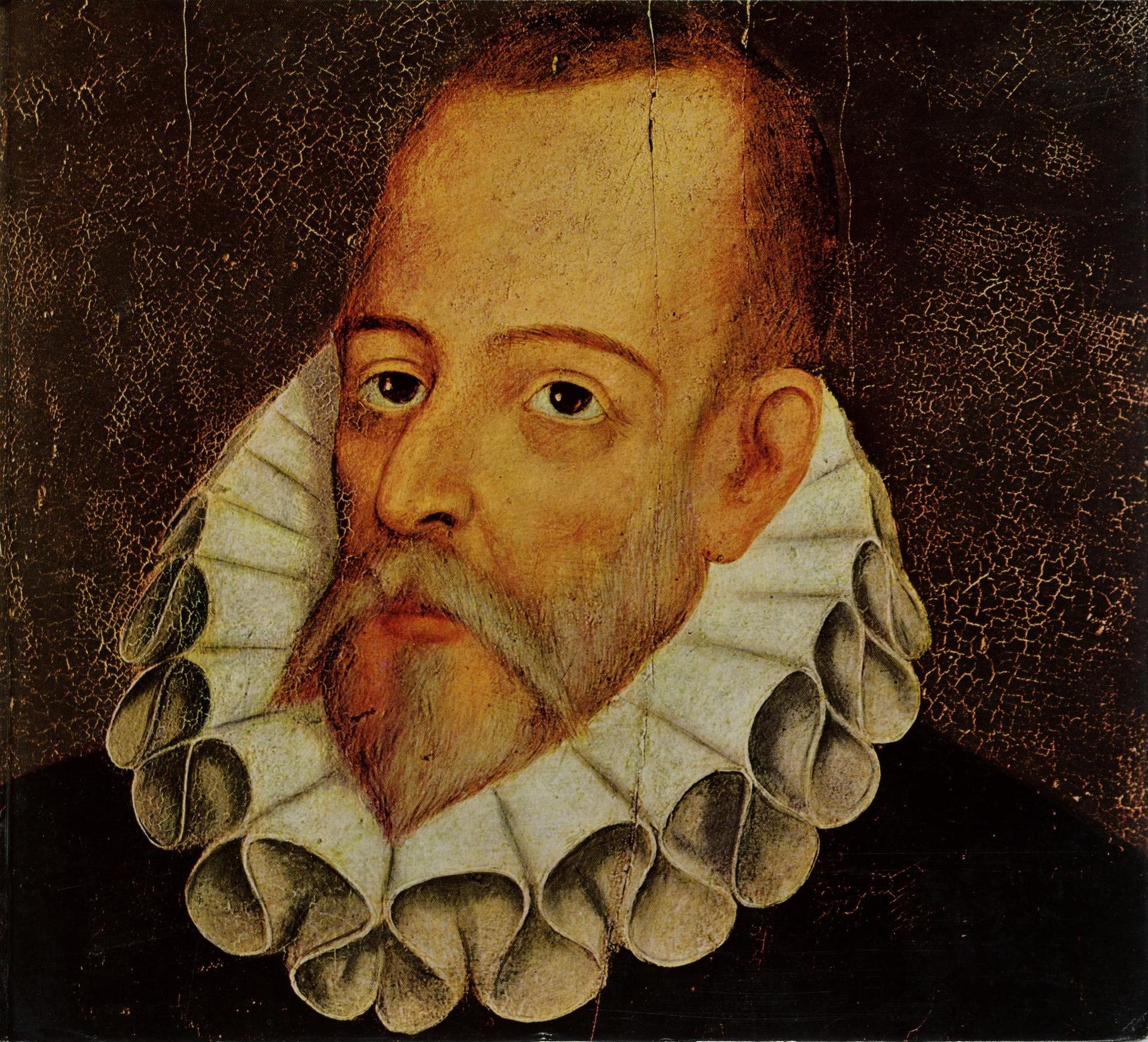
The actors' corner
The corner where actors signed their contracts, and where Cervantes spent his final years.
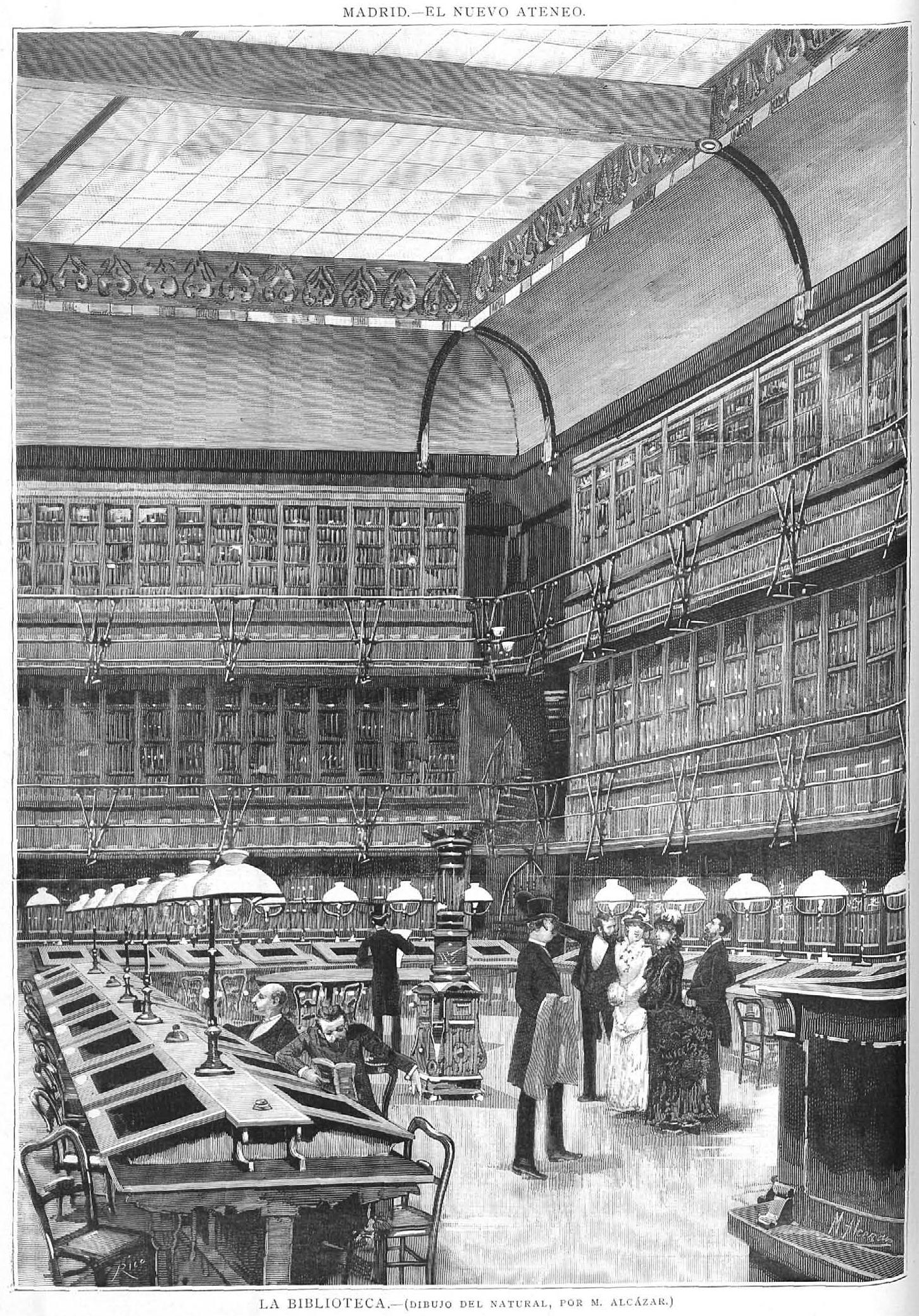
Ateneo de Madrid
The society behind this door counted Larra as member number one, and in 1932 it held a vote on whether God exists.
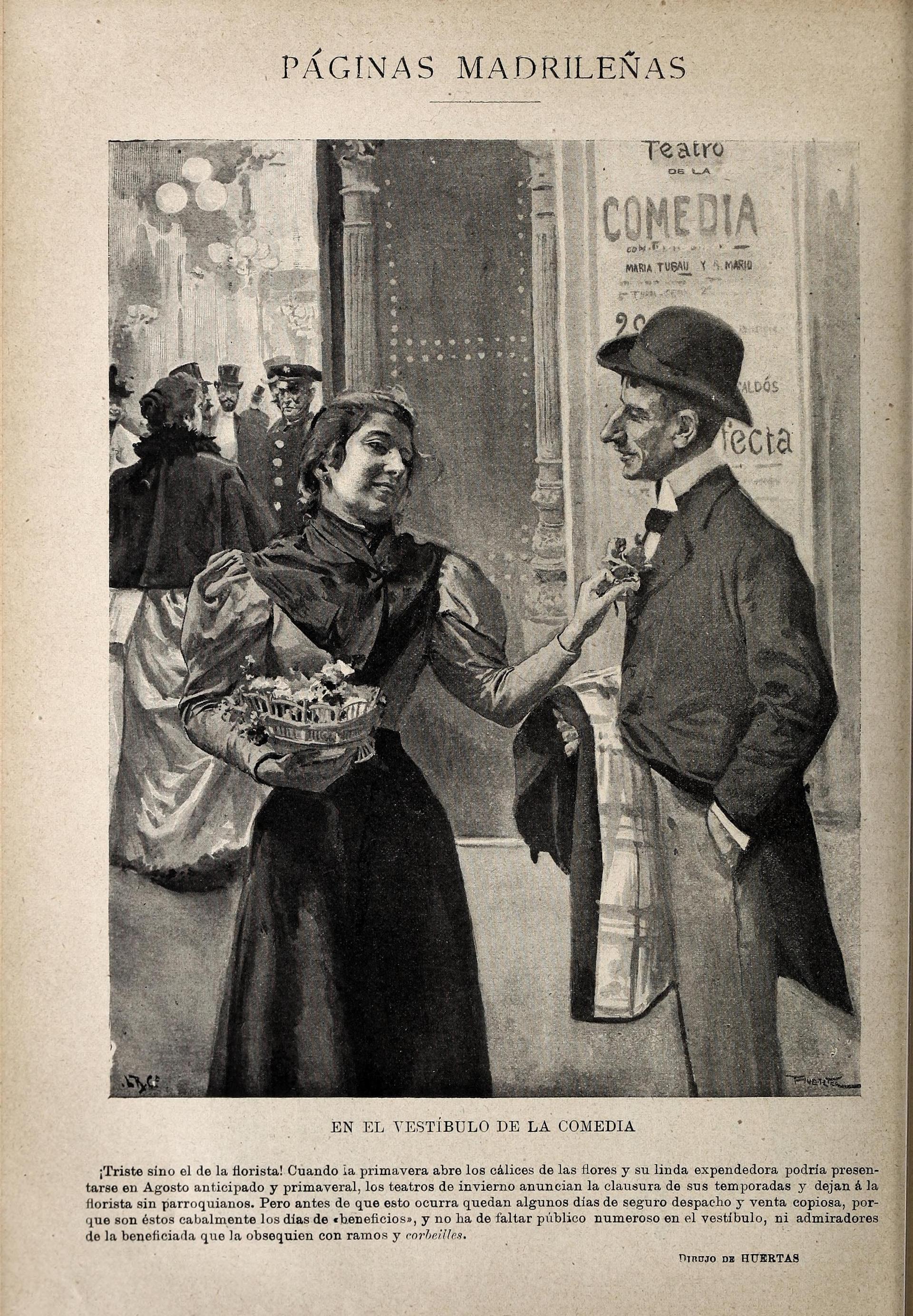
Teatro de la Comedia
This is where the national company stages the Golden Age, a hundred metres from the streets where that repertoire was written.
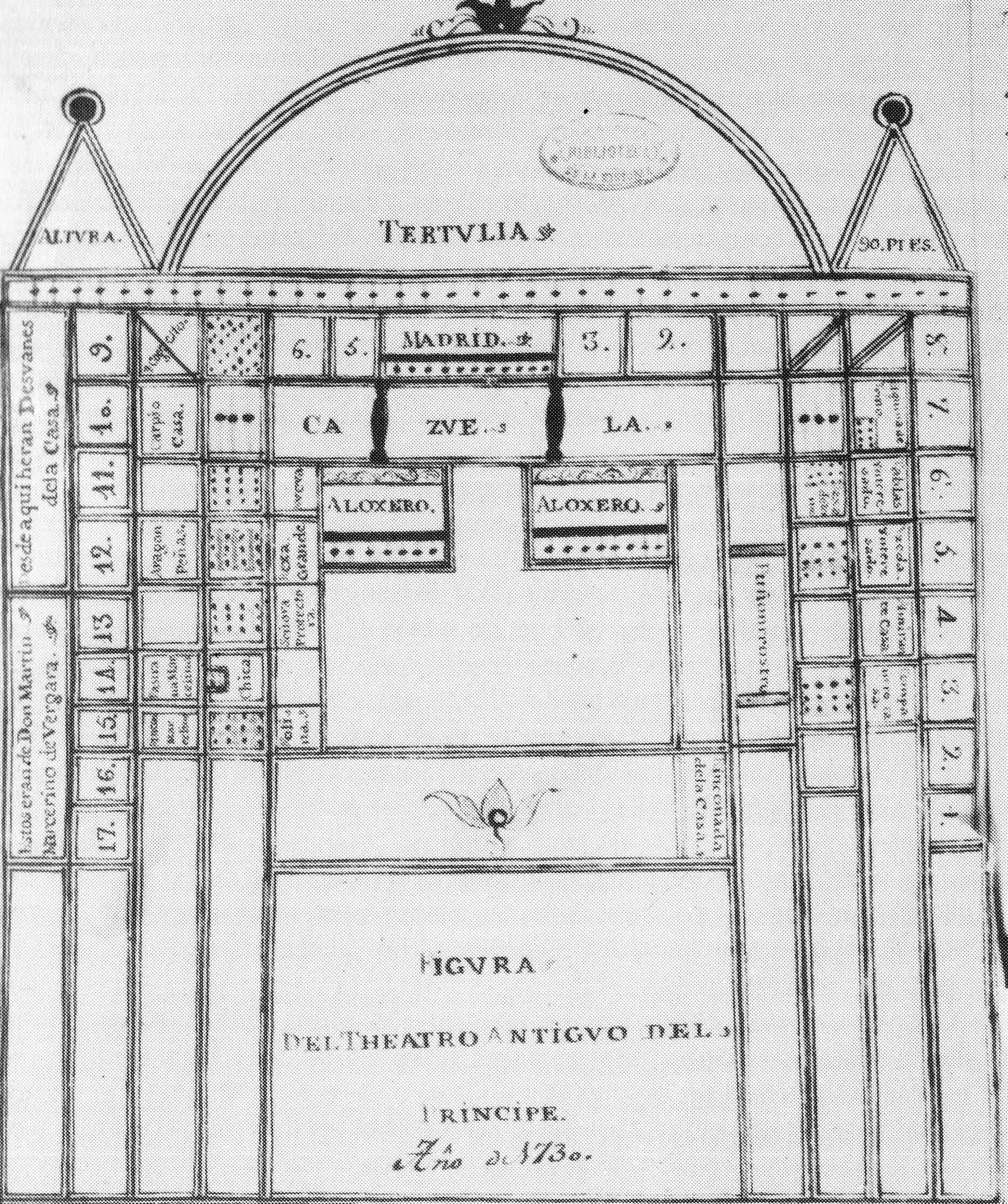
Teatro Español
The only theatre in Madrid still standing on its old corral, and the sausage war the audience fought out here.
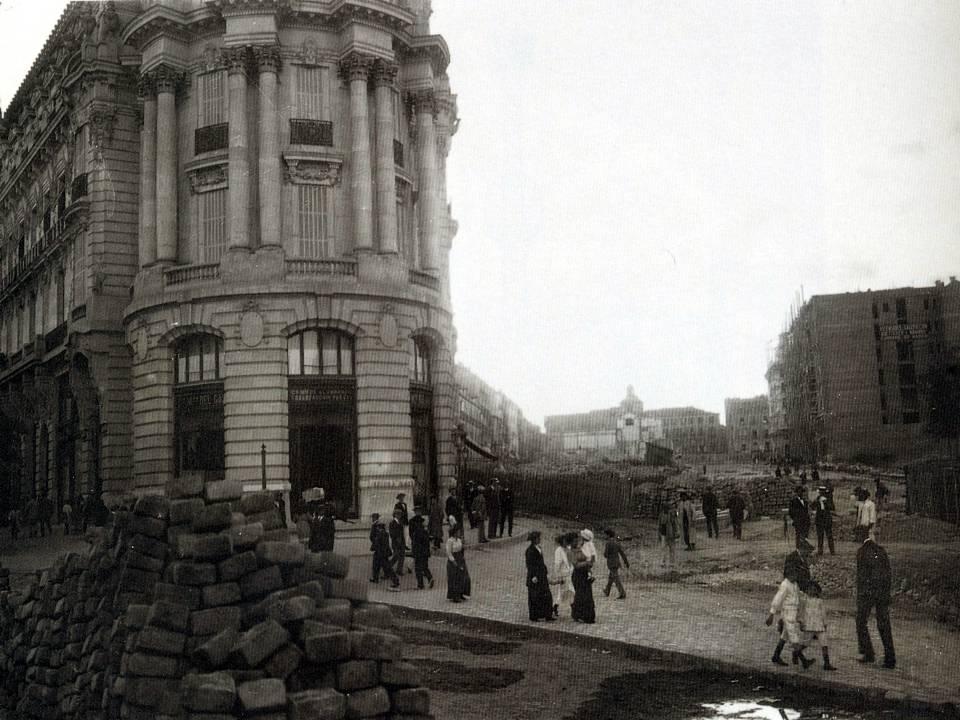
Gran Via
The boulevard that cost fourteen streets their existence, home to Spain's very first skyscraper.
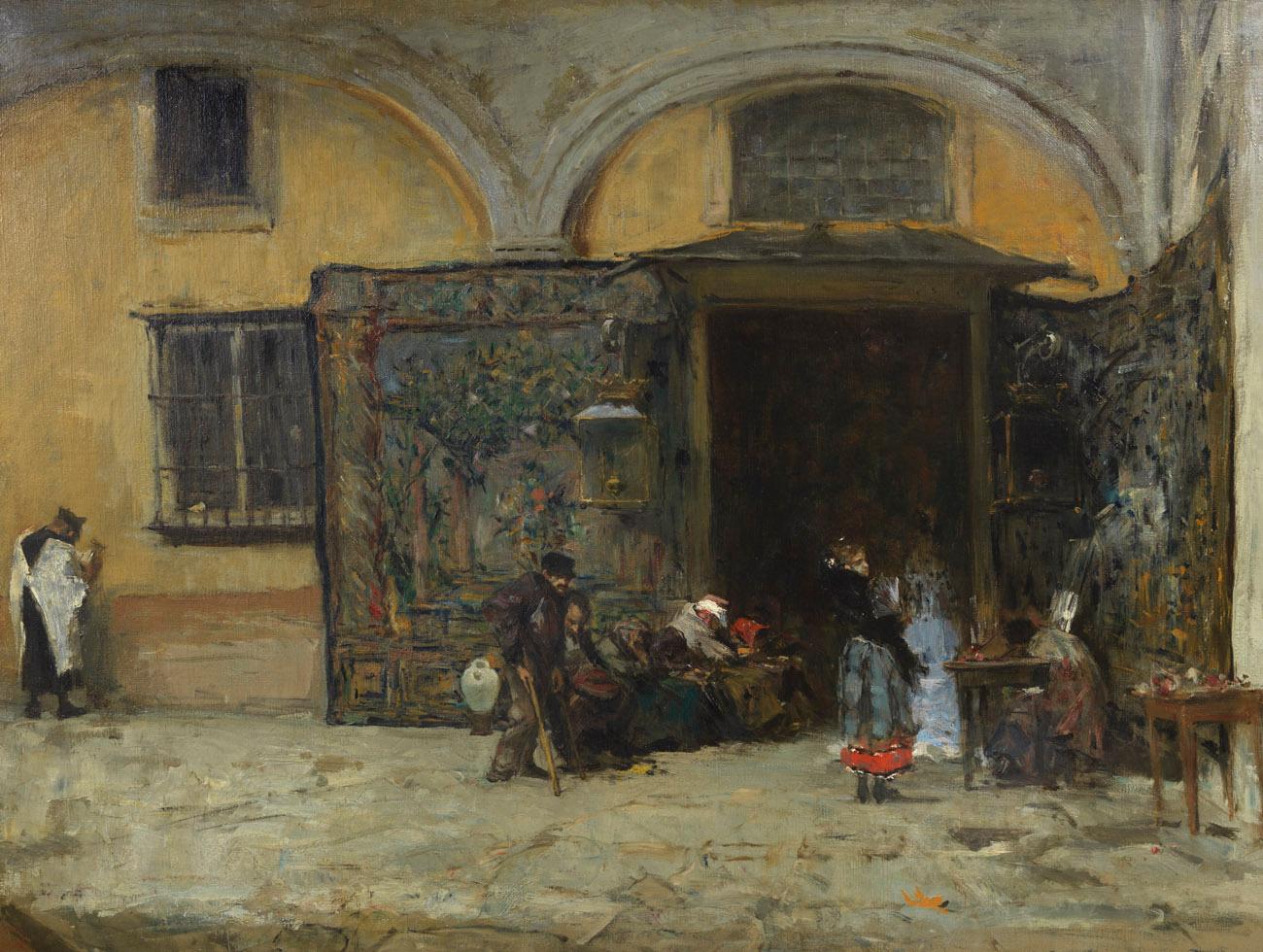
San Ginés
The church where Quevedo was baptised and Lope de Vega married, with a chocolate house down the alley beside it.
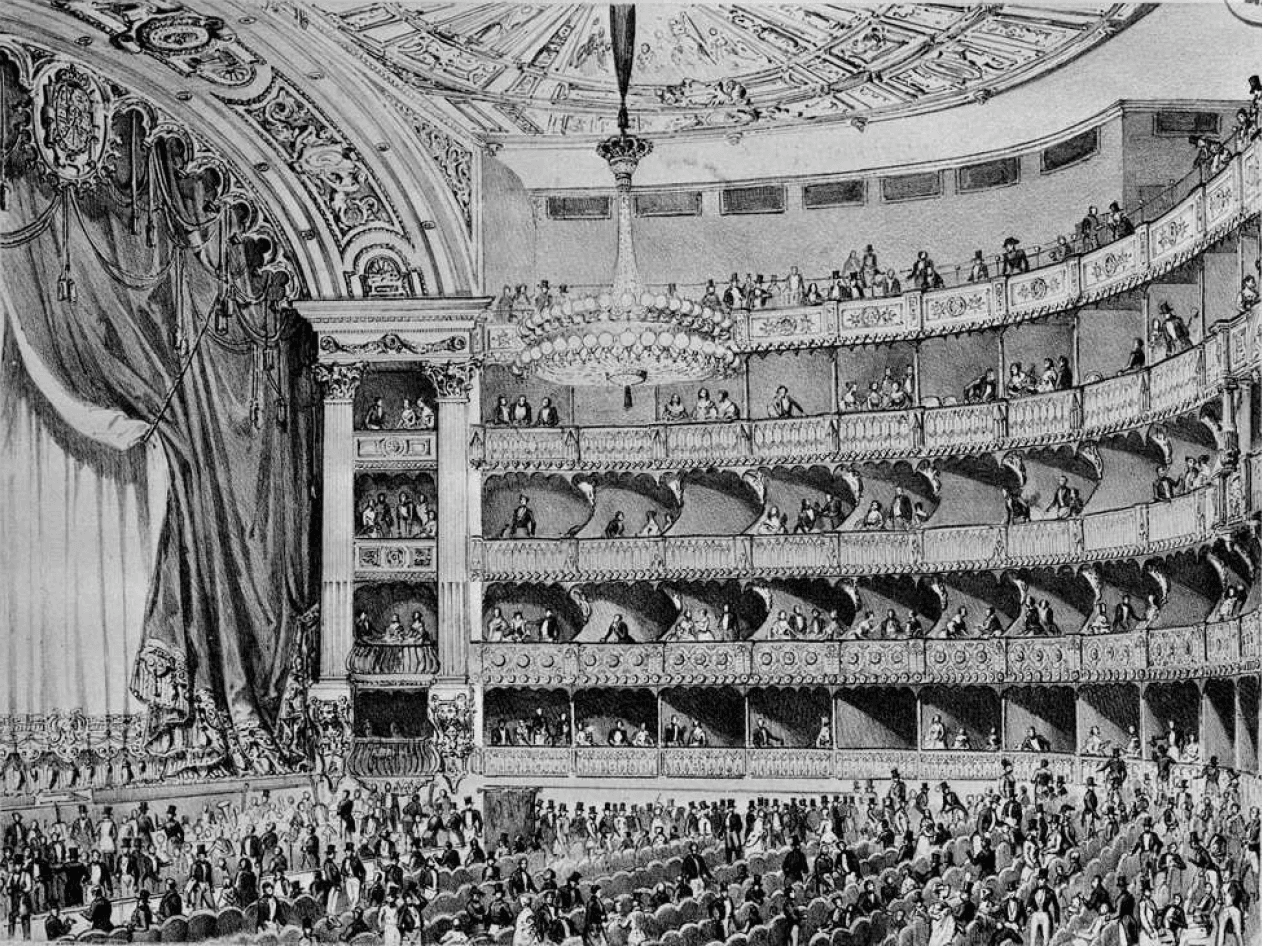
Teatro Real
An opera house built over an old stream, which stayed shut for more than forty years after work on the metro began.
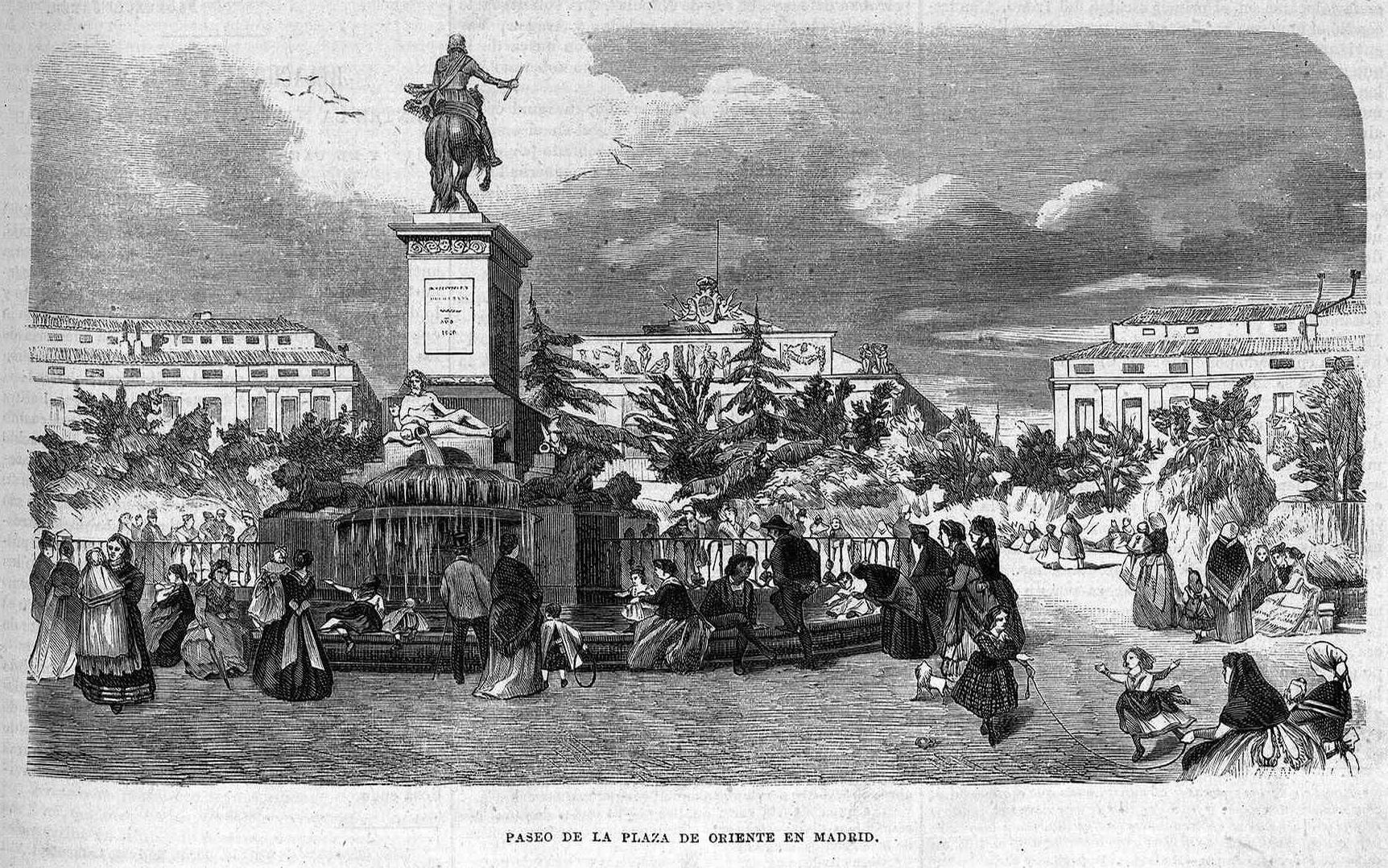
Plaza de Oriente
A rearing bronze horse that needed some maths to stay up, and a row of kings who never made it onto the roof.
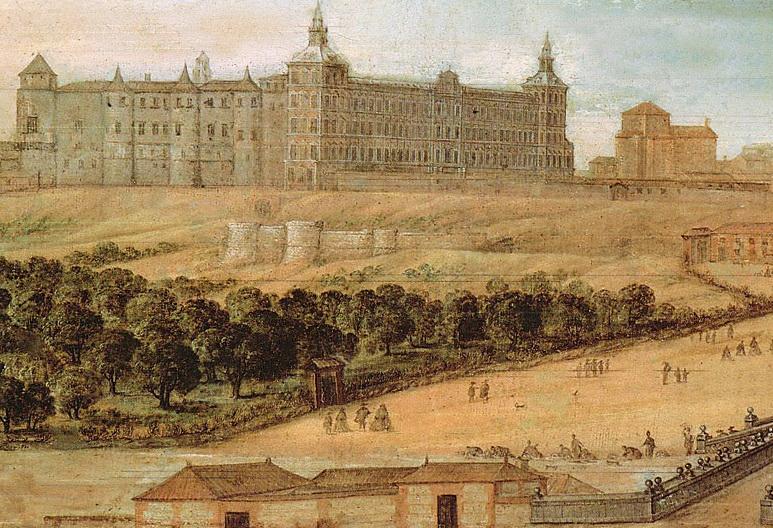
Palacio Real
How a fire on Christmas night in 1734 gave Western Europe its largest royal palace.
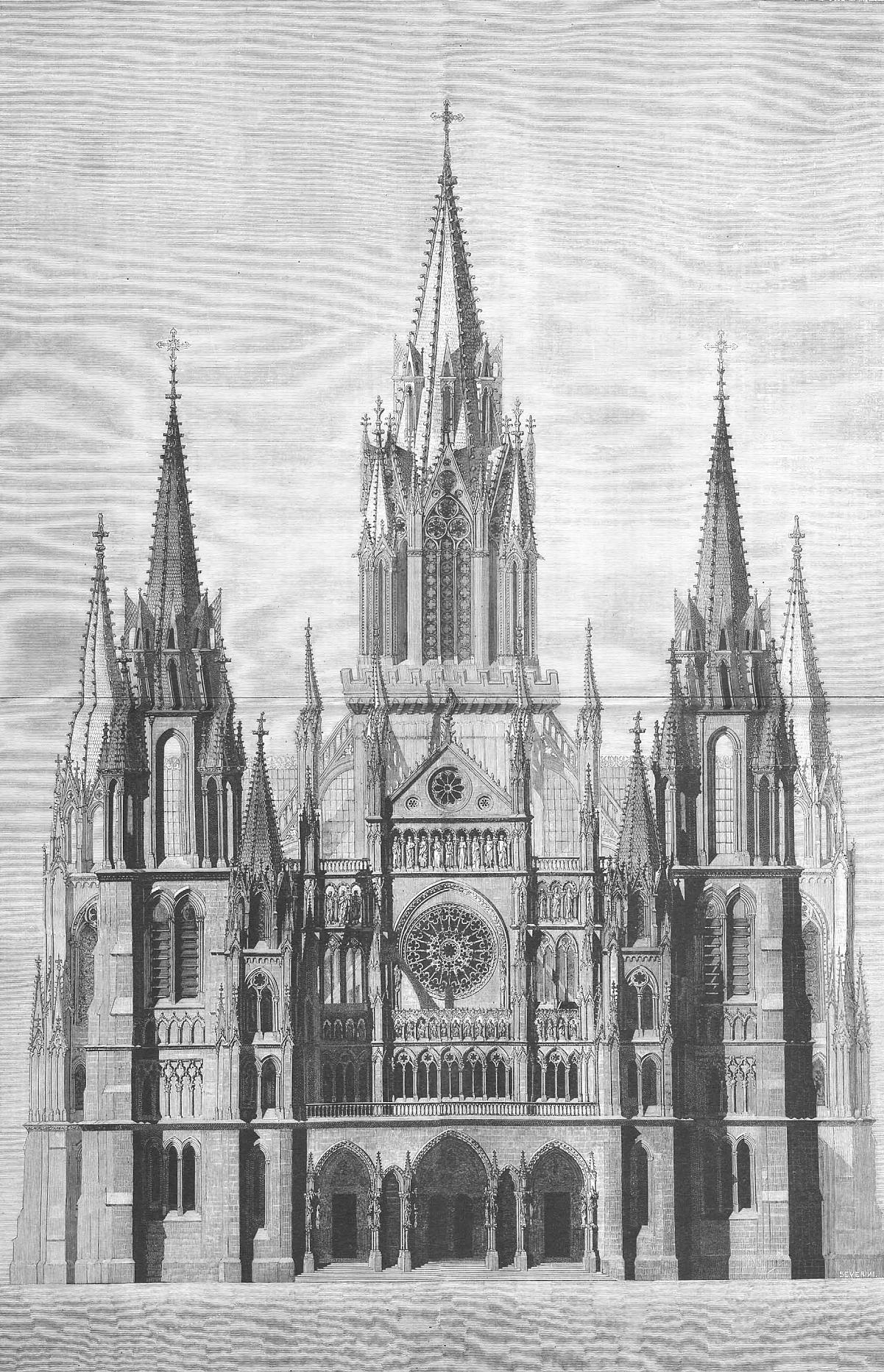
Catedral de la Almudena
A cathedral that began as a tomb for an eighteen-year-old queen and took a hundred and ten years to finish.
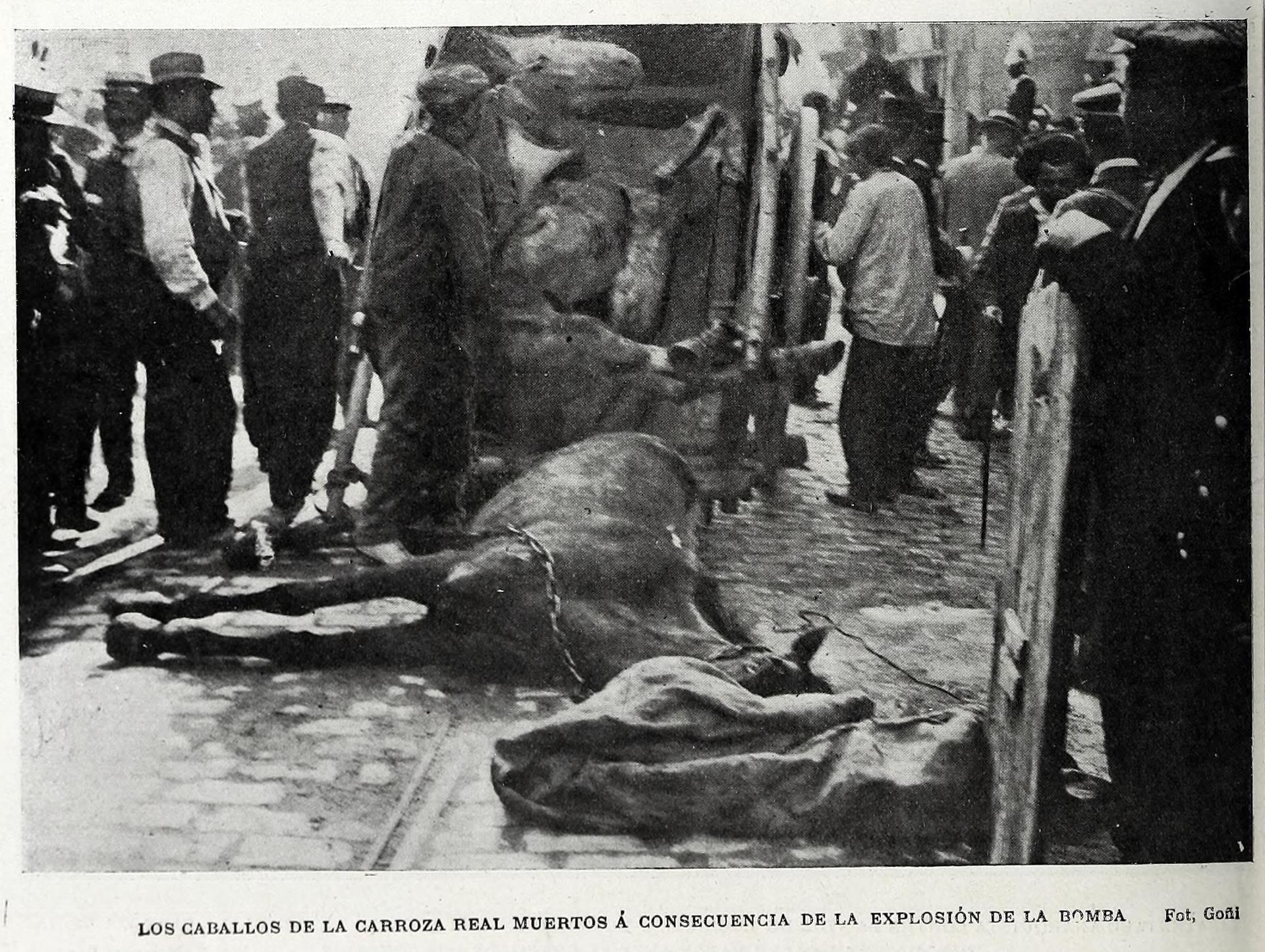
A Bomb in a Bouquet
The 1906 attack on the wedding procession of Alfonso XIII, with a bomb hidden inside a bouquet of flowers.
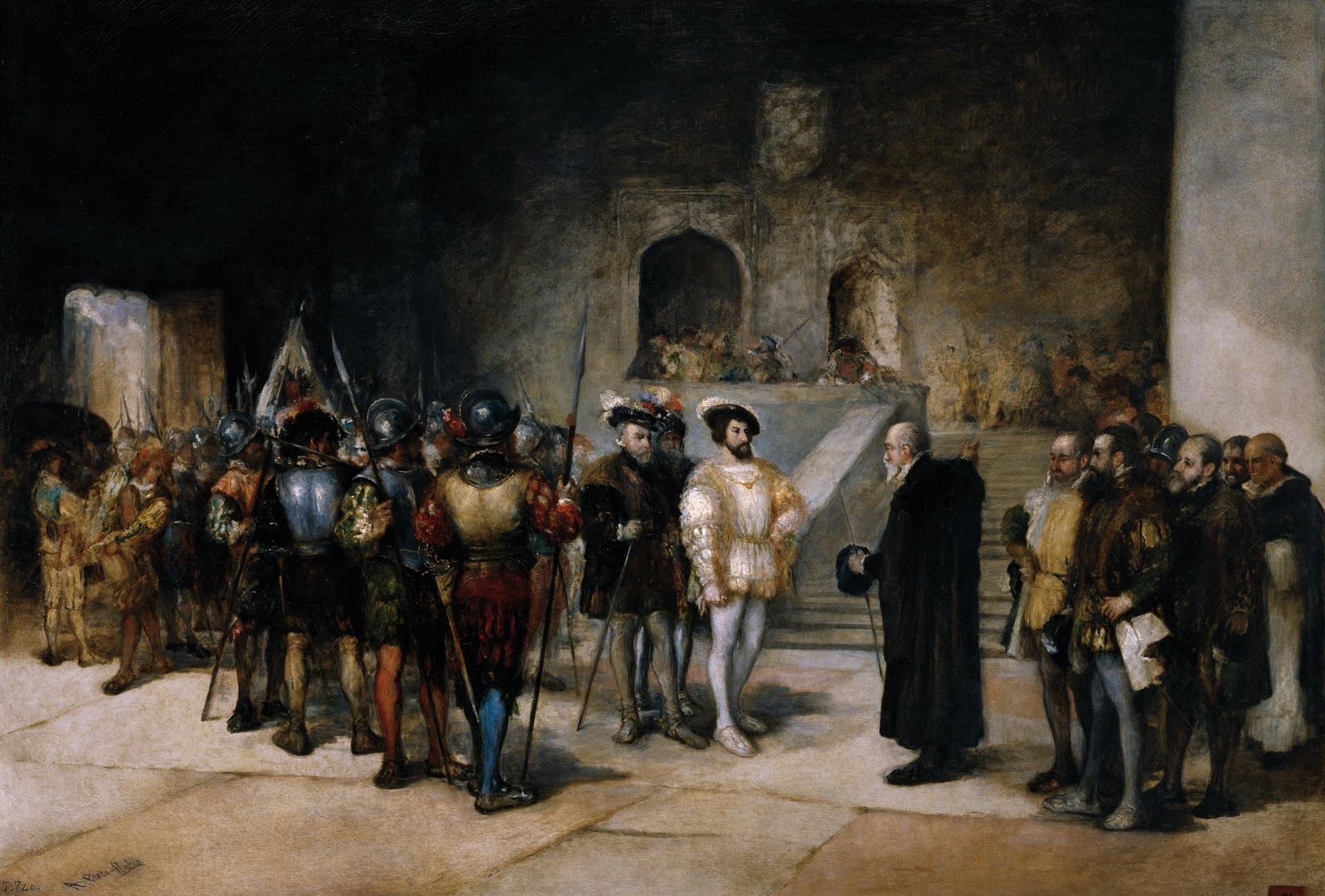
Plaza de la Villa
Three centuries of government around a small square, home to the oldest civic building in the city.
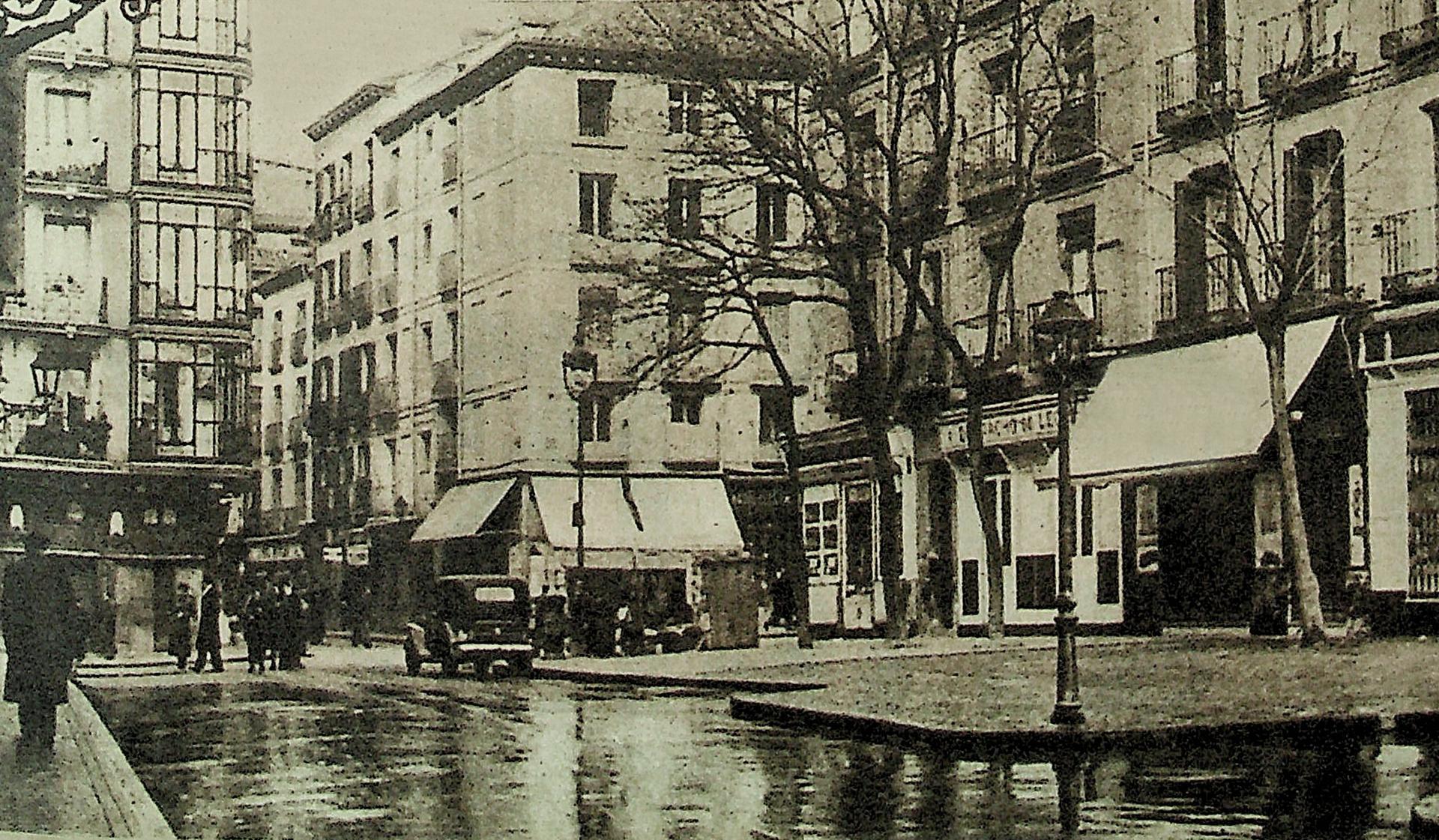
Mercado de San Miguel
Madrid's last iron market hall, built on the site of the church where the poet Lope de Vega was baptised.
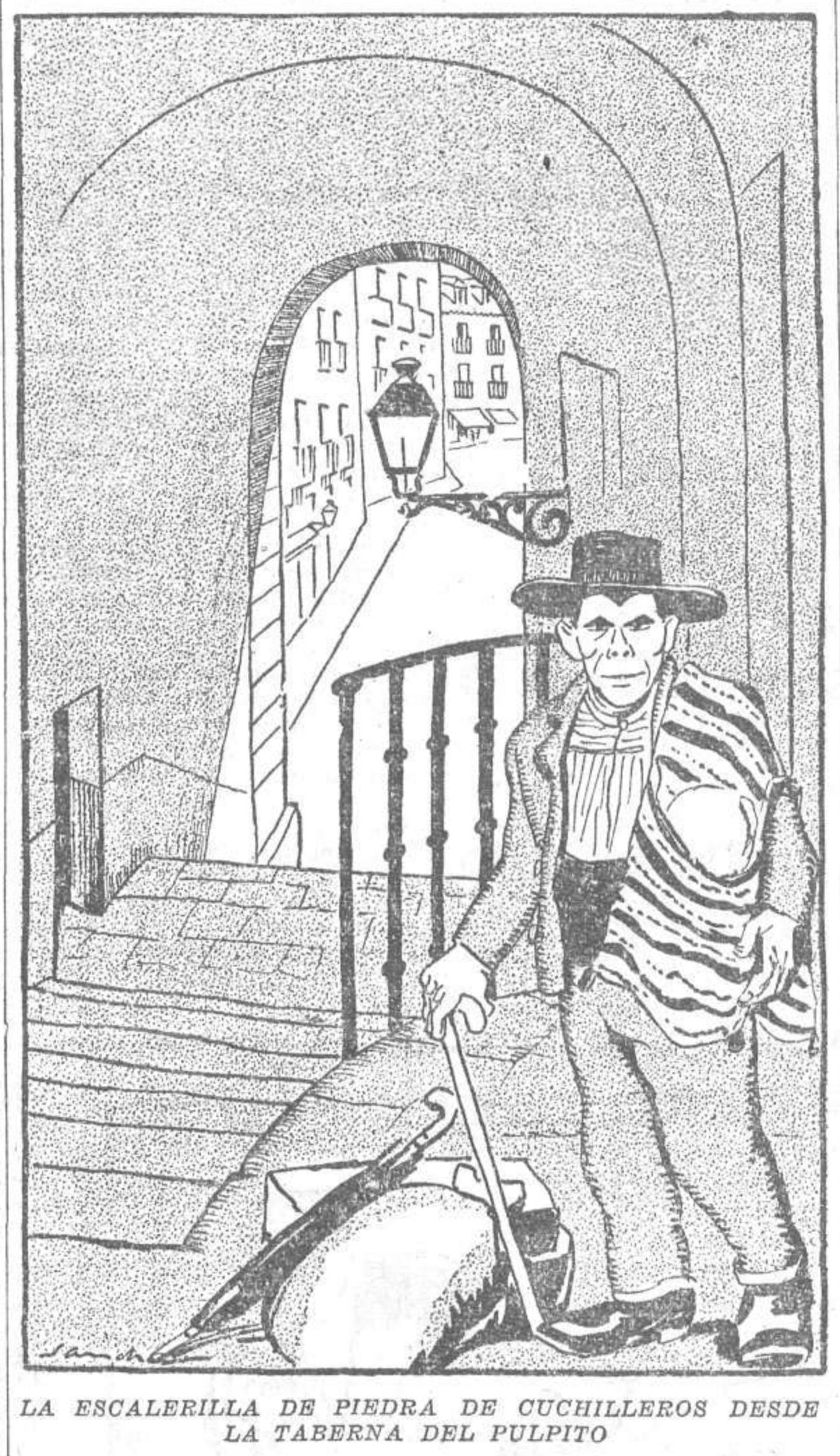
Arco de Cuchilleros
The staircase that gives away how much higher the Plaza Mayor sits, and the oldest restaurant in the world tucked beneath it.
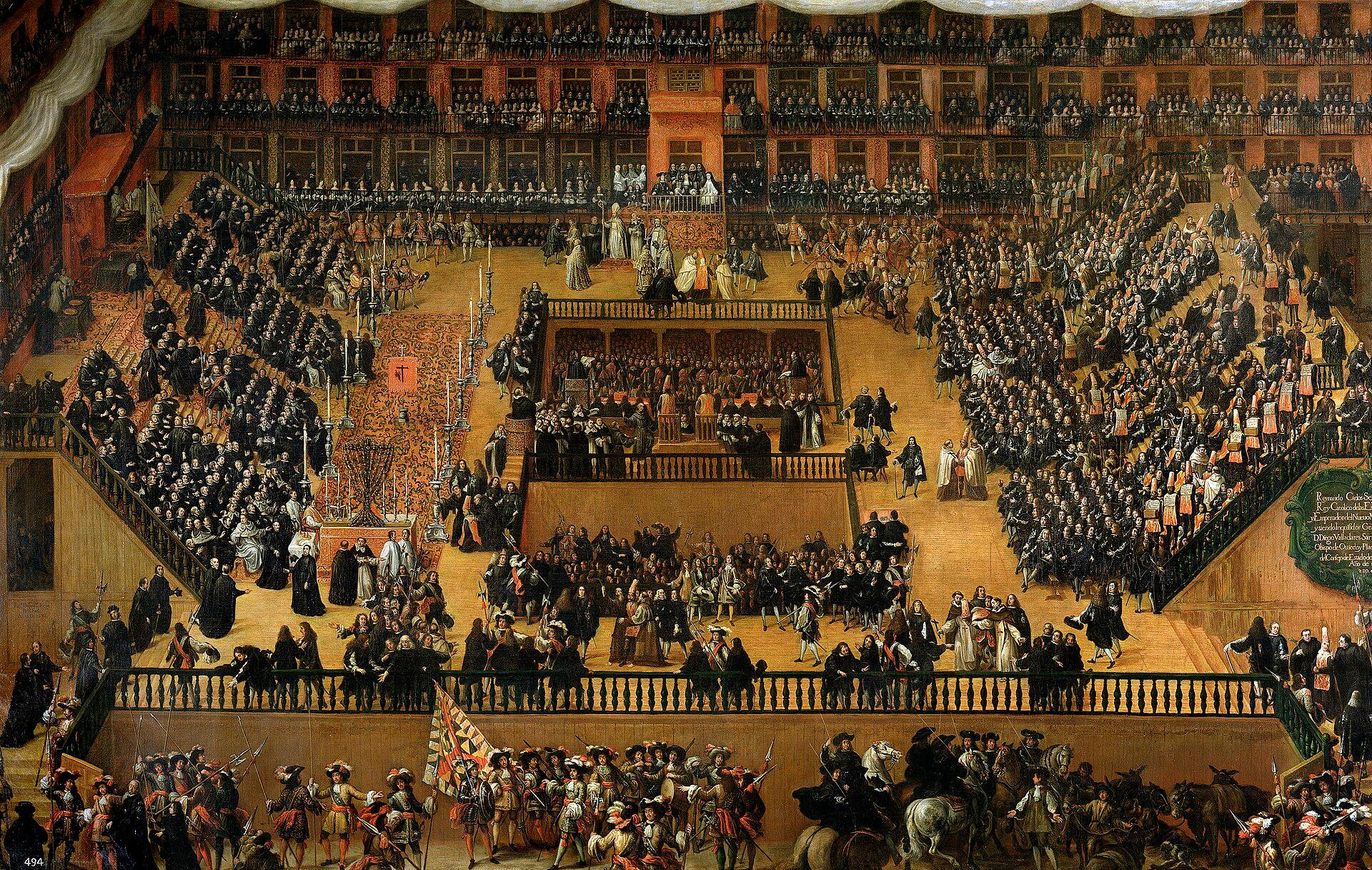
Plaza Mayor
The square where power put itself on display before the city, with autos de fe, bullfights and an equestrian statue full of sparrows.
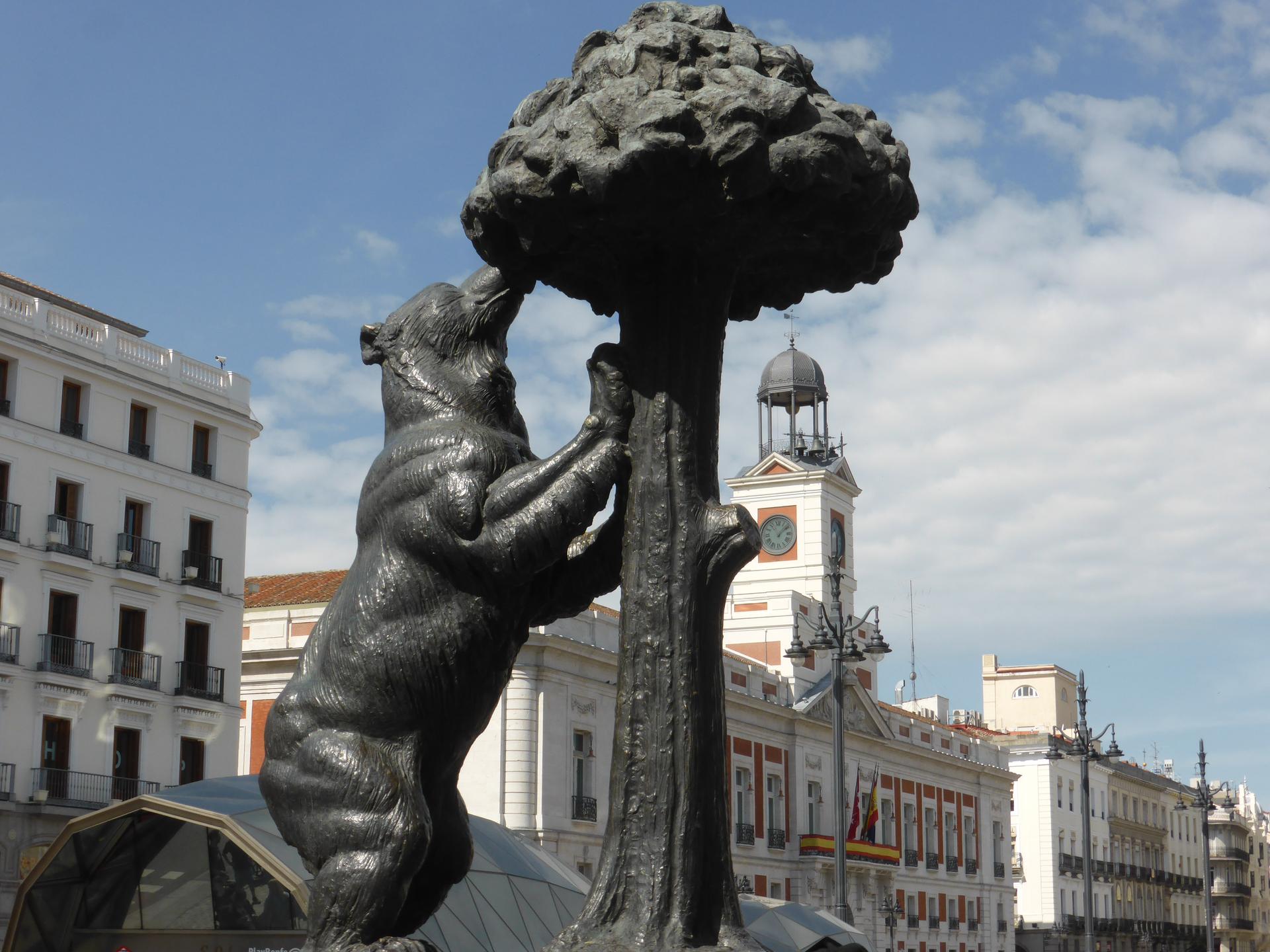
The bear, the strawberry tree and kilometre zero
A quarrel over a forest, the stone where every Spanish road begins its count, and the clock that brings the whole country to a standstill on New Year's Eve.
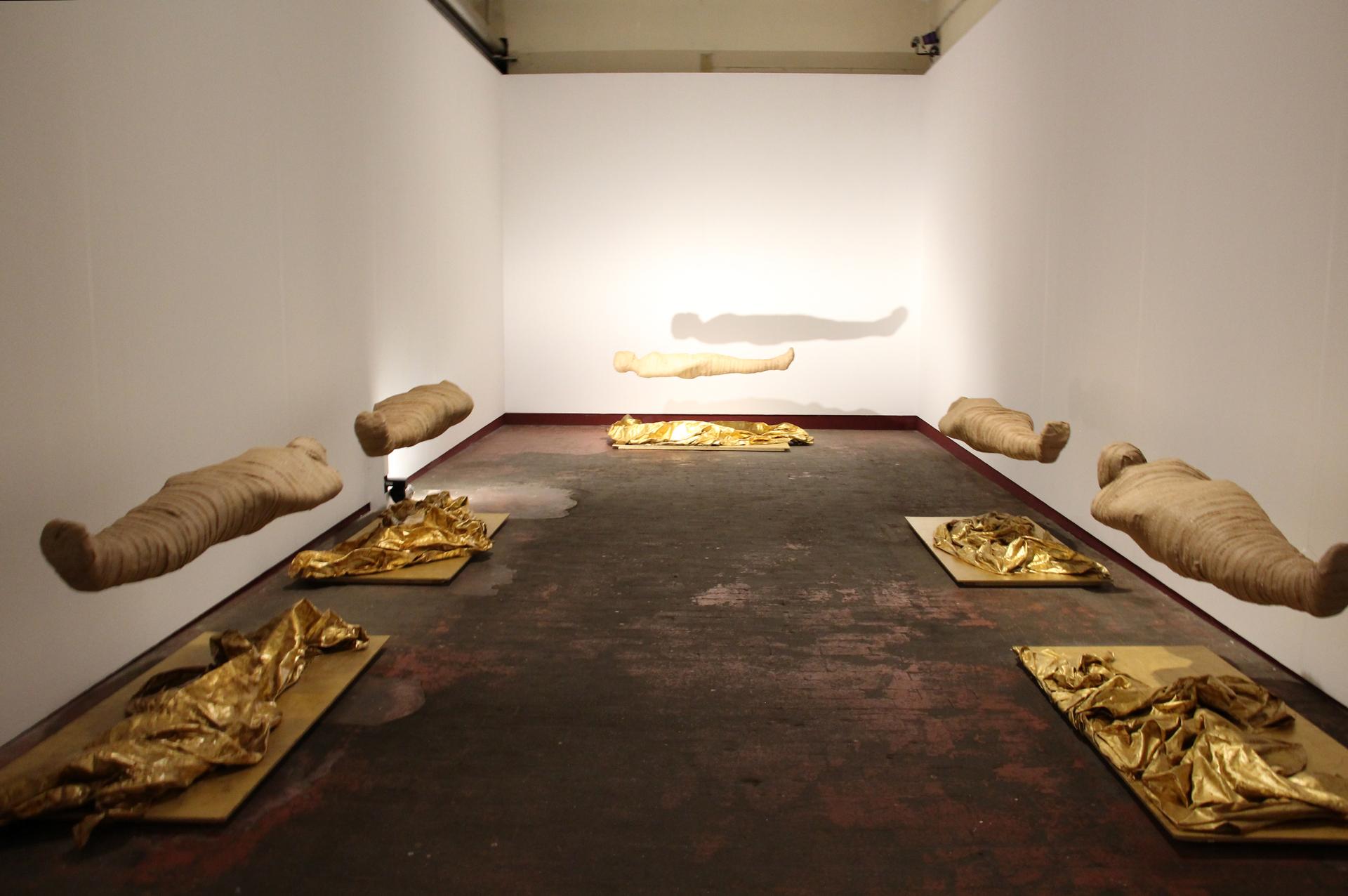
Inside the Tabacalera
What became of the factory: exhibition halls, a courtyard, and walls covered in paint.
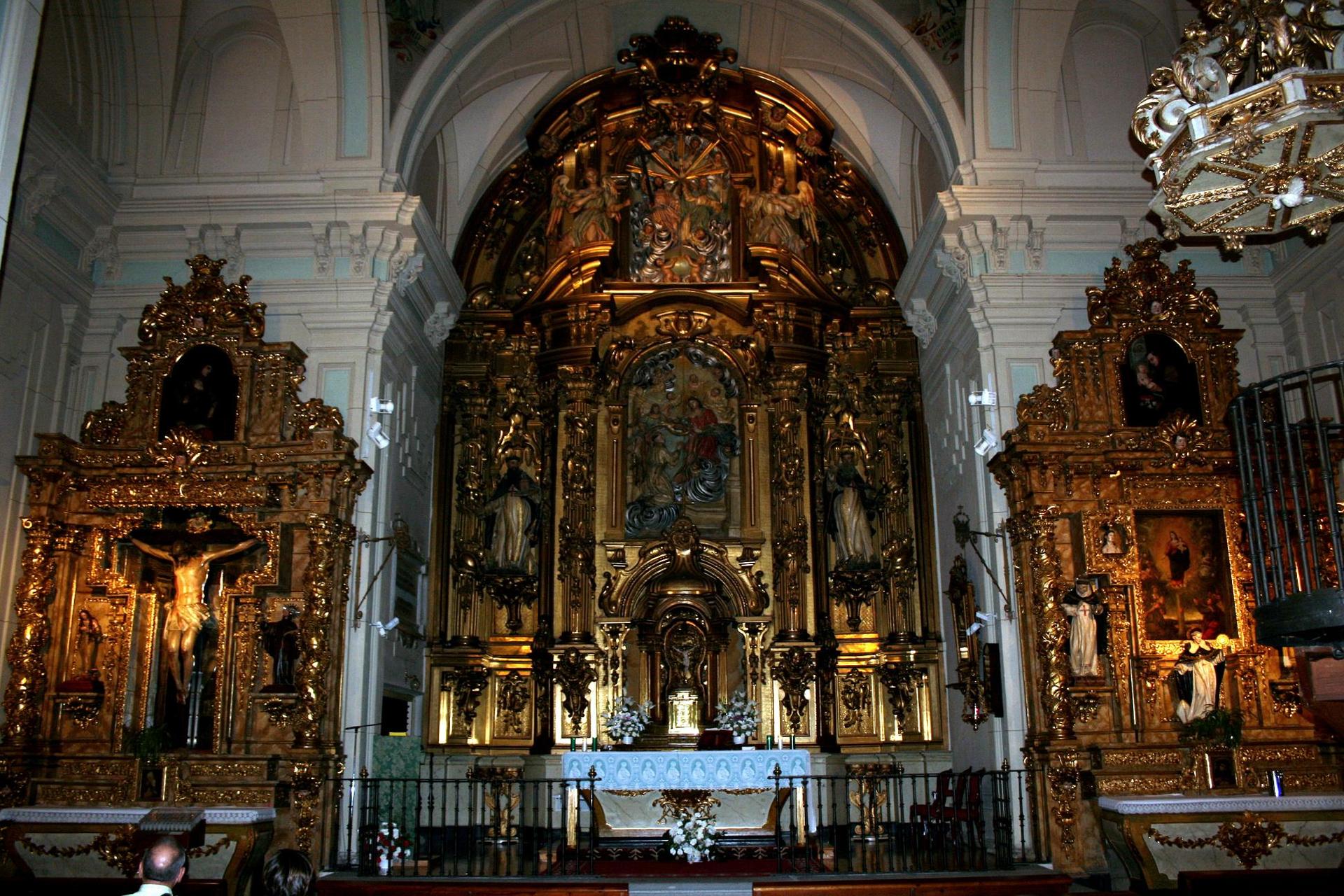
Inside the Trinitarias
A bare convent church with the memorial holding what has been recovered of Cervantes.
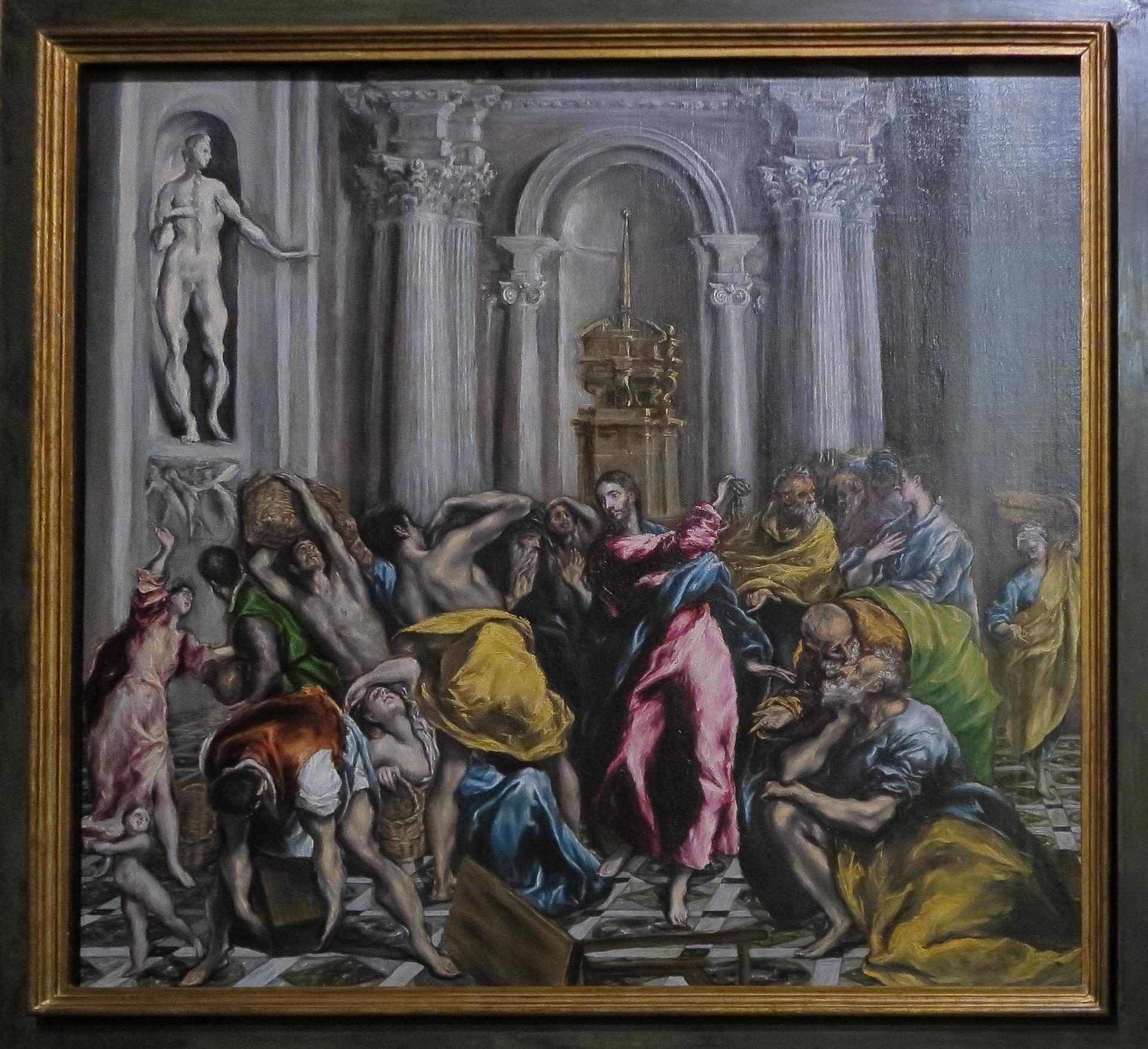
Inside San Ginés
The painting that passed for a copy for three centuries, until someone found the signature.
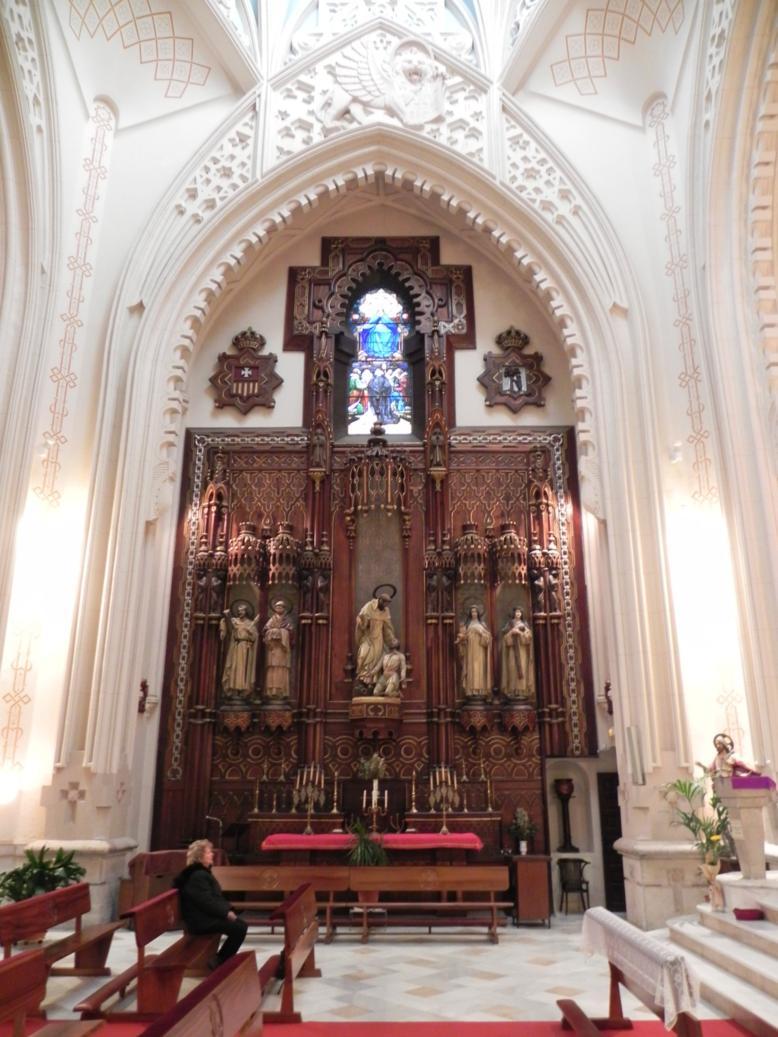
Inside the Buena Dicha
An art nouveau church in a city full of baroque, with a blue starry vault above the altar.
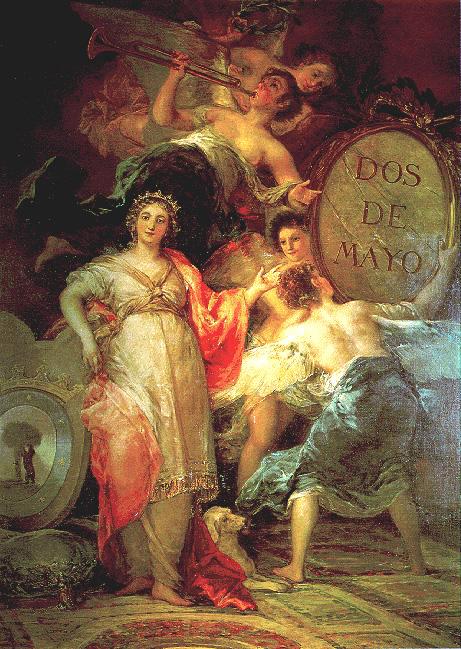
Inside the city museum
A Goya whose portrait got painted over every time the politics shifted, and the 1830 scale model of Madrid.
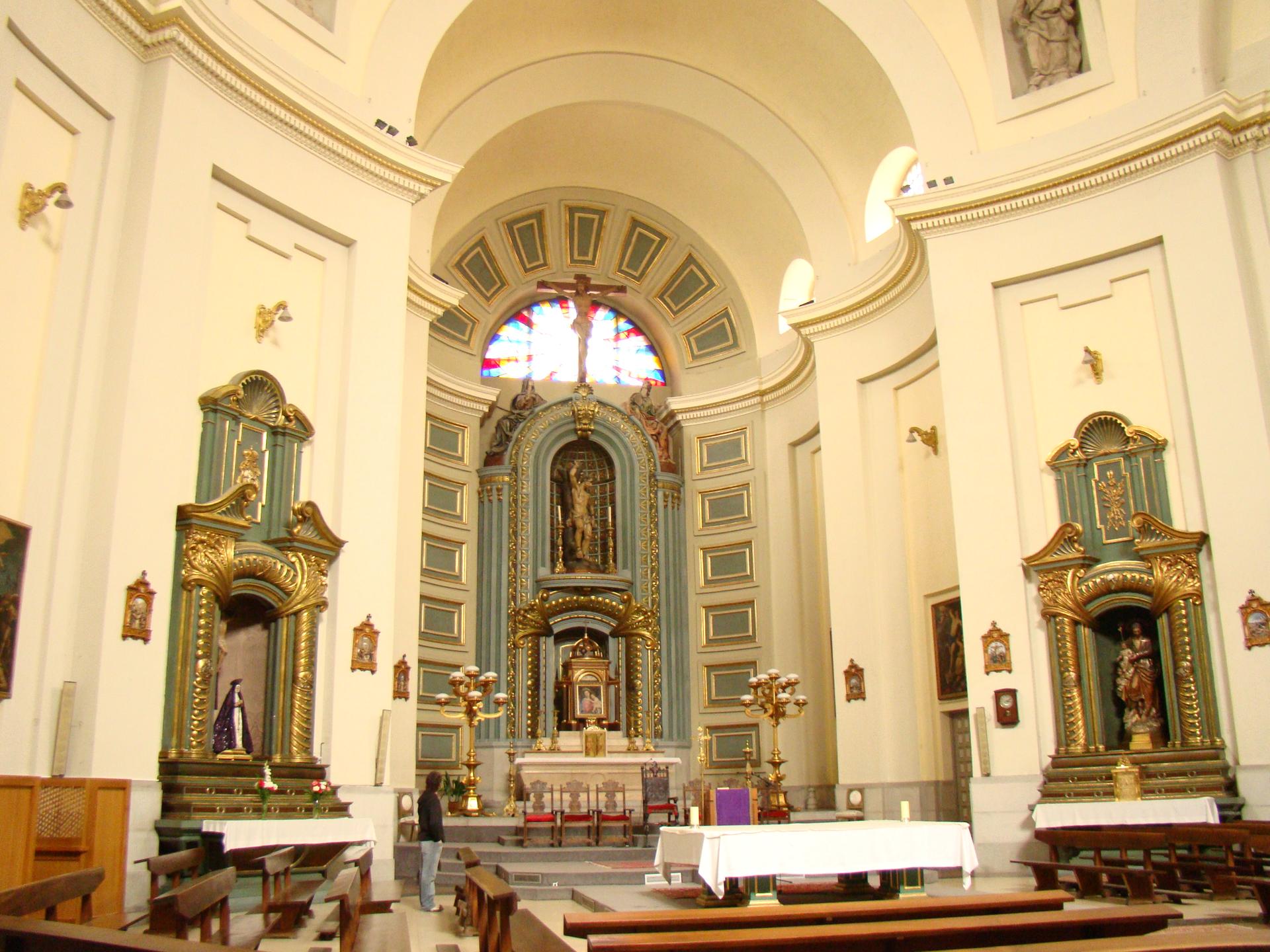
Inside San Sebastián
The architects' chapel, the one belonging to the actors, and somewhere beneath the floor the lost grave of Lope de Vega.
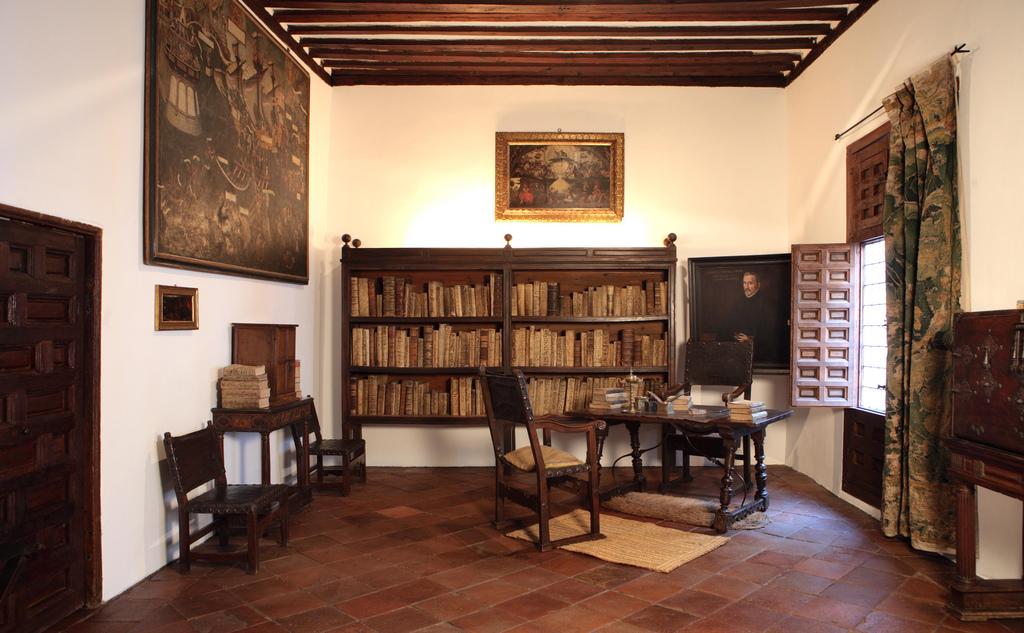
Inside Lope de Vega's house
The little garden Lope wrote about, the rooms of a seventeenth-century household, and the oratory at the top of the stairs.
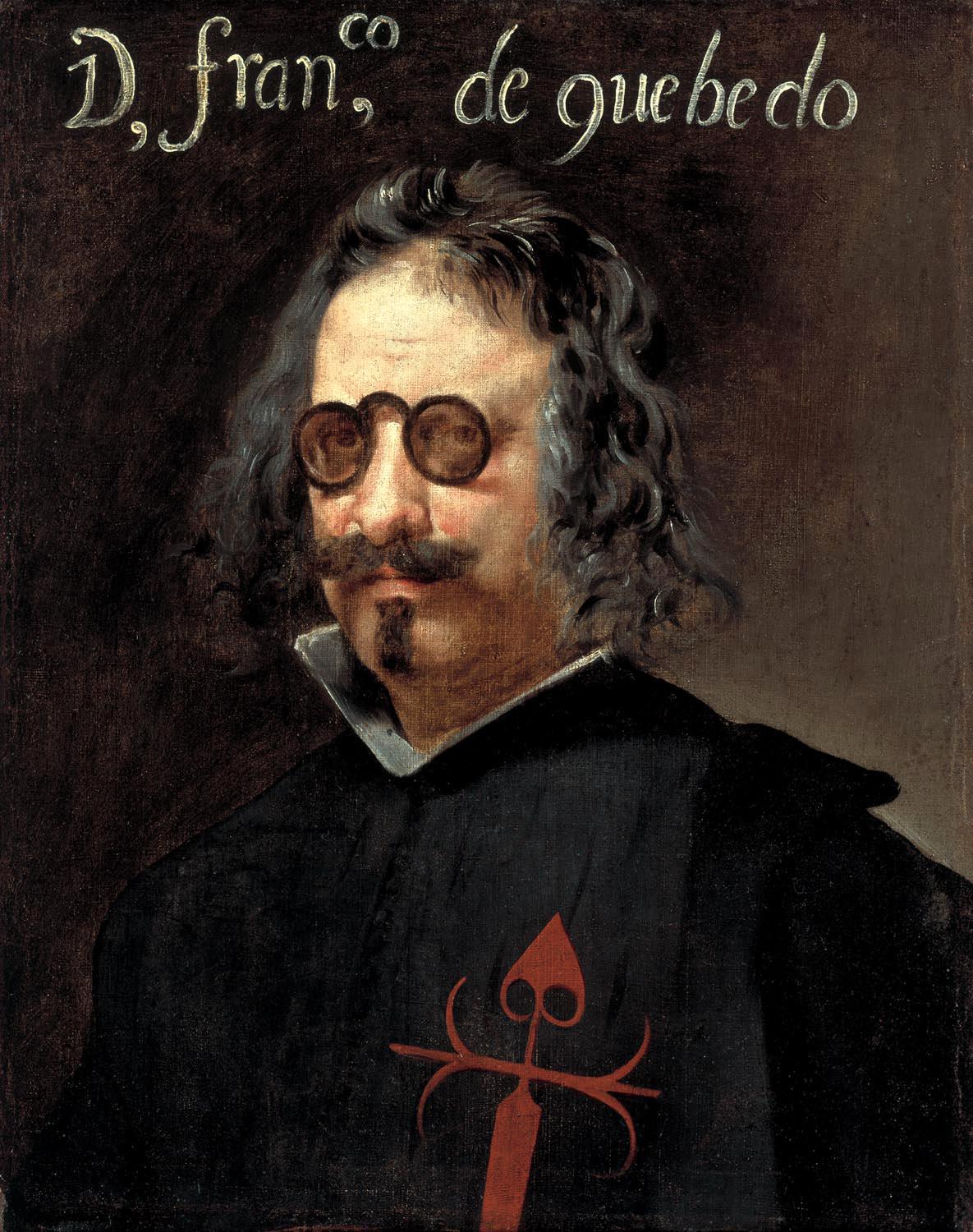
The feud between Quevedo and Góngora
Quevedo bought the house where his arch-enemy Góngora lived, with only one thing in mind.
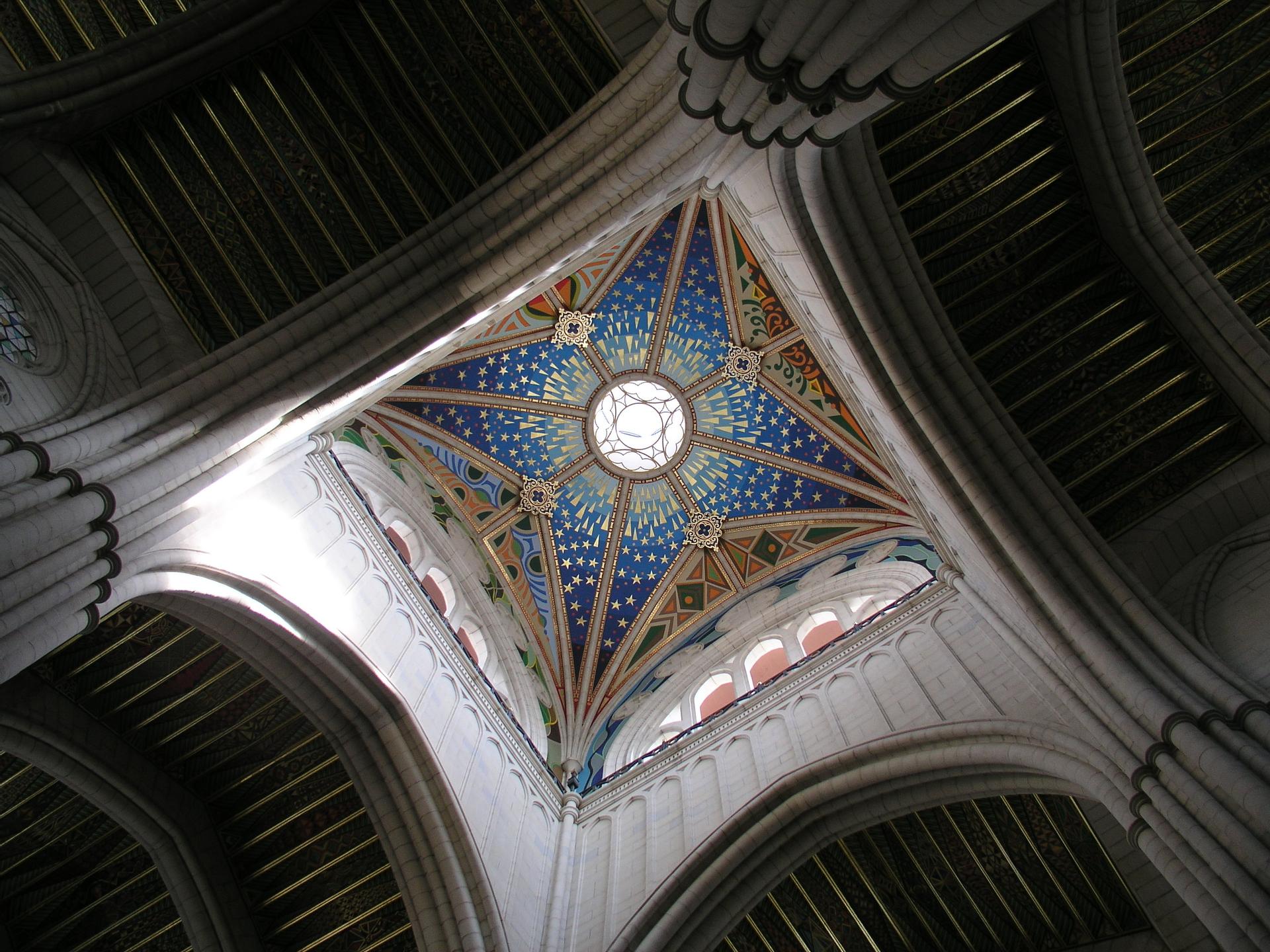
Inside the Almudena
Inside the Almudena: a ceiling in vivid colours, a church that faces the wrong way, and a crypt full of columns.
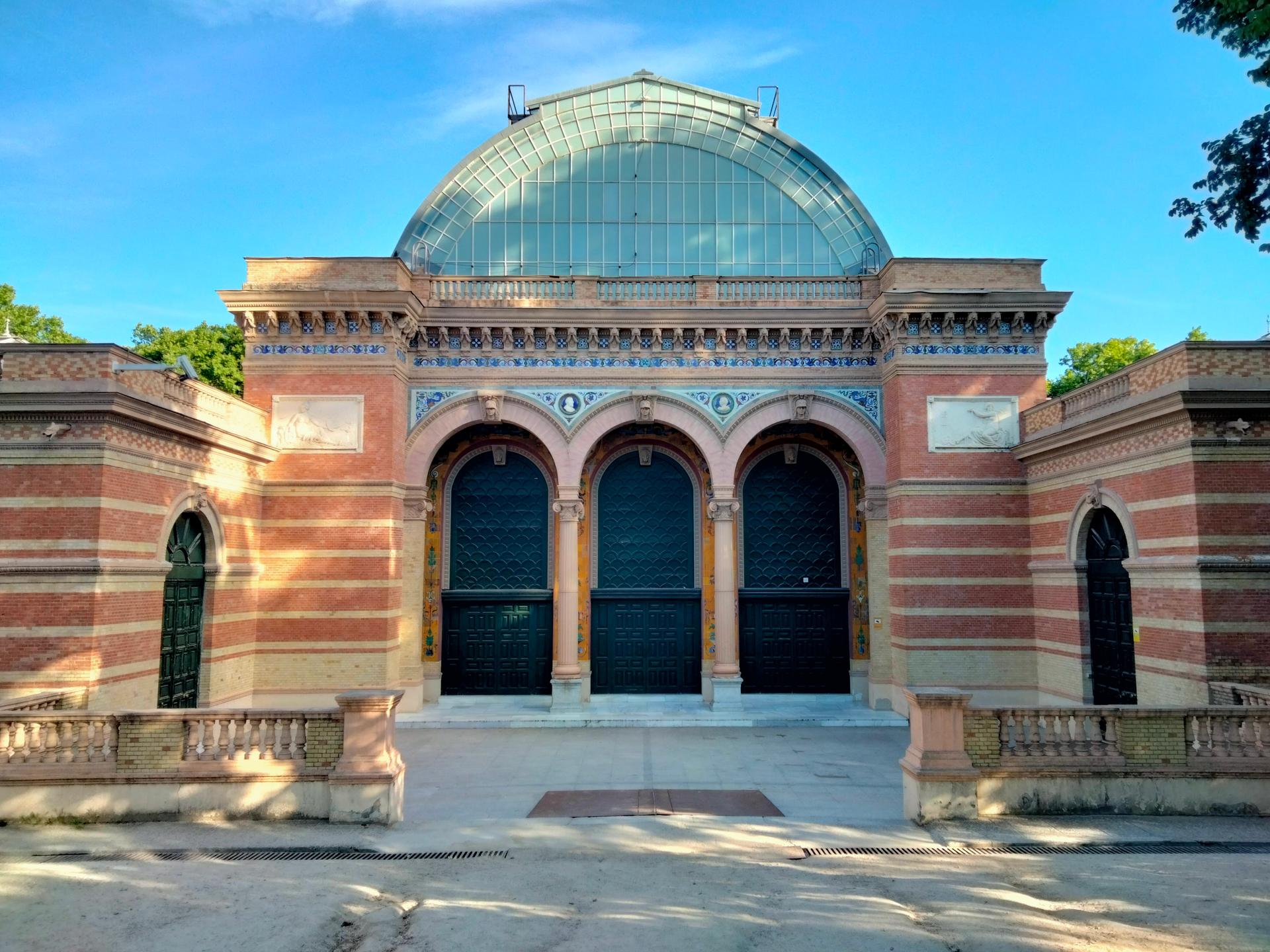
Palacio de Velázquez
The brick-and-ceramic pavilion that survived, while exhibition buildings were usually torn down.
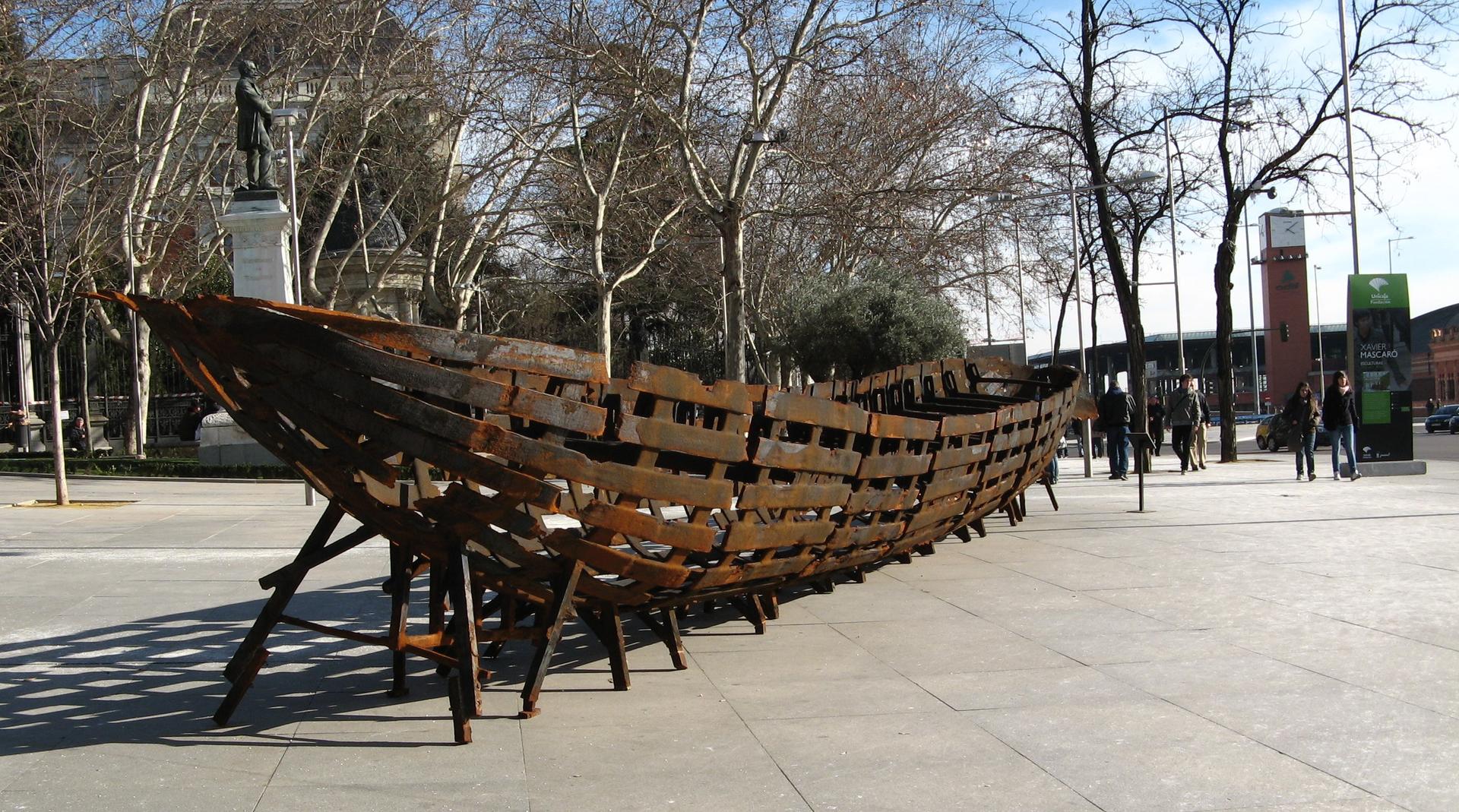
Cuesta de Moyano
Thirty wooden stalls full of second-hand books, lined up on the same slope for a century.
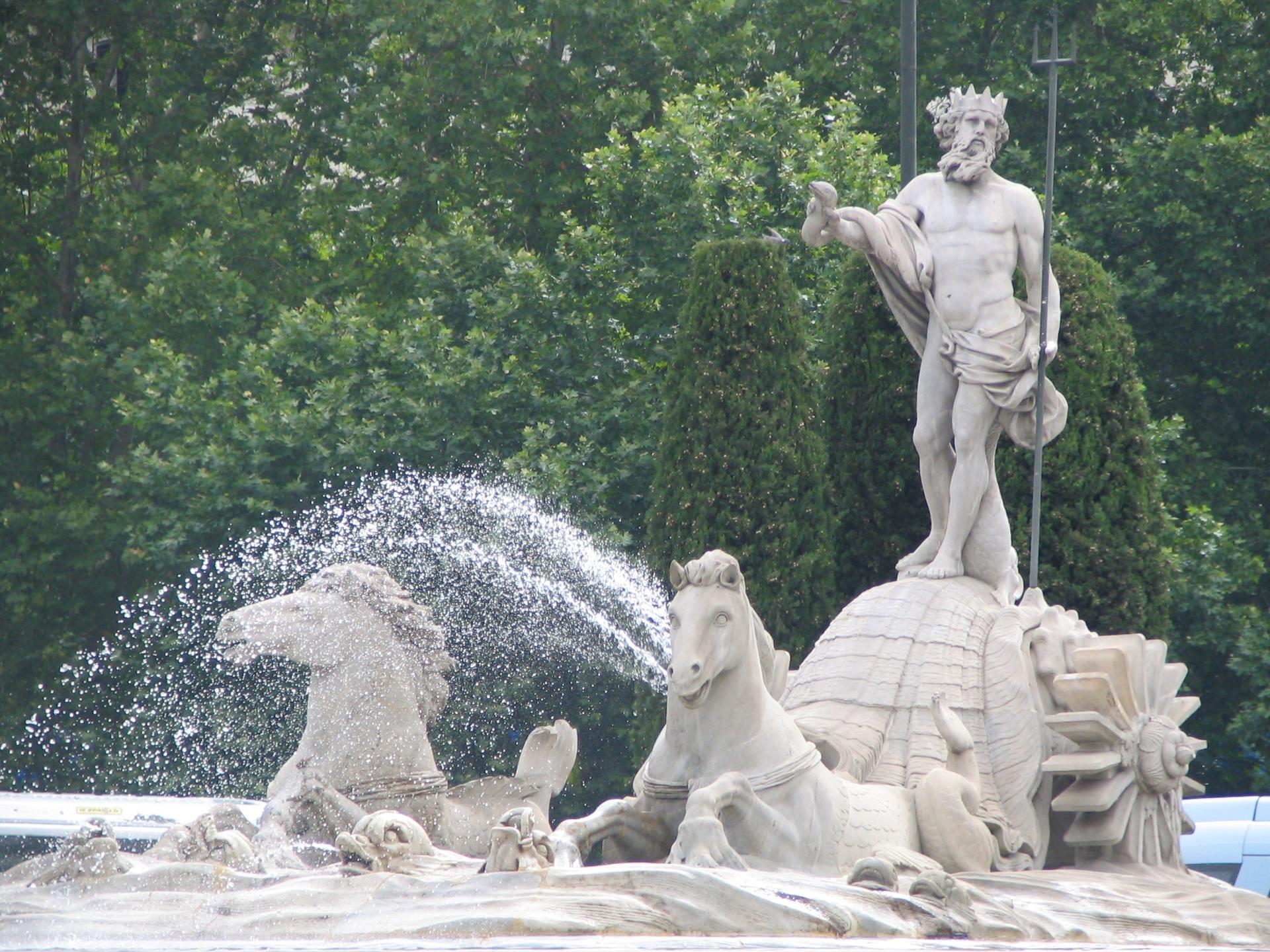
Fuente de Neptuno
Two fountains from a single design facing each other, and the football city that turned them into enemies.
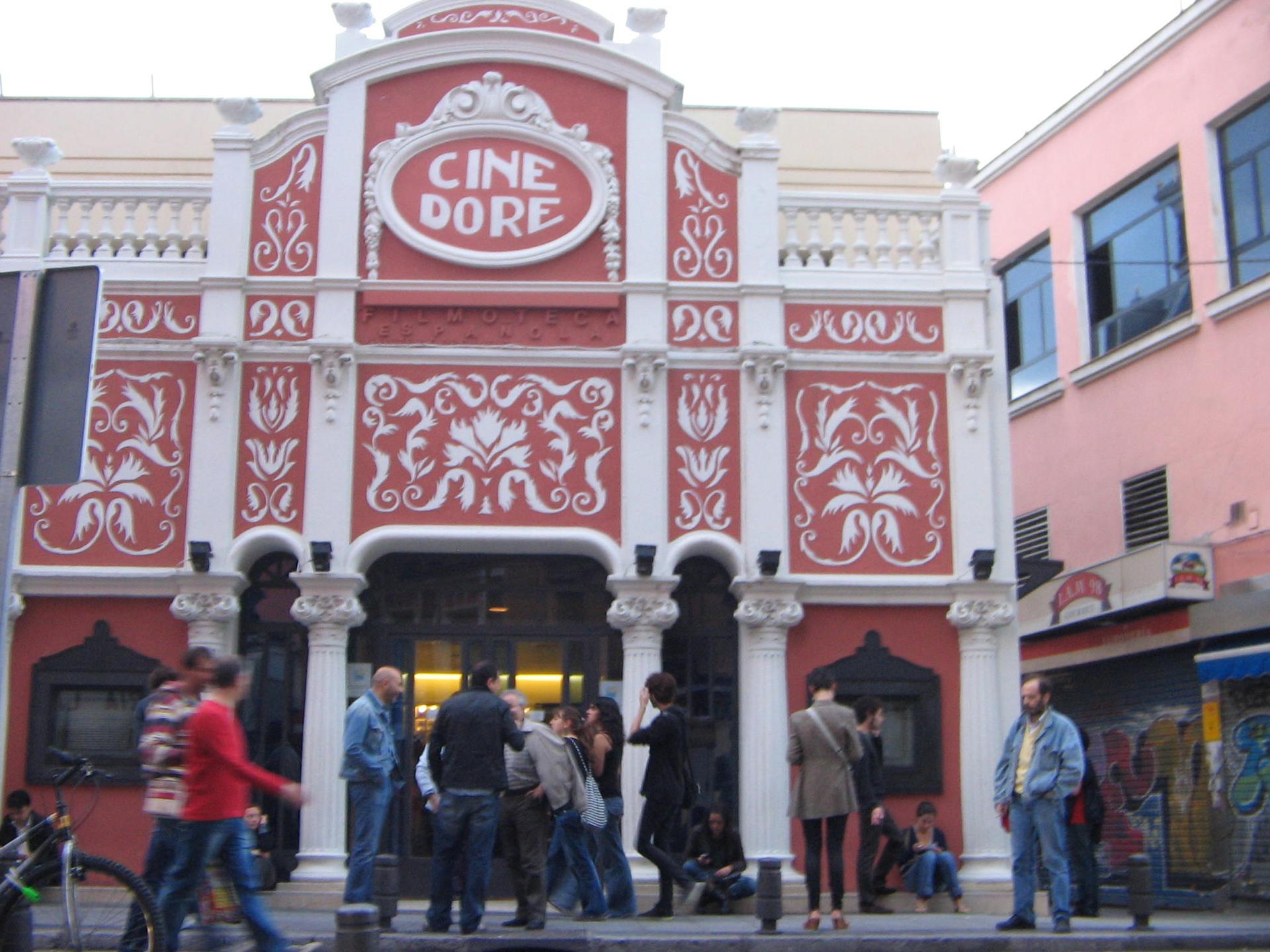
Cine Doré
A modernist facade that stands out in Madrid, with the cinema of the Spanish film archive behind it.
You've read about Madrid.
Now walk it.
These stories are pins on our map. Open ROODS, walk to one, and hear it where it happened.